





- Context
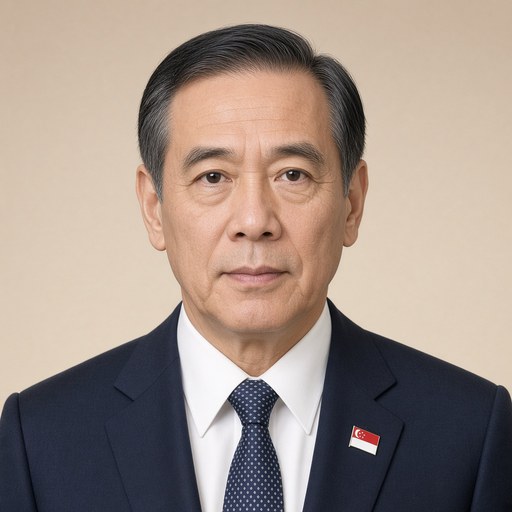
- Lee Hsien Loong delivered Singapore's National Day Rally speech on 17 August 2008, addressing rising inflation and government measures to assist Singaporeans.
- Main themes
- Inflation and cost of living, government assistance packages, budget surplus redistribution, low-income family support, community care initiatives, global financial crisis, GST subsidies, grassroots organizations, public communication of government aid
- Duration
- ~30 min
- Words
- 3,599
- Sentences
- 243
- Readability
- 59
- Grade
- 8.6
- Syntax
- 2.80
- Vocabulary
- 1.99
Translated from Chinese
The broad sphere of national life a sentence belongs to. Every sentence has an Arena, so it is the denominator the other indices are read against.
Other243 sentences in 45 paragraphs
Dear fellow citizens, good evening.
Introduction
Singapore has enjoyed favorable weather in the past few years, but this year has not been so smooth. The financial crisis in the United States has yet to be resolved, and the global economic outlook is very uncertain. Rising oil and food prices have led to global inflation.
Impact of Inflation
In Singapore, the cost of living is rising steadily, causing concern among the public. This year's inflation rate has reached 6%-7%, the highest in 26 years. It is no wonder that ordinary families lament that their wallets are "shrinking," and low-income families feel that "money is not enough."
The government is very aware of the people's concerns about the cost of basic necessities and the pressure of living expenses. In fact, as early as the end of last year, we recognized that the cost of living would be a thorny issue this year. We have already begun to closely monitor price trends and have started to formulate plans to assist the people in alleviating their burdens.
Therefore, in this year's budget, we have taken practical and effective measures, launching a large-scale package to help the people and relieve their difficulties.
The Ministry of Finance has already distributed the "Growth Dividend" and "Goods and Services Tax (GST) Subsidy" in phases this year. The first phase of the "Growth Dividend" was distributed in May; the second phase of the "GST Subsidy" was distributed in July; and the second phase of the "Growth Dividend" will be distributed in October this year.
The government will spend S$3 billion to assist Singaporeans this year. I cannot say it is like sending coal in winter, but we are doing our best. What is S$3 billion? If you ask Singaporeans, "How many zeros are there in S$3 billion?" they may not be clear. However, if you ask an ordinary family how much they can receive from the government this year, we can get a more concrete impression. Various programs combined, an average three-room flat family can receive about S$5,000 in assistance from the government. S$5,000 - this is quite a substantial amount. If spent wisely, it should offset the impact of rising prices on them. Of course, the government cannot distribute red packets every year. We are not "God of Wealth." However, when there is a budget surplus and when it is necessary, we can do so, and we will do so. Fortunately, we had a surplus last year, so this year we are able to help Singaporeans.
Of course, in addition to these macro policies, we also pay special attention to the impact on low-income families and have taken tailored assistance measures for individual situations. The issues faced by low-income families are often not just about money, but also about their living habits or family difficulties. We need to understand their situations and address them one by one. Therefore, each Constituency Citizen Consultative Committee (CCC) has its own set of methods. Let me give you an example. Each CCC can directly use the "Community Care Fund" to help families in distress without going through cumbersome and complex administrative procedures, making decisions on their own, with power decentralized. They investigate, consider, deliberate, and then make decisions and take action. They can respond promptly and effectively to issues in a sensitive manner.
In addition, many grassroots organizations also have their own plans to assist poor families. They deliver gift baskets, food, and various daily necessities. This year, they have done particularly more because they know that people need help more than ever. Furthermore, the Community Development Council (CDC) also has various packages. I asked them, and Yao Zhi is the chairman. He gave me a long list of projects. One interesting one is helping poor families replace light bulbs, swapping old bulbs for new energy-saving ones to reduce electricity bills. This is effective and should be done, so we did it. However, I know that many citizens still feel unhappy after receiving this assistance; some even blame the government for not understanding the people's hardships and not doing enough. Why?
I think there may be several reasons. The first reason is that when the government helps the people, it does so quietly and modestly. We are practical and do what needs to be done. However, people may not feel that we have done what we should have done. So we should be a bit more high-profile and do a bit more publicity, hoping that the MPs will put in more effort.
The second possible reason is that our assistance is indirect rather than direct, so people do not link the Growth Dividend with inflation. We deposit the money directly into everyone's bank accounts, and when people go shopping at malls, or wet markets, or food centers and find that their cash has "shrunk," they get angry and do not remember that the money has already been deposited into their accounts. We should make more efforts to link these two matters together. This indirect assistance is actually the most effective method, but we must make the people understand that this assistance is to offset the impact of inflation.
The third reason is that some citizens believe the government is directly causing price increases because it raises fees or other taxes. They urge the government to minimize fee increases to avoid burdening the people further. In fact, I sympathize with this viewpoint. The government has decided this year not to adjust many fees. However, we have also been low-key and did not announce it specifically. If we announce today that we will not adjust this fee and tomorrow that we will not adjust that fee, it could go on indefinitely. In fact, many fees have not been adjusted.
Let me give two examples. The People's Action Party's town councils have not raised their service and conservancy charges this year. We have held off for now to avoid burdening the people. The Public Utilities Board has also not raised water tariffs this year. It was necessary to adjust them this year, but due to the current situation, we have postponed it for future consideration.
However, some fee adjustments are unavoidable because energy prices and other operational costs have risen. Workers should also receive pay raises. Therefore, sometimes fees must be increased. Within the limits we can control, the government will try to minimize the extent of price increases and has already done so. For example, medical fees, which Minister Khaw Boon Wan pays close attention to, the government has always strictly regulated hospital costs to minimize the rise in medical fees. However, medical advancements mean that doctors adopt new medications, new treatment methods, new procedures, and new instruments every year. The increase in costs is an undeniable fact. What can we do? The government cannot continue to use procedures or prescriptions from ten years ago ten years later. Therefore, the government increases its funding to the Ministry of Health year by year, allowing the Ministry to increase public medical subsidies annually. However, subsidies are always limited, and fees must be adjusted moderately. We also have special plans, such as the Medifund and the Medisave top-up scheme, to help those in need with their medical expenses. We strive to keep costs down and maintain fees at current levels. In fact, I do not need to talk much about medical fees tonight because medical fees are not the hottest topic this year.
The hottest topic this year is three letters - ERP, as the government has increased the number of ERP gantries and raised some fees. Everyone is very concerned about this issue. So tonight, I want to talk about this topic to clarify any possible misunderstandings about this policy. Due to time constraints, I will only discuss the overall concept of the ERP policy and not the details of these policies. I will leave those details to the Ministry of Transport. However, I must emphasize one point: this is not the Ministry of Transport's policy; this is a Cabinet decision, something we have decided must be done. So I hope everyone understands this.
Why must we do this? In fact, over the past eight years, the government has gradually reduced various taxes on cars because we wanted to lower these taxes to allow more Singaporeans the opportunity to own and buy cars. We have successfully achieved this. The number of vehicles has increased, and the roads have become more congested. Therefore, we had to increase the ERP gantries and raise ERP charges. However, overall, our tax revenue has decreased significantly. We are actually trying to help Singaporeans, including those who drive.
I know Liang Zhiqiang recently made a movie - "Money Not Enough" Part 2, using ERP as a theme. He is quick and clever. The government's response is sometimes not as quick, but I think we are not too foolish, at least not more foolish than children. Before Liang Zhiqiang's movie was released, we had already taken various measures to cushion the impact of ERP on everyone!
While we increased the gantries, we also improved public transport services and reduced road taxes. These may be overlooked by many. I watched this part of the movie. If you ask for my reaction - the movie is good, but the policy is not. Liang Zhiqiang's goals are different from ours. Director Liang's goal is to create a movie that is popular with the audience. The government's responsibility is to formulate a set of policies that can help solve the problems of the Singapore people. The movie did not mention these tax reductions and exemptions as buffer measures. I feel a bit disappointed, but I understand that this is a movie, not reality. I will talk more about this aspect in my English speech later.
Foreign Workers and New Immigrants
In addition to rising prices, people are also concerned about the impact of foreign workers and new immigrants. Some complain that foreigners are taking away local jobs, driving down local wages, and increasing pressure on citizens. Union leaders have also expressed workers' concerns to me. Recently, readers of the "Lianhe Zaobao" have been passionately discussing this topic, with some advocating for a stronger "local consciousness," wanting to distinguish between locals and foreigners. I understand the people's unease.
I want to assure the people that the government's responsibility is to Singapore, and our duty is to improve the lives of Singaporeans. The introduction of foreign workers and immigrants is to develop the economy and benefit Singaporeans. In fact, these two policies have achieved this goal. Economic development continues to advance, becoming more advanced and diversified, and increasingly lacking various talents and workers. Without foreigners joining, I believe our economy cannot continue to develop.
Now our problem is labor shortage, not surplus. In fact, there are many jobs that still cannot find workers. How do we know? Our unemployment rate is very low, at 2.3%. Economists say that below 3% is considered full employment. We have reached 2.3%. The employment rate of older workers has also increased, making it not difficult to find work. Therefore, foreign workers have not taken away local jobs; rather, they are helping us to expand the economic pie.
Let me give some specific examples. We are building two integrated resorts, which need to hire 20,000 employees. This will create many job opportunities for Singaporeans. However, we cannot force them to hire only Singaporeans because they cannot find that many local workers and may not find the right talents. Therefore, we must allow them to hire a portion of foreign workers. This is the only way to create more jobs for Singaporeans. Otherwise, they may not come.
Our financial sector requires a large number of skilled foreign talents. Not only are there not enough Singaporean talents, but cities like London and New York are also facing the same issue. Japan does not have the conditions to attract foreign talents, so it cannot compete with London and New York, while we can, and this is our strength. Because we have an English-speaking environment. So we should make the most of this strength.
You may say this is a matter for big companies and big bosses. However, small companies and small bosses also face the same difficulties. Local SMEs find it difficult to hire Singaporeans as well. They must hire a portion of foreign employees to reduce costs and maintain competitiveness. Every time I visit constituencies, I always hear small bosses complaining that they "cannot find workers and want to be allowed to hire more foreign workers to reduce our costs. This way, we can continue to make a living, and locals will have jobs." So these are very practical and specific examples.
In non-economic fields, foreigners also enhance our capabilities. A very obvious example is in sports. Of our 25 Olympic athletes, half are new citizens. Why do we need them? Just do a simple calculation - China has 1.3 billion people, while Singapore has 4 million. That’s over 300 times. If they win 300 medals, we only have a chance to win one. Not to mention China, even compared to Malaysia, which has about 25 million people, and Indonesia, which has over 200 million, they are also many times our size. Therefore, if we want to bring glory to Singapore, to achieve results, not just in sports but in many fields, we cannot rely solely on homegrown Singaporeans. We should recruit talents from around the world to fight for Singapore. Look at our young swimmer, Tao Li, who is outstanding, and our women's table tennis team is competing in the finals tonight, aiming to win our first medal in over 40 years.
So we welcome foreign talents to strengthen Singapore's team and help us overcome our inherent limitations. We should cheer for the performance of the Singapore Olympic team and support all the athletes. "Go Singapore!"
Encouraging Citizens to Form Families
In addition to these living costs and pressing issues, we cannot overlook some long-term problems. This year, we are all very concerned about rising living costs, but think about it, ten years from now, everyone may forget what Singapore's inflation rate was in 2008. Long-term issues, such as the problem of insufficient births, if we do not take action this year, I believe that at the National Day rally ten years from now, we will still be discussing the issue of births and still be troubled by it.
I want to share some alarming data that is very concerning. Our goal is to achieve a fertility rate of 2.1, meaning that each woman should have an average of 2.1 children to replace their parents. This is our goal, but our actual fertility rate is less than 1.3, only 1.29%. The gap is significant. Among the Chinese community, the fertility rate is only 1.14%, which is even worse. In other words, a couple gets married and has only 1.14 children, which can only replace one of them, halving the number. In another generation, there will be four elderly people and one baby. In a few generations, there will be no one left.
This is not just a Singapore problem, but a common phenomenon. I know that many East Asian countries are facing low fertility rates. Japan, Hong Kong, South Korea, Taiwan, and China have some rates lower than Singapore. South Korea has a slogan: encourage people to conceive within a year of marriage and have two children before the age of 35. A slogan is one thing, but action is another, so it is a slogan and also a big question mark.
Why? East Asian societies are all influenced by Confucian thought and are currently undergoing profound changes. In the past, men were the heads of households; a successful man having multiple wives was a symbol of status and was considered natural. Otherwise, you might have problems. Singapore was the same way, even until the 1950s and 60s. This was illegal, but it did not mean it did not exist. However, that era has passed. Modern women demand equality; they do not talk about the "Three Obediences and Four Virtues" and may not even know what they are.
However, it is unfortunate that some Singaporean men have not changed their views quickly enough. Let me give you an example: a man was looking for a partner but could not find one, so he sought help from a matchmaking agency. The agency interviewed him to understand his needs and asked what his expectations were. He said: "I hope to find a successful partner." The agency said: "No problem, we have many successful profiles. What else?" He said: "She must have a spirit of independence." The agency said: "That’s also no problem, because a successful person must have a spirit of independence." What else? He thought for a moment and said: "She must be absolutely submissive!" Here lies the problem; the profile is empty. Where can we find such a woman?
But it is comforting to know that such conservative men may be gradually decreasing. More and more men are willing to take on household chores, care for children, feed them, take them out, and even change diapers.
On the other hand, some modern women's views have also changed too quickly, which is truly surprising. Let me give another example, this one from China. In major cities in China, social views are changing very rapidly, and many young women are in no hurry to get married. A Canadian scholar conducting research in China interviewed three highly educated women who graduated from top local universities. They were in Beijing, graduates of Tsinghua or Peking University. The scholar asked them: "If you find a good job in southern China, and you have a boyfriend in Beijing, what will you do?" The two places are over a thousand kilometers apart. All three said: "I will go south for the job." The scholar then asked: "What if this is your very close friend?" All three said: "I will still go for the job, still to the south." The scholar finally asked: "What if this man is your fiancé?" They thought for a moment and still said: "I will still go south."
So this is a problem, not just a male issue. In fact, both men and women should approach marriage with a serious and pragmatic attitude. It is best to balance career and marriage, getting married and having children while young. If they wait until their careers are established to find a partner, they may have missed the best time for romance and the ideal age for childbirth. Ultimately, they will lose the opportunity to have a happy family.
I know many people marry late, and it is not entirely a matter of views; some face difficulties in finding partners. Their social circles may be too small, they may be busy with work, or they may not be good at pursuing or attracting the opposite sex.
In the past, young people may not have been very good at attracting the opposite sex either. But in the past, young people had a solution because marriage was not just a personal issue, but a family matter. Therefore, marriage was arranged by parents and matchmakers. Parents would say to marry, and you would obediently marry. However, modern youth see this as their private matter, telling their parents: "Thank you, I do not want you to interfere." Some even say: "I will handle it, you can rest assured." But can parents really rest assured with "I will handle it, you can rest assured"? Without traditional matchmakers, when young people cannot find partners, they still need help. In fact, we still need "modern matchmakers." If you are a parent facing such a situation, what would you do?
In Beijing, they have found a solution. They now have what is called "parent matchmaking events." Thousands of parents gather in parks to participate in these events, looking for partners for their unmarried children. They bring their children's information, report cards, photos, resumes, certificates, etc. They talk first, exchange information, and if appropriate, exchange phone numbers for future contact. When they go home, they pass the phone numbers to their children, not daring to say they got them from the parents' matchmaking event, but only saying they were introduced by colleagues, suggesting they might want to reach out.
So far, Singapore has not implemented "parent matchmaking events," but I think our People's Association might as well give it a try. I hope Singaporean parents can appropriately encourage their children to settle down early, and I also hope Singaporeans will treat marriage and childbirth as significant life events. Overall, marriage and childbirth are personal matters that require sincerity and effort, and the government can only assist from the sidelines, but it will do its best to help. In this regard, we should say: Go Singapore!
Conclusion
Tonight, I have discussed many issues related to the cost of living, which is an urgent matter and a difficulty that everyone hopes the government will share and alleviate.
However, we cannot only focus on immediate problems while neglecting long-term challenges. The long-term challenges Singapore faces include not only how to increase the birth rate but also how to adapt to the profound changes brought about by the digital age; how to enhance the civility and personal cultivation of Singaporeans, and so on. We should continue to balance short-term and long-term issues as we have in the past. This is Singapore's unique successful model, and maintaining this model will allow us to continue to ride the waves and overcome one challenge after another.
The original Chinese. The tags above are read on the English translation's sentences.
各位亲爱的同胞,大家晚上好.
引言
新加坡过去几年风调雨顺,今年可没有这么顺利了。美国的金融危机还未解决,全球经济展望十分不明朗。油价和食物价格高涨,造成全球性的通货膨胀。
通货膨胀的影响
在新加坡,生活费节节上升,令老百姓也感到了担忧。今年通膨率高达6%-7%,是26年来最高的一次。难怪一般家庭感叹钱包“缩水”,而低收入家庭更觉得“钱不够用”。
政府非常清楚人民担心柴米油盐、生活压力的问题。 其实早在去年年底, 我们就已经意识到今年生活费将是一个棘手的问题。我们已经开始密切注意物价走动的趋势了, 也开始策定计划援助人民, 以减轻人民的负担。
因此,在今年的财政预算案里,我们采取了实际有效的措施,推出了一个大规模的配套帮助人民,为人民解困。
财政部今年已经分阶段分发了“增长花红”和“消费税补贴”。五月分了第一期的“增长分红”;在七月分了第二期的“消费税补贴”;今年十月将分第二期的“增长分红”。
政府今年将花30亿元援助新加坡人。我不敢说是雪中送炭, 但是我们尽力而为了。30亿元是多少钱? 如果问新加坡人: "30亿元有几个零?" 他们可能不清楚。但是, 如果问一个普通的家庭,这个家庭今年可从政府得到多少钱,我们可以得到一个比较具体的印象。各种各样的项目加起来,一个普通三房式家庭平均可从政府那里获得约5000元的援助。 5000元 - 这是相当可观的一笔钱。如果花钱得当,应该可以抵消物价上涨对他们所带来的冲击。当然政府不能够每年都派发红包。我们不是"财神爷"。 但是,如果财政有盈余的时候,在有需要做的时候,我们可以这么做,也会这么做。幸好去年我们有盈余,因此今年有能力帮助新加坡人。
当然,除了这些宏观的政策之外,我们也特别注意低收入家庭所受到的冲击,并且采取了适合个别情况的援助措施。低收入家庭的问题往往不是钱,而是他们的生活习惯或是家庭有困难。我们需要了解他们的情况,一一去解决它。 所以, 每个选区的公民咨询委员(CCC)都有他们自己的一套办法。我举一个例子。 每一个CCC都可以直接动用“社区关怀基金”帮助陷入困境的家庭,不需要通过累赘和复杂的行政手续,由他们自做决定,权力下放。他们调查,考虑,斟酌,然后做出决定和采取行动。 他们可以马上和有效的,并且敏感的对问题做出恰当的反应。
除此之外, 许多基层组织也有一套援助贫困家庭的计划。他们送礼篮, 送食物, 送各种日用品。 今年做的格外多, 因为他们知道今年人民格外需要帮忙。此外,CDC - 也就是社区发展理事会,也有各种各样的配套。我问了他们,姚智是主席。他给了我一个很长的项目单。很有趣的。其中一个是帮助贫困家庭换灯泡,旧的灯泡换新的省电的灯泡,减低电费。这个是有效的、应该做的事情,所以我们做了。但是,我知道许多国人得到这些援助之后,还是觉得闷闷不乐;有些人还责怪政府,说政府不了解民间疾苦,做得不够。为什么?
我想可能有几个原因。第一个原因是政府帮助人民的时候,没有敲锣打鼓,太低调了。我们是务实行事,应该做的就做。但是,人们可能因此没觉得我们已经做了应该做的事。所以我们应该稍微高调一点,多做一点宣传,希望议员们多多努力。
第二个可能的原因是我们的援助是间接的,而不是直接的,所以人们没有把增长分红和通货膨胀挂钩。我们把钱直接存进大家的银行户头,当人们到购物中心,或者巴杀,或者熟食中心买东西时发现钞票“缩水”了,火气来了,并不记得钱已经存进他们的户头。我们应该多做一些努力,把这两件事情挂钩起来。这个间接的援助其实是最有效的方法,但是我们必须使人民了解这项援助是为了抵消通货膨胀的冲击。
第三个原因--有些国人认为政府直接造成物价上涨,因为政府调高收费或其他税收。他们要求政府尽量不要增加收费,以免加重人民的负担。其实,我也很同情这个观点。政府今年已经决定不调整多项收费。但是,我们也是很低调,没有特别宣布。如果今天宣布不调整这种费,明天宣布不调整那种费,可能讲不完。其实很多收费都没有调整。
我举两个例子。人民行动党的市镇理事今年都没有调高他们的杂费。我们暂时忍住,尽量不要加重人民的负担。公用事业局今年也没有调高水费。本来今年是必须调整的,但是因为现在的情况,所以我们把它延后,以后才考虑。
但是,有一部分收费的调整是无法避免的,因为能源价格和其他运作成本提高了。工友也应该获得加薪。因此有时收费不得不提高一些。在所能够控制的情况下,政府会尽量减少加价的幅度,也已经尽量减少加价的幅度了。比如说医药费,这是许文远部长非常注意的问题,政府向来严格管制医院的成本,尽量减少医药费的上涨。不过,医学不断进步,医生每年采用新的药物,新的治疗方法,新的手续,新的仪器。成本提高,是不可否认的事实。怎么办?政府不能够十年后还用十年前的手续或十年前的药方。所以政府逐年增加对卫生部的拨款,使卫生部可以逐年增加对公众的医药津贴。不过津贴总是有限,收费不得不跟着适度调整。我们也有特别的计划,比如医药保健基金Medifund,比如医药保健储蓄的填补计划,帮助需要帮助的人应付他们的医药费问题。我们尽量把成本压低,把费用维持在现有的水平。实际上,我今晚不用多谈医药费的问题,因为医药费不是今年最热门的话题。
今年最热门的课题是三个英文字母 -- ERP,因为政府今年增加了ERP闸门,提高了一些收费。大家都很关注这个问题。所以我今晚要谈一谈这个课题,希望消除大家对这项政策一些可能有的误解。因为时间有限,我只谈ERP政策的总体构想,而不谈这些政策的细节。这些细节,我交给交通部处理。但是我必须强调一点,就是:这个不是交通部的政策,这个是内阁决定的,是我们决定必须做的事。所以希望大家了解这一点。
我们为什么必须这样做呢?其实,在过去八年里,政府已经逐步地削减汽车的各项税收,因为我们要降低这些税收,以便让更多新加坡人有机会拥车和买车。我们已成功做到这点。车辆的数目增加了,公路也更拥挤了。于是我们不得不增加ERP闸门,不得不提高ERP收费。但是,总的来说,我们的税收减少许多。我们其实是要帮助新加坡人,包括开车的人士。
我知道梁智强最近拍了一部电影 --《钱不够用》第二集,用ERP来做文章。他反应快、很机灵。政府的反应有时没有那么快,但是我想我们也不太笨,至少不比小孩来的笨。梁智强的电影还没出炉之前,我们已经采取各种措施缓冲ERP对大家的冲击了!
我们增加闸门的同时,也改善了公共交通服务,也降低了路税。这些可能是很多人忽略的。我看了这部电影的这一部分。你问我的反应 -- 电影不错,政策不行。梁智强和我们的目标不同。梁导演的目标是创造一部受观众欢迎的电影。政府的责任是制定一套能够帮助解决新加坡人民问题的政策。电影里没提到这些减税、免税的缓冲措施。我觉得有点失望,但是我了解这是电影,不是现实。我稍后将在英语的演讲中多谈这方面的问题。
外国工人和新移民
除了物价上涨,人们也关注外国工人和新移民所带来的影响。一些人埋怨外地人抢走了本地人的工作,也压低了本地人的工资,增加了国人的压力。工会领袖也向我反映了工友的忧虑。最近《早报》读者就热烈讨论这个课题,一些人还提倡加强“本土意识”,要有本土人跟外土人的分别。我理解人民的不安。
我要向人民保证的是,政府的责任是对新加坡负责,我们的责任是改善新加坡人的生活。引进外国工人和移民是为了发展经济,使新加坡人受惠。其实,这两项政策已经达到了这个目标。经济发展不断前进,经济越来越先进,越来越多元化,越来越缺乏各种各样的人才,并且也缺乏工人。如果没有外国人加入,我看我们经济无法继续发展。
现在我们的问题是劳工短缺,不是人浮于事。其实有很多工作还是找不到工人。怎么知道?我们的失业率很低,百分之2.3。经济学家说百分之3以下已经算是全民就业了。我们达到百分之2.3。而年长工人就业率也提高了,不难找到工作。所以,外国工人并没有抢走本地人的饭碗,而是帮助我们把蛋糕做大。
让我举一些具体的例子。我们建两座综合度假胜地,他们需要聘请两万名员工。这将给新加坡人带来很多就业机会。但是,我们不能够勉强地要求他们只聘请新加坡人,因为他们找不到这么多本地工人,也不一定找到恰当人才。因此,我们必须允许他们聘请一部分外劳。这样才能替新加坡人制造更多工作。不然的话,他们可能就不来了。
我们金融业需要大量有专长的外地人才。不仅是新加坡人才不够,伦敦和纽约等都市也是如此。日本没有吸引外地人才的条件,因此不能够跟伦敦和纽约媲美,而我们能够,这是我们的长处。因为我们有一个讲英语的环境。所以我们应该尽量发挥这个长处。
大家可能会说这是大公司、大老板的事情。但是,小公司、小老板也有同样的苦衷。本地中小企业要聘请新加坡人也是不容易。他们必须聘请一部分外国员工助阵,降低成本,保持竞争力。我每次去选区访问的时候,总是听到小老板同样的投诉,就是“找不到工人,允许我们多请几个外劳,减轻我们的成本。这样,我们才可以继续维持生计,本地人才有工作做”。所以,这些都是很实际,很具体的例子。
在非经济领域里,外国人也让我们如虎添翼。一个很明显的例子就是体育事业。我们的奥运会运动员25名,其中一半是新公民。为什么需要他们?你做一个简单的计算 -- 中国13亿人,新加坡400万人。300多倍。他们每拿三百面奖牌,我们只有机会拿到一面。不用说中国,就是跟马来西亚比,他们2500万人左右,印尼两亿多人,也是我们的几十倍。所以,如果我们要为新加坡争光的话,要有成绩的话,不只是体育界,而是许许多多的领域,我们都不能只靠土生土长的新加坡人。 我们应该网罗全世界的人才,为新加坡打拼。你看游泳小将陶李非常出色,女乒乓队今晚参加决赛,将为我们赢得四十多年来的第一面奖牌。
所以我们欢迎外国人才,让他们壮大新加坡阵容,让我们超越先天的局限。我们应该为新加坡奥运队的表现欢呼,为所有的运动员打气。“新加坡加油”!
鼓励国人组织家庭
除了这些生活费,这些切身问题之外,我们也不能忽略一些长远的问题。 今年,我们都很担心生活费高涨,但是大家想一想,10年后,大家可能就忘记2008年新加坡通膨率是多少了。长期的问题,比如说婴孩不够的问题,如果今年不采取行动,10年后的国庆日群众大会,我看我们还在谈婴孩的问题,还在伤透脑筋。
我跟大家提一些惊人的数据,这些数据令人非常担忧。我们的目标是达到2.1的生育率,就是说每个妇女平均生2.1个孩子,取代父母亲。这是我们的目标,但是我们实际的生育率还不到1.3,只有百分之1.29,差距很大。其中,华族的生育率只有百分之1.14,更不及格。换句话说,夫妇两人结婚了,只有1.14个孩子,只能够取代其中一个,减了一半。再过一代,四个老人家,一个小宝宝。再过几代,没有得减了。
这不只是新加坡的问题,而是一个普遍的现象。我知道许多东亚地区、东亚国家都面对生育率偏低的问题。 日本、香港、韩国、台湾、中国,有些都比新加坡来的低。韩国有个口号:鼓励人们婚后一年怀孕,35岁之前生两胎。口号是一回事,行动是另外一回事,所以这是口号,也是一个很大的问号。
为什么呢?东亚社会都受到儒家思想的影响,而现在都正经历深刻的改变。从前,男人当家作主;成功男人三妻四妾,是地位的象征,是天经地义的,应该的。不然的话,你可能有什么问题。新加坡也是如此,一直到50年代,甚至60年代。这是非法的,但并不是不存在。可是那个时代已经过去了。现代女性要求平起平坐,她们从不谈三从四德,其实也不知道什么是三从四德。
可是,很可惜的是,有些新加坡男人的观念还是改变得不够快。我举一个例子:有一位男子要寻找伴侣,找不到,向红娘公司求助。红娘公司就跟他面谈,要了解他的需求,问他有什么期望。他说:我希望找到一个事业有成的伴侣。红娘说:没问题,事业有成的,我档案很多,还有呢?他说:她必须要有自立的精神。红娘说:那也没问题,因为事业有成肯定有自立的精神。 还有呢?他想了想说:她必须是绝对温顺服从的!问题来了,档案空了,去哪里找这样的女人?
但是值得安慰的是,这样保守的男子可能渐渐减少了。越来越多男人愿意负担家务,照顾孩子,喂孩子吃饭,抱孩子逛街,甚至换尿布。
但是另一方面,一些现代女性的观念也改变得太快了,真的是令人惊讶。我举另外一个例子,这是中国的例子。 在中国大城市里,社会观念改变得非常快,许多年轻的女性都不急着结婚。有一位加拿大的学者在中国做研究工作, 就访问了三位受过高等教育的女性,是当地顶尖大学毕业的。她们在北京,是清华或北大毕业的。学者问她们:如果你在中国南方找到一份好工作,而你在北京有一位男朋友,你怎么办?南北相隔千余里。她们三个都说:我去南方找工作。所以学者再问她们:如果这个是你十分亲密的朋友,你会怎么办?三位都说:我还是去找工作,还是南方去。学者最后动动脑筋问她们:如果这位男士是你已经订婚了的未婚夫,哪你会怎么办?三个人想了想,还是说:我还是去南方。
所以这是个问题,不只是男性的问题。其实无论男女,都应该以认真、务实的态度看待婚姻大事。最好是事业和婚姻并重,趁年轻的时候结婚生子。如果等到事业有成之后才来找对象,可能已经错过恋爱的好时机,也已经错过生育的理想年龄了。最终,他们将失去拥有美满家庭的机会。
我知道许多人迟婚,不完全是观念的问题,也有些是因为在寻找对象的过程中,遇到一些困难。可能他们的社交圈子太小,可能工作又忙碌, 或者是不善于追求或吸引异性。
其实过去,年轻人可能也不是那么善于吸引异性。但是过去年轻人有一个解决的办法,因为结婚不是个人的问题,而是家庭的问题。所以男女成婚是听父母之命,媒妁之言。父母说结婚你就乖乖结婚。可是现代青年认为这是他们的私事,告诉父母:“谢谢你,我不希望你干预。” 有些甚至说:“我办事,你放心”。可是“我办事,你放心”, 父母能够放心吗?少了传统式的媒婆,年轻人找不到对象时,还是需要帮助的。 实际上,我们还是需要“现代红娘”。如果你是家长,面对这样的情况,你会怎么做?
在北京,他们找到一个解决办法。他们现在有所谓的“家长相亲会”。数以千计的父母在公园聚集,参加这个相亲会,替他们待嫁待娶的子女物色对象。他们带着子女的资料、成绩册、照片、履历、文件证书等等,他们先谈,交换资料, 适当的话,交换电话号码,日后联络。回家把电话号码传给孩子,不敢说我是去父母相亲会拿来的,只敢说这是我同事介绍的,你不妨去联络联络。
新加坡到现在为止还没有实行“家长相亲会”,我看我们的人民协会不妨试一试。我希望新加坡的父母能适当的劝请孩子们早日成家立室,也希望新加坡人把结婚生子当成人生大事。总的来说,结婚生子是私事,要真心诚意,要靠个人努力,政府只能从旁帮助,而政府也会尽量从旁帮助。这一方面,我们应该说:新加坡加油!
结论
今晚,我谈了不少生活费的问题,这是燃眉之急,也是大家希望政府跟人民分忧,并且设法缓解的一个困难。
然而,我们不能只注意眼前的问题,而忽略了长远的挑战。新加坡面对的长期挑战,不只是如何提高生育率,也包括如何适应网络时代所带来的深刻改变;如何提升新加坡人的文明素质和个人修养等等。我们应该像以往那样,平衡地处理短期和长期的问题。这是新加坡独特的成功模式,能够维持这个模式,就能够继续乘风破浪,渡过一个又一个的难关。