





- Context
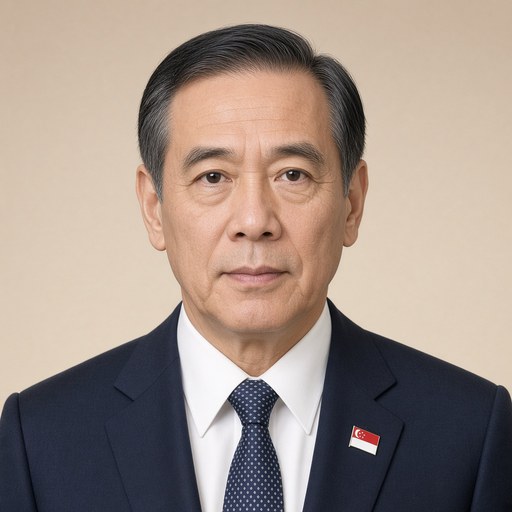
- Lee addressed the Singapore National Day Rally on 19 August 2018, focusing on Malay/Muslim community institutions and development initiatives.
- Main themes
- Malay/Muslim community development, MUIS, MENDAKI, MESRA, Wisma Geylang Serai, Singapore National Day, multicultural harmony, religious guidance, community institutions, Malay cultural identity, education and self-help, community leadership
- Duration
- ~12 min
- Words
- 1,393
- Sentences
- 97
- Readability
- 56
- Grade
- 8.9
- Syntax
- 2.77
- Vocabulary
- 2.48
Translated from Malay
The broad sphere of national life a sentence belongs to. Every sentence has an Arena, so it is the denominator the other indices are read against.
Other97 sentences in 21 paragraphs
A very good evening to all of you and welcome to the National Day Rally. I wish you all a very Happy National Day. I would like to send greetings and best wishes from all of us to our Team Singapore athletes, competing in the Asian Games in Jakarta and Palembang. We are cheering for them, and go! Go for gold!
Let me start as usual, in the National Language.
Ladies and gentlemen, Happy National Day!
Tonight I want to talk about three “M”s – MUIS, MENDAKI, and MESRA. MESRA is a coordinating body for Malay activities of the People's Association (PA). These three institutions are important and have long strengthened the Malay/Muslim community. By working more closely together, I am confident they will be far more effective in meeting the needs and aspirations of the Malays.
Over the past few months, I have had the opportunity to attend various events involving these three Ms. For example, during Ramadan, I took a stroll in Geylang Serai. I went there to enjoy the festive atmosphere. I also managed to stop by Wisma Geylang Serai or WGS – the building stands beautifully. The shape of its roof reminds me of traditional Malay houses. I announced the plan to build WGS at the National Day Rally in 2011. Therefore, I am pleased to see that the building is now completed and stands majestically! At that time, there was a concert taking place and the audience was enjoying it. But I interrupted them, yes.
So far, the Geylang Serai Community Club and the Southeast CDC have already moved to WGS. Soon, a daycare center for the elderly and a family service center will also be based there. WGS will be officially opened in January next year. Leading up to its opening, MESRA has planned various events including Language Month, Gentarasa, and Youth Festival. In short, WGS is set to become a focal point for Malay activities and an icon of pride for our community.
There is much more we can do to strengthen our unique cultural identity in Geylang Serai, from Tanjong Katong Complex all the way to Kampong Ubi Community Club. WGS can host activities in the open spaces and nearby parking areas. We can also beautify and integrate the lighting of the surrounding buildings at night. The intersection in front of WGS will be made a landmark so that visitors will be more excited when they arrive. This is just an example, yes. But it is very beautiful!
Dr. Maliki Osman – where is Dr. Maliki? I appoint you to lead this project once again. Dr. Maliki will work with MESRA, the traders in the area, and government agencies. He will also engage with the Malay community and other Singaporeans to gather ideas and make recommendations to the government. I am confident that when I visit again, Geylang Serai will surely be more vibrant and special.
Last Ramadan, I also attended an iftar event at Maarof Mosque in Jurong. Maarof Mosque is one of the three newest mosques built by MUIS. Its design is very beautiful and this mosque can accommodate 4,500 worshippers. It is family-friendly, especially for couples with young children. There are also facilities for the visually and hearing impaired.
In fact, besides its design and facilities, what impresses me more is the line-up of the mosque's board of administrators and volunteers. They are capable and passionate – there are young activists, mothers, and retirees. They organize various activities from religious classes and parenting to health screenings. They contribute their time, share their vision, and become leaders in the community.
In addition to managing mosques, MUIS also plays an important role in providing religious guidance. Many prominent thinkers of the Islamic world have come here under the MUIS Distinguished Visitors Program. They discuss Islam and its position in the world. Last May, I invited the Grand Imam of Al-Azhar, Dr. Ahmed Al Tayyeb, to a dinner at the Palace. He praised Singapore as a model country, where Muslims can practice their religion and integrate with other communities. In his public lecture, Grand Imam Al Tayyeb emphasized the need for followers of all religions to respect the beliefs and practices of others, and to interact with one another in practical and inclusive ways. That advice is generally relevant, but it is especially important in multicultural and multi-religious Singapore.
Now I will touch on MENDAKI. Last month, I launched the autobiography of Mr. Sidek Saniff titled “Langkah Liku Selayang Kenangan Sidek Saniff.” For 25 years, he served as an MP and also as Senior Minister of State. He fought to improve the living standards of the Malay community, particularly through education. In his book, Sidek recounts how he became the chairman of the MENDAKI Congress in 1982. Here is Mr. Sidek as a young chairman! Sidek's efforts, along with other Malay MPs and community leaders at the Congress, led to the establishment of the MENDAKI Foundation. Thank you, Sidek and your friends!
MENDAKI is the first self-help body in Singapore. With the support of Malay/Muslim organizations, MENDAKI has successfully improved the lives of the community through its educational and social programs, such as tuition classes and educational scholarships. MENDAKI has played a crucial role in the impressive progress of Malay students over the decades. More importantly, MENDAKI fosters a sense of pride, resilience, and a desire to help one another succeed within the community.
Recently, I met Khairul Rusydi, a recipient of the MENDAKI Award, at the Commonwealth Heads of Government Meeting in London. Here is Rusydi taking a “wefie” with us. Rusydi represents Singapore in the Commonwealth Youth Council. He is also a co-founder of Reactor – a start-up that runs entrepreneurship training programs for youth. Rusydi has succeeded with the help of the community. Now, it is his turn to give back as a mentor to other youth. Well done, Rusydi!
The stories I have shared reflect the good efforts made by MESRA, MUIS, and MENDAKI. Minister Masagos referred to it as M cube (M³) or M to the power of three. Individually, each of these institutions continues to play its role in advancing the community. They meet and uphold the cultural, religious, educational, and social needs of the Malays. MESRA organizes many activities through grassroots networks and resources from the PA. MUIS has dedicated mosque volunteers and a wide network of asatizah and madrasah students. MENDAKI supports students and parents and reaches out to successful Malay children to help those in need.
Masagos and the Malay PAP MPs have charted an action plan for M to the power of three. M to the power of three will collaborate, pool resources, and work together with the government and other Malay/Muslim organizations. This way, they will be better able to tackle community challenges. This includes the challenge of ensuring all children attend preschool, empowering and guiding youth, and helping those who are left behind due to drugs and social issues. The first step has already been taken. MUIS and MENDAKI will establish a joint office at WGS and seven other Malay/Muslim organizations will start a one-stop service center or MMO Hub there.
I agree with the M to the power of three plan. I fully support them. This collaboration is very good, as the Malay proverb describes, “as a bunch of betel leaves, as a cluster of lemongrass.”
To succeed, M to the power of three needs strong support from the community. I hope more Malays will contribute to the community through M to the power of three, whether you are a new volunteer or have already served with a mosque or Malay/Muslim organization. Let us all come together to help those in need for the advancement of the community.
Summary
Ladies and gentlemen, it is clear that the Malay/Muslim community can be proud and celebrate many of its achievements. Many among you have succeeded – whether individually or collectively. You have also succeeded in fostering a strong spirit of self-help and mutual assistance. At the same time, you still hold firmly to your unique identity, and remain an important part of Singapore. And Singapore must remain a country where all Malays can fulfill their aspirations. Let us work together to further strengthen the harmony of our multicultural society, and thrive together as one people, one Singapore.
Thank you and Selamat Hari Raya Haji!
The original Malay. The tags above are read on the English translation's sentences.
PM Lee Hsien Loong delivered his National Day Rally speech on 19 August 2018 at the Institute of Technical Education College Central. He spoke in Malay and Mandarin , followed by English .
Mandarin
English
For the English transcript and video with English dub , please scroll down to the bottom of the page.
video with English dub
Rapat Umum Hari Kebangsaan 2018
A very good evening to all of you and welcome to the National Day Rally. I wish you all a very Happy National Day. I would like to send greetings and best wishes from all of us to our Team Singapore athletes, competing in the Asian Games in Jakarta and Palembang. We are cheering for them, and go! Go for gold!
Let me start as usual, in the National Language.
Saudara saudari sekalian, Selamat Hari Kebangsaan!
Malam ini saya ingin bercakap tentang tiga “M” – MUIS, MENDAKI dan MESRA. MESRA adalah sebuah badan penyelaras kegiatan Melayu Persatuan Rakyat (PA). Ketiga-tiga institusi ini penting dan telah lama menguatkan masyarakat Melayu/Islam. Dengan bekerjasama secara lebih rapat, saya yakin mereka akan menjadi jauh lebih berkesan untuk memenuhi keperluan dan aspirasi orang Melayu.
Sepanjang beberapa bulan lalu, saya berpeluang menghadiri pelbagai acara yang melibatkan ketiga-tiga M ini. Misalnya, Ramadan lalu, saya jalan-jalan ke Geylang Serai. Saya ke sana untuk menikmati suasana perayaan yang meriah. Saya juga sempat singgah di Wisma Geylang Serai atau WGS – bangunannya tersergam indah. Bentuk bumbungnya mengingatkan saya rumah-rumah Melayu zaman dahulu. Saya umumkan pelan untuk membina WGS pada Rapat Hari Kebangsaan 2011. Oleh itu, senang hati saya melihat bangunannya sudahpun siap dan berdiri megah! Ketika itu, ada konsert yang sedang berlangsung dan hadirin seronok menontonnya. Tetapi saya ganggu mereka, ya.
Sejauh ini, Kelab Masyarakat Geylang Serai dan CDC Tenggara sudah pun berpindah ke WGS. Tidak lama lagi, sebuah tajaka, pusat jagaan warga tua, dan pusat khidmat keluarga, juga akan bertapak di situ. WGS akan dibuka rasmi pada Januari tahun depan. Menjelang pembukaannya, MESRA telah merancang pelbagai acara termasuk Bulan Bahasa, Gentarasa dan Pesta Belia. Pendek kata, WGS bakal menjadi tempat tumpuan kegiatan Melayu dan ikon kebanggaan masyarakat kita.
Banyak lagi yang kita boleh lakukan untuk kukuhkan identiti budaya yang tersendiri di Geylang Serai, dari Tanjong Katong Complex hinggalah ke Kelab Masyarakat Kampong Ubi. WGS boleh anjurkan kegiatan di tanah lapang dan tempat letak kereta yang berdekatan. Kita juga boleh mencantik dan menyepadukan nyalaan lampu bangunan di sekitarnya pada waktu malam. Simpang jalan di hadapan WGS akan dijadikan mercu tanda supaya para pengunjung lebih teruja apabila mereka tiba. Ini hanya contohnya, ya. Tetapi cantik sekali!
Dr Maliki Osman – mana Dr Maliki? Saya lantik anda untuk memimpin projek ini, sekali lagi. Dr Maliki akan bekerjasama dengan MESRA, para peniaga di kawasan itu, serta agensi-agensi Pemerintah. Beliau juga akan dekati masyarakat Melayu dan rakyat Singapura yang lain untuk kumpul idea dan buat saranan kepada pemerintah. Saya yakin apabila saya ke situ lagi, Geylang Serai pasti lebih meriah dan istimewa.
Ramadan lalu, saya juga sertai majlis iftar di Masjid Maarof di Jurong. Masjid Maarof adalah antara tiga masjid terbaru yang dibina MUIS. Reka bentuknya sangat indah dan masjid ini boleh menampung 4,500 jemaah. Ia mesra keluarga, terutama bagi pasangan dengan anak kecil. Terdapat juga kemudahan untuk golongan kurang daya penglihatan dan pendengaran.
Sebenarnya, selain reka bentuk dan kemudahannya, apa yang membuat saya lebih kagum ialah barisan lembaga pentadbir dan sukarelawan masjid ini. Mereka berkebolehan dan bersemangat – ada aktivis muda, kaum ibu dan juga pesara. Mereka anjurkan pelbagai aktiviti dari kelas agama dan keibubapaan hinggalah ke pemeriksaan kesihatan. Mereka menyumbang masa, berkongsi visi dan menjadi pemimpin kepada masyarakat.
Selain mengurus masjid-masjid, MUIS juga memainkan peranan penting dalam memberi bimbingan agama. Ramai pemikir terkemuka dunia Islam telah ke sini di bawah Program Pelawat Unggul MUIS. Mereka bincangkan tentang Islam dan kedudukannya di dunia. Mei lalu, saya mengundang Imam Besar Al-Azhar, Dr Ahmed Al Tayyeb, ke jamuan malam di Istana. Beliau memuji Singapura sebagai negara contoh, di mana penganut Islam boleh mengamalkan agama mereka dan berintegrasi dengan masyarakat lain. Dalam ceramah awam beliau, Imam Besar Al Tayyeb menekankan perlunya penganut semua agama menghormati kepercayaan dan amalan orang lain, dan berinteraksi dengan satu sama lain, dengan cara yang praktikal dan inklusif. Nasihat itu relevan secara umum, tetapi ia sangat penting sekali di Singapura yang berbilang kaum dan agama.
Sekarang saya sentuh tentang MENDAKI pula. Bulan lalu, saya melancarkan buku riwayat hidup Encik Sidek Saniff yang bertajuk “Langkah Liku Selayang Kenangan Sidek Saniff”. Selama 25 tahun, beliau berkhidmat sebagai AP dan juga Menteri Negara Kanan. Beliau berjuang untuk meningkatkan taraf hidup masyarakat Melayu, khususnya melalui pendidikan. Dalam bukunya, Sidek menceritakan bagaimana beliau menjadi pengerusi Kongres MENDAKI pada tahun 1982. Ini dia Encik Sidek sebagai pengerusi muda! Usaha Sidek bersama para AP Melayu yang lain, dan pemimpin masyarakat di Kongres itu, membawa kepada pembentukan Yayasan MENDAKI. Terima kasih Sidek dan rakan-rakan anda!
MENDAKI adalah badan bantu diri yang pertama di Singapura. Dengan sokongan badan-badan Melayu/Islam, MENDAKI berjaya tingkatkan kehidupan masyarakat melalui program pendidikan dan sosialnya, seperti kelas tuisyen dan dermasiswa pendidikan. MENDAKI mainkan peranan penting dalam kemajuan pelajar Melayu yang memberangsangkan sepanjang beberapa dekad. Yang lebih penting lagi, MENDAKI memupuk dalam diri masyarakat rasa bangga, semangat waja, dan keinginan membantu satu sama lain untuk berjaya.
Baru-baru ini, saya bertemu Khairul Rusydi, seorang penerima Anugerah MENDAKI, di Mesyuarat Ketua Pemerintah Komanwel di London. Ini dia Rusydi yang sedang ambil “wefie” kami. Rusydi mewakili Singapura dalam Majlis Belia Komanwel. Beliau juga pengasas bersama Reactor – syarikat pemula atau start-up yang menjalankan program latihan usahawan bagi golongan belia. Rusydi berjaya hasil bantuan masyarakat. Kini, gilirannya pula menyumbang bakti sebagai mentor kepada belia lain. Syabas Rusydi!
Kisah-kisah yang saya kongsi ini, mencerminkan usaha baik yang dilakukan MESRA, MUIS dan MENDAKI. Menteri Masagos menyebutnya sebagai M cube (M³) atau M kuasa tiga. Secara individu, setiap institusi ini terus memainkan peranan masing-masing dalam memajukan masyarakat. Mereka memenuhi dan memelihara keperluan budaya, agama serta pendidikan dan sosial orang Melayu. MESRA menganjurkan banyak kegiatan melalui rangkaian akar umbi dan sumber-sumber dari PA. MUIS mempunyai sukarelawan masjid yang penuh dedikasi serta rangkaian asatizah dan pelajar madrasah yang luas. MENDAKI pula menyokong para pelajar dan ibu bapa serta mendekati anak Melayu yang berjaya untuk membantu golongan yang memerlukan.
Masagos dan para AP Melayu PAP telah melakar satu pelan bertindak untuk M kuasa tiga. M kuasa tiga akan bekerjasama, menyatukan sumber-sumber dan berkolaborasi bersama Pemerintah serta badan-badan Melayu/Islam yang lain. Dengan itu, mereka akan lebih mampu menangani cabaran masyarakat. Ini termasuk cabaran memastikan semua kanak-kanak mengikuti prasekolah, memperkasa dan membimbing belia, serta membantu golongan yang ketinggalan kerana dadah dan isu-isu sosial. Langkah pertama telahpun diambil. MUIS dan MENDAKI akan menubuhkan sebuah pejabat bersama di WGS dan tujuh lagi badan Melayu/Islam akan memulakan sebuah pusat khidmat sehenti atau MMO Hub di situ.
Saya setuju dengan rancangan M kuasa tiga. Saya sokong mereka sepenuhnya. Kerjasama ini sangat baik seperti yang digambarkan peribahasa Melayu, seikat bak sirih, serumpun bak serai.
Untuk berjaya, M kuasa tiga perlukan sokongan padu masyarakat. Saya harap lebih ramai orang Melayu akan menyumbang kepada masyarakat menerusi M kuasa tiga, tidak kiralah sama ada anda sukarelawan baru, ataupun sudah berkhidmat dengan masjid atau badan Melayu/Islam. Marilah kita sama-sama turun padang membantu golongan yang memerlukan demi memajukan masyarakat.
Rumusan
Saudara saudari sekalian, ternyata masyarakat Melayu/Islam boleh berbangga dan meraikan banyak pencapaiannya. Ramai di kalangan anda yang berjaya – sama ada secara perseorangan atau berkumpulan. Anda juga berjaya memupuk semangat bantu diri dan gotong royong yang teguh. Pada masa yang sama, anda masih berpegang kuat kepada identiti yang unik, dan tetap menjadi sebahagian penting Singapura. Dan Singapura harus kekal sebagai sebuah negara di mana semua orang Melayu boleh memenuhi aspirasi masing-masing. Marilah kita bekerjasama bagi memperkukuhkan lagi keharmonian masyarakat berbilang kaum, dan berkembang maju bersama-sama sebagai satu rakyat, satu Singapura.
Terima kasih dan Selamat Hari Raya Haji!
National Day Rally 2018 (Malay Speech with English Dub)