




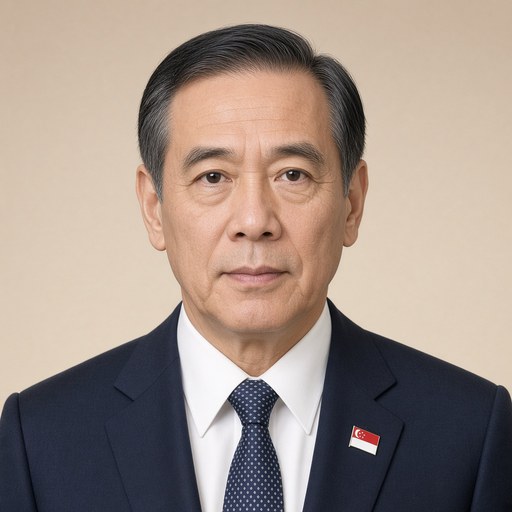

- Context
- Lee addressed Singaporeans in his 2018 National Day Rally speech, reviewing economic progress and explaining pressures behind rising living costs.
- Main themes
- Cost of living, economic growth, housing affordability, healthcare costs, education costs, lifestyle changes, inflation, national history and development, pioneer generation institutions, government support measures, middle-income families, young families
- Duration
- ~30 min
- Words
- 3,618
- Sentences
- 240
- Readability
- 51
- Grade
- 9.9
- Syntax
- 2.78
- Vocabulary
- 2.03
Translated from Chinese
The broad sphere of national life a sentence belongs to. Every sentence has an Arena, so it is the denominator the other indices are read against.
Other240 sentences in 59 paragraphs
Good evening, fellow citizens!
This year has been a good year for Singapore, with overall performance being quite satisfactory. The economy has continued to grow steadily. Productivity has improved, and people's salaries have also increased. This is thanks to everyone's hard work, which has allowed us to see the results.
In the past few months, I have attended the 50th anniversary celebrations of Jurong Group, Keppel Corporation, and DBS Bank. They are all celebrating their 50th anniversary this year. Fifty years ago, in 1968, was a significant year in Singapore's journey to nationhood. At that time, our country had just gained independence, and many industries were still waiting to thrive; we had not yet found our footing when the British suddenly announced that they would withdraw their deployed troops from our country before 1971. This news severely undermined our confidence. At that time, British military spending accounted for 20 percent of our GDP, and many people's businesses and jobs depended on the British military for sustenance. Moreover, we had just implemented national service and had not yet formed a strong armed force. New recruits had just been called up. Thus, the livelihood and security of the nation were suddenly in crisis.
The then Minister for Finance was Dr. Goh Keng Swee. He formulated policies to maintain the confidence of the people and investors, ensuring that everyone felt secure in their jobs and lives. He established several new companies and institutions, including what are now Jurong Group, Keppel Corporation, and DBS Bank. This propelled our industrialization and created many job opportunities, addressing the unemployment rate, which was as high as 7 percent at the time. It was a difficult period, but fortunately, the people and the government worked hand in hand, united in purpose.
More than 50 years later, today's Singapore is vastly different from the early days of nationhood, with the quality of life for our people continuously improving. We have a world-class education system, and our people enjoy high-quality, yet affordable healthcare services. Additionally, we have achieved the goal of home ownership. As the economy matures, the pace of growth has slowed, but in recent years, the economy has still grown steadily. The unemployment rate remains low, and workers' salaries continue to rise. Furthermore, the government has consistently implemented various measures to share the fruits of economic growth with the people.
Cost of Living
However, people still feel the pressure of high living costs! Everyone feels that there are more places where money is needed, and that money is not enough!
Why do people have such feelings? I believe there are four main reasons why people feel the cost of living is high. Let me explain them one by one.
Young Families: Housing + Education Costs
First, let’s look at the concerns of young families. They are preparing to buy their first home. They also plan to start families, have children, and hope to give their children the best possible start. Therefore, young families are very concerned about housing expenses and the costs of preschool education. This is the first factor.
Middle-Income Families: Healthcare + Education Costs
Next, we have the middle-income families. They need to take care of both the young and the elderly, and with an aging population, these families are becoming increasingly common. What are they worried about? They are concerned about their parents' medical expenses. As parents age and face more health issues, they will require more medical care. They are also worried about their children's education costs, as their children are still growing up. Thus, the concerns of middle-income families revolve around healthcare and education costs. This is the second factor.
Changes in Lifestyle
Third, our lifestyle has changed. Over the years, with economic growth and technological advancements, the standard of living has significantly improved. Some items that were once considered "luxuries," as well as new products like air conditioners and smartphones, have now become "essentials" for many people. At the same time, people are dining out more often, with more leisure and entertainment options available, and traveling abroad has become increasingly common. Just look at the crowds at the annual travel fairs. And it’s not just once a year; there is currently a travel fair happening at the Singapore Expo.
In fact, the improvement in living standards is a good thing, indicating that people's lives have improved. However, to maintain a higher quality of life, expenses have increased, and naturally, the pressure of living has also grown. So, the third factor is the change in lifestyle.
Rising Prices
The final factor is inflation leading to rising prices. From the data, the average increase in prices is not too high. Overall, people's salaries have increased, and the situation is better than in many developed countries. However, I understand that not everyone's income has increased. Some salaries have not risen. There are also those who are concerned about job security due to economic transformation, feeling uncertain about their future. Some have even become unemployed, though fortunately, they are in the minority. Additionally, retirees living solely on savings are more worried that their "nest egg" will run out quickly. Therefore, for these individuals, when prices rise, they feel their wallets shrinking.
In summary, the pressure of living costs for our citizens stems from these four aspects: the worries of young families, the concerns of middle-income families, changes in lifestyle, and rising prices.
If we summarize, the major expenses that people are concerned about come from housing, healthcare, and education. Therefore, the government has always paid close attention to these three issues. We will absolutely ensure that whether it is public housing, healthcare services, or education, everyone can afford it, so please rest assured. I have mentioned the issue of education multiple times at National Day rallies. In tonight's English speech, I will discuss healthcare and housing policies, and what adjustments the government will make to better meet everyone's needs.
In tonight's Mandarin speech, I will focus on the issue of rising prices and changes in lifestyle. I will talk about what the government can do and what everyone can do to alleviate the pressure of living costs.
How to Deal with Rising Prices?
First, let me talk about the issue of rising prices. The government has always made efforts to curb inflation to stabilize prices.
However, we cannot completely avoid rising prices. For example, recently, water prices have increased. This is the first time in nearly 20 years that we have raised water prices. This decision was made only as a last resort. Over the past 20 years, the cost of producing tap water has significantly increased. At the same time, we need to invest heavily in building new water reclamation plants and desalination plants to increase domestic water supply. For our country, water has always been a very precious resource, closely related to national security and strategy, and it is also a sensitive diplomatic issue. This was the case 53 years ago, and it remains the same today. If you have been following recent news reports, you will know that the stakes have not changed.
Additionally, electricity prices have also risen this year. However, the situation regarding electricity prices is more complex and requires some time to explain. Let me first ask everyone: Do you think that the current electricity prices have increased or decreased compared to ten years ago? Who thinks that electricity prices are more expensive now than they were ten years ago, please raise your hand.
Who thinks that electricity prices are cheaper now than they were ten years ago, please raise your hand. Now let’s look at the data. Please take a look at this chart. The horizontal axis represents the years from 2008 to 2018, and the vertical axis represents electricity prices. Ten years ago (in 2008), in the third quarter, electricity prices were 25.07 cents, just over 25 cents. Over the past ten years, let’s look at the trend of electricity prices, which have fluctuated. The current electricity price is 23.65 cents, which is below 24 cents. So, the answer is revealed: the correct answer is that electricity prices are cheaper now than they were ten years ago! For those who guessed correctly, please give yourselves a round of applause. When electricity prices rise, everyone tends to remember it very clearly. Unfortunately, when electricity prices fall, we may not notice it or may forget a bit. This creates a political issue.
The level of electricity prices is not something the government can control. This is because our country primarily uses natural gas for electricity generation. All of our natural gas is imported. The price of natural gas is set according to international fuel prices. Therefore, we adjust electricity prices in line with fluctuations in oil prices.
Here is another chart, with the horizontal axis representing the years and the vertical axis representing oil prices. Let’s take a look at the trends of electricity prices and oil prices over the past ten years. You can see that the fluctuations in electricity prices are very similar to those of oil prices. This is because half of the cost of electricity comes from natural gas. In other words, it is related to oil prices.
Some people still ask: Why must electricity prices fluctuate with oil prices? Why can’t the government fix electricity prices? There are two reasons. First, Singapore is not an oil-producing country. If the government were to fully subsidize electricity prices, the costs would be enormous. Over time, this would burden the national treasury and be difficult to sustain. Second, if we did this, those who use more electricity would receive more subsidies. Now, please think about it: who uses more electricity, wealthy families or low-income families? Of course, it is wealthy families. Therefore, if the government fully subsidizes electricity prices and fixes the rates, this is not the best way to help middle- and low-income families.
What we have as a more effective method is to directly subsidize middle- and low-income families to help them pay for water and electricity bills. This is something the government has always been doing. All families living in public housing can receive U-Save rebates for their water and electricity bills. Families living in smaller public housing receive the highest rebates; those in larger public housing also receive rebates, but slightly less. Last year, the government also increased the amount of the rebates. Therefore, owners of one-room and two-room flats will receive rebates of nearly 400 dollars this year, which should offset up to four months of water and electricity bills.
Today, I spent some time explaining the relationship between water prices, electricity prices, oil prices, and the rebates for water and electricity bills. I hope everyone understands that the government is actually taking the best approach to help the people reduce their burdens.
People are worried about living costs, and as a government, we will do our best to help everyone alleviate the pressure. However, everyone also has the responsibility to "take care of their own wallets," conserve water and electricity, and compare prices when shopping to be smart consumers.
Next, I would like to talk about the changes in lifestyle that I mentioned earlier. I will illustrate this with three specific examples: smartphones, infant formula, and hawker centers.
Smartphones
First, the advent of smartphones has completely changed our communication and lifestyle.
In the 1990s, most families had only one telephone, and regardless of how many people were in the household, they had to take turns using that one phone. However, the monthly fee was cheap, around 8 dollars, totaling only about 100 dollars a year. Now, many families no longer install landline phones. Almost every family member, young and old, grandparents, and even children, has a smartphone. And it should be a smartphone that can access the internet. People’s lives have become inseparable from smartphones. Without them, they cannot go online, receive messages, or contact friends, feeling completely isolated; everyone might feel that life is very "difficult."
On the road to becoming a Smart Nation, we cannot turn back. However, in the process of moving forward, people’s expenses on telecommunications services have increased.
The Community Self-Help Group has found that some low-income families spend over 300 dollars a month on telecommunications services, which exceeds 10 percent of their household income. In fact, some families only spend over 100 dollars in this area, which still meets the needs of the whole family. I am glad that the financial literacy courses offered by the Community Self-Help Group also include teaching low-income families how to save on telecommunications service costs. For example, if you want to watch dramas and movies online, please do not use 4G. Wait until you get home to use your home Wi-Fi to download movies and then enjoy them. When you are out, try to use Wireless@SG for free internet access. As long as you pay attention to your usage and do not exceed the limit, you do not have to worry about costs increasing. You can continue to go online, contact friends, and use video calls to chat with your children or grandchildren.
Infant Formula
The second example I want to mention is the issue of milk powder prices that young parents are concerned about.
Compared to other countries, the milk powder sold locally is indeed more expensive. I understand that parents want the best for their children; honestly, every grandparent in the world feels the same way. I now know this. For babies, breast milk is certainly the best. However, more and more young mothers are working outside and find it inconvenient to breastfeed, or they do not have enough breast milk, so they have to give their children formula. Businesses have seized this opportunity and launched various high-end milk powders. Some businesses even aggressively advertise, leading parents to mistakenly believe that "the more expensive the milk powder, the better it is for the child," so many parents are willing to spend money to buy it for their children.
To address this issue, the government has established a special task force led by Senior Minister of State Janil Puthucheary. The task force is taking a multi-faceted approach to curb the rise in milk powder prices. First, the government has simplified the import procedures to bring in more milk powder brands and has increased parallel imports of milk powder. Hospitals are also actively cooperating. Now, government hospitals have switched to using more affordable brands to prevent infants from developing a habit of drinking high-end milk powder as soon as they are born. Some private hospitals have also started to do this, aligning with government hospitals. Additionally, the government has clearly stated that it will strengthen regulations on milk powder advertising labels, prohibiting businesses from providing misleading information. In the past, we often saw milk powder advertisements featuring cute babies or animals wearing square hats, implying that if babies drank these brands of milk powder, they would become smarter. I am glad that there are fewer such advertisements now than before. Businesses may have realized the government's determination to solve this problem. At the same time, we are actively promoting awareness among parents that not all expensive milk powders are better. Unless a baby has special circumstances requiring special milk powder, regular milk powder can provide sufficient nutrition for healthy growth. When I was born, there were no such high-end milk powders on the market, yet we still grew tall and strong. I believe the next generation will be just fine!
With everyone's efforts, consumers now have more reasonably priced milk powder options to choose from. The average price of milk powder has also decreased. More importantly, parents can now receive more reliable information. They can make the wisest choices according to their needs and budgets. This way, they can save some money, reduce living costs, and alleviate psychological pressure!
Hawker Centers
Of course, not every household needs to buy milk powder, but everyone needs to solve the daily three meals issue, so my third example relates to hawker centers. Nowadays, fewer families are cooking at home. With more dual-income families, both spouses have to work, leaving them little time to cook, making dining out more convenient. This change in lifestyle is understandable. However, dining out generally costs more than cooking at home, so living costs inevitably increase.
To help citizens alleviate the burden of dining out, one method is to build more hawker centers. In the past few years, the government has built seven new hawker centers, and another 13 will be completed in due course.
When we tender for new hawker centers, we stipulate that bidding operators must provide affordable options. They must ensure that the vast majority of stalls have at least one food item priced at no more than 3 dollars. This means that we not only look at the price tags but also at whether operators provide economical food options for people to choose from. For example, at the Our Tampines Hub hawker center, you can buy delicious and affordable chicken rice. Tonight, I have invited this chicken rice stall owner, along with eight other hawkers from all over the island, to treat everyone. After the rally, you can taste the signature dishes from these hawkers, and I hope you will enjoy them!
Hawker Centers Heritage
Hawker centers not only help everyone reduce daily expenses but are also an important cultural heritage of our country. They serve as our community dining halls. Regardless of ethnicity, religion, or income level, whether Chinese, Malay, Indian, or Eurasian, everyone can gather at hawker centers to dine together. Here, you can enjoy local delicacies like nasi lemak, char kway teow, and roti prata. Of course, I hope everyone remembers the topic we discussed at last year's rally, to try to choose healthier food options, such as soto ayam, yong tau foo, and thosai.
Singaporeans living overseas especially miss these local delicacies. Whenever we hold "Singapore Day" in other cities, the dishes from hawkers always attract long lines of homesick Singaporeans. This shows that local food is the best remedy for Singaporeans' "homesickness" — "food is the best way to feel connected!"
Therefore, hawker food and hawker centers resonate with everyone: the MediaCorp Channel 8 program "Tuesday Report" has launched a series called "Living Culture" that introduces hawker center culture, which has been very popular. This program tells many wonderful and touching stories that take place in familiar hawker centers, allowing us to take a look. From the short films, we can feel the unique culture of hawker centers: down-to-earth, full of human warmth, and rich in traditional memories. All of these help strengthen the sense of belonging among Singaporeans.
Three years ago, the Singapore Botanic Gardens was selected for inclusion in UNESCO's "World Heritage List." Everyone felt proud because it was our country's first time receiving this honor and so far the only time.
Now, we have decided to apply for "heritage status" again. This time, the target is hawker culture. We want to apply to have Singapore's hawker culture included in UNESCO's "Representative List of the Intangible Cultural Heritage of Humanity." We conducted a survey, and the results showed that hawker culture is the project most supported by Singaporeans because it is closely related to everyone's lives and is rich in local characteristics, "very Singaporean." If the application is successful, it will help preserve and promote this unique culture of Singapore, allowing more culinary traditions to be passed down. At the same time, the world will gain a better understanding of Singapore's diverse culinary offerings and its unique and rich multiculturalism. I hope everyone will actively support the application for hawker culture to gain heritage status, bringing it to the world stage.
Conclusion
Tonight, I talked about the situation in the early days of nationhood, as well as Singapore's ongoing economic development and how it has improved the living standards of our citizens. I also discussed how the government and everyone can work together to address the issue of rising living costs. However, a country cannot only pursue economic growth and material achievements. What unites us are those intangible things: our values, our collective memories, and our shared sense of mission.
This year's National Day celebration introduced the life experiences of five Singaporeans. They are hardworking, optimistic, and caring for the community, contributing to Singapore in their own ways. One of them is 88-year-old Ah Ma, who shared her story of coming to Singapore to make a living. To have a better life, she and her sisters worked hard at construction sites, enduring a tough life. Ah Ma has witnessed Singapore's transformation and feels proud of our country's development. Her memories have touched many people, including me. Let’s listen to what she said:
"Eat rice if there is rice, eat porridge if there is porridge. Right?" This respected elder reminds us that while pursuing a high-quality life, we should also have a positive and grateful attitude towards life.
Fifty-three years ago, Singapore had almost nothing, and Ah Ma and the other founding generation worked hard to build the nation. Then, generation after generation of Singaporeans continued to strive tirelessly on the foundation laid by our founding fathers, allowing us to live and work in peace. This has given us a better foundation to achieve greater dreams and reach new heights.
Now, the baton of nation-building has been passed to our generation, and we must be as resilient and pioneering as our predecessors, creating a better future for our descendants.
In this way, Singapore can thrive and be passed down through generations. It will continue to stand as a unique nation in the world. May Singapore always be the warm home that you and I cherish. Thank you!
The original Chinese. The tags above are read on the English translation's sentences.
各位同胞,大家晚上好!
这一年对新加坡来说算是个好年头,整体表现不错。经济持续稳步增长。生产力提高了,人民的薪金也增加了。这要感谢大家的努力,让我们看到成果。
过去几个月,我出席了裕廊集团、吉宝企业和星展银行成立50周年的庆祝活动。它们都是今年庆祝50周年。50年前,也就是1968年,是新加坡建国历程中,意义重大的一年。当时,我国独立不久,百业待兴,还没有站稳脚跟,英国又突然宣布会提早在1971年之前,从我国撤走部署的军队。这个消息严重打击了我们的信心。那个时候,英军开支占国民生产总值的百分之20,很多人的生意和工作都是靠英军才能维持。而且,我们才刚推行国民服役,还没有组成强大的武装部队。新兵刚刚征召入伍。所以,国家的生计和安全顿时陷入危机。
当时的财政部长是吴庆瑞博士。他制定政策,维持人民和投资者的信心,让大家觉得工作和生活都有保障。他设立了多家新公司和机构,其中就包括现在的裕廊集团、吉宝企业和星展银行。这推动了我国的工业化,也创造了不少工作机会,解决了当时高达百分之7的失业率问题。那是一段艰辛的时期,幸好人民和政府上下一心、同舟共济。
50多年后,今天的新加坡和建国初期相比已经截然不同,人民的生活素质不断提升。我们拥有世界级的教育制度,人民也享有高素质、同时可负担得起的医疗服务。此外,我们也达成了居者有其屋的目标。随着经济日趋成熟,增长步伐已放缓,但近年来经济还是稳健增长 。失业率保持在低水平,工友的薪金也持续增加。另外,政府也一直通过各种措施,和人民分享经济增长的果实。
生活费
可是,人们还是感受到生活费高、生活压力大!大家觉得要用到钱的地方多了,钱不够用!
为什么大家会有这样的感受呢?我认为,大家会感觉生活费高,有4大原因。让我一一说明。
年轻家庭 住房 + 教育 费用
首先,我们看一看年轻家庭的忧虑。他们正准备买人生中的第一套房子。他们也计划组织家庭、生儿育女,并且希望孩子有一个最好的起跑点。所以,年轻家庭就会很关注住房的开销,和学前教育的费用。这是第一个因素。
夹心层 医疗 + 教育 费用
另外是夹心层。他们需要照顾一家老小,因为人口老化,这些家庭已经越来越多。他们担心什么?他们担心老爸老妈的医药费。因为父母老了、病痛多了,就会需要更多的医疗照顾他们也担心孩子的教育费,因为孩子还没长大。所以,夹心层的担忧是医药费和教育费。这是第二个因素。
生活方式的改变
第三,我们的生活方式改变了。这些年来,随着经济增长和科技的进步,人民的生活水平, 已显著提高。以前的一些“奢侈品”,还有一些新的产品,比如冷气机和手机,现在都成了很多人 的“必需品”。同时,大家出外用餐的次数增加了,休闲娱乐的选择也多了,出国旅游已经越来越平常了。看看每年的旅游展,都是人山人海。并且不只是每年一次,现在正有旅游展。在新加坡博览会举行。
其实,生活水平提高了,这是好事,说明大家的生活改善了。不过,人们为了维持更高的生活素质,开销多了,生活压力自然更大了。所以这是第三个因素,就是生活方式的改变。
物价上涨
最后一个因素是通货膨胀导致物价上涨了。从数据来看,物价平均上涨的幅度不算太高。整体上,人民的薪水增长了,情况比很多发达国家来得好。不过,我明白,不是每个人的收入都增加。有的薪水没有增加。还有一些因为经济转型、担心工作不保、前途茫茫。有的甚至失业,幸好是少数。此外,退休人士单靠储蓄过活,更怕“老本”很快就用完了。因此对这些人来说,东西起价,他们就感觉钱包缩水了。
总的来说,国人的生活费压力,就是这4个方面:年轻家庭的担忧、夹心层的忧虑、生活方式的改变和物价的上涨。
如果归纳起来,人们关注的大笔开销来自住房、医疗保健和教育。所以政府一直都很关注这三个课题。我们绝对会确保,无论是组屋、医疗服务或教育,大家都负担得起,请大家安心、放心。我曾经多次在国庆群众大会上提到教育的课题。今晚的英语演讲,我会谈有关医疗和房屋政策,政府会做哪些调整,可以更好地照顾大家的需求。
今晚的华语演讲,我要重点讨论物价上涨的问题,以及生活方式的改变。谈一谈,政府可以怎么做、大家可以怎么做,来减轻生活费的压力。
如何应付物价上涨?
首先,让我谈物价上涨的问题。一直以来,政府都尽力抑制通货膨胀,以稳定物价。
不过,我们不能完全避免物价上涨 。例如:近来,水费就起了。这是我们近20年来,第一次调高水费。这个是万不得已才做出的决定。因为这20年来,生产自来水的费用显著增加了。同时,我们需要投入大笔资金,建造新生水厂和海水淡化厂,增加国内水的产量。对我国来说,水一直是非常宝贵的资源,更关系到国家的安全和战略,也是个敏感的外交问题。53年前是这样,53年后的今天还是这样。如果你有留意最近的新闻报道,就会知道,其中的利害关系始终没有改变。
另外,电费今年也起了。不过,电费的情况比较复杂, 需要一些时间来解释。让我先问一问大家:你们认为,现在的电费,跟10年前相比,是上涨了,还是下跌了? 谁觉得现在的电费比10年前贵的,请举手。
谁觉得现在的电费比10年前便宜的,请举手。 现在让我们看数据。请看看这张图表。横轴是年份、2008年到2018年,垂直轴是电费。十年前(2008)第三季,电费是25点07分 (25.07),刚刚超过两毛半。这十年来,看看电费的走势,有起有落、有起有落。现在的电费,是23点65分 (23.65),低过两毛四。所以,答案揭晓:正确的答案是,现在的电费比10年前便宜!刚才猜对的,请自己掌声鼓励一下。电费上涨时,大家往往记得很清楚。可惜的是,电费下跌的时候,我们可能没有注意到,或者有点健忘。所以这个就造成了一个政治问题。
电费的高低不是政府所能够控制的。因为我国主要是利用天然气来发电。而天然气全部都是进口的。 天然气的价钱是根据国际燃油价来设定的。 所以,我们会跟着油价的起伏来调整电费。
这里是另一个图表,横轴同样是年份,垂直轴是油价。让我们看一看,过去10年,电费和油价的走势。你可以看到,电费的波动和油价的波动是很相似的 。因为电费成本的一半就是天然气。换句或说跟油价有关。
有些人还是会问:为什么电费必须随着油价起起落落?为什么政府不能固定电费?有两个理由。第一,新加坡不是产油国。如果要政府全面津贴电费,费用会很大。长久下去,会对国库造成负担,很难维持。第二,如果我们这样做,用电多的人,得到的津贴就越多。那请大家想一想,用电多的,是有钱的家庭?还是贫穷的家庭?当然是有钱家庭。所以,如果政府全面津贴电费,固定电价,这不是帮助中低收入家庭的最好办法。
我们有什么更有效的办法,那就是直接津贴中低收入家庭,帮助他们支付水电费。这也是政府一直以来都在做的。所有住在政府组屋的家庭,都能获得U-Save水电费回扣。住在小型组屋的家庭,得到的回扣最多;住在大型组屋的也有回扣,不过少一点。去年,政府也调高了回扣的数额。所以一房式和两房式的屋主,今年得到的回扣,接近400元,应该可以抵消多达4个月的水电费。
今天我花了一点时间,向大家说明水费,电费,油价,和水电费回扣的关系。我希望大家会了解,政府其实采取了最好的方式,帮助人民减轻负担。
人民为生活费担忧,身为政府,我们会尽力帮助大家减轻压力。不过,大家也有责任“照顾好自己的钱包”,省水、省电,同时在买东西时货比三家,做个精明的消费者。
接下来,我想谈一谈,我刚才提到的,生活方式的改变。我会通过三个具体例子,也就是手机、奶粉和小贩中心,来加以说明。
手机
首先,手机的出现,彻底改变了我们的通讯和生活方式。
90年代,大部分家庭只有一台电话,家里不管有多少人,都必须轮流使用这一台电话。不过,月费便宜,8块左右,一年只需要100块。现在,不少家庭已经不安装固线电话了。几乎每个家庭成员,老老少少、阿公阿嫲、甚至是小孩子,都有一台手机。并且,应该都是能上网的智能手机。大家的生活已经离不开手机了。没有它,上不了网、收不到讯息、也联络不到朋友,感觉就与世隔绝了,大家可能会觉得日子非常 “难过”。
在迈向智慧国的道路上,我们无法走回头路。不过,在前进的过程中,人们在电信服务方面的开销增加了。
华社自助理事会发现,一些低收入家庭,每个月花在电信服务的费用300多块,超过他们家庭收入的百分之10。其实,也有一些家庭在这方面的费用只有100多块钱,还是可以符合全家人的需求。我很高兴华助会开办的一些理财课程,也包括教导低收入家庭如何节省电信服务的费用。例如,如果想上网看连续剧和电影,请不要用4G。等到回家才使用家里的无线网络,下载电影,然后尽情欣赏。出外时,就尽量用Wireless@SG免费上网。只要注意使用量,不要超标,就不必担心费用会增加。大家可以继续上网,联络朋友,以及利用视频跟孩子或孙子聊天。
婴儿配方奶粉
我要举的第二个例子是,年轻爸爸妈妈所关注的奶粉价格问题。
和其他国家相比,本地售卖的奶粉的确比较贵。我了解,父母爱子心切,想给孩子最好的;老实说,天下的爷爷、奶奶也是一样的。我现在知道了。对宝宝来说,母乳当然是最好的。不过,越来越多年轻妈妈出外工作,不方便喂母乳,或者是不够母乳,就只好给孩子喝奶粉。商家看准商机,推出各式各样的高档奶粉。有的商家更积极打广告,让家长误以为“奶粉越贵,对孩子越好”,所以不少家长不惜花钱买给孩子喝。
为了解决这个问题,政府成立了特别工作小组,由许宝琨高级政务部长带领 。小组多管齐下,抑制奶粉价格的上涨。首先,政府简化了进口程序,引进更多奶粉品牌,也增加了平行进口的奶粉。医院也积极配合。现在,政府医院已经改用经济实惠的品牌,以免婴孩一出世就养成喝高档奶粉的习惯。一些私人医院也开始这么做,向政府医院看齐。此外,政府也清楚表明,将加强对奶粉宣传标签的管制,不允许商家提供误导性的资料。以前,经常会看到奶粉广告,广告上有可爱的宝宝或小动物,头戴方帽,好像喝了这些品牌的奶粉,宝宝会变得更聪明。很高兴,现在这类广告比以前少了。商家可能意识到,政府解决这个问题的决心。同时,我们积极展开宣导工作,让家长知道,不是越贵的奶粉就越好。除非宝宝有特别情况,需要摄取特殊的奶粉,不然一般奶粉都能提供足够的营养,让孩子健康成长。我这一代人出生时,市面上根本没有这类高档奶粉,但我们还是照样长高、长大了。我想,下一代也一定没问题!
在大家的努力下,消费者现在有更多价格合理的奶粉,可以选择。奶粉的平均价格也下跌了。更重要的是,爸爸妈妈现在能得到更可靠的讯息。他们就能按照自己的需求和预算,做出最明智的选择。这样,就能省一点钱,减少生活费,也减轻心理压力!
小贩中心
当然,不是每户家庭都需要买奶粉,但是每个人都需要解决每天的三餐问题,所以我要说的第三个例子同小贩中心有关。现在,在家做饭的家庭越来越少。因为双薪家庭越来越多,夫妻俩都要工作、早出晚归,没有时间煮饭,出外用餐更方便。这种生活方式的转变是可以理解的。不过,在外用餐的花费一般比在家做饭来得高,所以,生活费也难免会增加。
为了协助国人减轻出外用餐的负担,其中一个方法就是多建小贩中心。过去几年,政府就兴建了7个新的小贩中心,另外13个也会陆续落成。
在为新的小贩中心招标时,我们就规定竞标业者必须提供经济实惠的选择。他们要确保绝大多数的摊位,至少有一样食物,价格不超过3块钱。也就是说,我们不只看标价,也看业者是否有提供经济的食物,让人们选择。例如,在淡滨尼天地 (Our Tampines Hub)的小贩中心,你就可以买到经济可口的鸡饭。今晚,我就邀请了这位鸡饭摊主;以及其他8位来自全岛各地的小贩,来招待大家。群众大会结束之后,你们就可以品尝这些小贩们的拿手好菜,希望你们会喜欢!
小贩中心申遗
小贩中心不单可以帮助大家减少日常开销,也是我国重要的文化遗产。它们就像是我们的社区饭厅。无论华人、马来人、印度人还是欧亚裔人士,大家不分种族、宗教和收入高低,都能够聚在小贩中心,一起用餐。在这里,大家可以享用nasi lemak、炒粿条和roti prata等本地美食。 当然,我希望大家还记得我们去年在群众大会上谈过的课题,尽量挑选比较健康的食物,例如:soto ayam、酿豆腐和thosai 。
住在海外的国人,更是想念这些本地美食。我们每次在其他都市举办“新加坡日”时,小贩的佳肴总是能吸引大批思乡的国人排长龙。可见本地美食最能排解国人的“相思之苦”——“‘食’物最相思”!
所以说,小贩美食和小贩中心能引起大家的共鸣: 新传媒8频道《星期二特写》就推出了介绍小贩中心文化的“生活气场”系列,很受欢迎。这个节目叙述了许多精彩感人的故事,这些故事都发生在大家熟悉的小贩中心里,让我们去看一看。从短片中,我们可以感受到小贩中心特有的文化:接地气、富有人情味,也包含许多传统记忆。这些都有助于加强国人的归属感。
3年前,新加坡植物园获选进入联合国教科文组织(UNESCO)“世界文化遗产名录”。大家都感到自豪,因为那是我国第一次获得这份荣耀,也是到目前为止唯一的一次。
现在,我们决定再次“申遗”。这一次的目标是小贩文化。我们要申请把新加坡的小贩文化列入UNESCO“非物质文化遗产代表名录”中。我们做了民调,结果显示,小贩文化是最多国人支持的项目,因为它和大家的生活息息相关,也富有本地特色,“非常新加坡”。如果申遗成功,将有助保留和发扬新加坡这个独特的文化,让更多美食传承下去 。同时,全世界也会更加了解新加坡的各种美食,以及独特且丰富的多元文化。希望大家踊跃支持小贩文化申遗,让小贩文化登上世界舞台。
结论
今晚,我谈了建国初期的情况,以及新加坡持续的经济发展,如何提高了国人的生活水平。我也谈到,政府怎样和大家携手应对生活费上涨的问题。不过,一个国家不能只是追求经济增长和物质上的成就。让我们凝聚起来的,是那些非物质的东西:也就是我们的价值观、我们的集体回忆,和我们的共同使命感。
今年的国庆庆典就介绍了五位国人的生活经历 。他们克勤克俭,乐观进取,关怀社群,以各自的方式为新加坡做出贡献。其中一位就是88岁的红头巾婆婆——胡润心。胡老婆婆细说了当年下南洋,来到新加坡讨生活的故事。为了可以过更好的日子,胡老婆婆和她的姐妹在工地做粗重的工作,当时的生活很艰苦。胡老婆婆见证了新加坡的蜕变,并为我国的发展感到自豪。胡老婆婆的回忆让许多人十分感动,包括我在内。听听她怎么说。 “
有饭吃饭,有粥吃粥。是吧。”这位可敬的长者提醒我们,在追求高素质生活的同时,也要有乐天、惜福的人生态度。
53年前,新加坡几乎一无所有,胡老婆婆和其他建国一代,辛勤奋斗,把国家建设起来。接着,一代又一代的国人,在建国先辈建立的基础上,继续努力不懈,让我们安居乐业。让我们有更好的基础,去实现更远大的梦想,攀越新的高峰。
现在,建国的棒子交给了我们这一代,我们也要跟先辈们一样坚韧不拔,一样勇于开拓,为我们的子孙创造更美好的未来。
这样,新加坡才可以生生不息,代代相传。继续作为一个独特的国家,立足世界。让新加坡永远是,你我珍惜的温馨家园。谢谢!
National Day Rally 2018 (Mandarin Speech with English Dub)