




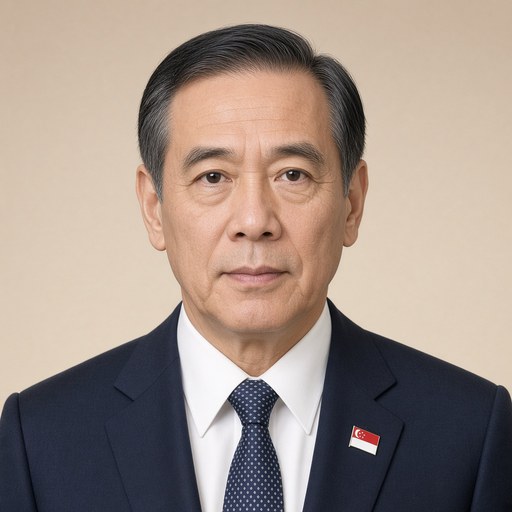
Speech by PM Lee Hsien Loong on COVID-19: A New Phase on 24 Mar 2022
 Lee Hsien Loong · Prime Minister of Singapore
- Context
- PM Lee Hsien Loong addressed Singaporeans on 24 March 2022, announcing a decisive shift toward living with COVID-19 after two years of pandemic management.
- Main themes
- Transition to living with COVID-19, Singapore's COVID-19 journey, vaccination programme, healthcare system resilience, Safe Management Measures, Omicron and Delta variants, collective national effort, frontline and healthcare worker recognition, pandemic public health strategy
- Duration
- ~43 min
- Words
- 5,141
- Sentences
- 378
- Readability
- 56
- Grade
- 8.8
- Syntax
- 2.65
- Vocabulary
- 2.24
Translated from Multiple languages
The broad sphere of national life a sentence belongs to. Every sentence has an Arena, so it is the denominator the other indices are read against.
Other378 sentences in 67 paragraphs
My fellow Singaporeans,
Our fight against COVID-19 has reached a major turning point. We will be making a decisive move towards living with COVID-19. The Multi-Ministry Taskforce (MTF) will announce the changes after this broadcast. But let me set the context: Take stock of our journey thus far; and explain our plans moving forward.
Our COVID-19 Journey
We have battled COVID-19 for more than two years now. Right from the start, we had one overriding aim: to protect lives, and prevent as many avoidable deaths as possible. We saw in other countries bleak images of people desperately seeking admission into hospitals, and healthcare workers being forced to choose who lived and who died. We were determined to prevent that happening here, and fortunately we have managed to do so. Our healthcare system came under strain, but it was not overwhelmed. We ensured enough ICU beds and oxygen for everyone who needed them. We recorded one of the lowest rates of COVID-19 related deaths in the world.
This has been a tough fight. With each new wave, we had to move quickly and adapt. Every time we thought we had the pandemic under control, the virus surprised us. In the early stages, when little was known about the virus, we adopted stringent measures. Our measures kept community cases very low, and helped us to control and clear a major outbreak in our migrant worker dormitories. We bought time to ramp up our healthcare capacity and roll out a comprehensive national vaccination programme.
Then the more dangerous Delta variant struck. Thankfully, by then our vaccination programme was in full swing. But we kept strict measures in place to slow the spread of the virus, until we had vaccinated nearly everyone eligible, especially the elderly. Meanwhile, we changed our health protocols to allow mild cases to recover safely at home, relieving the load on our healthcare system. When we eased up on Safe Management Measures, we had a large wave of COVID-19 cases. But by then most Singaporeans had been vaccinated, and were well protected from the Delta variant. Still, many patients had to be hospitalised, and some unfortunately succumbed to the virus.
Not too long after the Delta wave subsided, the virus threw us another curveball – this time the even more infectious Omicron variant. We braced ourselves as countries across the world saw record-high cases. Our numbers went up sharply too, at the peak exceeding 25,000 in a single day. With our high vaccination rate and strong healthcare system, we were quietly confident we could cope. Still, we tightened our border measures and held back easing our SMMs, to give our healthcare system and workers time to respond.
We were relieved that Omicron turned out less severe than earlier variants, and that relatively few cases were serious enough to need oxygen support or ICU care. Over the last two weeks, daily new cases have been coming down. Week on week, the ratio is now around 0.8. At this rate, the number of daily infections will halve in about three weeks.
A Collective Achievement
We only achieved this through everyone’s collective effort. You understood the mission and did your part — trusted the government, accepted sound medical advice, abided by Safe Management Measures patiently and responsibly, got yourself and your loved ones vaccinated, organised yourselves to help one another, and self-tested with ART kits, and self-isolated if you tested positive.
Businesses and essential workers also did their part, to keep our economy and social services going. They adapted repeatedly to changing SMMs. They coped with supply chain and manpower disruptions, and stayed resilient despite formidable difficulties, especially in the hard-hit sectors. Thank you for your grit and resourcefulness, you helped us protect Singaporeans’ livelihoods, and prepared ourselves to emerge stronger from the pandemic.
Most of all, I want to thank our healthcare workers. You made tremendous sacrifices, at a heavy personal cost. Pulling long shifts, day after day, week after week, since the start of the pandemic, returning to work on rest days to cover for colleagues who caught the virus, putting up with all the safety measures at the hospitals, and risking exposure as you cared for infected patients. Because of you, we have maintained some semblance of normalcy in the past two years. Some countries have seen mass resignations of healthcare workers. But our healthcare team, doctors and nurses stayed at their posts and kept on performing their duties. So to our healthcare and frontline workers, from the bottom of my heart, and on behalf of a grateful nation, I want to say: Thank you!
To our healthcare and frontline workers, from the bottom of my heart, and on behalf of a grateful nation, I want to say: Thank you!
PM Lee Hsien Loong
Towards COVID-19 Resilience
Now, we have reached a major milestone in our COVID-19 journey. The overwhelming majority of our population is fully vaccinated, and nearly everyone eligible has received a booster shot. The Omicron wave has crested, and is now subsiding. With many of us already exposed to the virus and recovered, our population has stronger immunity. Crucially, our healthcare system remains resilient. It was under considerable stress at the peak of the Omicron wave, but it held up. The load is still heavy, but the pressure is now easing.
In judging how far and fast to ease restrictions, we are very mindful not to stress our healthcare workers and system to breaking point. We must not place an impossible burden on the healthcare workers, and endanger many COVID-19 and non-COVID-19 patients who urgently need treatment. At the same time, we must weigh the cost of stringent SMMs on businesses and the economy, and their impact on children needing to learn, youths yearning to interact, families seeking to bond, and communities striving to connect. Taking all things into consideration, we believe that we are now ready to take a decisive step forward towards living with COVID-19.
We will make the following changes to our SMMs. First, we will double the group size from the current 5 persons, to 10 persons. Second, we will allow up to 75% of employees who can work from home to return to their workplaces. Third, we will increase the capacity limit for larger events and settings (those with more than 1,000 people) to 75%. Fourth, wearing masks outdoors will now be optional. This is because the risk of outdoor transmission is significantly lower, but indoors, masks will still be mandatory. Finally, we will maintain safe distancing requirements for now – one meter between groups where masks are off, to minimise transmission in mask-off settings. These changes will come into effect next Tuesday, 29 March.
Concurrently, we will ease up cross-border travel substantially. Earlier, we were cautious because of uncertainty over Omicron’s impact. Now the Omicron situation is well under control. Nearly all our cases are domestic, originating within the community. Arrivals from abroad constitute only a very small proportion of cases. We can therefore safely open up our borders. We will drastically streamline testing and quarantine requirements for travellers. This simplified Vaccinated Travel Framework will let Singaporeans travel abroad more easily – almost like before COVID-19. It will also lift most restrictions for fully vaccinated visitors entering Singapore. This will reconnect Singapore with the world. It will give a much-needed boost to businesses, particularly the tourism sector. And help Singapore reclaim its position as a business and aviation hub. The MTF will provide the details.
These domestic and cross-border changes represent a major step towards living with COVID-19, but they stop short of a complete opening up. We remain watchful because COVID-19 may yet bring further surprises. Some countries have taken a ‘Freedom Day’ approach. They have declared the pandemic over, relaxed all restrictions at once. Now they are anxiously watching their infection and mortality numbers rising rapidly again. We are choosing to maintain our measured approach, which has served us well over the past two years. After this major step, we will wait a while to let the situation stabilise. If all goes well, we will ease up further. But we should also be psychologically prepared for more twists and turns ahead. With more interactions, we too may see another wave of cases, and Omicron will not be the last variant we encounter. The virus will continue to evolve. Hopefully, new variants will become progressively milder and more flu-like. But it is also possible that more aggressive and dangerous mutants will turn up, just like Delta did. If that happens, we may have to backtrack and tighten up our restrictions again. We cannot rule this out, even though we hope it will not be necessary. But whatever happens, we now have the knowledge and the means to keep everyone safe. For example, giving everyone another booster jab, or administering an updated vaccine, if necessary.
So please take today’s announcements in the right spirit. Resume more normal lives, enjoy larger gatherings of family and friends, go outdoors without masks, or reunite with loved ones abroad. But do not throw all caution to the wind. Each one of us must still play our part. Comply with the revised SMMs. If you feel ill, test yourself. If you test positive, isolate yourself at home; If you test negative, and decide to go out, please wear a mask to protect others, even outdoors, just in case. Let us all continue to exercise personal and social responsibility — to keep ourselves well, to keep others safe, and to avoid adding to the burden on our healthcare workers. That way, even when new problems arise, we stand a much better chance of keeping things under control and staying on the path to a new normal.
Conclusion
We have come a long way in our fight against COVID-19. We are not yet at the finish line, though we are getting closer. Key to our response has been the trust that Singaporeans have placed in your government, in the medical authorities, and in each other. Throughout our journey, we have kept faith and supported one another. This solidarity remains crucial as we tackle fresh challenges ahead. I thank everyone for your continued trust and support. Let us keep it up, and see through this pandemic as one united people.
Thank you!
Not long after the Delta wave subsided, the virus challenged us again – this time, in the form of the more transmissible Omicron variant. We prepared ourselves as countries around the world recorded record numbers of cases. Our case numbers also surged, and at its peak, the daily case count exceeded 25,000. With our high vaccination rate and robust healthcare system, we were confident in our ability to cope. However, we tightened control measures at our borders and postponed plans to relax SMM, to give our healthcare system and healthcare workers time to adjust.
We were relieved that Omicron turned out to be not as severe as earlier variants, and there were not many cases that were serious enough to require oxygen support or ICU care. Over the past two weeks, daily case numbers have begun to decline. Week by week, the ratio is now around 0.8. At this rate, daily infections will be halved in about three weeks.
A Collective Achievement
We could only achieve all this through the collective efforts of everyone. You understood the mission and played your part. You placed your trust in the Government. You heeded the advice of the medical authorities. You complied with SMM patiently and responsibly. You and your loved ones got vaccinated. You organized ways to help each other. You conducted self ART tests and isolated yourself if you tested positive.
Businesses and essential service workers also played their part to ensure that our economy and social services continued to function. They repeatedly adapted to changing SMM, navigated supply chain disruptions and manpower shortages, and remained resilient despite facing difficulties, especially those in severely affected sectors. Thanks to your hard work and ingenuity, we have been able to protect the livelihoods of Singaporeans and prepare ourselves to emerge stronger from this pandemic.
Most importantly, I want to thank our healthcare workers. You have made many sacrifices and borne significant personal costs. Working long shifts, day after day, week after week, since the onset of this pandemic. Returning to work on your days off to cover for colleagues who were infected with the virus. Being patient with all the safety measures in hospitals. Facing the risk of exposure to the virus to care for patients. Because of your sacrifices, we have been able to maintain a life that is almost normal over the past two years. Some countries have experienced mass resignations of healthcare workers. Yet our healthcare team, doctors, and nurses have remained steadfast and fulfilled their responsibilities. Therefore, to our healthcare workers and frontline personnel, from the bottom of my heart and on behalf of a grateful nation, I say: Thank you!
Towards Building Resilience Against COVID-19
Now we have reached an important milestone in our COVID-19 journey. The vast majority of our population has been fully vaccinated, and nearly everyone eligible for a booster dose has received it. The Omicron wave has peaked and is beginning to subside. As most of us have been infected with the virus and have recovered, our community now has stronger immunity. Most importantly, our healthcare system remains resilient. It faced significant pressure during the peak of the Omicron wave, but it was able to withstand it. The burden is still heavy, but the pressure is beginning to ease. In assessing how far and how quickly to relax restrictions, we are very concerned not to add pressure on our healthcare workers and system to a level that it can no longer cope with the number of cases. We must not place an impossible burden on healthcare workers, as this would endanger many COVID-19 patients and non-COVID-19 patients who require urgent treatment. At the same time, we must consider the costs of strict SMM on businesses and the economy, and the impact on children who need to learn, the desire of young people to interact, families wanting to bond, and communities striving to connect. Taking all this into account, we believe that we are now ready to take decisive steps towards living with COVID-19. The Government will implement changes to our SMM: First, we will double the group size from the current 5 people to 10 people. Second, we will allow up to 75 percent of workers who can work from home to return to their workplaces. Third, we will raise the capacity limit for larger events (where there are more than 1,000 attendees) to 75 percent. Fourth, wearing masks outdoors will no longer be mandatory. This is because the risk of transmission outdoors is much lower. However, indoors, masks will still be required. Finally, we will maintain the safe distancing requirement for now – one meter between groups in situations where masks are not worn, to reduce transmission in such situations. These changes will take effect from next Tuesday, March 29.
At the same time, we will significantly relax cross-border travel controls. Previously, we were cautious due to uncertainty about the impact of the Omicron variant. Now, the situation with the Omicron variant is well under control. Almost all our cases are due to infections within our community. Arrivals from abroad account for only a small fraction of the total cases. Therefore, we can safely open our borders. We will significantly streamline the testing and quarantine requirements for travelers. This simplified Vaccinated Travel Framework will allow Singaporeans to travel abroad more easily – almost like the situation before the COVID-19 pandemic. It will also relax most restrictions for fully vaccinated travelers entering Singapore. This will reconnect Singapore with the outside world. This opening will provide a much-needed boost to businesses, especially the tourism sector, and help Singapore reclaim our position as a business and aviation hub. The MTF will provide further details.
These changes in domestic measures and cross-border travel reflect an important step towards living with COVID-19. However, we still cannot completely eliminate any control measures. We remain vigilant because COVID-19 can still bring new surprises. Some countries have taken a ‘Freedom Day’ approach. They have declared the pandemic over and lifted all restrictions immediately. Now they are watching the situation anxiously as their infection and death numbers begin to rise rapidly again. We choose to maintain a cautious approach, which has yielded results for all of us over the past two years. After this key step, we will allow some time for the situation to stabilize. If all goes well, we will further relax controls. However, we must also be psychologically prepared that the situation may become more complicated in the future. With more interactions, we may also witness a new wave of infections. And Omicron is not the last variant we will have to deal with. This virus will continue to evolve. We hope that infections from new variants will progressively become milder and more akin to the flu. But it is also possible that more aggressive and dangerous mutants will emerge, just like Delta. If that happens, we may need to step back and tighten our control measures again. We cannot rule out the possibility of this happening, even though we hope such measures will not need to be taken. Whatever happens, we now have the knowledge and capability to ensure everyone’s safety. For example, by providing everyone with another booster dose or a new vaccine.
So I hope you understand the purpose behind today’s announcement. You can resume life as normal, enjoy time with family and friends in larger groups, go out without wearing masks, or reunite with loved ones abroad. But do not be careless and disregard the risks. Each one of us must continue to play our part. Adhere to the revised SMM. If you feel unwell, do a self-test. If you test positive, isolate yourself at home. If you test negative, and you decide to go out, please wear a mask to protect others, even if you are outdoors, as a precaution. Let us continue to uphold our personal and social responsibilities. To continue to safeguard our health, to continue to ensure the safety of others, to avoid overburdening our healthcare workers. In this way, even when new issues arise, we have a better chance of controlling the situation and continuing our efforts to achieve a new normal.
Conclusion
We have made significant progress in our fight against COVID-19. We have not yet reached the finish line, although we are getting closer. The key to our response is the trust of the people of Singapore in the Government, in the medical authorities, and the trust we have in each other. Throughout this journey, we have reassured and supported one another. This spirit of solidarity will continue to play an important role as we tackle new challenges in the future. I thank you all for your continued trust and support. Let us continue this effort and overcome this pandemic as one people.
Thank you.
On this long road of fighting the pandemic, we have made significant progress. We have not yet reached the finish line, but we are closer to it. The key factor that allows us to face challenges calmly is the trust of our people in the government and health authorities, as well as the mutual trust among each other. All along, we have trusted and supported one another. This spirit of solidarity and unity will remain crucial as we face new challenges in the future. I thank everyone for continuing to trust and support us. Let us keep up the good work, with the whole nation united, and together we will emerge from the pandemic.
Thank you.
Speech on COVID-19: A New Phase
Prime Minister Lee Hsien Loong
March 24, 2022
My fellow Singaporeans,
Our fight against the COVID-19 virus has reached a significant turning point. We are about to take decisive action towards living with the virus. After this broadcast, the inter-ministerial task force will announce new changes.
But let me explain the background to this. Let us look back at the path we have traversed so far. I will talk about our plans moving forward.
Our COVID-19 Journey
For more than two years, we have been battling the COVID-19 virus. From the very beginning, we had one overarching goal: to save lives; to prevent avoidable deaths as much as possible. We have seen people in other countries rushing to hospitals in great distress. We have witnessed healthcare workers being put in the difficult position of having to decide who lives and who dies. Here, we were determined to prevent such situations from occurring. And we have succeeded in that. Our healthcare system was under strain. But it did not falter. We ensured that there were enough beds and oxygen for everyone who needed them in the intensive care units. Thus, we are one of the countries with the lowest COVID-19 death rates in the world.
It has been a hard struggle. With every new wave of infections, we had to act quickly and adapt. Each time we thought we had the virus under control, it surprised us. In the early stages, when we knew little about the virus, we took drastic measures. Our actions kept the number of infections in our community very low; they helped to contain a major outbreak in the dormitories where our migrant workers lived. This period allowed us to strengthen our healthcare capacity and implement a comprehensive national vaccination program.
Then, the more dangerous Delta variant struck us. Fortunately, by then, our vaccination program was in full swing. However, until everyone eligible for vaccination, especially the elderly, was vaccinated, we continued to take drastic measures to slow the spread of the virus. At the same time, we adjusted our healthcare protocols to allow mildly affected individuals to recover safely at home. This helped to reduce the burden on our healthcare system. When we relaxed safe management measures, there were significant outbreaks of COVID-19. But by then, most Singaporeans had been vaccinated. They were well protected against the Delta variant. Nevertheless, many patients were admitted to hospitals; some unfortunately lost their lives to the virus.
Shortly after the Delta variant subsided, COVID-19 caused another wave among us. This time, we were hit by the more transmissible Omicron variant. As infection cases surged in countries around the world, we were ready to face it. The number of our infection cases also rose significantly. At its peak, it exceeded 25,000 in a single day. Thanks to a high vaccination rate and a strong healthcare system, we were confident that we could manage the situation. However, to give our healthcare system and staff some breathing space to cope with the situation, we tightened border controls and maintained safe management measures.
The Omicron variant was less virulent than previous variants, and we found comfort in the fact that very few of those infected required oxygen or intensive care. Over the past two weeks, the daily number of infection cases has been declining. The weekly infection rate is now 0.8. If this rate continues, in about three weeks, the daily infection count will halve.
A Collective Achievement
We have achieved this only through the collective efforts of everyone. You understood the goal of this journey and played your part. You placed your trust in the government. You accepted the advice of medical experts. You patiently and responsibly adhered to safe management measures. You and your loved ones got vaccinated. You prepared yourselves to help one another. You self-tested using antigen rapid tests, and if you tested positive, you isolated yourselves.
Businesses and essential workers played their part in keeping our economy and social services afloat. They continuously adapted to the changing safe management measures. They managed disruptions in supply chains and manpower. They remained resilient even when faced with severe challenges—especially in the hardest-hit sectors. Thanks to your determination and resilience, we safeguarded the livelihoods of Singaporeans; we prepared ourselves to emerge stronger from the pandemic environment.
Importantly, I would like to express my gratitude to our healthcare workers. Amid significant personal losses, you made tremendous sacrifices. Since the outbreak of the virus, you have been working long hours every day, every week. You returned to work on your days off to cover for colleagues who were infected. You adhered to all safety measures in hospitals. While caring for patients affected by COVID-19, you faced the risk of being infected yourselves. It is because of you that we have been able to maintain a semblance of normalcy over the past two years. In some countries, large numbers of healthcare workers have left their jobs. But our healthcare workers, doctors, and nurses have continued to serve; they have remained committed to their duties. Therefore, on behalf of a grateful nation, I want to say to our healthcare workers and frontline staff: Thank you very much!
Towards COVID-19 Resilience
Now, we have reached an important milestone in our COVID-19 journey. The majority of our population is fully vaccinated; nearly all eligible individuals have received their booster shots. The Omicron wave has peaked; it is now subsiding. Many of us have already been infected with the virus and have recovered, giving our population stronger immunity. Importantly, our healthcare system has remained resilient. At the peak of the Omicron wave, it was under significant strain. But it managed to cope. Their workload is still high. However, the strain is now easing.
As we determine how far and how quickly to ease restrictions, we must be very careful not to overwhelm our healthcare workers and system. We cannot place an unbearable burden on our healthcare workers; the lives of many COVID-19 and non-COVID-19 patients who urgently need medical treatment are at stake. At the same time, we must also consider the impact of relaxed safe management measures on businesses and the economy, on children who need to learn, on young people yearning to connect with their loved ones, and on communities that wish to come together. Taking all aspects into account, we are now ready to make a decisive move towards living with COVID-19.
We will be making the following changes to our safe management measures: First, we will double the group size from five to ten people. Second, 75% of employees who can work from home will now be allowed to return to their workplaces. Third, we will raise the capacity limit for large events (more than 1,000 people) to 75%. Fourth, wearing masks outdoors will no longer be mandatory. This is because the risk of transmission outdoors is very low. However, wearing masks indoors will continue to be mandatory. Finally, safe distancing measures will remain in place for now. Accordingly, there must be a one-meter distance between groups in settings where masks are not worn to reduce transmission. These changes will take effect next Tuesday, March 29.
At the same time, we will significantly ease travel across our borders. Previously, we acted cautiously due to the uncertain trajectory of the Omicron variant. Now, the Omicron outbreak is well under control. Almost all our infection cases have originated locally, within the community. Among those infected, very few have come from overseas. Therefore, we can safely open our borders. We will significantly reduce our testing and vaccination requirements for travelers. This streamlined travel pathway for vaccinated individuals will allow Singaporeans to travel abroad more easily—almost as if it were before the COVID-19 situation. This framework will remove most restrictions for fully vaccinated travelers entering Singapore. It will reconnect Singapore with the world. It will provide much-needed impetus for our businesses, especially the tourism sector. It will help Singapore regain its status as a hub for business and aviation. The inter-ministerial task force will provide further details.
The changes being introduced both domestically and across our borders represent a significant shift in our approach to living with COVID-19. However, restrictions are not being completely lifted. We will continue to exercise caution. Because the COVID-19 virus may bring further shocks. Some countries have lifted all restrictions. They have declared that the outbreak is over. They have relaxed all measures at once. Now they are closely monitoring the rapidly rising infection cases and death tolls with concern.
We have decided to continue with our cautious approach. Over the past two years, it has served us well. After this important shift, we must wait a while for the situation to stabilize. If all goes well, we will further ease restrictions. However, we must also be mentally prepared for unexpected twists. With more interactions, we may face another wave of infections. Omicron will not be the last variant we encounter. The virus will continue to mutate. We can expect new variants to be milder, like the common cold. But there is also a possibility that more virulent and dangerous variants may emerge. If that happens, like with the Delta variant, we may have to revert and tighten our measures again. Even if we hope that such a situation will not arise, we cannot dismiss it. But whatever happens, we have the knowledge and capability to keep everyone safe. For example, by providing everyone with another booster shot or a new vaccine.
So, please take today’s announcements in the right spirit. Enjoy resuming a more normal life, gathering in larger groups with family and friends, going outdoors without masks, and reconnecting with loved ones abroad. But do not let your guard down. Each of us must continue to play our part. We must act in accordance with the new safe management measures. If you are unwell, please self-test. If you test positive, please isolate yourself at home. If you find out that you are not infected and decide to go out, please wear a mask outdoors as a precaution to protect others. We will all continue to uphold our individual and social responsibilities. To keep ourselves well; to keep others safe; to avoid increasing the burden on our healthcare workers. In this way, even when new issues arise, we will have a greater chance of keeping the situation under control; we can continue on the path towards a new normal.
Conclusion
We have come a long way in our fight against the COVID-19 virus. While we are nearing the finish line, we have not yet reached it. The key pillar of our actions has been the trust that Singaporeans have placed in their government, in the medical authorities, and in one another. Throughout our journey, we have relied on and supported one another. As we face new challenges, this unity remains indispensable. I thank all of you for continuing to have faith and for your support. By continuing to act together as a united people, we will overcome this outbreak.
Thank you!
The original Multiple languages. The tags above are read on the English translation's sentences.
Malay
Chinese
Tamil
My fellow Singaporeans,
Our fight against COVID-19 has reached a major turning point. We will be making a decisive move towards living with COVID-19. The Multi-Ministry Taskforce (MTF) will announce the changes after this broadcast. But let me set the context: Take stock of our journey thus far; and explain our plans moving forward.
Our COVID-19 Journey
We have battled COVID-19 for more than two years now. Right from the start, we had one overriding aim: to protect lives, and prevent as many avoidable deaths as possible. We saw in other countries bleak images of people desperately seeking admission into hospitals, and healthcare workers being forced to choose who lived and who died. We were determined to prevent that happening here, and fortunately we have managed to do so. Our healthcare system came under strain, but it was not overwhelmed. We ensured enough ICU beds and oxygen for everyone who needed them. We recorded one of the lowest rates of COVID-19 related deaths in the world.
This has been a tough fight. With each new wave, we had to move quickly and adapt. Every time we thought we had the pandemic under control, the virus surprised us. In the early stages, when little was known about the virus, we adopted stringent measures. Our measures kept community cases very low, and helped us to control and clear a major outbreak in our migrant worker dormitories. We bought time to ramp up our healthcare capacity and roll out a comprehensive national vaccination programme.
Then the more dangerous Delta variant struck. Thankfully, by then our vaccination programme was in full swing. But we kept strict measures in place to slow the spread of the virus, until we had vaccinated nearly everyone eligible, especially the elderly. Meanwhile, we changed our health protocols to allow mild cases to recover safely at home, relieving the load on our healthcare system. When we eased up on Safe Management Measures, we had a large wave of COVID-19 cases. But by then most Singaporeans had been vaccinated, and were well protected from the Delta variant. Still, many patients had to be hospitalised, and some unfortunately succumbed to the virus.
Not too long after the Delta wave subsided, the virus threw us another curveball – this time the even more infectious Omicron variant. We braced ourselves as countries across the world saw record-high cases. Our numbers went up sharply too, at the peak exceeding 25,000 in a single day. With our high vaccination rate and strong healthcare system, we were quietly confident we could cope. Still, we tightened our border measures and held back easing our SMMs, to give our healthcare system and workers time to respond.
We were relieved that Omicron turned out less severe than earlier variants, and that relatively few cases were serious enough to need oxygen support or ICU care. Over the last two weeks, daily new cases have been coming down. Week on week, the ratio is now around 0.8. At this rate, the number of daily infections will halve in about three weeks
A Collective Achievement
We only achieved this through everyone’s collective effort. You understood the mission and did your part — trusted the government, accepted sound medical advice, abided by Safe Management Measures patiently and responsibly, got yourself and your loved ones vaccinated, organised yourselves to help one another, and self-tested with ART kits, and self-isolated if you tested positive.
Businesses and essential workers also did their part, to keep our economy and social services going. They adapted repeatedly to changing SMMs. They coped with supply chain and manpower disruptions, and stayed resilient despite formidable difficulties, especially in the hard-hit sectors. Thank you for your grit and resourcefulness, you helped us protect Singaporeans’ livelihoods, and prepared ourselves to emerge stronger from the pandemic.
Most of all, I want to thank our healthcare workers. You made tremendous sacrifices, at a heavy personal cost. Pulling long shifts, day after day, week after week, since the start of the pandemic, returning to work on rest days to cover for colleagues who caught the virus, putting up with all the safety measures at the hospitals, and risking exposure as you cared for infected patients. Because of you, we have maintained some semblance of normalcy in the past two years. Some countries have seen mass resignations of healthcare workers. But our healthcare team, doctors and nurses stayed at their posts and kept on performing their duties. So to our healthcare and frontline workers, from the bottom of my heart, and on behalf of a grateful nation, I want to say: Thank you!
To our healthcare and frontline workers, from the bottom of my heart, and on behalf of a grateful nation, I want to say: Thank you!
PM Lee Hsien Lioong
Towards COVID-19 Resilience
Now, we have reached a major milestone in our COVID-19 journey. The overwhelming majority of our population is fully vaccinated, and nearly everyone eligible has received a booster shot. The Omicron wave has crested, and is now subsiding. With many of us already exposed to the virus and recovered, our population has stronger immunity. Crucially, our healthcare system remains resilient. It was under considerable stress at the peak of the Omicron wave, but it held up. The load is still heavy, but the pressure is now easing.
In judging how far and fast to ease restrictions, we are very mindful not to stress our healthcare workers and system to breaking point. We must not place an impossible burden on the healthcare workers, and endanger many COVID-19 and non-COVID-19 patients who urgently need treatment. At the same time, we must weigh the cost of stringent SMMs on businesses and the economy, and their impact on children needing to learn, youths yearning to interact, families seeking to bond, and communities striving to connect. Taking all things into consideration, we believe that we are now ready to take a decisive step forward towards living with COVID-19.
We will make the following changes to our SMMs. First, we will double the group size from the current 5 persons, to 10 persons. Second, we will allow up to 75% of employees who can work from home to return to their workplaces. Third, we will increase the capacity limit for larger events and settings (those with more than 1,000 people) to 75%. Fourth, wearing masks outdoors will now be optional. This is because the risk of outdoor transmission is significantly lower, but indoors, masks will still be mandatory. Finally, we will maintain safe distancing requirements for now – one meter between groups where masks are off, to minimise transmission in mask-off settings. These changes will come into effect next Tuesday, 29 March.
Concurrently, we will ease up cross-border travel substantially. Earlier, we were cautious because of uncertainty over Omicron’s impact. Now the Omicron situation is well under control. Nearly all our cases are domestic, originating within the community. Arrivals from abroad constitute only a very small proportion of cases. We can therefore safely open up our borders. We will drastically streamline testing and quarantine requirements for travellers. This simplified Vaccinated Travel Framework will let Singaporeans travel abroad more easily – almost like before COVID-19. It will also lift most restrictions for fully vaccinated visitors entering Singapore. This will reconnect Singapore with the world. It will give a much-needed boost to businesses, particularly the tourism sector. And help Singapore reclaim its position as a business and aviation hub. The MTF will provide the details.
These domestic and cross-border changes represent a major step towards living with COVID-19, but they stop short of a complete opening up. We remain watchful because COVID-19 may yet bring further surprises. Some countries have taken a ‘Freedom Day’ approach. They have declared the pandemic over, relaxed all restrictions at once. Now they are anxiously watching their infection and mortality numbers rising rapidly again. We are choosing to maintain our measured approach, which has served us well over the past two years. After this major step, we will wait a while to let the situation stabilise. If all goes well, we will ease up further. But we should also be psychologically prepared for more twists and turns ahead. With more interactions, we too may see another wave of cases, and Omicron will not be the last variant we encounter. The virus will continue to evolve. Hopefully, new variants will become progressively milder and more flu-like. But it is also possible that more aggressive and dangerous mutants will turn up, just like Delta did. If that happens, we may have to backtrack and tighten up our restrictions again. We cannot rule this out, even though we hope it will not be necessary. But whatever happens, we now have the knowledge and the means to keep everyone safe. For example, giving everyone another booster jab, or administering an updated vaccine, if necessary.
So please take today’s announcements in the right spirit. Resume more normal lives, enjoy larger gatherings of family and friends, go outdoors without masks, or reunite with loved ones abroad. But do not throw all caution to the wind. Each one of us must still play our part. Comply with the revised SMMs. If you feel ill, test yourself. If you test positive, isolate yourself at home; If you test negative, and decide to go out, please wear a mask to protect others, even outdoors, just in case. Let us all continue to exercise personal and social responsibility — to keep ourselves well, to keep others safe, and to avoid adding to the burden on our healthcare workers. That way, even when new problems arise, we stand a much better chance of keeping things under control and staying on the path to a new normal.
Conclusion
We have come a long way in our fight against COVID-19. We are not yet at the finish line, though we are getting closer. Key to our response has been the trust that Singaporeans have placed in your government, in the medical authorities, and in each other. Throughout our journey, we have kept faith and supported one another. This solidarity remains crucial as we tackle fresh challenges ahead. I thank everyone for your continued trust and support. Let us keep it up, and see through this pandemic as one united people.
Thank you!
UCAPAN OLEH PERDANA MENTERI LEE HSIEN LOONG MENGENAI COVID-19: SATU FASA BARU, PADA 24 MAC 2022
Saudara saudari sekalian
Kita telah mencapai satu titik perubahan utama dalam usaha kita memerangi COVID-19. Pemerintah akan mengambil tindakan yang tegas ke arah menjalani kehidupan dengan COVID-19. Pasukan Bertindak Berbilang Kementerian (MTF) akan mengumumkan perubahan-perubahan tersebut selepas siaran ini. Tetapi sebelum itu izinkan saya menerangkannya dalam konteks berikut: Mengambil kira apa yang kita telah lalui sejauh ini; dan menerangkan rancangan kami untuk maju ke hadapan.
Perjalanan COVID-19 Kita
Kita telah berjuang melawan COVID-19 selama lebih dua tahun sekarang. Sejak dari mula lagi, matlamat utama kami hanya satu: untuk melindungi nyawa, dan mengurangkan seberapa boleh kematian yang dapat dielakkan. Kita telah menyaksikan paparan suram di negara-negara lain yang menunjukkan keadaan terdesak pesakit-pesakit sedang mereka cuba sedaya upaya untuk mendapatkan rawatan di hospital, dan bagaimana para pekerja penjagaan kesihatan terpaksa memilih siapa yang hidup dan siapa yang mati. Kami bertekad untuk mengelakkan perkara itu daripada berlaku di sini, dan kita telah berjaya melakukannya.
Sistem penjagaan kesihatan kita telah menghadapi tekanan, namun ia tidak terlalu dibebani. Kami memastikan terdapat katil-katil ICU dan bekalan oksigen yang cukup untuk setiap individu yang memerlukannya. Kadar kematian berkaitan COVID di sini adalah antara yang terendah di dunia.
Ini adalah perjuangan yang sukar. Dengan setiap gelombang jangkitan yang baru, kami terpaksa bertindak dengan pantas dan membuat penyesuaian. Setiap kali kami rasa kami telah dapat mengawal pandemik ini, virus ini mengejutkan kita. Pada peringkat awal apabila sedikit sahaja yang diketahui tentang virus ini, kami melaksanakan langkah-langkah ketat. Langkah-langkah yang kami laksanakan memastikan jumlah kes dalam masyarakat berada pada paras paling rendah, dan membantu kami mengawal dan menangani penularan besar di dormitori-dormitori pekerja hijrahan kita. Ia memberikan kami masa untuk mempertingkatkan kemampuan penjagaan kesihatan kita dan melancarkan program vaksinasi nasional yang menyeluruh.
Kemudian varian Delta yang lebih berbahaya melanda. Mujurlah program vaksinasi kita sedang rancak berjalan pada masa itu. Tetapi kami mengekalkan langkah-langkah ketat untuk memperlahankan penularan virus tersebut, sehingga kami selesai memvaksin hampir semua orang yang layak mendapatkannya, terutamanya golongan warga emas. Sementara itu, kami mengubah protokol-protokol kesihatan untuk membenarkan kes-kes yang ringan pulih dengan selamat di rumah, dan dengan itu mengurangkan beban ke atas sistem penjaaan kesihatan kita. Apabila kami melonggarkan Langkah-langkah Pengurusan Selamat (SMM), kita mengalami gelombang besar kes COVID-19. Mujurlah pada masa itu, kebanyakan rakyat Singapura telahpun menjalani vaksinasi, dan terlindung dengan baik daripada varian Delta. Sungguhpun demikian, ramai pesakit perlu dirawat di hospital, dan malangnya ada yang meninggal dunia akibat jangkitan virus tersebut.
Tidak berapa lama selepas gelombang Delta reda, virus tersebut menduga kita lagi – kali ini, dalam bentuk varian Omicron yang lebih mudah berjangkit. Kita mempersiapkan diri kita sedang negara-negara di seluruh dunia mencatatkan jumlah rekod kes. Bilangan kes kita turut melonjak, dan pada kemuncaknya, jumlah kes melebihi 25,000 sehari. Dengan kadar vaksinasi kita yang tinggi dan sistem penjagaan kesihatan yang kukuh, di dalam hati, kami yakin kami mampu mengatasinya. Namun, kami mengetatkan langkah-langkah kawalan di sempadan kita dan menangguhkan rancangan untuk melonggarkan SMM, demi memberi masa kepada sistem penjagaan kesihatan dan para pekerja kesihatan kita menyesuaikan diri.
Kami berasa lega kerana Omicron ternyata tidak seteruk varian-varian lebih awal, dan tidak banyak kes yang terlalu serius sehingga memerlukan bantuan oksigen atau penjagaan di ICU. Sepanjang dua minggu lalu, jumlah kes harian telah mula menurun. Minggu demi minggu nisbahnya kini sekitar 0.8. Pada kadar ini, bilangan jangkitan harian akan berkurangan sebanyak separuh dalam masa lebih kurang tiga minggu.
Satu Pencapaian Bersama
Kita hanya dapat mencapai semua ini dengan usaha bersama semua pihak. Anda memahami misinya dan memainkan peranan anda. Anda menaruh kepercayaan kepada Pemerintah. Anda menerima nasihat pihak berkuasa perubatan. Anda mematuhi SMM dengan sabar dan bertanggungjawab. Anda dan orang-orang yang anda sayangi telah mendapatkan suntikan vaksin. Anda menyusun langkah untuk saling membantu antara satu sama lain. Anda melakukan ujian ART secara kendiri, dan mengasingkan diri jika anda diuji positif.
Perniagaan-perniagaan dan para pekerja perkhidmatan penting turut memainkan peranan mereka untuk memastikan ekonomi dan perkhidmatan sosial kita terus berfungsi. Mereka menyesuaikan diri berulang kali dengan SMM yang berubah-ubah, mengharungi gangguan rantaian bekalan dan sumber tenaga manusia, dan kekal berdaya tahan meskipun menghadapi kesukaran, terutama sekali bagi mereka yang berada dalam sektor-sektor yang teruk terjejas. Berkat kerja keras dan kepintaran anda, kita telah dapat melindungi mata pencarian rakyat Singapura dan mempersiapkan diri kita untuk bangkit dengan lebih kukuh daripada pandemik ini.
Yang paling penting, saya ingin mengucapkan terima kasih kepada para pekerja penjagaan kesihatan kita. Anda telah banyak berkorban dan menanggung kos peribadi yang tinggi. Bekerja syif panjang, hari demi hari, minggu demi minggu, sejak pandemik ini bermula. Kembali bertugas pada hari-hari rehat anda untuk menggantikan rakan sekerja yang dijangkiti virus. Bersabar menghadapi semua langkah keselamatan di hospital-hospital. Menghadapi risiko terdedah kepada virus demi menjaga para pesakit. Disebabkan pengorbanan andalah, kita telah dapat mengekalkan kehidupan hampir seperti sedia kala sepanjang dua tahun lalu. Ada beberapa negara yang mengalami pemberhentian pekerja penjagaan kesihatan secara beramai-ramai. Namun pasukan penjagaan kesihatan kita, para doktor dan jururawat tetap berdiri teguh dan melaksanakan tanggungjawab mereka. Justeru, kepada para pekerja penjagaan kesihatan dan barisan hadapan kita, dari lubuk hati saya dan bagi pihak negara yang terhutang budi kepada anda, saya ucapkan: Terima kasih!
Ke arah membina Daya Tahan terhadap COVID-19
Kini kita telah mencapai penanda penting dalam perjalanan COVID-19 kita. Sebahagian besar penduduk kita telah menjalani vaksinasi penuh, dan hampir semua orang yang layak mendapatkan dos penggalak telah berbuat demikian. Gelombang Omicron telah mencapai kemuncaknya dan sudah mula reda. Oleh kerana kebanyakan daripada kita telah dijangkiti virus tersebut dan telah pulih, masyarakat kita kini mempunyai daya tahan tubuh yang lebih kuat. Apa yang paling penting, sistem penjagaan kesihatan kita kekal berdaya tahan. Ia menghadapi tekanan yang ketara sewaktu kemuncak gelombang Omicron, tetapi ia dapat bertahan. Bebannya masih berat, tetapi tekanannya kini mula reda. Dalam menilai sejauh dan sepantas mana untuk melonggarkan sekatan-sekatan, kami amat prihatin agar tidak menambah tekanan ke atas para pekerja dan sistem penjagaan kesihatan kita sehingga ke tahap yang tidak lagi dapat menampung jumlah kes. Jangan letakkan beban yang tidak mungkin mampu digalas para pekerja penjagaan kesihatan, kerana ini akan membahayakan ramai pesakit COVID-19 dan bukan pesakit COVID-19 yang memerlukan rawatan segera. Pada masa yang sama, kita mesti menimbangkan kos akibat SMM yang ketat ke atas perniagaan-perniagaan dan ekonomi, dan kesannya ke atas kanak-kanak yang perlu belajar, keinginan para belia untuk berinteraksi, keluarga-keluarga yang ingin menjalin ikatan, dan masyarakat yang berusaha untuk menjalin hubungan. Apabila diambil kira semua ini, kami percaya bahawa kami sekarang bersedia untuk mengambil langkah yang tegas ke arah menjalani kehidupan dengan COVID-19. Pemerintah akan melaksanakan perubahan kepada SMM kita: Pertama, kami akan menggandakan saiz kumpulan daripada 5 orang sekarang, kepada 10 orang. Kedua, kami akan membenarkan sehingga 75 peratus daripada pekerja yang boleh bekerja dari rumah untuk kembali ke tempat kerja mereka. Ketiga, kami akan menaikkan had kapasiti bagi acara-acara yang lebih besar (di mana terdapat lebih daripada 1,000 hadirin) hingga 75 peratus. Keempat, pemakaian pelitup apabila berada di luar kini tidak akan diwajibkan. Ini kerana risiko jangkitan di luar bangunan adalah jauh lebih rendah. Tetapi di dalam bangunan, pelitup tetap wajib dipakai. Akhir sekali, kami akan mengekalkan keperluan jarak selamat buat masa ini – satu meter antara kumpulan-kumpulan dalam situasi di mana pelitup tidak dipakai, untuk mengurangkan penularan dalam situasi-situasi sedemikian. Perubahan-perubahan ini akan berkuatkuasa mulai Selasa depan, 29 Mac.
Pada masa yang sama, kami akan melonggarkan dengan ketara kawalan perjalanan rentas sempadan. Sebelum ini, kami bersikap berhati-hati kerana kurang pasti akan kesan varian Omicron. Kini, situasi varian Omicron dapat dikawal dengan baik. Hampir kesemua kes kita disebabkan jangkitan dalam masyarakat kita sendiri. Ketibaan pelawat dari luar negara membentuk hanya sebahagian kecil daripada jumlah kes. Oleh itu, kita boleh membuka sempadan kita dengan selamat. Kami akan memperkemaskan dengan ketara keperluan ujian dan kuarantin bagi para pelawat. Rangka Kerja Perjalanan bagi yang Sudah Menjalani Vaksinasi yang dipermudahkan ini akan membolehkan rakyat Singapura ke luar negara dengan lebih mudah – hampir seperti keadaan sebelum wabak COVID-19. Ia juga akan melonggarkan kebanyakan sekatan bagi para pelawat yang sudah menjalani vaksinasi penuh untuk memasuki Singapura. Ini akan menghubungkan semula Singapura dengan dunia luar. Pembukaan ini akan memberi rangsangan yang amat diperlukan oleh perniagaan-perniagaan, terutama sekali sektor pelancongan, dan membantu Singapura merebut kembali kedudukan kita sebagai sebuah hab perniagaan dan penerbangan. MTF akan memberikan butir-butir lanjut.
Perubahan-perubahan di dalam negeri mahupun rentas sempadan ini melambangkan satu langkah penting menuju kehidupan bersama COVID-19. Namun, kita masih belum boleh meniadakan langsung sebarang langkah kawalan. Kita tetap berwaspada kerana COVID-19 masih boleh membawa kejutan baru. Terdapat beberapa negara yang mengambil pendekatan ‘Hari Kebebasan’ atau ‘Freedom Day’. Mereka telah mengisytiharkan pandemik sudah berakhir dan melonggarkan kesemua sekatan secara serta merta. Sekarang mereka sedang memantau situasi dengan cemas kerana bilangan jangkitan dan kematian mereka mula meningkat dengan pantas sekali lagi. Kami memilih untuk mengekalkan pendekatan berhati-hati, yang telah membuahkan hasil untuk kita semua sepanjang dua tahun yang lalu. Selepas langkah utama ini, kami akan memberikan sedikit masa untuk membolehkan keadaan stabil. Jika semuanya berjalan lancar, kami akan melonggarkan lagi kawalan. Namun, kita juga harus bersiap sedia dari segi psikologi bahawa keadaan boleh menjadi lebih rumit pada masa hadapan. Dengan lebih banyak interaksi, kita juga mungkin akan menyaksikan gelombang baru kes jangkitan. Dan Omicron bukanlah varian terakhir yang kita perlu tangani. Virus ini akan terus berkembang. Kami harap jangkitan varian-varian baru akan menjadi lebih ringan secara progresif dan lebih menyerupai demam selesema. Tetapi mungkin juga, mutan-mutan yang lebih agresif dan berbahaya akan muncul, sama seperti Delta. Jika itu berlaku, kita mungkin perlu mundur dan mengetatkan semula langkah-langkah kawalan kita sekali lagi. Kita tidak boleh menolak kemungkinan ini akan berlaku, meskipun kita berharap langkah-langkah tersebut tidak perlu diambil. Walau apapun yang berlaku, kini kami mempunyai pengetahuan dan keupayaan untuk memastikan semua orang selamat. Contohnya, memberikan setiap orang satu lagi dos penggalak atau vaksin yang baru.
Jadi saya berharap anda memahami tujuan di sebalik pengumuman hari ini. Anda boleh menyambung semula kehidupan seperti biasa, menikmati masa bersama keluarga dan rakan-rakan dalam kumpulan yang lebih besar, keluar rumah tanpa memakai pelitup, atau bertemu semula dengan orang-orang yang tersayang di luar negara. Tetapi jangan bersikap sambil lewa tanpa menghiraukan risikonya. Setiap seorang daripada kita harus tetap memainkan peranan kita. Patuhi SMM yang telah disemak. Jika anda berasa kurang sihat, lakukan ujian kendiri. Jika anda diuji positif, asingkan diri anda di rumah. Jika anda diuji negatif, dan anda membuat keputusan untuk keluar rumah, harap pakai pelitup untuk melindungi orang lain, walaupun anda berada di luar rumah, sebagai langkah berjaga-jaga. Marilah kita terus mengamalkan tanggungjawab peribadi dan sosial kita. Untuk terus menjaga kesihatan kita, untuk terus menjaga keselamatan orang lain, untuk mengelakkan daripada membebankan para pekerja penjagaan kesihatan kita. Dengan cara itu, walaupun apabila masalah-masalah baru timbul, kita mempunyai peluang yang lebih baik untuk mengawal keadaan dan dapat meneruskan usaha kita untuk mencapai kebiasaan yang baru.
Penutup
Kita telah mencapai banyak kemajuan dalam usaha kita memerangi COVID-19. Kita belum lagi tiba di garisan penamat, walaupun kita semakin hampir. Kunci kepada respons kita adalah kepercayaan rakyat Singapura terhadap Pemerintah, terhadap pihak berkuasa perubatan, serta kepercayaan antara satu sama lain. Sepanjang perjalanan kita ini, kita telah saling meyakini dan saling membantu antara satu sama lain. Semangat bersatu padu ini akan terus memainkan peranan penting, sedang kita menangani cabaran-cabaran baru pada masa hadapan. Saya berterima kasih kepada anda semua atas kepercayaan dan sokongan anda yang berterusan. Marilah kita teruskan usaha ini, dan mengatasi pandemik ini sebagai satu rakyat.
Terima kasih.
【李显龙总理全国讲话】冠状病毒-19: 迈入新阶段
2022年3月24日
各位同胞
我国与冠病疫情的对抗,已经进入重要转折点。接下来,我们将果断地迈向与冠病共存。政府抗疫跨部门工作小组将在我发表全国讲话后,宣布相关的调整。但我想先告诉大家有关的背景情况,回顾我国的抗疫历程,并说明政府接下来的计划。
新加坡的抗疫历程
新加坡对抗冠病的战役,至今已持续两年多。从一开始,我们最重要的目标就是保护生命,以及把可避免的死亡病例降到最低。当时,我们看到一些国家情况严峻,病患迫切需要入院治疗。医护人员被迫决定该救谁和不救谁。我们坚决不让新加坡发生这样的情况,而我们做到了。虽然我国医疗系统面临压力,但还是能够应付疫情。我们确保了医院有足够的加护病房床位和氧气供应,治疗每一位有需要的病人。我国是冠病死亡率最低的国家之一。
这是一场硬仗。每次出现新一波疫情,我们都要迅速应对。每当我们以为情况已受控时,疫情又出现意料不到的演变。疫情初期,由于对病毒了解不多,我们采取了严格的防疫措施。这些措施使得社区病例非常少,并有助于我国控制并稳定客工宿舍暴发的疫情。此外,我们也争取到时间提升医疗系统的应对能力和全面推行全国疫苗接种计划。
接着,更危险的德尔塔变种毒株来袭。幸好,我们当时已全面展开疫苗接种计划。但我们继续实施严格的防疫措施以减缓病毒的传播速度,直到几乎所有符合条件的人,尤其是年长人士都完成疫苗接种。与此同时,我们调整了冠病医疗方案,让轻症患者能安全地在家休养,以减轻医疗系统的负担。在放宽了安全管理措施之后,冠病患者却大幅度增加。然而,当时大多数的国人已经接种了疫苗,能有效地抵抗德尔塔毒株。可是,许多病患还是得住院,当中一些人也不幸逝世。
德尔塔疫情消退不久,我们又遇到难题,这回来袭的是更具传染性的奥密克戎变种毒株。我们严阵以待,全球各地的确诊人数则不断创新高。新加坡的病例同样激增,单日新增病例曾在最高峰时超过2万5000起。但由于我国的疫苗接种率高,加上医疗系统健全,因此我们还是有信心可以应付疫情。尽管如此,我们还是收紧边境措施,并延后放宽安全管理措施,以让医疗系统和医护人员有足够的时间应对。
我们很庆幸奥密克戎毒株的威力不比之前出现的其他毒株来得强。本地也没有太多需要输氧或入住加护病房的重症病例。过去两个星期,单日新增病例已经有所减少。现在的每周病例增长率约为0.8。如果能保持这样的趋势,单日新增病例大约会在三周内减半。
齐心抗疫的成果
这全靠大家的努力付出,齐心抗疫。你们深明大义,各尽其责,信任政府,听取卫生当局的建议,遵守安全管理措施,保持耐心和负起社会责任。让自己和亲人接种疫苗,群策群力,守望相助。自行做抗原快速检测,一旦结果呈阳性就自我隔离。
企业和提供必要服务的员工也做出贡献,让经济活动和社会服务得以继续。他们一再适应不时改变的安全管理措施,以及应付供应链受干扰和人手短缺的问题。他们在面对巨大困难时,保持坚韧不拔。尤其是那些受重创的行业。因为你们的勇气和毅力,灵活应变,让我们保住了国人的生计,也做好准备,使我国能在后冠病时代变得更强韧。最重要的是,我要感谢我们的医护人员。你们做出了很大的牺牲,付出了巨大的个人代价。日复一日地长时间工作,从疫情初期便是如此。在休息日时回到医院代班,顶替感染冠病的同事。你们配合医院的安全措施。不惜冒着感染风险,尽心照顾冠病患者。因为你们的付出,我们这两年来才能过着接近正常的生活。一些国家有大量的医护人员辞职。但我们的医疗团队、医生和护士始终坚守岗位,把工作做好。所以,我要向我们的医护和前线人员表示感激,我谨代表全国人民由衷地向你们说声谢谢!
成为具冠病韧性的社会
此刻,我国迎来了抗疫历程的一个重要里程碑。本地绝大部分人已完成疫苗接种,几乎所有符合条件的人也打了追加剂。奥密克戎毒株所引发的疫情,已经达到顶峰,开始缓和下来。许多人也曾染病并已经康复,所以我们的群体免疫力更高了。更关键的是,我们的医疗系统始终保持坚韧。尽管它在奥密克戎疫情最严重时,承受相当大的压力,但始终挺过了难关。如今,医院仍旧负担沉重,但面对的压力已有所减轻。
在决定多快放宽限制,放宽多少的时候,我们深知不能让医护人员和医疗系统所承受的压力达到极限。我们不能让医护人员负担过重,这会使到急需治疗的冠病和非冠病患者面临危险。同时我们也必须衡量严格的防疫措施对企业和经济所造成的代价,以及对孩子们的学习,或是年轻人、家人和社群之间的互动交流所带来的影响。在考虑了所有因素后,我们相信我国已经做好准备,能够果断地迈向与冠病共存
所以,我们将调整安全管理措施:第一,我们会放宽聚会人数限制,从现在的5人增加到10人。第二,我们将允许多达75%的居家办公者,重返工作场所上班。第三,我们将放宽大型活动和场所的容量限制,(人数超过1000人时)容量可高达75%。第四,人们在户外时可以选择不戴口罩。这是因为,病毒在户外传播的风险比在室内低许多。不过,人们在室内还是必须戴口罩。最后,安全距离规定则暂时不变。只要是没有戴口罩,人们就必须保持一米的安全距离,以把传播风险降到最低。这些措施将在下星期二,也就是3月29日生效。
与此同时,我们也会大幅度放宽跨境旅游限制。之前,我们一直谨慎行事,因为我们不知道奥密克戎毒株会带来什么样的冲击。如今,奥密克戎疫情已受到控制。几乎所有病例属于境内感染,病源来自社区,而境外输入的病例只占很少数。因此,我们可以安全地开放边境。我国也将大大地简化旅客做检测和隔离的相关规定。简化的疫苗接种者旅游框架将更方便国人出国,和疫情前几乎一样。我们也会放宽大多数的限制,让已完成疫苗接种的旅客在入境新加坡时更方便。这将让新加坡重新和世界各地连接起来,为企业注入一剂强心针,尤其能提振旅游业,并有助于新加坡恢复商业及航空枢纽的地位。政府抗疫跨部门工作小组将提供有关细节。
这些有关国内防疫措施和跨境旅游限制的改变,意味着我们正在大步迈向与冠病共存。不过,这不等于全面放宽所有限制。我们保持警惕,因为冠病疫情可能还会有出乎意料的发展。一些国家已采取自由开放的策略,宣告疫情已结束,并全面解封。如今他们正密切关注患病和死亡人数再度飙升的情况。
我们选择继续采取适当的策略,因为过去两年的经历显示这个做法是有效的。在迈出这重大一步后,我们会等待一段时间,让疫情稳定下来。如果情况发展良好,我们将再次放宽限制。但我们也要做好心理准备,未来有可能会遇到更多波折。由于人们有更多互动,我们也可能迎来新一波的疫情。奥密克戎病毒不会是我们面对的最后一个变种毒株。病毒会继续变异。但愿新的变种毒株,其威力会越变越弱,更像流感病毒。但也有可能的是,传染性更强以及更危险的变种毒株会出现,就像德尔塔毒株一样。如果这样的情况发生,我们可能需要倒退,再次收紧防疫措施。我们不能排除这个可能性,即便我们希望它不会发生。无论如何,如今我们已有经验和方法来应对,能保护每个人。例如,政府也许得让人们再接种追加剂,又或者为大家施打新款疫苗。
因此,请大家以正确的心态看待今天的宣布。让生活进一步回归正常,和更多的亲友聚会、在户外无需戴口罩,或与国外亲友团聚。但请不要彻底放松警惕。我们每个人还是必须各尽其责,继续遵守调整后的安全管理措施。身体不适时,就自我检测。如果结果呈阳性,请在家隔离。即便结果呈阴性,请在决定外出时戴口罩保护他人;即使是在户外,也照旧戴着,以防万一。我呼吁大家继续对自己以及对社会负起责任,保护自己,也保护他人的健康,避免加重医护人员的负担。这样,即使出现新的问题,我们也更有把握让情况受到控制。持续稳步向前,以到达新常态。
总结
在这条漫长的抗疫之路,我们取得了很大的进展。我们还没有到达终点,但我们离终点线更近了。我们能沉着应战的关键因素,是国人对政府和卫生当局的信任,以及对彼此的互信。一直以来,我们都互相信任,互相扶持。这股同舟共济、团结一致的精神,在我们日后迎接新挑战时,仍至关重要。我感谢大家继续信任和支持我们。让我们再接再厉,全国上下一心,共同走出疫情。
谢谢。
கொவிட்-19 குறித்த உரை: புதிய கட்டம்
பிரதமர் லீ சியன் லூங்
24 மார்ச் 2022
என் சக சிங்கப்பூரர்களே
கொவிட்-19 கிருமிக்கு எதிரான நமது போராட்டம், ஒரு முக்கிய திருப்புமுனையை எட்டியுள்ளது. கொவிட் கிருமியுடன் வாழ்வதை நோக்கி நாம் தீர்க்கமான நடவடிக்கையை மேற்கொள்ளவிருக்கிறோம். இந்த ஒளிபரப்புக்குப் பின்னர், அமைச்சுகளுக்கு இடையிலான பணிக்குழு, புதிய மாற்றங்கள் குறித்து அறிவிக்கும்.
ஆனால், இதற்கான பின்னணியை நான் விளக்குகிறேன். இதுவரை நாம் கடந்து வந்த பாதையைத் திரும்பிப் பார்ப்போம். அடுத்துவரும் நமது திட்டங்கள் பற்றி எடுத்துக்கூறுகிறேன்.
நமது கொவிட்-19 பயணம்
கடந்த ஈராண்டுகளுக்கும் அதிகமாக, நாம் கொவிட் -19 கிருமியுடன் போராடி வந்துள்ளோம். தொடக்கத்திலிருந்தே, நமக்குத் ஒரேயொரு தலையாய குறிக்கோள் இருந்தது: உயிர்களைப் பாதுகாக்கவேண்டும்; தவிர்க்கக்கூடிய மரணங்களைக் கூடுமானவரை தவிர்க்கவேண்டும். மற்ற நாடுகளில் உள்ள மக்கள், மிகுந்த பரப்பரப்புடன் மருத்துவமனைகளுக்குச் செல்வதை நாம் கண்டிருப்போம். அவர்களில் யார் வாழ்வது, யார் மடிவது என்ற முடிவை எடுக்கும் இக்கட்டான நிலைக்கு அங்கிருந்த சுகாதாரப் பராமரிப்பு ஊழியர்கள் தள்ளப்பட்ட நிலையையும் நாம் பார்த்திருப்போம். இங்கு அதுபோன்ற சம்பவம் நடக்காமல் தடுக்க, நாம் உறுதிகொண்டிருந்தோம். நாம் அதில் வெற்றியும் கண்டுள்ளோம். நமது சுகாதாரப் பராமரிப்புக் கட்டமைப்பு நெருக்கத்திற்கு உள்ளானது. ஆனால், அது நிலை தடுமாறவில்லை. தீவிர சிகிச்சைப் பிரிவில் படுக்கைகளும், பிராணவாயுவும் தேவைப்படும் அனைவருக்கும் அவை போதுமான அளவு இருப்பதை நாம் உறுதிசெய்தோம். ஆகக் குறைவான கொவிட்-19 மரணங்கள் பதிவான உலக நாடுகளில் நாமும் ஒன்று.
இது கடினமான ஒரு போராட்டம். ஒவ்வொரு புதிய கிருமிப்பரவல் அலையிலும், நாம் துரிதமாகச் செயல்பட்டு மாறவேண்டியிருந்தது. ஒவ்வொரு முறையும், கிருமிப்பரவல் கட்டுக்குள் வந்துவிட்டதாக நாம் எண்ணியபோது, கிருமி நம்மை அதிர்ச்சிக்குள்ளாக்கியது. தொடக்கக் கட்டங்களில், கிருமி பற்றி அதிகம் தெரியாதிருந்தபோது, நாம் கெடுபிடியான நடவடிக்கைகளைப் பின்பற்றினோம். நமது நடவடிக்கைகள், நமது சமூகத்தில் கிருமித்தொற்றுச் சம்பவங்களை மிகக் குறைவான எண்ணிக்கையில் வைத்திருந்தன; நமது குடிபெயர்ந்த ஊழியர் தங்கும் விடுதிகளில் ஏற்பட்ட மிகப் பெரிய கிருமிப்பரவலைக் களைய உதவின. நமது சுகாதாரப் பராமரிப்புத் துறையின் ஆற்றலை அதிகரிக்கவும், விரிவான தேசியத் தடுப்பூசித் திட்டத்தைச் செயல்படுத்தவும், இக்காலம் கைகொடுத்தது.
அதன்பின்னர், இன்னும் ஆபத்தான டெல்ட்டா கிருமிவகை நம்மைத் தாக்கியது. நல்ல வேளை! அதற்குள் நமது தடுப்பூசித் திட்டம் முழுவீச்சாக இயங்கிக் கொண்டிருந்தது. ஆனால், தடுப்பூசிக்குத் தகுதிபெறும் அனைவரும், குறிப்பாக மூத்தோர் தடுப்பூசி போட்டுக்கொள்ளும் வரையில், கிருமியின் பரவலை மெதுவடையச் செய்ய, நாம் கெடுபிடியான நடவடிக்கைகளைத் தொடர்ந்து நடப்பில் வைத்திருந்தோம். அதே வேளை, மிதமாக பாதிக்கப்பட்டவர்கள் வீட்டிலேயே பாதுகாப்பான முறையில் குணமடைவதற்கு ஏதுவாக நமது சுகாதார நெறிமுறைகளை மாற்றினோம். அதன் மூலம் நமது சுகாதாரப் பராமரிப்புக் கட்டமைப்பு மீதான பளு குறைக்கப்பட்டது. நாம் பாதுகாப்பான நிர்வாக நடவடிக்கைகளைத் தளர்த்தியபோது, பெருமளவிலான கொவிட்-19 கிருமித்தொற்றுச் சம்பவங்கள் ஏற்பட்டன. ஆனால், அதற்குள் பெரும்பாலான சிங்கப்பூரர்கள் தடுப்பூசி போட்டுக்கொண்டனர். டெல்ட்டா கிருமிவகையிலிருந்து அவர்கள் நன்கு பாதுகாக்கப்பட்டனர். இருப்பினும், நோயாளிகள் பலர் மருத்துவமனையில் அனுமதிக்கப்பட்டனர்; சிலர் துரதிர்ஷ்டவசமாக அந்தக் கிருமிக்குப் பலியாயினர்.
டெல்ட்டா கிருமிவகை ஓய்ந்த சிறிது காலத்திலேயே, கொவிட் கிருமி நம்மிடையே இன்னொரு பிரளயத்தை ஏற்படுத்தியது. இம்முறை, மேலும் எளிதில் தொற்றக்கூடிய ஓமிக்ரான் கிருமிவகை நம்மைத் தாக்கியது. உலக நாடுகளில் கிருமித்தொற்றுச் சம்பவங்கள் புதிய உச்சத்தைத் தொட, நாமும் அதனை எதிர்கொள்ள ஆயத்தமானோம். நமது கிருமித்தொற்றுச் சம்பவங்களின் எண்ணிக்கையும் கணிசமாக உயர்ந்தது. உச்சகட்டமாக, ஒரே நாளில் 25,000யைத் தாண்டியது. தடுப்பூசி போட்டுக்கொள்ளும் விகிதம் அதிகமாக இருந்ததாலும், வலுவான சுகாதாரப் பராமரிப்புக் கட்டமைப்பாலும், நம்மால் சமாளிக்கமுடியும் என்ற நம்பிக்கை உறுதியாக இருந்தது. எனினும், நிலைமையைச் சமாளிக்க நமது சுகாதாரப் பராமரிப்புக் கட்டமைப்புக்கும் ஊழியர்களுக்கும் கால அவகாசம் அளிக்கும் நோக்கில், எல்லைக் கட்டுப்பாடுகளைக் கடுமையாக்கினோம்; பாதுகாப்பான நிர்வாக நடவடிக்கைகளைத் தளர்த்தாமல் இருந்தோம்.
ஓமிக்ரான் கிருமிவகை, முன்னைய கிருமிவகைகளைவிட வீரியம் குறைவாக இருந்ததும், பாதிக்கப்பட்டவர்களில் வெகு சிலருக்கே பிராணவாயு அல்லது தீவிர சிகிச்சைப் பிரிவில் பராமரிப்பு தேவைப்பட்டதும் கண்டு, நாம் நிம்மதி கொண்டோம். கடந்த இரண்டு வாரமாக, கிருமித்தொற்றுச் சம்பவங்களின் அன்றாட எண்ணிக்கை குறைந்து வருகின்றது. வாராந்தரக் கிருமித்தொற்று விகிதம் இப்போது 0.8. இதே விகிதம் தொடர்ந்தால், இன்னும் சுமார் மூன்று வாரத்தில், அன்றாட கிருமித்தொற்று எண்ணிக்கை பாதியாகிவிடும்.
ஓர் ஒட்டுமொத்த சாதனை
அனைவரின் ஒட்டுமொத்த முயற்சியால் மட்டுமே நாங்கள் இதைச் சாதித்தோம். நீங்கள், இப்பயணத்தின் இலக்கைப் புரிந்துகொண்டு, உங்கள் பங்கை ஆற்றினீர்கள். அரசாங்கத்தின் மீது நம்பிக்கை வைத்தீர்கள். மருத்துவ அதிகாரிகளின் ஆலோசனையை ஏற்றுக்கொண்டீர்கள். பொறுமையாகவும் பொறுப்பாகவும் பாதுகாப்பான நிர்வாக நடவடிக்கைகளைக் கடைப்பிடித்தீர்கள். நீங்களும் உங்கள் அன்புக்குரியவர்களும் தடுப்பூசி போட்டுக்கொண்டீர்கள். ஒருவருக்கு மற்றொருவர் உதவி செய்ய உங்களைத் தயார்ப்படுத்திக்கொண்டீர்கள். ஏண்டிஜன் விரைவுப் பரிசோதனைகள் மூலம் உங்களைச் சுயமாகப் பரிசோதித்துக்கொண்டு, உங்களுக்குக் கிருமித்தொற்று உறுதிசெய்யப்பட்டால், நீங்களே உங்களைத் தனிமைப்படுத்திக்கொண்டீர்கள்.
தொழில்களும் அத்தியாவசிய ஊழியர்களும், நம் பொருளாதாரத்தையும் சமூகச் சேவைகளையும் தொடர்ந்து தக்கவைத்துக்கொள்ள தங்கள் பங்கை ஆற்றினர். அவர்கள் மாறிவந்த பாதுகாப்பான நிர்வாக நடவடிக்கைகளுக்கு ஏற்ப தங்களைத் தொடர்ந்து மாற்றிக்கொண்டனர். விநியோகத் தொடர்கள், மனிதவளம் ஆகியவற்றில் ஏற்பட்ட இடையூறுகளைச் சமாளித்தனர். கடுமையான சவால்களை எதிர்கொண்டபோதிலும் மீள்திறனுடன் இருந்தனர் – குறிப்பாக, மோசமாகப் பாதிக்கப்பட்ட துறைகளில். உங்கள் மனவுறுதிக்கும் வளமைத் திறத்திற்கும் நன்றி, நாம் சிங்கப்பூரர்களின் வாழ்வாதாரங்களைப் பாதுகாத்தோம்; கிருமிப்பரவல் சூழலிலிருந்து மேலும் வலிமையுடன் மீண்டெழுவதற்காக நம்மை நாமே ஆயத்தப்படுத்திக்கொண்டோம்.
முக்கியமாக, நம் சுகாதாரப் பராமரிப்பு ஊழியர்களுக்கு எனது நன்றியைத் தெரிவித்துகொள்ள விரும்புகிறேன். கணிசமான, தனிப்பட்ட இழப்புகளுக்கு இடையில், நீங்கள் மகத்தான தியாகங்களைச் செய்தீர்கள். கிருமிப்பரவல் தொடங்கியதுமுதல், ஒவ்வொரு நாளும், ஒவ்வொரு வாரமும், நீண்டநேரத்திற்கு வேலை செய்து வருகிறீர்கள். கிருமித்தொற்றுக்கு ஆளாகிய சக ஊழியர்களுக்குப் பதிலாக, உங்கள் ஓய்வு நாட்களில் வேலைக்குத் திரும்பினீர்கள். மருத்துவமனைகளில் இருந்த அனைத்து பாதுகாப்பு நடவடிக்கைகளுக்கும் ஈடுகொடுத்திருந்தீர்கள். கொவிட்-19 கிருமியால் பாதிக்கப்பட்ட நோயாளிகளைக் கவனித்துக்கொண்ட வேளையில், அக்கிருமியால் பாதிக்கப்படும் அபாயத்தை எதிர்கொண்டீர்கள். உங்களால்தான், கடந்த ஈராண்டுகளில் ஓரளவு இயல்புநிலையை நம்மால் தக்கவைத்துக்கொள்ள முடிந்தது. சில நாடுகளில், பெரிய அளவிலான சுகாதாரப் பராமரிப்பு ஊழியர்கள் தங்கள் வேலையை விட்டுச் சென்றுள்ளனர். ஆனால், நமது சுகாதாரப் பராமரிப்பு ஊழியர்கள், மருத்துவர்கள், தாதியர் ஆகியோர் தங்கள் பணிகளில் தொடர்ந்து இருந்தனர்; தங்கள் கடமைகளைத் தொடர்ந்து ஆற்றி வந்தனர். எனவே, நமது சுகாதாரப் பராமரிப்பு ஊழியர்களுக்கும் முன்னிலை ஊழியர்களுக்கும், நன்றியுணர்வு மிக்க ஒரு தேசத்தின் சார்பில், நான் கூற விரும்புவது: மிக்க நன்றி!
கொவிட்-19 மீள்திறனை நோக்கி
இப்போது நாம், நம்முடைய கொவிட்-19 பயணத்தில் ஒரு முக்கியமான மைல்கல்லை அடைந்துள்ளோம். நமது மக்கள்தொகையில் பெரும்பாலானோர் முழுமையாகத் தடுப்பூசி போட்டுக்கொண்டுள்ளனர்; கிட்டத்தட்ட, தகுதிபெற்ற அனைவரும் கூடுதல் தடுப்பூசியைப் போட்டுக்கொண்டுள்ளனர். ஓமிக்ரான் கிருமித்தொற்று அலை, உச்சத்தை எட்டியுள்ளது; தற்போது தணிந்து வருகிறது. நம்மில் பலர் அக்கிருமியால் ஏற்கனவே பாதிக்கப்பட்டு, குணமடைந்திருப்பதால், நமது மக்கள்தொகை மேலும் வலுவான நோய் எதிர்ப்புசக்தியைப் பெற்றுள்ளது. முக்கியமாக, நமது சுகாதாரப் பராமரிப்புக் கட்டமைப்பு தொடர்ந்து மீள்திறனுடன் இருந்துள்ளது. ஓமிக்ரான் கிருமித்தொற்று அலையின் உச்சத்தில், அது அதிகமான நெருக்குதலுக்கு உள்ளானது. ஆனால், அது நிலைமையைச் சமாளித்தது. அவர்களுடைய பணிச்சுமை இன்னும் அதிகமாகவே உள்ளது. ஆனால், நெருக்குதல் இப்போது குறைந்து வருகிறது.
கட்டுப்பாடுகளைத் தளர்த்த எவ்வளவு தூரமாகவும், வேகமாகவும் செயல்படவேண்டும் என்பதைத் தீர்மானிக்கும் அதே வேளையில், நமது சுகாதாரப் பராமரிப்பு ஊழியர்களையும் கட்டமைப்பையும் நொடித்துப் போகும் அளவிற்கு நெருக்கக்கூடாது என்பதில் நாம் மிகவும் கவனமாக உள்ளோம். நமது சுகாதாரப் பராமரிப்பு ஊழியர்கள்மீது நாம் தாளமுடியாப் பளுவைச் சுமத்திவிடக் கூடாது; மருத்துவச் சிகிச்சை அவசரமாகத் தேவைப்படும் கொவிட்-19, கொவிட்-19 சாரா நோயாளிகள் பலரின் உயிர்களுக்கு ஆபத்து விளைவித்திடும். அதே வேளையில், கெடுபிடியான பாதுகாப்பு நிர்வாக நடவடிக்கைகள், தொழில்களுக்கும் பொருளாதாரத்திற்கும் ஏற்படுத்தும் பாதிப்பையும், கல்வி கற்கவேண்டிய பிள்ளைகள், உறவாட ஏங்கும் இளையர்கள், ஒன்றிணைய விழையும் குடும்பங்கள், தொடர்புகொள்ள முனையும் சமூகங்கள் ஆகியவற்றின் மீது ஏற்படுத்தும் தாக்கத்தையும் நாம் சீர்தூக்கிப் பார்க்கவேண்டும். அனைத்து அம்சங்களையும் கவனத்தில் எடுத்துக்கொள்ளும்போது, கொவிட்-19 கிருமியுடன் வாழ்வது தொடர்பில் நாம் தீர்க்கமான ஒரு முடிவை எடுக்க இப்போது தயாராக இருப்பதாய் நம்புகிறோம்.
நமது பாதுகாப்பான நிர்வாக நடவடிக்கைகளுக்கு, பின்வரும் மாற்றங்களை நாம் செய்யவிருக்கிறோம்: முதலில், குழு அளவை இரட்டிப்பாக்கவுள்ளோம், ஐந்து நபர்களிலிருந்து 10 நபர்களுக்கு. இரண்டாவது, வீட்டிலிருந்து வேலை செய்யக்கூடிய 75 விழுக்காடு ஊழியர்கள், இனி தங்கள் வேலையிடங்களுக்குத் திரும்ப அனுமதிக்கப்படுவர். மூன்றாவது, பெரிய நிகழ்ச்சிகளுக்கான (1,000க்கும் அதிகமானோர்) கொள்ளளவு வரம்பை, 75 விழுக்காட்டிற்கு நாம் உயர்த்தவுள்ளோம். நான்காவது, வெளிப்புறங்களில் இனி முகக் கவசம் அணிவது கட்டாயமல்ல. வெளிப்புறத்தில் கிருமிப்பரவலுக்கான அபாயம் மிகவும் குறைவாக இருப்பதே இதற்குக் காரணம். ஆனால், உட்புறங்களில் முகக் கவசங்கள் அணியப்படுவது தொடர்ந்து கட்டாயமாக இருக்கும். இறுதியாக, பாதுகாப்பான தூர இடைவெளி சார்ந்த விதிமுறைகள் தற்போதைக்குத் தொடரும். அதன்படி, முகக் கவசம் அணியப்படாத சூழல்களில் கிருமிப்பரவலைக் குறைக்க, குழுக்களிடையே ஒரு மீட்டர் இடைவெளி இருக்கவேண்டும். இந்த மாற்றங்கள் அடுத்த செவ்வாய்கிழமை, மார்ச் 29 முதல் நடப்புக்கு வரும்.
அதே சமயத்தில், எல்லை தாண்டிய பயணங்களையும் கணிசமான அளவில், நாம் எளிதாக்கவிருக்கிறோம். முன்னதாக, ஓமிக்ரான் கிருமிவகையின் தாக்கம் குறித்த நிச்சயமற்ற போக்கால், நாம் எச்சரிக்கையுடன் செயல்பட்டோம். இப்போது, ஓமிக்ரான் பரவல் நன்கு கட்டுக்குள் கொண்டு வரப்பட்டுள்ளது. நம்முடைய கிருமித்தொற்றுச் சம்பவங்கள் அனைத்துமே கிட்டத்தட்ட உள்நாட்டில், சமூகத்தில் தோன்றியவைதான். கிருமித்தொற்றால் பாதிக்கப்படுபவர்களில், வெகு சிலரே வெளிநாட்டிலிருந்து வந்தவர்கள். எனவே, நாம் பாதுகாப்பாக, நமது எல்லைகளைத் திறந்துவிடலாம். பயணிகளுக்கான நமது பரிசோதனை, தடைக்காப்பு விதிமுறைகளை நாம் பெருமளவில் குறைக்கவிருக்கிறோம். தடுப்பூசி போட்டோருக்கான எளிமையாக்கப்பட்ட இந்தப் பயணப்பாதைக் கட்டமைப்பு, சிங்கப்பூரர்கள் மேலும் எளிதாக வெளிநாடு செல்ல அனுமதிக்கும் – கிட்டத்தட்ட கொவிட்-19 சூழலுக்கு முன்பைப் போன்று. இந்தக் கட்டமைப்பு, சிங்கப்பூருக்குள் நுழையும் முழுமையாகத் தடுப்பூசி போட்டுக்கொண்ட பயணிகளுக்கான பெரும்பாலான கட்டுப்பாடுகளை நீக்கிவிடும். இது சிங்கப்பூரை உலகத்துடன் மீண்டும் இணைக்கும். இது, நமது தொழில்களுக்கு, குறிப்பாகச் சுற்றுப்பயணத் துறைக்கு அதிகம் தேவைப்படும் ஊக்கத்தை அளிக்கும். தொழில், விமானத்துறை மையமாக சிங்கப்பூர் தமது நிலையை மீட்டெடுக்க அது உதவும். அமைச்சுகளுக்கு இடையிலான பணிக்குழு மேல் விவரங்களை அறிவிக்கும்.
உள்நாட்டு அளவிலும், எல்லை தாண்டிய நிலையிலும் கொண்டு வரப்படவுள்ள இந்த மாற்றங்கள், கொவிட்-19 கிருமியுடன் வாழ்வது தொடர்பிலான ஒரு முக்கிய மாற்றத்தைப் பிரதிநிதிக்கின்றன. ஆனால், கட்டுப்பாடுகள் முழுமையாக நீக்கப்படவில்லை. நாம் தொடர்ந்து எச்சரிக்கையுடன் இருக்கிறோம். ஏனெனில், கொவிட்-19 கிருமி மேலும் பல அதிர்ச்சிகளைக் கொண்டு வரக்கூடும். சில நாடுகள், அனைத்துக் கட்டுப்பாடுகளையும் நீக்கிவிட்டன. அவை கிருமிப்பரவல் ஓய்ந்துவிட்டதாக அறிவித்துள்ளன. அனைத்து விதிமுறைகளையும் ஒரே சமயத்தில் தளர்த்திவிட்டன. இப்போது அவை, மீண்டும் வேகமாக அதிகரித்து வரும் கிருமித்தொற்றுச் சம்பவங்கள், மரண எண்ணிக்கைகளைப் பதற்றத்துடன் கண்காணித்து வருகின்றன.
நாம் நம்முடைய கவனமான அணுகுமுறையைத் தொடர முடிவெடுத்துள்ளோம். கடந்த ஈராண்டில், அது நமக்கு பலனளித்துள்ளது. இந்த முக்கியமான மாற்றத்திற்குப் பிறகு, நிலைமை சீராவதற்குக் கொஞ்ச காலம் நாம் காத்திருக்கவேண்டும். அனைத்தும் நன்றாக நடந்தேறினால், நாம் கட்டுப்பாடுகளை மேலும் தளர்த்துவோம். ஆனால், எதிர்பாராத பல திருப்பங்களுக்கும் நாம் மனதளவில் தயாராக இருக்கவேண்டும். அதிகமான சந்திப்புகளுடன், நாமும் கூட இன்னொரு கிருமித்தொற்று அலையை எதிர்கொள்ளக்கூடும். ஓமிக்ரான், நாம் எதிர்கொள்ளும் கடைசி கிருமிவகையாக இருக்காது. அந்தக் கிருமி தொடர்ந்து உருமாறும். புதிய கிருமிவகைகள் மேலும் மிதமாக, சளிக் காய்ச்சல் போன்று இருக்கும் என்று நம்பலாம். ஆனால், மேலும் வீரியம் மிகுந்த, ஆபத்தான கிருமிவகைகளும் தோன்ற வாய்ப்பு உள்ளது. டெல்ட்டா கிருமிவகையைப் போன்று அவ்வாறு நடந்தால், நாம் பின்னோக்கிச் சென்று, நமது கட்டுப்பாடுகளை மீண்டும் கடுமையாக்கவேண்டும். அந்த நிலை தேவைப்படாது என்று நாம் நம்பிக்கை கொண்டிருந்தாலும் கூட, நாம் அதனைப் புறக்கணித்துவிட முடியாது. ஆனால் என்ன நடந்தாலும், அனைவரையும் பாதுகாப்பாக வைத்திருக்கத் தேவையான அறிவாற்றலும் செயல்திறனும் நம்மிடம் உள்ளது. உதாரணத்திற்கு, அனைவருக்கும் இன்னொரு கூடுதல் (Booster) தடுப்பூசி அல்லது புதியதொரு தடுப்பூசியைப் போடுதல்
ஆக, இன்றைய அறிவிப்புகளை, சரியான மனப்போக்கில் எடுத்துக்கொள்ளுங்கள். மேலும் இயல்புநிலை மிக்க வாழ்க்கையை மீண்டும் தொடங்குவதோடு, குடும்பத்தினர், நண்பர்கள் ஆகியோருடன் பெரிய குழுக்களாக ஒன்றுகூடுதல், முகக் கவசமின்றி வெளிப்புறங்களுக்குச் செல்லுதல், வெளிநாடுகளில் உள்ள அன்புக்குரியவர்களுடன் இணைதல் ஆகியவற்றில் மகிழ்ச்சி கொள்ளுங்கள். ஆனால், எச்சரிக்கையாக இருப்பதைத் தவிர்க்க வேண்டாம். நாம் ஒவ்வொருவரும் நமது பங்கைத் தொடர்ந்து ஆற்றவேண்டும். புதிய பாதுகாப்பான நிர்வாக நடவடிக்கைகளுக்கு இணங்கி நடக்கவேண்டும். உங்களுக்கு உடல் நலமில்லை என்றால், உங்களை நீங்களே பரிசோதித்துப் பாருங்கள். உங்களுக்குக் கிருமித்திற்று உறுதிசெய்யப்பட்டால், உங்களை நீங்களே வீட்டில் தனிமைப்படுத்திக்கொள்ளுங்கள். உங்களுக்குக் கிருமித்தொற்று இல்லையென்று தெரிய வந்து, நீங்கள் வெளியே செல்ல முடிவெடுத்தால், தயவுசெய்து, வெளிப்புறத்திலும்கூட, பிறரைப் பாதுகாக்க, முன்னெச்சரிக்கையாக முகக் கவசம் அணிந்திடுங்கள். நாம் அனைவரும் தனிப்பட்ட, சமூகப் பொறுப்புணர்வைத் தொடர்ந்து கடைப்பிடிப்போம். நம்மை நலமாக வைத்திருக்க; பிறரைப் பாதுகாப்பாக வைத்திருக்க; நமது சுகாதாரப் பராமரிப்பு ஊழியர்களின் பணிச்சுமை அதிகரிப்பதைத் தவிர்க்க. அவ்வகையில், புதிய பிரச்சினைகள் எழும்போது கூட, நாம் நிலைமையைக் கட்டுக்குள் வைத்திருக்கும் சாத்தியம் அதிகமாக இருக்கும்; புதிய இயல்புநிலையை நோக்கிய பாதையில் நம்மால் தொடரமுடியும்.
முடிவுரை
கொவிட்-19 கிருமிக்கு எதிரான நமது போராட்டத்தில் நாம் நெடுந்தூரம் வந்துள்ளோம். நாம் இறுதிக்கோட்டினை நெருங்கிக்கொண்டிருந்தாலும் அதனை இன்னும் எட்டவில்லை. நமது நடவடிக்கைகளுக்கு முக்கியத் தூணாக விளங்கியது, தங்கள் அரசாங்கத்தின் மீதும், மருத்துவ அதிகாரிகள் மீதும், ஒருவர் மற்றொருவர் மீதும் சிங்கப்பூரர்கள் வைத்திருந்த நம்பிக்கையே. நமது பயணம் முழுவதும், நாம் ஒருவர்மீது ஒருவர் நம்பிக்கை வைத்து, ஆதரவளித்துள்ளோம். புதிய சவால்களைச் சமாளிக்கும் வேளையில், இந்த ஒருமைப்பாடு, இன்றியமையாததாகத் தொடர்கிறது. நீங்கள் அனைவரும் தொடர்ந்து நம்பிக்கை வைத்திருப்பதற்கும் ஆதரவளிப்பதற்கும் நான் நன்றி தெரிவித்துக்கொள்கிறேன். நம் முயற்சிகளைத் தொடர்ந்து செயல்படுத்தி ஒன்றுபட்ட மக்களாக, இந்தக் கிருமிப்பரவலைக் கடந்து செல்வோம்.
நன்றி!
Explore related topics