




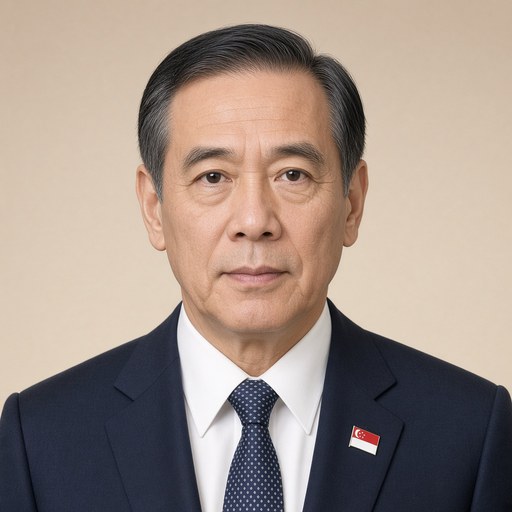
Update on the COVID-19 Situation in Singapore by PM Lee Hsien Loong on 9 October 2021
 Lee Hsien Loong · Prime Minister of Singapore
- Context
- Lee Hsien Loong addressed Singaporeans in October 2021 to explain the sharp rise in COVID-19 cases, the shift away from Zero COVID strategy, and the path toward living with the virus.
- Main themes
- COVID-19 situation update, vaccination progress, Delta variant challenges, transition from Zero COVID to Living with COVID-19, healthcare system pressure, public health measures, economic and social impact of restrictions, population immunity, safe management measures, path to reopening
- Duration
- ~70 min
- Words
- 8,426
- Sentences
- 644
- Readability
- 61
- Grade
- 8.0
- Syntax
- 2.62
- Vocabulary
- 2.07
Translated from Multiple languages
The broad sphere of national life a sentence belongs to. Every sentence has an Arena, so it is the denominator the other indices are read against.
Other644 sentences in 115 paragraphs
Protect the Vulnerable, Secure our Future
My fellow Singaporeans
Local COVID-19 cases have increased sharply over the past few weeks. All of you are understandably anxious. Many have found it difficult to keep up with new policies and changes to measures. I understand your concerns and frustrations. Some ask: What happened to our plans to build a COVID-resilient nation? Has the Government changed its mind? Are we on track to reopening our society? Yet, others ask: Why are there so many cases? Should we not be fully locking down now? These are all valid questions.
Hence I have decided to speak directly to you, to explain: Our current situation and what has changed, our strategy for this phase of the pandemic, and our path forward to a new normal.
I want to share my thoughts and concerns with you, because unity of purpose and hearts is crucial to get us through the next few months.
Our Original Approach – “Zero COVID”
Last year, at the start of the outbreak, we were dealing with an unknown disease. Globally, there was little scientific knowledge about COVID-19. Our own experience from SARS gave us some idea where to start. As we learnt more about the virus, we adjusted our strategy to the evolving situation.
Our original approach was to do our utmost to prevent Singaporeans from being exposed to COVID-19. We tightened Safe Management Measures (SMM) as much as necessary, to bring cases down to a very low level. We judged this the best way to minimise serious illness and deaths.
“Zero COVID” was the right strategy at that time. Our population was not yet vaccinated. People had little or no immunity against COVID-19. The consequences of catching the virus were serious. But because the virus was not so infectious then, our measures could work to break the chain of transmission. The strategy succeeded. We avoided the huge loss of lives that many countries saw. We have one of the lowest COVID-19 death rates in the world.
At the same time, we planned ahead and secured vaccine supplies. Vaccines were a game changer. A safety vest for each of us in this pandemic. Our national programme to vaccinate everybody has been very successful. Thanks to your trust and cooperation, we now have one of the highest vaccination rates in the world – almost 85%. This has greatly enhanced our protection against the virus. Our data, as well as data from around the world, clearly show that vaccination sharply reduces the risk of serious illness. The vast majority of local cases (more than 98%) have mild or no symptoms. Only 2% or less developed more serious illness. Of these, 0.2% died or needed ICU treatment – just two out of every one thousand cases. The rest have needed oxygen supplementation for a few days. In other words, with vaccination, COVID-19 is no longer a dangerous disease for most of us.
A Changed Situation
But the emergence of the Delta variant has put us in a changed situation.
The Delta variant is highly infectious, and has spread all over the world. Even with the whole population vaccinated, we still will not be able to stamp it out through lockdowns and SMMs. Almost every country has accepted this reality.
Furthermore, even if we manage to keep COVID-19 cases down through stringent SMMs, the virus will spread swiftly again as soon as we ease up. This is especially true in Singapore, precisely because of our “Zero COVID” strategy. The majority of us have never experienced an infection. Or as doctors say, we are COVID-naïve. As a result, our natural (population) immunity is low. Even if we have been vaccinated, we are still at some risk of getting infected. This is why we must be prepared to see quite many COVID-19 cases for some time to come.
Yet Singapore cannot stay locked down and closed off indefinitely. It would not work, and it would be very costly. We would be unable to resume our lives, participate in social activities, open our borders, and revive our economy. Each time we tighten up. Businesses are further disrupted. Workers lose jobs. Children are deprived of a proper childhood and school life. Families are separated for even longer. Especially families with loved ones overseas and extended families who have not been able to come together. All these cause psychological and emotional strain, and mental fatigue. For Singaporeans and for everyone else here with us, including our migrant workers.
Therefore, we concluded a few months ago that a “Zero COVID” strategy was no longer feasible. So we changed strategy, to “Living with COVID-19”.
Living with COVID-19
“Living with COVID-19” has not been a smooth and easy journey. In August, after we reached 80% vaccinations, we eased up the Heightened Alert. We expected cases to go up, as more people resumed activities and interacted with one another, but the numbers went up more sharply than we had anticipated, because the Delta variant was so infectious.
Initially, our healthcare system was still able to cope. But we worried that it would come under significant strain, and it has. So have our medical personnel. As cases grow exponentially, the number of serious cases will also grow in step. And when the number of cases grows very large, even 2% of a very large number will translate to many patients needing hospital and ICU beds. Our healthcare system would rapidly be overwhelmed.
That is why last month we tightened up our restrictions. It was to slow down the growth in cases, so that we can ease the burden on our healthcare workers and stabilise our healthcare system. We are using this time to further expand healthcare capacity and strengthen our case management. So that we can better identify COVID-19 patients with mild symptoms to recover at home. And make sure we can care properly for those who fall seriously ill. As well as continue to attend to the many non-COVID-19 patients who also have urgent medical needs.
The Next Steps
We must press on with our strategy of “Living with COVID-19”. What next steps must we now take?
To start with, and most fundamentally, we need to update our mindsets. We should respect COVID-19, but we must not be paralysed by fear. Let us go about our daily activities as normally as possible, taking necessary precautions and complying with SMMs. With vaccinations, COVID-19 has become a treatable, mild disease for most of us. This is especially so if you are young. Or even if you are not so young but fully vaccinated. The threat of COVID-19 is now mainly to seniors: 60 and above if you are not vaccinated, or 80 and above even if you are vaccinated. So for 98% of us, if we catch COVID-19, we can recover by ourselves at home, just as we would if we had the flu.
That is why we are shifting to relying heavily on Home Recovery. It will be the norm for COVID-19 cases. You can get well in a familiar home setting, without the stress and bother of admitting yourself into a care facility. If most of us can recover at home, it will greatly ease the strain on our hospitals, doctors and nurses. It will free up badly needed beds for COVID-19 patients who are at high risk of becoming seriously ill, especially the elderly. Of course, if you have vulnerable family members at home, you can go to an isolation facility to recover. I know many people still have concerns and anxieties about Home Recovery. They are fearful of the disease itself. They fret about the risk to the rest of their household. They also worry whether they will receive adequate care and support at home, should they get worse. I understand your anxieties. Let me assure everyone on Home Recovery that you will get the care and support you need throughout your recovery journey. Earlier, our service delivery fell short. But we have worked hard to fix this, and put things right. If at any point you need to be admitted to hospital or a COVID-19 treatment facility, we will get you there.
Next, since COVID-19 has become a manageable disease, we should now drastically simplify our health protocols. No more complicated flow charts. People must be clear what to do if they test positive, or if they come into contact with someone who is infected.
We also need to know what we can do ourselves. Each one of us needs to take personal and social responsibility. Test ourselves as necessary. Self-isolate if we test positive. Consult a doctor if we have symptoms. Knowing what to do, we will no longer find COVID-19 such a scary disease. Let’s all do our part to keep everyone safe, in particular the vulnerable ones among us.
The group that worries me most is the elderly, especially those who are not yet vaccinated. We have thus far managed to keep our fatalities very low. But sadly, even that has still meant 142 deaths so far. Nearly all were elderly, and with pre-existing medical conditions. They were uncles and aunties in their 60s, 70s and 80s, living in our community. A disproportionate number are unvaccinated seniors. They account for barely 1.5% of the population but they make up two-thirds of those who needed ICU care or died. The remaining one-third were vaccinated seniors. We feel every single loss keenly. My deepest sympathies and condolences to all the families.
With more COVID-19 cases, already most of us have either met someone who has gotten COVID-19, or know someone who does. Sooner or later, every one of us will meet the virus. This means all the elderly will meet the virus too And for them, the risk is very real. As I said earlier, COVID-19 is now mainly a danger to seniors: 60 and above if you are not vaccinated, or 80 and above even if you are vaccinated.
As cases grow, so will the number of elderly cases. If we reach 5,000 COVID-19 cases a day, every day we can expect around 100 to become seriously ill – not a small number.
Our doctors and nurses do their best for every patient. Unfortunately, despite their best efforts, not every seriously ill patient will make it through. Sadly, quite a few will succumb. Just like with pneumonia. Every year more than 4,000 people die of pneumonia in Singapore, mostly elderly and with other underlying illnesses. Over the next few weeks and months, we will likely see the number of COVID-19 related deaths continue to go up.
There are several things we can do, and the elderly can do themselves, to protect them and reduce the numbers falling seriously ill. For the unvaccinated elderly, we will continue trying hard to persuade and vaccinate you. If you are above 60 and not yet vaccinated, you are at very high risk – please get your jabs now! For the elderly who are already vaccinated, please get booster shots to strengthen your immunity. Vaccination has already lowered your risk substantially, but your risk is still much higher than someone younger. A booster shot will reduce your risk further. If you are a vaccinated senior, taking the booster reduces your risk of severe infection by more than 10 times. Or to put it in another way, to the virus, the booster shot makes a vaccinated 80-year old look like a much younger vaccinated 50-plus year old! This is why I am happy to see many seniors walking in for boosters as soon as you are eligible, even before receiving your SMS invitations. Seniors themselves should take extra precautions. By all means go out to exercise and get fresh air but please cut back on makan, kopi and beer sessions with your friends and kakis. This will lower your exposure to the virus. We want you to stay well! Younger people living with seniors can also help to protect them. For instance, you can cut down your own social interactions for now. And test yourself regularly to check that you are not bringing the virus home.
Another group that parents are concerned about is children under 12. Vaccines have not yet been approved for such young children. As cases grow, parents are understandably anxious about their children catching the virus. Though the data shows that children with COVID-19 seldom get seriously ill, parents are still worried. We are closely tracking the progress of vaccine trials on children in the US. We will start vaccinating children as soon as vaccines are approved for them, and our experts are satisfied that they are safe. This will likely be early next year.
Meanwhile, we will build up our healthcare facilities to be able to provide those seriously ill the medical care they need, especially oxygen support and ICU care. However, there is a limit to how much we can expand. We can build new care facilities and purchase new equipment, and we are doing so. But we cannot easily find more and more doctors and nurses to staff them. That is why we have to moderate the surge in COVID-19 cases.
At the same time, as part of living with COVID-19, we must also connect ourselves back to the world. In particular, we must continue to re-open our borders safely. Companies and investors need to carry out regional and global business from Singapore. People working for them need to travel to earn a living. Students need to go on overseas attachments and internships without having to SHN each time. Families and friends will once in a while want to spend time together, overseas.
We have started Vaccinated Travel Lanes with Germany and Brunei, and just announced another with South Korea. These pilot projects have shown it is possible for vaccinated persons to travel safely, while letting in very few COVID-19 positive cases. We are implementing more such arrangements, especially with countries whose COVID-19 situations are stable. This will keep us connected to global supply chains and help to preserve Singapore’s hub status.
The Next Few Months
The next few months will be trying. I expect daily cases to continue rising for some weeks. Our healthcare system will still be under pressure. We can slow, but we cannot stop the Delta variant.
At some point, the surge will level off, and cases will start to decline. We don’t know exactly when, but from the experience of other countries, hopefully within a month or so. As pressure eases off on the healthcare system, we can relax our restrictions. But we will have to do so cautiously, to avoid starting a new wave again.
We must protect our healthcare system and workers at all costs, in order to get through the pandemic safely. Let me say this to all our healthcare workers. I know the enormous stress you are under, and the heavy load that you bear. You have been fighting so hard, for so long. Now we are going through perhaps the most difficult phase of our journey. But it will not last indefinitely. After this surge peaks, things should get better. We are doing all we can to protect you and the healthcare system as we go through this wave. If we don’t protect you, you can’t protect us. On behalf of all Singaporeans, I thank you all. We are with you, and will give you our fullest support.
And to all Singaporeans, we need your support too. Hospitals and healthcare workers are our last line of defence. Help us to protect them. Let each of us be the first line of defence. Continue to abide by prevailing SMMs, and cut back on social activities, to slow the spread of the virus. Get vaccinated if you have not already done so – this will minimise your chances of falling seriously ill and go for your booster shot when your turn comes. Self-test regularly, to avoid infecting others, especially seniors around you. If you are infected, take up Home Recovery, unless you have serious illness, or vulnerable family members. Please don’t rush to the A&E with mild symptoms. Let us reserve hospital capacity for those who need it most – serious COVID-19 cases as well as others with serious illnesses.
The Path Beyond
It has been a long campaign against COVID-19. The war continues but we are in a much better position now, than a year or even six months ago. Sometimes it may not feel like it, but we are making steady progress towards the new normal.
After this surge stabilises, we may still see future surges, especially if new variants emerge. We may have to tap on the brakes if cases again grow too fast, to protect our healthcare system and healthcare workers. But we will be better able to cope with future surges. Our capacity and processes continue to improve. As more people are exposed to the virus and recover, our immunity levels will increase. COVID-19 will spread less quickly among us. With each passing day, we are getting stronger and more resilient. And we are more ready to live with the virus in our midst.
How will we know when we have arrived at the new normal? It will be when we can ease off restrictions, have just light SMMs in place, and cases remain stable – perhaps hundreds a day, but not growing. When our hospitals can go back to business as usual. When we can resume doing the things we used to do, and see crowds again without getting worried or feeling strange. A few countries have reached this state, e.g. in Europe but they have paid for it dearly, losing many lives along the way. It will take us at least three months, and perhaps as long as six months to get to this new normal. COVID-19 has surprised us many times before, and may yet surprise us again. But get there, we will. In a careful and safe manner, with no one left behind to fend for themselves and with as few casualties as possible along the way.
Conclusion
With everyone’s cooperation, we will put the pandemic behind us, hopefully soon. We have the resources, the determination, and the courage to get through this crisis. The pandemic has brought out the best in Singaporeans. We have stayed united and resolute despite the difficulties. Let us keep that up, and continue working together to complete the journey towards COVID-resilience.
Thank you.
At the same time, we have made initial plans and secured vaccine supplies. Vaccines have changed our situation. They are a lifesaver for each one of us during this pandemic. Our national program to vaccinate everyone has been successful. Thanks to your trust and cooperation, we now have one of the highest vaccination rates in the world – nearly 85%. This has significantly increased our level of protection against this virus. Our data, as well as data from around the world, clearly show that vaccination significantly reduces the risk of severe illness. The vast majority of local cases (98%) have mild symptoms or no symptoms at all. Only 2% or less experience more serious illness. Of that number, 0.2% die or require treatment in the Intensive Care Unit (ICU) – in other words, only two in every thousand cases. The rest only require oxygen support for a few days. In other words, with vaccination, COVID-19 is no longer a dangerous disease for most of us.
The Situation Has Changed
However, the emergence of the Delta variant has changed the situation.
The Delta variant is highly contagious, and it has spread worldwide. Even though our entire population is vaccinated, we still cannot eliminate it through comprehensive restrictions and safe management measures (SMM). Almost every country has come to this realization.
Furthermore, even though we can reduce the number of COVID-19 cases through strict SMM, the virus will spread again quickly as soon as we ease restrictions. This is what happened in Singapore, due to our “Zero COVID” strategy. Most of us have never experienced an infection. Or as doctors say, we are naïve-COVID. As a result, the natural immunity level of our population is low. Even though we have been vaccinated, we are still at risk of contracting the virus. This is why we must be prepared to continue seeing relatively high case numbers for a considerable period.
But Singapore cannot continue to implement comprehensive restrictions and close our borders forever. It is ineffective and will incur very high costs. We will not be able to continue our lives, participate in social activities, open our borders, and revive our economy. Every time we tighten control measures, businesses will be increasingly affected. Workers lose their jobs. Children miss out on enjoying their childhood and perfect school experiences. Families are separated for longer periods. Especially families with loved ones abroad. And extended family members who have yet to meet. All of this causes psychological and emotional stress, and mental fatigue. For the people of Singapore and everyone with us here, including our migrant workers.
Therefore, a few months ago we concluded that the “Zero COVID” strategy is no longer feasible. So, we shifted our strategy to “Living with COVID-19.”
Living with COVID-19
“Living with COVID-19” is not a smooth and easy journey. Last August, when we reached an 80 percent vaccination rate, we eased safe management measures under the Enhanced Alert phase. We anticipated that the number of cases would rise, as more of us resumed activities and interacted with one another. However, the number of cases increased more sharply than we expected, due to the highly contagious Delta variant.
Initially, our healthcare system was still able to cope with the number of cases. However, we were concerned that it would face significant pressure, and it turned out that it did. The same goes for our medical staff. As the number of cases continued to surge, the number of serious infection cases would also increase. And when the daily case numbers rise so high, just 2% of that total means many patients will require hospital treatment and ICU beds. In a very short time, our healthcare system could bear an overwhelming burden.
That is why a few weeks ago we tightened our restriction measures. The aim is to slow the rise in case numbers, so that we can alleviate the burden on healthcare workers and stabilize our healthcare system. We are using this time to further increase healthcare capacity and strengthen our case management. So that we can better identify COVID-19 patients for home recovery. And ensure we provide the best care for critically ill patients. As well as continue to treat many non-COVID-19 patients who also require urgent medical care.
Next Steps
We must continue our strategy for “Living with COVID-19.” What are the next steps we need to take now?
To begin with, and most importantly, we need to change our mindset. We should respect COVID-19, but we cannot be paralyzed by fear. Let us continue our daily activities as normally as possible, taking necessary precautions and adhering to SMM. With vaccination, COVID-19 is a treatable disease, and not severe for most of us. Especially if you are still young. Or if you are not so young but have been fully vaccinated. The threat of COVID-19 is now focused on the elderly: those aged 60 and above if you have not been vaccinated, or those aged 80 and above even if you have been vaccinated. So, for 98 percent of us, if we contract COVID-19, we can recover at home, just as we would if we had the flu.
That is why we are shifting to rely more on Home Recovery. It will become the norm for COVID-19 cases. You can recover in the comfort of your home, without the stress and hassle of moving to a care facility. If most of us can recover at home, it will reduce the pressure on hospitals, our doctors, and nurses. It will allow the much-needed beds to be used for high-risk COVID-19 patients, especially the elderly. Of course, if you have vulnerable family members at home, we will transfer you to isolation facilities for recovery. I know that many people still feel worried and anxious about Home Recovery. They fear the disease. They worry about the risks to their other family members. They also worry about whether they will receive adequate care and support at home if their condition worsens. I understand your concerns. I assure everyone undergoing Home Recovery that you will receive the care and support you need throughout your recovery process. Initially, there were shortcomings in the services we provided. But we have worked hard to improve it, and are rectifying the situation. If you need to be hospitalized or transferred to a COVID-19 treatment facility at any time, we will move you there.
Given that COVID-19 is now a controllable disease, we will take drastic steps to simplify our health protocols. No more complicated flowcharts. People must clearly understand what they need to do if they test positive, and if they have been in close contact with someone who has been infected.
We also need to know what we can do ourselves. Each one of us must take personal and social responsibility. Test ourselves if necessary. Isolate ourselves if we test positive. See a doctor if we have symptoms. When we know what to do, we will no longer view COVID-19 as a truly frightening disease. Let us all play our part to ensure everyone is safe, especially those who are vulnerable among us.
The group that concerns me the most is the elderly, especially those who have not yet been vaccinated. So far, we have successfully kept our death toll very low. But unfortunately, we have still recorded 142 deaths to date. Almost all of them are elderly, who have other illnesses. Uncles and aunties in their 60s, 70s, and 80s, who are part of our community. The disproportionate number are unvaccinated elderly. They make up only 1.5% of the country’s population. But they account for two-thirds of those who require ICU treatment or have died. The remaining one-third are elderly who have been vaccinated. We feel very sad with every loss. I am deeply sympathetic and extend my condolences to all the affected families.
With more COVID-19 cases, most of us have either met someone who has been infected with COVID-19, or know someone who has met a patient. Sooner or later, each one of us will contract this virus. This means all elderly people will also contract this virus. And for them, the risks are very real. As I mentioned earlier, COVID-19 is now dangerous for the elderly: those aged 60 and above if you have not been vaccinated, or those aged 80 and above even if you have been vaccinated.
As the number of cases rises, so does the number of elderly cases. If we reach 5,000 COVID-19 cases a day, we can expect around 100 of them to experience severe illness every day – this is not a small number.
Our doctors and nurses are doing their best for every patient. Unfortunately, despite their best efforts, not all critically ill patients can be saved. Sadly, some will die. Just like pneumonia. More than 4,000 die from pneumonia each year, most of whom are elderly with other illnesses. In the weeks and months to come, we may see the number of COVID-19-related deaths continue to rise.
There are several things we can do, and that the elderly can do themselves, to protect themselves and reduce the number of severe cases. For elderly individuals who have not been vaccinated, we will continue to work diligently to persuade you and vaccinate you. If you are over 60 years old and have not yet been vaccinated, you are at very high risk – please get your shot now! For elderly individuals who have been vaccinated, please get your booster shot to enhance your immunity. Vaccination has significantly reduced your risk of infection, but your risk is still much higher than that of a younger person. A booster shot will further reduce your risk. If you are an elderly person who has been vaccinated, getting a booster shot reduces your risk of experiencing severe illness by more than 10 times. Or in other words, from the perspective of this virus, a booster shot makes an 80-year-old who has been vaccinated, like a much younger individual around 50 years old! That is why I am pleased to see many elderly individuals coming forward to get their booster shots as soon as you are eligible, even before you receive your invitation via SMS. Elderly individuals themselves should take additional precautions. Please go out to exercise and get fresh air. But please reduce eating and drinking coffee outside with your close friends. This will reduce your risk of contracting the virus. We want you to stay healthy! Young people living with elderly individuals can also help protect them. For example, you can reduce your social interactions for now. And test yourself regularly so that you do not bring the virus home.
Another group that concerns parents is children under 12 years old. Vaccines have not yet been approved for young children. With the rising number of cases, parents are certainly very worried that their children will contract the virus. Although data shows that children infected with COVID-19 rarely experience severe illness, parents remain concerned. We are closely monitoring the progress of vaccine trials and approvals in the United States. We will begin vaccinating children as soon as vaccines are approved for them, and our experts are satisfied that the vaccines are safe. This may be implemented early next year.
Meanwhile, we will enhance our healthcare facilities to ensure that those who are seriously ill receive the medical treatment they need, especially oxygen respiratory assistance and ICU care. However, there are limits to how much we can enhance these facilities. We can build new treatment facilities and purchase new equipment, and we are doing so. But it is difficult for us to find more doctors and nurses to manage them. That is why we need to control the surge in COVID-19 cases.
At the same time, as part of living with COVID-19, we must also re-establish our connections with the world. In particular, we must continue to safely reopen our borders. Companies and investors need to conduct regional and global business from Singapore. The people working for these companies and investors need to go abroad to earn a living. Students need to undertake placements and internships overseas without having to be subjected to Stay-Home Notices (SHN) each time. Families and friends want to spend time together occasionally, abroad.
We have initiated Vaccinated Travel Lanes with Germany and Brunei, and have just announced another arrangement with South Korea. These pilot projects demonstrate that vaccinated individuals can travel abroad safely, while at the same time allowing a small number of positive COVID-19 cases to enter our country. We will implement more such arrangements, especially with countries that have stable COVID-19 situations. This will ensure that we remain connected to global supply chains and help maintain Singapore's status as a hub.
The Coming Months
The coming months will feel challenging. I expect daily case numbers to continue to rise for a few more weeks. Our healthcare system will continue to face pressure. We can slow it down, but we cannot contain the spread of the Delta variant.
There will come a time when the surge in cases will stabilize, and the number of cases will begin to decline. We do not know exactly when, but based on the experiences of other countries, hopefully within a month or so. As the pressure on the healthcare system eases, we can relax restrictions. But we must do so cautiously, to avoid triggering a new wave of infections again.
We must protect our healthcare system and our healthcare workers, in order to navigate this pandemic safely. Allow me to say something to all our healthcare workers. I know the immense pressure you are under, and the heavy responsibilities you bear. You have fought tirelessly for so long. Now we are going through a phase that may be the most difficult in our journey. But it will not last forever. After the surge in cases peaks, conditions should improve. We are doing everything we can to protect you and the healthcare system as we navigate this wave of infections. If we do not protect you, you cannot protect us. On behalf of all the people of Singapore, I thank you all. We stand with you, and we will give you our full support.
And to all the people of Singapore, we also need your support. Hospitals and healthcare workers are our last line of defense. Help us protect them. Let us all be the first line of defense together. Continue to adhere to the existing Safe Management Measures (SMM), and reduce social activities, to slow the transmission of the virus. Get vaccinated if you have not done so – it will reduce your chances of becoming seriously ill. And get your booster shot when it is your turn to receive it. Conduct regular self-tests, to avoid infecting others, especially the elderly around you. If you are infected, recover at home unless you have serious illness, or there are vulnerable family members. Please do not rush to the Accident & Emergency (A&E) Department if you have mild symptoms. Let us prioritize hospital capacity for those who truly need it – both for serious COVID-19 cases and for those with other serious illnesses.
The Next Path
Our fight against COVID has been a long one. The efforts to combat it continue. But we are now in a much better position than we were a year ago, or even six months ago. Sometimes we may not feel it, but we are making steady progress towards a new normal.
After the surge in cases stabilizes, we may experience spikes in the future, especially if new variants emerge. We may need to tighten control measures again, if case numbers rise too rapidly, to protect our healthcare system. But we will be better equipped to handle surges in cases in the future. Our capacity and processes are improving. As more people are exposed to the virus and recover from it, our level of immunity will increase. COVID-19 will spread more slowly among us. With each passing day, we are becoming stronger and more resilient. And we are more prepared to live our lives with the presence of this virus among us.
How will we know when we have reached this new normal? It will happen when we can relax restrictions and only impose loose SMM, and case numbers remain stable – perhaps at a few hundred a day, but not increasing. When our hospitals can function as usual. When we can return to doing the things we used to do, or see places bustling again, without feeling worried or strange. Some countries have already reached this state, for example, in Europe. But they have had to bear a high toll. We will take at least three months, and possibly up to six months, to reach this state. COVID-19 has surprised us repeatedly before, and it may surprise us again. But Singapore will reach this state too. Cautiously and safely, without leaving anyone behind to fend for themselves. And with the toll kept as low as possible along this journey.
Conclusion
With everyone's cooperation, we will be able to overcome this pandemic, hopefully soon. We have the resources, determination, and courage to help us navigate this crisis. This pandemic has brought out the best in the people of Singapore. We remain united and strong even in the face of difficulties. Let us continue this effort, and work together to complete the journey towards building resilience against COVID.
Thank you.
The journey of "living with COVID-19" has been tumultuous. In August, after 80 percent of us had been vaccinated, we eased the heightened state of alert. As more people resumed their activities and began to interact with one another, we anticipated an increase in the number of infection cases. However, that number rose far more than we expected. This was due to the Delta variant's capacity to spread to that extent.
Initially, our healthcare system was able to cope with the surge. However, we were concerned that it would be subjected to significant strain. That concern became a reality. Even our healthcare workers faced difficulties. As the number of infection cases increased rapidly, the number of those who fell severely ill also rose correspondingly. When the number of infection cases increases significantly, it also indicates the number of patients who need to be admitted to hospitals and intensive care units, even with a population of 2 million. Very soon, our healthcare system could become overwhelmed.
That is why, last month, we tightened our restrictions. The aim was to slow the increase in infection cases. Only then could we reduce the burden on our healthcare workers and stabilize our healthcare system. We are using this time to further expand healthcare capacity and strengthen the management of infection cases. Only then can we better identify COVID-19 patients with mild symptoms who can recover at home. We can ensure that medical attention is provided to those who are severely ill. We can continue to care for many patients with urgent medical needs who are affected by diseases other than COVID-19.
Next Steps
We must continue to follow our strategy regarding "living with COVID-19." What are the next steps we need to take?
First, we need to change our mindset fundamentally. We must accept COVID-19 as a reality. However, we must not be paralyzed by fear. By following necessary precautionary measures and aligning with safe management practices, we can engage in our daily activities as normally as possible. Since most of us are vaccinated, COVID-19 has transformed into a manageable, mild illness. This is especially true if you are young or fully vaccinated. Currently, the threat of COVID-19 primarily surrounds the elderly. That is, those over 60 who are unvaccinated or those over 80 who are vaccinated. Thus, if 98 percent of us contract COVID-19, we can recover at home—just like recovering from a common cold.
That is why we are transitioning to a state where home recovery is the norm. This will be the standard for COVID-19 patients. You can recover in a familiar home environment without the stress and anxiety of going to a care facility. If most of us can recover at home, it will significantly alleviate the burden on our hospitals, doctors, and nurses. This will ensure that there are beds available for COVID-19 patients who are at high risk of severe illness—especially the elderly. If there are vulnerable family members in your home, you can go to a designated isolation facility to recover. I understand that many have concerns and anxieties about the home recovery plan. They are afraid of this disease. They are worried about the risk of transmission to family members living with them. They are also concerned about whether they will receive adequate care and support at home if their health deteriorates. I understand your concerns. I assure everyone under the home recovery plan that you will receive the care and support you need throughout your recovery period. Previously, there were shortcomings in our service system. However, we have been working hard to rectify them. At any point, if you need to be admitted to a hospital or a COVID-19 treatment facility, we will take you there.
Now that COVID-19 has become a manageable illness, we need to significantly simplify our healthcare protocols. There will be no more complex procedural maps. People need to clearly understand what to do if they test positive for the virus or have been in contact with someone who has tested positive.
We need to know what we can do ourselves. Each of us must act with a sense of individual and community responsibility. We will self-test as needed. We will self-isolate if we test positive. If we develop symptoms, we will see a doctor. By knowing what to do, we will no longer view COVID-19 as a terrifying disease. We will all play our part in protecting everyone—especially those who are vulnerable among us.
The group that concerns me greatly is the elderly—especially those who have not yet been vaccinated. So far, we have kept our mortality rate very low. However, worryingly, 142 people have died to date. Almost all of them were elderly individuals with pre-existing health issues. The elderly in our community who are over 60 years old. Many of them are unvaccinated seniors. They make up 1.5 percent of the population. However, among those who require intensive care or have died, they account for two-thirds. The others are vaccinated seniors. We feel deeply for each loss. I extend my heartfelt condolences and sympathies to all affected families.
As COVID-19 infection cases continue to rise, most of us will have encountered someone who has been infected or know of such a person. Over time, we will confront this virus. If that is the case, all seniors will also encounter this virus. The danger it poses to them is very serious. As I mentioned earlier, the threat of COVID-19 primarily surrounds the elderly. That is, those over 60 who are unvaccinated or those over 80 who are vaccinated.
As the number of infection cases increases, the number of elderly people affected by the virus will also rise. If there are 5,000 infection cases recorded in a day, we can expect about 100 people to fall severely ill each day—that is not a small number.
Our doctors and nurses provide the best possible care for each patient. However, despite their best efforts, some will fall severely ill. Not every patient will recover and survive. Some will die. Just like pneumonia. Every year, more than 4,000 people die from pneumonia. Most of them are elderly or have other underlying health issues. In the coming weeks and months, we are likely to see the number of deaths caused by COVID-19 continue to rise.
To protect the elderly and reduce the number of those who fall severely ill, we can all take several measures. We will continue our efforts to vaccinate unvaccinated seniors. If you are over 60 and have not yet been vaccinated, your risk of infection is very high—please get vaccinated immediately! Vaccinated seniors should receive a booster shot to strengthen their immunity. The risk for you has already significantly decreased due to vaccination. However, compared to a younger person, your risk is still higher. The booster shot will further reduce your risk. If you are a vaccinated senior, by getting the booster shot, your risk of infection will decrease by about tenfold. In other words, in the eyes of the virus, an 80-year-old who has received the booster shot will appear much younger, like a 50-year-old. That is why I am pleased to see seniors going to get the booster shot as soon as they are eligible, even before receiving a text message reminder. Seniors should also follow additional precautionary measures. Go outside and exercise; breathe in fresh air. But kindly reduce social gatherings with friends for meals or tea. This will reduce the chances of the virus spreading to you. We want you to be healthy! Young people living with seniors can also help protect them. For example, you can reduce your own social gatherings for now. Frequently self-test to ensure you are not bringing the virus home.
Another group of concerned parents is children under 12. Vaccines are not yet approved for such young children. As the number of infection cases rises, it is understandable that parents are worried about the risk of transmission to their children. Although data shows that children affected by COVID-19 do not usually fall severely ill, parents still worry. In the United States, we are closely monitoring the progress of vaccine trials for children. Once vaccines are approved for children and deemed safe by our experts, we will begin vaccinating our children. This could happen at the beginning of next year.
At the same time, we will enhance our healthcare facilities to provide the necessary medical care for those who fall severely ill—especially for those who require respiratory support and intensive care. However, there is a limit to how much we can expand our facilities. We can build new care facilities; we can purchase new equipment. We are doing that. But we cannot easily bring in more doctors and nurses to operate them. That is why we need to reduce the increase in COVID-19 infection cases.
At the same time, as part of the strategy of "living with COVID-19," we need to reconnect with the world. Specifically, we need to continue to safely reopen our borders. Businesses and investors should engage in regional and global enterprises from Singapore. Employees working for them should be able to travel for work purposes. Students should be able to participate in overseas internship programs and work training programs without a stay-at-home order. Families and friends will want to spend time together abroad from time to time.
We have already initiated travel pathways for vaccinated individuals with countries like Germany and Brunei. We have just announced such arrangements with South Korea. These pilot programs demonstrate that only those who have tested positive for COVID-19 can enter Singapore, allowing vaccinated individuals to travel safely. We are implementing many more such arrangements—especially with countries where the COVID-19 situation is stable. This will help keep us connected with global supply chains and maintain Singapore's status as a "hub."
The Next Few Months
The next few months will be challenging. I expect the daily number of infection cases to continue to rise for several weeks. Our healthcare system will continue to face pressure. We can only slow the spread of the Delta variant, not stop it.
At some point, the increase in infection cases will stabilize. After that, the number of infection cases will begin to decline. We do not know exactly when. However, looking at the experiences of other countries, we hope that this could happen within a month. When the pressure on the healthcare sector eases, we can relax restrictions. But we must do this cautiously. Only then can we avoid a new wave of infections.
To safely navigate through the pandemic, we must protect our healthcare system and its workers at all costs. I say this to all our healthcare workers. I know the immense stress and workload you are experiencing. You have been fighting hard for a long time. Now, we can consider this the most challenging phase of our journey. However, it will not last indefinitely. After this surge reaches its peak, the situation will improve. As we navigate this wave, we are doing everything we can to protect you and the healthcare system. If we do not protect you, you cannot protect us. On behalf of all Singaporeans, I thank you. We stand with you; we will provide you with our full support.
A plea to all Singaporeans. We need your support. Hospitals and healthcare workers are our last line of defense. Help us protect them. Each of us will play our part in safeguarding the frontlines. To slow the spread of the virus, continue to adhere to the safe management measures in place; reduce social activities. If you have not yet been vaccinated, please get vaccinated – this will help reduce your chances of becoming seriously ill. When your turn comes, get your booster shot. For others, especially the elderly around you, please conduct regular self-testing to ensure the virus does not spread. If you are infected, if you become seriously ill, or if there are vulnerable individuals at home, please recover at home. If you have mild symptoms, please do not rush to the emergency department. We will kindly reserve hospital beds for those who need them most – for those with severe COVID-19 and other serious illnesses.
The path ahead
Our fight against the COVID-19 pandemic is a long journey. This battle continues. However, we are in a better position now than we were a year or six months ago. Sometimes, we do not feel that way. But we are making steady progress towards a new normal.
After the current surge stabilizes, we may face similar surges in the future – especially if new variants emerge. To protect our healthcare system and its workers, if the number of infection cases rises rapidly, we will need to re-implement restrictions. However, we will be able to manage the increase in infection cases that arise in the future even better. Our capabilities and processes are continuously improving. As more people are infected and recover, our level of immunity increases. The COVID-19 virus will not spread as rapidly among our population. With each passing day, we are becoming stronger; we are recovering more. We will be able to live in a more prepared state with the virus.
How will we know that we have reached a new normal? When we can ease restrictions, when simple safe management practices are in place, when the number of infection cases stabilizes – let’s say in the hundreds per day – but does not increase – we can consider that a new normal has arrived. When our hospitals begin to operate as usual again. When we can start doing the things we used to do without feeling strange or overly worried, or when we can see gatherings of people again. Only a few countries have reached this state, e.g., in Europe. But they have lost many lives on this journey. It may take us at least three months to reach that state; it could take a maximum of six months. COVID-19 has surprised us many times before; it may surprise us again. But Singapore will reach that state. Cautiously and in a controlled manner, no one should have to suffer alone. There should be as few fatalities as possible on that journey.
Conclusion
With everyone’s cooperation, let us hope to push back this pandemic. We have the resources, resolve, and courage needed to get through this crisis. This pandemic has brought out the best qualities of Singaporeans. Despite the challenges, we have stood together with unity and resolve. We will hold on to that virtue; we will continue to work together to complete the journey towards COVID-19 resilience.
Thank you!
The original Multiple languages. The tags above are read on the English translation's sentences.
Chinese
Malay
Tamil
Protect the Vulnerable, Secure our Future
My fellow Singaporeans
Local COVID-19 cases have increased sharply over the past few weeks. All of you are understandably anxious. Many have found it difficult to keep up with new policies and changes to measures. I understand your concerns and frustrations. Some ask: What happened to our plans to build a COVID-resilient nation? Has the Government changed its mind? Are we on track to reopening our society? Yet, others ask: Why are there so many cases? Should we not be fully locking down now? These are all valid questions.
Hence I have decided to speak directly to you, to explain: Our current situation and what has changed, our strategy for this phase of the pandemic, and our path forward to a new normal.
I want to share my thoughts and concerns with you, because unity of purpose and hearts is crucial to get us through the next few months.
Our Original Approach – “Zero COVID”
Last year, at the start of the outbreak, we were dealing with an unknown disease. Globally, there was little scientific knowledge about COVID-19. Our own experience from SARS gave us some idea where to start. As we learnt more about the virus, we adjusted our strategy to the evolving situation.
Our original approach was to do our utmost to prevent Singaporeans from being exposed to COVID-19. We tightened Safe Management Measures (SMM) as much as necessary, to bring cases down to a very low level. We judged this the best way to minimise serious illness and deaths.
“Zero COVID” was the right strategy at that time. Our population was not yet vaccinated. People had little or no immunity against COVID-19. The consequences of catching the virus were serious. But because the virus was not so infectious then, our measures could work to break the chain of transmission. The strategy succeeded. We avoided the huge loss of lives that many countries saw. We have one of the lowest COVID-19 death rates in the world.
At the same time, we planned ahead and secured vaccine supplies. Vaccines were a game changer. A safety vest for each of us in this pandemic. Our national programme to vaccinate everybody has been very successful. Thanks to your trust and cooperation, we now have one of the highest vaccination rates in the world – almost 85%. This has greatly enhanced our protection against the virus. Our data, as well as data from around the world, clearly show that vaccination sharply reduces the risk of serious illness. The vast majority of local cases (more than 98%) have mild or no symptoms. Only 2% or less developed more serious illness. Of these, 0.2% died or needed ICU treatment – just two out of every one thousand cases. The rest have needed oxygen supplementation for a few days. In other words, with vaccination, COVID-19 is no longer a dangerous disease for most of us.
A Changed Situation
But the emergence of the Delta variant has put us in a changed situation.
The Delta variant is highly infectious, and has spread all over the world. Even with the whole population vaccinated, we still will not be able to stamp it out through lockdowns and SMMs. Almost every country has accepted this reality.
Furthermore, even if we manage to keep COVID-19 cases down through stringent SMMs, the virus will spread swiftly again as soon as we ease up. This is especially true in Singapore, precisely because of our “Zero COVID” strategy. The majority of us have never experienced an infection. Or as doctors say, we are COVID-naïve. As a result, our natural (population) immunity is low. Even if we have been vaccinated, we are still at some risk of getting infected. This is why we must be prepared to see quite many COVID-19 cases for some time to come.
Yet Singapore cannot stay locked down and closed off indefinitely. It would not work, and it would be very costly. We would be unable to resume our lives, participate in social activities, open our borders, and revive our economy. Each time we tighten up. Businesses are further disrupted. Workers lose jobs. Children are deprived of a proper childhood and school life. Families are separated for even longer. Especially families with loved ones overseas and extended families who have not been able to come together. All these cause psychological and emotional strain, and mental fatigue. For Singaporeans and for everyone else here with us, including our migrant workers.
Therefore, we concluded a few months ago that a “Zero COVID” strategy was no longer feasible. So we changed strategy, to “Living with COVID-19”.
Living with COVID-19
“Living with COVID-19” has not been a smooth and easy journey. In August, after we reached 80% vaccinations, we eased up the Heightened Alert. We expected cases to go up, as more people resumed activities and interacted with one another, but the numbers went up more sharply than we had anticipated, because the Delta variant was so infectious.
Initially, our healthcare system was still able to cope. But we worried that it would come under significant strain, and it has. So have our medical personnel. As cases grow exponentially, the number of serious cases will also grow in step. And when the number of cases grows very large, even 2% of a very large number will translate to many patients needing hospital and ICU beds. Our healthcare system would rapidly be overwhelmed.
That is why last month we tightened up our restrictions. It was to slow down the growth in cases, so that we can ease the burden on our healthcare workers and stabilise our healthcare system. We are using this time to further expand healthcare capacity and strengthen our case management. So that we can better identify COVID-19 patients with mild symptoms to recover at home. And make sure we can care properly for those who fall seriously ill. As well as continue to attend to the many non-COVID-19 patients who also have urgent medical needs.
The Next Steps
We must press on with our strategy of “Living with COVID-19”. What next steps must we now take?
To start with, and most fundamentally, we¬ need to update our mindsets. We should respect COVID-19, but we must not be paralysed by fear. Let us go about our daily activities as normally as possible, taking necessary precautions and complying with SMMs. With vaccinations, COVID-19 has become a treatable, mild disease for most of us. This is especially so if you are young. Or even if you are not so young but fully vaccinated. The threat of COVID-19 is now mainly to seniors: 60 and above if you are not vaccinated, or 80 and above even if you are vaccinated. So for 98% of us, if we catch COVID-19, we can recover by ourselves at home, just as we would if we had the flu.
That is why we are shifting to relying heavily on Home Recovery. It will be the norm for COVID-19 cases. You can get well in a familiar home setting, without the stress and bother of admitting yourself into a care facility. If most of us can recover at home, it will greatly ease the strain on our hospitals, doctors and nurses. It will free up badly needed beds for COVID-19 patients who are at high risk of becoming seriously ill, especially the elderly. Of course, if you have vulnerable family members at home, you can go to an isolation facility to recover. I know many people still have concerns and anxieties about Home Recovery. They are fearful of the disease itself. They fret about the risk to the rest of their household. They also worry whether they will receive adequate care and support at home, should they get worse. I understand your anxieties. Let me assure everyone on Home Recovery that you will get the care and support you need throughout your recovery journey. Earlier, our service delivery fell short. But we have worked hard to fix this, and put things right. If at any point you need to be admitted to hospital or a COVID-19 treatment facility, we will get you there.
Next, since COVID-19 has become a manageable disease, we should now drastically simplify our health protocols. No more complicated flow charts. People must be clear what to do if they test positive, or if they come into contact with someone who is infected.
We also need to know what we can do ourselves. Each one of us needs to take personal and social responsibility. Test ourselves as necessary. Self-isolate if we test positive. Consult a doctor if we have symptoms. Knowing what to do, we will no longer find COVID-19 such a scary disease. Let’s all do our part to keep everyone safe, in particular the vulnerable ones among us.
The group that worries me most is the elderly, especially those who are not yet vaccinated. We have thus far managed to keep our fatalities very low. But sadly, even that has still meant 142 deaths so far. Nearly all were elderly, and with pre-existing medical conditions. They were uncles and aunties in their 60s, 70s and 80s, living in our community. A disproportionate number are unvaccinated seniors. They account for barely 1.5% of the population but they make up two-thirds of those who needed ICU care or died. The remaining one-third were vaccinated seniors. We feel every single loss keenly. My deepest sympathies and condolences to all the families.
With more COVID-19 cases, already most of us have either met someone who has gotten COVID-19, or know someone who does. Sooner or later, every one of us will meet the virus. This means all the elderly will meet the virus too And for them, the risk is very real. As I said earlier, COVID-19 is now mainly a danger to seniors: 60 and above if you are not vaccinated, or 80 and above even if you are vaccinated.
As cases grow, so will the number of elderly cases. If we reach 5,000 COVID-19 cases a day, every day we can expect around 100 to become seriously ill – not a small number.
Our doctors and nurses do their best for every patient. Unfortunately, despite their best efforts, not every seriously ill patient will make it through. Sadly, quite a few will succumb. Just like with pneumonia. Every year more than 4,000 people die of pneumonia in Singapore, mostly elderly and with other underlying illnesses. Over the next few weeks and months, we will likely see the number of COVID-19 related deaths continue to go up.
There are several things we can do, and the elderly can do themselves, to protect them and reduce the numbers falling seriously ill. For the unvaccinated elderly, we will continue trying hard to persuade and vaccinate you. If you are above 60 and not yet vaccinated, you are at very high risk – please get your jabs now! For the elderly who are already vaccinated, please get booster shots to strengthen your immunity. Vaccination has already lowered your risk substantially, but your risk is still much higher than someone younger. A booster shot will reduce your risk further. If you are a vaccinated senior, taking the booster reduces your risk of severe infection by more than 10 times. Or to put it in another way, to the virus, the booster shot makes a vaccinated 80-year old look like a much younger vaccinated 50-plus year old! This is why I am happy to see many seniors walking in for boosters as soon as you are eligible, even before receiving your SMS invitations. Seniors themselves should take extra precautions. By all means go out to exercise and get fresh air but please cut back on makan, kopi and beer sessions with your friends and kakis. This will lower your exposure to the virus. We want you to stay well! Younger people living with seniors can also help to protect them. For instance, you can cut down your own social interactions for now. And test yourself regularly to check that you are not bringing the virus home.
Another group that parents are concerned about is children under 12. Vaccines have not yet been approved for such young children. As cases grow, parents are understandably anxious about their children catching the virus. Though the data shows that children with COVID-19 seldom get seriously ill, parents are still worried. We are closely tracking the progress of vaccine trials on children in the US. We will start vaccinating children as soon as vaccines are approved for them, and our experts are satisfied that they are safe. This will likely be early next year.
Meanwhile, we will build up our healthcare facilities to be able to provide those seriously ill the medical care they need, especially oxygen support and ICU care. However, there is a limit to how much we can expand. We can build new care facilities and purchase new equipment, and we are doing so. But we cannot easily find more and more doctors and nurses to staff them. That is why we have to moderate the surge in COVID-19 cases.
At the same time, as part of living with COVID-19, we must also connect ourselves back to the world. In particular, we must continue to re-open our borders safely. Companies and investors need to carry out regional and global business from Singapore. People working for them need to travel to earn a living. Students need to go on overseas attachments and internships without having to SHN each time. Families and friends will once in a while want to spend time together, overseas.
We have started Vaccinated Travel Lanes with Germany and Brunei, and just announced another with South Korea. These pilot projects have shown it is possible for vaccinated persons to travel safely, while letting in very few COVID-19 positive cases. We are implementing more such arrangements, especially with countries whose COVID-19 situations are stable. This will keep us connected to global supply chains and help to preserve Singapore’s hub status .
The Next Few Months
The next few months will be trying. I expect daily cases to continue rising for some weeks. Our healthcare system will still be under pressure. We can slow, but we cannot stop the Delta variant.
At some point, the surge will level off, and cases will start to decline. We don’t know exactly when, but from the experience of other countries, hopefully within a month or so. As pressure eases off on the healthcare system, we can relax our restrictions. But we will have to do so cautiously, to avoid starting a new wave again.
We must protect our healthcare system and workers at all costs, in order to get through the pandemic safely. Let me say this to all our healthcare workers. I know the enormous stress you are under, and the heavy load that you bear. You have been fighting so hard, for so long. Now we are going through perhaps the most difficult phase of our journey. But it will not last indefinitely. After this surge peaks, things should get better. We are doing all we can to protect you and the healthcare system as we go through this wave. If we don’t protect you, you can’t protect us. On behalf of all Singaporeans, I thank you all. We are with you, and will give you our fullest support.
And to all Singaporeans, we need your support too. Hospitals and healthcare workers are our last line of defence. Help us to protect them. Let each of us be the first line of defence. Continue to abide by prevailing SMMs, and cut back on social activities, to slow the spread of the virus. Get vaccinated if you have not already done so – this will minimise your chances of falling seriously ill and go for your booster shot when your turn comes. Self-test regularly, to avoid infecting others, especially seniors around you. If you are infected, take up Home Recovery, unless you have serious illness, or vulnerable family members. Please don’t rush to the A&E with mild symptoms. Let us reserve hospital capacity for those who need it most – serious COVID-19 cases as well as others with serious illnesses.
The Path Beyond
It has been a long campaign against COVID-19. The war continues but we are in a much better position now, than a year or even six months ago. Sometimes it may not feel like it, but we are making steady progress towards the new normal.
After this surge stabilises, we may still see future surges, especially if new variants emerge. We may have to tap on the brakes if cases again grow too fast, to protect our healthcare system and healthcare workers. But we will be better able to cope with future surges. Our capacity and processes continue to improve. As more people are exposed to the virus and recover, our immunity levels will increase. COVID-19 will spread less quickly among us. With each passing day, we are getting stronger and more resilient. And we are more ready to live with the virus in our midst.
How will we know when we have arrived at the new normal? It will be when we can ease off restrictions, have just light SMMs in place, and cases remain stable – perhaps hundreds a day, but not growing. When our hospitals can go back to business as usual. When we can resume doing the things we used to do, and see crowds again without getting worried or feeling strange. A few countries have reached this state, e.g. in Europe but they have paid for it dearly, losing many lives along the way. It will take us at least three months, and perhaps as long as six months to get to this new normal. COVID-19 has surprised us many times before, and may yet surprise us again. But get there, we will. In a careful and safe manner, with no one left behind to fend for themselves and with as few casualties as possible along the way.
Conclusion
With everyone’s cooperation, we will put the pandemic behind us, hopefully soon. We have the resources, the determination, and the courage to get through this crisis. The pandemic has brought out the best in Singaporeans. We have stayed united and resolute despite the difficulties. Let us keep that up, and continue working together to complete the journey towards COVID-resilience.
Thank you.
【李显龙总理全国讲话】新加坡冠状病毒-19疫情现况 2021年10月9日
保护高风险群体 齐心抗疫保未来
各位同胞
过去的几个星期,本地的冠病病例大幅度增加。这难免让大家感到焦虑不安。许多国人觉得政府不断推出新的防疫政策,一些措施也一改再改,让他们无所适从。我理解大家的担忧和不满。有些人开始问:为了成为一个具有对抗冠病韧性的国家所做的部署,是不是出了问题? 政府是不是改变主意了?我们还能按部就班开放我国社会吗?其他人也问到为什么有那么多人染病?我们为什么没有再次实行阻断措施?这些都是合理的问题。
因此,我要亲自向大家说明:目前的局势以及出现了什么变化 ,我们在现阶段所采取的抗疫战略,以及如何迈向新常态。
我要告诉大家我的看法和关注的事项。因为,只有万众一心,齐力抗疫,我们才能够克服困境,熬过接下来的几个月。
原本战略:“冠病清零”
去年,在疫情暴发初期,我们面对的是一种未知的疾病。全世界有关冠病的科学知识少之又少 。由于新加坡曾经历沙斯疫情,因此这一次我们知道应该从哪里着手应对冠病疫情。随着我们对这个病毒有更多的认识,我们也相应调整了防疫战略。
我们原本所采取的战略是要卯足全力,帮助国人预防冠病。为了把病例维持最低水平,我们尽可能收紧安全管理措施。我们认为这是最有效的方法,能够把重症和死亡病例减到最少。
当时,采取“冠病清零”战略是正确的。因为大家都还没有接种疫苗,国人对冠病完全没有或只有一点免疫力。如果感染冠病,后果将非常严重。当时,病毒的传染性也没有那么强,所以我们的防疫措施能够有效地阻断病毒的传播链。我们的战略奏效了。 我们没有像许多国家一样,有很多的死亡病。我国是全球冠病死亡率最低的国家之一。
同时,我们也未雨绸缪,预先采购疫苗。在对抗疫情方面,疫苗起了非常关键的作用。疫苗为大家提供了一层保护。我们所推出的全国疫苗接种计划进行得非常成功。非常感谢国人对政府的信任,并全力配合,使我国成为全球疫苗接种率最高的国家之一,接种率近85% 。这大大加强了我们对冠病的抵抗能力。我们的数据跟世界各地的数据都清楚显示,接种疫苗能显著降低您染病后患上重症的风险 。绝大多数的本土病例(超过98 %)没有或只出现轻微症状。只有2%或更少的病人患上重症。 这当中,只有0.2%的重症患者病逝或需要在加护病房接受治疗 – 换句话说,每2000位病患当中,只有两位是这样的情况。其他重症病患只需要输氧几天。也就是说,打了疫苗,冠病对大部分的人来说已不再是一种危险的疾病。
情况已出现变化
不过,德尔塔变种毒株的出现,让情况出现变化。
德尔塔变种病毒传染性强,并且已经在全球散播开来。即便我国让所有人都完成疫苗接种,我们也不可能通过封锁和实施安全管理措施抵御这个变种病毒。几乎所有国家都已接受了这个现实。 即便我们能通过严紧的防疫措施让冠病病例有所下降,但是一旦我们放宽限制,病毒很快又会迅速地传播开来。新加坡的情况尤其如此,这是因为我们采取清零的抗疫战略。我们大部分人从未染上冠病。又或者如医生所说的,我们没有得过冠病,所以就没有抗体。因此,我国人口的自然免疫力不高。即使我们已经接种了疫苗,也还会面对一些染病的风险。所以我们要有心理准备,接下来的一段时间,还是会看到许多新病例。
然而,我们不可能无限期地封锁和关闭边境。这是不可行的,也要付出很高的代价。我们将无法恢复日常的生活,进行社交活动,开放边境以振兴经济。我们每一次收紧防疫措施,企业的运作和生意就会受到更大的冲击,工友会失去工作,小孩无法过正常、完整的童年和学校生活。一些国人和他们的家人也会分开得更久,尤其是那些有亲人身在国外的家庭还有一些大家庭也一直无法团聚。这种种情况不但给人们带来心理和情感压力,也让人感到精神疲惫。这影响了国人以及其他民众,包括客工。
所以,我们几个月前就认定清零战略已不可行。我们也改变了战略,过渡到“与冠病共存”。
与冠病共存
不过,整个过程并非一帆风顺。在8月份,当我们取得80%的接种率时,我们就结束了高警戒解封阶段。我们预计病例会上升,因为更多人恢复了各种活动包括社交聚会。由于德尔塔变种病毒的传染性非常强,病例的增幅比我们所预期的高出了许多。
刚开始,我国的医疗体系还是能够应付。不过,我们担心医疗体系将承受巨大压力,而事实也正是如此。我们的医护人员也面对同样的情况。而随着病例大幅度增加 ,重症病例也会相应增加。当我们出现很多病例时,即使只有2%的病例需要住院或在加护病房治疗,这些重症病例还是相当可观的。在这种情况下,我国的医疗体系很快就会难以负荷。
这就是为什么上个月,我们收紧了限制。这么做是为了减缓病例的增幅,让医护人员有喘息的机会,让医疗体系能够稳定下来。我们也趁这个时候扩充医疗设施,改善照顾病患的模式。这样,我们才能更好地辨别哪些是可以在家康复的轻症患者以及确保把医疗资源用来照顾那些重症患者,以及其他需要紧急医疗的非冠病病患。
接下来的计划
我国必须继续采取“与冠病共存”的战略。那现在,我们应该采取哪些步骤?
首先,我们必须调整心态,这是最重要的一步。我们应该对冠病敬而远之,但我们不能对它感到恐惧而无所适从。我们应该尽量如常生活,同时采取必要的预防措施并遵守安全管理条例。如今,大多数国人都已接种了冠病疫苗,我们应该开始把冠病当作是一种可医治的轻微疾病。尤其是对年轻人更是如此,即便是对那些不太年轻、但已接种疫苗的人也是如此。冠病主要会对年长人士造成威胁,包括60岁及以上、还没有接种疫苗的年长者,以及80岁及以上已经接种的老人家。因此,对98%的人来说,如果感染冠病,可以在家休养直到康复,就像我们患上流感时,在家养病一样。
这就是为什么我们正改变做法,着重通过居家康复模式来照顾患者。居家康复将是冠病患者的既定护理模式。患者可以在熟悉的家里休养,没有入住护理设施的压力和麻烦。如果大多数冠病患者能在家休养,这将大大减轻我国医院的负荷以及医护人员的压力。这一来,我们就能腾出更多病床照顾可能会得重症的冠病患者,尤其是年长者。当然,如果家中有成员属于高风险群体,您也可以到隔离设施休养。我知道很多人对居家康复计划仍存有疑虑并感到担忧。人们惧怕冠病。他们担心在居家康复期间,会威胁到家人的健康。患者也担心在家中是否能获得足够的照顾和支援,尤其是当他们的病情恶化时。我能理解这些顾虑。我向各位保证,所有被纳入居家康复计划的患者,在家休养时将能获得所需的照顾和支援。 我们之前在进行这项计划时,的确有不足的地方。但我们已经努力改进,把工作做好。如果您在家休养期间,任何时候需要住院或入住冠病治疗设施,我们会做出有关安排。
如今冠病是个可控制的疾病,接下来我们将大大简化医疗方案。不再有复杂的一道道程序。人们必须清楚知道,如果他们的冠病检测结果呈阳性,或者曾接触冠病患者,应该怎么做?
人们必须知道自己能做些什么。每个人都必须负起个人和社会责任。例如在必要时自行检测,一旦检测结果呈阳性,立刻自我隔离,以及在出现冠病症状时,尽快看医生。知道怎么做的话,我们就不再觉得冠病是一个恐怖的疾病。让我们各尽所能保护每一个人,尤其是面对高风险人士的安全。
让我最担忧的是我们的年长者,尤其是那些还未接种疫苗的年长人士。到目前为止,我们仍能够把死亡率保持在较低的水平。但让人难过的是,我国目前已有142人因冠病而逝世,而他们几乎都是患有其他疾病的年长者。他们是住在我们社区里,经常会碰到的60、70以及80岁的“安哥安娣”。病逝的患者当中,未接种年长人士也特别多。虽然他们只占人口的1.5%。但他们却占了住进加护病房或因冠病去世病例的三分之二。其余的三分之一是已接种的年长者。我们为每一个逝者感到哀痛和惋惜。在此,我向家属表示最深的慰问。
随着有越来越多人染病,我们大部分人已接触过确诊病患,或认识接触过确诊病患的人。相信每个人总有一天也会染病。所有年长者也无法幸免。他们面临的风险,真实存在。如我之前所说过,冠病主要会危害年长者,这包括未接种疫苗的60岁及以上人士,和接种疫苗的80岁及以上人士。
当病例增加,年长患者也会增加。假设每天有5000起新增病例,那么预计就有约100人会病重。这不是一个小数目。
我们的医生护士尽全力治疗和照顾每个病患。但不幸的是,就算他们尽再大的努力,也不能确保每一个重症患者都能战胜病毒。一些终究会病逝,就像感染肺炎一样。我国每年有超过4000人死于肺炎,他们大多数是年长者,生前也都患有其他疾病。在接下来的几个星期和几个月,我们很可能持续看到更多冠病患者病逝的情况。
我们现在必须做几件事来保护年长者,同时年长者也可采取行动保护自己,以减少重症患者的人数。那些还没接种疫苗的年长者,我们会继续努力说服并设法为他们接种。如果您的年纪超过60岁,但还未接种疫苗,那您面对很大的风险。所以,请您马上接种疫苗!至于已经接种疫苗的年长者,我吁请您注射追加剂,加强自己的抵抗力。接种疫苗已大大减低您患病的风险,但和更年轻的人相比,您面对的风险还是高出许多。注射追加剂会进一步减低您患病的风险。如果您是已接种疫苗的年长者,打了追加剂之后,您患上重症的风险将减低10倍多 。换句话说,80岁的年长者打了追加剂之后,对病毒来说就如同已接种疫苗的50多岁人士一样。所以,我很高兴看到许多符合条件的年长者在收到手机简讯通知之前,就主动去接种追加剂。年长人士也应该采取额外的预防措施。这段时间,您还是可以到户外做运动,呼吸新鲜空气。但请您暂时减少和朋友一起用餐、喝咖啡和啤酒的活动。这会降低您接触到病毒的几率。我们希望您保持健康,平平安安!家中有年长者的人,也应该做好保护长辈的本分。例如,年轻人可以暂时减少社交活动,也应该定期自行检测,以免不小心把病毒带回家。
家长们关注的另一个群体,是12岁以下的儿童。目前还未有适合儿童接种的疫苗获准使用。随着确诊病例日益增多,家长难免会担心孩子感染冠病。尽管数据显示感染冠病的儿童很少患上重症,但家长还是感到不放心。我们正在密切留意美国针对儿童所做的疫苗临床试验有什么进展。市面上一旦有适合儿童接种的疫苗,而疫苗专家团也认为这些疫苗是安全的,我们就会开始让本地儿童也接种疫苗 。这项工作预计会在明年初展开。
在这当儿,我们会扩充医疗设施和设备,尤其是输氧和加护病房设施,以确保重症病患获得所需的医疗照顾。然而,这样的扩充是有限度的。我们可以增设护理设施和添购医疗设备,也在这么做。但要找到更多医生护士来治疗和照顾病患,并不是一件容易的事。所以,我们有必要减缓冠病病例增加的速度。
同时,在与冠病共存的过程中,我们还必须重新同世界接轨。我们尤其需要继续安全地重开边境。这是因为,以新加坡为基地的企业和投资者,还需要经营他们在整个区域的业务和投资。他们的员工需要到国外出差、要到海外学习和实习的学生,也不能每次回国都履行居家通知。许多人也想偶尔和亲友出国度假。
我们已经与德国和文莱推行疫苗接种者旅游走廊计划,并刚宣布韩国也会加入同样的计划。这些试行计划证明,已接种疫苗的人可以在安全的情况下出国,而通过这个方式入境的冠病病例也很少。我们还会和更多国家,尤其是那些疫情稳定的国家合作推行这项计划。这能让我国继续与全球供应链接轨,并保住区域枢纽的地位。
未来几个月
未来几个月会是艰难的。我预计在接下来几周,本地的每日病例仍会持续增加。 我们的医疗体系将继续承受压力。我们可以减缓德尔塔病毒的传播速度,但无法阻止它传播开来。
但总有一天,患病人数会趋向稳定,并开始下降。我们不确定这一天什么时候到来,但以其他国家的经历来看,希望我国的情况能在一个多月内好转。随着医疗体系所承受的压力减轻,我们就能放宽限制。但我们在放宽措施时也必须非常谨慎小心,以免出现新一波疫情。
要安然渡过这次疫情,我们就必须不惜一切代价,保护好我们的医疗体系和医护人员。在此,我想告诉我们的医护人员。我知道你们都在承受巨大的压力,肩负重担。你们拼尽全力奋斗了那么久,而此刻我们正在经历这场抗疫之战的最艰难阶段。但这个情况不会无止境地持续。只要我们能挺过此次疫情高峰,情况就应该有所好转。在这期间,我们会竭尽所能保护所有医护人员和整个医疗体系。因为如果我们不保护好你们,你们就无法保护我们。我谨代表全体新加坡人感谢你们的付出。我们与你们并肩作战,并全力支持你们!
我也要对全体国人说,我们同样需要您的支持。我们的医院和医护人员是对抗冠病的最后一道防线。请大家和我们一起保护他们。希望我们每个人能携手筑起防疫的第一道防线。继续遵守安全管理措施,尽量减少社交活动,以缓和病毒传播的速度。如果您还没接种疫苗,请尽快去接种。这会减低您患上重症的风险。请在轮到您的时候,接种疫苗追加剂,定期自行检测,以避免无意间感染他人,尤其是身边的年长者。如果您感染冠病,可以的话就在家里养病,直到康复为止,除非您患有重病或家中有属于高风险群体的亲人。如果您只出现轻微症状,请不要立刻赶往医院的急诊部门求医。请把宝贵的医疗资源留给最需要紧急治疗的病患,这包括病情严重的冠病病患和患有其他重症的入院者。
前方的道路
这场同冠病对抗的战斗很漫长,也还没有结束。但我们的处境已比一年前,甚至是半年前好很多。虽然我们有时并不那么觉得,但我们确实已在通往新常态的道路上稳步前进。
即便这一波疫情稳定下来,我们日后或许还会面对一波又一波的新疫情,特别是当有新变种毒株出现。如果病例再度飙升,我们可能必须再一次“踩一踩刹车器”以保护我们的医疗体系和医疗人员、但是,日后我们将能更好地应付新一波疫情。我们应对疫情的能力和方式也会继续改善。随着更多人感染冠病并从中康复,我们对病毒的抵抗力也会增加。这样,冠病在社区传播的速度也不会那么快。我们的战斗力和韧性会一天比一天强。这让我们有更好的准备,与病毒共存。
我们要如何知道我国已经进入新常态?所谓的新常态,就是我们在放宽限制后,只需实施一些较宽松的安全管理措施,病例人数保持平稳,一天也许有几百起,但不会暴增。而医院也能恢复正常运作。我们也可以恢复以往的活动,或再次看到人潮时,我们不会感到过度担忧或不自在。目前已有几个国家达到了这个状态,例如一些欧洲国家。但他们也为此付出了巨大的代价,在过程中许多人也失去性命。我们需要至少三个月,又或许得等到六个月之后,才能达到同样的状态。冠病局势的演变已经多次让我们始料未及,也可能再次让我们无法意料。但我有信心,我们一定能进入新常态。我们会步步为营,谨慎前进,不让任何人孤军作战。在这个过程中,我们会尽可能减少死亡人数。
结语
只要大家全力配合,这场大流行病终将会过去,希望这一天早日到来。我们有足够的资源、决心和勇气共同克服这次的危机。在危机中,我们看到了新加坡人最美好的一面。我们在困境中保持团结,以坚定的意志应对挑战。让我们再接再厉,继续携手同心打完这场仗,最终成为具冠病韧性的社会。谢谢!
* * * * * PERKEMBANGAN TERKINI MENGENAI KEADAAN COVID-19 DI SINGAPURA OLEH PERDANA MENTERI LEE HSIEN LOONG PADA 9 OKTOBER 2021
Melindungi Golongan Mudah Terjejas, Menjamin Masa Hadapan Kita
Saudara-saudari sekalian
Jumlah kes COVID-19 tempatan telah meningkat dengan mendadak sejak beberapa minggu lalu. Anda semua tentunya berasa bimbang. Ramai yang mendapati sukar untuk mengikuti dasar-dasar baru dan perubahan pada langkah-langkah yang dilaksanakan. Saya faham keprihatinan dan kegelisahan anda. Ada yang bertanya: Apa yang telah berlaku pada rancangan kita untuk membina sebuah negara yang berdaya tahan terhadap COVID? Adakah Pemerintah sudah berubah fikiran? Adakah kita berada di landasan yang betul untuk memastikan masyarakat kita dapat kembali terbuka? Malah, ada juga yang bertanya: Mengapa jumlah kes begitu banyak? Bukankah kita harus mengenakan sekatan menyeluruh sekarang? Ini adalah soalan-soalan munasabah.
Oleh itu, saya membuat keputusan untuk bercakap kepada anda secara langsung, untuk menjelaskan keadaan kita pada masa ini dan apa yang telah berubah. Strategi kami untuk fasa pandemik pada masa ini, dan perjalanan kita seterusnya menuju ke arah kebiasaan baru.
Saya ingin mengongsi pandangan dan keprihatinan saya dengan anda, kerana adalah penting untuk kita mempunyai matlamat yang sama dan bersatu hati bagi mengatasi tempoh beberapa bulan akan datang.
Pendekatan Asal Kami – “Sifar COVID”
Apabila pandemik ini bermula tahun lalu, kita berdepan dengan penyakit yang tidak diketahui di peringkat global, pengetahuan saintifik tentang COVID-19 terhad. Pengalaman kita sendiri yang diraih daripada memerangi SARS memberi kami beberapa idea tentang langkah pertama yang perlu diambil. Sedang kita memperoleh lebih banyak maklumat tentang virus ini, kami menyesuaikan strategi kami kepada keadaan yang berubah-ubah.
Pendekatan asal kami adalah untuk melakukan yang terbaik bagi mengelakkan rakyat Singapura daripada terdedah kepada COVID-19. Kami mengetatkan langkah-langkah pengurusan selamat (SMM) seberapa yang perlu, untuk mengurangkan bilangan kes hingga ke tahap yang sangat rendah. Kami membuat penilaian bahawa itulah cara terbaik untuk mengurangkan penyakit serius dan kematian.
Pendekatan “Sifar COVID” merupakan strategi yang betul pada masa itu. Para penduduk kita masih belum lagi menjalani vaksinasi. Orang ramai mempunyai sedikit atau langsung tidak mempunyai daya tahan tubuh terhadap COVID-19. Akibat daripada dijangkiti virus ini adalah serius. Oleh kerana virus tersebut juga tidak begitu berjangkit pada masa itu, langkah-langkah yang kami ambil berupaya memutuskan rantaian jangkitan. Strategi tersebut membuahkan hasil. Kami dapat mengelakkan daripada kehilangan begitu banyak nyawa, yang telah dialami oleh banyak negara lain. Kadar kematian akibat COVID-19 di negara kita merupakan antara yang terendah di dunia.
Pada masa yang sama, kami telah membuat perancangan awal dan mendapatkan bekalan vaksin. Vaksin mengubah situasi kita. Ia penyelamat bagi setiap seorang daripada kita sewaktu pandemik ini. Program peringkat nasional kami untuk memberi vaksin kepada semua orang telah mencapai kejayaan. Berkat kepercayaan dan kerjasama anda, kita kini mempunyai kadar vaksinasi antara yang tertinggi di dunia – hampir 85%. Ini telah meningkatkan dengan ketara tahap perlindungan kita terhadap virus ini. Data kami, serta data-data daripada seluruh dunia, jelas menunjukkan bahawa vaksinasi mengurangkan risiko mengalami penyakit serius dengan ketara. Sebahagian besar kes tempatan (98%) mempunyai simptom-simptom ringan atau tidak mempunyai sebarang simptom. Hanya 2% atau kurang daripada itu mengalami penyakit yang lebih serius. Daripada jumlah tersebut, 0.2% meninggal dunia atau perlu dirawat di Unit Rawatan Rapi (ICU) – dalam erti kata lain, hanya dua dalam setiap seribu kes. Selebihnya hanya memerlukan alat bantuan pernafasan oksigen selama beberapa hari. Dalam erti kata lain, dengan vaksinasi, COVID-19 bukan lagi penyakit yang berbahaya bagi kebanyakan kita.
Keadaan telah Berubah
Namun, kemunculan varian Delta telah merubah keadaan.
Varian Delta sangat mudah berjangkit, dan ia telah menular di seluruh dunia. Walaupun seluruh penduduk kita menjalani vaksinasi, kita masih tidak boleh menghapuskannya melalui sekatan-sekatan menyeluruh dan langkah-langkah pengurusan selamat (SMM). Hampir setiap negara telah menerima hakikat ini
Tambahan pula, walaupun kita boleh mengurangkan jumlah kes COVID-19 melalui SMM yang ketat, virus ini akan merebak sekali lagi dengan cepat sebaik sahaja kita melonggarkan sekatan. Inilah yang berlaku di Singapura, kerana strategi “Sifar COVID” kita. Kebanyakan kita tidak pernah mengalami jangkitan. Atau seperti yang dikatakan para doktor, kita naif-COVID. Akibatnya, tahap daya tahan semula jadi tubuh penduduk kita rendah. Walaupun kita telah mendapatkan suntikan vaksin, kita masih terdedah kepada risiko dijangkiti virus. Inilah sebabnya kita mesti bersiap sedia untuk terus menyaksikan jumlah kes yang agak tinggi untuk tempoh yang agak lama
Tetapi Singapura tidak boleh terus melaksanakan sekatan menyeluruh dan menutup sempadan negara kita selama-lamanya. Ia tidak berkesan, dan akan melibatkan kos yang sangat besar. Kita tidak akan dapat meneruskan kehidupan kita, menyertai kegiatan-kegiatan sosial, membuka sempadan kita, dan memulihkan ekonomi kita. Setiap kali kita memperketat langkah-langkah kawalan. Perniagaan-perniagaan akan semakin terjejas. Para pekerja hilang perkerjaan mereka. Kanak-kanak tidak berpeluang menikmati zaman kanak-kanak dan pengalaman di sekolah yang sempurna. Keluarga-keluarga terpisah untuk tempoh yang lebih lama. Terutamanya keluarga-keluarga yang mempunyai orang-orang tersayang di luar negara. Dan anggota keluarga berangkai yang belum dapat bertemu. Semua ini menyebabkan tekanan psikologi dan emosi, dan kelelahan mental. Bagi rakyat Singapura dan semua orang bersama-sama kita di sini, termasuk para pekerja hijrahan kita.
Oleh itu, beberapa bulan lalu kami merumuskan bahawa strategi “Sifar COVID” tidak lagi boleh dilaksanakan. Jadi, kita mengubah strategi kepada “Hidup dengan COVID-19”.
Hidup dengan COVID-19
“Hidup dengan COVID-19” bukanlah satu perjalanan yang lancar dan mudah. Pada bulan Ogos lalu, apabila kita mencapai kadar vaksinasi sebanyak 80 peratus, kami melonggarkan langkah-langkah pengurusan selamat di bawah fasa Kewaspadaan Dipertingkat. Kami menjangkakan jumlah kes akan meningkat, sedang lebih ramai di antara kita menyambung semula aktiviti-aktiviti dan berinteraksi antara satu sama lain. Namun jumlah kes meningkat lebih mendadak daripada yang kami jangkakan, disebabkan virus jenis Delta yang sangat berjangkit.
Pada mulanya, sistem penjagaan kesihatan kita masih mampu menampung jumlah kes. Namun, kami bimbang bahawa ia akan menghadapi tekanan yang ketara, dan ternyata ia berlaku. Begitu juga dengan kakitangan perubatan kita. Sedang jumlah kes terus melonjak, bilangan kes jangkitan yang serius juga akan bertambah. Dan apabila jumlah kes harian meningkat begitu tinggi, hanya 2% daripada jumlah ini bermakna ramai pesakit yang akan memerlukan rawatan di hospital dan katil-katil di ICU. Dalam masa yang sangat singkat, sistem penjagaan kesihatan kita mungkin akan menanggung beban yang terlalu berat.
Itulah sebabnya beberapa minggu lalu kita telah memperketat langah-langkah sekatan kita. Ia bertujuan memperlahankan kenaikan jumlah kes, supaya kita dapat meringankan beban ke atas para pekerja penjagaan kesihatan, dan menstabilkan sistem penjagaan kesihatan kita. Kami menggunakan masa ini untuk meningkatkan lagi kapasiti penjagaan kesihatan dan memperkukuh pengurusan kes-kes kita. Supaya kita dapat mengenal pasti dengan lebih baik para pesakit COVID-19 untuk menjalani pemulihan di rumah. Dan memastikan kita merawat dengan sebaik-baiknya pesakit-pesakit yang sakit tenat. Serta terus merawat ramai pesakit yang tidak dijangkiti COVID-19 yang turut memerlukan rawatan perubatan segera
Langkah-langkah Selanjutnya
Kita mesti meneruskan strategi kita untuk “Hidup dengan COVID-19”. Apakah langkah-langkah selanjutnya yang kita perlu ambil sekarang?
Sebagai permulaan, dan yang paling penting, kita perlu mengubah pemikiran kita. Kita harus menghormati COVID-19, tetapi kita tidak boleh terpaku ketakutan. Marilah kita meneruskan aktiviti-aktiviti harian kita seperti biasa seberapa boleh, dengan mengambil langkah-langkah berjaga-jaga yang perlu dan mematuhi SMM. Dengan vaksinasi, COVID-19 adalah penyakit yang boleh dirawat, dan tidak teruk bagi kebanyakan kita. Terutamanya jika anda masih muda. Atau jika anda tidak begitu muda tetapi telah menjalani vaksinasi penuh. Ancaman COVID-19 kini tertumpu kepada golongan warga emas: berusia 60 tahun dan ke atas jika anda belum mendapatkan suntikan vaksin, atau berusia 80 tahun dan ke atas walaupun anda sudah mendapatkan suntikan vaksin. Jadi, bagi 98 peratus daripada kita, jika kita dijangkiti COVID-19, kita boleh pulih di rumah, sama seperti yang kita lakukan jika kita mengalami demam selesema.
Itulah sebabnya mengapa kita beralih untuk lebih bergantung kepada Pemulihan di Rumah. Ia akan menjadi kebiasaan bagi kes-kes COVID-19. Anda boleh pulih dalam persekitaran rumah yang selesa, tanpa menghadapi tekanan dan kesulitan untuk berpindah ke kemudahan penjagaan. Jika kebanyakan kita boleh pulih di rumah, ia akan mengurangkan tekanan ke atas hospital-hospital, para doktor dan jururawat kita. Ia akan membolehkan katil-katil yang amat diperlukan digunakan untuk para pesakit COVID-19 yang berisiko tinggi mengalami sakit tenat, terutamanya golongan warga emas. Sudah tentu, jika anda mempunyai anggota keluarga yang mudah terjejas di rumah, kami akan memindahkan anda ke kemudahan pengasingan untuk menjalani pemulihan. Saya tahu bahawa ramai orang masih berasa bimbang dan resah tentang Pemulihan di Rumah. Mereka takutkan penyakit ini. Mereka bimbang tentang risiko ke atas anggota keluarga mereka yang lain. Mereka juga bimbang sama ada mereka akan menerima penjagaan dan sokongan yang mencukupi di rumah, jika keadaan mereka menjadi lebih teruk. Saya faham kebimbangan anda. Saya memberi jaminan kepada semua yang menjalani Pemulihan di Rumah bahawa anda akan mendapat penjagaan dan sokongan yang anda perlukan sepanjang proses pemulihan anda. Pada awalnya, terdapat kekurangan dalam perkhidmatan yang kami sediakan. Tetapi kami telah bekerja keras untuk memperbaikinya, dan sedang membetulkan keadaan. Jika anda perlu dimasukkan ke hospital atau kemudahan rawatan COVID-19 pada bila-bila masa, kami akan memindahkan anda ke sana
Memandangkan COVID-19 kini penyakit yang boleh dikawal, kami akan mengambil langkah drastik untuk memudahkan protokol kesihatan kita. Tiada lagi carta aliran yang rumit. Orang ramai mesti memahami dengan jelas apa yang mereka perlu lakukan jika mereka diuji positif, dan jika mereka berhubung rapat dengan seseorang yang telah dijangkiti.
Kita juga perlu tahu apa yang kita boleh lakukan sendiri. Setiap seorang daripada kita perlu melaksanakan tanggungjawab peribadi dan sosial. Uji diri kita sendiri jika perlu. Asingkan diri jika kita diuji positif. Berjumpa doktor jika kita mempunyai simptom-simptom. Apabila kita tahu apa yang harus dilakukan, kita tidak lagi akan menganggap COVID-19 sebagai penyakit yang sungguh menakutkan. Marilah kita sama-sama memainkan peranan untuk memastikan semua orang selamat, terutamanya mereka yang mudah terjejas dalam kalangan kita.
Golongan yang paling membimbangkan saya adalah warga emas, terutama sekali mereka yang masih belum menjalani vaksinasi. Setakat ini kami telah berjaya memastikan jumlah kematian kita amat rendah. Tetapi malangnya, kita masih mencatat 142 kematian setakat ini. Hampir kesemuanya warga emas, yang mempunyai penyakit-penyakit lain. Pakcik-pakcik dan makcik-makcik dalam lingkungan usia 60-an, 70-an dan 80-an, yang berada dalam masyarakat kita. Bilangan yang tidak seimbang merupakan warga emas yang tidak menjalani vaksinasi. Mereka membentuk hanya 1.5% daripada penduduk negara. Tetapi membentuk dua pertiga daripada mereka yang memerlukan rawatan ICU atau telah meninggal dunia. Baki satu pertiga merupakan warga emas yang telah menjalani vaksinasi. Kami berasa amat sedih dengan setiap kehilangan. Saya amat bersimpati dan mengucapkan takziah kepada semua keluarga yang terjejas.
Dengan lebih banyak kes COVID-19, kebanyakan kita telah pun bertemu sama ada dengan seseorang yang telah dijangkiti COVID-19, atau mengenali seseorang yang telah bertemu seorang pesakit. Lambat-laun, setiap seorang daripada kita akan dijangkiti virus ini. Ini bermakna semua warga emas juga akan dijangkiti virus ini. Dan bagi mereka, risikonya sangat nyata. Seperti yang saya katakan tadi, COVID-19 kini berbahaya bagi golongan warga emas: berusia 60 tahun dan ke atas jika anda belum mendapatkan suntikan vaksin, atau berusia 80 tahun dan ke atas walaupun anda sudah mendapatkan suntikan vaksin
Sedang jumlah kes meningkat, begitu juga dengan bilangan kes warga emas. Jika kita mencecah 5,000 kes COVID-19 sehari, setiap hari kita boleh menjangkakan sekitar 100 daripada mereka akan mengalami sakit tenat – ini bukanlah jumlah yang kecil.
Para doktor dan jururawat kita melakukan yang terbaik untuk setiap pesakit. Malangnya, di sebalik usaha terbaik mereka, tidak semua pesakit yang sakit tenat dapat diselamatkan. Yang sedihnya, ada yang akan meninggal dunia. Sama seperti penyakit radang paru-paru. Lebih daripada 4,000 mati akibat penyakit radang paru-paru setiap tahun, kebanyakannya warga emas yang mempunyai penyakit-penyakit lain. Sepanjang minggu-minggu dan bulan-bulan yang akan datang, kita mungkin akan melihat jumlah kematian berkaitan COVID-19 terus meningkat
Ada beberapa perkara yang kita boleh lakukan, dan yang warga emas boleh lakukan sendiri, untuk melindungi mereka dan mengurangkan bilangan yang sakit tenat. Bagi warga emas yang belum menjalani vaksinasi, kami akan terus berusaha dengan bersungguh-sungguh untuk memujuk anda dan memberi vaksin kepada anda. Jika anda berusia lebih 60 tahun dan belum lagi menjalani vaksinasi, anda menghadapi risiko yang sangat tinggi – sila dapatkan suntikan anda sekarang! Bagi warga emas yang sudah menjalani vaksinasi, sila dapatkan suntikan penggalak untuk meningkatkan daya tahan tubuh anda. Vaksinasi telah mengurangkan risiko anda dijangkiti dengan banyak, tetapi risiko anda masih jauh lebih tinggi daripada seseorang yang lebih muda. Suntikan penggalak akan mengurangkan lagi risiko anda. Jika anda warga emas yang sudah menjalani vaksinasi, pengambilan suntikan penggalak mengurangkan risiko anda mengalami jangkitan teruk lebih daripada 10 kali ganda. Atau dalam erti kata lain, dari sudut pandangan virus ini, suntikan penggalak menjadikan seseorang berusia 80 tahun yang sudah menjalani vaksinasi, seperti individu yang jauh lebih muda sekitar 50 tahun! Itulah sebabnya saya gembira melihat ramai warga emas datang terus untuk mendapatkan suntikan penggalak sebaik sahaja anda layak, walaupun sebelum anda menerima undangan anda melalui SMS. Warga emas sendiri harus mengambil langkah-langkah berjaga-jaga tambahan. Silakan keluar untuk bersenam dan menghirup udara segar. Tapi tolong kurangkan makan dan minum kopi di luar bersama teman-teman karib anda. Ini akan mengurangkan risiko anda dijangkiti virus. Kami mahu anda kekal sihat! Orang-orang muda yang tinggal serumah dengan warga emas juga boleh membantu melindungi mereka. Misalnya, anda boleh mengurangkan interaksi sosial anda buat masa kini. Dan menguji diri anda secara kerap supaya anda tidak membawa virus itu pulang ke rumah
Satu lagi kumpulan yang membimbangkan para ibu bapa adalah kanak-kanak berusia di bawah 12 tahun. Vaksin-vaksin belum lagi diluluskan bagi kanak-kanak yang masih kecil. Dengan jumlah kes yang meningkat, semestinya ibu bapa sangat bimbang anak-anak mereka akan dijangkiti virus. Walaupun data menunjukkan bahawa kanak-kanak yang dijangkiti COVID-19 jarang mengalami sakit tenat, ibu bapa tetap bimbang. Kami sedang memantau dengan teliti perkembangan ujian-ujian dan kelulusan vaksin di Amerika Syarikat. Kami akan mula memberi vaksin kepada kanak-kanak sebaik sahaja vaksin-vaksin diluluskan untuk mereka, dan pakar-pakar kami berpuas hati bahawa vaksin-vaksin tersebut selamat. Ini mungkin akan dilaksanakan pada awal tahun depan
Sementara itu, kami akan mempertingkatkan kemudahan-kemudahan penjagaan kesihatan kita untuk memastikan mereka yang sakit tenat akan mendapat rawatan perubatan yang mereka perlukan, terutama sekali bantuan pernafasan oksigen dan rawatan di ICU. Namun, ada had bagi sejauh mana kita boleh meningkatkan kemudahan-kemudahan tersebut. Kami boleh membina kemudahan-kemudahan rawatan baru dan membeli peralatan baru, dan kami sedang berbuat demikian. Tetapi sukar bagi kami untuk mencari lebih ramai doktor dan jururawat untuk mengendalikannya. Itulah sebabnya kami perlu mengawal lonjakan jumlah kes COVID-19
Pada masa yang sama, sebagai sebahagian daripada kehidupan dengan COVID-19, kita juga mesti menjalin semula hubungan kita dengan dunia. Khususnya, kami harus terus membuka semula sempadan kita dengan selamat. Syarikat-syarikat dan para pelabur perlu menjalankan perniagaan serantau dan global dari Singapura. Orang-orang yang bekerja untuk syarikat-syarikat dan para pelabur ini perlu ke luar negara untuk mencari nafkah. Para pelajar perlu mengikuti penempatan dan latihan amali di luar negara tanpa perlu dikenakan Notis Jangan Keluar Rumah (SHN) setiap kali. Keluarga dan rakan-rakan mahu meluangkan masa bersama sekali-sekala, di luar negara.
Kami telah memulakan Laluan Perjalanan bagi yang Sudah Menjalani Vaksinasi dengan Jerman dan Brunei, dan baru sahaja mengumumkan satu lagi aturan dengan Korea Sekatan. Projek-projek rintis ini menunjukkan bahawa para individu yang sudah menjalani vaksinasi boleh ke luar negara dengan selamat, dan pada masa yang sama membenarkan sebilangan kecil kes positif COVID-19 memasuki negara kita. Kami akan melaksanakan lebih banyak aturan seperti ini, terutamanya dengan negara-negara dengan keadaan COVID-19 yang stabil. Ini akan memastikan kita terus terhubung dengan rantaian-rantaian bekalan global dan membantu mengekalkan status Singapura sebagai sebuah hab.
Beberapa Bulan Akan Datang
Bulan-bulan yang akan datang akan terasa sukar. Saya menjangkakan jumlah kes harian akan terus meningkat untuk beberapa minggu lagi. Sistem penjagaan kesihatan kita akan terus menghadapi tekanan. Kita boleh memperlahankan, tetapi kita tidak boleh mengekang penularan varian Delta.
Akan tiba masa apabila lonjakan jumlah kes akan stabil, dan jumlah kes akan mula menurun. Kami tidak tahu bila sebenarnya, tetapi berdasarkan pengalaman negara-negara lain, mudah-mudahan dalam masa sebulan atau lebih. Sedang tekanan ke atas sistem penjagaan kesihatan berkurangan, kami boleh melonggarkan sekatan-sekatan. Tetapi kami harus melakukannya dengan berhati-hati, bagi mengelakkan daripada memulakan gelombang jangkitan baru sekali lagi
Kita mesti melindungi sistem penjagaan kesihatan dan para pekerja penjagaan kesihatan kita, demi mengharungi pandemik ini dengan selamat. Izinkan saya menyatakan sesuatu kepada semua pekerja penjagaan kesihatan kita. Saya tahu tekanan besar yang anda sedang hadapi, dan tanggungjawab berat yang anda galas. Anda telah berjuang bermati-matian, sekian lama. Kini kita sedang lalui fasa yang mungkin paling sukar dalam perjalanan kita. Tetapi ia tidak akan berterusan selama-lamanya. Selepas lonjakan jumlah kes memuncak, keadaan sepatutnya menjadi lebih baik. Kami sedang berusaha sedaya upaya untuk melindungi anda dan sistem penjagaan kesihatan, sedang kita mengharungi gelombang jangkitan ini. Jika kami tidak melindungi anda, anda tidak boleh melindungi kami. Bagi pihak semua rakyat Singapura, saya mengucapkan terima kasih kepada anda semua. Kami bersama anda, dan kami akan memberi sokongan penuh kepada anda.
Dan kepada semua rakyat Singapura, kami juga memerlukan sokongan anda. Hospital-hospital dan para pekerja penjagaan kesihatan adalah benteng pertahanan kita yang terakhir. Bantulah kami melindungi mereka. Marilah kita sama-sama menjadi benteng pertahanan yang pertama. Teruskan mematuhi SMM yang sedia ada, dan kurangkan aktiviti-aktiviti sosial, bagi memperlahankan penularan virus. Dapatkan suntikan vaksin jika anda belum lagi berbuat demikian – ia akan mengurangkan kemungkinan anda mengalami sakit teruk. Dan dapatkan suntikan penggalak anda apabila tiba giliran anda untuk mendapatkannya. Lakukan ujian kendiri secara tetap, bagi mengelakkan daripada menjangkiti orang lain, terutamanya warga emas di sekeliling anda. Jika anda dijangkiti, jalani pemulihan di rumah kecuali anda menghidapi penyakit yang serius, atau ada anggota keluarga yang mudah terjejas. Tolong jangan tergesa-gesa ke Jabatan Kemalangan & Kecemasan (A&E) jika anda mengalami simptom-simptom ringan. Marilah kita mengutamakan kapasiti di hospital bagi mereka yang benar-benar memerlukannya – baik untuk kes-kes COVID-19 yang serius mahupun mereka yang menghidapi penyakit-penyakit serius yang lain.
Laluan Seterusnya
Perjuangan kita menentang COVID memakan masa yang panjang. Usaha memeranginya berterusan. Tetapi kita kini berada dalam kedudukan yang jauh lebih baik berbanding setahun, malah enam bulan yang lalu. Kadangkala kita mungkin tidak merasakannya, tetapi kita sedang mencatat kemajuan yang mantap ke arah kebiasaan baru.
Selepas lonjakan jumlah kes stabil, kita mungkin mengalami lonjakan-lonjakan pada masa hadapan, terutamanya jika varian-varian baru muncul. Kita mungkin perlu memperketat langkah-langkah kawalan sekali lagi, sekiranya jumlah kes meningkat dengan begitu pantas, demi melindungi sistem penjagaan kesihatan kita. Tetapi kita akan lebih berupaya untuk menangani lonjakan jumlah kes pada masa hadapan. Kapasiti dan proses-proses kita semakin bertambah baik. Apabila lebih ramai orang terdedah kepada virus dan pulih daripadanya, tahap daya tahan tubuh kita akan meningkat. COVID-19 akan menular dengan lebih perlahan dalam kalangan kita. Dengan setiap hari yang berlalu, kita semakin kuat dan berdaya tahan.Dan kita lebih bersedia menjalani kehidupan kita dengan kehadiran virus ini dalam kalangan kita.
Bagaimana kita tahu bila kita mencapai kebiasaan baru ini? Ia akan berlaku apabila kita boleh melonggarkan sekatan-sekatan dan hanya mengenakan SMM yang longgar, dan jumlah kes terus stabil – mungkin sebanyak beberapa ratus sehari, tetapi ia tidak meningkat. Apabila hospital-hospital kita boleh berfungsi seperti biasa. Apabila kita boleh kembali melakukan perkara-perkara yang biasa kita lakukan sebelum ini, atau melihat tempat-tempat kembali sesak, tanpa berasa bimbang atau pelik. Beberapa negara telah pun mencapai keadaan ini, contohnya, di Eropah. Tetapi mereka terpaksa menanggung jumlah korban yang tinggi. Kita akan mengambil masa sekurang-kurangnya tiga bulan, dan mungkin sehingga enam bulan untuk mencapai keadaan ini. COVID-19 telah berulang kali mengejutkan kita sebelum ini, dan mungkin ia akan mengejutkan kita sekali lagi. Tetapi Singapura akan mencapai keadaan ini juga. Secara berhati-hati dan selamat, tanpa membiarkan sesiapa pun ketinggalan untuk membela diri mereka sendiri. Dan dengan jumlah korban yang serendah mungkin sepanjang perjalanan ini.
Penutup
Dengan kerjasama semua orang, kita akan dapat mengatasi pandemik ini, mudah-mudahan tidak lama lagi. Kita mempunyai sumber, keazaman, dan keberanian untuk membantu kita mengharungi krisis ini. Pandemik ini telah menonjolkan yang terbaik dalam diri rakyat Singapura. Kita kekal bersatu padu dan teguh walaupun menghadapi kesukaran. Marilah kita teruskan usaha ini, dan terus bekerjasama untuk melengkapkan perjalanan ke arah membina daya tahan terhadap COVID.
Terima kasih.
* * * * * சிங்கப்பூரில் கொவிட்-19 நிலவரம் குறித்த ஆக அண்மை நிலவரம் பிரதமர் லீ சியன் லூங் 9 அக்டோபர் 2021
எளிதில் பாதிக்கப்படுவோரையும் எதிர்காலத்தையும் பாதுகாப்போம்
என் சக சிங்கப்பூரர்களே
உள்ளூர் கொவிட்-19 கிருமித்தொற்றுச் சம்பவங்கள் கடந்த சில வாரங்களாய் வெகுவாக அதிகரித்துள்ளன. நீங்கள் அனைவரும் கவலைப்படுவதைப் புரிந்துகொள்ளமுடிகிறது. பலர் புதிய கொள்கைகளையும், கட்டுப்பாட்டு மாற்றங்களையும் பின்பற்றுவதில் சிரமங்களை எதிர்நோக்கியுள்ளனர். உங்கள் கவலையையும் ஏமாற்றத்தையும் நான் புரிந்துகொள்கிறேன். சிலர் கேட்கிறார்கள்: கொவிட் கிருமிப்பரவலுக்கு எதிரான மீள்திறன்மிக்க தேசத்தை உருவாக்கும் நமது திட்டங்களுக்கு என்ன ஆகிவிட்டது? அரசாங்கம் அதன் எண்ணத்தை மாற்றிக்கொண்டுவிட்டதா? நமது சமுதாயம் மீண்டும் செயல்படுவதற்கான திட்டங்கள் எந்த நிலையில் உள்ளன? எனினும் பிறர் கேட்கிறார்கள்: ஏன் இத்தனை கிருமித்தொற்றுச் சம்பவங்கள் உள்ளன? இப்போது நாம் முழுமையான ஊரடங்கு உத்தரவைப் பிறப்பிக்கவேண்டாமா?
அதனால், பின்வருபனவற்றைப் பற்றி விளக்கம் அளிக்க, நான் உங்களிடம் நேரடியாகப் பேச முடிவெடுத்துள்ளேன்: நமது தற்போதைய நிலைமையும் மாறிய அம்சங்களும்; கிருமிப்பரவலின் இந்தக் கட்டத்திற்கான நமது உத்தி; புதிய இயல்புநிலையை நோக்கி, நாம் முன்னெடுத்துச் செல்லும் பாதை.
நான் என்னுடைய எண்ணங்களையும் அக்கறைகளையும் உங்களுடன் பகிர்ந்துகொள்ள விரும்புகிறேன். காரணம், நாம் அடுத்த சில மாதங்களைக் கடந்துசெல்ல, ஒன்றுபட்ட நோக்கத்தையும் மனநிலையையும் கொண்டிருப்பது மிகவும் முக்கியம்.
நமது முன்னைய அணுகுமுறை – “முற்றிலும் கொவிட் இல்லா” அணுகுமுறை
கடந்த ஆண்டு, கிருமிப்பரவலின் தொடக்கத்தில், நாம் தெரியாத ஒரு நோயைச் சமாளித்துக்கொண்டிருந்தோம். உலகளவில், கொவிட்-19 பற்றி மிகக் குறைந்த அளவில் அறிவியல் ரீதியான தகவல்கள் இருந்தன. சார்ஸ் நோய்ப்பரவலின்போது, நமக்குக் கிடைத்த அனுபவம், எப்படித் தொடங்குவது என்பதற்கான சிந்தனைகளை நமக்குக் கொடுத்தது. கிருமியைப் பற்றி நாம் அதிகம் தெரிந்துகொண்டபோது, மாறிவரும் சூழலுக்கு ஏற்ப, நமது உத்திகளை மாற்றியமைத்தோம்
நமது முன்னைய அணுகுமுறை, சிங்கப்பூரர்கள் கொவிட்-19 கிருமியால் பாதிக்கப்படாமல் இருக்க, நம்மால் ஆன அனைத்தையும் செய்யவேண்டும் என்பதே ஆகும். கிருமித்தொற்றுச் சம்பவங்களை மிகக் குறைவான எண்ணிக்கைக்குக் கொண்டுவர, தேவையான அளவு, பாதுகாப்பான நிர்வாக நடவடிக்கைகளைக் கடுமையாக்கினோம். கடுமையாக நோய்வாய்ப்படுவோரையும் மரணங்களையும் குறைக்க, இதுவே மிகச் சிறந்த வழி என்று நாம் தீர்மானித்தோம்.
“முற்றிலும் கொவிட் இல்லா” அணுகுமுறை, அந்த சமயத்திற்கான சரியான உத்தியாக இருந்தது. அப்போது, நமது மக்கள்தொகை இன்னமும் தடுப்பூசி போட்டிருக்கவில்லை. கொவிட்-19 கிருமிக்கு எதிராக மக்களுக்கு நோய் எதிர்ப்பு சக்தி அறவே இல்லை அல்லது குறைவாக இருந்தது. அக்கிருமியால் ஏற்படும் பாதுப்புகள் மிகக் கடுமையாக இருந்தன. ஆனால், அப்போது அந்தக் கிருமித்தொற்று பெரிய அளவில் பரவவில்லை. அதனால், கிருமிப்பரவலைத் தடுக்க, நாம் மேற்கொண்ட நடவடிக்கைகள் கைகொடுத்தன. அந்த உத்தி வெற்றிகரமாக அமைந்தது. பல நாடுகளைப் போன்று அல்லாமல், நாம் பெருமளவிலான உயிரிழப்பைத் தவிர்த்திருந்தோம். உலகில், ஆகக் குறைவான மரண விகிதத்தைக் கொண்ட நாடுகளில் நாமும் ஒன்று.
அதே நேரத்தில், நாம் முன்னோக்கித் திட்டமிட்டு, தடுப்பூசி விநியோகங்களைப் பெற்றுக்கொண்டோம். தடுப்பூசிகள் பெரும் மாற்றத்தைக் கொண்டுவந்தன. இந்தக் கிருமிப்பரவலில், நம் ஒவ்வொருவருக்கும் இது ஒரு பாதுகாப்புக் கவசம். அனைவரும் தடுப்பூசியைப் போட்டுக்கொள்வதற்கான நமது தேசியத் திட்டம் பெரும் வெற்றி அடைந்துள்ளது. உங்கள் நம்பிக்கையாலும் ஒத்துழைப்பாலும், இப்போது உலகிலேயே, ஆக அதிகமாகத் தடுப்பூசி போட்டுக்கொண்டோர் விகிதத்தைக் கொண்டுள்ள நாடுகளில் ஒன்றாக நாம் திகழ்கிறோம் – கிட்டத்தட்ட 85%. கிருமிக்கு எதிரான நமது பாதுகாப்பை இது கணிசமான அளவு அதிகரித்தது. தடுப்பூசி போட்டுக்கொள்வது, கடும் நோய் ஏற்படுவதற்கான சாத்தித்தை வெகுவாகக் குறைக்கிறது என்பதை நமது தரவுகள் மட்டுமின்றி உலகெங்கிலும் இருந்து பெறப்பட்ட தரவுகளும் தெளிவாகக் காட்டுகின்றன. உள்ளூர்ச் சம்பவங்களில் பெரும்பாலானோருக்கு (> 98%), மிதமான அறிகுறிகள் உள்ளன அல்லது அறிகுறிகள் அறவே இல்லை. 2% அல்லது அதற்கும் குறைவானோருக்கு மட்டுமே கடுமையான நோய் ஏற்பட்டது. அத்தகையோரில், 0.2 விழுக்காட்டினர் மாண்டனர் அல்லது அவர்களுக்குத் தீவிர சிகிச்சைப் பிரிவில் பராமரிப்பு தேவைப்பட்டது. சுருங்கச் சொல்லின், ஒவ்வோர் ஆயிரம் நோயாளிகளுக்கும் இருவர் மாண்டனர். மற்றவர்களுக்கு, சில நாட்களுக்கு மட்டுமே பிராணவாயு தேவைப்பட்டது. அப்படியென்றால், தடுப்பூசி போட்டுக்கொள்வதால், நம்மில் பெரும்பாலானோருக்கு கொவிட்-19 இனி ஆபத்தான ஒரு நோயாக இருக்காது.
மாறியதொரு நிலை
ஆனால், டெல்ட்டா கிருமி வகை நம்மைப் புதியதொரு நிலைக்கு இட்டுச் சென்றுள்ளது
டெல்ட்டா வகை கிருமி அதிக அளவில் பரவக்கூடியது. அது உலகம் முழுவதிலும் பரவியது. ஒட்டுமொத்த மக்கள்தொகையும் தடுப்பூசி போட்டுக்கொண்டிருந்தாலும்கூட, நம்மால் ஊரடங்குகள், பாதுகாப்பான நிர்வாக நடவடிக்கைகள் ஆகியவற்றின் மூலம், அக்கிருமியைத் துடைத்தொழிக்க இயலாது. கிட்டத்தட்ட ஒவ்வொரு நாடும் இந்த உண்மையை ஏற்றுக்கொண்டுள்ளது.
மேலும், கொவிட்-19 சம்பவங்களைக் கடுமையான பாதுகாப்பு நிர்வாக நடவடிக்கைகளின் மூலம் நாம் குறைத்தாலும், கட்டுப்பாடுகள் தளர்த்தப்பட்டதும் கிருமி விரைவாகப் பரவத் தொடங்கும். நமது ‘முற்றிலும் கொவிட் இல்லா’ அணுகுமுறையினால், இது சிங்கப்பூருக்கு மிகவும் பொருந்தும். நம்மில் பெரும்பாலானோர் கிருமித்தொற்றால் பாதிக்கப்படவில்லை. அல்லது மருத்துவர்கள் கூறுவது போல, நாம் கொவிட் பற்றி ஒன்றும் அறியாமல் வெகுளியாக இருக்கிறோம். அதன் காரணமாக, இயல்பான நமது எதிர்ப்பு சக்தி குறைவாக உள்ளது. நாம் தடுப்பூசி போட்டிருந்தாலும்கூட, நாம் கிருமித்தொற்றுக்கு ஆளாகும் அபாயம் இன்னும் உள்ளது. இதனால்தான் வருங்காலத்தில், நாம் தொடர்ந்து சில காலத்திற்கு பல கொவிட்-19 கிருமித்தொற்றுச் சம்பவங்களைக் காணத் தயாராக இருக்கவேண்டும்.
எனினும், சிங்கப்பூர் கால வரம்பின்றி முடக்கநிலையிலோ எல்லைகளை மூடிவைத்திருக்கவோ முடியாது. அது சாத்தியமல்ல. அதனால், பல பாதிப்புகள் ஏற்படும். நம்மால் நமது, வாழ்க்கை மீண்டும் வாழ இயலாது; சமூக நடவடிக்கைகளில் பங்கேற்க முடியாது; எல்லைகளைத் திறந்துவிட முடியாது; பொருளியலுக்குப் புத்துயிர் அளிக்க முடியாது. ஒவ்வொரு முறையும் நாம் கட்டுப்பாடுகளைக் கடுமையாக்கும்போது. தொழில்கள் மேலும் இடையூறு காண்கின்றன. ஊழியர்கள் வேலைகளை இழக்கின்றனர். பிள்ளைகளுக்கு முறையான பிள்ளைப் பருவமும் பள்ளி வாழ்க்கையும் இல்லாமல் போகின்றது. குடும்பங்களும் நீண்ட காலத்திற்குப் பிரிந்துள்ளன. குறிப்பாக, வெளிநாடுகளில் அன்புக்குரியவர்களைக் கொண்ட குடும்பங்களும் ஒன்றுகூட இயலாத சுற்றத்தாரும். இவை அனைத்தும் உளவியல் அளவிலும், உணர்வுப்பூர்வ அளவிலும் சிரமங்களையும் மனச் சோர்வையும் ஏற்படுத்துகின்றன. சிங்கப்பூரர்களுக்கும் நம்முடன் இங்கு இருக்கும் அனைவருக்கும் – நமது குடிபெயர்ந்த ஊழியர்கள் உட்பட.
ஆக, ‘முற்றிலும் கொவிட் இல்லா’ உத்தி இனியும் சாத்தியமல்ல என்று சில மாதங்களுக்கு முன்னர், நாம் முடிவெடுத்தோம். ஆக, ‘கொவிட்-19 கிருமியுடன் வாழ்தல்’ என்ற உத்திக்கு நாம் மாறினோம்.
கொவிட்-19 கிருமியுடன் வாழ்தல்
‘கொவிட்-19 கிருமியுடன் வாழும்’ பயணம் கரடு முரடானது. ஆகஸ்ட் மாதத்தில், நம்மில் 80 விழுக்காட்டினர் தடுப்பூசி போட்டுக்கொண்ட பின்னர், அதிகரிக்கப்பட்ட விழிப்புநிலையை நாம் தளர்த்தினோம். அதிகமானோர் தங்கள் நடவடிக்கைகளை மீண்டும் தொடங்கி, ஒருவரோடு ஒருவர் தொடர்புகொள்ள ஆரம்பித்ததால், கிருமித்தொற்றுச் சம்பவங்களின் எண்ணிக்கை அதிகரிக்கும் என்று நாம் எதிர்பார்த்தோம். ஆனால், நாம் எதிர்பார்த்ததைக் காட்டிலும் அந்த எண்ணிக்கை மிகவும் அதிகமாக அதிகரித்தது. ஏனெனில், டெல்ட்டா கிருமி வகை அந்த அளவுக்குப் பரவும் தன்மை கொண்டிருந்தது
தொடக்கத்தில், நமது சுகாதாரப் பராமரிப்புக் கட்டமைப்பால் ஈடுகொடுத்து சமாளிக்க முடிந்தது. ஆனால், அது கணிசமான சிரமத்திற்கு ஆளாகும் என்று நாம் அக்கறை கொண்டிருந்தோம். அவ்வாறே ஆனது. நமது மருத்துவ ஊழியர்களும் கூட சிரமத்திற்கு ஆளாகினர். கிருமித்தொற்றுச் சம்பவங்களின் எண்ணிக்கை அதிவேகமாக அதிகரிக்க, அடுத்தபடியாக கடுமையாக நோய்வாய்ப்படுவோரின் எண்ணிக்கையும் அவ்வாறே அதிகரிக்கும். கிருமித்தொற்றுச் சம்பவங்களின் எண்ணிக்கை மிகப் பெரிய அளவில் அதிகரிக்கும்போது, 2 விழுக்காடு மக்கள்தொகை என்பதுகூட, மருத்துவமனைகளிலும் தீவிர சிகிச்சைப் பிரிவுகளிலும் அனுமதிக்கப்படவேண்டிய பல நோயாளிகளின் எண்ணிக்கையையே குறிக்கும். மிக விரைவில், நமது சுகாதாரப் பராமரிப்புக் கட்டமைப்பு பளுவடைந்து போகலாம்.
இதனால்தான், கடந்த மாதம், நாம் நமது கட்டுப்பாடுகளைக் கடுமையாக்கினோம். அதன் நோக்கம், கிருமித்தொற்றுச் சம்பவங்களின் அதிகரிப்பை மெதுவடையச் செய்வதாகும். அப்போதுதான் நம்மால், நமது சுகாதாரப் பராமரிப்பு ஊழியர்கள் மீதான பளுவைக் குறைக்கமுடியும்; நமது சுகாதாரப் பராமரிப்புக் கட்டமைப்பை நிலைப்படுத்தமுடியும். நாம் இந்த நேரத்தைப் பயன்படுத்திக்கொண்டு, சுகாதாரப் பராமரிப்புக் கொள்ளளவை மேலும் விரிவுபடுத்துகிறோம்; கிருமித்தொற்றுச் சம்பவங்களின் நிர்வகிப்பு முறையை வலுப்படுத்துகிறோம். அப்போதுதான், நம்மால் வீட்டில் குணமடையவல்ல, மிதமான அறிகுறிகள் உடைய கொவிட்-19 நோயாளிகளை மேம்பட்ட வகையில் அடையாளம் காணமுடியும். கடுமையாக நோய்வாய்ப்படுவோருக்குத் தேவையான மருத்துவ கவனிப்பு வழங்கப்படுவதை நம்மால் உறுதிசெய்யமுடியும். அவசர மருத்துவத் தேவைகள் உடைய, கொவிட்-19 நோய் அல்லாது பிற நோயால் பாதிக்கப்பட்ட நோயாளிகள் பலரையும் தொடர்ந்து கவனித்துக்கொள்ளமுடியும்.
அடுத்த படிநிலைகள்
‘கொவிட்-19 கிருமியுடன் வாழ்தல்’ தொடர்பிலான நமது உத்தியை நாம் தொடர்ந்து பின்பற்றவேண்டும். இப்போது நாம் எடுக்கவேண்டிய அடுத்த படிநிலைகள் யாவை?
முதலில், அடிப்படையில் நாம் நமது மனநிலையை மாற்றிக்கொள்ளவேண்டும். நாம் கொவிட்-19 நோயை ஏற்றுக்கொள்ளவேண்டும். ஆனால், பயத்தால் நாம் முடங்கிவிடக்கூடாது. தேவையான முன்னெச்சரிக்கை நடவடிக்கைகளைப் பின்பற்றி, பாதுகாப்பான நிர்வாக நடவடிக்கைகளுக்கு இணங்கி, கூடுமானவரை, நாம் நமது அன்றாட நடவடிக்கைகளில் இயல்பாக ஈடுபடலாம். நம்மில் பெரும்பாலானோர் தடுப்பூசி போட்டுக்கொண்டிருப்பதால், கொவிட்-19 நோய் குணப்படுத்தவல்ல, மிதமான நோயாக உருமாறியுள்ளது. குறிப்பாக, நீங்கள் இளம் வயதினராக இருந்தால் அல்லது முழுமையாகத் தடுப்பூசி போட்டுக்கொண்டிருந்தால், இது உங்களுக்குப் பொருந்தும். தற்போது, கொவிட்-19 நோயின் மிரட்டல், பெரும்பாலும் மூத்தோரையே சூழ்ந்துள்ளது. அதாவது, தடுப்பூசிப் போட்டுக்கொள்ளாத 60 வயதிற்கும் மேற்பட்டோர் அல்லது தடுப்பூசி போட்டுக்கொண்டுள்ள 80 வயதிற்கும் மேற்பட்டோர். ஆக, நம்மில் 98 விழுக்காட்டினருக்கு கொவிட்-19 நோய் ஏற்பட்டால், நம்மால் வீட்டில் இருந்தபடியே நாமாக குணமடையமுடியும் – சாதாரண சளிக்காய்ச்சல் ஏற்படும்போது குணமடைவது போன்று.
அதனால்தான், வீட்டில் குணமடைதல் திட்டத்தை அதிக அளவில் சார்ந்திருக்கும் நிலைக்கு நாம் மாறி வருகிறோம். இது கொவிட்-19 நோயாளிகளுக்கான இயல்புநிலையாகத் திகழும். நீங்கள் பராமரிப்பு வசதிக்குச் செல்லும் மன உளைச்சலும் கவலையும் இன்றி, உங்களுக்கு நன்கு அறிமுகமான இல்லச் சூழலிலேயே குணமடையலாம். நம்மில் பெரும்பாலானோர் வீட்டிலேயே குணமடைய முடியுமெனில், அது நமது மருத்துவமனைகள், மருத்துவர்கள், தாதியர் மீதான சுமையை வெகுவாகத் தணிக்கும். கடுமையாக நோய்வாப்படும் அதிக அபாயம் உடைய கொவிட்-19 நோயாளிகளுக்கு – குறிப்பாக, மூத்தோர் – படுக்கைகள் இருப்பதை இது உறுதிசெய்யும். எளிதில் பாதிப்படையக்கூடிய குடும்ப உறுப்பினர்கள் உங்களுடைய வீட்டில் இருந்தால், நீங்கள் தனிமைப்படுத்தும் வசதி ஒன்றுக்குச் சென்று குணமடையலாம். வீட்டில் குணமடைதல் திட்டம் பற்றிய கவலைகளும் பதற்றங்களும் பலருக்கு இருப்பது எனக்குத் தெரியும். அவர்கள் இந்த நோய் பற்றி பயந்திருக்கிறார்கள். அவர்கள் தங்களுடன் வசிக்கும் குடும்ப உறுப்பினர்களுக்கு அந்நோய் பரவும் அபாயம் குறித்து பதறுகிறார்கள். குறிப்பாக, அவர்களின் உடல்நலம் மோசமடைய நேரிட்டால், அவர்களுக்கு வீட்டில் போதுமான பராமரிப்பும் ஆதரவும் கிடைக்குமா என்பது பற்றியும் அவர்கள் கவலைப்படுகின்றனர். உங்கள் கவலை எனக்குப் புரிகின்றது. வீட்டில் குணமடைதல் திட்டத்தின் கீழ் இருப்போர் அனைவருக்கும் நான் உத்தரவாதம் அளிக்கிறேன். நீங்கள் குணமடையும் காலம் முழுவதும், உங்களுக்குத் தேவையான பாராமரிப்பும் ஆதரவும் கிடைக்கும். முன்னதாக, எங்கள் சேவை முறையில் குறைபாடுகள் இருந்தன. ஆனால், அவற்றை சரிசெய்ய நாங்கள் கடுமையாகப் பாடுபட்டுள்ளோம். ஏதேனும் ஒரு கட்டத்தில், நீங்கள் மருத்துவமனை அல்லது கொவிட்-19 சிகிச்சை நிலையம் ஒன்றில் அனுமதிக்கப்படவேண்டியிருந்தால், நாங்கள் உங்களை அங்கே அழைத்துச் செல்வோம்.
கொவிட்-19 நிர்வகிக்கக்கூடிய ஒரு நோயாக இப்போது மாறியிருப்பதால், அடுத்து, நமது சுகாதார நடைமுறைகளை கணிசமாக எளிமைப்படுத்தவேண்டும். சிக்கலான செயல்முறை வரைபடங்கள் ஏதும் இனி கிடையாது. மக்கள் தங்களுக்குக் கிருமித்தொற்று உறுதிப்படுத்தப்பட்டால் அல்லது கிருமித்தொற்று உறுதிப்படுத்தப்பட்டவருடன் அவர்கள் தொடர்பில் இருந்திருந்தால், என்ன செய்யவேண்டும் என்பது பற்றி தெளிவாக அறிந்திருக்கவேண்டும்
நாம் நாமாகவே என்ன செய்யமுடியும் என்பது பற்றியும் நாம் அறிந்திருக்கவேண்டும். நாம் ஒவ்வொருவரும் தனிப்பட்ட, சமுதாயப் பொறுப்புணர்வுடன் நடந்துகொள்ளவேண்டும். தேவைக்கேற்ப நம்மை நாமே பரிசோதித்துக்கொள்வோம். கிருமித்தொற்று உறுதிப்படுத்தப்பட்டால் நம்மை நாமே தனிமைப்படுத்திக்கொள்வோம். நமக்கு அறிகுறிகள் தோன்றினால், மருத்துவரைச் சென்று பார்ப்போம். என்ன செய்வதென்று அறிந்திருப்பதால், கொவிட்-19 நோயை பயங்கரமானதொரு நோயாக நாம் இனியும் கருதமாட்டோம். அனைவரையும் – குறிப்பாக நம்மிடையே உள்ள எளிதில் பாதிப்படையக்கூடியவர்களை – பாதுகாத்திட, நாம் அனைவரும் நம் பங்கையாற்றுவோம்.
என்னைப் பெரும் கவலைக்குள்ளாக்கும் தரப்பினர், மூத்தோர் – குறிப்பாக, இன்னும் தடுப்பூசி போட்டுக்கொள்ளாதோர். இதுவரை, நாம் நமது உயிரிழப்பு விகிதத்தை மிகவும் குறைவாக வைத்து வந்துள்ளோம். ஆனால், கவலைக்குரிய வகையில், இதுவரை 142 பேர் உயிரிழந்துள்ளனர். கிட்டத்தட்ட அனைவரும், ஏற்கனவே உடல்நலப் பிரச்சினைகள் கொண்டிருந்த மூத்தோர். நமது சமூகத்தில் வாழும் 60 வயதிற்கும் மேற்பட்ட மூத்தோர். கணிசமானோர், தடுப்பூசி போட்டுக்கொள்ளாத மூத்தோர். மக்கள்தொகையில் அவர்கள் 1.5 விழுக்காட்டினர். ஆனால், தீவிர சிகிச்சைப் பிரிவில் பராமரிப்பு தேவைப்பட்டோர் அல்லது மரணமடைந்தோரில், அவர்கள் மூன்றில் இருவர். மற்றவர்கள், தடுப்பூசி போட்டுக்கொண்ட மூத்தோர். ஒவ்வொரு இழப்பையும் நாங்கள் ஆழமாக உணர்கிறோம். பாதிக்கப்பட்ட அனைத்து குடும்பங்களுக்கும் என் ஆழ்ந்த அனுதாபங்களையும் இரங்கல்களையும் தெரிவித்துக்கொள்கிறேன்
கொவிட்-19 கிருமித்தொற்றுச் சம்பவங்கள் அதிகரித்துவரும் வேளையில், நம்மில் பெரும்பாலானோர் கிருமித்தொற்றால் பாதிக்கப்பட்ட ஒருவரைச் சந்தித்திருப்போம் அல்லது அத்தகைய ஒருவர் பற்றி அறிந்திருப்போம். காலப்போக்கில், நாம் இந்தக் கிருமியை எதிர்கொள்வோம். அப்படியென்றால், மூத்தோர் அனைவரும்கூட, இந்தக் கிருமியை எதிர்கொள்வர். அவர்களுக்கு இதன் ஆபத்து மிகவும் அபாயகரமானது. நான் முன்னர் கூறியது போல, கொவிட்-19 நோய் குறித்த ஆபத்து, பெரும்பாலும் மூத்தோரையே சூழ்ந்துள்ளது. அதாவது, தடுப்பூசிப் போட்டுக்கொள்ளாத 60 வயதிற்கும் மேற்பட்டோர் அல்லது தடுப்பூசி போட்டுக்கொண்டுள்ள 80 வயதிற்கும் மேற்பட்டோர்.
கிருமித்தொற்றுச் சம்பவங்களின் எண்ணிக்கை அதிகரிக்கும்போது, கிருமித்தொற்றால் பாதிக்கப்படும் மூத்தோரின் எண்ணிக்கையும் அதிகரிக்கும். நாள் ஒன்றுக்கு 5,000 கிருமித்தொற்றுச் சம்பவங்கள் பதிவானால், சுமார் 100 பேர் அன்றாடம் கடுமையாக நோய்வாய்ப்படுவார்கள் என்று நாம் எதிர்பார்க்கலாம் – அது சிறிய எண்ணிக்கை அல்ல
நமது மருத்துவர்களும் தாதியரும் ஒவ்வொரு நோயாளிக்கும் தங்களால் இயன்ற மிகச் சிறந்த சேவையை வழங்குகின்றனர். எனினும், அவர்களது மிகச் சிறந்த சேவைகள் இருப்பினும், கடுமையாக நோய்வாய்ப்படும். ஒவ்வொரு நோயாளியும் குணமடைந்து உயிர் பிழைப்பது கிடையாது. ஒரு சிலர் உயிரிழக்க நேரிடும். நிமோனியா காய்ச்சல் போன்றே. ஒவ்வோர் ஆண்டும், 4,000-க்கும் அதிகமானோர் நிமோனியா காய்ச்சல் காரணமாக இறந்து போகின்றனர். அவர்களில் பெரும்பாலானோர் மூத்தோர், மற்ற நாட்பட்ட உடல்நலப் பிரச்சினைகள் உடையோர். அடுத்த சில வாரங்களிலும் மாதங்களிலும், கொவிட்-19 நோயால் ஏற்படும் மரணங்களின் எண்ணிக்கை தொடர்ந்து அதிகரிப்பதை நாம் காணும் சாத்தியம் அதிகம்.
மூத்தோரைப் பாதுகாக்கவும், கடுமையாக நோய்வாய்ப்படுவோரின் எண்ணிக்கையைக் குறைக்கவும், நாமும் நம் மூத்தோரும் பல முயற்சிகளை மேற்கொள்ளலாம். தடுப்பூசி போட்டுக்கொள்ளாத மூத்தோருக்குத் தடுப்பூசி போடுவதற்கான முயற்சிகளை நாம் தொடர்ந்து மேற்கொள்வோம். நீங்கள் 60 வயதிற்கு மேற்பட்டவராக இருந்து, இன்னும் தடுப்பூசி போட்டுக்கொள்ளவில்லை எனில், உங்களுக்குக் கிருமித்தொற்று அபாயம் மிகவும் அதிகம் – அன்புகூர்ந்து உங்கள் தடுப்பூசிகளை உடனே போட்டுக்கொள்ளுங்கள்! தடுப்பூசி போட்டுக்கொண்ட மூத்தோர், உங்கள் நோய் எதிர்ப்பு சக்தியை வலுப்படுத்த, ‘Booster’ எனப்படும் கூடுதல் தடுப்பூசியைப் போட்டுக்கொள்ளுங்கள். தடுப்பூசி போட்டுக்கொண்டதால், உங்களுக்கான ஆபத்து ஏற்கனவே கணிசமாகக் குறைந்துவிட்டது. ஆனால், இளையர் ஒருவருடன் ஒப்பு நோக்க, உங்களுக்கான ஆபத்து இன்னும் அதிகமாகவே உள்ளது. Booster தடுப்பூசி உங்களுக்கான ஆபத்தை மேலும் குறைக்கும். நீங்கள் தடுப்பூசி போட்டுக்கொண்ட மூத்தோராக இருந்தால், Booster தடுப்பூசி போட்டுக்கொள்வதன் மூலம், உங்களுக்கான கிருமித்தொற்று அபாயம் சுமார் 10 மடங்கு குறையும். வேறு விதமாகச் சொல்லவேண்டுமெனில், கிருமியின் பார்வையில், Booster தடுப்பூசி போட்டுக்கொண்ட 80-வயது முதியவர், 50-வயது முதியவரைப் போன்று மேலும் இளமையாகக் காட்சியளிப்பார். இதனால்தான், குறுஞ்செய்திவழி அறிவிப்புப் பெறும் முன்னரே, மூத்தோர் தகுதிபெற்ற உடனேயே, Booster தடுப்பூசியைப் போட்டுக்கொள்வதற்காகச் செல்வதைப் பார்ப்பதற்கு எனக்கு மகிழ்ச்சியாக உள்ளது. மூத்தோரும் கூடுதலான முன்னெச்சரிக்கை நடவடிக்கைகளைப் பின்பற்றவேண்டும். வெளியே சென்று, உடற்பயிற்சி செய்யுங்கள்; தூய்மையான காற்றை சுவாசியுங்கள். ஆனால், உங்கள் நண்பர்களுடனான உணவு, தேநீர் ஒன்றுகூடல்களை அன்புகூர்ந்து குறைத்துக்கொள்ளுங்கள். இதன்மூலம் கிருமி உங்களுக்குப் பரவுவதற்கான சாத்தியம் குறைக்கப்படும். நீங்கள் நலமாக இருக்கவேண்டும் என்பதே எங்கள் விருப்பம்! மூத்தோரைப் பாதுகாக்க, அவர்களுடன் வசிக்கும் இள வயதினரும் உதவலாம். உதாரணத்திற்கு, நீங்கள் உங்களுடைய சொந்த சமூக ஒன்றுகூடல்களை இப்போதைக்குக் குறைத்துக்கொள்ளலாம். நீங்கள் கிருமியை வீட்டிற்கு அழைத்து வராதிருப்பதை உறுதிசெய்ய, அடிக்கடி சுயபரிசோதனை செய்துகொள்ளுங்கள்
பெற்றோர் அக்கறை கொண்டுள்ள மற்றொரு தரப்பு, 12 வயதிற்குக் குறைவான பிள்ளைகள். இத்தகைய இளம் பிள்ளைகளுக்குத் தடுப்பூசிகள் இன்னும் அனுமதிக்கப்படவில்லை. கிருமித்தொற்றுச் சம்பவங்களின் எண்ணிக்கை அதிகரிக்கும்போது, பெற்றோர் தங்கள் பிள்ளைகளுக்குக் கிருமி பரவிவிடுமோ என்று அச்சப்படுவதைப் புரிந்துகொள்ளமுடிகிறது. கொவிட்-19 நோயால் பாதிக்கப்படும் பிள்ளைகள் பெரும்பாலும் கடுமையாக நோய்வாய்ப்படுவதில்லை என்று தரவுகள் கூறினாலும், பெற்றோர் இன்னும் கவலைப்படத்தான் செய்கிறார்கள். அமெரிக்காவில், பிள்ளைகள் மீது மேற்கொள்ளப்படும் தடுப்பூசி சோதனைகளின் முன்னேற்றம் குறித்து நாங்கள் அணுக்கமாகக் கண்காணித்து வருகிறோம். தடுப்பூசிகள் பிள்ளைகளுக்கு அனுமதிக்கப்பெற்று, அவை பாதுகாப்பானவை என்று நமது நிபுணர்கள் கூறியவுடன், நாம் நமது பிள்ளைகளுக்குத் தடுப்பூசி போடத் தொடங்கிவிடுவோம். இது, அடுத்த ஆண்டு தொடக்கத்தில் நடைபெறக்கூடும்
அதே வேளையில், கடுமையாக நோய்வாய்ப்படுவோருக்கு, அவர்களுக்குத் தேவையான மருத்துவப் பராமரிப்பைக் கொடுக்கும் அளவிற்கு நமது சுகாதாரப் பராமரிப்பு வசதிகளை மேம்படுத்துவோம் – குறிப்பாக, பிராணவாயு ஆதரவும் தீவிர சிகிச்சைப் பிரிவில் பராமரிப்பும் தேவைப்படுவோருக்கு. எனினும், வசதிகளை எவ்வளவு விரிவுப்படுத்தலாம் என்பதற்கும் ஒரு வரையறை உண்டு. நம்மால், புதிய பராமரிப்பு வசதிகளைக் கட்டமுடியும்; புதிய சாதனங்களை வாங்கமுடியும். நாம் அவற்றை செய்தும் கொண்டிருக்கிறோம். ஆனால், அவற்றை செயல்படுத்துவதற்கு மேலும் அதிகமான மருத்துவர்களையும் தாதியரையும் நம்மால் எளிதில் கொண்டுவர முடியாது. அதனால்தான், நாம் கொவிட்-19 கிருமித்தொற்றுச் சம்பவங்களின் எண்ணிக்கையில் ஏற்பட்ட அதிகரிப்பைக் குறைக்கவேண்டும்
அதே வேளையில், ‘கொவிட்-19 நோயுடன் வாழ்தல்’ உத்தியின் ஒரு பகுதியாக, நாம் உலகத்துடன் நம்மை மீண்டும் இணைத்துக்கொள்ளவேண்டும். குறிப்பாக, நாம் தொடர்ந்து நமது எல்லைப் பகுதிகளைப் பாதுகாப்பாக மீண்டும் திறந்துவிடவேண்டும். நிறுவனங்களும் முதலீட்டாளர்களும் சிங்கப்பூரிலிருந்து வட்டார, உலகளாவிய தொழிலை மேற்கொள்ளவேண்டும். அவர்களுக்காக பணிபுரியும் ஊழியர்கள் வேலை நிமித்தமாக பயணம் செய்யவேண்டும். ஒவ்வொரு முறையும் வீட்டிலேயே இருப்பதற்கான உத்தரவின்றி, மாணவர்கள் வெளிநாட்டில் வேலை இணைப்புத் திட்டங்களிலும் வேலைப் பயிற்சித் திட்டங்களிலும் பங்கேற்கச் செல்லவேண்டும். குடும்பங்களும் நண்பர்களும் அவ்வப்போது வெளிநாடுகளில் ஒன்றாக நேரத்தைச் செலவழிக்க விரும்புவார்கள்
ஜெர்மனி, புருணை ஆகிய நாடுகளுடன் தடுப்பூசி போட்டோருக்கான பயணப் பாதைகளைத் நாம் ஏற்கனவே தொடங்கிவிட்டோம். தென் கொரியாவுடனான இத்தகைய ஏற்பாட்டை இப்போதுதான் அறிவித்திருந்தோம். கொவிட்-19 கிருமித்தொற்று உறுதியான சிலர் மட்டுமே சிங்கப்பூருக்குள் நுழையக்கூடிய நிலையில், தடுப்பூசி போட்டுக்கொண்டோர் பாதுகாப்பாக பயணம் செய்யமுடியும் என்பதை இந்த முன்னோடித் திட்டங்கள் மெய்ப்பித்துள்ளன. நாம் இத்தகைய மேலும் பல ஏற்பாடுகளை அமல்படுத்தி வருகிறோம் – குறிப்பாக, கொவிட்-19 சூழ்நிலை நிலையாக உள்ள நாடுகளுடன். இது, உலகளாவிய விநியோகத் தொடர்களுடன் நம்மைத் தொடர்பில் வைத்திருக்கவும் சிங்கப்பூரின் ‘மையம்’ என்ற நிலையைப் பேணிக் காக்கவும் உதவும்.
அடுத்த சில மாதங்கள்
அடுத்த சில மாதங்கள் சவால் மிகுந்தவையாக இருக்கும். கிருமித்தொற்றுச் சம்பவங்களின் அன்றாட எண்ணிக்கை தொடர்ந்து சில வாரங்களுக்கு அதிகரிக்கும் என்று நான் எதிர்பார்க்கிறேன். நமது சுகாதாரப் பராமரிப்புக் கட்டமைப்பு தொடர்ந்து நெருக்குதலை ஆளாகும். நம்மால் டெல்ட்டா கிருமிவகையின் பரவலை மெதுவடையச் செய்யமுடியுமே தவிர அதனைத் தடுத்து நிறுத்த முடியாது.
ஏதேனும் ஒரு கட்டத்தில், கிருமித்தொற்றுச் சம்பவங்களின் அதிகரிப்பு நிலைபெற்றுவிடும். அதன்பின்னர், கிருமித்தொற்றுச் சம்பவங்களின் எண்ணிக்கை குறையத் தொடங்கிவிடும். எப்போது என்று நமக்கு உறுதியாகத் தெரியாது. ஆனால் மற்ற நாடுகளின் அனுபவத்தைப் பார்க்கும்போது, இன்னும் ஒரு மாதவாக்கில் அவ்வாறு நிகழலாம் என்று நம்புகிறோம். சுகாதாரப் பராமரிப்புத் துறை எதிர்நோக்கும் நெருக்கடி தணியும்போது, நாம் கட்டுப்பாடுகளைத் தளர்த்தலாம். ஆனால், நாம் இதனை கவனமாகச் செய்யவேண்டும். அப்போதுதான், புதிய கிருமிப்பரவல் அலையைத் தவிர்க்கலாம்.
கிருமிப்பரவலைப் பாதுகாப்பாகக் கடந்து செல்ல, எப்பாடுபட்டாவது நாம் நமது சுகாதாரப் பராமரிப்புக் கட்டமைப்பையும் ஊழியர்களையும் பாதுகாத்திடவேண்டும். நமது சுகாதாரப் பராமரிப்பு ஊழியர்கள் அனைவருக்கும் நான் இதனைக் கூறுகிறேன். நீங்கள் அனுபவிக்கும் பெரும் மனவுளைச்சலையும் பணிச்சுமையையும் நான் அறிவேன். நீங்கள் கடுமையாக, நீண்ட காலத்திற்குப் போராடி வருகிறீர்கள். இப்போது, நாம் எதிர்நோக்குவது நமது பயணத்தின் ஆகக் கடினமான கட்டம் எனக் கருதலாம். ஆனால், இது காலவரையின்றி நீடிக்காது. இந்த அதிகரிப்பு உச்சத்தை எட்டிய பிறகு, நிலைமை மேம்படும். நாம் இந்த அலையைக் கடந்து செல்லும் வேளையில், உங்களையும் சுகாதாரப் பராமரிப்புக் கட்டமைப்பையும் பாதுகாக்க, எங்களால் ஆன அனைத்தையும் நாங்கள் செய்து வருகிறோம். நாங்கள் உங்களைப் பாதுகாக்கவில்லை எனில், உங்களால் எங்களைப் பாதுகாக்க முடியாது. அனைத்துச் சிங்கப்பூரர்களின் சார்பாக, உங்களுக்கு நான் நன்றி கூறுகிறேன். நாங்கள் உங்களுடன் இருக்கிறோம்; எங்களின் முழுமையான ஆதரவை உங்களுக்கு வழங்குவோம்
சிங்கப்பூரர்கள் அனைவருக்கும் ஒரு வேண்டுகோள். உங்கள் ஆதரவும் எங்களுக்குத் தேவை. மருத்துவமனைகளும் சுகாதாரப் பராமரிப்பு ஊழியர்களும் நமக்கான கடைசி நிலைத் தற்காப்பு. அவர்களைப் பாதுகாக்க எங்களுக்கு உதவிடுங்கள். நாம் ஒவ்வொவரும் முன்னிலைத் தற்காப்பாகத் திகழ்வோம். கிருமியின் பரவலை மெதுவடையச் செய்யவேண்டி, நடப்பில் இருக்கும் பாதுகாப்பான நிர்வாக நடவடிக்கைகளைத் தொடர்ந்து பின்பற்றுங்கள்; சமூக நடவடிக்கைகளைக் குறைத்துக்கொள்ளுங்கள். இன்னும் தடுப்பூசி போட்டுக்கொள்ளவில்லை எனில், தடுப்பூசி போட்டுக்கொள்ளுங்கள் – நீங்கள் கடுமையாக நோய்வாய்ப்படுவதற்கான சாத்தியத்தைக் குறைக்க இது உதவும். உங்களது முறை வரும்போது, உங்களுக்கான Booster தடுப்பூசியைப் போட்டுக்கொள்ளுங்கள். மற்றவர்களுக்கு, குறிப்பாக உங்களைச் சுற்றியுள்ள மூத்தோருக்கு, கிருமியைப் பரவவிடாமல் பார்த்துக்கொள்ளவேண்டி, அடிக்கடி சுயபரிசோதனை செய்துகொள்ளுங்கள். உங்களுக்குக் கிருமித்தொற்று ஏற்பட்டால், உங்களுக்குக் கடுமையான நோய் ஏற்பட்டால் அல்லது வீட்டில் எளிதில் பாதிக்கப்படைவோர் இருந்தாலன்றி, வீட்டில் குணமடையுங்கள். மிதமான அறிகுறிகள் இருப்பின், அன்புகூர்ந்து அவசர சிகிச்சைப் பிரிவிற்கு விரைந்து செல்ல வேண்டாம். மருத்துவமனையின் இருப்பிடங்களை, அவை ஆக அதிகமாகத் தேவைப்படுவோருக்காக அன்புகூர்ந்து ஒதுக்கி வைப்போம் – கடுமையான கொவிட்-19 நோய் உடையோருக்கும் கடுமையான பிற நோய் உடையோருக்கும்
இனிவரும் பாதை
கொவிட்-19 கிருமிப்பரவலுக்கு எதிரான நமது போராட்டம் ஒரு நீண்ட பயணம். இந்தப் போர் தொடர்கிறது. எனினும், ஓராண்டு அல்லது ஆறு மாதத்திற்கு முன்னர் இருந்ததைவிட, தற்போது நாம் மேம்பட்ட நிலையில் உள்ளோம். சில நேரங்களில், நாம் அவ்வாறு உணர்வதில்லை. ஆனால், புதிய இயல்புநிலையை நோக்கி நாம் நிலையான முன்னேற்றம் அடைந்து வருகிறோம்.
தற்போதைய அதிகரிப்பு நிலைபெற்ற பின்னர், வருங்காலத்திலும் இதுபோன்ற அதிகரிப்புகளை நாம் எதிர்கொள்ளலாம் – குறிப்பாக, புதிய கிருமிவகைகள் தோன்றினால். நமது சுகாதாரப் பராமரிப்புத் துறையையும் ஊழியர்களையும் பாதுகாக்க, கிருமித்தொற்றுச் சம்பவங்களின் எண்ணிக்கை வேகமாக அதிகரித்தால், நாம் கட்டுப்பாடுகளை மீண்டும் அமல்படுத்தவேண்டியிருக்கும். ஆனால், எதிர்காலத்தில் தோன்றும் கிருமித்தொற்றுச் சம்பவங்களின் அதிகரிப்பை நம்மால், இன்னும் சிறப்பாகச் சமாளிக்கமுடியும். நமது கொள்ளளவும் செயல்முறைகளும் தொடர்ந்து மேம்பட்டு வருகின்றன. அதிகமானோர் கிருமித்தொற்றுக்கு ஆளாகி குணமடையும்போது, நமது நோய் எதிர்ப்பு சக்தியின் அளவு அதிகரிக்கும். கொவிட்-19 கிருமி நமது மக்களிடையே அவ்வளவு வேகமாகப் பரவாது. கடந்து செல்லும் ஒவ்வொரு நாளிலும், நாம் மேலும் வலுப்பெறுகிறோம்; மேலும் மீள்திறன் அடைகிறோம். நம்மால் கிருமியுடன் மேலும் ஆயத்தநிலையில் நம்மால் வாழமுடியும்
புதிய இயல்புநிலையை அடைந்துவிட்டோம் என்பதை நாம் எவ்வாறு அறிவோம். கட்டுப்பாடுகளைத் தளர்த்த இயலும்போது, எளிமையான பாதுகாப்பு நிர்வாக நடைமுறைகள் நடப்பில் இருக்கும்போது, கிருமித்தொற்றுச் சம்பவங்களின் எண்ணிக்கை நிலைபெறும்போது – நாள் ஒன்றுக்கு நூற்றுக்கணக்கில் என்று வைத்துக்கொள்வோம் – ஆனால், அதிகரிக்கக் கூடாது - புதிய இயல்புநிலை வந்துவிட்டதாகக் கருதலாம். நமது மருத்துவமனைகள் மீண்டும் வழக்கம் போலச் செயல்படத் தொடங்கும்போது. விநோதமாக உணராமல், அதிகம் கவலைப்படாமல், நாம் செய்து வந்த காரியங்களை மீண்டும் செய்யத் தொடங்கும்போது அல்லது மக்கள் கூட்டங்களை மீண்டும் காணும்போது. ஒரு சில நாடுகளே இந்த நிலையை எட்டியுள்ளன, எ.கா. ஐரோப்பாவில். ஆனால், அவை இந்தப் பயணத்தில் பல உயிர்களை இழந்துள்ளன. அந்த நிலையை எட்டிப் பிடிக்க, நமக்குக் குறைந்தது மூன்று மாதம் எடுக்கலாம்; அதிகபட்சம் ஆறு மாதம் ஆகலாம். கொவிட்-19, நம்மை இதற்கு முன்னர் பலமுறை ஆச்சரியத்திற்கு ஆளாக்கியுள்ளது; மீண்டும் நம்மை வியப்பில் ஆழ்த்தக்கூடும். ஆனால், சிங்கப்பூரும் அந்த நிலையை அடையும். கவனமாகவும் கட்டுப்பாடு மிகுந்த முறையிலும், யாரும் தனியாக வருந்தவேண்டிய நிலை இல்லாதிருக்கவேண்டும். அந்தப் பயணத்தில் கூடுமானவரை குறைவான உயிரிழப்பே இருக்கவேண்டும்
முடிவுரை
அனைவரின் ஒத்துழைப்புடன், இந்தக் கிருமிப்பரவலைப் பின்னுக்குத் தள்ளிவிடுவோம் என்று நம்புவோம். இந்த நெருக்கடியைக் கடப்பதற்குத் தேவையான வளங்கள், மனவுறுதி, தைரியம் ஆகியவை நம்மிடம் உள்ளன. இந்தக் கிருமிப்பரவல், சிங்கப்பூரர்களின் மிகச் சிறந்த பண்புநலன்களை வெளிக்கொணர்ந்துள்ளது. சிரமங்களைப் பாராமல், நாம் ஒற்றுமையுடனும் தீர்க்க சிந்தனையுடனும் இருந்துள்ளோம். அந்த நற்பண்பை நாம் கட்டிக் காப்போம்; கொவிட்-மீள்திறன் நோக்கிய பயணத்தை நிறைவுசெய்ய தொடர்ந்து ஒன்றிணைந்து செயல்படுவோம்
நன்றி!
Explore related topics