




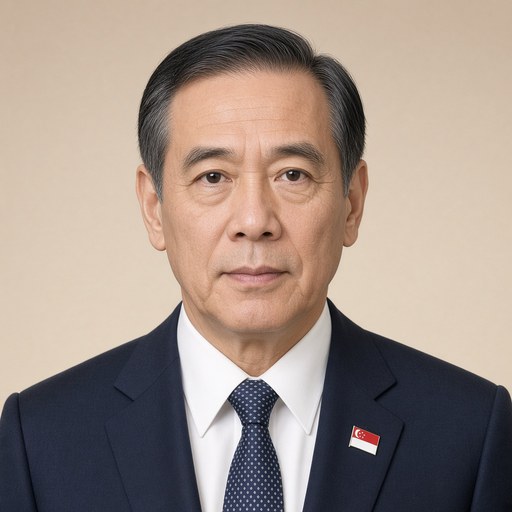
Commentary by PM Lee Hsien Loong on the 20th Anniversary of 11 September 2001
 Lee Hsien Loong · Prime Minister of Singapore
- Context
- Lee Hsien Loong delivered a speech marking the 20th anniversary of the September 11 attacks, reflecting on Singapore's counterterrorism efforts and social resilience since 2001.
- Main themes
- September 11 anniversary, counterterrorism, Jemaah Islamiyah threat, Singapore's national security response, racial and religious harmony, social cohesion, community solidarity, religious rehabilitation, international security cooperation, extremism prevention
- Duration
- ~12 min
- Words
- 1,454
- Sentences
- 78
- Readability
- 38
- Grade
- 12.5
- Syntax
- 2.97
- Vocabulary
- 2.40
Translated from Multiple languages
The broad sphere of national life a sentence belongs to. Every sentence has an Arena, so it is the denominator the other indices are read against.
Other78 sentences in 20 paragraphs
Twenty years ago today, Prof S. Jayakumar called me at home to tell me about a major terrorist attack on the World Trade Center in New York. Prof Jayakumar was then Minister for Foreign Affairs (and concurrently for Law), and I happened to be Acting Prime Minister in Mr Goh Chok Tong’s absence. I turned on the television to see the two towers in flames, and watched in horror later as they collapsed one after the other.
Our world changed overnight. But what we needed to do immediately was clear. We issued a strong statement to condemn the attacks, express solidarity with the United States, and convey condolences to the victims and their families. We reached out to Singaporeans in the US to make sure they were safe, and checked if they needed consular assistance. We put the SAF and Home Team on alert, and tightened security measures across the board, to prepare for the worst.
The dangers appeared far sooner and nearer than we had imagined. We discovered right here among us a terrorist group having a common ideology and direct links with Al-Qaeda in Afghanistan – the Jemaah Islamiyah (JI) group. On 9/11, JI members were already in advanced planning for simultaneous truck bomb attacks on multiple targets in Singapore, including the US Embassy and other Western interests. Fortunately, the Internal Security Department acted swiftly to disrupt the group, in time to prevent a disaster.
Internationally, we cooperated with other countries to share intelligence and to fight a common scourge. The SAF participated in the International Security Assistance Force in Afghanistan, and contributed to the Global Coalition to Defeat ISIS in Iraq. Terrorist groups in these faraway places were serious threats to Singapore.
But for multi-racial and multi-religious Singapore, terrorism was not just a threat to our physical safety. The greater danger was to our mutual trust and social cohesion.
In the face of jihadist terrorism, and especially after several Singaporean members of the JI were detained, non-Muslims in Singapore could easily have become fearful and suspicious of their Muslim neighbours, colleagues and friends. And Muslims in turn, feeling distrusted and threatened, could have closed in on themselves. We would have been divided by race and religion. And if an attack had actually taken place here, our society could have been torn apart.
But we drew on the trust built up over many years among our different communities and with the Government, overcoming sensitive issues together in an even-handed way for the collective good. In an existential crisis, Singaporeans instinctively pulled together, and responded strongly and cohesively to keep ourselves safe.
Community and religious leaders from all groups and faiths came out to condemn the terrorist attacks, and stood in solidarity with one another. In particular, Muslim leaders were forthright in repudiating the terrorists, and they guided the community on the true teachings of Islam. Non-Muslim leaders too spoke up in support of religious tolerance and to express confidence in their fellow Singaporeans.
The Government held open discussions with leaders of all groups, so that everyone understood the stakes, and that the public signal was clear and reassuring. We gave closed door briefings to the key leaders, to take them into confidence and share with them sensitive intelligence and threat assessments.
At the grassroots, we organised Inter-Racial and Religious Confidence Circles all over Singapore. These local networks of leaders who knew and trusted one another were meant to manage any racial and religious tensions after a terrorist attack.
We also sought to rehabilitate those led astray by the violent extremist ideology. This relied on close partnership between the Government and the Muslim community. Respected Muslim leaders like Ustaz Ali Haji Mohamed and Ustaz Mohamad Hasbi bin Hassan formed the Religious Rehabilitation Group. They laboured patiently and unremittingly to persuade these individuals of the error of their ways, and guide them back to become good Muslims and citizens. Several Muslim organisations came together to form the Inter-Agency Aftercare Group. They helped these individuals put their lives back on track, and provided social, emotional and financial support to their families. Happily, in most cases, these efforts succeeded.
Because we did all this, our racial and religious harmony held, and indeed strengthened. This was vital, as the threat was real and continuing. In the years since 9/11, we witnessed the Bali bombings, attacks in Jakarta, Kuala Lumpur and Bangkok, and the siege of Marawi in Southern Philippines.
Singapore, too, remains a prime target. More than once, terrorists planned attacks on Singapore, including one to hijack and crash an airliner into the Changi Airport control tower, and another to launch rockets at Marina Bay Sands from Batam. Thankfully, these attacks were pre-empted, and Singapore stayed safe.
Two decades after 9/11, the fight against terrorism is far from over. Extremist terrorism has metastasized. Digital media has amplified the poison. Al-Qaeda was succeeded by ISIS, which has lost physical territory but continues to operate, including online. Lone wolf attackers have self-radicalised on the internet. Some are jihadists, but others espouse other violent rabid ideologies. This year, we arrested two self-radicalised Singaporean youths who were preparing lone wolf attacks – one on a synagogue, the other on a mosque. And now that the US has left Afghanistan, we will have to watch closely how the situation there develops, whether groups based in Afghanistan will again threaten our security, and where else new fronts of terrorism may emerge.
At the same time, our racial harmony is still work in progress. 9/11 showed how powerful are the forces that can pull us apart, and how careful we must be when making any changes to the formula that has delivered racial and religious harmony for Singapore. Never assume we have overcome for good the tendency of people to identify with their own racial and religious groups. We have to keep on bringing all the communities closer together, and from time to time adjust the delicate balance that the different communities have reached.
The price of security is eternal vigilance. The price of harmony is an unflagging effort to uphold and realise ever more fully our nation’s founding ideal to become one people, regardless of race, language, or religion. Singaporeans’ shared experience of 9/11 and its aftermath is another formative chapter in our nation building journey. On its 20th anniversary, let us resolve to fortify ourselves so that should we ever face another such test one day, we will come through again, stronger, as one united people.
The price of security is eternal vigilance. The price of harmony is an unflagging effort to uphold and realise ever more fully our nation’s founding ideal to become one people, regardless of race, language, or religion.
Two decades after the events of 9/11, the fight against terrorism shows no signs of ending. Extremist terrorism is becoming more widespread. Digital media has spread this poison. Al Qaeda has been replaced by ISIS, which has lost physical territory but continues to operate, including in cyberspace. Lone attackers have become radicalized online. Some of them adhere to jihadist ideology, but others subscribe to violent extremist ideologies. This year, we detained two young Singaporeans who had become self-radicalized. They were planning to carry out attacks alone – one on a synagogue, the other on a mosque. And with the US withdrawal from Afghanistan, we need to closely monitor how the situation in that country evolves, and whether groups based in Afghanistan will threaten our security again, as well as where new theaters of terrorism will emerge.
At the same time, our racial harmony continues to be a work in progress. The events of 9/11 showed how powerful the forces are that can divide our society, and how careful we must be when we try to make any changes to the formula that has successfully created racial and religious harmony for Singapore. We must never assume that we have completely eliminated individuals' tendencies to side with their own racial and religious groups. We need to continue to strengthen the unity of every layer of society, and from time to time adjust the fragile balance that has been achieved by each community.
The price of security is eternal vigilance. The price of harmony is a continuous effort to uphold and realize more fully the dream at the founding of our nation, which is to be one people, regardless of race, language, or religion. The shared experience of Singaporeans in facing the events of 9/11 and their aftermath is another formative chapter in our nation-building journey. On the 20th anniversary of 9/11, let us resolve to strengthen ourselves so that if we face a similar test one day, we will be able to overcome it once again more resolutely, as one united people.
The original Multiple languages. The tags above are read on the English translation's sentences.
Malay
Chinese
Tamil
Twenty years ago today, Prof S. Jayakumar called me at home to tell me about a major terrorist attack on the World Trade Center in New York. Prof Jayakumar was then Minister for Foreign Affairs (and concurrently for Law), and I happened to be Acting Prime Minister in Mr Goh Chok Tong’s absence. I turned on the television to see the two towers in flames, and watched in horror later as they collapsed one after the other.
Our world changed overnight. But what we needed to do immediately was clear. We issued a strong statement to condemn the attacks, express solidarity with the United States, and convey condolences to the victims and their families. We reached out to Singaporeans in the US to make sure they were safe, and checked if they needed consular assistance. We put the SAF and Home Team on alert, and tightened security measures across the board, to prepare for the worst.
Beyond physical security
The dangers appeared far sooner and nearer than we had imagined. We discovered right here among us a terrorist group having a common ideology and direct links with Al-Qaeda in Afghanistan – the Jemaah Islamiyah (JI) group. On 9/11, JI members were already in advanced planning for simultaneous truck bomb attacks on multiple targets in Singapore, including the US Embassy and other Western interests. Fortunately, the Internal Security Department acted swiftly to disrupt the group, in time to prevent a disaster.
Internationally, we cooperated with other countries to share intelligence and to fight a common scourge. The SAF participated in the International Security Assistance Force in Afghanistan, and contributed to the Global Coalition to Defeat ISIS in Iraq. Terrorist groups in these faraway places were serious threats to Singapore.
But for multi-racial and multi-religious Singapore, terrorism was not just a threat to our physical safety. The greater danger was to our mutual trust and social cohesion.
In the face of jihadist terrorism, and especially after several Singaporean members of the JI were detained, non-Muslims in Singapore could easily have become fearful and suspicious of their Muslim neighbours, colleagues and friends. And Muslims in turn, feeling distrusted and threatened, could have closed in on themselves. We would have been divided by race and religion. And if an attack had actually taken place here, our society could have been torn apart.
But we drew on the trust built up over many years among our different communities and with the Government, overcoming sensitive issues together in an even-handed way for the collective good. In an existential crisis, Singaporeans instinctively pulled together, and responded strongly and cohesively to keep ourselves safe.
Community and religious leaders from all groups and faiths came out to condemn the terrorist attacks, and stood in solidarity with one another. In particular, Muslim leaders were forthright in repudiating the terrorists, and they guided the community on the true teachings of Islam. Non-Muslim leaders too spoke up in support of religious tolerance and to express confidence in their fellow Singaporeans.
The Government held open discussions with leaders of all groups, so that everyone understood the stakes, and that the public signal was clear and reassuring. We gave closed door briefings to the key leaders, to take them into confidence and share with them sensitive intelligence and threat assessments.
At the grassroots, we organised Inter-Racial and Religious Confidence Circles all over Singapore. These local networks of leaders who knew and trusted one another were meant to manage any racial and religious tensions after a terrorist attack.
We also sought to rehabilitate those led astray by the violent extremist ideology. This relied on close partnership between the Government and the Muslim community. Respected Muslim leaders like Ustaz Ali Haji Mohamed and Ustaz Mohamad Hasbi bin Hassan formed the Religious Rehabilitation Group. They laboured patiently and unremittingly to persuade these individuals of the error of their ways, and guide them back to become good Muslims and citizens. Several Muslim organisations came together to form the Inter-Agency Aftercare Group. They helped these individuals put their lives back on track, and provided social, emotional and financial support to their families. Happily, in most cases, these efforts succeeded.
Because we did all this, our racial and religious harmony held, and indeed strengthened. This was vital, as the threat was real and continuing. In the years since 9/11, we witnessed the Bali bombings, attacks in Jakarta, Kuala Lumpur and Bangkok, and the siege of Marawi in Southern Philippines.
Singapore, too, remains a prime target. More than once, terrorists planned attacks on Singapore, including one to hijack and crash an airliner into the Changi Airport control tower, and another to launch rockets at Marina Bay Sands from Batam. Thankfully, these attacks were pre-empted, and Singapore stayed safe.
The legacy of 9/11
Two decades after 9/11, the fight against terrorism is far from over. Extremist terrorism has metastasized. Digital media has amplified the poison. Al-Qaeda was succeeded by ISIS, which has lost physical territory but continues to operate, including online. Lone wolf attackers have self-radicalised on the internet. Some are jihadists, but others espouse other violent rabid ideologies. This year, we arrested two self-radicalised Singaporean youths who were preparing lone wolf attacks – one on a synagogue, the other on a mosque. And now that the US has left Afghanistan, we will have to watch closely how the situation there develops, whether groups based in Afghanistan will again threaten our security, and where else new fronts of terrorism may emerge.
At the same time, our racial harmony is still work in progress. 9/11 showed how powerful are the forces that can pull us apart, and how careful we must be when making any changes to the formula that has delivered racial and religious harmony for Singapore. Never assume we have overcome for good the tendency of people to identify with their own racial and religious groups. We have to keep on bringing all the communities closer together, and from time to time adjust the delicate balance that the different communities have reached.
The price of security is eternal vigilance. The price of harmony is an unflagging effort to uphold and realise ever more fully our nation’s founding ideal to become one people, regardless of race, language, or religion. Singaporeans’ shared experience of 9/11 and its aftermath is another formative chapter in our nation building journey. On its 20th anniversary, let us resolve to fortify ourselves so that should we ever face another such test one day, we will come through again, stronger, as one united people.
The price of security is eternal vigilance. The price of harmony is an unflagging effort to uphold and realise ever more fully our nation’s founding ideal to become one people, regardless of race, language, or religion.
PM Lee Hsien Loong
COMMENTARY BY PRIME MINISTER LEE HSIEN LOONG ON THE 20TH ANNIVERSARY OF SEPTEMBER 11, 2001 (MALAY)
Pada tarikh ini dua puluh tahun yang lalu, Profesor Jayakumar menelefon saya di rumah untuk memberitahu saya tentang serangan besar-besaran pengganas ke atas Pusat Dagangan Dunia di New York. Profesor Jayakumar merupakan Menteri Ehwal Luar Negara (merangkap Undang-undang) ketika itu, dan secara kebetulan, saya menyandang jawatan Pemangku Perdana Menteri semasa ketiadaan Encik Goh Chok Tong. Saya menghidupkan televisyen dan melihat kedua-dua menara dijilat api, dan kemudian, wajah saya pucat melihat kedua-dua menara tersebut runtuh satu demi satu.
Dunia kita telah berubah semalaman. Apa yang kita perlu lakukan dengan segera adalah jelas. Kami mengeluarkan kenyataan yang tegas mengutuk serangan-serangan itu, menyatakan perpaduan kami dengan Amerika Syarikat (AS), dan menyampaikan ucapan takziah kepada mangsa-mangsa dan keluarga mereka. Kami menghubungi rakyat Singapura di AS bagi memastikan mereka selamat, dan jika mereka memerlukan bantuan konsular. Kami meletakkan Angkatan Bersenjata Singapura (SAF) dan pasukan Home Team kita dalam keadaan berjaga-jaga, untuk bersiap siaga bagi menghadapi kemungkinan yang paling buruk.
Lebih daripada keselamatan fizikal
Ternyata ancamannya muncul jauh lebih cepat dan dekat daripada yang kami jangkakan. Kami menemuinya di sini, dalam kalangan kita, sebuah kumpulan pengganas Jemaah Islamiyah (JI) yang berpegang kepada ideologi yang sama dan mempunyai kaitan secara langsung dengan Al Qaeda di Afghanistan. Pada 9/11, para anggota JI sudah pun membuat rancangan tahap akhir untuk melancarkan serangan bom trak serentak ke atas beberapa sasaran di Singapura, termasuk Kedutaan Amerika Syarikat (AS) dan lain-lain kepentingan negara-negara Barat. Mujurlah Jabatan Keselamatan Dalam Negeri bertindak tangkas menggagalkan rancangan kumpulan itu dan mengelak daripada berlakunya satu bencana.
Di peringkat antarabangsa, kami bekerjasama dengan negara-negara lain untuk berkongsi maklumat perisikan dan memerangi musuh yang sama. SAF telah menyertai Pasukan Bantuan Pertahanan Antarabangsa di Afghanistan, dan menyumbang kepada usaha Gabungan Global untuk Menumpaskan ISIS di Iraq. Walaupun jauh beribu batu, kumpulan-kumpulan pengganas ini merupakan ancaman serius kepada Singapura.
Tetapi bagi negara Singapura yang berbilang kaum dan agama, pengganasan bukan sahaja ancaman terhadap keselamatan fizikal kita. Bahaya yang lebih besar adalah terhadap rasa saling percaya dan perpaduan sosial kita.
Dalam menghadapi pengganasan jihad, dan terutamanya setelah beberapa anggota JI rakyat Singapura ditahan, masyarakat bukan Islam di Singapura boleh sahaja mengajukan rasa takut dan syak wasangka mereka terhadap jiran, rakan sekerja dan teman yang beragama Islam. Dan orang-orang Islam boleh sahaja mengasingkan diri mereka, akibat berasa dicurigai dan terancam. Kita pasti berpecah belah mengikut perbezaan kaum dan agama. Dan jika serangan betul-betul berlaku di sini, mungkin akan berlaku keretakan dalam masyarakat kita.
Namun, kita berpegang kepada kepercayaan yang dibina sejak bertahun lamanya antara masyarakat-masyarakat kita yang berbeza dan juga dengan Pemerintah, untuk mengatasi isu-isu sensitif bersama-sama secara adil demi kebaikan bersama. Dalam krisis yang mengancam kewujudan kita, rakyat Singapura bertindak mengikut naluri untuk bersatu padu, dan memberi respons yang tegas dan bersepadu untuk menjaga keselamatan diri kita.
Para pemimpin daripada semua kumpulan masyarakat dan kepercayaan tampil untuk mengutuk serangan-serangan pengganas ini, dan mereka bersatu hati dalam menegakkan perpaduan. Khususnya, para pemimpin masyarakat Islam bersikap tegas dalam mengecam para pengganas. Mereka membimbing masyarakat Islam tentang ajaran Islam yang sebenar. Para pemimpin bukan Islam turut bersuara, menyokong sikap toleransi beragama dan semua rakan-rakan senegara tidak kira agamanya.
Pemerintah telah mengadakan perbincangan-perbincangan terbuka dengan para pemimpin daripada semua kumpulan masyarakat, supaya semua orang faham apa yang menjadi pertaruhan, dan isyarat yang disampaikan kepada orang ramai adalah jelas dan meyakinkan. Kami memberikan taklimat secara tertutup kepada para pemimpin utama, untuk meyakinkan mereka dan berkongsi dengan mereka maklumat perisikan yang sensitif dan penilaian ancaman.
Di peringkat akar umbi, kami menubuhkan Kumpulan Keyakinan Antara Kaum dan Agama di serata Singapura. Kumpulan-kumpulan ini membentuk rangkaian tempatan pemimpin yang mengenali dan mempercayai satu sama lain, dan akan membantu menangani sebarang ketegangan kaum dan agama yang timbul menyusuli serangan pengganas.
Kami juga berusaha untuk memulihkan individu-individu yang telah disesatkan oleh ideologi ekstremis yang ganas. Usaha ini bergantung kepada kerjasama rapat antara Pemerintah dan masyarakat Islam. Pemimpin-pemimpin masyarakat Islam yang dihormati seperti Ustaz Ali Haji Mohamed dan Ustaz Mohamed Hasbi bin Hassan menubuhkan Kumpulan Pemulihan Keagamaan. Mereka berusaha dengan sabar dan tanpa henti untuk menyedarkan individu-individu berkenaan tentang kesilapan mereka, dan membimbing mereka untuk kembali menjadi Muslim dan warganegara yang baik. Beberapa badan Islam berganding bahu untuk menubuhkan Kumpulan Penjagaan Lanjut Antara Agensi. Mereka membantu individu berkenaan kembali ke pangkal jalan, dan menyediakan sokongan sosial, emosi dan kewangan kepada keluarga-keluarga mereka. Mujurlah, dalam kebanyakan kes, usaha ini membuahkan hasil.
Kerana kita melakukan semua ini, keharmonian kaum dan agama kita dapat bertahan, malah menjadi lebih kukuh. Ini penting, kerana ancaman pengganasan itu nyata dan tidak akan reda. Dalam tahun-tahun sejak peristiwa 9/11, kita menyaksikan pengeboman di Bali, serangan-serangan di Jakarta, Kuala Lumpur dan Bangkok, serta pengepungan Marawi di Selatan Filipina.
Singapura juga terus menjadi sasaran utama. Lebih daripada sekali, pengganas telah merancang untuk menyerang Singapura, termasuk merampas dan menghempaskan sebuah pesawat di Menara Lapangan Terbang Changi, dan satu lagi rancangan untuk melancarkan serangan roket ke atas Marina Bay Sands dari Batam. Mujurlah, serangan-serangan tersebut dapat dipintas, dan Singapura tetap selamat.
Legasi 9/11
Dua dekad selepas peristiwa 9/11, usaha memerangi pengganasan tidak nampak penghujungnya. Pengganasan ektremis semakin berleluasa. Media digital telah menyebarkan racun ini. Al Qaeda digantikan oleh ISIS, yang telah kehilangan wilayah fizikal tetapi masih terus beroperasi, termasuk di alam maya. Para penyerang yang bertindak sendirian telah menjadi radikal secara dalam talian. Sebahagian daripada mereka berpegang kepada ideologi jihad, tetapi yang lain berpegang kepada ideologi ganas yang melampau. Tahun ini, kami menahan dua orang belia rakyat Singapura yang menjadi radikal secara sendiri. Mereka sedang merancang untuk melakukan serangan secara sendirian – satu ke atas sebuah saumaah, satu lagi ke atas sebuah masjid. Dan dengan pengunduran AS dari Afghanistan, kita perlu memantau dengan teliti bagaimana situasi di negara itu berkembang, dan sama ada kumpulan-kumpulan yang berpangkalan di Afghanistan akan mengancam keselamatan kita sekali lagi, serta di mana lagi medan-medan baru pengganasan akan muncul.
Pada masa yang sama, keharmonian kaum kita masih lagi terus diusahakan. Peristiwa 9/11 menunjukkan betapa kuatnya tekanan-tekanan yang boleh memecahbelahkan masyarakat kita, dan bagaimana kita perlu berhati-hati apabila kita cuba membuat sebarang perubahan kepada formula yang telah berjaya mewujudkan keharmonian kaum dan agama untuk Singapura. Jangan sesekali menganggap bahawa kita telah dapat melenyapkan kecenderungan individu untuk berpihak kepada kumpulan-kumpulan kaum dan agama mereka sendiri. Kita perlu terus mengeratkan lagi perpaduan setiap lapisan masyarakat, dan dari semasa ke semasa menyesuaikan keseimbangan rapuh yang telah dicapai oleh setiap masyarakat.
Harga keselamatan adalah kewaspadaan yang kekal. Harga keharmonian merupakan satu usaha yang tidak putus-putus untuk mendukung dan merealisasikan dengan lebih lengkap lagi impian sewaktu negara kita diasaskan iaitu untuk menjadi satu rakyat, tanpa mengira bangsa, bahasa, atau agama. Pengalaman bersama rakyat Singapura mengharungi peristiwa 9/11 dan akibat daripadanya merupakan satu lagi bab formatif dalam perjalanan pembangunan negara kita. Pada ulangtahun ke-20 peristiwa 9/11, marilah kita bertekad untuk menguatkan diri kita agar sekiranya kita menghadapi ujian yang serupa satu hari nanti, kita akan dapat mengatasinya sekali lagi dengan lebih teguh, sebagai satu rakyat yang bersatu padu.
COMMENTARY BY PRIME MINISTER LEE HSIEN LOONG ON THE 20TH ANNIVERSARY OF SEPTEMBER 11, 2001 (CHINESE)
二十年前的今天,贾古玛教授打电话到我家,告诉我位于纽约的世界贸易中心发生了一起重大恐怖袭击事件。贾古玛教授是时任外交兼律政部长,而由于前任总理吴作栋先生正在国外,我是代总理。我一打开电视就看到两座熊熊燃烧中的高楼,之后更震惊地看着它们相继坍塌。
世界在一夜之间发生了巨变。当时我们非常清楚什么是当务之急。于是,我们发表声明,强烈谴责这些恐怖袭击,并表示和美国站在同一阵线。我们也向受害者和他们的家属表达慰问。我们联系旅美的新加坡人,确认他们都安全,查看他们是否需要领事服务。此外,新加坡武装部队和内政团队也进入戒备状态,并加强了保安措施,为最坏的情况做好准备。
保护人民生命和实物安全之外
我们意料会面临危险,但危险来得比我们预料的还快,也离我们更近。我们发现有个称为“回教祈祷团”的恐怖组织正潜伏在我国,它同阿富汗的卡伊达组织有着相同的理念和直接联系。九一一事件发生时,回祈团的成员已经在部署行动,计划利用卡车同时在新加坡对多个目标展开炸弹攻击。这些目标包括美国大使馆以及多个设在本地的西方国家机构。所幸的是,内安局迅速采取逮捕行动,捣毁这个组织,避开了一场灾难。
在国际上,我们也同多个国家进行合作和交换情报,应对全球共同面对的重大威胁。武装部队参与了驻阿富汗的国际安全援助部队的行动,也在伊拉克为全球打击伊斯兰国联盟效力。这些恐怖组织的基地虽然远离我国,但也会对我国造成严重威胁。
对多元种族、宗教的新加坡而言,恐怖主义不仅威胁民众的生命安全,还对国人之间的互信以及社会凝聚力造成更大的威胁。
尤其是政府拘留了一些新加坡籍的回祈团成员之后,面对圣战恐怖主义时,我国的非回教徒很容易对信奉回教的邻居、同事和朋友产生恐惧和怀疑。这一来,回教徒就会感到不被信任,受到威胁,可因此自我封闭。国人也会因种族及宗教信仰不同而产生分歧。如果恐怖袭击真的在这里发生,社会就有可能分裂。
值得庆幸的是,各群体之间多年来建立了互信,也信任政府,所以,为了共同的利益,我们能够公平公正地,一起解决各种敏感问题。在这场关乎国家生存的危机,新加坡人很自然地凝聚起来,坚强应对,确保大家的安全。
各个社群、宗教的领袖纷纷出面,谴责恐怖袭击,呼吁民众团结一心。尤其是回教领袖,他们坚决地反对恐怖分子的行为,并引导社群信奉回教的正确教义。非回教领袖也发声,呼吁大家包容不同宗教,对其他同胞表示信任。
同时,政府与各个社群及宗教领袖公开对话,让大家都明白其中利害,清楚表达政府的立场,安定民心。我们也与主要领袖闭门会面,相信他们并同他们分享敏感情报和各种威胁的分析报告。
在基层方面,我们在全岛成立了族群与宗教互信圈。这些基层领袖组成了一个网络,他们互相认识也相信彼此。一旦本地发生恐怖袭击,他们就能缓和袭击所引发的种族和宗教的紧张情绪。
我们也积极改造那些被圣战极端主义误导的人,而这项工作必须靠政府和回教社群密切合作来完成。备受尊敬的回教领袖阿里莫哈默以及莫哈默哈斯比等人也成立了宗教改造小组,不辞劳苦耐心劝导误入歧途的回教徒改过自新,回归正途。好几个回教团体也一同组成跨机构援助小组,帮助这些人恢复正常的生活,也为他们的家属提供社会、心理和经济援助。令人欣慰的是,这些方法行之有效,成功改造了大多数的拘留者。
通过这些努力,我们得以维持和巩固我国的种族和宗教和谐。这对我们来说至关重要,因为恐怖主义的威胁是真实且持续存在的。在九一一事件之后,我们还看到峇厘岛发生爆炸案、雅加达和吉隆坡遭受袭击,以及菲律宾南部城市马拉维被武装分子侵占。
此外,新加坡仍是恐怖分子的首要目标之一。他们不止一次计划在新加坡发动攻击,包括密谋劫机撞入樟宜机场控制塔,以及从峇淡岛发射火箭炮攻击滨海湾金沙。幸好,我们成功阻止这些恐怖袭击,保护了国家安全。
九一一事件的长远影响
九一一事件发生的二十年后,恐怖主义的威胁远未消除。极端恐怖主义持续扩散,并借助数码媒体进一步扩大影响力。继卡伊达组织之后,伊斯兰国组织也出现了。虽然这个组织失去据点,却通过其他方式,包括在网络上继续操作。不少独狼袭击者就是透过网络自我激进化。他们当中有些是圣战分子,有些则拥护其他暴力极端主义。今年,我们逮捕了两名自我激进化的新加坡籍青少年,而他们分别预谋对犹太教堂和回教堂发动独狼式袭击。如今美国军队已撤离阿富汗,我们更须密切关注当地局势,并留意盘踞在那里的组织是否会再次威胁到我国的安全,以及恐怖分子会通过哪些新的渠道散播极端主义。
与此同时,维持种族和谐是持续不断的工作。九一一事件提醒我们,能够撕裂我国社会的力量是多么强大。这些年来,我们通过一系列措施维持种族和宗教和谐。一旦要改变任何现有措施,就必须慎之又慎。我们绝对不能假设大家已经完全不分种族和宗教,不会偏向自己的族群,以及和自己有同样宗教信仰的人。所以,我们还须不断努力拉近各社群之间的距离,并不时调整他们之间所达到的微妙平衡。
只有时时保持警惕,我们才能长治久安。只有坚持维护和更充分实现不分种族、言语、宗教,团结一致的建国理念,我们才能继续拥有和谐的社会。九一一事件以及其后续发展,成为了国人的共同经历。这些经历也是新加坡建国之路的另一个重要里程碑。二十年后的今天,我们立志要变得更加坚毅强韧。这样,当我们再度面对严峻考验时,就能全民一心,排除万难,越战越勇。
COMMENTARY BY PRIME MINISTER LEE HSIEN LOONG ON THE 20TH ANNIVERSARY OF SEPTEMBER 11, 2001 (TAMIL)
இன்றைய தினம், இருபது ஆண்டுக்கு முன்னர், நியூ யார்க்கில் அமைந்துள்ள உலக வர்த்தக நிலையத்தின் மீது நடத்தப்பட்ட மிகப் பெரிய பயங்கரவாதத் தாக்குதல் பற்றி என்னிடம் தெரிவிப்பதற்காக பேராசிரியர் ஜயகுமார் என்னை வீட்டில் அழைத்தார். பேராசிரியர் ஜயகுமார் அப்போது வெளியுறவு, சட்ட அமைச்சராகப் பொறுப்பு வகித்து வந்தார். திரு கோ சொக் தொங் விடுப்பில் இருந்த காரணத்தால், நான் தற்காலிகப் பிரதமராக இருந்தேன். நான் தொலைக்காட்சியைத் திறந்தபோது, இரட்டைக் கோபுரங்களும் தீக்கு இரையாகி, பின்னர் அவை ஒண்றன் பின் ஒன்றாக சரிவதைப் பார்த்து பேரதிர்ச்சி அடைந்தேன்.
நமது உலகம் திடீரென மாறிப் போனது. உடனடியாக நாம் செய்யவேண்டிய பணிகள் குறித்து நாம் தெளிவாக இருந்தோம். தாக்குதல்களுக்கு கண்டனம் தெரிவிக்கும் வலுவான அறிக்கையை வெளியிட்டோம்; அமெரிக்காவிற்கு நமது ஒருமைப்பாட்டை வெளிப்படுத்தினோம்; பாதிக்கப்பட்டோருக்கும் அவர்களின் குடும்பத்தினருக்கும் இரங்கல் தெரிவித்தோம். அமெரிக்காவில் இருக்கும் சிங்கப்பூரர்களின் பாதுகாப்பு குறித்தும் அவர்களுக்குத் தூதரக உதவி தேவைப்படுவது பற்றியும் அறிய அவர்களைத் தொடர்புகொண்டோம். ஆக மோசமான சூழல்களுக்கு ஆயத்தமாகும் பொருட்டு, சிங்கப்பூர் ஆயுதப் படையையும் உள்துறைக் குழுவையும் விழிப்புநிலையில் வைத்தோம்; பாதுகாப்பு நடவடிக்கைகளை அனைத்து நிலையிலும் வலுப்படுத்தினோம்.
நேரடி பாதுகாப்பிற்கும் அப்பால்
நாம் எண்ணிப் பார்த்ததைக் காட்டிலும், ஆபத்துகள் விரைவாகவும் அருகாமையிலும் தோன்றின. ஆப்கானிஸ்தானில் உள்ள அல்-கயிடா பயங்கரவாதக் கட்டமைப்புடன் நேரடித் தொடர்பும் ஒத்த சிந்தனையும் கொண்டிருந்த பயங்கரவாதக் குழு ஒன்று நம்மிடையே இங்கேயே இருக்கக் கண்டோம் – ஜெமா இஸ்லாமியா குழு. செப்டம்பர் 11 அன்றே, ஜெமா இஸ்லாமியா உறுப்பினர்கள், சிங்கப்பூரில் உள்ள அமெரிக்கத் தூதரகம், இதர மேற்கத்தியத் தளங்கள் உள்ளிட்ட பல இடங்களில் ஒரே நேரத்தில் வெடிகுண்டுத் தாக்குதல் நடத்த முன்கூட்டியே திட்டமிட்டிருந்தனர். நல்ல வேளையாக, சரியான நேரத்தில் பேரிடர் ஒன்றைத் தடுக்கும் வண்ணம், உள்நாட்டுப் பாதுகாப்புத் துறை விரைவாக செயல்பட்டு, அக்குழுவினரின் நடவடிக்கைகளை முறியடித்தது.
அனைத்துலக அளவில், பொதுவான எதிரியை எதிர்த்துப் போரிடவும் புலனாய்வுத் தகவல்களைப் பகிர்ந்துகொள்ளவும், நாம் பிற நாடுகளுடன் ஒத்துழைத்தோம். ஆப்கானிஸ்தானில் இருந்த அனைத்துலகப் பாதுகாப்புத் துணைப் படையில் சிங்கப்பூர் ஆயுதப் படை பங்கேற்று, ஈராக்கில் இருந்த ஐசிஸ் பயங்கரவாத அமைப்பை வீழ்த்துவதற்கான அனைத்துலகக் கூட்டணியில் பங்காற்றியது. இத்தகைய தொலைதூர இடங்களில் செயல்பட்டு வந்த பயங்கரவாதக் குழுக்கள், சிங்கப்பூருக்குக் கடுமையான அச்சுறுத்தல்களை ஏற்படுத்தின.
ஆனால், பல இன, பல சமய சிங்கப்பூருக்கு, பயங்கரவாதமானது நமது நேரடிப் பாதுகாப்பிற்கான அச்சுறுத்தல் மட்டுமன்று. அதனினும் பெரிய ஆபத்து, நமது பரஸ்பர நம்பிக்கை, சமுதாயப் பிணைப்பு ஆகியவற்றுக்குத்தான்.
ஜிஹாத் பயங்கரவாதத்திற்கிடையே – குறிப்பாக, ஜெமா இஸ்லாமியக் குழுவின் சிங்கப்பூர் உறுப்பினர்கள் பலர் தடுப்புக் காவலில் வைக்கப்பட்ட பின்னர் – சிங்கப்பூரில் உள்ள முஸ்லிம் அல்லாதோர், தங்களுடைய முஸ்லிம் அண்டைவீட்டார், வேலையிட சகாக்கள், நண்பர்கள் ஆகியோர் மீது எளிதில் பயமும் சந்தேகமும் கொண்டிருக்கக்கூடும். அதன் பொருட்டு, முஸ்லிம்களும் தங்களை நம்பத்தகாதவர்கள் எனக் கருதி, அச்சுறுத்தப்பட்டு, தங்களைத் தாமே தனிமைப்படுத்திக் கொண்டிருக்கமுடியும். இனம், சமயம் ஆகியவற்றால் நாம் பிளவுபட்டிருப்போம். இங்கு உண்மையிலேயே ஒரு தாக்குதல் நடந்திருந்தால், நமது சமுதாயம் சிதைந்துபோயிருக்கும்.
ஆனால், உணர்வுப்பூர்வமான விஷயங்களையும்கூட, அனைவரது நன்மை கருதி, சமச்சீராகக் கையாளும் அணுகுமுறையின்வழி, நாம் பல்லாண்டு காலமாக, பல சமூகத்தினருக்கு இடையேயும் அரசாங்கத்துடனும் பேணிக் காத்து வந்த நம்பிக்கையைச் சார்ந்திருந்தோம். அப்போதிருந்த நெருக்கடி மிகுந்த காலகட்டத்தில், சிங்கப்பூரர்கள் தாமாகவே ஒன்றிணைந்து முன்வந்தனர்; நம்மைப் பாதுகாப்பாக வைத்திருக்க வலுவாகவும் ஒற்றுமையாகவும் செயல்பட்டனர்.
அனைத்துக் குழுக்களையும் சமயங்களையும் சார்ந்த சமூக, சமயத் தலைவர்கள் பயங்கரவாதத் தாக்குதல்களுக்குக் கண்டனம் தெரிவிக்க முன்வந்தனர். அவர்கள் ஒருவருக்கொருவர் உறுதுணையாக உடன் நின்றனர். குறிப்பாக, முஸ்லிம் தலைவர்கள் பயங்கரவாதிகளின் செயல்களுக்கு மறுப்புத் தெரிவிப்பதிலும், இஸ்லாமின் உண்மையான அறநெறிகள் கொண்டு சமூகத்திற்கு வழிகாட்டுவதிலும் வெளிப்படையாகச் செயல்பட்டனர். பிற சமூக, சமயத் தலைவர்களும்கூட, சமய சகிப்புத்தன்மைக்கு ஆதரவாகக் குரல் கொடுத்ததுடன், தங்கள் சக சிங்கப்பூரர்கள் மீதான நம்பிக்கையையும் வெளிப்படுத்தினர்.
அரசாங்கம், அனைத்துத் தரப்புத் தலைவர்களுடனும் வெளிப்படையான கலந்துரையாடல்களை மேற்கொண்டது. அப்போதுதான், அனைவருக்கும் இதுபற்றி முழுமையாகப் புரியும்; பொதுமக்களும் நம்பிக்கை அளிக்கக்கூடிய வகையில், தெளிவான சிந்தனையைக் கொண்டிருப்பர். முக்கியத் தலைவர்கள் அச்சுறுத்தலின் கடுமைத்தன்மையைப் புரிந்துகொள்ள உதவும் வகையில், அவர்களுடன் தனிப்பட்ட கலந்துரையாடல்கள் மேற்கொள்ளப்பட்டன. அப்போது, நுட்பமான புலனாய்வுத் தகவல்களும் அச்சுறுத்தலின் சாத்தியக்கூறுகளும் அவர்களுக்கு எடுத்துரைக்கப்பட்டன.
அடித்தள நிலையில், நாங்கள் சிங்கப்பூர் முழுவதும் இன, சமய நன்னம்பிக்கைக் குழுக்களை அமைத்தோம். ஏதேனும் பயங்கரவாதத் தாக்குதலுக்குப் பின்னர் எழக்கூடிய இன, சமயப் பிரச்சினைகளைச் சமாளிக்க உதவக்கூடிய, ஒருவரையொருவர் நன்கு அறிந்து, நம்பிக்கை கொண்டிருந்த தலைவர்கள் அடங்கிய கட்டமைப்புகளை இக்குழுக்கள் தோற்றுவித்தன.
வன்முறை மிகுந்த தீவிர சித்தாந்தத்தால் வழிதவறிச் சென்றவர்களுக்கு மறுவாழ்வு அளிக்கவும் நாங்கள் முனைந்தோம். இது, அரசாங்கத்திற்கும் முஸ்லிம் சமூகத்திற்கும் இடையிலான அணுக்கமான பங்காளித்துவத்தின் அடிப்படையில் மேற்கொள்ளப்பட்டது. உஸ்தாஸ் அலி ஹஜி முகமது, உஸ்தாஸ் முகமது ஹஸ்பி பின் ஹசான் முதலான மதிக்கத்தக்க முஸ்லிம் தலைவர்கள், சமய மறுவாழ்வுக் குழுவைத் தோற்றுவித்தனர். வழிதவறிச் சென்ற தனிநபர்கள் தங்கள் தவற்றை உணர்ந்து, நல்வழியில் செல்லும் முஸ்லிம்களாகவும் குடிமக்களாகவும் வாழ வழிகாட்டும் பொருட்டு, அவர்கள் பொறுமையாகவும் விடாமுயற்சியுடனும் செயல்பட்டனர். அமைப்புகளுக்கு இடையிலான பின்னலச் சேவைக் குழுவைத் தோற்றுவிக்க பல முஸ்லிம் அமைப்புகள் ஒன்றுகூடின. இந்தத் தனிநபர்கள் தங்கள் வாழ்க்கையை மீண்டும் சரிசெய்ய அவை உதவின. அவர்களின் குடும்பத்திற்கு சமுதாய, உணர்வுப்பூர்வ, நிதி ஆதரவையும் அவை வழங்கின. பெரும்பாலான சமயங்களில், இந்த முயற்சிகள் பலனளித்தன.
நாம் இவை அனைத்தையையும் செய்ததால், நமது இன, சமய நல்லிணக்கம் கட்டிக்காக்கப்பட்டது; மேலும் வலுப்படுத்தப்பட்டது. அச்சுறுத்தல் உண்மையானதாகவும் தொடர்ச்சியானதாகவும் இருந்ததால் இவை மிகவும் முக்கியம். செப்டம்பர் 11 தாக்குதலுக்குப் பின்னர், பாலி குண்டுவெடிப்புச் சம்பவம், ஜக்கர்த்தா, கோலாலம்பூர், பேங்காக் ஆகிய நகரங்களில் தாக்குதல், தென் பிலிப்பீன்ஸில் மராவி முற்றுகை ஆகியவற்றைக் கண்டுள்ளோம்.
சிங்கப்பூரும்கூட, பயங்கராவதத் தாக்குதலுக்கு முக்கியமானதோர் இலக்காக இருந்து வருகிறது. ஒரு முறைக்கு மேல், பயங்கரவாதிகள் சிங்கப்பூர் மீது தாக்குதல்கள் நடத்தத் திட்டமிட்டுள்ளனர். சாங்கி விமான நிலையக் கோபுரத்தில் விமானம் ஒன்றை மோதச் செய்வது, பாத்தாமிலிருந்து மரீனா பே சேண்ட்ஸ் மீது ஏவுகணைகளைப் பாய்ச்சுவது முதலானவை அவற்றுள் அடங்கும். நல்ல வேளை! இந்தத் தாக்குதல்கள் முறியடிக்கப்பட்டன; சிங்கப்பூரும் பாதுகாப்பாக இருந்தது.
செப்டம்பர் 11 தாக்குதல்களுக்குப் பின்
செப்டம்பர் 11 தாக்குதல்கள் நடந்து 20 ஆண்டு ஆன பின்னரும், பயங்கரவாதத்திற்கு எதிரான போராட்டம் ஓயவில்லை. வன்முறை மிகுந்த பயங்கரவாதம் வெகுவாக உருமாறியுள்ளது. அந்த நஞ்சை மின்னிலக்க ஊடகம் மிகைப்படுத்தியுள்ளது. அல்-கயிடா பயங்கரவாதக் கட்டமைப்பை அடுத்து, ஐசிஸ் பயங்கரவாத அமைப்பு வந்தது. அது தமது நிலப்பரப்பை இழந்துவிட்டபோதிலும், தொடர்ந்து இணையம் உள்ளிட்ட வழிகளில் இயங்கி வருகிறது. தனியாகச் செயல்படும் நபர்கள் இணையம்வழி சுயமாகவே தீவிரவாதப் போக்கிற்கு அடிமையாகின்றனர். சிலர் ஜிஹாத் சித்தாந்தத்தைப் பின்பற்றுபவர்கள். ஆனால், வேறு சிலரோ வன்மையும் வெறித்தனமும் மிகுந்த சித்தாந்தங்களைக் கடைப்பிடிக்கின்றனர். இவ்வாண்டு, தனிநபர் தாக்குதல்கள் மேற்கொள்ளவேண்டி சுயமாக தீவிரவாத சிந்தனைக்கு மாறிய சிங்கப்பூர் இளையர்கள் இருவரை நாம் கைதுசெய்தோம். யூதர்களின் வழிபாட்டுத் தலத்திலும் பள்ளிவாசலிலும் அந்தத் தாக்குதல்கள் திட்டமிடப்பட்டிருந்தன. மேலும், தற்போது அமெரிக்கா ஆப்கானிஸ்தானை விட்டு வெளியேறியிருப்பதால், அங்கு சூழ்நிலை எவ்வாறு மாறுகிறது என்பதை நாம் அணுக்கமாகக் கண்காணிக்கவேண்டும். ஆப்கானிஸ்தானைத் தளமாகக் கொண்ட குழுக்கள், நமது பாதுகாப்பிற்கு மீண்டும் அச்சுறுத்தல் ஏற்படுத்துமா? எங்கெல்லாம் பயங்கரவாதத்தின் புதிய பரிணாமங்கள் தோன்றும்?
அதே வேளையில், நமது இன நல்லிணக்கம் தொடர்ந்து பேணிப் பாதுகாக்கப்படவேண்டும். நம்மைப் பிளவுபடுத்தும் சக்திகள் எவ்வளவு வலிமை மிக்கவை என்பதையும், சிங்கப்பூரில் இன, சமய நல்லிணக்கத்தை உருவாக்கிய அணுகுமுறைகளில் மாற்றங்களைச் செய்யும்போது நாம் எவ்வளவு கவனமாக இருக்கவேண்டும் என்பதை செப்டம்பர் 11 தாக்குதல்கள் நமக்குப் புலப்படுத்துகின்றன. மக்கள் தத்தம் இன, சமயக் குழுக்களுடன் தங்களை அடையாளப்படுத்திக்கொள்ளும் போக்கை நாம் கடந்து வந்துவிட்டோம் என்று எண்ணிவிடக் கூடாது. நாம், தொடர்ந்து அனைத்து சமூகங்களையும் மேலும் அணுக்கமாக ஒன்றிணைக்கவேண்டும்; அவ்வப்போது, வெவ்வேறு சமூகங்கள் எட்டியுள்ள சமச்சீரான நிலையைச் சீர்படுத்தவேண்டும்.
பாதுகாப்பிற்கான விலை, நீங்கா விழிப்புணர்வாகும். நல்லிணக்கத்திற்கான விலை, நமது தேசத்தின் ஆரம்பக் கொள்கையான இனம், மொழி, மதம் பாராமால் ஒரு மக்களாகத் திகழும் மனப்பான்மை முன் எப்போதும் இல்லாத அளவு, முழுமையாக உணர்ந்து நிலைநாட்டுவதற்கு மேற்கொள்ளப்படும் தன்னிகரற்ற தொடர் முயற்சியாகும். செப்டம்பர் 11 தாக்குதல்கள் குறித்த சிங்கப்பூரர்களின் அனுபவம், நமது தேசத்தின் நிர்மாணப் பணியில் இன்னொரு முக்கியமான அத்தியாயம். 20 ஆண்டு கழித்து, நாம் நம்மை வலுப்படுத்திக்கொள்ள உறுதிகொள்வோம் – அத்தகைய ஒரு சோதனை மீண்டும் ஒரு நாள் நம்மை எதிர்கொள்ளும் எனில், நாம் மேலும் வலிமையாக, ஒன்றுபட்ட ஒரு மக்களாக அதனைக் கடந்து வருவோம்.
Explore related topics