




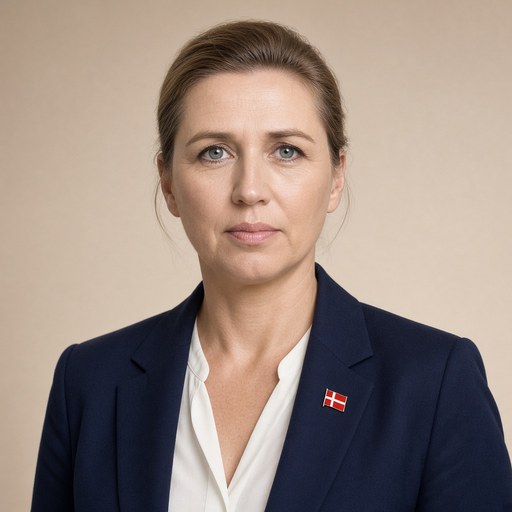
Prime Minister Mette Frederiksen's speech at the 75th anniversary of the Danish Foreign Policy Society on October 29, 2021.
 Mette Frederiksen · Prime Minister of Denmark
- Context
- Frederiksen addressed the Danish Foreign Policy Society at its 75th anniversary celebration in Copenhagen on October 29, 2021, outlining Denmark's foreign and security policy priorities.
- Main themes
- Danish foreign policy, multilateralism and international cooperation, NATO and EU membership, climate crisis, global power shifts, rule-based international order, democracy and human rights, security policy, globalization, historical context of post-WWII world order
- Duration
- ~31 min
- Words
- 3,710
- Sentences
- 384
- Readability
- 51
- Grade
- 7.8
- Syntax
- 2.30
- Vocabulary
- 2.08
Translated from Danish
The broad sphere of national life a sentence belongs to. Every sentence has an Arena, so it is the denominator the other indices are read against.
Other384 sentences in 204 paragraphs
Thank you for the invitation – and thank you for the floor. Congratulations on the splendid anniversary.
I will take this opportunity to elaborate on the foreign policy situation. And of course, I will also share my thoughts on where this places Denmark and Danish foreign and security policy.
And it can be said briefly. Denmark should be known as a partner that:
Does not merely rely on hope and dreams. We must dare to put our hand on the hot plate. And take the necessary responsibility – including militarily.
Is fully engaged in international rule-based cooperation. In multilateralism. A Denmark at the heart of the EU. At the heart of NATO.
And is trustworthy. We are what we say we want to be.
This is how we are known today.
And this is the ticket for us to continue to play a larger role on the international stage than our size would suggest.
To lift our global responsibility. For the benefit of Danes and Danish interests. And for global challenges.
* * *
The world has changed significantly since the Foreign Policy Society was founded 75 years ago.
World War II had just ended. Europe lay in ruins. Russia was advancing from the East. Denmark was involved in founding first the UN. And then NATO. And later, the European Community began to take shape in earnest.
The years following World War II were characterized by determination and a very strong will to act. An awareness that Denmark, despite our size, could make a difference in the world.
In my view, the foundations were already laid back then for the foreign policy that Denmark has pursued ever since: active engagement in the world. Just as your motto states.
The UN City. The impressive building we are in here is a testament to Denmark's clear support for multilateralism for more than half a century.
Today, the UN's Sustainable Development Goals are part of the vocabulary of many Danes – not least children and young people. Broadly in Denmark, we have embraced them – municipalities, businesses, and citizens.
And think, that in the heart of Copenhagen we host one of the world's largest UN headquarters – with 11 agencies and more than 2,000 employees from around the world.
* * *
During the Cold War, the challenges were very concrete. Sharp contrasts: the conflict between democracy and dictatorship. The Iron Curtain. The arms race. The risk of nuclear war.
I became politically active in the early 90s. On the threshold of perhaps the most optimistic decade in world history. The wall had fallen. Europe was reunited. Totalitarianism was defeated.
In South Africa, the apartheid regime was overcome after Mandela's just struggle for equality between black and white.
And after the terrible civil war in the former Yugoslavia, where the international community failed to live up to its responsibility, the new global world community found its legs in a more activist foreign policy.
The winds of change were blowing. There was optimism and progress. A belief that human rights and democracy were here to stay.
Globalization and new technologies were booming. Good, we thought. The old world was over.
But the truth was, as we know, not so simple.
There were also shadow sides. Inequality grew. Many experienced the downside of globalization. Outsourcing of jobs. Integration problems. Tax havens. Tax speculation. A lack of solidarity.
And then came September 11. The horrific attack on the USA, on democracy and freedom. A rude awakening that proved that history was not over after all. That we could be hit at the core of our society. That the struggle for our values and democracy was not over.
And that in foreign policy it is not enough to believe and hope. That the courage to act is crucial. Even when it is difficult.
* * *
So where does the world stand now?
I could highlight many trends that will shape the world in the coming years. The rising power of tech giants. The demographic development.
But let me point to the three areas that I believe are the most significant.
1) First: the climate crisis. A deeply concerning and alarming development that is already affecting people in many places. And it will only get worse.
The latest IPCC report shows that the global average temperature will rise significantly in the next 20 years.
The consequences are more extreme weather, more floods, more drought, and greater melting of permafrost.
The climate crisis is closely linked to political, economic, and migration issues.
Climate change will exacerbate existing conflicts in the world. And will undoubtedly also create entirely new ones if we do not take action.
Despite the global ambitions to curb the climate crisis, we are far from reversing the trend. The reduction targets that countries have announced are by no means sufficient. Everyone must do more than today.
2) At the same time, we are seeing a shift in power in the global economy. First and foremost towards the East.
Already today, Asia accounts for three out of six of the world's largest economies.
By 2035, half of the world's population is expected to live in Asia. And the region will account for over 40 percent of global GDP.
China has long been on track to overtake the USA as the world's largest economy.
China and India have overtaken Canada and Italy among the world's largest economies.
And when Brazil eventually gets its growth going, France and the UK also risk being overtaken economically.
This creates a new dynamic that we must relate to, for better or worse.
The economic shift also affects the security policy landscape.
3) The geopolitical and military balance in the world is also changing.
China is undergoing massive military rearmament – not least of the Chinese navy, which is being expanded and modernized.
The USA is fortunately still the world's leading military power. But both China and Russia are rapidly advancing from their respective starting points.
China is a complex entity on the international stage. At once a competitor, a partner, for example on climate, and a systemic rival.
We are currently seeing that the USA is increasingly focusing its attention on Asia. And there is discussion about what this will mean for us in Europe.
But one easily misses the point: It is good for Europe that the USA is engaging in Asia.
It is in our clear common interest.
In fact, I believe that we all need to orient ourselves more towards Asia. The significant economic and political developments taking place there present opportunities, but potentially greater challenges for us. We must be careful not to be naive.
* * *
All these global trends challenge Denmark.
Our security policy reality has fundamentally changed.
In our own neighborhood in the Baltic Sea region. Where Russia is militarily rearming and acting very aggressively. And in the Arctic, where Russia is reopening old bases.
Today, security is not just a matter of gunpowder and bullets. It now concerns almost everything in our daily lives.
Especially technology.
There is a need for a stronger response against those who use technology and cyber to attack us. Spy on us. Deliberately spread disinformation. Or influence democratic elections.
We face an unusually large and complicated task of shaping technology development in a responsible, democratic, and secure direction. No one has taken responsibility yet.
We have seen frightening attempts to distort public discourse and influence the democratic process.
What was once merely technology is now also security policy.
* * *
Security also concerns climate. About health preparedness and pandemic response, about migration and refugee policy.
In addition, there is terrorism. Extremism and radicalization remain a serious threat in Denmark and Europe. Not least because it comes from within.
Finally, security also concerns the very resilience of our society. The protection of critical infrastructure. Supply security and value chains.
A concrete example: The world's largest producer of so-called semiconductors – which are used in computer chips – is currently located in Taiwan.
In the past year, there has been a global shortage of these semiconductors. It has already been called a new oil crisis. And here, the West is far too vulnerable.
This is a challenge that neither the USA nor Europe can tackle alone. We need to work together to build value chains that make us more independent.
So, put another way: We face a multitude of challenges and threats. The familiar, classic threats are re-emerging. New ones are coming. Technology and globalization weave it all together.
* * *
And at the same time, our values are under increasing pressure.
Around the world, new authoritarian trends are gaining ground.
We see systems and political leaders who fundamentally do not recognize the value of a rule-based world order, of democracy, and of human rights.
Everyone knows that the rule-based international cooperation is under pressure. And in many places, we see that individual rights are being trampled.
Also here in Europe. Something as fundamental as the independence of the judiciary is being challenged. And women's right to control their own bodies is once again up for discussion.
* * *
In all this, we must remember our shared fate and values between Europe and the USA.
I do not think anyone is in doubt about what I mean: The USA is Denmark's most important ally. Just as it was 75 years ago when the Foreign Policy Society was founded.
It is not only because the USA, through NATO, is the guarantor of the safety of Danes. Because the USA is Denmark's largest trading partner outside the EU. Or because of our Arctic neighborhood.
The world needs a strong USA. That stands guard over our common values – democracy, freedom, and human rights.
Denmark's and Europe's cooperation with the USA sometimes gives rise to debate.
We saw it under Trump. We saw it in the aftermath of the difficult exit from Kabul in August. And in the wake of the disagreements between France and the countries behind the new defense cooperation in Asia.
Debate must be allowed.
But we must not judge our relationship with the USA based on a snapshot. Never. There should not be an A4 sheet between Europe and the USA.
The USA has for decades been our most important ally. That must also be the case in the future. We must never forget the big picture.
Put another way: Individual events must not challenge our unity. We must not trip ourselves up and focus on what divides us. There is far more that unites us. Our unity and solidarity are what make us strong.
In my view, it is not about choosing between close cooperation with Europe and close cooperation with the USA. It is a false dichotomy.
It is not an either-or. It is a both-and.
We can – and must – strengthen European responsibility in NATO. And we can – and must – strengthen American engagement in European security.
Let me remind you that President Biden has confirmed the USA's unequivocal support for NATO's Article 5 – the musketeer oath – which is so important to us.
“A sacred oath” were precisely the words he used.
Only together with the USA can we solve the major challenges in technology and trade. With the development of common standards and regulations, sustainable, fair, and transparent international trade, and supply security.
Now is the time.
And the more we hesitate. The more time we waste sowing doubt about the necessity of this community. The more space we give to the systemic competitors who are becoming increasingly prominent. And they are not wasting time.
* * *
So how should Denmark relate to this totality of challenges and threats?
As I said at the outset. Denmark should be known for three things:
We act and make a difference. We dare to put our hand on the hot plate when it matters.
We support the international community and collaborate with new partners and allies. Denmark is at the heart of the EU and at the heart of NATO.
We are trustworthy. We are who we say we are.
But let me elaborate a bit more.
First of all, it is not in our nature to rely on hope and dreams.
Foreign policy is concrete action and concrete solutions.
Foreign policy is not just diplomacy. It is also putting your hand on the hot plate.
* * *
A good example is the role we play in global climate policy.
Denmark is leading the way in the world. Both because we can. Because we have a special obligation. And because it opens up great opportunities for Danish businesses.
Right now, we are in the final sprint towards COP26. It is not a coincidence that Denmark has been given an important role by the British presidency.
We show that an ambitious green transition does not come at the expense of welfare, jobs, and growth. But the exact opposite.
We are engaging in green solutions globally. Our strategic green partnerships give us a unique opportunity to collaborate with some of the largest emitters in the world.
Take India, where I have just been. And where there is great appetite for Danish green solutions.
As Prime Minister Modi says: “Denmark has the skills, India has the scale.”
Just think about what it would mean for global CO2 emissions if India succeeds in its green transition.
And think that Danish solutions are part of that equation. That is making a real difference. That is global influence.
* * *
Look also at security policy.
We have a strong tradition of being present in the world. Also militarily. We step up when we are needed.
We have command of NATO's advisory mission in Iraq.
We are deeply engaged in the fight against terrorism in the Sahel in Africa. We actively participate in the effort against piracy in the Gulf of Guinea.
* * *
Recently, we have experienced that the unfortunate exit from Afghanistan has led to reflection.
Was the Danish effort in vain? Should Denmark refrain from engaging in the world's hotspots?
Both the questions and the answers are oversimplified.
The lesson from Afghanistan must, in my view, never be that we should engage less. On the contrary.
The only way to secure our democracy and Danish values – Denmark's safety and security – is to take responsibility.
* * *
Migration is a third example.
Over the next ten years, Africa's population will grow by one-fifth. And by 2050, a near doubling is expected compared to today.
It is entirely understandable that people dream of creating a good life – even outside their own continent.
But irregular migration is not the solution, neither for them nor for us.
The refugee crisis in 2015 has been portrayed as something special. I believe that is a misrepresentation. There is tremendous pressure on Europe's borders. Europe cannot withstand that pressure.
The current asylum system is not only dysfunctional. It is also inhumane and unjust.
Since 2014, more than 20,000 people have died or gone missing in the Mediterranean. Even more have been subjected to torture, abuse, and violence on their journey to Europe.
Cynical traffickers and smugglers exploit the misfortune of others. And at the same time, we are failing those who need help the most.
That is why the government has proposed a fundamental overhaul of the current asylum system. I sense that others are beginning to see it the same way.
We will strengthen international cooperation on refugees. And work to eliminate the roots of the problem. More help to the neighboring areas.
If we are able to reduce spontaneous asylum influx, we can also, to a greater extent, accept quota refugees.
In my view, that is the only responsible, sustainable, and humane response to a serious global challenge. We are on our way. We have the ideas. There is resistance. But we have the courage to lead.
The second element that characterizes Danish foreign policy is that we wholeheartedly engage in binding international cooperation.
Where the rules of the game are the same for everyone. Where everyone has a voice and can be heard – including small countries like Denmark.
Denmark is at the heart of the EU and at the heart of NATO.
The answer is not less international engagement and cooperation. But more
. More and better.
* * *
Not least in the EU.
A fantastic success story. A unique community built on strong values.
Human rights. Democracy. Sustainability. Equality. Respect for the rule of law and for human dignity.
That is our legacy – what defines us and what Europe stands for in the world. They go all the way back to the Enlightenment. And they have united Europe and the USA for centuries.
The values form the very foundation of our societal model.
The EU's internal market has made us prosperous. We have had a head start in knowledge and wealth. That is why we are relevant.
And if we are to remain relevant, we must accelerate the development of the solutions that we know we need to live by in the future.
We must use the economic recovery after the corona crisis to make progress. On green transition. New technology. Digitalization. That is at the core of the future economy.
* * *
Right now, an important debate is underway about what role the EU and Europe should play going forward.
The EU is the natural anchor point for a wide range of foreign policy challenges that we must tackle in the coming years.
When we want to ensure that tech giants support and do not undermine the democratic conversation.
When we need to combat tax havens and promote a fairer taxation of large multinational companies.
When we want to strengthen control over foreign investments and foreign economic activities in Denmark.
When we need to create the framework for telecommunications security and for credible suppliers when 5G is rolled out.
And when we need to build a robust and adaptable crisis preparedness that ensures we are prepared for the unpredictable.
Then it is the EU that is the answer.
But we must also remember that the EU is not the answer to everything. There is much we are better at in our respective sovereign nation-states. For example, labor market policy.
* * *
We are on the threshold of setting the future strategic direction in both the EU and NATO. With the development of the EU's strategic compass and NATO's new strategic concept.
Here is an obvious opportunity to strengthen cooperation across and integrate the strategic priority areas. And ensure that the EU and NATO can do what is necessary.
* * *
Denmark is and will remain an active and engaged NATO ally.
But there is no doubt that we must do more and do it better in the future. That is my very clear starting point.
Therefore, a new defense agreement will also have the Wales targets as a prerequisite. We have committed to close transatlantic cooperation. To strengthen NATO both politically and militarily towards 2030.
In the Arctic, we are experiencing increased military presence. Here we are strengthening the Defense's eyes and ears in the region with a new capacity package.
Our goal of low tension is under pressure. There is no room for naivety here.
Risk reduction is absolutely crucial. We are specifically working on that in the Arctic. But when others advance, we must not back down.
In the Kingdom, we have a close and engaged collaboration on common challenges.
Most recently, we have established a contact committee where Danish ministers and their Faroese and Greenlandic colleagues will be in dialogue about foreign, security, and defense policy. Both regarding new and old threats.
* * *
We are also wholeheartedly engaged in the UN. It is the foundation for the rules-based world community.
And for global development work.
The SDGs are a good starting point for that.
In many places in the world, the UN is the primary actor that, with will, ability, and legitimacy, can manage and prevent conflicts.
Denmark has announced its candidacy for the UN Security Council in 2025-2026. Thus, we show that we also want to take responsibility in the UN.
* * *
The third and final element that I believe should characterize Danish foreign policy is that you can count on us. We have a high integrity on the foreign policy scene.
We are who we say we are. We do not speak with two tongues. We are rooted in a strong value set. That is our strength.
This applies in the green transition.
And it applies in a number of other areas.
The fight for the rules-based world order. For human rights and democracy. Women's rights. The effort to create peace and stability in vulnerable countries. Development aid, where Denmark is one of the few countries that gives 0.7 percent of GNI. We must remember to stand tall. We deliver more than our size suggests, even in Glasgow.
It is not a natural law that Denmark has a larger presence on the international stage than our size suggests.
We do what we say we do. The world has noticed.
The opportunities this gives us must be utilized by collaborating with like-minded countries.
First and foremost with the USA.
But also with India, South Korea, Australia, Japan.
Countries that share our values and stand firm on democracy and the rules-based world community.
It is absolutely crucial that we strengthen ties to the world's democracies at a time when the global value struggle rages, and the rules-based world order is under pressure.
* * *
As I began by saying, the world has changed significantly since the Foreign Policy Society was founded 75 years ago.
The challenges have changed.
But the answers remain the same.
Denmark must engage wholeheartedly in all areas of the world around us.
We have something to offer that can make the world a better place. For our own sake. For the climate. For the many women and girls and others who around the world seek safety and opportunities.
That is the red thread in Danish foreign and security policy. Before. Now. And in the future.
Thank you for your attention.
The original Danish. The tags above are read on the English translation's sentences.
Tak for invitationen – og tak for ordet. Stort tillykke med det flotte jubilæum.
Jeg vil bruge anledningen til at folde den udenrigspolitiske situation ud. Og selvfølgelig også give mit bud på, hvor det stiller Danmark og dansk udenrigs- og sikkerhedspolitik.
Og det kan siges kort. Danmark skal kendes som en samarbejdspartner, der:
Ikke alene forlader sig på håb og drømmerier. Vi skal turde at lægge hånden på kogepladen. Og tage det nødvendige ansvar – også militært.
Er fuldtonet engageret i det internationale regelbaserede samarbejde. I multilateralismen. Et Danmark i hjertet af EU. I hjertet af NATO.
Og der er til at stole på. Vi er det, vi siger, at vi gerne vil være.
Sådan kendes vi i dag.
Og det er adgangsbilletten til, at vi også fremover kan spille en større rolle på den internationale scene, end vores størrelse tilsiger.
Løfte vores globale ansvar. Til gavn for danskerne og danske interesser. Og for globale udfordringer.
* * *
Verden har forandret sig markant, siden Det Udenrigspolitiske Selskab blev stiftet for 75 år siden.
Anden Verdenskrig var netop slut. Europa lå i ruiner. Rusland rykkede frem fra Øst. Danmark var med til at stifte først FN. Og derefter NATO. Og senere begyndte det europæiske fællesskab for alvor at tage form.
Årene efter Anden Verdenskrig var kendetegnet ved en beslutsomhed og en meget stærk handlekraft. En bevidsthed om, at Danmark trods vores størrelse kunne gøre en forskel i verden.
I mine øjne blev stenene allerede dengang lagt til den udenrigspolitik, som Danmark har ført lige siden: aktivt engagement i verden. Præcis som jeres motto lyder.
FN Byen. Den imponerende bygning, som vi står i her, er et vidnesbyrd om Danmarks klare opbakning til multilateralismen igennem mere end et halvt århundrede.
I dag er FN’s verdensmål en del af ordforrådet hos mange danskere – ikke mindst børn og unge. Bredt i Danmark har vi taget dem til os – kommuner, virksomheder og borgere.
Og tænk, at vi i hjertet af København huser et af verdens største FN-hovedkvarterer – med 11 agenturer og mere end 2.000 medarbejdere fra hele verden.
* * *
Under den kolde krig var udfordringerne meget konkrete. Skarpe kontraster: konflikten mellem demokratiet og diktaturet. Jerntæppet. Våbenkapløbet. Risikoen for atomkrig.
Jeg blev selv politisk aktiv i starten af 90’erne. På tærsklen til det måske mest optimistiske årti i verdenshistorien. Muren var faldet. Europa genforenet. Totalitarismen besejret.
I Sydafrika blev apartheidregimet overvundet efter Mandelas retfærdige kamp for ligestilling mellem sorte og hvide.
Og efter den forfærdelige borgerkrig i det tidligere Jugoslavien, hvor det internationale samfund ikke levede op til sit ansvar, fandt det nye globale verdenssamfund sine ben i en mere aktivistisk udenrigspolitik.
Forandringens vinde blæste. Der var optimisme og fremskridt. En tro på, at menneskerettigheder og demokrati var kommet for at blive.
Globaliseringen og nye teknologier buldrede derud af. Godt, tænkte vi. Den gamle verden var slut.
Men sandheden var som bekendt ikke så simpel.
Der var også skyggesider. Uligheden voksede. Mange oplevede også globaliseringens bagside. Udflytning af arbejdspladser. Integrationsproblemer. Skattely. Skattespekulation. Mangel på solidaritet.
Og så kom 11. september. Det grusomme angreb på USA, på demokratiet og friheden. En brat opvågning, der beviste, at historien ikke var slut alligevel. At vi kunne rammes i hjertekulen af vores samfund. At kampen for vores værdier og demokratiet ikke var ovre.
Og at det i udenrigspolitik
ikke
er nok at tro og håbe. At modet til at handle er afgørende. Også når det er svært.
* * *
Så hvor står verden så nu?
Jeg kunne fremhæve mange tendenser, som vil præge verden de kommende år. Techgiganternes stigende magt. Den demografiske udvikling.
Men lad mig pege på de tre områder, som jeg mener, er de væsentligste.
1) For det første: klimakrisen. En dybt bekymrende og alarmerende udvikling, som allerede nu påvirker mennesker mange steder. Og det bliver kun værre.
Den seneste IPCC-rapport viser, at den globale gennemsnitstemperatur vil stige markant de kommende 20 år.
Konsekvenserne er mere ekstremt vejr, flere oversvømmelser, mere tørke og en større afsmeltning af permafrosten.
Klimakrisen er tæt forbundet til politiske, økonomiske og migrationsmæssige problemer.
Klimaforandringerne kommer til at forværre eksisterende konflikter i verden. Og vil utvivlsomt også skabe helt nye, hvis vi ikke gør noget.
På trods af de globale ambitioner om at bremse klimakrisen, er vi langt fra at vende udviklingen. De reduktionsmål, som verdens lande har meldt ud, er på ingen måde tilstrækkelige. Alle skal gøre mere end i dag.
2) Samtidig ser vi en magtforskydning i verdensøkonomien. Først og fremmest mod øst.
Allerede i dag tegner Asien sig for tre ud af seks af verdens største økonomier.
I 2035 forventes halvdelen af verdens befolkning at bo i Asien. Og regionen vil stå for over 40 procent af det globale BNP.
Kina har længe haft kurs mod at indhente USA som verdens største økonomi.
Kina og Indien har overhalet Canada og Italien blandt verdens største økonomier.
Og når Brasilien på et tidspunkt får gang i væksten, risikerer også Frankrig og Storbritannien at blive overhalet økonomisk.
Det giver en ny dynamik, som vi skal forholde os til på godt og ondt.
Den økonomiske forskydning påvirker også det sikkerhedspolitiske billede.
3) Også den geopolitiske og militære balance i verden ændrer sig.
Kina er i færd med en massiv militær oprustning – ikke mindst af den kinesiske flåde, som udbygges og moderniseres.
USA er heldigvis fortsat verdens førende militære magt. Men både Kina og Rusland rykker med hver sit udgangspunkt hastigt fremad.
Kina er en kompleks størrelse på den internationale scene. På én og samme tid en konkurrent, en partner, for eksempel på klima, og en systemisk rival.
Vi ser lige nu, at USA i stigende grad retter sit fokus mod Asien. Og det diskuteres, hvad det vil betyde for os i Europa.
Men man misser let pointen: Det er godt for Europa, at USA engagerer sig i Asien.
Det er i vores helt klare fælles interesse.
Faktisk mener jeg, at vi alle skal orientere os mere mod Asien. Den markante økonomiske og politiske udvikling, som sker her, giver muligheder, men potentielt større udfordringer for os. Vi skal passe på med at være naive.
* * *
Alle disse globale tendenser udfordrer Danmark.
Vores sikkerhedspolitiske virkelighed er grundlæggende forandret.
I vores eget nærområde i Østersøregionen. Hvor Rusland opruster militært og agerer meget aggressivt. Og i Arktis, hvor Rusland genåbner gamle baser.
I dag er sikkerhed ikke kun et spørgsmål om krudt og kugler. Det gælder i dag nærmest alt i vores hverdag.
I særdeleshed teknologi.
Der er brug for et stærkere modsvar mod dem, der bruger teknologi og cyber til at angribe os. Spionerer mod os. Bevidst spreder desinformation. Eller påvirker demokratiske valghandlinger.
Vi står over for en ualmindelig stor og kompliceret opgave med at forme teknologiudviklingen i en ansvarlig, demokratisk og sikker retning. Der er ingen, som har taget ansvar endnu.
Vi har set uhyggelige forsøg på at fordreje den offentlige samtale og påvirke den demokratiske proces.
Det, der engang bare var teknologi, er nu også sikkerhedspolitik.
* * *
Sikkerhed handler også om klima. Om sundhedsberedskab og pandemibekæmpelse, om migration og flygtningepolitik.
Dertil kommer terror. Ekstremisme og radikalisering er fortsat en alvorlig trussel i Danmark og Europa. Ikke mindst fordi den kommer indefra.
Endelig handler sikkerhed også om selve robustheden af vores samfund. Beskyttelsen af kritisk infrastruktur. Forsyningssikkerhed og værdikæder.
Et konkret eksempel: Verdens største producent af såkaldte halvledere – som bruges i computerchips – ligger i dag på Taiwan.
Det seneste år har der været en global mangel på disse halvledere. Det er allerede blevet kaldt en ny oliekrise. Og her står Vesten alt for sårbart.
Det er en udfordring, som hverken USA eller Europa kan tackle alene. Vi er nødt til at arbejde sammen om at opbygge værdikæder, der gør os mere uafhængige.
Så sagt med andre ord: Vi står over for en mangfoldighed af udfordringer og trusler. De velkendte, klassiske trusler træder atter frem. Nye kommer til. Teknologien og globaliseringen væver det hele sammen.
* * *
Og samtidig er vores værdier under stadig større pres.
Rundt om i verden vinder nye autoritære tendenser frem.
Vi ser systemer og politiske ledere, der helt grundlæggende ikke anerkender værdien af en regelbaseret verdensorden, af demokrati og af menneskerettigheder.
Alle ved, at det regelbaserede internationale samarbejde er under pres. Og mange steder ser vi, at individets rettigheder trædes under fode.
Også her i Europa. Noget så fundamentalt som retsvæsenets uafhængighed udfordres. Og kvinders ret til at bestemme over egen krop er igen til diskussion.
* * *
I alt dette skal vi huske på vores skæbne- og værdifællesskab mellem Europa og USA.
Jeg tror ikke, at nogen er i tvivl om, hvad jeg mener: USA er Danmarks vigtigste allierede. Præcis som det var for 75 år siden, da Det Udenrigspolitiske Selskab blev stiftet.
Det er ikke kun, fordi USA i kraft af NATO er garanten for danskernes sikkerhed. Fordi USA er Danmarks største samhandelspartner uden for EU. Eller på grund af vores arktiske naboskab.
Verden har brug for et stærkt USA. Som står vagt om vores fælles værdier – demokrati, frihed og menneskerettigheder.
Danmarks og Europas samarbejde med USA giver ind imellem anledning til debat.
Vi så det under Trump. Vi så det i forlængelse af den svære exit fra Kabul i august. Og på bagkant af uenighederne mellem Frankrig og landene bag det nye forsvarssamarbejde i Asien.
Debat skal der være plads til.
Men vi må ikke bedømme vores forhold til USA ud fra et øjebliksbillede. Aldrig. Der skal ikke være et A4-ark imellem Europa og USA.
USA har i årtier været vores vigtigste allierede. Sådan skal det også være i fremtiden. Vi må aldrig glemme det store perspektiv.
Sagt med andre ord: Enkelte begivenheder må ikke udfordre vores sammenhold. Vi må ikke spænde ben for os selv og fokusere på det, der skiller os. Der er langt mere, som samler. Vores sammenhold og solidaritet er det, der gør os stærke.
Det handler i mine øjne ikke om at vælge mellem et tæt samarbejde med Europa og et tæt samarbejde med USA. Det er en falsk modsætning.
Det er ikke et enten-eller. Det er et både-og.
Vi kan – og skal – styrke europæisk ansvar i NATO. Og vi kan – og skal – styrke amerikansk engagement i europæisk sikkerhed.
Lad mig i den forbindelse minde om, at præsident Biden har bekræftet USA’s utvetydige opbakning til NATO's artikel 5 – musketereden – der er så vigtig for os. ”
En hellig ed
” var præcis de ord, han brugte.
Kun sammen med USA kan vi løse de store udfordringer på teknologi og på handel. Med udvikling af fælles standarder og regulering, en bæredygtig, fair og gennemsigtig international handel og forsyningssikkerhed.
Det er nu det gælder.
Og jo mere vi tøver. Jo mere tid vi spilder på at så tvivl om nødvendigheden af dette fællesskab. Des mere plads giver vi til de systemiske konkurrenter, der træder stadig tydeligere frem. Og de spilder ikke tiden.
* * *
Så hvordan skal Danmark så forholde sig til denne totalitet af udfordringer og trusler?
Som jeg sagde indledningsvis. Danmark skal kendes ved tre ting:
Vi handler og gør en forskel. Vi tør at lægge hånden på kogepladen, når det gælder.
Vi bakker op om det internationale samfund og samarbejder med nye partnere og allierede. Danmark er i hjertet af EU og i hjertet af NATO.
Vi er til at stole på. Vi er dem, vi siger, vi er.
Men lad mig sætte nogle flere ord på.
For det første ligger det ikke til os at forlade os på håb og drømmerier.
Udenrigspolitik er konkret handling og konkrete løsninger.
Udenrigspolitik er ikke kun diplomati. Det er også at lægge hånden på kogepladen.
* * *
Et godt eksempel er den rolle, vi spiller for den globale klimapolitik.
Danmark går forrest i verden. Både fordi vi kan. Fordi vi har en særlig forpligtelse. Og fordi det åbner store muligheder for dansk erhvervsliv.
Lige nu er vi i slutspurten frem mod COP26. Det er ikke tilfældigt, at Danmark er blevet tildelt en vigtig rolle af det britiske formandskab.
Vi viser, at en ambitiøs grøn omstilling ikke er på bekostning af velfærd, arbejdspladser og vækst. Men det stik modsatte.
Vi engagerer os i grønne løsninger globalt. Vores strategiske grønne partnerskaber giver os en unik mulighed for at samarbejde med nogle af de største udledere i verden.
Tag Indien, hvor jeg netop har været. Og hvor der er stor appetit på danske grønne løsninger.
Som premierminister Modi siger: ”Denmark has the skills, India has the scale”.
Prøv lige at overveje, hvad det vil betyde for den globale CO2-udledning, hvis Indien lykkes med den grønne omstilling.
Og tænk, at danske løsninger er en del af den ligning. Dét er at gøre en reel forskel. Det er global indflydelse.
* * *
Se også på sikkerhedspolitikken.
Vi har en stærk tradition for at være til stede i verden. Også militært. Vi stiller op, når der er brug for os.
Vi har kommandoen for NATO’s rådgivningsmission i Irak.
Vi er dybt engagerede i kampen mod terror i Sahel i Afrika. Vi tager aktivt del i indsatsen imod pirateri i Guineabugten.
* * *
For nylig har vi oplevet, at den kedelige exit fra Afghanistan har givet anledning til refleksion.
Var den danske indsats forgæves? Skal Danmark undlade at engagere sig i verdens brændpunkter?
Både spørgsmål og svar er forsimplet.
Læren af Afghanistan må i mine øjne aldrig blive, at vi skal engagere os mindre. Tværtimod.
Den eneste måde at sikre vores demokrati og danske værdier – Danmarks tryghed og sikkerhed – er, at tage ansvar.
* * *
Migration er et tredje eksempel.
I løbet af de næste ti år vil Afrikas befolkning vokse med en femtedel. Og frem mod 2050 forventes tæt på en fordobling i forhold til i dag.
Helt forståeligt er det mennesker, der drømmer om at skabe et godt liv – også uden for deres eget kontinent.
Men irregulær migration er ikke løsningen, hverken for dem eller os.
Flygtningekrisen i 2015 er blevet udlagt som noget særligt. Det tror jeg, er en forkert udlægning. Der er et voldsomt pres på Europas grænser. Europa kan ikke holde til det pres.
Det nuværende asylsystem er ikke alene dysfunktionelt. Det er også inhumant og uretfærdigt.
Siden 2014 er mere end 20.000 mennesker omkommet eller meldt savnet i Middelhavet. Endnu flere har været udsat for tortur, overgreb og vold på rejsen til Europa.
Kyniske bagmænd og menneskesmuglere udnytter andres ulykke. Og samtidig svigter vi dem, der har mest brug for hjælp.
Derfor har regeringen foreslået et grundlæggende opgør med det nuværende asylsystem. Jeg fornemmer, at andre begynder at se det på samme måde.
Vi vil styrke det internationale samarbejde om flygtninge. Og arbejde for at fjerne rødderne til problemet. Mere hjælp til nærområderne.
Evner vi at mindskeden spontane asyltilstrømning, så kan vi også i højere grad tage imod kvoteflygtninge.
I mine øjne er, det det eneste ansvarlige, bæredygtige og humane svar på en alvorlig global udfordring. Vi er i gang. Vi har idéerne. Der er modstand. Men vi har modet til at gå forrest.
Det andet element, der kendetegner dansk udenrigspolitik er, at vi helhjertet engagerer os i det forpligtende internationale samarbejde.
Hvor spillereglerne er ens for alle. Hvor alle har en stemme og kan komme til orde – også små lande som Danmark.
Danmark er i hjertet af EU og i hjertet af NATO.
Svaret er ikke
mindre
internationalt engagement og samarbejde. Men
mere
. Mere og bedre.
* * *
Ikke mindst i EU.
En fantastisk succeshistorie. Et enestående fællesskab bygget på stærke værdier.
Menneskerettigheder. Demokrati. Bæredygtighed. Ligestilling. Respekten for retsstaten og for menneskers værdighed.
Det er vores arv – det, som definerer os, og som Europa står for i verden. De går helt tilbage til Oplysningstiden. Og de har igennem århundreder forenet Europa og USA.
Værdierne udgør selve fundamentet for vores samfundsmodel.
EU’s indre marked har gjort os velstående. Vi har haft et forspring på viden og velstand. Derfor er vi relevante.
Og hvis vi skal forblive relevante. Så skal vi sætte turbo på at udvikle de løsninger, som vi ved, at skal leve af i fremtiden.
Vi skal bruge den økonomiske genopretning efter corona-krisen til at rykke. På grøn omstilling. Ny teknologi. Digitalisering. Det er kernen i fremtidens økonomi.
* * *
Lige nu er en vigtig debat i gang om, hvilken rolle EU og Europa skal spille fremover.
EU er det naturlige ankerpunkt for en lang række af de udenrigspolitiske udfordringer, som vi skal tackle de kommende år.
Når vi ønsker at sikre, at techgiganterne understøtter og ikke undergraver den demokratiske samtale.
Når vi skal bekæmpe skattely og fremme en mere rimelig beskatning af de store multinationale selskaber.
Når vi ønsker at styrke kontrollen med udenlandske investeringer og udenlandske økonomiske aktiviteter i Danmark.
Når vi skal skabe rammerne for telesikkerhed og for troværdige leverandører, når 5G udrulles.
Og når vi skal opbygge et robust og omstillingsparat kriseberedskab, der gør, at vi er forberedt på det uforudsigelige.
Så er det EU, der er svaret.
Men vi skal også huske, at EU ikke er svaret på alt. Meget er vi bedre til i de respektive suveræne nationalstater. For eksempel arbejdsmarkedspolitikken.
* * *
Vi står på tærsklen til at sætte den fremtidige strategiske retning i både EU og NATO. Med udviklingen af EU’s strategiske kompas og NATO’s nye strategiske koncept.
Her er en oplagt mulighed for at styrke samarbejdet på tværs og samtænke de strategiske prioritetsområder. Og sikre, at EU og NATO kan det, der skal til.
* * *
Danmark er og bliver en aktiv og engageret NATO-allieret.
Men der er ikke tvivl om, at vi skal løfte mere og bedre i fremtiden. Det er mit helt klare udgangspunkt.
Derfor vil et nyt forsvarsforlig også have Wales-målsætningerne som forudsætning. Vi har forpligtet os på et tæt transatlantisk samarbejde. På at styrke NATO både politisk og militært frem mod 2030.
I Arktis oplever vi øget militær tilstedeværelse. Her styrker vi Forsvarets øjne og ører i regionen med en ny kapacitetspakke.
Vores mål om lavspænding er under pres. Her er ikke plads til naivitet.
Risikoreduktion er helt afgørende. Det arbejder vi specifikt for i Arktis. Men når andre rykker frem, skal vi ikke vige tilbage.
I rigsfællesskabet har vi et tæt og engageret samarbejde om de fælles udfordringer.
Senest har vi oprettet et kontaktudvalg, hvor danske ministre og færøske og grønlandske kolleger vil være i dialog om udenrigs-, sikkerheds- og forsvarspolitikken. Både hvad angår nye og gamle trusler.
* * *
Vi er også helhjertet engageret i FN. Det er fundamentet for det regelbaserede verdenssamfund.
Og det globale udviklingsarbejde.
SDG’erne er et godt udgangspunkt for det.
Mange steder i verden er FN den primære aktør, der med vilje, evne og legitimitet kan håndtere og forebygge konflikter.
Danmark har meldt sit kandidatur til FN’s Sikkerhedsråd i 2025-2026. Dermed viser vi, at vi også i FN ønsker at tage ansvar.
* * *
Det tredje og sidste element, som jeg mener, skal kendetegne dansk udenrigspolitik, er, at man skal kunne regne med os. Vi har en høj integritet på den udenrigspolitiske scene.
Vi er dem, vi siger, vi er. Vi taler ikke med to tunger. Vi er rodfæstede i et stærkt værdisæt. Det er vores styrke.
Det gælder i den grønne omstilling.
Og det gælder på en række andre områder.
Kampen for den regelbaserede verdensorden. For menneskerettigheder og demokratiet. Kvinders rettigheder. Indsatsen for at skabe fred og stabilitet i sårbare lande. Udviklingsbistanden, hvor Danmark er et af få lande, der giver 0,7 procent af BNI. Vi skal huske at ranke ryggen. Vi leverer mere, end vores størrelse tilsiger, også i Glasgow.
Det er ikke en naturlov, at Danmark fylder mere på den internationale scene, end vores størrelse tilsiger.
Vi gør det, vi siger, vi gør. Det har verden opdaget.
De muligheder, det giver os, skal vi udnytte ved at samarbejde med ligesindede lande.
Først og med fremmest med USA.
Men også med Indien, Sydkorea, Australien, Japan.
Lande, der deler vores værdier og står fast på demokratiet og det regelbaserede verdenssamfund.
Det er helt afgørende, at vi styrker båndene til verdens demokratier i en tid, hvor den globale værdikamp hærger, og hvor den regelbaserede verdensorden er under pres.
* * *
Som jeg indledte med at sige, så har verden forandret sig markant siden Det Udenrigspolitiske Selskab blev stiftet for 75 år siden.
Udfordringerne har ændret sig.
Men svarene er de samme.
Danmark skal på alle områder engagere sig helhjertet i verden omkring os.
Vi har noget at byde på, som kan gøre verden til et bedre sted. For vores egen skyld. For klimaet. For de mange kvinder og piger og andre, der verden over søger tryghed og muligheder.
Det er den røde tråd i dansk udenrigs- og sikkerhedspolitik. Før. Nu. Og fremover.
Tak for ordet.