




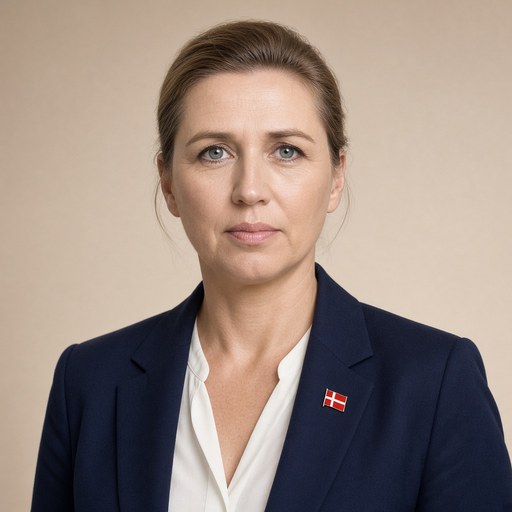
Prime Minister Mette Frederiksen's speech at the opening of the Folketing on October 5, 2021.
 Mette Frederiksen · Prime Minister of Denmark
- Context
- Frederiksen addressed the Danish Folketing at its opening session on October 5, 2021, outlining Denmark's green transition agenda and international climate diplomacy.
- Main themes
- Green transition and climate action, Denmark's climate ambitions, COP26 and international climate diplomacy, sustainable agriculture, clean energy and energy islands, CO2 reduction, green partnerships with India and South Korea, EU recovery and green investment, hope over fear in climate policy, electric transport, nature and biodiversity
- Duration
- ~43 min
- Words
- 5,104
- Sentences
- 566
- Readability
- 57
- Grade
- 7.2
- Syntax
- 2.22
- Vocabulary
- 2.06
Translated from Danish
The broad sphere of national life a sentence belongs to. Every sentence has an Arena, so it is the denominator the other indices are read against.
Other566 sentences in 304 paragraphs
Imagine a future in Denmark where the air is completely clean.
The feeling of breathing deeply and safely.
Cities with green spaces. Gardens on rooftops. Climbing plants up the facades.
Electric cars that are affordable. And where the family can go on vacation without hassle about charging.
Imagine also that the trip in the electric car goes through a landscape with more nature, wildlife, and plant life.
Black grouse. Wild orchids and forget-me-nots. Raised bogs and heathlands. It buzzes and crawls and blooms and grows.
At home in families. Around the dinner table. We eat more greens, more locally, and according to the seasons.
And Danish agriculture is the most sustainable in the world. With the latest technologies, more plant-based production, and more organic farming.
The goods we import from the rest of the world are transported on ships that do not run on oil, but on green fuels.
Our industry gets energy from the Danish energy islands and biogas from agriculture.
And even more people in Denmark are working to produce green solutions for the whole world.
Does that sound wild?
Maybe a little.
But we are on our way.
Here I would like to bring a quote:
“Climate policy must not only become a policy of fear.”
Who said that?
It was Ms. Mai Villadsen at the government’s conference in Fredericia about the future of Denmark.
That is true. We must not let fear guide us – but hope.
Our future must be green. And the air clean.
Of course, it will require effort, decisions, investments. New habits.
And courage.
But the alternative – to let the climate crisis run rampant – is not an option.
Human-caused climate change is already affecting the whole world today. Floods. Droughts. Tropical storms.
It is not an option to just continue. We are in the process of destroying our own earth.
We humans must see ourselves as part of nature. The animals and plants, the air and water – are not something outside of ourselves. But a part of our own existence.
The climate crisis is so severe that even when we phase out gas and oil production. Build the world’s first energy islands. Recycle more waste. Transition road transport. Make agriculture more sustainable. Introduce a uniform CO2 tax. Research for billions. Spread the new technologies.
And set an ambitious goal to reduce agricultural emissions. Commit ourselves to making Danish agriculture a green showcase for the rest of the world. Thanks to all nine parties behind the very broad and visionary agreement.
Even when we do all that. Here in Denmark.
It is still not enough.
Denmark has one of the world’s most ambitious climate goals. In just two years, we have reached almost half of the way. But with the UN’s latest report, it is brutally clear. We must do even more.
Concrete action already this year. Next year. The year after.
We want to unite high green ambitions with good jobs. And with consideration for those who have the least.
That is the Danish strategy: An ambitious green transition. Supported by broad public backing.
Where we also make the right decisions out in the world.
Denmark is a green pioneer. We must influence the countries that emit the most.
That is our opportunity. And our obligation.
We are facing an important autumn in international climate policy.
That is why Denmark is conducting active climate diplomacy.
Now it is about COP26 in Glasgow in the United Kingdom.
The global level of ambition must rise.
Denmark has said stop to oil and gas extraction by 2050. Other countries must also free themselves from both coal, oil, and gas.
I am proud of all that Denmark and Danish companies are already doing internationally.
Concrete technical solutions. Strong green partnerships.
This applies to South Korea – one of the world’s fastest-growing economies.
And think, when India, a country with more than 1.3 billion inhabitants, decided to accelerate the green transition. Which country – out of all the countries in the world – did they choose to enter into a green, strategic partnership with?
They chose Denmark.
In a few days, I will travel to India to meet with Prime Minister Modi.
Denmark has the solutions. India has the scale.
It is important for the climate. For Danish business. For our economy.
And in a broader perspective for the geopolitical balance. We have quickly strengthened our relationship with the world’s largest democracy.
Denmark has a long and proud tradition of taking responsibility in the world. We remain fully dedicated to that.
First and foremost in the EU.
We must get all of Europe out of the crisis. By investing in green transition, new jobs, and digitalization.
More than half of the funds in the EU’s recovery fund are targeted at the green and the digital. That points forward. And it provides a good foundation for building a better and stronger Europe than the one we came from.
Denmark is a small country with many opportunities – and a great responsibility.
* * *
The climate changes are very evident in the Arctic.
New dangers. A new reality. New opportunities. Also in terms of security.
Russia’s behavior in the Arctic has become more pronounced. And we must keep an eye on China’s interests in the area.
That is why I am glad that we are now also seeing a greater and stronger engagement from the USA – Europe’s most important ally.
Denmark is working together with Greenland and the Faroe Islands based on a common goal of low tension. At the same time, we must protect ourselves.
For example, against cyber espionage. That requires vigilance. And building capacity.
I am pleased that our three countries have agreed to establish a permanent joint Danish-Faroese-Greenlandic contact committee at the government level.
We will be in close dialogue about foreign policy. Security policy. And defense policy.
Greenland and the Faroe Islands will have a more prominent role in the Arctic Council. I find that completely natural.
Last week and this week, I have had follow-up discussions with the Prime Minister and with the Chairman of Naalakkersuisut. We have just signed the terms of reference for the work.
You are both present here in the Folketing today. I would therefore like to take the opportunity to thank you for a good and constructive collaboration.
And I would like to thank the good cooperation with the North Atlantic members here in the Folketing. The government greatly appreciates that.
* * *
All over Denmark, we meet again in various ways. Handshakes are exchanged. And hugs are given. Everyday life is back. With vigor and strength. Energy and joy.
Where it suits us.
We came through the crisis convincingly and well.
Foreign visitors to Denmark send home astonished reports.
No face masks. No restrictions. Instead, parties. Concerts. Conferences.
As more people are vaccinated, both here at home and abroad. And of course within the Danish travel regulations. We can now say it out loud to both tourists and business travelers:
Come to Denmark if you want to feel everyday life again.
Denmark is ready for the future.
Unemployment is lower than before the crisis. Production is higher than before the crisis.
Employment is breaking all records.
Growth is expected to be the highest in 15 years.
Not 5 years. Not 10 years. But 15 years.
I am glad that the government and a majority here in the Folketing stood firm.
For while there were discussions along the way. And disagreements. It is now beyond any doubt. It was responsible to borrow. It was responsible to invest our way through the crisis.
It was right to pursue an expansive and active crisis policy.
I would like to say to the business community and to the labor movement: You have confirmed that you are a strong and responsible part of Danish society.
Denmark is built on solid and well-run companies.
We must address the problems you currently have in getting the employees you need.
The government, the labor market parties, and KL are in full negotiations about a tripartite agreement that deals with just that.
A lack of labor must not hold us back.
Therefore, more Danes must enter the workforce. Only then will we become more skilled, greener, and richer.
It is said that one should never let a good crisis go to waste. I have always had a bit of a strained relationship with that saying.
For we have seen before how political crisis management left a bill for those who found it hardest to pay.
Greater inequality. In a time of high unemployment. Unreasonable reforms.
That is not the case this time.
We must still be aware of the consequences of corona. Loneliness. Lost learning. A cultural life that still struggles in some places.
But Denmark stands solid. And now we must not let a potential boom go to waste.
I am convinced that we more broadly in our society must have some fundamental conversations about where we want to go. About how we solve the big problems that have been unresolved for far too long.
This applies to the too many who do not have a job. Never really found their footing. Stand outside the community.
It has been wrong for decades. Even more so now, when we truly need everyone.
Last month, the government presented the proposal – “Denmark can do more 1”.
A reform that is both economically responsible and socially just. That primarily aims to get more Danes into work.
Far too many, especially women with a non-Western background, are at home on passive support.
That is why we will introduce a new 37-hour work logic, where one has an obligation to contribute, to be useful, if one receives benefits from the public.
When we are to solve our society’s greatest challenges, it cannot be done with one reform. We have only just begun.
Denmark can do more.
The government has presented ten advancements for the next ten years.
The ten advancements will require a long, hard pull and persistence. We will present new reform proposals in the coming year.
Today, I will focus on three challenges.
First, Denmark’s responsibility for the green transition, which I began my speech with.
Second, education. I will come to that shortly.
And third, the cohesion in our country. The necessity of slowing down centralization. Strengthening proximity. Making the big cities even better places to live.
* * *
Recently, I visited the company Polytech in Bramming. They produce protection for wind turbine blades.
And Polytech does it so well that – hold on – almost six out of ten of all the world’s wind turbines from Shanghai to California carry their product.
There is progress. New people are being hired.
If they can be found. That can be a challenge.
And that led to a good conversation that day in Bramming about why many young people go to high school, and too few choose vocational schools.
Director Mads Kirkegaard is himself a craftsman. He goes out to schools and tells how important it is to choose a vocational education.
But in reality, we need to reach the parents, he said. Because they are the ones who succumb to the idea that high school is finer. And that rubs off on the young people.
That leads me to the second major theme I want to talk about today:
Education.
The journey of Danes through the education system is a huge success.
Denmark is poor in raw materials. We live by being skilled.
But the question is whether we are educating too much for the past and too little for the future?
As we navigate a new era with robots, artificial intelligence, digital revolution, global outlook, green transition, and at the same time have a need for presence and community – what demands does that place on our education?
I would like to invite that debate.
We need skilled researchers. Green technologies. New medicines and vaccines. Knowledge about our history and culture.
Knowledge is progress.
And it is a big step forward that thousands of young people today are studying at university. Once a closed country for most. Today an open path for many.
But it also means that where education used to be for the few, who typically would teach or research – more highly educated people today must work in private companies.
How do we educate for a labor market in ten or twenty years?
Many of the small and medium-sized enterprises are not used to hiring academics. And the academics are not used to working there. That places demands on everyone. And requires new thinking.
This also applies to primary schools. Almost one in six students leaves school without being able to read, write, and calculate.
Thousands of sweet, smart, wonderful children and young people. Every year. Who do not get the foundation they need.
I was told the following story by a relieved father of a boy in one of the oldest classes in primary school.
After a deeply concerning report about how he was doing in school, the father arranged for his son to go out to a company one day a week.
That boy, who was more than difficult to get to school, happily jumped on the bus at six in the morning to go to work.
Work clothes and community gave him an identity. The new energy rubbed off on his homework. Now he could see what they were for.
And the story is even better than that. The company offered the boy an apprenticeship.
A pure success story. Or what?
The father’s point to me was actually a different one.
Namely, that it must never rest on a parent or student’s responsibility. But must first and foremost be a societal responsibility.
For what about all the other school-weary boys and girls who do not have a father with the right contacts?
I agree.
I believe that we need a greater interaction between education and jobs all the way up through the education system.
For the school-weary, 14-year-old boy in 8th grade, who can learn much more if he is allowed to swap school for a workplace – one day or two a week.
And broader than that: What if we, for example, think the electrician and engineering professions closer together. Clothing craftsman and design. Carpenter and architect.
At the Royal Academy, which also includes the architecture program, they have only admitted about 16 students a year on a basis other than a high school diploma over the past ten years.
They will now change that. With a new two-year master’s program for building constructors. Where more have a vocational background. I think that is exciting. We must continue down that path.
* * *
Today, society spends many billions of kroner on the education we take early in life.
We spend far fewer funds on the adult and further education we receive later in our working lives.
Almost half of 20-24-year-olds are in education. For us who are over forty, it is only one percent.
Why do we still think of education as something to be completed early in life – when we know that so many of us will be on a rapidly changing labor market for a long time?
It is a clear goal for the government that more people should work. Education is an important part of that.
Therefore, we must also ask ourselves whether the quality of our education – both long and short – is good enough.
Is there a need for more teaching? More feedback from the teacher?
We have already allocated almost one billion kroner to primary schools. Raised youth education. Removed the reallocation contribution. Abolished the education ceiling.
On top of all that, the government will invest an additional 2.5 billion kroner each year. This is the largest additional investment in education that I can remember.
We will involve students, learners, educators, trade unions, and the business community. And of course, the parties here in the Folketing that take responsibility for the financing.
You all must participate in prioritizing. And thus also in making choices.
So that the investments are directed towards solving the long-term challenges.
We started the dialogue four days ago with a meeting at Marienborg. Thank you to those who were present and contributed.
Mille Borgen Mikkelsen, chair of Danske Skoleelever, beautifully captured the day with the words:
"All students should be allowed to be a success."
* * *
I experience a new courage in many places in Danish society.
A strong will to create development ourselves. An optimism for the future.
I have no doubt that Denmark can do more.
But it requires greater openness. We must see old issues in a new light.
This also applies to the government. All of you here in the Folketing.
We must ask ourselves how we have been able to agree on the recognition of major problems for decades – without solving them?
Time and again, we experience an unfortunate spiral of individual cases and hasty legislation – which distracts attention from what we are here for – to solve real problems for the benefit of citizens.
Can you recognize the picture?
The government will, first of all, present a legislative program for the new parliamentary year that is less extensive than usual.
Less hasty legislation. Better to have fewer, but better-developed proposals.
And not least – more time for all of you who will make the proposals work for citizens and businesses – not to be overwhelmed by the legislative machine.
Secondly, we will prioritize the implementation of legislation in a much more visible way.
A good agreement text today includes sections on the legislative process, on finances – there should also be a section on how the agreement is implemented. Comes to work for citizens and businesses.
Thirdly, the democratic conversation needs new vitamins.
Fragmented. Superficial. Perhaps also too harsh. We all know it. Especially on social media.
We must create space for contemplation and reflection. And therefore also an increased focus on those parts of society that carry that contemplation.
That gives us the opportunity to empathize with other people's lives. And thus is the nerve in understanding ourselves and our world better.
Art and culture.
We need Danish art and culture to challenge us. Create the framework for our shared memory. The connection between our history, our present, and our common future.
To provide us with meaning and understanding. Wonder and curiosity.
And education.
That is what we should strive for. To become spiritually stronger. Understanding. Knowledgeable. And thus more robust.
Here we need literature, music, visual arts, drama, film.
And the frameworks for the democratic conversation must be set by ourselves. Not by multinational companies.
Therefore, we need a common European regulation of the tech giants. And national public service with quality and diversity.
* * *
In a world of division. And polarization. We in Denmark must insist on the opposite. Our community.
Denmark must hold together. With good opportunities both in the countryside and in the cities. This is the third major theme of my speech today.
Copenhagen is a fantastic capital.
A beautiful city where towers and spires rise above the old houses.
The neighborhoods where urban renewal has made room for green courtyards.
In recent years, the development along the harbor. New bicycle bridges. New urban areas on the islets.
And above all, the capital is – its population. The people who live here. The Copenhageners.
Who jump into the water all year round. And cycle the streets thin in sunshine and sleet.
Denmark's capital is a city where people actually live and reside.
That is good. And when you look around the world, it is far from a given.
But there is still a problem. A big problem. Many can no longer afford to live in our shared capital.
What does a three-room condominium in Nørrebro cost?
Often more than four million kroner. Perhaps more than five million.
What about the school teacher, the educator, the police officer, the social assistant, the shop assistant, the hairdresser, the carpenter, or the young academic?
If they are first-time buyers, it is difficult. Really difficult.
Listen to what a dedicated Copenhagen resident has written about the city as it once was:
"Of course, there was a difference between living in Sydhavnen and on Frederiksberg Allé, but in very large parts of 1970s Copenhagen, people of all types and from all social groups lived among each other in fruitful confusion: In the same stairwell lived academics, office workers, and strangely transparent existences (who only began to stir at night, and no one really knew what they lived off)."
It is the poet Søren Ulrik Thomsen who longs back to his youth's mixed neighborhood.
I can relate to him. When I grew up in Aalborg in the 1980s, we lived together across boundaries. I played with, went to school with, and shared neighborhoods with children from many different families.
Perhaps some of you can also recognize that picture?
Living door to door gives an understanding of other people's conditions.
But today, unfortunately, we live more separated.
Some call it globalization or urbanization. And it takes on the tone of something that cannot be averted. A natural force that is impossible to stop.
I see it as one of my most important tasks as Prime Minister. To go against that thinking.
Whether it is increasing inequality. A labor market that is becoming less organized. Or that centralization – is just something we have to accept.
The government will soon present an ambitious housing proposal.
Fundamentally, families with ordinary incomes must have the opportunity to live in the cities.
A lot is being built in these years. Also many social housing units. But we need even more affordable housing.
Therefore, the government will make it possible to build 22,000 more social housing units over the next 10-15 years.
Most will be built in the larger cities. Alone in Greater Copenhagen, our upcoming housing proposal could mean a tripling of new construction of social housing.
Three times as many newly built family homes in Copenhagen. Typically 80-90 square meters. With a rent of around 8,000 kroner per month.
It will be noticeable in the urban landscape. We should not divide ourselves. The cities must be able to accommodate everyone.
We will also carry forward the quality from old Copenhagen – that architectural value must be combined with solid craftsmanship.
We will let the new generation of talented architects continue the strong Danish tradition. To design and build for people.
So that homes are both good to live in and beautiful to look at.
* * *
I am proud of our entire country. We need all parts of Denmark.
Therefore, it is sad when parts of the country are emptied of important functions.
Education, police, shops close in a vicious spiral.
The strong centralization of Denmark has not only been silently accepted. It is also a result of political decisions.
We have a strong welfare society. There is much that succeeds every single day. But there are also noticeable challenges.
There is a lack of time for care and relationships. And too many public employees feel that they lack space for their professionalism. Just ask in the Prison and Probation Service, where there is a real need for a lift and a new direction.
There are hospital departments where the pace is too fast. Elderly people who do not experience a dignified old age. Children who do not have enough adult contact.
For far too many years, the mantra has been efficiency and optimization.
Since the government took office, more funds have been allocated in agreement after agreement to both children, the elderly, education, and the health sector.
But it is clearly not enough. We need deeper changes.
We will propose a welfare law that will ensure that the money follows when we fortunately have more children and elderly. There must be both time and enough staff. Both in the child and elderly sectors. And in the hospitals. This also means more colleagues. That is important.
But it is also not enough. There must be more time for the core task. For childbirth. For the care of the elderly suffering from dementia. For the relationship with the child.
Therefore, time must be freed up. From processes, management, and paperwork. To the citizen-facing. Today, a nurse employed in a municipality is not allowed to give an elderly man two Panadol if he has a headache.
This is an example of a lack of common sense. Time that is used incorrectly. And management instead of leadership.
We need a close healthcare system where the patient is not lost between hospitals and municipalities. Where we trust the professionalism of the staff. And where there are enough colleagues for the tasks at hand.
This requires that we choose welfare over tax cuts. That we take further steps in a proximity reform. And give space for the most important to also be the highest priority. And that other tasks are dropped.
* * *
At the same time, we must ensure more opportunities. Also in the provinces.
Not as a conflict between town and country.
Centralization affects us all. There are also citizens in the western suburbs of Copenhagen who miss the local police, and there are also challenges with medical coverage.
More must be closer. We are on it.
Relocating education so that young people can stay. Tax centers with local jobs. Better access to loans for housing where it is now difficult.
20 new local police stations.
I was allowed to be present when the local police opened in Struer and the new local officer walked around the streets asking: "What are you struggling with?"
That makes so much sense.
As the owner of Limfjordens Ishus said: "It provides a certain sense of security."
Indeed.
It is good for the shops. It is safe for the elderly. It is preventive for the young who risk getting involved in crime.
It should be good to be young in Denmark. In the big city, in the province, and in the countryside.
More young people in Denmark should have a youth education close to where they grew up.
* * *
The next area we will address is health.
In the coming years, super hospitals will be ready across the country. With highly specialized cancer treatment. Heart surgeries.
It is common sense. It saves lives. It was the right decision.
But at the same time, primary health care has been neglected.
This is particularly serious in a situation where we have more people with chronic diseases, more with mental illnesses, and more elderly.
Today, many elderly people have many and long trips to the hospital. Perhaps to have a blood test one day. For a consultation the next day. X-ray control the third day.
It is important. But also cumbersome. Yes, sometimes completely overwhelming.
As something new, we will establish local hospitals. Where municipalities, regions, and general practitioners can work more closely together on the patient. It will be safer.
We will also address the problem that far too many do not have access to their own general practitioner.
And there must be access to quick emergency help everywhere.
* * *
At the same time, epidemic control continues to receive the authorities' full attention.
For if corona gets away from us. Then everything else can quickly come to the background again.
Denmark is far along in the vaccination effort, thanks to the support of the Danish people.
We need to get even more on board. The vaccines are our super weapon.
And here too, we take responsibility internationally. We have doubled Denmark's donation of vaccines to other countries from 3 million to 6 million.
We are only safe when everyone is safe.
* * *
I began my speech today with Denmark's responsibility in the international climate crisis. I will conclude my speech with another important area where Denmark must take responsibility in the world. An area that the situation in Afghanistan has made sadly relevant.
The rights of girls and women.
The development is deeply concerning. I fear that Afghan girls and women are slowly but surely exchanging the free life at universities and on football fields for the dark prison of the burqa.
Denmark will do what we can to help the hard-pressed Afghan population. Together with our allies. And through the EU. Humanitarian efforts to help more. And to avoid a refugee crisis like that in 2015.
It is not only in Afghanistan that the rights of girls and women are brutally trampled.
In more and more places, we see that the progress and equality that women have fought for are being rolled back.
This applies to education. And it applies to the right to abortion. Women's right to decide over our own bodies, to decide if and when we want to have children – is absolutely crucial.
Denmark and Europe have an obligation to respond. To insist that the EU is also a collaboration between countries with shared values.
Violations of fundamental rights also happen here at home. In some immigrant communities and religious environments, many girls and women fight for the freedom to live their lives as they wish.
Far too often, they have to fight alone.
We as a society must step up much stronger. Stand firm that our values – equality, freedom – apply to everyone in Denmark.
The government will therefore establish a commission for the freedom and rights of girls and women.
Every girl and woman in Denmark should live without violence. Without social control.
Have the freedom to choose their spouse. Have the right to work. Have the right to an independent income.
Rights and freedom. No matter where you or your family come from.
Here, we will also be a leading country.
* * *
Finally, a special thanks to the Socialist People's Party, the Radicals, and the Unity List for a good collaboration over the past two years.
Collegial confidentiality. Political impatience.
Together, we have set a new direction for Denmark.
Also, a thank you to all of you here in the Folketing who contribute to the broad cooperation. And thus to responsibility, progress, and stability.
Today, I invite you to a broad dialogue about the upcoming reforms.
More people in work. Denmark's responsibility in the climate crisis. Education for the future. Affordable housing. Health services closer to home. Freedom and equality for all in Denmark.
Our fantastic country can do more.
LONG LIVE DENMARK.
Hooray! Hooray! Hooray!
The original Danish. The tags above are read on the English translation's sentences.
Forestil jer en fremtid i Danmark, hvor luften er helt ren.
Følelsen af at trække vejret dybt og trygt.
Byer med grønne arealer. Haver på tagene. Slyngplanter op ad facaderne.
Elbiler, som er til at betale. Og hvor familien kan køre på ferie uden bøvl med at lade op.
Forestil jer også, at turen i elbilen går gennem et landskab med mere natur, dyreliv og planteliv.
Sortspætter. Vilde orkideer og forglemmigej. Højmoser og heder. Det kribler og krabler og blomstrer og gror.
Hjemme i familierne. Rundt om middagsbordet. Spiser vi mere grønt, mere lokalt og efter årstiderne.
Og dansk landbrug er verdens mest bæredygtige. Med de nyeste teknologier, mere plantebaseret produktion og mere økologi.
De varer, vi henter fra resten af verden, bliver transporteret på skibe, der ikke sejler på olie, men på grønne brændstoffer.
Vores industri får energi fra de danske energiøer og biogas fra landbruget.
Og endnu flere i Danmark arbejder med at producere grønne løsninger til hele verden.
Lyder det vildt?
Måske lidt.
Men vi er i gang.
Her vil jeg bringe et citat:
”Klimapolitik må ikke kun blive til frygtens politik.”
Hvem sagde det?
Det gjorde fru Mai Villadsen på regeringens konference i Fredericia om fremtidens Danmark.
Det er jo rigtigt. Vi skal ikke lade frygten lede os – men håbet.
Vores fremtid skal være grøn. Og luften ren.
Vel vil det koste kræfter, beslutninger, investeringer. Nye vaner.
Og mod.
Men alternativet – at lade klimakrisen løbe løbsk – det er ikke en mulighed.
Menneskeskabte klimaforandringer påvirker allerede i dag hele verden. Oversvømmelser. Tørke. Tropiske storme.
Det er ikke en mulighed bare at fortsætte. Vi er i færd med at ødelægge vores egen jord.
Vi mennesker er nødt til at se os selv som en del af naturen. Dyrene og planterne, luften og vandet – er ikke noget uden for os selv. Men en del af vores egen eksistens.
Klimakrisen er så voldsom, at selv når vi udfaser gas og olieproduktion. Bygger verdens første energiøer. Genanvender mere affald. Omstiller vejtransporten. Gør landbruget mere bæredygtigt. Indfører en ensartet CO2-afgift. Forsker for milliarder. Udbreder de nye teknologier.
Og sætter et ambitiøst mål for at nedbringe landbrugets udledninger. Forpligter os til, at dansk landbrug skal være et grønt udstillingsvindue for resten af verden. Tak til alle ni partier bag den meget brede og visionære aftale.
Selv når vi gør alt det. Her i Danmark.
Så er det ikke nok.
Danmark har et af verdens mest ambitiøse klimamål. På bare to år er vi nået næsten halvdelen af vejen. Men med FN’s seneste rapport står det brutalt klart. Vi skal gøre endnu mere.
Konkret handling allerede i år. Til næste år. Året efter.
Vi vil forene høje grønne ambitioner med gode arbejdspladser. Og med hensynet til dem, der har mindst.
Dét er den danske strategi: En ambitiøs, grøn omstilling. Båret af en bred folkelig opbakning.
Hvor vi også træffer de rigtige beslutninger ude i verden.
Danmark er et grønt foregangsland. Vi skal påvirke de lande, som udleder mest.
Det er vores mulighed. Og vores forpligtelse.
Vi står over for et vigtigt efterår i international klimapolitik.
Derfor fører Danmark et aktivt klimadiplomati.
Nu gælder det COP26 i Glasgow i Storbritannien.
Det globale ambitionsniveau skal op.
Danmark har sagt stop for olie- og gasudvinding i 2050. De andre lande skal også gøre sig fri af både kul, olie og gas.
Jeg er stolt over alt det, Danmark og danske virksomheder allerede gør internationalt.
Konkrete tekniske løsninger. Stærke grønne partnerskaber.
Det gælder Sydkorea – en af verdens hurtigst voksende økonomier.
Og tænk, da Indien, et land med mere end 1,3 milliarder indbyggere, besluttede at sætte skub i den grønne omstilling. Hvilket land – ud af alle verdens lande – valgte de så at indgå et grønt, strategisk partnerskab med?
De valgte Danmark.
Om få dage rejser jeg til Indien for at mødes med premierminister Modi.
Danmark har løsningerne. Indien har skalaen.
Det er vigtigt for klimaet. For dansk erhvervsliv. For vores økonomi.
Og i et større perspektiv for den geopolitiske balance. Vi har på kort tid styrket vores forhold til verdens største demokrati.
Danmark har en lang og stolt tradition for at tage ansvar i verden. Det er vi fortsat fuldt ud dedikeret til.
Først og fremmest i EU.
Vi skal have hele Europa ud af krisen. Ved at investere i grøn omstilling, nye arbejdspladser, digitalisering.
Mere end halvdelen af midlerne i EU’s genopretningsfond er målrettet det grønne og det digitale. Det peger fremad. Og det giver et godt fundament for at bygge et både bedre og stærkere Europa, end det vi kom fra.
Danmark er et lille land med mange muligheder – og et stort ansvar.
* * *
Klimaforandringerne er meget tydelige i Arktis.
Nye farer. En ny virkelighed. Nye muligheder. Også sikkerhedspolitisk.
Ruslands adfærd i Arktis er blevet mere markant. Og vi skal holde øje med Kinas interesser i området.
Derfor er jeg glad for, at vi nu også ser et større og stærkere engagement fra USA – Europas vigtigste allierede.
Danmark arbejder sammen med Grønland og Færøerne ud fra en fælles målsætning om lavspænding. Samtidig skal vi beskytte os selv.
For eksempel mod cyberspionage. Det kræver årvågenhed. Og opbygning af kapacitet.
Jeg er glad for, at vores tre lande har aftalt at oprette et permanent fælles dansk-færøsk-grønlandsk kontaktudvalg på regeringsniveau.
Vi vil være i tæt dialog om udenrigspolitik. Sikkerhedspolitik. Og forsvarspolitik.
Grønland og Færøerne får en mere fremtrædende rolle i Arktisk Råd. Det finder jeg helt naturligt.
I sidste uge og i denne uge har jeg haft opfølgende drøftelser med lagmanden og med formanden for Naalakkersuisut. Vi har netop skrevet under på kommissoriet for arbejdet.
I er begge to til stede her i Folketinget i dag. Jeg vil derfor benytte lejligheden til at sige tak for et godt og konstruktivt samarbejde.
Og jeg vil takke for det gode samarbejde med de nordatlantiske medlemmer her i Folketinget. Det sætter regeringen stor pris på.
* * *
Overalt i Danmark mødes vi igen på kryds og tværs. Der gives hånd. Og uddeles kram. Hverdagen er tilbage. Med saft og kraft. Energi og glæde.
Hvor det klæder os.
Vi kom overbevisende og godt gennem krisen.
Udlændinge på besøg i Danmark sender forbløffede beretninger hjem.
Ingen mundbind. Ingen restriktioner. Derimod fester. Koncerter. Konferencer.
I takt med at flere bliver vaccineret, både herhjemme og i udlandet. Og selvfølgelig inden for de danske rejseregler. Så kan vi nu sige det højt til både turister og forretningsrejsende:
Kom til Danmark, hvis I vil mærke hverdagen igen.
Danmark er klar til fremtiden.
Arbejdsløsheden er lavere end før krisen. Produktionen er højere end før krisen.
Beskæftigelsen slår alle rekorder.
Væksten forventes at blive den højeste i 15 år.
Ikke 5 år. Ikke 10 år. Men 15 år.
Jeg er glad for, at regeringen og et flertal her i Folketinget stod fast.
For mens der undervejs var diskussioner. Og uenighed. Så er det nu hævet over enhver tvivl. Det var ansvarligt at låne. Det var ansvarligt at investere os gennem krisen.
Det var rigtigt at føre en ekspansiv og aktiv krisepolitik.
Jeg vil gerne sige til erhvervslivet og til fagbevægelsen: I har bekræftet, at I er en stærk og ansvarlig del af det danske samfund.
Danmark bygger på solide og veldrevne virksomheder.
Vi skal tage fat på de problemer, I har lige nu med at få de medarbejdere, I har brug for.
Regeringen, arbejdsmarkedets parter og KL er i fuld gang med forhandlinger om en trepartsaftale, der handler om netop det.
Mangel på arbejdskraft må ikke bremse os.
Derfor skal flere danskere i arbejde. Kun sådan bliver vi dygtigere, grønnere og rigere.
Det siges, at man aldrig må lade en god krise gå til spilde. Jeg har nu altid haft det lidt anstrengt med den talemåde.
For vi har jo set før, hvordan den politiske krisehåndtering efterlod en regning hos dem, der havde sværest ved at betale den.
Større ulighed. I en tid med høj arbejdsløshed. Urimelige reformer.
Sådan er det ikke den her gang.
Vi skal stadig være opmærksomme på coronaens konsekvenser. Ensomhed. Tabt læring. Et kulturliv, som fortsat nogle steder har det svært.
Men Danmark står solidt. Og nu må vi ikke lade en potentiel højkonjunktur gå til spilde.
Jeg er overbevist om, at vi mere bredt i vores samfund må tage nogle helt grundlæggende samtaler om, hvor vi vil hen. Om hvordan vi får løst de store problemer, der alt for længe har været uløste.
Det gælder de alt for mange, som ikke har et arbejde. Aldrig rigtigt fik fodfæste. Står uden for fællesskabet.
Det har været forkert i årtier. Endnu mere nu, hvor vi vitterlig har brug for alle.
I sidste måned præsenterede regeringen udspillet – ”Danmark kan mere 1”.
En reform, som er både økonomisk ansvarlig og social retfærdig. Som først og fremmest skal få flere danskere i arbejde.
Alt for mange, især kvinder med ikke-vestlig baggrund, går derhjemme på passiv forsørgelse.
Derfor vil vi indføre en ny 37-timers arbejdslogik, hvor man har pligt til at bidrage, til at gøre nytte, hvis man modtager ydelse fra det offentlige.
Når vi skal løse vores samfunds største udfordringer, så er det ikke gjort med én reform. Vi er kun lige gået i gang.
Danmark kan mere.
Regeringen har fremlagt ti fremskridt for de næste ti år.
De ti fremskridt vil kræve et langt sejt træk og en vedholdenhed. Vi vil fremlægge nye reformudspil i det kommende år.
I dag vil jeg fokusere på tre udfordringer.
For det første Danmarks ansvar for den grønne omstilling, som jeg indledte min tale med.
For det andet uddannelserne. Dem kommer jeg til lige om lidt.
Og for det tredje sammenhængen i vores land. Nødvendigheden af at bremse centraliseringen. Styrke nærheden. Gøre de store byer endnu bedre at leve i.
* * *
For nylig besøgte jeg virksomheden Polytech i Bramming. De producerer beskyttelse til vindmøllevinger.
Og det gør Polytech så godt, at – hold nu fast – næsten seks ud af ti af alle verdens vindmøller fra Shanghai til Californien bærer deres produkt.
Der er fremgang. Der bliver ansat nye folk.
Hvis de ellers er til at få. Det kan knibe.
Og det førte den dag i Bramming til en god snak om, hvorfor mange unge går i gymnasiet, og for få vælger erhvervsskolen.
Direktør Mads Kirkegaard er selv håndværker. Han tager ud på skoler og fortæller, hvor vigtigt det er at vælge en faglig uddannelse.
Men i virkeligheden skal vi have fat i forældrene, sagde han. For det er dem, der ligger under for, at gymnasiet er finere. Og det smitter af på de unge.
Det leder mig over i det andet store tema, jeg vil tale om i dag:
Uddannelser.
Danskernes rejse gennem uddannelsessystemet er en kæmpe succes.
Danmark er fattigt på råstoffer. Vi lever af at være dygtige.
Men spørgsmålet er, om vi uddanner for meget til fortiden og for lidt til fremtiden?
Når vi skal navigere i en ny tid med robotter, kunstig intelligens, digital revolution, globalt udsyn, grøn omstilling og samtidig har behov for nærvær og fællesskab – hvilke krav stiller det så til vores uddannelser?
Den debat vil jeg gerne invitere til.
Vi har brug for dygtige forskere. Grønne teknologier. Ny medicin og vacciner. Viden om vores historie og kultur.
Viden er fremskridt.
Og det er et stort skridt frem, at tusindvis af unge i dag læser på universitetet. Engang lukket land for de fleste. I dag en åben vej for mange.
Men det betyder også, at hvor uddannelserne før var for de få, der typisk skulle undervise eller forske – så skal flere højtuddannede i dag arbejde i private virksomheder.
Hvordan uddanner vi til et arbejdsmarked om ti eller tyve år?
Mange af de små og mellemstore virksomheder er ikke vant til at ansætte akademikere. Og akademikerne er ikke vant til at arbejde dér. Det stiller krav til alle. Og kræver nytænkning.
Det gælder også folkeskolen. Næsten hver sjette elev forlader skolen uden at kunne læse, skrive og regne.
Tusindvis af søde, kloge, dejlige børn og unge. Hvert år. Som ikke får det fundament, de har brug for.
Jeg fik fortalt følgende historie af en lettet far til en dreng i en af folkeskolens ældste klasser.
Efter en dybt bekymrende melding om, hvordan det gik i skolen, fik faren arrangeret, at sønnen kom ud på en virksomhed en dag om ugen.
Den dreng, som var mere end svær at få i skole, sprang glad på bussen klokken seks om morgenen for at komme på arbejde.
Arbejdstøj og fællesskab gav ham en identitet. Den nye energi smittede af på lektierne. Nu kunne han se, hvad de skulle bruges til.
Og historien er endnu bedre end det. Firmaet tilbød drengen en læreplads.
En ren solstrålehistorie. Eller hvad?
Farens pointe til mig var sådan set en anden.
Nemlig, at det aldrig må bero på et forældre- eller elevansvar. Men først og fremmest skal være et samfundsansvar.
For hvad med alle de andre skoletrætte drenge og piger, som ikke har en far med de rette kontakter?
Jeg er enig.
Jeg tror, at vi har brug for en større vekselvirkning mellem uddannelse og job hele vejen op i uddannelsessystemet.
For den skoletrætte, 14-årige dreng i 8. klasse, der kan lære meget mere, hvis han får lov at skifte skolen ud med en arbejdsplads – en dag eller to om ugen.
Og bredere end det: Hvad om vi for eksempel tænker elektriker- og ingeniørfaget tættere sammen. Beklædningshåndværker og design. Tømrer og arkitekt.
På Det Kongelige Akademi, som også rummer arkitektstudiet, har man gennem de seneste ti år kun optaget omkring 16 studerende om året på et andet grundlag end en gymnasial eksamen.
Det vil man nu lave om på. Med en ny, toårig kandidatuddannelse for bygningskonstruktører. Hvor flere har en faglært baggrund. Jeg synes, det er spændende. Vi skal videre ad den vej.
* * *
I dag bruger samfundet mange milliarder kroner på de uddannelser, vi tager først i livet.
Vi bruger langt færre penge på de voksen- og efteruddannelser, vi får senere i arbejdslivet.
Næsten halvdelen af de 20-24-årige er i gang med en uddannelse. For os, der er fyldt fyrre, er det kun én procent.
Hvorfor tænker vi stadig uddannelse som noget, man får overstået tidligt i livet – når vi ved, at så mange af os kommer til at være længe på et arbejdsmarked i rivende udvikling?
Det er en klar målsætning for regeringen, at flere skal arbejde. Uddannelserne er en vigtig del af det.
Derfor må vi også spørge os selv, om kvaliteten i vores uddannelser – både de lange og de korte – er god nok.
Er der brug for mere undervisning? Mere feedback fra læreren?
Vi har allerede afsat næsten en milliard kroner til folkeskolen. Løftet ungdomsuddannelserne. Fjernet omprioriteringsbidraget. Afskaffet uddannelsesloftet.
Oveni alt det vil regeringen investere 2,5 milliarder kroner ekstra hvert år. Det er den største ekstra investering i uddannelser, så længe jeg kan huske.
Vi vil inddrage elever, studerende, undervisere, fagbevægelse og erhvervsliv. Og naturligvis de partier her i Folketinget, der tager ansvar for finansieringen.
I skal alle være med til at prioritere. Og dermed også til at vælge fra.
Så investeringerne bliver rettet mod at løse de langsigtede udfordringer.
Vi tog hul på dialogen for fire dage siden med et møde på Marienborg. Tak til jer, der var med og bidrog.
Mille Borgen Mikkelsen, formand for Danske Skoleelever, rammede dagen flot ind med ordene:
”Alle elever skal have lov at være en succes.”
* * *
Jeg oplever mange steder i det danske samfund – et nyt mod.
En stærk vilje til selv at skabe udviklingen. En optimisme for fremtiden.
Jeg er ikke i tvivl om, at Danmark kan mere.
Men det kræver en større åbenhed. Vi skal se gamle problemstillinger i et nyt lys.
Det gælder også regeringen. Alle jer her i Folketingssalen.
Vi må spørge os selv, hvordan vi har kunnet være enige i erkendelsen af store problemer i årtier – uden at få dem løst?
Gang på gang oplever vi en uheldig spiral af enkeltsager og forhastet lovgivning – som stjæler opmærksomheden fra det, vi er her for – at løse rigtige problemer til gavn for borgerne.
Mon I kan genkende billedet?
Regeringen vil for det første fremlægge et lovprogram for det nye Folketingsår, som er mindre omfattende end normalt.
Mindre forhastet lovgivning. Hellere færre og til gengæld bedre gennemarbejdede forslag.
Og ikke mindst – mere tid til, at alle I, der skal få lovforslagene til at virke for borgerne og virksomhederne – ikke væltes omkuld af lovmøllen.
For det andet vil vi prioritere gennemførelsen af lovgivningen på en langt mere synlig måde.
En god aftaletekst indeholder i dag afsnit om lovgivningsproces, om økonomi – der bør også være et afsnit om, hvordan aftalen føres ud i livet. Implementeres. Kommer til at virke for borgere og virksomheder.
For det tredje har den demokratiske samtale brug for nye vitaminer.
Fragmenteret. Overfladisk. Nok også for hård. Vi kender det alle sammen. Især på de sociale medier.
Vi skal skabe rum til eftertanke og refleksion. Og derfor også en øget opmærksomhed om de dele af samfundet, der bærer den eftertænksomhed.
Som giver os muligheden for at leve os ind i andre menneskers liv. Og dermed er nerven i at forstå os selv og vores verden bedre.
Kunsten og kulturen.
Vi har brug for dansk kunst og kultur til at udfordre os. Skabe rammen for vores fælles erindring. Forbindelsen mellem vores historie, vores nutid og vores fælles fremtid.
Bibringe os mening og forståelse. Undren og nysgerrighed.
Og dannelse.
Det er jo det, vi skal stræbe efter. At blive åndeligt stærkere. Forstående. Vidende. Og dermed mere robuste.
Her har vi brug for litteraturen, musikken, billedkunsten, dramaet, filmen.
Og rammerne for den demokratiske samtale skal sættes af os selv. Ikke af multinationale selskaber.
Derfor skal vi have en fælles europæisk regulering af techgiganterne. Og national public service med kvalitet og alsidighed.
* * *
I en verden med splittelse. Og polarisering. Skal vi i Danmark insistere på det modsatte. Vores fællesskab.
Danmark skal hænge sammen. Med gode muligheder både på landet og i byerne. Det er det tredje store tema i min tale i dag.
København er en fantastisk hovedstad.
En smuk by, hvor tårne og spir rejser sig over de gamle huse.
Brokvartererne, hvor byfornyelsen har givet plads til grønne gårde.
I de senere år udviklingen langs havnen. Nye cykelbroer. Nye bydele på holmene.
Og først og fremmest er hovedstaden – sin befolkning. De mennesker, som bor her. Københavnerne.
Som springer i vandet året rundt. Og cykler gaderne tynde i solskin og slud.
Danmarks hovedstad er en by, hvor folk rent faktisk lever og bor.
Det er godt. Og når man ser rundt i verden, er det langt fra en selvfølge.
Men der er alligevel et problem. Et stort problem. Mange har ikke længere råd til at bo i vores allesammens hovedstad.
Hvad koster en treværelses ejerlejlighed på Nørrebro?
Ofte mere end fire millioner kroner. Måske mere end fem millioner.
Hvad med skolelæreren, pædagogen, politibetjenten, sosu-assistenten, butiksassistenten, frisøren, tømreren eller den unge akademiker?
Hvis de er førstegangskøbere, så er det svært. Virkelig svært.
Hør, hvad en dedikeret københavner har skrevet om byen, som den var engang:
”Naturligvis var der forskel på at bo i Sydhavnen og på Frederiksberg Allé, men i meget store dele af 70’ernes København boede mennesker af alle typer og fra alle socialgrupper ind imellem hinanden i frugtbar forvirring: I samme opgang boede akademikere, kontorister og mærkeligt gennemsigtige eksistenser (som først begyndte at røre på sig om natten, og ingen rigtig vidste hvad levede af)”
Det er digteren Søren Ulrik Thomsen, der længes tilbage til sin ungdoms blandede kvarter.
Jeg kan godt følge ham. Da jeg voksede op i Aalborg i 1980’erne, levede vi sammen på kryds og tværs. Jeg legede med, gik i skole med og delte kvarter med børn fra mange forskellige familier.
Måske kan nogle af jer også genkende det billede?
At bo dør om dør giver en forståelse for andre menneskers vilkår.
Men i dag lever vi desværre mere adskilt.
Nogle kalder det globalisering eller urbanisering. Og det får en klang af noget, man ikke kan afværge. En naturkraft, som er umulig at stoppe.
Jeg ser det som en af mine vigtigste opgaver som statsminister. At gå imod den tænkning.
Hvad enten det er stigende ulighed. Et arbejdsmarked, som bliver mindre organiseret. Eller at centralisering – bare er noget, vi skal acceptere.
Regeringen vil snart fremlægge et ambitiøst boligudspil.
Helt grundlægende skal familier med almindelige indkomster have mulighed for at bo i byerne.
Der bliver bygget rigtig meget i de her år. Også mange almene boliger. Men vi har brug for endnu flere boliger, som er til at betale.
Derfor vil regeringen gøre det muligt at opføre 22.000 flere almene boliger over de næste 10-15 år.
De fleste vil blive bygget i de større byer. Alene i Storkøbenhavn kan vores kommende boligudspil betyde en tredobling af nybyggeriet af almene boliger.
Tre gange så mange nybyggede familieboliger i København. Typisk 80-90 kvadratmeter. Med en husleje på omkring 8.000 kroner om måneden.
Det vil kunne mærkes i bybilledet. Vi skal ikke dele os op. Byerne skal kunne rumme alle.
Vi vil også tage den kvalitet med fra det gamle København – at arkitektonisk værdi skal forenes med solidt håndværk.
Vi vil lade den nye generation af talentfulde arkitekter videreføre den stærke, danske tradition. At tegne og bygge til mennesker.
Så boliger både er gode at leve og bo i. Og smukke at se på.
* * *
Jeg er stolt af hele vores land. Vi har brug for alle egne af Danmark.
Derfor er det trist, når dele af landet bliver tømt for vigtige funktioner.
Uddannelser, politi, butikker lukker i en ond spiral.
Den kraftige centralisering af Danmark er ikke alene blevet stiltiende accepteret. Den er også et resultat af politiske beslutninger.
Vi har et stærkt velfærdssamfund. Der er meget, der lykkes hver eneste dag. Men der er også mærkbare udfordringer.
Der mangler tid til omsorg og relationer. Og for mange offentligt ansatte oplever, at de mangler plads til deres faglighed. Spørg bare i Kriminalforsorgen, hvor der virkelig er brug for et løft og en ny retning.
Der er sygehusafdelinger, hvor der løbes for stærkt. Ældre, der ikke oplever en værdig alderdom. Børn, der ikke har voksenkontakt nok.
I alt for mange år var mantraet effektivisering og optimering.
Siden regeringen tiltrådte, er der i aftale efter aftale blevet tilført flere midler til både børn, ældre, uddannelse og sundhedsområdet.
Men det er tydeligvis ikke nok. Vi har brug for dybere forandringer.
Vi vil foreslå en velfærdslov, der skal sikre, at pengene følger med, når vi heldigvis bliver flere børn og ældre. Der skal være såvel tid som medarbejdere nok. Både på børne- og ældreområdet. Og på sygehusene. Det betyder også flere kollegaer. Det er vigtigt.
Men det er heller ikke nok. Der skal være mere tid til kerneopgaven. Til fødslen. Til omsorgen for den ældre ramt af demens. Til relationen med barnet.
Derfor skal der frigøres tid. Fra processer, styring og papirarbejde. Til det borgernære. I dag må en sygeplejerske ansat i en kommune ikke give en ældre mand to Panodil’er, hvis han har ondt i hovedet.
Det er et eksempel på mangel på sund fornuft. Tid, der bruges forkert. Og styring i stedet for ledelse.
Vi har brug for et nært sundhedsvæsen, hvor patienten ikke bliver tabt mellem sygehuset og kommunerne. Hvor vi har tillid til medarbejdernes faglighed. Og hvor der er kollegaer nok til de opgaver, der er.
Det kræver, at vi vælger velfærd frem for skattelettelser. At vi tager yderligere skridt i en nærhedsreform. Og giver rum til, at det vigtigste også er det, der prioriteres højest. Og at andre opgaver bortfalder.
* * *
Samtidig skal vi sikre flere muligheder. Også i provinsen.
Ikke som en konflikt mellem land og by.
Centraliseringen rammer os alle sammen. Der er også borgere på Københavns Vestegn, der savner nærpolitiet, og her er også udfordringer med lægedækningen.
Mere skal tættere på. Vi er i gang.
Flytning af uddannelser, så de unge kan blive boende. Skattecentre med lokale jobs. Bedre mulighed for lån til boligen dér, hvor det nu er svært.
20 nye nærpolitistationer.
Jeg fik lov at være med, da nærpolitiet åbnede i Struer og den nye lokale betjent gik rundt i gaderne og forhørte sig: ”Hvad døjer I med?”
Det giver så god mening.
Som indehaveren af Limfjordens Ishus sagde: ”Det giver jo en vis tryghed.”
Nemlig.
Det er godt for butikkerne. Det er trygt for de ældre. Det er forebyggende for de unge, der risikerer at komme ud i kriminalitet.
Det skal være godt at være ung i Danmark. I storbyen, i provinsen og på landet.
Flere unge i Danmark skal have en ungdomsuddannelse tæt på, hvor de er vokset op.
* * *
Det næste sted, vi tager fat, er sundhed.
I de kommende år står supersygehusene klar over hele landet. Med højtspecialiseret kræftbehandling. Hjerteoperationer.
Det er sund fornuft. Det redder liv. Det var en rigtig beslutning.
Men samtidig er den nære sundhed blevet forsømt.
Det er særlig alvorligt i en situation, hvor vi bliver flere med kroniske sygdomme, flere med psykiske lidelser og flere ældre.
I dag er der mange ældre, som har mange og lange ture til sygehuset. Måske for at få taget blodprøve den ene dag. Til samtale den anden dag. Røntgenkontrol den tredje dag.
Det er vigtigt. Men også besværligt. Ja, nogle gange helt uoverskueligt.
Som noget nyt vil vi etablere nærhospitaler. Hvor kommuner, regioner og alment praktiserende læger kan arbejde tættere sammen om patienten. Det bliver mere trygt.
Vi tager også fat på det problem, at alt for mange ikke har adgang til egen praktiserende læge.
Og der skal være adgang til hurtig akuthjælp alle steder.
* * *
Samtidig har epidemikontrollen fortsat myndighedernes fulde opmærksomhed.
For hvis corona løber fra os. Så kan alt andet hurtigt komme i baggrunden igen.
Danmark er langt i vaccinationsindsatsen, takket være danskernes opbakning.
Vi skal have endnu flere med. Vaccinerne er vores supervåben.
Og også her tager vi ansvar internationalt. Vi har fordoblet Danmarks donation af vacciner til andre lande fra 3 millioner til 6 millioner.
Vi er først sikre, når alle er sikre.
* * *
Jeg indledte min tale i dag med Danmarks ansvar i den internationale klimakrise. Jeg vil afslutte min tale med et andet vigtigt område, hvor Danmark skal tage et ansvar i verden. Et område, som situationen i Afghanistan har gjort ulykkeligt aktuelt.
Piger og kvinders rettigheder.
Udviklingen er dybt bekymrende. Jeg frygter, at de afghanske piger og kvinder langsomt, men sikkert får udskiftet det frie liv på universiteter og på fodboldbanen med burkaens mørke fængsel.
Danmark vil gøre, hvad vi kan for at hjælpe den hårdt prøvede afghanske befolkning. Sammen med vores allierede. Og via EU. Humanitært for at hjælpe flere. Og for at undgå en flygtningekrise som den i 2015.
Det er ikke kun i Afghanistan, at piger og kvinders rettigheder brutalt bliver trådt under fode.
Flere og flere steder ser vi, at de fremskridt og den ligestilling, som kvinder har tilkæmpet sig, bliver rullet tilbage.
Det gælder uddannelse. Og det gælder fri abort. Kvinders ret til at bestemme over vores egen krop, beslutte om og hvornår vi vil have børn – er helt afgørende.
Danmark og Europa har en forpligtelse til at reagere. Insistere på, at EU også er et samarbejde mellem lande med fælles værdier.
Krænkelse af de helt grundlæggende rettigheder sker også herhjemme. I nogle indvandrermiljøer og religiøse miljøer kæmper mange piger og kvinder for friheden til at leve deres liv, som de selv ønsker det.
Alt for ofte må de kæmpe alene.
Vi skal som samfund træde langt stærkere i karakter. Stå fast på, at vores værdier – ligestilling, frihed – gælder for alle i Danmark.
Regeringen vil derfor nedsætte en kommission for piger og kvinders frihed og rettigheder.
Enhver pige og kvinde i Danmark skal leve uden vold. Uden social kontrol.
Have frihed til selv at vælge sin ægtefælle. Have ret til at arbejde. Have ret til en selvstændig indtægt.
Rettigheder og frihed. Lige meget, hvor du eller din familie kommer fra.
Her vil vi også være foregangsland.
* * *
Til sidst en særlig tak til SF, Radikale Venstre og Enhedslisten for et godt samarbejde gennem de to første år.
Kollegial fortrolighed. Politisk utålmodighed.
Vi har sammen sat en ny retning for Danmark.
Også en tak til alle jer her i Folketinget, som bidrager til det brede samarbejde. Og dermed til ansvarlighed, fremgang og stabilitet.
I dag vil jeg invitere til en bred dialog om de kommende reformer.
Flere i arbejde. Danmarks ansvar i klimakrisen. Uddannelser til fremtiden. Boliger, der er til at betale. Sundheden tættere på. Frihed og ligeværd for alle i Danmark.
Vores fantastiske land kan mere.
DANMARK LEVE.
Hurra! Hurra! Hurra!