




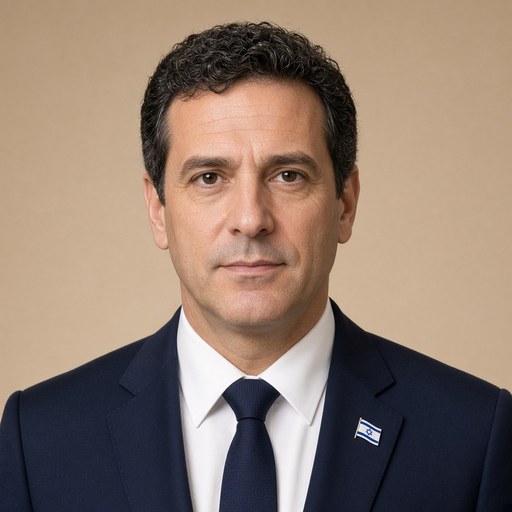
The speech delivered by Prime Minister Naftali Bennett before the Knesset in commemoration of the late Prime Minister Yitzhak Rabin.
 Naftali Bennett · Prime Minister of Israel
- Context
- Bennett addressed the Knesset on October 18, 2021, delivering a commemorative speech marking the 26th anniversary of the assassination of Prime Minister Yitzhak Rabin.
- Main themes
- Assassination of Yitzhak Rabin, political violence, Jewish unity and social cohesion, lessons of the assassination, incitement and collective blame, left-right political divide, religious identity and the kippah, state of Israel's fragility, hatred and societal division, government's unifying message
- Duration
- ~8 min
- Words
- 969
- Sentences
- 44
- Readability
- 51
- Grade
- 11.7
- Syntax
- 3.08
- Vocabulary
- 2.21
Translated from Arabic
The broad sphere of national life a sentence belongs to. Every sentence has an Arena, so it is the denominator the other indices are read against.
Other44 sentences in 17 paragraphs
This is what people around us said. We rushed to my parents' house in Haifa, and on our way, we received the news of Rabin's death.
I felt an indescribable shock. Yitzhak Rabin, commander of the Harel Brigade during the War of Independence, and Chief of Staff of the army during the glorious victory of the Six-Day War. The Israeli Prime Minister was assassinated by a Jew. Yitzhak Rabin, whose image I watched as a teenage boy in the victory albums I perused in my living room that covered the victory of the Six-Day War. He was the Rabin whom people admired as a leader and military commander.
The shame and confusion were immense. First, because of the person we lost, who was the first Israeli Prime Minister born in Israel, with his shy smile and red hair, who bore responsibility for both successes and failures. We all remember how he took responsibility for the failure of the rescue operation of Nachshon Waxman, may he rest in peace.
That night was one of the most extraordinary times because we truly could not believe it. We could not believe that such a thing could happen in the State of Israel and that it had actually happened. A Jewish assassin waited with a loaded gun and then fired three fatal shots into the back of the Israeli Prime Minister.
Colleagues, over the 26 years that have passed since the assassination, I have often returned, like many of us surely, to that night in the Kings of Israel Square.
I hope we have learned since the assassination how dangerous violence is and how it is a clear and absolute red line. And I hope we have also learned that it is not permissible to silence entire crowds in our society, or to tarnish the reputation of an entire public even if one of the individuals belonging to that public commits a crime or sins. It is not the right that assassinated Rabin, nor is it the religious people who assassinated Rabin, but Yigal Amir is the one who assassinated Rabin.
Above all, I hope we have learned that if we, God forbid, hate each other here in our beloved state, and if we allow hatred to seep in and separate us, and if we allow generalizations to prevail over the discourse between us, we will lose the most precious thing we have, and God forbid, we will lose our state.
We, the children of this generation, most of whom were born in the State of Israel, take the State of Israel for granted. But the State of Israel is not a given. We must, continuously, not only work to enhance the security of the state outwardly, but also realize that we had lost our home from within in the past. When the Romans arrived in Jerusalem, it was already in ruins as we were paving the way for them.
Dear friends, wearing the kippah in those days following Rabin's assassination was not a pleasant matter, and that is exactly why I put the kippah back on after two years during which I had taken it off. I believe this is the appropriate response to the attack that was launched at that time against those who wore kippahs.
It is worth noting that in those days, almost every kippah wearer was accused of assassinating the Prime Minister; this is what I felt, and perhaps I say this from my personal perspective, but it is not only my perspective.
In those weeks when that public became a danger to the state, and at that very time, when I served as a company commander, there were 80 soldiers under my command, and I knew they appreciated me, so I decided to wear the kippah to express my feelings and my faith.
Two major lessons should be drawn from the assassination and from that period: the first is that even if you are completely convinced of the justice of your cause and are sure that the other side is wrong, there are red lines that must never be crossed, no matter what happens. Violence, in all its forms, is unacceptable. Period.
*The second lesson is that it is not permissible to blacken the face of specific groups in Israel or to accuse them of a crime committed by an individual. Let me emphasize that this lesson does not mean that any party should abandon its values, ideology, or beliefs because of the assassination.
The assassination itself does not prove the justice of any party. Neither the left-wing parties nor the right-wing parties. We must learn from the lesson of the assassination how to manage the debate between the left and the right and the limits of that debate. Under no circumstances should one raise a hand against another person, and there is no justification for that.
The government that we formed, my colleagues and I, about four months ago, applies these two lessons as soon as it was formed, to convey an important message. It is a message that highlights the commonalities and affirms the things that bring us together and unite us with one another, as I learn day by day the abundance of these commonalities. They far exceed the elements that divide us, despite some disagreements.
As the head of the government, I would like to send a message to the citizens of Israel: We want all citizens of Israel to feel welcome. All sectors in the State of Israel, whether you have representation in the government coalition or not, you are welcome. We are a government for everyone, and we care for everyone and look after everyone. We do not exclude anyone. You are all our citizens.
On November 4, 1993, exactly two years before his assassination, Yitzhak Rabin delivered the following speech:
The original Arabic. The tags above are read on the English translation's sentences.
- هكذا قال الناس حولنا. فقد هرعنا إلى منزل والديّ في حيفا وفي طريقنا وردنا خبر وفاة رابين.
لقد شعرت بصدمة لا توصف. يتسحاك رابين، قائد لواء هرئيل إبان حرب الاستقلال، ورئيس أركان الجيش خلال انتصار حرب ستة الأيام الباهر. رئيس الوزراء الإسرائيلي تم اغتياله من قبل يهودي. يتسحاك رابين الذي كنت أشاهد صورته حينما كنت شابًا مراهقًا ضمن ألبومات النصر التي كنت اطلع عليها في صالون منزلي والتي تناولت نصر حرب الأيام الستة. وهو رابين الذي أعجِب الناس به زعيمًا وقائدًا عسكريًا.
كان العار والحيرة كبيرين. أولاً بسبب الشخص الذي فقدناه والذي كان أول رئيس وزراء إسرائيلي وُلد في إسرائيل، بابتسامته الخجولة، وصاحب الشعر الأحمر الذي تحمل المسؤولية سواء في النجاحات أو الإخفاقات. فكلنا نتذكر كيف تحمل المسؤولية عن فشل عملية إنقاذ نحشون فاكسمان رحمه الله.
كانت تلك الليلة من أروع الأوقات لأننا لم نصدق حقًا. ولم نصدق أنه يمكن حدوث مثل هذا الشيء في دولة إسرائيل وأنه حدث فعلاً. حيث انتظر قاتل يهودي بمسدس محشو ثم أطلق ثلاث رصاصات فتاكة في ظهر رئيس الوزراء الإسرائيلي.
أيها الزملاء، على مدار الـ 26 عامًا التي مضت منذ حادثة الاغتيال، كثيرًا ما كنت أرجع مثل العديد منا بالتأكيد إلى تلك الليلة في ميدان ملوك إسرائيل.
أتمنى أننا تعلمنا منذ حادثة الاغتيال مدى خطورة العنف ومدى كونها عبارة عن خط أحمر واضح ومطلق. وأتمنى أننا تعلمنا كذلك عدم جواز إسكات جماهير كاملة في مجتمعنا، أو النيل من سمعة جمهور كامل حتى لو ارتكب أحد الأفراد المنتمين إلى ذلك الجمهور جريمة أو آثم. ليس اليمين هو الذي اغتال رابين وليس المتدينون هم الذين اغتالوا رابين وإنما يغال عمير هو الذي اغتال رابين.
وقبل كل شيء أتمنى أننا تعلمنا أنه إذا كنا نعادي لا سمح الله بعضنا البعض هنا في دولتنا الحبيبة، وإذا سمحنا للكراهية بأن تتغلغل وتفصل بيننا، وإذا سمحنا للتعميم بالتغلب على الخطاب الجاري بيننا، فسنخسر أثمن شيء لنا، ولا سمح الله نفقد دولتنا.
نحن، أبناء هذا الجيل، الذين وُلد معظمنا في دولة إسرائيل، نعتبر دولة إسرائيل أمرًا بديهيًا. لكن دولة إسرائيل ليست أمرًا بديهيًا. فيتوجب علينا، وباستمرار، ليس العمل على تعزيز أمن الدولة نحو الخارج فحسب، بل الإدراك بأننا كنا قد فقدنا بيتنا من الداخل في السابق. عندما وصل الرومان أورشليم هي كانت خرابة بالفعل إذ كنا نمهد الطريق أمامهم.
أيها الأعزاء، إن ارتداء الطاقية في تلك الأيام التي تلت اغتيال رابين لم يكن من الأمور السارة ولذا تمامًا أعدت ارتداء الطاقية بعد سنتين خلعتها خلالهما. وأعتقد بأن هذا هو الرد المناسب لتلك الهجمة التي شُنت في ذلك الوقت على مرتدي الطاقيات.
علمًا بأنه في تلك الأيام كاد يُتهم كل مرتدي طاقية باغتيال رئيس الوزراء، هذا ما شعرت به وربما أقول ذلك من وجهة نظري الشخصية لكنها ليست فقط وجهة نظري.
في تلك الأسابيع حيث أصبح ذلك الجمهور خطرًا على الدولة، وفي ذلك الحين بالذات، حينما خدمت كقائد سرية ، كان هناك 80 جنديًا تابعًا لي، وكنت أعرف أنهم يقدرونني فقررت ارتداء الطاقية لأعبّر عن مشاعري وعن إيماني.
ينبغي استخلاص عبرتين كبيرتين من حادثة الاغتيال ومن تلك الفترة: أولاهما مفادها أنه حتى لو كنت مقتنعًا تمامًا بعدالة قضيتك وكنت متأكدًا من أن الطرف الآخر خاطئ، هناك خطوط حمراء لا يجوز تجاوزها إطلاقًا، مهما كان ليحدث. إن العنف، بكافة أشكاله، أمر مرفوض. نقطة.
*أما العبرة الثانية فهي تفيد بعدم جواز تسويد وجه مجموعات بعينها في إسرائيل أو اتهامها بجريمة ارتكبها فرد. دعوني أشدد على أن هذه العبرة لا تعني أن طرفًا ما يتعين عليه التخلي عن قيمه أو عن أيديولوجيته أو عن معتقداته، بسبب عملية الاغتيال.
إن الاغتيال بحد ذاته لا يثبت عدالة أي طرف. ليس أحزاب اليسار وليس أحزاب اليمين. ولا بد من أن تعلّمنا عبرة الاغتيال كيفية إدارة الجدل بين اليسار واليمين وحدود ذلك الجدل. لا يجوز في أي حال رفع اليد على شخص آخر ولا يوجد ما يبرر ذلك.
إن الحكومة التي شكلناها، زملائي وأنا، قبل حوالي أربعة أشهر، تطبق بمجرد تشكيلها هتين العبرتين، لتنقل رسالة هامة. وهي الرسالة التي تبرز القواسم المشتركة وتؤكد الأمور التي تجمعنا وتوحدنا مع بعضنا البعض، حيث أتعلم يوما بعد يوم كثرة هذه القواسم المشتركة. والتي تفوق العناصر التي تفرقنا بكثير، رغم وجود بعض الخلافات.
بصفتي رئيسا للحكومة أود توجيه رسالة لمواطني إسرائيل: نريد أن يشعر جميع مواطني إسرائيل بأنهم مرحب بهم. جميع الأوساط في دولة إسرائيل، سواء إن كان لديكم من التمثيل ضمن الائتلاف الحكومي من عدمه، إنكم مرحب بكم. نحن حكومة الجميع، ونحن نعتني بالجميع ونهتم بالجميع. نحن لا نقوم بإقصاء أحد جانبا. إنكم جميعا مواطنونا.
في الرابع من نوفمبر عام 1993، أي قبل عامين من اغتياله تماما، ألقى يتسحاك رابين الكلمة التالية: