




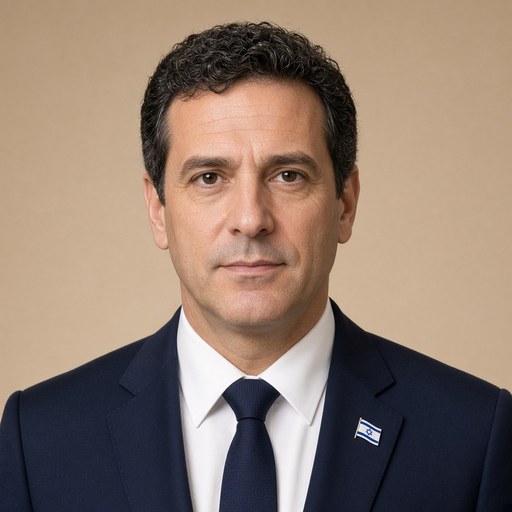
The words of Prime Minister Bennett at the state memorial ceremony in memory of David Ben-Gurion, may his memory be a blessing.
 Naftali Bennett · Prime Minister of Israel
- Context
- Bennett addressed a state memorial ceremony marking the 48th anniversary of David Ben-Gurion's death, held in Israel on November 10, 2021.
- Main themes
- Statism and national unity, David Ben-Gurion's legacy, Zionism and Jewish identity, tribalism vs. nationalism, Israeli political divisions, historical lessons from Jewish sovereignty, Second Aliyah ideology, coalition government defense, mutual guarantee among Jews, Declaration of Independence
- Duration
- ~6 min
- Words
- 669
- Sentences
- 40
- Readability
- 48
- Grade
- 10.6
- Syntax
- 2.87
- Vocabulary
- 2.51
Translated from Hebrew
The broad sphere of national life a sentence belongs to. Every sentence has an Arena, so it is the denominator the other indices are read against.
Other40 sentences in 9 paragraphs
On the 48th anniversary of his passing:
"In the early days of his public life, David Ben-Gurion saw himself as both a Zionist and a socialist at the same time. Ben-Gurion was not alone. Many of the sons and daughters of the Second Aliyah held a dual identity.
Alongside the socialist Zionists were religious Zionists, liberal Zionists, spiritual Zionists, and more. The multitude of identities left many of them in confusion. Even Ben-Gurion's closest friends struggled to decide whom they were more loyal to, to the working class, to which they belonged as socialists, or to the Jewish people, for whom they fought as Zionists.
In contrast, Ben-Gurion made a clear decision - his loyalty is first and foremost to Zionism. His devotion to the Jewish people surpasses his devotion to anything else. The people above the class, the state above the tribe. He named this decision: statism. This is a word that cannot be translated, neither into English nor into any other language, originating from a unique historical lesson for our people. The challenge Ben-Gurion faced was that centuries of exile had created a strong sectorial-tribal consciousness, in contrast to a weak national consciousness. He feared that for Jews trying to build a state, the connection to the tribe would outweigh the connection to the state. Ben-Gurion had good reason to be concerned, as the Jewish people have opposing genes: during the days of the first Hebrew sovereignty, in the days of the First Temple, the kingdom disintegrated and split into two states - the Kingdom of Israel in the north and the Kingdom of Judah in the south. The tension between them weakened them and ultimately led to their collapse. We lost our sovereignty.
And it happened again, towards the end of the Second Temple period, during the Great Revolt against the Romans. While Titus's legions besieged Jerusalem from the outside, the Jewish fighters refused to unite from within. The Jews were fragmented into ideological sectors that fought against each other and even burned each other's food stores. Instead of fighting side by side, they fought against each other. When tribalism prevailed over nationalism, the Romans triumphed over the Jews. When we are fragmented, we are vulnerable. Friends, without statism, there is no sovereignty.
David Ben-Gurion recognized that the restoration of statism in the days of the state's revival is nothing less than a mental revolution in the consciousness of the Jewish people. That deep feeling that the story that unites us is more important than the stories that divide us is a great achievement of Zionism. Thanks to statism, Zionism succeeded in liberating the Jewish people from its historical pathology, from its tendency towards self-destruction, tribalism, sectorialism, and factionalism.
These days we are witnessing a lot of noise, a lot of shouting, screaming. We are trying to understand what the essence of the dispute is today, what the dispute is about. Is it about content, essence, principles? If in the past the dispute was about essence, about withdrawal from Judea and Samaria, about disengagement, about entering the First Lebanon War, today the dispute is for the sake of dispute.
After all, there is currently no withdrawal from Judea and Samaria, no war, no disengagement. So what is all the drama about? What is all the noise about? There is a government that was established in the name of that unifying principle, the government is meant to calm the rift. Friends, the attacks on it are on the very idea of sitting together, on the very idea that the state is greater than the tribe, and this is a worrying development. We are determined to maintain statism and a united state. Statism is a central strategic asset of the State of Israel. The mutual guarantee between us, the famous Israeli unity, thanks to which we united, thanks to which we built, thanks to which we triumphed, and thanks to which we are here.
The Declaration of Independence that David Ben-Gurion read on the 5th of Iyar 5708"
The original Hebrew. The tags above are read on the English translation's sentences.
ל, במלאת 48 שנים לפטירתו:
"בראשית דרכו הציבורית ראה את עצמו דוד בן גוריון כציוני וגם כסוציאליסט בעת ובעונה אחת. בן גוריון לא היה לבד. רבים מבניה ובנותיה של העלייה השנייה החזיקו בזהות כפולה.
לצד הציונים הסוציאליסטים היו ציונים דתיים, ציונים ליברליים וציונים רוחניים ועוד. ריבוי הזהויות העמיד רבים מהם במבוכה. אפילו החברים הקרובים ביותר של בן גוריון התקשו להכריע בשאלה למי הם נאמנים יותר, למעמד הפועלים, שאליו הם משתייכים כסוציאליסטים, או לעם היהודי, שלמענו הם נלחמים כציונים.
לעומתם, בן גוריון הכריע הכרעה ברורה - הנאמנות שלו היא קודם כל לציונות. המסירות שלו לעם היהודי גוברת על המסירות לכל דבר אחר. העם מעל המעמד, הממלכה מעל לשבט. להכרעה הזאת הוא נתן שם: ממלכתיות. זאת מילה שאינה ניתנת לתרגום, לא לאנגלית, ולא באף שפה, שמקורה בלקח היסטורי מיוחד לעמנו. האתגר שבן גוריון ניצב בפניו הוא שמאות שנים בגלות יצרו תודעה מגזרית-שבטית חזקה, לעומת תודעה כלל-לאומית חלשה. הוא חשש שעבור היהודים שמנסים לבנות מדינה הזיקה לשבט תגבר על הזיקה לממלכה. הייתה לבן גוריון סיבה טובה לדאגה, שכן לעם היהודי יש גנים הפוכים: בימי הריבונות העברית הראשונה, בימי בית ראשון, התפרקה והתפלגה הממלכה לשתי מדינות - ממלכת ישראל בצפון וממלכת יהודה בדרום. המתח ביניהן החליש אותן ולבסוף הוביל לקריסתן. איבדנו את הריבונות.
וזה קרה שוב, לקראת סוף ימי הבית השני, במהלך המרד הגדול ברומאים. בזמן שהגייסות של טיטוס צרו על ירושלים מבחוץ, סרבו הלוחמים היהודים להתאחד מבפנים. היהודים היו מפורקים למגזרים אידאולוגיים שנאבקו אחד בשני ואף שרפו את מחסני המזון אלו של אלו. במקום להילחם אחד לצד השני, הם נלחמו אחד נגד השני. כשגברה השבטיות על הלאומיות, גברו הרומאים על היהודים. כשאנחנו מפורקים, אנחנו פגיעים. חברים, בלי ממלכתיות אין ריבונות.
דוד בן גוריון הבחין ששיקום הממלכתיות בימי תקומת המדינה, הוא לא פחות ממהפכה מנטלית בתודעת העם היהודי. אותה תחושה עמוקה שלפיה הסיפור שמלכד אותנו חשוב יותר מהסיפורים שמפרידים בינינו, היא הישג גדול של הציונות. בזכות הממלכתיות הצליחה הציונות לשחרר את העם היהודי מהפתולוגיה ההיסטורית שלו, מהנטיה שלו להרס עצמי ושבטיות, מגזריות ופלגנות.
בימים אלה אנחנו עדים להרבה רעש, הרבה צעקות, צווחות. אנחנו מנסים להבין מה מהות המחלוקת היום, על מה המחלוקת. האם זה על תוכן, מהות, עקרונות. אם בעבר המחלוקת הייתה על מהות, על נסיגה מיהודה ושומרון, על ההתנתקות, על יציאה למלחמת לבנון הראשונה, הרי שהיום המחלוקת היא לשם מחלוקת.
הרי אין כרגע נסיגה מיהודה ושומרון, אין מלחמה, אין התנתקות. אז על מה בעצם כל הדרמה? על מה כל הרעש? יש ממשלה שהוקמה בשם אותו עיקרון מאחד, הממשלה נועדה להרגיע את הקרע. חברים, המתקפות עליה הן על עצם הרעיון של לשבת יחד, על עצם הרעיון שהמדינה גדולה מהשבט, וזו התפתחות מדאיגה. אנחנו נחושים לשמור על הממלכתיות ועל המדינה מאוחדת. הממלכתיות היא נכס אסטרטגי מרכזי של מדינת ישראל. הערבות ההדדית בינינו, היחד הישראלי המפורסם, בזכותו התלכדנו, בזכותו בנינו, בזכותו ניצחנו ובזכותו אנחנו כאן.
מגילת העצמאות שאותה הקריא דוד בן גוריון בה' באייר תש