




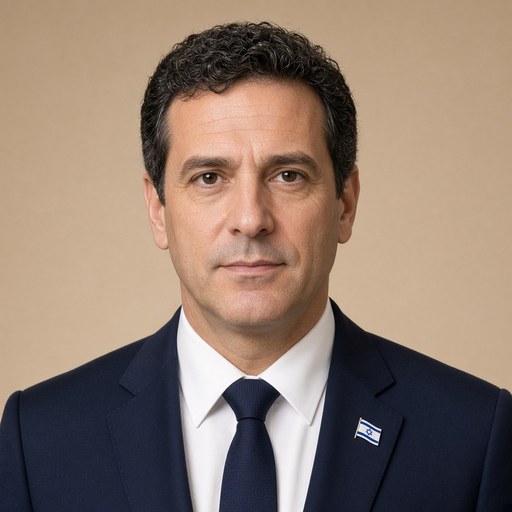
The words of Prime Minister Bennett before the United Nations General Assembly in New York.
 Naftali Bennett · Prime Minister of Israel
- Context
- Bennett addressed the UN General Assembly in New York on September 27, 2021, presenting Israel's approach to political polarization and the COVID-19 pandemic.
- Main themes
- Israeli national identity and resilience, political polarization, COVID-19 pandemic response, unity and coalition government, democracy and stability, innovation and the startup nation, social media and societal division, Israeli-Palestinian conflict, public health policy, Jewish revival and sovereignty
- Duration
- ~11 min
- Words
- 1,285
- Sentences
- 89
- Readability
- 62
- Grade
- 8.2
- Syntax
- 2.54
- Vocabulary
- 2.09
Translated from Hebrew
The broad sphere of national life a sentence belongs to. Every sentence has an Arena, so it is the denominator the other indices are read against.
Other89 sentences in 23 paragraphs
Thank you, Mr. President,
Honorable representatives, Israel is a beacon in the heart of a stormy sea. A flame of democracy, intentionally diverse, innovative by nature, and determined to contribute to the world, despite being situated in the toughest neighborhood on the planet.
We are an ancient nation. We have returned to our ancient homeland. We have breathed life into our ancient language. We have restored our ancient sovereignty.
Israel is a miracle of Jewish revival. The people of Israel live, and the State of Israel is its beating heart.
My friends, for too long, Israel has been defined by wars with our neighbors. But that is not the essence of the State of Israel. That is not the essence of the people of Israel. Look, Israelis do not wake up in the morning thinking about the conflict. Israelis, like everyone else, want to live good lives, take care of our families, and build a better world for our children. And that means that from time to time, we may be required to leave our jobs, say goodbye to our families, and rush to the battlefield to defend our state, just as my friends and I have been required to do ourselves from time to time. They should not be judged for that.
Israelis remember the dark horrors of our past, but they are determined to look forward to the future, to build a better future.
Honorable representatives, there are two pandemics threatening the fabric of society at this moment. One, of course, is the coronavirus, which has claimed more than five million lives around the world. The second, which is also undermining the world as we know it, is the disease of political polarization. Both the coronavirus and polarization have the potential to erode public trust in our institutions. Both can paralyze nations. If left unaddressed, their effects on society could be devastating.
In Israel, we have faced both of these pandemics. Instead of accepting them as a force of nature, we stood up, took action, and now we are already seeing the horizon.
In a polarized world where algorithms fuel our anger, people on the right and left operate in two separate realities, two separate spheres. Each group in its own social media bubble, where they hear only the voices that affirm what they already believe. This leads to people developing feelings of hatred towards one another, and societies being torn apart because they do not hear each other.
Countries that are breaking from within have no future.
In Israel, after four elections in two years and the possibility of a fifth election, the people long for a remedy: calm, stability. A sincere attempt at political normalcy.
The path of least resistance is always the easiest choice. However, there are moments when leaders must take the wheel just before the abyss, face the criticism, and steer the country to safety. That is exactly what we did.
About a hundred days ago, my partners and I formed a new government in Israel. The most diverse government in the history of Israel. What began as a political mistake can now become a goal. And that goal is unity.
Today we sit together around one table. We talk to each other with respect, we act fairly, and we carry a message: things can be different. Even though we have very different political opinions, we sit together for the good of our nation. It is okay to disagree. In fact, it is essential that different people think differently. It is even okay to argue. Healthy debate is a fundamental principle in Jewish tradition, and I can tell you it is one of the secrets to the success of the startup nation. Just walk into one of the companies and you will see they are in the midst of a debate. Debate is the power of innovation. But what we have proven now in Israel is that even in the age of social media, it is possible to argue without hating.
The second great disease we all face is the coronavirus that is sweeping the world. To defeat it, we will need to invent new discoveries, reach new insights, and achieve new breakthroughs. It all starts with the pursuit of knowledge.
The State of Israel is at the forefront of the search for this vital knowledge. We have developed a model in Israel that combines the wisdom of science with the power of policy-making.
The Israeli model has three guiding principles: first, the state must remain open. We all paid an enormous price — an economic price, a physical price, and an emotional price, just ask your children — for the freezing of life that occurred in 2020. To make economies thrive again, to bring children back to school and parents back to work — lockdowns, restrictions, and quarantines are not the way. This cannot be done in the long term. Our model engages people in the effort instead of keeping them in a passive state of dormancy. They can take part in the effort. For example, we asked Israeli families to conduct home tests for their children a few weeks ago so that we could open the schools, and indeed, the schools remained open. Now I can say that we will distribute such tests again to Israeli parents. They can be part of the fight.
The second rule — vaccinate early. From the very beginning, Israelis were quick to get vaccinated. We are in a race against a deadly virus, and we must try to outpace it. In July, we were the first to learn, to understand, that the vaccines wane and weaken — which led to a sharp rise in cases of the Delta variant. At that time, my government decided to provide the third dose of the vaccine, the booster, to the Israeli public. It was a difficult decision, considering that at the time it had not yet been approved by the FDA.
We faced a choice between dragging Israel into another round of lockdowns, causing further damage to our economy and society, or focusing on vaccinations. We chose the latter. Israel was a pioneer in administering the booster shot.
Now, after two months, I can report that it is working. With a third dose, you are seven times more protected than with two doses and forty times more protected than those who have not been vaccinated at all. The booster works. As a result, Israel is on track to weather the fourth wave without a lockdown, without further damage to our economy. The Israeli economy is growing, and unemployment is falling. I am glad that our actions have inspired other countries to provide the booster shot.
The third rule — adapt and act quickly. We established a national task force that meets every day, which I lead, in order to bypass cumbersome government bureaucracy, make swift decisions, and implement them immediately. Trial and error are key. Every day is a new day that brings new information and new decisions. When something works, we continue to do it. When something does not work — we abandon it and move on.
My friends, managing a country during a pandemic is not just a matter of health. It is a matter of a delicate balance between all aspects of life affected by the coronavirus, especially employment and education. The perspective of doctors is important, but they cannot lead the national effort. The only person who has a good vantage point on this is the national leader of each country. Above all, we do everything in our power to provide people with the tools they need to protect their lives.
The ancient Jewish text, the Talmud, says that
The original Hebrew. The tags above are read on the English translation's sentences.
תודה לך אדוני הנשיא,
נציגים נכבדים, ישראל היא מגדלור בלב ים סוער. לפיד של דמוקרטיה, מגוונת במכוון, חדשנית בטבעה ונחושה לתרום לעולם, חרף הימצאותה בשכונה הקשוחה ביותר על פני כדור הארץ.
אנו אומה עתיקת יומין. חזרנו למולדתנו הקדומה. הפחנו רוח חיים בשפתנו הקדומה. שיקמנו את ריבונותנו הקדומה.
ישראל היא נס של תקומה יהודית. עם ישראל חי ומדינת ישראל היא ליבו הפועם.
ידידיי, במשך יותר מדי זמן, ישראל הוגדרה על ידי מלחמות עם שכנינו. אבל זו איננה מהותה של מדינת ישראל. זו איננה מהותו של עם ישראל. ראו, הישראלים לא מתעוררים בבוקר במחשבה על הסכסוך. הישראלים, בדומה לכולם, רוצים לחיות חיים טובים, לדאוג למשפחות שלנו ולבנות עולם טוב יותר עבור ילדינו. ומשמעות הדבר היא שמפעם לפעם, יתכן שנידרש לעזוב את משרותינו, להיפרד ממשפחותינו ולמהר לשדה הקרב כדי להגן על מדינתנו, בדיוק כפי שחבריי ואני נדרשנו לעשות בעצמנו מפעם לפעם. אין לשפוט אותם על כך.
ישראלים זוכרים את הזוועות החשוכות בעברנו אבל הם נחושים להישיר מבט לעבר העתיד, לבנות עתיד טוב יותר.
נציגים נכבדים, יש שתי מגיפות שמסכנות את מרקם החברה ברגע זה. האחת כמובן היא נגיף הקורונה, שקטל יותר מחמישה מיליון אנשים ברחבי העולם. השנייה, גם היא מערערת את העולם כפי שאנו מכירים אותו, והיא מחלת הקיטוב הפוליטי. הן נגיף הקורונה והן הקיטוב יש ביכולתם לשחוק את אמון הציבור במוסדותינו. שניהם יכולים לשתק מדינות. אם לא יטופלו – השפעותיהם על החברה עלולות להיות הרסניות.
בישראל, התמודדנו עם שתי המגיפות האלה. במקום לקבל אותן ככוח טבע – נעמדנו, נקטנו בפעולה וכעת אנו כבר רואים את האופק.
בעולם מקוטב שבו אלגוריתמים מלבים את הכעס שלנו, אנשים בימין ובשמאל מתנהלים בשתי מציאויות נפרדות, שתי ספירות נפרדות. כל קבוצה בבועת הרשת החברתית שלה, בה הם שומעים רק את אותם הקולות שמאששים את מה שהם כבר מאמינים בו. זה מוביל לכך שאנשים מפתחים רגשי שנאה אחד כלפי השני וחברות נקרעות לגזרים כיוון שהם לא שומעים אחד את השני.
למדינות שנשברות מבפנים אין עתיד.
בישראל, אחרי ארבע מערכות בחירות תוך שנתיים והיתכנות לבחירות נוספות בפעם החמישית, העם כמה למזור: רוגע, יציבות. ניסיון כן לנורמליות פוליטית.
כוח ההתמד הוא תמיד הבחירה הקלה ביותר. אולם, יש רגעים בהם מנהיגים חייבים לאחוז בהגה רגע לפני התהום, לעמוד מול הביקורת ולהסיע את המדינה לחוף מבטחים. זה בדיוק מה שעשינו.
לפני כמאה ימים, שותפיי ואני הקמנו ממשלה חדשה בישראל. הממשלה המגוונת ביותר בהיסטוריה של ישראל. מה שהתחיל בתור טעות פוליטית יכול כעת להפוך למטרה. והמטרה הזו היא אחדות.
היום אנו יושבים יחד סביב שולחן אחד. אנו משוחחים זה עם זה בכבוד, נוהגים בהגינות ונושאים מסר: דברים יכולים להתנהל אחרת. למרות שיש לנו דעות פוליטיות שונות מאוד, אנו יושבים יחד למען טובת האומה שלנו. אפשר לא להסכים. זה בסדר, למעשה זה חיוני, שאנשים שונים יחשבו אחרת. זה אפילו בסדר להתווכח. ויכוח בריא הוא עיקרון בסיסי במסורת היהודית ואני יכול לומר לכם שזה אחד מסודות ההצלחה של אומת הסטארט-אפ. פשוט היכנסו לאחת החברות ותראו שהם בעיצומו של ויכוח. ויכוח הוא כוחה של חדשנות. אבל מה שהוכחנו כעת בישראל הוא שאפילו בעידן הרשתות החברתיות, אפשר להתווכח בלי לשנוא.
המחלה הגדולה השנייה שכולנו עומדים מולה היא נגיף הקורונה שסוחף את העולם. כדי לנצח אותה יהיה עלינו להמציא תגליות חדשות, להגיע לתובנות חדשות ולהשיג פריצות דרך חדשות. הכול מתחיל בחתירה לידע.
מדינת ישראל נמצאת בחזית בחיפוש אחר הידע החיוני הזה. פיתחנו בישראל מודל שמשלב בין חוכמת המדע לבין כוחה של קביעת מדיניות.
למודל הישראלי יש שלושה עקרונות מנחים: הראשון, המדינה חייבת להישאר פתוחה. כולנו שילמנו מחיר עצום — מחיר כלכלי, מחיר פיזי ומחיר רגשי, פשוט שאלו את ילדיכם — על הקפאת החיים שהייתה ב- 2020. כדי לגרום לכלכלות לשגשג שוב, להחזיר ילדים לבתי ספר והורים לעבודה – סגרים, הגבלות ובידודים הם לא הדרך. לא ניתן לעשות את זה בטווח הרחוק. המודל שלנו מגייס אנשים למאמץ במקום להחזיק אותם במצב סביל של תרדמה. הם יכולים לקחת חלק מהמאמץ. לדוגמה, ביקשנו ממשפחות ישראליות לבצע בדיקות ביתיות לילדיהם לפני מספר שבועות על מנת שנוכל לפתוח את בתי הספר ואכן, בתי הספר נותרו פתוחים. כעת אני יכול לומר שנחלק שוב בדיקות כאלה להורים ישראלים. הם יכולים להיות חלק מהמאבק.
הכלל השני – חסנו מוקדם. כבר מההתחלה, ישראלים מיהרו להתחסן. אנחנו נמצאים במרוץ נגד נגיף קטלני ועלינו לנסות להקדים אותו. בחודש יולי, היינו הראשונים ללמוד, להבין, שהחיסונים דועכים ונחלשים – מה שהביא לעליה חדה במקרי הידבקות בזן הדלתא. באותו זמן ממשלתי החליטה לספק את המנה השלישית של החיסון, הבוסטר, לציבור הישראלי. זו הייתה החלטה קשה, בהתחשב בכך שבזמנו הוא עדיין לא אושר על ידי ה-FDA.
עמדנו מול בחירה בין לגרור את ישראל לסבב סגרים נוסף, גרימת נזק נוסף לכלכלה ולחברה שלנו או להתמקד בחיסונים. בחרנו באפשרות השנייה. ישראל הייתה חלוצה במתן מנת הדחף.
כעת לאחר חודשיים, אני יכול לדווח שהיא עובדת. עם מנה שלישית, אתם מוגנים פי שבעה מאשר עם שתי מנות ומוגנים פי ארבעים ממי שלא התחסן כלל. הבוסטר עובד. כתוצאה מכך, ישראל נמצאת במסלול לצלוח את הגל הרביעי ללא סגר, ללא נזק נוסף לכלכלה שלנו. הכלכלה של ישראל צומחת והאבטלה יורדת. אני שמח שהמעשים שלנו נתנו השראה למדינות אחרות לספק את מנת הדחף.
הכלל השלישי – להסתגל ולפעול במהירות. הקמנו צוות משימה לאומי שמתכנס כל יום, אני עומד בראשו, על מנת לעקוף בירוקרטיה ממשלתית מסואבת, לקבל החלטות מהירות וליישמן מידית. ניסוי וטעיה הם המפתח. כל יום הוא יום חדש שמביא איתו מידע חדש והחלטות חדשות. כשמשהו עובד אנו ממשיכים לעשות אותו. כשמשהו לא עובד – אנו זונחים אותו וממשיכים הלאה.
ידידיי, ניהול מדינה בעת מגיפה זה לא רק עניין של בריאות. זה עניין של איזון עדין בין כל היבטי החיים שמושפעים מהקורונה, במיוחד תעסוקה וחינוך. נקודת מבטם של הרופאים חשובה אך הם לא יכולים להוביל את המאמץ הלאומי. האדם היחיד שיש לו נקודת תצפית טובה על הדבר הזה הוא המנהיג הלאומי של כל מדינה. מעל לכול, אנו עושים כל שביכולתנו כדי לספק לאנשים את הכלים שנדרשים כדי להגן על חייהם.
הטקסט היהודי העתיק, התלמוד, אומר ש