




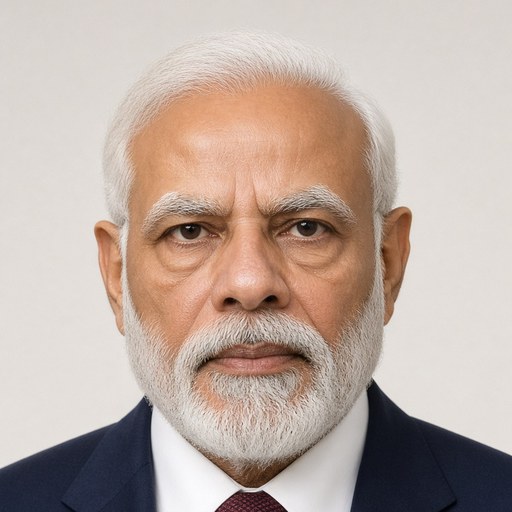
Regarding the financial sector, the webinar on the budget will be held at 5 PM.
 Narendra Modi · Prime Minister of India
- Context
- Modi addressed a post-budget webinar on March 7, 2023, focused on India's financial sector policies, economic resilience, and inclusive growth strategies.
- Main themes
- Post-budget financial sector webinar, economic resilience and fiscal policy, MSME support and credit access, financial inclusion, foreign direct investment, G-20 presidency, Vocal for Local and self-reliance, banking system stability, Production Linked Incentive scheme, capital expenditure, cottage industry support, skill development and education
- Duration
- ~13 min
- Words
- 1,562
- Sentences
- 150
- Readability
- 23
- Grade
- 12.6
- Syntax
- 2.15
- Vocabulary
- 2.41
Translated from Manipuri
The broad sphere of national life a sentence belongs to. Every sentence has an Arena, so it is the denominator the other indices are read against.
Other150 sentences in 42 paragraphs
Khurumjari,
In the webinar on post-budget discussions, the government emphasized collective ownership and equal partnership as the key themes. During the webinar, there was a focus on the importance of dialogue and collaboration. The webinar also highlighted the need for mutual understanding and cooperation.
Furthermore,
In the context of the ongoing COVID-19 pandemic, India’s fiscal and monetary policies have played a crucial role. As of the ninth month, the government has been actively working on strengthening the fundamentals of India’s economy. According to reports, India is making steady progress. The economy is resilient, the budget is balanced, and the pandemic is being managed effectively. The government’s approach has been one of unity and cooperation, with a focus on shared responsibility and mutual support.
Indeed, India has adopted a financial discipline, transparency, and inclusive approach, which has been widely appreciated. The government has been proactive in implementing policies that promote financial stability and growth. India’s presidency of the G-20 has been significant. In the fiscal year 2021-22, foreign direct investment (FDI) inflows reached record levels. The manufacturing sector has been a major beneficiary of these investments. Applications for loans under the Production Linked Incentive (PLI) scheme have been substantial. This has strengthened global supply chains and enhanced India’s position in the world economy. Our efforts have been recognized internationally, and our investments have contributed to economic growth and development.
Moreover,
India’s financial system is robust and well-regulated. The banking system is among the top 8-10 globally. The government has ensured clarity, convention, and confidence in policy-making. This has helped maintain stability and foster growth. The government has taken steps to prevent financial fraud and ensure transparency.
Additionally,
India’s banking system has been instrumental in supporting the MSME sector. The government has provided significant support to MSMEs through various schemes. As of now, the government has extended loans amounting to 1.2 million crore rupees to MSMEs. In the current fiscal year, MSMEs have received collateral-free guaranteed loans worth 2 lakh crore rupees. The banking sector has been proactive in providing timely and adequate credit to MSMEs, which has been crucial for their growth.
Furthermore,
Government policies aimed at financial inclusion have been effective in bringing more people into the formal financial system. Banks have provided guarantees and loans up to 20 lakh rupees, which has helped many individuals and businesses. Under the PM SVANidhi scheme, street vendors and small shopkeepers have received loans up to 40,000 rupees from banks. Stakeholders have been actively involved in credit disbursement, speeding up the process, and supporting small entrepreneurs through re-engineering and technology adoption. The government has also worked to improve banking infrastructure and services.
Moreover,
The vision of Vocal for Local and self-reliance is a national priority. We have chosen this path deliberately. The government encourages local production and consumption. The vision of Vocal for Local and self-reliance is a national movement.
To promote Vocal for Local and self-reliance, we have taken several initiatives. We have encouraged local production and consumption, and supported local businesses. The service sector has seen significant growth, with exports reaching an all-time high in 2021-22. The government has also focused on skill development and entrepreneurship. Various groups, organizations, chambers of commerce, industrial associations, and business and industry organizations have been mobilized to support this vision. District-level networking and coordination have been strengthened. Efforts have been made to ensure that local products reach the market effectively.
Additionally,
The government has been proactive in supporting the cottage industry sector in India. This sector has been vital in preventing bankruptcies and sustaining livelihoods. The government has allocated funds to build capacity in this sector.
Furthermore, the government has emphasized the importance of higher education. Investments in the education sector have been significant. The government has encouraged the use of technology and innovation in education. The sector has seen rapid growth and development. The webinars have been instrumental in sharing knowledge and best practices.
Moreover,
Experts have highlighted the importance of capital expenditure in the budget. The government has made provisions for an increase of 10 lakh crore rupees. The Prime Minister’s dynamic leadership has been crucial in planning and implementing projects. The government has encouraged private sector participation across various geographical areas and economic sectors. The government has also appealed to private sector entities to invest and collaborate.
Furthermore,
The government has taken steps to improve tax collection. The tax base has been expanded, and compliance has increased. The government has focused on income tax, corporate tax, and other taxes. The tax system has been made more efficient and transparent. In 2013-14, gross tax revenue was 11 lakh crore rupees. In 2023-24, it is expected to reach 33 lakh crore rupees. The government has also increased the number of taxpayers by 200 million. The government has improved tax administration and collection. The government has also focused on reducing tax evasion and increasing voluntary compliance. In 2013-14, 3 million individuals filed tax returns. In 2020-21, this number increased to 6 million.
Moreover,
The government is committed to ensuring that tax payments are made fairly and efficiently. The government has taken steps to reduce the tax burden on citizens and businesses. Industrial growth and economic output have been supported by tax reforms. Organizations and members have been encouraged to comply with tax regulations.
Furthermore,
India’s financial system has been strengthened through talent, infrastructure, and innovation. The ‘Industry 4.0’ platform has been developed as a model for the future. The Government e-Marketplace (GeM) has been established to facilitate government procurement and support small businesses. India has embraced digital currencies and is exploring their potential. Currently, 75% of digital transactions are conducted through the Unified Payments Interface (UPI). UPI is fast, secure, and technologically advanced. Innovation in this area is ongoing. UPI has contributed significantly to financial inclusion and empowerment. Partnerships with financial institutions and fintech companies have been strengthened.
Moreover,
The government has taken steps to improve billing and payment systems. The government has encouraged the use of digital payments and billing. The government has also focused on improving the efficiency of billing and payment systems. The government has encouraged the use of technology to improve billing and payment processes. The government has also promoted the use of digital payments and billing systems.
Furthermore,
India’s financial system has been strengthened through training and professional development. The government has encouraged the development of skilled professionals. Training programs have been organized to improve knowledge and skills. The government has also focused on improving financial literacy and awareness. The government has encouraged the use of technology and innovation in financial services. The government has also promoted the use of digital payments and billing systems.
Moreover,
Experts have emphasized the importance of capital expenditure in the budget. The government has made provisions for an increase of 10 lakh crore rupees. The Prime Minister’s dynamic leadership has been crucial in planning and implementing projects. The government has encouraged private sector participation across various geographical areas and economic sectors. The government has also appealed to private sector entities to invest and collaborate.
Furthermore,
The government has taken steps to improve tax collection. The tax base has been expanded, and compliance has increased. The government has focused on income tax, corporate tax, and other taxes. The tax system has been made more efficient and transparent. In 2013-14, gross tax revenue was 11 lakh crore rupees. In 2023-24, it is expected to reach 33 lakh crore rupees. The government has also increased the number of taxpayers by 200 million. The government has improved tax administration and collection. The government has also focused on reducing tax evasion and increasing voluntary compliance. In 2013-14, 3 million individuals filed tax returns. In 2020-21, this number increased to 6 million.
Moreover,
The government is committed to ensuring that tax payments are made fairly and efficiently. The government has taken steps to reduce the tax burden on citizens and businesses. Industrial growth and economic output have been supported by tax reforms. Organizations and members have been encouraged to comply with tax regulations.
Furthermore,
India’s financial system has been strengthened through talent, infrastructure, and innovation. The ‘Industry 4.0’ platform has been developed as a model for the future. The Government e-Marketplace (GeM) has been established to facilitate government procurement and support small businesses. India has embraced digital currencies and is exploring their potential. Currently, 75% of digital transactions are conducted through the Unified Payments Interface (UPI). UPI is fast, secure, and technologically advanced. Innovation in this area is ongoing. UPI has contributed significantly to financial inclusion and empowerment. Partnerships with financial institutions and fintech companies have been strengthened.
Moreover,
The government has taken steps to improve billing and payment systems. The government has encouraged the use of digital payments and billing. The government has also focused on improving the efficiency of billing and payment systems. The government has encouraged the use of technology to improve billing and payment processes. The government has also promoted the use of digital payments and billing systems.
Furthermore,
India’s financial system has been strengthened through training and professional development. The government has encouraged the development of skilled professionals. Training programs have been organized to improve knowledge and skills. The government has also focused on improving financial literacy and awareness. The government has encouraged the use of technology and innovation in financial services. The government has also promoted the use of digital payments and billing systems.
Thank you.
The original Manipuri. The tags above are read on the English translation's sentences.
খুরুমজরি,
পোস্ত-বজেত ৱেবিনারগী খুত্থাংদা সরকারনা বজেতপু চৎনহনবদা কলেক্তিব ওনরশিপ অমসুং ইক্বেল পার্তনর্শিপকী য়াম্না লিংবা লম্বি অমা শেমগৎলক্লি। মসিগী ৱেবিনার অসিদা ঐহাক্না নখোয় ময়ামগী ৱাখল্লোন অমসুং পাউতাকশিং অদু য়াম্না মরু ওই। ঐহাক্না নখোয় পুম্নমকপু মসিগী ৱেবিনার অসিদা য়াম্না তরাম্না ওকচরি।
মরুপশিং,
মালেমগী ওইবা কোরোনা লাইচৎ অদুগী মনুংদা ভারতকী ফিস্কেল অমসুং মোনিতরী পোলিসী অদুগী মহৈ অদু ঙসিদি মালেম পুম্বনা উবা ফংলি। হায়রিবা অসি হৌখিবা চহি ৯ অসিদা ভারতকী ইকোনোমীগী ফন্দামেন্তেলশিং অদুবু কনখৎহন্নবা সরকারনা হোৎনখিবশিং অদুগী মহৈনি। মতম অমদদি ভারত অসিবু থাজদ্রিঙৈগী মাংওইননা চামরক খন্থনরম্মি। ঐখোয়গী ইকোনোমীবু ওইরো, ঐখোয়গী
বজেতপু ওইরো, ঐখোয়গী পান্দমবু ওইরো, হায়রিবশিং অসিগী মতাংদা খন্নবা মতমদা অহংবা খুদম অমগা লোইননা এক্তা হৌই অমসুং ৱারোইশিন তারকপা মতমদসু অ্ংবা খুদম অসিমক হেক্তা ওই।
হৌজিক্তি ভারতনা ফাইনা্সিয়েল দিসিপ্লিন, ত্রান্সপরেন্সী অমসুং ইনক্লুসিব এপ্রোচ অসিগা লোইননা খোং থাংলবা মতম অসিদদি বাম্না চাউবা অহোংবা অমা উবা ফংলে। হৌজিক্তি খন্নবা ঔবা মতমদা হান্নগুম্না অহংবা খুদম লৈবগী মহুত্তা হোজিক্তি থাজবআ হায়বসিনা মহুৎ শিনখ্রে অমসুং ৱারোইশিন পুরকপা মতমদসু অহংবা খুদমগী মহুত্তা করিগুম্বা অমা ওইথোক্লগনি হাববগী থাজবা, অনিংবা অসিনা মহুৎ শিনখ্রে। ঙসি ভারত অসি মালেমগী শেন্মিৎলোনগী মতাংদা ব্রাইত স্পোতনি হায়না হায়নরে। ভারত ঙসিদি জি-২০গী প্রেসিদেন্সীগী থৌদাংসু লৌরি। ২০২১-২২দা হৌজিক ফাওবগী ওইনা লৈবাক অসিদা এফ.দি.আই. খ্বাইদগী হেন্না লাকখি। মসিগী ইনভেস্তমেন্ত অসিগী খ্বাইদগী চাউবা চাকথুং অসি মেন্যুফেকচরিং সেক্তরদা ওইখি। পি.এল.আই. স্কীমগী খুদোংচাবা লোনবগীদমক্তা এপ্লিকেশন লেপ্তনা লাক্লি। ঐখোয়না গ্লোবল সপ্লাই চেনগি য়াম্না মরু ওইবা শরুক অমসু ওইগদৌরি। তশেংনমক মসিগী মতমশিং অসি ভারতকীদমক্তা ওইনা য়াম্না চাউবা খুদোংচাবা অমা পুরক্লি অমসুং মসিগি খুদোংচাবা অসি খুরক্তগী নান্থোকহল্লোইদবনি, মসিগী খুদোংচাবা পুম্নমক মপুং ফানা লৌগদবনি অমসুং মসিবু ময়াম পুন্না লৌমিন্নগদবনি।
মরুপশিং,
ঙসিগী অনৌবা ভারত, হৌজিক্তি অনৌবা পাঙ্গল-থৌনা অমগা লোইনা খুমাং চাউশিল্লি। অসিগুম্বা ভারত অসিগী ফাইনান্সিয়েল ৱার্ল্দগী নখোয় পুম্নমক্না লৌগদবা থৌদাংশিং অদুসু অমুক্কা হেন্না হেনগৎখ্রে। ঙসিদি নখোয়দা মালেম অসিগি য়াম্না লিংলবা ফাইনান্সিয়েল সীস্তেম অমা লৈরে। চহি ৮-১০গী মমাংদা মুৎলমগদৌরবা বেঙ্কিং সীস্তেম অদু ঙসিদি কান্নবা ফংলে। ঙসিদি নখোয়দা থৌনা ফনা অচেৎপা ফিরেপ কয়া লেপ্তনা লৌবা ঙম্বা, পোলিসী শেম্বা মতমদা য়াম্না ক্লেরিতী লৈবা, কনভেক্সন লৈবা, কনফিদেন্স লৈবা সরকার অমা লৈরে। মরম অদুনা নখোয়সু মাং চৎখত্তুনা থবক তৌবা হায়বসি তঙাইফদে, খোংজেল য়াংনা থবক তৌবা তাই।
মরুপশিং,
মতম অসিগী মতুং ইন্না ভারতকী বেঙ্কিং সীস্তেম অসিগী কান্নবা খুদিংমক খ্বাইদগী অরোইবা মফমশিংদা ফাওবা য়ৌহনগদবনি। ঐখোয়না এম.এস.এম.ই.বু সপোর্ত তৌবগুম্না, ভারতকী বেঙ্কিং সীস্তেম্নসু অয়াম্বা সেক্তর কুদিংমক্তা এন্দ হোল্দিং তৌগদবনি। লাইচৎকী মনুংদা এম.এস.এম.ই. করোর ১গা লাখ ২০না সরকারদগী য়াম্না চাউনা মতেং ফংখি। হন্দক্কী চহি অসিগী বজেত্তা এম.এস.এম.ই. সেক্তরদা করোর লাখ ২গী অএনবা কোলেতরেল ফ্রী গেরেন্তীদ ক্রেদিৎসু ফংখি। হৌজিক্তি হাবরিবশিং অসিদা ঐখোয়গী বেঙ্কশিং অসিনা মখোয়দা য়ৌশিন্দুনা অমসুং মখোয়শিং অসিদা মতিক চাবা শেলথুমগী মতেং ফংহনবা হায়বসি য়াম্না মরু ওই।
মরুপশিং,
ফাইনান্সিয়েল ইনক্লুজনগা মরি লৈনবা সরকারগী পোলিসীশিংনা মী করোর কয়া অমদা ফোর্মল ফাইনান্সিয়েল সীস্তেমগী শরুক অমা ওইহনখ্রে। বেঙ্ক গেরেন্তী য়াওদনা, লুপা করোর লাখ ২০গী মুদ্রা লোন পীদুনা নহাশিংগী মঙলানশিং অদুবু মঙফাওনহন্নবা য়াম্না শিংথানিংঙাই ওইবা থবক অমা তৌদুনা মখোয়গী মতেং পাংখি। পি.এম. স্বনিধি য়োজনাগী খুত্থাংদা অহানবা ওইনা স্ত্রীত ভেন্দরশিং, অপিকপা দুকান্দার লাখ ৪০ এনবদা বেঙ্কতগী মতেং লৌবা ঙমখি। নখোয় স্তেকহোল্দর পুম্নমক্তা কোস্ত ওফ ক্রেদিৎ হন্থনবা, স্পীদ ওফ ক্রেদিৎ হেনগৎহন্নবা অমসুং স্মোল এন্তরপ্রেনরশিংদা বাম্না য়াংনা য়ৌহন্নবগীদমক্তসু প্রোসেসশিংবু রি-ইঞ্জিনীয়র তৌবা হায়বসি য়াম্না তঙাইফদে অমসুং মসিদা তেক্নোলোজীসু য়াম্না চাউনা মতেং পাংবা ঙমগনি। মতম অদুদতা ভারতকী চাউখৎলক্লিবা বেঙ্কিংগী মতিক অসিগী কান্নবা অসি ভারতকী লাইরবশিংদা খ্বাইদগী হেন্না ফংগদৌরিবনি, হায়রিবশিং অসিগী কান্নবা অসি মশানা মশাবু থবক পীজদুনা মশাগী লাইর-অনং মুত্থৎনবা হোৎনরিবশিংদসু য়াম্না চাউনা মতেং ওইগনি।
মরুপশিং,
হিরম অমনা ভোকেল ফোর লোকেল অমসুং আত্মানির্ভর্তা হায়বসিসুনি। মসি ঐখোয়গী ওইনদি চোইসকী ৱাফম নত্তে। লাইচৎকী মনুংদা ঐখোয়না উরে মদুদি, তুংদা লাক্কদবা মতমশিংদা অওনবা অমা পুএক্কদবা ৱাফম্নি। ভোকেল ফোর লোকেল অমসুং আত্মানির্ভর্তাগী ভিজন অসি জাতিগী ওইবা তঙাইফদ্রবা মথৌদাংনি।
ভোকেল ফোর লোকে অমসুং আত্মানির্ভর্তা মিসন্না মসিগীদমক্তা লৈবাক অসিদা য়াম্না শিংথানিংঙাই ওইবা মওংদা পুক্নিং থৌগৎলি হায়বসি ঐখোয়না উবা ফংলি। মসিনা মরম ওইরগা লমদম অসিগি ওইবা মশাগী ওইবা পোত্থোকশিংদা হেনগৎলকপদা নত্তনা মপান লমদা থাদোকপগী চাংসু য়াম্না হেনগৎলক্লি
। পোৎচৈ ওইগেরা নত্রগা সর্বিস সেক্তরদা ওইগেরা ২০২১-২২দা ঐখোয়গী এক্সপোর্তকী চাং অসি ওল-তাইম-হাই ওইরি। অসিগুম্বা ফিভম অসিদদি কনাগুম্বা অমনসু লমদম অসিগী ওইবা খুৎ-শা হৈ-শিংলবা শিন্মীশিংবু য়োকখ৭পা অমসুং এন্ত্রপ্রেনরশিংবু পুক্নিং থৌগৎপীবগী থৌদাং অসি লৌবা ঙম্লগনি। তোঙান-তোঙানবা গ্রুপশিং, ওর্গনাজেশনশীং, চেম্বরস ওফ কমর্স, ইন্দস্ত্রিয়েল এসোসিয়েশনশিং, বিজনেস অমসুং ইন্দস্ত্রীগি লমদা লৈরিবা ওর্গনাইজেশন পুম্নমক্না পুল্লপ পুনশিন্দুনা অনৌবা থৌরাং কয়া অমা, খোংথাং কয়া অমা লৌখৎপা য়াই। ঐহাক্না থাজৈ মদুদি জিলাগী থাক্তসু নখোয়গী নেতৱার্কশিং, তৌমশিং লৈ। হায়রিবশিং অসিনা জিলাগী থাক্তা লৈরিবা মপান লমদা য়াম্না চাউনা থাদোকপা য়াবা পোত্থোকশিং অদুবু মশক খঙদোকপা ঙমগনি।
অমসুং
মরুপশিং,
ভোকেল ফোর লোকেলগী মতাংদা পল্লদুনা অমসুং ৱাফম অমা ময়েক শেংনা খঙবা হায়বসি তঙাইফদে। হায়রিবা অসি ভারতকী কোতেজ ইন্দস্ত্রীদগী পোৎচৈ লৈবা হায়বসিদগী য়াম্না হেন্না মরু ওই, অদু নত্রবদি ঐখোয় অসি দিৱালিগী দিয়াদা অদুমক পন্দুনা লৈরগনি। ঐখোয়না য়েংগদবদি ভারত অসিগী করম্বা সেক্তরদা কেপাসিতি বিল্দিং তৌদুনা লৈবাক অসিগী পৈশা তুংশিনবা ঙমগদগে হায়বদু খনগদবনি।
হৌজিক য়েংবীয়ু হায়র এজুকেশনগী মিংদা চই কুদিংগী লৈবাক অসিগী লুপা করোর লিশিং কয়া অমা মপান লমদা চৎখি। হায়রিবা অসি ভারত্তসু এজুকেশন সেক্তরদা ইনভেস্ত তৌদুনা হন্থহনবা য়াদব্রা? অচা থাও পুশিল্লক্নবগীদমক্তসু ঐখোয়না লুপা করোর কয়া অমা মপান লমদা থাদোকই। মসিগী সেক্তর অসিদা ইশানা ইরোমদোম লেপচবা ঙম্লোইদ্রা? হায়রিবা ৱাহং অসিগী পাউখুম অদু নখোয়গুম্বা ফাইনান্সিয়েল ৱার্লদগী এক্সপরিয়েন্স লৈরবা মীওইশিংনা মতিক চাবা পাউখুম অদু পীবা ঙমগনি, লম্বি অমা তাকপা ঙমগনি। ঐহাক্না থাজৈ মদুদি, নখোয়না মসিগী ৱেবিনার অসিদা হায়রিবা হিরমশিং অসিদসু য়াম্না হকচিন্না খন্নরগনি।
মরুপশিং,
এক্সপর্ত ময়াম পুম্নমক্নসু খঙই মদুদি হন্দক্কী চহি অসিগি বজেত্তসু কেপিতল এক্সপেন্দিচরদা বাম্না চাউনা হেনগৎলকখ্রে। মরম অসিগীদমক্তা করোর লাক ১০গী শেন্থং কাইথনবা প্রোভিজন থমখ্রে। পি.এম গতিশক্তিনা মরম ওইরগা প্রোজেক্তকী প্লানিং অমসুং মসিবু থবক ওইনা পাইখৎপদা খোংজেল য়াম্না য়াংখৎলক্লে। ঐখোয়না তোঙান-তোঙানবা জিয়োগ্রাফিকেল এরিয়াশিং অমসুং ইকোনোমিক সেক্তরশিং চাউখৎনবগীদমক্তা থবক তৌরিবা প্রাইভেত সেক্তরদসু য়ারিবমখৈ সপোর্ত তৌবা তাবনি। ঙসি ঐহাক্না লৈবাক অসিগী প্রাইভেত সেক্তরদগীসু লৈবাক অসিনা খ্বাইদগী এন্না কান্নবা ফংনবা সরকারগুম্না মখোয়না মখোয়গী ইনভেস্তমেন্ত অদু তৌনবা আপীল তৌরি।
মরুপশিং,
বজেতকী মতুংদা তেক্সকা মরি লৈননসু ৱাফম কয়া অমা খন্নরি। মতম অমদদি হায়রিবা ৱাফম অসি মফম খুদিংমক্তা য়াম্না পাকশন্না খন্নরম্মি, হৌখিবা মতমশিংদদি ভারত্তা তেক্স রেত য়াম্না য়াম্লম্মি। হৌজিক্তি ভারতকী ফিভম অসি য়াম্না হোংলে। জি.এস.তি.না মরম ওইরগা, ইনকম তেক্স হন্থরকপনা মরম ওইরগা, কোর্পোরেত তেক্স হন্থরকপনা মরম ওইরগা, হাবরিবশিং অসিনা মরম ওইরগা ভারত্তা তেক্স য়াম্না হন্থরক্লে, মসিগী পোৎলুম অসি নগরিকশিংদা য়াম্না হন্থরক্লে। অদুবু মসিগী অতোপ্পা এসপেক্ত অমসু লৈ। ২০১৩-১৪গী মতম অদুদা ঐখোয়গী গ্রোস তেক্স রেভেন্যু অসি করোর লাখ ১১ ওইরম্মি। ২০২৩-২৪গী ওইনা পাবা মতমদা গ্রোস তেক্স রেভেন্যু অসি চাউরাক্না করোর লাখ ৩৩দগীসু হেন্না ওইবা য়ারি। হেনগৎলক্লিবা চাং অসি চাউরাক্না চাদা ২০০গী চাংনি। হায়রিবা অসি ভারতনা মখোয়গী তেক্স অসি হন্থরক্লি অদুবু মসি ওইজরবসু তেক্সকী কলেক্সনদি লেপ্তনা হেনগৎলক্লি। ঐখোয়না ঐখোয়গী তেক্স, হায়রিবা তেক্স বেস অদুবুসু হেনগৎহন্নবগী মাইকৈদা কয়া অমা হোৎনখি। ২০১৩-১৪দা চাউরাক্না ইনদিভিজুৱল তেক্স রিতর্ন চাউরাক্না করোর ৩লোম ফাইল তৌখি। ২০২০-২১দা হায়রিবা অসি হেনগৎলক্তুনা করোর ৬ মখাই ওইরক্লে।
মরুপশিং,
তেক্স থিবা হায়বসি লৈবাক পুম্বগী ওইনা চাউখৎপগা হকথেংননা মরি লৈনবা থৌদাং অমনি। তেক্স বেসতা হেনগৎলকপা হায়বসি মীয়াম্না সরকার অসিদা থাজবগী খুদম্নি; অমসুং মখোয়না পীরিবা তেক্স অসিনা মীয়ামগী য়াইফনবগীদমক্তা শিজিন্নৈ হায়বসি মশানা য়াজৈ। ইন্দস্ত্রীকী লমদা মরি লৈনবনা অমসুং ইকোনোমিক আউৎপুতকী খ্বাইদগী চাউবা জেনরেতর অমা ওইনা তেক্স বেস হেনগৎপা অসিবু থৌগৎপা হায়বসি ঐখোয়গী থৌদাংনি। নখোয়গী ওর্গনাইজেশন পুম্নমক, নখোয়গী মেম্বরশিং পুম্নমকপু মসিগী ইরম অসিগী মতাংদা তত্তনা খঙহনগদবনি।
মরুপশিং,
ভারত্তা ঐখোয়গী ফাইনান্সিয়েল সীস্তেম অসিবু খ্বাইদগী মকোক থোংবদা য়ৌহনবা ঙম্বা অদুগুম্বা তেলেন্ত, ইনফ্রাস্ত্রকচর অমসুং ইনোৱেতরশিং কয়া অমা লৈ। ‘ইন্দস্ত্রী ফোর পোইন্ত ও’গী লমজেলগী মতম অসিদা ভারতনা হৌদোরক্লিবা প্লেতফোর্মশিং অসিনা মালেম পুম্বগী ওইনা মোদেল অমা ওইরক্লি। জি.ই.এম. হায়বদি গোবর্নমেন্ত ইন মার্কেত প্লেসনা য়াম্না থাপ্না অথাপ্পা মফমশিংদা লৈবা অপিকপা দুকান্দারশিংসু মখোয়গী পোৎচৈশিং অদুবু সরকার য়োনবা ঙম্বগী খুদোংচাবা অদু পীখ্রে। ভারতনা দিজিতেল করেন্সীগী মতাংদা খুমাং চাউশিল্লক্লিবা মওং অসিসি য়াম্না শিংথানিংঙাইনি। নিংতম্বা মতুং চহি ৭৫ অসিদা দিজিতেল ওইবা মওংদা ত্রান্সেক্সন করোর লিশিং ৭৫ তৌখিবা অসিনা তাকল্লিবা অসি য়ু.পি.আই. অসি কয়া পাকশন্না চৎনরবগে হায়বদু ময়েক শেংনা উৎলি। রুপে অমসুং য়ু.পি.আই. অসি শেল য়াম্না তিংদনা অমসুং য়াম্না সেক্যুর ওইবা তেক্নোলোজী ওইবদা নত্তনা মালেম পুম্বদা ঐখোয়বু মশক তাক্লি। মসিগী মতাংদা ইনোভেশনগী মপাল নাইদ্রবা ওইথোকপা য়াবা কয়া অমা লৈরি। য়ু.পি.আই. মালেম পুম্বগীদমক্তা ফাইনান্সিয়েল ইনক্লুজন অমসুং মেপাৱরমেন্তকী পাম্বৈ অমা ওইরি, ঐখোয়না মসিগীদমক্তা পুনশিন্নদুনা থবক তৌগদবনি। ঐবু হায়জৌ হায়রগদিঐখোয়গী ফাইনান্সিয়েল ইনস্তিত্যুশনশিংনা ফিনতেক্সনা য়ৌশিল্লিবশিং অদুবু হেনগৎহন্নবা ঐখোয়না য়ারিবমখৈ মখোয়গা পার্তনরশিপসু তৌগদবনি।
মরুপশিং,
শেন্মিৎলোনবু হেন্না মপাঙ্গল লৈহন্নবগীদমক্তা, করিগুম্বা মতমদা অপিকপা খোংথাংশিংনসু য়াম্না চাউনা অহোংবা অমা পুরকই। খুদম ওইনা হিরম অমদা, বিল লৌদনা পোৎচৈ লৈবগী হৈনবী। মীয়াম্না খল্লি মদুদি মসিনা ঐখোয়গী ওইনদি অকাইবা করিমত্তা লৈতে অদুনা মরম ওইরগা অনম্বা মতমদা বিলগীদমক্তা তকশিন্দে। মীশিং অয়াম্বনা বিল লৌবা অসিনা লৈবাক অসিগীদমক্তা কান্নবা পীগনি, লৈবাক অসিগী চাউখৎ-খোংথাংগী লম্বিদা য়াম্না চাউবা সীস্তেম অমা পুরক্কনি অমসুং মসিগী মতুংদদি মীশিংনা বিল পীনবগীদমক্তা হায়বা হৌনরক্লগনি। ঐখোয়না তৌগদবদি শুপ্নতগী মীশিংদা য়ারিবমখৈ মসিগী মতাংদা খঙহনবা হায়বসি য়াম্না মথৌ তাই।
মরুপশিং,
ভারতকী শেন্মিৎলোন চাউখৎপগী কান্নবা অসি থাক খুদিমক্তা য়ৌহনগদবনি, মীপুম খুদিমক্তা ফংহনগদবনি, নখোয় পুম্নমক্না অসিগী ৱাখল্লোন অসিগা লোইননা থবক তৌগদবনি। মসিগীদমক্তা ঐখোয়না য়াম্না নিংথিনা ত্রেন তৌরবা প্রোফেস্নেলশিংগী য়াম্না চাউরবা অপুনবা লুপ অমা শেম্বগী তঙাইফদবা লৈ। ঐহাক্না পাম্লি মদুদি নখোয় পুম্নমক্না অসিগুম্বা তুংগী ওইবা ৱাখল্লোন অসিদা ফিরেপ লৌদুনা, য়াম্না কুপথনা মসিগী মতাং অসিদা খন্ন-নৈগদবনি। ঐহাক্না য়াম্না চেৎনা থাজৈ মদুদি ফাইনান্সিয়েল ৱার্ল্দদা লৈরিবা নখোয়শিং অসিগী খুত্থাংদা লৈবাক অসিদা বজেতনা মরম ওইরগা থাগৎনিংঙাই ওইবা মওংদা অহোংবা অমা পুরক্লিবা, নখোয়না বজেতকী মতাংদা য়াম্না থাগৎখি। হৌজিক্তি লৈবাক অসিনা মসিগী বজেত অসিগী কান্নবা অসি করম্না খ্বাইদগী ফবা মওংদা লৌগনি, অকক্নবা মতমগী মনুংদা করম্না ফংগনি, অকক্নবা রোদমেপ অমদা করম্না খুমাং চাউশিনগনি হায়বসি ঐখোয় পুম্নমক্কী য়াম্না মরু ওইবা থৌদাংনি। নখোয়গী অসিগুম্বা কোক চুংশিন্নবগী থৌওং অসিদগী লম্বি অমা শোইদনা থোরক্কনি, মদুনা মরম ওইরগা থবকশিং পাংখৎপদা, ঐখোয়না পাম্লিবা ফলশিং, মহৈশিং অদু ফংনবা হোৎনবদা য়াম্না কান্নগদবা অনৌ-অনৌবা ইন্নোভেতিব ওইবা আইদিয়াশিং ফংগনি, তোপ-তোপ্পা ময়ামগা মান্নদবা অনৌবা আইদিয়াশিং শোইদনা ফংগনি। ঐহাক্না নখোয় পুম্নমকপু য়াইফ-পাউজেল পীজরি।
থাগৎচরি।
***