





- Context
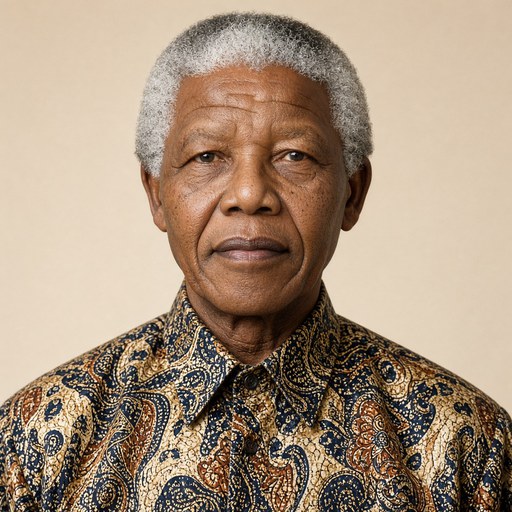
- Mandela addressed a gathering at the Moretele area, in the North-West Province, on March 16, 1995, marking the start of the Moretele Water Supply Scheme, the first project under the Presidential Rural Water Supply programme, and urging voter registration.
- Main themes
- Moretele Water Supply Scheme, clean water for 150,000 people in 17 communities, Presidential Project for Rural Water Supply and Sanitation, Reconstruction and Development Programme, partnership between communities and government, community responsibility and payment for water, Masakhane spirit, legacy of apartheid in water access, democratic local government, voter registration for local elections, water as a basic right
- Duration
- ~4 min
- Words
- 469
- Sentences
- 26
- Readability
- 53
- Grade
- 10.3
- Syntax
- 2.77
- Vocabulary
- 2.20
Source: GitHub DRChivers/Nelson-Mandela-Speeches-Sentiment-and-Topic-Modelling-Analysis ↗
The broad sphere of national life a sentence belongs to. Every sentence has an Arena, so it is the denominator the other indices are read against.
Other26 sentences in 5 paragraphs
Honourable Ministers; Premier of the North-West Province; Chief Maubane; Distinguished guests; Ladies and gentlemen Just as a seed needs water to grow, a nation needs water. Without water, there is no life, no development. Although water is available in our rivers and in the ground, it needs to be harnessed for human use and brought to where it is needed. This requires the work of many people, thorough planning and the careful use of scarce funds.
So we gather here today to celebrate the Moretele Water Supply Scheme which will bring clean water to 17 communities, 150,000 people in all. It is the very first scheme to get under way in the Presidential Project for Rural Water Supply and Sanitation. Plans already under way will bring water to over one million people in rural areas across the country, as part of the Reconstruction and Development Programme.
Even to get this far, the Moretele scheme required the commitment and co-operation of many organisations and people working together towards a common goal. That is what the Reconstruction and Development Programme means in practice. Because the RDP aims to transform our country in order to deal with the legacy of apartheid, it needs all the different sectors of our society to pull together. It needs co-operation between civil society and government. The scheme that is coming to life in Moretele is born out of a partnership between the communities of this area and government, national and provincial. The role of the community in getting this project off the ground has been very important indeed. Yours has proved to be a community which is ready to assume responsibility for its own upliftment. This has meant involvement in planning and in decisions about the use of the resources the government has been able to provide. It has meant recognising the need for people to pay for the scarce resource they will be using. It is the spirit of Masakhane. You have set an example which needs to be followed across the breadth of our land.
With the coming of democratic local government, it will become much easier for communities to take their own destiny into their hands. It will still require the purposeful commitment which you have displayed. And to create that opportunity it is absolutely essential that all of us register now for the elections. We must cast our vote on 1 November to make the RDP work.
This scheme entrusts you as a community with a precious resource. Safe drinking water supplies and sanitation are vital to protecting the environment, improving health and alleviating poverty. Access to clean water is a basic right which millions of South Africans have been denied by the apartheid system. I therefore feel immense pride in being here, today, to mark the step from planning to implementation.