




- Context
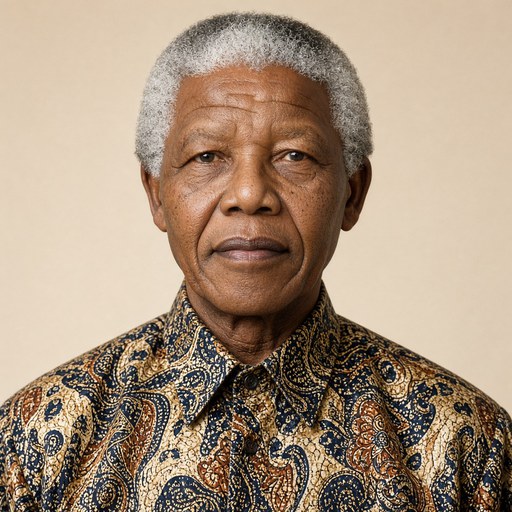
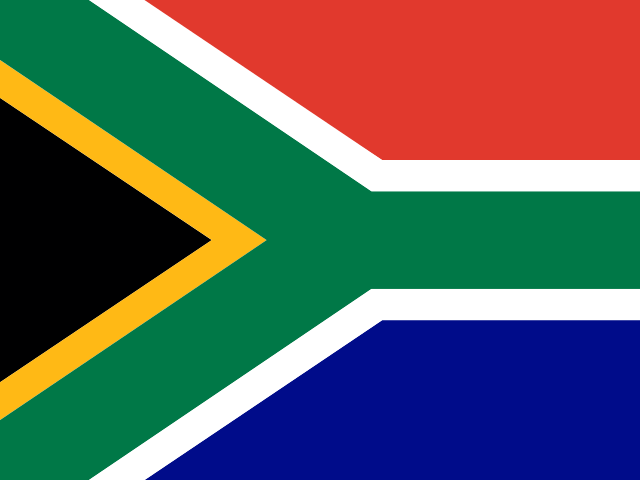
- Mandela addressed the people and leaders of Leeds, England, on April 30, 2001, on receiving the freedom of the city, thanking them for anti-apartheid support and appealing for investment, trade and tourism in South Africa.
- Main themes
- Freedom of the city of Leeds, Lucas Radebe and South African sporting heroes, international support in the struggle against apartheid, transition to non-racial democracy, constitutional order and political stability, sound macroeconomic management, resilience during the Asian financial crisis, need for foreign direct investment, job creation, mutually beneficial partnerships, South Africa as a tourist destination
- Duration
- ~7 min
- Words
- 837
- Sentences
- 45
- Readability
- 45
- Grade
- 11.7
- Syntax
- 2.71
- Vocabulary
- 2.18
Source: GitHub DRChivers/Nelson-Mandela-Speeches-Sentiment-and-Topic-Modelling-Analysis ↗
The broad sphere of national life a sentence belongs to. Every sentence has an Arena, so it is the denominator the other indices are read against.
Other45 sentences in 21 paragraphs
Chairperson
Distinguished Guests
Ladies and Gentlemen
The people of Leeds
I come from a country where political figures do not rank as the most important leaders in the minds of the people. That distinction goes to the sporting heroes in the various codes that our people follow so enthusiastically and fervently. The captains of our national sporting teams are much more recognisable and popular than any of us politicians.
You will understand why I approach this event with such reserve and trepidation. Present here is a certain Lucas Radebe who is one of those sporting icons that South Africans happen to share with the people of Leeds. I am therefore quite humbled in my turn to come and share his adopted city with him.
I trust, though, that in the decision-making processes leading up to such an award, the consent of Lucas would have been sought for awarding the freedom of his city to a retired, unemployed old pensioner from back home.
Chairperson, it is a great honour to be here and to be so received by the leaders and people of this great city.
I accept the honour on behalf of all the people of South Africa. You honour me for achievements that are not those of an individual. Nothing that I have done meriting recognition would have been possible without the collective efforts of colleagues and comrades, the guiding framework of my organisation or the support of my compatriots from all backgrounds.
And we South Africans would not have been able to achieve our freedom and to establish our non-racial democracy if it had not been for the immense support we received from the international community in our fight against apartheid.
One of the distinguishing features of our liberation struggle was the almost universal support it received from virtually all political persuasions across the world. Apartheid was seen and experienced to demean the dignity of all humankind, and from all over people rose to lend their support, morally and materially, to our cause.
The City and people of Leeds were no exceptions. We remember them very particularly for their sterling and unstinting support. This award serves to further cement that bond that we forged in struggle and now seek to build upon in this period of reconstruction and development.
The transition from oppressive racial minority rule to a non-racial democracy in South Africa is generally hailed as one of the most remarkable political events of the late twentieth century. The prophets of doom who so confidently predicted racial conflagration were confounded by the will and spirit of the South African people and leadership. Out of our sitting down to talk to one another came a constitution and political order that many around the world envy us for.
It is that political stability afforded by our constitutional order that provides the basis and framework for our development. There are, as in all healthy societies, differences, divisions and tensions, but these are lived out within the reassuring stability of our constitution and political institutions.
The social and economic problems that we have to address are the major challenges in this new phase of our national life.
Our government from the beginning prioritised the development and implementation of good economic policies. Today they are internationally acclaimed for the sound macro-economic framework and for the prudent management of the economy. It is for that reason, amongst others, that the South African economy amongst those of the developing world could best withstand the onslaught occasioned by the crisis in the Asian financial markets.
What we now need as a priority is increased direct foreign investment to grow our economy and to create jobs in the process. There is no greater indignity than not to have a job when one is seeking to work and provide a basic decent living for yourself and your family. Too many of our people still suffer this indignity. Hence the urgency of our insistence on creating conditions for economic growth with job creation.
We approach these matters not in manner of begging for aid. We look to mutually beneficial partnerships. We know that investment in South Africa promises good returns, exactly because the fundamentals of our economy are so strong. We have a very healthy infrastructure, whether of our financial institutions, transport systems, legislative and regulatory environment or the general political climate of stability.
We therefore look to our friends and supporters here in Leeds as well to promote our cause for investment and trade. We are a beautiful tourist destination, offering so much variety in one country, both environmentally and socially. Come and see our country as tourists; come and invest with us; come and celebrate South Africa with us in mutual partnership.
Thank you once more for receiving us. Thank you for honouring us with the freedom of your great city. May the friendship between Leeds and South Africa grow from strength to strength, and may our captain in the not too distant future lead you to the league championship.
I thank you.