





- Context
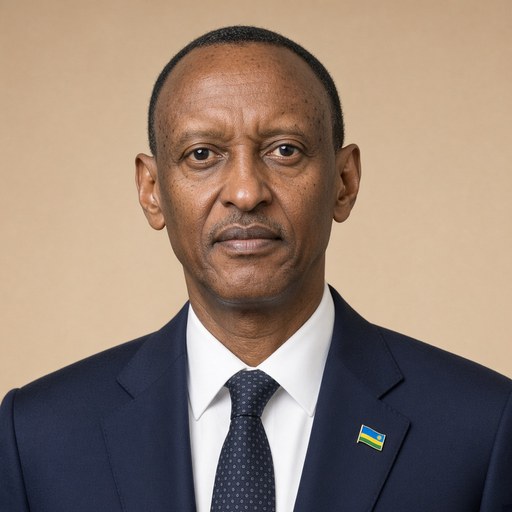
- Kagame addressed a national gathering at Amahoro Stadium on July 4, 2009, commemorating the 15th anniversary of Rwanda's liberation and national rebuilding.
- Main themes
- 15th anniversary of liberation, gratitude to liberation struggle veterans, post-genocide reconciliation and security, national development and self-reliance, unity of Rwandans, regional and African cooperation, colonial legacy, Vision 2020 and future progress
- Duration
- ~5 min
- Words
- 627
- Sentences
- 32
- Readability
- 62
- Grade
- 9.5
- Syntax
- 2.88
- Vocabulary
- 2.10
Translated from Swahili
The broad sphere of national life a sentence belongs to. Every sentence has an Arena, so it is the denominator the other indices are read against.
Other32 sentences in 17 paragraphs
Amahoro Stadium, July 4, 2009
This is a day of remembrance of where we came from and what we have achieved in the past 15 years.
It is also a day to thank our friends who played a significant role in the liberation of Rwandans.
I would like to inform you that in the past period we awarded rings to those friends we cherish.
However, we cannot forget to thank Rwandans even though we could not give them rings. I believe that words of gratitude speak for themselves.
Our guests have told you. They are leaders of friendly countries, including the late Julius Kambarage Nyerere, former President of the Republic of Tanzania.
We have all thanked them sincerely. They supported us during the difficult times of the struggle. They understood well the reason we committed ourselves to fighting the oppressive regime that was in Rwanda, which had oppressed all Rwandans, leaving them in poverty and ignorance, and even killing them.
Again, we must sincerely thank the soldiers who fought the liberation struggle, as well as other Rwandans who were not in the army, but also fought in that struggle, giving their all just like everyone else who contributed. And even now, those soldiers continue to dedicate themselves to our country. We thank Rwandans who have committed to coming together to build a new Rwanda in these past 15 years. What we have achieved is much, we reflect on it every day, but we reflect on it to continue building upon it, so that we can reach many more things that lie ahead.
Although genocide devastated our country, and we still see its consequences today, now all Rwandans enjoy complete security and peace and the development we have in our country.
We also have a common vision that we wish to pursue, which will benefit all Rwandans, without leaving anyone behind. These are things that Rwandans were deprived of during the colonial period, and even in the more than 30 years that followed that colonial period.
In fact, there are many achievements we can be proud of. And it is clear that Rwandans have played a significant role in them, as has been mentioned.
Again, we cannot forget to thank the friends of Rwanda who have continued to support us in various activities aimed at development. In particular, we appreciate those who chose to help us help ourselves; we will stop being dependent at all times, and we will reach a point where we can stand on our own.
We will continue to work with all those who understand our plan to base all activities on our strengths and the path we have chosen, which is suitable for Rwandans.
Starting with our neighboring countries, we will continue to collaborate with other Africans because no one can be self-sufficient to achieve anything. And in fact, the issues we want to address are almost all shared, whether in the region Rwanda is in or in Africa as a whole.
I also want to tell all Rwandans that good deeds are what have brought us to this good step we have reached. Therefore, we must strengthen our efforts so that we can achieve even more of what we desire. So, I would like to say, Rwandans, all Rwandan women and men, I thank you and wish you a happy day of liberation. We will continue the activities that will make Rwanda a better place in the future.
I would also like to ask for your permission to conclude this speech by thanking our brothers and friends who came to join us. I also thank you and ask you to continue to work tirelessly for your country, while also taking care of yourselves.
Thank you, may you have the peace of God.
The original Swahili. The tags above are read on the English translation's sentences.
Stade Amahoro, 4 Nyakanga 2009
Uyu ni umunsi wo kwibukiranya aho tuvuye, n’ibyo tumaze kugeraho muri iyi myaka 15 ishize.
Ni n’umunsi wo gushimira inshuti zacu zagize uruhare runini muri uko kwibohora kw’Abanyarwanda.
Nkaba ngira ngo mbamenyeshe ko mu mwanya washize twahaye impeta izo nshuti tuzishimira.
Ariko ntitwakwibagirwa gushimira n’Abanyarwanda n’ubwo bo tutashoboye kubaha impeta. Ngira ngo amagambo y’ishimwe ubwayo arabisobanura.
Abashyitsi bacu babababwiye. Ni abayobozi b’ibihugu by’inshuti, harimo na Nyakwigendera Julius Kambarage Nyerere, wahoze ari Perezida wa Repubulika ya Tanzania.
Bose twabashimiye byimazeyo. Baduteye ingabo mu bitugu igihe urugamba rwari rukomeye. Bumvise neza rugikubita impamvu twiyemeje kurwanya ubutegetsi bubi bwari mu Rwanda, bwari bwarakandamije Abanyarwanda bose, bukabaheza mu bukene n’ubujiji, bukababuza epfo na ruguru, kugera n’aho babica.
Na none ntitwabura kongera gushimira byimazeyo Ingabo zarwanye urugamba rwo kwibohora, ndetse n’Abanyarwanda bandi batari mu Ngabo, ariko nabo barwanye urwo rugamba baritanga nk’uko n’abandi bose bari bitanze. Kandi n’ubu izo Ngabo zikomeje kwitangira Igihugu cyacu. N’Abanyarwanda biyemeje gushyira hamwe bakubaka u Rwanda rushya muri iyi myaka 15 ishize turabashimira. Ibyo twagezeho ni byinshi, tubisubiramo buri munsi, ariko tubisubiramo tugira ngo dukomeze kubyubakiraho, bityo tuzagere no ku bindi byinshi bikiri imbere.
N’ubwo jenoside yashegeshe Igihugu cyacu, n’ubu tukaba tukibona inkurikizi zayo, ubu Abanyarwanda twese twishimiye umutekano n’amahoro bisesuye n’iterambere dufite mu Gihugu cyacu.
Dufite kandi icyerekezo kimwe twifuza ko twaganamo, bikagirira akamaro Abanyarwanda bose, ntawe uhejwe. Ibyo ni ibintu Abanyarwanda bari baravukijwe mu gihe cy’ubukoloni, ndetse no mu myaka irenze 30 yakurikiye icyo gihe cy’ubukoloni.
Mu by’ukuri ibikorwa twakwishimira ni byinshi. Kandi Abanyarwanda biragara ko ari bo babigizemo uruhare rugaragara, nk’uko byavuzwe.
Na none ntitwabura gushimira inshuti z’u Rwanda zakomeje kutuba hafi mu bikorwa binyuranye bigamije iterambere. By’umwihariko turashima abahisemo kudufasha kwifasha; tukazareka gusindagizwa igihe cyose, tukagera aho twigenza.
Tuzakomeza gukorana n’abandi bose bumva umugambi wacu wo gushingira ibikorwa byose ku mbaraga zacu n’umurongo twihitiyemo, ubereye Abanyarwanda.
Duhereye ku bihugu by’Abaturanyi, tuzakomeza gufatanya n’abandi Banyafurika kuko ntawaba nyamwigendaho ngo azagire icyo yigezaho. Kandi mu by’ukuri ibibazo dushaka gukemura hafi ya byose tubihuriyeho, haba mu Karere u Rwanda rurimo, haba muri Afurika muri rusange.
Ndagira ngo kandi mbwire Abanyarwanda mwese ko ibikorwa byiza ari byo byatugejeje kuri iyi ntambwe nziza tugezeho. Tugomba rero kongera imbaraga tukazagera no ku bindi byinshi twifuza. Nkaba ngira ngo rero, Banyarwanda, Banyarwandakazi mwese, mbashimire kandi mbifurize umunsi mwiza wo kwibohora. Tuzakomeze ibikorwa bizatuma u Rwanda ruba rwiza mu gihe kiri imbere.
Ndagira ngo kandi munyemerere ndangize iri jambo na none nshimira abavandimwe bacu n’inshuti baje kwifatanya na twe. Na mwe ndabashimira kandi mbasaba gukomeza kwivuna iteka ryose mukorera Igihugu cyanyu, ari na ko mwikorera.
Murakoze, mugire amahoro y’Imana.
Save