





- Context
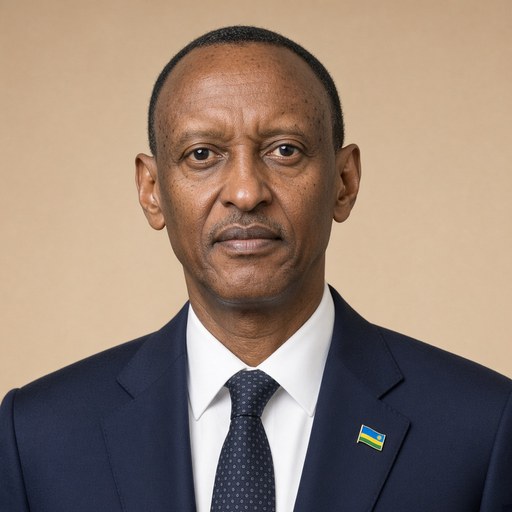
- Kagame addressed Rwanda's 13th National Dialogue Council in Kigali on December 21, 2015, delivering an annual state-of-the-nation report following a constitutional referendum.
- Main themes
- National dialogue, constitutional referendum, Rwandan democracy, Vision 2050 economic development, generational progress, leadership transition, national unity, youth and the future, state of the nation, civic accountability
- Duration
- ~15 min
- Words
- 1,749
- Sentences
- 108
- Readability
- 64
- Grade
- 8.3
- Syntax
- 2.82
- Vocabulary
- 1.90
Translated from Swahili
The broad sphere of national life a sentence belongs to. Every sentence has an Arena, so it is the denominator the other indices are read against.
Other108 sentences in 60 paragraphs
Kigali, December 21, 2015
I would like to welcome you all to this 13th National Dialogue Council. I also welcome other Rwandans who have joined us from all over the country and beyond.
I would like to thank the guests who have come from outside Rwanda to join us. This is an opportunity for you to see how we handle important matters in this country: transparently, respectfully, and with no one left behind.
The Constitution requires the President of the Republic of Rwanda to provide an annual report on the state of the nation.
But this year, the important thing is that Rwandans themselves have done it, and it is also in their own right.
We have just come from a referendum, which was attended by an unprecedented number of people. A very large number voted “Yes”; others, numbering in the thousands, voted “No.” I thank everyone who voted.
Our democracy continues to take root because it is we ourselves who continue to determine who we are, and we refuse to let anyone derail our path.
Our work in this National Dialogue Council is therefore straightforward: It is to ensure that what we do is guided by what Rwandans have expressed in a loud voice. This is something of great importance. And that is how Rwandans want us to take it. Indeed, what has been at issue has been resolved.
Allow me to begin these discussions by sharing what I have heard Rwandans say.
First. The Rwanda we have today is far beyond what we envisioned twenty-one years ago.
We know its value, and we, Rwandans, as the Constitution states, are ready to protect what we have chosen and what we have done, much of which is extraordinary, that has led our country to rise and regain life.
We will always seek to be united. We will always be accountable for what concerns us, what we are entrusted with first and foremost. We will never stop looking ahead.
We stand firm on these decisions without hesitation, and we are not afraid of criticism. The outcomes cannot be denied, and their history cannot be forgotten, especially for us Rwandans.
Second. Serving Rwanda is an opportunity and a responsibility. It is not something one feels entitled to as if it were a right. No one lives forever. But institutions, values, and development are permanent; you cannot say their time has ended.
The time comes to transfer responsibilities, from one leader to another, and Rwandans have confidence that this will be done peacefully and amicably. That is what they expect; that is what they want.
Moreover, and importantly, Rwandans tell us that, although we have achieved much, we have not yet reached where we want to be.
There are still many good things ahead. The opportunity to transform our country irreversibly to reach that level should not be lost through inaction, hesitation, or mismanagement of what we are entrusted with.
Rwandans have therefore made the decision to set a known time to reinforce what we have achieved in a way that cannot be reversed. Thus, they focus on a policy of building the economy.
We are not afraid of history; rather, we continue to have hope for the future. Therefore, we should not waste this moment and the opportunities we have.
There are strong reasons why what we say and think is heading in this direction.
The first is that a large number of those who voted to approve the revised Constitution are young people.
They are those who have never had a reason to fear a police officer or to bribe a government official to gain the right to live.
Most of them have never heard the sound of gunfire. They have never lived in a life marked by extreme fear, which left scars in the hearts of their parents.
We should take pride in this.
This is where the future we always wished for our children lies. The new Rwanda they see, where things are going as they should, they take as something normal, as it should be. This is good.
Others are those who lived through difficult times in our history. They have learned lessons from that history. They are the ones who have rebuilt this country; what was fear has turned into hope.
We should also thank them.
All these Rwandans have told us that we can do many good things. And it is right.
We are not a country satisfied with things as they are, nor are we people who are only pleased with where we have reached.
Vision 2020 was about doing what was necessary for us to survive and regain our dignity. But Vision 2050 must be about choosing our future, because we can do it now, and it is what we should do.
Rwandans should not be content with a salary or daily productivity. They should not be satisfied with just enough, in terms of economy, money, and so on.
They want to be close to their families, to see their loved ones grow and heal. They wish for their children to receive a high-quality education here in our country.
They want to travel widely around the world, without barriers, to seek whatever they want, knowledge, and to see how others do things. Then they return to Rwanda, because there is nowhere they want to be more than home.
Rwandans want good leadership that continues to deliver services and works that respect the fundamental principles enshrined in our Constitution.
They also want democracy, where the alternation of leadership is normal, but where power and decision-making remain in the hands of the people themselves.
This, therefore, if we feel it is true, I believe we are all together.
But this means that it is not just one person alone; rather, it is all of us, together.
This is not a vision brought by the government alone, nor from outside, or even by the President alone. Achieving it requires the participation of everyone, at various levels, and in different sectors.
Every developed country has achieved this through nationwide collaboration to ensure that the necessary institutions and mindsets for building the economy and peace take root.
But we must not change who we are. Instead, we must strive to be better, to do good.
A person without a country has no value. A country without values has no future.
How we see our future is not just in numbers. For us, it is something of great value, reflecting how in our hearts, we feel for our fellow citizens and our country.
We have no problem with those who advise us or criticize us, wherever they may be, because it can be beneficial to us. But those who believe and say that there is much we have achieved while also showing that Rwandans are incapable, that is not criticism, but rather an insult, and they do it intentionally.
We understand this, we take it seriously, we reflect on it, and we place it where it belongs.
Every year we see countries where governments no longer function, and the world continues to be complex and changing. It is therefore incomprehensible how you can demoralize governments that have been established legitimately and are functioning well, while you can collaborate to solve the serious problems we all face in the world, to succeed in politics.
The Rwandan community is based on truth, on distinguishing between good and evil, and shares the values of Rwandanism. What is needed to transform Rwanda is within us, in our hearts, in our minds, and in our thoughts.
First, it is the value as human beings, it is not being afraid when we have the truth, it is having courage in difficult times.
Value comes from the struggle and sacrifice in the lives we have all gone through. As our lives continue to improve, it should not diminish because lack of value does not mean poverty, but rather a lack of self-confidence.
Not long from now, this country will have a visible economy, not because we have relied on others, but because we have worked together using our capabilities and intelligence, and the desire to achieve our goals.
Second, it is responsibility. Rwandans are quick to take action when things are not going well in our homes and communities.
Why do we not act like that when it concerns the whole country? Each person individually, and all of us together, have a visible role in the development of our country.
Citizens do not wait to be given jobs before they engage in activities that uplift the country; they set a good example that we should all follow. Well-functioning countries are filled with such people, some of whom may be said to be ambitious, but they have reasons and truth.
Having significant productivity and a thriving economy is based on demonstrating responsibility in what we do, doing it with diligence, doing quality work, and knowing that time is valuable.
Third, it is having a giving heart, or love, which is the foundation of family, and also striving for equality among people, between women and men, which we in Rwanda are committed to.
We are people of love and joy. The time we spend in community meetings, and visiting friends and relatives, is not wasted. Rather, it is a way that connects us, we understand things alike, and we recognize that there are different thoughts from ours, and we respect that.
Rwandans are characterized by caring for the less fortunate. We do not do this because the law requires us to, or to comply with government programs. It comes from the hearts of Rwandans. It reflects the value we give to every person, and that our leaders must also have.
This culture allows people to have open minds, curiosity, and a thirst for knowledge and what we can do with it. All of this is necessary for creating new things that align with the lives we desire, and the time we are in.
We are independent and healthy people. We choose to always be united, to be accountable for what concerns us all, and to look ahead. We do all this with value, in love, and with the understanding that we have significant responsibilities.
It is clear, therefore, that our future must be in our hands.
This new dialogue must continue here in this National Dialogue Council and reach beyond. We are committed to a better future, and we have strength, because the hard work is still ahead.
The original Swahili. The tags above are read on the English translation's sentences.
Kigali, 21 Ukuboza 2015
Mbanje kubaha ikaze mwese muri iy’Inama y’Igihugu y’Umushyikirano ibaye ku nshuro ya 13. Ikaze kandi ku bandi Banyarwanda bayitabiriye hirya no hino mu Gihugu, ndetse no hanze yacyo.
Nagira ngo kandi nshimire abashyitsi baturutse hanze y’u Rwanda baje kwifatanya natwe. Aya ni amahirwe mufite yo kwirebera uko dufata ibintu by’ingenzi muri iki Gihugu: Mu mucyo, mu cyubahiro kandi ntawe uhejwe.
Itegeko Nshinga risaba Perezida wa Repubulika y’u Rwanda ko buri mwaka atanga raporo y’uko Igihugu gihagaze.
Ariko uyu mwaka ikintu k’ingenzi ni uko Abanyarwanda ubwabo babikoze, kandi bikaba no m’uburenganzira bwabo.
Tuvuye muri Referendumu, kandi yitabiriwe n’abantu benshi batagira ingano. Umubare munini cyane watoye “Yego”; abandi nabo bagera mu bihumbi batoye “Oya”. Ndashimira buri wese watoye.
Demokarasi yacu irakomeza gushinga imizi kuko ari twebwe ubwacu dukomeza kwigenera abo turibo, kandi twanze ko hari uwa dutesha inzira turimo.
Umurimo wacu rero muri iy’Inama y’Umushyikirano ururoshye: Ni ukureba ko ibyo dukora bihabwa umurongo n’ibyo Abanyarwanda bavuze m’ijwi riranguye. Ibi ni ibintu bifite uburemere. Kandi ni ko Abanyarwanda bashaka ko ari ko tubifata. Mubyikuri, what has been at issue has been resolved.
Munyemerere ntangire ibi biganiro mbabwira ibyo numvise Abanyarwanda bavuga.
Icya mbere. U Rwanda dufite ubu rurenze kure uko twatekerezaga imyaka makumyabiri n’umwe ishize.
Tuzi agaciro karwo, kandi Twebwe, Abanyarwanda , nk’uko Itegeko Nshinga ribivuga, twiteguye kurinda ibyo twahisemo n’ibyo twakoze, ibyinshi bidasanzwe, byatumye Igihugu cyacu kizuka, kikagarura ubuzima.
Tuzahora dushaka kuba hamwe. Tuzahora twese tubazwa ibitureba, ibyo tushinzwe mbere na mbere. Ntituzigera tureka kureba kure.
Ibi byemezo tubihagazeho nta kuzuyaza, kandi tudatinya abatunenga. Ibyabivuyemo ntawabihakana, kandi amateka yabyo ntiyakwibagirana, cyane cyane kuri twebwe abanywarwanda.
Icya kabiri. Gukorera u Rwanda ni amahirwe kandi ni inshingano. Ntabwo ari ibyo umuntu yumva ko abikwiriye nk’aho ari uburenganzira bwe. Nta muntu ubaho igihe cyose. Ariko inzego, indangagaciro, n’iterambere byo bihoraho; ntiwavuga ngo igihe cyabyo cyarangiye.
Igihe ni kigera cyo guhererekanya inshingano, ziva ku muyobozi umwe zakirwa n’undi, Abanyarwanda bafite ikizere y’uko bizakorwa mu mutuzo no mu bwumvikane. Ni byo bateze; ni n’abyo bashaka.
Ikindi, kandi k’ingenzi, Abanyarwanda baratubwira ngo, n’ubwo tumaze kugera kuri byinshi, ntituragera aho twifuza.
Imbere haracyari ibyiza byinshi. Amahirwe yo guhindura Igihugu cyacu ku buryo budasubirwaho kugira ngo kigere kuri urwo rwego ntakwiye gutakarira mu kudakora, mu kujijinganya, cyangwa gucunga nabi ibyo dushinzwe.
Abanyarwanda rero bafashe ikemezo cyo gushyiraho igihe kizwi cyo gushimangira ibyo tumaze kugeraho ku buryo bidashobora gusubira inyuma. Nuko bakibanda kuri politike yo kubaka ubukungu.
Ntidukangwa n’amateka, ahubwo dukomeza dufite ikizere cy’ejo hazaza. Ntidukwiye rero gutakaza uyu mwanya n’amahirwe dufite.
Hari impamvu zikomeye zatumye ibyo tuvuga n’ibyo dutekereza bigana muri iki kerekezo.
Iya mbere ni uko umubare munini w’abatoye kwemeza Itegeko Nshinga ryavuguruwe ari urubyiruko.
Ni abo mu kigero cy’abantu batigeze bagira impamvu yo gutinya umupolisi, cyangwa ngo bahe ruswa umukozi wa Leta kugira ngo babone uburenganzira bwo kubaho.
Abenshi muri bo ntibigeze bumva urusaku rw’amasasu. Ntabwo bigeze baba mu buzima burangwa n’ubwoba bukabije, bwasize ibikomere mu mitima y’ababyeyi babo.
Ibi dukwiye kubyishimira.
Aha ni ho ejo hazaza twahoraga twifuriza abana bacu. U Rwanda rushya babona, aho ibintu bigenda uko bikwiye, bo barufata nk’ikintu gisanzwe, ko n’ubundi ari ko bikwiye. Ibi ni byiza.
Abandi ni abo mu kigero cy’ababayeho mu bihe bibi mu amateka yacu. Bakaba barakuye amasomo muri ayo mateka. Ni bo bongeye kubaka iki Gihugu; icyari ubwoba bagihindura ikizere.
N’abo dukwiye kubashimira.
Aba Banyarwanda bose batubwiye ko dushobora gukora byinshi kandi byiza. Kandi birakwiye.
Nti turi Igihugu gishimishwa n’ibintu uko biri, nta n’ubwo turi abantu bashimishwa gusa n’aho bageze.
Ikerekezo 2020 cyari icyo gukora ibyari bikenewe kugira ngo dushobore kubaho, kandi twisubize agaciro. Ariko Ikerekezo 2050 kigomba kuba icyo kwihitiramo ejo hazaza, kuko ubu tubishoboye kandi ni byo dukwiye.
Abanyarwanda ntibakwiye kunyurwa n’umushahara cyangwa umusaruro kuramaka uburyo bwa buri munsi. Ntibazishimira kutihaza, ngo bigire muri byose, mu bukungu, amafaranga n’ibindi.
Barashaka kuba hafi y’imiryango yabo, bakareba abo bakunda bakura, bagakira. Barifuriza abana babo uburezi bwo ku rwego rwo hejuru hano iwacu mu Gihugu.
Bifuza kugenda henshi ku isi, nta nzitizi, bagiye gutara ibyo ari byo byose bashaka, ubwenge, no kureba uko abandi bakora. Hanyuma bakagaruka mu Rwanda, kuko ntahandi bifuza kuba haruta iwacu.
Abanyarwanda barashaka ubuyobozi bwiza bukomeza kubagezaho ibikorwa na serivisi, kandi bwubaha amahame remezo ari mu Itegeko Nshinga ryacu.
Bashaka kandi demokarasi, aho gusimburana k’ubuyobozi ari ibisanzwe, ariko aho ububasha no gufata ibyemezo biguma mu maboko y’abaturage ubwabo.
Ibi rero, niba twumva ko ari byo, twese ndumva turi kumwe.
Ariko ibyo bivuze ko atari umuntu umwe wenyine; ahubwo ni twese, dufatanyije.
Iki si ikerekezo cyazanwa na Leta yonyine, cyaturuka hanze, cyangwa na Perezida wenyine. Kukigeraho bisaba uruhare rwa buri wese, ku nzego zinyuranye, no mu bice bitandukanye.
Buri gihugu cyateye imbere, cyabigezeho ari uko habayeho ubufatanye mu gihugu hose kugira ngo inzego n’imitekerereze bikenewe mu kubaka ubukungu n’umutuzo bishinge imizi.
Ariko ntitugomba guhindura abo turi bo. Ahubwo tugomba kurushaho kuba beza, tugakora ibyiza.
Umuntu udafite igihugu ntagira agaciro. Igihugu kitagira indangagaciro, ntikigira ejo hazaza.
Uko tubona ejo hazaza hacu si mu mibare gusa. Kuri twe ni ikintu gifite agaciro kanini, kigaragaza uko mu mitima yacu, twumva bagenzi bacu n’Igihugu cyacu.
Nta kibazo dufitanye n’abatugira inama cyangwa abatunenga, aho baba bari hose, kuko bishobora kutugirira akamaro. Ariko abemera kandi bakavuga ko hari byinshi twagezeho ari ko banerekana ko Abanyarwanda ntacyo bashoboye, uko si ukutunenga, ahubwo ni ugutukanakandi babigambiriye.
Ibyo, turabyumva tukabyitondera, tugashishoza, tukabishyira aho bigomba kujya.
Buri mwaka tubona ibihugu aho Leta zitagikora, kandi isi ikomeza kuba urusobe no guhindahinduka. Ntibyumvikana rero ukuntu waca intege Leta zagiyeho ku buryo bwemewe kandi zikora neza, mushobora gufatanya gukemura ibibazo by’ingutu twese duhura nabyo ku isi, kugira ngo utsinde igitego muri politike.
Umuryango w’Abanyarwanda ushingiye k’ukuri, no gutandukanya ikibi n’ikiza, kandi usangiye indangagaciro z’Ubunyarwanda. Ibikenewe kugira ngo duhindure u Rwanda biturimo, biri mu mitima yacu, mu mitwe yacu no mumitekereze yacu.
Icya mbere, ni agaciro nk’abantu, ni ukudatinya iyo dufite ukuri, ni uguhorana ubutwari mu bihe bitoroshye.
Agaciro katurutse mu rugamba n’ubwitange mu buzima twese twanyuzemo. Uko ubuzima bwacu burushaho kuba bwiza, ntikagabanyuka kuko kutagira agaciro bitavuze ubukene, ahubwo ari ukutigirira ikizere.
Bitari kera cyane iki Gihugu kizagira ubukungu bugaragara, atari uko twuririye ku bandi, ahubwo ari uko twafatanyije dukoresheje ubushobozi n’ubwenge bwacu, n’icyifuzo cyo kugera ku ntego
Icya kabiri, ni inshingano. Abanyarwanda twihutira kugira icyo dukora iyo ibintu bitagenda neza mu ngo zacu, no midugudu.
Kuki se tudakora dutyo iyo bireba igihugu cyose? Buri muntu ku giti ke, kandi twese hamwe, dufite uruhare rugaragara mu iterambere ry’Iguhugu cyacu.
Abaturage badategereza kugira ngo bahabwe akazi mbere y’uko bakora ibizamura Igihugu baduha urugero rwiza twese dukwiye gukurikiza. Ibihugu bikora neza byuzuyemo abantu nk’abo, abantu bamwe bashobora kuvuga ko bashyanuka, ariko bafite impamvu n’ukuri.
Kugira umusaruro utubutse, n’ubukungu bushimishije, bishingira ku kugaragaza inshingano mu byo dukora, tukabikorana ubushishozi, tugakora umurimo unoze, kandi tukamenya ko igihe gifite agaciro.
Icya gatatu, ni ukugira umutima utanga, cyangwa urukundo, ari byo shingiro ry’umuryango, ndetse no guharanira uburinganire bw’abantu, bw’abagore n’abagabo ibyo nabyo, u Rwanda twiyemeje.
Turi abantu bafite urukundo kandi bahorana ibyishimo. Umwanya tumara mu nama z’aho dutuye, no gusura inshuti n’abavandimwe, ntabwo uba upfa ubusa. Ahubwo ni uburyo buduhuza, tukumva ibintu kimwe, kandi tukamenya ko hari ibitekerezo bitandukanye n’ibyacu, tukanabyubaha.
Abanyarwanda barangwa no kwita kubatishoboye. Ibi ntitubikora kuko amategeko abidusaba, cyangwa kubahiriza gahunda za Leta. Bikomoka mu mitima y’Abanyarwanda. Bigaragaza agaciro duha buri muntu, kandi ko abayobozi bacu nabo bagomba kugira batyo.
Uyu muco utuma abantu bagira imyumvire ifunguye, n’amatsiko, n’inyota y’ubumenyi n’icyo twabukoresha. Ibi byose bikenewe mu guhanga ibishya bijyanye n’imibereho twifuza, kandi n’igihe tugezemo.
Turi abantu bigenga kandi bazima. Duhitamo guhora turi umwe, kubazwa ibutureba twese, no kureba kure. Ibi byose tubikora dufite agaciro, mu rukundo, no kumva ko dufite inshingano zikomeye.
Byumvikane rero ko ejo hacu hazaza hagomba kuba mu maboko yacu.
Iki kiganiro gishya rero, kigomba gukomeza hano muri iy’inama y’Umushyikirano, kikagera n’ahandi. Dushishikajwe n’ejo heza hazaza, kandi dufite imbaraga, kuko akazi gakomeye kakiri imbere.