




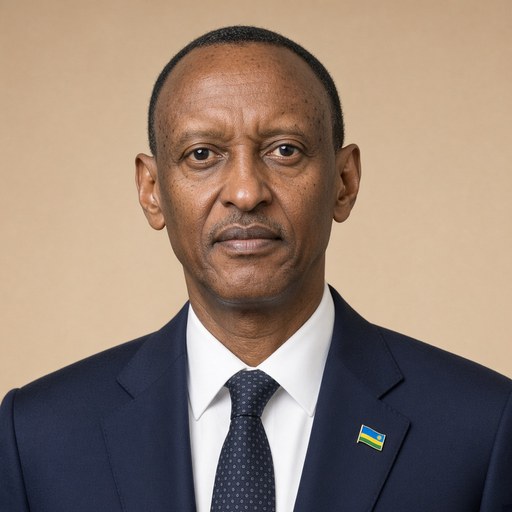
The speech of His Excellency President Kagame at the RPF Inkotanyi meeting.
 Paul Kagame · President of Rwanda
- Context
- Kagame addressed an RPF Inkotanyi party meeting in Rusororo on December 6, 2015, to discuss a proposed constitutional amendment and upcoming referendum on presidential term limits.
- Main themes
- Constitutional amendment, RPF Inkotanyi party leadership, Rwanda's political transition, 2017 elections, protecting national achievements, sustainable development, referendum approval, presidential term limits, change and continuity
- Duration
- ~49 min
- Words
- 5,849
- Sentences
- 306
- Readability
- 71
- Grade
- 8.1
- Syntax
- 2.80
- Vocabulary
- 1.75
Translated from Swahili
The broad sphere of national life a sentence belongs to. Every sentence has an Arena, so it is the denominator the other indices are read against.
Other306 sentences in 42 paragraphs
Rusororo, December 6, 2015
I would like to greet you and thank you for your patience throughout the day. I started in another unplanned meeting, which was also important, as there were guests who passed by here, and that is what delayed us.
So let us go to the reason we are gathered here. As leaders, we have responsibilities in different ways, in different sectors where we serve our country, the Rwandans, and if necessary, we can also be of benefit to others who share many things with us, other Africans, the region, and beyond; it is also gratifying when it is possible for us to provide support.
We are here today because of matters that have been ongoing for some time, some of which the vice chairman has already mentioned; much of it is based on the amendment of the Constitution, but not just for the sake of amending, because such an amendment has a significant reason. That reason must have enough weight for people to consider amending something as substantial as the Constitution. I am confident that it has been well considered and found to have weight.
It is something that can be significant in its own right, but it also carries weight in terms of the significance of the action itself and the time it is being done. I believe it is both: The first is the action that drives it, the second is the time we are in, the time we are talking about is leading us to 2017. There were things that were supposed to happen, and instead of being as planned, people began to think and say that there could be another way. For there to be another way, it cannot just happen without a significant reason driving it. These many steps we are going through, and even now as we go through them, show us that there is a significant reason driving it. We continue to understand and express the weight of that action that people feel we should be doing contrary to what people were expecting, or what they previously understood to be written or what people had agreed upon.
If you remember, we have had three meetings, this one not included. You remember the first meeting we held in 2012, when we gathered at the Petit Stade and spent a long time discussing some issues. If you remember well, perhaps you discussed it, there were things we started with that we said should be well studied so that whatever will be, there are things it must adhere to. Some told me that they added a fourth point, and when they told me, I felt it was valid.
At that time, we discussed three things: we talked about change, change that happens, that has a time when it occurs, that has a reason for its occurrence. The second thing we discussed was protecting what has been achieved. No one makes changes without wanting to protect what has been achieved. You make changes to enhance the way you can advance what you have achieved. The essential thing you must start with is to continue protecting what has been achieved during that time. You cannot bring about change without wanting to protect what you have achieved. No! Change must continue to protect what you have achieved or add to it. That is the second point.
The third point, we talked about sustainable development; here we were saying, it is not about people, it is not about an individual, we were talking about continuing to advance. We must continue to advance. So those are the three things we discussed, and even concluded, we also said that people should go and think about them; it was not about providing an answer at that moment, it was about thinking about them, people wanting to do good things, things that benefit them, not getting distracted, having a plan, looking ahead, having a strategy so that something does not happen that seems like a surprise, as if you did not know it would happen or did not know its consequences. That is what led to those discussions we had in 2012. After that, we had other discussions that led to various actions we agreed would go in that direction to provide us with answers.
Last time, we established a committee to study what needs to change in that Constitution, and they have been telling us what they have achieved. I believe they have told you here as well. Please bear with me because there are some things; these debates are good, but I feel I would engage in them better if I were not the one in the issue. When I am in a debate on the other side, it becomes more challenging for me as a person in many other issues that cause problems, but this is not the first time I have faced such issues. We are looking for solutions. I would like to start from what brought us together here; I believe you must be expecting it, perhaps that is what has awakened you, but please bear with it however it may be. People have mentioned what needs to change; we are now at the stage of approving the referendum, right? Or it has been approved. When I say approval, I mean it will be, not what will come out of it.
But there are many questions that need to be answered; we have not finished them, there are still many. The first question, the essential one I want to share with you, but you should not lose hope because as you sit here where we have reached, apart from these other issues we are discussing, you are the ones who face them every day; you are the ones these many steps are based on. Since these debates began, everyone has had something to say about it, whether they are directly involved or not. Those who are not directly involved have much to say about it, and it seems that their views appear to be that they have nothing to do with it, as if that is what should come out of it as a solution, but all of that will happen. What I wanted to tell you, what I have tried to do regarding those that concern me is to listen, and I would like to assure you that my ears are listening; I do not need anything to help me understand; I feel it is natural, but also in an extraordinary way. It takes me time to take that time to listen, and I listen. The reason is so that concerning those that concern me, when I reach the point of making a decision, I feel satisfied to make decisions based on the truth as I understand it. How others understand the truth, they will also base their decisions on it, and they will base it on the truth as they understand it. Rwandans are the first I hear, but I also hear others who are not directly involved. But the first are Rwandans. That is the path we are on. I still hear and I still listen.
What you are seeking from me today is still based on what will come out of that referendum you want. So my answer will not come before it happens. But what is the reason for going through all those processes? It is to ensure that we understand well whether everything we are doing has sufficient justification, that we are not basing it solely on emotions, we understand the consequences of it compared to the consequences of not doing it. There are always other ways things can be done. If you are talking about the referendum and its outcomes, people follow and make decisions, then it means that is the decision you compare to doing nothing or continuing as usual. These steps are what help us. It is so that in all the choices we have, we choose what is best for us, which is what benefits us more than others.
I would like to tell you that, especially for those observing from outside, what we are doing seems like a demonstration. The idea that Rwandans are going to make a decision based on the referendum for themselves seems like a demonstration. I want to connect that with the fact that in the referendum, Rwandans will tell us their concerns or what they want to do or desire. That is on us; giving people the space to go to the side they want. Where you do not want the referendum, you will have the space to express that, and those who want it will have the space to express that. Then depending on what comes out of it, the answer you seek from me, I will give you. What you were expecting from me, what you knew would come today, will not come. So my answer will come after the referendum is over. The referendum happens, and you find 55% [of Rwandans], even if it exceeds the rest, I will not base it on 55%. So I tell you right now, I would be basing it on nothing because nothing is done. You see, there is something that needs to be done before we make a decision. If only those from outside would come to the referendum. But they have the space to make decisions without any basis.
All of this we are doing as Rwanda to change the Constitution, I do not know how we can separate it from our history but also from how it goes elsewhere. There are principles we share like democracy, human rights, freedom, and many others. All those decisions are made based on the uniqueness of Rwanda but without forgetting how the world we live in is structured and how it is in the region, in Africa, and even elsewhere in the world. What people base their way of living and governing on is based on their values. Those decisions are based on those values that may be unique to Rwanda, but they cannot be without a connection to what is happening elsewhere in the world. Other views that are not Rwandan must also be considered as we do our things. Because Rwanda is not alone in the world; it shares with others. We understand those of others, we think about them, we debate them, you analyze them, and they help you make decisions that concern you in a specific way. All of that we have been going through for some time. They first said look at what is happening in your neighbors. You see, those values we all understand in words, but when it comes to actions, it reaches the interests of countries, you find that they have been given misleading interpretations because of the interests everyone sees in them. That is why they say do not look at the interests of neighbors; even in Rwanda, that is how it goes. That is not true, because in reality, we are saying one thing, but in actions, we say it differently. Those who do it do it for their own interests.
Generally, we know that many countries have legislative bodies. All countries have them; those bodies are respected because they represent the people and speak for them. On one hand, you say people should be independent, they should have the right to choose, they should have a list of certain things that govern them. But when it comes to others, because of how they want to understand it, they say that what is happening is the improper functioning of the legislative body [Parliamentary maneuvering]. What does “Parliamentary maneuvering” mean? In other words, the Rwandan Parliament analyzes what Rwandans want; it is a parliament that does what it wants, says what it wants, and reaches what it wants contrary to what someone wants.
But why do you start telling me that people should be independent, to choose for themselves, who are these people who have changed? Have people changed to be yours? Yours are the ones who will dictate to others how they should choose or how they should think? Rwandans are no longer people? Those who say that in the perspective of Rwanda, we should be looking at it in a way that reflects ourselves. Why should I appear in your perspective? Why should Rwanda, when you put it in a perspective, give you an image of another person that is not of Rwanda? What does that mean?
What I mentioned as the fourth point that people added, which was not one of the three things we discussed, they told me that perhaps you discussed it here, is Independence. People should have independence; they should have independence, not the kind we celebrate every year that people gave us independence. But they gave it to us, and we must always thank them every day; how did they take it? To hear that they gave me independence, I always boast, but how did you take it? That is what we always say, we should give ourselves value; that should be our culture! That should characterize us at all times. Let me tell you; whether this referendum and its outcomes or this, whether others, Rwanda, RPF, and other Rwandans; the first thing we should convey that will take us far, that undermines all these others, is to give ourselves Value. Please take a moment to think about it, but why you, each one of us, how do you dictate to another? Why? For those who believe in God, do you ever wonder how God created you differently from how someone else wants to dictate to you? For those who believe in God, why do you not use that to solve that dilemma?
For those who believe in God here, believing why does it not lead you to ask the question, to wonder. Even if it ends up being political, to wonder how that God I pray to created me, how did He create me differently from another creature who wants to dictate to me, and I accept that he dictates to me. What gives you the right to have that God, what do you accept? If even believing is based on truth, if you believers believe in the truth, I always have that question for those people; some sometimes lie to us, they believe, they accept that we are all creatures, let me use that example. If we are all creatures, it does not stop at Rwanda that we are creatures; there are other creatures above Rwanda. If that is the case, you have a problem. If you believe that we are all human beings before that God we all believe in, how can you accept that another person is like God to dictate to you?
The rest, then, if He created us, He gave us intelligence, He gave us the ability to think, He gave us the way to do what we do. We must use it as we have it. But if you teach me your culture and its flaws and I accept it, you are not a person. Every culture has flaws; the flaws of my culture overwhelm me; I cannot add the flaws of others.
I understand all of that, and I feel for those who do not understand this path we are on. That is why I say: I have a problem participating in telling you what I want to tell you, because this path I am on does not give me sufficient authority to tell people what I want to tell them. I tell you I reach about 75%, the other 25% remains, and it remains to eat me.
I follow social media a lot; I read almost everything. You find people saying: “No, in Rwanda what you are doing is not democracy, Kagame should go and let others come. He has monopolized power enough.” In my life, I have never taken from anyone, and in this we are doing to lead our country, anyone who wants to replace me in my Rwandan identity has a problem. Anyone who wants to take my Rwandan identity would lose theirs. I do not ask for it from anyone, nor have I taken it from anyone. This means that; a person of influence telling me: “We are tired of you, you have been here for a long time, go and let others come” is like saying that going and coming is just that, it is not even about leading the country. It has become a matter of time, not even what you do in that time. I saw someone say that others should also be allowed to lead. But he has failed to lead in his own place; the one you were talking about, I read that in history. Even though he says let me go and let others lead, he is not among those who will come to lead here. Because he is not Rwandan; he has failed to lead where he has citizenship, and he speaks of Rwanda.
But you, the leaders of our country who are here, the mobilizers of our organization, I would like to thank you for the many achievements we have made for our country, and for the contributions of each individual, including the need to build a future. Recently, with the referendum coming up, are we going to talk about other issues and say it’s just the referendum? That you are here in 2017 and it continues? No. Everyone must play their part; we must also think about planning for where things are headed. Planning for the short term, medium term, and long term. It’s not just about waiting and saying, “Oh, but what happened? Is it still there? Is it continuing?” No. We must have a plan; the country must have a plan, including a plan for how these political changes will bring about certain outcomes, how they will change things, and how things will continue. Isn’t that so?
Yes, there must be a plan; it must exist, you could call it a transitional plan. We cannot just go on talking, saying, “You know?” What we have will continue for another twenty, thirty years, while we sleep and do nothing. That cannot happen, nor would it benefit anyone. We must think beyond that, beyond mere conscience, and reach tangible outcomes as we are already doing. This is how the RPF should operate; this is how we operate. We have solved very serious problems; we seek development, we seek peace, we want political changes to yield results that allow us to reach others, through peaceful means so that nothing should disturb us. Everyone must play a role; everyone must do their assigned tasks well, we must value ourselves as I mentioned, there is nothing we cannot achieve!
This security has its place. Everywhere, the transfer of power in 2017, these referendums, people shouting, those saying this, those saying that, what they say is based on: “The transfer of power from one to another, from one to another.” It should be possible and it is possible in our country. But it should also be possible in security, and we must continue.
There are debates I see people having about all this; the peaceful transfer of power is an important thing, a very important thing, but is that enough? Does it require nothing to achieve that? Does it start and end with the transfer of power? The transfer of authority, the peaceful transfer of authority, are there no other accompanying factors that should come before or after? No, I think that to reach that level, there is much that is required of us.
I follow the discussions that are happening here and there; I read everything people write and I feel the need to contribute my thoughts to these discussions. Because I find that there are places where people take things out of context. They will tell you that the peaceful transfer of power is more important than – let’s say – a person’s relationship with their country (national identity). You know the things we often say about being Rwandan? Being Rwandan is our identity. So, isn’t building Rwandan identity a crucial step in the journey towards a peaceful transfer of power? Isn’t it? Because the peaceful transfer of power comes from stable institutions built by the people. This stability also comes from the foundation of first knowing who you are.
Others say that the transfer of power is a necessary thing, especially in places where people are affected by poverty. On one hand, I agree with them. But why do they choose? A person who says that is making a choice. They are not saying everything as it is. My question is this: First and foremost, are we solving things at the level – or can we do two or three things at once because they are interconnected? Otherwise, I could ask you, are you going to tell me that a poor person can live well in peace when that peaceful transfer of power happens – No. First of all, no one should live in poverty. There is either a peaceful transfer of power or there isn’t. What I want to say is this: Rwandans should not live in poverty.
Secondly, let me also say that we know different places that have been characterized by peaceful transfers of power over many years, yet the citizens continue to live in poverty. Or even some wealthy countries we know, that have this peaceful transfer of power, that have democracy, yet still have millions of citizens living in extreme poverty.
So why are those people marginalized? Are you trying to tell me that most of them became wealthy through this peaceful transfer of power, that they became wealthy in the name of those other millions of citizens? Does marginalizing some people mean something else?
The question being asked here is, what comes first? The peaceful transfer of power, or solving development issues in economic and social welfare? Or would it be better to gradually combine both so that at some point we can achieve both, rather than saying we have achieved one and the other must wait? Can we really call this a mystery like that of the egg and the chicken? However, it depends on how you want to see it. But I think one comes from the other, and it is clear that they can be achieved simultaneously, even though one may come slightly before the other. But I wonder how that can be achieved when you have not built a secure country. And this security is influenced by both of those factors.
So, we as Rwandans, in recent days, you have seen it on social media, there are people saying many things. There is a place where it is written – they say they are closely following the “drama” of Rwanda – I respond to that. I tell that person: “You know, what you are saying simplifies the path we are on to finding solutions to our serious problems.” Do you understand what I was trying to say? I was trying to calm down as usual, but I was also upset by how I felt this person was insulting people. And generally, for me, that is hard to tolerate. It would have been easier if we could look each other in the eye and I could tell you what I think. Otherwise, written communication does not convey the message as one would wish. But I was telling him, not only about this, that sometimes, when you treat people like that, you see a difference from what you intended.
When you have something you want from me but in a way that belittles me, you can be sure that you will not get it. You should expect to see a difference from what you wanted. Disrespecting people is not a good thing. And people should not accept it. Rwandans, in our dignity, we must not accept it.
We can be friends, we can debate, we can have disagreements, just as we can have agreements, but there is a red line when it comes to our interests, the interests of Rwanda.
There are people I see who are afraid, they go on to say they are going to die, that people outside the country are going to kill them. Until now, that should not be a Rwandan. Because, in reality, you are always behind when you do something without starting from the understanding that you must do it, that it benefits you, but rather starting from the fear of what others think of you if you do that thing. There is no doubt that you will always face the consequences of that. The first thing Rwandans and Africans need is to have things that belong to us. Our lives are our concern. Having things that belong to us does not mean we do not accept the ideas or advice of others. Even cooperation. But for a Rwandan or an African to be in a position to swallow whatever is thrown at them, that is a bad way to live. We have lived this life, we know it, we know its consequences, so I cannot understand how people do not want to rid themselves of it and even forget it.
But also having things that belong to us gives us responsibilities. Responsibilities that are not easy. When you promote corruption, when there is bad governance in your country or in a certain sector you represent, when all the evils are attributed to you, you cannot go into debates saying, “No, leave me alone. This is my country” or “I am the one responsible.” What does having your own corruption mean? How can you make things yours when corruption has gone beyond limits?
How do you explain those things? Having your own things requires that you accept to be questioned about what you have done and that you do things well. We must strive to do good things. It requires us to understand that what we do will be questioned, and we must remind each other that what we do will be held accountable. It also requires us to allow others from outside to criticize us for what we do not do well. But you must explain it. There is no way people die in a country, and you end by saying, “Don’t talk about me, leave me alone, I am killing my people.” When in a country people cannot be held accountable or cannot hold themselves accountable, those from outside will question you, and they should also take decisions against you. You cannot say let them leave you alone, it is your country, you do whatever you want. Corruption is a global concern; there is no way you can keep saying it is our country, let us be. Why would they let you be in corruption? In your country, corruption should not be a culture; it is not good for you or for others. And this also goes back to that other point, when you fight corruption, you should not make it seem like you are fighting it because someone asked you to do so, no.
You must do it because it is something that must be done, that is important for you. Let’s talk about that first point related to the referendum I told you we will address; we will leave it and see how it goes. When it happens, whatever comes from it, we must be ready to receive the outcomes. Then, we must also prepare for what will happen after as we move forward, where we are headed, we must prepare for a future where everyone plays a role in the good we want to achieve together, each one of us, a future that does not depend on one person or another, we must have a future based on all of us, whether Kagame is present or not. In order to cultivate a culture, which is now beginning to take root, we must reach a level where there are changes that people do not fear after ten, twenty, thirty years and beyond. We must do everything possible to hasten those changes. It is clear that it is not only in Rwanda but also elsewhere in the world that have gone through this path, all including those who do not give us the value we deserve. They have also experienced it. I have even had conversations with some of them and reminded them, but let’s talk about your history in the past years. What caused this? Why did it go this way? They immediately say, “You see…” No one can say that the problems we are going through, the tough choices we have made and continue to make, they have never faced them. Not at all, not at all. Let someone tell me here, can you tell me there is no problem? There is a difference in the time it happens. What people often say about this or that transfer must be, depends on the time and the reasons behind it, right?
Now, looking at those who have a history that has taken root for a hundred years, now they have security, freedom, democracy we want to have… They have everything. First, they still have things that are not going well just as we have them. Secondly, if you continue to observe closely, you will find that they have gone through much tougher things than what we are going through now. It would require us to ask them, do you remember the years of the 1930s, 1940s, 1950s? Do you remember what happened to you in the 1960s? Then they would immediately respond, saying, “You see…” What gives you the right to tell me that? Regarding Rwanda, in the meantime, we count from 1995, that is where we start, right? Before that time, what was there? It has only been twenty years, and now we are being asked to reach the same level as people who faced these issues two hundred years ago or a hundred years ago, or fifty years ago. Then they would immediately say, “You see, that thing of one person…” I have shown them in their history the people they rely on. You know that each of them has someone they rely on. These things they always say about you know, it is not a person, you must establish a system… I tell them, “Yes, I agree, it is not a person [one] that people must rely on” as I have always told you, but again I tell them, “But then, when you relied on a person, how did it go? What problem did you face?” They all have a history where they relied on a person to build themselves, as we know history, as we read, it depends on the time. So, we could have discussions and say, in the meantime, what did you do to build yourselves, to promote good governance based on democratic principles? Then we would go back and look, and I would tell you that this is what Rwanda has tried to do, we do not create things or people, we are not God, but what a person can do is what we have done, and that is what I would show you has been done. Then you would ask me why this or that has not been achieved? That question may be valid, but I would also explain why those things have not been achieved.
For example, in the questions they ask, they may say, “Why do you not have this or that until now?” You see, people can come with things that are in order, and I would say yes, but it is not my fault, I do not create people, a person does what is possible for people, what you do is create a way for things to be done, and you push everyone to work, everyone must participate, and then what you see is what is in front of you.
But also, as an example, they do not ask me why your country is not as rich as ours? Because looking at what I strive for is to reach the wealth they have achieved. But because of how things are, that does not concern them, what they want to hear, they do not come to ask me that question because they say that everything takes time to achieve. Were we at the level of poverty twenty years ago? Are we still there? Is it that we do not want to get rich? That we have not reached where they are? No, it just takes time. You do not want to reach a place and get there immediately; there is a path it goes through, there is a journey that must be taken. There are things you must do to get there. And if everything were possible for me to reach their level in everything, we would have already achieved it because that is what we want. There may be hidden things behind it. Asking me why I have not reached a level of democracy like yours does not ask me why I have not become rich like you, it is clear that there are issues you are deliberately ignoring.
Why is a country like Rwanda not rich like others? Instead, they are pleased to feed us, to keep us in that place where they feed us, but they also put pressure on us, asking why we are not at the level of democracy like theirs and all the other things they say, which you also find are full of lies. However, understanding all these things plays a significant role in how we handle our issues, how we solve them, and how we confront other problems we encounter, whether they are domestic or come from abroad.
I believe we are on the right path regardless of the answer we will get after the referendum, and we should continue on this positive path based on these principles rather than what some people say or the fears that some individuals may have, which we must also learn to overcome so that we do things well, allowing people not to base their important decisions on fear but to strive to establish ways to confront this fear as we continue to progress. What else can I tell you? Know that as long as God is watching over our lives, we promise to continue fighting the good fight.
Allow me to conclude with this: being prepared to fight real battles does not require some of us to be in leadership positions. There are many ways we can engage in real battles. If you doubt this, try it and see. I think what I wanted to tell you is mostly that, but to ensure that it is well understood, I will allocate time for anyone who has a question to ask me. The time is yours before I finish.
The original Swahili. The tags above are read on the English translation's sentences.
Rusororo, 06 Ukuboza 2015
Mbanje kubasuhuza no kubashimira kwihangana umunsi wose. Nabanje mu yindi nama itari iteguye ariko nayo yangombwa hari abashyitsi banyuze hano mbanza kubakira, nicyo cyadutindije.
Ngirango rero reka tujye ku mpamvu twahuriye hano. N’ubundi nk’abayobozi dufite inshingano mu buryo butandukanye, mu nzego zitandukanye dukorera igihugu cyacu, Abanyarwanda, ndetse byaba na ngombwa tukanagirira akamaro ku bandi duhuje byinshi, abandi Banyafurika, ari akarere ndetse no hirya yako ibyo na byo birashimishije iyo bishobotse ko twagira inkunga dutera.
Ubu turi hano rero kubera ibintu bimaze iminsi, bimwe na vice chairman amaze kubivuga, ibyinshi niho bishingiye ku ivugururwa ry’Itegeko Nshinga, ariko bitari ukuvugurura gusa, kuko uko kuvugurura bifite impamvu ikomeye. Iyo mpamvu iba ikwiriye kuba ifite uburemere buhagije kugira ngo abantu batekereze kuvugurura ikintu kiremereye nk’Itegeko Nshiga. Ubwo ndibwira neza ko byizwe neza mugasanga bifite uburemere.
Ni ikintu gishobora kuba kiremereye ku buryo bwacyo ariko binajyana iteka n’uburemere icyo gikorwa kiba gifite ndetse n’igihe bikorewemo. Ndibwira rero ko ari byombi: Icya mbere ni igikorwa kibitera, icya kabiri ni igihe tugezemo, igihe tuvuga ni ikiganisha muri 2017. Hari ibyagombaga kuba, aho kugirango bibe uko byari biteganyijwe abantu batangira gutekereza, kuvuga ngo hari ukundi byagenda. Kugirango hagire ukundi bigenda ntabwo byapfa kuba gusa bidafite impamvu iremereye ibitera. Izi ntambwe nyinshi tugiye tunyuramo, kandi n’ubu tukinyuramo, nizo zitwereka ko hari impamvu iremereye ibitera. Turacyakomeza uko kumva neza no kugaragaza uburemere bw’icyo gikorwa abantu bumva dukwiriye kuba dukora kinyuranyije n’ibyo abantu bari biteze, cyangwa bari bazi ubundi ko ariko byanditswe cyangwa aribyo abantu bumvikanyeho.
Niba mwibuka rero, tumaze kugira inama eshatu, iyi itarimo. Muribuka inama yambere twakoze yo mu mwaka wa 2012, ubwo twahuriraga muri Petit Stade tukamara umwanya munini tuganira ku bibazo bimwe. Niba mwibuka neza, ngirango wenda mwabiganiriye, hari ibintu twahereyeho tuvuga bikwiriye kwigwa neza kugira ngo ikizaba icyo ari cyo cyose hagire ibyo kigomba kubahiriza. Hari abambwiye ko bongereyeho icya kane kandi bakimbwiye numva gifite ishingiro.
Icyo gihe tuganira byari ibintu bitatu: twaganiriye ku mpinduka, impinduka ibaho, igira igihe iberaho, igira impamvu ituma ibaho. Icya kabiri twaganiriye ni ukurinda ibyagezweho. Ntawe ukora impinduka adashaka kurinda ibyagezweho. Ukora impinduka kugira ngo ahubwo ibe yakongerera uburyo wateza imbere ibyo wagezeho. Icyangombwa ugomba guheraho ni ugukomeza kurinda ibyagezweho muri icyo gihe. Ntabwo ushobora kuzana impinduka udashaka kurinda ibyo wagezeho. Oya ! Impinduka igomba gukomeza kurinda ibyo wagezeho cyangwa se yongeraho. Icyo ni icya kabiri.
Icya gatatu, tuvuga iterambere rirambye, aha twavugaga, ntabwo ari iy’abantu, ntabwo ari iy’umuntu, twavugaga gukomeza gutera imbere . Tugomba gukomeza gutera imbere. Ni ibintu bitatu rero twaganiye, ndetse birangiye, turanavuga ngo abantu bagende babitekerezeho, ntabwo byari ugutanga igisubizo uwo mwanya byari ukubitekerezaho, abantu bashaka gukora ibintu bizima, ibintu bibafitiye akamaro ntabwo bahuzagurika bagira gahunda, baratekereza, bareba imbere bagira igenamigambi kugirango ikintu kitaba ugasa n’uwikanga, nk’aho utari uzi ko kizaba cyangwa se utari uzi ingaruka zacyo. Nicyo cyatumye ibyo biganiro twagize muri 2012 bibaho. Na nyuma yaho twaje kugira ibindi biganiro nabyo aribyo byaje kuvamo ibikorwa bitandukanye twagiye twemezako byajya muri iyo nzira yo kuduha ibisubizo.
Ubushize twashyizeho akanama kiga ibigomba guhinduka muri iryo Tegeko Nshinga, nabo bagiye batubwira ibyo bagezeho. Ngirango na hano babibabwiye. Muraza kunyihanganira kuko hari ibintu bimwe, ubundi izi mpaka ni nziza ariko numva nazijyamo neza iyaba atari njye uri mu kibazo. Iyo ndi mu mpaka ku rundi ruhande arijye biza bikagushaho nk’umuntu mu bindi byinshi bitera ikibazo ariko ntabwo ari bwo bwa mbere mpuye níbibazo nk’ibingibi ubundi. Turabishakira umuti. Ndagirango mbanze mpere ku cyaduteranyirije hano, ngirango mugomba kuba mwiteze wenda ari nacyo cyabazinduye ariko muze kubyihanganira uko biza kuba bimeze kose. Abantu bavuze ibigomba guhinduka, ubu turi ku ntambwe yo kwemeza Kamarampaka, sibyo? Cyangwa se yaranemejwe izaba. Kwemezwa mvuga ni ukuzaba ntabwo ari ibizayivamo.
Ariko hari ibibazo byinshi bigomba gusubizwa ntabwo turabirangiza biracyari byinshi. Ikibazo cya mbere, cya ngombwa nshaka kubaturira, ariko nti mukwiriye gucika intege kuko n’ubundi uko mwicaye hano aho tugeze aha hose, usibye ibi bindi iki kibazo turiho tuvuga, nimwe muhangana na byo buri munsi ; nimwe izi ntambwe nyinshi zishingiyeho. Kuva izi mpaka zatangira buri muntu wese yagize icyo abivugaho ari uwo bireba ari n’uwo bitareba. Nabo bitareba bafite ibyo babivuzeho byinshi ndetse ubundi bisa nkaho bigaragara ko ibyabo bidafite icyo bireba ari nk’aho aricyo kigomba kuvamo igisubizo ariko ibyo byose biraba. Icyo nashakaga kubabwira, icyo nagerageje gukora njyewe ku bindeba ni ugutega amatwi kandi nagirango mbasezeranye ko amatwi yanjye yumva, ntabwo nkenere ibimfasha kumva, ndumva bisanzwe ariko no ku buryo budasanzwe. Bintwara umwanya nkawufata nkumva, ngatega amatwi. Impamvu ni ukugirango kubindeba nanjye, ninjya kugera aho gufata icyemezo mbe numva nyuzwe ngo mfashe ibyemezo bishingiye ku kuri uko nkumva. Uko abandi bumva ukuri nabo bazabiheraho bafata ibyemezo nabo bashingira ku kuri uko bakumva. Abanyarwanda nibo ba mbere numva ariko n’abandi bitareba ndabumva. Ariko abambere ni Abanyarwanda. Niyo nzira turimo rero. Ndacyumva kandi ndacyatega amatwi.
Ibyo munshakaho uyu munsi biracyashingiye ku kizava muri ya Kamarampaka mushaka. Ni ukuvuga rero ngo igisubizo cyanjye ntabwo cyaza mbere yuko iba. Ariko impamvu yo kunyura muri izo nzira zose ni iyihe? Ni ukugira ngo twumve neza niba ibyo dukora byose bifite ishingiro rihagije, ko tudashingira ku marangamutima gusa, twumva ingaruka zabyo ugereranyije n’ingaruka zo kutabikora. Iteka hagenda habaho ubundi buryo ibintu byakorwamo. Niba muvuga Kamarampaka n’ibivamo, abantu bakurikiza bagafata icyemezo, ubwo ni ukuvuga ngo ni icyo cyemezo ukigereranyije no kutagira icyo dukora cyangwa tugakomeza uko bisanzwe. Izi ntambwe nicyo zidufasha. Ni ukugirango mu mahitamo yose dufite, duhitemo ikitubereye kurusha ibindi, aribyo ibidufitiye inyungu kurusha ibindi.
Nagirango rero mbabwire ko, cyane cyane ku babirebera hanze, ibi turimo bisa nko kwigaragambya. Kumva ko Abanyarwanda bagiye gufata icyemezo gishingiye kuri Kamarampaka kuribo bisa nko kwigaragambya. Ndashaka kubihuza nuko muri Kamarampaka Abanyarwanda bazatubwira impungenge bafite cyangwa icyo bashaka gukora cyangwa bifuza. Ibyo rero biri kuri twebwe; guha abantu umwanya wo kugirango bajye ku ruhande bashaka. Aho udashaka Kamarampaka azagira umwanya wo kubigaragaza, n’uyishaka azagire umwanya wo kubigaragaza. Hanyuma bitewe n’icyavuyemo, igisubizo munshakaho nzakibaha. Icyo mwari muntegerejeho, icyo mwari muziko kiza uyu munsi ntabwo kiraza. Igisubizo cyanjye rero kizaza nyuma yuko Kamarampaka irangiye. Kamarampaka ibaye mugasanga 55% [y’Abanyarwanda] nubwo yaba iruta ibisigaye ariko ntabwo nagendera kuri 55%. Rero mbabwiye ubungubu ho, naba ngendeye ku busa kuko nta kirakorwa. Urumva rero ko hari igikwiriye gukorwa mbere yuko dufata umwanzuro. Iyaba n’abo bo hanze bazaga muri Kamarampaka. Ariko bagira umwanya wo gufata ibyemezo ntacyo bashingiyeho.
Ibi byose turimo nk’u Rwanda byo guhindura Itegeko Nshinga ntabwo nzi uko twabitandukanya n’amateka yacu ariko ndetse n’uko ahandi hose bigenda. Hari amahame dusangiye nka demokarasi, uburenganzira bwa muntu, ubwigenge n’ibindi byinshi. Ibyo byemezo byose bifatwa bishingiye ku mwihariko w’u Rwanda ariko bitiyibagiza uko isi tubamo iteye ndetse nuko byifashe ari mu karere, muri Afurika, ndetse n’ahandi hose mu Isi. Icyo abantu bashingiraho bagena uburyo bwo kubaho no kwiyobora bishingira ku ndangagaciro zabo. Ibyo byemezo bishingiye kuri izo ndangagaciro zishobora kuba ari umwihariko w’u Rwanda ariko ntabwo bishobora kuba nta sano bifitanye n’ibindi bibera hirya no hino ku isi. Ibitekerezo bindi bitari iby’Abanyarwanda nabyo bigomba kwitabwaho mu gihe dukora ibyacu. Kuko ntabwo u Rwanda ruba rwonyine ruba mu isi rusangiye n’abandi. Ibyo by’abandi nabyo turabyumva, nabyo tubitekerezaho, nabyo tubijyaho impaka, urabisesengura bikaza kugufasha kugira icyemezo ufata cy’ibikureba ku buryo bw’umwihariko. Ibyo byose rero tumaze igihe tubinyuramo. Barabanje bagira bati murebe ibibera mu baturanyi banyu. Urumva, izo ndangagaciro twese tuzumva kimwe mu magambo ariko iyo bigeze mu bikorwa, bikagera no mu nyungu z’ibihugu, usanga byahawe ibisobanuro bitari byo kubera inyungu buri wese abibonamo. Niyo mpamvu bavuga ngo ntimureba iby’abaturanyi, no mu Rwanda niko bigiye kugenda. Ntabwo aribyo, kuko mu by’ukuri turavuga ikintu kimwe, ariko mu bikorwa turabivuga uko bitari. Ababikora babikora kubera inyungu zabo.
Mu buryo busanzwe tuzi ko ibihugu byinshi bifite inteko zishinga amategeko. Ibihugu byose birazifite, izo nteko zirubahwa kuko zihagararira abaturage, zikanabavugira. Ku ruhande rumwe ukagira uti abantu bakwiriye kwigenga, bakwiriye kugira uburenganzira bwo guhitamo, bakwiriye kugira urutonde rw’ibintu runaka bibagenga. Ariko byagera ku bandi kubera uko bashaka ku byumva, bati ngo ibirimo kuba n’imikorere idawhitse y’inteko ishinga amategeko [Parliamentary maneuvering]. “Parliamentary maneuvering” se bisobanuye iki? Mu yandi magambo, Inteko y’u Rwanda isesengura iby’Abanyarwanda bashaka, ni inteko yikorera ibyo ishatse, ikavuga ibyo ishatse, ikagera kubyo ishatse binyuranyue nibyo umuntu runaka yifuza.
Ariko se ko ubanza ukambwira uti abantu bakwiriye kwigenga, kwihitiramo, ubwo se abantu bahindutse abahe? Abantu bahindutse abawe? Abawe nibo bagiye kugenera abandi uko bahitamo cyangwa uko batekereza? Ba Banyarwanda ntabwo bakiri abantu? Ba bandi bavuga ngo mu ndorerwamo u Rwanda dukwiye kuba turureba mu ndorerwamo tukarwibonamo. Kuki mu ndorerwamo nagaragara nkawe? Kuki u Rwanda urushyizeho indorerwamo rugomba kuguha ishusho y’undi muntu itari iy’u Rwanda? Bishatse kuvuga iki?
Icyo navuze cya kane abantu bongereyeho kitari icyo twaganiriye muri bya bindi bitatu, bigeze kumbwira ko ubanza mwabiganiriyeho hano, ni Ubwigenge. Abantu bakwiye kugira ubwigenge, bakwiye kugira ubwigenge, butari bwa bundi tujya twizihiza buri mwaka ngo abantu baduhaye ubwigenge. Ariko barayiduhaye ubundi, kuyiduha tugomba no guhora dushimira buri munsi, ubundi bayitwaye bate? Kumva ngo yampaye ubwigenge ngahora mwirahira, ubundi wabitwaye ute? Nibyo duhora tuvuga kujya twiha agaciro bikwiriye kuba umuco wacu! Nibyo bikwiriye kuba bituranga igihe cyose. Reka mbabwire; yaba iyi Kamarampaka n’ibizayivamo cyangwa iki, yaba n’ibindi, u Rwanda, RPF n’abandi Banyarwanda; ikintu cya mbere dukwiriye kuzigezaho kizatugeza kure, gihinyuza ibi bindi byose, ni ukwiha Agaciro. Rwose mujye mwiha umwanya mwibaze, ariko kuki wowe, buri wese muri twe, umuntu wundi angenera ate? Kuki? Ari abemera Imana, mujya mwibaza, Imana yakuremye ite gutandukanye nuko uwo ushaka kukugenera! Abemera Imana kuki mutabikoresha ngo mukemure iryo hurizo?
Abemera Imana muri hano, kwemera kuki kutabaviramo kubaza ikibazo, kwibaza. Niyo cyarangira kiri political, kwibaza ngo ariko iriya Mana nsenga yaturemye, yandemye ite ku buryo butandukanye n’undi muntu w’ikiremwa, ushaka kungenera kandi nkabyemera ko angenera. Ubyemerera iki ko ufite iyo Mana, wowe ubyemerera iki? Niba no kwemera bishingira ku kuri, niba abemera mwemera ukuri, icyo kibazo mpora ngifite kuri abo bantu, bamwe hari ubwo batubeshya bemera, bakemera ko twese turi ibiremwa, reka nkoreshe urwo rugero. Niba turi ibiremwa twese, ntabwo bigarukira ku Rwanda ngo turi ibiremwa ku Rwanda hari ibiremwa bindi biri hejuru ku Rwanda. Niba ariko wemera ufite ikibazo. Niba wemera ko twese abantu nk’ibiremwa imbere y’iyo Mana twese twemera, wakwemera ute ko undi muntu aba nk’Imana aka kugenera aka kuremera.
Ibisigaye rero, ubundi iyaturemye yaduhaye ubwenge, iduha gutekereza, iduha n’uburyo dukora ibyo dukora. Tugomba kubikoresha uko tubifite. Ariko kuntoza umuco wawe n’inenge zawo nkazemera, uba utari umuntu. Buri muco ufite inenge, inenge z’umuco wanjye zirampagije, ntabwo nakongeraho inenge z’imico y’abandi.
Ibyo byose ndabyumva ndetse numva n’abatumva n’iyi nzira turimo. Nicyo mvugira nti: mfite ikibazo cyo kugira uruhare mu kubabwira icyo nshaka kubabwira cyose, kubera ko iyi nzira nyirimo ukuntu kutampa uburenganzira buhagije bwo kubwira abantu icyo nshaka kubabwira cyose. Ndababwira nkageza nko kuri 75%, izindi 25% zigasigara, bigasigara bindya.
Nkurikira imbuga nkoranya mbaga cyane, nsoma hafi buri kantu kose. Usangaho abantu bavuga bati: “Oya, mu Rwanda ibyo mukora ntabwo ari demokarasi, Kagame nawe nagende haze abandi. Yihariye ubutegetsi bihagije.” Njyewe mu buzima bwanjye ntawe nigeze nambura, n’ibi turimo byo kuyobora igihugu cyacu, ushaka kunsimbura mu Bunyarwanda bwanjye afite ikibazo. Uwashaka kunyambura Ubunyarwanda bwanjye yatakaza ubwe. Ntawe mbisaba, nta n’uwo nabyambuye. Ni ukuvuga ko rero; umuntu w’ikantarange kumbwira ngo: “Turakurambiwe, umaze igihe kinini, genda haze n’abandi” ni nko kuvuga ngo ni ukugenda no kuza biraho gusa, ntanubwo bikirimo kuyobora igihugu. Byabaye ibintu by’igihe gusa ntanubwo ari ibyo ukora muri icyo gihe. Nabonye umuntu uvuga ngo ariko n’abandi nabo bareke bategeke. Ariko yananiwe gutegeka iwabo, uwo wabivugaga, nabisomaga mu kinyamateka. Nubwo avuga ngo nagende n’abandi nabo bategeke, we ntabwo ari mu bazaza gutegeka hano. Kuko ntabwo ari Umunyarwanda, yananiwe gutegeka aho afite ubwenegihugu, aravuga u Rwanda.
Ariko mwebwe muri hano bayobozi b’igihugu cyacu, bakangurambaga (caders) b’umuryango wacu nagira ngo mbashimire byinshi tugeraho ku gihugu cyacu kandi buri wese yitanga, ndetse harimo n’uko dukwiye kubaka ejo hazaza. Ejo bundi, na Kamarampaka niramuka ivuyemo, hari n’ibindi nyine tuzaganira byo kuvuga ngo ariko ni Kamparamaka gusa? Ngo uriho muri 2017 akomeze? Oya. Buri wese agomba kugira uruhare rwe, tugomba no gutekereza kugira igenamigambi y’aho ibintu bigana. Igenamigambi ry’igihe kigufi, kiringaniye n’igihe kirekire. Ntabwo ari ukujya duhumiriza gusa, ngo umwaka nugera ngo: “Eh, ariko bigenze bite? Aragumaho? Arakomeza?” Oya. Tugomba kugira igenamigambi, igihugu kigira igenamigambi, harimo n’igenamigambo y’ukuntu izi mpinduka muri politiki zigenda zigira ibyo zizana, zigira ibyo zihindura, ibintu bigakomeza. Sibyo?
Yego, hagomba kubaho igenamigambi, igomba kubaho, wayita inzibacyuho, ntabwo twajyaho gusa ngo tuvuge, tuti murabizi? Ibyo dufite birakomeza indi myaka makumyabiri, mirongo itatu, turyame twisinzirire. Ntibibaho, ntanubwo byagira uwo bihira. Tugomba gutekereza birenze aho ngaho, birenze umutimanama, tugera ku bintu bifatika nkuko turi nubundi. RPF niko dukwiye kuba dukora, niko dukora. Twakemuye ibibazo biremereye cyane, turashaka amajyambere, turashaka amahoro, turashaka ko n’impinduka muri politiki zagira ibyo tuvamo tukagera ku bindi, tukagera no ku bandi, binyuze mu nzira y’ amahoro kuburyo nta gikwiriye kuduhungabanya. Buri wese agize uruhare, buri wese akora icyo ashinzwe neza, twiha k’agaciro navugaga, ntabyo tutakwigezaho!
Uku gutekana, bifite aho bihagarara. Aho hose, uhererekanya ubutegetsi muri 2017, izi Kamarampaka, abantu basakuza, abavuga ibi, abavuga biriya, icyo bavuga, bagaheraho ni: “Uguhererekanya ubutegetsi buva kuri umwe bujya ku wundi, bujya ku wundi.” Bikwiye gushoboka kandi birashoboka mu gihugu cyacu. Ariko kandi bikwiye kuba bishoboka muri mutekano, tugakomeza.
Hari impaka njya mbona abantu nanone bavuga muri ibi byose; guhererekanya ubutegetsi mu mahoro, ni ikintu cy’ingenzi, cy’ingenzi cyane, ariko se ibyo byonyine birahagije? Ntacyo bisaba kugirango ibyo bigerweho? Bitangirira bikanarangirira mu guhererekanya ubutegetsi? Guhererekanya ububasha, guhererekanya ububasha mu mahoro, nta bindi bijyana nabyo byaba ibibanza cyangwa ibiba nyuma yaho? Oya, ndatekereza ko kugera kuri iyo ntera hari byinshi dusabwa.
Nkurikirana ibiganiro mpaka biriho hirya no hino, ibyo abantu bandika byose ndabisoma ndetse nkumva nshaka no gutanga ibitekerezo byanjye muri ibi biganiro. Kuko, nsanga hari n’aho abantu bafata ibintu uko bitari. Bakakubwira ngo guhererekanya ubutegetsi mu mahoro ni ingenzi kurusha – reka tuvuge – isano y’umuntu n’igihugu cye (national identity). Muzi ibintu tujya tubamo bya ndi umunyarwanda? Ndi Umunyarwanda ni ikituranga. Nonese kubaka ubunyarwanda si intambwe y’ingenzi mu rugendo rutwerekeza ku ihererekanya ry’ubutegetsi mu mahoro? Sibyo? Kubera ko, guhererekanya ubutegetsi mu mahoro, bituruka ku nzego zetekanye abantu bubatse. Uku gutekana kandi guturuka kuri uyu musingi wo kubanza kumenya uwo uri we.
Abandi bakavuga ngo guhererekanya ubutegetsi ni ikintu cya ngombwa ndetse cyangwa by’umwihariko ahantu hari abantu bazahajwe n’ubukene. Ku ruhande rumwe, nemeranya nabo. Ariko se kuki batoranya. Umuntu uvuga atya aba ari gutoranya. Ntabwo aba avuze buri kintu cyose uko kimeze. Ikibazo cyanjye ni iki: Mbere na mbere turi gukemura ibintu mu rwego – cyangwa se erega dushobora no gukora ibintu bibiri cyangwa se bitatu icyarimwe kubera ko bifitanye isano. Naho ubundi nakubaza nti ariko se urenda kumbwira ngo n’umukene abaho neza mu mahoro, iyo uko guhererekanya ubutegetsi mu mahoro bibaye – Oya. Mbere na mbere, ntamuntu ukwiriye kubaho mu bukene. Habaho guhererekanya ubutegetsi mu mahoro cyangwa se bitabaho. Icyo nshaka kuvuga ni iki: Ntabwo abanyarwanda dukwiriye kubaho mu bukene.
Icya kabiri, reka nanone mvuge ko tuzi ahantu hatandukanye, hagiye harangwa no guhererekanya ubutegetsi mu mahoro mu myaka myinshi ishize ariko kandi abaturage bakomeje kubaho mu buzima bw’ubukene. Cyangwa se n’ibihugu bimwe bikize tuzi, bifite ubwo buryo bwo guhererekanya ubutegetsi mu mahoro, bifite demokarasi, nyamara bigikomeje kugira za miliyoni z’abaturage babayeho mu bukene bukabije.
Nonese abo bo kuki bahezwa? Ni uko se ushaka kumbwira ko abenshi bakize muri ubu buryo bwo guhererekanya ubutegetsi mu mahoro, bakize no mu izina rya ziriya miliyoni zindi z’abaturage? Uku guheza bamwe se bifite icyo bisobanuye kindi?
Ikibazo cyibazwa hano, ni iki kiza mbere y’ikindi? Habanza guhererekanya ubutegetsi mu mahoro, cyangwa gukemura ibibazo by’iterambere mu by’ubukungu n’imibereho myiza? cyangwa icyaba cyiza ni ukugenda tubifatanya byombi buhoro buhoro ku buryo mu gihe runaka tuzabigeraho byombi, atari ukuvuga ngo twageze kuri kimwe ikindi kigombye kuhababarira. Nonese mu by’ukuri ibi twabyita amayobera nka ya yandi y’igi n’inkoko? Icyakora biterwa n’uko ushaka kubibona. Ariko ntekereza ko kimwe gituruka ku kindi kandi bigaragara ko byagerwaho icyarimwe n’ubwo kimwe gishobora kuza imbere gato y’ikindi. Ariko nibaza uko ibyo byagerwaho, igihe utubatse igihugu gitekanye. Kandi uku gutekana bigirwamo uruhare na biriya bintu byombi.
Rero, twebwe nk’Abanyarwanda, mu minsi ishize, mwarabibonye ku mbuga nkoranyamabaga hari abantu bavuga ibintu byinshi. Hari ahantu hari handitse – bavuga nyine ko bakurikira neza ‘ikinamico’ y’u Rwanda – binyangamunda ndasubiza. Mbira uwo muntu nti: “Urabizi ibyongibyo urimo uvuga biroroshya inzira turimo yo gushakira umuti ibibazo byacu bikomeye.” Murumva narashakaga kuvuga iki? Nari ndimo kugerageza gutuza nk’ibisanzwe ariko kandi nanone nari ndakajwe n’ukuntu numvaga uyu muntu ari gutuka abantu. Kandi ubundi ni ibintu kuri jye bigoye kwihanganirwa. Ubundi byari koroha iyo tuza kuba turebana amaso ku maso ngo nanjye mubwire ikindimo. Naho ubundi ibintu byo kwandikirana ntabwo bitanga ubutumwa uko umuntu aba abyifuza. Ariko naramubwiraga, bitari no kuri ibi, ngo rimwe na rimwe, iyo ufashe abantu utyo, ubona ikinyuranyo cy’icyo wifuzaga.
Igihe ufite icyo unyifuzaho ariko mu buryo bwo kunsuzugura, wakwizera ijana ku ijana ko utazakibona. Ugomba kwitega kubona ikinyuranyo cy’icyo washakaga. Gusuzugura abantu si ikintu cyiza. Kandi abantu ntibagakwiye kubyemera. Abanyarwanda, mu gaciro kacu, ntitugomba kubyemera.
Dushobora kuba inshuti, dushobora kujya impaka, dushobora kugira ibyo tutumvikanaho, kimwe nuko dushobora kugira ibyo twumvikanaho ariko hariho umurongo ntarengwa iyo bigeze ku bireba inyungu zacu, inyungu z’ u Rwanda.
Hari abantu njya mbona bagira ubwoba, bajyaho bakavuga ko bagiye gupfa, ngo abantu bari hanze y’igihugu bagiye kubamara. Kugeza iki gihe uwo ntakwiye kuba ari umunyarwanda. Kubera ko, mu by’ukuri, uba ukiri inyuma cyane igihe cyose ukora ikintu udahereye ko wumva ko ugomba kugikora, ko kigufitiye inyungu, ahubwo uhereye ku mpungenge z’icyo abandi bagutekerezaho uramutse ukoze icyo kintu. Nta gushidikanya ko uzahora uhura n’ingaruka zabyo. Ikintu cyambere abanyarwanda n’abanyafurika dukeneye ni ukugira ibintu ibyacu. Ubuzima bwacu nitwe bureba. Kugira ibintu ibyacu kandi ntibivuze ko tutemera ibitekerezo cyangwa inama z’abandi. Ndetse n’ubufatanye. Ariko kugirango umunyarwanda cyangwa umunyafurika azabe aho ari uwo kumira icyo bamujugunyiye cyose, ubu ni uburyo bubi bwo kubaho. Twabayeho muri ubu buzima, turabuzi, tuzi n’ingaruka zabwo, sinshobora rero kwiyumvisha ukuntu abantu badashaka kubwiyambura ndetse bakanabwibagirwa.
Ariko kandi nanone kugira ibintu ibyacu biduha inshingano. Inshingano kandi zitoroshye. Igihe wimakaje ruswa, hari imiyoborere mibi mu gihugu cyawe cyangwa urwego runaka uhagarariye, igihe amabi yose abarizwa iwawe, ntabwo wajya ujya impaka uvuga ngo “Oya nimundeke. Iki ni igihugu cyanjye” cyangwa uti “ninjye bireba”. Kugira ruswa iyawe bisobanuye iki? Ni gute ibintu wabigira ibyawe mu gihe ruswa yarenze urugero?
Ibyo bintu wabisobanura ute? Kugira ibintu ibyawe bisaba ko wemera kubazwa ibyo wakoze kandi ugakora ibintu neza. Tugomba guharanira gukora ibintu byiza. Bidusaba kumva ko ibyo dukora bazabitubaza, kandi tukibukiranya hagati yacu ko ibyo dukora hari aho tuzabibazwa. Binadusaba kandi kwemerera abandi baturutse ahandi kutunenga ku byo tudakora neza. Ariko ugomba kubisobanura. Nta kuntu abantu baba bapfa mu gihugu, warangiza ngo “nti mumvugeho, nimundeke ndica abantu banjye”. Iyo mu gihugu abantu badashoboye kubyihana cyangwa kubyirinda, abo hanze barabikubaza, bakwiye no kugufatira ibyemezo ahubwo. Ntabwo ushobora kuvuga ngo bakureke ni igihugu cyawe, urikorera ibyo ushatse. Ruswa ihangayikishije isi, nta kuntu wakomeza kuvuga uti ni mu gihugu cyacu ni mutureke. Barakureka muri ruswa kubera iki? Mu gihugu cyawe, ruswa ntiyakagombye kuba umuco, si byiza kuri wowe ndetse n’abandi. Nabyo bikagaruka kuri cya kindi, iyo urwanya ruswa ntugomba gutuma bigaragara nk’aho uyirwanya kubera ko hari umuntu wagusabye kubikora, oya.
Ugomba kubikora kuko ari kintu kiba kigomba gukorwa, ko ari ingenzi kuri wowe. Reka tuvuge kuri ya ngingo ya mbere ijyanye na Kamarampaka nababwiye tuzasubiza, turayireka turebe uko iba. Mu gihe izaba iri kuba, icyayiturukamo cyose, tugomba kuba twiteguye kwakira ibizayivamo. Hanyuma, tugomba kandi gutegura ibizaba nyuma uko twegera imbere, aho tugana, imbere hadukwiriye, imbere twategura aho buri wese agira uruhare mu byiza twifuza kugeraho twese, buri wese muri twe, imbere hadashingiye ku muntu umwe cyangwa undi, tugomba kugira imbere hashingiye kuri twese, Kagame yaba ahari cyangwa adahari. Kugira ngo dukuze umuco, ubu utangiye gushinga imizi ariko tugomba kugera ku rugero aho habaye impinduka abantu batagira impungenge nyuma y’imyaka icumi, makumyabiri, mirongo itatu n’indi. Tugomba gukora iyo bwabaga tukihutisha izo mpinduka . Birumvikana ko atari mu Rwanda gusa ahubwo n’ahandi ku isi baciye muri iyi nzira, bose harimo na ba bandi bataduha agaciro dukwiriye. Nabo byababayeho. Njye hari n’abo nganira nabo nkabibutsa nti ariko reka tuvuge ku mateka yanyu mu myaka ishize. Ibi byabaye byatewe n’iki? Kuki se byagendaga gutya? Bagahita bavuga bati, “Urabona…” Nta muntu n’umwe wavuga ko ibibazo turi kunyuramo, amahitamo akomeye twagiye dukora kandi tugikora batigeze bahura nabyo. Nta na kimwe, habe na kimwe. Hagire ukimbwira hano, mwambwira nta kibazo. Hari umuntu wambwira kimwe? Aho bitandukaniye n’igihe bibera. Ibyo abantu bajya bavuga bati guherekanya iki cyangwa iki bigomba kuba, biterwa n’igihe n’impamvu ibitera, sibyo?
Noneho rero, urebye bariya bafite amateka yashinze imizi hashize imyaka ijana, ubu bakaba bafite umutekano, ukwishyira ukizana, demokarasi twifuza kubigiraho…Bafite byose. Icya mbere, nabo baracyafite ibintu bitagenda neza nk’uko natwe tubifite. Icya kabiri, ukomeje kubirebera hafi, wasanga baraciye mu bintu bigoye kurusha ibyo turi gucamo ubu. Byasaba ko tubabaza tuti ese muribuka imyaka ya za 1930, 1940, 1950? Ese muribuka ibyababayeho mu myaka ya za 1960? Noneho bagahita basubiza, bati urabona…. Ni iki kiguha uburenganzira bwo kumbwira utyo? Ku byerekeye u Rwanda, hagati aho, tubara duhereye kuri 1995, aho ni ho dutangirira, si byo? Mbere y’icyo gihe, ni iki cyari gihari? Hashize imyaka makumyabiri gusa, none turi gusabwa kuba tugeze ku rugero rumwe n’abantu bahuye n’ibi bibazo hashize imyaka magana abiri cyangwa ijana, cyangwa se mirongo itanu. Noneho bagahita bavuga bati, urabona, ibyo bintu by’umuntu umwe… Naberetse mu mateka yabo abantu bagenderaho. Muzi ko buri wese muri bo aba afite umuntu ashingiraho. Ibi bintu bahora bavuga bijyanye ngo urabizi, umuntu si we, mugomba gushyiraho uburyo… Nkababwira nti: “Yego, ndabyemera, si umuntu [umwe] abantu bagomba gushingiraho” nk’uko nahoze mbabwira, ariko na none nkababwira nti: “ Ariko se ubundi, igihe mwashingiraga ku muntu byari byagenze bite? Mwari mwahuye n’ikihe kibazo?” Bose bafite amateka aho bashingiraga ku muntu kugira ngo biyubake, nk’uko tuzi amateka, uko tugenda dusoma, biterwa n’igihe. Ubwo rero, twagirana ibiganiro mpaka tukavuga tuti, hagati aho, n’iki mwakoze kugira ngo mwiyubake, mwimakaze imiyoborere myiza ishingiye ku mahame ya demokarasi? Noneho twasubira inyuma tukareba, tukagirana ikiganiro nkakubwira nti ibi ibyo u Rwanda rwagerageje gukora, ntiturema ibintu cyangwa abantu, ntituri Imana ariko ibyo umuntu ashobora gukora ni byo twakoze, ni nabyo nakwerekana ko byakozwe. Noneho ukambaza impamvu iki cyangwa kiriya kitaba cyaragezweho? Icyo kibazo gishobora kuba gifatika ariko nabwo nasobanura impamvu ibyo bitagezweho.
Urugero, mu bibazo babaza, bashobora kuvuga bati “Ese kugeza ubu kuki iki cyangwa kiriya mutagifite?” Urumva, abantu bashobora kuza ibintu bihagaze neza, biri mu buryo, nanjye nkavuga nti nibyo, ariko si ikosa ryanjye, sindema abantu, umuntu akora ibishobokera abantu, icyo ukora ni ukurema uburyo ibintu bwakorwamo, ugasunika abantu bose gukora, abantu bose bakagira uruhare noneho ibyo ubona ni ibiri imbere yawe.
Ariko nanone, nk’urugero ntibambaza impamvu bati ariko icyo gihugu cyawe kuki kidakize nk’icyacu? Kuko urebye ibyo mparanira ni ukugera ku bukire bagezeho. Ariko kubera ukuntu ibintu biba bimeze, ibyo ntibibareba, ibyo bumva bashaka, ntibajya bambaza icyo kibazo kuko bavuga bati ibintu byose bifata igihe kugirango bigerweho. Aho twari turi ku rwego rw’ubukene mu myaka makumyabiri ishize ni ho tukiri? Ni uko tudashaka gukira se? Kuba tutageze aho bageze? Oya, ni uko bitwara umwanya gusa. Ntabwo wifuza kugera ahantu ngo uhagere ako kanya, hari inzira binyuramo, hari urugendo rugomba gukorwa. Hari ibyo ugomba gukora kugira ngo uhagere. N’aho niba ibintu byose byashobokaga nkagera ku rwego rwabo kuri buri kintu, tuba twarabigezeho kuko nibyo twifuza. Hashobora kuba hari ibintu byihishe inyuma. Kumbaza impamvu ntaragera ku rwego rwa demokarasi nk’urwawe ntumbaze impamvu ntakize nk’uko ukize, birumvikana ko hari ibibazo wirengagiza nkana.
Kuki igihugu nk’u Rwanda kidakize nk’uko bakize? Ahubwo bishimiye kutugaburira, kutugumisha aho hantu bakakugaburira ariko bakanaguhoza ku nkeke bakubaza impamvu utari ku rwego rwa demokarasi nk’urwabo n’ibindi byose bavuga ariko nabyo usanga birimo ibinyoma. Ariko gusobanukirwa ibi bintu byose bifite uruhare runini mu kuntu twebwe twifata mu bibazo byacu, uko tubikemura, n’ukuntu duhangana n’ibi bibazo bindi tugenda duhura nabyo byaba ibyo mu gihugu cyangwa se ibituruka hanze.
Njye nibwira ko turi mu nzira nziza ntitaye ku gisubizo tuzabona nyuma ya Kamarampaka kandi dukwiye gukomeza inzira nziza ishingiye kuri aya mahame kurusha ku byo abantu bamwe na bamwe bavuga cyangwa se ubwoba bw’abantu bamwe na bamwe bwaba bufite ishingiro tugomba no kumenya uko tuburenga tugakora ibintu neza kugira ngo abantu badashingira ku bwoba bafata ibyemezo by’ingenzi ahubwo bagaharanira gushyiraho uburyo bwo guhangana n’ubu bwoba tugakomeza gutera imbere. Ese ni iki kindi nababwira? Mumenye ko igihe cyose Imana izaba ikiturindiye ubuzima, tubijeje gukomeza kurwana intambara nziza.
Munyemerere nsoreze kuri iki: kuba twiteguriye kurwana intambara z’ukuri, kuri bamwe muri twe ntibisaba kuba turi mu myanya y’ubuyobozi. Hari uburyo bwinshi twakoresha turwana intambara z‘ukuri. Niba mubishidikanyaho, muzabigerageze murebe. Ngira ngo mu byo nashakaga kubabwira, ibyinshi ni ibyo ariko kugira ngo ibitumvikanye neza bisobanuke iteka, ndagena umwanya umuntu wese ufite ikibazo ashaka kumbaza akimbaze. Umwanya ni uwanyu mbere yuko nsoza.