




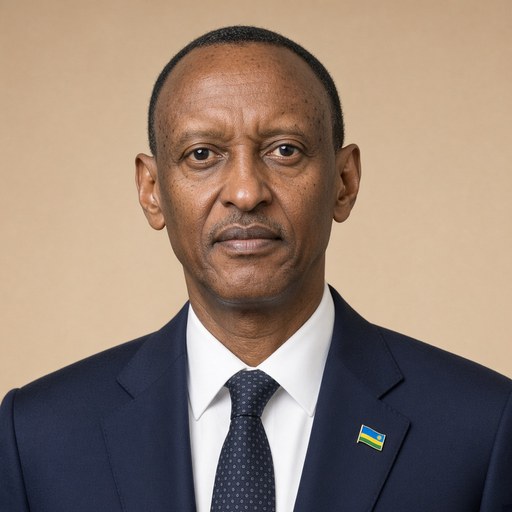
Message by President Kagame on 26th Commemoration of 1994 Genocide against Tutsi, Kwibuka26 | Kigali, 7 April 2020
 Paul Kagame · President of Rwanda
- Context
- Kagame delivered a message marking the 26th commemoration of the 1994 Genocide against the Tutsi (Kwibuka26) in Kigali on 7 April 2020, held under COVID-19 restrictions.
- Main themes
- Rwandan Genocide commemoration, memory and remembrance, COVID-19 pandemic impact on ceremonies, resilience and solidarity, national unity, survivor consolation, intergenerational education, lessons of history, good leadership, collective compassion, global interconnectedness, hope and renewal
- Duration
- ~6 min
- Words
- 659
- Sentences
- 42
- Readability
- 48
- Grade
- 10.4
- Syntax
- 2.65
- Vocabulary
- 4.27
The broad sphere of national life a sentence belongs to. Every sentence has an Arena, so it is the denominator the other indices are read against.
Other42 sentences in 24 paragraphs
We are at the familiar time of year when expressing what is in our hearts and minds is very difficult. We join together to remember for the 26th time, as we always have and will continue to do.
Let me begin by thanking Rwandans around the country, as well as our friends, who are following today’s commemoration from their homes.
I also thank you for participating in these unusual measures that are necessary to combat the coronavirus pandemic in Rwanda and around the world.
This year’s commemoration is therefore especially challenging for survivors and families and for the country because we cannot be together physically to comfort one another. It is not an easy thing to do.
Rwandans are used to coming together with solidarity and collective strength. We do this through our national ceremonies, and activities such as Walk to Remember, Night Vigil, and group discussions in our communities.
But the current unusual circumstances will not prevent us from fulfilling our obligation to commemorate this solemn anniversary, honour those we lost, and console survivors.
Today, we pause to reflect on the tragedy we experienced and what we lost, both individually and as a nation. We will continue to educate new generations of Rwandans about what happened to our country, and what we learned from it.
We are putting those lessons into practice for the benefit of those who come after us. The lessons of our history have united us. They teach us the value of good leadership that cares for the well-being of all citizens.
We have learned the importance of working together to build a better future for all Rwandans. The resilience and collective compassion of Rwandans will continue to serve us well as a nation, as we navigate new challenges, including those we are experiencing today.
Everyone who lives on this globe is interconnected. So we will continue to contribute to making our world a better place by sharing our story and our ideas for innovation, whenever it can be helpful.
Doing so is an investment in hope which makes us better people, and reminds us that no one person is self-sufficient.
Thank you and God bless you.
Turi muri cya gihe buri mwaka aho bigorana kuvuga neza icyo umuntu atekereza n’ikiri ku mutima. Dufatanije twese kwibuka ku nshuro ya 26, nk’uko dusanzwe tubigenza, kandi bizahoraho.
Ndagira ngo mbanze nshimire Abanyarwanda aho bari hose mu Gihugu mu ngo zabo, n’inshuti zacu, bakurikira uyu muhango wo kwibuka.
Ndabashimira kandi uruhare rwanyu mu gukurikiza ingamba zidasanzwe ariko ngombwa zo kurwanya icyorezo cya koronavirusi mu Rwanda no ku isi hose.
Uburyo bwo Kwibuka k’uyu mwaka rero biragoye ku barokotse n’imiryango yabo no ku Gihugu, kuko tudashobora kuba hamwe ngo buri umwe ahumurize undi. Ntabwo byoroshye.
Abanyarwanda tumenyereye kuba turi hamwe mu bihe nk’ibi, tugafatanya, tugahuza imbaraga zacu twese. Ibi tubikora mu mihango ku rwego rw’Igihugu, no mu bindi bikorwa nk’Urugendo rwo Kwibuka, n’Ijoro ry’Icyunamo, n’ibiganiro aho dutuye.
Ariko ibi bihe turimo bidasanzwe ntibishobora kutubuza kuzuza inshingano yo kwibuka, no guha icyubahiro abo twabuze no gukomeza abarokotse. Hahindutse uburyo bwo kwibuka gusa.
Uyu munsi turibuka amahano twanyuzemo, n’ibyo twatakaje, umuntu ku giti cye, n’Igihugu. Tuzakomeza kwigisha Abanyarwanda babyiruka ubu, n’abazakurikiraho, ibyabaye ku Gihugu cyacu, n’amasomo twabikuyemo.
Ayo masomo turayashyira mu bikorwa kugira ngo azagirire akamaro abazadukomakaho. Ibyo byose twize mu mateka yacu ni ibikomeza ubumwe bwacu. Atwigisha agaciro k’ubuyobozi bwiza, bwita ku mibereho y’abenegihugu.
Twamenye akamaro ko gukorera hamwe, tukubaka ejo hazaza habereye Abanyarwanda bose. Ubudatezuka n’umutima w’impuhwe biranga Abanyarwanda bizakomeza kudufasha mu kunyura mu bibazo bishya duhura nabyo, harimo n’ibyo muri iyi minsi.
Abatuye kuri iyi si twese duhuriye kuri byinshi ku buryo ubuzima bwacu ari urusobe. Tuzakomeza rero gutanga umusanzu wacu kugira ngo iyi si irusheho kuba nziza, dusangira amateka yacu n’ibitekerezo bifasha guhanga ibishya dukura mu muco wacu, n’ a bo bishobora kugira akamaro bose.
Kugira dutya ni ukongera ikizere gituma turushaho kuba abantu bazima, kandi kitwibutsa ko nta muntu umwe wenyine wigira.
Murakoze. Imana ibahe umugisha.