




The speech of President Kagame at the 12th Unity Club Meeting | Kigali, October 25, 2019
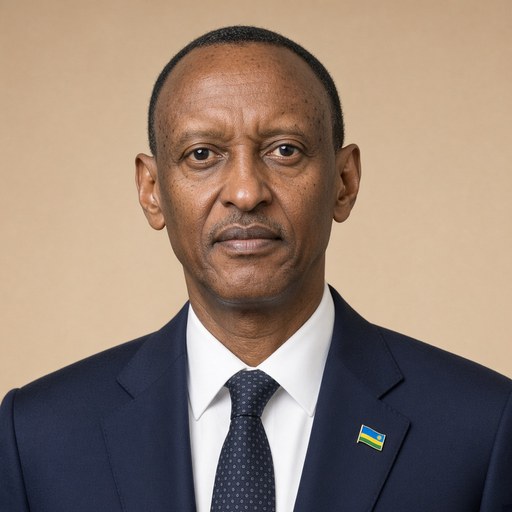
 Paul Kagame · President of Rwanda
- Context
- Kagame addressed the 12th Unity Club Meeting in Kigali on October 25, 2019, reflecting on Rwandan unity, political philosophy, and national identity.
- Main themes
- National unity, Ndi Umunyarwanda, political philosophy, individual rights and collective governance, Rwandan history, liberation struggle, exclusion and belonging, country rebuilding, political leadership, reconciliation
- Duration
- ~40 min
- Words
- 4,746
- Sentences
- 276
- Readability
- 78
- Grade
- 6.7
- Syntax
- 2.67
- Vocabulary
- 1.76
Translated from Swahili
The broad sphere of national life a sentence belongs to. Every sentence has an Arena, so it is the denominator the other indices are read against.
Other276 sentences in 89 paragraphs
Good afternoon everyone,
I would like to start by thanking you for these days you have spent together. Did you start yesterday? Yesterday I was elsewhere, but I was following along, I was with you. So I thank you for the good work.
Unity Club and its history can be seen as many things, and good, important things. One essential thing that one should see in it is that it gives us the opportunity to meet, to talk, to think, and to relive the lives we have lived over many years. Now we go back to that life of 30 years ago, 25, 20…
It was a tough life, but it was also a life that teaches. We learned a lot from it. That life, no matter how hard it was, builds: it builds people, it builds the country as well. Therefore, Unity Club gives us that opportunity and also allows us to seek more in Ndi Umunyarwanda, which encompasses many things that can help us continue to rebuild ourselves as individuals, or to build the country.
Ndi Umunyarwanda also has many things that one can see or feel. Let me start and point out where it should begin:
What we feel about Ndi Umunyarwanda or what Unity Club helps us achieve today is to think about how a person, people, rebuild themselves or how a country rebuilds itself.
When you talk about that, you are talking about politics. That is how politics is. It is indeed the foundation of everything we have been discussing and what Wilkens has just said in his speech, about the Guardians of the Covenant who told us, or what we were told about what they did, all of it is based on that commonality of people, that society, how they live, how they choose what they are or how they do their work that concerns them in general.
Let me start with that, about Politics.
In political thoughts and rebuilding or building a country, many issues arise, and then a person, however they want to live their life as an individual, in their thoughts, in their will, in their mindset, says, “This is how I want to live as a person.”
Then a person has the right to that. You as a person have the right to live your life as you wish. If it is bad, it will have consequences for you; if it is good, it will benefit you.
Politics, therefore, often helps to differentiate things, how you choose to live your life as a person. You cannot base it on that to say that you will choose for others how they live their lives. No.
When you take that step away from choosing how you will live, how you should live, or how you want to live as an individual, and you want to bring others into it, that means you have entered into politics.
Once you have entered into politics and you want to dictate how others live, those others must have a role in it. You cannot dictate to others how they should live just because that is how you have chosen for yourself. You must communicate with them, discuss with them, to let them choose whether they agree, whether they want to join you, whether they understand with you that this is the life everyone will live. When it gets to that point, that is politics.
Politics is where people come together to agree, and even those who are leaders or who stand in front of others, it often works well because they have collaborated with others to agree on how their lives will be lived.
Let me give you an example. In the history you must have discussed here, there are many things you have said that have been long gone. A large part of this Ndi Umunyarwanda came into being, people went into wars for liberation and others, where it came from, some of you are aware of that.
There was a time, you remember, you know, when the leaders of this country said that the country is small. It is small; Rwandans do not fit in it! Those outside should stay outside, let’s find a way for those inside to live, but you stay outside. You understand those things I was talking about.
A person, or some people, chose to dictate to others how they would live without their involvement. If you remember, and others, indeed, that rhetoric of saying that Rwanda belongs to those who are in it, others stay outside! If you did not know, let me tell you: That is what hastened people to want to be in this Rwanda.
And they did not stop there. I remember in 1988 there was talk of people not being in Rwanda having fled, and they did not even mention where it started from, people leaving and coming from Rwanda. Because they started from history where people sought it. They started from history right there.
History starts from saying that some people are outside, others are in Rwanda. But do not explain, do not let anyone explain how those who are outside got there? How did it happen that some Rwandans were taken out of Rwanda to be outside? How did it happen? It starts in the middle, the leaders start in the middle saying that those outside should stay outside. Rwanda is no longer yours.
Then, they even used many ways to go and recruit people, giving them money, there are those we have, but there are others who should not have been given money, they were doing well at that time but they would go around and send them to us. Some of us, they must have gone to many places, convincing us that where we are we should stay and even hold on to it.
Indeed, in 1988 they sent people to me, and others we were working with at that time, where I was, in Uganda, they sent people to come and teach us that, but otherwise, what do you want in that country that we hear you want to return? But, listen, someone asks you… It’s like asking you, do you want to go back? What do you want there? What does a person want there? Is it their home that they want?
They came to teach us, at that time, those people came and they were telling us; someone came to see me, told me where he was from, I remember that person they sent, he was sent from Congo, from the country of Congo which was called Zaire at that time.
He took the time to explain to me that we are in the army of Uganda, at that time we were in the army, some of us were in the army of that country of Uganda, explaining to me that those things we hear that you want to return, what do you want in Rwanda?
And you feel sorry for those who are in it because it’s like saying that otherwise it does not exist. Should we leave those who are there? You say, should we leave those people? Aside from our rights, meaning that those who are in it are not there, let them be as they are?
I told him that on that we do not agree. Rwanda as it is, is ours. It is our country. As for what he said, I told him that you say you are doing well, he was indeed very wealthy, he was very rich. I told him that life is not just wealth. Life is more than that. Being rich, the one who is rich is good. But taking away something else that is not wealth, that essential thing, on which everything is based, wealth means nothing.
Even though I told him that even if we accepted it, let me say that I agree with you. We are going to Rwanda to endure it. I said, look here, but now I am coming back to you where you come from, you said you are strong in those wonders you have everything.
I told him that you are a citizen, you are a second-class citizen, or a third-class citizen. You are not in the first class. And all that wealth. Do you understand what I mean?
Secondary, secondary citizen, is a citizen who is given what others have left behind. The owners of the country first choose and take away their own, what remains is that you are a citizen of that level who goes to take what they have left.
I told him that you are not one of them. I do not want that life. What you are telling me about being strong here, this is not our home, and I do not want to be strong. You keep your strength. He took the path and went home, and we continued to do what we thought we should be doing.
But the country as we know it now, we would not have fit in it because those who were in power at that time had already taken people. We did not come to take the place of people who refused to be slaughtered to be able to fit in. No. Rather, the politics of the powerful was how it was.
When you take away from a person anything, their rights, they increasingly seek to fight for it. And that war to fight for the truth, to fight for rights, people always win it.
Do not look at those others who are currently fighting our country. Indeed, sometimes they even say that when that war happened at that time, when I said it started in 1990, they say, weren’t they the ones who started? You see they did not do that… No, it is not once to gather and once to be twice, that is not how it is.
They, all together, if you take them and put them together, all of them, however different in life, in mindset, and in the parties they are in, if you put them together, you will not find a single person who has the truth to speak from.
Why? Because, in fact, that is the problem people sometimes have, I will come back to it, the politics outside is generally in the world, they will tell you that, but in Rwanda why is there no opposition? That is how they understand it.
We ask them, but what do you mean by opposition? Opposition is opposing anything at all? I would like to say to oppose, you must oppose something that is wrong. If you want to oppose what is right, you have a problem.
The problem, therefore, of that opposition they speak of, in fact, in Rwanda because of our history and how things have gone, how they are done and where they lead, anyone who would be called opposition in that definition would have a problem.
Because opposition stands on a certain idea, and you say, “Look, this is something that was taken from us, this is something that was denied to us, this is something that is not done for Rwandans and should be done.” The problem they have, in all of that, what they have to start from, they say it is little, or there is not even anything.
Those who are in it say that, aside from wanting to bring Rwandans a bad life, what about this Ndi Umunyarwanda we are talking about, what has it taught us? Or what did it start from? What it started from is to say that the child of so-and-so, whoever they are, of any religion, of any ethnicity, from any region they come from, has equal opportunities as anyone else.
The reason, therefore, that unity and reconciliation are spoken of and become easier, and even Rwandans understand it, is because they see themselves in it. No Rwandan is left out. The one who was wronged by another foolish Rwandan does not mean that is politics. And that foolish Rwandan who wronged another stops there. It is not a country, it is not politics. When opportunities, therefore, are deserved like that, it is also what provides security.
Now let me return to the general politics of the world. You know that there has been a saying that, indeed, on those things, people, people do not… They do not shake me.
We could say the unity of Rwandans and they say that wanting to bring people together means that you want to lead them in one thing that you want. We tell them no, it is to bring together, so that those who come together agree on the path they want to take. But they are together.
We have seen that long ago. Rugikubita. That is what I want to return to what I was saying about politics here and there in the world.
Name a country in the world, whether small or large, that does not have problems. Problems include anger, protests. Name one that does not have.
And let me not spend the day talking about what we know is many. But tell me in those countries that have thrown us into the whirlpool of saying that we are bringing people together, that we are committing a crime, those who govern the world, tell me one of them that does not have a problem. Tell me.
There are those wearing those yellow vests, there are others doing it in other ways, there are those who go around saying that no, you want to leave the community we have entered and you want to return to be your country. Do you know what is called Brexit? You would go into a very large, powerful one, I will not dwell on that.
But the question is this? And everyone, look at those coming from those countries, they will tell you… I have been told, they must have told you too, they tell us that divisive politics, politics of division has caused us.
That is how they say it. Follow the discussions on television, they say it themselves, it is not what I am making up. What I am saying is not just me saying it. I am saying what they say.
Some come to tell us, we tell them but since you have beaten us with all the sticks saying that we are bringing people together, we have committed a crime, and how do you hate divisive politics? Since that is what you chose to say is the good one we should follow, how has it come back to you?
Because the politics they are used to is the same as the one we were in. It creates Hutus, Tutsis, Twas, you fight, people go to the streets and burn, they burn even the development projects that are not there, they burn even the house that is lying on another, both burn it, oh the roof, they set it on fire. Those are the multi-something politics.
Then we accept it, we take it as it is. But you used to say to choose. You choose what is good for you; you do not choose what is good for others. If others have chosen, and they choose poorly and it comes back to them, that is their concern. If you choose poorly, it will come back to you; if you choose well, you will benefit from it. Now, tell me, in the last 25 years, what have we chosen poorly that we regret?
It does not even mean that we have reached where we want to go. Oh no. There is still a lot of work to do! But the path is walkable. You walk knowing that wherever you go, you have security. When you wake up again and go, I tell you to stay, but it is something you know has security on that path.
Ndi Umunyarwanda therefore means something. It means that, however different we are in every way, however different we are in thoughts, however different we look and how we weigh and feel about this… we are still Rwandans who should work for the peace of Rwandans.
How do we connect in our differences, so that we can bring out something that everyone sees themselves in, that they benefit from? How do we do that? Those who say they are fighting the country, those who say they want to bring… What they bring, I do not know what it is. What they bring is to destroy what we are building. But the good thing is, Rwandans, Rwandans, Rwandans do not isolate themselves to be wonders, they understand it.
Every Rwandan you meet wherever they are, and you ask them a question, they will tell you something else. They want to be treated, they want to have security to do what they want, to trade, for their child to study, to do what they want. They finish and you give them the space to choose who they want to lead them at the level of… even at the level of the village up to where they want to go.
Rwandans want electricity. Electricity should not choose; it should not belong to a certain group, a certain religion, or to those who are fortunate, those who have had the opportunity to study, to go to school, leaving our parents or others who are living in the countryside trying to lead a normal life. This is not how it is in Rwanda, in Rwandan politics.
Therefore, anyone who says they want to fight against Rwanda in order to give Rwandans the life they want, rather than the life they want or the life they have clearly seen, that war cannot be won. It is impossible. It cannot happen. They cannot win it as someone who fought would tell them that your home is full, the people are full, you have nowhere to go; the road you want to take to your home has been blocked, that war is easy to win.
Fighting a war, because it has become a life where one wants to have more rights than others, to have what they possess and even to take from others they have given themselves, the greedy, the liars, the ungrateful, the extremists, that war cannot be won. No one can win it. Among those who fight for it, they cannot. Not even a little. It is impossible.
So what should be guided by the truth? In those things I was saying that a person chooses how to live their life, living it as they wish, no one should stand in their way. When it does not harm others, you live the life you want.
If it is the general life of the country, we must agree on it. It would end, there is something they call… it is like critical mass. People feel that way, they feel united as Rwandans, they say enough that we work for the interests of the country. I see no reason; the first thing they come from the goals of working for that country, the second, how can they accept to be defeated by those who do not adhere to the truth, like those who only want to destroy.
If therefore in Ndi Umunyarwanda we have built that critical mass, and it even goes beyond, the politics of the country, that Rwandans adhere to, or see themselves in, contains two things different from those I was talking about.
When it comes to Rwandans, people, people-centered, things that concern people, what I was saying we started from long ago, while those countries I was talking about have problems, they did not look at people. Now that is the problem they are facing. Now they are trying to repay that debt.
All those protests and anger you see, are people asking why you have been lying to us for so long, we give you everything you want, we vote for you, we follow you, and then you know the whole country’s life is led by one percent, 99% is led by people equal to one percent, and the entire economy of the country goes to people one percent, 99 follow.
Those therefore when you look at this, you see, are people demanding their own. It is like saying you have deceived us, you are riding on us. They ride on them, they make them like a motorcycle, a person sits on top of the motorcycle and looks… they drive them.
Now it is like saying we refuse to be ridden on your back, you take everything and leave us with nothing. While we are on this path therefore, we are on this path that looks at people, thinks about people, brings them together… if there are those who are… let us know that they remain outside, we bring them in. They also ask…
Everyone must have opportunities, everyone must have a role, they must have a share like all of us share.
When in politics there are those two things; there is quality, the quality of ideas, constructive ideas, ideas of unity, ideas that provide equal opportunities, ideas that give everyone their rightful place, or they put themselves in or strive for as they wish; that is one.
The second: When there are many people in the country who feel that way, the number, and the quality of ideas, at that time, when they are together, I do not see how someone would come and change, distort things as they wish, the lives of people as they wish.
At that time, what would you allow people? Why… Why does a criminal or a wrongdoer win among many people while you only look at the person, a thief, a murderer… They do things, and they just go and you let them be? Why is that? Why them? Why do those who think of good things not win, why is that?
When you have a number, and you have good ideas, why would someone come like this… whether they are here, whether they are outside. That is what we have denied those countries I was talking about that wanted to distort us here, we resist them completely.
There are also those who come because they take us in the life of saying we give you development money, but then you must do this. We tell them to return it to where you took it from. We tell them we needed it, truly we need that money. But money that takes away our rights, keep it.
That is why we do this, this development that people… is achieved. I tell you, you Rwandans, that self-building, the path of self-building we are on, should not go backward.
It should not go backward based on the arrogance of some, or the large groups of some, people who are there… Those who want to correct them. If they fail, even putting them in line works. We have enough strength when we are together. No one can defeat us.
Those who act like fools, being foolish among us? Shouldn’t we be working together knowing what we want? Where does that one come from or who are they? We must put them in their place.
So too, we, as our country, Rwandans, what we have gone through, how we have been hit, how we have been, you should not… We should draw strength from it, we should draw from it the rejection of evil and do good.
We should also have the strength to confront. Confronting evil. What evil should defeat us? What is it? What is it? Those who want to be alone doing this… put them aside and let them be, tomorrow Rwanda will not rise again…
And it cannot be done by one person or two or three. It requires all of us, the strength of all. It requires everyone to have their role, and then we connect everything to build. Building is the important thing, it should be a culture, we continue the culture, while those who go off the path and fall into… Those we will always show that where they seek they should return. But they must return with a culture different from the one they took.
They must take a path and know how to be in… This country we should… This Ndi Umunyarwanda is something that should give us pride, we should be proud of, and together, in Ndi Umunyarwanda means we are all together. Those strengths, nothing should disturb us. Nothing is possible.
But we must be together. As for the other things of always taking us off the path that are not good, that is a responsibility. Always improving what is not going well, and we have gotten used to doing the same things that are not ordinary, or we do not say we find it in a book here and there that is how it went when they had this problem or that. No.
We have gone and done some new things and found they work, for those that do not work we seek other ways. Always that dialogue of continuing people to always seek and in these discussions you have been having here, you have been discussing here for days, all of that is what is based on so that we can continue to progress.
And then personal choices, yes, but when it comes to collective, we must be together to decide what is good for us. For individual life, personal things, it’s your business. When it comes to the collective life of the nation, it is our business all of us. Not one individual.
I would like to not forget, to once again thank very much these guardians of the covenant who have enlightened us and what they have done. There are times you hear it and wonder how is that possible? You say indeed among people… Indeed people wanted to do miracles, because now it is like a miracle to see these three people telling us today what they have done and how they did it and what they based it on sometimes you do not understand it well and say are these people real?
On the other hand, there are other people whose job is just to deny others their lives. That is where the politics of our country, and our lives become difficult. Mixing cultures like that.
The cultures of people with hearts like this that people have shown us, mixing it with the hearts of others who are there whose job is only to kill, to deny others life, to combine them to draw something good I think that is what is difficult otherwise. That is what becomes a problem for us but we must continue to try. Isn’t it?
I would like to conclude on one thing, these people who have been given certificates and awards they have received and it is good and pleasing, and that permanent medal, having it is good. But I would like, because there are other activities they do, we can also thank them in another way by giving them resources.
I have seen those who give, you know those things called the Nobel Prize? I have seen they also put in dollar checks. It is to ensure they can continue to do their work well, which is in that path.
I think you have already given these awards, people have told me they have had like 40 since 2016 I think, but I start with those of today, and others of that time we will find a way to reach them.
For those 40, each one we will give them 10 million Rwandan francs. We start with those of today, and others who have passed here you will remember to put them on that list of these…
Thank you very much, and this moment of the Unity Club, I thank all of you who are part of it, and those who prepared it, and those who participated in the discussions, thank you for bringing us back to history and allowing us to live some of the things we often want to forget, to leave behind, bringing them back is not bad, it helps you not to forget. And when you want to draw a lesson from it, it helps you to continue forward where you are going and it goes well.
Thank you very much, have a good day.
The original Swahili. The tags above are read on the English translation's sentences.
Mwiriwe neza mwese,
Nagira ngo mbanze mbashimire iyi minsi mumaze. Mwatangiye ejo? Ejo njye nari mu bindi, nari ahandi ariko narakurikiraga, nari kumwe namwe. Ndabashimira akazi keza rero.
Unity Club n’amateka yayo umuntu ashatse yayibonamo ibintu byinshi kandi byiza, by’ingenzi. Kimwe cya ngombwa umuntu akwiye kuyibonamo, iduha umwanya wo guhura, tukaganira, tugatekereza, ndetse tukongera tukabaho ubuzima twanyuzemo bw’imyaka myinshi. Ubu turasubira inyuma tukaba muri bwa buzima bw’imyaka 30 ishize, 25, 20…
Bwari ubuzima bukomeye, ariko ni n’ubuzima bwigisha. Hari byinshi twabuvanyemo. Ubwo buzima rero uko bukomeye, ni nako bwubaka: Bwubaka abantu, bwubaka n’igihugu ndetse. Unity club rero iduha uwo mwanya ndetse ikanaduha no kongera gushaka muri Ndi Umunyarwanda byinshi bikubiyemo, byadufasha gukomeza kwiyubaka nk’abantu, cyangwa se kubaka igihugu.
Ndi Umunyarwanda, nayo ifite ibintu byinshi umuntu ayibonamo cyangwa ayumvamo. Reka mbanze ndetse mpere aho bikwiriye kuba bitangirira:
Ndi Umunyarwanda icyo tuyumvamo cyangwa n’uyu munsi Unity Club icyo idufasha kugeraho, ni ugutekereza uburyo umuntu, abantu, biyubaka cyangwa se igihugu cyiyubaka.
Iyo uvuze ibyo rero, uba uvuga politiki. Politiki niko imera. Ndetse niyo ishingirwaho ibi byose twavugaga n’ibyo Wilkens yari amaze kuvuga mu ijambo rye, iby’Abarinzi b’Igihango batubwiye, cyangwa se ibyo twabwiwe byabo bakoze, byose bishingira kuri iyo rusange y’abantu, ya society, uko babaho, uko bahitamo ibyo baba cyangwa uko bakora imirimo yabo ibareba muri rusange.
Reka mpere kuri icyo rero navuze, kuri Politiki.
Mu bitekerezo bya Politiki no kwiyubaka cyangwa kubaka igihugu, ahenshi haturuka n’ibibazo, ubundi umuntu, uko washaka kubaho ubuzima bwawe ku giti cyawe nk’umuntu, ari mu bitekerezo byawe, mu bushake bwawe, mu myumvire yawe, ukavuga uti njye uku niko nshaka kubaho nk’umuntu.
Ubundi umuntu abifitiye uburenganzira. Wowe nk’umuntu ufite uburenganzira bwo kubaho ubuzima bwawe uko ushaka. Byaba bibi bizakugiraho ingaruka, byaba byiza bizakugirira inyungu nyine.
Politiki rero icyo ifasha kenshi itandukanya ibintu, uko wahitamo kubaho ubuzima bwawe nk’umuntu. Ntabwo ushobora kubiheraho ngo uvuge ko ugiye guhitiramo n’abandi uko babaho ubuzima bwabo. Oya.
Ibyongibyo, iyo uteye iyo ntambwe ukava ku kwihitiramo uko ugiye kubaho, uko wari ukwiye kubaho, cyangwa ushaka kubaho nk’umuntu ku giti cyawe, ugashaka kubizanamo abandi, ubwo ni ukuvuga ngo wagiye muri politiki.
Ubwo wagiye muri politiki rero, kandi ushaka kugena uko abandi babaho, abo bandi bagomba kubigiramo uruhare. Ntabwo wabagenera, ntabwo ushobora kugenera abandi bantu uko babaho kubera ko ari ko wabihisemo wowe. Utabibabwiye, utabivuganye nabo, utumvikanye nabo, kugira ngo nabo bahitemo niba babyemeye, niba bafatanya nawe, niba bumvikana nawe, ko ubwo buzima ari bwo abantu bose bagiye kubaho. Iyo bigeze aho ubwo ni politiki.
Politiki abantu bashyira hamwe bakumvikana, ndetse n’ababamo abayobozi cyangwa abajya imbere y’abandi, bikunda cyangwa bigenda neza kubera ko bafatanyije n’abandi kugira ngo mwumvikane uko ubuzima bwanyu bugiye kubaho.
Reka nongere kuri ibyo mbaha urugero. Mu mateka mugomba kuba mwaganiriye hano hari byinshi mwavuze byahise birebire. Igice kinini cy’iyi Ndi Umunyarwanda kijya kubaho, abantu bajya mu ntambara zo kwibohora n’izindi, aho byaturutse, hamwe muri aho murahazi.
Hari igihe byabaye, murabyibuka, murabizi, aho abayobozi b’igihugu hano bavuze ngo igihugu ni gitoya. Ni gito ntabwo Abanyarwanda bagikwirawamo! Abari hanze ni mugume aho hanze, dushake uko abakirimo bakibamo ariko mwebwe mugume hanze. Murabyumva rero bya bindi navugaga.
Umuntu, cyangwa abantu bamwe, bahisemo kugenera abandi uko bagiye kubaho batabifitemo uruhare. Niba mubyibuka kandi abandi, muby’ukuri, iyo mvugo yo kuvuga ngo u Rwanda ni urw’aba barurimo, abandi mugume hanze! Niba mutari mubizi reka mbibabwire: Nicyo cyihutishije n’abantu gushaka kuba muri uru Rwanda.
Ndetse ntabwo bagarukiye aho. Ndabyibuka njye muri 1988 hariho uko kuvuga ngo abantu batari mu Rwanda bahunze, ntibanavuge aho byahereye abantu bajya kuva no mu Rwanda. Kuko baheraga amateka aho abantu babishakiye. Bo aho babishakiye, bagahera amateka ahongaho.
Amateka agahera ku kuvuga ngo abantu bamwe bari hanze, abandi bari mu Rwanda. Ariko ntusobanure, ntihagire usobanura ngo ariko abo baba hanze bagiyeyo bate? Byagenze bite kugira ngo Abanyarwanda bamwe bavanwe mu Rwanda babe hanze? Byagenze bite? Agahera hagati, abayobozi bagahera hagati bakavuga ngo abari hanze mugume hanze. Ntabwo u Rwanda rukiri urwanyu.
Hanyuma, ndetse bakoresheje n’uburyo bwinshi bagenda bagura n’abantu babaha amafaranga, hari abo tugira ariko hari abandi batagombaga guha amafaranga bari banameze neza icyo gihe ariko babanyuraho bakajya babadutumaho. Mbese twebwe bamwe muri twe, bagomba kuba barajyaga henshi, kutwumvisha ko aho turi tuhagume ndetse tuhakomere, ndetse tuhifatire habe ahacu.
Nibyo, muri 1988 bantumyeho abantu, n’abandi hari abandi twakoranaga icyo gihe, aho nabaga njye, i Bugande, badutumaho baza kutwigisha ngo ariko ubundi kariya gahugu muragashakamo iki ko twumvise ngo murashaka gutaha? Ariko, umva nawe umuntu ukubaza ngo… Ni nko kukubaza ngo urashaka gutaha? Iwanyu urahashaka iki? Iwabo w’umuntu ahashaka iki se? Ni iwabo uko haba hasa kose.
Baza kutwigisha, icyo gihe, abo bantu baraza badukwiramo, batunyanyagiramo baratubwira; umuntu njye yaje kundeba, ambwira aho aturuka, ndibuka uwo muntu batumye, bari bamutumye aturutse muri Congo, mu gihugu cya Congo cyitwaga Zaire icyo gihe.
Afata umwanya wo kunyumvisha ko turi mu ngabo za Uganda, icyo gihe twari mu ngabo, bamwe muri twe twari mu ngabo z’icyo gihugu cya Uganda, kunyumvisha ngo biriya bintu tujya twumva ngo murashaka gutaha, ka Rwanda muragashakaho iki mwakarekeye abakarimo?
Ndetse ukumva ubabariye n’abakarimo kuko ni nko kuvuga ngo n’ubundi ntikabaho. Nimukarekere abari… Ukavuga uti ese abantu bo turabaretse? Usibye uburenganzira bwacu, ni ukuvuga ngo abarurimo ntibariho nimubareke babe uko babaye?
Ndamubwira nti kuri ibyo ntabwo twumvikana. U Rwanda uko ruri kose, ni rwo rwacu. Ni cyo gihugu cyacu. Naho ibyo avuga, ndamubwira nti wowe uvuga ngo umeze neza, yari umukire koko yari akize cyane bikabije. Ndamubwira nti ariko, ubuzima ntabwo ari ubukire. Ubuzima birenze ibyo. Gukira, uwakira agahirwa ni byiza. Ariko ukwambuye ikindi kintu kitari ubukire, cya ngombwa, cyo byose bishingiraho, ubukire ntacyo buba bukimaze.
Nubwo naramubwiye nti niyo twabyemera, nti reka mvuge nti nemeranyije nawe. Tugiye u Rwanda kurwihorera. Nti ahangaha ureba, nti ariko noneho ndagaruka nawe aho uturuka wavuze mukomeye muri ibitangaza mufite ibintu byose.
Ndamubwira nti buriya uri umuturage, uri umunyagihugu w’urwego rwa kabiri, cyangwa urwa gatatu. Ntabwo mu rwa mbere urimo. N’ayo mafaranga yose. Murumva icyo nshaka kuvuga.
Secondary, secondary citizen, ni umunyagihugu uhabwa ibyo abandi basize. Ba nyir’igihugu barabanza bagahitamo bakavanamo ibyabo, ibisigaye uri umunyagihugu wo kuri urwo rwego ujya gufata ibyo basize.
Ndamubwira nti ntabwo uri we. Njye sinshaka ubwo buzima. Ibyo umbwira byo gukomera hano, aha si iwacu, no gukomera sinabishaka. Uko gukomera kwawe ubigumane. Afata inzira arataha natwe turakomeza dukora ibyo twumvaga dukwiriye kuba dukora.
Ariko igihugu uko tukizi ubu, ntabwo twagikwiriyemo kubera ko abari ku butegetsi icyo gihe bamaze abantu. Ntabwo twaje tujya mu mwanya w’abantu banze gutsemba kugira ngo tubone gukwirwamo. Oya. Ahubwo n’ubundi politiki y’abongabo niko yari iteye.
Iyo wambuye umuntu rero ikintu icyo ari cyo cyose, uburenganzira bwe, arushaho gushaka kuburwanira. Kandi iyo ntambara yo kurwanira ukuri, yo kurwanira uburenganzira, abantu iteka barayitsinda.
Ntureba nk’aba bandi bariho ubungubu barwanya igihugu cyacu. Ndetse, rimwe bo bakanavuga ko ubwo iriya ntambara yabaye kuriya cya gihe, iyo navugaga yatangiye muri 1990, baravuga ngo ese bariya bo si ko batangiye? Urabona bataragize batya… Oya, Ntabwo ari rimwe guteranya na rimwe ni kabiri, ntabwo ari ko bimera.
Bo, bose hamwe ubafashe ukabashyira hamwe bose uko batandukanye mu mibereho, mu myumvire, no mu ma parties barimo ukabashyira hamwe, ugashakamo umuntu umwe gusa waba afite ukuri avuga ashingiraho, ntabwo wamubona.
Kubera iki? Kubera ko, mu by’ukuri, ni cyo kibazo abantu rimwe bajya bagira, ndaza kubisubiraho nabyo, politiki yo hanze isanzwe ku isi, bakakubwira ngo ariko mu Rwanda kuki hataba opposition? Bo ni ko babyumva.
Tukababaza tuti ariko opposition urashaka kuvuga iki? Opposition biba ku opposing-a ikintu icyo ari cyo cyose? Nagira ngo to oppose, you must oppose something that is wrong. If you want to oppose what is right you have a problem.
Ikibazo rero, cy’iyo opposition banavuga, muby’ukuri mu Rwanda kubera amateka yacu n’ukuntu ibintu byagiye bikurikirana, ukuntu bikorwa n’aho biganisha, n’uwakwitwa opposition muri iyo definition yabo, yagira ikibazo.
Kuko opposition uhagarara ku gitekerezo runaka, ukavuga uti dore ikintu twambuwe, dore ikintu twabujijwe, dore ikintu kidakorerwa Abanyarwanda kandi gikwiye kuba gikorwa. Ikibazo bafite, muri ibyo byose, ibyo bafite baheraho bavuga ibyo ni bikeya, cyangwa se nta n’ibihari.
Abo babarimo bavuga ibyo, usibye gushaka kuzanira Abanyarwanda ubuzima bubi, naho se, iyi Ndi Umunyarwanda tuvuga, icyo yatwigishije ni iki? Cyangwa icyo yahereyeho ni iki? Icyo yahereyaho ni ukuvuga ngo n’umwana wa kanaka, uwo ari we wese, w’idini iyo ari yo yose, w’ubwoko ubwo ari bwo bwose, w’akarere aturukamo ako ari ko kose, afite amahirwe angana n’ayundi uwo ari we wese.
Impamvu rero n’ubumwe n’ubwiyunge buvugwa bigenda bikanoroha, ndetse n’Abanyarwanda bakabyumva, ni uko babyibonamo. Nta munyarwanda uhejwe. Uwagiriwe nabi n’undi munyarwanda w’amafuti, ntabwo bivuze iyo politiki. N’uwo munyarwanda w’amafuti wagiriye undi nabi bigarukira aho. Ntabwo ari igihugu, ntabwo ari politiki. Igihe amahirwe rero, akwiriye atyo, ni nacyo gitanga umutekano.
Noneho reka nsubire kuri politiki rusange yo ku isi hose. Murabizi ko hagiye habaho imvugo ivuga ko, nyine kuri ibyongibyo, abantu, abantu ntabwo… Ngo ntibinyagambura.
Twavuga ubumwe bw’Abanyarwanda bakavuga ngo gushaka gushyira abantu hamwe ni ukuvuga ko ushaka kubayobora mu kintu kimwe wowe ushaka. Tukababwira tuti oya, ni ugushyira hamwe, ngo abo bashyize hamwe bumvikane inzira banyuramo uko bashaka. Ariko bari hamwe.
Ibyo twabibonye kera twebwe rero. Rugikubita. Ni cyo nshaka kugarukira ku byo navugaga politiki yo hirya no hino ku isi.
Nihagire hano umbwira igihugu ku isi, ari igito, ari ikinini, kidafite ibibazo. Ibibazo birimo anger, birimo protest. Nihagire ukimbwira.
Ndetse reka no kwirirwa mvuga ibyo turabizi ko ari byinshi. Ariko nimumbwire muri bya bihugu byaduteye imijugujugu yo kuvuga ngo turashyira abantu hamwe, ngo turakora icyaha, bariya bategeka isi nyine, nimumbwire kimwe muri byo kidafite ikibazo. Nimukimbwire.
Hari abambaye ya ma veste y’umuhondo, hari abandi babikora mu bundi buryo, hari abirirwa bavuga ngo no, murashaka kuva mu muryango twagiyemo kandi murashaka kugaruka kuba igihugu cyanyu. Muzi ibyitwa Brexit? Wajya mu kinini cyane, cy’imbaraga nyinshi, ibyo sinirirwa mbitindaho.
Ariko ikibazo ni iki? Kandi buri wese, murebe abaturuka muri ibyo bihugu, barakubwira ngo… njye barabimbwira, bagomba kuba babibabwira namwe, baratubwira ngo divisive politics, politics of division yatumaze.
Ni ko babivuga. Mujye mukurikira n’ibiganiro ku ma television, barabyivugira ntabwo ari ibyo mpimba njyewe. Ibyo mvuga ntabwo ari njye ubivuga gusa. Ndavuga ibyo bavuga.
Bamwe baba baje kubitubwira, tukababwira tuti ariko se ko mwadukubise inkoni ishyano ryose zivuga ngo turashyira hamwe twakoze icyaha, kandi divisive politics se mwebwe murayanga mute? Ko ari yo mwari mwahisemo muvuga ngo niyo nziza dukwiriye gukurikiza, none yabagarutse ite kandi?
Kuberako politics nyine bamenyereye ni yayindi nk’iyo twabanjemo. Igira abahutu, abatutsi, abatwa, mukaryana, abantu bakajya ku mihanda bagatwika, bagatwika n’ibikorwa by’amajyambere bitariho, bagatwika n’akazu kari aho karyamye ku kandi, bwombi bakabutwika, eeh nyakatsi, bakabishyiraho inkongi. Za rukarakara bakabomora. Ubwo ngo ni multi something politics.
Hanyuma natwe turabyemera, turabifata ngo niko bimeze. Ariko mwahoze muvuga guhitamo. Uhitamo ibikubereye; ntabwo uhitamo ibibereye abandi. Abandi niba bahisemo, bagahitamo nabi bikabagaruka, ibyo birabareba. Nawe nuhitamo nabi bizakugaruka; nuhitamo neza, uzabyungukiramo. Ubu, nimumbwire, mu myaka 25 ishize, ibyo twahisemo nabi, twicuza ni ibiki?
Nta nubwo bivuze ko turagera aho dushaka kujya. Ashwi. Akazi karacyari kenshi pe! Ariko inzira ni nyabagendwa. Ugenda uzi ngo aho buri bwire ugeze mpafite umutekano. Nibucya urongera ugende, nibwira ucumbike, ariko ni ibintu uzi bifite umutekano muri iyo nzira.
Ndi Umunyarwanda rero ni icyongicyo bivuze. Ni ukuvuga ngo, uko dutandukanye uko ari ko kose, uko dutandukanye mu bitekerezo, uko dutandukanye uko dusa n’uko tureshya n’uko twumva n’iki… turacyari Abanyarwanda bakwiriye kuba bakorera amahoro y’Abanyarwanda.
Twahuza dute ukuntu dutandukanye, kugira ngo tuvanemo ikintu buri wese yibonamo, yungukamo? Twabigenza dute? Abavuga ko barwanya igihugu, abavuga ko bashaka kuzana… Ibyo bazana ntabwo nzi ibyo ari byo njyewe. Ibyo bazana ni ugusenya ibyo twubaka. Ariko icyiza, Abanyarwanda, Abanyarwanda, Abanyarwanda batishyiramo kuba ibitangaza kundi bo barabyumva.
Umunyarwanda wese ugiye ukamusanga aho ari iwe, ukamubaza ikibazo akubwira ni ikindi. Arashaka kuvurwa, arashaka kuba yagira umutekano akikorera icyo ashaka, agacuruza, umwana we akiga, agakora ibyo ashaka. Yarangiza ndetse, ukamuha umwanya wo guhitamo n’uwo ashaka ko amuyobora ku rwego rwa… even n’ urw’umudugudu kuzamura ukagera aho ushaka kugera.
Umunyarwanda arashaka amashanyarazi. Ntabwo amashanyarazi yahitamo, ntabwo akwiriye kuba ajya mu bwoko runaka, mu idini runaka, mu bantu b’idini cyangwa se mu bafite amahirwe, bagize amahirwe bashoboye kwiga, bakajya mu mashuri, bigasiga ababyeyi bacu cyangwa n’abandi bibereye mu cyaro bagerageza kubaho ubuzima busanzwe. Ibyongibyo mu Rwanda, muri politiki y’u Rwanda, ntabwo ari ko bimeze.
Rero, uwavuga ngo arashaka kurwanya u Rwanda kugira ngo we ahe Abanyarwanda kubaho ubuzima ashaka, kurusha ubwo bashaka cyangwa ubwo bafite babonye mu buryo busobanutse nk’ubwo bafite, iyo ntambara ntabwo ishobora gutsindwa. Ntibishoboka. Ntabwo byabaho. Ntabwo bayitsinda nk’uko uwarwanye bamubwira ngo iwanyu haruzuye, abantu baruzuye ntufite aho ujya; inzira ishaka kujya iwanyu wahabujijwe, iyo ntambara iroroshye gutsinda.
Urwana intambara, kubera ko yabaye mu buzima aho yashakaga kugira uburenganzira buruta ubw’abandi, akagira ibyo atunze ndetse akongeraho no gutunga n’iby’abandi yihaye, ab’inda nini, ab’ibinyoma, ab’indashima, ab’intagondwa, iyo ntambara ntishoboka gutsinda. Ntawayitsinda. Mu bayirwanira, mu barwanira ibyo ntibashobora. Nta na busa. Ntibishoboka.
Igikiwiye kuba kinyura mu kuri rero ni iki? Muri byabindi navugaga ngo umuntu ahitamo uko abaho ubuzima bwe, akabubaho uko abishaka, uwo ntawujya kumukoma imbere. Iyo bitangiriza abandi, ubaho ubuzima ushaka wowe.
Niba ari ubuzima bwa rusange bw’igihugu, tugomba kubwumvikanaho. Byarangira, hari ikintu nyine bita… ni nka critical mass. Abantu bumva batyo, bumva bashyize hamwe turi Abanyarwanda, bahagije bavuga ngo twe turakorera inyungu z’igihugu. Simbona n’impamvu; icya mbere bava ku ntego zo gukorera icyo gihugu, icya kabiri, bakwemera bate gutsindwa n’abatagendera ku kuri, nk’abongabo bashaka kwangiza gusa.
Niba rero muri Ndi Umunyarwanda tumaze kubaka iyo critical mass, ndetse bikaba binarenze, politiki y’igihugu, iyo Abanyarwanda bagenderaho, cyangwa bibonamo, bisangamo, irimo ibintu bibiri bitandukanye na byabindi navugaga.
Iyo rero ibintu bireba Abanyarwanda, abantu, people centred, ibintu bireba abantu, ibyo navugaga twahereyeho twebwe kera, naho ibyo bihugu navugaga bifite ibibazo, ntabwo byarebye abantu. Ubu ahubwo ni cyo kibazo bahanganye nacyo. Ubu barimo barasubiza uwo mwenda.
Biriya byose ubona by’imyigaragambyo n’uburakari n’iki, ni abantu babaza ngo mwaratubeshye kuva kera, tubaha ibintu byose mushaka, turabatora, turabakurikira, turabayoboka, murangije murimenya igihugu cyose ubuzima bwacyo bukayoborwa na rimwe ku ijana, 99% bakayoborwa n’abantu bangana na rimwe ku ijana, n’ubukungu bw’igihugu cyose bukagenda bukajya mu bantu rimwe ku ijana, 99 bagakurikira.
Abo rero iyo ureba ibi ureba, ni abantu bishyuza ibyabo. Ni nko kuvuga ngo mwaraduhenze mutugenderaho. Babagenderaho, babagira nka moto, umuntu yicara hejuru ya moto araba… arabagendesha.
Ubu ni nko kuvuga ngo twanze ko mutugendera ku mugongo, mugatwara byose tugasigarana ubusa. Igihe turi kuri uyu murongo rero, turi kuri uyu murongo ureba abantu, utekereza abantu, ubazana ukaba… niba hari ababa… tumenye ko basigaye hanze, tukabazanamo. Nabo baka…
Buri muntu wese agomba kugira amahirwe, buri wese agomba kugira uruhare, agomba kugira umugabane nk’uwo abandi bose dusangiye.
Iyo muri politiki harimo ibyo bintu bibiri rero; harimo quality, ubuziranenge bw’ibitekerezo, ibitekerezo byubaka, ibitekerezo by’ubumwe, ibitekerezo bitanga amahirwe angana, ibitekerezo biha buri wese umwanya we akwiye, cyangwa yishyiramo cyangwa aharanira uko ashaka; icyo ni kimwe.
Icya kabiri: Iyo ari abantu benshi mu gihugu babyumva batyo, umubare, n’ubuziranenge bw’ibitekerezo, icyo gihe, iyo biri hamwe, ntabwo mbona umuntu waza agahindura, agatobanga ibintu uko ashaka, ubuzima bw’abantu uko ashaka.
Icyo gihe abantu wabemerera iki? Mbese kuki… Kuki umunyacyaha cyangwa ukora nabi, ari we utsinda mu bantu benshi mukareba gusa, umuntu, umujura, umwicanyi… Agakora ibintu, agahita akagenda mukamwihorera? Kubera iki se? Kuki ari we? Kuki abatekereza ibintu bizima atari bo batsinda ni ukubera iki?
Iyo ufite umubare, ukaba ufite ibitekerezo bizima, kuki umutu yaza aka… yaba ari hano, yaba ari hanze. Ni cyo twimye n’abo ba… ibyo bihugu navugaga bimwe bikomeye, byashatse kudutobanga hano turabangira. Turabananira rwose.
Hari n’abazaga kubera ko badufatira mu buzima bwo kuvuga ngo turabaha amafaranga ya development, hanyuma ariko mugomba gukora ibi. Tukababwira tuti nimuyasubirane aho mwayavanye. Tukababwira tuti twari tuyakeneye, rwose amafaranga yo turayakeneye. Ariko amafaranga atwambura uburenganzira bwacu, nimuyagumane.
Niyo mpamvu n’ibi dukora, ibi by’amajyambere abantu ba… bigerwaho. Ndabwira mwebwe, mwebwe Abanyarwanda, uko kwiyubaka, inzira yo kwiyubaka turimo, ntikwiye gusubira inyuma.
Ntikwiye gusubira inyuma ishingiye ku mwirato wa bamwe, cyangwa imitwe minini ya bamwe, abantu bari aho ba… Abongabo mujye mubakosora. Nibananirana, buriya no kubashyira ku murongo birakunda. Dufite imbaraga zihagije iyo turi hamwe. Nta watunanira.
Abigira ba kabutindi, kwigira kabutindi muri twebwe? Abantu dukwiye kuba dukorera hamwe twumva tuzi icyo dushaka? Uwonguwo yaturuka hehe cyangwa yaba ari nde we? Tugomba kumushyira mu mwanya we.
Ni nako abantu nkatwe, nk’igihugu cyacu Abanyarwanda, ibyo twanyuzemo uko twakubititse, uko twagize dute, ntabwo mukwiriye ku… Dukwiriye kubivanamo imbaraga, dukwiriye kubivanamo kwanga ikibi tugakora icyiza.
Dukwiriye no kugira imbaraga zo guhangana. Guhangana n’ikibi. Ikibi gikwiriye kudutsinda ni iki? Ni ikihe? Gite? Abashaka kuba bonyine bakigira ibi… mujye mubashyira iruhande mubihorere, ejo u Rwanda rutazongera ruka…
Kandi ntabwo byashoboka bikorwa n’umuntu umwe cyangwa babiri cyangwa batatu. Bishaka twese, imbaraga za twese. Bishaka twese, bishaka buri wese ko agira uruhare rwe, hanyuma byose tukabihuza tukubaka. Kubaka ni cyo kintu cya ngombwa, bikaba umuco, tugakomeza umuco, naho abagiye bava mu nzira bagateshuka bakajya mu… Abo tuzajya duhora tubereka ko aho bashakira bagaruka. Ariko bagomba kugarukana imico itandukanye n’iyo bajyanye.
Bagomba gufata umurongo bakamenya kuba mu … Iki gihugu dukwiriye ku… Iyi Ndi Umunyarwanda is something that should give us pride, we should be proud of, and together, muri Ndi Umunyarwanda ni ukuvuga ngo twese turi hamwe. Izo mbaraga, nta gikwiriye kuduhungabanya. Nta cyashoboka.
Ariko tugomba kuba turi hamwe. Naho ibindi byo guhora tuvana mu nzira bitameze neza, ibyo ni inshingano. Guhora tunoza ibitagenze neza, kandi twamenyereye gukora ibintu bimwe bitanasanzwe, cyangwa tutavuga ngo turabisanga mu gitabo aha n’aha ni ko byagenze iyo babaga bafite ikibazo iki n’iki. Oya.
Twagiye dukora ibintu bimwe bishya tukabona birakunze, ibidakunze dushake ubundi buryo. Iteka iyo dialogue yo gukomeza abantu guhora bashakisha no muri ibi mwagiye muganira hano, mumaze iminsi muganira hano, ibyo byose ni byo biherwaho kugira ngo dushobore gukomeza gutera imbere.
Hanyuma rero personal choices, yes, but when it comes to collective, we must be together to decide what is good for us. For individual life, personal things, it’s your business. When it comes to collective life of the nation, it is our business all of us. Not one individual.
Nagira ngo ntaza kwibagirwa, nongere nshimire cyane aba barinzi b’igihango batumurikiye n’ibyo bakoze. Hari ubwo ubyumva ukibaza uti ariko bishoboka bite? Uti burya mu bantu… Burya rero abantu bashatse bakora ibitangaza nyine, kuko ubu ni nk’igitangaza kubona aba bantu batatu batubwiye uyu munsi n’ibyo bakoze n’uko babikoze n’ibyo baheragaho hari ubwo utabyumva neza ukavuga uti ese ni abantu abangaba?
Ku rundi ruhande, hari abandi bantu bo umurimo wabo ari ukubuza abantu ubuzima bwabo gusa. Niho politiki y’igihugu cyacu, n’ubuzima bwacu niho bikomerera. Kubangikiranya imico imeze ityo.
Imico y’abantu bafite umutima nk’uyu abantu batweretse, ukabivanga n’umutima w’abandi bari aho umurimo wabo ari ukwica gusa, ari ukubuza abandi ubuzima, kubihuza ngo tubivanemo ikintu kizima ngira ngo nibyo bigorana n’ubundi. Nibyo bitubera ikibazo ariko tugomba gukomeza tukagerageza. Si byo?
Nagira ngo ndangirize ku kintu kimwe, aba bantu bagiye baha ama certificates n’amashimwe bagiye babona kandi byiza bishimishije, n’uriya mudari uhoraho, uriya kuba uwufite ni byiza. Ariko nagira ngo, kubera ko hari ibikorwa bakora bindi, dushobore kuba twabashimira no mu bundi buryo bwo kubaha amikoro.
Nagiye mbona abo baha, muzi biriya bita Nobel Prize? Nagiye mbona bashyiraho na cheques z’amadolari. Biba ari ukugira ngo bashobore gukomeza gukora akazi kabo neza, kari muri iyo nzira.
Ngira ngo mumaze gutanga ibihembo by’ubu buryo, abantu bahoze bambwira ko bamaze kugira nka 40 guhera muri 2016 ngira ngo, ariko ndahera ku b’uyu munsi, n’abandi b’icyo gihe nabo tuzashaka uko tubageraho.
Kuri abo 40, buri umwe tuzagenda tumuha Miliyoni 10 z’amanyarwanda. Turahera ku b’uyu munsi, n’abandi banyuze ahangaha nabo muzabibuke mubashyire kuri urwo rutonde rw’aba…
Mwakoze cyane rero, kandi uyu mwanya wa Unity Club, ndabashimira mwese abayigize, n’ababiteguye, n’abagizemo uruhare rw’ibiganiro, mwakoze kudusubiza mu mateka tukongera tukabaho bimwe mu byo tuba dushaka kwibagirwa akenshi, ngo tubisige inyuma, kubidusubizamo nabyo ntabwo ari bibi tuka… abantu kwibuka aho bavuye ntabwo ari bibi, bituma utibagirwa. Kandi iyo ushaka ubivanamo isomo rigufasha gukomeza imbere aho ujya bikagenda neza.
Mwakoze cyane rero mugire umunsi mwiza.