




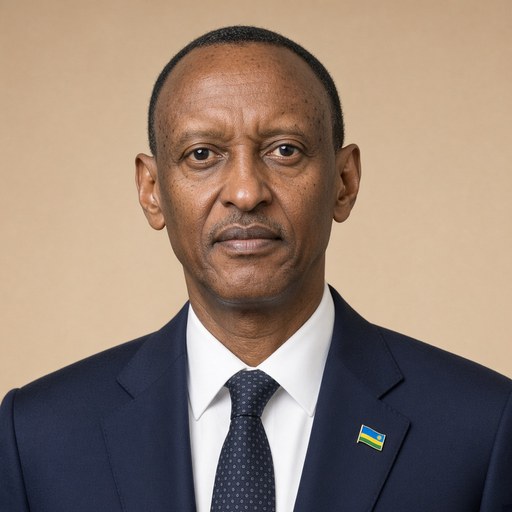
The speech delivered by President Kagame to the participants of the Retreat for Local Leaders.
 Paul Kagame · President of Rwanda
- Context
- Kagame addressed local government leaders at a retreat on March 30, 2018, urging reflection on governance, national resilience, and Rwanda's geopolitical challenges.
- Main themes
- Local leadership and governance, Rwanda's landlocked geopolitical challenges, regional neighbors and their influence, problem-solving and resilience, self-reliance and innovation, community development, national progress and unity
- Duration
- ~82 min
- Words
- 9,811
- Sentences
- 439
- Readability
- 73
- Grade
- 8.4
- Syntax
- 2.85
- Vocabulary
- 1.71
Translated from Swahili
The broad sphere of national life a sentence belongs to. Every sentence has an Arena, so it is the denominator the other indices are read against.
Other439 sentences in 76 paragraphs
Good afternoon everyone,
Thank you Minister Kaboneka, and all of you who have come together to make these discussions possible, and even the retreat that you must have prioritized to take place, I thank you because the retreat truly helps people to think, to assess things in general, and the activities, and what can be done better, what people should avoid doing, which harms work, and many other things. It is therefore good that all of this has been considered.
I also think that another good thing about your gathering here, all of you as leaders, and at the local levels, things are going well at these levels, the country benefits greatly because that is where it all starts. It is at the root of what we do, of what we desire, of the activities that allow us to progress. This is where it is based. While we are here, how we think, how we work, how we collaborate, is what gives us results, or prevents us from achieving the results we should have. It should be understood that the retreat is not just a place to come and rest, because you have nowhere else to rest or... but it is to think about how we can take another step in the good activities we want.
I would like to touch on some points that should not take long. The first: what I feel we should start with and assess, are two intertwined issues on that first point: as Rwanda, our country, Rwanda has its own uniqueness, we know our problems, we know what these problems are based on, their origins, let me first start with one of those problems. As Rwanda, starting from where we are, in this region where we find our Rwanda, you know what is called being “landlocked,” “landlocked” do you understand? We are not close to the sea, we are in a place surrounded by other countries, what we trade, our travels, what we do we must do it through our neighbors, a lot. This means that how we are surrounded by these neighbors, their problems, affect us. How they see us, what they wish for us, if it is good we benefit from it; if it is bad, it affects us. This means that there is a lot we can do, we can achieve, we desire, sometimes or often, it depends, or how we reach what we desire depends on how things are with the neighbors surrounding us or what they wish for us.
Let me give you an example, it is a simple example and perhaps it is happening somewhere, all of you where you live… I am reminded of a problem we once solved in the east, in our eastern province. There was a time I went to visit the citizens, they brought a problem and one told me “I can no longer see how I go to fetch water!” because “the neighbor, where we used to pass through his farm…” he took over the farm, a farm where people used to cultivate around the paths of people. Then, he put up a fence. Where there was a path people used to go to the water, the one they shared to fetch, he put up a fence and closed that path. People told us “we can no longer see where we go to fetch water when we go through someone’s farm and he shouts at us saying that we… but before, how it was before he closed it, the road was there, the path was there, we used to fetch water.” So that also would wait for me to go to that area, in that province to go solve it. Because someone closed the path for those going to fetch water. If you are following, you will remember this. But I give it as just an example. Using that example, let’s talk about where we go to fetch water, as a country. Someone chooses to put up a fence, closes it, what happens? The one I was talking about has… there are different possibilities depending on how he thinks:
You can block me the path to fetch water, as that citizen or the citizens experienced, it makes you think, but, how can I come… maybe the fence goes down in the evening and they can sneak in to fetch water, but then the one who put up the fence goes and puts up a strong wall, then it will also be harder for you to find a way to pass. But you can think that this water, there is no other way to get it? I can dig a borehole, you know what a borehole is? You can negotiate with others like you, or you yourself look in your field and say “but if I dig here and go down I won’t reach the water?” It is possible but it does not mean it will always be possible or that it is the easy alternative. There is also another who says “When they are going to close me off I will have problems, I will put a roof on the houses and put where to collect that water, during the rainy season I will collect a lot of water and use it even during the dry season until the next rain comes and I find more water”; you see how someone, when you have problems like that you start thinking about how to live in a possible way, do you understand me?
There was someone who once told me, there are people who did not wish well for Rwanda saying their plan is to surround us with problems everywhere: in the west, in the east, in the north, in the south; as Rwanda they want to suffocate us even as we are trying to survive and even die. I told him “Rwanda, look at how it is now and how those plans are; some of you here as farmers you know it and others of you do not know it, do you know oil? Do you know cow oil? You take it and you squeeze it here (in your hands), when you take it it goes through your hands. So when someone tells me that I start thinking about that situation in a way that you cannot take me and suffocate me, it would not work. But I want us all to think that way, it cannot be thought of by just one person for it to work; I am talking about the country. When a country has people with plans like that it must think of many different ways of how a country cannot be suffocated so that it cannot breathe, we must find ways to breathe and not just work to find ways to breathe but work to go beyond that and progress, do you understand?
That is what I want to discuss with you as leaders, as leaders we must think about how we work for our citizens. Leaders do not exist to look at themselves; everyone has their own way of looking at themselves, it is not something I need to teach you, it is something that exists. You look at yourself, you look at your family, you want to know how to live, how to live well but when you are a leader you must understand that in order to live well and for your people to live well you must think about others and how they live, how they live well. You cannot live well alone, it is not possible, when you want to live well alone without thinking about how others live if they live badly it will affect you and you will not be able to live well, you will not live well.
What I wanted to say therefore starting from there is the way to know the problems we have as a country, the second is to seek solutions to those problems and there are ways but we must think, and I would say as Rwanda that we must work in extraordinary ways. If you are going to think or act as others do without problems like yours then you must not be thinking well because if our country as the examples I gave or at the level I gave of someone’s farm or their field they go and close it, they close it for those passing through their field; the one who closes it if he thinks about how he lives in a way like the one who closed you off thinks about you then you have a problem because the one who closed you off does not have a problem like yours, the one who closed you off has how to reach the river and fetch; you do not have that, so how do you think like him? What problem are you solving? Rwanda is landlocked if it wants to think or act like those on the big sea it has a problem, Rwanda would have a problem; it would be thinking badly, it would be acting badly. You yourself want to suffocate how you breathe, you want to suffocate how you live thinking like the one who does not have a problem like the one you have. We have problems different from those of others: there are our specific ones, there are those we share with others and we should work together with them so that each one can solve their problem well; cooperation is also important but when you go to cooperate with another you must start from your problem and how it is. Therefore, I really want in what you are thinking in the retreat to start from there; and you must start from where you know that everyone sitting here, everyone not one of them excluded, everyone must think about their role, and they must understand that they have it, it is not about saying that there are those responsible for thinking that way and others who do not think that way or do not think that way they just live that way and you call yourself a leader.
But if you are not considering yourself a leader in the sectors you are in and just an ordinary person, then those others we want to solve problems for must also think that way, they must say “but our Rwanda and our leaders leading us, if they think that way we can have problems.”
They think that we have problems, they must have concerns, and an ordinary person every day would have concerns, when it comes to leaders they must have concerns greater than those they lead, and seek solutions to all those problems.
Now then, we know the problems even if someone does not tell you, you do not realize them, do problems a country may have not reach someone? Is there someone it does not reach in a way that they do not see it? Is there someone it does not reach? Maybe even if it does not reach you, let’s say you are among those it does not reach, but does that prevent you from seeing it? Does it prevent you from seeing that there are those it reaches? And those it reaches, now if you are a leader it means you are responsible for them, and those problems you are responsible for finding a solution.
Starting from all that I have said, we know the problems, we should know them, because if they do not even reach us we see them, we understand them, we are people who should be thinking about all that.
The second: the years we have lived here, the years everyone has spent even in leadership, they must follow and know that as a country there are things that have been put in place, policies, structures, different ways of solving those general problems, or specifically our country has those, policies are there, structures are there, different ways are there, and even resources are there even if they are not sufficient.
The third goal, or the third role: I want to achieve is to say that now, as we are here as leaders, starting from those problems how we should understand them, starting from that second point I just mentioned of how things are put in place to be used to solve those problems are being used? Are they being used properly?
Let me give you another simple example of that. Every day you see in these children we teach in schools, they are in schools, there are things they do like this, a child at school you thought of, a smart child, a child trying to do things and says “in terms of technology, I reached a point that works like this,” we see it written in newspapers, it is talked about, it goes on the radio, it is talked about everywhere. After a while you would ask “but that child we saw in the news, who created something, who invented something using the knowledge and skills they have, where did it go?” You would ask the Ministry of Education, you would ask those in charge of technology, you would ask in planning and ask them “but what happened to that child?” Everyone would start to wonder “eeehh…?” Instead, you find that sometimes they did not even see it; secondly, the one who saw it did not follow it up, that child also went where they lack where to go to say, “I had reached that level please help me take another step and this and that would help our country, and it could go worldwide and work”; either they benefit from it, or those who use it benefit from it, or the country benefits from it.
But it happened like that, no one remembers it, but if you were to follow up, if you were to go back, they would tell you “you know there are structures like this, they are called like this, and they set up a fund to help innovation, technology, things like that people have done what is missing? In the meantime, it is like one thing is here, another is here, and there is no road connecting one to the other.
But it is there, what I am saying you know it, you understand it, it happens, or does it not happen, you know it? I know it and I see it in what you say, it is not just to say that I am the only one who has accepted it.
When you ask yourself then what happened to something like that that has such value that the road I was talking about is missing? Just like I call it a road, for things to be complete I come from this one here to reach this one here the road in between is blocked by what we are here, we are the ones responsible for making that road that takes us from one thing to another.
What is missing? Sometimes I take the phone and call the Minister of Finance, Minister but there is no way that exists that I heard you set up to help people? He says “it exists” he says “the other day we put in millions…” This means that they are there, you ask the Minister of Education; the Ministry of Education you ask the Minister “but those things have you heard about them? Did you hear among these children we teach that you are responsible for?” He says “I might have heard, I might have… When someone tells you “I might have heard,” what does that mean? It means that they heard it or did not hear it? Because it is not clear, “I might have heard,” or I thought… those are things you often use when I hear them they really annoy me. I might have heard or I thought. I thought that also means that someone else did it and that means; I thought that means it is someone else who did it not you, why is it not you? Why do you think there is someone else who did it? Why is it not you? Or if it is someone else who must do it why do you not have evidence telling you that it was really done and you go to the point of thinking or I thought? I thought what!! What is it in our way of working that people should be doing as Rwandans with those problems I started with specifically.
When you say I thought, when you say I might have heard it means your way of thinking and your way of working must be similar to that of another person who has other problems that are not yours. There are those who can live in a way that I thought they do not have anything that takes from them; there are those who can live like that, living like that does not have consequences for them because of their nature, because of how they want it or because of what they have they are overwhelmed, those who have gone beyond them they have a surplus, what they do they do not fill it has no consequences for them.
This means that we have not acted as we should have as Rwandans facing our specific challenges. I could continue to give you many more examples, which means that the issues are interconnected, the solutions are available, but we continue to operate in a way that we want, looking at things as we wish without addressing those issues or resolving them in a timely manner.
I will reiterate, why can you solve an issue in one week, yet it takes you three months to resolve it? Why do you not resolve that issue you can solve in one week, and then find yourself facing others, because there are many that we must address? You end up grappling with those other issues that take three months or a year. But you take issues that take one week to resolve and mix them with those that take a year or years to resolve, meaning you are adding to the problems you already have or those you are creating, making them more than they should be; why? This is a question that must be asked of leaders like you, it is a question we must ask ourselves, as there is no one else we can ask about our issues to provide us with answers; it is us who must reflect on them.
We must always reflect on this, we must always reflect on it even in retreats like this one, when you say we want to progress, when everyone says we want to advance our country, we want to go far, how can you say that while you are the one putting obstacles in the way? We want to solve our problems, yet we are the ones putting obstacles in the way, how?
Leaders here, I ask you, and I tell you this? I tell you this because some problems can be resolved but keep coming back, one year we talk about issues, that year passes and we enter another one and we are still talking about those issues, even in words we give them the same answers we gave to those issues last year. Meanwhile, the action there is to ask for forgiveness, I ask for forgiveness, I ask for forgiveness, I ask for forgiveness, and now that has become another answer to the problems we have. Those who know I apologise, I apologise, I apologise, it is another… I am sorry, I am sorry, I apologise for the same problem and the same problem that has a solution, it has a solution; I am not talking about a problem that has no solution because there are many we have not found answers for, that is not what I am talking about because we are working hard to see if we can find solutions to the problems we have or have had for a long time.
But I am talking about problems that have known solutions, yet we always find ourselves with those problems unresolved while we have solutions. The answer is always to ask for forgiveness, even if it is the first time you forget, a person can forget, a person can forgive you and say indeed they had a lot of work and forgot, then you leave it at that and those apologies you ask for, you can give them, it happens again for the same problem, one issue you ask for forgiveness and they say okay, no problem, indeed you had a lot of work and forgot, then it happens a third time, what do you call that problem? What do you call it? What can a person call it? As human beings, as human beings, as people who will make mistakes, that is known, there is no one we can teach a lesson to, we cannot say that a person makes mistakes, people make mistakes, we all make mistakes, everyone makes mistakes, everyone has times they forget, everyone has times they miss, those are things we all know, we are human beings; however, when something keeps coming back, and people keep telling you, it comes back again; they tell you, “but don’t do that, look this is killing,” you say: I am sorry. And when you say I am sorry, when you ask for forgiveness, it means you acknowledge that the other thing is indeed a problem. If it is not a problem, you would say, “you know, you call it a problem when it is not;” you explain it and it makes sense, it goes away. But if you acknowledge that it is a problem, what culture do you have to ensure that problem remains? And people show you, and they also show you that it has consequences for many others, not just a few. How do you revisit that? What benefits do you derive from that problem, to the extent that you would accept that “even though it causes problems for others, the benefit is so great that I cannot lose it?” What does that problem look like, or what do you derive from it, what benefits would arise from that problem? What would they be to the extent that people always remain like that, always being told every day, every moment, about a problem that has a solution? The solution is there, every day, you want anyone to tell you that… the solution, when you want someone, you say, “Minister so-and-so, Mayor so-and-so…” that they are in a meeting. I thought meetings were solutions.
If meetings were solutions, then why don’t we have them, so that they can work? When you are in those meetings, what do you discuss that keeps us in problems instead of finding the solutions we want? But you will reach a point where you seek time to respond to me. In responding to me, I say it is not even anything else, I do not want someone to stand up and say: “I accept the blame, or this.” No, help me understand instead because if there is a problem that is not well understood, resolving it will be difficult for us. Help us, let us understand the same thing. Because if we do not understand it, it means we will leave this retreat without having found a solution. Do we want solutions!? Or do we not want them? Or do we want problems? Problems, if you want them, who wants problems when they do not have them? I have also told you that problems do not come from us, that there is someone who has caused them in us, there are problems caused by others or caused by the nature of our country.
We cannot do anything about that. To say that someone has caused them in us, that is a problem. Being landlocked is not a problem we caused. But even though we do not say that someone caused it, we must seek solutions. Now if we do not seek them, how will we live? How will we live? Do you want to live or do you not want to?
You may find that there are those who have given up, you may find that among us there are people who have given up on life that has nothing to say, and we are there wasting time. But even if someone has given up and does not love life, that is an easy thing to lose. That is an easy thing, if you do not want it, the problem is that no one else will give it to you, to hold it for you or to be there for you, but if you want to lose it, it goes away in that moment. But I believe as a country and as all of us, we must want to find a way to live, to live well.
There are some people, I will not go into too much detail, but there are people who teach others that there is a much better life that will come when we finish this current one. I will not argue with anyone who says that, that is not what I want. But, first of all, that better life, we will reach it and find others who have gone before us. Before I get there, I must first be well here where I am. I cannot always rely on the good things I will find somewhere else, forgetting what I am currently experiencing here where I am. There are others who even tell people that we should hurry to get there, but you can tell them, “go ahead, let’s see…” No one wants to rush their own affairs, they just tell others to hurry… if you want to get there quickly, right now… but you could say, “but let’s go together or you go ahead, no one wants that.
So let us work, let us focus on what we have here, our own, let us do it well, and I believe we have lived well for now, rather I see it as a ticket for a plane that takes us to that other better place. That is why living well now, now that we are here as our country as people, living well now is our primary responsibility. Progress, advancement is our responsibility. The other things will come and we will be happy when we achieve them.
So leaders here, even though I have said many things in general, you know specifically how each thing is. The things that hinder us, that prevent us from reaching what we can achieve in a given time, instead you find that we are grappling with other problems we have created, which take our time, instead of grappling with these problems that do not even originate from us, but we must grapple with them in order to live well. The problems we create, we create them and you find leaders; indeed we all here speak as the country of Rwanda. If we are leaders here, one does not speak to another, they do not speak or do not want to find a way to speak together, it means putting together so that we can move together in advancing our country, how does that happen? How do we seek a solution to that problem? Where do we seek it if it is not within ourselves? Where do we seek it?
Talking to your colleague you work with in a certain capacity or talking to your colleague in another capacity because these are state institutions, the institutions we are working in are not ours, as an individual, it is my level, and even if it is yours for it to work well you must find a way to communicate with others.
But for people to always ask you to work with others, to communicate with others, to complement each other, to consult… so that the benefits are yours and are for all of us as a country, but a person keeps going back, that is where some of the things I was talking about in our retreat with other leaders, some of you were there.
Things of self-reliance, but how can you be self-reliant when they tell you there are other places waiting for you? You are self-reliant and then…? And as I understood it, that place does not want people to be self-reliant. Self-reliant people will not go there, that place wants people who do good things, who do positive things and feel that they are moving with others, but going there alone is difficult. Why? But since those who are self-reliant wake up at dawn and find that we are all one? You can be self-reliant and live as a person who is very self-sufficient, but when dawn breaks, you go to see and find that you are still there in one place. What does someone who puts in effort want? To achieve what, when I see nothing? When they spend time looking at Rwanda among all the countries in the world, what level has it reached in this, in this, and I find we are still there? The poor, I find they are among the poor and you who are among them are very heavy, but they also write you off as poor.
I do not see anyone who has come out to tell those who call us poor that Rwanda is poor to say, “I have surpassed Rwanda, I am rich…”
They count us all together. They truly count us all together at the same level, we are poor and that is the war we are fighting, that is what I am saying, that is what we are discussing here, that is the war to get out of that poverty to advance; our children should not die of malnutrition, our citizens should not suffer from malnutrition, they should not die from malnutrition, malnutrition, malnutrition, and you go there and you are self-sufficient in malnutrition and you say you are a wonder when your neighbor is suffering from malnutrition. You will leave us, you will flee, you will go to live in very developed countries that do not have that malnutrition, we will know that is where you belong, but you are among us, what we want, what you could help us with, you who are very heavy is to save us from that.
Leaders, leaders here, there is no reason for you to sit among citizens who are suffering from malnutrition. Truly, you will not go to heaven living like that, it will truly be difficult for you to have starved your citizens and then you start preparing for a future where you say you will be in a good place, no, no, you will not go there without having done well here.
Children, children, how do we ensure they go to school while leaders go there and leave children to spend the day in the fields, working instead of going to school, and the government has put in place ways for children to learn, they must learn. You go there, those whose parents are not there or if they are children without parents, they are children of our country, they are us, we are their parents.
You, you leaders, you are their parents. Children without parents. Children should not be wandering the streets, begging, wearing rags, being dirty, and the essentials could have been done, they are there, they could take the children and put them in schools. If they are not there, that is also a problem we should solve, you should be coming and saying, “but these children we have are like this, they have no means to reach these things.” You should also say that and we should seek a solution. But the solution is there.
So how does it happen, leaders in different sectors, even at the grassroots level, why does it happen? Why would you want your child to go to school while your neighbor’s child does not go to school? What does that allow you as a leader? If there is a problem that causes it, why do you not speak about it so that we can all seek a solution together? What kind of negligence is that? Your child can study, your neighbor’s child cannot study, what does that benefit you? What do you gain from that? What is lacking? What is lacking?
Cleanliness, we talk about it every day, in our homes, in schools, where is it, why does it not exist? All of that, why does cleanliness not exist, what prevents it? What prevents it? If you have cleanliness here and your neighbor has dirt, how does that feel? Do you have cleanliness? Is that how you call it? You do what is necessary and have cleanliness in your home, but the homes around you are dirty, citizens sleep with animals in the house, but you live next door and are well, do you feel that is enough? Do you feel you have cleanliness? Indeed, that reaches you. But then you have shifted your responsibility. You are not fulfilling your responsibility as a person, but especially as a leader. You are not fulfilling your responsibility. These are things a person should always remind themselves of, say every day, speeches every time? Every… Now you… you should be the ones giving those speeches instead. It is you, it is you who should be telling people, but not just telling them, but also making them work. You should be making them work. That is your responsibility. That is the good thing we should be doing. As I said, the politics is there, we have leaders, we have institutions, resources are often available; for some, even if they are not for everything, but you find that they are always exhausted… it has ended in just creating. We are stuck in that. Because most of it does not come from ignorance.
There are people who say, "people are foolish, they don't know what to do. No... no... maybe that is true, but I don't think that is the main problem. Because, where we find that, those issues or problems, we also find them among people who are not called foolish. They are the ones who should be leading others. Some of the things we talked about regarding not reaching the citizens to understand the problem as it is. You are always on the roads, in the streets, we just move around but reaching the citizens to talk to them, to ask them what problems they have or to show them what you have seen and then show them how to solve it. Why should it be so difficult?
If you can solve it in the office, we could do that too, but we have seen that it does not give us an answer and many years have passed. You spend ten years, you spend fifteen years doing things in the same way that does not give you an answer, and that is what you continue with? You do not reach a point to change? You do not at least go down to talk to the citizens and say, "but here is a problem." And the reason for the problem is that you do not even do what someone told you, what we talked about last time, I came here, I said this and that, why do you not do it like that? Or are there other reasons for all of this?
You could change it. You could change the time you spend in the office, the time you spend on the road going to meetings, and turn it into going to the citizens and talking to the citizens, and if there is a problem, discuss it, if there is no solution, that too... when the problem is explained, it does not weigh heavily. When you sit with people who have a problem and show them how it is, and you are still there looking for solutions, it does not weigh on them like when they just sit together and reach a point where they think, "this problem we have is because the government does not want money, does not want this, does not care about us because we are from the countryside, or we are from a certain area..." you find that is what has changed the problem and it is not. There is an answer or there is an explanation for why the problem exists. That is our responsibility.
Citizens, citizens, citizens, the reason we do not reach them to understand them, to understand their problems, to advise them if it is something that cannot... cannot be solved at that moment, explain to them why it cannot be solved but that it is not because it originates from you or does not originate from others.
Finally, I would like to conclude. When people do not work well, they just spend time looking for excuses, there is the issue of follow-up that I wanted to mention first. That is what I was talking about. Follow-up, reaching the citizens to know the nature of the problems, and you also knowing the problem, then you will be among those who contribute to solving them. You cannot contribute without having learned about it, understanding it, seeking to know what it is or its nature. If that is not done, then what is there?
Secondly, I wanted to emphasize, in terms of thinking about it, I do not want to talk too much about it. Once we understand that not fulfilling responsibilities, not fulfilling them properly, lasts as long as it is like that without understanding it. There should be action. First: You yourself, if you do not take the time to reflect and say, "but why do I not fulfill my responsibilities all the time or why do they always tell me it is because of this?" You yourself. You think about it. No one else should discuss it with you. You yourself should think about it, ask yourself, and answer yourself. When that happens, it helps. It helps a person to change their behavior, mindset, or way of working. You yourself. You take an hour, you take minutes a day in a week, and you say, "but is there a problem with me not fulfilling my responsibilities that I can change?" No one is asking you, no one is coming to tell you, you yourself take the initiative to ask yourself, "in my responsibilities as a person, as a leader, what can I change to do better? To serve those who have given me that trust, to lead them. What is it?" You ask yourself. And when you ask yourself alone, you do not start to suspect that someone else has fabricated something against you, or that someone else has... I will talk about that too.
When you ask yourself, you might wonder if there is someone who is preventing you from asking that question? It is you. When you ask yourself, you give yourself the right answer. Take time to reflect. But if it is not done in a way that you ask yourself and answer yourself, and seek an answer to change your behavior, how will it be? There should be someone else asking you then. That is the second level. If it fails that you ask yourself and improve your performance or correct yourself, there must be someone else asking you. There must be accountability. For a reason that is also understandable. The reason is that what you do not fulfill, what you do not do has consequences for others. Where you are as a leader, at whatever level you are, those you lead are affected by it. There is no way we can leave it to say, "because you failed to ask yourself to change or to do well as you should, you will continue to do things as you wish even if it has consequences for others, even if it causes loss for all of us, let it be." No. There must be someone asking you. You must be held accountable. No question about it.
We also have a problem with this questioning or asking someone, responding to what they do not fulfill. The first problem we have, I think, is a weakness in leadership. A weakness, a person who dares in their responsibilities to ask the one they should ask, "why are you doing this? Why are you doing this when you know it has consequences for Rwandans? For many Rwandans?" Dare to ask them. That is an unyielding responsibility of a leader. You should dare.
But let me tell you something else that might be there. Not daring is often not because you are cowardly, afraid of people, and you are innocent. It does not mean that you might just be afraid but otherwise you are innocent. A large part of the reason you do not dare, the reason people do not dare, leaders do not dare to confront the issue of asking people about what they do not fulfill, is that they themselves carry many burdens on their backs that they do not fulfill. When you have that, you have no strength to look someone in the eye and tell them, "but stop." That is the biggest problem. How can you confront people who embezzle public funds that should be serving the citizens, ask other leaders or other people you lead to respond to it while you yourself have things you set aside, you also have things you hoard? At that point, do you have the strength to say it? You reach a point where you fear to say, "but if someone dares to confront me and says, 'but you?'" You cannot have strength. You fear that someone will confront you and say, "but you, what about you?" Or those you have also used instead. Or those you work with, and those... people living together. So how will you dare... will you confront someone you live with? Is that possible? Will you get to that point and they will tell you. They will say, "but even though I am here, you have wronged me, you have done me wrong, you should first ask the one above."
When it is like that, everyone remains silent, taking what they can, taking, and another takes! They once told us, there is one country you know. People were telling me how. But that is how corruption is in society, that is how it is. As a leader of a country like us, they have a friend, they sign a paper saying, "go to the Governor or the Minister of Finance, give you five million dollars."
They take that paper and rush it to the Minister of Finance or the Governor of the Bank. Once they get there, the Governor of the Bank immediately gives instructions. But he gives instructions for ten million. So you see where the other five are going. Now, the Minister of Finance is not the one who works with the money. He also starts by giving a note saying, "release that money quickly (ten million)." The one he gives it to has (twelve million).
The one he tells says, "go quickly." If he tells the PS or whoever, the Permanent Secretary says, "release quickly," he says, "the president has given instructions, release ten million." He lied and added five! That president who gave the note takes (five million) but the Minister takes five. Then the PS gives an order, and he has twelve of those two is his too.
If the PS also has another DG (Director General) who is going to give instructions, they arrive at (thirteen million). Then when it gets to the cashier, that one releases it, puts in like (five hundred thousand) at least. So you see what goes out!
That is how people die! Yes! That is how the country dies. Because among them, no one will go back to tell the President, "but do you know that the money that went out was not just five million, you gave to so-and-so, but instead it reached (fourteen or fifteen million)! Who will go back to tell him? Everyone took their share! That citizen who gave (five million) his five he got happily, he went singing and clapping.
But because the Minister of Finance saw that it went out without clarity and knows that if I add these, how will the President ask him! The reason he does not ask him is that he knows that the Minister of Finance can ask him, "but what were those five for? How do we account for them?" So the way corruption enters society is like that!
The reason there is no accountability, being held accountable for what you do often comes from something like that, like that. Everyone goes on taking a little like that (taking for themselves). Another also takes (takes for themselves), another also takes (takes for themselves). It goes into everything.
You say, "I start with that person for a job!" My child, my elder, a friend, in a way that is not right. He even finishes and brings him to you, and you say, "but I see nowhere I can place him." He says, "find a place, put him there!" Even in the structure of the organization because you send someone to say, "give me a job," they look at where to place him, they ask about his qualifications, what he studied, what he can do, they see it is not very clear! But it came from people who are burdened. You want in the structure something you create to place that person. That is how it is! That is how it is!
Therefore, there must be accountability. There must be... we cannot be, we as a society like that, just passing on mistakes! To the point that no one has anything to respond! To the point that everyone instead of asking about it goes into that path. Those leaders, that must stop! Because that is not the Rwanda we want, that is not the Rwanda that will confront the specific problems I was talking about! Instead, we will die, we will die.
How do you confront a specific problem that says we must work, work well, work hard, do our best, so that things are clear, all of us and we all benefit from it.
Things have become few, and they are accumulating, and that is where they are only done well or go well, which means there is a problem! The country has a problem. We must respond to what we do. No one is greater, superior, to the levels! No one! And I do not know why someone always says it but it always comes back.
You find that indeed you have people, there are people you go and praise, you have wonders! And when mistakes reach them, they come back, they have consequences, the saying becomes, "Oh, there are those who conspired against him, indeed no one is without enemies! Enemies! When you steal, you are a thief, there is no problem of enemies! Is nothing! Is absolutely stupid. They say, "but what, what do they say? Is there no man without this? No one without enemies or without this? I do not know! Oh! The issue of enemies is another thing.
If there are enemies you have, the first thing is to first assess whether you are the one who caused it or brought it. The second is if they are your enemies who also wrong you, we must also put them in line.
You as a leader, you will have people you have enemies, and you will have others you have friends how! When you are a leader, you are a leader of people who should be led as they should be, you do not have to have friends working with you in a bad way to have others you call enemies because they refuse to let you do bad things to them or do not... to change them into enemies! How! How?
How can a leader have people who are his and others who are not his? A leader is a leader of all the people he is responsible for! It doesn’t matter the religion, it doesn’t matter their families, it doesn’t matter anything. And the people you are going to lead are yours, you are responsible for them, you wish them well, period. You do not go to the people you lead to start dividing them into parts. Yours, others, those who are not yours, those... that is not leadership.
That is not leadership and it is not meant to go there to say, "I have enemies, what do they refuse?" If they are first enemies because you are doing good things, those you should not even think about. Yes, you should put them where they belong... yes, you are going to say, "you hate me because I stopped you from doing bad things or because I showed you that certain things should not be done, if I know that you think it is hating you, I will treat you right; I will continue to put you in line instead of you making what you call enmity, you understand, I will bring you... I will bring you a whip, yes... absolutely you have to bear the weight of that... the things of people leading having enemies and having friends... not friends... friends are people who have friends... I can have friends but those friends do not enter into work... it is friendship, I will invite you to my house, we will share, we will drink beer but when it comes to work full stop.
Yes... you cannot, no one can go beyond that, work is work, friendship... you can come and stay overnight, we can sing, we can... but when it comes to work, it ends there... period absolutely. When those things go into work, tomorrow they go in, the day after tomorrow they continue, you are dead, and the work is dead, the work dies, it has consequences for people, it has consequences for those you lead, well it may not have consequences for those you call friends; because you always give them the good things while others suffer in vain, but that is a sin, that is the first sin for me, leaders who do not dare to look someone in the eye and tell them to stop, that should not be the case at any level, tomorrow it becomes, the day after tomorrow it continues, tomorrow you find it has become a culture. Those things must stop, we must stop them if we want as a country to confront the specific problems we have, we cannot allow them to continue.
There is another question that remains about how it will happen... it will involve many people so that a person cannot correct themselves, it is like saying, "but they are all like that, you see we can reach there, the consequences of it, where a person remains wondering but where do I start? And this one I am going to punish and this one I am going to tell... they are all the same and the rest I do not know if it is like that; you find that when it goes like that it is not true.
This is not the case, and you leaders at all levels, you should be the ones to confront this issue at your levels; do not wait for someone from above to come and ask you, to tell you: but you are in charge of the institution; the institution is not yours, it is not your personal institution, it is a national institution of the Rwandans. You have only put your relatives in it, those you are related to, you have only put your friends in it; how is that possible? How could you tolerate that for even a single day? Why would you tolerate it from people who are real leaders? Our country has specific problems; how could you tolerate it for even a single day? So how would it be if everyone acted like that?
Now, could we take the military or the police and arrest those in charge, and they would choose people from their family or choose what? Would that be possible? Can you imagine the consequences of that? You would go to a certain ministry, and the minister and all those around him would be people he has chosen based on the fact that they are relatives, friends, or from the same village; would that be possible? How could that be? Why would you even accept a piece of that, how could you tolerate such a thing? Why is there no one who stands up to say… to ask: to speak out and say: but the things we have here are not good? And it cannot be that there is a place where it hides, and the way it operates is like that; it is clear, it is visible. Why are you not people who reject it to the extent that when you see it, you say: no, we cannot tolerate that.
Why instead do you choose to… you choose to say… you accept it so that then you too can benefit from it, you accept it and do it, you lead it like that, you tolerate it and remain silent thinking that if I tolerate it, he will remember me, he will remember me and see that I did not cause him any trouble, he will treat me well; that is not how to operate. It is a practice we must fight against at all costs. Whoever has done wrong will face consequences, and there will be those who say, you see, those are the people… they must be… but first you must seek the truth because you speak a lot; but indeed, those who speak a lot seek what they say and know what it is based on. I would go and speak for someone; I would say, so-and-so is being lied about, it happened like this; I would not stop there.
I would take enough time to seek the truth, and I would go… and I would say… no, this person is being lied about; and they are being lied about for this reason, and I would provide what I know; but you, who do not know what happened, you say they are lying about him, and then when you know the truth, what happens?
You continue to say they are lying or you have even asked those who have shown that this person must have problems, but you should also go out and speak about it if the police have arrested someone in the village; for a certain crime. I can stand up… I am also in that village, you know; I can stand up and go to the police and say, but you know; I want to give testimony, I know this and that; what they are saying about him is not true, but it was done by so-and-so or nothing happened… I could go there to speak for him, or I could also go there to accuse him of a crime and say, but you arrested him because you know he did something bad to Busingye, no, there is another one who did something bad or he did something bad to me… or I know someone who did something bad, here is the evidence.
But just being there sitting idle… idle… being there idle is someone who is there doing nothing, and you are just there after drinking what you have drunk… ahh those people are lying about him, they are lying about him, you see… the evidence you can see it right there where you are sitting… speaking about those things. But also the source of it is the people themselves in leadership who cannot ask others about what they do… who cannot hold accountable other people. When you cannot ask those you lead to account for their responsibilities, that is why there are people; to speak and you find that they are speaking for someone who has been caught… who has been caught in the act of committing a crime. But for that and all other things, these are actions of ordinary people as human beings, we can make mistakes, we must put those things in context, we must put them in a way, but what I… the main thing I tell you is that there is no questioning, there is no questioning, there is nothing you dare to tell someone: this… what you did is not right, and you have leadership responsibilities.
So I wanted to say enough but I have delayed on leadership responsibilities, and it will always be there, but let it not be just something we have a culture of always talking about but not doing. This retreat therefore brings out discussions, it brings out self-assessment, it brings out things like that, but the retreat also brings out new practices, and new mindsets. We should not be like those people, you know some of those religious leaders stand up and say what they have done, they go on and on, they go out and return to what they were doing and come back another time. Those other things may be difficult to avoid, those concern you. But our work for the country, we do it, it includes things… eeh? It is not corruption, it is not embezzling state resources or things that concern the citizens, we lead, we go there to speak about it, but you know that those things are natural, they are things related to how a person is, that no one can avoid. Ah ah ah (denial) those can be avoided, it is possible, we can avoid those. There are other things I was talking about, about a person making mistakes, about a person forgetting, those are natural, a person forgets, a person can make mistakes here and there, but you cannot continue to embezzle things meant for others so that they reach a point where they tell you, but you know that those things are natural, they are things, it is a culture that he failed to avoid. At that time, they will take you where it is not. Yes. Where it is not, you are well aware: in prison, in prison there is nothing you can gain, nothing you can find while embezzling. So, let me conclude there. Thank you very much.
The original Swahili. The tags above are read on the English translation's sentences.
Mwiriwe neza mwese,
Arakoze Minister Kaboneka, n’abandi mwese mwashyize hamwe kugira ngo ibi biganiro bishoboke, ndete n’umwiherero mugomba kuba mwarashyize imbere ko wakorwa, ndabashimira kuko umwiherero, birafasha nyine abantu gutekereza, gusuzuma ibintu muri rusange, n’ibikorwa, n’ibyagenda birushaho gukorwa neza, ibyo abantu bakwirinda gukora, byangiza akazi, n’ibindi byinshi. Ni byiza rero ko ibi byose byatekerejwe.
Ngira ngo kandi, ikindi cyiza cyabyo, uko muteraniye aha, mwese nk’abayobozi, kandi b’inzego z’ibanze, ibintu bigenze neza kuri izi nzego, igihugu kirunguka cyane kuko niho bihera. Ni mu mizi y’ibyo dukora, y’ibyo twifuza, y’ibikorwa byaduha gutera imbere. Ni aha rero bishingiye. Ubwo turi aha, uko dutekereza, uko dukora, uko dukorera hamwe, nibyo biduha umusaruro, cyangwa se bikawutubuza n’aho twagombaga kuba twawugeraho. Ubwo rwose byumvikane bityo, umwiherero ntabwo ari ahantu ho kuza kuruhukira gusa, kubera ko mwabuze ahandi muruhukira cyangwa … ariko ni ugutekereza uko twatera indi ntambwe mu bikorwa byiza dushaka.
Ndagira ngo rero ngere ku ngingo zimwe na zimwe bitagombye gutinda. Icya mbere: icyo numva twaheraho tunasuzuma, ni ibintu bifatanye ari bibiri kuri iyo ngingo ya mbere: nk’u Rwanda, igihugu cyacu, u Rwanda rufite umwihariko warwo, ibibazo byacu tuzi, tuzi icyo ibyo bibazo bishingiraho, inkomoko yabyo, reka mbanze mpere ku kintu kimwe cy’ibyo bibazo. Nk’u Rwanda, uhereye n’aho turi, muri aka karere aho twisanga u Rwanda rwacu, muzi icyo bita kuba “ land locked ”, “ land locked ” muracyumva? Ntabwo twegereye inyanja, turi ahantu hagati y’ibindi bihugu, ibyo ducuruza, ingendo zacu, ibyo dukora tugomba kubikora tunyuze mu baturanyi, ibyinshi. Ni ukuvuga ngo uko tuzengurutswe n’aba baturanyi, ibibazo bafite, bitugiraho ingaruka. Uko batubona, icyo batwifuriza, iyo ari byiza tubigiramo inyungu; bibaye bibi, bitugiraho ingaruka. Ni ukuvuga ngo rero hari byinshi, twakora, twakwigezaho, twifuza, rimwe na rimwe cyangwa akenshi, biterwa, cyangwa se uko tugera ku byo twifuza biterwa n’uko ibintu bimeze mu baturanyi badukikije cyangwa se icyo batwifuriza.
Reka mbahe urugero, ni urugero rworoshye kandi wenda hari aho biri, mwese aho mutuye… njye mbyibukijwe n’uko hari n’ikibazo rimwe twigeze gukemura mu burasirazuba, mu ntara y’iburasirazuba bwacu. Hari aho nigeze kujya gusura abaturage, bazana ikibazo arambwira ngo “njyewe sinkibona uko njya kuvoma!” ngo “kubera ko umuturanyi, aho twajyaga tunyura muri ferme ye …” mbese yafashe farm, farm aho abantu bahinga izenguruka amago y’abantu. Arangije, ashyiraho uruzitiro. Ahari inzira abantu bakoreshaga yo kujya ku mazi, ayo basangiye bavoma, we ashyiraho uruzitiro naya nzira arayifunga. Abantu baratubwira bati “ntabwo tukibona aho uko tujya kuvoma iyo tugiye kunyura muri ferme y’umuntu tugacengera muri senyenge atuvugiriza induru akavuga ko twa… ati ariko mbere, uko byari bimeze atarahafunga, umuhanda urahari, inzira irahari, twajyaga kuvoma.” Ubwo icyo nacyo cyajyaga gutegereza ko nzajya muri ako karere, muri iyo ntara nkajya kugikemura. Cy’uko umuntu yafunze inzira y’abajya kuvoma. Niba mukurikira muraza kubyibuka. Ariko mbitanze nk’urugero gusa. Koresha urwo rugero, tuvuge aho tujya kuvoma, nk’igihugu. Umuntu ahisemo gushyiraho senyenge, agafunga, bigenda bite? Uriya navugaga, afite… hari ibishoboka bitandukanye bitewe n’uko atekereje:
Ushobora kumbuza inzira ijya kuvoma, nk’uko uwo muturage cg abaturage byabagendekeye, bigatuma utekereza, uti ariko, ko ntafite uko nza… senyenge wenda uragenda nimugoroba bakayikata, bagacengera bakavoma amazi, ariko noneho wa wundi washyiragaho senyenge agiye agashyiraho urukuta rukomeye, ubwo nabyo bizaruhanya kugira ngo ubone aho unyura kurusha. Ariko ushobora gutekereza uti aya mazi, ntabundi buryo bwo kuyabona? Nshobora gucukura borehole, borehole murayizi? Ushobora kumvikana n’abandi bameze nkawe, cyangwa nawe ubwawe ukareba mu isambu yawe uti” ariko uwacukura aha hantu nkamanuka sinagera ku mazi?” Birashoboka ariko ntibivuze ko bizashoboka igihe cyose cyangwa ariyo alternative yoroshye. Hari n’undi uvuga uti “Ubwo bagiye kujya bamfungira nkajya ngira ibibazo, ngiye gushyira imireko ku mazu nshyireho n’aho kuyafatira ayo mazi, igihe cy’imvura njye mfata amazi menshi nyakoreshe anampitishe no mu gihe cy’izuba kugeza igihe iyindi mvura izagwira nkabona andi mazi”; urumva ndiho ukuntu umuntu, iyo ufite ibibazo nk’ibyo utangira gutekereza uko ubaho ku buryo bushobotse, muranyumva?
Hari umuntu wigeze kumbwira, ni abantu batifurizaga neza u Rwanda bavuga ngo plan yabo ni ukutuzengurutsa ibibazo hose: iburungerazuba, iburasirazuba, amajyarugurum amajyepfo; nk’u Rwanda ngo batunige ndetse nyine ubwo tuvemo kuremba no kuba twanapfa. Ndamubwira nti” u Rwanda ureba uko rumeze ubu n’iyo migambi imeze ityo; bamwe muri hano muri aborozi murabizi n’abandi mutari bo murabizi, uzi amavuta? Amavuta y’inka murayazi? Uyafashe ukayakanda anyura hano (mu myanya y’intoki), iyo uyafashe akunyura mu ntoki. Ubwo rero iyo umuntu ambwiye atyo ntangira gutekereza kumera ntyo ku buryo utamfata ngo unige umperane, ntabwo byakunda. Ariko ndashaka ko twese ari ko dutekereza ntago byatekerezwa n’umuntu umwe gusa ngo bikunde; ndavuga igihugu. Igihugu iyo hari abagifitiye imigambi yaba imeze ityo kigomba gutekereza uburyo bwinshi butandukanye bw’ukuntu igihugu utakiniga ngo ukibuze guhumeka, tugomba gushaka uko duhumeka ndetse ntitubere gukorera gushaka uko duhumeka tugakorera gushaka uko ndetse n’ibyo twabirenga ahubwo tugatera imbere, urabyumva?
Ni cyo nshaka kuganira namwe nk’abayobozi, abayobozi tugomba gutekereza uko dukorera abaturage bacu. Ntabwo abayobozi baberaho kwireba; buri muntu wese afite uko agomba kwireba ntabwo ari ibyo ngomba kubigisha ni ibintu bisanzwe biriho. Urireba, ureba umuryango wawe, ushaka uko wabaho, uko wabaho neza ariko iyo uri umuyobozi ugomba kumva ko kugira ngo ubeho neza n’abawe babeho neza ugomba kuba utekereza n’abandi uko babayeho, uko babaho neza. Ntabwo wabaho neza wenyine ntibishoboka, iyo ushatse kubaho neza wenyine abandi utabatekereza uko babaho nibabaho nabi bizakugiraho ingaruka nawe ntago uzamera neza, ntabwo wamera neza.
Icyo nashakaga kuvuga rero nahereyeho ni uburyo bwo kumenya ibibazo dufite nk’igihugu, icya kabiri ni ugushaka ibisubizo by’ibyo bibazo kandi haba hari uburyo ariko tugomba gutekereza, ndetse navuga nk’u Rwanda ko tugomba gukora no ku buryo budasanzwe. Ugiye gutekereza cyangwa ugakora nk’uko abandi bakora badafite ibibazo nk’ibyawe ubwo ugomba kuba udatekereza neza kubera ko niba igihugu cyacu nk’ingero natanze cyangwa no ku rugero natanze rw’umurima w’umuntu cyangwa isambu ye agenda agafunga, agafungira n’abanyuraga mu isambu ye; wa wundi bafungira niba atekereza uko abaho mu buryo nk’ubwo uwamufungiye atekerezaho then ufite ikibazo kuko uwagufungiye ntago afite ikibazo nk’icyawe, uwagufungiye we afite uko agera ku mugezi akavoma; wowe ntubifite, ubwo se uratekereza kimwe nka we gute? Uraba ukemura ikihe kibazo? U Rwanda ruri landlocked nirushaka gutekereza cyangwa rugakora nk’abari ku nyanja nini rufite ikibazo, u Rwanda rwaba rufite ikibazo; rwaba rutekereza nabi, rwaba rukora nabi. Wowe ubwawe urashaka kwibuza uko uhumeka, urashaka kwibuza uko ubaho ugiye gutekereza nka wa wundi udafite ikibazo nk’icyo wowe ufite. Twe dufite ibibazo bitandukanye n’iby’abandi: hari ibyacu by’umwuhariko, hari ibyo duhuriraho n’abandi ndetse dukwiriye kuba dufatanya na bo kugira ngo twese buri umwe akemure ikibazo cye neza; ubufatanye bwo na bwo ni ngombwa ariko ujya gufatanya n’undi wabanje guhera ku kibazo cyawe n’uko giteye. Ibyo rero rwose ndagira ngo mu byo mu mwiherero muba mutekereza ni aho mugomba guhera; kandi mugahera aho muzi ngo buri wese wicaye hano, buri wese nta n’umwe utari muri abo mvuga, buri wese agomba gutekereza uruhare rwe, kandi agomba kwumva ko arufite, ntabwo ari kuvaga ngo hari abashinzwe gutekereza batyo n’abandi badatekereza batyo cyangwa batanatekereza bo biberaho gusa batyo kandi witwa ngo uri umuyobozi.
Ariko niba waba utiyita umuyobozi nko mu nzego murimo n’ umuntu usanzwe gusa ku giti cye, n’aba bandi dushaka gukemurira ibibazo nabo bagomba kuba batekereza batyo, bagomba kuba bavuga bati “ariko uru Rwanda rwacu naba bayobozi bacu batuyobora, aho batekereza muri ubwo buryo ko dushobora kugira ibibazo”
Barabitekereza ko dufite ibibazo, bagomba kugira impungenge, n’umuntu usanzwe waburi munsi yagira impungenge, iyo bigeze ku bayobozi bagomba kugira impunge ziruta izabo bayobora, no gushaka ibisubizo by’ibyo bibazo byose.
Noneho rero reka, ibibazo turabizi erega niyo umuntu atabikubwira wowe ntubyibwira, nonese ibibazo igihugu cyaba gifite hari uwo bitageraho? Hari uwo bitageraho ku buryo atabibona? Hari uwo bitageraho? Wenda n’iyo byaba bitakugeraho, reka tuvuge ngo uri mu bo bitageraho, ariko se byakubuza nukubibona? Byakubuza no kubibona ngo umenye ngo hari abo bigeraho? kandi abo bigeraho, noneho niba uri umuyobozi ni ukuvuga ngo urabashinzwe, n’ibyo bibazo urabishinzwe kubishakira umuti.
Mpereye aho hose ibyo maze kuvuga, ibibazo turabizi, dukwiye kuba tubizi, kuko niba bitanatugeraho turabibona turabyumva, turi abantu bakwiriye kuba batekereza ibyo byose.
Icya kabiri: imyaka tubayeho hano, imyaka buri wese amaze ndetse no mu buyobozi, agomba kuba akurikira akamenya ngo ariko nk’igihugu hari ibintu byagiye bishyirwaho, politike, inzego, uburyo butandukanye bwo gucyemura bya bibazo rusange, cyangwa by’umwihariko igihugu cyacu gifite ibyo birahari, politike irahari , inzego zirahari, uburyo butandukanye burahari, ndetse na mikoro arahari niyo yaba adahagije.
Intego ya gatatu, cyangwa uruhare rwa gatatu: nshaka kugeraho ni ukuvuga ngo noneho, uko turi aha nk’abayobozi, duhereye kuri ibyo bibazo uko dukwiriye kubyumva, duhereye kuri icyo cya kabiri maze kuvuga cy’ibigenda bishyirwa mu buryo ngo bikoreshwe gukemura ibyo bibazo birakoreshwa? Bikoreshwa uko bikwiye?
Reka mbahe urugero na none rworoshye kuri ibyo ngibyo. Buri munsi ugira utya ukabona muri aba bana twigisha b’amashuri, bari mu mashuri, hari ibintu bagira batya bagahanga, umwana ku ishuri watekereje, umwana w’umuhanga, umwana ugerageza agakora ibintu akavuga ati “mu bijyanye n’ikoranabuhanga, nageze ku kintu gikora gitya”, tukabibona bikandikwa mu binyamakuru, bikavugwa, bikajya kuma radio, hose bikavugwa. Hashira igihe wazabaza uti “ariko wa mwana twabonye bavuga mu makuru, waremye ibintu, wahimbye ibintu akoresheje ubumenyi n’ubwengye afite, byareye he? Ukabaza Minisiteri y’uburezi, ukabaza mu bashinzwe ikoranabuhanga, ukabaza mu igenamigambi uka babaza uti “ariko byagenze bite uriya mwana?” Buri wese agatangira kwibaza ati “eeehh…?” Ahubwo ugasanga, rimwe ntibanabibonye; icya kabiri n’uwabibonye ntabyo yakurikiranye, wa mwana na we yagiye aho abura aho ajya kuba yavuga, ati “nari ngeze kuri urwo rwego ni mumfashe ntere indi ntabwe kandi ibi ngibi byafasha igihugu cyacu, kandi byajya no ku isi hose bigakora”; ari we akabivanamo inyungu, ari ababikoresha bakabivanamo inyungu, ari igihugu kikabivanamo inyungu.
Ariko byagize bityo, buri wese ntawe ubyibuka, ariko wajya gukurikira, wajya gusubira inyuma, bakubwira ngo urabizi hari inzego zimeze zitya, zitwa zitya, ndetse bashizeho ikigega gifasha innovation, ikorabuhanga, ibintu nk’ibyo abantu baba bakoze icyabuze ari iki? Hagati aho, ni nko kuba ikintu kimwe kiri hano, ikindi kiri hano, hakabura umuhanda uva kuri kimwe ngo ugere ku kindi.
Ariko birahari, ibyo mvuga murabizi murabyumva bibaho, cyangwa ntabwo bibaho, murabizi? Njye ndabizi kandi mbibona mu byo muba muvuga, nta nubwo ari ukuvuga ngo ni njye wabimeye gusa.
Iyo mwibajije rero haba habaye iki ku kintu nkikyo gifite agaciro kangana gutyo habure wa muhanda navugaga? Kimwe nise umuhanda, kugira ngo ibintu byuzure ndava kuri iki kiriho ngere kuri iki kiriho umuhanda hagati aho ubuzwa n’iki twebwe uko turi hano, aritwe dushinzwe gukora uwo muhanda watuvana ku kintu kimwe ukatugeza kukindi.
Haba habuze iki? Ubwo rimwe na rimwe ngafata telefone ngatelefona Minister wa finance, Minister ariko nta buryo buriho harya numvise mwashyizeho bwo gufasha abantu? Ati “burahari” ati “n’ejo bundi twashizemo miliyoni…” Ubu ni ukuvuga ngo zirahari, ukabaza Minisitiri w’ uburezi; minisiteri y’uburezi ukabaza Minister “ariko ibibintu waba warabyumvise? wumvishe muri aba bana mwigisha mushinzwe?” Ati “ubanza narabyumvise, ubanza… Iyo umuntu akabwiye ngo ubanza narabyumvise, ubwo biba bivuze iki mbese? Biba bivuze ngo yarabyumvise cyangwa ntiyabyumvise? Kuko nabyo ntago biba biri clear, ngo ubanza narabyumvise, cyangwa nagize ngo…ibyo ni ibintu mukunze gukoresha iyo mbyumvise birandwaza kabisa. Ubanza cyangwa nagize ngo. Nagize ngo nabyo bivuzengo, nagize ngo hari undi wabikoze nicyo bivuze; nagize ngo nukuvuga ngo ni undi wabikoze atari we, kuki atari wowe? Kuki ugira ngo hari undi wabikoze? Kuki Atari wowe? Or niba ari n’undi ugomba kubikora kuki utagira ubuhamya bukubwira ngo koko byarakozwe ukajya muri ubanza cyangwa nagizengo? Nagize ngo ni iki!! Ni iki mu mikorere yacu y’abantu bakwiye kuba bakora nk’abanyarwanda bafite bya bibazo nahereyeho by’umwihariko.
Iyo uvuze ngo nagize ngo, iyo uvuze ngo ubanza ni ukuvuga ngo imitekerereze yawe n’ imikokerere bishingiraho bigomba kuba bisa n’iby’undi muntu ufite ibindi bibazo bitari ibyawe. Hari abashobora kwibera muri ubanza, nagize ngo ntibagire icyo bibatwara; hari abashobora kwiberaho batyo, kwiberaho batyo ntibibagireho ingaruka kubera imiterere yabo, kubera uko babishaka cyangwa kubera ibyo bafite bo barenzwe, byo byabarenze bakaba bafite umurengwe, ibyo bakora batuzuza nta ngaruka bibafiteho.
Ubwo ni ukuvuga ngo ntago twakoze nk’ uko twakabaye dukora twebwe nk’abanyarwanda bafite bya bibazo by’umwihariko dufite. Nakomeze nkabaha izindi ngero nyinshi, icyo bivuze rero ni ukuvuga ngo ariko ibibazo birumvukana, ibisubizo birahari ariko tugakomeza hagati yabyo tugakorera uko dushatse gukora, tukeberaho uko dushatse ntidukemure byabibazo cyangwa ntitubikemure mu gihe bikwiriye kuba bikemurirwamo.
Ndanabisubiramo icyo ushobora gukemura mu cyumweru kimwe kuki byagomba kugutwarira amezi atatu kugira ngo ugikemure? Kuki udakemura cya kibazo ushobora gukemura mu cyumweru kimwe noneho ugasigara uhanganye n’ibindi kuko ni byinshi bihari tugomba gukemura. Ugasigara uhanganye na bya bindi n’igitwara amezi atatu cyangwa umwaka. Ariko wowe ufashe ibitwara icyumweru kimwe kubikemura ubivanze n’ibitwara umwaka cyangwa imyaka kugirango bikemuke, ni ukuvuga ngo wowe ubwawe uriyongereraho ibibazo hari ibabazo witera cyangwa ibyo wari ufite urabiremereza birenze uko byakwiye kuba bimeze; kubera iki? Iki ni ikibazo kigomba kubazwa abayobozi nkamwe, ni ikibazo tugomba kwibaza nta wumdi dufite twabaza ibyo bibazo byacu ngo abidusubize nta wundi ni twe tugomba kubyibaza.
Ni twe tugomba guhora tubyibaza, ni twe tugomba guhora tubyibaza no mu mwiherero nk’uyu nguyu, iyo muvuga ngo turashaka gutera imbere iyo buri muntu wese avuga ngo turashaka guteza igihugu cyacu imbere, turashaka kugera kure wowe wabivuga akaba ari wowe ushyira inzitizi munzira, twashaka gukemura ibibazo byacu akaba ari twe dushyira inzitizi mu nzira gute?
Abayobozi muri hano ni mwe mbwira kandi ndabibabwirira iki? Ndabibabwira kuko ibibazo bimwe bishobora gukemuka biguma bigenda bigaruka, umwaka umwe tukavuga ibibazo, uwo mwaka washira twajya mu wundi tukongera tuvuga ibyo bibazo ndetse mu magambo tukabiha n’ibisubizo twahaye bya bibazo n’umwaka washize nyine. Hagati aho igikorwa aho ni ugusaba imbabazi, nsabye imbabazi, nsabye imbabazi, nsabye imbabazi ubu nayo yabaye igisubizo kindi cy’ibibazo dufite. Abazi Icyongerareza I apologise, I apologise, I apoligise ikaba indi … I am sorry, I am sorry, I apologise for the same problem and the same problem that has a solution, bifite igisubizo ntago mvuga ikibazo kidafite igisubizo kuko hari byinshi tutarabonera ibisubizo ibyo ntago aribyo mvuga kuko turakora cyane kugira ngo noneho turebe niba twabona ibisubizo by’ibibazo dufite cyangwa tumaranye igihe.
Ariko njye ndavuga ibibazo bifite ibisubizo bizwi ariko iteka tukisanga ibyo bibazo tubifite bidakemuka kandi dufite ibisubizo. Igisubizo iteka kikaba gusaba imbabazi, niyo waba ubwa mbere wibagiwe umuntu ashobora kwibagirwa, umuntu yanakubabarira akavuga koko yagize akazi kenshi ageraho aribagirwa ubwo wabireka bigahita n’izo mbabazi umuntu asaba ukaziguha, bikongera ubwa kabiri for the same problem, ikibazo kimwe ugasaba imbabazi bakavuga ngo ok nta kibazo erega imirimo yakubanye myinshi wibagiwe koko, ukongera bwa gatatu ubwo icyo kibazo mwakita iki mwebwe? Mukita iki? Umuntu yakita iki? Nk’abantu, nk’ibiremwamuntu, nk’abantu bazakora amakosa, ibyo birazwi nta n’uwo twabihamo isomo ngo tujyaho tuvuge ngo umuntu agira amakosa abantu barayakora bose, twese turayakora buriwese agira amakosa, agira igihe yibagirwa, agira igihe acikwa, ibyo ni ibintu bizwi twese turi abantu we are human beings ariko, iyo ikintu gikomeza kigaruka, abantu bakanakubwira, bikongera bikagaruka; bakakubwira bati ”ariko sigaho dore ibi birica” uti: I am sorry” Kandi iyo uvuze ngo I am sorry, iyo usabye imbabazi, ni ukuvuga ngo wemeye ko cya kindi ari ikibazo koko. Naho ntari ikibazo, wavuga uti “murabizi, muranacyita n’ikibazo atari cyo; ugasobanura ibyo bikumvikana, bikava mu nzira. Ariko niba wemera ko ari ikibazo, wakigirira iki umuco ku buryo icyo kibazo kizahoraho? N’abantu bakikwereka, ndetse banakwereka ko gifite ingaruka no ku bandi benshi batari bakeya. Wagisubiriramo iki? Inyungu waba unakivanamo icyo kibazo, zaba zingana zite ku buryo wakwemera uti “n’ubwo bitera n’abandi ibibazo, ariko inyungu irimo ni nini cyane ku buryo ntayitakaza?” Icyo kibazo kiba kimeze gite, cyangwa icyo uvanamo, inyungu zaba ziva muri icyo kibazo zaba zingana zite? Zaba zingana zite ku buryo abantu bahora bameze batyo, bahora babwirwa buri munsi, buri kanya, no ku kibazo gifite igisubizo? Igisubizo hari amana mwirwa mujyamo buri munsi, ushaka umuntu wese akakubwira ko… igisubizo iyo ushatse umuntu, uti ”Minisitiri runaka, Mayor runaka…” ngo ari mu nama. Njye nagize ngo inama zabaye ibisubizo.
Niba inama zarabaye ibisubizo, none se kuki tutabifite nyine, ku buryo byagenda bigakora? Iyo muri muri izo nama muganira iki, cyahora kiduha guhora mu bibazo aho kubona ibyo bisubizo dushaka? Ariko muraza kugera aho mushake umwanya munsubize. Kunsubiza njye mvuga nta n’ubwo ari ikindi, ntabwo nshaka ngo umuntu ahaguruke avuge ati: “ icyaha ndacyemeye, cyangwa iki” Oya nimumfashe kubyumva ahubwo kuko niba hari ikibazo, kitumvikana neza, kugikemura bizatugora. Mudufashe bamwe muri twe twumve neza ibyo ndiho nsobanura, ibyo ndiho mvuga. Hagomba kuba hari ikintu kibitera wenda ntumva neza njyewe, cyangwa hari n’abandi ariko hagomba kuba hari n’ababyumva.
Muze kudufasha, tubyumve kimwe. Kuko nitutabyumva, ni ukuvuga ngo tuzava no muri uyu mwiherero tutabiboneye igisubizo. Turashaka ibisubizo!? Cyangwa ntabyo dushaka? Cyangwa turashaka ibibazo? Ibibazo byo mubishatse nibyo gusa, uwashaka ibibazo byo utabifite ni inde? Nanababwiye n’ibibazo noneho bidaturuka no muri ibyo ngo hari uwabiteye muri twe, hari ibibazo biterwa n’abandi cyangwa biterwa n’umwimerere w’igihugu cyacu.
Ibyo ntacyo twabikorera. Kuvuga ngo hari uwabiteye muri twe, ngo ni ikibazo. Kuba landlocked, ntabwo ari ikibazo twateye. Ariko n’ubwo ntawe tuvuga ngo ni uyu wabiteye, tugomba gushaka ibisubizo. None nitutabishaka tuzabaho dute? Twabaho dute? Mushaka kubaho se cyangwa ntimubishaka?
Ushobora gusanga hari abihebye erega, ushobora gusanga muri twe hari abantu bihebye n’ubuzima budafite icyo bubwiye, ubwo tukaba turi aho nabwo duta igihe. Ariko n’uwaba yarihebye adakunda ubuzima, nicyo kintu cyoroshye kugira ngo abutakaze. Nicyo kintu cyoroshye, utabushaka, ikibazo ni uko nta wundi wabuha, ngo abukubikire cyangwa abukubereho ariko washatse kubutakaza buragenda uwo mwanya. Ariko njye ndibwira nk’igihugu kandi nk’abantu twese, tugomba kuba dushaka uko tubaho, tubaho neza.
Hari abantu bamwe, sinirwa natura byinshi cyane ariko hari abantu bajya bigisha abantu ko hari ubuzima bwinshi bwiza cyane buzaba umunsi twarangije ubu ngubu. Ntabwo najya impaka n’uwo ari we wese ubivuga, ntabwo aricyo nshaka. Ariko, icya mbere, ubwo bundi bwiza cyane, tuzagera aho tugasangayo n’abandi bagiye mbere yacu. Mbere y’uko mbugeraho nabanza nkaba neza hano aho ndi. Ntabwo nahora ngendera ku byiza nzasanga ahantu ikindi gihe, ngo nibagirwe ibyo ndimo ubu ngubu aho ndi. Hari n’abandi ndetse babwira abantu ko dukwiye kubyihutisha kugira ngo tujye hariya ariko wamubwira uti “ ngaho genda mbere turebe…” Ntawe ushaka kwihutisha ibye, abwira abandi gusa ngo nimwihute… mushatse n’ukuntu mwagerayo vuba n’ubu ngubu… ariko wavuga uti “ariko reka tujyane cyangwa jya imbere,ntawe ubishaka.
Rero twebwe dukore, tugendere kubyo dufite bya hano, byacu tureba, tubikore neza, kandi ndibwira ko twabayeho neza kuri ubu, ahubwo njye mbona ari ticket y’indege idutwara na hariya ubwiza nyine bundi buri. Niyo mpamvu kubaho neza ubu, ubu turiho nk’igihugu cyacu nk’abantu, kubaho neza ubu niyo nshingano ya mbere. Amajyambere, gutera imbere niyo nshingano yacu. Ibindi bizaza nabyo turabishaka ariko ubwo tuzabishima nyine tubigezeho.
Rero bayobozi muri hano rwose, n’ubwo navuze ibintu byinshi muri rusange, murabizi ku buryo by’umwihariko bwa buri ikintu. Ibintu bitundidiza, bituma tutagera kubyo dushobora kugeraho mu gihe runaka, ahubwo ugasanga turahangana n’ibindi bibazo twiteye akaba aribyo bidutwarira umwanya, aho guhangana n’ibi bibazo bitanadukomokaho ariko tugomba guhangana nabyo kugira ngo tubeho neza. Ibibazo twitera, twitera ugasanga abayobozi; erega twese hano turavuga nk’igihugu cy’u Rwanda. Niba abayobozi turi hano, umwe atavugana n’undi, batavuga cyangwa badashaka uburyo bwo kuvuga rumwe, bivuze ngo gushyira hamwe kugira ngo dushobore kugenda hamwe mu guteze igihugu cyacu imbere, ubwo bigenda bite? Icyo kibazo twashaka umuti wacyo dute? Twawushaka he bitari muri twebwe ubwacu? Twawushaka he?
Kuvugana na mugenzi wawe mukorana mu rwego runaka cyangwa kuvugana na mugenzi wawe mu rundi rwego kuko ni inzego z’igihugu ntabwo inzego turi gukoreramo ari izacu, umuntu ku giti cye ngo n’urwego rwanjye kdi niyo rwaba ari urwawe kugira ngo rukore neza ugomba kugira uko uvugana n’abandi.
Ariko kugira ngo abantu bahore bagusaba iteka gukorana n’abandi, kuvugana n’abandi, kuzuzanya, kujya inama…kugira ngo inyungu zibe izawe kandi zibe iza twese nk’igihugu ariko umuntu akagumya asubira inyuma niho hava nyine bimwe navugaga mu mwiherero wacu w’abayobozi bandi nabo bamwe muri mwe mwari murimo.
Ibintu byo kwikomeza, ariko wakwikomeza ute kandi batubwira ngo hari n’ahandi hadutegereje? urikomeza ngo hanyuma…? Kandi uko nabyumvise hariya hantu ntabwo hashaka abantu bikomeza. Abantu bikomeza ntabo bazajyayo, hariya hashaka abantu bakora ibintu byiza, bakora ibintu bizima ndetse bakumva ko bajyana n’abandi, ariko hariya kuhajya wenyine biragoye. Kuki? Ariko se ko n’abo bikomeza ko bujya gucya nkasanga twese turi kimwe? Ushobora kwikomeza ukabaho uri umuntu wiremereza cyane ariko buracya, bukira wajya kureba ugasanga muracyari hahandi muri kimwe. Uwaba abishyiramo imbaraga aba ashaka iki? Kugera kuki ko ntacyo mbona? Ko hamara igihe bakajya kureba u Rwanda mu bihugu byose ku Isi rugeze ku ruhe rwego muri iki ngiki, muri iki, nkasanga turi hahandi? Abakene nkasanga bari mu bakene kandi nawe uturimo waremereye cyane ariko nawe bakakwandika nk’umukene.
Sindabona uwatuvuyemo ngo abwire bariya batwise ko u Rwanda rukennye ngo avuge ati “ urwo Rwanda ndarurenze ndakize ntabwo…”
Batubara hamwe twese. Rwose batubara hamwe ku rwego rumwe turakennye kandi niyo ntambara twirirwamo, nibyo mvuga nibyo tuvuga, nibyo tuganira hano niyo ntambara yo kuva muri ubwo bukene ngo dutere imbere; abana bacu bareke kwicwa na bwaki (malnutrition), abaturage bacu bareke kurwara amavunja, bareke kwicwa n’amavunja, amavunja, amavunja ukajyaho ukiremereza mu mavunja ukavuga ko uri igitangaza when your neighbor araho afite amavunja. Uzatuvemo, uduhunge, ugende ujye kuba mu bihugu biteye imbere cyane bitagira ayo mavunja tumenye ngo niho hawe ariko uri muri twe, icyo dushaka, icyo wadufasha waremereye cyane ni ukudukiza ibyo ngibyo ahubwo.
Bayobozi, bayobozi muri hano, nta mpamvu mwicara mu baturage baraho bishwe n’amavunja. Ni ukuri ntabwo muzajya mu ijuru mwigira mutyo, mwese bizagorana rwose kuba waricishije abaturage bawe warangiza wowe ugatangira gutegura iby’ejo hazaza uvuga ko uzaba ahantu heza, oya, oya ntabwo uzajyayo utarakoze neza hano.
Abana, abana tugashyiraho uburyo ki bajya kwiga abayobozi mukajyaho mukareka abana bakirirwa ku gasozi, banamye ku kazi batagiye kwiga kandi Leta yarashyizeho uburyo bw’abana bashobora kwiga bagomba kwiga. Ukajyaho abo ababyeyi babo cyangwa se niba ari abana badafite ababyeyi ni abana b’igihugu cyacu ni twe, ni twe babyeyi babo.
Mwebwe, mwebwe bayobozi muri ababyeyi babo bana badafite ababo. Ntabwo abana bakwirirwa ku mihanda, basabiriza, bambaye ubusa, bafite umwanda kandi ibya ngombwa bishobotse byarakozwe, bihari bishobora gufata abana bikabashyira mu mashuri. Biramutse bidahari, icyo nacyo n’ikibazo dukwiye gukemura muba mukwiye kuba muza mukavuga ngo ariko aba bana dufite bameze batya nta mikoro gufite yo kubageza kuri ibi ngibi. Ibyo nabyo mukabivuga tukabishakira igisubizo. Ariko igisubizo kirahari
Biba bite rero bayobozi mu nzego zitandukanye ndetse zingera h’ibanze muhari? Kuki byabaho? Kuki washaka ko umwana wawe yajya kwiga uw’umutaranyi ntajye kwiga? Ubyemerera iki nk’umuyobozi? Niba hari ikibazo gituma biba kuki utakivuga ngo noneho dushake umuti wacyo twese hamwe nanone? Ubwo ni uburangare nyabaki? Umwana wawe yakwiga, uw’umuturanyi ntiyige bikakumarira iki? Ngo uvanemo iki? Habuze iki? Habuze iki?
Isuku tuvuga buri munsi, mu mago yacu, mu mashuri, hehe kuki itabaho? Ibyo byose, kuki isuku itabaho ibuzwa n’iki? Yabuzwa n’iki? Ese wowe ugize isuku hano uwo muturanye akagira umwanda uba wumva bimeze bite? Ubwo uba ufite isuku? Niko mubyita? Wowe ukoze ibya ngombwa ukagira isuku mu rugo rwawe ariko ingo zikuzengurutse zifite umwanda, abaturage bararana n’amatungo mu nzu ariko wowe utuye iruhande umeze neza, wumva bihagije? Wumva wowe uba ufite isuku? Erega ibyo birageraho bikaza iwawe. Ariko noneho ahubwo uba wateshutse ku nshingano. Uba utuzuza inshingano nk’umuntu, ariko cyane cyane nk’umuyobozi. Ntabwo uba wujuje inshingano. Ibise ni ibintu umuntu yahora yibutsa, avuga buri munsi, disikuru (discours) buri kanya? Buri… Ubu mwe… namwe mukwiye kuba muri mubatanga izo disikuru (discours) ahubwo. Ni mwebwe, ni mwebwe mukwiye kuba mubibwira abantu ariko bitari ukubabwira gusa, no kubakoresha. Muba mukwiye kubibakoresha. Niyo nshingano. Nicyo kintu kizima dukwiriye kuba dukora. Naho nabivuze, politiki iriho, dufite abayobozi, dufite inzego, amikoro akenshi arahari; kuri bimwe niyo yaba atari kuri byose, ariko ugasanga iteka yashiriye … byarangiriye mu kuremera gusa. Tugatahira ibyo. Kuko ibyinshi ntabwo biva no mu bujiji.
Hari abantu uvuga uti “abantu ni injiji ntibazi n’icyo gukora. Ntabwo… ntabwo… wenda nabyo birahari ariko sinibwira ko aricyo kibazo kinini. Kuko, aho ubwo ibyo tubisanga, ibyo bitera ibibazo cyangwa n’ibyo bibazo, tubisanga no mu bantu batitwa injiji ahubwo. Nibo byuzuyemo bari bakwiye kuba bayobora abandi. Bimwe twavugaga byo kutagera mu baturage mumenye n’ikibazo uko giteye. Muhora mu mayira, mu mihanda, tugenda gusa ariko kugera mu baturage ngo unaganire nabo ubabaze ikibazo bafite cyangwa ukibereke icyo wabonye wowe noneho unabereke n’uburyo bwo kugikemura. Kuki bikwiriye kunanirana?
Niba ushobora kubikemurira mu biro, mu office, nabyo twabikora ariko ni uko twabonye ko bitaduha n’igisubizo kandi imyaka ibaye myinshi. Wowe wamara imyaka icumi, ukamara imyaka icumi n’itanu ukora ibintu ku buryo bumwe butaguha igisubizo, akaba aribyo ukomeza? Ntugeraho ngo uhindure? Ntugeraho nibura ngo umanuke ugende uvugane n’abaturage uvuge uti ariko ‘hano hari ikibazo’. Kandi ikibazo kibitera ni uko mutanakora n’ibyo umuntu yababwiye, Icyo twavuganye ubushize, naje hano, nagize ntya’, kuki mutabikora gutya? Cyangwa se izindi mpamvu izo arizo zose.
Mwabihinduye. Mwabihinduye umwanya mumara mu biro, umwanya mumara mu nzira mujya mu manama, mukabihindura kujya mu baturage no kuvugana n’abaturage, no ku… Niba hari n’ikibazo mukiganire, niba nta gisubizo gihari, nacyo… iyo ikibazo cyasobanuwe ntabwo kiremera cyane burya. Iyo wicaranye n’abantu bafite ikibazo ukabereka uko giteye, mukaba mukiri aho mugishakisha ibisubizo ntabwo kibaremerera nkiyo bakicaranye gusa ndetse bakagera aho bibwira ngo ‘iki kibazo turagifite kubera reta idashaka amafaranga, idashaka ibiki, ntabwo itwitayeho kubera ko turi abo mu byaro iyo, cyangwa turi abo mu gace runaka…’ ugasanga nicyo cyahindutse ikibazo kandi atari nacyo. Hari igisubizo cyangwa se hari igisobanuro cy’impamvu ikibazo kiriho. Niyo nshingano dufite.
Abaturage, abaturage, abaturage, impamvu tutabageraho ngo tubumve, twumve ibibazo byabo, tubagire inama niba atari igishobora… kidashobora gukemuka uwo mwanya usige ubasobanuriye impamvu kidashobora gukemuka ariko ko atari uko kinaguturukaho cyangwa kidaturuka no kubandi.
Icya nyuma ndangirizaho rero. Iyo abantu badakora neza nyine birirwa muri ibyo byo gushakisha intuza, hari ugukurikirana mbere na mbere nashakaga kuvuga. Nibyo narindiho mvuga. Gukurikirana, kugera ku baturage ukamenya imiterere y’ibibazo, erega nawe ukamenya ikibazo, noneho ukazaba muri babandi batanga umusanzu mu kubikemura. Ntabwo wabitanga utakigiyeho ngo ukige, ucyumve ushake kumenya icyo aricyo cyangwa imiterere yacyo. Iyo bidakorwa bityo rero, ikibaho ni iki?
Icya kabiri nashakaga kugirango kandi dutindeho, mu buryo bwo kugitekereza sindibukivugeho byinshi cyane. Nitumara kumva ko kutuzuza inshingano, kutayuzuza mu buryo bikwiye, bikamara igihe ari uko bimeze utabyumva. Haba hakwiye kubaho igikorwa. Icya mbere: Wowe ubwawe, niba udafata umwanya ngo wisuzume ngo uvuge uti ariko ‘ibyo ntuzuza buri gihe cyangwa bahora bambwira bituruka kuki?’ Ubwawe. Wowe ukibwira. Ntawundi mugomba kubiganira. Wowe ubwawe ukabitekereza, ukibaza, ukisubiza. Ubundi iyo bibaye birafasha. Bifasha umuntu guhindura imico, imyumvire, cyangwa imikorere. Ubwawe. Wowe ubwawe ugafata isaha, ugafata iminota ku munsi mu cyumweru, ukavuga uti ‘ariko haba hari kibazo ki kurijye ntuzuza nahindura?’ Ntawubikubajije wundi, ntawuje kubigutonganiriza, wowe ubwawe ugafata iya mbere ukibaza uti ‘mu nshingano zange nk’umuntu, nk’umuyobozi icyo nahindura ni iki kugirango nkore neza kurushaho. Nkorere abampaye icyo kizere, kubayobora. Ni iki?’ Ukibaza. Kandi iyo wibaza wenyine ntabwo utangira gukeka ngo hari undi waguhimbiye, cyangwa hari undi wagize… ibyo ndaza kubivuga nabyo.
Iyo wibaza wowe, wakwibaza ugakeka ko hari ukwanga uriho ukubaza icyo kibazo se? Ni wowe. Iyo ukibajije wiha igisubizo nyacyo. Mujye mufata umwanya wo kwibaza rero. Ariko niba bitabaye ku buryo wibaza ukisubiza, ukishakamo igisubizo ugahindura imico, ugahindura imikorere, ukagira ute; hakwiye kubaho ubikubaza wundi noneho. Urwo ni urwego rwa kabiri. Niba byanze ko wowe wabyibaza ukarushaho gukora neza cyangwa ukikosora niba byanze hagomba kubaho undi ubikubaza. Hagomba kubaho kubisubiza. Kubera impamvu nanone yumvikana. Impamvu ni uko ibyi utuzuza, ibyo udakora bigira ingaruka ku bandi. Aho uba uri nk’umuyobozi, ku rwego uriho urwo arirwo rwose abo uyobora bibagiraho ingaruka. Nta kuntu rero twabikurekera ngo tuvuge ngo ‘kuko wananiwe kwibaza ngo uhindure cyangwa ukore neza uko bikwiye, wowe uzakomeza ukore ibintu uko ubishaka niyo byagira ingaruka ku bandi, niyo byagira igihombo kuri twese, bakureke.’ Oya. Hagomba kugira ubikubaza. You must be held accountable. No question about it.
Nabyo tubifitemo ikibazo ibyo kwibaza rero cyangwa kubaza umuntu, gusubiza ibyo atuzuza. Ikibazo dufite cya mbere nkeka cy’inenge, ubanza ubuyobozi nabwo burimo intege nke. Intege nke, umuntu utinyuka mu nshingano ze akabaza uwo akwiriye kubaza ati ’kuki ukora ibi? Kuki ukora ibi kandi uziko bifite ingaruka ku banyarwanda? Abanyarwanda benshi?’ Utinyuke ubimubaze. Iyo ni inshingano y’umuyobozi idakuka. Mukwiye gutinyuka.
Ariko rero reka mbabwire ikindi gishobora kuba kiriho. Kudatinyuka akenshi ntabwo ari uko uri umunyabwoba, utinya abantu kandi uri innocent (umwere). Ntago bivuze ngo wenda ushobora kuba wifitiye ubwoba gusa ariko ubundi uri umwere. Igice kinini, impamvu udatinyuka, impamvu abantu badatinyuka, abayobozi badatinyuka guhangana n’icyo kibazo cyo kubaza abantu ibyo batuzuza, ni uko bo ubwabo baba bafite byinshi bahetse ku mugongo batuzuza. Icyo iyo ugifite nta mbaraga ugira zo kureba umuntu mu maso go umubwire uti ‘ariko sigaho.’ Icyo nicyo kibazo kinini cyane. Wowe se uzajya kurwana n’abantu banyereza imali ya reta ikwiriye kuba ikorera abaturage, ubaze abayobozi bandi cyangwa abandi bantu uyobora kubisubiza bakubona buri munsi ufite nawe ibyo ushyira kuruhande, nawe ibyo wigwizaho? Icyo gihe uba ufite imbaraga zo kubivuga? Ugera aho ugatinya ukavuga uti ‘ariko hagira untinyuka akavuga ngo ariko wowe?’ Ntabwo ushobora kugira imbaraga. Utinya uzaguhangara akakubwira ngo ‘ariko wowe, wowe bite?’. Cyangwa abo wanabikoresheje ahubwo. Cyangwa abo mukorana ari n’abo… abantu bibana. None se uzatinyuka… uzajya guhana uwo mwibana? Ibyo byashoboka se? Uzamugezayo akuvuge. Avuge ati ‘ariko nubwo ndi aha mwanziritse mwamereye nabi, ati ‘nimubanze mubaze uri hejuru hariya’.
Iyo bimeze bityo rero buri wese araceceka agasahura ibyo ashoboye, agasahura, n’undi agasahura! Bigeze kutubwira, hari igihugu kimwe murakizi. Abantu bambwiraga ukuntu. Ariko ni ko corruption iba muri society, niko imera. Nk’umuyobozi w’igihugu nkatwe akagira inshuti ye, akayisinyira ku gapapuro ati “jyenda ujye kwa Guverineri cyangwa Minisitiri wa finance, baguhe miliyoni eshanu z’Amadorali.
Agafata agapapuro akakirukankana akakageza kwa Minister wa Finance cyangwa Guverineri wa Bank. Yamara kugerayo, Guverineri wa Bank immediately nawe agatanga instructions. Ariko agatanga Instructions za miliyoni 10. Ubwo urumva izindi eshanu aho zigiye. Noneho ariko Minister wa Finance siwe ujya gukora ku mafaranga. Nawe ahera ko atanga ka note kavuga ngo “murekure ayo mafaranga vuba (miliyoni) 10.” Uwo abihaye akagira (miliyoni) 12.
Uwo abwiye ati “jyenda ugire vuba.” Niba abwiye PS cyangwa iki, Permanent secretary ati “rekura vuba” ati “kwa perezida yatanze amabwiriza, utange miliyoni 10.” Yabeshye yongeyemo eshanu! Uriya perezida yahaye ka note aratwara (miliyoni) eshanu nyine ariko na Minister atware eshanu. Noneho na PS yahaye order nawe, nyine aragira 12 za zizindi ebyiri ni ize nawe.
Niba PS nawe afite umu-DG (Director General) wundi nawe agiye guha amabwiriza, ziragerayo zabaye (miliyoni) 13. Hanyuma nibigera kuri cashier rero nawe wawundi uyarekura, ashyiremo nka (ibihumbi) 500 nibura. Ubwo urumva ibijya gusohoka!
Niko rero abantu bapfa! Yes! Niko igihugu gipfa. Kuko muri bose ntawe uzanasubira inyuma ngo ajye kubwira Perezida ati “ariko uzi ko amafaranga yasohotse, atari miliyoni eshanu gusa, wahaye kanaka, hasohotse ahubwo zageze muri (miliyoni) 14 cyangwa 15! Uzasubirayo kumubwira ninde? Buri wese yatwaye ibye! Ari wa muturage yahaye (miliyoni eshanu) we eshanu ze yazibonye yishimye, yagiye aririmba akoma mu mashyi.
Ariko kubera ko Minister wa Finance yabonye ko zagiye zidasobanutse kandi azi ngo niyongeraho izi, Perezida se azamubaza ate! Impamvu atamubaza ni uko azi ngo Minister wa Finance ashobora kumubaza ati “Ariko ubundi izo eshanu watanze zari iz’iki? Turazibara dute?” Rero corruption ukuntu yinjira muri society ni uko nguko!
Impamvu hatabo accountability, kubazwa ibyo ukora akenshi bituruka ku kintu kimeze gutyo, gisa gutyo. Buri wese agenda anoshaho gatoya agira atya (yihereza). Undi nawe ati (anoshaho yihereza), undi nawe ati (anoshaho yihereza). Bikajya mu bintu byose.
Uvuga ati “mpera uwo muntu akazi!” Umwana wanjye, mukuru wanjye, a friend, ku buryo butari bwo. Yanarangiza yamukuzanira, ukavuga uti “ariko ndabona ntaho nabona hano namushyira.” Ati “Hahimbe, hashyireho!” No muri structure y’ikigo kubera ko noherejeyo umuntu ngo nimumumpere akazi, bakareba aho bamushyira, bakanamubaza qualification ze, ibyo yize, ibyo ashoboye, bakabona ntibisobanutse cyane! Ariko byavuye ku bantu baremereye. Urashaka muri sturucture ikintu urema uri bushyiremo wa muntu. Niko bimeze! Niko bimera!
Therefore, there must be accountability. Hagomba kuba hari…ntabwo twaba, twebwe ya society imeze ityo, ijyenda ihererekanya gusa amakosa! Kuburyo nta muntu ugira icyo asubiza! Kuburyo buri wese aho kugira ngo anabibaze ahubwo nawe ajya muri iyo nzira. Ibyo bayobozi, bigomba guhagarara! Kuko ntabwo arirwo Rwanda dushaka, ntabwo arirwo Rwanda rwahangana na bya bibazo navugaga by’umwihariko! Ahubwo tuzapfa, twapfa.
Wahangana ute n’ikibazo cy’umwihariko kimwe kivuga ngo tugomba gukora, gukora neza, gukora cyane, gukora uko dushoboye, kugira gute, kugira ngo n’ibintu binasobanuke, twese kandi tubigiremo inyungu.
Ibintu byabaye bya bake, akaba ari ibintu byigwiza, akaba ariho bikorwa gusa neza cyangwa bigendera neza ubwo ni ukuvuga ngo hari ikibazo! Igihugu kigira ikibazo. Tugomba gusubiza ibyo dukora. Nta muntu uruta, usumba, inzego! Ntawe! Kandi sinzi impamvu umuntu ahora abivuga ariko bigahora bigaruka.
Ugasanga erega namwe mufite abantu, harimo abantu mugenda mukaramya, mukagira ibitangaza! N’uwo amakosa agezeho, yagarutse, yagizeho ingaruka, imvugo ikaba “Ehh buriya hari abamugambaniye, erega nta muntu utagira abanzi! Abanzi! Iyo wibye uba uri umujura nta kibazo cy’abanzi! Is nothing! Is absolutely stupid. Ngo buriya, ngo, ngo nta, harya bavuga ngo ngwiki? Ngo nta mugabo utagira iki? Utagira abanzi cyangwa utagira iki? Sinzi! Ehhh! Iby’abanzi ni ikindi kindi.
Niba hari n’abanzi ufite, icya mbere ni ukubanza tugasuzuma niba atari wowe wabiteye cyangwa wabiteje. Icya kabiri niba ari abanzi bawe nabo bakwanga mu makosa, abo nabo tugomba kubashyira ku murongo.
Wowe uri umuyobozi ujya kugira abantu ugira abanzi, ukagira n’abandi ugira inshuti gute! Iyo uri umuyobozi, uri umuyobozi uyobora abantu uko bakwiye kuba bayoborwa, ntabwo ugiraho kugira inshuti mukorana amafuti ngo ugire n’abandi wita abanzi kubera ko banze ko ugira ibyo ubakoresha bibi cyangwa batabirimo, cyangwa bata…ngo ubahindure abanzi! Gute! How?
Umuyobozi yagira abantu abe n’abandi batari abe gute? Umuyobozi aba ari umuyobozi w’abantu ashinzwe bose! I doesn’t matter the religion, I doesn’t matter their families, I doesn’t matter anything. N’abantu ugiye kuyobora ni abawe, urabashinzwe, urabifuriza ineza, period. Ntabwo wajya mu bantu uyobora ngo utangire ubarememo ibice. Abawe ab’undi, abatari abanyu, abahehe…ntabwo ari ubuyobozi.
Ntabwo ubuyobozi kandi bushinzwe kujya aho ngo uvuge ngo mfite abanzi, bakwangira iki ariko? Niba kwanza ari abanzi baturuka ko ukora ibintu bizima, abo rwose nta n’ubwo ukwiye kuba ubatekereza. Yes ukwiye kubashyira aho where they belong… yes ugiye kuvuga ngo uranyanga kubera ko nakubujije gukora amafuti cyangwa kubera ko nakweretse ko ibintu runaka bidakorwa, ninabimenya ko utekereza ko ari ukukwanga ndakumerera nabi; yes I will go ahead and put you right; ndakomeza ngushyire ku murongo ahubwo uratuma ndetse ibyo wita ubwanzi ubyumva, ndakuzanaho… ndakugerakaho urusyo, yes… absolutely you have to bear the wait of that… ibintu by’abantu bayobora bakagira abanzi bakagira ishuti… ntabwo inshuti… inshuti abantu bagira inshuti… nagira inshuti ariko izo nshuti ntabwo zinjira mu kazi… ni ubucuti nzagutumira iwanjye, dusangire, dusabane, tunywe inzoga ariko nibigera ku kazi full stop.
Yes… ntushobora, ntawe ushobora kurenga ahongaho iby’akazi ni iby’akazi, iby’ubucuti… waza tukarara inkera, tukaririmba, tukaa… ariko nibucya tugiye ku kazi byarangiriye aho… period absolutely. Iyo ibyo bigeye bikajya mu kazi, ejo bikajyamo, ejobundi bigakomeza bikongera uba wapfuye, n’akazi kaba kapfuye, akazi karapfa, bigira ingaruka ku bantu, bigira ingaruka kubo uyobora, well bishobora kutagira ingaruka kuri babandi wita inshuti; kubera ko uhora aribo ugwizaho ibyiza abandi bagatahira ubusa, ariko icyo ni icyaha, icyo nicyo cyaha kuri jye cya mbere, abayobozi badatinyuka rero kureba umuntu mu mason go bamubwire ngo sigaho, ntabwo ariko bikwiye ku nzego izo arizo zose, ejo bikaba, ejobundi bikongera, bwa kabiri bigakurikira, ejo ugasanga byaye umuco. Ibyongibyo bigomba guhagarara tugomba kubihagarika twebwe niba dushaka nk’igihugu kubaho guhangana n’ibibazo dufite by’umwihariko, ntabwo twabyemerera ngo bikomeze.
Hari ikindi kibazo rero gisigaye cy’uko bizagenda bigageraho… bikajyamo abantu benshi noneho kugirango umuntu abure n’uko abikosora, ni nko kuvuga ngo ariko bose ko ariko bameze, murumva twageza hongaho ingaruka zabyo, aho umuntu asigara yibaza ati ariko se ndahera he? N’uyu ngiye guhana n’uyu ngiye kubwira… bose ko ari kimwe n’abasigaye ntaramenya ko ubanza ari uko; ugasanga iyo byagenze gutyo ntabwo ari byo.
Ntabwo ari byo kandi abayobozi mwebwe kandi ku nzego zose, nimwe mukwiye kuba muhangana n’icyo kibazo ku nzego zanyu ntutegereze uva hejuru ngo akubaze, akubwire ati: ariko wowe ukuriye ikigo; ikigo ntabwo ari icyawe, ntabwo ari ikigo cyawe ku giti cyawe, ni ikigo cy’igihugu cy’abanyarwanda, wagiye ushyiramo benewanyu gusa abo muvukana, wagiye ushyiramo inshuti zawe, washyize… bishoboka bite? Byashoboka bite ko mwanabyihanganira n’umunsi n’umwe? Kuki mwabyihanganira abantu b’abayobozi bazima; igihugu cyacu gifite ibibazo by’umwihariko; mwabyihanganire mute n’umunsi n’umwe. Nonese buri wese agiye agakora atyo byagenda gute??
Ubu twafata n’igisirikare cg n’igipolisi tugafata ababikuriye akajya atoranya abantu bo mu muryango we cg agatoranya iki? Byakunda? Byashoboka ingaruka zabyo murazumva? Wajya muri minisiteri runaka, minisitiri n’abamukutikiye bose n’abo akorana nabo bakaba abantu yitoranyirije on the basis y’uko ari abavandimwe, ari inshuti, ari iki… baturuka mu cyaro kimwe byakunda?? Byashoboka se?? why would you do even a piece of that, ikintu kiganisha aho ngaho mwacyemera mute? Kuki nta n’uvamo ngo avuge.. abaze ati: avuge agishyire hanze; avuge ati ariko ibintu dufite hano ntabwo ari byiza. Kandi ntibishobora kuba ahantu ngo byihishire n’imikorere yahoo iba ityo biragaragara, biraboneka. Kuki mutari abantu babyanga kuburyo naho ubibonye ukavuga uti ntabwo ibyongibyo twabyihanganira.
Kuki ahubwo mwayoboka… mwayoboka mukavuga ngo… ukabyemera kugirango noneho nawe inyungu zabyo zizakugereho, ukabyemera ubikora, ukuyobora ubikora atyo ukabyihanganira ugaceceka ukaba uzi ngo burya ubwo nabyihanganiye nanjye azanyibuka, azanyibuka abone ko ntamuteye ikibazo nanjye amfate neza, iyo ntabwo ari imikorere.Ni imikorere tugomba kurwanya byanze bikunze. Nuwakoze nabi byamugiraho ingaruka hakabamo abavuga buriya urareba ni abantu… bagomba kuba… ariko wabanje ugashakisha n’ukuri ko muvuga cyane; ariko burya uvuga cyane ashakisha n’ibyo avuga akamenya icyo bishingiraho, njye nagiye kuvugira umuntu; nkavuga ngo kanaka uriya baramubeshyera byagenze bitya; ntabwo nagarukira aho.
Jye nafata n’umwanya… uhagije nkashakisha ukuri, nkazanajy… nkanavuga… oya uyu muntu baramubeshyera; kandi baramubeshyera kubera iyi mpamvu, nkatanga ibyo namenye; ariko wowe uba utaramenya n’icyabaye ukavuga ngo baramubeshyera, hanyuma se iyo umenye ukuri bigenda bite??
Urakomeza nabwo ukavuga ngo baramubeshyera cyangwa wanabajije n’aberekanye ko uyu muntu agomba kuba afite ibibazo, ariko mujye munasohoka mujye hanze munabivuge niba polisi yafashe umuntu ku cyaro; kubera icyaha runaka. Jyewe nshobora guhaguruka.. nanjye mba kuri icyo cyaro muzi; nshobora guhaguruka nkajya kuri polisi nkavuga nti ariko murabizi; ndashaka gutanga ubuhamya, njye muziho ibi n’ibi; ikingiki bamuvuga ntabwo aribyo ahubwo byakozwe na kanaka cg nta n’ibyabaye… Najyayo nkajya kumuvugira, cg se nshobora no kujyayo nkamushinja icyaha nkavuga nti ariko mwe mwamufashe kubera ko muzi ngo yagiriye Busingye nabi, oya hari n’undi yagiriye nabi cg nanjye yangiriye nabi… cg nzi umuntu yagiriye nabi dore n’ibimenyetso ngibi.
Ariko kuba uraho gusa wicaye aho uri idle… idle… kuba uri aho uri idle ni umuntu uri aho udafite icyo akora, wowe ukaba aho gusa wamara gusinda izo wanyoye… ahh bariya bantu buriya baramubeshyera, baramubeshyera se… evidence wayibonera aho ngaho aho wicaye… uvugira ibyongibyo. Ariko kandi inkomoko yabyo yindi ni abantu ubwabo mu bayobozi badashobora kubaza abantu ibyo bakora… who cannot hold accountable other people. Iyo udashobora kubaza abo uyobora gusubiza inshingano bafite kandi ubayobora, niyo mpamvu habaho abantu; kuvuga ugasanga ahubwo aravugira n’umuntu wafashwe,… wafatiwe no mu cyaha ubwacyo agikora. Ariko kuri ibyo n’ibindi byose rero bikorwa by’abantu bisanzwe as human beings dushobora gukora amakosa, ibyo nabyo tugomba kubishyira mu context, tugomba kubishyira mu buryo ariko jye icyo… ikimbangamira cyane mbabwira ni icyo cyo kutagira ikintu kibaza, kutagira ikintu cyiibaza, kitagira ikintu utinyuka ukabwira umuntu uti…ibi mwakoze ariko sibyo ntabwo ari byo kandi ufite inshingano z’ubuyobozi.
Nagirango rero ngirango mvuze ibihagije ariko natinze ku nshingano z’ubuyobozi kandi bizahora biba ariko bireke kuba ikintu gusa twagira umuco wo guhora tubivuga tubivuga ariko tutabikora. Uyu mwiherero rero uvemo ibiganiro, uvemo kwisuzuma uvemo ibintu nk’ibyo, ariko umwiherero uvemo n’imikorere mishya, n’imyumvire mishya. Twe ntabwo twaba nka babandi, murabizi bamwe nyine bimwe by’amadini bahagarara umwe akavuga ibyo yakozeee, ibintu bagatendereza, basohoka agasubira mu byo yakoraga akazagaruka ikindi gihe. Ibyo bindi wenda ni ibindi bigoranye kwirinda, ibyo birabareba. Ariko ibyacu by’imirimo y’akazi dukorera igihugu, twikorera, ibyo harimo ibintu… eeh? Ntabwo corruption, ntabwo kunyereza umutungo w’igihugu cyangwa ibyarebaga abaturage, tuyobora, twajya aho ngo tubivuge ngo ariko urabizi ngo biriya ngo biri natural ngo ni ibintu bijyanye n’umuntu ukuntu ateye, ngo ntawabyirinda. Ah ah ah (guhakana) ibyo biririndwa, birashoboka, ibyo twabyirinda. Hari ibindi byabindi navugaga by’umuntu gukora amakosa, by’umuntu kwibagirwa, ibyo biri natural , umuntu aribagirwa, umuntu yakora amakosa here and there ariko, ntabwo wagira gukomeza unyereza ibintu bigenewe abandi ngo bagere aho bakubwire ngo ariko ngo murabizi ngo buriya biri natural ngo ni ibintu, ngo ni umuco buriya yananiwe kwirinda. Ibyo icyo gihe bagutwara aho bitari. Yes . Aho bitari hambere murahazi: muri prison muri prison ntabwo… ntacyo ukurura, ntacyo wabona unyereza. So , reka ndangirize aho. Murakoze cyane.