





- Context
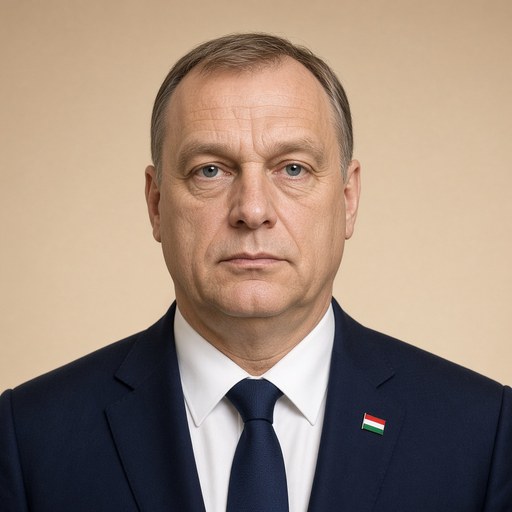
- Orbán addressed the Qatari Economic Forum on May 23, 2023, discussing Hungary's stance on the Ukraine war and signing an agreement with Qatar.
- Main themes
- Ukraine-Russia war, ceasefire and peace negotiations, Hungarian foreign policy, ethnic Hungarians in Ukraine, NATO limitations, European Union aid, diplomacy failure, Hungary-Qatar economic relations, sovereignty and occupation, escalation risks
- Duration
- ~34 min
- Words
- 4,108
- Sentences
- 293
- Readability
- 64
- Grade
- 7.8
- Syntax
- 2.61
- Vocabulary
- 1.95
Translated from Hungarian
The broad sphere of national life a sentence belongs to. Every sentence has an Arena, so it is the denominator the other indices are read against.
Other293 sentences in 86 paragraphs
Viktor Orbán, the Prime Minister of Hungary and the longest-serving leader in Europe – we just spoke about it – has been in office for 17 years. Thank you for speaking with us! You have just signed an agreement with Qatar, and we will return to that. But we could start with the other reason your country is currently in the news: Ukraine. The fundamental point regarding Ukraine is that it is a sovereign country that has been occupied by Russia – just as Hungary was occupied by the Soviet Union in 1956. Just last night, I watched a video about this – heroes like Margaret Thatcher, Ronald Reagan, and Pope John Paul II were the ones who supported Hungary at that time. Yesterday, your foreign minister said that they would block the aid that the European Union would provide to Ukraine. I am curious why a country like yours – which, you know, was once occupied by the Russians – would do such a thing?
First of all, thank you for the opportunity to talk. I would make a small remark: 17 years in government and 16 years in opposition. Both are equally important. Back to the question of war: you must know that Hungary has a very unique position regarding the war because Ukraine is not a distant country; Ukraine is our neighbor. Secondly, we have a 200,000-strong ethnic minority living in Ukraine. And they are also part of the war: they are conscripted into the Ukrainian army and therefore die. So we are losing Hungarian lives every day. Therefore, we do not belong to the European mainstream position. My position, that is, Hungary's position from the very first moment of the war, has been that this war is a failure of diplomacy. It should never have broken out. So if we look at what is happening on the front line, it is clear to us that a military solution does not work. So whoever is right – you correctly described the situation that Russia has occupied Ukraine – but the question is not who occupied whom, but what will happen tomorrow morning? The facts show that by tomorrow morning even more people will die, and there is no chance of victory on either side. So this is a war that deprives many people of their lives without any result.
We can certainly agree that diplomacy has not been successful. But there is a big difference between failure and the fact of occupation. What interests me is that for someone like you – since this was one of the main reasons you started to engage in politics, 1956 is important to you…
Yes, I am a freedom fighter.
…and the fight for freedom – you have a neighbor that has been occupied by Russia, the same country… you know, you grew up with the sight of tanks arriving in Budapest… Why do you oppose European aid?
No, no, emotionally this is very tragic. We stand with Ukraine wholeheartedly. We understand how much they are suffering. But here I speak as a politician whose job is to save lives. The most important task of the international political community is to save lives – especially if, like me, you are convinced that this war cannot be won. Therefore, we need to invest much more energy in convincing everyone: the only solution is a ceasefire. After the ceasefire, peace negotiations must begin. After that, we can return to the question you raised, do you understand?
Do you really think that Ukraine has no chance of winning?
This is my…
Obviously, they have very little chance of victory without the support that you are currently blocking…
No, no, my position is that if we look at reality, if we look at the numbers, if we look at the circumstances, if we see that NATO is unwilling to send troops, then it is clear that there is no victory for the poor Ukrainians on the battlefield. This is my position. I have always suggested to everyone that instead of getting more deeply involved in the war, we should stop the escalation and argue for peace and negotiations.
Essentially, you…
Do not forget the facts: there are 140 million people living in Russia, in Ukraine… 30?
It is interesting that you say that. As far as I know, your foreign minister did not refer to Ukraine being unable to win, but rather that this is a matter of how a bank is rated… that the Ukrainians are treating them poorly – which seems really insignificant compared to the larger issue.
No, it is not. This is a matter of principle. The foreign minister was therefore right. If a country, such as Ukraine, wants to receive financial support from you, which is essential for them, then they cannot blacklist your companies. These two things cannot be done simultaneously. So if they need our money, they should respect us and not sanction our companies. It is that simple.
You spoke about NATO. I would be curious to know how you see… Let’s imagine there is a ceasefire. Let’s imagine peace is established with Russia. Perhaps you have heard Henry Kissinger, who was previously quite skeptical about Ukraine being part of NATO, now sees that Ukraine has ceased to be a buffer state – something that lies between the West and the East – and therefore believes that as part of the peace settlement, Ukraine should join NATO. What is your position on this?
This is an interesting speculation. It is good for intellectuals, by the way. But I am a decision-maker. As an actor, we need to focus on what should be done. My opinion is that first and foremost, we need a ceasefire. Once the ceasefire is established, we should start negotiating a new security system for the European continent. In my view, only a peace negotiation and peace agreement between Russia and the United States can close this entire conflict. What is at stake? Ukraine is certainly very important, but in the long term – from a strategic point of view – the future security of Europe is at stake. It is clear that without the United States, there is no European security system, and the war can only be stopped now if the Russians can reach an agreement with the United States. As a European, I am not happy about this at all, but this is the only way out.
One more thing regarding NATO. You have also opposed – or it seems you are less fond of – Sweden becoming a NATO member. I know you might say that this is a matter for the parliamentarians, but you, as we have established, are a very successful politician. Why do you oppose Sweden joining NATO?
Because the political relationship between Sweden and Hungary is terribly bad, and it needs to be improved first. We do not want to bring conflicts into NATO. So first, let’s address the disagreements between the two countries, and then we are ready to support them. On principle, we support it anyway. And we like the Swedish people… but the political relationship between the countries is currently quite unpleasant.
Can we talk about the European Union? The EU is currently rejecting or delaying, I believe, the transfer of 30 billion dollars in aid and loans to Hungary. You have protested against this, but I would be curious if you have set a deadline for when the EU should give what you consider to be your own money?
No, no, but you need to understand the nature of the disagreement: it is not about the money.
Okay.
The money is important, but you know, Europe is strong, Hungary is strong, so we can manage our economy even based on our own resources. But we need to understand that there are two fundamental strategic questions where we disagree with the mainstream position of the European Union. The first is the debate about “decoupling” or separation on one side, and connectivity on the other side. And more and more European countries are on the side of decoupling or separation, while Hungary is firmly in favor of connection and connectivity. The other strategic difference is related to the war, as there is a war psychosis in Europe. The mainstream and the majority think they can win the war and that there is a military solution. Hungary does not agree with this. So these are the two main strategic differences. And the inclusion of financial, funding issues is merely a consequence of the two strategically different approaches.
I just realized, these are very big differences. If you look back at your other difficulties with the European Union, for someone coming from Great Britain, it might feel like the road to Brexit. Many of your role models – Roger Scruton, whom we spoke about earlier – supported Brexit. You also seem to be pro-Brexit.
No, no, no…
Why does Hungary remain in the European Union?
The answer is very simple: 85 percent of our exports go to the European Union. We are not strong and powerful like the British in terms of security and economic assistance…
It may be a bad decision…
It may be, but that is not on the agenda anyway. You know, we have a fundamental difficulty in the European Union, which is the question of leadership. The question of leadership in the European Union is approached from an intellectual direction. They think that leadership means that we are led by the institutions, and the politicians' job is to make the institutions work well. Which is a nice idea when everything is going well. But when there are difficulties, it does not work; the institutions are not effective: we need leaders, human beings who make decisions, take responsibility, and so on, and so forth. So we are now living in a difficult time, and the European Union does not have such leadership.
But British leaders have complained for years about the Brussels leadership, “the octopus,” as they called it. Surely you share this view?
Yes, the bubble is terrible, especially in Brussels. The entire European Union is over-bureaucratized and too centralized, that is undeniable.
You mentioned decoupling, and I see that you have made several agreements with China, and I will try to generalize this for the audience. You have tried to adopt the same attitude towards China as you have towards Russia, namely that instead of belonging to the Western side, you want to be one of the leaders of the others. You want to be among those who try to connect China with the West. Is this reasonable?
No, we are not that ambitious. The reason is that a good relationship is a good thing. We are a country of 10 million, exports account for 80-85 percent of GDP, so we are a very open country; we need trade and political relations. So we believe in connectivity. And China is a huge opportunity; why not take advantage of it?
As many claim, China could be a rival to the West in the long run.
Or a partner.
Or a partner.
We decide that.
It may be, for example, an area where you would not agree with Donald Trump.
It may be. Let’s wait for him to return and discuss it.
In the end, we return to American politics. I am curious if the applause is for Donald Trump's return or non-return…
Understandable.
To return to why you are here, yesterday you signed an energy agreement related to gas purchases with Qatar, and you said it is better to stand on multiple legs than just one. This, I suspect, was a reference to Hungary's dependence on Russian gas. Could you say something about what the outcome of the agreement will be? How much gas will you buy from Qatar?
First of all, the negotiations are still ongoing. Secondly, Hungary is a landlocked country, which means we cannot neglect the energy coming from Russia through pipelines. Half of Hungary's energy needs come from Russia, based on long-term contracts; we need to find partners for the other half. We are looking for partners all over the world, and Qatar is one of our potential partners. But everyone is queuing at the Qatari's door, so it is not easy to get here and sign an agreement. Even if we succeed, it cannot start before 2026 because the Qataris are booked until then. So we hope for cooperation. Qatar is a country we respect very much; without it, Europe would have been in big trouble last year. We are trying to establish a broader strategic cooperation with them, not only in energy but also in agriculture, IT, and security issues.
Do you think you will acquire… In Budapest, it is said that some believe you will convince the Qataris to help buy back the Budapest airport, which you have already planned to purchase.
Hungary's main value from your perspective is probably its geographical location because we are in the middle of Europe, in the center of Central Europe, and every road passes through Hungary in the north-south and east-west directions. The airport is strategically significant for us. Qatar is interested in it. There is no decision yet. We are still negotiating. We would welcome them. They are still present in Hungary as investors.
So you would like to receive Qatari money to help buy back as investors.
Yes, yes. But we are also ready to participate, so we need strategic investments in Budapest regarding the airport. Not just for the buyback, but for a large-scale plan to develop it into one of the competitive airports in the European market.
Critics would say that you may be moving more slowly to end your energy relationship with Russia than others. You have made agreements with Gazprom, and similar things. Just one example: the Russian state nuclear energy company, Rosatom, is still building your nuclear power plant. No matter how you look at it, it is not going very well – partly due to sanctions and delays. Surely this is a place where you could simply drop the Russian company and move on.
In this regard, we are not in a hurry. Hungary has had a nuclear power plant based on Russian technology for 60 years, which works very well, and the Russians have always been reliable partners. And we would like to expand this nuclear power plant. And expanding it based on something else, another technology, is very risky. So if we want to expand on the same site, we need to use Russian technology. So we continue to do this, and I hope we can continue. Building a nuclear power plant is a complicated process. There are certain delays, but I am optimistic that we can finish according to the plans.
You may not agree with them, but at least you can understand that other European countries, when they look at you, see: you still cling to the Russians regarding your nuclear power plant, you still do business with Gazprom, you are still the one who talks about Ukraine not winning, and you stand for peace. Do you understand why they think you are too much on Vladimir Putin's side?
For obvious reasons. But now in Europe, if someone stands up for national interests, they can easily be accused of being pro-Russian. But the fact is that my compass always points towards Hungarian national interests. I do not deal with other leaders; I deal with my own country. I stand up for Hungary, you know? So whatever accusations I may receive or will receive, I will continue to receive them. And you are right that Hungary is a country that thinks if we do something ten times – for example, we introduce sanction packages – and it does not work, then it is not reasonable to do it eleven times – you know, we do it again, hoping that the result will be different. This goes against common sense. So the European Union's sanctions policy, in our view, simply does not work.
But isn't that the essence? When you talk about it being only about national interests, isn't that the whole point of being part of a contractual alliance? The essence of an alliance like the European Union is that yes, we take our national interests into account, but ultimately we support our neighbors, we support the broader, greater goal: in one case, the containment of Russia, in another case, the promotion of the European Union.
No, no, these are two separate issues. The first is, of course, that we need to agree with the Russians on the future of European security. That is one thing. The other question is, what is the future of the European Union? And in this regard, there are two schools in Brussels. The first is the United States of Europe, or as the Brussels language puts it: "an ever closer union." We do not like that. We do not want to belong to an empire. We want to preserve our national sovereignty. So the other concept – the second school – is the maintenance of national sovereignty and the vision of Europe as a union of sovereign states, as a system of cooperation. I belong to the second school – we belong to the second school. This is now a significant difference, and this causes the debate within the European Union. But the only way to move forward is to discuss it.
In terms of friends, obviously, the Qataris are here. In the Arab world, in general, in some respects, many are asking, many are wondering why you are here. You are someone who – to put it politely – has had quite a strong opinion about Muslims in Hungary. You have talked about Hungary being a Christian country. You do not want the Islamic civilization to "occupy" Europe. So why are you here now? Why do you want money from them?
No, no, it is not about money. We are here for much more political reasons than economic ones. But I think the main dilemma of the future is not whether it is Muslim or Christian. The main dilemma of the future – as with migration, gender propaganda, state sovereignty – is normality or abnormality, as we say. Christians and Muslims can cooperate in the defense and preservation of traditional values: God, homeland, family. This is the most important thing, not "Christian or Muslim." This is why we can cooperate with Muslim countries on a principled basis. Erdoğan – whom I like very much – is a good friend of Hungary, a good friend of the Hungarian government, despite the fact that our government has a clear Christian identity. So religion does not pose a difficulty in cooperation.
So your position is that you are happy to meet with Muslims here; you just do not want them to come to Hungary?
No, no, it is about migration. Migration is a different issue. The question is, who decides who can enter your country, who can stay there, and with whom you have to live. Who is the authority that decides this – the nation-state or someone else? Hungary insists on deciding who can come into our country and who can live here; this is our exclusive decision, it cannot be Brussels' or anyone else's decision. So this is a question of migration, not a cultural question. This is another dimension that has no place in Hungary because Hungary has a clear, non-threatened Christian identity. We are strong in our identity.
I was wondering, regarding what we talked about earlier… Donald Trump's name came up. You generally seem friendlier with him, if I may put it that way, than with other European leaders. Do you think he will win the next elections?
I hope so.
However, DeSantis, with whom you were somewhat close… Well, it seemed there was some kind of friendly approach.
Yes. He is also a very good leader, but I belong to the club of veterans, and veterans support each other.
A veteran who is very much in the spotlight: no one would certainly call Joe Biden young. What is wrong with Joe Biden?
Well, it is not my job to criticize the leader of the United States – that is not a good business idea anyway.
But would you be happier if the United States had a different leader?
I would rather say that American Democrats are much more driven by ideology than Republicans. And Democrats always like to convince – and sometimes force – others about how to live. And I do not like that. We have our own culture. Culture defines how we live. Do not interfere, please. Do not educate us. Do not tell us what is good, what is bad, what is freedom. We do not like that. It is not their business. It is not the business of Americans or other nations; it is the business of Hungarians. It is that simple.
But there is…
Donald Trump understands this. That is important.
But there is a big, very big difference that Donald Trump sees issues like China in black and white. He is the one who started this – he is not the first, but he is certainly the one who accelerated – America's decoupling from China. It is hard to imagine that he would not continue to push this. Isn't this the main area where you automatically come into conflict with those right-wing people whom you otherwise support?
I would not call it a conflict, but we must calmly state that the interests of the United States and the European Union, the European countries regarding China are decidedly different. So that is the starting point. Therefore, to align our policies or cooperate on this issue, negotiations between the United States and the European Union are needed. And even if the President of the United States is Trump, we need to seriously discuss this. This is a complicated, difficult topic, but I believe that Europe must represent its own interests regarding China.
And do you see any signs that European leadership is changing towards people who would be more sympathetic to your position? Currently, you have somewhat few direct allies in Europe, if I may put it that way, within the European Union.
Time can help. There are not many now, but time can help.
Speaking of time, you have been the leader of your country for a very long time. Is there a set date when you might plan to move on?
That will be decided by my wife.
So it is a democratic vote.
A democratic vote at home. Basically, that is why we are here, because I was first elected Prime Minister in '98. So I started cooperating with the Qatari government in '99 anyway, when the Qatari Foreign Minister first visited Hungary. So our relationship with Qatar – the economy is important, but it is not solely economic. Money is important, but investments are also important. But our cooperation is more political than economic in nature. To go back, personal relationships matter, personal loyalty matters, leadership relationships matter.
In the video I saw of you, you said you would meet with Margaret Thatcher at that time. I am curious – and I ask you this question again – the Orbán Viktor who first emerged, for whom the Russian occupation was a turning point – obviously, I only know this from hearsay – did you stand up for what you thought, or were people let down by Hungary at that time?
No, I was the first Central European leader to publicly call for the withdrawal of Soviet troops from Central European countries. That is true.
But the Orbán Viktor who emerged, whom many on the right, many across Europe saw as a natural partner, someone who could be part of the larger, broader picture you embarked on. The new Orbán Viktor is a completely different creature.
No, no, we are talking about the Ukrainian war again.
Yes.
Let us save Ukraine as much as we can, and the only good thing we can do for the Ukrainian people is to achieve a ceasefire and peace, and save lives. This is Orbán Viktor's position.
Has your overall political philosophy changed?
No, it is not about philosophy; it is about the war and the fact that we are losing human lives every day. This must be stopped!
Mr. Orbán, thank you very much for talking to us.
Thank you very much!
Prime Minister Viktor Orbán, thank you!
Thank you!
The original Hungarian. The tags above are read on the English translation's sentences.
Orbán Viktor, Magyarország miniszterelnöke és Európa legrégebb óta – éppen most beszéltünk róla –, 17 éve hivatalban lévő vezetője. Köszönjük, hogy beszélget velünk! Éppen most írt alá egy megállapodást Katarral, erre vissza fogunk térni. De kezdhetnénk a másik okkal, amiért országa jelenleg a hírekben szerepel: Ukrajnával. Az alapvetés Ukrajnával kapcsolatban, hogy egy szuverén ország, amelyet Oroszország megszállt – éppen úgy, ahogy Magyarországot 1956-ban megszállta a Szovjetunió. Éppen tegnap este néztem erről egy videót – olyan hősök, mint Margaret Thatcher, Ronald Reagan és II. János Pál pápa voltak azok, akik támogatták Magyarországot akkor. Tegnap az Ön külügyminisztere azt mondta, blokkolni fogják azt a segélyt, amit az Európai Unió Ukrajnának adna. Arra vagyok kíváncsi, hogy egy olyan ország, mint az Öné – amit, tudja, megszálltak egyszer az oroszok –, miért tenne ilyet?
Először is, köszönöm a beszélgetés lehetőségét. Egy apró megjegyzést tennék: 17 év kormányon és 16 év ellenzékben. Ez egyformán fontos. Vissza a háború kérdésére: tudnia kell, hogy Magyarországnak nagyon egyedi helyzete van a háború tekintetében, mert Ukrajna nem egy távoli ország, Ukrajna a szomszédunk. Másodszor, 200 ezer fős etnikai kisebbségünk él Ukrajnában. És ők is részesei a háborúnak: az ukrán hadsereg besorozott katonái és ezért meghalnak. Tehát mi naponta veszítünk el magyar életeket. Tehát mi nem tartozunk az európai fősodor álláspontjához. Az én állásponton, vagyis Magyarország álláspontja a háború első pillanatától kezdve az volt, hogy ez a háború a diplomácia kudarca. Soha nem lett volna szabad kitörnie a háborúnak. Tehát ha megnézzük, hogy mi történik a frontvonalban, számunkra egyértelmű, hogy a harctéri megoldás nem működik. Tehát bárkinek is van igaza – helyesen írta le a szituációt, hogy Oroszország megszállta Ukrajnát –, de a kérdés nem az, hogy ki szállt meg kit, hanem az, hogy mi lesz holnap reggel? A tények azt mutatják, hogy holnap reggelre még több ember fog meghalni, és egyik oldalon sincs esély a győzelemre. Tehát ez egy olyan háború, ami eredmény nélkül foszt meg rengeteg embert az életétől.
Abban biztosan egyetérthetünk, hogy a diplomácia nem volt sikeres. De nagy különbség van a kudarc és a megszállás ténye között. Ami engem érdekel, az az, hogy olyasvalakinek, mint Ön – hiszen ez volt az egyik fő oka, hogy politizálni kezdett, Önnek fontos 1956…
Igen, szabadságharcos vagyok.
…és a szabadságért való harc –, van egy olyan szomszédja, amit megszállt Oroszország, ugyanaz az ország…, tudja, Ön a Budapestre érkező tankok látványával nőtt fel… Miért ellenzi az európai segélyt?
Nem, nem, érzelmileg ez nagyon is tragikus. Teljes szívvel Ukrajna mellett állunk. Megértjük, hogy mennyire szenvednek. De itt politikusként beszélek, akinek az a dolga, hogy életeket mentsen. A nemzetközi politikai közösség legfontosabb feladata, hogy emberéleteket mentsen – különösen, ha hozzám hasonlóan meg vannak győződve róla, hogy nem lehet megnyerni ezt a háborút. Ezért sokkal több energiát kell abba fektetnünk, hogy meggyőzzünk mindenkit: az egyetlen megoldás a tűzszünet. A tűzszünet után pedig béketárgyalásoknak kell kezdődnie. Ezek után térhetünk vissza az Ön által felvetett kérdéshez, érti?
Tényleg úgy gondolja, hogy Ukrajnának nincs esélye győzni?
Ez az én…
Nyilván, nagyon kevés esélyük van a győzelemre az Önök által jelenleg blokkolt támogatás nélkül…
Nem, nem, az én álláspontom az, hogy ha a realitást nézzük, ha a számokat nézzük, ha a körülményeket nézzük, ha azt nézzük, hogy a NATO nem hajlandó csapatokat küldeni, akkor nyilvánvaló, hogy a szegény ukránok számára nincs győzelem a csatatéren. Ez az én álláspontom. Mindig is azt javasoltam mindenkinek, ahelyett, hogy még jobban belekeveredne a háborúba, meg kellene állítani az eszkalációt, és a béke, valamint a tárgyalások érdekében kellene érvelnünk.
Lényegében, Ön…
Ne feledkezzen meg a tényekről: Oroszországban 140 millióan élnek, Ukrajnában… 30?
Érdekes, hogy ezt mondja. Amennyire én tudom, az Önök külügyminisztere nem arra hivatkozott, hogy Ukrajna nem tud nyerni, hanem hogy ez egy olyan kérdés, ami arról szól, hogy egy bankot úgy minősítenek… hogy az ukránok rosszul bánnak velük – ami a nagy ügyhöz képest igazán jelentéktelennek tűnik.
Nem, nem az. Ez elvi kérdés. A külügyminiszternek tehát igaza volt. Ha egy ország, például Ukrajna pénzügyi támogatást szeretne kapni Öntől, ami számára nélkülözhetetlen, akkor nem teheti feketelistára az Ön vállalatait. Ezt a két dolgot nem lehet párhuzamosan meglépni. Ha tehát szüksége van a pénzünkre, akkor tiszteljen bennünket, és ne szankcionálja a vállalatainkat. Ez ilyen egyszerű.
Ön a NATO-ról beszélt. Kíváncsi lennék, miként látja… Képzeljük el, hogy tűzszünet van. Képzeljük el, hogy megszületik a béke Oroszországgal. Talán hallotta Henry Kissingert, aki korábban igencsak szkeptikus volt azzal kapcsolatban, hogy Ukrajna a NATO része legyen, most viszont úgy látja, hogy Ukrajna megszűnt ütközőállam lenni ‒ olyasvalami, ami Nyugat és Kelet között húzódik ‒, emiatt viszont szerinte a békerendezés részeként Ukrajnának be kellene lépnie a NATO-ba. Mi az Ön álláspontja ezzel kapcsolatban?
Ez egy érdekes spekuláció. Az értelmiségiek számára egyébként jó. Én viszont döntéshozó vagyok. Cselekvőként pedig arra kell koncentrálnunk, hogy mit kellene tenni. Az én véleményem pedig az, hogy legelőször tűzszünetre van szükség. Ha létrejön a tűzszünet, akkor kezdjünk el tárgyalni az európai kontinens új biztonsági rendszeréről. Álláspontom szerint egyedül Oroszország és az Egyesült Államok között létrejövő béketárgyalás és békemegállapodás képes ezt az egész konfliktust lezárni. Hogy mi a tét? Ukrajna természetesen nagyon fontos, de hosszabb távon ‒ stratégiai szempontból ‒ Európa jövőbeli biztonsága a tét. Nyilvánvaló, hogy az Egyesült Államok nélkül nincs európai biztonsági rendszer, a háborút pedig most már csak úgy lehet megállítani, ha az oroszok meg tudnak egyezni az Egyesült Államokkal. Európaiként egyébként egyáltalán nem vagyok boldog ettől, de ez az egyetlen kivezető út.
Még egy dolog a NATO-val kapcsolatban. Ön ellenezte azt is – vagy úgy tűnik, hogy önnek kevésbé tetszik –, hogy Svédország a NATO tagja legyen. Tudom, Ön erre azt mondhatná, hogy ez a parlamenti képviselők dolga, de Ön, mint megállapítottuk, egy nagyon sikeres politikus. Miért ellenzi, hogy Svédország belépjen a NATO-ba?
Mert a politikai kapcsolat Svédország és Magyarország között borzasztóan rossz, és először javítani kell rajta. Nem szeretnénk konfliktusokat behozni a NATO-ba. Tehát először kezeljük a két ország közötti nézeteltéréseket, és utána készek vagyunk támogatni őket. Elvi alapon amúgy is támogatjuk. És kedveljük a svéd embereket… de a politikai kapcsolat az országok között jelenleg elég undok.
Beszélhetünk az Európai Unióról? Az EU jelenleg elutasítja, vagy késlelteti, azt hiszem, 30 milliárd dollárnyi támogatás és hitel átutalását Magyarországnak. Önök tiltakoztak ez ellen, de kíváncsi lennék, kitűztek-e egy határidőt, hogy az EU-nak mikor kellene odaadnia azt, amit Önök a saját pénzüknek tartanak?
Nem, nem, de meg kell érteni a nézeteltérés jellegét: nem a pénzről van szó.
Rendben.
A pénz fontos, de tudja, Európa erős, Magyarország erős, tehát a gazdaságunkat akár a saját erőforrásaink alapján is tudjuk kezelni. De meg kell értenünk, hogy van két alapvető stratégiai kérdés, amiben nem értünk egyet az Európai Unió fősodrának álláspontjával. Az első a „kockázatmentesítésről” vagy a szétválasztásról szóló vita az egyik oldalon, és az összekapcsolhatóságról a másik oldalon. És egyre több európai ország áll a kockázatmentesítés vagy a szétválasztás oldalán, Magyarország pedig határozottan a kapcsolódás és az összekapcsolhatóság mellett van. A másik stratégiai különbség a háborúval kapcsolatos, ugyanis Európában háborús pszichózis van. A fősodor és a többség azt gondolja, hogy megnyerhetik a háborút, és van harctéri megoldás. Magyarország ezzel nem ért egyet. Ez tehát a két fő stratégiai különbség. És a pénzügyi, finanszírozási kérdések bevonása csak a két, stratégiailag eltérő megközelítés következménye.
Most döbbentem rá, ezek nagyon nagy különbségek. Ha visszatekint a többi nehézségére is az Európai Unióval, annak, aki Nagy-Britanniából jött, olyan érzés lehet, mint a Brexit felé vezető út. Sokan az Ön példaképei közül – Roger Scruton is, akiről korábban beszéltünk – támogatták a Brexitet. Ön is Brexit-pártinak tűnik.
Nem, nem, nem…
Miért marad Magyarország az Európai Unióban?
A válasz nagyon egyszerű: az exportunk 85 százaléka az Európa Unióba megy. Mi nem vagyunk erősek és hatalmasok, mint a britek a biztonsági és gazdasági segítség tekintetében…
Lehet, hogy rossz döntés…
Lehet, de ez egyébként sincs napirenden. Tudja, az Európai Unióban egy alapvető nehézségünk van, ez a vezetés kérdése. Az Európai Unióban a vezetés kérdését intellektuális irányból közelítik meg. Úgy gondolják, hogy a vezetés azt jelenti, hogy minket az intézmények vezetnek, és a politikusok feladata az, hogy az intézményeket jól működtessék. Ami egy szép ötlet akkor, amikor minden jól megy. De amikor nehézségek vannak, ez nem működik, az intézmények nem hatékonyak: vezetőkre van szükség, emberi lényekre, akik döntéseket hoznak, felelősséget vállalnak, és így tovább, és így tovább. Tehát most egy nehéz időszakot élünk, az Európai Uniónak pedig nincsen ilyen vezetése.
De a brit vezetők éveken keresztül panaszkodtak a brüsszeli vezetésre, „a polipra”, ahogy nevezték. Biztos, hogy Ön is ezen az állásponton van?
Igen, a buborék szörnyű, Brüsszelben főleg. Az Európai Unió egésze túlbürokratizált és túlcentralizált, ez kétségtelen.
Említtette a szétválást és látom, hogy több megállapodást is kötöttek Kínával, és megpróbálom ezt általánosítani a közönségnek. Ön megpróbálta ugyanazt az attitűdöt felvenni Kínával, mint Oroszországgal is, miszerint ahelyett, hogy a nyugati oldalhoz tartozna, a többiek egyik vezetője akar lenni. Azok közé akar tartozni, akik megpróbálják összekötni Kínát a Nyugattal. Ez ésszerű így?
Nem, ennyire nem vagyunk ambiciózusak. Az ok az, hogy a kapcsolat jó dolog. 10 milliós ország vagyunk, az export a GDP 80-85 százalékát teszi ki, tehát egy nagyon nyitott ország vagyunk, szükségünk van a kereskedelemre és a politikai kapcsolatokra. Tehát mi hiszünk az összekapcsolódásban. Kína pedig egy hatalmas lehetőség, miért ne élnénk vele?
Ahogy sokan állítják, Kína hosszú távon riválisa lehet a Nyugatnak.
Vagy partnere.
Vagy partnere.
Ezt mi döntjük el.
Lehet, hogy például ez egy olyan terület, ahol nem értenének egyet Donald Trumppal.
Lehet. Várjuk meg, hogy visszatérjen, és megbeszéljük.
A végén visszatérünk az amerikai politikához. Kíváncsi vagyok, hogy a taps Donald Trump visszatérésének vagy vissza nem térésének szól-e…
Érthető.
Hogy visszatérjük arra, miért van Ön itt, tegnap aláírt egy gázvásárlással kapcsolatos energetikai megállapodást Katarral, és azt mondta, jobb, ha több lábon állunk, mint ha csak egyen. Ez, gyanítom, utalás volt Magyarország orosz gázfüggőségére. Tudna mondani valamit arról, mi lesz a megállapodás kimenetele? Mennyi gázt fognak vásárolni Katartól?
Először is, a tárgyalások még zajlanak. Másodszor, Magyarország egy szárazfölddel körülvett ország, ami azt jelenti, hogy nem hanyagolhatjuk el az Oroszország felől csővezetékeken érkező energiát. A magyar energiaszükséglet fele Oroszországból, hosszú távú szerződések alapján érkezik, a másik felére kell találnunk partnereket. Az egész világon keresünk partnereket, és Katar az egyik potenciális partnerünk. De mindenki a katariak ajtaja előtt áll sorban, tehát nem könnyű idejutni és aláírni egy megállapodást. Ha ez sikerül, akkor sem tud 2026-nál előbb elindulni, mert addig a katariak le vannak foglalva. Tehát reménykedünk az együttműködésben. Katar olyan ország, amelyet nagyon tisztelünk, nélküle Európa nagy bajba került volna tavaly. Próbálunk egy bővebb stratégiai együttműködést kötni velük, nemcsak energetikai, hanem mezőgazdasági, informatikai és biztonsági kérdésekben is.
Gondolja, hogy meg fogja szerezni… Budapesten azt beszélik, néhányan úgy gondolják, hogy meggyőzi a katariakat, segítsenek visszavásárolni a budapesti repülőteret, amely megvásárlását Önök már tervezik.
Magyarország legfőbb értéke az önök szempontjából valószínűleg a földrajzi helyzete, mert Európa közepén vagyunk, Közép-Európa közepén, és minden út Magyarországon halad keresztül észak-déli és kelet-nyugati irányban. A repülőtér stratégiai jelentőséggel bír számunkra. Katar érdeklődik iránta. Még nincs döntés. Még mindig tárgyalunk. Örömmel fogadnánk őket. Még mindig jelen vannak Magyarországon befektetőként.
Tehát szeretnének katari pénzt kapni, hogy befektetőként segítsenek visszavásárolni.
Igen, igen. De mi is készen állunk a részvételre, tehát stratégiai befektetésekre van szükségünk Budapesten a repülőtérrel kapcsolatban. Nem csak a kivásárláshoz, hanem egy nagyszabású tervhez, hogy az európai piac egyik versenyképes repülőterévé fejlesszük.
Kritikusai azt mondanák, hogy Önök talán lassabban haladnak az Oroszországgal való energiaügyi kapcsolat megszüntetésével, mint mások. Megállapodást kötöttek a Gazprommal, és ehhez hasonló dolgok. Csak egy példa: még mindig az orosz állami atomenergiai vállalat, a Roszatom építi az önök atomerőművét. Akármilyen szempontból is nézzük, nem megy túl jól – részben a szankciók és a késedelmek miatt. Bizonyára ez egy olyan hely, ahol egyszerűen ejthetnék az orosz vállalatot, és tovább léphetnének.
Ebben a tekintetben nem sietünk. Magyarországon 60 éve van egy orosz technológián alapuló atomerőművünk, ami nagyon jól működik, és az oroszok mindig megbízható partnerek voltak. És ezt az atomerőművet szeretnénk bővíteni. És mással, más technológiára alapozva bővíteni, ez nagyon kockázatos. Ha tehát ugyanazon a helyszínen szeretnénk bővíteni, akkor orosz technológiát kell használnunk. Tehát továbbra is ezt tesszük, és remélem, hogy folytatni tudjuk. Egy atomerőmű megépítése bonyolult folyamat. Vannak bizonyos késedelmek, de optimista vagyok, hogy a tervek szerint be tudjuk fejezni.
Lehet, hogy nem ért egyet velük, de legalább azt meg tudja érteni, hogy más európai országok, amikor Önökre néznek, azt látják: még mindig ragaszkodik az oroszokhoz az atomerőműve kapcsán, még mindig a Gazprommal köt üzleteket, még mindig Ön az, aki arról beszél, hogy Ukrajna nem győz, és a béke pártján áll. Érti, miért gondolják úgy, hogy Ön túlságosan Vlagyimir Putyin oldalán áll?
Nyilvánvaló okokból. De most Európában, ha valaki a nemzeti érdekek alapján áll ki, könnyen megvádolhatják azzal, hogy Ön Oroszország mellett áll. De az a helyzet, hogy az én iránytűm mindig a magyar nemzeti érdekek irányába mutat. Nem foglalkozom más vezetővel, a saját hazámmal foglalkozom. Én Magyarországért állok ki, tudja? Tehát bármilyen vádat kaphatok vagy kapni fogok, továbbra is meg fogom kapni. És igaza van abban, hogy Magyarország egy olyan ország, amely úgy gondolja, hogy ha valamit tízszer megteszünk – például szankciós csomagokat vezetünk be –, és ez nem működött, akkor nem ésszerű, hogy tizenegyszer megtegyük – tudja, újra megtesszük, remélve, hogy az eredmény más lesz. Ez ellenkezik a józan ésszel. Tehát az Európai Unió szankciós politikája a mi felfogásunk szerint egyszerűen nem működik.
De nem ez a lényeg? Amikor arról beszél, hogy csak a nemzeti érdekekről van szó, nem ez az egész lényege annak, hogy egy szerződéses szövetség részesei vagyunk? Az Európai Unióhoz hasonló szövetség lényege, hogy igen, figyelembe vesszük a nemzeti érdekeinket, de végül is támogatjuk a szomszédainkat, támogatjuk a szélesebb, nagyobb célt: egyik esetben Oroszország visszaszorítását, másik esetben az Európai Unió előmozdítását.
Nem, nem, ez két különálló ügy. Az első természetesen az, hogy meg kell állapodnunk az oroszokkal az európai biztonság jövőjéről. Ez az egyik dolog. A másik kérdés, hogy mi az Európai Unió jövője? És ebben a tekintetben két iskola van Brüsszelben. Az első az Európai Egyesült Államok, vagy ahogy a brüsszeli nyelvezet mondja: “egyre szorosabb unió”. Ez nekünk nem tetszik. Nem szeretnénk egy birodalomhoz tartozni. Szeretnénk megőrizni nemzeti szuverenitásunkat. Tehát a másik koncepció – a második iskola – a nemzeti szuverenitás fenntartása, és Európa szuverén államok szövetségeként, együttműködési rendszereként való elképzelése. Én a második iskolához tartozom – mi a második iskolához tartozunk. Ez most nagy különbség, és ez okozza az Európai Unión belüli vitát. De az egyetlen módja az előrehaladásnak az, hogy megvitatjuk.
Barátok tekintetében, nyilván itt vannak a katariak. Az arab világban, általánosságban, bizonyos tekintetben, sokan kérdezik, sokan csodálkoznak, hogy itt van. Ön olyasvalaki, aki – udvariasan fogalmazok – elég erős véleménnyel volt a muszlimokkal kapcsolatban Magyarországon. Arról beszélt, hogy Magyarország keresztény ország. Nem akarja, hogy az iszlám civilizáció „megszállja” Európát. Tehát miért van most itt? Miért akar tőlük pénzt?
Nem, nem, nem pénzről van szó. Sokkal inkább politikai, mint gazdasági okból vagyunk itt. De szerintem a jövő fő dilemmája nem az, hogy muszlim vagy keresztény. A jövő fő dilemmája – mint a migráció, genderpropaganda, állami szuverenitás esetén – a normalitás vagy abnormalitás, ahogy mi mondjuk. A keresztények és muszlimok pedig együttműködhetnek a hagyományos értékek: Isten, haza, család védelmében, megőrzésében. Ez a legfontosabb dolog, nem a „keresztény vagy muszlim”. Ez az oka annak, hogy elvi alapon együtt tudunk működni a muszlim országokkal. Erdoğan – akit nagyon kedvelek – Magyarország jó barátja, a magyar kormány jó barátja, annak ellenére, hogy a mi kormányunknak egyértelmű keresztény identitása van. Tehát a vallás nem okoz nehézséget az együttműködésben.
Tehát az Ön álláspontja, hogy örömmel találkozik muszlimokkal itt, csak nem akarja, hogy Magyarországra menjenek?
Nem, nem, ez a migrációról szól. A migráció más kérdés. A kérdés az, hogy ki dönti el, hogy ki jöhet be az országodba, ki maradhat ott és kivel kell együtt élned. Ki a hatóság, aki ezt eldönti – a nemzetállam vagy valaki más? Magyarország ragaszkodik ahhoz, hogy eldöntse, ki jöhet az országunkba és ki élhet itt, ez a mi kizárólagos döntésünk, nem lehet Brüsszel, vagy bárki más döntése. Tehát ez a migráció kérdése, nem kulturális kérdés. Ez egy másik dimenzió, aminek nincs helye Magyarországon, mert Magyarországon egyértelmű, nem veszélyeztetett keresztény identitása van. Mi erősek vagyunk az identitásunkban.
Azon tűnődtem, hogy amiről korábban beszéltünk… Donald Trump neve felmerült. Ön általában barátságosabb vele, ha szabad így fogalmaznom, mint más európai vezetőkkel. Ön szerint megnyeri a következő választásokat?
Remélem.
Azonban De Santis, akihez valamennyire szintén közel állt… Nos, úgy tűnt, hogy volt valamiféle baráti közeledés.
Igen. Ő is nagyon jó vezető, de én a veteránok klubjához tartozom, és a veteránok támogatják egymást.
Egy veterán, aki nagyon is az élvonalban van: Joe Bidenre biztosan senki sem mondaná, hogy fiatal. Mi a baj Joe Bidennel?
Nos, nem az én dolgom kritizálni az Egyesült Államok vezetőjét – ez amúgy sem jó üzleti ötlet.
De jobban örülne, ha az Egyesült Államoknak más vezetője lenne?
Inkább azt mondanám, hogy az amerikai demokraták sokkal inkább ideológia által vezéreltek, mint a republikánusok. A demokraták pedig mindig szeretnek meggyőzni – és néha kényszeríteni – másokat arról, hogyan kell élni. És ez nekem nem tetszik. Nekünk megvan a saját kultúránk. A kultúra határozza meg, hogyan élünk. Ne avatkozzanak bele, kérem. Ne oktassanak minket. Ne mondják meg, hogy mi a jó, mi a rossz, mi a szabadság. Ezt nem szeretjük. Ez nem az ő dolguk. Ez nem az amerikaiak és nem más nemzetek dolga, ez a magyarok dolga. Ez ilyen egyszerű.
De van…
Donald Trump ezt megérti. Ez fontos.
De van egy nagy, nagyon nagy különbség, hogy Donald Trump az olyan kérdéseket, mint Kína, különösen feketén-fehéren látja. Ő az a személy, aki ezt elindította – nem ő az első, de ő az a személy, aki minden bizonnyal felgyorsította – Amerika elszakadását Kínától. Nehéz elképzelni, hogy ezt ne erőltesse tovább. Nem ez az a fő terület, ahol Ön automatikusan konfliktusba kerül azokkal a jobboldali emberekkel, akiket egyébként támogat?
Nem nevezném konfliktusnak, de nagyon higgadtan ki kell mondanunk, hogy az Egyesült Államok érdeke, és az Európai Unió, az európai országok érdeke Kínával kapcsolatban határozottan különbözik. Tehát ez a kiindulópont. Tehát ahhoz, hogy összehangoljuk politikánkat vagy együttműködjünk ebben a témában, az Egyesült Államok és az Európai Unió közötti tárgyalásokra van szükség. És még akkor is, ha az Egyesült Államok elnöke Trump lesz és lenne, komolyan kell tárgyalnunk erről. Ez egy bonyolult, nehéz téma, de úgy gondolom, hogy Európának a saját érdekeit kell képviselnie Kínával kapcsolatosan.
És látja-e bármilyen jelét annak, hogy az európai vezetés megváltozik az olyan emberek irányába, akiknek szimpatikusabb lenne az Ön álláspontja? Jelenleg Önnek kissé kevés a közvetlen szövetségese Európában, ha lehet így fogalmazni, az Európai Unión belül.
Az idő segíthet. Most még nincsenek sokan, de az idő segíthet.
Ami az időt illeti, Ön nagyon hosszú ideig volt az országa vezetője. Van valami kitűzött dátum, amikor esetleg továbbállni tervez?
Ezt a feleségem fogja eldönteni.
Tehát ez egy demokratikus szavazás.
Egy demokratikus szavazás otthon. Alapvetően ezért vagyunk itt, mert ’98-ban választottak meg először miniszterelnöknek. Tehát a katari kormánnyal amúgy is ’99-ben kezdtem el együttműködni, amikor először járt Magyarországon a katari külügyminiszter. Tehát a kapcsolatunk Katarral – a gazdaság fontos, de nem kizárólag gazdasági. Fontos a pénz, de fontosak a befektetések is. De az együttműködésünk inkább politikai, mint gazdasági jellegű. Visszatérve, számít a személyes kapcsolat, számít a személyes lojalitás, számít a vezetői kapcsolat.
A videóban, amit láttam Önről, azt mondta, hogy találkozni fog Margaret Thatcherrel akkoriban. Arra vagyok kíváncsi – és újra felteszem Önnek ezt a kérdést – az az Orbán Viktor, aki először felbukkant, akinek az orosz megszállás egy fordulópontot jelentett – nyilvánvalóan én csak hallomásból tudom – Ön kiállt azért, amit gondolt vagy Magyarországot cserben hagyták akkor az emberek?
Nem, én voltam az első közép-európai vezető, aki nyilvánosan kérte a szovjet csapatok kivonását a közép-európai országokból. Ez igaz.
De az az Orbán Viktor, aki felbukkant, akit sokan a jobboldalon, sokan Európa-szerte természetes partnernek tekintettek, olyasvalakinek, aki része lehet annak a nagyobb, szélesebb képnek, amelyen Önök elindultak. Az új Orbán Viktor egy teljesen más teremtmény.
Nem, nem, már megint az ukrán háborúról beszél.
Igen.
Mentsük meg Ukrajnát, amennyire csak tudjuk, és az egyetlen jó dolog, amit az ukrán népért tehetünk, az a tűzszünet és a béke, valamint az életek megmentése. Ez Orbán Viktor álláspontja.
Változott az általános politikai filozófiája?
Nem, ez nem a filozófiáról szól, hanem a háborúról, és arról, hogy naponta emberi életeket veszítünk. Ezt meg kell állítani!
Orbán úr, köszönjük szépen, hogy beszélgetett velünk.
Köszönöm szépen!
Orbán Viktor miniszterelnök, köszönöm!
Köszönöm!