




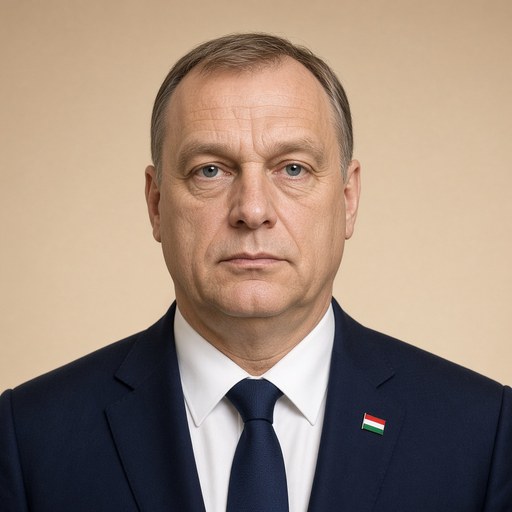
Viktor Orbán's speech at the inauguration of the ActiCity Dance and Movement Center.
 Viktor Orbán · Prime Minister of Hungary
- Context
- Orbán spoke at the inauguration of the ActiCity Dance and Movement Center in Veszprém, Hungary's 2023 European Capital of Culture, on 12 May 2023.
- Main themes
- Veszprém as European Capital of Culture, Hungarian national pride, cultural investment and development, dance and arts center inauguration, European Union relations, Pannonian and Hungarian historical identity, regional cooperation, civic culture and community
- Duration
- ~10 min
- Words
- 1,169
- Sentences
- 66
- Readability
- 50
- Grade
- 10.6
- Syntax
- 2.98
- Vocabulary
- 2.34
Translated from Hungarian
The broad sphere of national life a sentence belongs to. Every sentence has an Arena, so it is the denominator the other indices are read against.
Other66 sentences in 10 paragraphs
Good afternoon, esteemed Ladies and Gentlemen!
There are many ways to catch a speaker's attention, and this is one of them. If I understand correctly, we would already be past the main point of the day. I would like to share just a few remarks with you, if you allow me.
Most Reverend Father Archbishop! Mr. Mayor, Mr. Representative! Esteemed Ladies and Gentlemen!
Veszprém is the European Capital of Culture in 2023. Speaking about Veszprém in 2023 is easy and rewarding, while speaking about Europe is difficult and requires careful consideration. It is easy to talk about Veszprém because it is one of Hungary's spectacular success stories renewed in 2010. Long-standing goals: a municipal swimming pool, Road 8, a southern bypass, a zoo, Gyárkert, and who knows what else. Perhaps only the Final Four victory is missing, but that is beyond the government's jurisdiction. And now, through the developments and investments associated with the title of European Capital of Culture, Veszprém once again takes its place on the imaginary podium of Hungary's cities. I know the people living here as those who have always been proud of their Veszprém identity. A historical city, indeed one of the oldest in our history. A nearly tangible civic culture, Pannonian civilization, and self-awareness. The people of Veszprém have always believed that being from Veszprém also means quality. And no one disputed this, no one resented it; those arriving here saw it not as arrogance or vanity, but rather as a kind of natural posture, an obvious fact; well, yes, Veszprém is Veszprém. I felt this not only when I arrived here on a school trip from a village as an elementary school student, but also when we jumped over from neighboring Székesfehérvár as high school students. Székesfehérvár is the city of kings, while Veszprém is that of queens. The difference is not only aesthetic. The king is larger, but on the chessboard – and at home – it becomes clear that the real power lies with the queen. Of course, everyone’s own city is the first, but as citizens of Fehérvár, which sprawls on the flatlands of Sóstó, we always admired the romantic landscape and atmosphere of Veszprém built on the hills. After such biased emotional backgrounds, it was no wonder that the government wholeheartedly supported Veszprém to be a worthy European Capital of Culture. The government gave almost its last spare pennies to Veszprém, for a queen cannot go to the ball in just any outfit. The amount we invested in the city of Veszprém is around one hundred billion forints, and today, as I stand here among you, I see that we made the right decision. What has happened here is something every Hungarian can be proud of, both within and beyond our borders. I encourage everyone to come to Veszprém; here they will be reinforced in their belief that being Hungarian is good, and living as a Hungarian is a worthy form of human life. It is said to have been built on seven hills, like Rome. When the Pope of Rome last visited us, he also told the young people that Jesus would not want them to be lazy at home, but to achieve great things. Anyone who comes to this dance and performing arts center will certainly not be a couch potato, as the Holy Father would say. I also thank Veszprém for its generosity. Chivalry, fairness, and generosity are beautiful and noble qualities of the Hungarians. It is a pity that we show them less often than we should. I believe we owe thanks to Mr. Tibor Navracsics, the Minister, who has always represented that this celebration should not only be about the city of Veszprém but also about 116 other settlements, and that the opportunity should be theirs as well. We can learn from the people of Veszprém, who rejected the ugly habits of narrow-mindedness, selfishness, and envy, and created a true community with the nearby lakeside settlements, incorporating them into the developments and programs of the cultural capital from Balatonberény to Várpalota and from Marcalit to Zirc. Thank you!
Esteemed Ladies and Gentlemen!
Speaking about Europe is a difficult task today. Let’s start with the easy part, since we just spoke about fairness. We thank the European Union, we thank the Brussels bureaucrats who made the decision to choose Veszprém, thus choosing Hungary. Veszprém's performance shows that if the Brussels bureaucrats can overcome their well-developed Hungarophobia, then together, Hungary and Brussels can achieve great things. It is a pity that Veszprém's example is the exception and not the general rule. Of course, we here in Pannonia know that cooperation among European states has always been a difficult and complicated matter. The fact that the Roman Empire, of which Pannonia was a natural part, was not overthrown by another empire, but by various warring tribes, and that different tribes occupied and settled in its territories, determined the fate of Europe. It was decided that there would be nations in Europe with their own language, their own culture, and their own instincts. And there will be everything that comes with it: rivalries, conflicts, territorial and power disputes, real, high-stakes, and prestige competitions. And above the nation-states, since the fall of Rome, there has always hovered a dream, a temptation: to reunite, to unite the territories of the former Rome into one empire, that is, Europe. Byzantium, Charlemagne, Otto, Napoleon, Hitler—all dreamed of European unity on different foundations. And this is still the case today. The independent national existence and the imperial idea, national culture and European values, sovereignty and— as they say in Brussels—ever closer union coexist simultaneously. If we are lucky, we will find the delicate balance between national sovereignty and European cooperation. If we are not lucky, things will tip over, leading to a minefield of national conflicts or a bureaucratic power machine that abuses its power. To maintain the balance, we need tolerant and strong leaders who love their homeland and Europe alike, leaders like those from Pannonia. This is as rare today as a white raven. Instead, we have intolerance, weakness, and heartlessness.
Esteemed Ladies and Gentlemen!
The modern form of European cooperation, the European Union, was born out of two goals, two missions: peace and prosperity. Today, we are neck-deep in a war, and the economic situation and outlook are increasingly alarming and gloomy. If it cannot fulfill its original mission, then what is the purpose of the European Union? This question was written in the sky by the finger of the Lord of History, and if we do not find the answer, then the days of such beautiful customs and excellent programs as the European Capital of Culture are also numbered. But today, let us not torment ourselves with such difficult questions, for we have come to celebrate, and let us rejoice that we still have reasons to do so.
Long live the European Capital of Culture! Long live Veszprém! Long live the European Union!
Thank you for your attention!
The original Hungarian. The tags above are read on the English translation's sentences.
Jó napot kívánok, tisztelt Hölgyeim és Uraim!
Többfajta módon ki lehet szúrni egy beszélővel, így is. Ha jól értem, akkor a nap főpontján már túl volnánk. Néhány megjegyzést szeretnék csak megosztani Önökkel, ha megengedik.
Mélyen tisztelt főtisztelendő Érsek Atya! Polgármester Úr, Képviselő Úr! Tisztelt Hölgyeim és Uraim!
Veszprém Európa kulturális fővárosa 2023-ban. 2023-ban Veszprémről beszélni könnyű és hálás, Európáról beszélni nehéz, és körültekintést kíván. Veszprémről beszélni azért könnyű, mert a 2010-ben megújított Magyarország egyik látványos sikertörténete. Régi, évtizedes célok: városi uszoda, 8-as út, déli elkerülő, állatkert, Gyárkert, s ki tudja, még mi minden. Talán már csak a Final Four győzelem hiányzik, de az kívül esik a kormány hatáskörén. És most a kulturális főváros címhez kapcsolódó fejlesztések és beruházások révén Veszprém ismét elfoglalja helyét Magyarország városainak képzeletbeli dobogóján. Az itt élőket úgy ismerem, mint akik mindig is büszkék voltak veszprémi mivoltukra. Történelmi, sőt történelmünk egyik legősibb városa. Szinte tapintható polgári kultúra, pannon műveltség és öntudat. A veszprémiek mindig úgy gondolták, hogy veszpréminek lenni minőséget is jelent. És ezt senki sem vitatta, nem sérelmezte, az ideérkező ebben nem fennhéjázást vagy kivagyiságot látott, inkább valamiféle természetes testtartást, magától értetődő tényt; hát igen, Veszprém, az Veszprém. Nemcsak akkor éreztem ezt, amikor általános iskolásként egy faluból érkeztem ide osztálykirándulásra, de akkor is, amikor középiskolásként átugrottunk a szomszédos Székesfehérvárról. Székesfehérvár a királyok városa, Veszprém pedig a királynőké. A különbség nemcsak esztétikai természetű. A király a nagyobb, de a sakktáblán – meg otthon – világosan kiderül, hogy az igazi ütőerő a királynőnél van. Persze mindenkinek a saját városa az első, de a Sóstó laposán elterülő Fehérvár polgáraiként mindig csodálattal bámultuk a dombokra épült Veszprém romantikus látképét és hangulatát. Ilyen elfogult érzelmi előzmények után nem volt csoda, hogy a kormány teljes szívvel támogatta, hogy Veszprém méltó módon legyen Európa kulturális fővárosa. A kormány szinte az utolsó szabad fillérjeit is odaadta Veszprémnek, hiszen egy királynő nem mehet a bálba akármilyen hacukában. Százmilliárd forint körül van az az összeg, amit befektettünk Veszprém városába, és ma, amikor itt lehetek Önök között, látom, jól döntöttünk. Ami itt történt, arra minden magyar büszke lehet, határon innen és túl. Mindenkit biztatok, jöjjön el Veszprémbe, itt megerősödik abban a hitében, hogy magyarnak lenni jó, magyarként élni pedig az emberi élet méltó formája. Úgy hírlik, hét dombra épült, mint Róma. Amikor legutóbb Róma püspöke nálunk járt, azt is mondta a fiataloknak, hogy Jézus nem szeretné, ha otthon lustálkodnának, hanem nagy dolgokat érjenek el. Aki ebbe a tánc- és mozgásművészeti központba eljön, biztosan nem lesz kanapén ülő krumpli, ahogy azt a Szentatya mondaná. Köszönetet mondok Veszprémnek a nagyvonalúságáért is. A lovagiasság, a méltányosság, a nagyvonalúság a magyarok szép és nemes tulajdonsága. Kár, hogy a kelleténél ritkábban mutogatjuk. Azt hiszem, itt Navracsics Tibor úrnak, miniszter úrnak tartozunk köszönettel, aki mindig is azt képviselte, hogy nemcsak Veszprém városáról, hanem még 116 másik településről is szóljon ez az ünnep, és a lehetőség legyen az övék is. Tanulhatunk a veszprémiektől, akik elutasították a szűkkeblűség, önzés és irigység csúnya szokását, s igazi közösséget hoztak létre a környékbeli, Balaton-parti településekkel, és őket is beemelték a kulturális főváros fejlesztéseibe és programjaiba Balatonberénytől Várpalotáig és Marcalitól Zircig. Köszönjük!
Tisztelt Hölgyeim és Uraim!
Európáról beszélni ma nehéz feladat. Kezdjük a könnyű részével, ha már az előbb a méltányosságról szóltunk. Köszönjük az Európai Uniónak, köszönjük a döntést meghozó brüsszeli bürokratáknak, hogy Veszprém mellett, így Magyarország mellett döntöttek. Veszprém teljesítménye mutatja, ha a brüsszeli bürokraták úrrá tudnak lenni már a jól kifejlett hungarofóbiájukon, akkor mi együtt, Magyarország és Brüsszel nagyszerű dolgokra vagyunk, lehetnénk képesek. Kár, hogy Veszprém példája a kivétel, és nem az általános szabály. Persze mi itt, Pannóniában tudjuk, hogy az európai államok együttműködése mindig nehéz és bonyolult dolog volt. Az a tény, hogy a Római Birodalmat, melynek Pannónia természetes része volt, nem egy másik birodalom, hanem különböző, harcias törzsek döntötték meg, és egyes területeit más és más törzsek foglalták el, és rendezkedtek be rajta, el is döntötte Európa sorsát. Eldőlt, hogy Európában saját nyelvvel, saját kultúrával, saját ösztönvilággal rendelkező nemzetek lesznek. S lesz minden, ami ezzel jár: rivalizálások, konfliktusok, területi és hatalmi viták, valódi, tétre menő és presztízs versengések. És a nemzetállamok felett Róma bukása óta mindig ott lebegett egy álom, egy kísértés: újraegyesíteni, egy birodalomba összefogni a hajdani Róma területeit, vagyis Európát. Bizánc, Nagy Károly, Ottó, Napóleon, Hitler más-más alapokon, de mindegyik európai egységéről álmodozott. És ez ma is így megy. Egyszerre van jelen az önálló nemzeti lét és a birodalmi gondolat, a nemzeti kultúra és az európai értékek, szuverenitás és – ahogy ők mondják Brüsszelben – az ever closer union. Ha szerencsénk van, megtaláljuk a kényes egyensúlyt a nemzeti szuverenitás és az európai együttműködés között. Ha nincs szerencsénk, elbillen a dolog, s lesz belőle nemzeti konfliktusok aknamezője vagy bürokratikus hatalmi gépezet, amely visszaél a hatalmával. Az egyensúlyhoz a hazájukat és Európát egyaránt szerető, toleráns és erős, olyan pannonféle vezetők kellenek. Ez ma ritka, mint a fehér holló. Helyette intolerancia, gyengeség, szívtelenség.
Tisztelt Hölgyeim és Uraim!
Az európai együttműködés modern formáját, az Európai Uniót két cél, két küldetés hívta életre: béke és a jólét. Ma kötésig állunk egy háborúban, s a gazdasági helyzet és a kilátások egyre aggasztóbbak és rosszkedvűbbek. Ha nem tudja teljesíteni eredeti küldetését, akkor mi végre az Európai Unió? Ezt a kérdést írta fel az égre figyelmeztető ujjával a Történelem Ura, s ha nem találjuk meg rá a választ, akkor az olyan szép szokások és remek programok napjai, mint az Európa kulturális fővárosa, is meg vannak számlálva. De ma ne gyötörjük magunkat ilyen nehéz kérdésekkel, hiszen ünnepelni jöttünk, s örüljünk annak, hogy még van miért.
Éljen Európa kulturális fővárosa! Éljen Veszprém! Éljen az Európai Unió!
Köszönöm a figyelmüket!