




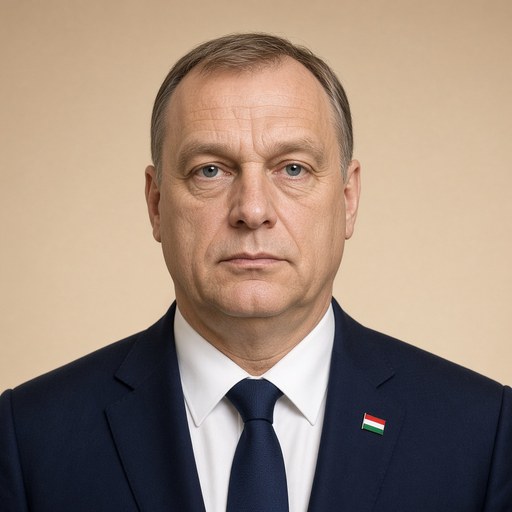
Viktor Orbán's speech at the ceremony marking the 130th anniversary of the Mária Valéria Bridge.
 Viktor Orbán · Prime Minister of Hungary
- Context
- Orbán spoke at the 130th anniversary ceremony of the Mária Valéria Bridge in Esztergom, alongside Slovak Prime Minister Robert Fico, on 28 September 2025.
- Main themes
- Hungarian-Slovak friendship, Mária Valéria Bridge anniversary, peace and anti-war sentiment, EU war project criticism, national sovereignty, Hungary-Slovakia bilateral relations, historical memory, Robert Fico partnership, imperial oppression, European integration critique
- Duration
- ~11 min
- Words
- 1,300
- Sentences
- 92
- Readability
- 62
- Grade
- 8.1
- Syntax
- 2.65
- Vocabulary
- 2.10
Translated from Hungarian
The broad sphere of national life a sentence belongs to. Every sentence has an Arena, so it is the denominator the other indices are read against.
Other92 sentences in 13 paragraphs
Good afternoon to all of you!
First of all, let me greet Prime Minister Robert Fico, the mayor of Párkány, and our Slovak friends who have come from the other side of the Danube. I welcome the locals and the Hungarians who have come from Párkány. Thank you very much for inviting me, and for allowing me to be here with you today. Thank you, Robert, for allowing me to stand here with you today! Robert knows something that only he knows in Europe. When Slovakia somehow goes off track, he returns and sets things right. It is the same now; I don’t know how many times he has done this, but I am sure he will succeed again. We wish you much success, dear Robert! Congratulations on the constitutional amendment as well! It is good that we are not alone. It is good to have a normal neighbor, as it enhances the value of one’s own property. Robert did not mention it, but I will say that it has also been written into the constitution that men and women are equal. I congratulate you on that too! You know, Robert, here in Hungary, we men have been fighting for this for a long time. The Prime Minister also mentioned that we belong to different political camps in international politics. We are on the right side, and he is on the left side. Whenever I meet him, I think that we need this too: a left that is based on national foundations; it would make Hungarian public life much more peaceful.
Dear people of Esztergom!
Your city holds a special place in the hearts of Hungarians. On Friday, I was in Debrecen, where we inaugurated a huge factory. I told the locals that I would be coming to Esztergom, and they asked me to send their regards to the people of Debrecen. Yesterday, I was in Becsehely – which is to the west, in Zala County, a settlement of two thousand people – where I attended a national meeting of masters who distill pálinka that does not go into circulation. I also told them that I was coming here today, and they asked me to convey the best wishes of the people of Becsehely to Esztergom. And this clearly shows that Esztergom is held in great respect throughout Hungary. I am also proud to be able to be your honorary citizen. This is a big deal because my alma mater, my secondary school alma mater, is in Székesfehérvár. There is a great debate about which was Hungary's first capital: Esztergom or Székesfehérvár? I can create peace with the statement that it is certain that Esztergom was Hungary's first city. After all, it was here that King Stephen founded the Hungary of which we are still citizens today.
Ladies and gentlemen!
This is the third time I have the opportunity to speak here at the top of the Mária Valéria Bridge. The first time was in 2001, during its reconstruction. What a historical act that was! If you remember. Then in 2021, on the twentieth anniversary of the reconstruction, and now, on the 130th anniversary. But I have never been able to stand here with Robert Fico. Yet he is the longest-serving, indestructible, and invincible Prime Minister in Slovakia's history. Thank you for being here, Robert; with you here today, order is restored. On behalf of all Hungarians and the Hungarian government, I say: we all respectfully welcome you among us. Those who follow and understand European politics can see that we are connected not only by our common history and similar culture but also by international political challenges. Slovaks and Hungarians, Slovakia and Hungary's interests point in the same direction in international politics. The story of the bridge teaches us that Hungarians and Slovaks, when they come together, are stronger together than separately. If we work together, we both benefit. And now let’s talk about the fact that it is no coincidence that this bridge has been destroyed twice, after both World Wars.
Ladies and gentlemen!
We did not want either war. Neither Hungarians nor Slovaks wanted to participate in either World War. Yet we were sent to the front, our lives were turned upside down in the name of imperial interests. By rebuilding the bridge, both peoples simultaneously expressed that they do not want any more wars that destroy bridges in Europe. When I first stood here, Verheugen, the Commissioner for Enlargement, was still here, and we expressed with our presence, Slovaks, Hungarians, and the representative of the union, that we want to join the European Union, which is meant to guarantee peace on the continent. I suggest we savor the words: “the European Union, which is meant to guarantee peace on the continent.” However, the world has changed a lot since then. Just like the old empires that oppressed us, now the European Union has also turned into a war project. In Brussels, they openly state that they consider defeating Russia on the eastern front to be the task of the next decade, meaning that every European citizen, every European economic actor, and every European nation-state should serve this goal if they belong to the union. We, Hungarians, do not want this, yet they want to force us into it. This, dear friends, is called oppression. We are not very surprised by this. We have seen this before. I remember that in communist times, they spoke of freedom, and even the newspaper was called that, which of course meant oppression. Now, when Brussels talks about European peace, it actually means war. Hungarians and Slovaks know what war means. Young people are taken to the front. Our goods will eventually be taken away and used for war purposes. Then economic misery sets in, and we can pray that the front does not reach us, because then there will be nothing left standing. Nothing remained of this bridge after either the First or the Second World War. This bridge means to me that we do not want Europe to make this mistake again.
Ladies and gentlemen!
As the Prime Minister of Slovakia mentioned, the representatives of Brussels' war policy are present in every Central European country. It is not my place to speak about Slovakia. From here, it is quite clear to see what is happening over there. But I can say that they are causing turmoil in Serbia. And they are also working here in Hungary. It is easy to recognize them. They are aggressive, violent, and threatening. Here, dear Robert, they come to public forums armed. They threaten decent people with execution, and even elderly priests are harassed at the church door. Here, among us, Robert, they are all people of Brussels. Fake news production, defamation, whispering propaganda, and their goal is destabilization, but you know this better than I do. We are living in times when we need sobriety, calmness, and cool-headedness, and we must repeatedly say that we believe in the power of love and unity.
Dear Robert! Honorable Prime Minister! Dear people of Párkány and Esztergom!
Those who learn from the past will protect the future. I want to assure our Slovak friends on behalf of all of us Hungarians that we are working so that we never have to rebuild this bridge again. But we are happy to do what you suggested: let’s build another bridge between Esztergom and Párkány alongside this one! A freight bridge is really needed. I will tell you that the preparatory work has begun, the plans are already on the table, and we will somehow find the money. And I hope that we can meet at the inauguration of that bridge as well. Thank you for listening!
May God bless us all, Hungary above all! Go Hungary, go Hungarians!
The original Hungarian. The tags above are read on the English translation's sentences.
Jó napot kívánok mindannyiuknak!
Mindenekelőtt hadd köszöntsem Robert Fico miniszterelnök urat, Párkány polgármesterét és a Duna túlsó oldaláról érkezett szlovák barátainkat is. Köszöntöm a helyieket és a Párkányból érkezett magyarokat. Köszönöm szépen, hogy meghívtak, és itt lehetek ma Önökkel együtt. Köszönöm, Robert, hogy Veled együtt állhatok ma itt! Robert tud valamit, amit Európában csak ő tud egyedül. Amikor Szlovákia valahogy’ félrecsúszik, akkor ő visszatér, és rendbe teszi a dolgokat. Most is így van, nem tudom, hányadszorra teszi ezt, de biztosan most is sikerülni fog. Sok sikert kívánunk Nektek, kedves Robert! Gratulálok az alkotmánymódosításhoz is! Jó, hogy nem vagyunk egyedül. Jó, ha az embernek normális szomszédja van, az felértékeli a saját ingatlanját is. Robert nem említette, de én mondom, hogy azt is beleírták az alkotmányba, hogy a férfi és a nő egyenrangúak. Ehhez is gratulálok! Tudod, Robert, itt, Magyarországon mi, férfiak már régóta küzdünk ezért. Említette a miniszterelnök úr azt is, hogy másik politikai táborhoz tartozunk a nemzetközi politikában. Ugye, mi a jobb felén, ő meg a bal felén. Mindig, amikor találkozom vele, arra szoktam gondolni, hogy ez kellene nekünk is: egy nemzeti alapokon álló baloldal, rögtön békésebb lenne a magyar közélet.
Kedves Esztergomiak!
Az Önök városának különleges helye van a magyarok szívében. Pénteken Debrecenben voltam, egy hatalmas gyárat adtunk át, mondtam a helyieknek, hogy jövök majd Esztergomba, és mondták, hogy adjam át a debreceniek üdvözletét. Tegnap pedig Becsehelyen jártam – ez nyugati irányban van, Zala vármegye, kétezer fős település –, a forgalomba nem kerülő pálinkát főző mesterek országos találkozóján vettem részt. Ott is mondtam, hogy ide jövök ma, ők is mondták, hogy a becsehelyiek jókívánságát is mindenképp adjam át Esztergomban. És ez világosan mutatja, hogy Esztergomnak nagy tisztelete van szerte Magyarországon. Én is büszke vagyok, hogy az Önök díszpolgára lehetek. Ez nagy szó, mert az én alma materem, középiskolai alma materem Székesfehérvár. Nagy csata van, hogy melyik volt Magyarország első fővárosa: Esztergom vagy Székesfehérvár? Azzal a mondattal tudok békét teremteni, hogy az biztos, hogy Esztergom volt Magyarország első városa. Mégiscsak itt alapította István király azt a Magyarországot, amelynek mind a mai napig mi a polgárai lehetünk.
Tisztelt Hölgyeim és Uraim!
Harmadik alkalommal mondhatok itt beszédet a Mária Valéria híd főjénél. Először 2001-ben, az újjáépítésnél. Micsoda történelmi tett volt! Ha emlékeznek rá. Aztán 2021-ben, az újjáépítés huszadik évfordulóján, és most pedig, a 130. évfordulón. De egyik alkalommal sem állhattam itt Robert Ficóval. Pedig ő Szlovákia történetének leghosszabb hivatali idejével rendelkező, elnyűhetetlen és elpusztíthatatlan miniszterelnöke. Köszönjük, hogy itt vagy, Robert, ezzel ma helyreáll a rend. Minden magyar és a magyar kormány nevében mondom: tisztelettel köszöntünk mindannyian Téged közöttünk. Aki követi és érti az európai politikát, láthatja, hogy bennünket nemcsak a közös történelem, a hasonló kultúra, de a nemzetközi politikai kihívások is összekötnek. Szlovákok és magyarok, Szlovákia és Magyarország érdekei egy irányba mutatnak a nemzetközi politikában. A híd története azt tanítja nekünk, hogy a magyarok és a szlovákok, ha összefognak, együtt erősebbek, mint külön-külön. Ha összedolgozunk, mindketten jól járunk. És most beszéljünk arról, hogy nem véletlen, hogy ez a híd már kétszer is megsemmisült, az első és a második világháború után is.
Hölgyeim és Uraim!
Mi egyik háborút sem akartuk. Se a magyarok, se a szlovákok nem akartak részt venni egyik világháborúban sem. Mégis minket küldtek a frontra, a mi életünket forgatták fel fenekestől birodalmi érdekekre hivatkozva. A híd újraépítésével mind a két nép egyszerre fejezte ki azt, hogy nem akar több hidakat romboló háborút Európában. Amikor először álltam itt, akkor még itt volt Verheugen bővítési biztos is, és akkor azt fejeztük ki az együttállásunkkal, szlovákok, magyarok és az unió képviselője, hogy csatlakozni akarunk a kontinens békéjét garantálni hivatott Európai Unióhoz. Azt javaslom, ízlelgessük a szavakat: „a kontinens békéjét garantálni hivatott Európai Unióhoz.” Azonban a világ azóta sokat változott. Akárcsak a régi, bennünket megnyomorító birodalmak, most az Európai Unió is háborús projektté változott. Brüsszelben nyíltan kimondják, a következő évtized feladatának azt tartják, hogy Oroszországot legyőzzék a keleti fronton, vagyis minden európai embernek, minden európai gazdasági szereplőnek és minden európai nemzetállamnak ezt a célt kellene szolgálnia, ha az unióhoz tartozik. Mi, magyarok ezt nem akarjuk, mégis bele akarnak bennünket kényszeríteni. Ezt, kedves Barátaim, elnyomásnak hívják. Nagyon nem vagyunk azért meglepődve. Láttunk már ilyesmit. Emlékszem, a kommunista időkben szabadságot mondtak, még az újságot is annak hívták, természetesen az elnyomást jelentett. Most, amikor Brüsszel európai békéről beszél, az valójában háborút jelent. A magyarok és a szlovákok tudják, mit jelent a háború. A fiatalokat elviszik a frontra. A javainkat előbb-utóbb elveszik, háborús célokra fordítják. Aztán beköszönt a gazdasági nyomorúság, és imádkozhatunk, nehogy ideérjen a front, mert akkor kő kövön nem marad. Ebből a hídból sem maradt semmi sem az első, sem a második világháború után. Ez a híd nekem azt jelenti, hogy mi nem akarjuk, hogy Európa újra elkövesse ezt a hibát.
Hölgyeim és Uraim!
Ahogyan a szlovákok miniszterelnöke említette, a brüsszeli háborús politika képviselői minden közép-európai országban jelen vannak. Szlovákiáról nem tisztem beszélni. Innen elég jól látni, hogy mi történik odaát. De azt mondhatom, hogy felfordulást csinálnak Szerbiában. És itt ügyködnek Magyarországon is. Könnyű felismerni őket. Agresszívek, erőszakosak, fenyegetőznek. Nálunk, kedves Robert, lőfegyverrel járnak lakossági fórumra. Kivégzéssel fenyegetik a tisztességes embereket, a templom ajtajában még idős papokat is inzultálnak. Itt, nálunk, Robert, ők mind Brüsszel emberei. Álhírgyártás, rágalmazás, suttogó propaganda, és a céljuk a destabilizáció, de ezt Te jobban tudod, mint én. Olyan időket élünk, amikor józanságra, higgadtságra, hidegvérre van szükség, és újra és újra el kell mondanunk, hogy mi hiszünk a szeretet és az összefogás erejében.
Kedves Robert! Tisztelt Miniszterelnök Úr! Kedves Párkányiak és Esztergomiak!
Aki tanul a múltból, az megvédi a jövőt. Biztosítani akarom mindannyiunk nevében a szlovák barátainkat, hogy mi, magyarok azért dolgozunk, hogy soha többé ne kelljen ezt a hidat újjáépíteni. De szívesen tesszük azt, amit javasoltál: építsünk Esztergom és Párkány között emellé egy másik hidat! Egy teherhíd már igazán elkelne. Elmondom Önöknek, hogy az előkészítő munkálatok elkezdődtek, a tervek már az asztalon vannak, pénzt meg majd csinálunk valahogy. És remélem, hogy találkozhatunk annak a hídnak az átadásán is. Köszönöm, hogy meghallgattak!
A Jóisten mindannyiunk fölött, Magyarország mindenek előtt! Hajrá, Magyarország, hajrá, magyarok!