




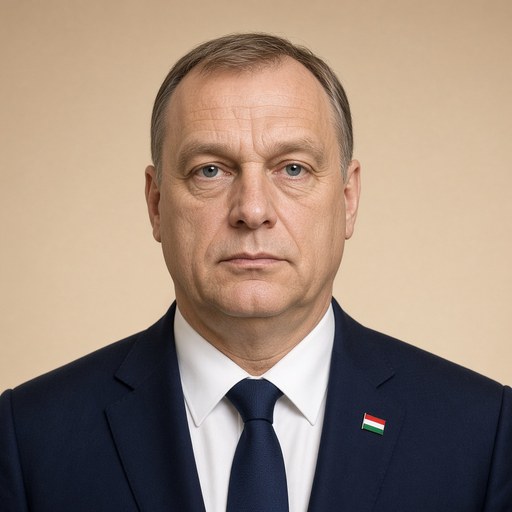
Viktor Orbán's speech at the inauguration ceremony of the new film studio of the National Film Institute.
 Viktor Orbán · Prime Minister of Hungary
- Context
- Orbán spoke at the inauguration of the National Film Institute's new film studio in Hungary on 30 January 2025, celebrating Hungarian cinema and state investment in film.
- Main themes
- Hungarian film industry, national film studio inauguration, Hungarian filmmaking heritage, state support for cinema, Andy Vajna legacy, communism and film, film infrastructure development, cultural identity, Hollywood and Hungarian talent, film policy reform
- Duration
- ~11 min
- Words
- 1,305
- Sentences
- 87
- Readability
- 58
- Grade
- 8.9
- Syntax
- 2.70
- Vocabulary
- 2.17
Translated from Hungarian
The broad sphere of national life a sentence belongs to. Every sentence has an Arena, so it is the denominator the other indices are read against.
Other87 sentences in 15 paragraphs
Good afternoon, esteemed Ladies and Gentlemen!
“For me, film is like water to a fish; I cannot live without it” – a distinguished Hungarian director once said this. But this is how we all feel, I mean we, Hungarians. We cannot live without films. We want to be there, we want to swim in the great sea of films. We want to be part of the current, the vibrant artistic world. We do not just want to watch films; we want to make them as well. The facts show that filmmaking is in the blood of Hungarians. As soon as the first silent films appeared, we were already there, and right at the forefront. It is well known that Hungarians were present at the birth of Hollywood, but fewer people know that as early as the 1910s, Budapest and Cluj were producing better and better films every year. I believe this did not happen by chance: Hungarian thinking is history-centered. The Hungarian way of thinking, temperament, and perhaps the language itself manifest less in philosophical musings, less in impassive, metaphysical castles in the air, but rather in vivid and life-filled stories. Hungarians want to tell stories. It is not unlikely that this is connected to our Eastern heritage. The great tales of the Eastern world, the thousand and one nights, its world-renowned heroic deeds, its enigmatic truths have always attracted us. Woody Allen once said: “I have never learned as much from anyone as from this charismatic Hungarian.” He was talking about Lajos Egri's book, which is a foundational work on screenwriting. It is no wonder that we quickly turned to film as well, and we have not been able to get away from it since. In the first half of the last century, Hungarian filmmakers set out on their world-conquering journey, and in the second half of the century, film helped us endure the unbearable and say the unspeakable. I am convinced that the films created during communism also contributed, I believe significantly contributed, to the fall of communism. I remember that in the 1980s, every self-respecting opposition group had a film club. We did too. The films helped us understand what freedom means, that is, what was taken from us. From the films, we drew the conclusion that this would not lead anywhere with slow reforms; we had to stop dawdling around the sandbox and get rid of those who took freedom from us. Communists out, Soviets out!
Dear Friends!
So we can say that the 20th century, although it consisted of two different halves, also represented the glorious century of Hungarian film. Strangely enough, this unparalleled arc, this sweeping momentum was broken after the change of regime. The struggle between people like us and the ancien régime lasted twenty years. This did not do any good for Hungarian film. This may have happened because the state also has a responsibility for the current state of Hungarian filmmaking. It is not about film creativity, in which the government fortunately has no jurisdiction at all. Film is not only an industry but also an art, and art is free. Filmmakers know this best. But the development of the film industry does require the state as well. It is instructive to see how the new American president, who came to power with enormous authority, threw himself into the renewal of the film industry there with great momentum. It seems that the state is needed everywhere as a partner in the film industry. The previously world-class Hungarian film infrastructure was allowed to deteriorate. Thus, the disgrace occurred that for a time Hungary was removed from the world film map, from the world’s film screen. Foreign crews chose other cities instead of Budapest, even though Hungarian film excellence is like any other Hungarian excellence. It only shines in its fullness when it can create at the level of the times, when it is part of the mainstream. We need to continuously meet with foreigners, see how they do it, and figure out what we can contribute to this, how we could do it better. If foreign crews stay away from Hungary, the driving-inspiring force is lost, and Hungarian filmmaking becomes provincial.
Esteemed Ladies and Gentlemen!
We estimate that due to the misguided film policy of the 2000s, Hungary lost 200 million dollars in revenue. This was fifteen years ago; we hardly remember it, but it is important to know that the Hungarian people lost out on this, Hungarian filmmakers lost out, and the capitalized Hungarian film lost out as well.
Esteemed Ladies and Gentlemen!
The national government did not want to resign itself to this. God helped us because we found a Hungarian man who understood what makes a modern film good, how to make up for the lost knowledge. This Hungarian man was Andy Vajna, whose memory we have forever locked in our hearts, and to whom we owe gratitude for his invaluable contributions. As a government commissioner, he established the institutional framework around the National Film Institute, which was responsible for the renewal of Hungarian film. Without him, we would not be where we are now. We are literally standing on the shoulders of giants. Glory to Andy Vajna!
Esteemed Ladies and Gentlemen!
Film is both an art and an industry. Andy knew this. As a result of the developments, Hungary attracts more than 100 billion forints in service production spending each year. Even in the year of COVID, Hungarian filmmaking generated a turnover of 220 billion forints, and today the registered total spending has exceeded 250 billion forints. Not only are the cameras rolling, but the cash registers are ringing as well. The film industry now employs more than 20,000 people. This is equivalent to the entire population of Fót. We have finally reached the point where films that stand on their own two feet are being made without state support. After all, this is what we wanted: let film be for everyone.
Esteemed Ladies and Gentlemen!
Today, world-renowned studios are available in Hungary: Korda, Origo, Stern. This allows our country to become the most sought-after film production center in Europe after London. But of course, we want to surpass the British capital as well; the Hungarian parliament is also one and a half meters longer than the one in London. The development in Fót is part of this plan. It elevates the Hungarian film industry to a new level. I do not think I will surprise you by saying that there are quite a few liberals in the film world who are not exactly friends of the current national government. To them, I say: with the national government’s investment, even those filmmakers who do not vote for us will benefit. The sheer scale of the investment is fantastic. We have embarked on a 42 billion forint project, the largest state studio development of all time. New studios, the multitude of films being shot here, and the continuously developing professionals all show that Hungary has once again become one of the important locations in the world of filmmaking. This is not only thanks to the large international productions but also to Hungarian films and Hungarian filmmakers, which are winning over more and more viewers both at home and abroad. We hope that this marks the beginning of an era that we can all be proud of.
Esteemed Attendees!
This studio sends the message that we, Hungarians, cannot settle for mediocrity. We are not big enough for that. We cannot afford to be mediocre. We are not interested in the back row or the perch. We need the big stage. If we do something, we must do it as well as possible. I wish that Hungarian filmmakers seize the opportunity and be among the best. I hereby hand over the studio!
Go Hungary, go Hungarians!
The original Hungarian. The tags above are read on the English translation's sentences.
Jó napot kívánok, tisztelt Hölgyeim és Uraim!
„Nekem a film olyan, mint halnak a víz, nem tudok meglenni nélküle” – egy kiváló magyar rendező mondta ezt egyszer. De így vagyunk ezzel mind, mármint mi, magyarok. Nem tudunk meglenni filmek nélkül. Mi is ott akarunk lenni, benne akarunk úszni a filmek nagy tengerében. Benne akarunk lenni a sodrásban, a pezsgő művészvilágban. Nemcsak nézni akarjuk a filmeket, hanem csinálni is akarjuk azokat. A tények azt mutatják, hogy a magyaroknak a vérükben van a filmgyártás. Amint megjelentek az első némafilmek, mi már ott voltunk, ráadásul rögtön az élvonalban. Az köztudott, hogy Hollywood születésénél is ott voltak a magyarok, de azt kevesebben tudják, hogy már az 1910-es években Budapesten és Kolozsváron is évente jöttek ki a jobbnál jobb filmek. Azt hiszem, ez nem véletlenül alakult így: a magyar gondolkodás történetközpontú. A magyar gondolatvilág, lelkialkat és talán a nyelv is kevésbé bölcselkedésben, kevésbé szenvtelen, metafizikai légvárakban ölt testet, inkább eleven és élettel teli történetekben. A magyar ember mesélni akar. Nem kizárt, hogy ez összefügg a keleti örökségünkkel. A keleti világ ezeregy éjszakán át tartó nagy meséi, világra szóló hőstettei, sejtelmes igazságai mindig vonzottak minket. Woody Allen egyszer azt mondta: „soha senkitől nem tanultam annyit, mint ettől a karizmatikus magyartól.” Egri Lajos könyvéről beszélt, ami a forgatókönyvírás alapműve. Nem csoda, hogy hamar rámentünk a filmre is, és azóta sem tudunk lejönni róla. A múlt század első felében a magyar filmesek világhódító útjukra indultak, a század második felében pedig a film segített minket abban, hogy elviseljük az elviselhetetlent, és kimondhassuk a kimondhatatlant. Meggyőződésem, hogy a kommunizmus alatt született filmek is hozzájárultak, azt hiszem, jelentősen járultak hozzá a kommunizmus bukásához. Emlékszem, a nyolcvanas években minden valamire való ellenzéki körnek volt filmklubja. Nekünk is. A filmek segítettek megérteni, mit jelent a szabadság, azaz mit vettek el tőlünk. A filmekből mi azt a következtetést vontuk le, hogy ebből így, lassú reformokkal nem lesz semmi, abba kell hagyni a totyorgást a homokozó körül, és el kell zavarni azokat, akik a szabadságot elvették tőlünk. Kommunisták le, szovjetek ki!
Kedves Barátaim!
Azt mondhatjuk tehát, hogy a XX. század, bár két különböző fél századból állt, a magyar film dicsőséges évszázadát is jelentette. Furcsa módon ez a páratlan ív, ez a sodró lendület megtört a rendszerváltoztatás után. A rendszerváltó magunkfajták és az ancien régime küzdelme húsz évig tartott. Ez nem tett jót a magyar filmnek. Ez azért lehetett így, mert az államnak is van felelőssége abban, hogy éppen milyen állapotban van a magyar filmgyártás. Nem a filmes kreativitásról van szó, ebben a kormány szerencsére egyáltalán nem illetékes. A film nemcsak ipar, de művészet is, és a művészet szabad. Ezt a filmesek tudják a legjobban. De a filmipar fejlesztéséhez már szükség van az államra is. Tanulságos, hogy az óriási felhatalmazással érkező, új amerikai elnök milyen lendülettel vetette bele magát az ottani filmipar megújításába. Úgy tűnik, az államra, mint partnerre a filmiparban mindenhol szükség van. A korábban világszínvonalú magyar filmes infrastruktúrát hagyták leépülni. Így történt meg az a csúfság, hogy egy időre Magyarország lekerült a világ filmes térképéről, a világ filmvásznáról. A külföldi stábok más városokat választottak Budapest helyett, pedig a magyar filmes kiválóság is olyan, mint minden más magyar kiválóság. Akkor és csak akkor ragyog fel a maga tejlességében, ha a kor színvonalán képes alkotni, ha benne van a fősodorban. Nekünk szükségünk van arra, hogy folyamatosan találkozzunk külföldiekkel, megnézzük, ők hogy’ csinálják, és kitaláljuk, mi mit tudunk ehhez hozzátenni, hogy’ tudnánk ezt mi jobban csinálni. Ha a külföldi stábok elmaradnak Magyarországról, elvész a felhajtó-inspiráló erő, és provinciálissá lesz a magyar filmgyártás.
Tisztelt Hölgyeim és Uraim!
Úgy becsüljük, hogy a 2000-es évek elhibázott filmpolitikája miatt 200 millió dollár bevételtől esett el Magyarország. Ez már tizenöt éve volt, alig emlékszünk rá, de fontos tudnunk, hogy ezen rajtavesztettek a magyar emberek, rajtavesztettek a magyar filmesek, és rajtaveszített a nagybetűs magyar film is.
Tisztelt Hölgyeim és Uraim!
A nemzeti kormány nem akart beletörődni ebbe. A Jóisten megsegített bennünket, mert találtunk egy olyan magyar embert, aki értette, mitől jó egy modern film, hogyan lehet az elmaradt tudást bepótolni. Ez a magyar ember Andy Vajna volt, akinek emlékét örökre a szívünkbe zártuk, és akinek elévülhetetlen érdemeiért hálával tartozunk. Kormánybiztosként ő hozta létre a Nemzeti Filmintézet körüli intézményrendszert, amely a magyar film megújításáért felelt. Nélküle nem tartanánk ott, ahol most. Szó szerint óriások vállán állunk. Dicsőség Andy Vajnának!
Tisztelt Hölgyeim és Uraim!
A film egyszerre művészet és ipar is. Andy tudta ezt. A fejlesztések nyomán Magyarország évente több mint 100 milliárd forintos szervízprodukciós költést vonz. A magyar filmgyártás még a COVID évében is 220 milliárd forintos forgalmat generált, ma pedig a regisztrált összköltés meghaladta a 250 milliárd forintot. Nemcsak a kamerák forognak, hanem a pénztárgépek is. A filmipar ma több mint 20 ezer embernek ad munkát. Ez felér Fót teljes lakosságával. Végre eljutottunk arra a pontra is, hogy állami támogatás nélkül készülnek saját lábukon megálló filmek is. Végül is ezt akartuk: legyen a film mindenkié.
Tisztelt Hölgyeim és Uraim!
Ma már világhírű stúdiók állnak rendelkezésre Magyarországon: Korda, Origo, Stern. Ez lehetővé teszi, hogy hazánk London után a legkeresettebb filmgyártó központ legyen Európában. De persze mi a brit fővárost is magunk mögé akarjuk utasítani, a magyar parlament is másfél méterrel hosszabb, mint a londoni. A fóti fejlesztés ennek a tervnek része. Új szintre emeli a magyar filmipart. Nem hiszem, hogy meglepem Önöket azzal, ha azt mondom, a filmes világban szép számmal vannak liberálisok, akik nem éppen barátai a mai nemzeti kormánynak. Nekik mondom: a nemzeti kormány beruházásával az a filmes is jól jár, aki nem ránk szavaz. A beruházás puszta méretei fantasztikusak. 42 milliárdos projektbe vágtuk a fejszénket, ez minden idők legnagyobb állami stúdiófejlesztése. Új stúdiók, a rengeteg itt forgó film és a folyamatosan fejlődő szakemberek mind azt mutatják, hogy Magyarország újra a világ filmgyártásának egyik fontos helyszínévé vált. Ez nemcsak a nagy nemzetközi produkcióknak köszönhető, hanem a magyar filmeknek és a magyar filmeseknek is, amelyek egyre több nézőt hódítanak meg itthon és külföldön is. Azt reméljük, hogy ez egy olyan korszak kezdete, amire mindannyian büszkék lehetünk.
Tisztelt Jelenlévők!
Ez a stúdió azt üzeni, hogy mi, magyarok nem érhetjük be a középszerrel. Ehhez ugyanis nem vagyunk elég nagyok. Mi nem engedhetjük meg magunknak, hogy középszerűek legyünk. Nem érdekel bennünket a hátsó sor vagy a kakasülő. Nekünk a nagyszínpad kell. Ha csinálunk valamit, azt a lehető legjobban kell csinálnunk. Azt kívánom, hogy a magyar filmesek éljenek a lehetőséggel, és legyenek ott a legjobbak között. A stúdiót ezennel átadom!
Hajrá, Magyarország, hajrá, magyarok!