





- Context
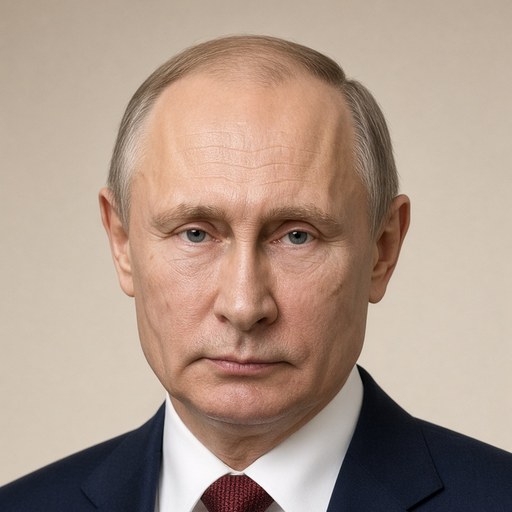
- Putin delivered his Budget Message outlining fiscal priorities and pension reforms to Russian government officials on June 13, 2013, covering the 2014–2016 budget cycle.
- Main themes
- Budget sustainability and balance, state programs and strategic planning, pension system reform, budget expenditure optimization, social obligations fulfillment, Budget Strategy 2030, National Wealth Fund, insurance contributions, pension formula, fiscal burden on businesses, long-term socio-economic forecasting, pension savings guarantees
- Duration
- ~36 min
- Words
- 4,277
- Sentences
- 215
- Readability
- 43
- Grade
- 12.2
- Syntax
- 2.95
- Vocabulary
- 2.20
Translated from Russian
The broad sphere of national life a sentence belongs to. Every sentence has an Arena, so it is the denominator the other indices are read against.
Other215 sentences in 86 paragraphs
Dear colleagues! What goals should we aim to achieve in the upcoming three-year period?
First. We must ensure the sustainability and balance of the budget system, guaranteeing the unconditional fulfillment of the state's obligations – primarily social ones – even in the event of unfavorable external conditions. This is precisely why the budget rule was adopted.
I believe it is necessary to complete the development of the Budget Strategy for the period up to 2030 within three months. And, if necessary, make adjustments to the long-term forecast of socio-economic development.
The Strategy must assess potential risks, clearly outline how we will act in any scenario, including unfavorable ones. The Strategy is also intended to set clear guidelines for the financial provision of state programs: funds should be allocated for real plans for transformation, for achieving specific target indicators.
Unfortunately, many state programs, which we have been discussing the need to implement for several years now (probably for about five years), have been talked about, and then gradually, with the new composition of the Government, we managed to move towards their real formulation.
At the same time, many of them, as you know, need further development; the goals set within them are not supported by the corresponding resources, and some programs have been adopted in several versions. Moreover, these versions differ significantly in terms of planned results and funding volumes.
Dear friends and colleagues! If there is not enough money for everything, then we need to set priorities. This is why we created the very institution of programs.
I emphasize: state programs must practically link strategic and budgetary elements of planning, establish common requirements for the policies of federal agencies and regions in the relevant areas, and ultimately become a tool for developing and implementing state policy for the long term.
I ask that at the budget preparation stage, we conduct another analysis of state programs, determine priorities, and ensure that the set goals align with real budgetary capabilities.
Second. It is necessary to significantly optimize the structure of the budget, identify reserves, and redistribute them in the interests of the strategic tasks outlined in the decrees of May 7, 2012. The share of those expenditures that yield the greatest effect for economic growth and social development must increase.
The main reserves lie in increasing the efficiency of all budget expenditures, focusing on targeted social assistance, and implementing structural reforms in the social sphere. Finally, this includes ensuring the long-term balance of the pension system, which will reduce the Pension Fund's dependence on transfers from the federal budget while guaranteeing a consistent increase in the living standards of the older generation of Russians.
In this regard – third. The priority task is to make fundamental decisions regarding the pension formula. We have discussed this many times, and I know it is a complex task. Overall, you have practically approached its resolution; this work needs to be completed.
The pension formula must ensure a differentiated approach for each citizen: the longer the work experience and the higher the salary, the higher the pension should be. And, of course, the formula must be fair, stable, transparent, and, most importantly, understandable for both employees and employers.
I would like to draw your attention to the need to maintain the "basic" rate of insurance contributions for businesses at the current level. We cannot solve the pension system's problems by increasing the fiscal burden on businesses, at the expense of suppressing entrepreneurial activity and economic growth.
Depending on the parameters of the pension formula, we should also outline the scale of using the National Wealth Fund's resources to cover the pension system's deficit.
I want to draw your attention to this. We have given citizens the right to independently decide where to direct 4 percent of insurance contributions this year: to the distribution or accumulation part of the pension system. It would, of course, be unfair to deprive those who will join the pension insurance system in the coming years of such a right. I believe this right should exist.
But I emphasize to everyone, dear colleagues: this will only be possible after the adoption of laws that will fully, I want to emphasize, fully ensure the creation of a functioning system for guaranteeing pension savings.
We have enough problems with defrauded depositors to understand that in the area of pension savings and citizens' pension rights, we must act with the utmost caution. These savings must be guaranteed, and their safety must be ensured.
Special attention should be paid to the issues of transparency in the pension system and extrabudgetary funds. I remind you that starting from January 1, 2014, all extrabudgetary funds will transition to cash servicing by the Federal Treasury. I ask you to prepare thoroughly and want to draw attention to the fact that this date is non-negotiable.
I also ask the Government to determine the feasibility of transferring the administration of mandatory insurance contributions to the Federal Tax Service. I know that the social block believes that all this work should remain where it is currently established, but representatives of business and the economic block believe that the Federal Tax Service operates more efficiently. I do not want to impose any opinion, but I ask you to make a final decision on this and put an end to these discussions. I emphasize: on all issues related to the further development of the pension system, the Government must make a decision in the current year, 2013.
Fourth. The Ministry of Finance proposed, as far as possible, to postpone the expenses for the implementation of the State Armaments Program to a later date. We have adopted this program. And it must be executed, but executed effectively. We have also discussed this many times.
Resources have been allocated. Indeed, these are serious, substantial resources. Enterprises must be capable of "accepting" the money, but not only "accepting" it; they must have the corresponding production and technological base to fulfill contracts for the supply of equipment and armaments.
And if you see anywhere that such readiness is lacking, then the Ministry of Defense must independently initiate a more rational timing for the allocation of funds. This will give the Government the opportunity to use financial resources more effectively to address various current tasks.
At the same time, I want to draw your attention, dear colleagues: of course, the overall volume and state armaments program, the total amount of funds we have allocated for this, must remain unchanged.
Fifth. We need to use additional mechanisms to stimulate economic growth, including through infrastructure development. This means directing resources from the National Wealth Fund and pension savings to finance self-sustaining infrastructure projects. At the same time, we must achieve a multiplicative effect for the entire economy, ensuring the unconditional safety and return of funds.
And, of course, there must be a single, clear mechanism for selecting projects and providing resources. Each project must undergo an independent technological audit and expertise with the participation of the business community. At the same time, it is necessary to create new tools to attract private investments in infrastructure development, using public-private partnership mechanisms.
Of course, this is not an easy task, considering that the return of these funds will not be quick; this is not "quick money"; these are serious long-term, enduring projects. And there are enough resources in the world; you know this well: a large number of major international funds are looking for opportunities to invest their funds. And the main thing for them, of course, is to ensure profitability, but most importantly, it is the unconditional return and reliability of these investments. Russia is capable of offering such projects.
Sixth. The state ruble must stimulate changes in the budgetary sphere. We have talked about this a thousand times together with you. It is time to move to concrete actions, to the implementation of new financing principles, where money follows the consumer of services, the citizen, rather than going to support various offices.
To do this, it is first necessary to legally establish a unified basic list of state and municipal services and to form a unified methodology for calculating the costs of providing such services. At the same time, the main parameters of state assignments should be included as target indicators in state programs, so that it is clear what benchmarks healthcare, education, culture, and other priority sectors should achieve.
Next. An essential task is to enhance the competitiveness of the tax system. We are currently implementing a whole range of measures to improve the business climate and increase the attractiveness of the national jurisdiction. This includes making tax payment procedures more convenient for businesses. Both domestic entrepreneurs and international experts note this.
We must continue to create incentives for both domestic and foreign businesses to invest their funds in creating new production facilities in our country.
In the near future, proposals for tax incentives for investors in the Far East, for supporting the exploration and development of new mineral deposits, including on the shelf, must be implemented. We should continue to simplify tax accounting and bring it as close as possible to accounting standards, while generally improving the quality of tax administration.
At the same time, we need to limit the possibility of legal tax optimization and the transfer of profits to offshore zones, increasing the fiscal burden on owners of prestigious, expensive property. In short, we must create such tax conditions that investing money in Russia is more profitable than hiding it somewhere on islands or spending it on luxury items.
Seventh. Joint work with the regions on the implementation of the decrees of May 7, 2012, has once again demonstrated the need to change the system of inter-budgetary relations. I note that by the end of 2012, in almost every third region, the state debt exceeded half of its own revenues. At the same time, the share of investment expenditures is falling.
In this regard, I believe we need to ensure constant monitoring of the financial situation of the subjects of the Russian Federation and, of course, municipal entities as well, including such basic indicators as changes in the main parameters of their budgets, expenditure structures, and state and municipal debt. Based on the results of this monitoring, appropriate measures should be taken. And it is important that these measures are taken in a timely manner.
At the same time, the subjects of the Federation should have the opportunity to plan their work, to plan without fearing constant changes in the "rules of the game," based on a clear volume of co-financing from the federal budget. Especially since starting next year, all regions without exception must adopt budgets for a three-year period.
And finally, eighth. We must ensure greater transparency and openness of the budget process for citizens. This is one of the key conditions for increasing the effectiveness of state investments and the entire budget policy. In this direction, we have achieved significant results: Russia has entered the top ten countries in the International Budget Partnership's budget openness index. But this work must, of course, continue. Starting from the current year, 2013, all levels of government – federal, regional, municipal – must publish "Budgets for Citizens."
These budgets must show, in an accessible and understandable form, what goals and in what volume budgetary resources are directed, what results are planned to be achieved, and what has actually been achieved, so that citizens can independently draw conclusions about the effectiveness of expenditures, the targeted use of funds, and the overall effectiveness of the state apparatus.
As for the draft federal budget for 2014 and the planned period up to 2015-2016, in accordance with the January instruction, the Government was to organize work with the participation of experts to analyze the effectiveness of budget expenditures and present proposals for their optimization. The results of this analysis should be reflected in the budget draft. I hope, dear colleagues, that this will indeed be done.
The preparation of the budget for the next three-year period is entering a decisive phase. I expect the closest constructive interaction between the Government and the parliament, all deputy factions. I reiterate: we need a development budget, a budget that will ensure the resolution of all priority tasks facing the country. Naturally, we often repeat this, and I do so; I will say it again: all these tasks, including social ones, can only be ensured and resolved based on achieving high rates of economic growth.
And in conclusion – the following. Unfortunately, priority tasks in the social and economic spheres are often considered in isolation from budgetary policy issues. This is undoubtedly incorrect. Development directions must be fully supported by funding sources. In turn, analyzing the results achieved will allow for an objective assessment of the effectiveness of the use of state resources.
In this regard, I find it appropriate to make the Budget Address an integral part of the President's Address to the Federal Assembly and ask the Government to prepare the necessary amendments to the legislation, so that once a year the President can set the corresponding tasks, and both parliament and the Government can initially orient themselves to these priorities.
Now I pass the floor to the Minister of Finance, Anton Germanovich Siluanov. And then I would like to ask the Minister of Economic Development [Andrei Belousov] to speak.
Please, Anton Germanovich.
A. Siluanov Siluanov Anton Germanovich Minister of Finance of the Russian Federation: Dear Vladimir Vladimirovich! Dear colleagues!
The government has already begun to form the draft federal budget for 2014–2016, taking into account the following principles.
The first is adherence to budgetary constraints, which was just mentioned, Vladimir Vladimirovich, in the Budget Address.
The second is the determination of budgetary policy priorities, considering the unconditional implementation of the decrees from May 7 of last year.
And the third is the transition to a program-based budget. Within the framework of programs, priorities must be concentrated, sources and mechanisms for achieving the goals set in state programs must be defined.
The budget for the next three years will be formed under conditions of declining key parameters of socio-economic development in the Russian Federation. As a result of the downward revision of the socio-economic development forecast, the budget parameters for revenues that we approved for 2013–2015 are also being reduced.
Therefore, in the context of declining revenue forecasts for the coming years and maintaining the volume of expenditures contained in the 2013–2015 budget, we need to mobilize all possible resources to fulfill the tasks set before the Government of the Russian Federation.
How can we do this? First of all, we need to utilize our capabilities for additional revenue generation in the budgets of all levels of the budgetary system. Together with the Federal Tax Service, we have prepared a plan for mobilizing such revenues, which includes measures to improve revenue collection, as well as measures that we must implement in accordance with the draft law (which is currently in the Duma) on increasing tax collection and combating tax evasion.
The second measure is to increase the return from existing state assets. We must review and maximize the implementation of plans for the privatization of property that we could realize during this period, we must obtain resources to the maximum extent from the dividends of our enterprises in which state funds are invested. We need to review the list of tax benefits that are ineffective and that can be canceled today without harming the main task of economic growth. All these measures should provide additional resources for the formation of budgets at all levels.
From the perspective of expenditures, we must implement measures to find additional resources within the constraints we have discussed. First of all, we see opportunities through reducing the Pension Fund's dependence on transfers from the federal budget. There are significant resources here, and we have prepared such proposals.
Secondly, we must use additional funds obtained from optimizing expenditures in those sectors where decrees have already begun to be implemented. One of the tasks of implementing the decrees was not only to increase wages and direct resources to certain sectors but also to increase returns and improve the efficiency of budget savings. Therefore, we believe that in 2014, 2015, and 2016, we should already see the effects of implementing reforms in these sectors, and the additional resources released as a result should be directed, possibly, to the same sectors for new tasks.
The next direction for increasing expenditure efficiency is to engage pension savings and the National Wealth Fund in the implementation of investment projects, that is, to fully implement the principles of public-private partnership in financing investments, state investments.
This will also allow us to redirect released funds, which were often financed directly only from the budget (referring to investments), to other priority projects. Such work is already underway in the Government.
New expenditure obligations should be considered with proposals for funding sources. We need to re-evaluate existing obligations and identify those that are not a priority, do not contribute to economic growth, or do not enhance expenditure efficiency.
Among the major tasks for the upcoming three-year period, we need to address three key ones: the implementation of a new federal targeted program for the socio-economic development of the Far East and Transbaikal, new tasks for the construction of the high-speed highway Moscow–Kazan, and preparations for the 2018 FIFA World Cup. These tasks require additional significant investments, and we need to determine the optimal balance between budget financing and attracting off-budget sources.
The prepared budget draft is composed with consideration of the long-term budget strategy until 2030. The forecast made for the budget strategy indicates that the greatest pressure on budget balance will occur from 2016 onwards. Therefore, today, in preparing the new budget for the three-year cycle, we must already prepare for a challenging period of budget balancing that will begin in 2016. And today, we must already carry out measures to clear non-priority obligations and redirect resources to those expenditures, to those obligations of the state that are defined in the decrees of the President and in the decisions of the Government of the Russian Federation.
The Government of the Russian Federation plans to implement these tasks in preparing the budget for the next budget cycle of 2014–2016, and all the priorities defined in the Budget Address will be realized in the upcoming budget for 2014–2016.
Thank you for your attention.
Andrei Removich, please.
A. Belousov Belousov Andrei Removich Minister of Defense of the Russian Federation: Dear Vladimir Vladimirovich! Dear Dmitry Anatolyevich! Dear colleagues!
I would like to start by saying that today, indeed, budget policy has become a tool on which the quality of socio-economic development, and largely its pace, critically depends. At the same time, it is certainly not about increasing the pace of economic growth by increasing expenditures of the budgetary system.
Within the framework of the decisions made (this was also mentioned today), budget expenditures in the medium and long term must unequivocally comply with the requirements of long-term balance, meaning that, in terms of GDP share, they should not increase. But if we fix the total amount of expenditures, then a key condition of budget policy, of development policy, becomes the implementation of what is called budget maneuvering. It includes three components.
First, changing the structure of budget expenditures in favor of accelerating social development, education, healthcare, and addressing bottlenecks in technological development and infrastructure. This is increasing the efficiency of budget expenditures, that is, saving funds without reducing the volume and quality of public services. This is increasing tax collection, which Anton Germanovich just mentioned, and without increasing the tax burden on honest taxpayers. This task is extremely complex, but it must be solved. In this regard, I would like to briefly touch on three points.
First. It is necessary to clearly define the structural parameters of budget maneuvering. In terms of the goals and priorities set, they are defined within the framework of the long-term forecast. In fact, the long-term forecast answers the question, among other things, what the structure of the budget should be to ensure the required pace of economic growth.
This is one of the tasks, certainly not the only task of the long-term forecast, but it includes, in particular, growth on a balanced basis. The budget strategy must answer the question of how to ensure a balanced, I want to emphasize this, achievement of these structural parameters within the framework of tax and budget policy. In particular, within the framework of long-term and medium-term forecasts, a list of projects with significant structural effects has been defined.
The total need for financing key projects from the state is estimated at about 0.5–0.8 percent of GDP. Financing these projects involves both private and public funds. At the same time, it is certainly not only about federal budget funds. It also concerns resources from the National Wealth Fund and pension savings. But where budget funds are concerned, the corresponding increase must be compensated by savings in other areas. I will elaborate on this a bit later.
Second. It is necessary to create a mechanism for managing this budget maneuvering. Today, there are only elements of this mechanism – these are state programs. Despite all the shortcomings mentioned today, they contain the necessary target indicators, quantitative parameters, and financial resources, indeed, sometimes on a variant basis, required to achieve these goals.
But I want to draw attention to the fact that, as a rule, state programs do not include specific activities to be implemented within specific timeframes, and there are no intermediate benchmarks that must be achieved. This gap should be filled by three-year plans for the implementation of state programs.
These are essentially network schedules that include goals, tasks, activities, timelines, financial resources, responsible parties, as well as so-called milestones, that is, intermediate benchmarks. And, importantly, the three-year plans should already be clearly linked to the law on the budget for the current three-year period.
I want to say that, according to the assignments, these plans were supposed to be developed by June 1 of this year. To date, out of 40 programs and, accordingly, 40 plans, 2 plans have been approved, 27 are under consideration in the Government, and 11 plans are being finalized by the ministries. But from our perspective, if we do not finalize these plans – and there is already a complete methodological base, regulatory base, and all assignments have been given – it will be extremely difficult to solve the task of managing budget maneuvering, this budgetary, structural shift.
And finally, third – it is necessary to increase the efficiency of budget expenditures. I would like to mention that the Ministry is responsible for investment-related expenditures. I want to report that this work on optimizing investment-related expenditures has been ongoing since February; in February, we received from the Ministry of Finance the maximum volumes of investment-related expenditures.
As part of this work, we rejected applications (I mean the relevant working group, which included representatives from all ministries and interested organizations) for new applications amounting to approximately 900 billion rubles, and we reduced existing obligations by 73.5 billion rubles, of which 17 billion were redistributed to the most priority tasks, while the rest simply went, so to speak, into savings.
Thus, we have fully adhered to the budget projections for the overall increase in investment-related expenditures that the Ministry of Finance communicated to us (in accordance with Dmitry Anatolyevich's assignment).
I would also like to report that, as part of optimizing budget expenditures and increasing their efficiency, a mechanism for mandatory public technological and price audits of all major investment projects with state participation has been developed in accordance with the President's Decree.
The corresponding government resolution has been adopted, meaning that the regulatory mechanism has been created, the organizational mechanism has been established, and we are now in the phase of practical implementation or practical launch of this mechanism. Next is the creation of a mechanism for selecting and examining systemically important projects funded by the National Wealth Fund.
Today, also, at your request, relevant proposals have been formulated and drafts of regulatory legal acts have been prepared. We are, in principle, ready to submit these regulatory legal acts to the Government and already create a regulatory base to launch the corresponding mechanism.
In conclusion, I want to say that today there is clarity about where we need to move and, in general, how we need to move. We will work, and we will strive to work efficiently – this is our direct responsibility.
Thank you.
Thank you.
I would like to draw attention to something. We know how difficult and thankless the work on forecasts is. Nevertheless, I emphasize to the economic bloc of the Government that the forecast of socio-economic development and work on the budget must be synchronized. Otherwise, it is impossible. This is the first point.
And the second. I want to address not only the members of the Government but also the deputies of the State Duma and the members of the Federation Council. We have no more effective way to solve social issues than to ensure the pace of economic growth. Therefore, the priority of our policy has, of course, always been and will always be the improvement of the life, level, and quality of life of Russian citizens.
But there must be an understanding that the only correct path to achieving these goals is to address issues in the economic sphere. Accelerated growth of social expenditures, not backed by economic growth, will lead us into a dead end. I ask you not to forget this.
The original Russian. The tags above are read on the English translation's sentences.
Уважаемые коллеги! Каких целей следует достичь за предстоящую трёхлетку.
Первое. Мы должны обеспечить устойчивость и сбалансированность бюджетной системы, гарантировать безусловное выполнение обязательств государства – в первую очередь социальных – даже в случае неблагоприятной внешней конъюнктуры. Именно для этого было принято и бюджетное правило.
Считаю необходимым в течение трёх месяцев завершить разработку Бюджетной стратегии на период до 2030 года. И, если это потребуется, внести изменения в долгосрочный прогноз социально-экономического развития.
В Стратегии надо оценить возможные риски, чётко обозначить, как мы будем действовать при любом сценарии, включая и неблагоприятный. Стратегия также призвана задать чёткие ориентиры по финансовому обеспечению государственных программ: средства следует выделять под реальные планы преобразований, под достижение конкретных целевых показателей.
Пока же, к сожалению, многие госпрограммы, а мы с вами о необходимости их внедрения говорим уже не один год (уже лет пять, наверное), говорили-говорили, потом всё‑таки постепенно новым составом Правительства удалось перейти к их реальному формулированию.
И вместе с тем многие из них, и вы сами знаете об этом, нуждаются в доработке, заложенные в них цели не подкреплены соответствующими ресурсами, отдельные программы вообще приняты в нескольких вариантах. Причём эти варианты существенно отличаются как по планируемым результатам, так и по объёмам финансирования.
Уважаемые друзья и коллеги! Если денег на всё не хватает, то нужно определить приоритеты. Ради этого мы и создавали сам институт программ.
Подчеркну: госпрограммы на практике должны увязывать стратегические и бюджетные элементы планирования, установить общие требования к политике федеральных ведомств и регионов в соответствующих сферах, а в конечном счёте стать инструментом выработки и реализации государственной политики на долгосрочную перспективу.
Прошу на этапе подготовки бюджета ещё раз провести анализ госпрограмм, определиться с приоритетами, обеспечить соответствие поставленных целей и реальных бюджетных возможностей.
Второе. Необходимо существенно оптимизировать структуру бюджета, выявить резервы и перераспределить их в интересах стратегических задач, обозначенных в указах от 7 мая 2012 года. Должна увеличиваться доля тех расходов, которые дают наибольший эффект для экономического роста и социального развития.
Основные резервы – это повышение эффективности всех бюджетных расходов, акцент на адресный характер социальной помощи, проведение структурных реформ в социальной сфере. Наконец, это обеспечение долгосрочной сбалансированности пенсионной системы, что позволит снизить зависимость Пенсионного фонда от трансфертов из федерального бюджета и при этом гарантировать курс на последовательное повышение уровня жизни старшего поколения россиян.
В этой связи – третье. Первоочередная задача – принятие принципиальных решений по пенсионной формуле. Мы об этом с вами много раз говорили, знаю, задача сложная. В целом вы практически подошли к её решению, нужно довести эту работу до конца.
Пенсионная формула должна обеспечить дифференцированный подход к каждому гражданину: чем больше стаж и зарплата, тем выше должна быть пенсия. И, безусловно, формула должна быть справедливой, стабильной, прозрачной, самое главное – понятной и для работников, и для работодателей.
Обращаю внимание: нам нужно сохранить «базовый» тариф страховых взносов для бизнеса на сегодняшнем уровне. Нельзя решать проблему пенсионной системы за счёт повышения фискальной нагрузки на бизнес, за счёт подавления предпринимательской активности и экономического роста.
В зависимости от параметров пенсионной формулы следует также обозначить масштабы использования средств Фонда национального благосостояния для покрытия дефицита пенсионной системы.
На что хочу обратить ваше внимание. Мы дали право гражданам в течение текущего года самостоятельно решить, куда направить 4 процента страховых взносов: в распределительную или в накопительную часть пенсионной системы. Было бы, конечно, несправедливо лишать такого права тех, кто в будущие годы будет вступать в систему пенсионного страхования. Полагаю, такое право должно быть.
Но обращаю внимание всех, уважаемые коллеги: это возможно будет только после принятия таких законов, которые в полной мере, хочу это подчеркнуть, в полной мере обеспечат создание работающей системы гарантирования пенсионных накоплений.
Достаточно у нас проблем с обманутыми вкладчиками для того, чтобы понять, что в области пенсионных накоплений, пенсионных прав граждан действовать нужно в высшей степени аккуратно. Эти накопления должны быть гарантированы, их сохранность должна быть гарантирована.
Отдельно следует обратить внимание на проблемы прозрачности пенсионной системы и внебюджетных фондов. Напомню, что с 1 января 2014 года все внебюджетные фонды переходят на кассовое обслуживание органами Федерального казначейства. Я прошу как следует подготовиться и хочу обратить внимание и предупредить, что дата не подлежит переносу.
И ещё прошу Правительство определиться с целесообразностью передачи функций администрирования обязательных страховых взносов Федеральной налоговой службе. Знаю, что социальный блок считает, что вся эта работа должна остаться там, где она сегодня обосновалась, но представители бизнеса, представители экономического блока полагают, что эффективнее работает Федеральная налоговая служба. Я не хочу и не буду навязывать никакого мнения, но прошу определиться с этим окончательно и поставить точку в этих дискуссиях. Подчеркну: по всем вопросам, связанным с дальнейшим развитием пенсионной системы, Правительство должно принять решение в текущем 2013 году.
Четвёртое. Министерство финансов предлагало, насколько это возможно, перенести расходы на реализацию Государственной программы вооружений на более поздний срок. Мы эту программу приняли. И надо её исполнить, но исполнить эффективно. Мы об этом тоже много раз говорили.
Ресурсы выделены. Действительно, это серьёзные ресурсы, большие. Предприятия должны быть способны «принять» деньги, но не только «принять», а иметь соответствующую производственную и технологическую базу под исполнение контрактов по поставкам техники и вооружения.
И если вы видите где‑то, что такой готовности нет, то Министерство обороны должно выйти самостоятельно с инициативой более рационального по времени выделения средств. Это даст Правительству возможность эффективнее использовать финансовые ресурсы для решения тех или иных текущих задач.
При этом хочу обратить внимание, уважаемые коллеги: конечно, общий объём и госпрограммы вооружений, общий объём тех средств, которые мы предусмотрели на это, должен остаться неизменным.
Пятое. Нам нужно использовать дополнительные механизмы стимулирования экономического роста, в том числе за счёт развития инфраструктуры. Речь идёт о том, чтобы направить на финансирование самоокупаемых инфраструктурных проектов ресурсы Фонда национального благосостояния и пенсионные накопления. При этом надо добиться мультипликативного эффекта для всей экономики, обеспечить безусловную сохранность и возвратность средств.
И, конечно, должен работать единый, понятный механизм отбора проектов и предоставления ресурсов. Каждый из проектов должен проходить независимый технологический аудит и экспертизу с участием бизнес-сообщества. Одновременно необходимо создать новые инструменты привлечения частных инвестиций в развитие инфраструктуры, использовать механизмы частно-государственного партнёрства.
Конечно, это непростая задача, имею в виду, что возврат этих средств будет небыстрым, это не «квик-мани», это серьёзные долгосрочные, долгоиграющие проекты.И ресурсов в мире достаточно, вы об этом хорошо знаете: большое количество крупных международных фондов, которые ищут возможности приложения своих средств. И главное для них, конечно, – обеспечить доходность, но самое главное – это безусловная возвратность, надёжность этих вложений. Россия в состоянии предложить такие проекты.
Шестое. Государственный рубль должен стимулировать изменения в бюджетной сфере. Об этом уже тысячу раз мы вместе с вами говорили. Пора перейти к конкретным действиям, к внедрению новых принципов финансирования, когда деньги следуют за потребителем услуг, за гражданином, а не идут на содержание различных контор.
Для этого в первую очередь нужно законодательно закрепить единый базовый перечень государственных и муниципальных услуг и сформировать единую методологию расчёта затрат на оказание таких услуг. При этом основные параметры госзадания надо включать в качестве целевых показателей госпрограмм, чтобы было понятно, каких ориентиров должны достичь здравоохранение, образование, культура, другие приоритетные отрасли.
Далее. Важнейшая задача – это повышение конкурентоспособности налоговой системы. Мы сейчас принимаем целый комплекс мер по улучшению делового климата, повышению привлекательности национальной юрисдикции. В том числе более удобными для бизнеса стали процедуры уплаты налогов. Это отмечают и отечественные предприниматели, и международные эксперты.
Мы и дальше должны создавать стимулы как для отечественного, так и для иностранного бизнеса, вкладывать свои средства в создание новых производств на территории нашей страны.
В ближайшее время должны быть реализованы предложения по налоговым льготам для инвесторов на территории Дальнего Востока, о поддержке разработки и освоения новых месторождений полезных ископаемых, включая шельф. Следует продолжить упрощение налогового учёта и максимально сблизить его с бухгалтерским учётом, в целом повышать качество налогового администрирования.
В то же самое время надо ограничить возможность оптимизации налогов на легальной основе и перевода прибыли в офшоры, повысить фискальную нагрузку на собственников престижного, дорогого имущества. Словом, мы должны создать такие налоговые условия, чтобы вкладывать деньги в Россию было выгоднее, чем прятать их где‑то на островах или тратить на предметы роскоши.
Седьмое. Совместная работа с регионами по выполнению указов от 7 мая 2012 года ещё раз показала необходимость изменения системы межбюджетных отношений. Отмечу, что по итогам 2012 года практически в каждом третьем регионе государственный долг превысил половину от собственных доходов. Одновременно падает доля инвестиционных расходов.
В этой связи полагаю, что нам необходимо обеспечить постоянный мониторинг финансового положения субъектов Российской Федерации и, разумеется, муниципальных образований тоже, включая такие базовые показатели, как изменения основных параметров их бюджетов, структуры расходов, государственного и муниципального долга. По результатам этого мониторинга должны приниматься соответствующие меры. И важно, чтобы эти меры принимались своевременно.
Одновременно субъекты Федерации должны получить возможность планировать свою работу, планировать, не опасаясь постоянных изменений «правил игры», исходя из понятного объёма софинансирования со стороны федерального бюджета. Тем более что начиная со следующего года все без исключения регионы должны принимать бюджеты на трёхлетний период.
И, наконец, восьмое. Мы должны обеспечить большую прозрачность и открытость бюджетного процесса для граждан. Это одно из ключевых условий повышения эффективности госинвестиций, всей бюджетной политики. В этом направлении удалось добиться существенных результатов: Россия вошла в десятку лучших стран по индексу открытости бюджета Международного бюджетного партнёрства. Но эта работа, безусловно, должна быть продолжена. Уже с текущего, 2013 года все уровни управления – федеральный, региональный, муниципальный – должны публиковать «Бюджеты для граждан».
В них в доступной и понятной людям форме надо показать, на какие цели и в каком объёме направляются бюджетные ресурсы, какие результаты планируется достичь и какие на самом деле достигнуты, чтобы граждане могли самостоятельно сделать выводы об эффективности расходов, целевом использовании средств и вообще об эффективности работы государственного аппарата.
Что касается проекта федерального бюджета на 2014 и плановый период до 2015–2016 годы, то в соответствии с январским поручением Правительство должно было организовать работу с участием экспертов по анализу эффективности расходов бюджета и представить предложения по их оптимизации. Результаты этого анализа должны найти своё отражение в проекте бюджета. Надеюсь, уважаемые коллеги, так и будет сделано.
Подготовка бюджета на следующую трёхлетку вступает в решающую фазу. Рассчитываю на самое тесное конструктивное взаимодействие Правительства и парламента, всех депутатских фракций. Вновь подчеркну: нам необходим бюджет развития, бюджет, который обеспечит решение всех приоритетных задач, стоящих перед страной. Естественно, мы часто это повторяем, и я это делаю, скажу ещё раз: все эти задачи, в том числе и социальные, можно обеспечить и решить только на основе обеспечения высоких темпов экономического роста.
И в заключение – следующее. К сожалению, приоритетные задачи в социальной, в экономической сферах у нас часто рассматриваются в отрыве от вопросов бюджетной политики. Безусловно, это неправильно. Направления развития должны быть в полной мере подкреплены источниками финансирования. В свою очередь, анализ достигнутых результатов позволит объективно оценить эффективность использования государственных ресурсов.
В этой связи считаю целесообразным сделать Бюджетное послание составной частью президентского Послания к Федеральному Собранию и прошу Правительство подготовить соответствующие поправки в законодательство, с тем чтобы один раз в год Президент мог ставить соответствующие задачи, и парламент, и Правительство могли бы ориентироваться изначально на эти приоритеты.
Сейчас передаю слово Министру финансов Антону Германовичу Силуанову. И потом попросил бы высказаться Министра экономического развития [Андрея Белоусова].
Пожалуйста, Антон Германович.
А.Силуанов Силуанов Антон Германович Министр финансов Российской Федерации : Уважаемый Владимир Владимирович! Уважаемые коллеги!
Правительство уже приступило к формированию проекта федерального бюджета на 2014–2016 годы с учётом следующих принципов.
Первое – это соблюдение бюджетных ограничений, о котором только что, Владимир Владимирович, было сказано в Бюджетном послании.
Второе – это определение приоритетов бюджетной политики с учётом безусловной реализации указов от 7 мая прошлого года.
И третье – это переход к программному бюджету. В рамках программ должны быть сконцентрированы приоритеты, определены источники и механизм достижения тех целей, которые ставятся в государственных программах.
Бюджет на следующую трёхлетку будет формироваться в условиях снижения основных параметров социально-экономического развития Российской Федерации. В результате понижения прогноза по социально-экономическому развитию снижаются и параметры бюджета по доходам, которые мы утвердили на 2013–2015 годы.
Поэтому в условиях понижения прогноза по доходам на следующие годы и в условиях сохранения того объёма расходов, которые содержатся в бюджете 2013–2015 годов, нам необходимо задействовать все возможные ресурсы для того, чтобы выполнить те задачи, которые ставятся перед Правительством Российской Федерации.
Как это сделать? В первую очередь нам необходимо задействовать наши возможности по дополнительному привлечению доходов в бюджеты всех уровней бюджетной системы. Вместе с Федеральной налоговой службой мы подготовили план по мобилизации таких доходов, который учитывает меры по повышению собираемости доходов, а также меры, которые мы должны реализовать во исполнение проекта закона (который сегодня находится в Думе) по повышению сбора налогов и по борьбе с уклонением от уплаты налогов.
Второе мероприятие – это повышение отдачи от имеющихся активов государства. Мы должны пересмотреть и максимально реализовывать планы по приватизации имущества, которое мы могли реализовать в этот период, должны получать ресурсы в максимальной степени от дивидендов наших предприятий, в которые вложены государственные средства. Мы должны пересмотреть тот перечень налоговых льгот, которые неэффективны и которые могут быть сегодня отменены без ущерба для решения основной задачи – экономического роста. Эти все меры должны дать дополнительные ресурсы для формирования бюджетов всех уровней.
С точки зрения расходов. Мы должны реализовать меры по изысканию дополнительных ресурсов внутри тех ограничений, о которых мы говорили. В первую очередь мы видим возможности за счёт снижения зависимости Пенсионного фонда от трансфертов из федерального бюджета. Здесь есть значительные ресурсы, и такие предложения у нас подготовлены.
Второе – мы должны использовать дополнительные средства, получаемые от оптимизации расходов в тех отраслях, где уже начали реализовываться указы. А одной из задач реализации указов являлось не только повышение заработной платы, направление ресурсов в те или иные отрасли, но и повышение отдачи, повышение эффективности экономии бюджетных средств. Поэтому мы считаем, что в 2014-м, в 2015-м, в 2016-м годах мы уже должны получать эффект от реализации реформ в этих отраслях, и дополнительные ресурсы, высвобождаемые в связи с этим, должны направляться, возможно, и в те же отрасли на новые задачи.
Следующее направление повышения эффективности расходов – это задействование средств пенсионных накоплений и Фонда национального благосостояния в рамках реализации инвестиционных проектов, то есть реализация в полной мере принципов государственно-частного партнёрства при финансировании инвестиций, государственных инвестиций.
Это тоже даст возможность перенаправить высвобождаемые средства, которые зачастую финансировались непосредственно только из бюджета (речь идёт об инвестициях) на другие первоочередные проекты. Такая работа в Правительстве уже проводится.
Новые расходные обязательства должны рассматриваться с предложениями об источниках финансирования. Нужно заново пересмотреть имеющиеся обязательства и выявить не первоочередные, не содействующие экономическому росту или не содействующие повышению эффективности расходы.
Из крупных задач на предстоящую трёхлетку нам предстоит решить три наиболее крупные – это реализация новой федерально-целевой программы по социально-экономическому развитию Дальнего Востока и Забайкалья, это новые задачи по строительству высокоскоростной магистрали Москва–Казань, а также мероприятия по подготовке к чемпионату мира по футболу в 2018 году. Эти задачи требуют дополнительных крупных вложений, и здесь необходимо определиться с поиском оптимального соотношения между бюджетным финансированием и привлечением внебюджетных источников.
Подготовленный проект бюджета составлен с учётом долгосрочной бюджетной стратегии до 2030 года. Сделанный прогноз бюджетной стратегии говорит о том, что наибольшее напряжение со сбалансированностью бюджета, мы видим, будет осуществляться с 2016 года и далее. Поэтому сегодня при подготовке нового бюджета на трёхлетний цикл нам уже необходимо готовиться к непростому периоду балансировки бюджета, который начнётся с 2016 года. И сегодня уже необходимо проводить мероприятия по расчистке непервоочередных обязательств, перенаправлению ресурсов в те расходы, в те обязательства государства, которые определены в указах Президента и в решениях Правительства Российской Федерации.
Эти задачи Правительство Российской Федерации планирует реализовать при подготовке бюджета на очередной бюджетный цикл 2014–2016 годов, и все те приоритеты, которые определены в Бюджетном послании, будут реализованы в очередном бюджете на 2014–2016 годы.
Спасибо за внимание.
Андрей Рэмович, пожалуйста.
А.Белоусов Белоусов Андрей Рэмович Министр обороны Российской Федерации : Уважаемый Владимир Владимирович! Уважаемый Дмитрий Анатольевич! Уважаемые коллеги!
Хотел бы начать с того, что сегодня действительно бюджетная политика стала инструментом, от которого в решающей мере зависит качество социально-экономического развития, а во многом и его темпы. При этом речь, безусловно, не идёт и не может идти об увеличении темпов экономического роста за счёт наращивания расходов бюджетной системы.
В рамках принятых решений (сегодня об этом также говорилось) бюджетные расходы и в среднесрочном, и в долгосрочном периодах однозначно должны укладываться в требования долгосрочной сбалансированности, то есть практически по доле ВВП они не должны увеличиться. Но если мы фиксируем общую величину расходов, то ключевым условием бюджетной политики, политики развития становится осуществление так называемого бюджетного маневра. Он включает три составные части.
Во‑первых, изменение структуры бюджетных расходов в пользу ускорения социального развития, образования, здравоохранения и «расшивки» узких мест в технологическом развитии и инфраструктуре. Это повышение эффективности бюджетных расходов, то есть экономия средств без снижения объёмов и качества государственных услуг. Это повышение собираемости налогов, то, о чём только что говорил Антон Германович, причём без увеличения налоговой нагрузки на добросовестных налогоплательщиков. Задача эта крайне сложная, но её необходимо решить. В этой связи хотел бы коротко остановиться на трёх моментах.
Первое. Нужно чётко определить сами структурные параметры бюджетного маневра. С точки зрения поставленных целей и приоритетов они определены в рамках долгосрочного прогноза. Собственно, долгосрочный прогноз отвечает на вопрос, в том числе, какова должна быть структура бюджета для того, чтобы обеспечить требуемые темпы экономического роста.
Это одна из задач, безусловно, не единственная задача долгосрочного прогноза, но в том числе, причём роста на сбалансированной основе. Бюджетная стратегия должна дать ответ на вопрос, как обеспечить сбалансированное, хочу это подчеркнуть, достижение этих структурных параметров в рамках налоговой и бюджетной политики. В частности, в рамках долгосрочного и среднесрочного прогнозов определён перечень проектов со значительным структурным эффектом.
Суммарно потребность в финансировании ключевых проектов со стороны государства оценивается примерно 0,5–0,8 процента ВВП. Финансирование этих проектов предполагает как частные, так и государственные средства. При этом, безусловно, речь идёт не только о средствах федерального бюджета. Речь идёт также о ресурсах Фонда национального благосостояния и пенсионных накоплений. Но там, где речь идёт о бюджетных средствах, соответствующее увеличение должно быть компенсировано экономией по другим направлениям. Чуть позже я об этом скажу.
Второе. Нужно создать механизм управления этим бюджетным маневром. Сегодня есть только элементы этого механизма – это государственные программы. При всех недостатках, о которых сегодня говорилось, в них зафиксированы необходимые целевые индикаторы, количественные параметры и финансовые ресурсы, действительно, иногда на вариантной основе, которые требуются для достижениях этих целей.
Но хочу обратить внимание на то, что, как правило, в госпрограммах нет конкретных мероприятий, реализуемых в конкретные сроки, и нет промежуточных ориентиров, которые должны быть достигнуты. Этот разрыв должны заполнить трёхлетние планы реализации государственных программ.
Это, по сути, сетевые графики, включающие цели, задачи, мероприятия, сроки, финансовые ресурсы, ответственных, а также так называемые вехи, то есть промежуточные ориентиры. И, что очень важно, трёхлетние планы уже должны быть чётко увязаны с принятым законом о бюджете на текущую трёхлетку.
Хочу сказать, что в соответствии с поручениями эти планы должны были быть разработаны до 1 июня текущего года. На сегодняшний день из 40 программ и, соответственно, 40 планов 2 плана утверждены, 27 находятся на рассмотрении в Правительстве и 11 планов дорабатываются ведомствами. Но с нашей точки зрения, если мы эти планы не доработаем – а для этого имеется уже вся методическая база, нормативная база, даны все поручения, – то задачу управления бюджетным маневром, вот этим бюджетным, структурным сдвигом решить будет крайне затруднительно.
И, наконец, третье – необходимо повысить эффективность бюджетных расходов. Хотел сказать, что в зоне ответственности Министерства находятся расходы инвестиционного характера. Хочу доложить, что эта работа по оптимизации расходов инвестхарактера велась с февраля, в феврале мы получили от Министерства финансов предельные объёмы расходов инвестхарактера.
В рамках этой работы мы отклонили заявок (я имею в виду соответствующую рабочую группу, в которую входили представители всех ведомств и заинтересованных организаций), новых заявок примерно на сумму порядка 900 миллиардов рублей, сократили действующие обязательства на 73,5 миллиарда рублей, из них 17 миллиардов перераспределены на наиболее приоритетные задачи, остальные просто пошли, что называется, в экономию.
И, таким образом, мы на сегодняшний день полностью вписались в те проектировки бюджета по общему увеличению расходов инвестхарактера, которые довело до нас (в соответствии с поручением Дмитрия Анатольевича) Министерство финансов.
Хотел также доложить, что в рамках оптимизации бюджетных расходов, повышения их эффективности в соответствии с Указом Президента разработан механизм обязательного публичного технологического и ценового аудита всех крупных инвестиционных проектов с госучастием.
Соответствующее постановление Правительства принято, то есть нормативный механизм создан, организационный механизм создан, и сейчас мы уже находимся в фазе практической реализации или практического запуска этого механизма. На очереди создание механизма отбора и экспертизы системообразующих проектов за счёт средств Фонда национального благосостояния.
Сегодня также, по Вашему поручению, сформулированы соответствующие предложения и подготовлены проекты нормативно-правовых актов. Мы, в принципе, готовы к тому, чтобы эти нормативно-правовые акты внести в Правительство и уже создать нормативную базу для того, чтобы запустить соответствующий механизм.
В заключение хочу сказать, что сегодня есть ясность, куда надо двигаться и в целом как надо двигаться. Будем работать, причём постараемся работать эффективно – это наша прямая ответственность.
Спасибо.
Спасибо.
На что хотел бы обратить внимание. Мы знаем, как сложна и неблагодарна работа по прогнозам. Тем не менее обращаю внимание экономического блока Правительства на то, что прогноз социально-экономического развития и работа над бюджетом должны быть синхронизированы. Иначе невозможно. Это первое.
И второе. Хочу обратиться уже не только к членам Правительства, но и к депутатам Государственной Думы, и к членам Совета Федерации. У нас нет более эффективного пути решения социальных вопросов, чем обеспечение темпов экономического роста. Поэтому приоритетом нашей политики, разумеется, всегда было и всегда будет улучшение жизни, уровня и качества жизни российских граждан.
Но должно быть понимание того, что единственный верный путь достижения этих целей – это решение вопросов в сфере экономики. Опережающий рост социальных расходов, не обеспеченный ростом экономики, заведёт нас в тупик. Прошу об этом не забывать.
<…>