




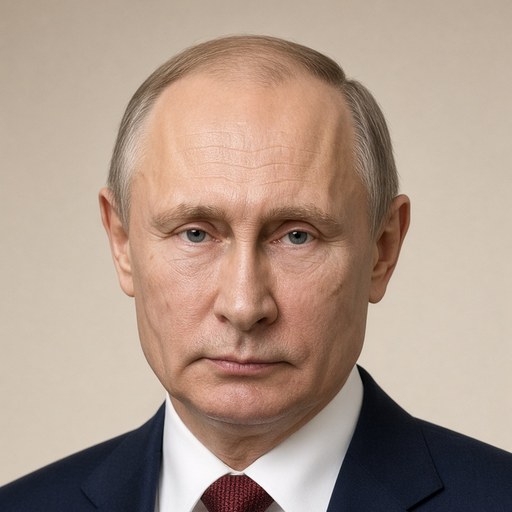

- Context
- Putin addressed the annual Sber 'Journey into the World of Artificial Intelligence' conference in Russia on November 24, 2022, celebrating AI achievements and national strategy.
- Main themes
- Artificial intelligence development, Russia's technological sovereignty, national AI strategy, international AI competition, digitalization of public services, AI ethics and governance, public-private partnership, young researchers and scientists, Sber's role in AI coordination, economic and social development through AI
- Duration
- ~113 min
- Words
- 13,499
- Sentences
- 674
- Readability
- 43
- Grade
- 12.2
- Syntax
- 2.95
- Vocabulary
- 2.16
Translated from Russian
The broad sphere of national life a sentence belongs to. Every sentence has an Arena, so it is the denominator the other indices are read against.
Other674 sentences in 298 paragraphs
Dear friends!
I am very pleased to welcome the participants of the annual Sber conference "Journey into the World of Artificial Intelligence," scientists, engineers, entrepreneurs present in this hall today, and, of course, the entire audience – hundreds of thousands of people from different countries around the world who are following the events taking place here, as Herman Oskarovich said, in a remote format. And, you see, at certain moments, there are even more interested parties abroad than here with us. But there is nothing surprising about this. We are developing [technologies] – indeed, we have already advanced in certain areas, but in some, we still have to catch up – and the people who are constantly engaged in this subject want to be constantly informed, of course.
Such a wide representation speaks to the growing authority of your platform and the immense attention to Russia's achievements in the field of artificial intelligence. And as I said, we certainly have achievements in this area. By the way, in some areas of this field, as I have already mentioned, we are a step ahead of some other countries, and we must definitely increase our efforts. We will undoubtedly discuss specific solutions and joint steps on this matter today. But we will move in this direction, without any doubt.
I will probably state the obvious: the significance of breakthroughs in the field of artificial intelligence is colossal, and the competition between states is fierce. The results we achieve will determine Russia's place in the world, our sovereignty, the security and viability of our country, and our ability to solve tasks of economic, industrial, and social development at a qualitatively new level, creating broad conditions for the self-realization of citizens and for launching public initiatives.
I am glad that many people, including quite young ones, share these goals and make a significant contribution to their achievement.
Taking this opportunity, I would like to express my immense gratitude to domestic researchers who have recently begun their journey in science but are already shaping the technological potential of our country, including a number of young scientists I would like to highlight. Among them are Alexey Naumov and Sergey Samsonov from the Higher School of Economics, Vladislav Buzdin and Inna Minashina from MIPT, Denis Turdakov from the Institute of System Programming, Ruslan Lukin from Innopolis University, Anna Kalyuzhnaya and Nikolai Nikitin from ITMO University, Ivan Oseledets from Skoltech, Semyon Budyonny from the Institute of Artificial Intelligence, and Elena Sokolova from Sber's laboratory. I understand that some of them were just speaking when we were at a small exhibition.
I would also like to thank not only our creators and developers but also those colleagues who promote the technological agenda and set such an important vector for the future of the country. This is Sber, which has taken on the main responsibility for coordinating work on the development of artificial intelligence; this is, of course, – I cannot fail to mention my colleagues in the Government – the ministries of digital and economic development.
I would like to note that, according to international experts, Russia is one of the global leaders in the digitalization of public services, ranking among the top ten in the world. As I understand, 198 countries are being evaluated. The leaders are South Korea, Brazil, and Saudi Arabia. All of these are our good partners, and some of them we can even call our closest partners.
And of course, our business technology community shows an excellent example of self-organization. An alliance of companies in the field of artificial intelligence has been created. At its initiative, ethical principles for the development and implementation of this technology have been developed. More than 120 participants have already joined the corresponding code of ethics.
When we talked, Herman Oskarovich, about creating it?
G. Gref: Two years ago.
That's right, two years ago. And I am very pleased to note that this alliance is working – I will mention this several more times in my speech – is working well. We have made a very important step in creating the appropriate atmosphere. I consider you, esteemed colleagues, friends, to be reliable and effective partners of the state in matters of technological development. I am confident that this will continue to be the case in the future.
Thanks to our joint work, we are dynamically advancing in all areas of the National Strategy for the Development of Artificial Intelligence, supporting the development of education and science, introducing measures to support companies, and adjusting legal regulation, and this is yielding practical, significant results.
Herman Oskarovich, in the special demonstration zone – I just mentioned this – presented only some of the developments of our technological leaders in various industries. Just a few years ago, such visible achievements of human scientific and technical thought were unimaginable. The solutions created truly amaze the imagination without any exaggeration and are undoubtedly an objective basis for pride because they are made in Russia and for Russia, although, of course, they can also be used beyond our country's borders without any exaggeration, as they are absolutely competitive and, in some respects, outpace their competitors.
Domestic companies demonstrate a significant diversity of ideas and technical solutions in the field of artificial intelligence. What is also important: competition among domestic developers is developing and strengthening, and such healthy rivalry undoubtedly stimulates the accelerated growth of the industry, improves the quality of intellectual products, and their commercial success.
As for the leading companies that successfully implement artificial intelligence technologies, they demonstrate a confident increase in profits and labor productivity. And such, even if individual, examples increasingly influence the efficiency of various industries and the entire national economy.
At the same time, the potential for further growth is simply colossal, and it is essential to realize all these opportunities: to use and implement them.
Thus, according to experts, the prospects for increasing indicators in individual industries with the implementation of artificial intelligence technologies amount to an additional 20-30 percent over a decade.
Sber, as I know, was one of the first to actively implement artificial intelligence technologies and, so to speak, tested all this – not everything, but much of what could be tested – on itself. And the results are indeed very good, if not impressive. Last year, every sixth ruble of profit was earned thanks to artificial intelligence technologies, which allowed for a radical increase in the convenience and quality of Sber's services for citizens and corporate clients, for businesses.
I emphasize that we have passed an important, significant part of the planned path, creating the foundation necessary for the rapid development of artificial intelligence. Today, Russia has scientific achievements, unique researchers creating breakthrough technologies of a new era, and the first experience of their practical application has been accumulated.
The task of the new stage in the current decade is to ensure the mass implementation of artificial intelligence. It must cover all sectors of the economy, the social sphere, and the system of public administration. When Herman Oskarovich was still working in the Government, we always talked about this; it was Herman Oskarovich's forte when he spoke about the need to transition to a new stage of management in general.
What we are doing now, and what we will do, including with the support and developments of Sber, I believe should convince us that we are on the right path. We must be capable of forming a genuine technological, digital, and to a significant extent cultural, educational, and value-based sovereignty of Russia and our entire society.
I consider it necessary to fix such priorities in the updated National Strategy for the Development of Artificial Intelligence. In this regard, I ask the Administration of the President, together with the Government and the alliance of companies in the field of artificial intelligence, which I have already mentioned, to prepare the corresponding draft decree. We will review it together and adopt it.
Esteemed colleagues!
The successful implementation of artificial intelligence, as well as successful management of a region, industry, or company, in the modern world requires the use of a data-driven management model. This primarily means that the decision-making process is largely carried out not based on intuition, which is also, by the way, important. But in this regard, it is worth noting that intuition itself is formed from what? From experience and a large amount of data that accumulates in a person's mind. But in this case, even that is no longer enough, and decisions need to be made not only based on intuition but also on qualitatively processed structured data about the object of management, their deep analysis.
And here, artificial intelligence technologies play an increasingly active and significant role. At the same time, I would like to note: for the transition to such a modern model, readiness, maturity, and certain basic conditions are needed. What are they? Perhaps I will not say anything new for this audience, but nevertheless, I would like to highlight them.
The first is the use of advanced lean production approaches aimed at building optimal procedures and processes and reducing waste. It is no coincidence that they say: if you digitize chaos, you will only get digital chaos. Therefore, when engaging in digitalization and applying artificial intelligence technologies, it is essential to first bring order, as they say, to one's own household, in any own household.
The second element is a project management system. If it is absent, any attempt at change may end in failure. A clear task setting and deadlines for its completion are needed, focusing on a specific achievable result and providing it with the necessary resources.
I repeat, these are the basic conditions necessary for using a new data-driven management model, and it is extremely important to implement it both in business and, of course, in government bodies.
In this regard, I ask the Government and the State Council, within the framework of work on digital transformation, to prepare and then implement the transition of the entire system of public authority at the federal and regional levels to a data-driven management model using a platform approach.
It should be added that it is necessary to achieve the fulfillment of this task in all government bodies and across all key sectors. And I very much ask you, esteemed colleagues – I am addressing the participants of the alliance once again – to provide the Government of Russia, your colleagues with whom you are in constant contact, with the necessary advisory support.
I also propose that our Federal Competence Center in the field of labor productivity join this work. An extremely important area for joint work. We are currently only getting acquainted with the results of the work of some companies – I will return to this, colleagues, who are probably sitting here in the hall – on agricultural enterprises, the agro-industrial complex showed the results of such work.
Now, tasks are being solved here to increase the efficiency of enterprises and organizations, including through lean production mechanisms. I think it would be right if we expand its mandate so that the center [of competence in labor productivity] also focuses on the issues of implementing artificial intelligence and modern management systems in the sectors of the economy and the social sphere and, of course, in government bodies: both federal and regional.
I would also like to note what Herman Oskarovich has already mentioned regarding Moscow. I would like to point out that Moscow – and I will refer to its experience repeatedly today – has made a radical step forward in the digital transformation of many areas of urban management.
In turn, the Moscow region is on the verge of implementing a landmark project. It is about implementing a comprehensive change in the management system with the widespread cross-cutting implementation of artificial intelligence technologies. Perhaps the governor – I see he is in the hall – will also say a little about this later.
I ask both the Mayor of Moscow, Sergey Semyonovich Sobyanin, and the Governor of the Moscow Region, Andrey Yuryevich Vorobyov, to use the platform of the State Council to spread their experience of applying the latest technologies across the country – just as we are doing with you, esteemed colleagues, in some other areas.
The widespread use of advanced solutions is primarily aimed at improving the quality of life and creating new opportunities for people. Thus, the implementation of intelligent systems, industrial robots, and automated workplaces should reduce the volume of routine functions, minimizing human work in harmful and dangerous areas of production. Just below, we were talking about this, and I completely agree with this approach.
As we see, the consequence of the implementation of artificial intelligence and robotization is not an increase in unemployment, as we talked about two years ago and as experts have always said and continue to say: with the introduction of new technologies, there will be nowhere to put people who were engaged in more or less primitive labor. On the contrary, the emergence of new, more creative, substantive, interesting professions, and highly qualified jobs – this is what leads to smart and well-timed, prepared work in this direction.
And what is extremely important is that the income of the population is also growing. The growth of people's incomes is, in fact, the same result that technological revolutions have always led to in history. Companies and enterprises gain the opportunity to increase wages as they become more efficient, which, in turn, occurs thanks to effective management based on data using machine learning and other artificial intelligence technologies.
In order for domestic businesses to fully realize their potential, the state must undoubtedly create the necessary conditions. I will allow myself to briefly touch on each of the key areas separately.
First. The implementation of innovations should not impose significant costs on businesses. To this end, starting from January 1, 2023, when purchasing and implementing specifically domestic solutions, including in the field of artificial intelligence, businesses can take advantage of tax benefits and direct additional funds towards technological renewal. For example, when calculating corporate income tax, the amount that exceeds the actual expenses of the company for acquiring advanced Russian developments by one and a half times will not be taken into account.
I ask the Federal Tax Service to closely monitor how convenient and quick these and other developed and proposed tools will be.
Second, in order to establish data management and end-to-end digitalization of business processes, and, importantly, to ensure the operation of cloud infrastructure, companies must have software, hardware tools, and computing power.
I ask the Government to support the development of these areas, including defining special mechanisms within the framework of the federal project on artificial intelligence.
I would also add that we need to generally assist in the development of our own sovereign cloud technologies, that is, various platforms and services that allow companies, citizens, and government bodies to use resources via the internet: to work in applications, store information, and perform computations.
We need to establish mechanisms to work with and store data on domestic cloud platforms, and it must be made significantly more reliable and secure than keeping information and conducting document flow on one's own computer or on paper.
I emphasize that this concerns both technological and regulatory solutions. In this regard, I ask the Government to work closely with the professional community on these issues.
Third, access to anonymized data is crucial. At the exhibition, a colleague spoke about this in relation to medicine, discussing her work and what is planned to be done in the near future, emphasizing the need for access to this information. I completely agree with this. I ask Parliament to expedite the work on the relevant bill, which should be adopted as soon as possible. As far as I understand, it has already passed its first reading somewhere back in 2021 – it needs to be refined.
Of course, there are questions related to the necessity of protecting personal information, but, as I understood from the colleague who reported on the first floor at the exhibition, we are talking about anonymized data. And this will undoubtedly help improve the efficiency of medical care.
I fully understand the concerns that arise here from both the state and the business side. It is essential to take into account all the worries of citizens and entrepreneurs regarding access to large data sets, to create solid legislative guarantees for the protection of rights and freedoms, and to move forward. We must move forward, establishing all technological processes for the formation, anonymization, storage, and access to data.
I also ask the alliance to consider how best to establish a mechanism so that developers receive exactly the data they need in the volume necessary for creating machine learning solutions.
I also ask authorities at all levels to carefully study – we will return to this – the experience of Moscow. A special section has already been created on the capital's mayor's portal, where free access to data on various sectors of urban infrastructure can be obtained: for example, transport, utilities, and so on. Moreover, this information is indeed anonymized, does not relate to personal data, and does not allow for the identification of a specific person, intruding into their private life, which is undoubtedly very important.
Fourth, a large package of support for the information technology industry is already being implemented. Special grants can be awarded to startups for the development of new and existing projects in the field of artificial intelligence, for creating open, accessible libraries of best practices and technical solutions for developers.
Here, I would like to emphasize: this additional measure is working effectively; it is in demand by companies developing artificial intelligence technologies, which is why the grant amount has been increased by one-third – to 30 million rubles.
I believe it is necessary to continue strengthening support for technology companies and startups, and I propose that the alliance submit specific proposals in this regard.
I will not list all the benefits provided in this area; you are surely well aware of them. We have calculated and discussed them when implementing them, and they undoubtedly have a revolutionary character, without any exaggeration, in supporting the industry.
Fifth, significant progress has already been made in adjusting the legal framework for the implementation of the latest technologies. For safe testing of autonomous vehicles, in all environments: on land, in the air, at sea, experimental legal regimes have been created.
We must continue on the path of forming modern, globally competitive legislative foundations for industry regulation regarding the application of artificial intelligence and data handling.
We have repeatedly discussed this with colleagues from the business sector. We understand that these restrictions are significant for business development, and we will analyze the situation together with you and make decisions. It is important that they are made in a timely manner. I fully share your approach to these issues.
Of course, it is necessary to closely address the removal of so-called regulatory barriers that still remain. In this regard, I ask the Government, together with the alliance, developers, and companies in the real sector, to present proposals for changing specific regulatory requirements, technological standards, regulations, and other industry norms that hinder the implementation of artificial intelligence, and this must be done in the context of each industry. Everything needs to be specified as much as possible; then the work will be effective.
I am confident that today representatives of the business sector will discuss the necessary adjustments to the regulatory framework during your upcoming discussion. I will mention some solutions that are, so to speak, obvious, in areas where it is absolutely clear that artificial intelligence, in terms of quality, speed, and objectivity of decision-making, already surpasses and will continue to surpass humans in some cases.
For example, intelligent systems can continuously monitor the condition of drivers, including those of public transport, in real-time, literally every second. No medical worker can handle such a task.
Artificial intelligence algorithms can conduct virtual tests of devices, such as unmanned vehicles, before they appear on public roads, thereby reducing testing costs and risks to people.
Finally, we can move from scheduled repairs to repairs based on actual conditions, that is, from normative, formal repair timelines to risk-oriented, truly preventive ones, where algorithms will continuously assess the condition of parts and components and signal in advance about possible failures or breakdowns.
We also need to integrate new technological tools into standard procedures. In Moscow, for instance, the use of artificial intelligence technologies to support medical decision-making has been included in clinical recommendations and mandatory health insurance tariffs. As a result, the quality of a number of medical services has improved, as has the accuracy of diagnoses and research. This means that not only are the health and lives of people preserved, but a significant economic effect is also generated, as the need for complex, costly surgeries decreases, and individuals spend less time on sick leave. And the quality improves – that is the most important thing.
We need to implement such approaches more quickly at the federal level. And of course, I ask the Ministry of Health to pay special attention to digitalization and the use of modern technological solutions. I know that this work is being carried out; the Ministry of Health is utilizing and intends to utilize all of this, and there are corresponding plans.
This work is important for all levels of healthcare, but of course – I would especially like to emphasize – it is extremely important at the primary level, and here we need to encourage colleagues in the regions and municipalities to work together.
Next, I propose to establish requirements for increasing efficiency and mandatory use of modern technologies, including artificial intelligence, when providing budget subsidies to companies on a systematic basis. This is about not only stimulating entrepreneurs towards progress but also achieving growth in key indicators, including labor productivity, through innovations, so that we respond to this feedback during our joint work with businesses.
For example, regarding agricultural producers, we also discussed this on the floor below; the logic should be as follows: received a subsidy – increased production efficiency, which, according to what I have been told, results in increased agricultural output. Achieving such results, as we saw today, will be aided by artificial intelligence technologies and is already helping to do so.
I emphasize: what I am talking about now is certainly not from the realm of fantasy. Everyone here is prepared and knows what I am talking about. Time and technological development are accelerating. Every industry, enterprise, and organization must quickly adjust their views and approaches, work through and discard the templates that hinder progress, and undoubtedly learn something new every day, every hour.
In this regard, I believe that every national project and state program should contain specific measures aimed at implementing artificial intelligence technologies in various sectors.
For our part, our largest companies should also designate the implementation of artificial intelligence technologies as one of the key priorities in their investment plans – I want to emphasize this and hope that company leaders will hear me. They have the resources; they are substantial, if not to say significant in modern conditions, and they must be used to address the tasks we have gathered here to discuss.
I would like to once again appeal to the alliance: I ask you to involve representatives from all key sectors of the economy and social sphere in your ranks and together identify the most in-demand, most relevant technological directions and solutions in the field of artificial intelligence for use in specific industries.
Based on the results obtained, the Government will need to update the strategies for the digital transformation of industry, construction, transport, agriculture, healthcare, and other areas. This is a very large, extensive, but absolutely necessary collaborative effort.
I also ask the alliance to provide comprehensive methodological and consultative support to enterprises and organizations, including creating centers of industrial competence for the practical application of Internet of Things technologies, machine learning, data processing in each industry, as well as annually compiling a directory of the best solutions in this field.
And one more thing: I propose that the professional community introduce a user-friendly system for measuring and evaluating the products offered by artificial intelligence developers, so that entrepreneurs and civil servants understand which technical characteristics and parameters to focus on when choosing specific technologies or software.
Dear colleagues!
I would like to address a fundamental, defining issue – that of personnel. Artificial intelligence works well in the interests and for the benefit of people when it is created and applied by knowledgeable, well-prepared individuals.
Today, companies are engaged in a real hunt for specialists in the field of artificial intelligence. I do not want to provide specific examples here, but in the market, as they say, these stories are well known: a person leaves one company, moves to another – and immediately the level drops, or at least current problems arise. It is necessary to find equivalent workers, which is difficult; the shortage of professionals in this field is very significant.
We must undoubtedly respond to this challenge. This is a collective effort of the state, business, and the education system. Significant steps have already been taken to involve both students and schoolchildren in solving practical tasks. Undoubtedly, we need to go further – to implement elements of studying artificial intelligence in school mathematics and computer science programs, to increase the level of teaching these subjects, and to enhance the qualifications of teachers.
We are conducting various events that engage tens of thousands of students and, very pleasingly, millions of schoolchildren in this collaborative work, which is very good. We must certainly continue this work.
I would also note that this academic year, more than three thousand students have enrolled in advanced master's programs for specialists in the field of artificial intelligence.
As for future doctors, teachers, agronomists, lawyers, industrial workers, and those in the communications and transport sectors, starting from this academic year, they can choose a special educational module on artificial intelligence at their discretion. Of course, this involves teaching only the basic principles of machine learning and data processing. However, given the rapid pace of technological development, we need to take another step, namely: to restructure educational programs to ensure a high level of competence in the field of artificial intelligence among specialists in key sectors of the economy and social sphere. This applies both to training students and to the professional development of already employed specialists. And I ask the Government to formulate specific proposals in this regard.
Of course, it is necessary not only to implement new educational mechanisms but also to objectively assess their effectiveness, undoubtedly. In this regard, I ask the alliance companies to work together with the Government to develop a ranking of universities based on the quality of training specialists with competencies in the field of artificial intelligence. We need good examples, and it is essential that everyone sees the results of each institution's work. The most important criterion here is the starting salary of graduates upon employment. Because the willingness of businesses to pay a high salary to a novice specialist is the most accurate assessment of a person's qualities and competencies and the work of a particular higher educational institution.
Taking this opportunity, I would like to thank the companies that are creating basic departments for artificial intelligence in universities, inviting students for internships and practical training, supporting talented young people with various scholarships, and later hiring them for significant positions.
At the same time, I believe that both business and the state must continue to create comfortable and attractive working conditions in our country for specialists in the field of artificial intelligence. Once again, I appeal to the alliance: I ask you to present your proposals in this regard. There is a set of measures: preferential mortgages, deferments from military service, simplification of the employment procedure, obtaining residence permits for foreigners. There is a whole range – it needs to be developed and improved.
Today, I have already mentioned young scientists who are developing fundamental solutions, including in the research centers we have specifically created in the field of artificial intelligence. Until the middle of the decade, 7.3 billion rubles will be allocated from various sources for their funding.
But what I would like to emphasize here is that to achieve truly significant, breakthrough results, not only the state but also private business must consider the development of science as one of its top priorities, attract scientists, open their own research divisions and laboratories, and not wait for the state to sprinkle something from the sky. We need to work in a way that our competitors do, to build this system, to finance scientific work, including in the field of artificial intelligence.
The fundamental groundwork and applied solutions being created should open new areas of activity, expand the horizons of business development, and provide companies with additional tools to increase competitiveness and efficiency.
At the same time, of course, we need to study advanced foreign experience, adopt the best and most promising developments. But I would like to emphasize: we should not blindly copy – we have talked about this many times – we should not blindly replicate what is done abroad, but rather propose our original approaches and technologies that ensure the solution of tasks at a qualitatively new level. Only in this way can we build a truly new high-tech economy – a techno-economy.
For example, research is currently being conducted in the field of neural network architecture capable of performing multiple tasks in different languages – I was also told about this today – and in different modalities. That is, the machine does not just reproduce human speech but also tries to convey emotions, developing its own cognitive skills through a more advanced computational architecture. In other words, the machine constantly improves itself; I believe it even writes programs for itself.
Here, of course, we need to understand what is happening and control the entire process. This is indeed a new technological reality, a practical guideline for the development of technologies, products, and entire industries based on machine learning.
As for domestic software, we need to create and implement such developments that will allow us to be leaders in the coming years. This includes systems of automatic design that use machine learning algorithms, where it is enough to upload the initial parameters, and artificial intelligence will propose its solutions, which are more effective than those suggested by humans.
I will give another example, which concerns public and financial institutions, including at the global level – and today it is clear that such institutions must reflect the new reality of a multipolar world, be built on open, democratic principles, and exclude dictatorship, abuse, and monopolism.
We all know well that under today's illegitimate restrictions, one of the lines of attack is payments. Our financial institutions know this better than anyone else because they face these practices. The existing international payment system is expensive, and its correspondent accounts and regulation are controlled by a narrow club of states and financial groups. Essentially, they are the masters of life; they monopolistically control everything.
We need to combine advanced technologies with millennia of human experience. For example, specialists are familiar with the hawala system, which for many hundreds of years – I want to emphasize this – long before the emergence of the Western banking system, performed and, by the way, still performs the functions of international payments.
What is its essence? The sender gives money to a broker in their country. The recipient receives it in another country, also through the corresponding broker. The brokers, in turn, settle accounts among themselves, as we would now say, through a clearing system.
Based on digital currency technologies and distributed ledgers, it is possible to create a new system of international payments that is much more convenient, but at the same time completely safe for participants and, importantly, independent of banks and the interference of third countries. I am confident that something like this will undoubtedly develop because the dictatorship of monopolists is disliked by everyone and causes real harm – by the way, to the monopolists themselves as well.
Furthermore, we must pay special attention to technologies that help unlock the potential of artificial intelligence – these are quantum and photonic computing, quantum communications, where, I note, Russia has quite serious developments. I will also mention the Internet of Things and other cross-cutting and new industrial technologies. The development of these areas has been taken on by state-owned companies, which have signed the relevant agreements with the Government of the Russian Federation.
In the summer, we thoroughly examined the existing problems in specific areas at the Council for Strategic Development and National Projects. I am confident that the right conclusions were drawn, and the implementation of projects will quickly return to the required schedule, despite certain shifts.
I also believe it is necessary to pay attention to another area where Russia, primarily in terms of implementation, is still significantly lagging behind some countries – this is industrial robotics. I will return to this again – I just mentioned it in passing, but we talked about it.
In this regard, I ask the Government to develop and approve a new federal project for the development of domestic robotics, to determine the legal, tax, and regulatory regime, the necessary measures of state support, as well as the financing mechanism for developments and their subsequent implementation.
The effectiveness is obvious. Just now, a colleague spoke about this in relation to KamAZ. But this concerns not only KamAZ – it concerns the entire economy.
I also believe it is necessary to continuously monitor how work is progressing on cross-cutting technologies as a whole, to strengthen the connection between science and business in this area, and in dialogue with researchers, engineers, and technology companies, to develop the solutions necessary for these companies, removing, as I mentioned at the beginning, the barriers that hinder progress, that is, to act as we do or propose to do at our conferences, including today.
In this regard, I ask our largest companies, Rosatom and Russian Railways, together with leading research universities, with the support of Sberbank, to organize and hold a conference on new technologies for computing and data transmission next year, and the Ministry of Industry, together with industrial partners, to hold a conference on new industrial technologies. I will also try to find time to participate in this.
Of course, it is essential to invite colleagues from other countries to these events – those who wish to attend. We continue to work with many of them; they belong to our associations: both the SCO and BRICS. And those who are not members but are, as I mentioned at the beginning, leaders in certain areas will be happy to work with us.
I am deeply convinced that new solutions that change the world can only be created within the framework of close cooperation, based on trust and high ethical standards. This applies to all technological directions, but especially to artificial intelligence. There are many examples where its complex algorithms develop on the principles of open code thanks to the work of many thousands of programmers who create open libraries of solutions and developments.
Therefore, in the field of implementing artificial intelligence, we will certainly strengthen our interaction with our interested partners, as I have already mentioned – with everyone, but also including BRICS and SCO, conducting joint research and educational programs to maximize the potential of advanced technologies for the benefit of our countries. Some relevant cooperation documents have already been signed. We will continue to work in this direction.
Dear friends!
The results we achieve in the practical implementation of artificial intelligence technologies depend on our joint efforts, on the willingness of businesses to enhance and improve their technological positions, and on the desire of government bodies, on the other hand, to increase the speed and pace of change, to open the way for the implementation of advanced technologies.
Starting from next year, 2023, we will monitor the results of the application of artificial intelligence across sectors of the economy and social sphere. To this end, I propose creating a special tool – an index of the maturity of industries and regions, but to make it sound more appealing, we can call it the "intellectual maturity index," because it concerns the implementation of artificial intelligence, and based on it, we will assess the practical results of the work of each subject of the Federation, ministry, and agency in implementing artificial intelligence.
It is essential to particularly encourage those who are moving forward faster, who are creating and bringing the future closer. In this regard, I propose establishing an annual award for young scientists and engineers for scientific and design breakthroughs in the field of artificial intelligence. And another award – for achievements in the field of implementing artificial intelligence – should also be presented annually to domestic companies, enterprises, regions, and cities. The award ceremony could be held for the first time next year, in 2023, at the next conference "Journey into the World of Artificial Intelligence."
Thank you for your attention, for your patience, and I sincerely wish you success.
Herman Gref: Vladimir Vladimirovich, thank you very much. We have indeed selected three brief reports, three speakers, young scientists, who will present their proposals here. They are leaders today in the relevant applied fields of artificial intelligence development and implementation.
And the first topic – probably a topic that stimulates all researchers today. It is related not only to increasing the efficiency of the industry but, most importantly, to saving lives, and you mentioned this: it is health, it is our healthcare. Therefore, we want to start with this topic.
We also consider this topic a priority; we have a special company called SberMed AI, and with our partners, primarily, of course, with Moscow, we are implementing new modern solutions. Then these solutions are being implemented with our regional partners: 63 regions today are our partners who have implemented a large stack of artificial intelligence solutions and continue to develop this technology further.
Allow me to introduce the first scientist – Elena Vladimirovna Sokolova, who will talk about what she is doing in the field of healthcare.
(A video demonstration is taking place.)
E. Sokolova: Good afternoon, colleagues!
I represent the artificial intelligence laboratory of Sberbank, and today I want to talk about how we are already addressing pressing healthcare issues using artificial intelligence.
As of today, the two leading causes of mortality—both globally and in Russia—remain cardiovascular and oncological diseases. In 2019, cardiovascular diseases accounted for nearly half of all deaths in Russia, and due to late detection of cancer, 120,000 patients die within the first year after diagnosis. This is precisely why our solutions are aimed at the early detection of these diseases.
The main areas of our work focus on the analysis of medical images and the analysis of medical texts. I will now share an example of one such project that we implemented in the artificial intelligence laboratory—an analysis of chest CT scans, which was integrated into practical healthcare with the help of one of the companies in our ecosystem, SberMed AI.
During the pandemic, as you all know, an enormous number of chest CT scans were performed, which greatly overloaded the healthcare system. While radiologists' attention was directed towards assessing viral pneumonia, we trained artificial intelligence on this complex data to find signs of lung cancer.
In one of the experiments conducted in a real clinic using real clinical data, one and a half thousand chest CT scans were analyzed, and the artificial intelligence identified 12 patients with a high probability of lung cancer; the diagnosis was confirmed in eight of them, and treatment for these patients has already begun.
However, compared to medical images, the largest amount of patient data is accumulated in the form of texts, which are poorly structured, unstructured, and difficult to analyze. This includes complaints, medical history, laboratory test results, instrumental data, and so on. In fact, the greatest potential for the healthcare system lies precisely in the analysis of such data—textual data.
Currently, there are two main trends in medicine. The first is population analysis to identify individuals at risk of developing complex chronic diseases for timely prevention. The second is personalized analysis of vast amounts of data about a specific patient to develop an individualized approach to providing medical care.
Artificial intelligence is capable of processing absolutely any volume of information in a short time, while a physician cannot physically study the entire medical history of each patient. This is why I believe that artificial intelligence services should become regular assistants to every doctor.
One such example of a diagnostic assistant is a model that we are developing in collaboration with the Government of Moscow. This model has been trained on an unprecedentedly large volume of data—about 30 million patient visits in Moscow over two years. This model analyzes all medical information about a patient and offers the physician a final diagnosis as a second opinion.
This is an absolutely unique complex of deep diagnostics and patient condition monitoring, which has no analogs either in Russia or in the world.
What is important to note? We trained this model with Moscow doctors, who are specialists of the highest qualification. Accordingly, by implementing it in the regions, we can ensure an accessible high level of diagnostics across the country.
These are just a few examples of what we have managed to achieve. In fact, there are many examples, and time will not suffice to cover them all.
But what I would like to conclude with is what has already been mentioned before my speech—namely, the barriers that need to be overcome in the industry for the large-scale and accelerated implementation of artificial intelligence models in practice.
The first such barrier is legal restrictions. Therefore, we ask to simplify legal regulation regarding access to anonymized medical data for training and testing models, because in Data Science, in building artificial intelligence models, of course, without data, nothing will ultimately come to fruition.
The second limitation—or perhaps not a limitation, as significant steps have already been made in this direction—is the implementation and assessment of the effects of artificial intelligence models in real practice. Here again, a unique and very successful project is the Moscow experiment. Within its framework, about seven million diagnostic imaging scans have already been analyzed, which accounts for approximately 40 percent of the total volume of diagnostic imaging studies in Moscow.
The creation of such platforms should guarantee a uniform quality of such services and their safety. This, in turn, will help us overcome some skepticism from the medical community—they must understand the quality and safety of our solutions. This can only be achieved through their implementation and clinical-economic assessment of the effects post-implementation.
Here, I would like to say that such platforms need to be scaled, in our opinion: taken beyond Moscow, scaled to other regions. We believe that we can start with the Moscow region, as it is a well-developed region in terms of both technological maturity and regulatory maturity.
And thirdly—after the successful implementation and assessment of such services in practice, they need to be incorporated into clinical guidelines and standards for medical care.
In concluding my speech, I want to say that I sincerely believe that strength lies in synergy in any industry. In our industry, in medicine, the synergy of artificial intelligence and the medical community will allow us to achieve our common goal, in my opinion—extending the average life expectancy to 78 years, or better yet, to 80 within the coming decade. I believe that the implementation of artificial intelligence services will help us achieve this, and even faster than we think.
That is all. Thank you very much.
Elena Vladimirovna, I said that I would like to hear you out, note some things for myself, and then analyze them. But I cannot help but respond to what you have said.
Healthcare is the most important area of activity for any state. However, the duration and quality of human life is an aggregated, generalized indicator of the state's performance across all areas: both in the economy and in the social sphere.
Undoubtedly, entering the "80+ club" remains our task. We will certainly move towards this, and we will do so, among other things, with the help of artificial intelligence tools. There are already positive examples, and they are quite obvious. We will do all of this. We will eliminate the obstacles to using these tools—I mentioned this in my speech—eliminate the barriers.
We need to analyze all of this. I would be grateful if you could formalize all of this appropriately, and the authorities, together with you, will make the corresponding decisions.
All three components that you just mentioned, including feedback and the expansion of this practice, we will certainly implement.
I already mentioned the Moscow region, and you just mentioned it as well. I would like to ask the governor to say a few words on this matter.
A. Vorobyov: Dear Vladimir Vladimirovich!
We are also trying to collaborate with artificial intelligence, implementing it in various fields. We have all the necessary digital data for this. You visited our regional control center. The amount of data in each area is sufficient to optimize and seek effective solutions. In particular, in medicine, we do not yet read scans, but we will do that next year. However, we have a robot named Svetlana, which receives 35,000 calls every day and helps people get to a clinic or call a doctor to their home.
The key task is to further develop artificial intelligence so that it becomes a function. You once supported a decision on monitoring waste disposal—construction and household waste. How was it a couple of years ago? An inspector from environmental oversight had to stop a vehicle, write a report by hand, and impose a fine if the waste was unauthorized. After the legislative decision, a video camera and artificial intelligence now identify violations because an electronic ticket is linked to each vehicle, but the inspector still writes the report. Next year, artificial intelligence will fully become a function and replace the inspector. Thus, we will see significant progress in this area.
It is clear that transformation is needed, and for that, we need partners. We are very pleased that we have the opportunity to work with the Sber team in all these areas, with Moscow. I agree with what the speaker said about synergy—that there is a significant effect in partnership. I very much hope that we will show noticeable results next year.
In conclusion: Vladimir Vladimirovich, we must be prepared for the fact that we will seek support in changing legislative and regulatory acts, as they often pose obstacles to the further implementation of artificial intelligence and everything new.
That is generally what I wanted to add.
Thank you.
Regarding the simplified access to medical data, I also agree—with due consideration, of course. But when it comes to anonymized data, even more so. So let’s push for the adoption of these decisions.
Thank you, and good luck.
E. Sokolova: Vladimir Vladimirovich, thank you.
Please, Herman Oskarovich.
G. Gref: Thank you, Elena. Thank you, Vladimir Vladimirovich.
I would like to ask Evgeny Vladimirovich Shlyakhto, the director of the Almazov National Medical Research Center, who is one of the leading institutions not only in medicine but also in innovation, implementing both digital technologies and artificial intelligence.
E. Shlyakhto: Dear Vladimir Vladimirovich! Esteemed colleagues!
This is a wonderful project that fully corresponds to the trends in healthcare. I would even say more: it probably belongs to the area where artificial intelligence is already working better in some directions than specialists in medicine. And the question arises: will artificial intelligence replace the specialist or not? Of course, it will not replace them, but what will happen in the future is that a specialist who masters artificial intelligence will treat patients better and ultimately replace the specialist who does not master artificial intelligence.
It should be noted that the ideas presented by Elena Vladimirovna reflect the progress and depth of artificial intelligence penetration into healthcare.
If you allow me, Vladimir Vladimirovich, I would like to focus on three aspects that arise when hearing about this very interesting and innovative project.
The first direction is that we must think about how to stimulate the development of medical technologies based on artificial intelligence and how to implement them. A lot is being done in the country today: a vertically integrated medical information system is being created, and a unified healthcare framework is being established. The vast majority of regions are already participating in these projects, providing structured data in a productive environment. However, if we look at the real situation, only 20 medical technologies using artificial intelligence are currently registered by Roszdravnadzor.
Here, of course, there are questions related to regulation, as Elena Vladimirovna mentioned, questions related to promotion and business participation. We would very much ask, Vladimir Vladimirovich, if possible: not only in clinical guidelines but also in the system of compulsory medical insurance, the technologies created based on artificial intelligence should be classified as resource-intensive and evaluated differently, thereby stimulating companies to create such technologies.
It would probably also be appropriate to include in the federal project on artificial intelligence provisions or activities related to stimulating the creation of datasets that can be made available for public use. Many companies, without spending additional money on this rather labor-intensive work, could create artificial intelligence products based on this.
The second issue I would like to touch upon is related to the solutions that will truly change the organization of medical care itself.
Today, we are moving towards personalized medicine largely thanks to artificial intelligence and digital solutions, and this is certainly true because the development of genetics and personalized medicine is impossible without bioinformatics and artificial intelligence. In this regard, we certainly need integrative solutions that can unite all stages of medical care, make it seamless, and I would say, focused on the end result and patient-oriented.
Here, we need to think about what these solutions should be. Undoubtedly, they should be platform solutions, as you already mentioned in your speech. We very much support this direction—specifically platform solutions, specifically the transition from reactive to proactive management based on big data using not only the digital solutions available in each institution—most of our institutions can today be called digital clinics—but a transition to analytics, to decision support systems, and I would say, not so much predictive as prescriptive management—that is what characterizes modern trends and defines the state of the clinic that can be called value-based management.
Here, of course, it is very important to use all the data related to patients in the current activities of institutions, especially for patients at high risk of adverse events. Here, artificial intelligence can indeed help medical staff identify these patients, predict the development of adverse events, and help avoid them.
It should be noted that today we are doing a lot in this direction together with the Ministry of Health and Sberbank. This includes issues related to speech technologies, which were discussed today. These are issues related to the creation of a "smart clinic." The technological solutions we plan to obtain in the near future can indeed be scaled to the level of the entire country.
The third section, which you also mentioned, is education. Of course, we need programs for students, we need programs for doctors. But today, within the framework of the specialty project that you have allowed us to undertake, for training doctors in a scientific institution under specialist programs, we are already starting from the fourth year to form individual educational trajectories for students, based on the use of artificial intelligence to analyze each student's preferences, personal experiences, practical skills, and scientific achievements that they already have in the senior years. I think this is also very important.
Of course, there are many obstacles and difficulties in implementing artificial intelligence in healthcare: both organizational and technical. Today we see strong artificial intelligence that will help us work with "raw" data. These are ethical issues, as you mentioned, and the protection of personal data.
I believe that through joint efforts we must move in this direction, and the funds that will be invested will certainly pay off many times over in the form of reduced morbidity, mortality, and the preservation of the lives of citizens of the Russian Federation, and of course, in fulfilling all the tasks of the federal project that you have set.
Thank you for your attention.
Evgeny Vladimirovich, I know that many modern technologies are actively being implemented in your area. I heard and noted your comments regarding the creation of a system to stimulate the development of these technologies, including artificial intelligence, in clinical recommendations and in the compulsory medical insurance system. We will do all of this. I also noted your comments regarding integrated solutions and the use of platform solutions.
I don't know if Mikhail Albertovich is here or not? We will talk with him in the near future. He is a modern person, knows all about this and tries to stay on trend, and the Ministry of Health is doing many useful things. But that is why we have gathered today; German Oskarovich has brought everyone together to see what needs to be done in the near future in various areas, including in the field of artificial intelligence.
We will work on it.
Thank you very much.
G. Gref: Thank you.
Vladimir Vladimirovich, I would also like to give the opportunity to speak to a very bright young scientist, who is already a laureate of the President's award among young scientists – Ivan Oseledets. He is a researcher, a mathematician from Skoltech.
Ivan, if possible, a few words about what you are doing in terms of creating a foundation for the development of artificial intelligence and optimizing the model.
I. Oseledets: First of all, Vladimir Vladimirovich, thank you for the personal praise. It is very pleasant. I will try to briefly explain what we are doing so that it is clear what the praise is for.
In fact, the development of artificial intelligence is currently moving from a large number of small private models as weak artificial intelligence to large models that are trained on tens and hundreds of billions of examples, which have hundreds of billions of parameters, but are capable of solving a large number of different cognitive tasks.
Supercomputers are used to train such models. For example, the supercomputer "Christofari." The energy consumption of the supercomputer "Christofari" corresponds to the energy consumption of a city with about 10,000 residents. But even on such a supercomputer, training the Kandinsky model took four months.
It can also be said that the total power of all Sber's data centers is approximately equivalent to the energy consumption of the city of Vidnoye, a large city. Imagine an entire city of computers consuming electricity.
So, four months is a long time. Why does this happen? We estimate the current efficiency of open-source software for training models to be about 30 percent. We want to double this figure. What are we doing in this direction? A year ago, within the framework of the federal project to support artificial intelligence centers, supported by the Ministry of Economic Development and Sber, we started the "Green Artificial Intelligence" project, one of the goals of which is to increase the energy efficiency of model training. And already in a short time, we achieved the first result. We reduced the memory and time for training the model by about 15 percent. This translates into tens and hundreds of billions of rubles.
How did we do this? When training the model, hundreds of billions of parameters need to be updated. One number that we store takes about 32 bits – this is, for understanding, just seven decimal places. Well, it seems, why such precision? You can store two decimal places, and everything will be fine. But it turns out that if you only store two decimal places, the quality of the final model will seriously decline.
What did we do? Using mathematics, using fundamental mathematical approaches, we found those places in the complex training process where we can replace 32 bits with three, reducing memory in this area by eight times, and the total time by 15 percent. It is clear, as I said, that our goal is not just 15 percent, but to double the efficiency, and therefore we started developing our own domestic software, based on fundamentally different principles.
I will give a probably understandable example. Suppose we have a large family with a lot of shoes: big boots, small children's shoes – they need to be sorted into boxes. There will still be empty space in the boxes, and this empty space corresponds to the inefficiency of using the computing system.
How do we solve this problem? Very simply: we take computing blocks and cut them into pieces. We cannot cut shoes into pieces, but we can cut computing blocks into pieces. Thus, we already have preliminary results. We expect to obtain our own software, and the efficiency will indeed increase significantly.
But instead of four months, it will be two – still a long time for training one model. To do this, we need to increase computing power. The standard way to increase computing power is to buy more computers, but they are all based on microprocessor technology, which has already reached its limit. The size of one transistor is about ten times the size of atoms, meaning in five years, further increases in this area will be completely impossible. Therefore, companies and governments around the world are looking towards promising computing systems.
In fact, to understand what a promising computing system is – it can actually be any arbitrary physical system – one can fantasize and say: we have an aquarium with algae, we shine light on it, a chemical reaction occurs, and we read the result of the chemical reaction. Thus, the task of the modern scientist is actually to develop and select such a physical system and write a program for it.
Naturally, one of the most promising directions – here is the famous Schrödinger's cat – is quantum computing, which is based on the principle of superposition: we do not know if the cat is alive or dead until we open the box.
A quantum system with 50 quantum bits requires two to the power of 50 bytes on a classical computer – that is one petabyte. This is the memory of the most powerful supercomputer in the world. At MIT, a prototype quantum computer has already been created with 256 quantum bits. To describe it, all the atoms in the universe would be needed. This is a very promising technology.
The main problem with this promising technology, besides hardware issues, is that algorithms need to be written for it, and these algorithms need to be written now. In fact, everything we do, we write algorithms for hardware that does not yet exist, so that when this hardware is created, we are not left with a box over which we do not know what to do.
Yesterday, there was the Sber award, in particular, Academician [Alexander] Holevo received it for quantum information theory. The foundations of quantum computing were laid by Yuri Manin, Holevo in the Soviet Union, by the way. Not by physicists, but this idea actually came from mathematicians.
In fact, the key task now, in my opinion, Vladimir Vladimirovich, is large-scale investments in the development of domestic software, but, importantly, in close collaboration with hardware developers across the entire spectrum of these promising computing systems: quantum computers, photonic computers, neuromorphic systems.
Right now, we do not know which of them will be the next generation, but the state and the companies that first obtain algorithms and computers – this connection will gain a significant advantage in the computing race. This will lead to the development of science, the development of the economy, and, in my opinion, will obviously improve the quality of life for people.
Thank you. I will be happy to answer questions.
Thank you very much.
I just at the end either did not understand what you said or did not hear. You said quantum, photonic computing, and neuromorphic?
I. Oseledets: Neuromorphic. This is a system that operates on the principle, roughly speaking, of the human brain.
Yes. I heard that and noted it for myself. In principle, this is a clear matter; it is necessary to invest in domestic software, and we are trying to do this, as you know, and we will continue to increase our efforts. I would be grateful to you if you could specify what exactly needs to be done in this regard.
As for quantum and photonic computing, we have two large state companies: Russian Railways (RZD) and Rosatom – I believe I mentioned this in my speech – have supported the state in this direction. A corresponding communication line has already been established between Moscow and St. Petersburg. And we will continue to increase these efforts.
If you could specify what exactly you would expect from the state, I would be grateful.
I. Oseledets: I can say that the main problem is that we have separated software developers and hardware developers. From my personal experience: hardware developers consider software developers personal enemies because first we will make the hardware, and then you will write some software for it, which may not even work. And the key task is to have, roughly speaking, a consortium, a connection: algorithms go in parallel with hardware development, rather than having physicists separately, mathematicians separately, and machine learning specialists separately.
If we can create such a synergy point... And this is difficult because people have different mentalities. Over the years, during the 90s, when we had a hard time, everyone is very afraid that someone will come and take their money. This is a fact.
G. Gref: Vladimir Vladimirovich, fundamentally new system software will have to be created for the new systems.
Yes, I understand. But, as Ivan said, we need to find such a "point of assembly" where it would be interesting for everyone to work together.
I. Oseledets: Yes, so that all participants see the benefit, rather than seeing danger.
Yes. Dmitry Nikolaevich [Chernyshenko] is a great specialist in organizing joint work. Dmitry Nikolaevich, we need to think together about this task.
D. Chernyshenko: Yes, Vladimir Vladimirovich, we will definitely do everything, we are working with colleagues, interacting.
That immediately raises a red flag for me: "we will do everything."
D. Chernyshenko: We will exceed expectations, yes.
And we will exceed expectations.
In any case, we need to think and consult with specialists, see what is happening there.
D. Chernyshenko: In fact, an industrial center has been created.
Thank you.
Thank you very much, Ivan.
G. Gref: Vladimir Vladimirovich, with your permission, one more speaker. Ivan, thank you very much.
In fact, we are extremely grateful to Ivan's team and Skoltech because we are working on this project together, and for us, this is just a gigantic saving – a 15 percent saving in time when training the model. We are currently training our new model on supercomputer resources for a year. This means we will gain two months of savings. This is, of course, a huge saving of time.
Naturally, this is a huge saving of money in terms of electricity costs consumed by this enormous "beast" called a supercomputer.
But the task facing the team is to bring these parameters to 50 percent. If this is achieved, it will be a unique experience. Therefore, thank you very much for this work.
Another speaker. I would like to give the floor to Semyon Budyonny. Semyon is an employee of the Institute of Artificial Intelligence. There are more than 100 unique specialists in the field of artificial intelligence there. They are currently working on multimodal fusion models, which you mentioned in your speech. And here the team said that this is the latest trend in artificial intelligence – multimodal, multilingual, and multitask models, those that are already as close to humans as possible.
The team is working on 30 such projects, and Semyon is developing hybrid directions at the intersection of quantum chemistry and neural network architectures. If possible, Semyon, could you say a few words on this topic?
Semyon Budyonny. Not Semyon Mikhailovich, right?
S. Budyonny: No.
G. Gref: But a relative.
S. Budyonny: No, no.
G. Gref: No? Then I was misled; I was told he was a relative.
It is not good when the head of Sber is deceived. Pay close attention to potential losses.
Please.
S. Budyonny: Vladimir Vladimirovich! German Oskarovich!
I would like to talk about today's trends in artificial intelligence in the creation of new materials. I will try to answer three questions.
First – is artificial intelligence capable of creating fundamentally new technologies that were previously unavailable to humans?
Next, I want to discuss the existing groundwork, the existing results of the Artificial Intelligence Research Institute, some initial developments.
And then I want to propose some specific measures on how these technological seeds can be further cultivated.
When we talk about artificial intelligence in the synthesis of new materials, I would like to highlight one important property – emergence. By analogy with how living organisms, forming complex groups, transform from chaos into concise streams of groups and acquire new functions, for example, functions of resistance to predators – swarms of bees or flocks of birds, and so on, artificial intelligence, as a complex system, is also capable of acquiring new functions, generating new technologies that were previously inaccessible and non-reproducible by humans.
And the first question we tried to answer here fundamentally: can we shorten the existing cycle, the life cycle of producing new materials by orders of magnitude? A good example is the well-known material graphene, for which our compatriots received the Nobel Prize.
This material possesses a number of unique properties, and, by the way, the AIRI [Artificial Intelligence Research Institute] in collaboration with the Innopolis University, at the suggestion of Sber's research and innovation management, has taken on the creation of the largest database, a digital database of two-dimensional materials using artificial intelligence, and will make it available in the near future. This is very important for the development of data analysis in the application of synthesizing new materials.
When we talked about emergence, about creating something fundamentally new, previously non-existent in nature and non-reproducible by humans, and [about] the second factor – the question of time: can we make artificial intelligence create new technologies in a matter of months? Partially, the AIRI institute answered this question when it predicted using graph neural networks, calculated, and experimentally confirmed a new list of materials with exotic properties – so-called quasicrystals. These materials practically do not exist in nature, yet they are unique in terms of properties. For example, they can potentially be applied in the field of electrical engineering. They exhibit abnormal conductivity behavior with temperature changes. They can also be used as strengthening agents in metals and metal alloys.
As is known, previously, humans relied more on intuition and the trial-and-error method to find various recipes to achieve better results in material formulation. Then, having generalized this experience and formalized it, they obtained certain levers to control these formulations.
But now we are in a state where artificial intelligence, possessing its own "intuition," is capable of doing this in minutes and predicting, for example, a class of materials represented here by binary metals. And this is what has been calculated, predicted, and experimentally confirmed, and these results have been published in one of the prestigious global journals in the field of crystallography.
There is another example from the field of energy, for instance. Our specialists were able to calculate 650,000 different components for electrocatalysts. By deceiving calculations based on first principles, replacing quantum chemical calculations for complex compounds, we accelerated the calculations to seconds using artificial intelligence and were able to quickly predict properties for a new lattice with a new atomic composition. In this specific case, this is also not some drawn object; it is a lattice that represents a structure we calculated literally in seconds using artificial intelligence.
We understand that, aiming to create fundamentally new technologies previously unavailable to humans, we must also not forget about improving existing technologies. If we talk about materials, one of the most promising technologies is photovoltaics.
We have shown and proven the potential for an increase in efficiency of 0.5 percent. Let me remind you, efficiency is the share of energy converted from the Sun into electricity. It may seem that 0.5 percent is not much, but that technological recipe for producing solar panels using artificial intelligence, increasing the efficiency indicator by 0.5 percent, generates additional capacity for electricity generation – nine gigawatt-hours of electricity, and in absolute terms, this is already quite acceptable. This is comparable, by our estimates, to about 2,500 households. This is quite significant, and further increasing efficiency allows for an increase in this electricity capacity. Here, we, together with our partner – one of the largest solar panel manufacturers – have already proven this potential.
A pragmatic approach to synthesizing new materials requires working under conditions of uncertainty, limited resources, and contradictions. For example, the task of design research, which is relevant in engineering, involves solving a problem under the following contradictions: we want to have the lightest material possible, but at the same time the strongest, and for this, we created models that generate the porosity pattern of the material in such a way that during its 3D printing, its strength is maximized. Here are specific samples that we recently synthesized using a 3D printer, and all these calculations were conducted using generative models.
As scientists, we often draw inspiration from art, and it is worth noting that, for example, here an image was generated based on a poem by Mandelstam using a model trained on "Kandinsky" by Sber specialists. And the basis of the multimodal technology that synthesizes such objects lies in the same neural network architectures that we use in the synthesis of new materials.
I will conclude my report not with the thesis that we have problems, but rather with the thesis that we have colossal opportunities. We want to transition from the digital world to, so to speak, the physical world. The generative sum of all possible materials that artificial intelligence is capable of synthesizing exceeds the number of atoms in the universe, and this is the digital world. When I talk about the digital world, it can include alloy recipes, blueprints, chemical formulas for new chemical elements in pharmaceuticals. This volume is colossal. But the bottleneck in this story is synthesis, it is the equipment. And if we expand it, we will provide new opportunities for our industries, create new technologies, new emergent technologies previously unavailable to humans.
Here is a specific proposal – to focus on creating so-called digital technology testbeds with the ability for rapid prototyping, creating experimental samples, materials based on the results of artificial intelligence synthesis. If we create such a flow, expanding this funnel, we will provide colossal opportunities for industry. And on this platform, there should be equal access for both scientists and businesses.
That’s all from me. I am ready to answer questions.
Thank you very much.
Thank you.
What you are saying is undoubtedly captivating. As soon as you said that materials are being created that do not exist in nature – that is, do not exist on Earth, this, of course, is impressive in itself and undoubtedly creates colossal opportunities for all areas of human activity, not to mention the economy, and in healthcare, and in industry – everywhere. This is certainly very promising and very interesting.
If you say that it is necessary to create these testbeds for equipment, then, of course, my colleagues and I in the Government – I have noted this for myself – will think about what can be done, and in consultation with you, German will suggest, we will outline specific steps to move along the path you are showing us.
Thank you very much. Good luck!
S. Budyonny: Thank you.
G. Gref: Thank you very much, Semyon.
Thank you very much, Vladimir Vladimirovich.
You still have five people. It would probably be rude if we didn’t let anyone say anything at all. If possible, just briefly on the issue and the tasks you see. You have two more people there, right?
G. Gref: Yes. Guys, you’re lucky. Then, if possible, let’s skip introductions, very briefly.
The problem and what you would like to see and feel from all of us as support. Please.
G. Gref: Then Alexey Naumov, please, Higher School of Economics.
A. Naumov: Good afternoon, Vladimir Vladimirovich! Good afternoon, colleagues!
I am engaged in reinforcement learning, I will be very brief. This is actually a very important task because it arises in the design of unmanned vehicles, in production automation, in the design of cooling systems for data centers.
Reinforcement learning, generally speaking, underlies these systems. There are already many examples of artificial intelligence using reinforcement learning, for example, defeating the world champion in Go. And reinforcement learning is not just an ordinary artificial intelligence model: it learns like a human learns, that is, a person gets up, walks, falls – interacts with the environment.
Similarly, if we consider, for example, an unmanned vehicle, it also interacts with the environment, with other road users, and it receives rewards and penalties from that interaction. The goal is to find an optimal strategy that maximizes rewards and minimizes penalties.
But here the biggest problem is the volume of accumulated experience. When we, for example, teach an unmanned vehicle, it is very expensive to train it in practice, and indeed, we do not see these unmanned vehicles around us now. What many countries are doing, and what we also need to develop, is the so-called digital twins, into which we can insert an unmanned vehicle and train it there accordingly.
But the biggest problem arises, and you already mentioned this in your speech, that if we start using a trained digital twin model in practice, the cost of error here is simply enormous. This means that we need to look for algorithms, reliable algorithms, and moreover, with mathematical guarantees of reliability. Very often, there are groups of researchers who do the mathematics, but their mathematics is not applicable in practice, and there are groups of researchers who create very practical algorithms that are completely inapplicable in real scenarios.
What we have done: we have created an algorithm that has mathematical guarantees of reliability and can be transferred to real environments. This work has been highly appreciated by the scientific community.
Today, we need to develop this topic of reinforcement learning in Russia, because it arises in production automation, and we can reduce costs and create unmanned vehicles in the future. We need to develop fundamental research and, accordingly, engineering schools, because without engineers, for example, we will not be able to launch our algorithms on real "hardware."
Within the framework of the federal project, there are currently, as you have already mentioned, six artificial intelligence centers – these are support centers. This initiative is supported by the Ministry of Economic Development until 2024. We believe this is a very correct initiative, and, Vladimir Vladimirovich, we ask you to extend this initiative until 2030.
We would also be very happy if new artificial intelligence centers appeared in Russia for promising and only emerging areas of artificial intelligence.
Thank you very much.
Thank you very much, Alexey.
Regarding the extension of the program: of course, we will think about it, and I think we will do it. As for new centers – Dmitry Nikolaevich is also listening. (Addressing D. Chernyshenko.) Dmitry Nikolaevich, please consider this later, we will consult and make the appropriate decision.
Thank you very much and good luck.
As for unmanned vehicles, we have very good developments in this area. Moreover, we are even surpassing many of our competitors, and we are preparing an experiment using unmanned vehicles on the high-speed highway from Moscow to St. Petersburg in the near future.
Please.
G. Gref: Thank you.
Vladimir Vladimirovich, our last scientist is a young woman, a teacher and researcher from St. Petersburg, from ITMO University, who has significant experience in teaching as well as scientific achievements. I ask Anna to present her scientific achievements as well.
A. Kalyuzhnaya: Hello, Vladimir Vladimirovich!
Thank you very much.
I have, of course, also prepared a presentation, but I will not show it.
What am I engaged in? I am involved in the automation of machine learning. What is this? This is essentially artificial intelligence that allows the creation of all other artificial intelligence.
Why are we doing this? Because this year we see that the demand for artificial intelligence specialists is seven times higher than the level that was just three years ago. Accordingly, there are more applied tasks, more need for implementation, and more people are required to do this. This will only increase, and we will simply not be able to produce a sufficient number of specialists.
Therefore, at ITMO, we are developing algorithms that allow for the implementation of artificial intelligence to be much faster and more accessible, both in terms of time and computational resources, because objectively today, not all industrial companies have significant computational resources. With such algorithms, we can reduce the development time for artificial intelligence solutions and their implementation to just a few days.
So today, we can say that we have algorithms, and we know how to develop them. What is lacking for the mass implementation of artificial intelligence in industry?
Firstly, it is data, primarily industrial data, since unlike the banking sector and the trade sector, each industrial sector has completely different processes, completely different equipment, and this cannot be generalized so easily.
Secondly, there is a lack of technological testbeds that could exist at least for the main industrial sectors, for the main processes. Within these technological testbeds, we, as algorithm creators, could demonstrate what they are capable of, and industry representatives could assess their capabilities and evaluate the potential risks of implementation. Today, the implementation in companies is also hindered because once an algorithm has been developed and implemented, it often entails a whole chain of additional actions: entire business processes need to be changed, and sometimes even the whole system. This is a problem, and it seems to me that such technological testbeds could help address this.
That's all from me. Thank you.
Thank you very much.
I have noted this for myself as well. As for technological testbeds and data, especially in the field of industry, this is certainly a complex task; we need to work by sectors, understand with your help, I hope, how to establish this work, how to encourage our colleagues in various industrial sectors so that you and your colleagues who are working in this area have the necessary foundation for generalizations and work. We will definitely work on this.
It is extremely important, and I completely agree with your conclusions, and I also spoke in my address about the tasks in the field of personnel training. If we can put all this together, then, without a doubt, we will achieve results in all other areas of activity related to artificial intelligence.
Thank you very much.
I want to thank all of you for your work, for your participation in this work today. I want to thank Sberbank, German Oskarovich, you for paying such serious attention to this. You are not just leaving this direction, but, on the contrary, developing it, supporting it in every way, just like all the other participants in this process: both the people engaged in scientific creativity and those who organize this work in our companies, in the Government, and I wish you success.
Because, without any exaggeration, your success will determine the success of the country as a whole. This is absolutely true, and there is no doubt about it. I want you to understand that we also understand this and recognize our tasks in this area, but, of course, we can only effectively solve it by joining efforts with those people who work in the industry.
Thank you very much, and all the best. Thank you.
The original Russian. The tags above are read on the English translation's sentences.
Уважаемые друзья!
Очень рад приветствовать участников ежегодной конференции «Сбера» «Путешествие в мир искусственного интеллекта», учёных, инженеров, предпринимателей, присутствующих сегодня в этом зале, и, конечно, всю аудиторию – сотни тысяч людей из разных стран мира, которые следят за происходящими здесь событиями, как Герман Оскарович сказал, в дистанционном формате. И, видите, в некоторые моменты даже таких интересантов за границей больше, чем у нас. Но ничего здесь удивительного нет. Мы развиваем [технологии] – правда, по определённым направлениям вперёд ушли уже, но где-то нам ещё предстоит догонять, – а люди, которые занимаются это тематикой постоянно, хотят быть постоянно, конечно, в материале.
Такое широкое представительство говорит о растущем авторитете вашей площадки, об огромном внимании к достижениям России в сфере искусственного интеллекта. А как я сказал, достижения эти у нас, безусловно, есть. Кстати, по некоторым направлениям в этой области, как я уже сказал, мы идём на шаг впереди некоторых других стран, и нам нужно обязательно наращивать наши усилия. Конкретные решения, совместные шаги на этот счёт – мы сегодня, безусловно, будем об этом говорить, наверное, будем обсуждать. Но будем двигаться в этом направлении, без всякого сомнения.
Скажу, наверное, очевидные для всех вещи: значение прорывов в сфере искусственного интеллекта колоссально, соперничество между государствами идёт ожесточённое. От того, каких результатов мы добьёмся, зависит место России в мире, наш суверенитет, безопасность и состоятельность нашей страны, наши возможности на качественно новом уровне решать задачи экономического, промышленного, социального развития, создавать широкие условия для самореализации граждан, для запуска общественных инициатив.
Рад, что немало людей, в том числе совсем молодых, разделяют эти цели и вносят весомый вклад в их достижение.
Пользуясь возможностью, хотел бы сказать огромное спасибо отечественным исследователям, которые не так давно начали свой путь в науке, но уже формируют технологический потенциал нашей страны, в том числе целый ряд молодых учёных хотел бы отметить. Среди них Алексей Наумов и Сергей Самсонов из Высшей школы экономики, Владислав Буздин и Инна Минашина из МФТИ, Денис Турдаков из Института системного программирования, Руслан Лукин из университета «Иннополис», Анна Калюжная и Николай Никитин из Университета ИТМО, Иван Оселедец из Сколтеха, Семён Будённый из Института искусственного интеллекта, Елена Соколова из лаборатории «Сбера». Я так понимаю, что некоторые из их сейчас рассказывали, когда мы с вами были на небольшой выставке .
Хотел бы также поблагодарить не только наших творцов, разработчиков, но и тех коллег, кто продвигает технологическую повестку, задаёт столь важный для будущего страны вектор. Это «Сбер», который взял на себя главную ответственность за координацию работ по развитию искусственного интеллекта; это, безусловно, – не могу не сказать о своих коллегах в Правительстве – это министерства цифрового и экономического развития.
Отмечу, что Россия, по мнению международных экспертов, в области цифровизации государственных услуг является одним их глобальных лидеров, входит в десятку лучших в мире. Оцениваются, насколько я понимаю, 198 стран. В тройке лидеров Южная Корея, Бразилия, Саудовская Аравия. Всё это наши хорошие партнёры, а кого-то из них мы можем назвать и нашими ближайшими партнёрами.
И конечно, отличный пример самоорганизации показывает наше деловое технологическое сообщество. Создан альянс компаний в сфере искусственного интеллекта. По его инициативе разработаны этические принципы разработки и внедрения этой технологии. К соответствующему кодексу этики уже присоединились более 120 участников.
Мы когда говорили, Герман Оскарович, о том, чтобы создать его?
Г.Греф: Два года назад.
Вот, два года назад. И мне очень приятно отметить, что этот альянс работает – ещё несколько раз упомяну это в своём выступлении, – работает хорошо. Мы сделали очень важный шаг в создании соответствующей атмосферы. Считаю, уважаемые коллеги, друзья, вас надёжными, эффективными партнёрами государства в вопросах технологического развития. Уверен, так оно будет и в будущем.
Благодаря нашей совместной работе мы динамично продвигаемся по всем направлениям Национальной стратегии развития искусственного интеллекта, поддерживаем развитие образования и науки, вводим меры поддержки компаний, настраиваем правовое регулирование, и это даёт практические, весомые результаты.
Герман Оскарович в специальной демонстрационной зоне – я только что упоминал об этом – представил лишь отдельные разработки наших технологических лидеров в разных отраслях. Ещё несколько лет назад такие зримые достижения научной, технической мысли человека невозможно было себе даже и представить. Созданные решения действительно без всякого преувеличения поражают воображение и, безусловно, являются объективным основанием для гордости, потому что они сделаны в России и для России, хотя, безусловно, могут использоваться и за рубежами нашей страны без всякого преувеличения, потому что являются абсолютно конкурентоспособными, а в чём-то обгоняют своих конкурентов.
Отечественные компании показывают весомое разнообразие идей, технических решений в сфере искусственного интеллекта. Что также важно: развивается и усиливается конкуренция между отечественными разработчиками, и такое полезное соперничество, несомненно, стимулирует ускоренный рост отрасли, повышает качество интеллектуальных продуктов и их коммерческий успех.
Что касается компаний-лидеров, которые успешно внедряют технологии искусственного интеллекта, то они демонстрируют уверенное увеличение прибыли и производительности труда. И такие, пусть даже отдельные примеры всё больше влияют на повышение эффективности различных отраслей промышленности да и всей национальной экономики.
При этом потенциал дальнейшего роста просто колоссальный, и нужно обязательно все эти возможности реализовывать: использовать и реализовывать.
Так, по оценке экспертов, при внедрении технологий искусственного интеллекта перспективы увеличения показателей отдельных отраслей составляют дополнительные 20–30 процентов за десятилетие.
«Сбер», как мне известно, одним из первых начал активное внедрение технологий искусственного интеллекта и, что называется, опробовал всё это – не всё, но многое из того, что возможно было опробовать, – на себе. И результаты действительно очень хорошие, если не сказать впечатляющие. В прошлом году каждый шестой рубль прибыли был заработан благодаря технологиям искусственного интеллекта, позволившим кардинально повысить удобство и качество сервисов «Сбера» для граждан и для корпоративных клиентов, для бизнеса.
Подчеркну, мы с вами прошли важную, значимую часть намеченного пути, создали фундамент, необходимый для стремительного развития искусственного интеллекта. Сегодня у России есть научные достижения, уникальные исследователи, создающие прорывные технологии новой эпохи, накоплен первый опыт их практического применения.
Задача нового этапа в горизонте текущего десятилетия – обеспечить именно массовое внедрение искусственного интеллекта. Оно должно охватить все отрасли экономики, социальной сферы и систему госуправления. Мы с Германом Оскаровичем, когда он ещё в Правительстве работал, всё время говорили, это конёк был Германа Оскаровича, когда он говорил о том, что нужно переходить к новому этапу управления вообще, в целом.
То, что мы сейчас делаем, и то, что будем делать, в том числе при поддержке и при наработках «Сбера», мне кажется, должно нас убеждать в том, что мы на правильном пути. Мы должны быть способны к формированию подлинного технологического, цифрового и в немалой степени культурного, образовательного, ценностного суверенитета России и всего нашего общества.
Именно такие приоритеты считаю необходимым зафиксировать и в обновлённой Национальной стратегии развития искусственного интеллекта. Прошу в этой связи Администрацию Президента совместно с Правительством и альянсом компаний в сфере искусственного интеллекта, о котором я уже говорил, подготовить соответствующий проект указа. Вместе посмотрим и примем его.
Уважаемые коллеги!
Успешное внедрение искусственного интеллекта, как и в принципе успешное руководство регионом, отраслью, компанией, в современном мире требует использования модели управления на основе данных. Это прежде всего означает, что процесс принятия решений в значительной степени осуществляется не на основе интуиции, что тоже, кстати говоря, немаловажно. Но в этой связи хочется отметить, что сама-то интуиция складывается из чего? Из опыта и большого количества данных, которые накапливаются у человека в голове. Но в данном случае и этого уже недостаточно, и нужно принимать эти решения не только на основе интуиции, а на основе ещё и качественно обработанных структурированных данных об объекте управления, их глубоком анализе.
И здесь технологии искусственного интеллекта играют всё более активную, всё более значимую роль. При этом отмечу: для перехода на такую современную модель нужны готовность, зрелость, а также определённые базовые условия. Какие? Наверное, для этой аудитории здесь ничего нового не скажу, но тем не менее хотелось бы отметить.
Первое – это использование передовых подходов бережного производства, которые направлены на выстраивание оптимальных процедур и процессов и снижение потерь. Не зря говорят: если оцифровать хаос, то получится всего лишь цифровой хаос. Поэтому, занимаясь цифровизацией и применением технологий искусственного интеллекта, нужно, безусловно, сначала навести порядок, как говорится, в собственном хозяйстве, в любом собственном хозяйстве.
Второй элемент – это система проектного управления. Если она отсутствует, то попытка любых изменений может закончиться провалом. Нужна чёткая постановка задачи и сроков её выполнения, нацеленность на конкретный достижимый результат и обеспечение его необходимыми ресурсами.
Повторю, это базовые условия, необходимые для использования новой модели управления на основе данных, и крайне важно внедрять её и в бизнесе, и, безусловно, в органах власти.
В этой связи прошу Правительство и Государственный Совет в рамках работы по цифровой трансформации подготовить, а затем реализовать переход всей системы государственной власти на федеральном и региональном уровне к модели управления на основе данных с применением платформенного подхода.
Следует добавить, что необходимо добиваться выполнения этой задачи во всех органах власти и по всем ключевым отраслям. И я очень прошу вас, уважаемые коллеги, – обращаюсь сейчас к участникам альянса ещё раз – оказать Правительству России, вашим коллегам, с которыми вы в постоянном контакте находитесь, необходимую консультативную поддержку.
Также предлагаю подключиться к этой работе и нашему Федеральному центру компетенций в сфере производительности труда. Чрезвычайно важное направление для совместной работы. Мы сейчас только, когда знакомились с результатами работы некоторых компаний, – я ещё к этому вернусь, коллеги, наверное, здесь в зале сидят, – по агропредприятиям, по агрокомплексу показывали результаты такой работы.
Сейчас здесь решаются задачи повышения эффективности предприятий и организаций, в том числе через механизмы бережливого производства. Думаю, будет правильно, если мы расширим его мандат, чтобы центр [компетенций в сфере производительности труда] также сконцентрировался на вопросах внедрения искусственного интеллекта и современных систем управления в отраслях экономики и социальной сферы и, безусловно, в органах власти: как федеральных, так и региональных.
Отмечу также то, о чём сказал уже и Герман Оскарович применительно к Москве. Отмечу, что Москва – и сегодня ещё буду обращаться к её опыту неоднократно – сделала кардинальный шаг вперёд в области цифровой трансформации многих сфер городского хозяйства.
В свою очередь Московская область стоит на пороге реализации знакового проекта. Речь о том, чтобы реализовать полномасштабное изменение системы управления с повсеместным сквозным внедрением технологий искусственного интеллекта. Может быть, губернатор – я вижу, он в зале находится – тоже скажет об этом чуть позднее.
Прошу и мэра Москвы Сергея Семёновича Собянина, и губернатора Московской области Андрея Юрьевича Воробьёва использовать площадку Госсовета, чтобы распространять свой опыт применения новейших технологий на всю страну – так, как мы делаем с вами, уважаемые коллеги, по некоторым другим направлениям.
Повсеместное, широкое использование передовых решений призвано прежде всего повышать уровень жизни, создавать новые возможности для людей. Так, внедрение интеллектуальных систем, промышленных роботов и автоматизированных рабочих мест должно сократить объём рутинных функций, свести к минимуму работу человека на вредных и опасных участках производства. Сейчас только об этом этажом ниже говорили, я полностью согласен с такой постановкой вопроса.
Как мы видим, следствием внедрения искусственного интеллекта и роботизации становится не рост безработицы, о чём мы говорили два года назад и о чём эксперты всё время говорили и продолжают говорить: с внедрением новых технологий некуда будет девать людей, которые занимались более или менее примитивным трудом. Напротив, появление новых, более творческих, содержательных, интересных профессий, высококвалифицированных рабочих мест – вот к чему ведёт умная и выверенная по времени, подготовленная работа по этому направлению.
И что крайне важно, доходы населения тоже растут. Рост доходов людей – это, собственно, ровно тот же результат, к которому в истории всегда приводили технологические революции. Компании, предприятия получают возможность увеличить заработную плату, так как сами становятся более эффективными, что в свою очередь происходит благодаря эффективному управлению на основе данных с использованием машинного обучения и других технологий искусственного интеллекта.
Чтобы отечественный бизнес смог шире раскрыть свой потенциал, государство, безусловно, должно создавать необходимые условия. На каждом из важнейших направлений я позволю себе очень коротко, но всё-таки отдельно остановиться.
Первое. Внедрение инноваций не должно нести больших издержек для бизнеса. Для этого начиная с 1 января 2023 года при покупке и внедрении именно отечественных решений, в том числе в сфере искусственного интеллекта, бизнес может воспользоваться налоговыми льготами и направить дополнительные средства на технологическое обновление. Например, при расчёте налога на прибыль не будет учитываться сумма, в полтора раза превышающая фактические расходы компании на приобретение передовых российских разработок.
Прошу Федеральную налоговую службу внимательно отслеживать, насколько удобно и быстро будут работать эти и другие разрабатываемые и предлагаемые инструменты.
Второе – чтобы выстроить работу с данными и сквозную цифровизацию бизнес-процессов и, что также важно, обеспечить деятельность облачной инфраструктуры, у компаний должны быть программные, аппаратные инструменты и вычислительные мощности.
Прошу Правительство обеспечить поддержку развития этих направлений, в том числе определить специальные механизмы в рамках реализации федерального проекта по искусственному интеллекту.
Добавлю также, что нужно в целом оказать содействие развитию наших собственных, суверенных облачных технологий, то есть различных платформ, сервисов, которые позволяют компаниям, гражданам и органам власти пользоваться ресурсами через интернет: работать в приложениях, хранить информацию, производить вычисления.
Нужно выстроить механизмы, чтобы работать, хранить данные на отечественной облачной платформе, и нужно сделать так, чтобы это было значительно надёжнее и безопаснее, чем держать информацию и вести документооборот в своём собственном компьютере или на бумаге.
Подчеркну, речь идёт как о технологических, так и о нормативных решениях. В этой связи прошу Правительство вместе с профессиональным сообществом предметно заняться этими вопросами.
Третье – это доступ к обезличенным данным. Сейчас тоже на выставке применительно к медицине коллега рассказывала об этом, и о своей работе, и о том, что предполагается сделать в ближайшее время, говорила о необходимости доступа к этой информации. Я согласен с этим, безусловно. Прошу парламент ускорить работу над соответствующим законопроектом, он должен быть принят в кратчайшие сроки. Он первое чтение, насколько я понимаю, уже прошёл где-то ещё в 2021 году – нужно доработать.
Есть, конечно, вопросы, связанные с необходимостью защиты личной информации, но, насколько я понял коллегу, которая докладывала на первом этаже на выставке, речь идёт об обезличенных данных. И это, безусловно, будет помогать повышать эффективность оказания медицинской помощи.
Хорошо понимаю те опасения, которые здесь возникают как со стороны государства, так и со стороны бизнеса. Нужно обязательно учитывать все озабоченности граждан, предпринимателей относительно доступа к массивам информации, создавать здесь прочные законодательные гарантии защиты прав и свобод и обязательно двигаться вперёд. Обязательно нужно идти вперёд, налаживать все технологические процессы формирования, обезличивания, хранения, предоставления доступа к данным.
В том числе я прошу альянс подумать, как лучше выстроить механизм, чтобы разработчики получили именно такие данные и в таком объёме, какой им необходим для создания решений по машинному обучению.
Также прошу органы власти всех уровней внимательно изучить – опять к этому вернёмся – опыт Москвы. На портале столичного мэра уже создан специальный раздел, на котором можно получить бесплатный доступ к данным по разным отраслям городского хозяйства: например, к транспорту, коммунальным услугам и так далее. Причём эти сведения именно обезличены, не относятся к персональным, не позволяют идентифицировать конкретного человека, вторгаться в его частную жизнь, что, безусловно, очень важно.
Четвёртое – уже реализуется большой пакет поддержки отрасли информационных технологий. Особые гранты могут получить стартапы на разработку новых и развитие действующих проектов в сфере искусственного интеллекта, на создание открытых, доступных для разработчиков библиотек лучших практик и технических решений.
Здесь хотел бы подчеркнуть: эта дополнительная мера работает эффективно, она востребована компаниями разработчиков и технологий искусственного интеллекта, поэтому размер гранта был увеличен на треть – до 30 миллионов рублей.
Считаю необходимым и дальше усиливать поддержку технологических компаний и стартапов и предлагаю альянсу внести свои конкретные предложения на этот счёт.
Сейчас не буду перечислять все льготы, которые предоставлены в этой сфере, они вам наверняка хорошо известны. Мы считали, говорили уже об этом, когда их внедряли, что они, безусловно, носят революционный характер без всякого преувеличения по поддержке отрасли.
Пятое – уже немало сделано в настройке правового поля для внедрения новейших технологий. Так, для безопасного тестирования автономных транспортных средств, причём во всех средах: на земле, в воздухе, на море, – созданы экспериментальные правовые режимы.
Нужно и дальше идти по пути формирования современных, глобально конкурентоспособных законодательных основ отраслевого регулирования для применения искусственного интеллекта и обращения с данными.
Мы неоднократно говорили с коллегами из бизнеса на этот счёт. Понимаем, что эти ограничения являются существенными для развития бизнеса, и будем вместе с вами анализировать ситуацию и принимать решения. Важно, чтобы они принимались, конечно, своевременно. Полностью разделяю ваш подход к этим вопросам.
Конечно, необходимо вплотную заняться снятием так называемых нормативных барьеров, которые ещё остаются. В этой связи прошу Правительство вместе с альянсом, разработчиками, компаниями реального сектора представить предложения по изменению конкретных нормативных требований, технологических стандартов, регламентов, других отраслевых норм, препятствующих внедрению искусственного интеллекта, причём сделать это необходимо в разрезе каждой отрасли. Нужно всё предельно конкретизировать, тогда работа будет эффективной.
Уверен, сегодня представители бизнеса расскажут в ходе будущей вашей дискуссии о необходимых коррективах регуляторной базы. Скажу о некоторых, что называется, лежащих на поверхности решениях, о тех направлениях, где абсолютно очевидно, что искусственный интеллект по качеству, быстроте, объективности принятия решений в некоторых случаях уже превосходит и будет дальше превосходить человека.
Так, интеллектуальные системы в постоянном, буквально ежесекундном режиме могут обеспечивать контроль состояния водителей, в том числе общественного транспорта. С такой задачей, конечно, не справится ни один медицинский работник.
Алгоритмы искусственного интеллекта могут проводить виртуальные испытания устройств, тех же самых беспилотных машин, прежде чем они появятся на дорогах общего пользования, и тем самым сократить затраты на испытания и риски для людей.
Наконец, можно перейти от ремонта по регламенту к ремонту по фактическому состоянию, то есть от нормативных, формальных сроков ремонта – к рискориентированным, реально профилактическим, когда алгоритмы будут в постоянном режиме оценивать состояние деталей, агрегатов и заранее сигнализировать о возможном сбое или поломке.
Нужно также погружать новые технологические инструменты в стандартные процедуры. В той же Москве применение технологий искусственного интеллекта для поддержки принятия врачебных решений включили в клинические рекомендации и тарифы обязательного медицинского страхования. И как результат выросло качество целого ряда медицинских услуг, точность диагностики и исследований. То есть не только сохраняются здоровье и жизнь людей, но и формируется значительный экономический эффект, так как снижается потребность в сложных, дорогостоящих операциях, а сам человек меньше находится на больничном. И качество повышается – это самое главное.
Надо быстрее внедрять такие подходы и на федеральном уровне. И конечно, я прошу Министерство здравоохранения уделить особое внимание цифровизации и использованию современных технологических решений. Такая работа проводится, я это знаю, Минздрав всё это использует и намерен использовать, планы соответствующие есть.
Такая работа важна для всех уровней здравоохранения, но, конечно, – особенно хотел бы подчеркнуть – она крайне важна в первичном звене, и здесь нужно коллег в регионах и муниципалитетах настраивать на совместную работу.
Далее – предлагаю на системной основе при предоставлении компаниям бюджетных субсидий установить требования по повышению эффективности и обязательному использованию современных технологий, включая и искусственный интеллект. Речь о том, чтобы не только стимулировать предпринимателей к прогрессу, но и добиваться с помощью инноваций роста важнейших показателей, в том числе производительности труда, чтобы мы реагировали на эту обратную связь в ходе совместной работы с бизнесом.
Например, что касается сельхозпроизводителей, мы сегодня тоже говорили об этом этажом ниже, логика должна быть следующая: получил субсидию – повысил эффективность производства, а это получается [сделать], судя по тому, что мне рассказывали, – увеличил выпуск сельхозпродукции. А добиться такого результата, как мы сегодня видели, помогут в том числе и технологии искусственного интеллекта и уже помогают сегодня это делать.
Подчеркну: то, о чём говорю сейчас, – это, конечно, не из области фантазии. Здесь все люди сидят подготовленные, знают, о чём я говорю. Время, технологическое развитие ускоряются. Каждая отрасль, предприятие, организация должны быстрее перестраивать свои взгляды и подходы, отрабатывать, отбрасывать мешающие двигаться вперёд шаблоны и, безусловно, каждый день, каждый час учиться новому.
В этой связи считаю, что каждый национальный проект, государственная программа должны содержать конкретные меры, направленные на внедрение в отраслях технологий искусственного интеллекта.
Со своей стороны наши крупнейшие компании в своих инвестиционных планах – хочу это подчеркнуть и надеюсь, руководители компаний меня услышат, – в своих инвестпланах в качестве одного из ключевых приоритетов также должны обозначить внедрение технологий в сфере искусственного интеллекта. Средства у них есть, они немаленькие, если не сказать, что в современных условиях значительные, и нужно обязательно их использовать для решения тех задач, для обсуждения которых мы сегодня собрались.
Хотел бы вновь обратиться к альянсу: прошу вас привлечь в свои ряды представителей всех ключевых отраслей экономики и социальной сферы и вместе определить самые востребованные, самые актуальные технологические направления и решения в области искусственного интеллекта для использования в конкретных отраслях.
На основе полученных результатов Правительство должно будет обновить стратегии цифровой трансформации промышленности, строительства, транспорта, сельского хозяйства, здравоохранения и других сфер. Это очень большая, масштабная, но абсолютно необходимая совместная работа.
Также прошу альянс оказать всемерное методическое, консультативное содействие предприятиям и организациям, в том числе по каждой отрасли нужно создать центры индустриальных компетенций по практическому применению технологий интернета вещей, машинного обучения, обработки данных, а также ежегодно формировать справочник лучших решений в этой сфере.
И ещё: предлагаю профессиональному сообществу ввести понятную для пользователей систему измерения и оценки продуктов, которые предлагают разработчики искусственного интеллекта, чтобы предприниматели, госслужащие понимали, на какие технические характеристики и параметры нужно ориентироваться при выборе конкретной технологии или программного обеспечения.
Уважаемые коллеги!
Хотел бы сказать о фундаментальном, определяющем вопросе – о кадрах. Искусственный интеллект хорошо работает в интересах и на благо людей, если его создаёт и применяет грамотный, хорошо подготовленный человек.
Сегодня компании ведут настоящую охоту на специалистов в сфере искусственного интеллекта. Я не хочу здесь приводить конкретные примеры, но на рынке, как говорится, эти истории хорошо знают: человек ушёл из одной компании, в другую перешёл – раз, сразу уровень понизился или, во всяком случае, возникли текущие проблемы. Нужно найти равноценных работников, а это сложно, дефицит профессионалов в этой сфере очень большой.
На этот вызов нам, безусловно, необходимо отвечать. Это общая работа государства, бизнеса, системы образования. Уже сделаны значимые шаги по вовлечению в решение практических задач как студентов, так и школьников. Безусловно, нужно идти дальше – внедрять элементы изучения искусственного интеллекта в школьные программы математики и информатики, наращивать уровень преподавания этих предметов, повышать квалификацию учителей.
У нас проводятся разные мероприятия, которые вовлекают в эту совместную работу уже десятки тысяч студентов и, что очень приятно, миллионы школьников, это очень здорово. Надо, безусловно, продолжать эту работу.
Отмечу также, что в этом учебном году на углублённые магистерские программы для специалистов в сфере искусственного интеллекта поступило более трёх тысяч студентов.
Что касается будущих врачей, учителей, агрономов, юристов, работников промышленности, связи и транспортной сферы, то также с текущего учебного года они могут по желанию выбрать специальный образовательный модуль по искусственному интеллекту. Разумеется, речь идёт о преподавании только базовых принципов машинного обучения и обработки данных. Но, учитывая скорость развития технологий, нужно сделать ещё один шаг, а именно: так перестроить образовательные программы, чтобы обеспечить высокий уровень компетенций в сфере искусственного интеллекта у специалистов ключевых отраслей экономики и социальной сферы. Причём речь идёт как об обучении студентов, так и о повышении квалификации уже работающих специалистов. И я прошу Правительство сформулировать здесь предметные предложения.
Разумеется, нужно не только внедрять новые образовательные механизмы, но и объективно оценивать их эффективность, безусловно. В этой связи прошу компании альянса совместно с Правительством разработать рейтинг вузов по качеству подготовки специалистов с компетенциями в области искусственного интеллекта. Нужны хорошие примеры, и нужно, чтобы все видели результаты работы каждого. Важнейший критерий здесь – стартовая заработная плата выпускника при трудоустройстве. Потому что готовность бизнеса платить высокую зарплату начинающему специалисту – это самая верная оценка качеств и компетенций человека и работы конкретного высшего учебного заведения.
Пользуясь возможностью, хотел бы поблагодарить компании, которые создают базовые кафедры по искусственному интеллекту в вузах, приглашают студентов на практику и стажировки, поддерживают талантливых ребят с помощью различных стипендий, берут их потом на значимые позиции на работу.
Вместе с тем считаю, что и бизнес, и государство должны и дальше создавать комфортные, привлекательные условия работы в нашей стране для специалистов в сфере искусственного интеллекта. Ещё раз обращаюсь к альянсу: прошу вас представить на этот счёт свои предложения. Там есть набор мер: и льготная ипотека, и отсрочка от военной службы, упрощение процедуры трудоустройства, получение вида на жительство для иностранцев. Есть целый набор – надо его развивать и совершенствовать.
Сегодня уже называл молодых учёных, которые разрабатывают фундаментальные решения, в том числе в специально созданных у нас исследовательских центрах в области искусственного интеллекта. Только до середины десятилетия на их финансирование из разных источников будет направлено 7,3 миллиарда рублей.
Но что хотел бы здесь подчеркнуть? Чтобы достичь по-настоящему значимых, прорывных результатов, не только государство, но и частный бизнес должен рассматривать развитие науки в качестве одного из важнейших своих приоритетов, привлекать учёных, открывать собственные исследовательские подразделения, лаборатории, не ждать, пока с неба государство что-то насыпет. Надо работать так, как у наших конкурентов работает эта система, надо её выстроить таким образом, финансировать научные работы, в том числе и в области искусственного интеллекта.
Создаваемые фундаментальные заделы и прикладные решения должны открывать новые направления деятельности, расширять горизонты развития бизнеса, давать компаниям дополнительные инструменты для наращивания конкурентоспособности и эффективности.
При этом, конечно же, нужно изучать передовой зарубежный опыт, перенимать всё самое лучшее, все самые перспективные разработки. Но обращаю внимание: не слепо, конечно, копировать – мы об этом много раз уже говорили, – не слепо копировать то, что где-то делают за бугром, и воспроизводить их, а предлагать свои оригинальные подходы, технологии, обеспечивающие решение задач на качественно новом уровне. Только так мы сможем построить действительно новую высокотехнологичную экономику – техноэкономику.
Так, например, сейчас ведутся исследования в области архитектуры нейронных сетей, способных выполнять множество задач на разных языках – об этом тоже сегодня мне рассказывали – и в разных модальностях. То есть машина не просто воспроизводит речь человека, но и пытается передать его эмоции, развивает свои собственные когнитивные навыки за счёт более совершенной вычислительной архитектуры. То есть машина сама себя постоянно улучшает, по-моему, даже программы сама себе пишет.
Здесь, конечно, нужно понимать, что там происходит, и контролировать весь этот процесс. Это действительно новая технологическая реальность, практический ориентир для развития технологий, продуктов, целых отраслей на основе машинного обучения.
Что касается отечественного программного обеспечения, то нужно создавать, внедрять именно такие разработки, которые позволят нам быть лидерами в горизонте предстоящих лет. В том числе речь идёт о системах автоматического проектирования, использующих алгоритмы машинного обучения, когда достаточно загрузить стартовые параметры, а искусственный интеллект предложит свои решения, более эффективные, чем варианты, предложенные человеком.
Приведу другой пример, который касается уже общественных, финансовых институтов, в том числе и глобального уровня, – а сегодня очевидно, что такие институты должны отражать новую реальность многополярного мира, строиться на открытых, демократических принципах, исключать диктат, злоупотребления и монополизм.
Мы все хорошо знаем, что в условиях сегодняшних нелегитимных ограничений одна из линий атак – это расчёты. Наши финансовые учреждения знают это лучше, чем кто-либо другой, потому что они сталкиваются с этими практиками. Существующая сегодня система международных платежей дорогостоящая, система её корреспондентских счетов и регулирования находится под контролем узкого клуба государств и финансовых групп. По сути, они хозяева жизни, они реально монопольно всё контролируют.
Нужно объединить и передовые технологии, и тысячелетний опыт человечества. Например, специалистам известна система хавала, которая многие сотни лет, хочу это подчеркнуть, задолго до появления западной банковской системы выполняла и, кстати говоря, до сих пор работает и продолжает выполнять функции международных расчётов.
В чем её суть? Отправитель отдаёт деньги брокеру в своей стране. Получатель принимает их в другой, можно тоже через соответствующего брокера. Брокеры со своей стороны производят взаиморасчёты между собой, как сказали бы сейчас, по клиринговой системе, по клиринговой схеме.
На базе технологий цифровых валют и распределённых реестров можно создать новую систему международных платежей, причём гораздо более удобную, но при этом полностью безопасную для участников и, что важно, независимую от банков и вмешательства третьих стран. Я уверен, что что-то подобное будет, безусловно, развиваться, потому что диктат монополистов никому не нравится и всем наносит реальный ущерб – кстати говоря, и самим монополистам.
Далее: особое внимание мы должны уделить технологиям, которые помогают раскрыть потенциал искусственного интеллекта, – это квантовые и фотонные вычисления, квантовые коммуникации, где, отмечу, в России имеются достаточно серьёзные наработки. Назову здесь также интернет вещей, другие сквозные и новые промышленные технологии. Развитие данных направлений взяли на себя компании с госучастием, заключив соответствующее соглашение с Правительством Российской Федерации.
Летом на Совете по стратегическому развитию и национальным проектам детально рассмотрели имеющиеся здесь проблемы по отдельным направлениям. Уверен, правильные выводы были сделаны, и реализация проектов быстро вернётся в требуемый график, несмотря на определённые сдвижки.
Считаю также необходимым обратить внимание и ещё на одну сферу, где Россия, прежде всего по части внедрения, пока серьёзно отстаёт от некоторых стран, – это промышленные роботы. Ещё раз к этому вернусь – только что тоже об этом вскользь, но говорили.
В этой связи прошу Правительство разработать и утвердить новый федеральный проект по развитию отечественной робототехники, определить правовой, налоговый, регуляторный режим, необходимые меры государственной поддержки, а также механизм финансирования разработок и их последующего внедрения.
Эффективность очевидна. Сейчас коллега рассказывал применительно к «КамАЗам». Но это не только «КамАЗов» касается – касается всей экономики.
Считаю также необходимым на постоянной основе смотреть, как идёт работа по сквозным технологиям в целом, укреплять в этой области связь между наукой и бизнесом и в диалоге с исследователями, инженерами, технологическими компаниями выработать решения, необходимые для этих компаний, снимать, как я уже говорил в начале, барьеры, которые мешают двигаться вперёд, то есть действовать так, как мы это с вами делаем или предлагаем делать на наших конференциях, в том числе и на сегодняшней.
В этой связи прошу наши крупнейшие компании «Росатом» и РЖД вместе с ведущими исследовательскими университетами при поддержке «Сбера» организовать и уже в следующем году провести конференцию по новым технологиям вычислений и передачи данных, а Министерство промышленности совместно с индустриальными партнёрами – конференцию по новым промышленным технологиям. Постараюсь тоже для вас найти время и принять в этом участие.
Конечно, нужно обязательно пригласить на них коллег из других стран – тех, которые этого хотят. Со многими из них мы продолжаем работать, они относятся к нашим объединениям: и ШОС, и БРИКС. И те, кто даже не входит, но являются, как я уже говорил в начале, лидерами по некоторым направлениям, с нами с удовольствием будут работать.
Глубоко убеждён, новые решения, меняющие мир, можно создавать только в рамках тесного сотрудничества, опираясь на доверие и высокие этические стандарты. Это касается всех технологических направлений, но особенно искусственного интеллекта. Есть немало примеров, когда его сложнейшие алгоритмы развиваются на принципах открытого кода благодаря работе многих тысяч программистов, которые создают открытые библиотеки решений и разработок.
И потому в области внедрения искусственного интеллекта обязательно будем укреплять взаимодействие с нашими заинтересованными партнёрами, как я уже говорил, – со всеми, но в том числе и БРИКС, и ШОС, проводить совместные исследовательские и образовательные программы, чтобы максимально использовать потенциал передовых технологий на благо наших стран. Некоторые соответствующие документы о сотрудничестве уже подписаны. Будем и дальше работать в этом направлении.
Дорогие друзья!
Каких результатов мы добьёмся по практическому внедрению технологий искусственного интеллекта, зависит от наших совместных усилий, от готовности бизнеса наращивать и улучшать свои технологические позиции, от стремления органов власти, с другой стороны, повышать скорость, темп перемен, открывать дорогу для внедрения передовых технологий.
Начиная со следующего, 2023 года будем вести мониторинг результатов применения искусственного интеллекта по отраслям экономики и социальной сферы. Для этого предлагаю создать специальный инструмент – индекс зрелости отраслей и регионов, но так, чтобы позвучнее было, можно сказать «индекс интеллектуальной зрелости», потому что речь идёт о внедрении искусственного интеллекта, и на его основе оценивать практические результаты работы каждого субъекта Федерации, министерства, ведомства по внедрению искусственного интеллекта.
Обязательно нужно особо поощрять тех, кто быстрее идёт вперёд, кто создаёт и приближает будущее. В этой связи предлагаю учредить ежегодную премию молодым учёным и инженерам за научные и конструкторские прорывы в сфере искусственного интеллекта. И ещё одну премию – за успехи в области внедрения искусственного интеллекта – также ежегодно вручать отечественным компаниям, предприятиям, регионам и городам. А торжественную церемонию награждения впервые можно было бы провести как раз в следующем, 2023 году на следующей конференции «Путешествие в мир искусственного интеллекта».
Благодарю вас за внимание, за терпение и искренне желаю вам успехов.
Мы с Германом Оскаровичем договорились, что на этом моя работа сегодня закончится в силу загруженности по работе, но знаю, посмотрел, какие идеи у коллег есть, в ходе нашего разговора, в ходе демонстрации различных проектов. Поэтому я предлагаю и думаю, что будет правильнее, если я всё-таки послушаю те предложения, которые из зала могут прозвучать, а потом вы в ходе совместной работы дополнительно ещё выскажете свои пожелания, свои предложения, коллеги всё зафиксируют, мы, безусловно, всё это обработаем и постараемся реализовать.
Спасибо большое ещё раз за внимание.
Г.Греф: Владимир Владимирович, спасибо большое. Мы действительно по сокращённой программе выбрали три небольших доклада, три спикера, молодых учёных, которые выступят здесь со своими предложениями. Это лидеры сегодня в соответствующих прикладных областях разработки и внедрения искусственного интеллекта.
И первая тема – наверное, такая тема, которая сегодня всех исследователей очень стимулирует. Она связана не только с повышением эффективности отрасли, но, самое главное, со спасением жизни людей, и Вы об этом сказали: это здоровье, это наше здравоохранение. Поэтому мы хотим начать именно с этой темы.
Мы у себя тоже считаем эту тему приоритетной, у нас есть специальная компания, которая называется «СберМед ИИ», и с нашими партнёрами, в первую очередь, конечно, с Москвой, мы внедряем новые современные решения. Затем эти решения внедряются у наших региональных партнёров: 63 региона на сегодняшний день наши партнёры, которые внедрили большой стек решений искусственного интеллекта и продолжают дальше развивать эту технологию.
Позвольте представить первого учёного – Елену Владимировну Соколову, которая скажет о том, чем она занимается в области здравоохранения.
(Идёт демонстрация видеоролика.)
Е.Соколова: Добрый день, коллеги!
Я представляю лабораторию искусственного интеллекта «Сбера» и сегодня хочу рассказать, как мы уже решаем актуальные проблемы здравоохранения с помощью искусственного интеллекта.
На сегодняшний день двумя лидирующими причинами смертности – как в мире, так и в России – остаются сердечно-сосудистые и онкологические заболевания. При этом в 2019 году сердечно-сосудистые заболевания стали причиной практически половины всех летальных исходов в России, а из-за позднего выявления онкологии 120 тысяч пациентов умирают в течение первого года после постановки диагноза. Именно поэтому наши решения направлены на раннее выявление этих заболеваний.
Основные направления нашей работы фокусируются на анализе медицинских изображений и анализе медицинских текстов. И сейчас я расскажу о примере одного из таких проектов, который мы реализовали в лаборатории искусственного интеллекта, – по анализу КТ грудной клетки, который был внедрён в практическое здравоохранение с помощью одной из компаний нашей экосистемы «СберМед ИИ».
Во время пандемии, вы все знаете, что было сделано просто огромное количество КТ грудной клетки, это очень перегружало здравоохранение. И в то время как внимание врачей-рентгенологов было направлено на оценку вирусной пневмонии, мы обучили искусственный интеллект на этих сложных данных находить признаки рака лёгкого.
В одном из проведённых экспериментов в реальной клинике на реальных клинических данных было проанализировано полторы тысячи КТ грудной клетки, из них искусственный интеллект выделил 12 пациентов с высокой вероятностью рака лёгкого, у восьмерых из них диагноз подтвердился, и уже стартовало лечение этих пациентов.
Но по сравнению с медицинскими изображениями наибольший массив данных о пациенте накапливается в виде текстов, слабо структурированных, неструктурированных и сложных к анализу. Это и жалобы, и анамнез, и данные лабораторных анализов, инструментальных, и так далее. На самом деле наибольший потенциал для системы здравоохранения лежит именно в области анализа таких данных – текстовых данных.
Сейчас в медицине существует два основных тренда. Первый из них – это популяционный анализ населения и выделение людей, находящихся в группе риска развития сложных хронических заболеваний для их своевременного предотвращения. Второй – это персонализированный анализ огромного объёма данных о конкретном пациенте для выработки индивидуального подхода к оказанию ему медицинской помощи.
Искусственный интеллект в силах обработать абсолютно любые объёмы информации за короткие сроки, врач же физически не сможет изучить всю медицинскую историю о каждом пациенте. Именно поэтому я считаю, что сервисы искусственного интеллекта должны стать рядовыми помощниками каждого врача.
Один из таких примеров диагностического ассистента – это модель, которую мы разрабатываем совместно с Правительством Москвы. Данная модель обучена на беспрецедентно большом объёме данных – это около 30 миллионов визитов пациентов Москвы за два года. Эта модель по анализу всей медицинской информации о пациенте предлагает врачу заключительный диагноз в качестве второго мнения.
Это абсолютно уникальный комплекс глубокой диагностики и мониторинга состояния пациента, который не имеет аналогов ни в России, ни в мире.
Что важно отметить? Эту модель мы обучали с московскими врачами, это специалисты высочайшей квалификации. Соответственно, внедряя её в регионах, мы можем обеспечить доступный высокий уровень диагностики по всей стране.
Это лишь небольшие примеры того, что нам удалось сделать. Примеров на самом деле много, времени не хватит обо всём рассказать.
Но чем хотелось бы завершить? Тем, о чём в принципе уже было сказано до моего выступления, – это те барьеры, которые необходимо преодолеть в отрасли для широкомасштабного и ускоренного внедрения моделей искусственного интеллекта в практику.
И первый такой барьер – это юридические ограничения. Соответственно, мы просим упростить юридическое регулирование в части доступа к обезличенным медицинским данным для обучения и тестирования моделей, потому что в Data Science, в построении моделей искусственного интеллекта, конечно же, без данных не будет ничего в итоге.
Второе ограничение – или даже не ограничение, наверное, в этом направлении уже сделаны очень серьёзные шаги – это внедрение и оценка эффектов от моделей искусственного интеллекта в реальной практике. Здесь опять же уникальный, очень успешный проект – это московский эксперимент. В его рамках уже проанализировано около семи миллионов снимков лучевой диагностики, что составляет примерно 40 процентов от всего объёма исследований лучевой диагностики в Москве.
Создание таких платформ должно стать гарантом единого качества таких сервисов и их безопасности. Это в свою очередь поможет нам преодолеть некий скептицизм со стороны медицинского сообщества – они, конечно же, должны понимать, какого качества и насколько безопасны наши решения. Это можно сделать только с помощью их внедрения и клинико-экономической оценки эффектов после внедрения.
Здесь хотелось бы сказать, что такие площадки необходимо, на наш взгляд, масштабировать: вынести за пределы Москвы, масштабировать в другие регионы. И мы считаем, что начать можно с Московской области, так как и с точки зрения технологической зрелости, и с точки зрения нормативно-правовой зрелости это достаточно хорошо развитый регион.
И третье – после успешного внедрения и оценки таких сервисов на практике их необходимо вносить в клинические рекомендации и в стандарты оказания медицинской помощи.
Завершая своё выступление, хочу сказать, что я искренне считаю, что сила – в синергии в любой отрасли. В нашей отрасли, в медицине, синергия искусственного интеллекта и медицинского сообщества позволит нам достичь общей, на мой взгляд, нашей цели – это продление средней продолжительности жизни до 78 лет, а лучше бы до 80 в рамках грядущего десятилетия. Я считаю, что внедрение сервисов искусственного интеллекта поможет нам её обязательно достичь и даже быстрее, чем мы думаем.
На этом всё. Спасибо большое.
Елена Владимировна, я сказал, что я хотел бы вас выслушать, пометить для себя некоторые вещи и потом проанализировать. Но не могу не отреагировать тем не менее на то, о чём Вы говорили.
Здравоохранение – важнейшее направление деятельности любого государства. Но продолжительность и качество жизни человека – это такой агрегированный, обобщённый показатель работы государства по всем направлениям: и в экономике, и в социальной сфере.
Безусловно, вхождение в «клуб 80+» – эта задача у нас остаётся. Мы, безусловно, к этому будем двигаться, к этому будем идти и будем в том числе делать это с помощью инструментов искусственного интеллекта. Положительные примеры уже есть, они совершенно очевидны. Будем всё это делать. Будем устранять препятствия использования этих инструментов – я говорил в своём выступлении об этом, – устранять барьеры.
Надо всё это проанализировать. Буду вам признателен, если вы всё это оформите соответствующим образом, а органы власти совместно с вами будут принимать соответствующие решения.
Все эти три компонента, о которых Вы сейчас упомянули, в том числе обратную связь и расширение этой практики, безусловно, мы будем реализовывать.
Уже упоминал про Московскую область, Вы сейчас тоже об этом сказали. Я бы попросил губернатора два слова сказать на этот счёт.
А.Воробьёв Воробьёв Андрей Юрьевич губернатор Московской области : Уважаемый Владимир Владимирович!
Мы тоже стараемся дружить с искусственным интеллектом, внедряем его в различные сферы. У нас для этого есть все необходимые цифровые данные. Вы были у нас в центре управления регионом. Количество данных по каждому направлению достаточное, чтобы оптимизировать и искать эффективные решения. В частности, в медицине мы снимки пока не читаем, это в следующем году у нас будет. Но у нас есть робот Светлана, который принимает каждый день 35 тысяч звонков и помогает людям попасть в поликлинику или вызвать врача на дом.
Ключевая задача – дальше развивать искусственный интеллект, чтобы он уже был функцией. Вы в своё время поддержали решение по контролю над утилизацией мусора – строительного, бытового. Как у нас было пару лет назад? Инспектор, экологический надзор должен был остановить машину, рукой выписать постановление и оштрафовать в случае, если мусор был несанкционированный. После законодательного решения уже видеокамера и искусственный интеллект выявляет нарушения, потому что электронный талон на каждую машину привязан, но до сих пор инспектор выписывает это постановление. А в следующем году полностью искусственный интеллект будет функцией и заменит инспектора. Таким образом, у нас по этому направлению будет достаточно заметный прогресс.
Очевидно, что нужна трансформация, для этого нужны партнёры. Нам очень приятно, что мы имеем возможности с командой «Сбера» работать по всем этим направлениям, с Москвой. То, о чём говорил спикер по поводу синергии, – я согласен, что в том числе в партнёрстве очень значительный эффект. И я очень надеюсь, что мы в следующем году покажем заметные результаты.
В завершение: Владимир Владимирович, конечно, нужно быть готовым к тому, что мы будем обращаться за поддержкой в изменении законодательных и нормативных актов, потому что часто они являются препятствием на пути дальнейшего внедрения искусственного интеллекта и всего нового.
Вот в целом, что я хотел дополнить.
Спасибо.
Что касается облегчённого доступа к медицинским данным, тоже согласен – с учётом особенностей, конечно. Но когда речь идёт об обезличенных данных – тем более. Так что подтолкнём принятие этих решений.
Вам спасибо и удачи.
Е.Соколова: Владимир Владимирович, Вам спасибо.
Пожалуйста, Герман Оскарович.
Г.Греф: Спасибо Вам, Елена. Спасибо, Владимир Владимирович.
Хотел бы попросить Евгения Владимировича Шляхто, директора НМИЦ имени Алмазова, который является одним из передовых не только медицинских, но и инновационных учреждений, которые внедряют и цифровые технологии, и искусственный интеллект.
Е.Шляхто: Уважаемый Владимир Владимирович! Глубокоуважаемые коллеги!
Замечательный проект, в полной мере соответствует тем трендам, которые есть в здравоохранении. Я бы даже больше сказал: наверное, он относится к области, где искусственный интеллект уже точно работает по некоторым направлениям лучше, чем специалисты в медицине. И даже возникает вопрос: заменит ли искусственный интеллект специалиста или не заменит? Конечно, точно не заменит, но что будет в будущем – это, наверное, специалист, который владеет искусственным интеллектом, будет лучше лечить больных и в конечном итоге заменит того специалиста, который не будет владеть искусственным интеллектом.
Нужно сказать, что те представления, которые были озвучены Еленой Владимировной, отражают прогресс и глубину проникновения искусственного интеллекта в здравоохранение.
Если позволите, Владимир Владимирович, я хотел бы остановиться на трёх аспектах, которые возникают, когда слышишь об этом проекте, очень интересном и инновационном.
Первое направление – всё-таки мы должны думать о том, как стимулировать развитие медицинских технологий на основе искусственного интеллекта, как их внедрять. Сегодня делается очень многое в стране: и создаётся вертикально-интегрированная медицинская информационная система, создаётся единый контур здравоохранения. Абсолютное большинство регионов уже участвует в этих проектах, передавая структурированные данные в продуктивную среду. Но если посмотреть на реальную ситуацию, сегодня только 20 медицинских технологий с использованием искусственного интеллекта зарегистрированы Росздравнадзором.
Здесь, конечно, есть вопросы, связанные с регуляторикой, о чём говорила Елена Владимировна, вопросы, связанные с продвижением, участием бизнеса. Мы бы, наверное, очень просили, Владимир Владимирович, если можно: не только в клинических рекомендациях, но и в системе обязательного медицинского страхования те технологии, которые созданы на основе искусственного интеллекта, должны относиться к ресурсоёмким и по-другому оцениваться, чтобы тем самым стимулировать компании на создание таких технологий.
Наверное, было бы правильным и в федеральном проекте по искусственному интеллекту предусмотреть средства или мероприятия, связанные со стимуляцией создания датасетов, которые могут быть размещены для общего пользования. Многие компании, не тратя дополнительные деньги на эту довольно трудоёмкую работу, могли бы создавать продукты искусственного интеллекта на этой основе.
Второй вопрос, которого мне бы хотелось коснуться, – это вопрос, связанный с теми решениями, которые позволят действительно изменить организацию самой медицинской помощи.
Мы сегодня движемся к персонализированной медицине во многом благодаря искусственному интеллекту, во многом благодаря цифровым решениям, и это точно, потому что развитие генетики и персонализированной медицины невозможно без биоинформатики, без искусственного интеллекта. И в этой части, конечно, нам нужны интеграционные решения, которые смогут объединить все этапы медицинской помощи, сделать её бесшовной, сделать её, я бы сказал, нацеленной на конечный результат и пациенториентированной.
Здесь мы должны думать о том, какие это решения. Безусловно, это должны быть платформенные решения, о чём Вы уже сказали в своём выступлении. И мы очень поддерживаем это направление – именно платформенные решения, именно переход от реактивного к проактивному управлению на основе больших данных с использованием не только тех цифровых решений, которые есть в каждом учреждении, – а большинство учреждений у нас сегодня можно называть цифровыми клиниками, – переход к аналитике, к системе поддержки принятия решений и, я бы сказал, не столько предиктивному, сколько к прескриптивному управлению – вот то, что сегодня характеризует современные тренды и характеризует то состояние клиники, которое можно назвать ценностным управлением.
Здесь, конечно, очень важным является использование в текущей деятельности учреждений всех данных, которые связаны с пациентами, особенно пациентами с высоким риском неблагоприятных событий. Здесь искусственный интеллект точно может помочь медицинскому персоналу выявлять этих пациентов, прогнозировать развитие неблагоприятных событий и помогать их избегать.
Нужно сказать, что мы сегодня с Минздравом и со «Сбером» очень многое делаем в этом направлении. Это и вопросы, связные с речевыми технологиями, о чём сегодня говорилось. Это вопросы, связанные с созданием именно «умной клиники». Те технологические решения, которые мы планируем получить уже в ближайшее время, действительно могут быть масштабированы на уровень всей страны.
Третий раздел, о чём Вы тоже говорили, – это образование. Конечно, нам нужны программы для студентов, нам нужны программы для врачей. Но мы сегодня в рамках того проекта по специалитету, который Вы нам разрешили, по подготовке врачей в научном учреждении по программам специалиста, начинаем уже с четвёртого курса формировать индивидуальные траектории образования студентов, которые базируются на использовании искусственного интеллекта для анализа предпочтений каждого студента, его личного опыта, тех практических навыков и научных достижений, которые он уже имеет на старших курсах. Мне кажется, это тоже очень важно.
Конечно, очень много препятствий и трудностей для внедрения искусственного интеллекта в здравоохранении: и организационных, и технических. Сегодня мы видим сильный искусственный интеллект, который нам поможет в работе с «сырыми» данными. Это этические вопросы, о чём Вы говорили, защита персональных данных.
Я думаю, что совместными усилиями мы должны двигаться в этом направлении, и те средства, которые будут вложены, точно сторицей окупятся в виде снижения заболеваемости, смертности и сохранения жизней граждан Российской Федерации и, конечно, выполнения всех задач федерального проекта, которые Вами поставлены.
Благодарю за внимание.
Евгений Владимирович, знаю, что у вас многие современные технологии активно внедряются. Услышал и пометил по поводу создания системы стимулирования развития этих технологий, в том числе искусственного интеллекта, и в клинических рекомендациях, и в системе ОМС. Мы всё это будем делать. По поводу интегрированных решений тоже пометил, использования платформенных решений.
Не знаю, у нас Михаил Альбертович здесь или нет? Мы с ним поговорим в ближайшее время. Он человек современный, знает обо всём этом и старается быть в тренде, и Минздрав многие вещи полезные делает. Но для этого сегодня мы и собрались, Герман Оскарович и собрал всех для того, чтобы посмотреть, что нужно сделать в ближайшее время по тем или иным направлениям, в том числе и в сфере искусственного интеллекта.
Будем работать.
Спасибо Вам большое.
Г.Греф: Спасибо.
Владимир Владимирович, ещё хотел предоставить возможность выступить очень яркому молодому учёному, но уже являющемуся лауреатом премии Президента среди молодых учёных – Ивану Оселедцу. Это исследователь, математик из Сколтеха.
Иван, если можно, несколько слов о том, что Вы делаете с точки зрения создания базы для развития искусственного интеллекта и оптимизации модели.
И.Оселедец: Во-первых, Владимир Владимирович, спасибо за личную похвалу. Это очень приятно. Я постараюсь коротко сказать, что мы делаем, чтобы было понятно, за что похвала.
На самом деле сейчас развитие искусственного интеллекта идёт от большого количества маленьких частных моделей как слабого искусственного интеллекта к большим моделям, которые обучены на десятках, сотнях миллиардов примеров, они имеют сотни миллиардов параметров, но зато способны решать большое количество различных когнитивных задач.
Для обучения таких моделей используются суперкомпьютеры. Например, суперкомпьютер «Кристофари». Энергопотребление суперкомпьютера «Кристофари» соответствует энергопотреблению примерно города с 10 тысячами жителей. Но даже на таком суперкомпьютере обучение модели Kandinsky заняло четыре месяца.
Также можно сказать, что совокупная мощность всех ЦОДов «Сбера» – это примерно энергопотребление города Видное, крупного города. Представьте себе целый город из компьютеров, который потребляет электроэнергию.
То есть четыре месяца – это много. А почему так происходит? Мы оцениваем текущую эффективность открытого программного обеспечения обучения модели примерно в 30 процентов. Мы хотим увеличить эту цифру примерно вдвое. Что мы делаем в этом направлении? Год назад в рамках федерального проекта поддержки центров искусственного интеллекта, поддержанного Минэкономразвития и «Сбером», мы начали проект «Зелёный искусственный интеллект», как раз одной из целей которого является повышение энергоэффективности обучения модели. И уже в кратчайшие сроки был получен первый результат. Мы снизили память и время на обучение модели примерно на 15 процентов. Это переводится на самом деле в десятки и сотни миллиардов рублей.
Как мы это сделали? При обучении модели используются сотни миллиардов параметров, которые необходимо обновлять. И одно число, которое мы храним, занимает примерно 32 бита – это, для понимания, просто семь знаков после запятой. Ну казалось бы, зачем такая точность? Можно хранить два знака, и всё будет хорошо. Но оказывается, что, если хранить только два знака, качество финальной модели серьёзно упадёт.
Что мы сделали? Используя математику, используя фундаментальные математические подходы, мы нашли те места в сложном процессе обучения, где мы можем 32 бита заменить на три, память в этом месте сократить в восемь раз, а общее время – на 15 процентов. Понятно на самом деле, как я уже сказал, цель-то наша всё-таки не 15 процентов, а в два раза [повысить эффективность], и поэтому мы начали разработку собственного отечественного программного обеспечения, основанного на самом деле на принципиально других принципах.
Приведу такой, наверное, понятный пример. Предположим, у нас есть большая семья, много обуви: большие сапоги, маленькие детские ботиночки – их нужно разложить по коробкам. Всё равно в коробках останется пустое место, и это пустое место соответствует неэффективности использования вычислительной системы.
Как мы решаем эту проблему? Очень просто: берём вычислительные блоки, режем на кусочки. Обувь мы порезать на кусочки не можем, а вычислительные блоки можем порезать на кусочки. Таким образом, у нас есть уже предварительные результаты. Мы ожидаем, что получим собственное ПО, и эффективность действительно существенно вырастет.
Но вместо четырёх месяцев будет два – всё равно достаточно долго для обучения одной модели. Для этого нужно увеличивать вычислительные мощности. Стандартный способ увеличения вычислительных мощностей – закупать больше компьютеров, но они все основаны на микропроцессорной технологии, а она уже подошла к своему пределу. Размер одного транзистора составляет порядка десяти размеров атомов, то есть пять лет – и дальнейшее увеличение в этой области совершенно невозможно. Поэтому компании и государства во всём мире смотрят в направлении перспективных вычислительных систем.
На самом деле для того, чтобы понять, что такое перспективная вычислительная система – это может быть на самом деле абсолютно произвольная физическая система, – фантазируя, можно сказать: у нас есть аквариум с водорослями, мы светим светом, происходит химическая реакция, по результату химической реакции мы считываем результат. То есть задача современного учёного на самом деле разработать, подобрать такую физическую систему и написать для неё программу.
Естественно, одно из наиболее перспективных направлений – здесь показан знаменитый кот Шрёдингера – является квантовое вычисление, которое построено на принципе суперпозиции: мы не знаем, жив кот или нет, пока мы не открыли коробку.
Квантовая система, в которой 50 квантовых бит, требует на классическом компьютере два в 50-й [степени] байт – это один петабайт. Это память самого мощного суперкомпьютера в мире. В MIT уже создан прототип квантового компьютера, в котором 256 квантовых бит. Для его описания потребовались бы все атомы во Вселенной. Это очень перспективная технология.
Основная проблема с этой перспективной технологией кроме проблем с «железом» состоит в том, что необходимо писать для неё алгоритмы, и эти алгоритмы нужно писать уже сейчас. Фактически всё, что мы делаем, мы пишем алгоритмы для ещё не существующего «железа», для того чтобы, когда это «железо» будет создано, мы не оказались в коробке, над которой мы не знаем, что делать.
Вчера была премия «Сбера», в частности, академик [Александр] Холево получил за квантовую теорию информации. Основы квантовых вычислений были заложены Юрием Маниным, Холево в Советском Союзе, кстати. Не физиками, а именно у математиков эта идея появилась.
На самом деле ключевой задачей сейчас, на мой взгляд, Владимир Владимирович, являются широкомасштабные инвестиции в разработку отечественного программного обеспечения, но, что очень важно, в плотной связке с разработчиками аппаратной базы по всему спектру этих перспективных вычислительных систем: квантовые вычислители, фотонные вычислители, нейроморфные.
Сейчас мы не знаем, какие из них будут следующим поколением, но то государство, те компании, которые первые получат алгоритмы и вычислители – вот эту связку, они получат существенное преимущество в вычислительной гонке. Это приведёт к развитию науки, к развитию экономики и, на мой взгляд, очевидно, повысит качество жизни людей.
Спасибо. Буду рад ответить на вопросы.
Вам спасибо большое.
Я только в конце или не понял, что Вы сказали, или не расслышал. Вы сказали, что квантовые, фотонные вычисления и нейроморфные?
И.Оселедец: Нейроморфные. Это система, которая действует по принципу, грубо говоря, человеческого мозга.
Да. Вот я услышал и пометил для себя. В принципе здесь вещь понятная, необходимо вкладывать средства в отечественное программное обеспечение, и мы стараемся это делать, как Вы знаете, и будем дальше наращивать наши усилия. Был бы Вам благодарен, если бы Вы сказали, что конкретно нужно ещё сделать в этом плане.
А что касается квантовых, фотонных вычислений, здесь у нас две наши крупные государственные компании: «Российские железные дороги» (РЖД) и «Росатом» – я, по-моему, говорил об этом в своём выступлении – плечо подставили государству и по этому направлению нас поддерживают. Уже линия связи соответствующая создана между Москвой и Петербургом. И будем дальше наращивать эти усилия.
Если бы Вы сказали конкретно, могли бы сейчас конкретизировать, что конкретного ожидали бы от государства, я был бы Вам благодарен.
И.Оселедец: Я могу сказать, основная проблема состоит в том, что у нас разделены разработчики программного обеспечения и разработчики «железа». Вот на своём персональном опыте: разработчики «железа» считают разработчиков программного обеспечения персональными врагами, потому что сначала мы сделаем «железо», а потом вы для него напишете какое-нибудь программное обеспечение, которое на самом деле может ещё и не работать. И ключевая задача – должен быть, грубо говоря, консорциум, связка: алгоритмы идут параллельно с разработкой «железа», а не отдельно там физики, отдельно математики, отдельно специалисты по машинному обучению.
Если нам удастся создать вот такую точку синергии… А это сложно, потому что менталитет у людей разный. За годы, 90-е годы, когда у нас тяжёлое время было, все очень боятся, что кто-то придёт и заберёт их деньги. Это факт.
Г.Греф: Владимир Владимирович, просто под новые системы принципиально новое системное программное обеспечение придётся делать.
Да, я понимаю. Но, как Иван сказал, нужно найти такую «точку сборки», в которой всем было бы интересно совместно работать.
И.Оселедец: Да, чтобы все участники видели выгоду, а не видели опасность.
Да. Дмитрий Николаевич [Чернышенко] – большой специалист по организации совместных работ. Дмитрий Николаевич, надо вместе нам подумать над этой задачей.
Д.Чернышенко: Да, Владимир Владимирович, обязательно всё сделаем, с коллегами работаем, взаимодействуем.
Это меня сразу настораживает: «всё сделаем».
Д.Чернышенко: Всё перевыполним, да.
И перевыполним.
Во всяком случае, нам нужно подумать и со специалистами посоветоваться, посмотреть, что там происходит.
Д.Чернышенко: На самом деле создан индустриальный центр.
Спасибо.
Спасибо Вам большое, Иван.
Г.Греф: Владимир Владимирович, с Вашего разрешения, ещё один выступающий. Иван, спасибо Вам огромное.
На самом деле мы крайне благодарны команде Ивана и Сколтеха, потому что мы работаем над этим проектом совместно, и для нас это просто гигантская экономия – 15 процентов экономии времени при обучении модели. Нашу новую модель мы обучаем сейчас на суперкомпьютерных мощностях год. Это означает, что мы получим два месяца экономии. Это, конечно, огромная экономия времени.
Естественно, это огромная экономия денег с точки зрения затрат электричества, которое съедает этот огромный «зверь» под названием суперкомпьютер.
Но задача, которая стоит перед ребятами, – довести эти параметры до 50 процентов. Если и это удастся сделать, это вообще будет уникальный опыт. Поэтому спасибо вам огромное за эту работу.
Ещё один выступающий. Я хотел бы предоставить слово Семёну Будённому. Семён является сотрудником Института искусственного интеллекта. Там более 100 уникальных специалистов в области искусственного интеллекта. Они сейчас работают в том числе над мультимодальными fusion-моделями, о чём Вы говорили в своём выступлении. И здесь ребята говорили, что это последний тренд в области искусственного интеллекта – мультимодальные, мультиязычные и мультизадачные модели, те, которые уже максимально приближены к человеку.
Ребята работают там над 30 подобного рода проектами, и Семён развивает гибридные направления на стыке квантовой химии и нейросетевых архитектур. Если можно, Семён несколько слов на эту тему скажет.
Семён Будённый. Не Семён Михайлович, нет?
С.Будённый: Нет.
Г.Греф: Но родственник.
С.Будённый: Нет-нет.
Г.Греф: Нет? Значит, меня обманули, сказали, что родственник.
Нехорошо, когда руководителя «Сбера» обманывают. Внимательно следите за возможными потерями.
Пожалуйста.
С.Будённый: Владимир Владимирович! Герман Оскарович!
Я бы хотел рассказать о сегодняшних трендах искусственного интеллекта при создании новых материалов. Я постараюсь ответить на три вопроса.
Первое – в состоянии ли искусственный интеллект создавать принципиально новые технологии, ранее не доступные человеку?
Далее я хочу рассказать о существующих заделах, существующих результатах Института искусственного интеллекта, неких зачатках.
И дальше я хочу предложить некие конкретные меры, как эти технологические зёрна можно дальше культивировать.
Когда мы говорим об искусственном интеллекте в синтезе новых материалов, я бы хотел отметить одно важное свойство – эмергентность. По аналогии с тем, как живые организмы, образовываясь в сложные группы, превращаются из хаоса в лаконичные потоки групп и приобретают новые функции, например, функции сопротивления хищнику – рои пчёл или стаи птиц и так далее, то, соответственно, искусственный интеллект, как сложная система, в состоянии также приобретать новую функцию, генерировать новые технологии, ранее человеку недоступные и невоспроизводимые.
И первый вопрос, на который мы пытались здесь ответить принципиально: а можно ли существующий цикл, жизненный цикл производства новых материалов сократить на порядки? Хороший пример – известный всем материал графен, за открытие которого наши соотечественники получили Нобелевскую премию.
Этот материал обладает рядом уникальных свойств, и, к слову, институт AIRI [Artificial Intelligence Research Institute] совместно с университетом «Иннополис» по предложению управления исследований и инноваций «Сбера» взялся за создание крупнейшей базы данных, цифровой базы данных двумерных материалов с помощью искусственного интеллекта и в ближайшее время сделает её доступной. Это очень важно для развития анализа данных в приложении синтеза новых материалов.
Когда мы говорили про эмергентность, про создание принципиально чего-то нового, ранее не существующего в природе и не воспроизводимого человеком, и [про] второй фактор – вопрос времени: можем ли мы искусственный интеллект заставить создавать новые технологии за считаные месяцы? Частично на этот вопрос институт AIRI ответил, когда предсказал с помощью графовых нейронных сетей, рассчитал и экспериментально подтвердил новый перечень материалов с экзотическими свойствами – так называемые квазикристаллы. Этих материалов практически не существует в природе, они при этом являются уникальными с точки зрения свойств. Так, например, они могут потенциально быть применены в области электростроения. У них аномальное поведение проводимости с изменением температуры. Также они могут быть использованы как упрочнители в металлах, сплавах металлов.
Как известно, раньше человек больше доверялся интуиции и методом проб и ошибок искал различные рецептуры, для того чтобы добиться лучших результатов при рецептуре материалов. Дальше, сумев этот опыт обобщить, формализовав его, он получил некие рычаги управления этими рецептурами.
Но сейчас то состояние, когда искусственный интеллект, обладая своей «интуицией», в состоянии это сделать за минуты и предсказать, например, такой класс материалов, который представляет здесь бинарный металл. И это то, что было рассчитано, предсказано и подтверждено экспериментально, и эти результаты были опубликованы в одном из престижных мировых журналов в области кристаллографии.
Есть другой пример из области, например, энергетики. Наши специалисты в состоянии были рассчитать 650 тысяч различных компонентов для электрокатализаторов. Обманув вычисления на первых принципах, заменив квантовохимические расчёты, расчёты квантовой химии, для сложных соединений, с помощью искусственного интеллекта мы ускорили расчёты до секунды и в состоянии были быстро предсказать свойства для новой решётки с новым атомным составом. В данном конкретном случае это тоже не какой-то нарисованный объект, это решётка, которая представляет структуру, которую мы рассчитали буквально за секунду с помощью искусственного интеллекта.
Мы понимаем, что, целясь создавать принципиально новые технологии, ранее недоступные человеку, мы также не должны забывать про совершенствование действующих технологий. Если говорить про материалы, одна из перспективнейших технологий – это фотовольтаика.
Мы показали и доказали потенциал в приросте КПД на 0,5 процента. Напомню, КПД – доля энергии, которая конвертируется из Солнца в электроэнергию. Казалось бы, 0,5 процента – это немного, но тот технологический рецепт производства солнечных панелей с помощью искусственного интеллекта, увеличивая показатель КПД на 0,5 процента, порождает дополнительную ёмкость генерации электроэнергии – девять гигаватт в час электроэнергии, и в абсолютном значении это уже вполне себе приемлемо. Это сопоставимо, по нашим оценкам, примерно с порядком 2500 жилых хозяйств. Это вполне себе немало, и дальнейшее увеличение КПД позволяет эту ёмкость электроэнергии увеличить. Здесь мы с нашим партнёром – одним из крупнейших производителей солнечных панелей – уже доказали этот потенциал.
Прагматичный подход в синтезе новых материалов требует работы в условиях неопределённости, малых ресурсов и противоречий. Например, задача конструкторских изысканий, что актуально в машиностроении, – мы решаем задачу в условиях следующих противоречий: мы хотим иметь максимально лёгкий материал, но при этом максимально прочный, и для этого мы создавали модели, которые создают рисунок пористости материала таким образом, чтобы в процессе его 3D-печати его прочность была максимальной. Здесь конкретные образцы, которые мы буквально недавно синтезировали с помощью 3D-принтера, и все эти расчёты были проведены с помощью генеративных моделей.
Мы как учёные часто вдохновляемся искусством, и стоит отметить, что, например, здесь по стихотворению Мандельштама сгенерировано изображение с помощью модели Kandinsky, обученной на «Кристофари» специалистами «Сбера». И в основе мультимодальной технологии, которая синтезирует такие объекты, как раз лежат те же самые нейросетевые архитектуры, которые мы используем в синтезе новых материалов.
Закончу свой доклад не тезисом, что у нас есть проблемы, а, скорее, тезисом, что у нас есть колоссальные возможности. Мы хотим перейти из мира цифрового в, так сказать, физический мир. Генеративная совокупность всех возможных материалов, которые искусственный интеллект в состоянии синтезировать, превышает количество атомов во Вселенной, и это цифровой мир. Когда я говорю про цифровой мир, это могут быть рецептуры сплавов, чертежи, химические формулы для новых химических элементов в фармацевтике. Этот объём колоссальный. Но узкое горлышко в этой истории – это синтез, это оборудование. И если мы его расширим, то мы дадим новые возможности нашим промышленностям, создадим новые технологии, новые эмергентные технологии, ранее не доступные человеку.
Здесь конкретное предложение – сфокусироваться на создании так называемых полигонов цифровых технологий с возможностью быстрого прототипирования, создания экспериментальных образцов, материалов по результатам синтеза искусственного интеллекта. Если мы создадим такой поток, расширив эту воронку, мы дадим колоссальные возможности для промышленности. И на этой площадке должен быть равный доступ и со стороны учёных, и со стороны бизнеса.
У меня на этом всё. Я готов ответить на вопросы.
Спасибо большое.
Спасибо Вам.
То, что Вы говорите, безусловно, захватывает. Как только Вы сказали, что создаются материалы, которых нет в природе – то есть нет на Земле, это, конечно, само по себе сразу впечатляет и, безусловно, создаёт колоссальные возможности для всех направлений жизнедеятельности человека, я уже не говорю про экономику, и в том же здравоохранении, и в промышленности – вообще везде. Это, конечно, очень перспективно и очень интересно.
Если Вы говорите, что для этого необходимо создавать эти полигоны для оборудования, насытить оборудованием, то, конечно, мы с коллегами в Правительстве – я пометил для себя – подумаем на тему о том, что можно, и в совете с вами, Герман подскажет, наметим конкретные шаги для того, чтобы двигаться по тому пути, который Вы нам показываете.
Вам спасибо большое. Успехов!
С.Будённый: Спасибо.
Г.Греф: Спасибо большое, Семён.
Спасибо огромное, Владимир Владимирович.
У Вас всё-таки пять человек. Наверное, будет невежливо, если мы совсем не дадим ничего сказать. Если можно, коротко просто по проблеме и по тем задачам, которые вы видите. Ещё два человека у Вас там, да?
Г.Греф: Да. Ребята, повезло. Тогда, если можно, давайте без представлений, очень коротко.
Проблема и то, что вы хотели бы от нас всех вместе увидеть и почувствовать в качестве поддержки. Пожалуйста.
Г.Греф: Тогда Алексей Наумов, пожалуйста, Высшая школа экономики.
А.Наумов: Добрый день, Владимир Владимирович! Добрый день, коллеги!
Я занимаюсь обучением с подкреплением, я совсем коротко. Это на самом деле очень важная задача, потому что она возникает при проектировании беспилотных транспортных средств, при автоматизации производства, при проектировании систем охлаждения дата-центров.
Обучение с подкреплением, вообще говоря, лежит в основе этих систем. Уже очень много есть примеров того, что искусственный интеллект с помощью обучения с подкреплением, например, обыграл чемпиона мира в го. И обучение с подкреплением – это не просто обычная модель искусственного интеллекта: она учится, как учится человек, то есть человек встаёт, ходит, падает – взаимодействует со средой.
Так же, если мы рассматриваем, например, беспилотный автомобиль, то он тоже взаимодействует со средой, с другими участниками дорожного движения, и он от взаимодействия получает награды и штрафы. И цель как раз – это найти такую оптимальную стратегию, которая бы максимизировала награды и минимизировала штрафы.
Но здесь самая большая проблема – это объём накопленного опыта. Когда мы, например, учим беспилотный автомобиль, то его очень дорого учить на практике, и, действительно, мы не видим эти беспилотные автомобили сейчас вокруг нас. То, что делают многие страны, и то, что нам надо тоже развивать, – это так называемые цифровые двойники, в которые можно засунуть беспилотный автомобиль и там, соответственно, его обучить.
Но самая большая проблема возникает, и Вы уже говорили в своей речи об этом, что если мы начинаем использовать обученную модель цифрового двойника на практике, то цена ошибки на самом деле здесь просто огромная. Это означает, что нужно искать алгоритмы, надёжные алгоритмы и, более того, с математическими гарантиями надёжности. Очень часто здесь есть группы исследователей, которые делают математику, но при этом их математика неприменима на практике, и есть группы исследователей, которые делают очень практичные алгоритмы, которые совершенно неприменимы в реальных историях.
То, что сделали мы: мы сделали такой алгоритм, который имеет математические гарантии надёжности и при этом можно перенести на реальные среды. Эта работа была очень высоко оценена научным сообществом.
Сегодня нам в России надо, конечно, развивать эту тему обучения с подкреплением, потому что она возникает и в автоматизации производства, и можно снижать издержки, и делать беспилотные автомобили в перспективе. Нам нужно развивать фундаментальные исследования и развивать, соответственно, инженерные школы, потому что без инженеров мы, например, не сможем запустить наши алгоритмы на настоящем «железе».
В рамках федерального проекта существуют сейчас, Вы уже упоминали о них, центры искусственного интеллекта – их шесть, это опорные центры. Эта инициатива поддержана Минэкономразвития до 2024 года. Мы считаем, что это очень правильная инициатива, и, Владимир Владимирович, просим Вас продлить эту инициативу до 2030 года.
Также мы будем очень рады, если в России появятся новые центры искусственного интеллекта по перспективным и только зарождающимся направлениям искусственного интеллекта.
Большое спасибо.
Вам большое спасибо, Алексей.
По поводу продления программы: конечно, подумаем и, мне кажется, мы это сделаем. А что касается новых центров – Дмитрий Николаевич тоже слышит. (Обращаясь к Д.Чернышенко.) Дмитрий Николаевич, прикиньте потом, посоветуемся и примем соответствующее решение.
Вам спасибо большое и удачи.
А что касается беспилотников, то здесь у нас есть очень хорошие наработки. И больше того, мы даже наших конкурентов во многом обгоняем, в ближайшее время готовим эксперимент использования беспилотников на скоростной трассе Москва – Петербург.
Пожалуйста.
Г.Греф: Спасибо.
Владимир Владимирович, последний учёный у нас – девушка, преподаватель и учёный из Петербурга, из Университета ИТМО, она имеет большой опыт в том числе и преподавательской деятельности кроме научных достижений. Я прошу Анну тоже презентовать свои научные достижения.
А.Калюжная: Здравствуйте, Владимир Владимирович!
Спасибо большое.
Я, конечно, тоже подготовила презентацию, но не буду её показывать.
Чем я занимаюсь? Я занимаюсь автоматизацией машинного обучения. Что это такое? Это, по сути, искусственный интеллект, который позволяет создавать весь другой искусственный интеллект.
Почему мы этим занимаемся? Потому что в этом году мы видим, что потребность в специалистах по искусственному интеллекту в семь раз превышает тот уровень, который был буквально три года назад. Соответственно, больше становится прикладных задач, больше необходимости внедрения, больше людей требуется для того, чтобы это делать. Дальше это будет только увеличиваться, и мы, соответственно, просто будем не успевать выпускать достаточное количество специалистов.
Поэтому мы в ИТМО развиваем такие алгоритмы, которые позволяют сделать внедрение искусственного интеллекта гораздо более быстрым и доступным как с точки зрения времени, так и с точки зрения вычислительных ресурсов, потому что объективно сегодня в индустриальных компаниях далеко не у всех есть значительные вычислительные ресурсы. С помощью подобных алгоритмов мы можем сократить срок разработки решений искусственного интеллекта и его внедрения буквально до нескольких дней.
Поэтому сегодня можно сказать, что алгоритмы у нас есть, мы умеем их разрабатывать. Чего не хватает для того, чтобы массово внедрять искусственный интеллект в индустрию?
Во-первых, это данные, в первую очередь промышленные данные, поскольку в отличие от банковской сферы и сферы торговли в каждой промышленной отрасли совершенно разные процессы, совершенно разное оборудование, и это так просто не обобщается.
Во-вторых, это недостаток технологических полигонов, которые могли бы существовать хотя бы по основным отраслям промышленности, по основным отраслям промышленности, по основным процессам. В рамках этих технологических полигонов мы могли бы, как создатели алгоритмов, показать, на что они способны, а представители промышленности могли бы оценить, на что они способны, и оценить потенциальные риски от внедрения. Поскольку сегодня внедрение в компании тормозится ещё и потому, что после того, как какой-то алгоритм был разработан и внедрён, это часто тянет за собой целую цепочку дополнительных действий: нужно менять целые бизнес-процессы, а иногда и всю систему. Это проблема, и, как мне кажется, в рамках таких технологических полигонов можно было бы это решать.
У меня всё. Спасибо.
Спасибо большое.
Я тоже пометил это для себя. Что касается технологических полигонов и данных, особенно в области промышленности, это, конечно, задача комплексная, нужно поработать по отраслям, понять с вашей помощью, надеюсь тоже, понять, каким образом можно наладить эту работу, как стимулировать наших коллег в различных отраслях промышленности, с тем чтобы у вас и у ваших коллег, которые занимаются этим направлением, была необходимая база для обобщений и работы. Обязательно поработаем.
Чрезвычайно важно, я полностью согласен с вашими выводами и в своём выступлении тоже говорил о задачах в области подготовки кадров. Если всё это мы сможем сложить, то, без всякого сомнения, мы добьёмся результатов и по всем остальным направлениям деятельности, связанным с искусственным интеллектом.
Спасибо вам большое.
Я хочу всех вас поблагодарить за вашу работу, за сегодняшнее участие в этой работе. Сказать спасибо «Сберу», Герман Оскарович, Вам за то, что Вы уделяете этому такое серьёзное внимание. Не просто не оставляете это направление, а, наоборот, развиваете его, поддерживаете всячески, так же как и всех других участников этого процесса: и людей, которые занимаются научным творчеством, и тех, которые организуют эту работу в наших компаниях, в Правительстве, и пожелать вам успехов.
Потому что от этого совершенно без всякого преувеличения, от Вашего успеха будет зависеть успех страны в целом. Это абсолютно точно, и здесь нет никаких сомнений. Я хочу, чтобы вы понимали, что мы это тоже понимаем и осознаём свои задачи в этой сфере, но, конечно, эффективно решить сможем, только объединяя усилия вместе с теми людьми, которые работают в отрасли.
Спасибо вам большое и всего доброго. Благодарю вас.