




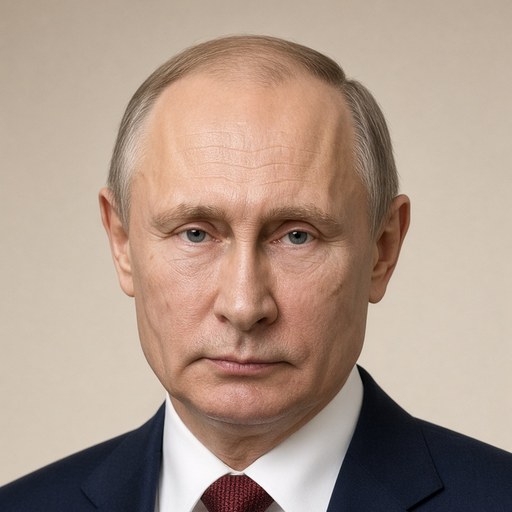

- Context
- Putin addressed the All-Russian Congress of Judges on November 29, 2022, marking the Supreme Court's 100th anniversary and reviewing judicial reforms and achievements.
- Main themes
- Judicial reform and development, Supreme Court centenary, judicial independence, rule of law, social justice and citizens' rights, humanization of criminal liability, economic crime and business climate, judicial workload and efficiency, alternative sentencing, appellate and cassation courts, constitutional rights and freedoms
- Duration
- ~61 min
- Words
- 7,311
- Sentences
- 267
- Readability
- 39
- Grade
- 14.6
- Syntax
- 3.28
- Vocabulary
- 2.17
Translated from Russian
The broad sphere of national life a sentence belongs to. Every sentence has an Arena, so it is the denominator the other indices are read against.
Other267 sentences in 120 paragraphs
Dear colleagues!
Almost simultaneously with the congress, we are also marking the 100th anniversary of the establishment of the Supreme Court of Russia. It became the first independent highest judicial authority in the history of our homeland. Its activities have been extremely significant for the state and society, including during complex historical turning points.
Thus, the leading role of the Supreme Court in shaping the Concept of Judicial Reform is well known: it was adopted in 1991 and defined the paths for the development of the judiciary as an independent and influential force in the state structure of Russia.
The Supreme Court and the judicial community actively engaged in the implementation of the reform, doing much to create a new legislative framework for justice, to strengthen the guarantees of judicial independence, adversarial proceedings, and transparency in judicial processes, and the rule of law as a whole.
You know that the judicial system is constantly evolving; this is required by life itself, its rapid changes, and key events, and the Supreme Court invariably responds to the new challenges of the times and the demands of our society.
It can be confidently stated that the Supreme Court meets its 100th anniversary with significant results. I would like to thank its leadership, judges, staff, and veterans for their hard work, for the high level of responsibility you demonstrate, and for your professionalism.
Dear colleagues!
Since the ninth congress of judges, measures have been implemented that have had a significant impact on the growth of the authority of the judiciary, even under conditions of still high judicial workload. For instance, in 2021, courts considered more than 39 million cases in the first instance alone – surely the Chairman of the Supreme Court [Vyacheslav Lebedev] will speak about this again – and over the past nine months of this year, more than 30 million cases have been considered.
It is important that even during the pandemic – I have mentioned this publicly before, and I want to highlight it again at your congress today – Russian courts continued to operate in their usual mode. This was not the case in all countries of the world, but our courts were functioning.
I would particularly emphasize the social orientation of justice. This year, courts have satisfied 95 percent of claims for wage payments, 53 percent of claims from citizens for reinstatement at work, and 84 percent for the protection of consumer rights. I believe that these issues should continue to receive the same heightened, focused attention as you have given them so far.
The Supreme Court of Russia is consistently moving towards a broader application of penalties alternative to imprisonment and measures of restraint not related to detention. From 2016 to 2021, the total number of convicted persons decreased by 22 percent, and the number of individuals sentenced to actual imprisonment decreased by 19 percent.
Measures are also being taken to humanize criminal liability for crimes committed in the sphere of economic activity. Over the past ten months, courts have considered five thousand such cases involving five and a half thousand individuals, with three and a half thousand convicted, and criminal cases against two thousand citizens have been terminated by the courts. Actual imprisonment has been imposed on nine percent of those convicted – these are real figures, and the measure of restraint in the form of detention has been chosen for 262 citizens.
I would add that the judicial community plays a significant role in strengthening the business climate in the country. Cases related to the work of entrepreneurs are often complex, intricate, and therefore require comprehensive and in-depth consideration, and they are always in the courts' sights.
The significance of judicial decisions made in the economic sphere is also high, as they largely determine the stable operation of entire enterprises, corporations, and large teams.
And I would like to emphasize one more point here. In general, the challenges and threats that the country has faced and continues to face today cannot serve as an excuse for a superficial or accusatory approach in conducting judicial proceedings, investigative, and other procedural actions. The rights and freedoms of our citizens are guaranteed by the Constitution: they are inviolable, and we must never forget this.
In this regard, I consider it important to mention that the establishment of 16 new appellate and cassation courts of general jurisdiction has fully justified itself – both in terms of enhancing the guarantees of citizens' rights in judicial proceedings and for more thorough identification and prompt correction of judicial errors.
I would like to highlight another important step in the development of our judicial system. Over the past period, the legislation on the status and organizational support of the activities of justices of the peace has been significantly updated. This concerns the unification of the legal status of judges of federal courts and justices of the peace, as well as the consolidation of the principle of irremovability of justices of the peace.
The legislation also defines norms that provide for the interaction of regional councils of judges and the authorities of the subjects of the Federation, which is important for the development of regional budgets regarding the expenses for ensuring the activities of justices of the peace.
I would note the relevance and demand for the introduction of modern information technologies in the judicial system. They provide the opportunity for remote participation in court sessions, the ability to familiarize oneself with case materials, and to receive documents in electronic form. I have seen this in the example of the Supreme Court when I visited the Chairman: he showed me how it all works. But I would like to emphasize that the use of such technologies should serve not only the convenience of all parties in the administration of justice but also enhance the guarantees of the rights of citizens and legal entities to quality, fair judicial protection.
Dear colleagues!
I would especially like to highlight today the enormous significance of the work carried out by regional and district courts in recognizing the facts of genocide against civilians during the Great Patriotic War. The collection of evidence regarding the atrocities and crimes of the Nazis continues, and each such fact must be given a legal, judicial assessment.
Furthermore, as you know, following the referendums, by the will of millions of people, four new subjects of the Federation joined Russia: the Donetsk People's Republic, the Luhansk People's Republic, and the Zaporizhzhia and Kherson regions. Federal courts are expected to be established in these territories. The Supreme Court, together with other bodies of the judicial community, will have significant work ahead in forming new court compositions and their swift integration into the Russian judicial system.
This is a very serious volume of work, related not only to the selection of personnel for the courts, including judges and court staff, but also to the construction of new buildings and the material and technical support of the courts' activities. And this must be done in the shortest possible time so that citizens living in these territories are guaranteed their constitutional right to judicial protection. I am confident that you will cope with these tasks.
Dear colleagues!
You have chosen a very difficult, intense, and extremely responsible job for yourselves. It requires deep knowledge, focus, competence, a high level of procedural culture, and the need to be a positive example in work and simply in life: judges are always looked at with particular attention. I understand that meeting such societal demands is not easy, as you are constantly in the epicenter of conflicts and disputes, in an atmosphere where emotions can sometimes run high, but you must maintain composure, show respect and attention to all participants in judicial proceedings.
Each of you is a key figure in the court. It is you whom the state has endowed with special powers, and the quality of justice and the authority of the judiciary in the country depend on your work, your moral values, and your understanding of the significance and dignity of your mission, so that people, when turning to the court, trust it, are confident that they will receive a lawful and fair decision, and that the court will be presided over by impartial, honest, and incorruptible individuals.
I am confident that our judicial corps will always maintain this high standard, this height, and the state will do everything possible to ensure that your work is duly appreciated. Thus, a bill is currently under consideration in the State Duma that provides for the possibility of awarding a judge who has made a significant contribution to the administration of justice and has special merits before the judicial system a qualification class higher than that provided for their position. I believe that the adoption of this law will also contribute to the professional growth of judges and strengthen their status.
Allow me to conclude by wishing you success in your work and all the best.
Thank you for your attention.
V. Zorkin Zorkin Valery Dmitrievich Chairman of the Constitutional Court: Dear Vladimir Vladimirovich!
Dear Vyacheslav Mikhailovich!
Dear colleagues! Ladies and gentlemen!
Before addressing the issues I wanted to raise from this podium, I would like to say that we have gathered in an extraordinary year, rich in dates. I am not even mentioning that the official 100th anniversary of the Supreme Court is a significant date, but I would also like to remind you that 160 years ago, at this time, Emperor Alexander II approved the Basic Provisions for the Reform of the Judicial System in Russia, from which, in fact, the judicial corps takes its start. On June 26, 1992, the term "judicial community bodies" was enshrined in law. And finally, the current congress, which took place six years [after the previous one].
What I would like to note in this regard. First of all, over these years, work has continued on establishing the judicial system and its various branches. And here, I believe, there has been a noticeable, shall we say, progress, considering the interaction between appellate and cassation instances, the full cassation instance, and the actions of the Supreme Court.
In this regard, from this podium – not just because it is a jubilee, but in essence – I wanted to say that the activities of the Supreme Court give a special impetus to the work of the entire judicial system. And I would like to say that we, the judges of the Constitutional Court, give a high assessment of how effectively and delicately, in terms of the principle of independence and autonomy of the courts, the Supreme Court fulfills its role in ensuring the unity of the judicial system. At the same time, it should be emphasized that there is a high intensity in the adoption of resolutions by the Plenary Session of the Supreme Court on issues of judicial practice, as well as the quality of their work.
The basis for the work of the entire judicial corps is the significant changes that have occurred in the Constitution. In this sense, we all work under the sign of the updated Constitution and the new legislation adopted based on it. In this regard, it seems to me that there is a fairly close interaction and consolidation of the judicial system itself. And here I would like to note two points: the first, so to speak, regarding the external vector, and the second, actually, regarding the internal one.
We all know that there have been significant changes in the years since that congress: the Russian Federation withdrew its signature from the document on the establishment of the International Criminal Court and exited the European Court of Human Rights. There was a lot of noise about this – how could it be, Russia will not cope. But the caravan, so to speak, moves on, and we must think that, of course, we will not forget the positive role of the European Court, which it played in the establishment and development of the protection of rights and freedoms in our country. But I think that this conclusion is not limited to that, because it is no secret that especially in recent years, the politicization of this body has unfortunately increased.
It is enough to take one typical work that came from the pen of the Deputy Chair of the European Constitutional Court – she has now retired – which is dedicated to the authoritarian system in Russia, where it is stated approximately as follows: "There is no longer anything to expect from the Constitutional Court." Why? Because it began its decline since it did not support President Yeltsin. In what it did not support – is a question. And the second: "We all know perfectly well," – I am almost quoting, – "that beyond Moscow, more precisely, beyond the Garden Ring by 300 meters, Siberia begins." And this is said by a specialist who heads the largest institute in Germany for the study of Eastern European law, and he simultaneously shaped policy in the European Court. So I think that the judicial system will cope even without the European Court, as is evident from how it operates.
From this perspective, it seems to me that it is very satisfying that the discussions about creating yet another special internal court for human rights in the Russian Federation have ceased. It is clear that from both theoretical and practical perspectives, the problem of multilayering, overlapping, and so on would immediately arise. In fact, what do all courts do? Do they not engage in the protection of human rights, starting from the very lowest instance – justices of the peace – and including the Supreme Court and the Constitutional Court?
In this regard, I would like to note one more problem – which Vladimir Vladimirovich has already mentioned – regarding the complete effective judicial protection. This, in fact, is the main goal, purpose, and function of the court. In this regard, it is necessary to first note that the court, in this case, the judicial system, justice relies on the principle of legality, constitutional legality, even I would say, if we speak of the Constitution as the Fundamental Law, which organizes and formalizes this entire pyramid.
Why did I specifically decide to touch upon what seems to be a trivial question? Because just recently, we were talking with Vyacheslav Mikhailovich and seemingly discovered that in the 1990s, when there was a program for reforming the courts, the concept of judicial reform, the promotion of the court, in that famous program, I frankly did not find the word "legality." And this is surprising because back then, I will say, there were disputes. I am a living witness – it was. I asked one of the developers of this project: "Why didn't you do this?" "Right now, the main thing for us," said this developer, "is to affirm human rights. Legality is already a worn-out concept from the Soviet era." I said: "But allow me, you interned in Germany for a whole year, if I'm not mistaken, and you should know that the word 'legality' in the German language is one of the key concepts in both theoretical and practical jurisprudence in Germany." That's how things stood.
And I am glad that now this word resonates fully. After all, perhaps we should remember Confucius, that there is a time for forgetting, for the wearing away of names, and a time for their renewal and renaming of concepts – that is roughly how it sounds, if translated, various translations on this matter.
In this regard, full effective judicial protection is, of course, related to the legislator. There is no action of the court without the law. After all, we are not in a common law system of Anglo-Saxon type; we are in our continental system, where there are laws. What is the Constitution if not the Fundamental Law? Ultimately, Article 120 of the Constitution states that the court is guided by the law in its activities, and in this regard, of course, much depends on the legislator, but much also depends on the court. One cannot exist without the other.
In this regard, I would like to note that the entire activity of the judicial system is focused on social orientation. Here, two points could be noted.
General, so to speak, strategic. Keeping in mind that the prevention of offenses, warnings, and resolution of social conflicts is formed from the total sum of a huge number of lawful acts that are adopted in the judicial system.
And in a more specific sense – this is, of course, the implementation of the principles of a social state and social rights, which is especially important now, when in the current difficult time, the hard time that Russia is experiencing, it is certainly necessary to smooth out the consequences of the still insufficient level of the most vulnerable segments of the population, to mitigate the consequences of sanctions in the end as well.
These are very important tasks, and the court contributes its share within its powers. It is guided, of course, by the principle of humanism because the Constitutional Court is, in the literal sense and in a strict sense, indeed a humane court, not in an ironic sense, as it was in one of the films when the defendant said: "Long live our most glorious and humane court in the world." He paused and said: "Just kidding." In fact, the court does contribute a lot to stabilizing our overall system in Russia and to ensuring that people find the truth based on the principles that this is still a righteous, swift, fair, and just court, and so on.
In this regard – in connection with the principle of humanism – I cannot help but mention a problem whose resolution depended not only on the legislator but even at a certain stage, I would say, to a greater extent, on the judicial authority, including the Supreme Court and the Constitutional Court. I mean the issue of the death penalty.
In this context, with justice and humanism, which we must always remember, keeping in mind the principles of the court's activities and the administration of justice, the question periodically arises: let’s reintroduce the death penalty. I do not presume to speak instead of politicians, sociologists, philosophers, legislators, because that is their prerogative. But there is also a legal prerogative, including that of the Constitutional Court.
This moratorium is based on two decisions of the Constitutional Court – in 1999, and we confirmed this in 2009. Usually, those who seek to restore this measure of punishment immediately recall the European Court. Since we have withdrawn from the European Convention – that’s it, forget about it, we are free. I want to say that we should still read the ruling of the Constitutional Court carefully.
In 2009 – in 2009, not now – the Constitutional Court stated that in Russia, over many years of the moratorium, – and it [the death penalty] has not been applied since 1956, Vyacheslav Mikhailovich will correct me, there were, I think, two sentences carried out in August, – and that was it, it ended over those years. And now, after 2009, – we are already in 2022, – then the Constitutional Court said: "In Russia, a constitutional-legal regime has developed, within which citizens of the Russian Federation have the right not to be sentenced to death."
Please tell me, how in these cases can we introduce the death penalty now? Of course, they say: "In Article 20 of the Constitution, it is stated that until full abolition." But the fact is that the Constitutional Court interpreted this regime, which has developed based on all this. And the legislator has said nothing about this and does not say, thank God, that we suddenly need to turn the wheel back.
But, it seems to me, even more important are some points regarding the international vector. On December 16, 2020, the UN General Assembly adopted a resolution – a moratorium on the application of the death penalty – and calls on all countries to introduce this moratorium, those that, of course, have not introduced it. In 2017, the death penalty was not applied in 170 countries, and among them was, therefore, Russia; in 2007 – in 146, a certain movement occurred.
Starting from 2007, such resolutions were adopted, and Russia has always supported them. Of course, perhaps it is necessary, – I emphasize again, I do not want, cannot, and do not have the right to interfere in matters of political decision, legislative decision, – but perhaps it is still necessary in these conditions to come to the conclusion: only a change in the Constitution, since it has been given an official interpretation by the Constitutional Court, in these conditions can serve as the basis for the resumption of the death penalty.
But I remind you that this Article 20 relates to Chapter Two – "Rights and Freedoms of Man and Citizen." The fact is that the Constitution is structured in such a way that to change this article and introduce it, to give it a different meaning, it is practically necessary to adopt a new Constitution. Therefore, if those authors who advocate for this are ready, so to speak, the flag is in their hands, but I could not help but say this. I want to say that this is not my subjective opinion; I have spoken in this part on behalf of the judges, presenting the consolidated position of the Constitutional Court on this issue.
Vladimir Vladimirovich has already touched upon the problem of IT, electronics, new computerization, and so on. It is obvious that we can no longer live outside of this: if we do not master it, the country will be thrown back. But in this process, there are two aspects. Without this, it is impossible, but the question arises about the measure. Probably, not everything has been resolved in the judicial system yet – far from everything has been resolved – with the introduction of the so-called aspects of electronic justice.
But I would like to say that there are still, perhaps, limits – when it comes to the point where they say: "Instead of a person, electronics will carry out the court." And what about justice? What about humanism and all other things? I think, it seems to me, that electronics will never replace a judge – in the foreseeable future. And in this sense, there is nothing to worry about. I recall in this regard an excerpt; one poet recently said: "Science is advancing, and soon we will do without ourselves." But I think this is precisely a warning against the idea that there is, as it were, "Caesar's to Caesar, and God's to God."
Once again, I emphasize that without electronic justice on a large scale, which provides the opportunity to facilitate justice, to speed it up, all this is necessary because otherwise we will remain approximately as follows: we act according to the model of an iPhone, while living in some prehistoric box of Morse code from the late 19th century. That would be the case without electronics.
And it should also be said that in these conditions, all these problems that are tied into a tight knot around the tasks and functions, actions of the judicial authority, of course, lead to the problem of trust in the court, in the law of the courts in a broad sense, in the loyalty of citizens in general. And we must not forget that this problem, it seems to me, is acute in the context of competition between judicial systems, as well as competition between legal systems: which country – not only in the international but also in the regional sense, within itself – will provide more comfortable legal protection of human and civil rights and freedoms, protection of its sovereignty, protection of the interests of the state, society, and each individual.
It should be said that this does not happen without struggle; we constantly see both fakes and fierce ideological battles. In this regard, of course, we listened in the first part to reports, including that, of course, there are also sins in the judicial community. But let us still listen to the fact that in the country about 35 million cases or more are resolved, – Vyacheslav Mikhailovich will tell me, – and what, is all this done at the behest of clients, at the behest of the Kremlin, at the behest of the governor, and so on? I simply do not believe this; it cannot be.
Of course, in this regard, it should be said that our task is to make the judicial system competitive because it reflects the application of laws and rights, and they, in turn, are also in competition with legal systems on the international stage. The question is how they ensure the flows of technological development and technological competition, finance, investments, and finally, the entire humanitarian sphere of social services. I think that in this regard, judges, the entire judicial community have an even greater task.
I would like to conclude here by mentioning two points.
First – all this and all the problems boil down to the fact that despite the attractiveness of foreign models, there should be no import substitution of the court.
And the second – is that the court is still a power. We are not petitioners – we are one of the branches of power. And if the court does not find proper protection for its decisions and does not enforce its decisions, then there can be no justice. That is, if society, all of us do not protect the court in this sense, then the court will not protect us, our society. I believe that in disputes about the law, it is precisely the court that puts the dot over the "i," because the court is power.
Thank you.
V. Lebedev Vyacheslav Mikhailovich Lebedev: Dear President of the Russian Federation!
Dear Valery Dmitrievich!
Dear delegates and guests of the X, jubilee All-Russian Congress of Judges!
In the history of the judicial system of the Russian Federation, the year 2022 is associated with two important events that harmoniously complement each other – the 100th anniversary of the establishment of the Supreme Court of the Russian Federation and the jubilee, X All-Russian Congress of Judges.
One hundred years ago, on November 11, 1922, the All-Russian Central Executive Committee adopted the regulation on the judiciary of the RSFSR, according to which the highest judicial body – the Supreme Court of the RSFSR – was created.
The legislative and law enforcement activities of the Supreme Court of the Russian Federation became particularly rich and intense during the period of establishing the foundations of a democratic rule of law, a market economy, and changes in the socio-political life of the country.
On April 11, 1991, at a joint meeting of the Ministry of Justice and the Presidium of the Supreme Court, a decision was made to hold the I Congress of Judges, and the composition of the organizing committee for the preparation of the congresses was approved, which included representatives from all levels of the judicial system of Russia.
The I All-Russian Congress of Judges took place on October 17-18, 1991. Its delegates supported the proposals for the concept of judicial reform prepared by the organizing committee of the congress, which provided for the construction of civil and criminal proceedings based on the principle of adversarial process, the conduct of trials with the participation of jurors, the restoration of the appellate instance, and the revival of the institution of justices of the peace.
The delegates also discussed proposals for introducing judicial procedures for selecting and extending measures of restraint in the form of detention, establishing judicial control over the actions and decisions of investigative bodies, and forming a system of judicial community bodies. The statement of the I All-Russian Congress of Judges emphasized the need to affirm the judicial power as an independent and influential force, equal in significance to the legislative and executive powers. The Supreme Court of the Russian Federation, together with the judicial community, began to implement these conceptual provisions, actively using the right of legislative initiative for this purpose.
On June 26, 1992, at the legislative initiative of the President of the Russian Federation, the Supreme Court, and the Committee on Legislation of the Supreme Soviet, the Law "On the Status of Judges in the Russian Federation" was adopted. This law became the first regulatory act that contained provisions on judges as bearers of judicial power, acting independently of the legislative and executive powers, as well as on the legal guarantees of independence, irremovability, and inviolability of judges.
The end of the last century was a difficult time in the history of our country when individual subjects of the Russian Federation attempted to form independent judicial systems. Ensuring the unity of the legal space of the Russian Federation, the Supreme Court of the Russian Federation recognized as invalid the provisions of legislative acts of the subjects of the Russian Federation that did not comply with federal legislation, annulled judicial acts issued by judges who were not appointed by the President of the Russian Federation but by the authorities of the subjects of the Federation.
In order to strengthen the rule of law, on March 25, 1994, the III extraordinary All-Russian Congress of Judges approved the Concept of the Judicial System of the Russian Federation. Its provisions became the basis for the draft Federal Constitutional Law "On the Judicial System of the Russian Federation," in the preparation and discussion of which the Supreme Court of the Russian Federation actively participated.
One of the most pressing issues arising during this period has been the failure to fulfill the provisions of Article 124 of the Constitution of the Russian Federation regarding the financing of courts in a manner that ensures the possibility of complete and independent administration of justice, as the material support for the courts has been extremely low, and court financing has been irregular and incomplete.
In order to address these systemic problems, an extraordinary IV Congress of Judges was convened in December 1996, which recognized the necessity of creating a Judicial Department under the Supreme Court and adopting a federal law on the procedure for financing the courts. Implementing the proposals of the Congress, the Supreme Court of the Russian Federation submitted draft federal laws on the Judicial Department under the Supreme Court and court financing to the State Duma, which received support from legislators and became laws.
Similar problems have arisen in the field of military justice. In this regard, at the legislative initiative of the Supreme Court of the Russian Federation, the Federal Constitutional Law "On Military Courts" was adopted, according to which their main focus became the judicial protection of the rights of military personnel.
In order to legally enshrine the competence of the judicial community, on March 14, 2002, at the legislative initiative of the Supreme Court, the Federal Law "On the Bodies of the Judicial Community" was adopted, with which the Supreme Court of the Russian Federation studies, analyzes, and implements their proposals, including in the form of legislative initiatives.
Compliance with the principles of the rule of law and the separation of powers is ensured through judicial control in the procedure of administrative proceedings. The Supreme Court of Russia has consistently advocated for the necessity of legislative enshrinement of this legal institution.
In September 2000, the Supreme Court of Russia submitted to the State Duma a draft Federal Constitutional Law "On Federal Administrative Courts," which was adopted in the first reading on November 13, 2000. Considering that the constitutional provision on administrative justice had long remained unimplemented, by order of the Supreme Court dated September 15, 2003, a judicial panel for administrative cases was established in the Judicial Board for Civil Cases. In November 2006, the Supreme Court submitted to the State Duma a draft Code of Administrative Procedure. The revised draft Code of Administrative Procedure was adopted at your, esteemed Vladimir Vladimirovich, legislative initiative and came into effect on September 15, 2015.
Administrative justice has proven to be a sought-after and effective institution. In the first ten months of this year, the courts of the Russian Federation considered over four million 500 thousand administrative cases. The Plenary Session of the Supreme Court adopted 24 resolutions on issues related to the consideration of administrative cases and submitted five draft federal laws to the State Duma aimed at improving administrative justice. The formation of administrative proceedings is not yet fully completed, and the potential of administrative justice still needs to be realized.
One of the criteria for the effectiveness of judicial proceedings is the quality of justice, which is ensured, among other things, by the uniformity of judicial practice. Over the past 30 years, the Plenary Session of the Supreme Court of the Russian Federation has adopted over 400 resolutions on issues of law enforcement, and the Presidium of the Supreme Court has approved more than 150 reviews of judicial practice.
In this work, increased attention is paid to the implementation of the constitutional provision according to which the Russian Federation is a social state. During this period, the Plenary Session of the Supreme Court of the Russian Federation has addressed the issues of consideration by the courts of cases concerning the protection of labor, pension, social, and housing rights of citizens more than 70 times.
Sustainable socio-economic development is also facilitated by the improvement of judicial protection of the rights and legitimate interests of businesses, compliance with, and adoption of legal certainty in the economic sphere.
After the merger of the Supreme Court and the Higher Arbitration Court, the Plenary Session of the Supreme Court of Russia adopted 39 resolutions containing legal positions that are taken into account by the courts in both civil and arbitration proceedings. As a result of this work, contradictions in the interpretation and application of legislative provisions by courts of general and arbitration jurisdiction have been eliminated, and the necessary legal conditions for the stable conduct of investment and commercial activities in the Russian Federation have been created.
The quality of justice is primarily determined by the level of professionalism of judges in the first and appellate instances, who are endowed with broad procedural powers in the area of evidence examination and establishing the factual circumstances of the case.
In order to improve professionalism, professional training of judges, and enhance their qualifications, the Russian Academy of Justice was established in 1999 at the initiative of the Supreme Court of the Russian Federation, which has been granted university status since 2015, and is expected to more fully realize the accumulated scientific potential and activate work in the field of fundamental legal research.
An important condition for improving the quality of justice is the timely identification and elimination of judicial errors. In this regard, at the legislative initiative of the Supreme Court, cassation and appellate courts of general jurisdiction, as well as cassation and appellate military courts, were established, which began operations on October 1, 2019. In the procedure of these courts, the principles of extraterritoriality and continuous cassation have been implemented, according to which cassation complaints are considered collegially in a court session with the invitation of the parties.
The results of the work of these courts over the past three years indicate that their establishment has allowed for an increase in the efficiency of appellate and cassation instances, as well as the proceedings in these instances.
Given the increasing volume of work, one of the relevant areas for improving justice is the optimization of judicial workload, eliminating excessive judicial procedures.
Legislative initiatives of the Supreme Court of the Russian Federation have been implemented to expand the scope of application of summary and simplified proceedings in civil, administrative cases, and economic disputes. The constitutional guarantee of judicial protection for citizens and organizations is ensured by compliance with reasonable timeframes for judicial proceedings, for violations of which, as well as for violations of reasonable timeframes for the execution of judicial acts, compensation is awarded.
The democratic foundations of justice provide for the openness of judicial procedures and open access for society to information about the activities of the judicial system of the Russian Federation. Therefore, over the past 30 years, the Plenary Session of the Supreme Court of the Russian Federation has addressed the issues of compliance by the courts with the principle of openness of judicial proceedings 17 times.
In this regard, at the legislative initiative of the Supreme Court, the Federal Law of December 22, 2002, "On Ensuring Access to Information about the Activities of the Courts of the Russian Federation" was adopted. The mandatory placement by the courts on the Internet of judicial acts without any prior selection is a condition for the transparency of judicial activity, for the improvement of which, on April 26 of this year, Roskomnadzor registered a single online publication of the judicial system of the Russian Federation – a multimedia resource "Justice."
The result of the legislative and law enforcement activities of the Supreme Court has been a wide discussion in society on issues of improving judicial proceedings, and this year the mass media published over 80 thousand materials on the legislative initiatives and legal positions of the Supreme Court.
The principle of openness of judicial proceedings is organically linked to the accessibility of justice, the acceleration of procedures for appealing to the court, and the expansion of opportunities for remote participation in court sessions using digital technologies. In all types of proceedings, the possibility of submitting procedural documents electronically, conducting court sessions using video conferencing, and web conferences is implemented. The expansion of the super service "Justice Online" provides for the use of artificial intelligence technologies by the courts.
During the pandemic, the Presidium of the Supreme Court of the Russian Federation and the Presidium of the Council of Judges of Russia adopted three joint resolutions on the issues of administering justice while respecting citizens' rights to health protection, which paid special attention to the use of electronic technologies by the courts. Compliance with these procedures ensured free access to justice, and its administration was not interrupted or suspended.
The result of the constructive interaction of the judicial system with the Government of the Russian Federation has been the official enshrinement of the possibility of appealing to the courts through multifunctional centers for the provision of state and municipal services in accordance with the "one-stop shop" principle.
In addition, the Supreme Court of the Russian Federation has submitted draft laws to the State Duma aimed at expanding the application of modern technologies in judicial proceedings.
The Supreme Court is implementing measures aimed at differentiating crimes and individualizing criminal penalties, as well as a broader application of preventive measures not related to detention. The result of the humanization of criminal legislation and law enforcement practice has been a reduction in the conviction rate by more than half over the past 20 years. At the same time, the number of individuals whose criminal prosecution has been terminated by the court has increased from two percent in 1999 to 21 percent this year.
An important direction for improving criminal proceedings is the elimination of negative social consequences of convictions for individuals who have committed a crime for the first time and do not pose a significant public danger. At the legislative initiative of the Supreme Court, some types of crimes have been decriminalized with the introduction of administrative preclusion, while for other types of crimes, the possibility of terminating criminal prosecution with the imposition of a judicial fine for individuals who have committed a crime for the first time has been provided.
The Plenary Session of the Supreme Court of the Russian Federation has submitted to the State Duma a draft federal law on the introduction of the institution of criminal misdemeanors, the adoption of which will contribute to a broader application of measures alternative to criminal punishment. The principles of justice and humanity are also implemented by the courts when resolving issues related to the execution of sentences.
In connection with the admission of new subjects of the Russian Federation, the Supreme Court, the Judicial Department under the Supreme Court of the Russian Federation, and the bodies of the judicial community are implementing measures aimed at their integration into the legal space of the Russian Federation and creating the necessary conditions for the effective administration of justice.
Dear colleagues!
The Supreme Court of the Russian Federation, the bodies of the judicial community, and the Judicial Department under the Supreme Court of the Russian Federation have carried out certain work to improve the judicial system, judicial proceedings, the legal status of judges, and ensure the functioning of the courts. The meetings we held with the delegates of the X, anniversary All-Russian Congress of Judges indicate that the judicial community of Russia has expressed a considerable number of new proposals aimed at increasing the effectiveness of justice.
I am convinced that the decisions of the X, anniversary All-Russian Congress of Judges will make a worthy contribution to ensuring the rule of law and the sustainable development of society.
Esteemed Vladimir Vladimirovich!
Please accept my sincere gratitude for your constant attention to the development of the judicial system of the Russian Federation. The Supreme Court of the Russian Federation expresses gratitude to the Government of the Russian Federation, the State Duma, and the Federation Council of the Federal Assembly of the Russian Federation for constructive and fruitful cooperation.
Thank you for your attention.
Thank you very much.
What I would like to say in conclusion of this part of your work.
In the economic sphere, the foundation lies in the railway, road network, and energy system in the broadest sense of the word – electric power, gas supply, and so on, the financial system that ensures, like blood vessels, the movement of funds throughout the economy and between citizens. This is real production, and all of this together ensures the country a proper level of addressing social issues, the level of material well-being of citizens, and the security of the state.
There is the spiritual sphere, culture. In the spiritual sphere, a lot of norms of so-called customary law are applied, that is, traditions passed down from generation to generation, although there are also statutes and written norms there.
One way or another, all these relationships, including relationships between citizens, relationships between citizens and the state, participants in economic activity, ultimately are regulated by legislation, legal norms.
And the application of these norms, the final word on the application of these norms is in the hands of the courts, which stand at the very top of the legal system, at the pinnacle of this legal system. And overall, ultimately, it depends on specific people – on you and your colleagues – how the law is applied and ultimately how this reflects on all the areas of life of the state and each individual person separately that I have mentioned, and even those not mentioned.
And I ask you very much to correspond to this Olympic, high status, like those who still live there according to well-known ancient traditions, referring to the Olympic gods. Please, this is extremely important for practical activity and the entire moral and ethical state of society. Please correspond to this highest status – the status of the judicial system of Russia.
I want to thank you for the results that have been achieved by the judicial system and by you, your colleagues in the past, in previous years, and I wish you every success in this unique and very important field for the entire country.
All the best, thank you. Good luck to you.
The original Russian. The tags above are read on the English translation's sentences.
Уважаемые коллеги!
Практически одновременно с проведением съезда мы отмечаем и 100-летие со дня образования Верховного Суда России. Он стал первым в истории нашего Отечества самостоятельным высшим судебным органом. Его деятельность была крайне значима для государства, общества, в том числе на сложных исторических поворотах.
Так, известна ведущая роль Верховного Суда в формировании Концепции судебной реформы: она была принята в 1991 году и определила пути развития судебной власти как независимой и влиятельной силы в государственном устройстве России.
Верховный Суд и судейское сообщество активно включились в реализацию реформы, много сделали для создания новой законодательной базы правосудия, для укрепления гарантий независимости судей, состязательности и гласности судопроизводства, верховенства права в целом.
Вы знаете, что судебная система постоянно развивается, этого требует сама жизнь, её стремительные перемены, ключевые события, и Верховный Суд неизменно отвечает на новые вызовы времени и запросы нашего общества.
Можно с полным основанием утверждать, что свой 100-летний юбилей Верховный Суд встречает весомыми результатами. Хотел бы поблагодарить его руководство, судей, работников аппарата, ветеранов за напряжённый труд, за высокую ответственность, которую вы проявляете, и за профессионализм.
Уважаемые коллеги!
За период, прошедший после девятого съезда судей, были реализованы меры, оказавшие значительное влияние на рост авторитета судебной власти, причём в условиях по-прежнему большой судебной нагрузки. Так, в 2021 году только по первой инстанции судами было рассмотрено более 39 миллионов дел, – наверняка Председатель Верховного Суда [Вячеслав Лебедев] ещё об этом будет говорить, – а за девять месяцев этого года [рассмотрены] свыше 30 миллионов.
Важно, что даже в период пандемии – я уже об этом как-то говорил публично, хочу и сегодня на вашем съезде это отметить – российские суды продолжали работать в своём обычном режиме. Так было не во всех странах мира, а наши суды работали.
Особо отмечу социальную направленность правосудия. В текущем году судами удовлетворено 95 процентов требований об оплате труда, 53 процента требований граждан о восстановлении на работе, 84 процента – о защите прав потребителей. Полагаю, что этим вопросам и впредь нужно уделять такое же повышенное, пристальное внимание, как до сих пор вы и делали.
Верховный Суд России последовательно идёт по пути более широкого применения наказаний, альтернативных лишению свободы, и мер пресечения, не связанных с заключением под стражу. С 2016 по 2021 год общее число осуждённых сократилось на 22 процента, численность лиц, осуждённых к реальному лишению свободы, уменьшилась на 19 процентов.
Принимаются меры и по гуманизации уголовной ответственности за преступления, совершённые в сфере экономической деятельности. За десять месяцев этого года судами рассмотрено пять тысяч таких дел в отношении пяти с половиной тысяч лиц, осуждено – три с половиной тысячи, а в отношении двух тысяч граждан уголовные дела прекращены судами. Реальное лишение свободы назначено девяти процентам осуждённых – это реальные цифры, мера пресечения в виде заключения под стражу избрана для 262 граждан.
Добавлю, что судейскому сообществу принадлежит большая роль в укреплении делового климата в стране. Дела, связанные с работой предпринимателей, часто сложные, запутанные и потому требующие всестороннего и глубокого рассмотрения, всегда в поле зрения судов.
Высока и значимость принимаемых в экономической сфере судебных решений, так как от них во многом зависит стабильная работа целых предприятий, корпораций, огромных коллективов.
И что ещё хотел бы здесь подчеркнуть. В целом вызовы, угрозы, с которыми столкнулась и сталкивается сегодня страна, не могут служить оправданием для поверхностного или обвинительного подхода при проведении судебных разбирательств, следственных и других процессуальных действий. Права и свободы наших граждан гарантированы Конституцией: они незыблемы, мы никогда не должны об этом забывать.
В этой связи считаю важным сказать и о том, что полностью себя оправдало создание 16 новых апелляционных и кассационных судов общей юрисдикции – и с точки зрения повышения гарантий прав граждан в судебном процессе, и для более тщательного выявления и быстрого устранения судебных ошибок.
Выделю ещё один важный шаг по развитию нашей судебной системы. За прошедший период существенно обновилось законодательство о статусе и организационном обеспечении деятельности мировых судей. Речь идёт об унификации правового статуса судей федеральных судов и мировых судей, о закреплении принципа несменяемости мирового судьи.
Законодательством также определены нормы, предусматривающие взаимодействие региональных советов судей и органов государственной власти субъектов Федерации, что важно для разработки региональных бюджетов в части расходов на обеспечение деятельности мировых судей.
Отмечу актуальность и востребованность внедрения в судебной системе современных информационных технологий. Они обеспечивают возможность дистанционного участия в судебных заседаниях, возможность знакомиться с материалами дела, получать документы в электронном виде. Видел это по примеру Верховного Суда, когда бывал у Председателя: он мне показывал, как это всё работает. Но хотел бы подчеркнуть, что использование таких технологий должно служить не только удобству всех сторон в отправлении правосудия, но и повышению гарантий прав граждан и юридических лиц на качественную, справедливую судебную защиту.
Уважаемые коллеги!
Особо сегодня отмечу и то огромное значение, которое имеет работа, которую проводят областные и районные суды по признанию фактов геноцида мирных граждан в период Великой Отечественной войны. Сбор доказательств о зверствах и преступлениях нацистов продолжается, и впредь каждому такому факту нужно обязательно давать правовую, судебную оценку.
Далее. Как вы знаете, по итогам референдумов, по воле миллионов людей в состав России вошли четыре новых субъекта Федерации: Донецкая Народная Республика, Луганская [Народная Республика], Запорожская и Херсонская области. На этих территориях предполагается создание федеральных судов. Верховному Суду совместно с другими органами судейского сообщества предстоит большая работа по формированию новых составов судов, их скорейшей интеграции в российскую судебную систему.
Это очень серьёзный объём работы, связанный не только с подбором кадрового состава судов, включая судей и работников судов, но и строительством новых зданий, материально-техническим обеспечением деятельности судов. И сделать это нужно в максимально сжатые сроки, чтобы гражданам, проживающим на этих территориях, было гарантировано конституционное право на судебную защиту. Уверен, что вы справитесь с этими задачами.
Уважаемые коллеги!
Вы выбрали для себя очень трудную, напряжённую, крайне ответственную работу. Она требует глубоких знаний, собранности, компетентности, высокой процессуальной культуры, требует быть положительным примером в труде, да и просто в жизни: на судей всегда смотрят особо внимательно. Понимаю, что соответствовать таким запросам общества непросто, ведь вы постоянно находитесь в эпицентре конфликтов и споров, в атмосфере, где подчас эмоции накаляются до предела, но вы обязаны сохранять выдержку, проявлять уважение и внимание ко всем участникам судебных заседаний.
Каждый из вас, каждый – это ключевая фигура суда. Именно вас государство наделило особыми полномочиями, и от вашей работы, от нравственных установок и понимания значимости, достоинства своей миссии зависит качество правосудия и авторитет судебной власти в стране, чтобы люди, обращаясь в суд, доверяли ему, были уверены, что получат законное и справедливое решение, что суд будут вершить беспристрастные, честные, неподкупные люди.
Уверен, что наш судебный корпус всегда будет держать эту высокую планку, эту высоту, а государство – делать всё возможное, чтобы ваш труд оценивался по достоинству. Так, на рассмотрении в Государственной Думе сейчас находится законопроект, предусматривающий возможность присвоения судье, который внёс значительный вклад в дело отправления правосудия и имеет особые заслуги перед судебной системой, квалификационного класса, выше предусмотренного по занимаемой должности. Полагаю, что принятие этого закона будет также способствовать профессиональному росту судей, укреплять их статус.
Позвольте в заключение пожелать вам успехов в вашей работе и всего самого доброго.
Благодарю вас за внимание.
В.Зорькин Зорькин Валерий Дмитриевич Председатель Конституционного Суда : Уважаемый Владимир Владимирович!
Уважаемый Вячеслав Михайлович!
Уважаемые коллеги! Дамы и господа!
Прежде чем обозначить проблемы, которые я хотел затронуть с этой трибуны, я хотел бы сказать, что мы собрались в удивительный год, богатый на даты. Я не говорю уже о том, что официальное 100-летие Верховного Суда – это знаменательнейшая дата, но я хотел бы напомнить также, что 160 лет назад в это время император Александр II утвердил Основные положения преобразования судебной части в России, с которых, собственно говоря, и берёт отсчёт судейский корпус. 26 июня 1992 года был закреплён в законе термин «органы судейского сообщества». И наконец, нынешний съезд, который состоялся через шесть лет [после предыдущего].
Что бы мне хотелось в этой связи отметить. Прежде всего, за эти годы продолжалась работа над налаживанием судебной системы, различных её звеньев. И здесь очень ощутимый, мне кажется, наметился, будем говорить, прогресс, имея в виду и взаимодействие апелляционной и кассационной инстанций, полную кассационную инстанцию, действия Верховного Суда.
Я в этой связи с этой трибуны – не просто потому, что юбилей, а и по существу – хотел сказать, что деятельность Верховного Суда придаёт особый импульс работе всей судебной системы. И хотел бы сказать, что мы, судьи Конституционного Суда, даём высокую оценку тому, насколько эффективно и в то же время деликатно с точки зрения принципа независимости и самостоятельности судов исполняет Верховный Суд свою роль по обеспечению единства судебной системы. При этом следует подчеркнуть и высокую интенсивность в принятии постановлений пленума Верховного Суда по вопросам судебной практики, а также качества их работы.
Основой для работы всего судейского корпуса являются значительные изменения, происшедшие в Конституции. В этом смысле все мы работаем под знаком обновлённой Конституции и принятого на основе её нового законодательства. В этой связи, мне кажется, происходят достаточно плотное взаимодействие и консолидация самой судебной системы. И здесь я хотел бы отметить два момента: первый, так сказать, по внешнему вектору, а второй, собственно говоря, по внутреннему.
Все мы знаем, что у нас произошли за годы после того съезда большие изменения: Российская Федерация отозвала свою подпись под документом о создании Международного уголовного суда и вышла из Европейского суда по правам человека. Было очень много шума на этот счёт – как же так, Россия не справится. Но караван, что называется, идёт, и надо думать, что, конечно, мы не будем забывать о положительной роли Европейского суда, которую он сыграл в становлении и развитии защиты прав и свобод в нашей стране. Но я думаю, что к этому не сводится только этот вывод, потому что не секрет, что в особенности в последние годы заметно усилилась политизация этого органа, к сожалению.
Достаточно взять одну типичную работу, которая вышла из-под пера заместителя председателя Европейского конституционного суда, – сейчас она ушла уже в отставку, – которая посвящена авторитарной системе в России, где говорится примерно так: «От Конституционного Суда ждать уже больше нечего». Почему? Потому что он начал свой закат с тех пор, как не поддержал Президента Ельцина. В чём не поддержал – вопрос. И второе: «Всем нам прекрасно известно, – я почти цитирую, – что за пределами Москвы, точнее за пределами Садового кольца на 300 метров, уже исподволь начинается Сибирь». И это говорит специалист, который возглавляет крупнейший институт в Германии по изучению права восточной Европы, и он одновременно вершил политику в Европейском суде. Так что я думаю, что судебная система справится и без Европейского суда, это видно по всему, как она работает.
С этой точки зрения, мне кажется, что вызывает большое удовлетворение то, что смолкли разговоры о создании ещё одного специального внутреннего суда по правам человека в Российской Федерации. Понятно, что с точки зрения и теоретической, и практической сразу возникала бы проблема многослойности, пересечения и так далее. Собственно говоря, чем занимаются все суды? Разве не занимаются они защитой прав человека, начиная с самой нижней инстанции – мировых судов – и включая Верховный Суд и Конституционный Суд?
В этой связи мне хотелось бы ещё одну проблему отметить, – о ней уже говорил Владимир Владимирович, – о полной эффективной судебной защите. Это, собственно говоря, и есть основная цель, предназначение, функция суда. Надо в этой связи прежде всего отметить, что суд в этом случае, судебная система, правосудие опираются на принцип законности, конституционной законности, даже я бы сказал, если мы говорим о Конституции как Основном законе, который обустраивает и оформляет всю эту пирамиду.
Я почему специально решил затронуть, казалось бы, этот банальный вопрос? Да потому что совсем недавно мы разговаривали с Вячеславом Михайловичем и вроде бы обнаружили, что в 90-е годы, когда была программа реформирования судов, концепция судебной реформы, продвижение суда, в этой знаменитой программе я, откровенно говоря, не нашёл слово «законность». И это удивительно, потому что тогда, я скажу, были споры. Я живой свидетель – это было. Я спрашивал одного из разработчиков этого проекта: «Почему вы не сделали это?» «Сейчас для нас главное, – сказал этот разработчик, – нам надо утвердить права человека. Законность – это уже замусолено в советское время». Я говорю: «Но позвольте, Вы стажировались в Германии целый год, если не ошибаюсь, и Вы должны знать, что слово «законность» в немецком языке – это одно из ключевых понятий вообще в правоведении теоретическом и практическом Германии». Вот так обстояло дело.
И я рад, что сейчас это слово полновесно звучит. В конце концов, наверное, надо вспомнить Конфуция, что есть время забывания, затёртости имён и время их возобновления и переименования понятий – так примерно это [звучит], если перевести, разные переводы на этот счёт.
В этой связи полная эффективная судебная защита, конечно, связана с законодателем. Тут нет самого действия суда без закона. Мы, в конце концов, находимся не в прецедентной системе англо-саксонского типа, мы находимся в нашей континентальной системе, где законы. Что такое Конституция как не Основной закон? В конечном счёте, 120-я статья Конституции говорит о том, что суд руководствуется законом в своей деятельности, и в этой связи, конечно, от законодателя многое зависит, но многое зависит и от суда. Одно без другого не существует.
В этой связи мне хотелось бы отметить, что вся деятельность судебной системы акцентирована на социальную ориентированность. Здесь два момента можно было бы отметить.
Общие, так сказать, стратегические. Имея в виду, что профилактика правонарушений, предупреждений и разрешений социальных конфликтов образуется из всей суммы огромного числа правомерных актов, которые принимаются в судебной системе.
А в более тесном смысле – это, конечно же, реализация принципов социального государства и социальных прав, что особенно важно сейчас, когда в нынешнее тяжёлое время, трудное время, которое переживает Россия, конечно, сгладить и последствия ещё недостаточного уровня наиболее незащищённых слоев населения, сгладить последствия санкций в конечном итоге тоже.
Это очень важные задачи, свою посильную лепту в рамках своих полномочий вносит и суд. Руководствуется, конечно же, он принципом гуманизма, потому что Конституционный Суд – это всё в буквальном смысле и в строгом, действительно, гуманный суд, не в ироническом, как это было в одном из фильмов, когда подсудимый сказал: «Да здравствует наш самый славный и гуманный суд в мире». Сделал паузу и сказал: «Шутка». На самом деле действительно суд многое вносит для стабилизации нашей общей системы в России и для того, чтобы люди находили правду на основе принципов, что это суд всё же праведный, скорый, правый и справедливый и так далее.
В этой связи – в связи с принципом гуманизма – я не удержусь и скажу о такой проблеме, решение которой зависело не только от законодателя, но даже на определённом этапе в большей степени, я бы сказал даже, от судебной власти, в том числе Верховного Суда и Конституционного Суда. Я имею в виду вопрос о смертной казни.
В связи с этим, справедливостью и гуманизмом, о которых мы должны помнить всегда, имея в виду принципы деятельности суда и осуществления правосудия, поднимается периодически вопрос: давайте введём смертную казнь. Я не берусь говорить вместо политиков, вместо социологов, философов, законодателей, потому что это их прерогатива. Но есть и прерогатива юридическая, в том числе у Конституционного Суда.
Этот мораторий держится на двух решениях Конституционного Суда – в 1999 году, и мы подтвердили это в 2009 году. Обычно вспоминают, и в том числе те, кто стремится восстановить сейчас, немедленно эту меру наказания, Европейский Суд. Раз мы вышли из Европейской конвенции – всё, об этом забудьте, мы свободны. Я хочу сказать, что надо всё же внимательно почитать постановление Конституционного Суда.
В 2009 году – в 2009 году, не сейчас – Конституционный Суд сказал, что в России сложилось за долгие годы моратория, – а она [смертная казнь] фактически, будем говорить, уже не применялась в 1956 году, Вячеслав Михайлович меня поправит, там, по-моему, два, что ли, приговора были приведены в августе, – и всё, на этом закончилось за эти годы. А теперь, после 2009 года, – мы уже в 2022 году, – тогда Конституционный Суд сказал: «В России сложился конституционно-правовой режим, в рамках которого граждане Российской Федерации получили право не быть приговорёнными к смертной казни».
Скажите мне, пожалуйста, как в этих случаях быть с тем, чтобы ввести сейчас смертную казнь? Конечно, говорят так: «В 20-й статье Конституции сказано, что впредь до полной отмены». Но дело в том, что Конституционный Суд истолковал этот режим, который сложился на основе всего этого дела. И законодатель ведь ничего не говорил об этом и не говорит, слава богу, о том, что нужно вдруг повернуть колесо назад.
Но, мне кажется, ещё более важны и некоторые моменты по международному вектору. 16 декабря 2020 года Генеральная Ассамблея ООН приняла резолюцию – мораторий на применение смертной казни – и призывает все страны ввести этот мораторий, те, которые, конечно, не ввели. В 2017 году смертная казнь не применялась в 170 странах, и среди них была, следовательно, Россия, в 2007 году – в 146, движение определённое произошло.
Начиная с 2007 года такие резолюции принимались, и Россия всё время их поддерживала. Конечно, наверное, надо, – ещё раз подчёркиваю, не хочу, не могу и не имею права вмешиваться в дела политического решения, законодательного решения, – но, наверное, всё же надо в этих условиях прийти к выводу: только лишь изменение Конституции, поскольку ей толкование официальное дано Конституционным Судом, в этих условиях может послужить основой для возобновления смертной казни.
Но напомню, что эта статья 20-я относится к главе второй – «Права и свободы человека и гражданина». Дело в том, что Конституция так построена, чтобы изменить эту статью и ввести, придать ей другой смысл, нужно практически принимать новую Конституцию. Поэтому, если готовы те авторы, которые выступают за это, что называется, флаг им в руки, но я не мог этого не сказать. Хочу сказать, что это не моё субъективное мнение, я выступил в этой части по поручению судей, излагая консолидированную позицию Конституционного Суда по этому вопросу.
Владимир Владимирович затронул уже проблему IT, электроники, новой компьютеризации и так далее. Очевидно, что мы не можем уже жить вне этого: если мы это не освоим, то страна будет отброшена назад. Но в этом процессе есть два аспекта. Без этого нельзя, но возникает вопрос о мере. Наверное, в судебной системе не всё ещё решено – далеко ещё даже не всё решено – с внедрением так называемых аспектов электронного правосудия.
Но я хотел бы сказать, что есть всё же, наверное, пределы – когда доходит до того, что говорят: «Вместо человека будет электроника осуществлять суд». А как со справедливостью? Как вообще с гуманизмом и другими всеми вещами? Я думаю, мне так кажется, что никогда не заменит – в обозримом будущем – электроника судью. И в этом смысле нечего беспокоиться. Я вспоминаю в этой связи выдержку, один поэт недавно сказал: «Наука движется, и вскоре мы обойдёмся без себя». Но я думаю, это как раз предостережение против того, что есть как бы «кесарево кесарю, а Божие Богу».
Ещё раз подчеркну, что без электронного правосудия в широких масштабах, которое даёт возможность облегчить правосудие, ускорить, всё это необходимо, потому что иначе мы останемся примерно так: действуем по модели телефона iPhone, а живём в каком-то допотопном ящике азбуки Морзе конца XIX века. Так бы это было без электроники.
И следует ещё также сказать, что в этих условиях все эти проблемы, которые стягиваются в тугой клубок вокруг задач и функций, действий судебной власти, конечно же, выходят на проблему доверия к суду, к праву судов в широком смысле, к лояльности граждан вообще. И надо не забывать, что эта проблема сейчас, мне кажется, остро стоит в условиях конкуренции судебных систем, как и конкуренции правовых систем: какая страна – не только в международном, но и региональном плане, внутри себя – обеспечит более комфортные с точки зрения права защиту прав и свобод человека и гражданина, защиту своего суверенитета, защиту интересов государства, общества, каждого человека.
Надо сказать, что это идёт не без борьбы, мы видим постоянно и фейки, и ожесточения в идеологической борьбе. В этой связи, конечно, мы в первой части слушали доклады, в том числе о том, что, конечно, не без греха и в судейском сообществе. Но давайте всё же прислушаемся к тому, что в стране разрешается примерно 35 миллионов дел или больше уже, – Вячеслав Михайлович скажет мне, – и что, это всё делается по указке заказчиков, по указке Кремля, по указке губернатора и так далее? Я просто этому не верю, этого не может быть.
Конечно же, в этой связи нужно сказать, что наша задача – сделать судебную систему конкурентоспособной, потому что она отражение применения законов и права, а они, в свою очередь, тоже находятся в конкуренции правовых систем на международной арене. Вопрос заключается в том, как они обеспечивают потоки технологического развития и технологической конкуренции, финансов, инвестиций и, наконец, всю гуманитарную сферу социального обслуживания. Я думаю, что в этой связи у судей, всего судейского сообщества стоит ещё большая задача.
Мне хотелось бы здесь в завершение сказать о двух моментах.
Первое – всё это и все проблемы заключаются в том, что при всей привлекательности зарубежного не должно быть импортозамещения суда.
И второе – это то, что суд – всё же власть. Мы не просители – мы одна из ветвей власти. И если суд не находит надлежащей защиты своих решений и не исполняет свои решения, наверное, тогда не может быть и правосудия. То есть если общество, все мы не защитим суд в этом смысле, то суд не защитит нас, наше общество. Я думаю, что в спорах о праве именно суд ставит точку над «i», потому что суд есть власть.
Спасибо.
В.Лебедев Лебедев Вячеслав Михайлович : Уважаемый Президент Российской Федерации!
Уважаемый Валерий Дмитриевич!
Уважаемые делегаты и гости X, юбилейного Всероссийского съезда судей!
В истории судебной системы Российской Федерации 2022 год связан с двумя важными событиями, которые гармонично дополняют друг друга, – 100-летием со дня образования Верховного Суда Российской Федерации и юбилейным, X Всероссийским съездом судей.
100 лет назад, 11 ноября 1922 года, Всероссийский центральный исполнительный комитет принял положение о судоустройстве РСФСР, в соответствии с которым был создан высший судебный орган – Верховный Суд РСФСР.
Законотворческая и правоприменительная деятельность Верховного Суда Российской Федерации стала особенно насыщенной и интенсивной в период становления в Российской Федерации основ демократического правового государства, рыночной экономики и изменения общественно-политической жизни страны.
11 апреля 1991 года на совместном заседании коллегии Министерства юстиции и Президиума Верховного Суда было принято решение о проведении I съезда судей и утверждён состав оргкомитета по подготовке съездов, в который вошли представители всех уровней судебной системы России.
I Всероссийский съезд судей состоялся 17–18 октября 1991 года. Его делегаты поддержали предложения по концепции судебной реформы, подготовленной оргкомитетом съезда, которые предусматривали построение гражданского и уголовного судопроизводства на основе принципа состязательности процесса, ведение суда с участием присяжных заседателей, восстановление апелляционной инстанции и возрождение института мировых судей.
Делегаты обсудили также предложения о введении судебной процедуры избрания меры и продлении меры пресечений в виде заключения под стражу, установлении судебного контроля за действиями и решениями органов расследования, формировании системы органов судейского сообщества. В заявлении I Всероссийского съезда судей обращено внимание на необходимость утвердить судебную власть – независимую и влиятельную силу, равную по своему значению законодательной и исполнительной власти. Верховный Суд Российской Федерации совместно с судейским сообществом приступил к реализации этих концептуальных положений, активно используя для этого право законодательной инициативы.
26 июня 1992 года по законодательной инициативе Президента Российской Федерации, Верховного Суда и комитета по законодательству Верховного Совета был принят Закон «О статусе судей в Российской Федерации». Этот закон стал первым нормативным актом, который содержал положения о судьях как носителях судебной власти, действующих самостоятельно, независимо от законодательной и исполнительной властей, а также о правовых гарантиях независимости, несменяемости и неприкосновенности судей.
Конец прошлого века был сложным в истории нашей страны, когда отдельные субъекты Российской Федерации пытались формировать самостоятельные судебные системы. Обеспечивая единство правового пространства Российской Федерации, Верховный Суд Российской Федерации признавал недействующими положения законодательных актов субъектов Российской Федерации, которые не соответствовали федеральному законодательству, отменял судебные акты, постановленные судьями, которые были назначены не Президентом Российской Федерации, а органами власти субъектов Федерации.
В целях укрепления законности 25 марта 1994 года III, внеочередной Всероссийский съезд судей одобрил Концепцию судебной системы Российской Федерации. Её положения стали основой проекта Федерального конституционного закона «О судебной системе Российской Федерации», в подготовке и обсуждении которого активное участие принял Верховный Суд Российской Федерации.
Одной из наиболее острых проблем, возникающих в этот период, стало невыполнение положений статьи 124 Конституции Российской Федерации о финансировании судов в объёме, обеспечивающем возможность полного и независимого осуществления правосудия, так как материальное обеспечение судов было крайне низким, финансирование судов доводилось нерегулярно и не в полном объёме.
В целях решения этих системных проблем в декабре 1996 года был созван IV, чрезвычайный съезд судей, который признал необходимым создание судебного департамента при Верховного Суде и принятие федерального закона о порядке финансирования судов. Реализуя предложения съезда, Верховный Суд Российской Федерации внёс в Государственную Думу проекты федеральных законов о судебном департаменте при Верховном Суде и финансировании судов, которые получили поддержку законодателей и стали законами.
Аналогичные проблемы возникли и в сфере военной юстиции. В этой связи по законодательной инициативе Верховного Суда Российской Федерации принят Федеральный конституционный закон «О военных судах», в соответствии с действующей редакцией которого их основным направлением стала судебная защита прав военнослужащих.
В целях законодательного закрепления компетенции органов судейского сообщества 14 марта 2002 года по законодательной инициативе Верховного Суда был принят Федеральный закон «Об органах судейского сообщества», взаимодействие с которыми Верховный Суд Российской Федерации изучает, анализирует и реализует их предложения, в том числе в порядке законодательной инициативы.
Соблюдение принципов верховенства права и разделения властей обеспечивается посредством судебного контроля в процедуре административного судопроизводства. Верховный Суд России последовательно отстаивал необходимость законодательного закрепления этого правового института.
В сентябре 2000 года Верховный Суд России внёс в Государственную Думу проект Федерального конституционного закона «О федеральных административных судах», который был принят в первом чтении 13 ноября 2000 года. Учитывая, что конституционное положение об административной юстиции долгое время оставалось нереализованным, приказом по Верховному Суду от 15 сентября 2003 года в Судебной коллегии по гражданским делам был образован судебный состав по административным делам. А в ноябре 2006 года Верховный Суд внёс в Государственную Думу проект Кодекса административного судопроизводства. Доработанный проект Кодекса административного судопроизводства был принят по Вашей, уважаемый Владимир Владимирович, законодательной инициативе и вступил в действие с 15 сентября 2015 года.
Административная юстиция зарекомендовала себя как востребованный и эффективный институт. За десять месяцев этого года судами Российской Федерации рассмотрено свыше четырёх миллионов 500 тысяч административных дел. Пленум Верховного Суда принял 24 постановления по вопросам рассмотрения административных дел и внёс в Государственную Думу пять проектов федеральных законов, направленных на совершенствование административной юстиции. Формирование административного судопроизводства в полной мере не завершено, и потенциал административной юстиции ещё предстоит реализовать.
Одним из критериев эффективности судопроизводства выступает качество правосудия, которое обеспечивается в том числе единообразием судебной практики. За последние 30 лет Пленум Верховного Суда Российской Федерации принял свыше 400 постановлений по вопросам правоприменения, а Президиум Верховного Суда утвердил более 150 обзоров судебной практики.
Повышенное внимание в этой работе уделяется реализации конституционного положения, в соответствии с которым Российская Федерация является социальным государством. И за этот период Пленум Верховного Суда Российской Федерации более 70 раз обращался к вопросам рассмотрения судами дел о защите трудовых, пенсионных, социальных и жилищных прав граждан.
Устойчивому социально-экономическому развитию способствует также совершенствование судебной защиты прав и законных интересов бизнеса, соблюдение и принятие правовой определённости в сфере экономики.
После объединения Верховного Суда и Высшего Арбитражного Суда Пленум Верховного Суда России принял 39 постановлений, содержащих правовые позиции, которые учитываются судами как в гражданском, так и в арбитражном судопроизводстве. В результате этой работы исключены противоречия в толковании и применении положений законодательства судами общей и арбитражной юрисдикции, созданы необходимые правовые условия для стабильного осуществления в Российской Федерации инвестиционной и коммерческой деятельности.
Качество правосудия определяется прежде всего уровнем профессионализма судей первой и апелляционной инстанций, которые наделены широкими процессуальными полномочиями в сфере исследования доказательств и установления фактических обстоятельств дела.
В целях совершенствования профессионализма, профессиональной подготовки судей и повышения их квалификации в 1999 году по инициативе Верховного Суда Российской Федерации была создана Российская академия правосудия, которой с 2015 года присвоен статус университета, которому предстоит более полно реализовать накопленный научный потенциал и активизировать работу в сфере фундаментальных правовых исследований.
Важным условием повышения качества правосудия является своевременное выявление и устранение судебных ошибок. В связи с чем по законодательной инициативе Верховного Суда образованы кассационные и апелляционные суды общей юрисдикции, кассационные и апелляционные военные суды, которые начали работу с 1 октября 2019 года. В процедуре работы этих судов реализован принцип экстерриториальности и принцип сплошной кассации, в соответствии с которой кассационные жалобы рассматриваются коллегиально в судебном заседании с приглашением сторон.
Результаты работы этих судов за последние три года свидетельствуют о том, что их создание позволило повысить эффективность апелляционной и кассационной инстанций, а также судопроизводство в этих инстанциях.
Учитывая возрастающий объём работы, одним из актуальных направлений совершенствования правосудия является оптимизация судебной нагрузки, исключение избыточных судебных процедур.
Реализованы законодательные инициативы Верховного Суда Российской Федерации о расширении сферы применения приказного и упрощённого производства по гражданским, административным делам и экономическим спорам. Конституционная гарантия судебной защиты граждан и организаций обеспечивается соблюдением разумных сроков судопроизводства, за нарушение которых, а также за нарушение разумных сроков исполнения судебных актов присуждается компенсация.
Демократические основы правосудия предусматривают открытость судебных процедур, открытый доступ общества к информации о деятельности судебной системы Российской Федерации. Поэтому за последние 30 лет Пленум Верховного Суда Российской Федерации 17 раз обращался к вопросам соблюдения судами принципа открытости судебного разбирательства.
В этой связи по законодательной инициативе Верховного Суда принят Федеральный закон от 22 декабря 2002 года «Об обеспечении доступа к информации о деятельности судов Российской Федерации». Обязательное размещение судами в сети Интернет без какого-либо предварительного отбора судебных актов выступает условием прозрачности судебной деятельности, в целях совершенствования которой 26 апреля этого года зарегистрировано Роскомнадзором единое сетевое издание судебной системы Российской Федерации – мультимедийный ресурс «Правосудие».
Результатом законотворческой и правоприменительной деятельности Верховного Суда стало широкое обсуждение обществом вопросов совершенствования судопроизводства, и в этом году средства массовой информации опубликовали свыше 80 тысяч материалов о законодательных инициативах и правовых позициях Верховного Суда.
Принцип открытости судебного разбирательства органично связан с доступностью правосудия, ускорением процедур обращения в суд, расширением возможностей дистанционного участия в судебном заседании с использованием цифровых технологий. Во всех видах судопроизводства реализуется возможность подачи процессуальных документов в электронном виде, проведения судебных заседаний с использованием видео-конференц-связи, веб-конференций. Расширение суперсервиса «Правосудие онлайн» предусматривает использование судами технологий искусственного интеллекта.
В период пандемии Президиум Верховного Суда Российской Федерации и Президиум Совета судей России приняли три совместных постановления по вопросам осуществления правосудия с соблюдением права граждан на охрану здоровья, в которых особое внимание уделялось использованию судами электронных технологий. Соблюдением этих процедур обеспечивался свободный доступ к правосудию, его осуществление не прекращалось и не приостанавливалось.
Результатом конструктивного взаимодействия судебной системы с Правительством Российской Федерации стало официальное закрепление возможности обращения в суды через многофункциональные центры предоставления государственных и муниципальных услуг в соответствии с принципом «одного окна».
Кроме того, Верховным Судом Российской Федерации внесены в Государственную Думу законопроекты о расширении сферы применения современных технологий в судопроизводстве.
Верховным Судом реализуются меры, направленные на дифференциацию преступлений и индивидуализацию уголовных наказаний, более широкое применение мер пресечения, не связанных с заключением под стражу. Результатом гуманизации уголовного законодательства и правоприменительной практики стало сокращение судимости более чем в два раза за последние 20 лет. При этом численность лиц, уголовное преследование которых прекращено судом, увеличилось с двух процентов в 1999 году до 21 процента в этом году.
Важным направлением совершенствования уголовного судопроизводства выступает исключение негативных социальных последствий судимости в отношении лиц, впервые совершивших преступление, не представляющих большой общественной опасности. По законодательной инициативе Верховного Суда некоторые составы преступлений декриминализованы с введением административной преюдиции, а по другим составам преступлений предусмотрена возможность прекращения уголовного преследования с назначением судебного штрафа в отношении лиц, впервые совершивших преступление.
Пленум Верховного Суда Российской Федерации внёс в Государственную Думу проект федерального закона о введении института уголовного проступка, принятие которого будет способствовать более широкому применению мер, альтернативных уголовному наказанию. Принципы справедливости и гуманизма реализуются судами также при разрешении вопросов, связанных с исполнением приговоров.
В связи с принятием в Российскую Федерацию новых субъектов Российской Федерации Верховным Судом, Судебным департаментом при Верховном Суде Российской Федерации и органами судейского сообщества реализуются меры, направленные на их интеграцию в правовое пространство Российской Федерации и на создание необходимых условий для эффективного осуществления правосудия.
Уважаемые коллеги!
Верховным Судом Российской Федерации, органами судейского сообщества и Судебным департаментом при Верховном Суде Российской Федерации проведена определённая работа по совершенствованию судоустройства, судопроизводства, правового статуса судей и обеспечению деятельности судов. Совещания, которые мы провели с делегатами X, юбилейного Всероссийского съезда судей, свидетельствует о том, что судейским сообществом России высказано достаточно много новых предложений, направленных на повышение эффективности правосудия.
Убеждён в том, что решения X, юбилейного Всероссийского съезда судей внесут достойный вклад в обеспечение верховенства права, устойчивого развития общества.
Уважаемый Владимир Владимирович!
Примите слова искренней благодарности за Ваше постоянное внимание к развитию судебной системы Российской Федерации. Верховный Суд Российской Федерации выражает благодарность Правительству Российской Федерации, Государственной Думе, Совету Федерации Федерального Собрания Российской Федерации за конструктивное и плодотворное взаимодействие.
Спасибо за внимание.
Спасибо большое.
Что хотел бы сказать в завершение этой части вашей работы.
В сфере экономики в основе лежат железнодорожная, автомобильная сеть, энергосистема в самом широком смысле этого слова – электроэнергетика, газовое снабжение и так далее, финансовая система, которая обеспечивает, как кровеносные сосуды, движение средств по всей экономике и между гражданами. Это реальное производство, и всё это вместе обеспечивает стране должный уровень решения социальных вопросов, уровень материального благосостояния граждан, безопасность государства.
Есть духовная сфера, культура. В духовной сфере очень много применяется норм так называемого обычного права, то есть традиции, передающиеся из поколения в поколение, хотя и там тоже есть свои уставы и свои написанные нормы.
Так или иначе все эти отношения, в том числе отношения между гражданами, отношения между гражданами и государством, участниками экономической деятельности, в конечном-то итоге всё-таки регулируются законодательством, нормами права.
А вот применение этих норм, окончательное слово по применению этих норм находится в руках судов, которые стоят на самой вершине правовой системы, на олимпе этой правовой системы. И в целом, в конечном итоге это зависит от конкретных людей – от вас и от ваших коллег, – зависит то, как применяется закон и в конечном итоге как это отражается на всех перечисленных мной, да и не перечисленных тоже, всех сферах жизни государства и каждого конкретного человека в отдельности.
И я вас очень прошу соответствовать этому олимпийскому, высокому статусу, как те, кто ещё по известным древним традициям там проживают, имею в виду олимпийских богов. Пожалуйста, это чрезвычайно важно для практической деятельности и всего морально-нравственного состояния общества. Соответствуйте, пожалуйста, этому высочайшему статусу – статусу судебной системы России.
Я вас хочу поблагодарить за те результаты, которые были достигнуты судебной системой и вами, вашими коллегами в предыдущее время, в предыдущие годы, и хочу пожелать всяческих успехов на этом уникальном и очень важном для всей страны поприще.
Всего доброго, спасибо. Удачи вам.