




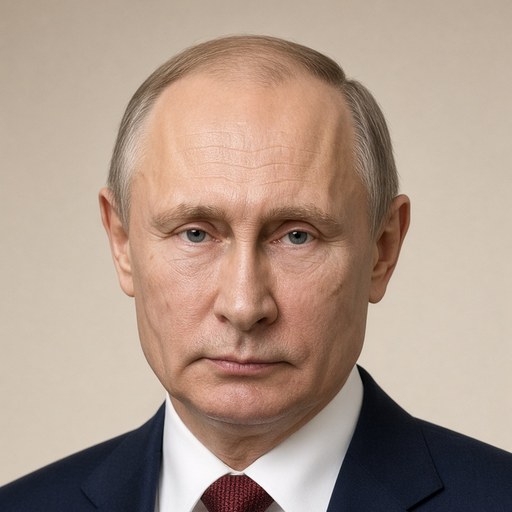
Extended meeting of the Board of the Ministry of Internal Affairs of Russia
 Vladimir Putin · President of Russia
- Context
- Putin addressed an extended board meeting of Russia's Ministry of Internal Affairs on February 17, 2022, reviewing 2021 performance and setting law enforcement priorities.
- Main themes
- Crime detection and prevention, cybercrime and cybersecurity, police powers and civil liberties, public order maintenance, Ministry of Internal Affairs performance review, law enforcement reform, domestic crime reduction, precinct officer service, human rights protections, crime statistics and trends
- Duration
- ~52 min
- Words
- 6,191
- Sentences
- 334
- Readability
- 33
- Grade
- 13.2
- Syntax
- 2.76
- Vocabulary
- 2.22
Translated from Russian
The broad sphere of national life a sentence belongs to. Every sentence has an Arena, so it is the denominator the other indices are read against.
Other334 sentences in 124 paragraphs
Dear comrades!
Today, at the extended board meeting, you will analyze the results of work on key areas and discuss immediate and long-term tasks.
I will say right away that, despite the difficult situation related to the coronavirus epidemic – this is still a serious burden on the agency as a whole, and, as the Minister reported, almost half of those who were supposed to participate in our event have fallen ill – nevertheless, the entire Ministry of Internal Affairs system is functioning steadily and reliably.
Thus, public order was ensured at a high level during the elections to the State Duma and regional authorities. The agency's staff worked clearly and competently during the All-Russian Population Census (a large and significant task), as well as in ensuring major international events.
I would like to note that last year the trend of decreasing the number of registered serious and particularly serious crimes, including those involving weapons, continued. Crime in public places has decreased, and there are positive shifts in a number of other important areas.
I want to thank the personnel of the Ministry of Internal Affairs for their conscientious work, for their professionalism, responsibility, and courage.
Dear participants of the board!
I will focus on the most significant tasks that you will need to address this year and in the longer term.
Undoubtedly, the most important priority is an active offensive against crime. I remind you that last year amendments were made to the Federal Law "On Police," expanding the powers of police officers, including the ability to immediately inspect residential premises and vehicles upon receiving reports of incidents. We need to effectively use these opportunities for the prompt resolution of crimes in hot pursuit, while – I want to emphasize this – the rights and freedoms of citizens must be guaranteed.
You know that human rights organizations have drawn attention to these changes in the law. We agreed with the Minister's proposal, with your suggestions that work in hot pursuit is extremely important for solving crimes and for the effective functioning of the law enforcement system as a whole. But the concerns of human rights defenders are not without certain grounds. I ask you to keep this in mind and ensure the rights and freedoms of citizens.
In general, I again draw attention to the task of radically increasing the level of crime detection. Unfortunately, we have not yet achieved qualitative shifts in this area based on last year's results. This means that consistent, more effective work is needed across all types of crimes that pose a threat to our society.
This also includes new challenges related to the penetration of crime into the field of information technology and telecommunications. The number of crimes in this area is growing every year. As a result of the actions of cybercriminals, domestic companies suffer losses. And, what causes a particularly acute public reaction, our citizens are facing losses of funds and savings, with irreparable moral damage, in increasing numbers. Victims of criminals include pensioners, large families, and people with disabilities. Criminals have no sacred values; they only seek to grab money.
I believe that we need to seriously improve the procedure for interaction between the Ministry of Internal Affairs and financial organizations, communication operators, and other structures operating in the digital space and telecommunications. In general, to strengthen cybersecurity, more coordinated work is required among law enforcement agencies, relevant government departments and regulators, the expert community, and businesses.
We must act proactively, including updating the regulatory framework and strengthening the technical capabilities of the Ministry of Internal Affairs, as cyber technologies are developing rapidly, new risks are emerging, and we need to prevent them, not allow criminals to parasitize on technological progress.
In this regard, the next comprehensive task is effective crime prevention. Here you also have new opportunities. For example, the decision to grant the police the right to issue official warnings to potential criminals and lawbreakers has played a positive role. Last year, about 111,000 such warnings were issued, which contributed to a reduction in the number of crimes, including domestic ones. We must continue to actively use this preventive tool.
I would like to note that the role of police precinct officers in crime detection and preventive work is traditionally high. They work, so to speak, "on the ground," as we say, know the problems of their territory and its residents, which often helps not only to quickly find a criminal but also to prevent the crime itself.
I would like to note that the centenary of the precinct officer service is approaching. I draw the attention of the Ministry of Internal Affairs leadership: it is necessary not only to hold anniversary events but also to make additional decisions aimed at strengthening the precinct level, improving the conditions of service, and social protection for the employees involved.
I will specifically address crime prevention among young people. Protecting the younger generation from crime is a crucial task for the development of the country and its future.
Over the past few years, the number of crimes committed by minors has decreased, but this is by no means a reason for complacency. Armed attacks in educational institutions, cases of violence against children, their involvement in the illegal drug trade and extremist actions – all these facts (and unfortunately, they are not isolated) indicate that your work, including in the area of prevention, must be more effective.
We need to seek new, modern approaches. We cannot act according to templates; we need to see the problems and difficulties of each young person. In this regard, I believe it is important to consolidate the efforts of government bodies, all subjects of the prevention system to create a unified state system of continuous social support for adolescents prone to offenses.
Next. A serious signal requiring comprehensive analysis is the increase in crimes related to extremism. In 2021, their number increased by more than a quarter. It is important for the relevant divisions of the Ministry of Internal Affairs, in cooperation with your colleagues from other law enforcement agencies and special services, to timely assess the risks of possible extremist manifestations and develop effective preventive measures based on this.
Particular attention should be paid to neutralizing attempts by extremists and various radicals to use the Internet (we know about this and constantly talk about it), to use modern means to incite interethnic, religious, and social hatred. I believe that the Ministry of Internal Affairs has sufficient powers today.
In addition, we need to more actively involve the media, civil society structures, youth organizations, and representatives of our traditional religions in the prevention of extremism. When I talk about public organizations, I mean the entire spectrum of these organizations: youth, sports – we have many of them; we just need to see what and how can be effectively used to solve this essentially national task.
Effective struggle against extremism is directly related to solving tasks in the migration sphere. We are certainly glad to welcome everyone who comes to us to study, work, or simply live, who, in the meantime, respects the laws of Russia and our culture and traditions. Such foreign citizens, and primarily our compatriots coming from abroad, should have the opportunity to freely and without bureaucratic delays obtain all necessary documents.
However, illegal migration, the activities of criminal groups that build their criminal business on illegal migration – the harshest measures must be developed against these individuals, and any manifestations of extremism, violations of public order, and illegal labor activities should serve as grounds for the swift adoption and enforcement of decisions to expel such individuals from Russia and to ban their entry into our country in the future. We need to work in this environment on a permanent basis.
I ask you to take these requirements into account when developing measures aimed at simplifying the procedures for acquiring citizenship, granting the right to permanent or temporary residence and work in Russia, and participation in the state program to assist the voluntary resettlement of compatriots – I will return to this – with compliance with all requirements related to the enforcement of Russian laws.
You know that just recently, on February 10 of this year, an Interdepartmental Commission of the Security Council of Russia was established to improve state migration policy. I hope that its work will strengthen national security in the migration sphere and will contribute to regulating these processes so that they do not create risks and threats but serve the socio-economic development of our state.
Dear colleagues!
New serious requirements are being placed on the traffic police units today. Thanks to the measures taken, including within the framework of the "Road Safety" project, there has been an increase in order on the roads, it must be acknowledged. I know that criticism of these units is traditional and eternal, but let us objectively assess this work – there is indeed more order, and objective figures speak to this.
For example, in 2021, the number of road traffic accidents decreased by 3.1 percent – a small percentage, but still – fewer accidents occurred. And the number of fatalities – many people still die, but it is also 5.8 percent less than in the previous period. The number of injuries decreased by 4.2 percent. These are still specific people, specific fates, their health – this is important.
However, as I mentioned, many people and many children still die in road traffic accidents, unfortunately. The mortality rate in accidents caused by intoxicated drivers is high, as well as as a result of collisions with pedestrians.
It is important to continue working to improve road behavior culture. I know that the Ministry of Internal Affairs has accumulated good experience in interacting with public and volunteer organizations. We must definitely continue to develop such partnerships and foster in society a rejection of irresponsible, rude behavior on the roads.
Increased attention, as before, should be paid to the decriminalization of the economy and the fight against corruption. I want to repeat: any inspections, actions by the Ministry of Internal Affairs regarding entrepreneurs must be justified and should not create obstacles for business or harm companies that conduct their affairs honestly, create jobs, and pay wages properly.
In the fight against corruption, I ask you to more actively use the new opportunities provided by the legislation adopted in February of last year. It allows for an expansion of the circle of individuals who can be held accountable for official crimes, as you know. Your task is to effectively suppress the embezzlement of budget funds, as well as cases of criminal bankruptcies, illegal redistribution, or encroachment on property and assets.
Finally, it is important to intensify the fight against illegal drug trafficking, including taking additional measures to strengthen cooperation between the Ministry of Internal Affairs units and colleagues from the FSB and the Federal Customs Service, and to improve international anti-drug cooperation, primarily within the framework of BRICS, the CSTO, and the SCO.
Dear comrades!
The task of the state is to provide employees of the internal affairs agencies with decent living conditions. I know, of course, that there are still many unresolved problems; the Minister and I constantly discuss this. Significant funds, however, are allocated for equipping units with modern transport and communication, new weapons, and special equipment. We will definitely also raise the level of social security for employees, including indexing salaries and pensions.
I am confident that the employees of the Ministry of Internal Affairs understand their colossal responsibility to our society and the country as a whole and will certainly do everything to address the tasks set at the highest level.
Thank you for your attention, and I wish you all the best in life and in service.
Thank you very much.
V. Kolokoltsev: Comrade Supreme Commander!
In the past year, the tasks assigned to the Ministry were carried out in the context of the ongoing pandemic, the introduction and lifting of certain restrictions. The risks of embezzlement of budget funds allocated for combating coronavirus, supporting medical workers, and small and medium-sized businesses have increased.
Significant forces and resources were deployed to ensure public order and security during the preparation and conduct of electoral campaigns. Against the backdrop of increased public activity, the number of unauthorized actions has risen. The resumption of transport communication with foreign states has heightened the potential for illegal migration. Cybercrime remained among the global challenges.
Given the situation, we took measures to enhance the effectiveness of countering modern threats. Together with legislative authorities and interested agencies, we improved regulatory legal regulation. At the initiative of the Ministry, amendments were made concerning key areas of law enforcement activity.
Based on the specifics of the development of the criminal situation and the available human resources, the optimization of the structural organization of the internal affairs bodies has continued. The establishment and formation of the Ministry of Internal Affairs of Russia for the federal territory of "Sirius" has been completed. The staffing of units combating crimes committed using IT technologies has increased by 70 percent.
Despite the limitation of direct contacts with the competent authorities of foreign states, international police cooperation has been consistently strengthened. A number of agreements have been signed with foreign partners, and the exchange of operationally significant information through Interpol channels has been ensured. Participation has been taken in maintaining international security as part of peacekeeping missions.
In the framework of fulfilling the main functions and powers, the departmental segment of the state services provision system has further developed. In terms of quantity and types, the internal affairs bodies still occupy leading positions. Last year, we processed about 100 million applications. In addition, the Ministry processed 2 billion requests necessary for providing services through other agencies.
Measures to ensure the accessibility of our facilities have continued. Administrative procedures have been optimized and reduced. Specific instructions have been given to staff on the ground to improve quality and minimize waiting times. Any excuses for shortcomings from responsible officials are considered inherently untenable, unless it concerns a technical failure.
As of today, the receipt of certain state services is fully available remotely, and we see that this format is in demand. We are working on solving new tasks. Among them is increasing the share of mass socially significant services provided electronically to 95 percent, of which 18 fall under the competence of the internal affairs bodies.
In this context, I would like to say a few words about the need to modernize the departmental infrastructure. It must guarantee the uninterrupted functioning of systems, information protection, including secure remote access to databases. Support from the relevant ministries – the Ministry of Digital Development and the Ministry of Industry and Trade of Russia – is required in the development and acquisition of equipment.
Our Ministry proposes the following: to move away from the process of mastering budget funds in this matter and to receive equipment and software "turnkey."
This initiative has been discussed at the interdepartmental level. We have held several meetings, including at the Security Council platform. There is mutual understanding and a vision of common conceptual approaches. Relevant proposals have already been submitted to the Government.
Measures have been taken to ensure security in the migration sphere. This is a relevant and very sensitive topic. Sixteen ministries and agencies are interconnected on this issue. The proposed options – from unlimited importation of foreigners to a complete refusal of migrant labor – sometimes contradict each other and, at times, let’s be frank, are simply unfeasible. I would like to remind you that a visa-free regime has been established between the CIS countries, which must certainly be taken into account.
The interdepartmental commission on migration issues, created last week, is intended to contribute to the development of a consolidated position.
Now about the current situation. The resumption of air traffic and the partial lifting of entry bans into the Russian Federation have activated the influx of foreign labor. The number of patents issued has exceeded the pre-COVID level of 2019. Due to the extension of the validity period and temporary measures, sanctions in the form of expulsion have not been applied for a year and a half. In total, about one million individuals have taken the opportunity to come out of the shadows and have received the right to legal residence in Russia.
At the same time, the agency has strengthened control over compliance with current legislation. While maintaining the overall number of inspections at construction sites, trade, and places of compact residence of migrants, more individuals have been identified who have committed various offenses.
To prevent conflicts on an interethnic basis, we are developing dialogue with diasporas, religious organizations, and clergy, as well as with business entities that attract foreigners for labor activities.
Together with colleagues from the Federal Security Service, we have been identifying and shutting down channels of illegal migration. We are constantly interacting on the issue of banning entry to individuals who pose a threat to public order. About 180,000 relevant materials have been sent to the FSB. In the reporting period, the number of registered crimes in the migration sphere has decreased. At the same time, there is an almost 6 percent increase in criminal offenses committed by foreign citizens. Group violations of public order have been recorded. Their participants have been held accountable, and measures such as expulsion and deportation have been taken.
The 274th federal law will contribute to increasing control, expanding the list of foreigners subject to fingerprint registration and photographing. It will allow for the identification of individuals who have changed their personal data in their countries of origin. We often encounter such practices.
Significant work has been done to simplify the procedures for acquiring citizenship for our compatriots. As a result, 730,000 people have received Russian passports.
Last year, security was ensured during large-scale socio-political and other mass events. The situation was complicated by a significant increase in their number and participants. To maintain public order, 200,000 internal affairs personnel and 50,000 Rosgvardiya representatives were involved. Serious incidents during public events were prevented. Twenty-two thousand administrative violations were identified.
Preventive work was carried out in close contact with all interested parties. To a certain extent, preventive measures have led to a reduction in the number of registered criminal offenses, including serious and particularly serious ones. At the same time, I want to emphasize that the decrease in the most dangerous types of offenses against the person and property of citizens has been noted over a long period.
Over the past 10 years, the number of murders and attempted murders, instances of intentional harm to health has decreased by half, robberies by 76 percent, thefts by 71 percent, apartment burglaries by 69 percent, and vehicle thefts by 79 percent. These figures are only partially the result of the work of law enforcement agencies. To a greater extent, they objectively confirm the stability of the development of our society and our state.
Safety on the streets and in other public places has noticeably increased. A systematic and targeted approach has contributed to improving the situation in the residential sector. Fewer criminal manifestations in the domestic sphere have been registered. Over the past 10 years, their number has decreased by more than one and a half times. We are recording a further decline in crime under the influence of alcohol and drugs. District police officers actively utilized the opportunities of the administrative supervision institute. Last year, they covered 118,000 individuals.
As a result of tightening control over this contingent, more than 300,000 violations of established restrictions have been identified. Almost 35,000 applications for the introduction of additional prohibitions have been sent to the courts – an increase of almost a quarter over the year.
At our initiative, many regions have included measures for the social adaptation of individuals who have served sentences of imprisonment in their prevention programs. These include assistance in registration at their previous place of residence and employment. One district police officer cannot do this without the assistance of local authorities.
We support the creation of a probation service in the penal system, are interested in its rapid establishment, and are ready to cooperate.
Issues of preventing the criminalization of the adolescent environment have been a constant focus. Police officers have conducted explanatory work with children and parents. Contacts have been established with educational institutions to respond promptly to deviant behavior of schoolchildren and students. Assistance has been provided in organizing leisure and employment for children. Personnel have been oriented to suppress the activities of individuals negatively influencing minors, including through the Internet. One thousand five hundred instances of their involvement in crimes and anti-social actions have been identified. The result of coordinated measures in this direction has been a 15 percent reduction in the number of adolescents who have come into conflict with the law, including cases of their repeated commission of unlawful acts. Overall, over the past 10 years, the number of criminal offenses committed by minors has decreased by half.
At the same time, the manifestation of aggression among students raises serious concern. I mean the high-profile attacks on educational institutions. Given today’s realities, the exchange of information between interested authorities comes to the forefront. Thus, constructive dialogue with teaching staff has allowed us to prevent tragic events in a number of regions.
A comprehensive approach to improving road safety has been ensured, and the regulatory framework has been improved. Innovations aimed at improving medical support, increasing driver responsibility, and requirements for their training level have been adopted. After empowering the State Traffic Safety Inspectorate with the relevant powers, supervision over compliance with the rules for conducting technical inspections of vehicles has been organized, and participation in monitoring the condition of buses has been regulated.
During the performance of assigned functions, 40,000 violations committed by officials and legal entities in the construction, repair, and maintenance of roads have been identified. More than 300,000 orders have been issued to eliminate them. For non-compliance with imposed obligations, 10,000 materials have been sent to the court.
The system of automatic recording of traffic violations has further developed. Last year, the number of stationary and mobile complexes increased by 8 percent. Work is underway with executive authorities to place cameras in areas where it is truly necessary to reduce accidents. The Ministry of Internal Affairs stands on a principled position: photo and video recording means should contribute to strengthening safety on the roads, not be a way to make money.
Currently, there is feedback from citizens, and based on their information, more than 600,000 violations have been suppressed, and about 40,000 drunk drivers have been detained. The equipment of the road patrol service has improved. Within the framework of the federal project "Road Safety," 4,000 patrol cars have been delivered to the regions.
The measures taken have managed to consolidate the trend of reducing the number of road traffic accidents and the number of citizens killed and injured in them. The number of accidents involving drunk drivers has decreased by 15 percent. If we take a ten-year perspective, the overall accident rate in the country has decreased by one third. Of course, these are just dry figures. Even a single case of death on the road is a tragedy for a specific family and society as a whole.
The Ministry will continue to increase efforts to ensure road safety, including taking into account the tightening of penalties for serious violations.
Primary attention has been paid to increasing the security of transport infrastructure facilities from unauthorized interference. Almost 2,500 airline passengers have been denied boarding, and 1,800 individuals have been removed from flights. The number of long-distance trains and suburban services accompanied by police units has increased. Against this backdrop, the crime rate in them has decreased by a quarter.
Almost all services and units have been involved to some extent in solving one of the main tasks – identifying and solving crimes. We have identified 765,000 individuals who committed them. Criminal cases have been investigated for 830,000 criminal offenses, and the overall effectiveness of solving crimes has increased, including serious and particularly serious offenses. Moreover, this dynamic has been maintained for intentional infliction of serious harm to health, robberies, thefts, including from apartments. I would like to note a significant, threefold increase in the share of recovered damages.
Individuals involved in high-profile criminal acts have been identified. Among them is the resolution, in cooperation with the Investigative Committee, of the murders of minors in Nizhny Novgorod, Oryol, Tyumen, and other regions.
At the same time, we continue to work systematically on crimes from previous years, always demanding that the heads of territorial bodies maintain contact with victims, clarify new circumstances, and make adjustments to operational-search plans. And it is precisely this approach that allows us to ensure a positive trend here.
Comprehensive counteraction to crimes committed using information technologies has been carried out. Decisions made at various platforms have helped strengthen cooperation among interested agencies, the business community, and the public.
As a result, we note a slowdown in the growth rate of cybercrime. The measures we proposed to prevent the most common property-related IT offenses have had a certain effect: there has been an 8 percent decrease in registered thefts from bank accounts and a 60 percent decrease in cases of fraud using electronic payment methods.
We are increasing the internal resources of the agency, implementing new methods and means of documenting criminal schemes. Currently, a solution is being developed to create a central unit within the Ministry that will coordinate the counteraction to IT crime.
Along with the increase in the number of specialized services, their technical support has improved. As a result, almost one third more individuals involved in such acts have been identified.
We are extremely interested in creating a "single window" at the Bank of Russia for operational interaction between the Ministry and organizations in the credit and financial sector.
In addition, it is necessary to develop additional regulatory and organizational measures to protect consumer rights in online purchases and remote service delivery.
Overall, successful combat against IT crime is only possible through the consolidation of efforts by law enforcement agencies, relevant regulators, as well as with the participation of telecommunications operators and internet providers.
Issues related to countering the illegal arms trade, including through the use of the global network, are under control. Together with the Federal Security Service and the National Guard, we regularly conduct relevant activities and special operations. Police officers have documented nearly 22,000 crimes of this category. This accounts for 90 percent of all crimes identified by law enforcement agencies.
In criminal cases, 12,000 units of weapons, about two tons of explosives, and over two thousand explosive devices have been seized. As a result, we are recording a decrease in the number of criminal acts involving weapons by 11 percent, and over the past 10 years, by almost a quarter.
Work has been intensified to eliminate organized groups and criminal communities, including those with international and interregional connections. Involvement in more than 20,000 criminal offenses has been proven. 35 individuals occupying high positions in the criminal hierarchy have been brought to justice. In cooperation with the Federal Security Service and the Investigative Committee, the activities of nearly 250 organized criminal groups formed on an ethnic basis have been suppressed.
For example, in a case of real estate fraud against lonely pensioners, seven active participants and the leader of an ethnic organized crime group, previously convicted multiple times for similar acts, were detained. Ten episodes have been documented. The preliminary damage amounted to 77 million rubles.
The effectiveness of investigative work has increased. Last year, the whereabouts of 51,000 citizens were established, and over 2,000 unidentified bodies were identified. A notable comparison of the results of this activity with those from a decade ago shows that the number of untraced accused and missing persons has decreased by one and a half times, and the number of unidentified bodies has decreased fivefold.
Since July of last year, the circle of individuals whose information about the connections of subscriber devices and their location can be obtained without a court decision in cases of disappearance has been legally expanded. Previously, this mechanism was used only for minors, but now it applies to all categories of missing persons.
A pilot operation of a federal-level departmental database – the Bureau of Accident Registration – has been conducted. This resource consolidates information about unidentified bodies, as well as individuals who cannot provide data about themselves.
One of the most important areas has been combating drug-related crimes. 23 tons of prohibited and controlled substances have been seized, which is one-third more than in the previous year. A significant step was the adjustment of legal norms defining the specifics of initiating criminal cases for trafficking. Now, the necessity of making such a decision solely based on the presence of a person in a state of drug intoxication has been excluded. The Ministry of Internal Affairs has been striving for this for a decade.
From a practical point of view, we now have the opportunity to allocate existing resources more rationally to combat the drug threat. We are already seeing concrete results. Against the backdrop of a decrease in registered drug trafficking incidents, the number of individuals brought to justice has noticeably increased, by almost 10 percent.
Increased attention has been paid to identifying drug crimes committed in group and organized forms. More than 19,000 such crimes have been solved, or one in five investigated in the field of illegal drug trafficking. Over 100 offenses related to the creation of criminal drug communities have been established. Together with the Federal Security Service, a channel for the supply of heroin to the Moscow region, Krasnodar Krai, Saratov, and Chelyabinsk regions has been shut down. 19 members of the criminal community, including organizers, have been detained. 50 criminal cases have been initiated.
Last year, 215 underground laboratories were also eliminated. At the initiative of the Ministry, about 70,000 websites and internet pages containing information about drug distribution have been added to the unified register of prohibited information by Roskomnadzor.
In cooperation with interested law enforcement and regulatory agencies, measures have been taken to neutralize threats to economic security.
The overall array of identified and documented crimes in this area, including serious and particularly serious offenses, has increased. At the same time, 80 percent of all identified crimes are attributed to police officers. The amount of material damage caused exceeded 560 billion rubles. Measures have been taken to recover it in the amount of 430 billion.
Much has been done to improve the credit and financial sector. In this area, law enforcement agencies have recorded more than 30,000 crimes. Regular activities have been carried out to prevent theft and misuse of budget funds. The number of identified offenses has increased by almost one and a half times. For example, in Krasnodar Krai, criminal cases have been initiated against officials of the regional Ministry of Education and other leaders of commercial organizations. The subjects have embezzled about 300 million rubles allocated for supplying interactive equipment to educational institutions as part of the national project "Education."
Last year, a number of facts were established regarding the purchase of medical goods and equipment at inflated prices, as well as the turnover of unregistered medicines and counterfeit products.
900 criminal cases related to the illegal sale and use of vaccination or PCR testing documents have been initiated. 2,500 websites selling fake certificates and documents have been blocked.
Regarding the decriminalization of the timber industry, the number of identified and documented offenses has increased by almost a quarter.
A significant volume of tasks has been addressed in the fight against corruption. The number of registered crimes, including bribery, has increased by 10 percent, and high-ranking officials at the federal and regional levels have been brought to justice.
Countering extremism remains a priority. In close contact with colleagues from interested agencies, activities have been conducted to suppress the spread of radical ideology. According to the Ministry's materials, seven structures have been recognized as extremist and one as terrorist.
The number of criminal cases initiated against individuals publicly calling for extremist actions has increased. The number of identified crimes related to the creation of extremist organizations has risen by 27 percent, and by 9 percent for financing such illegal activities.
In cooperation with Roskomnadzor and the General Prosecutor's Office, access to more than 37,000 resources containing prohibited content has been restricted.
We are systematically improving the quality of preliminary investigations, strengthening legality during pre-trial proceedings. Last year, the number of canceled decisions to initiate criminal cases decreased. Investigators and interrogators completed fewer cases with violations of deadlines.
With the participation of the Ministry, an amendment to the Criminal Procedure Code has been prepared, establishing the possibility of using video conferencing in investigative actions. Such a mechanism will simplify and expedite the proceedings in criminal cases. The Ministry of Internal Affairs has repeatedly emphasized its position on the need to simplify the existing criminal procedural legislation, many norms of which have changed little since the 1960s.
I would like to specifically address issues of personnel support. Priority tasks have been addressed regarding the retention of personnel, improvement of professional training, and adherence to service discipline. Among the main areas remains the provision of social guarantees to employees and retirees. Compared to 2020, the number of families receiving a one-time social payment for the purchase or construction of housing has increased by 15 percent. The procedure for housing provision has been improved. Now, those dismissed from service due to health reasons or organizational changes retain the right to this payment.
In addition, our colleagues who have served for at least 25 years now have the opportunity to remain in service housing while waiting for their own apartment; otherwise, it would have been very unfair to evict someone who has dedicated their life and health to ensuring the safety of citizens with their family practically onto the street.
Nevertheless, the situation in the field of personnel support remains quite tense. The most serious problem is a significant shortfall. For example, in 2021, the number of investigators leaving the internal affairs agencies increased by 34 percent compared to 2020. The legal qualifications and experience of these individuals essentially determine the fates of people. The issue of shortfall is also relevant for patrol and post service, criminal investigation, drug control units, and economic security, that is, almost all key areas. This negative trend further activates the outflow of personnel, as in conditions of shortfall, remaining employees are forced to work with additional burdens. We believe that decisions made by you, Vladimir Vladimirovich, to increase monetary allowances will help alleviate the situation.
In conclusion, I would like to thank the personnel for their responsible attitude towards their work, selflessness, and professionalism. For their bravery in maintaining public order and exemplary performance of their official duties last year, 508 employees were awarded state honors, and over 18,000 received departmental medals and distinctions.
Speaking of the courage of my colleagues, I must emphasize – these are not just words. Events in Perm, Voronezh, Moscow, and several other cities have vividly demonstrated the readiness of police officers to come to the aid, despite the direct threat to their own lives. Such examples determine the level of trust in the police and increase citizens' confidence in their safety. Taking this opportunity, I express my gratitude to the leaders of the highest legislative, executive, and judicial authorities for their constructive and fruitful cooperation.
Comrade Supreme Commander-in-Chief!
The potential of the internal affairs agencies of the Russian Federation allows us to fulfill our duties in full and maintain control over the operational situation.
The report is concluded.
Thank you.
Dear Vladimir Alexandrovich! Dear colleagues!
In conclusion of this part of your work, I would like to say a few words, which you already generally know well. Nevertheless, it will not be superfluous to mention this once again.
The system of the Ministry of Internal Affairs has always been considered, and it is indeed the case, a key link in the law enforcement system of the country.
Now, both I in my opening remarks and the Minister have spoken about the areas of activity, about the directions of the Ministry's work. They cover almost all spheres of public and state life. All of them. There is not a single sphere that does not fall under the responsibility of the Ministry of Internal Affairs. And of course, the effectiveness of the state is largely judged by the quality of the work of the Ministry of Internal Affairs. We know this well.
But I would like to draw special attention to one aspect of the issue. It is absolutely clear and obvious – I ask you not to forget that the quality of your work determines the fates of people. That is what is most important, that is what should always be at the center of your attention.
Thank you very much. And I wish you all the best. Success.
The original Russian. The tags above are read on the English translation's sentences.
Уважаемые товарищи!
Сегодня на расширенной коллегии вам предстоит проанализировать результаты работы по ключевым направлениям, обсудить ближайшие и перспективные задачи.
Сразу скажу, что, несмотря на сложную обстановку, связанную с эпидемией коронавируса, – всё-таки это серьёзная нагрузка на ведомство в целом, да и, сейчас Министр доложил, почти половина тех, кто собирался принимать участие в нашем мероприятии, заболели, – тем не менее вся система МВД действует устойчиво и надёжно.
Так, на высоком уровне был обеспечен общественный порядок в период выборов в Государственную Думу и в региональные органы власти. Чётко и грамотно работали сотрудники ведомства при проведении Всероссийской переписи населения (большая тоже, масштабная задача), а также при обеспечении крупных международных мероприятий.
Отмечу, что в прошлом году продолжалась тенденция к снижению числа зарегистрированных тяжких и особо тяжких преступлений, в том числе с применением оружия. Сократилась преступность в общественных местах, есть позитивные сдвиги и по ряду других важных направлений.
Хочу поблагодарить личный состав МВД за добросовестную работу, за проявленный профессионализм, ответственность и мужество.
Уважаемые участники коллегии!
Остановлюсь на наиболее значимых задачах, которые вам предстоит решить в текущем году и на более отдалённую перспективу.
Безусловно, важнейший приоритет – активная наступательная борьба с криминалом. Напомню, что в прошлом году в Федеральный закон «О полиции» были внесены изменения, расширяющие полномочия сотрудников полиции, в том числе при получении сообщений о происшествиях они могут незамедлительно осматривать жилые помещения, транспортные средства. Нужно эффективно использовать эти возможности для оперативного раскрытия преступлений по горячим следам, при этом – хочу это особо подчеркнуть – права и свободы граждан должны быть гарантированы.
Вы знаете, что правозащитные организации обращали и обращают внимание на эти изменения в законе. Мы согласились с предложением Министра, с вашими предложениями о том, что работа по горячим следам является чрезвычайно важной для раскрытия [преступлений], эффективной работы правоохранительной системы в целом. Но и опасения правозащитников не лишены определённых оснований. Прошу это иметь в виду и обеспечить, гарантировать права и свободы граждан.
В целом вновь обращаю внимание на задачу кардинального повышения уровня раскрываемости преступлений. По итогам прошлого года добиться здесь качественных сдвигов, к сожалению, пока не удалось. А значит, нужна последовательная, более результативная работа по всем видам преступлений, которые представляют угрозу для нашего общества.
В том числе речь идёт о новых вызовах, связанных с проникновением криминала в сферу информационных технологий и телекоммуникаций. Количество преступлений в этой сфере ежегодно растёт. В результате действий кибермошенников урон несут отечественные компании. И, что вызывает особую остроту общественной реакции, с потерями средств и накоплений, с невосполнимым моральным ущербом сталкиваются наши граждане во всё большем и большем количестве. Жертвами преступников становятся пенсионеры, многодетные семьи, люди с ограниченными возможностями по здоровью. У преступников нет ничего святого, только бы деньги урвать.
Считаю, что нужно самым серьёзным образом совершенствовать порядок взаимодействия МВД с финансовыми организациями, операторами связи и другими структурами, работающими в цифровом пространстве и в области телекоммуникаций. В целом для укрепления кибербезопасности требуется более скоординированная работа правоохранительных органов, соответствующих государственных ведомств и регуляторов, экспертного сообщества и бизнеса.
Обязательно нужно действовать на опережение, включая обновление нормативной базы, укрепление технических возможностей МВД, ведь кибертехнологии развиваются стремительно, возникают новые риски, и нужно их предупреждать, не позволять преступникам паразитировать на технологическом прогрессе.
В этой связи следующая комплексная задача – эффективная профилактика правонарушений. Здесь у вас также появляются новые возможности. Так, положительную роль сыграло решение предоставить полиции право объявления официального предостережения потенциальным преступникам и нарушителям закона. В прошлом году таких предостережений было объявлено около 111 тысяч, что способствовало сокращению числа преступлений, в том числе на бытовой почве. Надо и дальше активно использовать этот инструмент профилактического воздействия.
Отмечу, что в раскрываемости преступлений, в профилактической работе традиционно высока роль участковых уполномоченных полиции. Они работают, что называется, «на земле», как мы говорим, знают проблемы своей территории и её жителей, что зачастую помогает не только быстро найти преступника, но и предотвратить само преступление.
Отмечу, что приближается 100-летие службы участковых уполномоченных. Обращаю внимание руководства МВД: нужно не только, что называется, провести юбилейные мероприятия, но и принять дополнительные решения, направленные на укрепление участкового звена, на улучшение условий службы и социальной защиты занятых здесь сотрудников.
Отдельно остановлюсь на профилактике преступности среди молодых людей, среди молодёжи. Защитить молодое поколение от криминала – важнейшая задача для развития страны и для её будущего.
На протяжении нескольких последних лет количество преступлений, совершённых подростками, снижается, но это отнюдь не повод для самоуспокоенности. Вооружённые нападения в учебных заведениях, случаи насилия над детьми, вовлечение их в незаконный оборот наркотиков и в экстремистские акции – все эти факты (а они, к сожалению, не единичны) говорят о том, что ваша работа, в том числе в сфере профилактики, должна строиться эффективнее.
Здесь нужно искать новые, современные подходы. Нельзя действовать по шаблонам, нужно видеть проблемы, сложности каждого молодого человека. В этой связи считаю важным консолидировать усилия органов власти, всех субъектов системы профилактики по созданию единой государственной системы непрерывного социального сопровождения подростков, склонных к правонарушениям.
Далее. Серьёзный сигнал, требующий всестороннего анализа, – это рост преступлений, связанных с экстремизмом. В 2021 году их количество выросло более чем на четверть. Соответствующим подразделениям МВД во взаимодействии с вашими коллегами из других правоохранительных органов и спецслужб важно своевременно оценивать риски возможных экстремистских проявлений и на этой основе выработать эффективные превентивные меры.
Особое внимание следует уделять нейтрализации попыток экстремистов и разного рода радикалов использовать сеть Интернет (мы с вами знаем об этом и постоянно говорим об этом), использовать современные средства для разжигания межнациональной, религиозной и социальной вражды. Полномочий, считаю, на сегодняшний день у системы МВД достаточно.
Кроме того, надо активнее привлекать к профилактике экстремизма средства массовой информации, структуры гражданского общества, молодёжные объединения, представителей наших традиционных религий. Когда говорю об общественных организациях, я имею в виду всю палитру этих организаций: молодёжные, спортивные – их много у нас, нужно просто посмотреть, что и как можно эффективно использовать для решения, по сути, этой общенациональной задачи.
Эффективная борьба с экстремизмом прямо связана с решением задач в миграционной сфере. Мы, безусловно, рады всем, кто приезжает к нам учиться, работать, просто жить, кто соблюдает, между тем, законы России и с уважением относится к нашей культуре и к традициям. У таких иностранных граждан, и прежде всего у наших соотечественников, приезжающих из-за рубежа, должна быть возможность свободно и без бюрократических проволочек оформить все необходимые документы.
Однако нелегальная миграция, деятельность преступных группировок, которые строят на нелегальной миграции свой криминальный бизнес, – против этих людей должны быть выработаны самые жёсткие меры, а любые проявления экстремизма, нарушения правопорядка, незаконная трудовая деятельность – служить основанием для быстрого принятия и исполнения решений о высылке таких людей за пределы России и о запрете на въезд в нашу страну в будущем. Работать надо в этой среде на постоянной основе.
Прошу учитывать данные требования при разработке мер, направленных на упрощение процедур приобретения гражданства, при предоставлении права на постоянное или временное проживание и работу в России, участие в государственной программе по оказанию содействия добровольному переселению соотечественников – ещё раз вернусь – с соблюдением всех требований, связанных с исполнением российских законов.
Вы знаете, что совсем недавно, 10 февраля этого года, создана Межведомственная комиссия Совета Безопасности России по вопросам совершенствования государственной миграционной политики. Рассчитываю, что её работа позволит укрепить национальную безопасность в миграционной сфере, будет содействовать регулированию этих процессов так, чтобы они не создавали риски и угрозы, а служили социально-экономическому развитию нашего государства.
Уважаемые коллеги!
Новые серьёзные требования предъявляются сегодня к подразделениям ГИБДД. Благодаря принятым мерам, в том числе в рамках проекта «Безопасность дорожного движения», порядка на дорогах, надо это всё-таки признать, стало больше. Знаю, что критика в отношении этих подразделений у нас традиционная, вечная, но будем объективно оценивать эту работу – всё-таки порядка стало больше, об этом говорят объективные цифры.
За 2021 год, например, совершено на 3,1 процента – небольшой процент, но всё-таки – меньше дорожно-транспортных происшествий. И погибло – много ещё у нас людей гибнет, но всё-таки на 5,8 процента тоже меньше, чем в предыдущий период. Ранения получили на 4,2 процента меньше людей. Это всё-таки конкретные люди, конкретные судьбы, их здоровье – это важно.
Однако в дорожно-транспортных происшествиях по-прежнему, как я уже сказал, погибает много людей и много детей, к сожалению. Высока смертность в авариях по вине нетрезвых водителей, а также в результате наездов на пешеходов.
Важно продолжить работу по повышению культуры поведения на дорогах. Знаю, что у МВД накоплен здесь хороший опыт взаимодействия с общественными, волонтёрскими объединениями. Надо обязательно развивать такое партнёрство и дальше, формировать в обществе неприятие безответственного, хамского поведения на дорогах.
Повышенное внимание, как и прежде, следует уделять декриминализации экономики и борьбе с коррупцией. Вновь хочу повторить: любые проверки, действия органов МВД в отношении предпринимателей должны быть обоснованными, не должны создавать препятствий для бизнеса, наносить ущерб компаниям, которые честно ведут своё дело, создают рабочие места, платят заработную плату нормальным образом.
В борьбе с коррупцией прошу активнее использовать новые возможности законодательства, принятого в феврале прошлого года. Оно позволяет расширить круг лиц, которые могут привлекаться к ответственности за должностные преступления, вы знаете об этом. Ваша задача – эффективно пресекать хищения бюджетных средств, а также случаи криминальных банкротств, противоправного передела или посягательства на собственность и активы.
Наконец, важно наращивать борьбу с незаконным оборотом наркотиков, в том числе принять дополнительные меры по укреплению взаимодействия подразделений МВД с коллегами из ФСБ и ФТС, совершенствовать международное антинаркотическое сотрудничество, прежде всего в рамках БРИКС Краткая справка БРИКС (англ. BRICS) , ОДКБ Краткая справка Организация Договора о коллективной безопасности (ОДКБ) и ШОС Краткая справка Шанхайская организация сотрудничества (ШОС) .
Уважаемые товарищи!
Задача государства – обеспечить сотрудникам органов внутренних дел достойные условия жизни. Знаю, конечно, здесь ещё много нерешённых проблем, мы с Министром постоянно на этот счёт говорим. Значительные средства, тем не менее, выделяются на оснащение подразделений современным транспортом и связью, новым вооружением и специальной техникой. Обязательно будем повышать и уровень социального обеспечения сотрудников, включая индексацию денежного довольствия и пенсий.
Уверен, что сотрудники МВД понимают свою колоссальную ответственность перед нашим обществом и страной в целом и, безусловно, сделают всё, чтобы решать поставленные задачи на самом высоком уровне.
Благодарю вас за внимание и желаю вам всего самого хорошего и в жизни, и по службе.
Спасибо большое.
В.Колокольцев: Товарищ Верховный Главнокомандующий!
В прошедшем году возложенные на Министерство задачи выполнялись в условиях продолжающейся пандемии, введения и снятия отдельных ограничений. Возросли риски хищения бюджетных средств, выделяемых на борьбу с коронавирусом, поддержку медицинских работников, а также малого и среднего бизнеса.
Существенные силы и средства были задействованы для обеспечения правопорядка, безопасности в ходе подготовки и проведения избирательных кампаний. На фоне повышения публичной активности граждан увеличилось количество несогласованных акций. Возобновление транспортного сообщения с иностранными государствами усилило потенциальную возможность незаконной миграции. В числе глобальных вызовов оставалась киберпреступность.
С учётом складывающей обстановки нами принимались меры по повышению эффективности противодействия современным угрозам. Совместно с органами законодательной власти, заинтересованными ведомствами совершенствовалось нормативно-правовое регулирование. По инициативе Министерства внесены изменения, касающиеся ключевых направлений правоохранительной деятельности.
Исходя из особенностей развития криминогенной ситуации, имеющихся кадровых ресурсов продолжена оптимизация структурного построения органов внутренних дел. Завершено создание и становление отдела МВД России по федеральной территории «Сириус». На 70 процентов увеличилась штатная численность подразделений по противодействию преступлениям, совершённым с использованием IT-технологий.
Несмотря на ограничение прямых контактов с компетентными органами иностранных государств, последовательно укреплялось международное полицейское сотрудничество. С зарубежными партнёрами подписан ряд соглашений, обеспечен обмен оперативно значимой информацией по каналам Интерпола. Принято участие в поддержании международной безопасности в составе миротворческих миссий.
В рамках выполнения основных функций и полномочий дальнейшее развитие получил ведомственный сегмент системы предоставления государственных услуг. По их количеству и видам органы внутренних дел по-прежнему занимают лидирующие позиции. В прошлом году нами рассмотрено порядка 100 миллионов заявлений. Кроме того, Министерством обработано 2 миллиарда запросов, необходимых для оказания услуг по линии других ведомств.
Продолжены мероприятия по обеспечению доступности наших объектов. Оптимизированы и сокращены административные процедуры. Сотрудникам на местах дана конкретная установка – повышать качество, максимально сокращать время ожидания в очереди. Любые оправдания допущенных недостатков со стороны ответственных должностных лиц считаю заведомо несостоятельными, если только речь не идёт о сбое техники.
На сегодняшний день получение отдельных госуслуг возможно полностью дистанционно, и мы видим, что такой формат востребован. Работаем над решением новых задач. Среди них – увеличение до 95 процентов доли массовых социально значимых услуг в электронном виде, из которых к компетенции органов внутренних дел отнесены 18.
В этом контексте хотел бы сказать несколько слов о необходимости модернизации ведомственной инфраструктуры. Она должна гарантировать бесперебойное функционирование систем, защиту информации, включая безопасный удалённый доступ к базам данных. Здесь требуется поддержка профильных ведомств – Минцифры и Минпромторга России – в разработке и приобретении оборудования.
Нашим Министерством предлагается следующее: самим уйти от процесса освоения бюджетных средств в данном вопросе, а получать технику и программное обеспечение «под ключ».
Указанная инициатива обсуждалась на межведомственном уровне. Мы провели несколько совещаний, в том числе на площадке Совета Безопасности. Есть взаимопонимание и видение общих концептуальных подходов. Соответствующие предложения уже внесены в Правительство.
Принимались меры по обеспечению безопасности в миграционной сфере. Тема актуальная и очень чувствительная. 16 министерств и ведомств замкнуто на этом вопросе. Предлагаемые варианты – от неограниченного ввоза иностранцев до полного отказа от труда мигрантов – порой противоречат друг другу, а иногда, будем прямо говорить, просто неосуществимы. Хочу напомнить, между странами СНГ установлен безвизовый режим, что, безусловно, надо учитывать.
Выработке консолидированной позиции призвана способствовать созданная на прошлой неделе межведомственная комиссия Совета Безопасности по миграционной проблематике.
Теперь о текущей ситуации. Возобновление авиасообщения и частичная отмена запретов на въезд в Российскую Федерацию активизировали приток иностранной рабочей силы. Число выданных патентов превысило уровень доковидного 2019 года. В связи с продлением срока действия и временных мер санкции в виде высылки в течение полутора лет не применялись. В общей сложности порядка одного миллиона лиц воспользовались возможностью выйти из тени и получили право легального пребывания в России.
Одновременно ведомством усилен контроль за соблюдением действующего законодательства. При сохранении общего количества проверок на объектах строительства, торговли, в местах компактного проживания мигрантов выявлено больше лиц, допустивших различные правонарушения.
Для исключения конфликтов на межнациональной почве развиваем диалог с диаспорами, религиозными объединениями и духовенством, а также хозяйствующими субъектами, привлекающими иностранцев к трудовой деятельности.
С коллегами из Федеральной службы безопасности осуществлялось выявление, перекрытие каналов нелегальной миграции. На постоянной основе взаимодействуем по вопросу запрета въезда лицам, представляющим угрозу общественному порядку. В органы ФСБ направлено около 180 тысяч соответствующих материалов. В отчётном периоде число зарегистрированных преступлений в сфере миграции сократилось. Вместе с тем почти на 6 процентов отмечается рост уголовных посягательств, совершённых иностранными гражданами. Зафиксированы групповые нарушения правопорядка. Их участники привлечены к ответственности, приняты меры в виде выдворения и депортации.
Повышению контроля будет способствовать 274-й федеральный закон, расширяющий перечень иностранцев, подлежащих дактилоскопической регистрации и фотографированию. Он позволит выявлять лиц, изменивших свои персональные данные в странах исхода. С такой практикой часто сталкиваемся.
Большая работа проведена по упрощению процедур приобретения гражданства нашими соотечественниками. В результате российские паспорта получили 730 тысяч человек.
В минувшем году обеспечена безопасность во время крупномасштабных общественно-политических и иных массовых мероприятий. Ситуация осложнялась существенным увеличением их количества и участников. Для охраны общественного порядка привлекалось 200 тысяч сотрудников органов внутренних дел и 50 тысяч представителей Росгвардии. Серьёзных происшествий в ходе публичных мероприятий не допущено. Выявлено 22 тысячи административных нарушений.
В тесном контакте со всеми заинтересованными субъектами выстраивалась профилактическая работа. В определённой степени превентивные меры обусловили сокращение числа зарегистрированных уголовно наказуемых деяний, в том числе тяжкого и особо тяжкого вида. При этом хочу подчеркнуть, что снижение наиболее опасных видов посягательств против личности и имущества граждан отмечается на протяжении длительного периода.
За последние 10 лет количество убийств и покушений на убийства, фактов умышленного причинения вреда здоровью снизилось на половину, разбоев – на 76 процентов, грабежей – на 71 процент, квартирных краж – на 69 процентов, хищений транспортных средств – на 79 процентов. Эти цифры только отчасти являются результатом работы правоохранительных органов. В большей степени они объективно подтверждают стабильность развития нашего общества и нашего государства.
Заметно повысилась безопасность на улицах и в других общественных местах. Системный и адресный подход способствовал улучшению ситуации в жилом секторе. Меньше зарегистрировано криминальных проявлений в бытовой сфере. За последние 10 лет их число сократилось более чем в полтора раза. Фиксируем дальнейшее снижение преступности в состоянии алкогольного и наркотического опьянения. Участковыми уполномоченными активно использовались возможности института административного надзора. В прошлом году ими было охвачено 118 тысяч человек.
В результате ужесточения контроля за данным контингентом выявлено свыше 300 тысяч нарушений установленных ограничений. В суды направлено почти 35 тысяч обращений о введении дополнительных запретов – увеличение почти на четверть за год.
По нашей инициативе во многих регионах в программах профилактики предусмотрены мероприятия по социальной адаптации лиц, отбывших наказание в виде лишения свободы. В их числе оказание помощи в регистрации по прежнему месту жительства и трудоустройство. Одному участковому без содействия со стороны местных органов власти сделать это невозможно.
Поддерживаем создание в системе исполнения наказания службы пробации, заинтересованы в её скорейшем становлении и готовы к сотрудничеству.
В центре постоянного внимания находились вопросы предупреждения криминализации подростковой среды. Сотрудники полиции проводили разъяснительную работу с детьми и родителями. Налажены контакты с администрациями учебных заведений в целях своевременного реагирования на девиантное поведение школьников и студентов. Оказывалось содействие в организации досуга и занятости ребят. Личный состав ориентирован на пресечение деятельности лиц, негативно влияющих на несовершеннолетних, в том числе посредством сети Интернет. Выявлено 1,5 тысячи фактов их вовлечения в преступления и антиобщественные действия. Итогом скоординированных мер на данном направлении стало снижение на 15 процентов числа подростков, вступивших в конфликт с законом, включая случаи повторного совершения ими противоправных деяний. В целом за последние 10 лет количество криминальных посягательств со стороны несовершеннолетних уменьшилось в два раза.
Вместе с тем серьёзную обеспокоенность вызывает проявление агрессии среди учащихся. Имею в виду резонансные нападения на учебные заведения. Учитывая сегодняшние реалии, на первый план выходит обмен информацией между заинтересованными органами. Так, конструктивный диалог с педагогическими коллективами позволил предотвратить трагические события в целом ряде регионов.
Обеспечен комплексный подход к повышению безопасности дорожного движения, совершенствовалась нормативная база. Приняты нововведения, направленные на улучшение медицинского обеспечения, усиление ответственности водителей и требований к уровню их подготовки. После наделения Госавтоинспекции соответствующими полномочиями организован надзор за соблюдением правил проведения технического осмотра транспортных средств, а также регламентировано участие в контроле за состоянием автобусов.
В ходе выполнения возложенных функций выявлено 40 тысяч нарушений, допущенных должностными и юридическими лицами при строительстве, ремонте и содержании дорог. Для их устранения выдано более 300 тысяч предписаний. За неисполнение наложенных обязательств в суд направлено 10 тысяч материалов.
Дальнейшее развитие получила система автоматической фиксации нарушений правил дорожного движения. За прошлый год количество стационарных и передвижных комплексов увеличилось на 8 процентов. С органами исполнительной власти ведётся работа с целью размещения камер в местах, где действительно необходимо снижать аварийность. МВД стоит на принципиальной позиции: средства фото-, видеофиксации должны способствовать укреплению безопасности на дорогах, а не быть способом зарабатывания денег.
В настоящее время действует обратная связь с гражданами, по их информации пресечено свыше 600 тысяч правонарушений, задержано порядка 40 тысяч нетрезвых водителей. Улучшилось оснащение дорожно-патрульной службы. В рамках федерального проекта «Безопасность дорожного движения» в регионы поставлены 4 тысячи патрульных автомобилей.
Принятыми мерами удалось закрепить тенденцию снижения количества дорожно-транспортных происшествий погибших и раненных в них граждан. На 15 процентов сократилось число ДТП с участием пьяных водителей. Если взять десятилетний срез, то общая аварийность в стране уменьшилась на одну треть. Конечно, это только сухие цифры. Даже единичные случаи гибели на дороге являются трагедией для конкретной семьи и общества в целом.
Министерство продолжит наращивать усилия по обеспечению безопасности дорожного движения, в том числе с учётом ужесточения наказания за грубые нарушения.
Первостепенное внимание уделялось повышению защищённости объектов транспортной инфраструктуры от несанкционированного вмешательства. К перевозке не допущены почти 2,5 тысячи авиапассажиров, с рейсов снято 1800 человек. Увеличилось количество поездов дальнего следования и пригородного сообщения, сопровождённых нарядами полиции. На этом фоне уровень преступности в них снизился на четверть.
Практически все службы и подразделения в той или иной степени были задействованы в решении одной из главных задач – выявлении и раскрытии преступлений. Нами установлено 765 тысяч лиц, их совершивших. Расследованы уголовные дела по 830 тысячам криминальных посягательств, повысилась общая эффективность раскрытия преступлений, включая тяжкие и особо тяжкие составы. Причём такая динамика сохранилась по умышленным причинениям тяжкого вреда здоровья, разбоям, грабежам, кражам, в том числе из квартир. Хотел бы отметить значительное, в три раза, увеличение доли возмещённого ущерба.
Установлены фигуранты, причастные к противоправным деяниям, получившим большой общественный резонанс. В их числе раскрытие совместно со Следственным комитетом убийства несовершеннолетних в Нижегородской, Орловской, Тюменской и других областях.
Одновременно продолжаем системно работать по преступлениям прошлых лет, всегда требуя от руководителей территориальных органов сохранять контакт с потерпевшими, выяснять новые обстоятельства и вносить коррективы в планы оперативно-разыскных мероприятий. И именно такой подход позволяет обеспечить здесь позитивную тенденцию.
Осуществлялось комплексное противодействие преступлениям, совершаемым с использованием информационных технологий. Принимаемые на различных площадках решения помогли укрепить сотрудничество заинтересованных ведомств, делового сообщества и общественности.
В результате констатируем замедление темпов прироста киберпреступлений. Определённый эффект дали предложенные нами меры по предупреждению самых распространённых имущественных ИТ-деяний: на 8 процентов меньше зарегистрировано краж с банковских счетов и на 60 процентов – случаев мошенничества с использованием электронных средств платежа.
Наращиваем внутренние ресурсы ведомства, внедряем новые методы и средства документирования криминальных схем. В настоящее время прорабатывается решение по созданию в структуре Министерства головного подразделения, которое будет координировать противодействие IT-преступности.
Наряду с увеличением численности профильных служб улучшилось их техническое обеспечение. Как итог, установлено почти на треть больше лиц, причастных к совершению подобных деяний.
Крайне заинтересованы в создании на базе Банка России “единого окна„ по оперативному взаимодействию Министерства с организациями кредитно-финансовой сферы.
Кроме того, требуется выработка дополнительных нормативных и организационных мер по защите прав потребителей при онлайн-покупках и дистанционном получении услуг.
В целом успешная борьба с IT-преступностью возможна только при консолидации усилий правоохранительных органов, соответствующих регуляторов, а также с участием операторов связи и интернет-провайдеров.
На контроле находятся вопросы противодействия незаконному обороту оружия, в том числе с использованием глобальной сети. Совместно с Федеральной службой безопасности и с Росгвардией на постоянной основе проводим соответствующие мероприятия и специальные операции. Сотрудниками полиции задокументировано почти 22 тысячи преступлений данной категории. Это 90 процентов от выявленных всеми правоохранительными органами.
По уголовным делам изъято 12 тысяч единиц оружия, порядка двух тонн взрывчатых веществ и свыше двух тысяч взрывных устройств. Как следствие фиксируем уменьшение количества уголовных деяний с применением оружия на 11 процентов, а за последние 10 лет – практически на четверть.
Активизирована работа по ликвидации организованных групп и преступных сообществ, в том числе имеющих международные и межрегиональные связи. Доказана причастность к совершению более 20 тысяч криминальных посягательств. К ответственности привлечено 35 лиц, занимающих высшее положение в преступной иерархии. Во взаимодействии с Федеральной службой безопасности и Следственным комитетом пресечена деятельность почти 250 организованных преступных групп, сформированных по этническому принципу.
Так, за мошенничество с недвижимостью одиноких пенсионеров задержано семь активных участников и лидер этнической ОПГ, ранее неоднократно судимый за подобные деяния. Задокументировано 10 эпизодов. Предварительный ущерб составил 77 миллионов рублей.
Повышалась эффективность разыскной работы. В минувшем году установлено местонахождение 51 тысячи граждан, идентифицировано свыше 2 тысяч неопознанных трупов. Показательно сравнение результатов этой деятельности с итогами её десятилетней давности: остаток неразысканных обвиняемых и пропавших без вести снизился в полтора раза, а неопознанных трупов – в пять раз.
С июля прошлого года законодательно расширен круг лиц, при безвестном исчезновении которых можно получать информацию о соединениях абонентских устройств и их местоположении без решения суда. Если раньше механизм использовался только по несовершеннолетним, то теперь – по всем категориям пропавших.
Проведена опытная эксплуатация ведомственного банка данных федерального уровня – Бюро регистрации несчастных случаев. Ресурс объединяет сведения о неопознанных трупах, а также лицах, которые не могут сообщить данные о себе.
В число важнейших направлений входило противодействие наркопреступлениям. Изъято 23 тонны запрещённых и подконтрольных веществ, что на треть больше, чем в предшествующем году. Значимым шагом стала корректировка правовых норм, определяющих особенности возбуждения уголовных дел по сбыту. Теперь исключается обязательность принятия такого решения только на основании нахождения лица в состоянии наркотического опьянения. МВД десятилетие добивалось этого.
С практической точки зрения у нас появилась возможность более рационально распределять имеющиеся ресурсы для борьбы с наркоугрозой. Уже сейчас мы видим конкретный результат. На фоне снижения зарегистрированных фактов сбыта наркотиков число лиц, привлечённых к ответственности, заметно возросло, почти на 10 процентов.
Повышенное внимание уделялось выявлению наркопреступлений, совершённых в групповых и организованных формах. Их раскрыто более 19 тысяч, или каждое пятое расследованное в сфере незаконного оборота наркотиков. Установлено свыше 100 деяний, связанных с созданием преступных наркосообществ. Совместно с Федеральной службой безопасности перекрыт канал поставок героина в Московской регион, Краснодарский край, Саратовскую и Челябинскую области. Задержано 19 участников преступного сообщества, включая организаторов. Возбуждено 50 уголовных дел.
В прошлом году также ликвидировано 215 подпольных лабораторий. В единый реестр запрещённой информации Роскомнадзором по инициативе Министерства внесено порядка 70 тысяч сайтов и интернет-страниц, содержащих сведения о распространении наркотиков.
Во взаимодействии с заинтересованными правоохранительными и контролирующими органами принимались меры по нейтрализации угроз экономической безопасности.
Возрос общий массив выявленных и задокументированных преступлений данной направленности, в том числе тяжких и особо тяжких. При этом 80 процентов от всех выявленных преступлений приходится на долю сотрудников полиции. Размер причинённого материального ущерба превысил 560 миллиардов рублей. Приняты меры к его возмещению на сумму 430 миллиардов.
Многое сделано для оздоровления кредитно-финансовой сферы. В указанной сфере органами внутренних дел зафиксировано более 30 тысяч преступлений. На постоянной основе осуществлялись мероприятия по пресечению хищений и нецелевого использования бюджетных средств. Количество выявленных деяний возросло почти в полтора раза. Например, в Краснодарском крае возбуждены уголовные дела в отношении должностных лиц регионального министерства образования и других руководителей коммерческих организаций. Фигурантами похищено около 300 миллионов рублей, выделенных на поставку в учебные заведения интерактивного оборудования в рамках национального проекта «Образование».
В минувшем году установлен ряд фактов приобретения медицинских товаров и оборудования по завышенной стоимости, а также обороты незарегистрированных лекарственных средств и контрафактных изделий.
Возбуждено 900 уголовных дел, связанных с незаконной реализацией и использованием документов о вакцинации либо ПЦР-тестировании. Заблокировано 2,5 тысячи сайтов, где продавались фиктивные сертификаты и справки.
Что касается декриминализации лесопромышленного комплекса, число выявленных и задокументированных нами деяний увеличилось почти на четверть.
Значительный объём задач решался по линии борьбы с коррупцией. Количество поставленных на учёт преступлений, включая взяточничество, возросло на 10 процентов, к уголовной ответственности привлечены высокопоставленные должностные лица федерального и регионального уровней.
В числе приоритетов остаётся противодействие экстремизму. В тесном контакте с коллегами из заинтересованных ведомств проведены мероприятия по пресечению распространения радикальной идеологии. По материалам Министерства, семь структур признаны экстремистскими и одна – террористической.
Увеличилось количество уголовных дел, возбуждённых в отношении лиц, публично призывавших к экстремистским действиям. На 27 процентов возросло число выявленных преступлений, связанных с созданием экстремистской организации, и на 9 процентов – с финансированием такой противоправной деятельности.
Во взаимодействии с Роскомнадзором и Генеральной прокуратурой ограничен доступ к более чем 37 тысячам ресурсов, содержащих запрещённый контент.
Планомерно повышаем качество предварительного расследования, укрепляем законность в ходе досудебного производства. В прошлом году сократилось количество отменённых постановлений о возбуждении уголовного дела. Следователями и дознавателями окончено меньше дел с нарушением сроков.
При участии Министерства подготовлено дополнение в Уголовно-процессуальный кодекс, закрепившее возможность применения видео-конференц-связи в рамках следственных действий. Подобный механизм упростит и ускорит производство по уголовным делам. МВД неоднократно подчёркивало свою позицию о необходимости упрощения действующего уголовно-процессуального законодательства, многие нормы которого мало менялись с 60-х годов прошлого века.
Отдельно остановлюсь на вопросах кадрового обеспечения. В приоритетном порядке решались задачи по сохранению личного состава, совершенствованию профессиональной подготовки, соблюдению служебной дисциплины. В числе основных направлений остаётся предоставление социальных гарантий сотрудникам и пенсионерам. По сравнению с 2020 годом количество семей, получивших единовременную социальную выплату для приобретения или строительства жилья, увеличилось на 15 процентов. Усовершенствован порядок жилищного обеспечения. Теперь за уволенными со службы по состоянию здоровья или по оргштатным изменениям сохраняется право на указанную выплату.
Кроме того, у наших коллег, отработавших не менее 25 лет, появилась возможность на период ожидания собственной квартиры оставаться в служебной, иначе очень несправедливо получалось, когда человека, всю жизнь и здоровье отдавшего обеспечению безопасности граждан, выселяли с семьёй практически на улицу.
Тем не менее положение дел в сфере кадрового обеспечения остаётся достаточно напряжённым. Самая серьёзная проблема – значительный некомплект. Так, за 2021 год количество уволившихся из органов внутренних дел следователей по сравнению с 2020 годом возросло на 34 процента. От их юридической квалификации и опыта зависят фактически судьбы людей. Вопрос некомплекта также актуален для патрульно-постовой службы, уголовного розыска, подразделений по контролю за оборотом наркотиков и экономической безопасности, то есть почти по всем ключевым направлениям. Такая негативная тенденция активизирует дальнейший отток кадров, поскольку в условиях некомплекта оставшиеся сотрудники вынуждены работать с дополнительной нагрузкой. Считаем, что принятие Вами, Владимир Владимирович, решений по увеличению денежного довольствия поможет снизить остроту ситуации.
В завершение хочу поблагодарить личный состав за ответственное отношение к делу, самоотверженность и профессионализм. За проявленную доблесть при охране общественного порядка и образцовое выполнение служебных обязанностей в прошлом году государственных наград удостоены 508 сотрудников, свыше 18 тысяч получили ведомственные медали и знаки отличия.
Говоря о мужестве своих коллег, должен отметить – это не просто слова. События в Перми, Воронеже, Москве и ряде других городов наглядно продемонстрировали готовность полицейских прийти на помощь, несмотря на прямую угрозу собственной жизни. Такие примеры определяют уровень доверия к полиции, повышают уверенность граждан в своей защищённости. Пользуясь случаем, выражаю признательность руководителям высших органов законодательной, исполнительной, судебной власти за конструктивное и плодотворное сотрудничество.
Товарищ Верховный Главнокомандующий!
Потенциал органов внутренних дел Российской Федерации позволяет выполнить обязанности в полном объёме и сохранять контроль над оперативной обстановкой.
Доклад закончен.
Спасибо.
Уважаемый Владимир Александрович! Уважаемые коллеги!
В завершение этой части вашей работы скажу несколько слов, о которых вы и так в целом хорошо знаете. Тем не менее лишний раз упомянуть об этом будет нелишне.
Система МВД всегда считалась, так оно и есть на самом деле, ключевым звеном правоохранительной системы страны.
Сейчас и я в своём вступительном слове, и Министр говорили о направлениях деятельности, о направлениях работы Министерства. Они охватывают практически все сферы жизни общества и государства. Все. Нет ни одной сферы, которая бы не лежала в сфере ответственности МВД. И конечно, о том, насколько эффективно государство, граждане в значительной степени судят по качеству работы Министерства внутренних дел. Мы с вами хорошо об этом знаем.
Но я хотел бы обратить на одну сторону вопроса особое внимание. Она абсолютно понятная и очевидная – прошу вас только не забывать о том, что от качества вашей работы зависят судьбы людей. Вот что самое главное, вот что должно лежать всегда в центре вашего внимания.
Большое вам спасибо. И всего самого доброго. Успехов.