




- Context
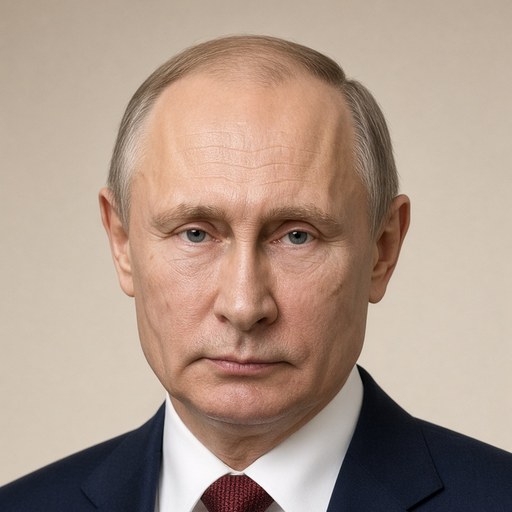
- Putin addressed the inaugural Eastern Economic Forum on September 4, 2015, presenting investment incentives and development strategies for Russia's Far East region.
- Main themes
- Far East economic development, territories of advanced development, free port of Vladivostok, foreign investment attraction, tax and customs preferences, infrastructure development, Asia-Pacific regional integration, Russia-China economic cooperation, public-private investment mechanisms, Far East Development Fund
- Duration
- ~22 min
- Words
- 2,696
- Sentences
- 124
- Readability
- 37
- Grade
- 13.3
- Syntax
- 3.03
- Vocabulary
- 2.21
Translated from Russian
The broad sphere of national life a sentence belongs to. Every sentence has an Arena, so it is the denominator the other indices are read against.
Other124 sentences in 23 paragraphs
Dear friends and colleagues! In the Far East, we offer potential partners truly exclusive opportunities and preferences. I would like to say a few words about this in more detail. I am sure this has already been mentioned and will continue to be discussed, but I actually came here to communicate with you and for you to hear about it firsthand, so to speak. On March 30 of this year, the law on territories of advanced development came into force. We will continue to work together with investors to stimulate projects being implemented in the Far East. Residents of the territories of advanced development are provided with special conditions for the establishment of new production facilities, preferential tax regimes, administrative support measures, and assistance in infrastructure development.
Nine such territories have already been created in the Far East: in the Republic of Sakha (Yakutia), Primorsky and Khabarovsk Krais, Amur Region, Chukotka, and Kamchatka. Plans are in place to organize such sites on Russky Island and Bolshoy Ussuriysky Island, as well as in other regions of the Far East. Residents of the free port of Vladivostok will receive an even broader set of preferences. A corresponding law will come into force in October, and its action will extend to all key ports in the southern Primorye—from the port of Zarubino to Nakhodka—as well as to 15 municipal entities where nearly 75 percent of the population of Primorsky Krai resides.
For businesses, the procedures for crossing the border are significantly simplified and eased. Instead of numerous controllers at the border, a single authority will be introduced; the checkpoints themselves will operate around the clock; and preliminary electronic declaration of goods will be provided. Foreign citizens arriving in Russia through the free port of Vladivostok will have the opportunity to obtain an eight-day visa right at the border. Residents of the free port will be granted benefits on insurance contributions and tax payments, as well as a free customs zone regime.
We expect that these measures will help form a powerful transport, and in the future, industrial hub, oriented not only to the needs of the Far East but also to the entire Asia-Pacific region. It should provide an impetus for the development of international trade, unlocking the great potential concentrated in the south of our Far East. There is serious interest from our Western European, Japanese, Korean, and Chinese partners, especially from the border provinces of the People's Republic of China, in utilizing the opportunities of the free port of Vladivostok. For them, it is a direct, shortest, and therefore the most economically efficient access to international maritime routes. I believe we have managed to develop a successful and competitive formula for the free port, utilizing both our historical experience and the best foreign practices, so I propose that the Government consider extending the free port regime to other key ports in the Far East.
Furthermore, if an investor invests in the Far East in the development of deposits or new production facilities, we will certainly consider issues related to assistance in creating the necessary infrastructure. This will help reduce costs, shorten the payback period, and ensure the efficiency of projects. For the state, this is also a very profitable investment. For example, the state will invest 13.8 billion rubles in the infrastructure support of the first six projects that have already been selected, through the budget in the form of direct subsidies to investors. This will attract private investments amounting to 126.5 billion rubles. The ratio, as we see, is one to nine. I expect my colleagues from the Government to actively apply this tool and to expand the list of projects.
Co-financing of projects will also occur through the resources of the Far East Development Fund and the Russian Direct Investment Fund. A decision has already been made to allocate funds for the construction of the Lower Leninskoye – Tunjiang bridge, which will connect Russia and China. It should be noted that the RDIF, together with Russian and foreign partners, has invested more than 50 billion rubles in projects in the Far East. As for the Far East Development Fund, it will provide resources on preferential terms for a long term and at reduced interest rates.
I would like to remind you that a mechanism for recapitalizing the fund was proposed in the Address to the Federal Assembly; I will not go into details now, but I would ask our colleagues from the Government to determine the sources as soon as possible. Disputes are still ongoing; I spoke with the Minister of Finance about this yesterday, but I see that these disputes will soon come to an end, and I hope that all of this will start working, and that very soon.
I emphasize: special support measures for projects—the territories of advanced development, the free port of Vladivostok regime, assistance to investors in creating infrastructure—will work most effectively under the condition of a general radical improvement of the business climate in the Far East. Regions need to actively implement successful experiences in working with investors, providing public services, supporting small and medium-sized businesses, as well as ensuring the necessary housing and social infrastructure for development projects.
In general, it is seriously necessary to raise the level of training and qualification of management personnel. Mechanisms for this have been created. The Agency for Strategic Initiatives, together with leading universities, has launched a Center for Training in Best Practices for Creating a Favorable Investment Climate. I draw the attention of my colleagues from the regions of the Russian Federation, the heads of regions: the state of the business environment in the regions is primarily your responsibility. We will evaluate the results of the work of regional teams, including based on the opinions, and primarily on the opinions, of the entrepreneurs themselves. I mean, of course, the area of activity that concerns the creation of this very investment business climate.
In this regard, I would like to remind you that here, in the Far East, we are creating additional opportunities for our citizens who want to start their own businesses, referring to farms, production, and industry in general. The Government is proposing to provide citizens of Russia with land (plots of up to one hectare) in the Far East free of charge. The practical implementation of this project should begin as early as 2016. I hope this will also contribute to the development of the vast Far Eastern expanses and attract new residents to this region. I ask the Government of Russia to consider the relevant draft law in a timely manner and submit it to the State Duma. Most importantly, to provide the simplest possible procedure for obtaining land plots, including using information technology.
And once again, I would like to repeat—here, in the Far East, all basic conditions for doing business must be competitive: access to financial resources, administrative procedures, transport and energy tariffs. Within the current budget, it is necessary to prepare specific measures that should reduce transport and energy costs for businesses in the Far East. It is necessary to propose and approve tariffs for electricity that are attractive to consumers and investors in each region. Here I would like to emphasize, I looked carefully before our meeting at what is happening with tariffs—this is a long-standing, chronic problem in the region: they are not competitive everywhere, and therefore it is necessary to pay the closest attention, I ask the Ministry of Energy to focus on this, looking specifically at the regional breakdown for each region of the Far East. If necessary, attract additional sources, additional budget resources for infrastructure development.
I want to address all potential investors—both Russian and foreign—who are already working or planning to work in the Far East. We are certainly interested in investments in all sectors of the region's economy—this includes shipbuilding, metallurgy, woodworking, bioresources, transport, energy, healthcare, and tourism. Your projects will receive support and assistance. For all arising questions, you can contact directly those responsible for this, including the representative of the President of the Russian Federation in the Far East, who is also the Deputy Prime Minister, Mr. Trutnev; he has the necessary authority.
I emphasize that the Government must strictly adhere to the priority nature of financing the tasks of socio-economic development of the territories. For these purposes, it is necessary to consolidate the resources of the federal budget, state programs, development institutions, as well as infrastructure companies and companies with state participation. This is a very serious reserve; only one of the companies (Mr. Sechin is here), Rosneft, plans to invest more than 1.3 trillion rubles in the development of its Far Eastern projects in the foreseeable future, which will yield a multiplicative effect of about 6.6 trillion rubles and create about 100,000 new jobs. Additionally, products worth another six trillion rubles will be produced in related industries over the next 20 years. During the same period, the budget will receive additional taxes amounting to approximately four trillion.
We will, of course, develop the shipbuilding cluster; I have already mentioned this. I want to inform you that I have decided to invest 60 billion rubles from the resources of Rosneftegaz to accelerate the modernization of the Far Eastern shipbuilding complex "Zvezda." The funds are available; this is a reliable source. It is only important that everything is used effectively. The funds of Rosneftegaz are an effective tool. I proceed from the assumption that the funds for the entire modernization program of this plant, which amounts to 146 billion rubles, are obligations of both Rosneft and Gazprombank. This is a preferential resource, as I mentioned, which allows for a deep restructuring of the plant and the creation of a modern cluster for civil shipbuilding, producing marine equipment for exploration, extraction, and transportation of hydrocarbons. I welcome all our foreign partners who have decided to participate in this project.
Dear colleagues! Ladies and gentlemen! I am convinced that the countries of the Asia-Pacific region, despite current problems, will undoubtedly remain the locomotive of the world economy, an important market for goods and services. Strengthening relations with the states of this region is of strategic importance for Russia. Russia, with its colossal resource base, is capable of ensuring accelerated growth of the economies of the Asia-Pacific countries. I would like to draw attention to the fact that the creation of an energy bridge between Russia and the Asia-Pacific region is our common strategic task. We see and understand that the Asia-Pacific region is interested in a strong, successful Russia that is open to cooperation and offers a positive, constructive agenda for development; fundamentally new opportunities for mutually beneficial interaction, trade, and cooperation with the Asia-Pacific countries are also opened up by Eurasian integration.
The Eurasian Economic Union is a capacious regional market with free movement of goods, capital, services, and labor, with clear rules and without unnecessary barriers. A market, I want to emphasize this particularly, originally built by us on the principles of the WTO. This year, we signed an agreement to create a free trade zone between the EAEU and Vietnam; together with our partners, we are exploring the possibilities of concluding similar agreements with Israel, India, and Egypt. On May 8, 2015, together with my Chinese colleague, Chairman of the People's Republic of China Xi Jinping, we adopted a Joint Statement in Moscow on cooperation in linking the construction of the Eurasian Economic Union and the "Silk Road Economic Belt." This document provides for the coordination of our efforts, simplification of mutual investment processes, and development of transport infrastructure.
The strength of the two projects lies in the fact that they effectively complement each other, creating great opportunities for each participant. In essence, a new configuration of trade routes and economic cooperation in Eurasia is being formed. Undoubtedly, this will affect not only the development of our continent but also the world economy as a whole. For example, the delivery of goods between Asia and Europe will be significantly simplified. Thus, a cargo from China will reach Europe after passing only two customs borders. We are currently actively developing transport routes through Kazakhstan and the European part of Russia. At the same time, they complement the already existing routes, referring to the Trans-Siberian Railway and the Baikal-Amur Mainline that I have already mentioned. By 2017, we plan to spend about 500 billion rubles on the modernization and expansion of BAM and Transsib.
In addition, there is great potential for the development of the Northern Sea Route. Our task is to make the Northern Sea Route a competitive transport corridor of global significance, including for container transportation, which dominates global cargo turnover. I ask the Government to continue these efforts and this work. We believe that new international financial institutions focused on solving practical cooperation tasks can play a significant role in the implementation of large-scale joint projects. I primarily mean the New Development Bank within BRICS with a capital of 100 billion dollars, as well as the Asian Infrastructure Investment Bank with a declared capital also of 100 billion dollars. As you know, Russia is actively participating in it, including in terms of capital size, which is the third largest after China and India.
I will repeat once again: we will actively strengthen our cooperation with the countries of the Asia-Pacific region in creating infrastructure, developing trade, and industrial cooperation. At the same time, today the Asia-Pacific region is not only a major manufacturing center, recognized as the "workshop of the world." Here, the education system, universities, engineering centers, and high-tech production are rapidly developing – what we call the "knowledge and intellect economy." In this regard, our cooperation in the field of science and education takes on paramount importance. All of this can become a powerful stimulus for the technological development of all countries in the Asia-Pacific region. Russia has serious fundamental scientific groundwork here, and we are ready to put forward a number of initiatives in this direction.
For example, we propose to consider the joint creation of large research platforms and installations, the so-called "megascience" projects, on the basis of which real scientific breakthroughs are possible. Today, such global-level laboratories, like CERN and ITER, are mainly concentrated in Europe. I believe it is time to create such infrastructure, a network of scientific and educational centers for cooperation in the Asia-Pacific region. Russia invites all interested countries to participate in this work.
One of the centers of our interaction is the Far Eastern Federal University, where our meeting is taking place today. We hope that it will become a platform for generating new ideas, for solving the development tasks of both Russia and the entire Asia-Pacific region. I would like to note that this university, in the form we see it now, was established only three years ago. Today, together with colleagues from China, Japan, India, and other Asia-Pacific countries, with the participation of business, fundamental and applied research is actively being conducted here. Young people from many regions of Russia come here to study. I hope that they will connect their future precisely with the Far East. The Far East needs qualified specialists, scientists, engineers, managers, production organizers, and workers with unique qualifications and competencies. The search for and attraction of such people will be handled by the specially created Human Capital Development Agency in the Far East.
Dear colleagues! Ladies and gentlemen! Dear friends! We understand the scale of the tasks that we need to solve. And I have no doubt about our success. We rely on a realistic, well-considered strategy and are already putting our plans into practice. The very idea of a modern Far East in the 21st century has received support in Russian society, which is a guarantee of success. As recent surveys show, an overwhelming majority of our citizens are confident that this region will undoubtedly become dynamic and prosperous. The Far East is open and welcoming to all without exception who are ready for joint work and cooperation, who are ready to implement their ideas and business plans here, and to use the unique opportunities for development.
I wish you success. Thank you for your attention.
The original Russian. The tags above are read on the English translation's sentences.
Уважаемые друзья и коллеги! На Дальнем Востоке мы предлагаем потенциальным партнёрам по‑настоящему эксклюзивные возможности и преференции. Хотел бы сказать несколько слов об этом подробнее. Уверен, об этом уже говорилось и ещё будет говориться, но я, собственно говоря, и приехал, чтобы с вами пообщаться и чтобы вы услышали об этом от первого лица, что называется. 30 марта текущего года вступил в силу закон о территориях опережающего развития. Будем и дальше работать вместе с инвесторами по стимулированию проектов, реализуемых на Дальнем Востоке. Резидентам территорий опережающего развития предоставляются особые условия для организаций новых производств, льготные налоговые режимы, меры административной поддержки, содействие в развитии инфраструктуры.
На Дальнем Востоке создано уже девять таких территорий: в Республике Саха (Якутия), Приморском, Хабаровском краях, Амурской области, на Чукотке и на Камчатке. В планах – организация таких площадок на островах Русский и Большой Уссурийский, в других регионах Дальнего Востока. Ещё более широкий набор преференций получат резиденты свободного порта Владивосток. Уже в октябре вступает в силу соответствующий закон, и его действие распространится на все ключевые порты юга Приморья – от порта Зарубино до Находки, а также на 15 муниципальных образований, где проживает почти 75 процентов населения Приморского края.
Для бизнеса здесь значительно упрощаются и облегчаются процедуры прохождения границы. Вместо многочисленных контролёров на границе вводится единый орган; сами пункты пропуска будут работать круглосуточно; предусмотрено и предварительное электронное декларирование грузов. Иностранные граждане, прибывающие на территорию России через свободный порт Владивосток, получат возможность оформить восьмидневную визу прямо на границе. Резидентам свободного порта будут предоставлены льготы по страховым взносам и налоговым платежам, а также режим свободной таможенной зоны.
Рассчитываем, что эти меры позволят сформировать мощный транспортный, а в перспективе и индустриальный узел, ориентированный на потребности не только Дальнего Востока, но и всего АТР. Он должен дать стимул для развития международной торговли, раскрыть большой потенциал, который сосредоточен на юге нашего Дальнего Востока. Серьёзный интерес к использованию возможностей свободного порта Владивосток проявляют наши западноевропейские, японские, корейские, китайские партнёры, особенно из приграничных провинций Китайской Народной Республики. Для них это прямой, кратчайший, а значит, самый экономически эффективный выход на международные морские пути. Считаю, что нам удалось выработать удачную и конкурентную формулу свободного порта, использовав и свой исторический опыт, и лучшие зарубежные практики, поэтому предлагаю Правительству рассмотреть вопрос о распространении режима свободного порта на другие узловые гавани Дальнего Востока.
Далее. Если инвестор вкладывает на Дальнем Востоке средства в освоение месторождений, в новые производства, то конечно, мы будем рассматривать вопросы, связанные с помощью при создании необходимой инфраструктуры. Это позволит снизить затраты, сократить срок окупаемости и обеспечить эффективность проектов. Для государства это также очень выгодные вложения. Приведу пример: в инфраструктурное обеспечение первых шести проектов, которые уже отобраны, государство – за счёт бюджета в виде прямой субсидии инвесторам – вложит 13,8 миллиарда рублей. И это позволит привлечь частные инвестиции в объёме 126,5 миллиарда рублей. Соотношение, как мы видим, один к девяти. И ожидаю от своих коллег из Правительства, что этот инструмент будет активно применяться и будет расширяться перечень проектов.
Софинансирование проектов будет проходить и за счёт ресурсов Фонда развития Дальнего Востока и Российского фонда прямых инвестиций. Уже принято решение о направлении средств на строительство моста Нижнеленинское – Тунцзян, который соединит Россию и Китай. Следует отметить, что РФПИ совместно с российскими и зарубежными партнёрами инвестировал более 50 миллиардов рублей в проекты на Дальнем Востоке. Что касается Фонда развития Дальнего Востока, то он будет предоставлять ресурсы на льготных условиях на длительный срок и по сниженным процентным ставкам.
Напомню, что в Послании Федеральному Собранию был предложен механизм докапитализации фонда, сейчас я не буду углубляться в детали, но просил бы наших коллег из Правительства как можно быстрее определиться с источниками. Споры ещё идут, я вчера только разговаривал с Министром финансов на этот счёт, но вижу, что эти споры скоро уже подойдут к завершению, надеюсь, что всё это заработает, причём в самое ближайшее время.
Подчеркну: особые меры поддержки проектов – территории опережающего развития, режим свободного порта Владивосток, помощь инвесторам в создании инфраструктуры – сработают наиболее результативно при условии общего кардинального улучшения бизнес-климата на Дальнем Востоке. Регионам необходимо активно внедрять успешный опыт в работе с инвесторами, в оказании государственных услуг, поддержке малого и среднего бизнеса, а также в обеспечении проектов развития необходимой жилищной и социальной инфраструктуры.
В целом серьёзно необходимо повышать уровень подготовки, квалификации управленческих кадров. Механизмы для этого созданы. Агентство стратегических инициатив совместно с ведущими вузами запустило Центр обучения лучшим практикам создания благоприятного инвестиционного климата. Я обращаю внимание и своих коллег из регионов Российской Федерации, руководителей регионов: состояние деловой среды в регионах – это прежде всего ваша ответственность. И оценивать результаты работы региональных команд мы будем в том числе и на основе мнения, и прежде всего на основе мнения, самих предпринимателей. Я имею в виду, конечно, ту сферу деятельности, которая касается создания вот этого самого инвестиционного делового климата.
В этой связи напомню, что здесь, на Дальнем Востоке, мы создаём дополнительные возможности для наших граждан, которые хотят организовать своё дело, имею в виду фермерские хозяйства, вообще производства, промышленность. Речь идёт о предложении Правительства бесплатно предоставлять гражданам России земли (участки площадью до одного гектара) на Дальнем Востоке. Практическая реализация этого проекта должна начаться уже в 2016 году. Надеюсь, это тоже будет способствовать освоению огромных дальневосточных просторов, привлечёт в этот регион новых жителей. Прошу Правительство России в короткие сроки рассмотреть соответствующий законопроект и внести его в Государственную Думу. А главное, предусмотреть максимально простую процедуру получения земельных наделов, в том числе с использованием информационных технологий.
И вновь хотел бы повторить – здесь, на Дальнем Востоке, должны быть конкурентными все базовые условия для ведения бизнеса: доступ к финансовым ресурсам, административные процедуры, транспортные и энергетические тарифы. В рамках текущего бюджета необходимо подготовить конкретные меры, которые должны снизить транспортные и энергетические издержки бизнеса на Дальнем Востоке. Нужно предложить и утвердить привлекательные для потребителей, инвесторов тарифы на электроэнергию по каждому региону. Здесь хотел бы подчеркнуть, я внимательно посмотрел перед нашей встречей, что происходит с тарифами, – это давняя, застарелая проблема региона: не везде они являются неконкурентоспособными, и поэтому нужно самым внимательным образом, прошу Министерство энергетики обратить на это внимание, смотреть именно в региональном разрезе, по каждому региону Дальнего Востока. Если потребуется, привлекать дополнительные источники, дополнительные бюджетные ресурсы для создания инфраструктуры.
Хочу обратиться ко всем потенциальным инвесторам – и российским, и иностранным, которые уже работают или планируют работать на Дальнем Востоке. Мы, безусловно, заинтересованы в инвестициях во все отрасли экономики региона – это в том числе судостроение, металлургическая промышленность, деревообработка, биоресурсы, транспорт, энергетика, здравоохранение и туризм. Вашим проектам будет оказываться поддержка и сопровождение. По всем возникающим вопросам можете обращаться напрямую к тем людям, которые за это отвечают, в том числе и к представителю Президента Российской Федерации на Дальнем Востоке, он одновременно и заместитель Председателя Правительства, господин Трутнев; необходимые полномочия у него есть.
Подчеркну, Правительство должно строго выдерживать приоритетный характер финансирования задач социально-экономического развития территорий. Для этих целей необходимо консолидировать ресурсы федерального бюджета, государственных программ, институтов развития, а также инфраструктурных компаний и компаний с государственным участием. Это очень серьёзный резерв, только одна из компаний (господин Сечин здесь), компания «Роснефть», совместно с партнёрами планирует вложить в обозримой перспективе в развитие своих дальневосточных проектов более 1 триллиона 300 миллиардов рублей, что даст мультипликативный эффект порядка 6 триллионов 600 миллиардов рублей и позволит создать около 100 тысяч новых рабочих мест. Также в смежных отраслях будет произведено продукции ещё на шесть триллионов рублей в течение 20 лет. В тот же период бюджет получит дополнительные налоги примерно в объёме четырёх триллионов.
Будем, конечно, развивать и судостроительный кластер, я уже об этом говорил. Хочу проинформировать вас о том, что мною принято решение с целью ускорения модернизации дальневосточного судостроительного комплекса «Звезда» инвестировать из ресурсов компании «Роснефтегаз» 60 миллиардов рублей. Средства там есть, это надёжный источник. Важно только, чтобы всё было эффективно использовано. Средства «Роснефтегаза» являются эффективным инструментом. Исхожу из того, что средства для всей программы модернизации этого завода, а это 146 миллиардов рублей, являются обязательствами и «Роснефти», и «Газпромбанка». Это льготный ресурс, о котором я сказал, который даёт возможность для глубокого переустройства завода и создания на его базе современного кластера гражданского судостроения, производства морской техники для разведки, добычи, транспорта углеводородов. Приветствую всех наших зарубежных партнёров, принявших решение об участии в этом проекте.
Уважаемые коллеги! Дамы и господа! Убеждён, что страны АТР, несмотря на текущие проблемы, безусловно, останутся локомотивом мировой экономики, важнейшим рынком сбыта товаров и услуг. И укрепление отношений с государствами этого региона имеет для России стратегическое значение. Россия, обладающая колоссальной ресурсной базой, способна обеспечить ускоренный рост экономики стран АТР. Хочу обратить внимание, что создание энергомоста Россия – АТР – наша общая стратегическая задача. Мы видим и понимаем, что Азиатско-Тихоокеанский регион заинтересован в сильной, успешной России, которая открыта для сотрудничества и предлагает позитивную, созидательную повестку развития; принципиально новые возможности для взаимовыгодного взаимодействия, торговли, кооперации со странами АТР открывает и евразийская интеграция.
Евразийский экономический союз – это ёмкий региональный рынок со свободным движением товаров, капиталов, услуг и рабочей силы, с понятными правилами и без лишних барьеров. Рынок, хочу это особенно подчеркнуть, изначально построенный нами на принципах ВТО. В этом году мы подписали соглашение о создании зоны свободной торговли между ЕАЭС и Вьетнамом; совместно с партнёрами изучаем возможности заключения аналогичных соглашений с Израилем, Индией, Египтом. 8 мая 2015 года с моим китайским коллегой Председателем КНР Си Цзиньпином мы приняли в Москве Совместное заявление о сотрудничестве по сопряжению строительства Евразийского экономического союза и «Экономического пояса Шёлкового пути». Этот документ предусматривает координацию наших усилий, упрощение процессов взаимного инвестирования, развитие транспортной инфраструктуры.
Сила двух проектов в том, что они эффективно дополняют друг друга, создают большие возможности для каждого из участников. По сути, формируется новая конфигурация торговых путей, экономической кооперации в Евразии. Безусловно, это окажет влияние не только на развитие нашего континента, но и на мировую экономику в целом. Например, существенно упростится доставка грузов между Азией и Европой. Так, из Китая груз попадёт в Европу, пройдя всего две таможенные границы. Сейчас мы активно развиваем транспортные пути через Казахстан и европейскую часть России. При этом они дополняют уже существующие маршруты, имею в виду уже упоминавшиеся мной Транссиб и Байкало-Амурскую магистраль. До 2017 года мы планируем потратить на модернизацию и расширение БАМа и Транссиба около 500 миллиардов рублей.
Кроме того, большой потенциал для развития у Северного морского пути. Наша задача – сделать Севморпуть конкурентным транспортным коридором глобального значения, в том числе для контейнерных перевозок, которые доминируют в мировом грузообороте. Прошу Правительство продолжать эти усилия, продолжать эту работу. Считаем, что большую роль в реализации масштабных совместных проектов могут сыграть новые международные финансовые институты, ориентированные на решение практических задач сотрудничества. Прежде всего имею в виду Новый банк развития в рамках БРИКС с капиталом 100 миллиардов долларов, а также Азиатский банк инфраструктурных инвестиций с объявленным капиталом также в 100 миллиардов долларов. Как известно, Россия принимает в нём самое активное участие, в том числе и по размерам капитала, это третий объём после Китая и Индии.
Вновь повторю: будем активно укреплять взаимодействие со странами АТР в создании инфраструктуры, развивать торговлю и промышленную кооперацию. Вместе с тем сегодня АТР – это не только крупный производственный центр, признанная «мастерская мира». Здесь бурно развивается система образования, университеты, инжиниринговые центры, высокотехнологичные производства – то, что мы называем «экономикой знаний и интеллекта». В этой связи важнейшее значение приобретает наше сотрудничество в сфере науки и образования. Всё это способно стать мощным стимулом для технологического развития всех государств АТР. Россия располагает здесь серьёзными фундаментальными научными заделами, и мы готовы выдвинуть целый ряд инициатив по этому направлению.
Например, предлагаем подумать о совместном создании крупных исследовательских платформ и установок, о так называемых проектах «мегасайенс», на базе которых возможны настоящие научные прорывы. Сегодня подобные лаборатории глобального уровня, такие как CERN, ITER, сосредоточены в основном в Европе. Думаю, пришло время создавать такую инфраструктуру, сеть научных и образовательных центров кооперации и в Азиатско-Тихоокеанском регионе. Россия приглашает к этой работе все заинтересованные страны.
Одним из центров нашего взаимодействия становится Дальневосточный федеральный университет, в котором и проходит наша сегодняшняя встреча. Рассчитываем, что он станет площадкой для выработки новых идей, для решения задач развития и России, и всего Азиатско-Тихоокеанского региона. Отмечу, что этот университет, в том виде, в котором мы его сейчас видим, возник всего три года назад. Сегодня совместно с коллегами из Китая, Японии, Индии, других стран АТР, с участием бизнеса здесь активно ведутся фундаментальные и прикладные исследования. Сюда приезжают учиться молодые люди из многих регионов России. И рассчитываю, что они свяжут своё будущее именно с Дальним Востоком. Дальний Восток нуждается в квалифицированных специалистах, учёных, инженерах, управляющих, организаторах производства, рабочих с уникальной квалификацией и компетенциями. Поиском и привлечением таких людей будет заниматься специально созданное на Дальнем Востоке Агентство по развитию человеческого капитала.
Уважаемые коллеги! Дамы и господа! Дорогие друзья! Мы понимаем масштаб задач, которые нам предстоит решить. И я не сомневаюсь в успехе. Мы опираемся на реалистичную, выверенную стратегию и уже на практике осуществляем наши планы. Сама идея современного Дальнего Востока XXI века получила поддержку в российском обществе, что является гарантией успеха. Как показывают недавние опросы, в том, что этот регион обязательно станет динамичным и процветающим, уверено абсолютное большинство наших граждан. Дальний Восток открыт и гостеприимен для всех без исключения, кто готов к совместной работе и сотрудничеству, кто готов реализовывать здесь свои идеи и бизнес-планы, использовать уникальные возможности для развития.
Я желаю вам успехов. Благодарю вас за внимание.