




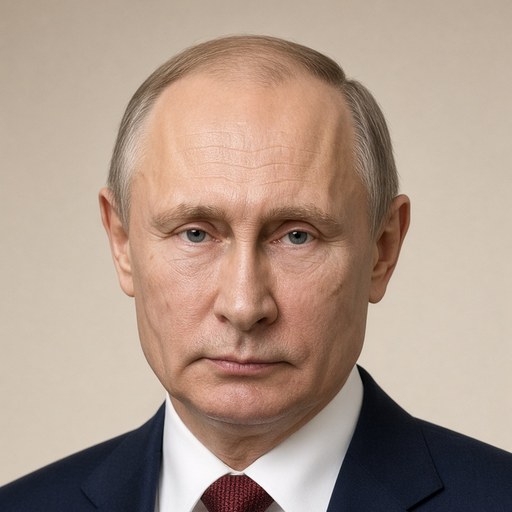

- Context
- Putin addressed the Council of Legislators on April 27, 2018, outlining legislative priorities from his presidential address and stressing regional coordination and legal modernization.
- Main themes
- Legislative implementation of presidential address, regional parliament coordination, modern legislation for high technologies, entrepreneurship and innovation freedom, unified legal system, competitiveness of national jurisdiction, executive-legislative cooperation, legislative culture and legal technique, feedback with voters, representative function of parliament, digital economy, Victory Day tribute to veterans
- Duration
- ~85 min
- Words
- 10,222
- Sentences
- 537
- Readability
- 45
- Grade
- 11.7
- Syntax
- 2.87
- Vocabulary
- 2.19
Translated from Russian
The broad sphere of national life a sentence belongs to. Every sentence has an Arena, so it is the denominator the other indices are read against.
Other537 sentences in 195 paragraphs
Dear colleagues! In the coming years, we face significant and responsible work, the directions of which have been outlined in the Address. I want to emphasize once again that solving the tasks set is a historical necessity. I want to highlight this word, to stress how important it is. Ensuring breakthroughs in practically all areas of our life is a matter of the future of our country.
I know that you have not only thoroughly analyzed this document but have also prepared plans for its implementation. I would, of course, like to hear from you today what specifically is planned or being done in terms of legislative work.
I believe that the Council of Legislators can enhance the coordination of this work, as almost all tasks must be implemented in the regions, on the ground, and the active, interested, and competent participation of regional parliaments is absolutely necessary.
Today, flexible, modern legislation aimed at the development of high technologies in all areas is required, which means expanding the space of freedom for entrepreneurship, scientific and creative exploration, and innovation. Without this, nothing will work.
At the same time, we cannot allow discrepancies in approaches, in understanding the overall work. We need to create a unified, coherent legal system where regional and local regulations are organically integrated into the overall concept, not diluting but reasonably complementing and developing federal regulation.
Ultimately, by moving along this path, we will significantly increase the competitiveness of the national jurisdiction as a whole, which is extremely necessary, and open new opportunities for both domestic businesses and foreign investors.
Of course, in the course of implementing the Address, much depends on the close, constructive interaction of legislators with the future Government of the Russian Federation. I expect that this work will be effective and coordinated, that the best practices of cooperation and dialogue between the executive and legislative branches will develop.
Dear colleagues! Here, at the Council of Legislators, we have repeatedly discussed the common problems of our legislative framework and legal technique, the strict adherence to the requirements for the structure of acts and the wording of individual norms, the subject of regulation, and the very language of laws, in general, to the legislative culture.
All of these are fundamental issues that cannot be pushed to the background or lost in the flow of current work. In this regard, I propose to think about strengthening the contacts of your Council with the scientific legal community. I believe this will be beneficial for all, giving lawmaking greater substance and helping to establish clear and transparent rules for the long term. This is precisely the kind of regulation we strive for – consistent, without rush and chaos. Such a thorough approach is of interest to government bodies, businesses, and all citizens of our country.
In this regard, another topic is ensuring feedback with voters. Of course, you are all engaged in this, but I would like to emphasize once again that for parliamentary institutions – both federal and regional – the representative function is no less important than the legislative one. Therefore, it is necessary to communicate with people as much as possible, to meet with them regularly. Be close to them, be accessible, including in difficult, challenging situations for citizens.
Only in such open, honest communication can truly sought-after ideas, legislative proposals that respond to the real aspirations of society and the strategic tasks of our state's development be born – for example, on issues of building a digital economy or effective control over the quality of medical care and housing and communal services.
I know that these and other issues, a whole range of important topics, are being discussed today at the Council of Legislators. I consider it important that you have promptly begun work on such substantive issues on the agenda for the country's development.
Dear colleagues! I cannot fail to mention that Victory Day is approaching. I congratulate you on this sacred holiday for all of us. The solemn events in honor of our veterans are already underway, but it is very important that attention to them is constant. And any question, any request must be treated with unwavering respect and attention. This is our common sacred duty.
I wish you success, all the best, and thank you for your attention.
V. Matviyenko: Dear Vladimir Vladimirovich!
I would like to sincerely thank you for your constant attention to the Council of Legislators and for supporting our work. Here sits such a collective legislative body in the face of federal and regional legislative and representative authorities.
Of course, I have a mandate from all members of the Council of Legislators to congratulate you on such a convincing victory in the elections. Our citizens have expressed their unconditional trust in you as a national leader and voted for the powerful program for the country's development that you presented in your Address to the Federal Assembly.
Thank you very much for our joint work. I appreciate it.
V. Matviyenko: Dear Vladimir Vladimirovich! For us, members of your team, the main agenda is the implementation of your Address, current and future work.
Undoubtedly, a key condition for achieving the goals set in the Address is strong subjects of the Russian Federation. In recent years, at your direction, a number of key documents in the field of state regional policy have been adopted. Work is underway to inventory powers, and model budgets are being formed, but unresolved issues still remain.
First and foremost is the insufficiently effective system of inter-budgetary relations. We propose to adjust it in such a way that the distribution of tax powers becomes fairer, and most importantly, that it stimulates the economic development of the regions. We consider it advisable to legally establish the mandatory application of the "two keys" rule when introducing benefits for federal taxes allocated to regional and local budgets.
It is also necessary to continue improving model budgets. It is proposed to calculate them using target indicators in the areas of labor, employment, culture, ecology, education, and healthcare. This, in turn, would ensure that all citizens, regardless of their place of residence, have a certain non-reducible standard of living.
In the Address, one of the most important tasks is the implementation of the program for spatial development of Russia. An active discussion is currently underway, and the Ministry of Economic Development has done a lot to prepare documents. However, in this discussion, the prevailing opinion is that the main emphasis should be placed on the development of agglomerations. This point of view certainly has the right to exist, and it has been implemented in practice in a number of countries, but it seems to me that it is not suitable for our conditions.
Small towns and villages cannot be evaluated solely from the perspective of economic efficiency. Their preservation is largely dependent on maintaining our uniqueness, our culture, and traditions. And of course, we have a vast territory, which should not be forgotten.
The strategy for spatial development should also determine the specialization of regions, taking into account their specific advantages. Today, a disjointed economic policy at the local level does not contribute to successful development and often leads to significant losses. To illustrate, I will cite just one example recently mentioned by the governor of the Tambov region. Several regions of the Central Black Earth area simultaneously engaged in increasing the production of sugar beets. As a result, there was overproduction, enterprises incurred colossal losses, and budgets at all levels missed significant revenues from profit tax. To avoid such mishaps, it is necessary to effectively and intelligently address issues of production quotas, territorial planning, and the placement of productive forces.
I want to emphasize that the Federation Council and our committees have actively engaged in the work on the draft Strategy for Spatial Development. You have already noted in your speech that today we discussed in detail the implementation of the "Digital Economy" program with the participation of Minister of Economy Maxim Stanislavovich Oreshkin. Many practical proposals have been made regarding the harmonization of efforts between the federal center and the regions, overcoming digital inequality, and the digitalization of public administration at all levels of government.
It has been emphasized that it is necessary to conduct an inventory of all state information systems and, based on the results, implement a unified regulation for working with data and figures for government bodies at both the federal and regional levels. The need for educating the population about the possibilities of using new technologies in life has also been noted.
Vladimir Vladimirovich, regarding the overall implementation of the state program for digitalization, we as legislators see our task primarily, of course, in participating in the legal legislative support of this program. A very solid package of laws is to be adopted.
If we follow the already established procedure for coordinating the preparation of draft laws, I fear that a breakthrough will not be achieved. It seems to me that it would be right for us to work proactively; you noted this in your speech, of course, without compromising quality, and we must take into account the accumulated international experience in this area.
I believe this is a case where we can create a special organizational mechanism in the form of perhaps a specialized interdepartmental working group with the participation of experts, scientists, and legislators, define clear tasks and deadlines for them, and then there will be results. Perhaps we could sequester them for six months in some separate building and not let them out until all tasks are completed; otherwise, I fear that…
I am noting your suggestions.
V. Matviyenko: …this process will drag on for a long time.
Also, one of the important conditions, in my opinion, for solving the task you have set for the breakthrough innovative development of the country is clear legislative regulation of intellectual property issues and its involvement in commercial circulation.
We have a Commission on Intellectual Property working under the Federation Council, which brings together the best minds in this field. They all insist, and this is absolutely fair, on the need to develop an intellectual property strategy, which has been discussed for five years now.
To date, among the BRICS countries, only Russia does not have its own national strategy for development in this area. This is happening largely due to the lack of a unified state policy for managing intellectual potential. It is enough to say that today ten federal ministries and agencies have competencies in this area. As is well known, with seven nannies, the child is always blind.
Therefore, I want to appeal to you, dear Vladimir Vladimirovich, with a request to expedite the development of this crucial document for the country (there are already serious developments on this matter), as well as the corresponding law. This law has practically been agreed upon by everyone. We have not been able to adopt it for more than three years.
There is an objective situation with the Ministry of Defense. But we have already passed this stage as well. Without a strategy, without a law, the formation of a competitive market for intellectual rights in Russia that meets the challenges of the times is simply impossible.
I would also ask you to designate a single management body in the future composition of the Government, endowed primarily with the powers to develop and implement state policy and norm-setting in this area.
Now, regarding the quality control of medical care. Undoubtedly, a lot has been done in healthcare in recent years. Both the Ministry of Health and the regions have allocated significant funds for the development of this sector. Today, with the participation of Veronika Igorevna, we discussed quality control issues. Today, the quality of medical care is coming to the forefront.
One of the key problems remains the low efficiency of insurance medicine. Huge amounts of money are spent on maintaining funds, on the maintenance of insurance companies as intermediaries, which, unfortunately, do not ensure either the quality control of medical care or the protection of citizens' rights.
No one is suggesting dismantling or urgently adopting any revolutionary measures; nevertheless, it is necessary to develop measures to improve the efficiency of the medical care financing system. In the Federation Council, our Commission on Regional Healthcare is developing such measures.
After all, many are under the illusion that insurance medicine is everywhere. In reality, this is not the case. In the United Kingdom, Finland, Poland, and a number of other countries, our system, developed in the past by Semashko, of state financing of medicine is used, so there is much to think about and work on. The huge amounts of money allocated must work towards the efficiency of spending and the quality of medicine.
Vladimir Vladimirovich, you have already said that the most cherished holiday for all Russians, Victory Day, is approaching. The Federation Council has already proposed to several parliaments to jointly address the United Nations, UNESCO, and other authoritative international organizations with the initiative to recognize the victory over Nazism in World War II as a world heritage of humanity, and to recognize the monuments to the fighters against Nazism in all countries as a world memorial of World War II. This would serve as a reliable barrier against attempts to rewrite and falsify the history of the entire 20th century and the Great Patriotic War. We are receiving increasing support in this regard.
In addition, we are promoting the initiative to hold a world conference on interreligious and interethnic dialogue under the auspices of the Inter-Parliamentary Union in conjunction with the United Nations. Heads of states and parliaments, as well as religious leaders, could participate in it.
Such a conference could help develop common approaches to this sensitive issue and reduce tensions in international relations. We are expecting a relevant resolution from the United Nations in May, where our initiative in collaboration with the Inter-Parliamentary Union should be reflected. We also hope for your support of these initiatives.
Thank you for your attention.
V. Volodin: Dear Vladimir Vladimirovich! Dear colleagues!
In continuation of the conversation, I would like to propose a number of approaches that we discussed at the State Duma Council with the deputies. We believe that the use of these approaches will allow for a more effective implementation of the tasks set out in the Message of the President of the Russian Federation.
The established practice is that the Message of the President of the country, although addressed to the Federal Assembly, is perceived more as an instruction primarily for the executive branch. And the deputies will then wait for the Government to prepare draft laws, submit them to the State Duma, and only after that will the discussion begin.
Even after the necessary laws are adopted, as a rule, it takes another year to develop and adopt subordinate legislation, and then regional laws and other decisions at the level of the subjects of the Federation begin to be adopted. In our view, this reduces the effectiveness of the work on implementing the President's Message. We do not have such a time reserve to build our work in this way.
In this regard, we believe it is necessary for the work to be organized more effectively both in preparing draft laws for the implementation of the President's Message at the federal level with the Government and in simultaneous interaction with regional legislative assemblies.
First, this will improve the quality of decisions; second, it will accelerate their adoption; and third, it will allow us to start preparing regional-level draft laws at early stages of work, and ultimately, this approach will create a systemic basis for the effective implementation of all tasks outlined in the President's Message.
A working group has already been established in the State Duma to provide legislative support for the implementation of the President's Message, and a preliminary work plan has been formed. For initial discussion, about 70 draft laws have been selected. To organize the work systematically, we proposed to our colleagues from the regions to consider creating similar working groups in all legislative assemblies of the subjects of the Russian Federation.
Working groups have already been created in ten legislative assemblies of the subjects of the Russian Federation. Among them are the Altai Territory Legislative Assembly, the Volgograd Regional Duma, the State Assembly – Kurultai of the Republic of Bashkortostan, the Legislative Assemblies of Tver, Penza, Rostov regions, Krasnodar Territory, the Republic of Karelia, the Moscow City Duma, and the Moscow Regional Duma.
This will allow for a more effective discussion of specific issues of legislative support and implementation of the Message, taking into account the specifics of the situation on the ground, in dialogue with deputies at the regional and municipal levels, representatives of various social sectors, and the business community. Through such an organization of work and constant feedback, we will be able to achieve a fundamentally different work dynamic and a different quality.
Another important indicator of our work is accountability for decision-making. In this regard, I cannot help but touch upon another issue that the President has clearly raised in the Message. This is the issue of the quality and accessibility of medical care, the problem of reducing rural health posts, primarily in rural areas.
Yes, in recent years we have been able to achieve a lot in the development of medicine, including the development of a modern system of high-tech medical care that meets all global standards. But when it comes to the primary care level, there have been serious problems here, partly due to our shortcomings, colleagues, due to the lack of control over the decisions made. The representative power has not heard the people, their concerns, and requests. As a result, due to a formal and bureaucratic approach, many medical institutions have been closed.
The task of restoring the accessibility of primary healthcare is set by the President in the Message. Of course, a program will emerge, and funds will be allocated. But our task is not to repeat mistakes. It is important not only to build and equip health posts with medical equipment; without this, they will not function, but most importantly, without which the primary healthcare network cannot operate, is without medical personnel: without a doctor, without a paramedic, without a nurse.
Today, the shortage of mid-level medical personnel in health posts and medical outpatient clinics in many regions exceeds 200,000 people, and after the restoration of the primary care network is ensured, this problem will become even more acute, primarily in rural areas.
In this regard, we propose to pay special attention to this issue and to form a targeted recruitment and training program for mid-level medical personnel for the primary healthcare system this year. It would be appropriate to hear and discuss these issues in regional legislative assemblies.
The implementation of the tasks of the Message is work where the contribution of all is important: both the executive and legislative branches, the federal center, and the regions.
In the Message to the Federal Assembly, the President raised the issue of the need to return to the topic of determining the cadastral value of citizens' property to prevent it from exceeding the market value. The calculation must be fair, and the cost must be affordable for people.
As a result of the Message, relevant instructions have been given. This is precisely a topic that cannot be implemented without the regions. The adaptation of federal laws, as you just mentioned, dear Vladimir Vladimirovich, to the local situation and its specifics is important. After all, the final cadastral value is determined by the subjects of the Russian Federation.
In this regard, we propose to conduct an analysis of the implementation of the current version of the law on state cadastral valuation in different subjects of the Russian Federation together with the working groups being created in the regional legislative assemblies for the implementation of the Message. It is necessary to identify typical problems and causes of distortions in determining the cadastral value of property on the ground. This will then allow the Government to take the results of this monitoring into account, and we, together with our colleagues from the Federation Council, will be able to make adjustments to the legislation.
Dear Vladimir Vladimirovich!
In order to increase the effectiveness of representative institutions, we need to seek new, modern forms of work in other areas as well. It is important for deputies to immerse themselves in the agenda of the country's development in their activities, to better feel the issues that exist in the economy, social sphere, and regional development. Through this, there comes a greater understanding of responsibility and their solutions.
This week, we implemented a new format of work: we held the first off-site meeting of the State Duma Council. The leaders of factions, deputies of the State Duma from all parliamentary factions, chairpersons of relevant committees of the State Duma, representatives from the regions, and business participated. The meeting took place in the Yamalo-Nenets Autonomous Okrug, in the village of Sabetta. There, the largest project, supported by you, Vladimir Vladimirovich, when you were still the Chairman of the Government in 2010, is being implemented.
Thanks to this initiative, a modern production facility has been created in a very short time by the standards of such projects under difficult conditions. A new powerful center for economic growth, the development of the Northern Sea Route, and global competitiveness of Russia is being formed. Tens of thousands of new, modern jobs have been created not only in Yamal but throughout the country.
Our trip to Sabetta was very useful and productive. We saw a lot with our own eyes and heard from specialists. This, in essence, is a mandate from the deputies from the industry, from those who are working and developing Yamal and the entire country today. There is a clear request, and we heard it, for solutions to remove barriers and create additional conditions for the implementation of such large, important investment projects for the country. This form of dialogue – discussing the issues of regional development and sectors of the economy – seems to be very promising. We plan to develop this work and make this format regular.
The next such meeting, dedicated to the tasks of diversifying enterprises in the defense industry, will be held together with the Rostec corporation. We plan to work out proposals that will then form the basis for relevant legislative decisions. It would be right for all institutions of power to work more effectively so that their efficiency coefficient increases; otherwise, even the most necessary decisions and tasks set by the President will be delayed in implementation.
Dear colleagues!
In conclusion, allow me to return once again to the solemn date that brings us together in this hall for several years now – the Day of Russian Parliamentarism. Parliament is always a dialogue, a conversation, a discussion of any topics in order to find mutual understanding of various positions and ultimately find an optimal solution. Therefore, parliamentarism cannot be a stagnant form; it must develop. In this regard, I would like to express my gratitude to our President for doing everything for the development of the parliamentary system in Russia.
Please, Larisa Eduardovna Orgeeva, Kaliningrad.
L. Orgeeva: Dear Vladimir Vladimirovich! Dear Valentina Ivanovna! Dear Vyacheslav Viktorovich! Dear colleagues!
Allow me to congratulate all present colleagues on the Day of Russian Parliamentarism and thank you for the opportunity to highlight the most pressing issues for the regions.
Holding such meetings during these days has become a good tradition and an important event for legislative authorities. We, like many subjects, have created working groups in collaboration with the executive and legislative branches. One working group has been created to implement the priority tasks outlined by the President of the Russian Federation in the Message to the Federal Assembly on March 1 of this year.
Over the past 10 years, thanks to you personally, Vladimir Vladimirovich, the Government of the Russian Federation, and the Federal Assembly, large-scale infrastructure projects continue to be implemented in the social sphere. Kindergartens, schools, perinatal centers, and physical culture and health complexes have been built, and the system of state support for families is developing. This includes accessible mortgages, an updated maternity capital program, and the elimination of queues in nurseries. I believe that the launch of the "Decade of Childhood" will give an additional impetus to the development of state policy in the interests of children.
I would like to thank you for the unique project for the construction of perinatal centers in the regions. In the Kaliningrad region, it has been operational since 2009. The system of interaction between centers and other maternity facilities in each region, created by the Ministry of Health of Russia, has improved the demographic situation and allowed us to solve the main task – to save the lives of mothers and children.
I cannot help but express special gratitude to you from the population of our region for your assistance in the construction of the oncology center.
Along with other subjects of the Federation, we are participating in the implementation of the federal program for the modernization of children's clinics, developed by the Ministry of Health in fulfillment of your instructions. And we hope that, thanks to support from the federal center, we will be able to significantly update the base of our children's medical institutions in terms of repairs and equipment.
However, I believe it is important to pay special attention to the area of rehabilitation and sanatorium-resort treatment for children and adolescents. Given the unique rehabilitation potential of children, I propose to consider the issue of constructing and reconstructing modern, equipped, multidisciplinary rehabilitation centers with the support of the federal center.
This issue has been discussed repeatedly at the venues of the State Duma and the Federation Council. We know that a federal rehabilitation center is currently being built in the Moscow region. The procedure for rehabilitating children has been improved, but this direction needs to be further developed.
The second topic I would like to address is the preservation of the health of schoolchildren. Within the framework of the school medicine project, implemented under the auspices of the Ministry of Health, a model for organizing student nutrition by specialized enterprises under the control of public councils of schools is being studied. I believe it is necessary to spread this positive experience and strictly regulate all the main stages of organizing children's public catering.
Undoubtedly, it would be advisable to work on developing a draft law that would regulate the entire range of measures in the field of production and organization of nutrition for preschool and school-aged children, including in the area of competitive procedures.
Another very important issue, in our opinion, is the provision of medicines for individuals suffering from orphan diseases, and this was discussed today at the commission. I think I express the general opinion of my colleagues on the need to transfer the relevant powers of the subjects of the Russian Federation to the federal level. This will not only prevent a decrease in the achieved level of drug provision but also allow for the most effective use of budgetary funds through centralized procurement of expensive medications.
Today, we cannot avoid discussing the issue of quality control of medical care. Currently, the Ministry of Health of Russia has developed a draft federal law, which we support, that proposes to establish additional foundations for forming criteria for assessing the quality of medical care. These are clinical recommendations and treatment protocols when providing medical assistance.
On the eve of the summer season, we cannot fail to address the issue of proper organization of recreation and health improvement for children, as well as ensuring their safety. Today, we are making every possible effort to maintain and develop the system of summer health camps. Issues of compliance with sanitary requirements and fire safety are under strict control.
A serious support for the children's recreation system, and not only during the summer period, could be a federal program for the modernization of infrastructure, reconstruction, repair of camps, their equipment, and updating of the material and technical base.
We consider the changes made this month to the Federal Law on the Basic Guarantees of the Rights of the Child in the Russian Federation to be undoubtedly important, as they establish additional mechanisms for control in this area.
A few more words about the safety of children. Since April 18, 2018, the Technical Regulation of the Eurasian Economic Union on the safety of attractions has come into force, which establishes requirements for the installation and operation of attractions. At this moment, it is necessary to determine at the federal level who will carry out state supervision over attractions.
The established mechanism for independent assessment of the quality of services provided by organizations in the field of health care, education, and social services will contribute to achieving positive results in the social sphere. In accordance with the latest changes in federal legislation, the highest officials of the subjects of the Russian Federation will now present an annual report to regional parliaments on the results of the independent assessment of the quality of the relevant services.
I believe that this format of interaction will allow for an additional assessment of the situation and jointly determine the necessary measures to improve the quality of social services provided.
Dear Vladimir Vladimirovich! Dear colleagues!
In conclusion, I want to emphasize that the level of discussion of problems within the framework of the Council of Legislators with your personal participation, as previous meetings have shown, and today’s as well – is a complete guarantee of special attention to the most important issues of the regions and, of course, their resolution.
Allow me once again to thank you for your attention and wish you, dear Vladimir Vladimirovich, further success and convincing victories in your work, while the legislative and executive authorities at the local level will make every effort to solve the tasks set for the benefit of Russia and its residents.
Vladimir Nikolaevich [Kiselyov], please. Vladimir Region.
V. Kiselyov: Dear Vladimir Vladimirovich! Dear Valentina Ivanovna! Dear Vyacheslav Viktorovich!
Today at the Council of Legislators, we discussed the issue of the development of the digital economy in the regions of our country. In preparing this issue, our Council of Legislators' Commission on Information Policy and Information Technologies studied the experience of all 85 regions. I would like to focus on some problems that concern our regional legislators.
First of all, there is the so-called digital inequality. In a number of regions of our country, including the Vladimir region, a federal pilot project is currently being implemented to install Wi-Fi access points in settlements with a population of 250 to 500 people. The project is working very successfully, and the regions are asking, dear Vladimir Vladimirovich, to amend the law "On Communications," expanding this project and lowering the population requirements for settlements from 250 to 100 people.
Unfortunately, Wi-Fi within the framework of this project operates only up to 100 meters, and it is clear that villages are larger than 100 meters, so residents of villages are asking for internet to be installed in their homes just as it is done in cities. Additionally, unfortunately, there are problems with internet and mobile communication on highways, primarily on regional local roads, railways, and other places.
There are several options for solving the overall problem of digital inequality in our country. It is clear that the problem must be addressed comprehensively. And here we fully support your proposal, Vladimir Vladimirovich, to create a domestic low-orbit satellite communication system, which you mentioned in your Address.
The next issue. Today, communication operators in our country are forced to process a large number of documents when obtaining permission to build cellular towers and other communication facilities, as if they were trying to build multi-story buildings. We in our regions are adopting various laws that simplify this procedure. It is clear that in different regions these are different laws, and it would be desirable for unified changes to be made to the Urban Planning Code so that all communication operators in all regions are on equal footing.
Another issue that hinders the development of digitalization in settlements. It seems small, but it is very important, because today communication operators are forced to use the supports of power lines, which are usually owned by monopolistic owners, for laying fiber optic cables and other communication cables.
These monopolistic owners set quite high rental fees for these power line supports, and accordingly, communication operators raise tariffs for internet and other communication services, which adds an additional burden on our citizens.
There is a proposal, Vladimir Vladimirovich, a request to instruct the Government to consider the possibility of regulating tariffs for the rental of power line supports when laying communication cables.
Another major problem we face in the regions is the shortage of highly qualified personnel, IT specialists. This problem is especially relevant in small towns and villages. As one of the components of solving this problem, we can consider the possibility of including so-called special competencies necessary for the development of the digital economy in our country in federal educational standards.
One more proposal, Vladimir Vladimirovich, in conclusion – in the regions, there is usually always a lack of funds to solve all tasks, so I request that you consider the possibility of including regional expenditures on digitalization and the development of the digital economy in the model budget.
Thank you very much for your attention.
Thank you very much.
Please, who would like to say something else?
I ask you.
S. Kharitonov: Good afternoon, dear Vladimir Vladimirovich, Valentina Ivanovna, Vyacheslav Viktorovich!
First of all, thank you very much for today’s meeting, for the opportunity to openly and frankly discuss important issues at the Council of Legislators.
Each region has its own specifics. Tula has been an arsenal and forge of Russian weapons since the 16th century. The defense industry complex of the Tula region unites 25 enterprises, employing more than 30,000 people. Military-industrial products account for about a quarter of the structure of the manufacturing industry. Machine builders, metallurgists, and enterprises of the chemical and light industries work for the defense sector. I would like to touch upon the development prospects of this important industry, specifically the fulfillment of the state defense order.
The Ministry of Defense, in accordance with Federal Law No. 275 on the state defense order, is doing a lot of work to control state procurement and the targeted use of funds. However, a number of issues, according to Tula representatives of the defense industry, still need to be resolved, including at the legislative level. Practice shows that enterprises do not always have the opportunity to effectively use the funds allocated by the state, particularly those that accumulate in special accounts.
Another point. Contractors of the state defense order cannot make wholesale purchases under several state contracts at once. This leads to an increase in the cost of production. For example, the purchase of standard products must be conducted through separate accounts at retail prices. It is possible to reduce the purchase cost to wholesale levels if a single contract for a general supply is concluded, paying from one account. The savings are evident, but according to the law on the state defense order, this cannot be done. Therefore, the enterprise makes retail purchases, which leads to an increase in the cost of production.
And an example. For each state contract, a separate settlement account is required to be opened. This means that a large and costly package of documents must be collected, and such an account is required for more than one contract. This leads to an unjustified increase in expenses for banking services. To avoid such a situation, in our opinion, it would be advisable to prepare a single set of subordinate regulatory acts for Law No. 275.
Or methodological recommendations that would clearly define a unified procedure for the implementation of the law on the state defense order, the actions of the state customer, the main contractors and co-contractors, authorized credit institutions, and state control bodies, which could not be interpreted in their own way.
While maintaining established financial control by the state customer, it is important to restore the ability of defense enterprises to manage funds flexibly. This will lead to a reduction in the cost of the produced products.
Vladimir Vladimirovich, the people of Tula are grateful to you for issuing a decree awarding the title of Hero of Labor to Evgeny Anatolyevich Dronov – the director of our glorious Tula Machine-Building Plant. And when the time for active conversion comes, I hope. Therefore, perhaps it is worth considering that the Government work on creating a conversion council so that our defense enterprises actively work in the future for our civilian life.
Thank you.
V. Shamanov: Dear Vladimir Vladimirovich! Dear colleagues!
Vladimir Vladimirovich, a letter has been prepared for you by leading veteran organizations, signed by three people: General Gromov, myself, and General Vostrotin. Following the detachment of veterans of the Great Patriotic War is the detachment of veterans of the international duty in Afghanistan.
Next year, on February 15, it will be 30 years since the last Soviet soldier left the territory of this republic. Therefore, the request of the veteran organizations in the letters sent to you, to Valentina Ivanovna, and to Vyacheslav Viktorovich consists of two parts.
First, to draw a political conclusion that was not made by the leadership of the Soviet Union, in the form of a decision by the Federation Council and the State Duma. And second, to hold events at the federal level and in the regions across the country.
Thank you.
V. Kashin: Dear Vladimir Vladimirovich, Valentina Ivanovna, Vyacheslav Viktorovich! Dear comrades!
I have one small question and a request, of course, primarily to all our legislators from the territories and, Vladimir Vladimirovich, to you. It concerns the sustainable development of agriculture. I will name two or three figures. We have 7.9 trillion allocated for 20 programs that work closely with our villages, not counting the 21st program for agricultural development.
There are 38 million people living in the countryside, and we are allocated, unfortunately, only 16 billion for the sustainable program, which is now a subprogram. If we look proportionally at these 38 million and 25 percent of the population – that is 1.9 trillion. This money would be enough not only to build FAPs but also to have appropriate roads, appropriate communication, appropriate housing – to have everything that our compatriots and citizens have today in the city.
You can take any program specifically. For example, social support. There is a significant amount of money, about 800 billion. In our villages, poverty is twice as high as the national average. It takes 85 kilometers to reach the nearest hospital, and so on.
I am convinced that this glaring injustice must be resolved, based on the outstanding role that the village has played in the "Greatness of Russia" project and will continue to play, because, as we see, the results in recent years are impressive given the current state.
We cannot solve the problem of dilapidated housing today. If we continue with the current system, it will take us 200 years to solve the problem of dilapidated housing and resettle one and a half million people who live in dilapidated housing in the countryside.
In short, Vladimir Vladimirovich, we met with the Prime Minister together with Vyacheslav Viktorovich, the minister, and raised these issues again. I am convinced that you share this view and approach, and many of these issues are outlined in your Address. But to avoid searching for an axe under the bench, it seems to me necessary to turn this situation around in terms of justice – to "color" the money for the village in each of the 20 programs. Program one, two, three, healthcare – please, based on the population and everything else: road construction, sports, tourism, and so on.
I request, dear Vladimir Vladimirovich, to take this under your personal control.
M. Borovitsky: Dear Vladimir Vladimirovich! Dear Valentina Ivanovna, Vyacheslav Viktorovich! Dear colleagues!
The topic that I have decided to address you about concerns the Non-Black Earth Region. This topic, as you know, is very old, longstanding. Nevertheless, today, when we are essentially at the start of changes that will determine the development of the country for many decades, I could not allow myself not to speak on this topic.
The disproportions that have formed today and, unfortunately, are not decreasing but increasing, especially concerning the central Non-Black Earth Region, in the near future, if necessary measures are not taken, will cut off this territory and the people still living there from the opportunity to participate in the grand plans that Russia must overcome. Yes, this is also a departure from the targeted strategy, the line that has historically been predetermined for this territory.
What am I talking about? There are two components – the economic basis for the existence of this territory and the social one.
As for the social aspect, today we discussed two issues related to medicine and the digital economy. I will give you such examples. In the Yaroslavl region, there are 6,039 populated areas. 1,200 plus 1,800 are those populated areas that are disappearing irretrievably because either they are not permanently inhabited or have a population of up to five people. 44 percent, approximately four thousand, are those where up to 100 people live. That is, healthcare will never come there – basic conditions for medical service start with 100 people.
We talked today about broadband internet. This is from 200 people out of the remaining seven percent, which is over 100 people, approximately two-thirds. And if we consider that these two-thirds are unevenly distributed across the territory of the region, mainly in four districts around Yaroslavl, then we already have a depopulated area today that, under generally accepted conditions, cannot participate in the development and the plans that have been set. Therefore, in social terms, there needs to be a serious reflection on this problem, the situation, and a decision on the resettlement framework, so that this territory remains developed for our descendants. This concerns the social sphere.
Gasification. What does 26 percent mean for the Yaroslavl region? And this is again only around the city of Yaroslavl itself. That is, the infrastructural provision in that part, when it is said that we must provide an unreduceable level of state and municipal services to ensure quality of life, we must make efforts in this regard.
As for the economy, the non-black soil area is more than favorable for producing dairy products. There are three zones in the world – New Zealand, Australia, Western Europe. And in Russia – it is the non-black soil area, specifically the northwest and northern parts, which are competitive due to their natural and climatic conditions. There are examples of farms that have managed to cling to the existing level of state support and make a giant leap in 15 years. And there are examples that will probably go down in history or in the Guinness Book of Records, because if we take poultry farming, history does not know such development.
What do I want to say? Flax cultivation, vegetable growing, dairy farming, industrial-type enterprises. We are surrounded by cities, squeezed on all sides by cities. We can make a leap, but we need a development program for the non-black soil area. Perhaps, the first step for central non-black soil. We need to slightly change the approaches for this zone that could be integrated into the existing system of economic and social policy of our country. And I am sure that these investments will pay off a thousand times.
I take your attention and always very respectful attitude to the requests that are voiced here. I really hope that there will be instructions to the Government so that we can start making some real steps. I do not set a final goal. We must embark on this path and move in this direction.
N. Kharitonov: Colleagues have started buzzing. I did not want to speak.
Then don’t.
N. Kharitonov: But when all of Central Russia began to cry beyond the Ural Mountains, I would like to cool you down a bit from the position of the Chairman of the Committee on Regional Policy of the North and the Far East.
Before talking about the problems of Russian Central Europe, let’s all travel, starting from Kamchatka, Sakhalin, Yakutia, Khabarovsk, Transbaikal, the Jewish Autonomous Region, and much more. Vladimir Vladimirovich, when you designated the development of the Far East as a priority of the 21st century, it was absolutely the right decision. For a couple of years, the demographics were absolutely stable, the population held steady.
This year, on March 6-7, the Ministry for the Development of the Far East reported in Vladivostok. I was there and also spoke there. Unfortunately, 17,000 left last year. This means that something is wrong, we are not keeping pace with the problematic issues that the people in the Far East are talking about. But you, sitting here, know that from the Urals to the Far East, only 27 million people live, 15 million of whom can vote. Perhaps we should turn all our attention there.
I won’t say much about why I am here, you know me better. But today the Far East cannot feed itself: it produces 25 percent of meat, 26 percent of vegetables, and practically does not produce milk. For example, China has set the task of providing natural milk to the growing generation. 2.5 million tons of hay are imported from Australia and New Zealand. They take hay home.
We have such vast territories, and we are scratching our heads! Vladimir Vladimirovich, it is necessary to think, analyze the situation. People in the Far East have believed, they have become more active. And first of all, it is necessary to do something in the field of healthcare, especially to provide the opportunity for flights, to rest by the sea at least once every two years with children, maybe once a year, for those who are alive today, so that they can be the main agitators. They will gladly invite their relatives and friends.
Yaroslavl, I invite everyone there. There is enough land, 600,000 hectares of agricultural land. Believe me, in a couple of years, the Far East will be inviting everyone to visit. There is really everything there: the ocean, fish, forests, wild plants, and much more that will allow a person to go to work and back home with a song in the morning and evening.
We have everything in the country. Enough whining.
O. Shein: Dear Vladimir Vladimirovich! Dear colleagues!
Today my wonderful comrade Galina Khovanskaya has already touched on this problem, which is quite serious. It concerns providing housing for people in families where there are those with particularly dangerous diseases: tuberculosis, epilepsy. In the Astrakhan region, we have 150 leprosy patients.
By order of the Ministry of Health, these people must live separately because those who live nearby can, understandably, become infected. But under the current Housing Code, such resettlement is only provided for when it concerns different families. And what if there are small children in this family? That is, if a grandfather comes from a penal colony with tuberculosis, they must live together with him. We will increase the burden on the healthcare system, and we will spend more money.
Therefore, the first thing I would like to ask is to support the amendment to Article 51 of the Housing Code in terms of resettlement concerning the implementation of the Ministry of Health's order regarding people with extremely dangerous diseases, so that it applies not only to different families but also to those who nominally belong to one family.
And the second request. The topic of orphan diseases has already been mentioned here. I would like to say a big thank you; there have been shifts, and in fact, we are all interested here, all regional representatives, in ensuring that for orphan diseases, which are very costly, the burden shifts to the federal budget.
But there is another serious problem – providing housing for orphans: 160,000 court decisions. For example, our Astrakhan region implements court decisions; we finance them, but it is difficult for us, and there is a ceiling, a limit on federal funding. That is, if we invest 150 million, the federal government gives 70 and no more, as a result, there are court decisions that are not executed for three, four, five years, and this compromises the judicial system itself in the country. Therefore, it would be a great request to consider the possibility of supporting at least those regions that are ready to move faster in providing housing for orphans.
I propose to gradually wrap up. With your permission, I will very briefly comment on some things that have been mentioned here in one way or another. But perhaps not in order, so please excuse me.
Spatial development of the country. Valentina Ivanovna spoke about this and said that it is likely to be about the development of large agglomerations. Not so. There is such a point of view; you are right, but another approach prevails, which is that this spatial development of the country should be primarily linked to the development of transport and other infrastructure between populated areas. So that the space between populated areas is inhabited and comfortable for citizens. Of course, we will pay attention to cities: both large cities and small ones; there are separate programs for them, but still, the emphasis is expected to be placed on this – precisely on spatial development.
Regarding production quotas. Crises of overproduction are classic crises of market economies, described by the classics. What can and should be done? We need to combat this through informing businesses, especially since modern means of communication provide very broad opportunities for this.
We need to develop infrastructure, support exports. We need to support strategic planning in enterprises. What is extremely important for the state, especially in ensuring security, in some other critical areas, is subsidization. This is what we are engaged in.
There are other ways to avoid negative phenomena associated with overproduction, but we must not slide back to a new edition of the Soviet Gosplan. They regulated everything so much that it simply killed and, in fact, caused significant damage to the economy. We certainly cannot repeat this.
Now regarding a single body responsible for legislative activity. The Ministry of Justice is responsible for this in the Government; there is a special commission in the Government, I believe, in the Government apparatus. Therefore, if you feel that this mechanism requires some improvement, let’s think about it; we just need to understand what exactly is meant in this case.
Regarding state funding for medicine. The minister is here. There will be no secret here; this topic is constantly being discussed. Specialists today believe that if we start to eliminate insurance forms of medicine now, we will generally move to complete chaos in this area. Therefore, we certainly need to improve this system; I completely agree with you, but we need to act very carefully. I think that Veronika Igorevna will still be able to talk to you about this in more detail and systematize the Government's approach to this issue.
You spoke about strengthening, you mentioned strengthening the adoption of legislative decisions. I drew it like a chicken with a paw; I can’t make it out myself. I was in a hurry; there were a lot of interesting proposals, I was in a hurry. Well, okay.
I have already spoken about healthcare.
Regarding the cadastral value of land, I no longer remember who among the colleagues spoke here. I would ask, of course, those present here in the hall to get involved in this work because it depends on regional conditions. We need to look carefully at what is happening in each region, where these realities are: where the market assessment is, and where some inflated assessment is that is absolutely unbearable for citizens. This is pointless.
What are we going to do, squeeze the last juices out of citizens? Or will we get nothing because there is nothing to pay with? This needs to be dealt with very specifically, region by region, and without any doubt. Your role, your colleagues' role in legislative assemblies is very, very important. This all needs to be worked through seriously.
Here, Vyacheslav Viktorovich spoke about the trip to Sabetta. Indeed, this is a very good project, essentially a new step. We have not done anything like this on such a scale ourselves – a project for liquefying natural gas. It is only important that there are fewer contrived reasons for hindering development. This is no longer related to what Vyacheslav Viktorovich said: sometimes gas carriers are not allowed into the port under contrived pretexts, or they are not released. We will deal with this separately. I have not intervened until now.
Regarding Kaliningrad, children's recreation. Of course, this is very important for the whole country, and for Kaliningrad as well. Kaliningrad is an enclave region, and in this sense, there are complex issues that need to be resolved in a special manner, but there are also advantages that we have not yet taken advantage of, including in the fiscal sphere. But I will not talk about this in detail now. But we can think in this direction. For Kaliningrad, this may be an additional impetus for its development.
Yes, the law "On Communications." Changes from 250 residents of settlements to 100 people living in them, the distances of the settlements themselves, of course, are very important. We would like to reduce it to 50. This is just a matter of budgetary constraints, that’s all. But, of course, we will think about this.
And regarding the model law for communication operators. I think we should also look at it; it will not be superfluous. This also concerns the abuse of monopoly positions by some of our companies that lease their facilities to communication operators. You mentioned introducing certain restrictions; at least we also need to think about this regulation. I assume that this will be advisable. I agree. I promise you right away that the appropriate instruction will be given to the Government.
Regarding the state defense order, regarding reducing the costs of enterprises in the defense industry, giving greater mobility to the expenditure of financial resources. They had great mobility, which led to a very large debt, measured in trillions of rubles. And with all the positive factors that exist in this area, I mentioned them in the Address, the results speak for themselves; we must never forget about financial discipline.
Recent decisions related to strengthening financial discipline, according to the customer, including the Ministry of Defense, indicate that the decisions made quite recently are working effectively; financial discipline has been improved – the efficiency of production itself is increasing.
In the near future, in May, I will once again hold a series of meetings with enterprises of the defense complex and the Ministry of Defense; we will talk about this. If you have specific – actually, I know these proposals – if you have something new, please formulate it and submit it because I will soon be meeting with the Ministry of Defense and the heads of enterprises in the industry in Sochi.
There are issues that require special, very careful attention to state resources. They are already paying advances, in some cases up to 100 percent, when it is difficult to obtain working capital from banks.
The Ministry of Defense is willing to support enterprises in the defense complex. But there must be discipline, and there must be certain rules, although I do not rule out that we need to look at this carefully and return to it. Please, let’s take a look.
Regarding the Afghans. Yes, I agree, measures must be taken, and assessments must be made; I fully agree with you. The Presidential Administration, together with the deputies of the State Duma and members of the Federation Council, certainly need to think about this.
Regarding agriculture. I did not quite understand what colleague Kashin is proposing – to create a special resettlement program for emergency housing specifically in rural areas?
V. Kashin: Vladimir Vladimirovich, we have 20 programs that the government is working on, and they include rural areas and villages. Back in 2015, you gave the order to turn towards the village in these programs. But unfortunately, these programs do not allocate funds and projects for rural territories.
I understand you, and I would very much like to find a formula that would allow us to use these resources more effectively and purposefully for the needs of the village, primarily for infrastructure and the social sphere. There can be different approaches, and we will think about this.
I agree with you that there should be more attention to this, administrative attention, and financial resources should not be dispersed. There has been a reduction in FAPs (rural health posts), and this happened due to what? Because it was easiest to close these FAPs in rural areas. They reported on closures and reductions – and that’s it, but no one thought about the fact that people have to travel 100 kilometers to get somewhere; that’s the trouble. We will see. But to create a separate program for resettling emergency housing in the village – that is impossible.
Overall, as we see, we know well, there is about a three percent growth in agricultural production. This indicates that the government's attention to this sector is not in vain.
And we must also say: we need to thank the citizens of the country who, in general, have understood that at the first stage, in response to the unlawful actions of some of our partners with the so-called sanctions, we imposed restrictions on the supply of agricultural products from foreign countries. This was inevitably associated, and we understood this, with the fact that there would be a certain degree of price increase for food products.
In general, understanding this, we still supported our agriculture, and the situation is normalizing: agriculture is developing, the commodity market is filling up, and prices have stabilized over the course of two to three years. Overall, people have understood this. And those who live in the countryside, you know their reaction; they are only happy and dream that there will be no cancellations on our part.
Regarding the Non-Black Earth Region. I saw the debate that has now arisen among colleagues about what is more important for us – the Far East or the Non-Black Earth Region? Everything is important; we want to support everyone and solve every problem. And you know this as well as I do; you yourself are engaged in specific work: the question is about priorities, the question is about the proposed ways and methods of solving all these problems.
Can we say that something is more important for us – the Far East or the Non-Black Earth Region? The Non-Black Earth Region has already experienced a significant demographic burden since the first wave of resettlement to Siberia because all these resettlements, all these problems were solved at the expense of the Non-Black Earth Region, at the expense of the historically Russian territories. Therefore, of course, the Non-Black Earth Region needs support.
The question is in what form, how to do this. How to do this in such a way that we do not drain our other programs? Because we cannot lose the Far East if depopulation continues in these territories. Mother Russia has invested so many resources, so many people have laid their bones in these territories so that our future generations and those that follow us feel like masters in this territory, which is extremely important for us, strategically important for Russia – referring to both Eastern Siberia and the Far East.
We need to make balanced and well-considered decisions regarding the development of the country as a whole. That is why we are talking about formulating such a task as the spatial development of the country. We will proceed from this, weighing all the pros and cons.
Here, a colleague also suggested making adjustments to housing legislation, paying special attention to solving housing problems for orphans. Of course, you know, we are currently discussing this, if not constantly, then we do pay certain attention to it. Unfortunately, everything is not being resolved as quickly as we would like.
But I and the Government will focus on this, and I ask you not to forget about these issues either, because a significant share of responsibility in solving, at least, the issues related to providing housing for orphans lies with the regions of the Russian Federation.
There are many tasks, they are complex, but very interesting and responsible. I want to wish you success in solving these problems for the benefit of our country and its citizens.
Thank you very much.
The original Russian. The tags above are read on the English translation's sentences.
Уважаемые коллеги! В ближайшие годы нам предстоит большая, ответственная работа, её направления были обозначены в Послании. Подчеркну ещё раз, решение поставленных задач – это историческая необходимость. Хочу обозначить именно это слово, подчеркнуть, насколько это важно. Обеспечение прорывов практически во всех сферах нашей жизни – это вопрос будущего нашей страны.
Знаю, что вы не только предметно проанализировали этот документ, но уже и подготовили планы по его реализации. Хотел бы, конечно, услышать сегодня от вас, что конкретно намечено или делается по законотворческой линии.
Думаю, что Совет законодателей может усилить координацию этой работы, ведь практически все задачи должны быть реализованы в регионах, на местах, и активное, заинтересованное, компетентное участие региональных парламентов абсолютно необходимо.
Сегодня требуется гибкое, современное законодательство, нацеленное на развитие высоких технологий во всех областях, а это значит – расширение пространства свободы для предпринимательства, научного и творческого поиска, новаторства. Без этого ничего не получится.
При этом нельзя допустить разнобоя в подходах, в понимании общей работы. Нужно создать единую, стройную правовую систему, где региональные и местные нормативные акты органично встроены в общую концепцию, не размывают, а разумно дополняют и развивают федеральное регулирование.
В конечном итоге, двигаясь по этому пути, мы значительно повысим конкурентоспособность национальной юрисдикции в целом, что чрезвычайно необходимо, откроем новые возможности как для отечественного бизнеса, так и для зарубежных инвесторов.
Разумеется, в ходе реализации Послания многое зависит и от тесного, конструктивного взаимодействия законодателей с будущим Правительством Российской Федерации. Рассчитываю, что такая работа будет эффективной и слаженной, что получат развитие лучшие практики сотрудничества и диалога исполнительной и законодательной ветвей власти.
Уважаемые коллеги! Здесь, на Совете законодателей, мы не раз говорили об общих проблемах нашей законодательной базы и юридической техники, о строгом соблюдении требований к структуре актов и формулировкам отдельных норм, к предмету регулирования, к самому языку законов, в целом к законотворческой культуре.
Всё это вещи принципиальные, их нельзя задвигать на второй план, терять в вале текущей работы. В этой связи предлагаю подумать об укреплении контактов вашего Совета с научным юридическим сообществом. Полагаю, это будет полезным для всех, придаст правотворчеству большую основательность, поможет задавать ясные и прозрачные правила на долгую перспективу. Именно к такому регулированию мы и стремимся – к последовательному, без авралов и суеты. В таком основательном подходе заинтересованы органы власти, бизнес, все граждане нашей страны.
В этой связи ещё одна тема – это обеспечение обратной связи с избирателями. Конечно, вы все этим занимаетесь, но хотел бы ещё раз особо отметить, для парламентских институтов – и федеральных, и региональных – представительная функция не менее важна, чем законодательная. Поэтому надо как можно больше общаться с людьми, встречаться с ними регулярно. Будьте рядом с ними, будьте доступны, в том числе в трудных, непростых для граждан ситуациях.
Только в таком открытом, честном общении и могут рождаться действительно востребованные идеи, законопроекты, отвечающие реальным чаяниям общества и стратегическим задачам развития нашего государства – к примеру, по вопросам построения цифровой экономики или эффективного контроля за качеством медицинской помощи, ЖКХ.
Знаю, что эти и другие вопросы, целый ряд важных тем как раз сегодня обсуждаются на площадке Совета законодателей. Считаю важным, что вы без раскачки приступили к работе по таким содержательным вопросам повестки развития страны.
Уважаемые коллеги! Не могу не сказать о том, что приближается День Победы. Поздравляю вас с этим священным для всех нас праздником. Торжественные мероприятия в честь наших ветеранов уже идут, но очень важно, чтобы внимание к ним было постоянным. И к любому вопросу, любой просьбе нужно относиться с неизменным уважением и вниманием. Это наш общий священный долг.
Успехов вам, всего доброго и благодарю за внимание.
В.Матвиенко: Уважаемый Владимир Владимирович!
Хотела бы искренне поблагодарить Вас за постоянное внимание к Совету законодателей, поддержку нашей работы. Здесь сидит такой коллективный законодательный орган в лице федеральных и региональных органов законодательной и представительной власти.
Конечно же, у меня есть поручение от всех членов Совета законодателей поздравить Вас со столь убедительной победой на выборах. Наши граждане выразили Вам безусловное доверие как национальному лидеру и проголосовали за ту мощную программу развития страны, которую Вы представили в Послании к Федеральному собранию.
Большое вам спасибо за общую, совместную работу. Благодарю вас.
В.Матвиенко: Уважаемый Владимир Владимирович! Для нас, членов Вашей команды, это основная повестка – реализация Вашего Послания, текущей и перспективной работы.
Безусловно, важнейшим условием достижения поставленных в Послании целей являются сильные субъекты Российской Федерации. За последние годы по Вашему поручению принят целый ряд ключевых документов в области государственной региональной политики. Ведётся работа по инвентаризации полномочий, осуществляется формирование модельных бюджетов, но нерешённые проблемы, конечно же, ещё остаются.
В первую очередь это недостаточно эффективная система межбюджетных отношений. Предлагаем донадстроить её таким образом, чтобы распределение налоговых полномочий стало более справедливым, а главное, чтобы оно стимулировало экономическое развитие регионов. Считаем целесообразным законодательно установить обязательное применение правила «двух ключей» при введении льгот по федеральным налогам, зачисляемым в региональные и местные бюджеты.
Также необходимо продолжить совершенствование модельных бюджетов. Предлагается рассчитывать их с использованием целевых показателей в сферах труда, занятости, культуры, экологии, образования, здравоохранения. Это в свою очередь позволило бы обеспечить всем гражданам вне зависимости от места их проживания определённого неснижаемого уровня жизни.
В Послании в числе важнейших задач названа реализация программы пространственного развития России. Сейчас идёт активная дискуссия, Министерство экономического развития много сделало для подготовки документов. Но в этой дискуссии доминирует мнение, что нужно делать главный акцент на развитии агломераций. Такая точка зрения, безусловно, имеет право на жизнь, и в ряде стран она реализована на практике, но, мне кажется, не в наших условиях.
Малые города и села нельзя оценивать только с позиции экономической эффективности. От них во многом зависит сохранение нашей самобытности, нашей культуры, традиций. И конечно же, у нас огромная территория, об этом не нужно забывать.
Стратегия пространственного развития должна определить в том числе и специализацию регионов, учитывать их конкретные преимущества. Сегодня рассогласованная экономическая политика на местах не способствует успешному развитию, а нередко приводит и к огромным потерям. Для наглядности приведу только один пример, недавно озвученный губернатором Тамбовской области. Несколько регионов Центрального Чернозёмья одновременно занялись наращиванием производства сахарной свёклы. В итоге – перепроизводство, предприятия понесли колоссальные убытки, а бюджеты всех уровней недосчитались значительных поступлений по налогу на прибыль. Чтобы избегать таких казусов, нужно эффективно, умно решать вопросы квотирования производства, территориального планирования, размещения производительных сил.
Хочу подчеркнуть, что Совет Федерации и наши комитеты активно подключились к работе над проектом Стратегии пространственного развития. Вы уже отметили в своём выступлении, сегодня мы подробнейшим образом обсудили реализацию программы «Цифровая экономика» с участием Министра экономики Максима Станиславовича Орешкина Орешкин Максим Станиславович заместитель Руководителя Администрации Президента . Высказано очень много дельных предложений по гармонизации усилий федерального центра и регионов, по преодолению цифрового неравенства, по цифровизации государственного управления на всех уровнях власти.
Подчёркнуто, что необходимо провести инвентаризацию всех государственных информационных систем, по итогам внедрить единый регламент работы с цифрами и данными для государственных органов как на федеральном, так и на региональном уровнях. Также отмечена необходимость просвещения населения по возможностям использования новых технологий в жизни и так далее.
Владимир Владимирович, что касается в целом реализации государственной программы цифровизации, то мы как законодатели видим свою задачу в первую очередь, конечно же, в участии в правовом законодательном обеспечении этой программы. Предстоит принять очень солидный пакет законов.
Если мы пойдём по уже сложившемуся порядку согласования подготовки проектов законов, я боюсь, что прорыва точно не получится. Мне кажется, было бы правильно нам работать на опережение, Вы отметили это в своём выступлении, конечно, не в ущерб качеству, обязательно учитывать наработанный международный опыт в этой сфере.
Мне кажется, что это тот случай, когда можно создать специальный организационный механизм в виде, может быть, специализированной межведомственной рабочей группы с участием экспертов, учёных, законодателей, определить им чёткие задачи, сроки, тогда будет результат. Может быть, закрыть их на полгода в каком-то отдельном здании и не выпустить, пока все задачи не будут исполнены, иначе я боюсь, что…
Я записываю Ваши предложения. (Смех.)
В.Матвиенко: …этот процесс затянется надолго.
Также одним из важных условий, на мой взгляд, решения поставленной Вами задачи по прорывному инновационному развитию страны является чёткое законодательное регулирования вопросов интеллектуальной собственности, её вовлечение в коммерческий оборот.
У нас при Совете Федерации работает Комиссия по вопросам интеллектуальной собственности, где собраны лучшие умы в этой сфере. Все они настаивают, и это абсолютно справедливо, на необходимости разработки стратегии интеллектуальной собственности, о необходимости которой уже пять лет идёт речь.
На сегодняшний день из стран БРИКС только Россия не имеет своей национальной стратегии развития в этой области. Это происходит во многом в том числе из-за отсутствия единой государственной политики управления интеллектуальным потенциалом. Достаточно сказать, что сегодня десять федеральных министерств и ведомств обладают компетенцией в данной сфере. У семи нянек всегда, как известно, дитя безглазое.
Поэтому я хочу обратиться к Вам, уважаемый Владимир Владимирович, с просьбой поручить ускорить всё-таки разработку этого важнейшего для страны документа (есть уже серьёзнейшие наработки на этот счёт), а также соответствующего закона. Такой закон уже всеми практически согласован. Более трёх лет мы не можем его принять.
Там есть объективная ситуация с Министерством обороны. Но уже и здесь мы прошли этот этап. Без стратегии, без закона формирование в России конкурентоспособного, отвечающего вызовам времени рынка интеллектуальных прав просто невозможно.
Также просила бы Вас определить в будущем составе Правительства единый орган управления, наделённый прежде всего полномочиями по выработке, реализации государственной политики и нормотворчества в данной сфере.
Теперь что касается контроля качества медицинской помощи. Безусловно, за последние годы очень много сделано в здравоохранении. И Министерством здравоохранения, и регионами выделялись серьёзные средства на развитие этой отрасли. Сегодня с участием Вероники Игоревны мы обсудили вопросы контроля качества. Сегодня на первый план выходит качество оказания медицинской помощи.
Одной из ключевых проблем остаётся низкая эффективность страховой медицины. Огромные деньги тратятся на содержание фондов, содержание страховых компаний посредников, которые, к сожалению, не обеспечивают ни контроль качества медицинской помощи, ни отстаивание прав граждан.
Никто не предлагает разрушать, срочно принимать какие-то революционные меры, тем не менее необходимо разработать меры по повышению всё-таки эффективности системы финансирования медицинской помощи. В Совете Федерации нашей Комиссией по региональному здравоохранению такие меры разрабатываются.
Ведь многие в иллюзии, что везде страховая медицина. На самом деле это не так. В Великобритании, Финляндии, Польше, в целом ряде других государств используется наша система, разработанная в своё время Семашко, по государственному финансированию медицины, поэтому здесь есть над чем подумать, поработать. Те огромные деньги, которые выделяются, должны работать на эффективность расходования средств и на качество медицины.
Владимир Владимирович, Вы уже сказали, что приближается самый дорогой для всех россиян праздник – День Победы. Совет Федерации предложил уже ряду парламентов обратиться совместно к Организации Объединённых Наций, ЮНЕСКО, другим авторитетным международным организациям с инициативой о признании победы над нацизмом во Второй мировой войне всемирным наследием человечества, а памятники борцам с нацизмом во всех странах признать всемирным мемориалом Второй мировой войны. Это стало бы надёжной преградой попыткам переписывания, фальсификации истории в целом XX века и Великой Отечественной войны. Мы получаем в этом все большую поддержку.
Кроме того, мы продвигаем инициативу о проведении Межпарламентским союзом совместно с Организацией Объединённых Наций всемирной конференции по межрелигиозному и межэтническому диалогу. В ней могли бы принять участие главы государств и главы парламентов, религиозные лидеры.
Такая конференция могла бы помочь выработать общие подходы в этом чувствительном вопросе и снизить напряжённость в международных отношениях. Мы ждём в мае соответствующую резолюцию Организации Объединённых Наций, где эта наша инициатива совместная с Межпарламентским союзом должна найти отражение. Надеемся и на поддержку с Вашей стороны этих инициатив.
Благодарю за внимание.
В.Володин: Уважаемый Владимир Владимирович! Уважаемые коллеги!
В продолжение разговора хочу предложить ряд подходов, которые мы обсуждали на Совете Государственной Думы с депутатами. Считаем, что использование этих подходов позволит более эффективно реализовать задачи, поставленные в Послании Президента Российской Федерации.
Сложившаяся практика заключается в том, что Послание Президента страны хотя и адресуется Федеральному Собранию, но больше воспринимается как поручение в первую очередь исполнительной власти. А депутаты будут потом ждать, пока Правительство подготовит законопроекты, внесёт их в Государственную Думу, только после этого начнётся их обсуждение.
Даже после принятия необходимых законов, как правило, ещё год разрабатываются и принимаются подзаконные акты, а затем начинают принимать региональные законы и другие решения на уровне субъектов Федерации. На наш взгляд, это снижает эффективность работы по реализации Послания Президента. У нас такого запаса времени нет, чтобы подобным образом строить работу.
В этой связи считаем необходимым, что работа должна строиться более эффективно как при подготовке законопроектов по реализации Послания Президента на федеральном уровне с Правительством, так и одновременного взаимодействия с региональными законодательными собраниями.
Во‑первых, это повысит качество решений, во‑вторых, ускорит их принятие и, в‑третьих, позволит уже на ранних стадиях работы выходить на подготовку законопроектов регионального уровня, а в конечном счёте такой подход создаст системную основу для эффективной реализации всех задач Послания Президента.
В Государственной Думе уже создана рабочая группа по законодательному обеспечению реализации Послания Президента, сформирован предварительный план работы. Только для первоочередного обсуждения отобрано порядка 70 законопроектов. Чтобы выстроить работу системно, мы предложили коллегам из регионов подумать о создании аналогичных рабочих групп во всех законодательных собраниях субъектов Российской Федерации.
Рабочие группы уже созданы в десяти законодательных собраниях субъектов Российской Федерации. Среди них Алтайское краевое Законодательное Собрание, Волгоградская областная Дума, Государственное Собрание – Курултай Республики Башкортостан, Законодательное Собрание Тверской, Пензенской, Ростовской областей, Краснодарского края, Республики Карелия, Московская городская Дума, Московская областная Дума.
Это позволит более эффективно и с учётом специфики ситуации на местах обсуждать конкретные вопросы законодательного обеспечения и реализации Послания, делать это в диалоге с депутатами регионального и муниципального уровня, представителями различных социальных сфер и делового сообщества. За счёт такой организации работы, постоянной обратной связи мы сможем выйти на принципиально другую динамику работы, на другое качество.
Ещё один важный показатель нашей работы – это ответственность за принятие решений. В этой связи не могу не затронуть ещё один вопрос, который предельно чётко поставлен Президентом в Послании. Это вопрос о качестве и доступности медицинской помощи, проблема сокращения ФАПов, прежде всего на селе.
Да, за последние годы мы многое смогли сделать по развитию медицины, в том числе по развитию современной, отвечающей всем мировым стандартам системы высокотехнологичной медицинской помощи. Но что касается первичного звена, то здесь, в том числе из‑за наших недоработок, коллеги, из‑за отсутствия контроля принимаемых решений, возникли серьёзные проблемы. Не услышала людей, их тревоги, просьбы, именно представительная власть. В результате из‑за формального и бумажного подхода к делу позакрывали многие лечебные учреждения.
Задача по восстановлению шаговой доступности первичного звена здравоохранения в Послании поставлена Президентом. Конечно, появится программа, будут выделены средства. Но наша задача – не повторять ошибок. Важно не только построить и оснастить медицинским оборудованием ФАПы, без этого, конечно, они не заработают, но главное, без чего первичная сеть здравоохранения работать не сможет, это без медицинского персонала: без врача, без фельдшера, без медсестры.
Сегодня дефицит среднего медицинского персонала в ФАПах и врачебных амбулаториях во многих регионах более 200 тысяч человек, а после того, как будет обеспечено восстановление сети первичного звена, эта проблема станет ещё острее, в первую очередь в сельской местности.
В этой связи предлагаем уделить этому вопросу особое внимание, сформировать уже в этом году программу целевого набора и целевой подготовки среднего медицинского персонала для первичного звена здравоохранения. Эти вопросы было бы правильно заслушать и обсудить в региональных законодательных собраниях.
Реализация задач Послания – это работа, где важен вклад всех: и исполнительной власти, и законодательной, и федерального центра, и регионов.
В Послании Федеральному Собранию Президент поставил вопрос о необходимости вернуться к теме порядка определения кадастровой стоимости имущества граждан для недопущения её превышения над рыночной. Расчёт должен быть справедливым, а стоимость – посильной для людей.
По итогам Послания даны соответствующие поручения. Это как раз тема, которая без регионов нереализуема. Важна адаптация федеральных законов, Вы об этом только что сказали, уважаемый Владимир Владимирович, под местную ситуацию, её особенности. Ведь конечную кадастровую стоимость определяют именно субъекты Российской Федерации.
В этой связи предлагаем совместно с создаваемыми в регионах законодательными собраниями группами по реализации Послания провести анализ исполнения в разных субъектах Российской Федерации действующей редакции закона о государственной кадастровой оценке. Необходимо выявить типичные проблемы и причины перекосов при определении кадастровой стоимости имущества на местах. Это позволит затем Правительству учесть результаты этого мониторинга, а мы вместе с коллегами из Совета Федерации сможем внести корректировки в законодательство.
Уважаемый Владимир Владимирович!
В целях повышения эффективности представительных институтов нам необходимо и в других сферах искать новые, современные формы работы. Важно, чтобы депутаты в своей деятельности погружались в повестку развития страны, лучше почувствовали вопросы, которые есть в экономике, социальной сфере, региональном развитии. Через это приходит больше понимания ответственности и их решения.
На этой неделе реализовали новый формат работы: провели первое выездное заседание Совета Государственной Думы. Участвовали руководители фракций, депутаты Государственной Думы всех парламентских фракций, председатели профильных комитетов Государственной Думы, представители регионов, бизнеса. Заседание прошло в Ямало-Ненецком автономном округе, в посёлке Сабетта. Там реализуется крупнейший проект, поддержанный Вами, Владимир Владимирович, когда Вы ещё были Председателем Правительства, в 2010 году.
Благодаря этой инициативе за очень короткий по меркам таких проектов срок в сложных условиях удалось создать современное производство. Формируется новый мощный центр экономического роста, развития Северного морского пути и глобальной конкурентоспособности России. Созданы десятки тысяч новых, современных рабочих мест не только на Ямале, но и по всей стране.
Наша поездка в Сабетту была очень полезной и продуктивной. Многое увидели своими глазами, услышали от специалистов. Это, по сути, наказы депутатам от отрасли, от тех, кто работает и развивает сегодня Ямал и всю страну. Есть чёткий запрос, и мы это услышали, на решение по снятию барьеров и создание дополнительных условий для реализации таких больших, важных для страны инвестиционных проектов. Такая форма диалога – обсуждение вопросов развития регионов и отраслей экономики – представляется весьма перспективной. Планируем развивать эту работу, сделать этот формат регулярным.
Следующее такое заседание, посвящённое задачам диверсификации предприятий оборонно-промышленного комплекса, проведём вместе с корпорацией «Ростех». Планируем отработать предложения, которые потом лягут в основу соответствующих законодательных решений. Правильно будет, чтобы все институты власти более эффективно работали, чтобы их коэффициент полезного действия рос, иначе даже самые необходимые решения и задачи, которые ставит Президент, будут затягиваться в реализации.
Уважаемые коллеги!
В заключение позвольте ещё раз вернуться к торжественной дате, которая собирает нас в этом зале уже не первый год, – ко Дню российского парламентаризма. Парламент – это всегда диалог, разговор, обсуждение любых тем, для того чтобы найти взаимопонимание различных позиций и в конечном счёте найти оптимальное решение. Поэтому парламентаризм не может быть застывшей формой, он должен развиваться. В этой связи хотел бы сказать слова благодарности нашему Президенту за то, что он делает всё для развития парламентской системы России.
Пожалуйста, Лариса Эдуардовна Оргеева, Калининград.
Л.Оргеева: Уважаемый Владимир Владимирович! Уважаемая Валентина Ивановна! Уважаемый Вячеслав Викторович! Уважаемые коллеги!
Позвольте мне поздравить всех присутствующих коллег с Днём российского парламентаризма и поблагодарить за возможность обозначить наиболее актуальные для регионов вопросы.
Проведение таких встреч в эти дни стало доброй традицией и важным событием для законодательных органов власти. Мы, как и многие субъекты, создали рабочие группы совместно с исполнительной властью и законодательной. Одну рабочую группу мы создали по реализации приоритетных задач, обозначенных Президентом Российской Федерации в Послании Федеральному Собранию 1 марта текущего года.
За последние 10 лет благодаря лично Вам, Владимир Владимирович, Правительству Российской Федерации, Федеральному Собранию в социальной сфере продолжают воплощаться в жизнь масштабные инфраструктурные проекты. Построены детские сады, школы, перинатальные центры, физкультурно-оздоровительные комплексы, развивается система государственной поддержки семьи. Это доступная ипотека, обновлённая программа материнского капитала, ликвидация очередей в яслях. Полагаю, что старт «Десятилетия детства» придаст дополнительный импульс развитию государственной политики в интересах детей.
Хотела бы Вас поблагодарить за уникальный проект по строительству перинатальных центров в регионах. В Калининградской области он работает с 2009 года. Созданная Минздравом России система взаимодействия центров с остальными родовспомогательными учреждениями каждого региона обеспечила улучшение демографической ситуации и позволила решить главную задачу – сохранение жизни матери и ребёнка.
Не могу не высказать особой признательности Вам от населения нашего региона за оказанное содействие в строительстве онкологического центра.
Наряду с другими субъектами Федерации мы принимаем участие в реализации федеральной программы по модернизации детских поликлиник, разработанной Минздравом во исполнение Вашего поручения. И надеемся, что благодаря поддержке из федерального центра мы сможем существенно обновить базу наших детских лечебных учреждений и в плане ремонтов, и в плане оснащения.
Но считаю важным уделить особое внимание сфере реабилитационного, санаторно-курортного лечения детей и подростков. Учитывая уникальный реабилитационный потенциал детей, предлагаю рассмотреть вопрос о строительстве и реконструкции при поддержке федерального центра современных, оснащённых, многопрофильных реабилитационных центров.
Этот вопрос неоднократно обсуждался на площадках Государственной Думы, Совета Федерации. Мы знаем, что сегодня строится в Подмосковье федеральный реабилитационный центр. Усовершенствован порядок реабилитации детей, но это направление нужно развивать и дальше.
Вторая тема, на которой хотела бы остановиться, – это сохранение здоровья школьников. В рамках проекта по школьной медицине, реализуемого под эгидой Минздрава, изучается успешно применяемая модель организации питания школьников специализированными предприятиями под контролем общественных советов школ. Считаю, что необходимо распространять этот позитивный опыт, строго регламентировать все основные этапы организации детского общепита.
Безусловно, целесообразной явилась бы работа по разработке проекта закона, который регулировал бы весь комплекс мер в сфере производства и организации питания детей дошкольного и школьного возраста, в том числе и в сфере конкурсных процедур.
Ещё один очень, на наш взгляд, важный вопрос – лекарственное обеспечение лиц, страдающих орфанными заболеваниями, и сегодня на комиссии это обсуждали. Думаю, выражу общее мнение коллег о необходимости передачи соответствующих полномочий субъектов Российской Федерации на федеральный уровень. Это позволит не только не допустить снижения достигнутого уровня лекарственного обеспечения, но и наиболее эффективно расходовать бюджетные средства благодаря централизованным закупкам дорогостоящих лекарственных препаратов.
Нельзя сегодня не коснуться вопросов темы контроля качества медицинской помощи. В настоящее время Минздравом России разработан проект федерального закона, и мы его поддерживаем, который предполагает закрепление дополнительных основ для формирования критериев оценки качества медицинской помощи. Это клинические рекомендации, протоколы лечения при оказании медицинской помощи.
В преддверии летнего сезона нельзя не затронуть вопрос надлежащей организации отдыха и оздоровления детей, а также обеспечения их безопасности. Сегодня мы прилагаем все возможные усилия по сохранению развития системы загородных оздоровительных лагерей. Под жёстким контролем находятся вопросы обеспечения санитарных требований, пожарной безопасности.
Серьёзной поддержкой системы детского отдыха, и не только, наверное, в летний период, могла бы стать федеральная программа по модернизации инфраструктуры, реконструкции, ремонта лагерей, их оснащению, обновлению материально-технической базы.
Безусловно важными считаем принятые в текущем месяце изменения к Федеральному закону об основных гарантиях прав ребёнка в Российской Федерации, которые закрепляют дополнительные механизмы контроля в этой сфере.
Ещё два слова о безопасности детей. С 18 апреля 2018 года вступил в силу Технический регламент Евразийского экономического союза о безопасности аттракционов, которым установлены требования при монтаже и эксплуатации аттракционов. В данный момент необходимо на федеральном уровне определить, кто будет осуществлять государственный надзор за аттракционами.
Достижению положительных результатов в социальной сфере будет способствовать установленный механизм независимой оценки качества оказания услуг организациями в сфере охраны здоровья, образования и социального обслуживания. В соответствии с последними изменениями федерального законодательства высшие должностные лица субъектов Российской Федерации теперь будут представлять региональным парламентам ежегодный отчёт о результатах независимой оценки качества оказания соответствующих услуг.
Полагаю, что такой формат взаимодействия позволит дополнительно оценить ситуацию, совместно определить необходимые меры к улучшению качества предоставляемых социальных услуг.
Уважаемый Владимир Владимирович! Уважаемые коллеги!
В завершение хочу подчеркнуть, что тот уровень обсуждения проблем в рамках Совета законодателей с Вашим личным участием, как показывают предыдущие встречи, уверена, и сегодняшняя, – это полная гарантия особого внимания к важнейшим вопросам регионов и, конечно, их решение.
Позвольте ещё раз поблагодарить за внимание и пожелать Вам, уважаемый Владимир Владимирович, дальнейших успехов, убедительных побед в Вашей работе, а органы законодательной, исполнительной власти на местах приложат все усилия для решения поставленных задач на благо России и её жителей.
Владимир Николаевич [Киселёв], пожалуйста. Владимирская область.
В.Киселёв: Уважаемый Владимир Владимирович! Уважаемая Валентина Ивановна! Уважаемый Вячеслав Викторович!
Сегодня на Совете законодателей мы рассмотрели вопрос развития цифровой экономики в регионах нашей страны. В ходе подготовки данного вопроса наша комиссия Совета законодателей по информационной политике и информационным технологиям изучила опыт работы всех 85 регионов. Хотелось бы остановиться на некоторых проблемах, которые волнуют наших региональных законодателей.
В первую очередь это так называемое цифровое неравенство. В ряде регионов нашей страны, в том числе во Владимирской области, сегодня реализуется федеральный пилотный проект по установке точек доступа Wi‑Fi в населённых пунктах с численностью от 250 до 500 человек. Проект работает очень успешно, и регионы просят, уважаемый Владимир Владимирович, внести изменения в закон «О связи», расширив данный проект и снизив требования к населённым пунктам по численности населения с 250 до 100 человек.
К сожалению, Wi‑Fi в рамках данного проекта действует всего на 100 метров, и понятно, что сёла больше, чем 100 метров, поэтому жители сёл просят установить им интернет в дома так же, как это делается в городах. Плюс, к сожалению, есть проблемы с интернетом и сотовой связью на автомобильных трассах, в первую очередь на региональных местных трассах, на железных дорогах, в других местах.
Есть несколько вариантов решения в целом проблемы цифрового неравенства в нашей стране. Понятно, что проблема должна решаться комплексно. И здесь мы полностью поддерживаем Ваше предложение, Владимир Владимирович, о создании отечественной низкоорбитальной системы спутниковой связи, о которой Вы говорили в своём Послании.
Следующий вопрос. Сегодня операторы связи в нашей стране вынуждены оформлять большое количество документов при получении разрешения на строительство сотовых вышек, других объектов связи, как будто они пытаются строить многоэтажные дома. Мы у себя в регионах принимаем различные законы, которые упрощают данную процедуру. Понятно, что в разных регионах это разные законы, а хотелось бы, чтобы были произведены единые изменения в Градостроительном кодексе, чтобы все операторы связи во всех регионах у нас были в равных условиях.
Ещё один вопрос, тормозящий развитие цифровизации населённых пунктов. Он вроде бы небольшой, но очень важный, потому что сегодня операторы связи вынуждены для проведения оптоволокна, других кабелей связи использовать опоры линий электропередачи, которые принадлежат, как правило, собственникам-монополистам.
Эти собственники-монополисты устанавливают достаточно высокую арендную плату за эти опоры линий электропередачи, соответственно, и операторы связи поднимают тарифы на интернет, на другие услуги связи, что дополнительным бременем ложится на наших граждан.
Есть предложение, Владимир Владимирович, просьба поручить Правительству рассмотреть возможность регулирования тарифов при прокладке кабелей связи на аренду опор линий электропередачи.
Ещё одна важнейшая проблема, с которой мы сталкиваемся в регионах, – это дефицит высококвалифицированных кадров, IT‑специалистов. Особенно эта проблема актуальна в малых городах и сёлах. В качестве одной из составляющих решения данной проблемы можно рассмотреть возможность включения в федеральные образовательные стандарты так называемых специальных компетенций, необходимых для развития цифровой экономики в нашей стране.
Ещё одно предложение, Владимир Владимирович, в заключение – в регионах, как правило, всегда денег не хватает на решение всех задач, поэтому просьба рассмотреть возможность включения затрат регионов на цифровизацию, на развитие цифровой экономики в модельный бюджет.
Спасибо большое за внимание.
Спасибо большое.
Пожалуйста, кто хотел бы ещё что‑то сказать?
Прошу Вас.
С.Харитонов: Добрый день, уважаемый Владимир Владимирович, Валентина Ивановна, Вячеслав Викторович!
Прежде всего большое спасибо за сегодняшнюю встречу, за возможность открыто и откровенно обсудить важные вопросы на площадке Совета законодателей.
У каждого региона своя специфика. Тула с XVI века – арсенал и кузница русского оружия. Оборонно-промышленный комплекс Тульской области объединяет 25 предприятий, на которых трудится более 30 тысяч человек. Военно-промышленная продукция составляет примерно четверть в структуре обрабатывающего производства. На оборонку работают машиностроители, металлурги, предприятия химической и лёгкой промышленности. Хотел бы коснуться развития перспектив этой важной отрасли, а точнее, выполнения государственного оборонного заказа.
Министерство обороны в соответствии с Федеральным законом № 275 о государственном оборонном заказе проводит большую работу по контролю за государственными закупками, целевым расходованием средств. Но ряд вопросов, по мнению тульских представителей ОПК, ещё предстоит решить, в том числе на законодательном уровне. Практика показывает, что не всегда предприятие имеет возможность эффективно использовать выделенные государством средства, в частности, те, которые накапливаются на спецсчетах.
Ещё один момент. Исполнители гособоронзаказа не могут осуществлять оптовые закупки сразу по нескольким государственным контрактам. Это приводит к увеличению себестоимости продукции. К примеру, покупку типовой продукции предприятия должны проводить по отдельным счетам по розничным ценам. Снизить стоимость закупки до оптового уровня возможно, если заключить один договор на общую поставку, заплатив с одного счёта. Экономия налицо, но по закону о государственном оборонном заказе этого сделать нельзя. Поэтому предприятие делает розничные закупки, что приводит к удорожанию продукции.
И пример. Для каждого государственного контракта требуется открыть отдельный расчётный счёт. Это значит, нужно собрать большой дорогостоящий пакет документов, и такой счёт требуется далеко не один. Это приводит к необоснованному увеличению расходов на банковское обслуживание. Чтобы не допускать подобной ситуации, на наш взгляд, было бы целесообразным подготовить единый комплект подзаконных нормативных актов к 275‑му закону.
Или методические рекомендации, которые бы чётко определили единый порядок работы по исполнению закона о государственном оборонном заказе, порядок действия государственного заказчика, головных исполнителей и соисполнителей, уполномоченных кредитных учреждений, государственных контрольных органов, которые нельзя было бы интерпретировать по‑своему.
При сохранении налаженного финансового контроля со стороны государственного заказчика важно вернуть возможность оборонным предприятиям мобильно распоряжаться денежными средствами. Это приведёт к снижению себестоимости производимой продукции.
Владимир Владимирович, туляки Вам благодарны за то, что Вы издали указ о присвоении звания Героя Труда Дронову Евгению Анатольевичу – директору нашего славного Тульского машиностроительного завода. И когда‑то настанет время активной конверсии, надеюсь. Поэтому, может быть, ещё подумать над тем, чтобы Правительство поработало, создав совет по конверсии, чтобы наши оборонные предприятия активно поработали в будущем на нашу гражданскую жизнь.
Спасибо.
В.Шаманов: Уважаемый Владимир Владимирович! Уважаемые коллеги!
Владимир Владимирович, в Ваш адрес ведущими ветеранскими организациями подготовлено письмо за тремя подписями: это генерал Громов, я и генерал Востротин. Следующим после отряда ветеранов Великой Отечественной войны является отряд ветеранов выполнения интернационального долга в Афганистане.
В следующем году 15 февраля исполнится 30 лет со дня, когда последний советский солдат покинул территорию этой республики. И поэтому просьба ветеранских организаций в письмах, которые направлены в Ваш адрес, в адрес Валентины Ивановны и Вячеслава Викторовича, состоит из двух частей.
Первое, подвести политический итог, который не был сделан руководством Советского Союза, в виде решения Совета Федерации и Государственной Думы. И, второе, провести мероприятия на федеральном уровне и в регионах по всей стране.
Спасибо.
В.Кашин: Уважаемый Владимир Владимирович, Валентина Ивановна, Вячеслав Викторович! Дорогие товарищи!
У меня один небольшой вопрос и просьба, конечно, в первую очередь ко всем нашим законодателям с территорий и, Владимир Владимирович, к Вам. Речь идёт об устойчивом развитии сельского хозяйства. Назову две‑три цифры. У нас 7,9 триллиона направляется на 20 программ, которые работают тесно с нашей деревней, не считая 21‑ю программу развития сельского хозяйства.
В селе живут 38 миллионов, а нам на устойчивую программу выделяется, она теперь подпрограмма, к сожалению, всего 16 миллиардов. Если пропорционально посмотреть на эти 38 миллионов и 25 процентов населения – это 1,9 триллиона. Нам бы хватило этих денег не только построить ФАПы, но и иметь соответствующие дороги, иметь соответствующую связь, иметь соответствующее жильё – иметь всё, что имеют сегодня в городе наши соотечественники и сограждане.
Можно конкретно взять по любой программе. Допустим, социальная поддержка. Деньги приличные, около 800 миллиардов. У нас на селе бедность в два раза больше, чем в среднем по России. 85 километров до первой больницы нужно проехать и так далее.
Убеждён, что эта вопиющая несправедливость должна быть разрешена, исходя из той выдающейся роли, которую деревня вложила в проект «Величие России» и ещё вложит, потому что, как мы видим, в последние годы результаты при сегодняшнем состоянии впечатляющие.
Мы не можем сегодня решить проблему ветхого жилья. Если по системе, которая сегодня работает, нам нужно 200 лет, чтобы решить проблему ветхого жилья и переселить полтора миллиона людей, которые живут на селе в ветхом жилье.
Одним словом, Владимир Владимирович, мы встречались с премьером вместе с Вячеславом Викторовичем, министром, ещё раз эти вопросы поставили. Убеждён, что Вы разделяете подобный взгляд и подход, и в Послании многие эти вещи обозначены. Но чтобы не искать топор под лавкой, нужно, мне думается, развернуть эту ситуацию в плане справедливости – «окрасить» деньги на село в каждой из 20 программ. Программа одна, вторая, третья, здравоохранение – пожалуйста, исходя из населения и всего остального: дорожного строительства, спорта, туризма и так далее.
Просьба, уважаемый Владимир Владимирович, взять это под собственный контроль.
М.Боровицкий: Уважаемый Владимир Владимирович! Уважаемая Валентина Ивановна, Вячеслав Викторович! Уважаемые коллеги!
Тема, с которой я всё‑таки принял решение выступить и обратиться к Вам, касается Нечерноземья. Тема, как известно, очень старая, давнишняя. Тем не менее сегодня, когда по существу мы находимся на старте изменений, которые предопределят развитие страны на многие десятилетия, я не мог себе позволить не выступить с этой темой.
Те диспропорции, которые на сегодняшний день образовались и, к сожалению, не уменьшаются, а увеличиваются, особенно это касается центрального Нечерноземья, в недалеком будущем, если не принять необходимых мер, отсекут эту территорию, людей, пока ещё там проживающих, от возможности участвовать в грандиозных планах, которые России предстоит преодолеть. Да это и уход от той целенаправленной стратегии, линии, которая исторически предопределена этой территории.
О чём я говорю? Есть две составляющие – это экономическая основа, для того чтобы эта территория существовала, и социальная.
Что касается социальной, сегодня мы рассматривали два вопроса, которые касаются медицины и цифровой экономики. Я вам приведу такие примеры. В Ярославской области 6039 населённых пунктов. 1200 плюс 1800 – это те населённые пункты, которые исчезают безвозвратно, потому что там либо постоянно не проживают, либо проживает до пяти человек. 44 процента, это приблизительно четыре тысячи, – это там, где живёт до 100 человек. То есть туда уже никогда не придёт здравоохранение – со 100 человек начинаются элементарно условия для медицинского обслуживания.
Мы говорили сегодня о широкополосном интернете. Это с 200 человек из оставшихся семи процентов, которые свыше 100 человек, это приблизительно две трети. А если учесть, что эти две трети неравномерно по территории области располагаются, в основном это четыре района вокруг Ярославля, то у нас уже на сегодняшний день опустыненная территория, которая на общепринятых условиях не может участвовать в развитии и тех планах, которые поставлены. Поэтому в социальном плане нужно серьёзное осмысление этой проблемы, ситуации и принятие решения по расселенческому каркасу, для того чтобы эту территорию оставить освоенной для наших потомков. Это что касается социальной сферы.
Газификация. Что такое 26 процентов для Ярославской области? И это опять вокруг только самого города Ярославля. То есть инфраструктурное обеспечение в той части, когда говорится, что неснижаемый уровень государственных инфраструктурных и муниципальных услуг мы должны предоставить, чтобы обеспечить качество жизни, мы должны сделать в этом плане усилия.
Что касается экономики, более чем благоприятная территория Нечерноземья, для того чтобы производить молочную продукцию. В мире есть три зоны – Новая Зеландия, Австралия, Западная Европа. И в России – это Нечерноземье, как раз северо-запад и северная часть, которые конкурентоспособны по своим природно-климатическим условиям. Есть опыт хозяйств, которые смогли уцепиться за существующий уровень господдержки и сделать гигантский рывок за 15 лет. И есть примеры, которые войдут, наверное, в историю или в Книгу рекордов Гиннесса, потому что если взять птицеводство, то история не знает такого развития.
Я к чему хочу сказать? Льноводство, овощеводство, молочное животноводство, предприятия промышленного типа. Вокруг нас города, зажаты со всех сторон городами. Мы можем сделать рывок, но нужна программа развития Нечерноземья. Может быть, первый шаг для центрального Нечерноземья. Нужно изменить немножко для этой зоны подходы, которые могли бы встроиться в существующую систему экономической и социальной политики нашей страны. И я уверен, что тысячу раз эти вложения окупятся.
Я пользуюсь Вашим вниманием и всегда очень уважительным отношением к тем просьбам, которые здесь звучат. Очень надеюсь, что будут поручения Правительству, чтобы какие‑то реальные шаги мы начали делать. Я не ставлю конечную задачу. Мы должны встать на этот путь и двигаться в этом направлении.
Н.Харитонов: Коллеги загудели. Не хотел выступать.
Не надо тогда.
Н.Харитонов: А когда за Уралом вся Центральная Россия начала плакать, то я хотел бы с позиции председателя Комитета по региональной политике Севера и Дальнего Востока немножко вас остудить.
Прежде чем говорить о проблемах российской Центральной Европы, давайте все съездим, начиная от Камчатки, Сахалина, Якутии, Хабаровска, Забайкалья, Еврейской автономной области и многого другого. Владимир Владимирович, тогда, когда Вы обозначили приоритетом XXI века развитие Дальнего Востока, это было абсолютно правильным решением. Пару лет абсолютно ровной была демография, население держалось ровно.
В этом году 6–7 марта Минвостокразвития во Владивостоке отчитывалось. Я там был и тоже там выступал. К сожалению, 17 тысяч за прошлый год уехали. Значит, что‑то не так, что‑то мы не в ногу шагаем с теми проблемными вопросами, о которых говорит народ на Дальнем Востоке. Но вы, сидящие, ведь знаете, что от Урала до Дальнего Востока у нас живут всего 27 миллионов человек, 15 миллионов голосующих. Наверное, давайте всё внимание мы туда развернём.
Я не буду много говорить, почему я, чего… Лучше меня вы знаете. Но сегодня Дальний Восток сам себя кормить не может: 25 процентов мяса производит, овощей – 26 процентов, молока практически тоже не производит. Для примера, Китай поставил задачу поить натуральным молоком подрастающее поколение. 2,5 миллиона тонн сена ввозит Австралия с Новой Зеландией. Сено к себе домой возят.
У нас такие громадные территории, а мы ломаем голову! Владимир Владимирович, необходимо подумать, проанализировать ситуацию. Люди поверили на Дальнем Востоке, оживились. И в первую очередь необходимо сделать по линии здравоохранения, особенно дать возможность перелёта, отдохнуть у моря хотя бы раз в два года с ребятишками, может быть, раз в один год, те, которые сегодня живы, чтобы они были главными агитаторами. Они с удовольствием позовут родных и близких.
Ярославль, приглашаю всех туда. Земли хватает, 600 тысяч земель сельскохозяйственного назначения. Поверьте мне, через пару-тройку лет Дальний Восток будет приглашать в гости всех. Там на самом деле всё есть: океан, рыба, лес, дикоросы и многое другое, что человеку позволит с утра и вечером, когда идёшь на работу и с работы, идти с песней.
Всё у нас есть в стране. Хватит хныкать.
О.Шеин: Уважаемый Владимир Владимирович! Уважаемые коллеги!
Сегодня мой прекрасный товарищ Галина Хованская эту проблему уже затрагивала, она достаточно серьёзная. Речь идёт о предоставлении жилья людям, в семье которых есть те, кто имеет особо опасные заболевания: туберкулёз, эпилепсия. У нас в Астраханской области есть 150 больных лепрой.
По приказу Минздрава эти люди должны жить отдельно, потому что те, кто живёт рядом с ними, могут, понятно, заразиться. Но в рамках действующего Жилищного кодекса такое расселение предусмотрено лишь в том случае, когда речь идёт о разных семьях. А если маленькие дети в этой семье? То есть дедушка пришёл из мест лишения свободы с туберкулёзом, они должны жить вместе с ним. Мы же увеличим нагрузку на систему здравоохранения, мы тратим больше денег.
Поэтому первое, о чём хотелось попросить, – это поддержать корректировку статьи 51 Жилищного кодекса в части того, чтобы расселение по отношению к реализации приказа Минздрава в отношении людей, имеющих предельно опасные заболевания, касалось не только разных семей, но касалось и тех, кто относится номинально к одной семье.
И вторая просьба. Здесь уже звучала тема по орфанным заболеваниям. Хотел сказать большое спасибо, сдвижки есть, и на самом деле мы все заинтересованы здесь, все региональщики, в том, чтобы по орфанным заболеваниям, как очень дорогостоящим, нагрузка ушла бы на федеральный бюджет.
Но есть еще вторая серьёзная проблема – это обеспечение жильём детей-сирот: 160 тысяч судебных решений. Например, наша Астраханская область реализует судебные решения, мы финансируем, но нам с ними сложно, и есть потолок, лимит федерального финансирования. То есть, если мы вкладываем 150 миллионов, федеральное Правительство даёт 70 и не более того, в результате есть судебные решения, которые не исполняются по три, четыре, пять лет, и это компрометирует саму судебную систему в стране. Поэтому была бы большая просьба рассмотреть возможность поддержки как минимум тех регионов, которые готовы идти быстрее по обеспечению жильём детей-сирот.
Предлагаю завершать потихонечку. С вашего разрешения очень коротко прокомментирую некоторые вещи, которые здесь прозвучали так или иначе. Но, может быть, не по порядку, поэтому меня извините.
Пространственное развитие страны. Валентина Ивановна об этом говорила и сказала о том, что речь, скорее всего, пойдёт о развитии крупных агломераций. Не так. Там есть такая точка зрения, Вы правы, но побеждает другая, другой подход, который заключается в том, чтобы это пространственное развитие страны было связано прежде всего с развитием транспортной и другой инфраструктуры между населёнными пунктами. С тем, чтобы пространство между населёнными пунктами обживалось, было комфортным для граждан. Конечно, мы будем уделять внимание городам: и крупным городам, и малым, там есть отдельные программы, но всё‑таки упор предполагается сделать на это – именно на пространственное развитие.
По поводу квотирования производства. Кризисы перепроизводства – это классические кризисы рыночной экономики, ещё классиками описаны. Что можно и нужно, безусловно, делать? Нужно бороться с этим через информирование бизнеса, тем более что современные средства коммуникации предоставляют для этого очень широкие возможности.
Нужно развивать инфраструктуру, нужно поддерживать экспорт. Нужно поддерживать стратегическое планирование на предприятиях. То, что чрезвычайно важно для государства, особенно в сфере обеспечения безопасности, на некоторых других критических направлениях, – это льготирование. Мы этим и занимаемся.
Есть и другие способы избежать негативных явлений, связанных с перепроизводством, но ни в коем случае нельзя нам скатиться к новому изданию советского Госплана. Там уж они настолько всё регламентировали, что это просто убило и, собственно говоря, в значительной степени нанесло, во всяком случае, ущерб экономике. Мы, конечно, не можем это повторять.
Теперь по поводу единого органа, отвечающего за нормотворческую деятельность. Там же в Правительстве Минюст отвечает за это, есть комиссия специальная в Правительстве, по‑моему, в аппарате Правительства. Поэтому, если вы чувствуете, что требует этот механизм какого‑то совершенствования, давайте подумаем, просто нужно понять, что конкретно имеется в виду в данном случае.
По поводу госфинансирования медицины. Здесь министр есть. Здесь никакого секрета не будет, дискутируется эта тема постоянно. Специалисты сегодня считают, что, если мы сейчас начнём ликвидировать страховые формы медицины, мы вообще перейдём к полному хаосу в этой сфере. Поэтому совершенствовать, безусловно, нужно, здесь я полностью с вами согласен, всю эту систему, но нужно действовать очень аккуратно. Думаю, что Вероника Игоревна ещё сможет с вами поговорить на этот счёт более предметно, подробно и систематизировать подход Правительства к этому вопросу.
Вы говорили об укреплении, это Вы же говорили, об укреплении принятия законодательных решений. Нарисовал как курица лапой, сам не могу разобрать. Спешил, очень много интересных предложений, спешил очень. Ну ладно.
По здравоохранению уже говорил.
Кадастровая стоимость земли, я уже не помню, кто из коллег здесь высказывался. Я просил бы, безусловно, присутствующих здесь, в зале, включиться в эту работу, потому что это зависит от региональных условий. Там нужно внимательно смотреть, что в каждом регионе происходит, где эти реалии: где рыночная оценка, а где какая‑то надутая, которая абсолютно неподъёмная для граждан. Это бессмысленно.
Что же мы из граждан последние соки будем выжимать? Или ничего не получим, потому что нечем платить. С этим нужно точно совершенно конкретно разбираться, по каждому региону, и без всяких сомнений. Роль, Ваша роль, Ваших коллег в законодательных собраниях очень-очень важна. Нужно это всё серьёзно прорабатывать.
Здесь Вячеслав Викторович говорил о поездке в Сабетту. Действительно, это хороший очень проект, по сути, новый шаг. Такого мы в таком объёме ещё самостоятельно не делали – проект по сжижению природного газа. Важно только, чтобы поменьше было там надуманных предлогов для сдерживания развития. Это уже не имеет отношения к тому, что Вячеслав Викторович говорил: то в порт не пускают газовозы под надуманными предлогами, то не выпускают. Это уже отдельно будем разбираться. Не вмешивался до сих пор.
По поводу Калининграда, детский отдых. Конечно, вообще для всей страны очень важно, и для Калининграда в том числе. Калининград – анклавный регион, и в этом смысле есть сложные вопросы, которые нужно в особом порядке решать, но есть и плюсы, которыми мы пока не воспользовались, в том числе в фискальной сфере. Но сейчас не буду говорить об этом подробнее. Но в этом направлении можно подумать. Для Калининграда, может быть, это будет дополнительным толчком в его развитии.
Да, закон «О связи». Изменения с 250 жителей населённых пунктов до 100 человек, проживающих в нём, расстояния самих населённых пунктов, конечно, очень важно. Нам бы хотелось и до 50 снизить. Это вопрос только бюджетных ограничений, вот и всё. Но, безусловно, над этим будем думать.
И по поводу модельного закона для операторов связи. Думаю, что тоже надо посмотреть, он лишним не будет. Это касается и злоупотреблений монопольным положением некоторых наших компаний, которые сдают в аренду свои объекты для операторов связи. Вы сказали о введении определённых ограничений, во всяком случае, тоже надо подумать над этим регулированием. Допускаю, что это будет целесообразно. Согласен. Сразу вам обещаю, что соответствующее поручение будет Правительству дано.
По поводу гособоронзаказа, по поводу того, чтобы снизить расходы предприятий оборонно-промышленного комплекса, придать большую мобильность расходованию финансовых средств, ресурсов. У них была большая мобильность, это привело к очень большой кредиторской задолженности, исчисляемой триллионами рублей. И при всех положительных факторах, которые есть в этой сфере, я о них и в Послании говорил, результат об этом говорит, мы никогда не должны забывать и о финансовой дисциплине.
Решения последнего времени, связанные с усилением финансовой дисциплины, по мнению заказчика, в том числе Минобороны, говорят о том, что решения, принятые совсем недавно, действуют достаточно эффективно, финансовая дисциплина повышена – эффективность самого производства повышается.
В ближайшее время, в мае, в очередной раз буду проводить серию совещаний и с предприятиями оборонного комплекса, и с Минобороны, мы поговорим на этот счёт. Если у вас есть конкретные – собственно, я эти предложения знаю, – если у вас есть что‑то новое, сформулируйте, пожалуйста, и отдайте, потому что я в Сочи буду встречаться скоро с Минобороны и руководителями предприятий отрасли.
Там есть вопросы, которые требуют особого, очень внимательного отношения к государственным ресурсам. Уже и авансы платят, в некоторых случаях до 100 процентов, тогда, когда трудно получить оборотные средства в банках.
Минобороны идёт на то, чтобы поддержать предприятия оборонного комплекса. Но дисциплина должна быть, и должны быть определённые правила, хотя я не исключаю того, что нужно посмотреть на это внимательно и вернуться к этому. Пожалуйста, давайте посмотрим.
По поводу афганцев. Давайте, согласен, мероприятия должны быть проведены, и оценки должны быть даны, согласен с Вами полностью. Администрация Президента вместе с депутатами Госдумы, с членами Совета Федерации, конечно, должны подумать над этим.
По поводу сельского хозяйства. Я не очень понял, коллега Кашин что предлагает – создать специальную программу расселения аварийного жилья именно на селе?
В.Кашин: Владимир Владимирович, у нас 20 программ, над которыми работает государство, они работают в том числе и с селом, с деревней. Ещё в 2015 году Вы дали команду повернуться к селу лицом в этих программах. Но и в этих программах, к сожалению, не окрашены деньги и проекты по сельским территориям.
Я Вас понимаю, и очень бы хотелось найти такую формулу, которая бы позволила с большей отдачей и целевым образом эти ресурсы расходовать именно на нужды села, прежде всего на инфраструктуру и на социальную сферу. Разные подходы могут быть, мы подумаем над этим.
Согласен с Вами, что внимания должно быть к этому больше, административное внимание, и финансовые ресурсы не должны расползаться. Произошло сокращение ФАПов, оно же произошло за счёт чего? За счёт того, что легче всего было на селе закрывать эти ФАПы. Отчитались закрытием, сокращением – и всё, а то, что людям за 100 километров нужно куда-то ехать, об этом никто не подумал, вот беда. Посмотрим. Но отдельно по селу сделать программу расселения аварийного жилья – это невозможно.
А в целом как мы видим, знаем хорошо, в районе трёх процентов рост сельхозпроизводства. Это говорит о том, что внимание государства к этой отрасли даром не проходит.
И нужно что ещё сказать: необходимо поблагодарить граждан страны, которые в целом с пониманием отнеслись к тому, что на первом этапе мы в ответ на неправовые действия некоторых наших партнёров с так называемыми санкциями ввели ограничения на поставки сельхозпродукции из зарубежных стран. Это неизбежно было связано, и мы это понимали, с тем, что в определённой степени будет наблюдаться рост цен на продукты питания.
В целом мы, понимая это, всё-таки поддержали наше сельское хозяйство, и ситуация нормализуется: и сельское хозяйство развивается, и товарный рынок заполняется, и цены стабилизировались в конечном итоге на протяжении двух-трёх лет. В целом люди с пониманием к этому отнеслись. А те, кто на селе живут, вы знаете их реакцию, они только рады и мечтают, чтобы никаких отмен не было с нашей стороны.
По поводу Нечерноземья. Я увидел полемику, которая сейчас между коллегами возникла по поводу того, что важнее для нас – Дальний Восток или Нечерноземье? Всё важно, всех хочется поддержать и каждую проблему хочется решить. И вы это знаете не хуже меня, вы сами занимаетесь конкретной работой: вопрос в приоритетах, вопрос в предлагаемых способах и методах решения всех этих проблем.
Разве можно сказать, что для нас что-то важнее – Дальний Восток или Нечерноземье? Нечерноземье уже с первого потока переселения в Сибирь испытывало на себе достаточно серьёзную демографическую нагрузку, потому что все эти переселения, все эти проблемы решались за счёт Нечерноземья, за счёт исконно русских территорий. Поэтому, конечно, Нечерноземье нуждается в поддержке.
Вопрос, в какой форме, как это сделать. Как это сделать таким образом, чтобы не обескровить другие наши программы? Потому что мы не можем потерять Дальний Восток, если дальше депопуляция будет происходить на этих территориях. Россия-матушка сколько вложила средств, сколько людей свои косточки сложили на этих территориях, чтобы наши будущие поколения и следующие за нами поколения чувствовали себя хозяевами на этой территории, крайне важной для нас, стратегически важной для России, – имеется в виду и Восточная Сибирь, и Дальний Восток.
Нам с вами нужно принимать взвешенные и сбалансированные решения по развитию страны в целом. Поэтому мы и говорим о формулировании такой задачи, как пространственное развитие страны. Из этого будем исходить, взвешивая все «за» и «против».
Здесь коллега предлагал ещё корректировки сделать в жилищное законодательство, обратить особое внимание на решение жилищных проблем детей-сирот. Конечно, вы знаете, мы же сейчас говорим об этом если не постоянно, то внимание определённое уделяем. К сожалению, решается всё не так быстро, как бы нам хотелось.
Но я и Правительство буду на это настраивать, и вас прошу тоже не забывать об этих вопросах, потому что значительная доля ответственности в решении, во всяком случае, вопросов, связанных с обеспечением жильём детей-сирот, – это ответственность регионов Российской Федерации.
Задач много, они сложные, но очень интересные и ответственные. Хочу вам пожелать успехов в решении этих проблем на благо нашей страны и её граждан.
Спасибо вам большое.