





- Context
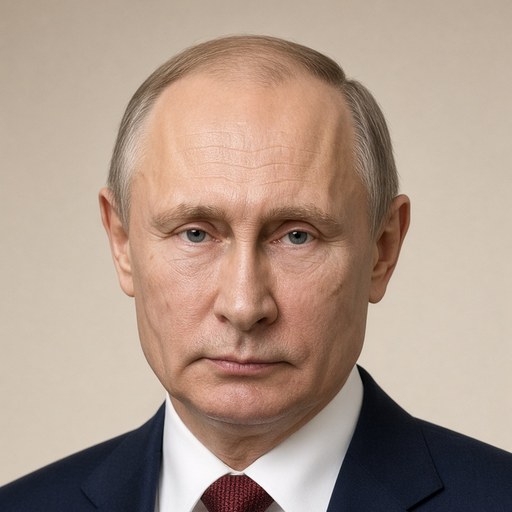
- Putin addressed donors and patrons of the 'Talent and Success' Foundation at a meeting reviewing progress of the Sirius educational center in July 2016.
- Main themes
- Talent development for youth, Sirius educational center, philanthropy and patronage, science and arts park, linking education to industry, regional expansion of talent programs, retention of talented youth in Russia, business-education partnership
- Duration
- ~21 min
- Words
- 2,506
- Sentences
- 96
- Readability
- 49
- Grade
- 12.8
- Syntax
- 3.30
- Vocabulary
- 1.93
Translated from Russian
The broad sphere of national life a sentence belongs to. Every sentence has an Arena, so it is the denominator the other indices are read against.
Other96 sentences in 43 paragraphs
Dear colleagues, friends! Good afternoon!
Today, for the organizers, patrons, and benefactors of the "Talent and Success" foundation, it is a kind of "test." Almost a year ago, we established this foundation and transferred part of the Olympic infrastructure to a new educational center, which we named "Sirius," since Sirius, as you know, is the brightest star in the sky after the Sun.
The intention was and is to organize this institution as a center for working with talented children and gifted teenagers. I believe that you, as people who have successfully realized yourselves in many sectors of production, in business, and many of you in science, understand perfectly well how important this is for the country, how vital this impulse is.
I want to thank you for not remaining indifferent to this and for participating in this great, interesting, and very important endeavor—for our people, for Russian families, for children, for teenagers, and I hope, for your businesses, for the economy as a whole.
I would like to draw your attention to the fact that the head of the center just spoke about the plans, and you probably already know about them—there is an idea to create a park of science and arts. I would very much ask you, in addition to the contributions you are already making, which are extremely important for the implementation of this promising project, to also pay attention to the fact that this park of science and arts should, of course, be equipped with modern equipment.
I want to return once again to the thesis that we constantly discuss with you in various formats, namely, that the educational process and production must be closely linked. I know your complaints, your criticism regarding the fact that our schools, including higher education institutions or institutions of higher specialized education, are far from always preparing in-demand and adequately qualified personnel.
Here, there is a unique opportunity to work directly with teenagers, to direct your specialists here, and, where possible, of course, without harming production, to enrich this center and this park of science and arts with modern equipment so that the kids can improve their skills and knowledge.
I would very much like the work in this center to be connected not only with the fact that we morally support talented kids but also with the creation of a system to support talented children from school to higher education and then to production—essentially, to your productions.
I would very much like our talented kids to be able to realize themselves in our country. And we must do this not through administrative restrictions but by creating the best conditions for applying their talent.
This is the goal of creating this center. I think you will agree that it is more than noble, but it is also an interesting task. I believe that both you personally and those people who work with you on the development of your businesses, the sectors of the economy in which you operate, will find it interesting to be here.
In any case, it is definitely interesting to be here: I have spoken with many outstanding teachers and scientists—they find it interesting to be among young kids and teenagers, to pass on their knowledge, to listen to what they think about, how they reflect, how they formulate the problems they consider important for today, and how they propose to solve them.
This is an extremely important thing for any of us as people who want to realize themselves. I know that each of you has achieved great success, and in this sense, everyone present here has realized themselves, but that is not enough. To fully realize oneself, one must also take effective steps that yield concrete results in working with young people and teenagers.
And such an opportunity is provided by the Sirius center to each of us, not only to those sitting here but also to many of our colleagues who are not present today. What do I mean? I mean that Sirius should, by design, become not only an exclusive center through which talented kids pass but also a certain center for creating a whole system of similar institutions in the regions of the Russian Federation. Essentially, where you largely operate, where your enterprises and institutions are located.
I would like to ask you to consider what can be done in the regions. Of course, we will strive on our part to encourage the leaders of the subjects of the Russian Federation to unite with production, with business, to create something similar to Sirius in the regions. Of course, perhaps not on such a scale, but directly related to Sirius, which could serve as a methodological center for such nationwide work.
That is all I wanted to say at the beginning. And I want to sincerely thank you, truly sincerely thank you for your contribution to the development of this wonderful enterprise, if I may say so. And I would like to pass the floor to Elena so that she can add to what I have just said.
E. Shmelova: Thank you for coming now, for coming and talking to the children. Because creating such a nurturing environment, where live knowledge is passed on, where problems and questions are discussed, was our task. Because only then does genuine interest arise, only then do life models and professions get chosen.
Because at the core, there is still the task that a person applies to themselves, intends to solve, and seeks partners and tools for its resolution. Practically everything we have done together with you… You know, everyone who has come to us and given lectures, you know that all our children, all shifts, are always very much looking forward to you.
Our shifts are not very long—24 days—but in those 24 days, practically everyone chooses almost a year’s worth of material in the subject: we have 120 academic hours in the program that the kids you saw, with whom you spoke, are currently attending. And, of course, this is a large volume, which is related to the fact that they are indeed choosing a task that, as we believe, will guide them further in life.
What we now have the opportunity to create is probably a kind of, you know, research institute, a real scientific park, where children grow, ideas grow, ideas are set, new questions are posed. And the most important thing you saw is that it is all interdisciplinary. The way this is all developing now is through interdisciplinary knowledge, interdisciplinary tasks, teamwork.
It is very important that many of the exhibits there were made by you, because you know better how technologies are developing, where you would like to attract these gifted children. And most importantly, we would like to emphasize that, of course, it is necessary to work with the teachers of these children.
Because we now see a very clear demand that when there is a gifted child who asks a lot of questions (again, those who have come to us, you know and see what questions they ask, they are interested), they need not only higher education to come to school starting from the 5th or 6th grade, but also for us to come to school.
And, in fact, the Sirius center is simply a new attitude towards schoolchildren, teachers, and the subjects we would like to provide, and the tools we can offer for this.
And, of course, we would like to declare some selection criteria by which children who excel in natural sciences, as we currently have, could enter our Sirius center and the regional centers that are already connected to us through such a partnership network.
This is the final shift, and many children who have been coming here for a year due to their victories in physics, chemistry, mathematics, and biology Olympiads have arrived here. But now they have also chosen project work for themselves, which, as you saw, they are successfully implementing. For this, laboratories are needed, idea banks are needed, and mentors are needed.
Mentors come to us who represent enterprises, leading industry research institutes, leading universities, and they actively begin to form their future students and future employees. In this regard, we would like to offer you to see us as a partnership platform that can find this child very early, engage them early, and involve them in the ideas that you are also creatively solving for the future.
We would, of course, also like to propose that you see us as an infrastructure. In fact, here, we hope that it is possible to open some branches of R&D centers that exist in companies, branches of research laboratories. In fact, here, children can not only carry out educational projects; we actually think that many projects will have an educational character.
Now we have given them the most modern laboratories, unique teachers are working with them, and the results have been amazing. The shift will last a few more days, but we are already seeing a number of working projects that undoubtedly have the potential for the development of their authors and the ideas that have been laid down, and, of course, the potential for interdisciplinary use again.
If we talk about what we planned to do here in the future, it is indeed the development of educational projects, the popularization of many developments that have been made and thanks to which Russia is known in the world and will always be known because of the technologies that were at the core of production cycles. "Technoles" (thank you very much to the partners who provided all the exhibits) is for this.
We talk about the engineering technologies that have already been implemented, that are working, that were at the foundation of many processes, which the kids now look at as the future, because the task is essentially to show a 10-15 year horizon, prospects, to discuss this, because they are schoolchildren, most of those who are down there are in the 9th and 10th grades. In fact, they are not even graduates yet, but we know that they will return to us more than once as assistants, as probably scientific employees.
And we would be very interested in developing a program of early internships at enterprises because, in fact, when they graduate, they should already be actively familiar with two, three, or four enterprises, and you—with them. In any case, we are ready for a long-term program of actions; we have all the tools for this.
We are currently maintaining a registry of gifted children across all regions; we have very good connections with those regions that have become leaders in investment development. There, we plan to pilot a competition for project work by schoolchildren, which will attract children interested in scientific and technical creativity.
And we have a huge network of partners, teachers, additional education centers, and clubs. In fact, we are the methodological center that transmits the best practices for working with them and supports teachers. Therefore, we are very grateful to everyone who has supported us, we always welcome you, and we are always open to any forms of cooperation in the interests of the children you saw and who come to the Sirius center.
Look at how this idea was born, where it came from. Since Soviet times, we have created a whole network of physics and mathematics schools, then biological schools, music schools, art schools, and ballet schools. We have always been proud of our achievements in certain sports.
For example, since the Winter Olympics were held here, we had hockey and figure skating in mind. How did we start? We started by paying attention to these physics and mathematics schools, to chemistry schools, and it was precisely from there that we began to select, making a selection from there, keeping in mind that this network is already created and functioning.
As for music, almost all leading conservatories have long had so-called ten-year schools, where the first selection of talented kids is already made. You cannot just get in there randomly. First, there is a selection process; they take students into these ten-year schools at conservatories, where children study in a regular mode, following a regular program, plus in-depth study of music. The same is true for physics and mathematics schools. That is where we began to conduct additional selection.
As for sports, of course, we invite those who have already established themselves in something, say, in figure skating and hockey, keeping in mind that right here, in Imeretinka, there are eight rinks. And at one time, the question arose of how to repurpose them, to invest money to create something new there. Why, when we can use this for the development of children's sports?
That is essentially how it started. But then we decided to expand this program to include biology, considering the significance that biology already has, is acquiring, and will have even greater significance in the life of humanity, in the broadest sense of the word. I am not even mentioning the economy.
We began inviting from biological schools, especially since in recent years a network of specialized educational institutions has been created where biology is studied in depth. We also added literature, the Russian language, and artistic creativity, and also from art schools, of which we have a whole network created across the country.
The initial reaction was very positive. This is an institution that should and, thank God, with your help, will continue to differ. And such well-known children's recreation places as "Okean" in the Far East, here we have "Orlyonok" on the Black Sea coast, or "Artek" in Crimea—these are good, necessary institutions for children's recreation and development.
But this center has special tasks. I want to emphasize once again that its task is to work with gifted children, to conduct additional selection, and to support them until they enter higher education and then until they are employed.
There are 154 highly qualified teachers working here, and throughout the year, 400 academics, professors, and doctors of science are constantly present, conducting seminars and classes with schoolchildren; that is, this is not just a playground for children's recreation, it is an educational center.
And when I said that I very much hope that those who have gone through this "Sirius" center and then through higher education will definitely find their place in life in our country, in your enterprises – these are not empty words; but, of course, exclusively with the efforts of the state, without your help and support, not only financial, for which I am very grateful to you, I know that many of you provide financial support, but without administrative assistance, without intellectual support, without the accompaniment of the programs that are being developed here, this project cannot be successful.
That is why I wanted you to be here, to see everything with your own eyes. And I would ask you to remember this and think about how we together can develop this project.
The original Russian. The tags above are read on the English translation's sentences.
Уважаемые коллеги, друзья! Добрый день!
Сегодня у организаторов, попечителей, благотворителей фонда «Талант и успех» своеобразная «контрольная работа». Почти год назад мы создали этот фонд и передали часть олимпийской инфраструктуры под новый образовательный центр, который назвали «Сириус», поскольку Сириус, как известно, после Солнца – самая яркая звезда на небосклоне.
Имелось и имеется в виду организовать это учреждение как центр работы с талантливыми детьми, талантливыми подростками. Думаю, что вы, как люди, которые успешно себя реализовали во многих отраслях производства, в бизнесе, да и, многие, в науке, прекрасно понимаете, насколько это важно для страны, насколько важен этот импульс.
Хочу вас поблагодарить за то, что вы не остались равнодушными к этому, а принимаете участие в этом большом, интересном и очень важном – и для наших людей, для семей российских, для детей, для подростков, надеюсь, что и для ваших производств, для экономики в целом – деле.
Хотел бы обратить внимание на то, что – руководительница центра сейчас рассказывала о планах, наверняка вы тоже об этом уже знаете – есть идея создать парк науки и искусств. Очень бы вас просил, кроме того вклада, который вы уже делаете и который является чрезвычайно важным для реализации этого перспективного проекта, ещё обратить внимание на то, что этот парк науки и искусств, конечно, должен быть укомплектован современным оборудованием.
Хочу ещё раз вернуться к тому тезису, который мы с вами в разных форматах постоянно обсуждаем, а именно, что образовательный процесс и производство должны быть тесно между собой связаны. Знаю ваши нарекания, вашу критику по поводу того, что наши школы, в том числе высшая школа или школа высшего специального образования, далеко не всегда пока готовят востребованные и нужного уровня и качества кадры.
Здесь есть такая уникальная возможность напрямую работать с подростками, направлять сюда ваших специалистов и, где это возможно, конечно, не в ущерб производству, насыщать этот центр и этот парк науки и искусства современным оборудованием, для того чтобы ребята могли бы совершенствовать свои навыки и знания.
Мне бы очень хотелось, чтобы работа в этом центре была связана не только с тем, что мы как бы морально поддерживаем талантливых ребятишек, но связана с созданием системы сопровождения талантливых детей от школы до высшего учебного заведения и дальше до производства – собственно говоря, до ваших производств.
Мне бы очень хотелось, чтобы наши талантливые ребята смогли реализовать себя в нашей стране. И мы с вами должны это сделать не путём административных ограничений, а путём создания наилучших условий для применения их таланта.
В этом заключается цель создания этого центра. Думаю, что вы согласитесь с тем, что она более чем благородная, но это и интересная задача. Думаю, что и вам лично, и тем людям, которые рядом с вами работают по развитию ваших производств, секторов экономики, где вы работаете, будет интересно здесь побывать.
Во всяком случае, здесь точно интересно побывать: я разговаривал со многими выдающимися преподавателями и учёными – им интересно бывать среди молодых ребят, подростков, передавать им свои знания, слушать то, что, как и о чём они думают, как они размышляют, как они формулируют задачи, которые считают важными для сегодняшнего дня, и как предполагают их решать.
Это чрезвычайно важная вещь для любого из нас как людей, которые хотят сами себя реализовать. Знаю, что каждый из вас добился большого успеха, и в этом смысле все здесь присутствующие себя реализовали, но этого недостаточно. Для того, чтобы реализовать себя полностью, нужно ещё и предпринять эффективные шаги и дающие конкретные плоды, результаты в работе с молодыми людьми, с подростками.
И такую возможность центр «Сириус» предоставляет каждому из нас, не только здесь сидящим, но и для многих наших коллег, которые сегодня не присутствуют. Что я сейчас имею в виду? Я имею в виду то, что «Сириус» должен по замыслу стать не только эксклюзивным центром, через который проходят талантливые ребята, но и быть определённым центром для создания целой системы подобных учреждений в регионах Российской Федерации. Собственно говоря, там, где вы в значительной степени работаете, где расположены ваши предприятия, учреждения.
Хотелось бы вас попросить посмотреть на то, что можно сделать в регионах. Разумеется, мы будем стараться со своей стороны подталкивать к этому руководителей субъектов Российской Федерации, с тем чтобы объединять с производством, с бизнесом, могли бы создавать в регионах нечто подобное «Сириусу». Конечно, может быть, не в таком масштабе, но напрямую связанное с «Сириусом», который мог бы быть методическим центром для подобной общенациональной работы.
Это всё, что я хотел сказать в начале. И хочу вас, действительно, сердечно поблагодарить, именно сердечно поблагодарить за ваш вклад в развитие этого замечательного предприятия, если позволено так сказать. И хотел бы передать Елене слово, для того чтобы она дополнила то, что мной было только что сказано.
Е.Шмелёва: Спасибо за то, что Вы приехали сейчас, за то, что Вы приезжаете, разговариваете с детьми. Потому что создать такую питательную среду, где передаётся живое знание, обсуждаются какие‑то проблемы, вопросы, – это была наша задача. Потому что только тогда появляется живой интерес, только тогда выбираются жизненные модели и в том числе профессии.
Потому что в основе всё‑таки лежит задача, которую человек применяет к себе, собирается её решать, он ищет здесь партнёров, ищет инструменты для её решения. Практически всё, что мы сделали вместе с Вами… Вы знаете, все, кто к нам приезжал и читал лекции, Вы знаете, что Вас всегда очень ждут все наши дети, все смены.
Смены у нас не очень длинные – 24 дня, но за эти 24 дня практически каждый выбирает чуть ли не годовой объём по предмету: 120 часов академических у нас длится та программа, на которую сейчас приехали ребята, которых Вы видели, с которыми Вы разговаривали. И, конечно, это большой объём, который связан с тем, что они выбирают действительно задачу, которая, как нам кажется, дальше их поведёт по жизни.
То, что сейчас у нас появилась возможность создать, – наверное, это такой, знаете, научно-исследовательский институт, настоящий научный парк, где растут дети, растут идеи, ставятся идеи, ставятся новые вопросы. И самое главное, что Вы видели, – это всё межпредметное. То, как сейчас это всё развивается, – это межпредметные знания, межпредметные задачи, работа в командах.
Очень важно, что многие экспонаты, которые там стоят, сделаны Вами, потому что Вы лучше знаете, как развиваются технологии, куда Вы хотели бы привлечь этих одарённых детей. И самое главное, нам хотелось бы обратить внимание, что, конечно же, нужно работать с педагогами этих детей.
Потому что мы видим сейчас очень чёткий запрос, что когда есть одарённый ребёнок, который задаёт очень много вопросов (опять же те, кто к нам приезжал, Вы ведь знаете и видите, какие вопросы задают, им это интересно), они нуждаются в том, чтобы не только высшее образование приходило в школу, начиная с 5-го, 6-го класса, но чтобы и мы приходили в школу.
И фактически центр «Сириус» – это просто новое отношение к школьникам, педагогам, к тем предметам, которые мы хотели бы дать, и тем инструментам, которыми мы можем располагать для этого.
И, конечно, нам хотелось бы заявлять какие‑то критерии отбора, по которым могли бы попадать к нам в центр «Сириус» и в те региональные центры, которые уже сегодня с нами связаны такой партнёрской сетью, те дети, которые преуспели и в естественно-научных дисциплинах, как у нас сейчас.
Сюда приехали – это итоговая смена, сюда приехало очень много детей, которые уже в течение года сюда приезжали за счёт своих побед в олимпиадах по физике, химии, математике, биологии. Но сейчас они ещё выбрали для себя проектную работу, которую, как Вы видели, успешно реализуют. Для этого нужны лаборатории, для этого нужны банки идей и нужны наставники.
Наставники к нам приезжают, которые представляют предприятия, ведущие отраслевые НИИ, ведущие вузы, и фактически они таким активным образом начинают формировать себе будущих студентов и будущих сотрудников. В этом плане мы хотели бы Вам предложить нас как партнёрскую площадку, которая сможет этого ребёнка очень рано найти, его очень рано увлечь, вовлечь теми идеями, которые вы тоже решаете творчески и на будущее.
Мы, конечно, хотели бы ещё предложить Вам видеть нас как инфраструктуру. Фактически здесь, мы надеемся, что можно открывать какие‑то филиалы R&D-центров, которые есть в компаниях, филиалы научно-исследовательских лабораторий. Фактически здесь тогда дети могут не просто выполнять учебные проекты, на самом деле мы думаем, что очень многие проекты будут носить учебный характер.
Сейчас мы им дали в руки современнейшие лаборатории, уникальные педагоги работают с ними, и результаты получились удивительные. Смена будет длиться ещё несколько дней, но мы сейчас уже видим ряд работающих проектов, которые, безусловно, имеют потенциал и развития их авторов, и тех идей, которые заложены, и, конечно же, потенциал опять же межпредметного использования.
Если говорить о том, что в будущем мы планировали здесь сделать, это, действительно, развитие образовательных проектов, популяризация очень многих наработок, которые были сделаны и благодаря которым Россия в мире известна и будет известна всегда благодаря тем технологиям, которые стояли в основе производственных циклов. Вот «Технолес» (большое спасибо партнёрам, которые предоставили все экспонаты) – это для этого.
Мы рассказываем о тех инженерных технологиях, которые уже внедрены, которые работают, которые стояли у основ очень и очень многих процессов, на которые сейчас ребята смотрят как в будущее, потому что фактически задача показать в 10–15 лет горизонт, перспективы, обсудить это, потому что они – школьники, большая часть из тех, кто сегодня внизу, это 9–10 классы. Фактически они ещё даже не выпускники, но мы знаем, что они к нам вернутся ещё не раз уже в виде ассистентов, в виде, наверное, научных сотрудников.
И мы очень были бы заинтересованы в том, чтобы мы развивали программу ранних стажировок на предприятиях, потому что фактически, когда они заканчивают, они должны с двумя, тремя, четырьмя предприятиями уже познакомиться активно, а вы – с ними. В любом случае мы готовы к длительной программе действий, у нас есть для этого все инструменты.
Мы ведём сейчас реестр одарённых детей по всем регионам, у нас очень хорошие связи с теми регионами, которые стали лидерами инвестиционного развития. Там мы собираемся пилотировать конкурс проектных работ школьников, которые будут нам привлекать детей, в научно-техническом творчестве состоявшихся уже и заинтересованных.
И у нас огромная сеть партнёров, педагогов, центров допобразования, кружков. Фактически мы являемся тем методическим центром, который передаёт лучшие методики работы с ними, и поддерживаем педагогов. Поэтому мы очень благодарим всех, кто нас поддерживал, всегда ждём в гости и всегда открыты к любым формам сотрудничества в интересах тех детей, которых Вы видели и которые приезжают в центр «Сириус».
Смотрите, как зарождалась эта идея, откуда она взялась. У нас ещё с советских времён была создана целая сеть физико-математических школ, потом – биологических школ, музыкальных школ, художественных училищ, балетных училищ. Мы всегда гордились нашими достижениями в некоторых видах спорта.
Скажем, поскольку здесь зимняя Олимпиада проходила, имелись в виду хоккей и фигурное катание. С чего мы начали? Мы начали с того, что обратили внимание на эти физико-математические школы, на химические школы, и именно оттуда начали выбирать, делать выборку именно оттуда, имея в виду, что эта сеть уже создана и работает.
Что касается музыки, то у нас при всех ведущих консерваториях (почти при всех) давно, с советских времён, существуют так называемые десятилетки, где уже производится первая селекция, отбор талантливых ребят. Туда просто так не берут, кого ни попадя. Там сначала происходит отбор, берут в эти школы-десятилетки при консерваториях, где учатся дети в обычном режиме, по обычной программе, плюс углублённое изучение музыки. То же самое в физико-математических школах. Вот оттуда мы начали проводить дополнительную селекцию.
Что касается спорта, естественно, приглашают сюда тех, кто уже себя в чём‑то зарекомендовал, скажем, по фигурному катанию и по хоккею, имея в виду, что прямо здесь, в Имеретинке восемь катков. И вопрос в своё время встал, что их нужно как‑то перепрофилировать, вкладывать деньги в то, чтобы что‑то новое там создать. Зачем, когда мы можем использовать это для развития детского спорта?
Собственно говоря, с этого началось. Но потом мы приняли решение расширить эту программу за счёт биологии, имея в виду то значение, которое уже имеет, приобретает и будет иметь ещё большее значение биология в ближайшее время в жизни человечества, в широком смысле этого слова. Я уже не говорю про экономику.
Начали приглашать из биологических школ, тем более что за последние годы была создана сеть специализированных учебных заведений, где в углублённом порядке изучается биология. Добавили сюда ещё литературу, русский язык и художественное творчество, и тоже из художественных школ, которых у нас целая сеть по стране давно создана.
Первая реакция была очень позитивная. Это такое учреждение, которое должно и отличается пока, слава богу, и с вашей помощью так и будет отличаться. И такие известные места детского отдыха, как «Океан» на Дальнем Востоке, здесь у нас «Орлёнок», на Черноморском побережье, или «Артек» в Крыму – это хорошие, нужные учреждения для детского отдыха и развития.
Но этот центр имеет особые задачи. Ещё раз подчеркну, его задача – работать с одарёнными детьми, проводить дополнительный отбор и сопровождать их до высшего учебного заведения, а затем и до трудоустройства.
Здесь работают 154 высококвалифицированных преподавателя, а в течение года 400 академиков, профессоров, докторов наук постоянно здесь присутствуют, ведут семинары и занятия со школьниками, то есть это не просто детская площадка для детского отдыха, это образовательный центр.
И когда я говорил о том, что очень рассчитываю, что те, кто прошли через этот центр «Сириус», а затем через высшее учебное заведение, обязательно найдут своё место в жизни в нашей стране, на ваших предприятиях, – это не пустые слова; но, конечно, исключительно силами государства, без вашей помощи и поддержки, не только финансовой, за что я вам очень благодарен, я знаю, что многие из вас финансово поддерживают, но без административной помощи, без интеллектуальной поддержки, без сопровождения тех программ, которые здесь формируются, этот проект не может быть успешным.
Именно поэтому я хотел, чтобы вы здесь побывали, своими глазами всё посмотрели. И я бы вас просил помнить об этом и подумать на тему о том, как мы вместе с вами можем этот проект развивать.
<…>