




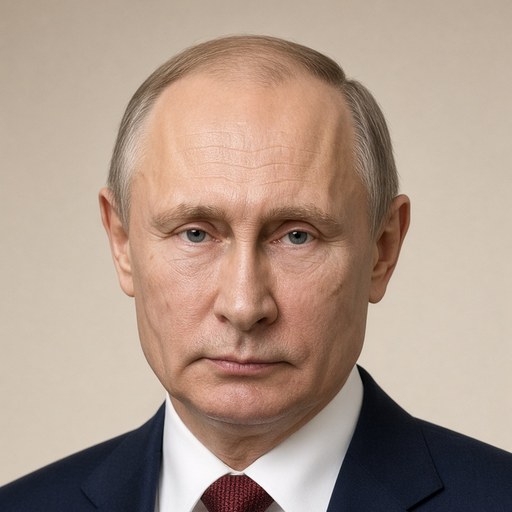
Stenographic report on the ceremony of awarding the State Prizes of the Russian Federation
 Vladimir Putin · President of Russia
- Context
- Putin addressed laureates at the Russian State Prize ceremony on Russia Day, June 12, 2012, honoring achievements in science, defense, and cultural heritage.
- Main themes
- State Prize ceremony, scientific achievement, Russia Day, modernization and innovation, cultural heritage preservation, defense technology, immunology and medicine, geology and natural resources, organic chemistry, civic initiative, historical memory
- Duration
- ~37 min
- Words
- 4,402
- Sentences
- 226
- Readability
- 49
- Grade
- 11.1
- Syntax
- 2.91
- Vocabulary
- 2.31
Translated from Russian
This is an interview, press conference or exchange with other speakers. It is split into sentences and counted in the corpus, but its sentences are not tagged on the twelve indices.
226 sentences in 73 paragraphs
Dear friends! Esteemed laureates!
Today we celebrate Russia Day, the Day of our Motherland, which we are proud of, which we cherish, honor, and sincerely love, for which we bear historical responsibility before past and future generations. These feelings unite us around common spiritual and moral values, serving as a source of creative inspiration and constructive energy for millions of our fellow citizens.
Esteemed laureates, your unique scientific discoveries and bright humanitarian projects have undoubtedly become our common national treasure and are rightly awarded the most prestigious prize – the State Prize.
I would like to take great pleasure in noting the achievements of a group of scientists representing the Siberian and Ural scientific schools, renowned specialists in the field of fine organic synthesis – Boris Alexandrovich Trofimov, Valery Nikolaevich Charushin, and Oleg Nikolaevich Chupakhin. Their discoveries allow for the creation of new chemical structures that will ensure a real breakthrough in nuclear energy, agrochemistry, and pharmaceuticals. Moreover, based on the fundamental research conducted, a whole range of in-demand medicinal products has already been developed.
The field of health protection also includes the achievements of another scientific group, another scientific team that has been awarded the state prize. Rem Viktorovich Petrov and Rahim Musaevich Khaitev have been working together for 40 years. It is their team that holds the primacy in the most relevant areas of modern immunology, and this is the field that opens fundamentally new opportunities for medicine.
I am glad to see among the laureates the leading Russian geologist, researcher of the Kola Peninsula, Felix Petrovich Mitrofanov. Thanks to Felix Petrovich's many years of hard work, the country has gained not only access to the richest deposits of platinum metals and gold but has also acquired unique geological exploration methods that are successfully used by domestic and foreign mining companies.
For the development and implementation of advanced technologies, but already in the field of ensuring state security, the State Prizes of Russia have been awarded to talented designers: Sergey Fedotovich Boev, Sergey Dmitrievich Saprykin, and Valery Ivanovich Karasev. They have created a new generation of radar stations, "Voronezh." They will become the main element of the updated domestic missile attack warning system, significantly enhancing the capabilities of the entire air and space defense system of our country. These stations are highly mobile, can be deployed anywhere in extremely short timeframes, and most importantly – they are capable of detecting even the most inconspicuous target.
Our science, civil and defense industries have always been able to solve complex tasks. And at the origins of such victories stood strong, passionate people, ready to think outside the box, break stereotypes, and achieve what seemed impossible. Today, when Russia faces the task of modernizing its economy, such qualities as the ability to generate innovative ideas and create breakthrough projects are especially in demand.
Russia is literally woven from traditions and modernity, looking to the future while carefully preserving its age-old foundations, its millennia-old culture, and historical continuity. Among today's laureates of the State Prize are people who, heeding the call of their hearts, have taken on the responsibility of preserving the cultural heritage of our country and are successfully engaged in its popularization. First of all, I would like to highlight the efforts of people from Yaroslavl who have given a second life to the ancient village of Vyatskoye. Entrepreneur Oleg Alexandrovich Zharov, art historian Elena Andreevna Ankudinova, and artist Nikolai Alexandrovich Mukhin have returned to Russia a unique historical ensemble, creating all the conditions for preserving its ethnocultural environment. This project, realized through civic initiative, with the efforts of business and cultural servants, is an example of the most worthy imitation.
The State Prize for the preservation of Russia's historical heritage has also recognized the contributions of Galina Ivanovna Malanicheva, who heads the All-Russian Society for the Protection of Historical and Cultural Monuments. Founded in 1965, this organization has united all those who understand the great value and strength of our people's historical memory, and over the years of its work has helped preserve many masterpieces – thousands of masterpieces of Russian architecture and fine arts, our spiritual sanctuaries.
Taking this opportunity, I would like to sincerely thank everyone who has participated and continues to participate in this creative work. As Academician Likhachev said, if a person is indifferent to the monuments of history of their country, it means they are indifferent to their country. It is gratifying that the number of caring people, ready to fight against ignorance and forgetfulness, is growing every year.
Undoubtedly, the channel "Culture" plays a significant role in reviving interest in our native history, traditions, and art, which, in essence, preserves and develops the intellectual potential of the nation and is, in many ways, a unique, truly educational channel, an educational information resource that actively uses archival materials and television classics, produces substantive news and author programs, and vibrant journalism. A strong team of professionals has formed here, and the contributions of three of its representatives have been recognized with state prizes. They are the head of the "Culture" channel Sergey Leonidovich Shumakov, brilliant host Svyatoslav Igorevich Belza, and general director of VGTRK Oleg Borisovich Dobrodeev. I congratulate you and ask you to convey my most sincere gratitude to your entire creative team.
I would like to say a few words about another project, about one of the laureates. Vladimir Teodorovich Spivakov is known – as was already mentioned by the announcer – known to the whole world as a magnificent musician and conductor. But not everyone knows that he dedicates himself not only to creativity but also engages in extensive charitable activities. The international foundation established by the maestro has provided assistance to more than 10,000 young talents over 18 years of work. This includes scholarships, payment for education, and the purchase of instruments. And I can say, I know personally how Vladimir Teodorovich relates to this side of his work; I have repeatedly observed him in life, with what soul and warmth he engages in this work.
In addition, Vladimir Teodorovich is the organizer of interesting youth projects, not only for musicians from our country but also from the CIS countries, the Baltics, and far abroad.
Dear friends! Your personal achievements are bright events in domestic science and culture. Thanks to them, all of Russia becomes richer and stronger. Thanks to your efforts, our country has taken another step forward. And it is very important that the whole country, especially the younger generation, knows about your successes. It is on such examples that we will educate the young people of our country, teaching them how and why to work, what values to rely on, and what truths, rather than illusory goals, to strive for.
You have convincingly shown that gaining authority and honor can only be achieved by setting high, noble goals. And the road to success can only be arduous and honest. I sincerely thank you for literally living your beloved work, putting your whole soul and heart into it. I am confident that such dedication will always be rewarded not only with high official distinctions, as today, but most importantly, and first and foremost, with the recognition of your merits by the people and the respect of the entire Russian society.
Wishing you health, prosperity, and, of course, new achievements. Once again, I congratulate you on Russia Day!
I propose to proceed to the award ceremony itself.
F. Mitrofanov: Esteemed Mr. President! All present! Allow me to congratulate you on the holiday and thank our President and his team for the high appreciation of our work.
From this very high state tribune, I would like to express my gratitude to the entire vast collective of geologists who, under very difficult conditions, create a good base – a base for our country in mineral resources, strategic mineral resources.
I would also like to say a big thank you for the many years that the Russian Academy of Sciences, the Russian Foundation for Basic Research, personally the president of the Academy, Yuri Sergeyevich Osipov, and the vice-president of the Academy, Nikolai Pavlovich Laverov, have closely monitored our work and provided assistance in every way.
Thank you very much.
R. Petrov: Esteemed Vladimir Vladimirovich! Dear colleagues! First of all, of course, my great, sincere gratitude for awarding such a high State Prize, the highest prize, for immunology, for immunological research; I want to emphasize this because my scientific life entirely belongs to immunology. It began in the 50s and 60s when immunology as a subject, discipline, and profession did not exist. No one could become a candidate or doctor of sciences or a professor in immunology. There was no such profession.
And that is why I want to emphasize that at that time, in connection with this, there were neither institutes of immunology, nor departments of immunology, nor journals, nor societies, nor textbooks. And now all of this exists. Moreover, two immunologists – I and Professor Khaitev – are receiving such a high State Prize. Therefore, I especially thank you for the attention to immunology in our country.
R. Khaitev: Esteemed Vladimir Vladimirovich! Allow me to sincerely thank you and the members of the Presidential Council for Science, Technology, and Education for such a high appreciation of our work. I also want to express my deep gratitude to all my colleagues, comrades, and students, whose joint work has ensured the establishment of domestic immunology in its various fields – fundamental, applied, and educational. I especially emphasize that the successes achieved are largely due to constant state support and understanding of our problems. Once again, thank you all very much!
B. Trofimov: Esteemed Vladimir Vladimirovich! Ladies and gentlemen! I am deeply grateful to our President and his Council for awarding me the most honorable prize of the Russian Federation. It is especially honorable and exciting that it is being presented by the President himself on the Day of the national holiday of Russia. I must, of course, share this high honor with my students and colleagues.
I hope that our Government will continue to pay attention to organic chemistry, which is the foundation of innovative technologies, the pharmaceutical industry, and the security of the country as a whole.
Thank you. And happy holiday to everyone.
V. Charushin: Esteemed Vladimir Vladimirovich! Esteemed participants of the solemn ceremony! I am very pleased that on this solemn and festive day – Russia Day – I am receiving the State Prize together with my teacher – Academician Oleg Nikolaevich Chupakhin, with whom I have been working for over 40 years, practically since my student days.
I am doubly pleased that this award is being presented to us, representatives of Ural academic science, in a year that is special for the Ural branch of the Russian Academy of Sciences. This year, the Ural branch celebrates its 25th anniversary, and this year marks 80 years since the first cells of academic science appeared in the Urals, including the first laboratory of organic synthesis.
I would like to thank all the members of the Presidential Council for the high appreciation of our work, my colleagues for their comprehensive assistance and support, and of course, our families for their patience, care, and understanding. Thank you to everyone involved in this event.
O. Chupakhin: Esteemed Vladimir Vladimirovich! Ladies and gentlemen!
I may not be very original. But we all experience feelings, the main one of which, I believe, is gratitude. I would also like to express my deepest gratitude to the leadership of the country, the leadership of the Academy of Sciences, and the experts who examined and studied our work and gave it such a high evaluation.
I would also like to thank my teachers and students. I would, of course, like to thank my parents, who are no longer alive, and my wonderful family. Thank you all!
S. Boev: Esteemed Vladimir Vladimirovich! Esteemed ladies and gentlemen! Allow me to express my sincere appreciation and deep gratitude to you and to all those who made the decision to evaluate our work. I would like to say that this evaluation is simultaneously a recognition by the state of the selfless labor of the thousands-strong collective of scientists, engineers, workers, and military specialists, all those who participated in our project, people who, in difficult times for the defense industry, did not lose their sense of country and civic responsibility for it. The success of our project has largely been due to close cooperation with the Russian Academy of Sciences and leading engineering and technical universities in our country, for which we are also very grateful.
And finally, I would like to thank our families, our relatives and loved ones for putting up with our long absences and our rare days off over all these years, but there is a positive result.
And in conclusion, I would like to congratulate everyone present on the Day of Great Russia, wishing you all the best. Thank you for your attention.
V. Karasev: Esteemed colleagues and guests! I would like to take this opportunity to thank the leadership of the country, headed by the President, for the attention that helped us, in very difficult years for the country, not only to preserve what we had achieved but also to develop radar stations for space control of a completely new generation using the most modern technologies. I also want to thank Vladimir Vladimirovich for his visit to the prototype of our radar station in 2007 near St. Petersburg, which served as a powerful stimulus for all enterprises in our cooperation and attracted large groups of capable young specialists to us.
Thank you very much. Happy holiday.
S. Saprykin: Dear Vladimir Vladimirovich! Allow me to thank you and the Council for Science, Technology, and Education that you lead for the high appreciation of the work of radar specialists in Russia.
Our team already possesses the latest technical solutions that can advance domestic long-range and ultra-long-range radar significantly.
Thank you very much for the high evaluation of our work.
O. Dobrodeev: Dear Vladimir Vladimirovich! On this very important day, undoubtedly, for all those who work in the largest state holding and on the "Culture" channel, I would like to remember those people whose efforts created this channel, and, of course, those who work on this channel now.
I see Naina Iosifovna Yeltsina. And today it is right to remember Boris Nikolayevich Yeltsin, the first President of Russia, who was at the origins of this channel. Thank you very much to him. Of course, Academician Dmitry Sergeyevich Likhachev. Because this truly unique project, which has been alive for 15 years, appeared at what was probably a very difficult time; back then it was perceived as a utopia, it was incredible, there is still no such channel anywhere in the world, but they believed in it, and the channel exists.
And, of course, a special thank you to those generations of museum keepers, archive keepers, and custodians of our television cultural affairs who work on the channel and who carried this spark through the hardest times, and now this channel is unique and, perhaps, one of the best of its kind in Europe. Thank you to them all.
S. Shumakov: Dear Vladimir Vladimirovich! Dear ladies and gentlemen! It is a great honor for me to stand in this hall, which is called the Georgievsky. Therefore, I would first like to thank my father – a front-line soldier, who went through, or rather flew through, the entire war, and did a lot for me to become who I am. And, secondly, I would like to thank the truly unique team I work with. There are no more such people; they simply do not make them anymore. They are educated, smart, professional, and very modest. And I really hope that they will perceive this award not as mine, but as theirs, because this award, I say again, belongs to an amazing team.
Once again, happy holidays and thank you very much!
S. Belza: Receiving from the hands of the President on Russia Day, in this luxurious hall of military glory, in a year when we celebrate many anniversaries, is, of course, a great honor. And we fully understand that this honor extends to the entire team of the "Culture" channel, the VGTRK holding. And on this day, it is indeed appropriate to remember those founding fathers of the channel who convinced President Yeltsin that in such a superpower of culture as Russia, a "Culture" channel is necessary: this is Academician Dmitry Sergeyevich Likhachev, this is the great maestro Mstislav Leopoldovich Rostropovich.
We must, of course, also remember with gratitude the first leaders of the channel: Mikhail Shvydkoy, Tatyana Paukhova. And we understand that this honor undoubtedly extends to the entire team. Mstislav Leopoldovich loved, following his idol Dmitry Shostakovich, to repeat that he is a soldier of music. We too, I dare say, are soldiers – soldiers of domestic culture, soldiers of cultural television.
Once again, thank you for this great honor.
E. Ankudinova: Highly esteemed Vladimir Vladimirovich! Dear ladies and gentlemen! Of course, I am immensely grateful for the high appreciation of the work of my colleagues from our historical and cultural complex "Vyatskoye," and, of course, from me personally. You know, the most interesting thing is that right now in Vyatskoye we are celebrating the holiday of the Russian wreath. This holiday was conceived last year, without thinking that we would receive this highest award of Russia. And this holiday was timed precisely to Russia Day.
This is very important for us because Vyatskoye seems, at first glance, to be an ordinary village 30 kilometers from Yaroslavl, but in fact, it is a village that is, I believe, very significant for Russia. I will remind you of just one historical episode: on a gray November day in 1830, all of St. Petersburg, frozen, looked at the spire of the Peter and Paul Fortress because there appeared some strange figure, and a peasant was crawling up the spire, already approaching the apple of the cross. This was the Vyatka peasant, later called the "heavenly roofer," Pyotr Telushkin, who, using only ropes and methods of industrial alpinism, decided to repair the damaged wing of the angel figure on the 120-meter spire of the fortress during a storm. He, in essence, performed a Russian feat because this was the tallest building of the Russian Empire, this angel overshadowing the capital of Russia. And, of course, we are proud that this man is from Vyatskoye, from our village.
Our village was restored, and its new history began precisely with a great interest in history and culture. And Charles de Gaulle once said about the culture of his country that it is the second oil – the culture of France. But oil is raw material, oil runs out, while culture is a product of the high creative potential of a nation, and culture will never run out. It is a diamond fund that becomes more and more valuable over the years. And where people turn to their roots, history, and culture, where people think about it, success is always nearby.
Therefore, I want to say on my behalf and on behalf of my comrades: "I serve Russia! I serve Russian culture!"
G. Malanicheva: Dear Mr. President! Your Holiness! Dear ladies and gentlemen! It is difficult, when comparing the path that the All-Russian Society for the Protection of Historical and Cultural Monuments has taken, to truly realize how significant an event is taking place today in this remarkable hall. When, in the early 1960s, the head of state Nikita Sergeyevich Khrushchev, if not with anger, then certainly with deep irritation, tore up the statement of outstanding figures of culture and science who requested the creation of a society for the protection of cultural monuments in Russia, it was very hard to believe that the state needed such a society, and even harder to believe that this society would be useful, would live, work, and celebrate its 45th anniversary. Nevertheless, it happened. And this shows how our national self-awareness has grown, how respect for cultural heritage and historical memory has increased.
We are a modest organization, although it unites many, many people. Today, in my person, the All-Russian Society for the Protection of Historical and Cultural Monuments is being awarded, whose main task has been not through rallies, slogans – although that is also possible – but through painstaking work to seek the possibility of reconciling the old with the new, and that on the basis of genuine, true Russian culture.
And the activities of the society have also contributed to the understanding that it is possible to build anew without destroying the old. And now our most important dream and task is to preserve museum-reserves. We are proud of them. Now our task is to preserve the surroundings of these museum-reserves; to preserve the land that surrounds them; to preserve the historical landscape; to preserve, as much as possible (understanding the need to solve social issues – relocating people from emergency housing to comfortable housing, this is completely understandable and necessary), the historical appearance of unique Russian cities, to preserve authenticity where it still remains. Without it, we cannot.
I wish you – all of us – good fortune in achieving this.
Thank you very much.
V. Spivakov: Dear Vladimir Vladimirovich! Dear Dmitry Anatolyevich! Your Holiness! Dear friends!
I think you all understand perfectly well that those who engage in humanitarian activities, alongside their main profession, do not expect any awards, do not wait for any honors. As you accurately said today, Vladimir Vladimirovich, this happens by the call of the heart, by some inner calling.
The festival, the children's festival of this year, the ninth, in Moscow, "Moscow Meets Friends," gathered this year a huge number of children from 40 countries around the world, from 49 regions of Russia, including not only from big and small cities but also from villages and even from hamlets. We gave children happiness.
Now I will say something I have never said simply out of my sense of humility and modesty. I flew in last night from Yekaterinburg. Can you imagine such a sign of fate that two young and beautiful people entered the artist's room with me yesterday, one a little older, the other a little younger? One person is a musician from Ukraine, the other young man is a musician from Yekaterinburg. At 11 years old, the musician from Ukraine underwent a successful operation to remove a cancerous tumor in Moscow at the Central Institute of Traumatology. At 2 years and 11 months, the boy from Yekaterinburg had a successful open-heart surgery at the Bakulev Institute of Cardiovascular Surgery. Two people met, two saved lives. I was happy; I thought that my life on this earth is not in vain.
I want to say that we admire the Renaissance, but we forget where it all grew from, because from nothing – nothing comes, nothing happens. And it grew from the philosophy of humanism. At the center of this philosophy stood man as the highest value with the right to happiness, to freedom, and to the realization of all his abilities. I firmly believe that Russia is awaiting a renaissance; for this, it is only necessary that each person, from the treasury of their soul, boldly gives the very best they have. And patience is also needed. We will remember the words of Nina Zarechnaya from "The Seagull": the main thing is not brilliance, not glory, the main thing is patience, be able to bear your cross and believe.
I believe in Russia, I thank everyone who has honored me with such a high distinction of being a laureate of the State Prize of Russia on such a significant day. I thank my family and thank my parents, who gave me a heart capable of loving people.
Thank you.
Dear friends!
Once again, I sincerely congratulate you on being awarded the State Prize. I thank you for your work, for the generosity of your hearts, and for your dedication to your cause. I thank you for your service to the Fatherland.
It is believed that the opportunity to engage in beloved work, a beloved cause, is already a reward. So, at least, that is what we think and often even say. And this is true; it is indeed so. However, broad public and state recognition of the results of such work gives it, this work, a special meaning, sets a kind of mark of the highest quality, and sets a standard not only for your colleagues but for every person wishing to be successful, in demand, and useful. There is no doubt that energy, humanism, and the pursuit of knowledge will be valued at all times.
The evidence of this is history itself, which is filled with convincing examples that world progress is ensured by specific people, their ideas, their talents.
You know, today one of the laureates, who dedicated his entire life to immunology, said that not so long ago, relatively recently, there was not even such a discipline, but now there is not only a discipline, but also scientists, textbooks, scientific literature, and now State Prizes are awarded for this, and there are other distinctions. And this is evidence that the world around us and we ourselves are changing rapidly. Thanks to such people as our laureates, we will undoubtedly take our rightful place in the changing world.
You know, today we together (I believe we did this together) awarded State Prizes to people from various fields of activity. One of these fields is the defense capability of the country. And I said why. This is a very important development that relates to the very essence of the state's defense capability – warning of a missile attack. Could one have imagined not so long ago that such work would be carried out by an organization that is completely, 100 percent composed of and owned by private capital? What a fantasy! This has happened. This is happening with us. And this public-private partnership, which is forming not only in this area but also in the fields of science, education, art, and culture, will undoubtedly yield positive, maximum results. Our task is to create conditions for unleashing the talent of our people. Let us work towards this goal.
Happy holidays to you! Congratulations!
The original Russian. The tags above are read on the English translation's sentences.
Дорогие друзья! Уважаемые лауреаты!
Сегодня мы отмечаем День России, День нашей Родины, которой гордимся, которую бережём, почитаем и искренне любим, за которую несём историческую ответственность перед ушедшими и будущими поколениями. Эти чувства объединяют нас вокруг общих духовных и нравственных ценностей, служат источником творческого вдохновения и созидательной энергии для миллионов наших сограждан.
Уважаемые лауреаты, ваши уникальные научные открытия, яркие гуманитарные проекты, безусловно, стали нашим общим национальным достоянием и по праву удостоены самой престижной премии – Государственной.
С большим удовольствием хотел бы отметить успехи группы учёных, представляющих сибирскую и уральскую научные школы, известных специалистов в области тонкого органического синтеза – Бориса Александровича Трофимова, Валерия Николаевича Чарушина и Олега Николаевича Чупахина. Их открытия позволяют создавать новые химические структуры, которые обеспечат настоящий прорыв в атомной энергетике, агрохимии и фармацевтике. Более того, на базе проведённых фундаментальных исследований уже разработан целый ряд востребованных лекарственных препаратов.
К области охраны здоровья относятся достижения и ещё одной научной группы, ещё одного научного коллектива, удостоенного государственной премии. Рэм Викторович Петров и Рахим Мусаевич Хаитов работают вместе уже 40 лет. Именно их команде принадлежит первенство по самым актуальным направлениям современной иммунологии, и это та сфера, которая открывает принципиально новые возможности для медицины.
Рад видеть в числе лауреатов крупнейшего российского геолога, исследователя Кольского полуострова Феликса Петровича Митрофанова. Благодаря многолетней упорной работе Феликса Петровича страна получила не только доступ к богатейшим месторождениям платиновых металлов и золота, но и обрела уникальные методы геологоразведки, которые успешно используются отечественными и иностранными горнорудными компаниями.
За разработку и внедрение передовых технологий, но уже в сфере обеспечения безопасности государства, Государственные премии России присуждены талантливым конструкторам: Сергей Федотович Боев, Сергей Дмитриевич Сапрыкин и Валерий Иванович Карасёв. Они создали новое поколение радиолокационных станций, «Воронеж». Они станут основным элементом обновляемой отечественной системы предупреждения о ракетном нападении, кратно повысят возможности всей системы воздушно-космической обороны нашей страны. Эти станции высокомобильны, могут быть развёрнуты в любом месте в предельно сжатые сроки и главное – способны обнаружить и засечь даже самую малозаметную цель.
Наша наука, гражданская и оборонная промышленность всегда умели решать сложные задачи. И у истоков таких побед стояли сильные, увлечённые своим делом люди, готовые мыслить нестандартно, ломать стереотипы, добиваться, казалось бы, невозможного. Сегодня, когда перед Россией стоит задача модернизации экономики, особенно востребованы такие качества, как способность генерировать новаторские идеи, создавать прорывные проекты.
Россия буквально соткана из традиций и современности, устремлена в будущее, но бережно хранит свои вековые устои, свою тысячелетнюю культуру и историческую преемственность. Среди сегодняшних лауреатов Государственной премии – люди, которые по зову сердца взяли на себя ответственность за сбережение культурного наследия нашей страны, успешно занимаются его популяризацией. Прежде всего хотел бы отметить подвижничество из Ярославля людей, которые дали второе рождение древнему селу Вятское. Предприниматель Олег Александрович Жаров, искусствовед Елена Андреевна Анкудинова и художник Николай Александрович Мухин вернули России уникальный исторический ансамбль, создали все условия для сохранения его этнокультурной среды. Этот проект, реализованный благодаря гражданской инициативе, силами бизнеса и служителей культуры, пример самого достойного подражания.
Государственной премией в деле сохранения исторического наследия России отмечены и заслуги Галины Ивановны Маланичевой, которая возглавляет Всероссийское общество охраны памятников истории и культуры. Созданная в 1965 году, эта организация объединила всех, кто понимает великую ценность и силу исторической памяти нашего народа, и за годы своей работы помогла сохранить, сберечь много шедевров – тысячи шедевров русского зодчества и изобразительного искусства, наши духовные святыни.
Пользуясь случаем, хотел бы искренне поблагодарить всех, кто принимал и принимает участие в этой созидательной работе. Как сказал академик Лихачёв, если человек равнодушен к памятникам истории своей страны, значит, он равнодушен к своей стране. Отрадно, что людей неравнодушных, готовых бороться с невежеством и беспамятством, у нас с каждым годом всё больше.
Несомненно, значимую роль в возрождении интереса к родной истории, традициям, искусству играет и канал «Культура», который, по сути, сохраняет и развивает интеллектуальный потенциал нации и является во многом уникальным, по‑настоящему просветительским каналом, просветительским информационным ресурсом, активно использует архивные материалы и телевизионную классику, выпускает содержательные новостные и авторские программы, яркую публицистику. Здесь сложилась крепкая команда профессионалов, и заслуги трёх её представителей отмечены государственными премиями. Это глава телеканала «Культура» Сергей Леонидович Шумаков, блестящий ведущий Святослав Игоревич Бэлза и генеральный директор ВГТРК Олег Борисович Добродеев. Поздравляю вас и прошу передать слова самой искренней благодарности всему вашему творческому коллективу.
Ещё об одном проекте, об одном из лауреатов хотел бы сказать отдельно. Владимир Теодорович Спиваков, известен – здесь уже было диктором сказано, – известен всему миру как великолепный музыкант и дирижёр. Но далеко не все знают, что он отдаёт себя не только творчеству, но и ведёт обширную, большую благотворительную деятельность. Международный фонд, учреждённый маэстро, за 18 лет работы оказал помощь более чем 10 тысячам юных талантов. Это и стипендии, и оплата обучения, и покупка инструментов. И я могу сказать, я знаю лично, как Владимир Теодорович относится к этой стороне своей деятельности, неоднократно наблюдал его в жизни, с какой душой и теплотой он занимается этой работой.
Кроме того, Владимир Теодорович является организатором интересных молодёжных проектов, причём не только для музыкантов из нашей страны, но из стран СНГ, Балтии и дальнего зарубежья.
Дорогие друзья! Ваши персональные достижения – яркие события отечественной науки и культуры. Благодаря им вся Россия становится богаче и сильнее. Благодаря вашим усилиям наша страна сделала ещё один шаг вперёд. И очень важно, чтобы о ваших успехах знала вся страна, особенно подрастающее поколение. Именно на таких примерах будем воспитывать молодых людей нашей страны, учить, как и для чего надо работать, на какие ценности опираться, к каким истинам, а не мнимым целям нужно стремиться.
Вы со всей убедительностью показали, что снискать авторитет и почёт можно, только поставив перед собой высокие, благородные цели. А дорога к успеху может быть только многотрудной и честной. Искренне благодарю вас за то, что вы буквально живёте своим любимым делом, вкладываете в него всю свою душу и всё сердце. Уверен, такое подвижничество всегда будет вознаграждено не только высокими официальными знаками отличия, как сегодня, а самое главное, и в первую очередь всенародным признанием ваших заслуг, уважением всего российского общества.
Здоровья вам, благополучия и, конечно же, новых свершений. Ещё раз поздравляю вас с Днем России!
Предлагаю приступить к самой процедуре награждения.
Ф.Митрофанов: Глубокоуважаемый господин Президент! Все присутствующие! Позвольте поздравить вас с праздником и поблагодарить нашего Президента и его команду за высокую оценку нашей работы.
С этой очень высокой государственной трибуны мне хотелось бы сказать слова благодарности всему огромному коллективу геологов, которые в очень трудных условиях создают хорошую базу – базу для нашей страны в минеральных ресурсах, стратегических минеральных ресурсах.
Хотелось бы также сказать большое спасибо за то, что очень много лет Академия наук России, Российский фонд фундаментальных исследований, лично президент Академии, Юрий Сергеевич Осипов, и вице-президент Академии, Николай Павлович Лаверов, внимательно следили за нашей работой и всячески помогали.
Спасибо большое.
Р.Петров: Глубокоуважаемый Владимир Владимирович! Дорогие коллеги! Прежде всего, конечно, моя большая, искренняя благодарность за вручение такой высокой Государственной премии, наивысшей премии, за иммунологию, за иммунологические исследования, я хочу это подчеркнуть, потому что моя жизнь научная целиком принадлежит иммунологии. Началась она в 50-е – 60-е годы, когда иммунологии как предмета, дисциплины, профессии не было. Нельзя было никому стать кандидатом, или доктором наук, или профессором по иммунологии. Ну не было такой профессии.
И вот поэтому здесь мне хочется подчеркнуть, что в то время в связи с этим не было ни институтов иммунологии, ни кафедр иммунологии, ни журнала, ни общества, ни учебников. А теперь всё это есть. И более того, два иммунолога – я и профессор Хаитов – получают такую высокую Государственную премию. Поэтому особенно ещё спасибо за внимание к иммунологии в нашей стране.
Р.Хаитов: Глубокоуважаемый Владимир Владимирович! Позвольте от всего сердца поблагодарить Вас и членов президентского Совета по науке, технологиям и образованию за столь высокую оценку нашего труда. Я также хочу сказать большое спасибо всем коллегам, товарищам и ученикам, совместная работа с которыми обеспечила становление отечественной иммунологии в разных её областях – фундаментальной, прикладной, образовательной. Особенно подчёркиваю, что достигнутые успехи во многом связаны с постоянной государственной поддержкой и пониманием наших проблем. Ещё раз всем – огромное спасибо!
Б.Трофимов: Глубокоуважаемый Владимир Владимирович! Дамы и господа! Я глубоко признателен нашему Президенту и его Совету за присуждение мне самой почётной премии Российской Федерации. Особенно почётно и волнующе, что вручает её сам Президент в День национального праздника России. Эту высокую честь я, конечно, должен разделить со своими учениками и сотрудниками.
Надеюсь, и в дальнейшем наше Правительство будет оказывать внимание органической химии, которая является основой инновационных технологий, фармацевтической промышленности и безопасности страны в целом.
Спасибо. И всех – с праздником.
В.Чарушин: Уважаемый Владимир Владимирович! Уважаемые участники торжественной церемонии! Мне очень приятно, что в этот торжественный и праздничный день – День России – я получаю Государственную премию вместе с моим учителем – академиком Олегом Николаевичем Чупахиным, с которым работаю уже более 40 лет, фактически начиная со студенческой скамьи.
Мне вдвойне приятно, что эта награда вручается нам, представителям Уральской академической науки, в год, особенный для Уральского отделения Российской академии наук. В этом году Уральское отделение отмечет 25-летний юбилей и в этом же году исполняется 80 лет со дня появления на Урале первых ячеек академической науки, в том числе и первой лаборатории органического синтеза.
Хотелось бы поблагодарить всех членов Президентского совета за высокую оценку нашей работы, своих коллег за их всестороннюю помощь и поддержку и, конечно, наши семьи за их терпение, заботу и понимание. Спасибо всем, кто причастен к этому событию.
О.Чупахин: Глубокоуважаемый Владимир Владимирович! Дамы и господа!
Я, может быть, буду не очень оригинален. Но мы все испытываем чувства, главным из которых, я думаю, является благодарность. Я тоже хотел бы сказать слова глубочайшей благодарности руководству страны, руководству Академии наук, экспертам, которые разбирались, изучали наши работы и дали им такую высокую оценку.
Я хотел бы также сказать спасибо своим учителям и ученикам. Хотел бы, конечно, сказать спасибо родителям своим, которых уже нет в живых, и своей славной семье. Спасибо вам всем!
С.Боев: Глубокоуважаемый Владимир Владимирович! Уважаемые дамы и господа! Позвольте выразить вам и всем тем, кто принимал это решение об оценке нашей работы, искреннюю признательность и глубокую благодарность. Я хотел бы сказать, что эта оценка является одновременно признанием государством самоотверженного труда многотысячного коллектива учёных, инженеров, рабочих и военных специалистов, всех тех, кто принимал участие в нашем проекте, людей, которые в непростые для оборонной промышленности времена не утратили чувства страны и гражданской ответственности за неё. Успех нашего проекта во многом состоялся благодаря тесному сотрудничеству с Российской академией наук, с ведущими инженерно-техническими вузами нашей страны, за что им тоже наша большая благодарность.
Ну и, наконец, я хотел бы поблагодарить наши семьи, наших родных и близких за то, что они мирились все эти годы с нашим долгим отсутствием, с нашими редкими выходными, но тому есть положительный результат.
И в заключение я хотел бы поздравить всех присутствующих с Днем великой России, пожелать всего самого наилучшего. Благодарю за внимание.
В.Карасёв: Уважаемые коллеги и гости! Хочу, пользуясь случаем, поблагодарить руководство страны во главе с Президентом за то внимание, которое помогло нам в очень непростые для страны годы не только сохранить достигнутое, но и разработать радиолокационные станции для контроля космоса совершенно нового поколения с применением самых современных технологий. И ещё хочу поблагодарить Владимира Владимировича за его визит на головной образец нашей радиолокационной станции в 2007 году под Санкт-Петербургом, который послужил мощным стимулом для всех предприятий нашей кооперации, который привлёк к нам большие группы способных молодых специалистов.
Спасибо большое. С праздником.
С.Сапрыкин: Уважаемый Владимир Владимирович! Разрешите поблагодарить Вас и возглавляемый Вами Совет по науке, технологиям и образованию за высокую оценку труда радиолокаторщиков России.
Наш коллектив уже сегодня обладает новейшими техническими решениями, которые способны продвинуть далеко вперёд отечественную дальнюю и сверхдальнюю радиолокацию.
Спасибо большое за высокую оценку нашего труда.
О.Добродеев: Уважаемый Владимир Владимирович! В этот день, очень важный, безусловно, для всех, кто работает в крупнейшем государственном холдинге и на канале «Культура», я хотел бы вспомнить тех людей, чьими трудами этот канал был создан, и, безусловно, тех, кто работает на этом канале сейчас.
Я вижу Наину Иосифовну Ельцину. И сегодня правильно вспомнить Бориса Николаевича Ельцина, первого Президента России, который стоял у истоков этого канала. Спасибо большое ему. Безусловно, академика Дмитрия Сергеевича Лихачёва. Потому что этот по‑настоящему уникальный проект, который живёт уже 15 лет, появился в то, наверное, очень непростое время, тогда это воспринималось как утопия, это было невероятно, такого канала до сих пор нет нигде в мире, но тогда они поверили в это, и канал существует.
И, безусловно, отдельное спасибо тем поколениям музейных хранителей, архивных хранителей и хранителей нашего телевизионного культурного дела, которые работают на канале и которые пронесли эту искру через самое тяжёлое время, и сейчас этот канал является уникальным и, наверное, одним из лучших в Европе подобных каналов. Спасибо им всем.
С.Шумаков: Уважаемый Владимир Владимирович! Уважаемые дамы и господа! Для меня великая честь стоять в этом зале, который называется Георгиевский. Поэтому я прежде всего хотел бы поблагодарить своего отца – фронтовика, который прошёл, пролетал, точнее, всю войну, и очень многое сделал, для того чтобы я стал тем, кем я являюсь. И, во‑вторых, я очень хотел бы поблагодарить совершенно уникальный коллектив, с которым я работаю. Таких людей больше нет, их просто не делают. Они образованны, умны, профессиональны и очень скромны. И очень надеюсь, что эту премию они воспримут не как мою, а как свою, потому что эта премия, ещё раз говорю, потрясающему коллективу.
Ещё раз с праздником и большое Вам спасибо!
С.Бэлза: Получать из рук Президента в День России, в этом роскошном зале воинской славы, в год, когда мы отмечаем много юбилеев, это, конечно, огромная честь. И мы прекрасно понимаем, что честь эта распространяется на весь коллектив телеканала «Культура», холдинга ВГТРК. И в этот день действительно надлежит вспомнить тех отцов-основателей канала, кто убедил Президента Ельцина, что в такой сверхдержаве культуры, какой является Россия, необходим канал «Культура»: это академик Дмитрий Сергеевич Лихачёв, это великий маэстро Мстислав Леопольдович Растропович.
Мы должны, конечно, с благодарностью тоже вспомнить и первых руководителей канала: это Михаил Швыдкой, Татьяна Паухова. И мы понимаем, что эта честь распространяется и на весь коллектив, несомненно. Мстислав Леопольдович любил, вслед за своим кумиром Дмитрием Шостаковичем, повторять, что он – солдат музыки. Мы тоже, смею сказать, солдаты – солдаты отечественной культуры, солдаты культурного телевидения.
Ещё раз спасибо за эту огромную честь.
Е.Анкудинова: Глубокоуважаемый Владимир Владимирович! Уважаемые дамы и господа! Конечно, благодарность огромная за то, что так высоко оценён труд, от моих коллег, от нашего историко-культурного комплекса «Вятское», и, конечно, от меня лично. Знаете, что самое интересное, что сейчас у нас в Вятском идёт праздник русского венка. Этот праздник мы придумали в прошлом году, совершенно не думая о том, что мы будем получать эту высочайшую награду России. И этот праздник был приурочен именно ко Дню России.
Это для нас очень важно, потому что Вятское – на первый взгляд обычное село в 30 километрах от Ярославля, а на самом деле это село, которое для России, по‑моему, очень значимо. Напомню только об одном историческом эпизоде: ноябрьский серый день 1830 года, весь Санкт-Петербург, замерев, смотрел на шпиль Петропавловской крепости, потому что там появилась какая‑то странная фигура, и мужичок полз по шпилю, подбираясь уже к яблоку креста. Это вятский крестьянин-отходник, как его потом назвали, «небесный кровельщик» Пётр Телушкин при помощи только верёвок, только методов промышленного альпинизма решил починить повреждённое во время бури крыло фигуры ангела на 120-метровом шпиле крепости. Он, по сути, совершал российский подвиг, потому что это было самое высокое здание Российской империи, это ангел, осеняющий столицу России. И, конечно, мы гордимся, что этот человек из Вятского, из нашего села.
Наше село было восстановлено, и его новая история началась именно с огромного интереса к истории и культуре. И Шарль де Голль сказал как‑то про культуру своей страны, что это вторая нефть – культура Франции. Но нефть – это сырьё, нефть кончается, а культура – это продукт высоких творческих возможностей нации, и культура не кончится никогда. Это алмазный фонд, который с годами всё дороже и дороже. И там, где люди обращаются к своим истокам, истории, культуре, там, где люди об этом думают, – всегда успех рядом с ними.
Поэтому я хочу сказать от себя и от имени своих товарищей: «Служу России! Служу российской культуре!»
Г.Маланичева: Уважаемый господин Президент! Ваше Святейшество! Уважаемые дамы и господа! Трудно, сопоставив путь, который прошло Всероссийское общество охраны памятников истории культуры, осознать по‑настоящему, насколько сегодня знаменательное событие происходит в этом замечательном зале. Когда в начале 60-х годов глава государства Никита Сергеевич Хрущёв, если не сказать с гневом, то, в общем, с глубоким раздражением порвал заявление выдающихся деятелей культуры и науки, которые просили о создании общества охраны памятников культуры России, поверить в то, что государству необходимо такое общество, а ещё в то, что это общество будет полезно и будет жить, работать и отметит свое 45-летие, было очень трудно. Тем не менее это случилось. И это показывает, как росло наше национальное самосознание, как росло уважение к культурному наследию, к исторической памяти.
У нас скромная организация, хотя она объединяет очень и очень многих людей. В моем лице сегодня награждается, конечно же, Всероссийское общество охраны памятников истории и культуры, главной задачей которого было не путём митингов, лозунгов – хотя и это тоже возможно, – а путем кропотливой работы искать возможность соотношения старого с новым, причём такого – на основе настоящей, на основе подлинной, истинной российской культуры.
И деятельность общества тоже внесла свой вклад в то, что понимание возможности строить новое без уничтожения старого, она существует. И сейчас наша самая главная мечта и задача – в том, чтобы мы сохранили музеи-заповедники. Мы ими гордимся. Сейчас наша задача, чтобы мы сохранили окружение этих музеев-заповедников; чтобы мы сохранили землю, которая их окружает; чтобы мы сохранили исторический ландшафт; чтобы мы сохранили, по возможности (понятно, решая задачи социальные – переселение людей из аварийного жилья в благоустроенное, это совершенно понятно и это необходимо), исторический облик уникальных российских городов, сохранили подлинность там, где она ещё осталась. Без неё нельзя.
Я вам желаю – всем нам – доброго, хорошего в том, чтобы мы этого достигли.
Спасибо большое.
В.Спиваков: Уважаемый Владимир Владимирович! Уважаемый Дмитрий Анатольевич! Ваше Святейшество! Дорогие друзья!
Я думаю, что вы все прекрасно понимаете, что те люди, которые занимаются гуманитарной деятельностью, помимо своей основной профессии, они не ждут никаких премий, не ждут никаких наград. Как Вы точно сегодня сказали, Владимир Владимирович, это происходит по зову сердца, по какому‑то внутреннему призыву.
Фестиваль, детский фестиваль этого года, девятый, в Москве, «Москва встречает друзей», собрал в этом году огромное количество детей из 40 стран мира, из 49 регионов России, в том числе не только из больших и малых городов, но из посёлков и даже из сёл. Мы подарили детям счастье.
Сейчас я скажу то, о чём я никогда не говорил просто в силу своего чувства смирения и скромности. Я прилетел сегодня ночью из Екатеринбурга. Можете себе представить такой знак судьбы, что в артистическую комнату ко мне вчера вошли два человека, молодых и красивых, один – чуть постарше, другой – чуть помоложе. Один человек – это музыкант из Украины, другой молодой человек – музыкант из Екатеринбурга. В 11 лет музыканту из Украины была сделана в Москве, в Центральном институте травматологии, успешная операция по удалению раковой опухоли. В 2 года 11 месяцев мальчику из Екатеринбурга в Институте сердечно-сосудистой хирургии им. Бакулева была сделана успешная операция на открытом сердце. Встретились два человека, две спасённые жизни. Я был счастлив, я подумал, что не зря я на этом свете живу.
Я хочу сказать, что мы с восхищением смотрим на эпоху Возрождения, но забываем, откуда это всё выросло, ведь из ничего – ничего не получается, ничего не происходит. А выросло это из философии гуманизма. В центре этой философии стоял человек как высшая ценность с правом на счастье, на свободу и на раскрытие всех своих способностей. Я свято верю совершенно, что Россию ждёт возрождение, для этого нужно всего лишь, чтобы каждый человек из своей сокровищницы, из сокровищницы своей души смело отдавал самое лучшее, что у него есть. И ещё нужно терпение. Мы вспомним слова Нины Заречной из «Чайки»: главное – это не блеск, не слава, главное – это терпение, умей нести свой крест и веруй.
Я верую в Россию, благодарю всех, кто оказал мне такую высокую честь быть лауреатом Государственной премии России в такой знаменательный день. Благодарю свою семью и благодарю своих родителей, которые подарили мне сердце, способное любить людей.
Спасибо.
Дорогие друзья!
Ещё раз искренне поздравляю вас с присуждением Государственной премии. Благодарю за ваш труд, за щедрость ваших сердец и преданность своему делу. Благодарю вас за служение Отечеству.
Считается, что возможность заниматься любимой работой, любимым делом – это уже награда. Так, во всяком случае, у нас думают и часто даже об этом говорят. И это верно, так оно и есть. Однако широкое общественное, государственное признание результатов такой работы придаёт ей, этой работе, особый смысл, ставит своего рода знак высочайшего качества и задаёт планку не только для ваших коллег, но и для каждого человека, желающего быть успешным, востребованным и полезным. Нет сомнений, что энергия, гуманизм и стремление к знаниям будут ценны во все времена.
Свидетельство тому – сама история, которая наполнена убедительными примерами того, что мировой прогресс обеспечивают конкретные люди, их идея, их талант.
Вы знаете, сегодня один из лауреатов, который всю свою жизнь посвятил иммунологии, сказал о том, что ещё совсем недавно, относительно недавно, и дисциплины‑то такой не было, а вот теперь не только есть и дисциплина, и учёные, и учебники, научная литература, теперь Государственные премии присуждаются за это, другие знаки отличия имеются. И это свидетельство того, что мир вокруг нас и мы сами быстро меняемся. Мы, благодаря таким людям, как наши лауреаты, обязательно займём достойное место в меняющемся мире.
Вы знаете, сегодня мы с вами вместе (я считаю, что мы вместе это делали) вручали Государственные премии людям из различных сфер деятельности. Одна из этих сфер – это обороноспособность страны. И я сказал, за что. Это очень важная разработка, которая относится к самой сути обороноспособности государства, – предупреждение о ракетном нападении. Можно ли было представить себе ещё совсем недавно, что такую работу проведёт организация, полностью, на 100 процентов состоящая и принадлежащая частному капиталу? Фантастика какая‑то! Это произошло. Это у нас происходит. И вот это частно-государственное партнёрство, которое складывается у нас не только в этой сфере, но и в сфере науки, образования, искусства, культуры, оно, безусловно, даст позитивный, максимальный результат. Наша задача заключается в том, чтобы создать условия для раскрепощения таланта нашего народа. Будем работать на эту цель.
С праздником вас! Поздравляю!