




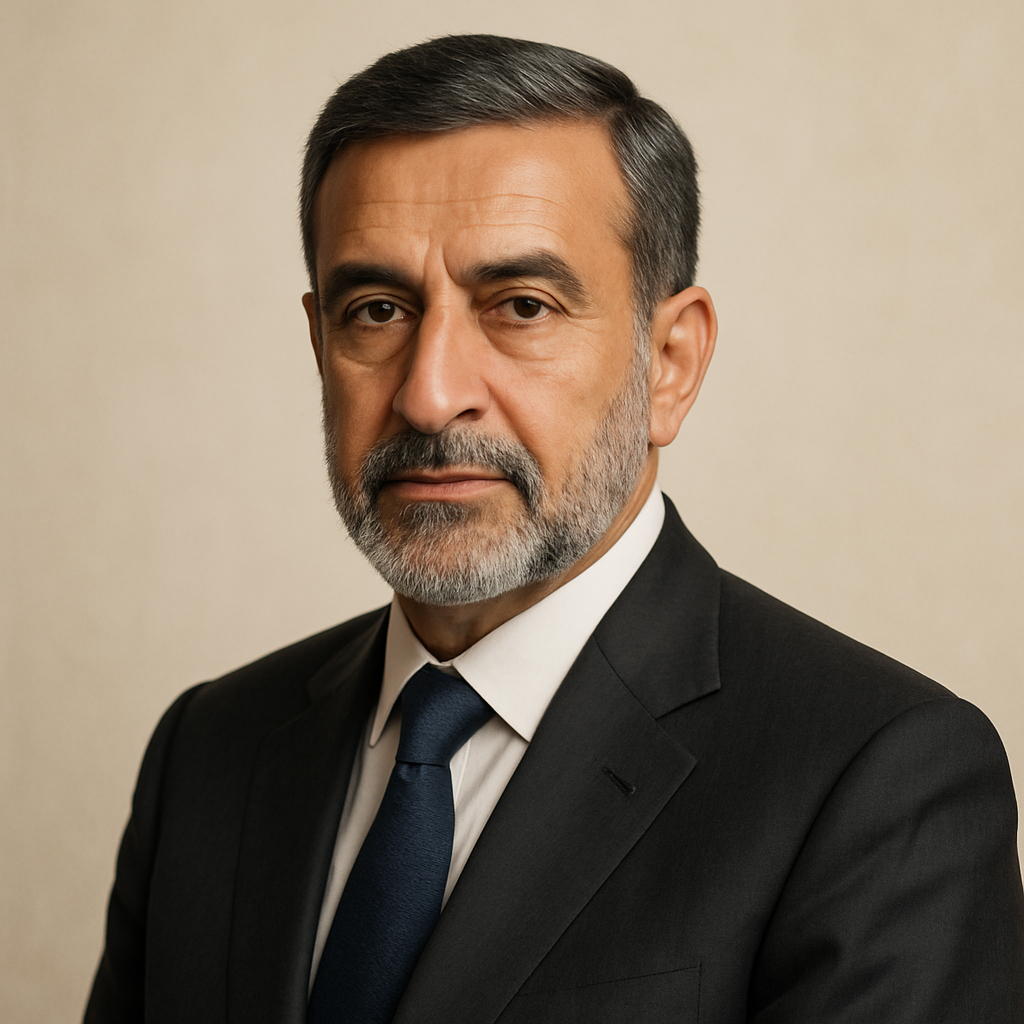
His Majesty King Abdullah II's speech at the general session of the seventieth session of the United Nations General Assembly.
 Abdullah II Ibn Al Hussein · King of Jordan
- Context
- King Abdullah II addressed the UN General Assembly's 70th session on September 28, 2015, outlining a seven-step plan to combat extremism and promote interfaith harmony.
- Main themes
- Religious extremism and terrorism, interfaith dialogue and tolerance, moderation in religious discourse, collective international response, Jordanian peace initiatives, winning hearts and minds, coexistence among religions, media and youth, distortion of Islam, global security
- Duration
- ~14 min
- Words
- 1,630
- Sentences
- 75
- Readability
- 52
- Grade
- 11.4
- Syntax
- 2.99
- Vocabulary
- 2.24
Translated from Arabic
The broad sphere of national life a sentence belongs to. Every sentence has an Arena, so it is the denominator the other indices are read against.
Other75 sentences in 29 paragraphs
In the name of Allah, the Most Gracious, the Most Merciful
Mr. President, Mr. Secretary-General, Your Majesties, Excellencies, and Honorable Guests,
I thank you all. It is my pleasure to address you from this international platform, representing Jordan, as a person who loves Allah and fears Him, and loves all of humanity. I am also here as a father who seeks for his sons and daughters, and your sons and daughters, and all of humanity, to live in a world filled with peace, mercy, and love.
However, the future of this world, as we all aspire to it, is facing a serious threat from the extremists, those who are outside of Islam and its noble human values, and who have now reached a point of threatening the entire global community. They exploit religious differences to undermine the foundations of cooperation and compassion among billions of people of all religions and sects, who live side by side in many of our countries. These gangs, who are outside of Islam, also take advantage of the state of closure and doubt among followers of different religions and sects to expand and extend their influence. Worse still, they grant themselves absolute freedom to distort the interpretation of Allah's words and justify their heinous crimes.
We are all united today in the necessity of defeating these gangs. But before we ask how to achieve this goal, let us ask: What if they are not defeated? How will our world be then? Can we accept a future dominated by mass killings, beheadings, abductions, and slavery? And a future where the prevailing norm is the persecution of minorities, and where the cultural and civilizational heritage of all humanity, which has been preserved for thousands of years, is systematically destroyed?
I have previously described what our world is witnessing today as a Third World War, and our response to it must match the scale of the challenge, which requires international action and collective effort on various fronts.
We must all be certain that the most important front in this war is taking place in the arenas of thought, and its goal is to win hearts and minds. We must all unite as a human community in this war.
In Jordan, we are proud to work with you to launch initiatives that highlight the importance of tolerance and dialogue at the global level. To embody this, Jordan has launched the "Amman Message," "Common Word," and "World Interfaith Harmony Week," the latter of which was adopted by the United Nations four years ago as an annual event aimed at encouraging people in general, and youth in particular, to embrace the noble principles of tolerance and coexistence.
These efforts must continue, and the United Nations must play a central role in them. We all, peoples and leaders, must contribute to building this path. Allow me to propose here seven essential steps to achieve this.
First, let us return to the roots, to the essence and common spirit among religions and our beliefs. Because, unfortunately, we sometimes lose sight of the bigger picture: the commonalities between us are far greater than the differences. This is reflected in the shared values that we believe in, of love, peace, justice, and compassion, as He, the Exalted, said: "And My mercy encompasses all things" (Al-A'raf 156).
Second, let us change the tone of our discourse. During one of my recent tours, I noticed a sign by the roadside that said: "Fear Allah." A few miles away, another sign with the same phrase, then another similar one, and the last one said: "Or hell is the abode." I wondered: When and how did fear creep into our discourse instead of the love of Allah? Most people may think they have nothing to do with the hate speech carried by extremists, but our world is at risk when violence, fear, and anger dominate our discourse, whether in schools, religious sermons, or even in our international relations.
Third, let us translate our beliefs into actions. What I mean here is that we should not stop at performing some rituals of prayer, fasting, and charity, but rather elevate that to embody the values and principles of our noble religion in our daily lives, in every hour of a new day, by loving our neighbor, respecting those who differ from us, and caring for our children. Each one of us can do something that reflects the principles of our faith in our Creator.
Fourth, we must amplify the voice of moderation. One of the greatest paradoxes of our time is that extremist voices exploit modern media to spread ignorance! We must not allow our screens, airwaves, internet networks, and social media to be monopolized by those who pose the greatest threat to our world. We must also instill in our media, and more importantly, in the minds of our youth, moderation and its purity.
Fifth, we must expose the falsehood and deception for what they are. When we look at the motives of these extremists, those who are outside of Islam, and indeed the motives of extremists around the world, we find that the lust for power and control over people, wealth, and land drives them. They use religion as a mask, and is there anything worse than distorting the words of Allah to serve their agendas? Is there anything lower than exploiting the weak and innocent to recruit them?
And we must remember here that the global Islamic community includes one billion seven hundred million righteous men and women, who represent a quarter of humanity. As for the gangs outside of Islam that we see today wreaking havoc on earth, they represent only a drop in the ocean of the righteous among us. But a drop of poison like this can poison an entire well. Therefore, it is our duty to protect our religion and its noble values. This is our war as Muslims, and this is our obligation.
Sixth, tolerance does not accept the extremism that grows on the indifference of moderate thinkers. But moderation does not mean accepting those who harm others and reject everyone who differs from them. Our global war today is not between peoples or communities or religions, but it is a war that unites all moderates, from all religions and beliefs, against all extremists from all religions and beliefs. Leaders of all countries, religions, and communities must take a clear and public stance against extremism, whatever its type or form. This includes respecting all places of worship, whether mosque, church, or synagogue.
And there is no place more important and impactful to embody this respect and coexistence than the city of Jerusalem, where the Hashemite guardianship over Islamic and Christian holy sites is a sacred duty, and here we join our voices with Muslims and Christians everywhere in rejecting the threats faced by the holy places and the Arab identity of this city.
My friends,
The seventh step relates to communication. In our time, communication defines how we live and interact, whether in our work, communities, schools, or all aspects of our lives. Just a few years ago, the concept of the electronic communication network or the internet was limited to connecting computers, it was called "computer internet," but now we are talking about the "internet of things," meaning that the internet now connects many diverse aspects of life. But more importantly is the concept of the "internet of humanity," which represents the highest levels of communication that unites our consciences and brings us together on a single cause.
Ladies and gentlemen,
Through our gathering here today, we acknowledge that the effectiveness of collective action far exceeds the power of any individual effort. The United Nations General Assembly must address the urgent global issues represented by comprehensive sustainable development, which can provide us with more opportunities, especially for youth, and enhance the possibility of reaching peaceful political solutions to regional crises.
It is also the world's duty to find solutions and provide relief to millions of refugees in the Middle East, as we face today a huge shortfall affecting vital United Nations programs and organizations, including UNRWA, the United Nations High Commissioner for Refugees, and the World Food Programme.
Today, we are haunted by images of thousands of refugees on the shores and borders of Europe, seeking hope far from their homeland. We have faced this challenge in Jordan since the beginning of the Syrian crisis, where Syrian refugees alone today constitute 20 percent of the population of the Kingdom.
We have taken upon ourselves from the beginning a large part of the burden of this humanitarian catastrophe, lifting it from the shoulders of the international community. However, the support that Jordan has received is only a small fraction of the cost we have borne. It is time for the international community to act collectively to confront this unprecedented humanitarian crisis and support countries like Jordan and Lebanon, which have borne the brunt of this burden over the past four years.
My friends,
We must work collectively in all the areas I have mentioned, for the future of our world. Communication is the key to success. Our shared values of equality, mercy, and hope must be embodied in all our actions. We must communicate with one another for the good of all.
For these shared values and bonds are the source of the strength of the United Nations, and the promise it embodies. Here, together we can, and it is our duty to create the future that our peoples want: a world that is safer and stronger, where coexistence, inclusion, prosperity, and peace prevail.
These seven steps I have mentioned can lead us to our desired destination, and with Allah's permission, our peoples and countries will achieve them, and even more.
Thank you.
The original Arabic. The tags above are read on the English translation's sentences.
بسم ﷲ الرحمن الرحيم
السيد الرئيس، السيد الأمين العام، أصحاب الجلالة والفخامة والمعالي،
أشكركم جميعا. ويطيب لي أن أخاطبكم من على هذا المنبر الدولي ممثلا للأردن، وإنسانا يحب ﷲ ويخشاه، ويحب البشرية جمعاء. وأنا هنا أيضا، كأب يسعى لأن يعيش أبناؤه وبناته، وأبناؤكم وبناتكم، والبشر جميعا، في عالم يسوده السلام والرحمة والمحبة.
إلا أن مستقبل هذا العالم، كما نتطلع إليه جميعا، يتعرض لتهديد خطير من الخوارج، أولئك الخارجين عن الإسلام وقيمه الإنسانية النبيلة، والذين وصل بهم الأمر اليوم إلى تهديد المجتمع العالمي بأسره. فهم يستغلون الاختلافات الدينية لتقويض أسس التعاون والتراحم بين بلايين الناس، من جميع الأديان والطوائف، ممن يعيشون متجاورين في العديد من بلداننا. كما تستغل هذه العصابات، الخارجة عن الإسلام، حالة الانغلاق والشك بين أتباع مختلف الديانات والمذاهب للتوسع وبسط نفوذها. والأسوأ من كل ذلك، أنهم يمنحون أنفسهم مطلق الحرية لتحريف تأويل كلام ﷲ وتبرير جرائمهم البشعة.
إننا مجمعون اليوم على ضرورة هزيمة هذه العصابات. ولكن قبل أن نتساءل حول كيفية تحقيق هذا الهدف، دعونا نسأل: ماذا لو لم تتم هزيمتهم؟ وكيف سيكون عالمنا حينها؟ وهل يمكن أن نرضى بمستقبل يسوده القتل الجماعي، وقطع الرؤوس، والخطف والعبودية؟ وبمستقبل شرعه السائد اضطهاد الأقليات، وحيث الإرث الحضاري والثقافي للإنسانية جمعاء، والذي تم الحفاظ عليه لآلاف السنين، يدمر بشكل ممنهج؟
لقد وصفتُ من قبل ما يشهده عالمنا اليوم بأنه حرب عالمية ثالثة، ويجب أن تكون استجابتنا لها بحجم التحدي، الأمر الذي يتطلب عملا دوليا وجهدا جماعيا على مختلف الجبهات.
ويجب أن نكون جميعا على يقين بأن الجبهة الأكثر أهمية في هذه الحرب تدور رحاها في ميادين الفكر، ومبتغاها كسب العقول والقلوب. وعلينا جميعا أن نوحد الصفوف كمجتمع إنساني في هذه الحرب.
إننا في الأردن فخورون بالعمل معكم لإطلاق مبادرات تبرز أهمية التسامح والحوار على مستوى العالم. وتجسيدا لذلك، أطلق الأردن مبادرات "رسالة عمان"، و"كلمة سواء"، و"الأسبوع العالمي للوئام بين الأديان"، والأخيرة اعتمدتها الأمم المتحدة، قبل أربع سنوات، كحدث سنوي يهدف إلى تشجيع الناس عموما، والشباب على وجه الخصوص، لتبني المبادئ النبيلة للتسامح والتعايش.
لا بد لهذه الجهود أن تستمر، وأن يكون للأمم المتحدة دور محوري فيها. وعلينا جميعا، شعوبا وقادة، أن نسهم في بناء هذا الطريق. واسمحوا لي أن أقترح هنا سبع خطوات أساسية لتحقيق ذلك.
أولا، دعونا نعود إلى الأصول، إلى الجوهر والروح المشتركة بين الأديان وبين معتقداتنا. لأننا، وللأسف، نفقد أحيانا الصورة الشاملة: فالجوامع بيننا أعظم بكثير من الفوارق. ويتمثل هذا الأمر في القيم المشتركة، التي نؤمن بها، من محبة وسلام وعدل وتراحم، لقوله عز وجل: "ورحمتي وسعت كل شيء" (الأعراف 156).
ثانيا، دعونا نغير لهجة خطابنا. فخلال إحدى جولاتي مؤخرا، لاحظت لافتة على جانب الطريق تقول: "خافوا ﷲ". وعلى بعد أميال قليلة، لافتة أخرى بنفس العبارة، ثم أخرى مماثلة، ثم ثالثة، أما الأخيرة فكانت تقول: "أو الجحيم هو المأوى". وتساءلت: متى وكيف تسلل الترهيب إلى خطابنا بدلا من محبة ﷲ؟ قد يعتقد معظم الناس أنه لا علاقة لهم بخطاب الكراهية الذي يحمله المتطرفون، لكن عالمنا عرضة للتهديد عندما يسيطر العنف والخوف والغضب على خطابنا، سواء في المدارس أو الخطب الدينية أو حتى في علاقاتنا الدولية.
ثالثا، دعونا نترجم معتقداتنا إلى أفعال. وما أعنيه هنا ألا نقف عند أداء بعض الفرائض فقط من صلاة وصيام وزكاة، بل لنرتقي بذلك إلى تجسيد القيم والمبادئ لديننا الحنيف في حياتنا اليومية، في كل ساعة من مطلع يوم جديد، وذلك بأن نحب جارنا، ونحترم من يختلف معنا وأن نرعى أطفالنا. فكل واحد منا يمكنه القيام بشيء يعكس مبادئ إيماننا بخالقنا.
رابعا، علينا أن نُعظّم صوت الاعتدال. فمن أعظم المفارقات العجيبة في زماننا هذا أن تستغل الأصوات المتطرفة وسائل الإعلام الحديثة لنشر الجهل! علينا ألا نسمح بأن تُحتَكَر شاشاتنا وموجات الأثير وشبكات الانترنت ووسائل التواصل الاجتماعي من قبل من يشكلون الخطر الأكبر على عالمنا. وعلينا أيضا أن نزرع في وسائل إعلامنا، والأهم من ذلك، في عقول شبابنا، الاعتدال ونقاءه.
خامسا، علينا أن نكشف الزيف والخداع على حقيقته. فعندما ننظر إلى دوافع هؤلاء الخوارج، الخارجين عن الإسلام، بل إلى دوافع المتطرفين في جميع أنحاء العالم، نجد أن شهوة السلطة والسيطرة على الناس والأموال والأرض هي محركهم. إنهم يستخدمون الدين كقناع، وهل هناك ما هو أسوأ من تحريف كلام ﷲ لخدمة أجنداتهم؟ وهل هناك أدنى من استغلال الضعفاء والأبرياء لتجنيدهم؟
وعلينا أن نتذكر هنا أن المجتمع الإسلامي العالمي يضمّ مليارا وسبعمائة مليون من الرجال والنساء الصالحين، الذين يمثلون ربع البشرية. أما العصابات الخارجة عن الإسلام والتي نراها اليوم تعيث فسادا في الأرض، فهي لا تمثل سوى قطرة في محيط الصالحين منا. لكن قطرة من السم كهذه تسمم بئرا بأكمله. وعليه، يتوجب علينا نحن حماية ديننا وقيمه النبيلة. فهذه حربنا كمسلمين، وهذا واجبنا.
سادسا، التسامح لا يقبل التطرف الذي ينمو على حالة اللامبالاة لأصحاب الفكر المعتدل. لكن الاعتدال لا يعني قبول من يسيئون للآخرين ويرفضون كل من يختلف معهم. وحربنا العالمية اليوم ليست بين الشعوب أو المجتمعات أو الأديان، بل هي حرب تجمع كل المعتدلين، من جميع الأديان والمعتقدات، ضد كل المتطرفين من جميع الأديان والمعتقدات. وعلى قادة كل الدول والأديان والمجتمعات جميعا أن يتخذوا موقفا واضحا وعلنيا ضد التطرف مهما كان نوعه أو شكله. وهذا يشمل احترام جميع أماكن العبادة من مسجد أو كنيسة أو كنيس.
ولا مكان أهم وأكثر تأثيرا لتجسيد هذا الاحترام والتعايش من مدينة القدس، حيث الوصاية الهاشمية على المقدسات الإسلامية والمسيحية واجب مقدس، وهنا نضم صوتنا إلى المسلمين والمسيحيين في كل مكان رافضين التهديدات التي تتعرض لها الأماكن المقدسة والهوية العربية لهذه المدينة.
أصدقائي،
أما الخطوة السابعة فتتعلق بالتواصل. ففي عصرنا هذا، يحدد التواصل كيفية العيش والتفاعل، سواء في أعمالنا أو مجتمعاتنا أو مدارسنا وسائر جوانب حياتنا. فقبل سنوات قليلة فقط، كان مفهوم شبكة التواصل الإلكتروني أو الانترنت محصورا بالاتصال بين أجهزة الكمبيوتر، فكان يقال "انترنت الكمبيوتر"، أما الآن فإننا نتحدث عن "انترنت الأشياء"، بمعنى أن الانترنت بات يربط بين جوانب كثيرة ومتنوعة من الحياة. لكن الأهم من كل ذلك هو مفهوم "انترنت الإنسانية"، والذي يتمثل في أعلى درجات التواصل الذي يوحد ضمائرنا ويجمعنا على قضية واحدة.
سيداتي وسادتي،
إننا، ومن خلال اجتماعنا هنا اليوم، نقر بأن فاعلية العمل الجماعي تتجاوز بكثير قوة أي مجهود فردي. ويجب على الجمعية العامة للأمم المتحدة أن تعالج القضايا العالمية الملحة، والمتمثلة في التنمية المستدامة الشاملة، والتي يمكن أن توفر لنا المزيد من الفرص، خاصة للشباب، وتعزز من إمكانية التوصل إلى حلول سياسية سلمية للأزمات الإقليمية.
ومن واجب العالم أيضاً إيجاد الحلول وتقديم الإغاثة للملايين من اللاجئين في الشرق الأوسط، إذ نواجه اليوم نقصا هائلا تتعرض له برامج ومنظمات الأمم المتحدة الحيوية، بما فيها الأونروا، والمفوضية السامية للأمم المتحدة لشؤون اللاجئين، وبرنامج الغذاء العالمي.
واليوم، تلاحقنا صور الآلاف من اللاجئين على شواطئ وحدود أوروبا، الساعين وراء الأمل بعيدا عن وطنهم. لقد واجهنا في الأردن هذا التحدي منذ بداية الأزمة السورية، حيث يشكل اللاجئون السوريون لوحدهم اليوم 20 بالمائة من سكان المملكة.
وقد أخذنا على عاتقنا منذ البداية جزءا كبيرا من عبء هذه الكارثة الإنسانية، ورفعناه عن كاهل المجتمع الدولي. إلا أن الدعم الذي تلقاه الأردن لا يشكل إلا جزءا بسيطا من الكلفة التي تحملناها. وقد آن الأوان ليتحرك المجتمع الدولي بشكل جماعي لمواجهة هذه الأزمة الإنسانية غير المسبوقة، ودعم دول مثل الأردن ولبنان، اللذين تحملا وطأة هذا العبء خلال السنوات الأربع الماضية.
أصدقائي،
يجب أن نعمل بشكل جماعي في جميع المجالات التي ذكرتها، من أجل مستقبل عالمنا. والتواصل هو مفتاح النجاح. ولا بد أن تتجسّد قيمنا المشتركة من مساواة ورحمة وأمل في كل ما نقوم به من أفعال. ويجب أن نتواصل مع بعضنا البعض لما فيه خير الجميع.
فهذه القيم والروابط المشتركة هي مصدر قوة الأمم المتحدة، والوعد الذي تجسده. هنا، ومعا يمكننا، بل من واجبنا صناعة المستقبل الذي تريده شعوبنا: عالم أكثر أمنا وقوة يسود فيه التعايش وإشراك الجميع والازدهار والسلام.
هي سبع خطوات ذكرتها يمكنها أن تقودنا إلى وجهتنا المنشودة، وبإذن ﷲ سوف تحققها شعوبنا وبلداننا، وستحقق أكثر من ذلك.
وشكرا.