




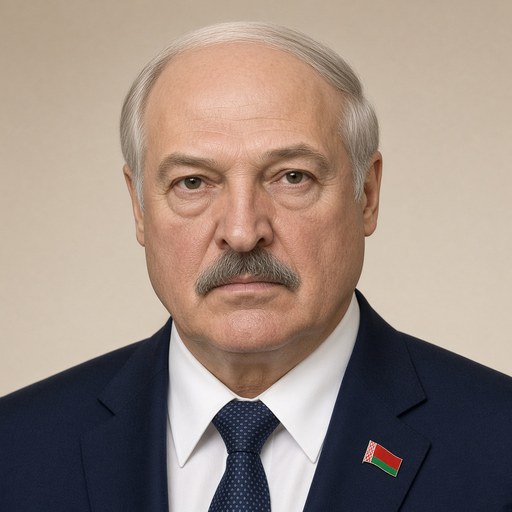
Brief theses of the speech by the President of the Republic of Belarus at the Second All-Belarusian People's Assembly with the report "For a Strong and Prosperous Belarus"
 Alexander Lukashenko · President of Belarus
- Context
- Lukashenko addressed the Second All-Belarusian People's Assembly on May 16, 2001, presenting a national development report and five-year socio-economic program.
- Main themes
- Socio-economic development, five-year development program 2001-2005, Belarusian sovereignty and statehood, export, housing and food priorities, national security and defense, investment and legislative framework, standard of living and well-being, demographic situation, state management and governance, inflation and budget stability, CIS and Union State relations
- Duration
- ~35 min
- Words
- 4,188
- Sentences
- 198
- Readability
- 37
- Grade
- 13.4
- Syntax
- 3.06
- Vocabulary
- 2.21
Translated from Russian
The broad sphere of national life a sentence belongs to. Every sentence has an Arena, so it is the denominator the other indices are read against.
Other198 sentences in 61 paragraphs
The President of the country delivered a report titled "For a Strong and Prosperous Belarus" at the All-Belarusian Assembly.
The head of state sincerely welcomed 2,500 delegates of the forum, elected from all corners of our country. He also informed that heads and representatives of diplomatic missions accredited in Belarus, representatives of the governing bodies of the CIS, the Union State, delegations from the Russian Federation, Ukraine, Lithuania, Latvia, Estonia, Kazakhstan, as well as representatives of religious denominations, the Belarusian diaspora, a number of international organizations, and media leaders are participating in the forum.
"The goal of the forum is to discuss the mandates of voters, to consider local and regional issues, and to determine the paths for the development of our state at the national level for the near future," stated Alexander Lukashenko. He also noted that today’s assembly is a direct conversation with the Belarusian people, a check of the course along which the country will develop in the coming five years.
Over the past five years, there have been both achievements and failures. But amidst specific, albeit important problems, we must not lose sight of the main outcome of the five-year period - for the first time in the centuries-old history of our people, Belarus has established itself as an independent and sovereign state, declared President Alexander Lukashenko.
According to him, after the collapse of the USSR, Belarusian society was on the brink of chaos. We managed to create effectively functioning state institutions and an optimal socio-economic system. This is indeed the main result of our activities over the past 5-7 years, emphasized the head of state.
The economic situation in the country has stabilized in recent years, and significant growth has been achieved in the most important socio-economic indicators. Alexander Lukashenko emphasized that the gross domestic product increased by 36 percent over the five-year period.
The most important issue in the life of the republic, Alexander Lukashenko called the main question of today’s forum - the draft program for the socio-economic development of the country for 2001-2005. He urged the forum participants to engage in an open, honest, and principled conversation. "Each of you has the right to express your opinion," said the president, "focusing on the interests of voters." The head of state expressed hope that the delegates of the forum would voice concrete and businesslike proposals regarding the determination of the prospects for our country’s movement in the coming years.
Export, housing, and food were identified today by President Alexander Lukashenko as priority areas of activity for the republic in the coming five years. The main tool for their implementation, the head of state believes, is the workforce and intellectual capabilities of the population.
Increasing the well-being of the people and, accordingly, their standard of living is the strategic goal of the socio-economic development of the country in the coming five years. Alexander Lukashenko emphasized that in the context of this task, it is necessary to create the necessary conditions for the health of the population and to improve the demographic situation in the country.
In Belarus, an effectively functioning system of state management of vertical power has been created. And at the same time, according to Alexander Lukashenko, we proceeded from the demands of the people.
In Belarus, the president noted, the structure for ensuring national security and defense capability has been preserved. We managed to protect the country from mafia clans; we did not allow crime to become a political force and break into power. We have no devastation, corruption, or robbery. According to Alexander Lukashenko, the government has managed to stop galloping inflation and reduce the budget deficit. And this is without any external assistance, emphasized the head of state. The president paid special attention to the fact that the authorities did not "squander" the people's wealth and the country did not become mired in debts that future generations would have to repay.
A clear legislative framework should contribute to attracting investments to the country. At the same time, Alexander Lukashenko emphasized in his speech that all enterprises located on the territory of the country must work for the benefit of the Belarusian people and the state. But, of course, taking into account the interests of the owner. And this applies to all enterprises, regardless of their ownership structure.
The effectiveness of the chosen economic course, the pillars of which are the nationwide programs "Food," "Export," and "Housing," has been confirmed by practice, stated the head of state. In the upcoming five-year period, these areas will receive further development. However, in Alexander Lukashenko's opinion, this is impossible without increasing the contribution of Belarusian scientists to this process.
Unfortunately, we must state, said the head of state, that to this day, a scientific concept for the reconstruction of the domestic economy has not been developed. And this is despite the fact that the state finds the opportunity to finance science to a greater extent than other countries of the Commonwealth can afford. The National Academy of Sciences will be headed by a scientist, said the president, who can connect the possibilities of scientific research with the demands of the time.
"Wild" privatization will not take place in Belarus; the state will not sell profitable enterprises that contribute significantly to the republican budget into private hands, declared the President of the country.
For effective production, a responsible owner is necessary, noted Alexander Lukashenko. But this does not necessarily mean a private owner. Most state enterprises are operating successfully. However, the situation in some private joint-stock companies is dire. Therefore, the problem is not only in the form of ownership. And confirmation of this is the situation with wage payments, which not all private owners can provide to their employees. However, regarding state structures, such problems are not observed.
State support for enterprises cannot be constant. This is the opinion of President Alexander Lukashenko. If an enterprise has managed to emerge from a crisis, it must then embark on an independent path. According to economic laws, all production facilities must earn a living and develop in conditions of competitive struggle. "The state cannot carry them on its shoulders all the time," emphasized the Belarusian leader. Therefore, it is necessary to think in a timely manner about the introduction of promising technologies.
Belarus is the only country in the CIS that has exceeded the level of 1990 in many economic parameters, emphasized Alexander Lukashenko in his speech at the second All-Belarusian Assembly. And this is not a bluff; it is recognized by our critics - the International Monetary Fund, the relevant UN commissions, he said.
Direct investments in fixed assets should amount to up to 1 billion dollars a year by 2005. For this, it will be necessary to create stable and attractive conditions for foreign and domestic investors. A solid and decent entrepreneur should become a respected figure. Our country welcomes and invites such partners for business cooperation.
At the same time, the head of state emphasized that we need to rely not so much on external investments as on our internal ones. It is necessary to invest more of our own funds in production.
Alexander Lukashenko noted the need for special care from the state for pensioners. Work on improving the pension system will be refined in the future. And pension increases will occur in line with the growth of the average salary of workers and employees. Pensions need to be brought to 100-150 dollars; otherwise, pensioners will have a hard time. Representatives of this segment of the population must feel their security, noted the president. And the source of increasing pensions and other social payments should be the growth of production and a decrease in the cost of produced goods.
Alexander Lukashenko drew the attention of the participants of the second All-Belarusian People's Assembly to the realization of the potential of the radio-electronic and defense industries. As the head of state pointed out, it is extremely important to master the production of new communication systems, devices, relevant medical equipment, and other promising products.
In housing construction, Belarus has consistently ranked first among the CIS and Baltic countries for five years. In 2000, according to him, 353 square meters of living space were commissioned per 1,000 people in the republic.
According to available data, the president emphasized, in fraternal Russia, this figure is 206 square meters, in Ukraine - 108, and in other countries - less than one hundred. The pace of construction, the president assured, will be maintained. Every year, 2.5 to 3 million square meters of total area will be put into operation. And already in the current five-year period, more than 300,000 families will receive new apartments.
The Program for the Socio-Economic Development of the Country for the next five years forecasts an increase in wages, bringing the level in August across the republic to the equivalent of 100 dollars. For budget-funded workers, this will be by December 30, 2001. The wages of workers in the national economy should reach 250 dollars by the end of 2005. The president expressed confidence that a third of enterprises would be able to reach this projected figure even significantly earlier.
The tax burden for business entities in the country will be reduced by 6 percentage points. This is made possible by the strengthened economy. By lowering taxes, we will achieve an even greater effect in terms of tax revenues, said the President of Belarus. He also emphasized that the entire tax system is being simplified, and a new Tax Code, unified with the Russian one, will be introduced.
The measures taken by the state to increase the purchasing power of the population have proven effective, stated Alexander Lukashenko from the podium of the second All-Belarusian People's Assembly. Over the past five years, he noted, the number of cars owned by the population has increased by one and a half times - every fourth family has a car, nine out of ten Belarusians have a color television, and people's deposits are growing both in Belarusian rubles and in hard currency.
As an example of effective production development, the president mentioned the work of the state enterprise "Horizont." In this structure, there was no mass layoff of people, although a few years ago the situation here was very difficult. The new management of the enterprise managed, with the support of the state, to "raise the plant from the ruins," emphasized the president. And now "Horizont" operates stably, producing competitive, high-quality products.
Taking into account resettlement and the secondary housing market, in the coming five years, housing conditions will improve for 500,000 families. This forecast was given by President Alexander Lukashenko. According to him, this is an objective reality, considering the current pace of construction.
At the same time, the head of state assessed the current state of affairs in the construction sector as unsatisfactory: excessively high prices, low quality of work performed. Such a situation cannot be tolerated, and in June we will return to this problem at the highest level, emphasized the president.
The leadership of the country, the head of state assured the forum participants, will always pay attention to the older generation, large families, single-parent families, and people with disabilities. Currently, everything is being done to improve the well-being of this segment of the population and to pay pensions and benefits on time. The state’s social policy, noted Alexander Lukashenko, is aimed at ensuring the growth of pensions and bringing them by the end of the five-year period to fifty percent of the average salary in the country, on average, from 120 to 150 dollars per month.
Belarus's budgetary policy will be directed towards implementing socio-economic priorities and state programs, and towards forming a competitive structure of the national economy. We are forced to increase financial expenditures to minimize the consequences of the Chernobyl disaster, for healthcare, and for other social and cultural spheres.
Developing this topic, the President emphasized that sectors such as transport, energy, and housing and communal services must reduce the burden on the budget. And to make their services accessible to the population, it is necessary to introduce certain compensatory mechanisms. In general, the consolidated budget deficit should not exceed 1.5 percent of the gross domestic product.
By conducting a socially-oriented economic policy, the state partially relieves people from paying for utilities, transportation, and preschool institutions. The state finances up to 50 percent of the payment for many services from the budget.
In Belarus, with strong state support for the agricultural sector, it has been possible to avoid the depth of decline in agriculture that our neighbors are experiencing. As Alexander Lukashenko noted, the population of the country is provided with its own food products.
Despite the fact that the last three years have been extremely poor in harvests, the republic has maintained a high level of production and consumption per capita. And this indicator, according to the president, is much higher than in Lithuania, Latvia, and Ukraine.
The quality of life of people is directly dependent on medical care, and investments in human health are investments in the future. In practice, emphasized President Alexander Lukashenko, this is expressed in such figures: two million people are under constant medical supervision, about three million receive medical assistance in hospitals annually. The state is in debt to medical professionals, to universally recognized professionals, the head of state is convinced. That is why they have been tasked with the government and the Ministry of Health to create modern research centers, to ensure specialists receive high salaries, and to preserve scientific medical schools and create new ones.
The health of the people and the strengthening of the material and technical base of medical institutions will remain one of the priority areas of the socio-economic development of the country for the next five years, stated President Alexander Lukashenko at the second All-Belarusian People's Assembly. Confirmation of this is the construction of a new urban multi-profile hospital in Brest. Another department of the hospital, the surgical unit designed for 60 beds, has already been fully equipped and will accept its first patients starting May 21.
Belarus needs to produce enough agricultural products not only for the domestic market but also to sell, so that agriculture becomes self-sustaining. According to the President of Belarus, for this purpose, it is necessary to boldly pursue deep transformations in the countryside. It is essential to understand, the president emphasized, that the extensive development of the sector has exhausted itself, therefore the transition to an intensive model of the agro-industrial complex is a matter of the quality of life for peasants, the strength of the state, and the well-being of society, believes Alexander Lukashenko.
"We must help the peasants because they feed the country," the head of state emphasized. He particularly noted the need to provide this assistance to pensioners, agricultural specialists, and rural intelligentsia who have household plots.
In the opinion of the head of state, assistance should be provided not only in the cultivation of land plots but also in the purchase of surplus products: milk, meat, potatoes, vegetables. This is very important, emphasized Alexander Lukashenko, because with this approach, peasants will strive to produce products for sale, and they will not have to be forced to take additional land. "We must help sell the products that people obtain. Moreover, they are always cheaper to produce than in agricultural enterprises," said the president.
Transformations in the countryside will begin with unprofitable and low-profit farms, the president of the country emphasized. The organizational and economic mechanism of the agro-industrial complex will be seriously changed. The president also believes that it is time to reconsider the methods of working with the personnel of managerial workers in the agro-industrial complex. The state will help the countryside, but only in the technical and technological re-equipment of production, emphasized Alexander Lukashenko.
The main attention will be paid to revising zonal specialization and increasing the productivity of agriculture and livestock sectors. At the same time, the president drew the attention of agricultural enterprise leaders to the fact that "pressing on the authorities without doing their own work is a futile task." Those who demand market freedoms will receive this opportunity, but they will also bear responsibility for the results in their farms according to market laws, emphasized Alexander Lukashenko.
Significant funds are allocated by the state for the training of specialists with higher education. The president of the country, Alexander Lukashenko, emphasized this. He noted that more than 280,000 students are currently studying in the country's universities, with 60 percent of them funded by the state. The cost of education for just one student per year ranges from 800 to 1,000 dollars.
Priority development in the countryside will be given to large-scale production. According to the President of Belarus, an individual approach to each farm will be maintained in the future. State subsidies in agricultural enterprises will be provided per unit of produced products, taking into account regional and individual characteristics, noted the Belarusian leader.
The head of state expressed serious grievances against the leadership of the Ministry of Health. During inspections conducted by the State Control Committee, he reported, facts of gross violations of financial discipline were revealed. Only the personal intervention of the president allowed the cost of one of the contracts to be reduced from two and a half million dollars to two million. It was to the leadership of this ministry that Alexander Lukashenko addressed the question of how much money could be saved if the country purchases medicines and diagnostic equipment worth many millions of dollars annually?
The National Bank must take full responsibility for the state of affairs in the banking sector of the republic. What happened with the "BelBaltia" bank could have been prevented through control methods, but this was not done. So, the deceived depositors are also the responsibility of the National Bank, said Alexander Lukashenko while speaking today at the All-Belarusian People's Assembly.
At the same time, he addressed those trusting citizens who entered into transactions with dubious structures promising them "crazy interest rates." It is very difficult for the state to compensate for the money lost by people. But it will help them. The president reminded that there are six powerful systemic banks in Belarus, the safety of deposits in which the state guarantees.
By 2005, the exchange rate of the Belarusian ruble against the US dollar will not exceed 2000-2100 rubles. The state is taking a whole range of measures to ensure that the national currency is stable. We will ensure the safety of the population's deposits and protect them from inflation, said Alexander Lukashenko.
Alexander Lukashenko called the Union of Belarus and Russia the most important geopolitical phenomenon of the late 20th century. The authorities of the country, according to the president, continue to pursue a course oriented towards integration with the Russian Federation, despite numerous attacks from the opposition and some Western politicians who see in this union the prospect of restoring a world center of power similar to the USSR.
When creating a single emission center of the Union of Belarus and Russia, the sovereignty of the Belarusian state will be fully respected. An unequal union is short-lived and unnecessary for anyone. This was stated today by Alexander Lukashenko while speaking at the All-Belarusian People's Assembly.
The head of state asked some politicians not to make hasty conclusions regarding the loss of the country's sovereignty. He emphasized that we have only just begun to discuss this issue and have not yet decided where the emission center will be located and who will manage it. For now, there is only a "framework agreement, as a guideline, as a path we are following." We will not take a single step without reciprocal movement from our partners, said the president.
In the framework of foreign policy, Belarus is ready to take reciprocal steps towards normalizing relations with European and US countries, but on equal terms. As emphasized in his report at the second All-Belarusian People's Assembly by Alexander Lukashenko, within reasonable limits, our country can make compromises and concessions.
In recent years, cooperation between Belarus and many countries has intensified, and new markets for national products have emerged. For example, the volume of trade and economic turnover with China has significantly increased - trade with this country has grown eightfold over the past five years. As noted by Alexander Lukashenko, paths for cooperation with countries in the Asia-Pacific region have emerged. The president of the country emphasized that good relations are also maintained with countries in the Middle East, and directions for relations with African states have been determined.
Ensuring national security remains a key area of state activity, emphasized President Alexander Lukashenko in his report at the second All-Belarusian People's Assembly. The events of a decade ago confirmed that the collapse of the Union disrupted the balance of power that had ensured security on the planet as a whole and in the European region in particular for half a century. With the establishment of a unipolar world order, a group of countries in the NATO military-political bloc appropriated the right to use armed force against sovereign states at their discretion. As the president emphasized, a vivid example of this is the aggression against Yugoslavia.
Despite a peaceful foreign policy, Belarus has recently become the target of intelligence and other actions by foreign special services and centers. Their activity has particularly increased this year, and the reasons for this phenomenon in connection with the upcoming presidential elections are clear, noted Alexander Lukashenko in his speech. The president emphasized that not only the West but also representatives of the opposition would like to recreate the situation in Belarus similar to that of Yugoslavia, in order to effect a change of power through direct political, military, and economic intervention from outside. But nothing like that can happen in Belarus; there are no conditions for it, the president of Belarus firmly stated.
The North Atlantic Alliance, when it serves its interests, does not hesitate to resort to armed force, disregarding the norms of international law. Poland's accession to NATO and the active desire of Latvia and Lithuania to become members of this bloc fundamentally change the situation regarding our security, primarily in the military sphere. The history of Europe teaches that in such proximity, states of the size of Belarus can protect their sovereignty and territorial integrity. But this is possible, the president of the country emphasized, under two essential conditions. The first is that the armed forces are morally and materially prepared to effectively resist aggression. And the second is that there is a reliable ally in the form of strong military and economically powerful states.
The military power of Russia as an ally of Belarus is a reliable guarantee of our country's security, emphasized President Alexander Lukashenko in his speech at the second All-Belarusian People's Assembly. In the president's opinion, with such a powerful ally as Russia, no one will be tempted to use armed force to bring Belarus to its knees. However, the presence of this factor does not relieve the state of the necessity to develop its own Armed Forces.
The state of combat readiness of the Belarusian army determines the value of our country as an ally, noted President Alexander Lukashenko in his speech. With a weak army, an alliance with Belarus will not be of interest to anyone. Considering this, the president emphasized, the country's defense capability has been and will continue to be strengthened. Alexander Lukashenko reminded that six or seven years ago, the Armed Forces of Belarus were in a deplorable state - equipment and weapons were being stolen and sold off. Despair, the absence of not only service but also life prospects were the lot of most officers. This was happening on the eve of the first All-Belarusian People's Assembly. And then it was determined: the task was to create a real Armed Forces of a sovereign Belarusian state, which have now emerged. The funds allocated for these purposes have been spent as intended.
The president of the country, Alexander Lukashenko, called on the delegates speaking from the podium of the second All-Belarusian People's Assembly to express concrete proposals on the substance of the main provisions of the socio-economic development program for the upcoming five-year period, without touching on the issues of the presidential election campaign. Especially since the dates for the presidential elections have not yet been determined.
In concluding his speech at the nationwide forum, Alexander Lukashenko quoted the words of the great Belarusian bard Yakub Kolas: "There is nothing more wonderful and precious for a person than their Homeland. A person without a Homeland is a beggar." The head of state urged the delegates of the assembly to apply their maximum knowledge and experience to make the lives of the people better, so that they could be proud of their Homeland. "So let us build and cherish our Fatherland together," urged Alexander Lukashenko to the participants of the forum. He wished everyone in the hall of the Republic Palace, all Belarusians, good health, happiness, and success in the upcoming five-year period.
The original Russian. The tags above are read on the English translation's sentences.
Президент страны выступил на Всебелорусском собрании с докладом "За сильную и процветающую Беларусь"
Глава государства искренне приветствовал 2,5 тысячи делегатов форума, избранных на собрание со всех уголков нашей страны. Он проинформировал также, что участие в форуме принимают главы и представители дипломатических миссий, аккредитованных в Беларуси, представители руководящих органов СНГ, Союзного государства, делегации Российской Федерации, Украины, Литвы, Латвии, Эстонии, Казахстана, а также представители религиозных конфессий, белорусской диаспоры, ряда международных организаций, руководители СМИ.
"Цель форума - обсудить наказы избирателей, рассмотреть проблемы местного и регионального масштаба и на общегосударственном уровне определить пути развития нашего государства на ближайшую перспективу", - заявил Александр Лукашенко. Он отметил также, что сегодняшее собрание - это прямой разговор с белорусским народом, сверка курса, по которому будет развиваться страна в ближайшее пятилетие.
За прошедшие 5 лет были и достижения и неудачи. Но за частными, пусть и важными проблемами мы не должны упустить главный итог пятилетия - впервые за многовековую историю нашего народа Беларусь состоялась как независимое и самостоятельное государство, заявил президент страны Александр Лукашенко.
По его словам, после распада СССР белорусское общество было на грани хаоса. Мы смогли создать эффективно функционирующие государственные институты, оптимальную социально-экономическую систему. Именно это главный результат нашей деятельности за последние 5-7 лет, подчеркнул глава государства.
Экономическое положение страны за последние годы стабилизировалось, и достигнут существенный рост по важнейшим социально-экономическим показателям. Подчеркнул Александр Лукашенко, валовый внутренний продукт за пятилетие увеличился на 36 процентов.
Важнейшим в жизни республики Александр Лукашенко назвал главный вопрос сегодняшнего форума - проект программы социально-экономического развития страны на 2001-2005 годы. Он призвал участников форума к открытому честному и принципиальному разговору. "Каждый из вас вправе высказать свое мнение, - сказал президент, - акцентируя внимание на интересах избирателей". Глава государства выразил надежду, что делегаты форума выскажут конкретные и деловые предложения, касающиеся определения перспектив движения нашей страны в ближайшие годы.
Экспорт, жилье, продовольствие обозначил сегодня президент страны Александр Лукашенко как приоритетные направления деятельности республики на ближайшую пятилетку. А главным инструментом их реализации глава государства считает рабочие руки и интеллектуальные возможности населения страны.
Повышение благосостояния народа и соответственно уровня его жизни - стратегическая цель социально-экономического развития страны в ближайшем пятилетии. Александр Лукашенко подчеркнул, что в контексте этой задачи необходимо создать необходимые условия для оздоровления населения, а также улучшить демографическую ситуацию в стране.
В Беларуси удалось создать эффективно действующую систему государственного управления вертикальной власти. И при этом, по словам Александра Лукашенко, мы исходили из требований народа.
В Беларуси, отметил президент, сохранена структура обеспечения национальной безопасности и обороноспособности страны. Нам удалось уберечь страну от мафиозных кланов, мы не дали криминалу стать политической силой и прорваться во власть. У нас нет разрухи, коррупции и разбоя. По словам Александра Лукашенко, правительство смогло остановить галопирующую инфляцию, сократить дефицит государственного бюджета. И это без всякой помощи извне, подчеркнул глава государства. Особое внимание президент обратил на тот факт, что власть не "разбазарила" народное достояние и страна не погрязла в долгах, отдавать которые пришлось бы последующим поколениям.
Четкая законодательная база должна способствовать привлечению в страну инвестиций. Вместе с тем, подчеркнул в своем выступлении Александр Лукашенко, все предприятия, которые находятся на террритории страны, должны работать во благо белорусского народа и государства. Но, конечно же, с учетом интересов собственника. И это касается всех предприятий, независимо от формы их собственности.
Эффективность избранного экономического курса, стержнями которого являются общереспубликанские программы "Продовольствие", "Экспорт", "Жилье", подтверждена практикой, заявил глава государства. В предстоящем пятилетии эти направления получат дальнейшее развитие. Однако, по мнению Александра Лукашенко, это невозможно без увеличения вклада в этот процесс белорусских ученых.
К сожалению, приходится констатировать, сказал глава государства, что до сего времени не выработана научная концепция реконструкции отечественной экономики. И это при том, что государство находит возможность финансировать науку в большей степени, чем это могут позволить себе другие страны Содружества. Национальную академию наук возглавит тот ученый, сказал президент, который сможет соединить возможности научных исследований с требованиями времени.
"Дикая" приватизация в Беларуси не пройдет, продавать в частные руки предприятия, приносящие весомую прибыль в республиканский бюджет, государство не будет, заявил Президент страны.
Для эффективного производства необходим ответственный собственник, отметил Александр Лукашенко. Но это необязательно частник. Успешно работает большинство государственных предприятий. А вот положение в некоторых частных, акционерные фирмах плачевное. Поэтому проблема не только в форме собственности. И подтверждением тому является ситуация с выплатой зарплаты, которую не все частники могут предоставить своим работникам. А вот что касается госструктур, то здесь таких проблем не наблюдается.
Государственная поддержка предприятиям не может быть постоянной. Так считает президент страны Александр Лукашенко. Если предприятию удалось выйти из кризиса, то в дальнейшем оно должно становиться на самостоятельный путь. Согласно экономическим законам, все объекты производства должны зарабатывать на жизнь и развитие в условиях конкурентной борьбы. "Государство все время на плечах тащить их не может", - подчеркнул белорусский лидер. Поэтому необходимо своевременно подумать о внедрении перспективных технологий.
Беларусь - единственная страна в СНГ, которая превысила по многим экономическим параметрам уровень 1990 года, подчеркнул в своем выступлении на втором Всебелорусском собрании Александр Лукашенко. И это не блеф, это признано и нашими критиками - Международным валютным фондом, соответствующими комиссиями ООН, сказал он.
Прямые инвестиции в основные производственные фонды к 2005 году должны составлять до 1 миллиарда долларов в год. Для этого потребуется создать стабильные и привлекательные условия для иностранных и отечественных инвесторов. Солидный и порядочный предприниматель должен стать уважаемой фигурой. Наша страна приветствует и приглашает к деловому сотрудничеству таких партнеров.
При этом глава государства подчеркнул, что нам надо рассчитывать не столько на внешние капиталовложения, сколько на свои внутренние. Необходимо вкладывать в производство больше собственных средств.
Александр Лукашенко отметил необходимость особой заботы государства о пенсионерах. Работа по совершенствованию пенсионной системы будет в перспективе совершенствоваться. А повышение пенсии будет происходить адекватно росту средней зарплаты рабочих и служащих. Пенсию надо довести до 100-150 долларов, иначе пенсионерам придется нелегко. Представители этого слоя населения должны чувствовать свою защищенность, отметил президент. А источником увеличения пенсий и других социальных выплат должны стать рост производства и снижение себестоимости выпускаемой продукции.
Александр Лукашенко обратил внимание участников второго Всебелорусского народного собрания на реализацию потенциала радиоэлектронной и оборонной промышленности. Как указал глава государства, крайне важно освоить выпуск новых систем связи, приборов, актуальной медицинской техники и другой перспективной продукции.
По строительству жилья на протяжении пяти лет Беларусь устойчиво занимает первое место среди стран СНГ и Балтии. В 2000 году, по его словам, на тысячу человек населения в республике введено 353 квадратных метра жилой площади.
По имеющимся данным, подчеркнул президент, в братской России этот показатель равняется 206 квадратным метрам, в Украине - 108, а в других странах - меньше ста. Темпы строительства, заверил президент, будут сохранены. Ежегодно будут вводиться в эксплуатацию 2,5 - 3 миллиона квадратных метров общей площади. А уже в текущем пятилетии новые квартиры получат свыше 300 000 семей.
В Программе социально-экономического развития страны на ближайшие пять лет прогнозируется повышение заработной платы и доведение ее уровня в августе в целом по республике в эквиваленте, равном 100 долларам. А для работников, финансируемых из бюджета,- к 30 декабря 2001 года. Заработная же плата работников народного хозяйства в стране к концу 2005 года должна достигнуть 250 долларов. Президент высказал убежденность, что треть предприятий сможет выйти на этот прогнозный показатель еще значительно раньше.
Налоговая нагрузка для субъектов хозяйствования в стране будет снижена до 6 процентных пунктов. Это позволяет сделать окрепшая экономика. А снизив налоги, мы получим еще больший эффект в части налоговых поступлений, сказал президент Беларуси. Он также подчеркнул, что ведется упрощение всей налоговой системы, будет введен новый Налоговый кодекс, унифицированный с российским.
Меры, предпринятые государством для повышения покупательской способности населения, подтвердили свою эффективность, заявил Александр Лукашенко с трибуны второго Всебелорусского народного собрания. За последние пять лет, отметил он, в полтора раза увеличилось число автомобилей у населения - каждая четвертая семья имеет автомашину, девять из десяти белорусов - цветной телевизор, растут вклады людей как в белорусских рублях, так и в твердой валюте.
В качестве примера эффективного развития производства президент страны назвал работу государственного предприятия "Горизонт". В этой структуре не произошло массового увольнения людей, хотя несколько лет назад ситуация здесь была очень тяжелая. Новое руководство предприятия сумело при поддержке государства "поднять завод из руин", подчеркнул президент страны. И сейчас "Горизонт" работает стабильно, выпуская конкурентоспособную, качественную продукцию.
С учетом расселения и вторичного рынка жилья в ближайшую пятилетку жилищные условия улучшат 500 тысяч семей. Такой прогноз дал Президент Александр Лукашенко. По его словам, это - объективная реальность, учитывая нынешние темпы строительства.
В то же время глава государства оценил сегодняшнее состояние дел в области строительства как неудовлетворительное: непомерно высокие цены, низкое качество выполняемых работ. Такое положение не может быть терпимым, и в июне к этой проблеме мы вновь вернемся на самом высоком уровне, подчеркнул президент.
В центре внимания руководства страны, заверил участников форума глава государства, всегда будут люди старшего поколения, многодетные, неполные семьи, инвалиды. В настоящее время делается все, чтобы повысить благосостояние этой части населения, своевременно выплачивать пенсии и пособия. Социальная политика государства, отметил Александр Лукашенко, направлена на то, чтобы обеспечивать рост размера пенсий и довести их к концу пятилетки до пятидесяти процентов средней зарплаты по стране, в среднем, от 120 до 150 долларов в месяц.
Бюджетная политика Беларуси будет направлена на реализацию социально-экономических приоритетов и государственных программ, на формирование конкурентоспособной структуры национальной экономики. Мы вынуждены увеличить финансовые расходы на минимизацию последствий чернобыльской катастрофы, на здравоохранение и другие социально-культурные сферы.
Развивая эту тему, Президент подчеркнул, что такие отрасли, как транспорт, энергетика, жилищно-коммунальное хозяйство, должны снизить нагрузку на бюджет. А чтобы их услуги были доступны населению, необходимо вводить определенные компенсационные механизмы. В целом дефицит консолидированного бюджета не должен превышать 1,5 процента валового внутреннего продукта.
Проводя ориентированную социально-экономическую политику, государство частично освобождает людей от оплаты коммунальных услуг, проезда в транспорте, за дошкольные учреждения. Государство финансирует из бюджета до 50 процентов оплаты населением многих услуг.
В Беларуси при мощной государственной поддержке АПК удалось избежать той глубины спада в сельском хозяйстве, который переживают наши соседи. Как отметил, Александр Лукашенко, население страны обеспечено собственными продуктами питания.
Несмотря на то, что последние три года были крайне неурожайными, в республике сохранился высокий уровень производства и потребления на душу населения. И этот показатель, по словам президента, гораздо выше, чем в Литве, Латвии и Украине.
Качество жизни людей находится в прямой зависимости от медицинского обслуживания, а инвестиции в здоровье человека - это инвестиции в будущее. На практике, подчеркнул Президент Александр Лукашенко, это выражено в таких цифрах: два миллиона человек находятся под постоянным медицинским наблюдением, около трех миллионов - ежегодно получают медицинскую помощь в стационарах. Государство в долгу перед медиками, перед общепризнанными профессионалами, уверен глава государства. Именно поэтому им поставлена задача правительству и Минздраву создать современные исследовательские центры, обеспечить специалистов высокой зарплатой, а также сохранить научные медицинские школы и создавать новые.
Здоровье людей, укрепление материально-технической базы учреждений медицины останется одним из приоритетных направлений социально-экономического развития страны и на ближайшие пять лет, заявил президент Александр Лукашенко на втором Всебелорусском народном собрании. Подтверждение этому - строительсво в Бресте новой городской многопрофильной больницы. Уже полностью оборудовано и с 21 мая примет первых пациентов еще одно ее отделение - хирургическое, рассчитанное на 60 мест.
Беларуси надо произвести столько сельскохозяйственной продукции, чтобы ее хватило не только для внутреннего рынка, но и можно было продать, чтобы сельское хозяйство стало самоокупаемым. По словам Президента Беларуси, с этой целью необходимо смелее идти на глубокие преобразования в селе. Необходимо усвоить, подчеркнул президент, что экстенсивное развитие отрасли себя исчерпало, поэтому переход к интенсивной модели агрокомплекса - это вопрос качества жизни крестьян, мощи государства и благополучия общества, считает Александр Лукашенко.
"Мы обязаны помогать крестьянам, потому что они кормят страну", - подчеркнул глава государства. Он особо отметил необходимость оказания этой помощи пенсионерам, специалистам сельского хозяйства и сельской интеллигенции, имеющим приусадебные участки.
По мнению главы государства, помогать нужно не только в обработке земельных наделов, но и закупкой излишков продукции: молока, мяса, картофеля, овощей. Это очень важно, подчеркнул Александр Лукашенко, потому что при таком подходе крестьяне будут стремиться производить продукцию на продажу, и их не придется заставлять дополнительно брать землю. "Мы должны помочь сбыть ту продукцию, которую люди получают. Тем более, что она всегда ниже по себестоимости, чем в сельскохозяйственных предприятиях", - сказал президент.
Преобразования на селе начнутся с убыточных и низкорентабельных хозяйств, подчеркнул президент страны. Серьезно изменен будет организационно-экономический механизм АПК. Президент считает также, что пора пересмотреть методы работы с кадрами руководящих работников агрокомплекса. Селу государство будет помогать, но только в техническом и технологическом переоснащении производства, подчеркнул Александр Лукашенко.
Основное внимание будет уделено пересмотру зональной специализации и повышению продуктивности отраслей земледелия и животноводства. При этом президент обратил внимание руководителей сельскохозяйственных предприятий на то, что "давить на власть, не дорабатывая самим, - бесперспективная задача". Те, кто требует рыночных свобод, получит эту возможность, но и ответственность за результаты в своем хозяйстве, будет нести тоже по рыночным законам, подчеркнул Александр Лукашенко.
Огромные средства выделяются государством на подготовку специалистов с высшим образованием. На этом акцентировал внимание президент страны Александр Лукашенко. Он отметил, что более 280 тысяч студентов обучаются сегодня в вузах страны, причем 60 процентов из них - за счет государства. Стоимость же учебы только одного студента в год составляет от 800 до 1 тысячи долларов.
Приоритетное развитие на селе получит крупнотоварное производство. По его словам Президента Беларуси, в дальнейшем будет соблюдаться индивидуальный подход к каждому хозяйству. Государственные дотации в сельхозпредприятиях будут предоставляться на единицу произведенной продукции с учетом региональных и индивидуальных особенностей, отметил белорусский лидер.
Глава государства предъявил серьезные претензии к руководству Минздрава . В ходе проверок, проведенных Комитетом госконтроля, сообщил он, были выявлены факты грубейших нарушений финансовой дисциплины. Лишь личное вмешательство президента позволило снизить стоимость одного из контрактов с двух с половиной миллионов долларов до двух миллионов. Именно к руководству этого министерства был обращен вопрос Александра Лукашенко о том, сколько же можно сэкономить долларов, если ежегодно страна закупает медикаменты и диагностическое оборудование на многие миллионы долларов?
Национальный банк должен принять на себя всю полноту ответственности за состояние дел в банковской сфере республики. То, что произошло с банком "БелБалтия", можно было предотвратить методом контроля, но это не было сделано. Так что обманутые вкладчики на совести и Национального банка, сказал Александр Лукашенко, выступая сегодня на Всебелорусском народном собрании.
Вместе с тем, он обратился и к тем доверчивым гражданам, которые вступили в сделки с сомнительными структурами, пообещавшими им "бешеные проценты". Государству очень сложно компенсировать потерянные людьми деньги. Но оно будет им помогать. При этом президент напомнил, что в Беларуси есть 6 мощных системообразующих банков, сохранность вкладов в которых государство гарантирует.
К 2005 году обменный курс белорусского рубля к доллару США не превысит 2000-2100 рублей. Государство принимает целый комплекс мер, чтобы национальная валюта была стабильной. Мы обеспечим сохранность вкладов населения и защитим их от инфляции, сказал Александр Лукашенко.
Важнейшим геополитическим явлением конца 20 века назвал Александр Лукашенко Союз Беларуси и России. Власти страны, по словам президента, продолжают проводить курс, ориентированный на интеграцию с Российской Федерацией, несмотря на многочисленные нападки со стороны оппозиции и ряда западных политиков, которые видят в этом союзе перспективу восстановления мирового центра силы подобно СССР.
При создании единого эмиссионного центра Союза Беларуси и России суверенитет белорусского государства будет соблюден в полном объеме. Неравноправный союз недолговечен и никому не нужен. Об этом заявил сегодня Александр Лукашенко, выступая на Всебелорусском народном собрании.
Глава государства попросил некоторых политиков не делать скоропалительные выводы, касающиеся потери суверенитета страны. Он подчеркнул, что мы еще только подошли к обсуждению данной проблемы и пока не решили, где будет размещаться эмиссионный центр и кто им будет управлять. Пока есть только "рамочное соглашение, как ориентир, как путь, по которому мы двигаемся". Мы не пойдем ни на один шаг без встречного движения со стороны наших партнеров, сказал президент.
В рамках осуществления внешней политики Беларусь готова делать встречные шаги в направлении нормализации отношений со странами Европы и США, но на равных. Как подчеркнул в своем докладе на втором Всебелорусском народном собрании Александр Лукашенко, в разумных пределах наша страна может пойти на компромиссы и уступки.
За последние годы активизировалось сотрудничество Беларуси со многими странами, появились новые рынки сбыта национальной продукции. К примеру, значительно увеличился объем торгово-экономического оборота с Китаем - торговля с этой страной за последние пять лет выросла в восемь раз. Как отметил Александр Лукашенко, наметились пути сотрудничества со странами азиатско-тихоокеанского региона. Президент страны подчеркнул, что поддерживаются добрые отношения и со странами Ближнего Востока, определились направления взаимоотношений с африканскими государствами.
Обеспечение национальной безопасности остается важнейшим направлением деятельности государства, подчеркнул в своем докладе на втором Всебелорусском народном собрании президент Александр Лукашенко. События десятилетней давности подтвердили, что распад Союза нарушил баланс сил, который на протяжении полувека обеспечивал безопасность на планете в целом и в европейском регионе, в частности. С установлением однополярного миропорядка группа стран военно-политического блока НАТО присвоила право по своему усмотрению применять вооруженные силы против суверенных государств. Как подчеркнул президент, наглядным примером тому является агрессия против Югославии.
Несмотря на миролюбивую внешнюю политику, Беларусь в последнее время явилась объектом разведывательных и иных акций со стороны зарубежных спецслужб и центров. Их активность особенно возросла в текущем году, и причины этого явления в связи с предстоящими президентскими выборами понятны, отметил в своем выступлении Александр Лукашенко. Президент подчеркнул, что не только Запад, но и представители оппозиции хотели бы воссоздать в Беларуси ситуацию Югославии, чтобы путем прямого политического, военного и экономического вмешательства извне произвести смену власти. Но ничего подобного в Беларуси произойти не может, для этого нет никаких условий, убежденно заявил президент Беларуси.
Североатлантический альянс, когда это отвечает его интересам, без колебаний прибегает к вооруженной силе, не считаясь с нормами международного права. Вступление Польши в НАТО, активное стремление Латвии и Литвы стать членами этого блока кардинальным образом меняют ситуацию с обеспечением нашей безопасности, прежде всего в военной сфере. История Европы учит, что при подобном соседстве государства таких размеров, как Беларусь, могут защитить свой суверенитет и территориальную целостность. Но это возможно, подчеркнул президент страны, при двух непременных условиях. Первое - если собственные вооруженные силы морально и материально готовы эффективно противостоять агрессии. И второе - если есть надежный союзник в лице сильных в военном и экономическом отношении государств.
Военная мощь России как союзника Беларуси является надежной гарантией безопасности нашей страны, подчеркнул в своем выступлении на втором Всебелорусском народном собрании президент Александр Лукашенко. По мнению президента, при наличии такого мощного союзника, каким является Россия, ни у кого не будет возникать соблазна с помощью вооруженной силы поставить Беларусь на колени. Но наличие данного фактора не освобождает государство от необходимости развивать собственные Вооруженные Силы.
Состояние боеспособности белорусской армии определяет ценность нашей страны как союзника, отметил в своем выступлении президент Александр Лукашенко. При наличии слабой армии союз с Беларусью ни для кого не будет представлять интереса. Учитывая это, подчеркнул президент, обороноспособность страны постоянно укреплялась и будет укрепляться. Александр Лукашенко напомнил, что еще шесть-семь лет назад Вооруженные Силы Беларуси находились в плачевном состоянии - техника и вооружение разворовывались и распродавались. Безысходность, отсутствие не только служебной, но и жизненной перспективы были уделом большинства офицеров. Происходило это накануне проведения первого Всебелорусского народного собрания. И тогда была определена: задача создать реальные Вооруженные Силы суверенного белорусского государства, которые сейчас и появились. Средства, изысканные на эти цели, потрачены по назначению.
Президент страны Александр Лукашенко призвал делегатов, выступающих с трибуны второго Всебелорусского народного собрания, высказывать конкретные предложения по существу основных положений Программы социально-экономического развития на предстоящую пятилетку, не затрагивая вопросов кампании по выборам президента. Тем более, что сроки президентских выборов еще не определены.
Завершая свое выступление на всенародном форуме, Александр Лукашенко привел слова великого белорусского песняра Якуба Коласа: "Няма ў чалавека нiчога цудоўней i даражэй Радзiмы. Чалавек без Радзiмы - жабрак." Делегатов собрания глава государства призвал приложить максимум знаний и опыта для того, чтобы сделать жизнь народа лучше, чтобы он мог гордиться своей Родиной. "Так давайте же вместе строить, лелеять свое Отечество", - призвал участников форума Александр Лукашенко. Всем сидящим в зале Дворца республики, всем белорусам он пожелал крепкого здоровья, счастья и успехов в будущем пятилетии.