




Speech by A.G. Lukashenko at the meeting "On Measures to Address the Problems of Cultural and Artistic Development"
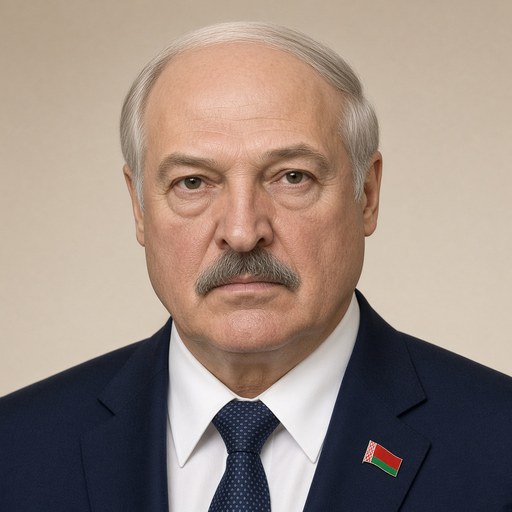
 Alexander Lukashenko · President of Belarus
- Context
- Lukashenko addressed a national meeting of cultural and creative figures in Belarus in February 2001 to outline state policy on cultural and artistic development.
- Main themes
- Cultural development policy, state support for culture and arts, spiritual and moral development, national identity and patriotism, creative intelligentsia, culture as economic foundation, Belarusian culture, financing of cultural sector, statehood and culture, international cultural authority
- Duration
- ~67 min
- Words
- 8,005
- Sentences
- 511
- Readability
- 48
- Grade
- 10.4
- Syntax
- 2.69
- Vocabulary
- 2.22
Translated from Russian
The broad sphere of national life a sentence belongs to. Every sentence has an Arena, so it is the denominator the other indices are read against.
Other511 sentences in 163 paragraphs
Dear participants of the meeting! Dear guests!
As an introduction, I would like to outline the role and place, rather the place of our meeting in the system of events that have taken place over the last 4-5 years. This meeting is not accidental. We have not held such broad meetings with the creative intelligentsia for a long time, and we have not met in this format at all. It would be very unfair if we did not hold such a meeting. Because we have already conducted meetings, congresses, and forums with all categories of the working population. With teachers, doctors, agricultural workers, and industrial workers. We have, if you will, crystallized the positions that the state and government, the entire society had and has to implement today. That is, we did not embark on any thoughtless, spontaneous reforms until we conducted a "brainstorming" session on various problems. And we did this collectively.
If we evaluate the current meeting in terms of its timeliness, it must be admitted that it could have been held earlier. But if we had held it earlier, it would not have been as productive. I mean the decisions that will be made as a result of it. First of all, this is related to the financing of the culture and arts sector.
I am truly sincerely glad about our meeting. This, apparently, explains my excitement, as I am meeting with the elite of our society.
Let the workers of other sectors not take offense at me today for the fact that the beginning of the year, the new century, is passing under the sign of culture. This is symbolic. Our meeting was preceded by such bright events as the presentation of special presidential awards to prominent figures in culture, the "For Spiritual Revival" awards, and the Days of Belarusian Culture in Russia. Until now, and I am very pleased to note this, I have been receiving exclusively warm responses from grateful viewers.
The holding of the current meeting once again testifies to the enormous significance that the country's leadership attaches to the spiritual and moral development of our society and the activities of the creative intelligentsia.
Prominent figures in science, culture, and the arts, rectors of universities, leaders and workers of cultural and educational institutions, creative unions, mass media, representatives of the Belarusian diaspora from neighboring countries, as well as responsible workers of regional executive committees, state committees, ministries, the Presidential Administration, and members of the Government have been invited to this important state event.
We consider national culture to be one of the most important strategic resources of the state. The purpose of our meeting is to outline a concrete program for further actions to improve work in this area.
Culture has a special influence on the formation of statehood. Its high level is a guarantee of creating a favorable living environment for the nation. Without relying on high culture, we will not be able to raise a citizen-patriot, a diligent worker, a caring family man, a creative and spiritually rich individual.
In an interview on the Russian television channel "Culture," I said that without high culture, there can be no effective economy. We need a civilized economy, and only a highly cultured, educated person can create it. Thus, culture becomes the foundation of society as a whole. An uncultured, immoral society cannot create a planned, market, or mixed economy, whatever you call it. I say this not to flatter you. I am truly convinced of this. I really think so.
Cultural potential is the most important indicator of our state's international authority.
To what extent do the achievements of national culture today meet the spiritual needs of the people? How well does the existing management system in this area respond to the needs of human creative activity? What needs to be done in the near future for the further development of culture? These are the questions for today's joint discussion.
Belarusian culture at the turn of the century.
Let us try to provide some brief assessments.
For modern society, both the material component of its culture and the spiritual one are equally important. After all, this is an inseparable unity. We learn most fully and deeply about the thoughts, aspirations, and concerns of the people from artists, writers, and thinkers. It is they who feel the main nerve of the era and the pulse of time.
The remarkable philosopher I.A. Ilyin said: "All greatness comes from within... if inside it is vague, unclean, malicious, greedy, vile, then no external form, no prohibition, no threat, no 'selective right' will help. True construction is creativity, not imitation."
I am very carefully observing what is happening in the creative intelligentsia. I am well acquainted with the main problems and areas of work. But my credo as the Head of State is not to interfere in minor matters, not to pressure creative people, not to impose any opinions on them. In short, not to hinder their work.
However, this has nothing to do with indifference and inattention. The task of the authorities is to have a deep and objective understanding of trends, to create optimal conditions for the development of all, I emphasize, all types of art and culture, taking into account the real possibilities of the state and society. It is precisely a nationwide, rather than a narrow departmental approach that allows for a large-scale assessment of phenomena, to see the sharpness of problems, and to determine the most important areas of activity.
Today, it can be confidently said that we have lifted culture from ruin, pulled it out of political squabbles, and placed it at the center of state social policy.
I will speak frankly. When in 1994 the people elected me President, I was shocked not only by the state of the economy but also by the deplorable state of national culture. Many theaters and museums were on the verge of closure. Life barely flickered in the renowned professional artistic collectives. Amateur ensembles, folk theaters, and orchestras were disbanding one after another. The system of state film distribution was collapsing, especially in rural areas. Local radio stations were closing. Wired broadcasting was being destroyed. Artistic amateur activities in schools and pioneer houses were being curtailed.
Orders and resolutions were already being prepared to close children's music and art schools, especially in rural areas. The production of musical instruments and equipment for cultural centers was being reduced.
But the devastation in our once rich cultural space was not the only frightening thing. That was not the most terrible part. Even more terrifying was, in the words of one of Mikhail Bulgakov's characters, the devastation in our heads.
Taking advantage of the cowardice of numerous party opportunists, in the early nineties, a small aggressive group of national radicals began to seize real power in the country. They turned the cultural space into an arena of political struggle. As bitter as it is to remember, they managed to pit various groups of the national intelligentsia against each other. They began to trample on the historical memory of the people. Sparing neither the great Yanka Kupala, nor the European genius Yakub Kolas, nor the works of Arkadiy Kuleshov, nor many of our other great writers. I cannot bring myself to repeat the verbal filth that unfortunately gushed forth from the pages of literary publications.
In just two years, textbooks were rewritten. From these "masterpieces," it followed that the Soviet people unleashed the Second World War, not the Nazis. That Belarusian partisans were "bandits," while policemen and Belarusian SS men (I quote) were "fighters for the revival of European culture and the flourishing of freedom in alliance with Great Germany."
This was done not without reason. Life had everything, much that was ambiguous. But their intent was to take away from us the most sacred and great thing from the past century—our Victory in the Great Patriotic War. With this victory, having sacrificed 50 million killed and maimed, we preserved peace, including for those who today speak to us about wealth and democracy. And they wanted to take this victory from us in order to whitewash themselves. We had no right to allow this, and we still do not have that right. And this is a task, among other things, for the creative intelligentsia.
You remember how works by beloved writers were removed from publishing plans, their place taken by the writings of retired punitive officers and open lackeys of the bloody Nazi occupation regime.
All Soviet classics were expelled from the repertoire of theaters and amateur collectives, and to a large extent, Russian works as well.
Under the cries of "about the decline of the Belarusian language," they began to destroy the established normative, unified literary Belarusian language. They started to tear it apart by regions, by local dialects, polluting it with Polonisms and illiterate translations-literal translations from other non-Slavic languages. Instead of a living folk language, which had been actively developing for almost a whole century in the Belarusian Soviet Socialist Republic, they began to return forgotten historical variants.
The wise Belarusian writer Kuzma Chorny wisely warned against such practices: "Language is a living being. It lives with the people, not exists." It lives, not exists. But the new adherents of revolutionary reforms did not heed this warning. Alas, breaking is not building; it did not require much intelligence.
Fortunately, healthy forces in society prevailed, which managed to resist the destructive processes. A strong government with a clear program of national revival took decisive steps to consolidate society and protect the genuine interests of the people.
First of all, with your help, dear friends, we, with the support of the entire society, have preserved and enriched Belarusian culture. We have saved the Belarusian soul.
We have preserved and enhanced the system of aesthetic education for children and youth, the system of higher and secondary artistic education.
We have preserved national cinema and state book publishing. In the near future, we intend to do even more.
Our mass libraries have remained truly popular. We are proud that their main book fund consists of world, Soviet, and Belarusian classics.
The repertoire of our theaters is changing. Finally, vulgarity, immorality, and tastelessness are leaving the national stage.
We have preserved the unified literary Belarusian language from destruction, its richness and life-giving content from the everyday life of the people.
The work of academic institutions, philological faculties of numerous universities, the publication of encyclopedic dictionaries and reference books, books, newspapers, and magazines, radio and television—all this stimulates the expansion of the sphere and development of the Belarusian language. The state and the country's leadership finance and support these and other areas.
We did not allow the Belarusian language to be turned into a tool for political squabbles. The question of granting state status to the Belarusian and Russian languages was resolved by the people in the most democratic way—through a nationwide referendum. And this was the best decision because it removed the political sharpness in society.
For centuries, it has been the case that two related languages have peacefully and fruitfully coexisted and continue to coexist on our land. And neither of them has suffered from this.
We did not allow the blood-producing system of Belarusian-Russian spiritual brotherhood to be cut apart. I have always said that the Russian language is not foreign to us. For many years, together with our brotherly Russian and other peoples, we formed this language. We invested a piece of our soul into it. And we have no right and should not abandon this language for the sake of our children and grandchildren's future. Otherwise, we deprive them of an effective tool for communication and acquiring knowledge.
Someone may perhaps object and even criticize me for speaking in Russian today. But it is my right, as well as yours, to speak at this meeting in either of the two state languages—Russian or Belarusian. Please, speak in the language that is more convenient for you and in which you are understood if you want to be understood.
Main trends and problems
The development of Belarusian culture and art in recent years has generally been marked by a number of positive trends.
First. The regulatory and legal framework is being improved. There is a noticeable system and consistency in this matter. A number of important legislative acts have been adopted. The President's Fund for the Support of Culture and Arts has been established. The State Program "Functioning and Development of Culture of the Republic of Belarus until 2005" has been developed, which defines the priorities of the sector. First, I emphasize, is the regulatory and legal framework.
Second. Professional art has received further development. The historical and cultural heritage of the people is carefully supported and preserved. The material base is being strengthened. The network of cultural institutions and the scientific potential of educational institutions have been preserved. The number of children’s art schools of all types has increased. Much is being done to improve artistic education and prepare specialists. The state actively supports talented youth.
For reference, it should be noted that there are currently over 13,000 cultural and artistic institutions operating in Belarus. The Ministry of Culture includes 550 educational institutions, including children's art schools, secondary specialized, and higher educational institutions. More than five thousand public libraries, with collections totaling over 70 million copies of books, serve more than 4 million readers. There are 135 museums, 40 theatrical and entertainment organizations, 2 circuses, and 3,500 cinemas, film installations, and video salons operating in the republic.
More than 70,000 people work in the field of culture and art, including 50,000 in the Ministry of Culture. This is a large army of creative people, whose daily work determines the current state of Belarusian culture and art.
Despite financial difficulties, not a single professional ensemble has been lost in the country over the past few years. New creative groups are being formed. Concert services for the population have become more active. I emphasize this particularly. I am glad that such well-known groups as the Finberg Orchestra perform in labor collectives and give concerts not only on large stage platforms. This practice must be continued, and it will receive support.
The repertoire of concert groups and performers is annually enriched with hundreds of works by Belarusian authors.
The number of various festivals and reviews is growing. Events such as "Slavonic Bazaar in Vitebsk," "Golden Hit," "Belarusian Musical Autumn," "Minsk Spring," and others have become bright nationwide celebrations, events of great international significance. It is often said that we hold many such events. But we must start from the fact that they not only contribute to the development of our culture but also represent a civilized way of earning money. After all, festivals are funded, and the best examples of creativity are presented. Compete and earn money. The topic of festivals could also become a subject of our discussion today.
A telling fact is that on January 24 of this year, at the 25th anniversary assembly of the International Association of Festivals and Competitions under UNESCO, our arts festival "Slavonic Bazaar in Vitebsk" was recognized as the best festival of the year 2000. This title was contested by 179 festivals from 60 countries around the world. Over the past 35 years, it has been awarded to only six festivals, including such world-renowned ones as "Sopot" and "San Remo." And now our Slavic festival joins their ranks.
And you remember how many skeptics and critics there were when we tried to preserve the festival by placing it under presidential patronage. This wonderful victory rightfully crowns our efforts. And this is not an isolated example. Now, this festival is known and appreciated as a representation of our Belarus. And we have many such festivals, such bright events. They characterize the face of our country.
Our remarkable ensembles are a source of national pride: the State Academic Folk Choir named after Tsitovich (state), the State Academic Choir Chapel named after Shirma (state), the State Academic Folk Orchestra named after Zhinovich (state), the State Dance Ensemble (state), the Belarusian State Choreographic Ensemble "Khoroshki" (state), and many others. As you can see, all the ensembles are state-owned. Here is your confirmation, using the example of culture, of what a state is. And what the role of the state should be in the rise and development of culture.
Two "stars" of Igor Luchenko and Vladimir Muliavin have been lit on the Alley of Stars in Moscow. This is recognition of the contribution of Belarusians to the union's treasury. Undoubtedly, in honor of many sitting in this hall today, similar stars could have been lit. This is proof of the high level of Belarusian culture, our professional competence, and spiritual strength.
Thirdly. Thanks to the fact that we have preserved the most valuable achievements of national culture from the Soviet period, we did not go down the path of breaking this delicate sphere and soulless transformations, our country today looks worthy in the global cultural space.
The integration of Belarus's national achievements into world culture is actively underway. International activities are developing. Special attention is being paid to the restoration and development of cultural ties with the Russian Federation.
Belarusian art is well-known and highly valued on all continents. Our country has established cultural and artistic ties with more than 30 countries around the world. In the year 2000 alone, 3,500 artists successfully performed in 16 foreign countries.
Last year, the Belarusian State Academic Theater named after Y. Kolas received international recognition, winning the main prize at the theater festival in Edinburgh (Scotland).
People's Artists of the Soviet Union Rostislav Yankovsky and Gennady Ovsyannikov became laureates of the Moscow International Theater and Television Festival "Artist of the End of the 20th Century."
The National Opera Theater (Director Sergey Cortes) is also working productively. A very interesting joint German-Belarusian cultural project has resulted in the staging of the opera "Faust" to the music of A.G. Radzivill. The theater has toured abroad multiple times - in Argentina, Switzerland, Israel, Spain (8 times), Germany, and Brazil.
A significant event in the field of cultural policy was the signing of a Protocol-Memorandum of Cooperation between the Belarusian Government and the United Nations Educational, Scientific and Cultural Organization. The signing of such documents indicates that we are valued in the world.
Fourth. In recent years, the amount of allocations for culture from the republican budget has increased more than twofold (from 0.8 percent of the budget's expenditure part in 1994 to almost two percent in 2000).
Of course, this is still a low level of budget funding. But considering the difficulties that all sectors of the national economy have experienced and the economic decline that occurred until 1996, one can truly appreciate the doubling of funding for culture. After all, at the same time, throughout the post-Soviet space, state support for the entire social sphere was radically curtailed. Culture and art were left to fend for themselves. This did not happen to us. Therefore, it not only survived but also strengthened its positions in the state and society.
And when it is said that the state does not invest money in culture, I find it difficult to agree with that. When appointing a new Minister of Culture, I said: before you go asking for money, return and give to the people who work in culture the funds that circulate in the cultural business. Look, much has been handed over to private hands. Why are philharmonics, as they used to, not engaged in organizing concert activities today? Don't the cultural officials in the government and the Presidential Administration see this? You will receive additional funding after you can rationally use the funds that are readily available.
And a few more words. In the near future, we plan to double the allocations for culture. But let's consult on how we will do this.
The government presented me with a draft Concept for Reforming Wages. We will try to abandon the established vicious practice. The socio-cultural sphere, state, and military services will be highlighted separately. A differentiated approach will be applied, aimed at balancing salaries. After all, we cannot fit everyone into one scale. This is a very serious step, essentially a revolution in labor remuneration. But I emphasize, before making a final decision, we will thoroughly and meticulously weigh everything.
Secondly. It is, of course, necessary to pay creative workers a decent salary. But at the same time, it is very important not to forget about the construction of vital cultural facilities. An example of this is the Palace of the Republic and other long-delayed projects that have been completed. Why do I mention this? By doubling the allocations, we can divide them by a ruble for each. We will carefully spend the money and build nothing, leaving nothing behind. I will let you in on a secret. For example, as a good memory, I, as President, would like to leave a new, modern building for the National Library. Among all cultural objects, I believe the library should be in the spotlight. Because it is a treasure trove of knowledge. Because it preserves both the people's memory and culture, as well as other values. The same can be said for museums. Therefore, in these difficult times, we are financing the construction and reconstruction of the National Art Museum.
So let's decide. Either we will divide the double increase in funding, giving each a ruble, or we will concentrate the funds and direct them to those facilities without which the country cannot be a full-fledged state. We must make our National Library a super-modern center of knowledge and culture.
Dear participants of the meeting!
I did not accidentally start with an assessment of positive trends. Because they are significant and meaningful. Only biased people and lovers of slander can fail to notice them. As the Reverend Anatoly of Optina rightly said: "The prudent first notices the virtues, while the foolish sees the vices and shortcomings."
Ahead of us lies a lot of work and important tasks. Therefore, we approach problems practically -- seeking ways to solve them. Among the most pressing problems and negative trends characteristic of all areas of culture, four can be named.
First. The most talked about is the insufficient funding for culture. I have already mentioned this. And this is primarily due to the not entirely effective use of finances. Money must be invested purposefully! Specifically where there is a return, where there is potential and progress. Support, first of all, those who can deliver results tomorrow. In every sector of culture and art, it is necessary to identify promising directions and vigorously develop them. It would be right if the funds earned by creative collectives and unions received some tax relief.
The second problem. The peculiarity of forming the material and technical base of culture is historical cyclicality. Destructive wars, followed by periods of restoration and construction of new cultural objects. Built in various cities and regions, these structures age simultaneously and therefore require enormous funds for repairs and restoration.
More than 900 club institutions, 350 libraries, and 186 children's art schools require immediate capital repairs. Many clubs and libraries are in emergency condition. Practically every cultural institution needs musical instruments, film, video, and audio equipment, and modern technical means. Enormous funds are required for restoration work on our most important republican cultural objects.
The Council of Ministers should allocate the necessary funds for the restoration of the buildings of the National Academic Bolshoi Opera and Ballet Theater, the National Historical and Cultural Reserve "Nesvizh," the "Mir" Castle, the reconstruction of the memorial complex "Brest Hero-Fortress," the memorial complexes "Khatyn" and the Mound of Glory, the construction of the buildings of the National Art Museum, the Museum of Contemporary Visual Art, the National Museum of History and Culture of Belarus, and a number of other objects.
I believe that regional executive committees and district executive committees should take special control over the implementation of the program for the construction and repair of cultural facilities in district cities and rural areas.
The third problem. The system of remuneration for cultural workers. Indeed, the situation is complex. In general terms, I have outlined how this problem will be addressed at the state level. According to last year's data, the average salary of cultural and art workers was just over 70 percent of the average salary in the republic. Without the state, I believe you will not solve these issues.
I have tasked the Government with raising the average salary in the socio-cultural sphere to the equivalent of 100 US dollars per month by the end of this year.
One of the effective measures should be the application of differentiated approaches in determining the level of material remuneration for people engaged in culture and art. It is necessary to streamline the wage system, providing special payment conditions for outstanding cultural workers, as we have decided, for example, for figures in science and healthcare. Artists of leading creative collectives should also receive more. And there should be no equalization here!
A partial solution to the acute housing problem for art workers should be the provision of long-term preferential loans and financial assistance from the state for its construction, as well as the expansion of the network of service housing. I want to ask the Government, governors, and chairmen of district executive committees: let's start by building two houses for creative workers in Minsk this year, one in regional centers, and allocate several apartments in the districts. Do this and report the results by the end of this year.
The fourth problem is the quality level of work, the demand for works of art by people. In a word, the popularity, as a fundamental quality, ideological orientation, and life position of creators. Their high patriotism.
The classic of our literature, Yakub Kolas, wrote: "The people are immensely rich in their artistic creativity. Learn from the people!" This is such a true and profound thought and a relevant testament to the young creative generation that it could not be better said!
To see the world through the eyes of one's people, to empathize with them in history and modernity. To live and create together with them. Perhaps this is the real manifestation of the patriotism of our cultural and artistic figures.
When tracing the development of patriotic traditions in Belarusian culture, especially during the years of Soviet power, one encounters a very interesting phenomenon. Many of our outstanding creators went through the school of the Red Army and then the Soviet Army. These include Mikhail Lynkov, Kondrat Krapiva, Arkady Kuleshov. This also includes Nikolai Yeremenko, whom we, unfortunately, recently lost. This includes our renowned maestro Mikhail Finberg. And many, many others. But I would like to mention one more category of "people with guns," if I may call them that. About the political workers of the Red and Soviet Armies. Ivan Melezh served as a political officer in a battery. Ivan Shamyakin was a political officer in an anti-aircraft crew during the Great Patriotic War, to whom I recently awarded a high state honor.
Of course, there are individuals whose military, even combat past has not saved them. Opportunistic political maneuvering has literally incinerated their extraordinary abilities. Today, they are only fit for composing primitive political pamphlets. They insult the people, mock the heroism of fathers and grandfathers during the Great Patriotic War, and trivialize the glorious combat and labor history. They are ready to deprive us of the right to choose an independent path of development. They shout, "lament," just to be heard by their world. And at the same time, they elevate themselves to the rank of spiritual apostles of the nation, a kind of Messiah, while also demanding from the state and the people they demean special increased signs of attention, both materially and in the form of various awards and titles, grants. Isn't this a paradox?
I will speak frankly: we are for freedom of creativity, for diversity of styles and genres in art. But the state cannot support anti-state tendencies and anti-state works. We are not suicidal to allow the destruction of what we have created with such effort and care - our statehood, our Motherland. Its present and beautiful future!
The patriotic traditions of Belarusian culture, laid down by our classics Yakub Kolas and Yanka Kupala, developed by Ivan Melezh and Maxim Tank, must live on in the work of contemporary masters of culture.
Many of our contemporary writers have taken the creative baton from the classics and continue the best traditions. These include Nikolai Kusenkov, Georgy Marchuk, Gennady Pashkov, Taisiya Bondar, and other poets, prose writers, and playwrights. I do not want to list them all, as it would take too long.
I cannot help but mention one of the negative aspects of the problem of cultural development - immorality, the aestheticization of the grotesque, the propaganda of violence and debauchery.
Unfortunately, along with the processes of democratization, repulsive phenomena have entered society - drug addiction, prostitution, violence, and the expansion of crime. In short, the "Pandora's box" has been opened, and a flood of human vices and evil has poured out. The most affected by this are the fragile souls of the young.
It is necessary for cultural figures, clergy, and representatives of power to stand united in defense of the spirituality and moral health of the nation.
I demand decisive and coordinated actions in this direction from the Ministry of Culture, the State Committee for Printing, the Belteleradiocompany, and the Republican Expert Commission for Preventing the Propagation of Pornography, Cruelty, and Violence in the Media. Active and energetic people must be involved in the work, who will not wait for orders from "above," but will act independently and professionally.
Dear comrades!
In addition to general problems, each sphere of culture has its acute issues, the answers to which we must find together, including today, from a nationwide perspective.
The most important directions of activity and priorities of culture
One of the priority directions of cultural construction in the Republic of Belarus is comprehensive support from the state for professional art and artistic creativity.
1. Assistance in the development of visual arts should become part of the nationwide program "Culture."
We have an authoritative art school, world-renowned masters who actively promote Belarusian art. These include M. Savitsky, V. Gromyko, V. Stel'mashonok, L. Shchemelev, M. Dantsig, G. Vashchenko, and many, many others.
2. I want to emphasize the necessity of developing artistic and literary criticism - a system of regular reviews and objective assessments of works of painting, theater, pop, cinema, poetry, and prose. Recently, only complimentary statements have remained in the press based on the principle of mutual services: "You praised me in one newspaper, I will praise you in a magazine." But to find a conceptual, aesthetic analysis of works, an assessment of trends - this is rare. And it is in vain. After all, a historical example - Russian literature of the 19th century developed and reached world heights precisely thanks to criticism. In our case, many figures of art, especially literature, completely reject analytical scrutiny of their work, considering it political persecution.
Maxim Tank rightly wrote: "Every artistic work must pass through two judicial instances: the present, which is often mistaken, and the future. Time corrects all mistakes."
I must say that our humanitarian science is not at its best today. Having rejected the aesthetic concepts of the Soviet era, literary studies and art studies have not moved forward - towards a deep study of new cultural phenomena, but backward - to simple fact-keeping, complimentarity, subjectivism, and primitive assessments.
I believe that the National Academy of Sciences and specialized institutes need to radically improve their work and meet the modern requirements for protecting and strengthening the spiritual and aesthetic originality and creative wealth of our culture.
Active and fruitful work in the humanitarian sciences and art studies will help resist the destructive processes of imposing uniform standards of mass ersatz culture, leveling, degradation, and degeneration of art. It will allow us to protect the cultural heritage and the contemporary spiritual wealth of our entire Slavic civilization from the negative effects of globalization, or rather, from Americanization.
This is where I see, as Stanislavsky said, the super-task of your activities, esteemed scholars and creative workers. It is clear that it is difficult to resist the enormous flow of low-quality products and fashionable trends. But remember the folk wisdom: a live fish swims against the current, while a dead one floats downstream.
I believe in your creative powers, in your talent and energy, dear masters of culture, and I hope for successes in the important and noble cause of the spiritual and moral development of the nation!
3. In the context of the best national traditions of performing arts, Belarusian theater is actively developing.
The performances of the National Academic Bolshoi Opera and Ballet Theatre have gained wide recognition among domestic and foreign audiences.
Belarusian ballet is an outstanding phenomenon in contemporary national art. The unprecedented rise and recognition of Belarusian choreographic art on the international stage is associated with the name of the theater's artistic director, choreographer, and People's Artist of the USSR Valentin Elizariev. In recent years, the performances of director Nikolai Pinigin and playwright Alexei Dudarev have gained wide fame.
4. Among the positive phenomena in culture in recent years, we consider the return to active creativity of national film and video art.
My personal intervention and participation were required to revive the work of the national film studio "Belarusfilm." To strengthen its material and technical base. A feature film by Mikhail Ptashuk "In August 44" has been created, along with a number of other film productions. Film art is an expensive endeavor. But what costs a lot is also highly valued. The state provides significant financial assistance to domestic cinema and has the right to expect a corresponding return.
This also applies to the republican unitary enterprise "Belarusian Video Center." Today, the products of Belvideo Center are shown not only on the first National TV channel, but a significant part goes to foreign channels "Culture," NTV, "AST-Prometey," and "Internews." The center has sold a number of films, received foreign currency, and this is commendable. Export development must continue. This is more than just making money. It is the promotion of our culture and the promotion of our way of life.
5. An essential component of culture is museums.
In our country, there are 185 museums, including branches. Only in the 1990s, 38 new museums were created. Their total balance includes about 2.5 million unique exhibits.
Every year, about 1,500 exhibitions of the most diverse themes are opened. They are visited by more than 3 million people a year.
Reconsidering the social role of museums in new economic conditions has allowed them to become more active research systems, educational, and cultural leisure centers.
Historical and architectural ensembles of cities, historical rural settlements, and individual monuments require more active inclusion in the databases of world cultural heritage. The intensity of restoration work must outpace the process of destruction of monuments. A comprehensive program for the preservation of historical and ecological landscapes, historical buildings of settlements, and centers of folk crafts and trades must be developed. This is not only a tribute to the past. This is a real way to ensure the cultural revival of regions. This is the prospect of ecological and social development of the province and employment of the local population.
Close attention must be paid to the implementation of the comprehensive program for the development of the Polotsk National Historical and Cultural Museum-Reserve.
The protection of monuments and memorial sites sometimes requires not so much funds as constant attention and care from creative unions and local authorities. Therefore, the heads of regional executive committees and district executive committees must consider the restoration of historical monuments as their sacred duty. After all, you live in these cities and towns. Your children and grandchildren grow up there. They should not be deprived of historical memory. Remember. From love for our roots grows love for our Motherland.
6. Folk culture is a multifaceted phenomenon, based on the development of folklore, decorative and applied arts, and traditions of family and social life.
Today, hundreds of thousands of children and adults are engaged in various forms of folk creativity. There are 28,000 circles and collectives, clubs, and so on.
Festivals of folk creativity of national cultures have become traditional.
In the last decade, interest in folklore has grown. Traditional folk songs - the richest cultural heritage of Belarusians - have firmly entered the repertoires of folklore-ethnographic and amateur collectives, as well as television and radio broadcasts.
The state provides and will provide all possible support for the development of folk creativity and folk crafts.
Seventh. The culture of the state, its moral and spiritual potential is largely determined by the work of libraries. In addition to what has been said, special attention should be paid to rural libraries as the main cultural institutions and the main sources of information. Their role in promoting scientific knowledge and advanced experience in agriculture and other sectors is enormous.
Today, rural libraries face an acute problem of collection. On average, only 30-45 titles of books, 5-10 titles of magazines, and 3-5 newspapers, mostly Belarusian, are added to their collections each year.
The Minister of Culture and the heads of regional executive committees must find state solutions to all the mentioned problems. People need to be given the opportunity for the broadest access to information and to the roots of our culture.
I instruct the State Committee for Printing to expand the list of socially significant literature for library collections. The publication of this literature is financed from the state budget, so it is necessary to improve the system of selection of publications both by theme and by artistic level, so that mediocrity and shoddy work are not produced at the expense of the state.
Dear friends!
Belarus is entering a new century as a fully-fledged sovereign European state, which confidently asserts its position in international relations, dynamically develops its economy and culture, and strengthens statehood. This stage of our development is special, and it requires your understanding. Understanding that everything we do in our state, what we talk about, what we create, is happening at a historical turning point. The essence of this moment is that we are creating our statehood, statehood at a higher level. We are creating an absolutely new state. Unfortunately, the experience of others does not always fit well on Belarusian soil. Understand that it is very difficult to create, to build greatness, to support and finance when the process of creating the state itself and the institutions that must solve these tasks is underway. This is the greatest complexity and problematic nature of the last five years for both the President, representatives of the authorities, and for you, creative workers. The difficulties and scale of the problems that exist today require enormous expenditures, and there is a lack of funds. And we must give up the illusion that someone will give us these funds for free. They will not, until they are convinced that our economy is working and we are able to repay the loans received. There can be no other logic.
Indeed, it has recently become known that 70.8 million dollars have already been sent from abroad for the presidential campaign in Belarus, and 108 million is planned. Well, of course, not for the President. You might get something. Because this presidential campaign will not do without you. And please do not refuse. These will be "good investments in our culture." Well, the elections will be held civilly, as the Belarusian people want. Of course, I say this in jest, but there is much truth in this joke. Almost all the truth.
People are the main wealth of our country. The successful development of our state depends on their hard work, energy, abilities, and talents. It is gratifying that our people are drawn to culture and art.
The wealth of human talents, the great popularity and high prestige of the profession of a cultural worker is evidenced by the youth's desire to receive artistic education. This is reflected in the entrance competitions for art universities. For example, at the Belarusian Academy of Arts and the Belarusian State University of Culture, the overall competition consistently stands at 4-5 applicants per place, and for certain specialties, it reaches 12 applicants or more.
As we can see, the work by vocation is valued by the youth today more than anything else.
We need to direct young people to study at leading universities in Russia and other countries, and develop a system of continuous internships for creative workers outside Belarus.
Every year, more than two and a half thousand qualified specialists are sent to cultural institutions in the republic. The task of local government leaders should be to create all the necessary living and working conditions for young specialists.
Within the realm of possibility, the state must do everything for the social protection of cultural and artistic workers, providing financial and organizational support to creative individuals, including from the President's Fund of the Republic of Belarus. Since the Fund's inception, over four hundred talented young people, laureates of various national and international competitions, have received scholarships. These are the ones who today represent the hope of Belarusian culture and art. And their mastery must grow.
We have exceptionally gifted youth. Young talents Oleg Yatsina (violin), Andrei Kovalyonski (trumpet), Pavel Kundenok (oboe), and Mikhail Leontchik (cymbals) have achieved high titles of laureates.
Alexander Muzykantov, a student of the music college at the Belarusian Academy of Music, became the winner of the international piano competition "Minsk-2000." Students of the Academy of Music Andrei Ponochny, Iosif Sergei, Sergey Smirnov, and Yuri Blinov received high recognition from the public at prestigious international competitions in the USA, Germany, Italy, France, Belgium, and Poland. A brilliant victory was achieved by Darja Moroz, a student of the Belarusian Academy of Arts, at the International Competition in Switzerland "Olympic Art and Sport - 2000."
Over the past seven years, 150 cultural and artistic workers have been awarded honorary titles such as "People's Artist," "People's Painter," "Honored Figure of Arts," "Honored Artist," and "Honored Figure of Culture" of the Republic of Belarus.
The names of the People's Artists of Belarus, Mikhail Drinevski, Valery Raevski, Sergey Cortes, Vladimir Hostyukhin, Valentin Dudkevich, Mikhail Finberg, Boris Lutsenko, Vasily Rainchik, Alexander Tkachenko, and many others do not require additional introduction today. They are the pride of contemporary Belarusian art. The only thing I would like to ask is this. Undoubtedly, you will remain great in our culture. But this greatness will be even more significant if you raise a worthy successor, a new generation of creators. And you can do this. Otherwise, all our conversations and efforts will be devalued. I would like you to always remember this.
Today we admire the uniqueness of the preserved highest mastery of wood carving. One of the bright representatives of the folk masters of Belarus is Ivan Filippovich Suprunchik, a native of the village of Tereblichi in the Stolin district of the Brest region. By profession, he is a library worker. He has embodied his vision of the world in unique wooden sculptures. At his initiative, a library-museum has been created in his native village.
And there are many such examples. Talented professional masters of arts, wonderful artists of amateur performances, creative self-taught individuals - all of them are the golden fund and heritage of Belarus, representing our country and its rich culture.
Culture has been and will remain a zone of special attention for the state.
Its role in the formation of civil society in our country is very important. The development of democratic institutions, the creation of public organizations and associations - all this defines the modern face of Belarus. In these processes, it is precisely the creative intelligentsia that shows the greatest activity.
I would like to emphasize the importance of the constructive activities of public formations. We all live in one country, and we all need to think and care about its well-being. To respect the Constitution, our state symbols. It would seem that these are elementary mandatory norms for every civilized person. However, it is precisely in the creative environment that there is often bravado and attempts at revolutionary changes in the state structure.
The essence of civil society is not confrontation, but joint constructive work of public organizations, movements, political parties, and all branches of power. We do not need upheavals and turmoil; we need order and the prosperity of the country!
I want to say especially about creative unions. The state has supported these public associations of the creative intelligentsia. A special law on their activities has been adopted. Now it is necessary to work independently. To make your constructive contribution to the development of culture, art, science, and the economic rise of the country.
Undoubtedly, I will support your projects. But projects that are worthwhile, significant for the country, and truly creative. Propose them!
Today, there is ample room for work for every creative person in our country. The state highly values everything that is done for the good of the people.
Dear friends!
Guests of our country have repeatedly expressed their admiration for how intensively cultural and social facilities, residential buildings are being constructed. How calm and peaceful it is on the streets of our cities. How actively our people attend cultural events.
Look, in the evenings, the windows of theaters, palaces, and libraries are lit up. And in my opinion, no one in the halls is sitting in felt boots and fur coats.
We created this together. On our land. We have established political stability, national harmony, and civil peace.
There are no shootings in the streets of Belarusian cities. Our houses do not explode. The mafia and the criminal world are reliably restrained.
We will not give up these achievements to anyone. We will not yield what has been earned, built, suffered for, and won even by an inch! That is what we stood for, stand for, and will stand for!
Of course, we still have many problems. They are known, and the government, all branches of power are working on their resolution. Our goal is to raise the well-being of the people, to make the country economically strong. After all, it is the economy that is the foundation of both our sovereignty and our political authority in the world, and the spiritual flourishing of the nation. We must create our well-being with our own hands, our minds, energy, and talent. This is the most reliable path and guarantee of independence. Neither Soros grants nor handouts from foreign funds will elevate our culture. Only we ourselves, through joint efforts, in friendship and civil harmony, consolidating society around noble ideas of serving the Fatherland, will achieve a high goal!
I have said more than once: if we live richer, we will allocate more funds for culture. I guarantee you this!
Today, it is clear to everyone: the path to the future is open only to a highly spiritual person. You, the creative elite of society, are the conduits on this path. The formation of the best qualities of a person is your noble mission.
This obliges not only creative workers but also everyone involved in the artistic education and upbringing of our people.
In conclusion, I want to wish you creative success and good fortune. It is natural that in the life of every creative person, as well as in politics, there are downturns. But after them, creative upsurge and inspiration inevitably come. Do not miss this moment, and on its wave, create what our people expect from you - high examples of art and culture.
Thank you for your attention.
President
of the Republic of Belarus A.G. Lukashenko
The original Russian. The tags above are read on the English translation's sentences.
Уважаемые участники совещания! Дорогие гости!
В качестве вступления я хотел бы обозначить роль и место, скорее место нашего совещания в системе мероприятий, которые проходили в последние 4-5 лет. Это совещание не случайно. Мы давно не проводили таких широких встреч с творческой интеллигенцией, в таком формате мы вообще не встречались. И было бы это очень несправедливо, если бы мы не провели такую встречу. Потому что мы со всеми категориями работающего населения совещания, съезды, форумы не один раз уже проводили. С учителями, врачами, работниками сельского хозяйства, промышленности. Мы, если хотите, выкристаллизовывали те позиции, которые государству и государственной власти, всему обществу приходилось и приходится сегодня реализовывать. То есть, мы не шли на какие-то бездумные, спонтанные реформы, пока не проводили "мозговую атаку" на те или иные проблемы. И мы это делали коллективно.
Если оценивать нынешнее совещание с точки зрения своевременности его проведения, стоит признаться, что его можно было бы провести и раньше. Но если бы мы его провели раньше, оно бы не было таким результативным. Я имею в виду те решения, которые будут приняты по его итогам. Прежде всего, это связано с финансированием сферы культуры и искусства.
Я действительно искренне рад нашей встрече. Этим, по-видимому, объясняется и мое волнение, поскольку я встречаюсь с элитой нашего общества.
Пусть не обижаются на меня сегодня работники других сфер за то, что начало года, нового столетия проходит у нас под знаком культуры. Это символично. Нашей встрече предшествовали такие яркие события, как вручение специальных премий Президента видным деятелям культуры, премий "За духовное возрождение", Дни белорусской культуры в России. До сих пор, и мне это очень приятно отметить, я получаю исключительно теплые отклики от благодарных зрителей
Проведение нынешнего совещания в очередной раз свидетельствует об огромном значении, которое руководство страны придает духовно-нравственному развитию нашего общества, деятельности творческой интеллигенции.
На это важное государственное мероприятие приглашены видные деятели науки, культуры и искусства, ректоры вузов, руководители и работники культурно-просветительских учреждений, творческих союзов, средств массовой информации, представители белорусской диаспоры из соседних стран, а также ответственные работники облисполкомов, государственных комитетов, министерств, Администрации Президента, члены Правительства.
Национальную культуру мы рассматриваем как важнейший стратегический ресурс государства. Цель нашей встречи -- наметить конкретную программу дальнейших действий по совершенствованию работы в этой сфере.
Культура оказывает особое влияние на становление государственности. Ее высокий уровень - залог формирования благоприятной жизненной среды нации. Без опоры на высокую культуру мы не сможем воспитать гражданина-патриота, рачительного труженика, заботливого семьянина, личность творческую и духовно богатую.
Давая интервью на российском телеканале "Культура", я сказал, что без высокой культуры не может быть эффективной экономики. Цивилизованная экономика нам нужна, а таковую создаст только высококультурный, образованный человек. Таким образом, культура становится основой всего общества. Бескультурное, безнравственное общество не может создать ни плановую, ни рыночную, ни смешанную экономику, как угодно ее называйте. Я это говорю не для того, чтобы вам польстить. Я действительно в этом убежден. Я действительно так думаю.
Культурный потенциал -- важнейший показатель международного авторитета нашего государства.
В какой мере достижения национальной культуры сегодня отвечают духовным запросам народа? Насколько существующая система управления этой сферой отвечает потребностям творческой деятельности человека? Что нужно сделать в ближайшей перспективе для дальнейшего развития культуры? Вот вопросы для сегодняшнего совместного обсуждения.
Белорусская культура на рубеже веков.
Попробуем дать некоторые краткие оценки.
Для современного общества в одинаковой степени важны как материальная составная часть его культуры, так и духовная. Ведь это неразрывное единство. Наиболее полно и глубоко мы узнаем о думах, чаяниях и заботах народа от художников, писателей, мыслителей. Именно они нащупывают основной нерв эпохи и пульс времени.
Замечательный философ И.А.Ильин сказал: "Все великое идет изнутри... если внутри смутно, нечисто, злобно, жадно, скверно, то не поможет никакая внешняя форма, никакой запрет, никакая угроза, никакое "избирательное право". Истинное строительство есть творчество, а не подражание".
Я очень внимательно наблюдаю за тем, что происходит в среде творческой интеллигенции. Хорошо знаком с основными проблемами и направлениями работы. Но мое кредо как Главы государства - не вмешиваться по мелочам, не давить на людей творческих, не навязывать им какихто мнений. Словом, не мешать работать.
Однако это ничего общего не имеет с равнодушием и невниманием. Задача власти - глубокое и объективное знание тенденций, создание оптимальных условий для развития всех, подчеркиваю, всех видов искусства и культуры с учетом имеющихся реальных возможностей у государства и общества. Именно общегосударственный, а не узковедомственный подход позволяет масштабно оценивать явления, видеть остроту проблем, определять наиболее важные направления деятельности.
Сегодня можно уверенно сказать - мы подняли культуру из развала, вытащили ее из политических разборок и поставили в центр государственной социальной политики.
Скажу откровенно. Когда в 1994 году народ избрал меня Президентом, я был потрясен не только состоянием экономики, но и удручающим состоянием национальной культуры. На грани закрытия были многие театры и музеи. Еле теплилась жизнь в прославленных профессиональных художественных коллективах. Один за другим распадались самодеятельные ансамбли, народные театры, оркестры. Рушилась система государственного кинопроката, особенно на селе. Закрывались местные радиоузлы. Уничтожалось проводное радиовещание. Свертывалась художественная самодеятельность в школах и домах пионеров.
Уже готовились распоряжения и постановления о закрытии детских музыкальных и художественных школ, особенно на селе. Сокращалось производство музыкальных инструментов и оборудования для домов культуры.
Но страшна была не только эта разруха на каком-то богатом, на когда-то богатом нашем культурном пространстве страны. Не это было самое страшное. Еще страшнее была, по словам одного из героев Михаила Булгакова, разруха в наших головах.
Воспользовавшись трусостью многочисленных партийных приспособленцев, в начале девяностых годов реальную власть в стране стала прибирать к рукам агрессивная кучка национал-радикалов. Культурное пространство они превратили в арену политической борьбы. Как ни горько об этом вспоминать, им удалось тогда стравить между собой различные группы национальной интеллигенции. Они стали вытаптывать историческую память народа. Не щадя ни великого Янки Купалы, ни европейского гения Якуба Коласа, ни творчество Аркадия Кулешова, ни многих других наших великих писателей. Язык не поворачивается повторять то словесное непотребство, которое фонтанами забило, к сожалению, со страниц литературных изданий.
За каких-нибудь два года заново переписали учебники. Из этих "шедевров" следовало, что вторую мировую войну развязал советский народ, а не гитлеровцы. Что белорусские партизаны были "бандитами", а полицаи и белорусские эсэсовцы (цитирую) -- "змагарамi за адраджэнне эўрапейскай культуры i росквiт свабоды ў хаўрусе з Вялiкай Нямеччынай".
Это делалось не зря. В жизни было все, много неоднозначного. Но их замысел заключался в том, чтобы отнять у нас самое святое и великое из ушедшего столетия -- нашу Победу в Великой Отечественной войне. Этой победой, положив на ее алтарь 50 миллионов убитых и искалеченных, мы сохранили мир, в том числе для тех, кто сегодня нам говорит о богатстве и демократии. И эту победу у нас хотели забрать для того, чтобы обелить себя. Мы этого допустить не имели и не имеем права. И в этом задача, в том числе, и творческой интеллигенции.
Вы помните, как из издательских планов выбрасывались произведения любимых народом писателей, их место занимали сочинения отставных карателей и откровенных прислужников кровавого гитлеровского оккупационного режима.
Из репертуара театров и самодеятельных коллективов была изгнана вся советская классика, да во многом и русская.
Под крики "аб заняпадзе беларускай мовы" они начали разрушать сложившийся нормативный, единый литературный белорусский язык. Стали растаскивать его по регионам, по местечковым диалектам, засорять полонизмами и неграмотными переводами-кальками из других неславянских языков. Вместо живого народного языка, который энергично развивался почти целое столетие в Белорусской Советской Социалистической Республике, стали возвращать забытые исторические варианты.
Мудро предупреждал против такой практики замечательный белорусский писатель Кузьма Чорны: "Мова - жывая iстота. Яна жыве з народам, а не iснуе". Яна жыве,а не існуе. Но к этому предупреждению новые приверженцы революционных реформ не прислушались. Увы, ломать - не строить, ума здесь много не надо было.
К счастью, в обществе победили здоровые силы, которые сумели противостоять разрушительным процессам. Сильная власть с четкой программой национального возрождения предприняла решительные шаги по консолидации общества и защите подлинных интересов народа.
Прежде всего, с вашей помощью, дорогие друзья, мы при поддержке всего общества белорусскую культуру сохранили и обогатили. Мы сберегли белорусскую душу.
Мы сохранили и приумножили систему эстетического воспитания детей и юношества, систему высшего и среднего художественного образования.
Мы сберегли национальный кинематограф, государственное книгоиздание. В ближайшее время мы намерены сделать еще больше.
Подлинно народными остались наши массовые библиотеки. Мы гордимся тем, что их основной книжный фонд составляет мировая, советская и белорусская классика.
Иным становится репертуар наших театров. Наконец-то покидает национальную сцену пошлость, безнравственность и безвкусица.
Мы сберегли от разрушения единый литературный белорусский язык, его богатство и животворное наполнение из повседневной жизни народа.
Работа академических институтов, филологических факультетов многочисленных вузов, издание энциклопедических словарей и справочников, книги, газеты и журналы, радио и телевидение - все это стимулирует расширение сферы и развитие белорусского языка. Эти и другие направления финансирует и поддерживает государство и руководство страны.
Белорусский язык мы не позволили превратить в орудие политических разборок. Вопрос о придании статуса государственного белорусскому и русскому языкам решил народ самым демократичным образом - на всенародном референдуме. И это явилось наилучшим решением, потому что сняло политическую остроту в обществе.
Веками так складывалось, что на нашей земле мирно и плодотворно уживались и уживаются два родственных языка. И ни один из них от этого не пострадал.
Мы не позволили разрубить по живому кроветворную систему белорусско-российского духовного братства. Я всегда говорил, что русский язык для нас не чужой. На протяжении долгих лет мы вместе с братским русским и другими народами формировали этот язык. Мы вложили в него частичку своей души. И мы не имеем права и не должны отказаться от этого языка ради будущего своих детей и внуков. Иначе лишим их эффективного инструмента общения и добывания знаний.
Кто-то, возможно, будет возражать и даже критиковать меня за то, что сегодня я выступаю на русском языке. Но это мое, как и ваше, право выступать на этом совещании на любом из двух государственных языков - на русском или на белорусском. Пожалуйста, говорите на том языке, на котором вам удобней и на котором вас понимают, если вы хотите, чтобы вас понимали.
Основные тенденции и проблемы
Развитие белорусской культуры и искусства последних лет в целом отмечено рядом позитивных тенденций.
Первое. Совершенствуется нормативноправовая база. Прослеживается системность и последовательность в этом вопросе. Принят ряд важнейших законодательных актов. Создан Фонд Президента страны по поддержке культуры и искусства. Разработана Государственная программа "Функционирование и развитие культуры Республики Беларусь до 2005 года", в которой определены приоритеты отрасли. Первое, я подчеркиваю, - это нормативно-правовая база.
Второе. Дальнейшее развитие получило профессиональное искусство. Бережно поддерживается и сохраняется историко-культурное наследие народа. Укрепляется материальная база. Сохранена сеть учреждений культуры и научный потенциал учебных заведений. Увеличен контингент детских школ искусств всех типов. Многое делается по совершенствованию художественного образования и подготовке кадров. Государство активно поддерживает талантливую молодежь.
Для справки сказать, что в настоящее время в Беларуси работает свыше 13 тысяч учреждений культуры и искусства. В систему Министерства культуры входит 550 учебных заведений, в том числе детские школы искусств, средние специальные и высшие учебные заведения. Более пяти тысяч публичных библиотек, в фондах которых насчитывается более 70 миллионов экземпляров книг, обслуживают более 4 миллионов читателей. В республике действует 135 музеев, 40 театрально-зрелищных организаций, 2 цирка, 3,5 тысячи кинотеатров, киноустановок и видеосалонов.
В области культуры и искусства работает свыше 70 тысяч человек, в том числе в системе Министерства культуры -- 50 тысяч. Это большая армия творческих людей, повседневный труд которых определяет современное состояние белорусской культуры и искусства.
Несмотря на финансовые сложности, в стране за последние годы не потерян ни один профессиональный коллектив. Создаются новые творческие коллективы. Активизировалось концертное обслуживание населения. Это я особо подчеркиваю. Я рад, что такие известные коллективы, как оркестр Финберга выступают в трудовых коллективах и дают концерты не только на больших сценических площадках. Эту практику необходимо продолжать, и она будет иметь поддержку.
Репертуар концертных коллективов и исполнителей ежегодно пополняют сотни произведений белорусских авторов.
Растет количество различных фестивалей и смотров. Такие из них ,как "Славянский базар в Витебске", "Золотой шлягер", "Белорусская музыкальная осень", "Минская весна" и другие стали яркими общенародными праздниками, событиями большого международного звучания. Часто говорят, что мы проводим много таких мероприятий. Но нужно исходить из того, что они не только способствуют развитию нашей культуры, но и являются цивилизованным способом зарабатывания денег. Ведь фестивали финансируются, на них представляются лучшие образцы творчества. Соревнуйтесь и получайте деньги. Тема фестивалей тоже может стать предметом нашего сегодняшнего обсуждения.
Красноречивый факт - 24 января этого года на юбилейной 25-й ассамблее Международного объединения фестивалей и конкурсов при ЮНЕСКО наш фестиваль искусств "Славянский базар в Витебске" признан лучшим фестивалем 2000 года. Это звание оспаривали 179 фестивалей из 60 стран мира. За последние 35 лет оно было присуждено лишь шести фестивалям, в числе которых такие всемирно известные, как "Сопот" и "Сан-Ремо". А теперь и наш славянский фестиваль.
А ведь вы помните, сколько скептиков и критиков было, когда мы старались сохранить фестиваль, взяв его под президентский патронаж. Замечательная победа достойно венчает труды. И это не единичный пример. Сейчас по этому фестивалю знают и оценивают нашу Беларусь. А у нас же таких фестивалей, таких ярких мероприятий много. И они характеризуют лицо нашей страны.
Национальной гордостью являются наши замечательные коллективы: Государственный академический народный хор имени Цитовича (государственный), Государственная академическая хоровая капелла имени Ширмы (государственная), Государственный академический народный оркестр имени Жиновича (государственный), Государственный ансамбль танца (государственный), Белорусский государственный хореографический ансамбль "Хорошки" (государственный) и многие другие. Как видите, все коллективы государственные. Вот вам подтверждение на примере культуры, что такое государство. И какова должна быть роль государства в подъеме и развитии культуры.
На Аллее звезд в Москве зажглись две "зорки" Игоря Лученка и Владимира Мулявина. Это признание вклада белорусов в союзную сокровищницу. Несомненно, в честь многих сидящих сегодня в этом зале, могли бы быть зажжены такие же звезды. Это доказательство высокого уровня белорусской культуры, нашей профессиональной состоятельности и духовной силы.
Третье. Благодаря тому, что мы сохранили наиболее ценное из достижений национальной культуры советского периода, не пошли по пути ломки этой тонкой сферы и бездушных преобразований, наша страна и сегодня достойно выглядит в мировом культурном пространстве.
Активно идет интеграция национальных достижений Беларуси в мировую культуру. Развивается международная деятельность. Особое внимание уделяется восстановлению и развитию культурных связей с Российской Федерацией.
Белорусское искусство хорошо знают и высоко ценят на всех континентах. Нашей страной установлены связи в области культуры и искусства более чем с 30 государствами мира. Только в 2000 году 3 500 мастеров искусств с большим успехом выступили в 16 зарубежных странах.
Международное признание получил в прошлом году Белорусский государственный академический театр имени Я.Коласа, завоевав главный приз на театральном фестивале в Эдинбурге (Шотландия).
Народные артисты Советского Союза Ростислав Янковский и Геннадий Овсянников стали лауреатами Московского международного театрально-телевизионного фестиваля "Артист конца ХХ столетия".
Плодотворно работает и Национальный театр оперы (директор Сергей Кортес). Очень интересным является совместный германо-белорусский культурный проект, результат которого - постановка оперы "Фауст" на музыку А.Г.Радзивилла. Театр неоднократно гастролировал за пределами Беларуси - в Аргентине, Швейцарии, Израиле, Испании (8 раз), в Германии и Бразилии.
Значительным событием в области культурной политики стало подписание Протокола-меморандума о сотрудничестве между белорусским Правительством и Организацией Объединенных Наций по вопросам образования, науки и культуры. Коль такие подписываются документы, значит в мире нас ценят.
Четвертое. За последние годы размеры ассигнований на культуру из республиканского бюджета возросли более, чем в два раза (с 0,8 процента расходной части бюджета в 1994 году, до почти двух процентов в 2000-м).
Конечно, это еще невысокий уровень бюджетного финансирования. Но если учесть, какие трудности переживали все отрасли народного хозяйства и какой экономический спад был до 1996 года, тогда по достоинству можно оценить увеличение вдвое финансирования культуры. Ведь в то же время на всем постсоветском пространстве государственная поддержка всей социальной сферы радикально сворачивалась. Культуру, искусство бросали на самообеспечение. У нас этого не произошло. Поэтому она не только выжила, но и укрепила свои позиции в государстве и обществе.
И когда говорят, что государство не вкладывает деньги в культуру, мне с этим сложно согласиться. Назначая нового министра культуры, я сказал: прежде чем идти просить денег, верните и отдайте людям, которые работают в культуре, те средства, которые вращаются в околокультурном бизнесе. Посмотрите, многое отдано в частные руки. Почему сегодня филармонии, как это было раньше, не занимаются организацией концертной деятельности ? Разве этого не видят чиновники от культуры в правительстве да и в Администрации Президента? Вы получите дополнительное финансирование после того, когда сможете рационально использовать те средства, которые лежат на поверхности.
И еще несколько слов. В ближайшее время мы планируем увеличить ассигнования на культуру в два раза. Но давайте посоветуемся, как мы будем это делать.
Правительство представило мне вариант Концепции реформирования заработной платы. Мы попытаемся отказаться от устоявшейся порочной практики. Отдельно будут выделены социально-культурная сфера, государственная и военная службы. Будет применен дифференцированный подход, который нацелен на то, чтобы сбалансировать зарплату. Ведь нельзя всех подгонять под одну шкалу. Это очень серьезный шаг, означающий по сути революцию в оплате труда. Но, подчеркиваю, перед тем, как принять окончательное решение, мы все основательно и досконально взвесим.
Второе. Платить творческим работникам достойную зарплату, конечно, надо. Но в то же время очень важно не забывать о строительстве важнейших объектов нашей культуры. Пример тому Дворец Республики и другие уже завершенные долгострои. К чему я это говорю? Увеличив ассигнования в два раза, можно поделить их по рублю каждому. Деньги аккуратно проедим и ничего не построим, ничего после себя не оставим. Открою секрет. К примеру, в качестве доброй памяти мне как Президенту хочется оставить новое, современное здание Национальной библиотеки. (Аплодисменты). Из всех культурных объектов в центре внимания, я так считаю, должна стоять библиотека. Потому что это кладезь знаний. Потому что там хранится и народная память, и культура, и другие ценности. То же самое можно сказать и о музеях. Поэтому в эти сложные времена мы финансируем строительство и реконструкцию Национального художественного музея.
Поэтому давайте определимся. Или мы поделим двойное увеличение финансирования, отдав каждому по рублю, или же мы сконцентрируем средства и направим их на те объекты, без которых страна не может быть полноценным государством. Мы должны сделать нашу Национальную библиотеку суперсовременным центром знаний и культуры. (Аплодисменты).
Уважаемые участники совещания!
Я не случайно начал с оценки положительных тенденций. Потому что они весомы и значимы. Не замечать их могут только люди необъективные и любители очернительства. Как справедливо говорил преподобный Анатолий Оптинский: "Рассудительный замечает сначала добродетели, а безумный - пороки и недостатки".
Впереди нас ждет очень много дел и важных задач. Поэтому к проблемам у нас подход практический -- искать пути их решения. Среди наиболее острых проблем и негативных тенденций, характерных в целом для всех сфер культуры, можно назвать четыре.
Первое. О ней больше всего говорят - недостаточность финансирования культуры. Я об этом уже говорил. И это прежде всего не вполне эффективное использование финансов. Деньги надо вкладывать адресно ! Именно туда, где есть отдача, где есть перспектива и прогресс. Поддерживать в первую очередь тех, кто завтра может дать результат. В каждой отрасли культуры и искусства надо определить перспективные направления и энергично их развивать. Будет правильно, если заработанные творческими коллективами и союзами средства получат некоторое послабление по налогам.
Вторая проблема. Особенность формирования материальнотехнической базы культуры - историческая цикличность. Разрушительные войны, затем периоды восстановления и строительства новых культурных объектов. Построенные в разных городах и районах, эти сооружения стареют одновременно и потому требуют огромнейших средств на ремонты и восстановление.
Свыше 900 клубных учреждений, 350 библиотек, 186 детских школ искусств требуют немедленного капитального ремонта. Многие клубы и библиотеки находятся в аварийном состоянии. Практически каждое учреждение культуры нуждается в музыкальных инструментах, киновидео- и аудиотехнике, современных технических средствах. Огромных средств требуют реставрационные работы на наших важнейших республиканских культурных объектах.
Совету Министров следует предусмотреть выделение необходимых средств на реставрацию зданий Национального академического Большого театра оперы и балета, Национального историко-культурного заповедника "Несвиж", замка "Мир", на реконструкцию мемориального комплекса "Брестская крепость-герой", мемориальных комплексов "Хатынь" и Курган Славы, на строительство зданий Национального художественного музея, Музея современного изобразительного искусства, Национального музея истории и культуры Беларуси и ряд других объектов. (Аплодисменты)
Думаю, что облисполкомам и райисполкомам надо взять под особый контроль выполнение программы строительства и ремонта объектов культуры в районных городах и в сельской местности.
Третья проблема. Система оплаты труда деятелей культуры. Действительно, ситуация сложная. В общих чертах я вам обрисовал, как эта проблема будет решаться на государственном уровне. По данным за прошлый год средняя заработная плата работников культуры и искусства составила чуть больше 70 процентов средней зарплаты по республике. Без государства, я думаю, вы эти вопросы не решите.
Мною поставлена задача Правительству -- довести среднюю заработную плату в социально-культурной сфере до уровня эквивалентного 100 долларам США в месяц до конца текущего года.
Одной из эффективных мер должно стать применение дифференцированных подходов при определении уровня материального вознаграждения людей, занятых в сфере культуры и искусства. Надо упорядочить систему оплаты труда, предусмотрев особые условия оплаты для выдающихся работников культуры, как мы решили, например, для деятелей науки, здравоохранения. Должны больше получать и артисты ведущих творческих коллективов. И уравниловки здесь быть не должно! (Аплодисменты).
Частичным решением острой проблемы жилья для деятелей искусств должно стать предоставление им со стороны государства долгосрочных льготных кредитов и финансовых ссуд на его строительство, расширение сети служебного жилья. Я хочу попросить Правительство, губернаторов и председателей райисполкомов: давайте начнем с того, что в Минске для творческих работников в этом году построим два дома, в областных центрах - по одному, и по несколько квартир выделим в районах. Сделайте и доложите результат к концу этого года. (Аплодисменты).
Четвертая проблема - качественный уровень работы, востребованность людьми произведений искусства. Словом, народность, как основное качество, идейная направленность и жизненная позиция творцов. Их высокий патриотизм.
Классик нашей литературы Колас Якуб писал: "Народ бязмежна багаты ў сваёй мастацкай творчасцi. Вучыцеся ў народа!" Настолько верная и глубокая мысль и актуальный завет молодому творческому поколению, что лучше и не скажешь!
Видеть мир глазами своего народа, сопереживать с ним историю и современность. Вместе с ним жить и творить. Пожалуй, в этом реальное проявление патриотизма наших деятелей культуры и искусства.
Когда прослеживаешь развитие патриотических традиций белорусской культуры, особенно в годы советской власти, то сталкиваешься с очень интересным явлением. Многие выдающиеся наши творцы прошли школу Красной, а потом и Советской армии. Это и Михась Лыньков, Кондрат Крапива, Аркадий Кулешов. Это и Николай Еременко, которого мы, к великому сожалению, недавно потеряли. Это и наш прославленный маэстро Михаил Финберг. И многие, многие другие. Но я хотел бы сказать еще об одной категории "людей с ружьем", если можно их так назвать. О политических работниках Красной и Советской Армии. Политруком батареи воевал Иван Мележ. Политруком зенитного расчета был в годы Великой Отечественной войны Иван Шамякин, которому я недавно вручил высокую государственную награду.
Конечно, есть единицы, которых и армейское, даже боевое прошлое не спасло. Конъюнктурное политиканство буквально испепелило их незаурядные способности. И они сегодня годны лишь на сочинение примитивных политических агиток. Они обзывают народ, издеваются над героизмом отцов и дедов в годы Великой Отечественной войны, опошляют славную боевую и трудовую историю. Готовы лишить нас права на выбор самостоятельного пути развития. Кричат, "лямантуюць", лишь бы их мир услышал. И в то же время себя возводят в ранг духовных апостолов нации, этакой Мессии, а заодно требуют от государства и унижаемого ими народа особо повышенных знаков внимания, как в материальном отношении, так и в виде различных наград и званий, грантов. Не парадокс ли это?
Скажу откровенно: мы за свободу творчества, за разнообразие стилей и жанров в искусстве. Но государство не может поддерживать антигосударственные тенденции и антигосударственные произведения. Мы ведь не самоубийцы, чтобы позволить разрушать то, что с таким трудом и старанием созидаем - нашу государственность, наше Отечество. Его настоящее и прекрасное будущее!
Патриотические традиции белорусской культуры, заложенные нашими классиками Якубом Коласом и Янкой Купалой, развитые Иваном Мележом и Максимом Танком должны жить и в творчестве современных мастеров культуры.
Многие наши современные писатели приняли творческую эстафету от классиков и продолжают лучшие традиции. Это Николай Кусенков, Георгий Марчук, Геннадий Пашков, Таиса Бондарь и другие поэты, прозаики и драматурги. Я не хочу всех их перечислять,потому что долго времени займет.
Не могу не сказать об одном из негативных аспектов проблемы развития культуры - о безнравственности, эстетизации безобразного, пропаганде насилия и разврата.
К сожалению, вместе с процессами демократизации приходят в общество и отвратительные явления - наркомания, проституция, насилие, расширение криминала. Словом, открылся "ящик Пандоры" и из него хлынул поток людских пороков и зла. Больше всего от этого страдают неокрепшие души молодых.
Необходимо единой стеной стать на защиту духовности и нравственного здоровья нации деятелям культуры, священнослужителям, представителям власти.
Я требую от Министерства культуры, Госкомпечати, Белтелерадиокомпании, Республиканской экспертной комиссии по предотвращению пропаганды порнографии, жестокости и насилия в средствах массовой информации решительных и согласованных действий в этом направлении. К работе необходимо привлечь людей активных и энергичных, которые не будут ждать команды "сверху", а будут действовать самостоятельно и профессионально.
Уважаемые товарищи !
Помимо общих проблем каждая сфера культуры имеет свои острые вопросы, ответы на которые мы должны вместе, в том числе и сегодня найти с общегосударственных позиций.
Важнейшие направления деятельности и приоритеты культуры
Одним из приоритетных направлений культурного строительства Республики Беларусь является всесторонняя поддержка со стороны государства профессионального искусства и художественного творчества.
1. Помощь развитию изобразительного искусства должна стать частью общегосударственной программы "Культура".
У нас авторитетная художественная школа, всемирно известные мастера, которые активно пропагандируют белорусское искусство. Это М.Савицкий, В.Громыко, В.Стельмашонок, Л.Щемелев, М.Данциг, Г.Ващенко и многие, многие другие.
2. Хочу подчеркнуть необходимость развития художественной и литературной критики - системы регулярного рецензирования и объективной оценки произведений живописи, театра, эстрады, кино, поэзии и прозы. А то ведь в последнее время остались только комплиментарные выступления в прессе по принципу взаимных услуг: "Ты меня похвалил в одной газете, я тебя - в журнале". А чтобы был концептуальный, эстетический разбор произведений, оценка тенденций - такое встретишь редко. И напрасно. Ведь -- исторический пример -- русская литература 19 века развивалась и достигла мировых высот именно благодаря критике. У нас же многие деятели искусства и особенно литературы совершенно не приемлют аналитического разбора их творчества, считают это политическим гонением.
Максим Танк совершенно справедливо писал: "Кожны мастацкi твор павiнен прайсцi праз дзве судовыя iнстанцыi: сучаснасць, якая часта памыляецца, i будучыня. Час выпраўляе ўсе памылкi".
Должен сказать, что наша гуманитарная наука сегодня не на высоте. Отказавшись от эстетических концепций советских времен, литературоведение и искусствоведение пошло не вперед - к глубокому изучению новых явлений культуры, а назад - к простой констатации фактов, комплиментарности, субъективизму и примитивным оценкам.
Думаю, Национальной академии наук, профильным институтам необходимо кардинально улучшать свою работу и выходить на уровень современных требований защиты и укрепления духовной и эстетической самобытности и творческого богатства нашей культуры.
Активная и плодотворная работа гуманитарной науки, искусствоведения поможет противостоять разрушительным процессам навязывания миру единых стандартов массовой эрзац-культуры, нивелирования, деградации и вырождения искусства. Позволит защитить культурное наследие и современное духовное богатство всей нашей славянской цивилизации от негативного воздействия глобализации, а точнее, от американизации.
Вот в этом я вижу, как говорил Станиславский, сверхзадачу вашей деятельности, уважаемые ученые и творческие работники. Понятно, что противостоять огромному потоку низкопробных поделок и модных веяний трудно. Но вспомните народную мудрость: живая рыба плывет против течения, а тухлая - вниз по реке.
Я верю в ваши творческие силы, в ваш талант и энергию, дорогие мастера культуры, и надеюсь на успехи в важном и благородном деле духовно-нравственного развития нации!
3. В контексте лучших национальных традиций сценического искусства активно развивается белорусский театр.
Широкое признание у отечественного и зарубежного зрителя получили спектакли Национального академического Большого театра оперы и балета.
Белорусский балет - выдающееся явление в современном национальном искусстве. Небывалый взлет и признание белорусского хореографического искусства на международной арене связано с именем художественного руководителя театра, балетмейстера, народного артиста СССР Валентина Елизарьева. В последние годы широкую известность получили спектакли режиссера Николая Пинигина, драматурга Алексея Дударева.
4. К числу позитивных явлений культуры последних лет мы относим возвращение к активному творчеству национального киновидеоискусства.
Потребовалось мое личное вмешательство и участие, чтобы оживить работу национальной киностудии "Беларусьфильм". Укрепить ее материально-техническую базу. Создан художественный фильм Михаила Пташука "В августе 44", ряд других кинопроизведений. Киноискусство - дело дорогостоящее. Но то, что дорого обходится, столь же высоко и ценится. Государство оказывает большую материальную помощь отечественному кинематографу и вправе рассчитывать на соответствующую отдачу.
Это касается и республиканского унитарного предприятия "Белорусский видеоцентр". Сегодня продукция Белвидеоцентра демонстрируется не только по первому Национальному телеканалу, значительная ее часть идет по зарубежным каналам "Культура", НТВ, "АСТ-Прометей" и "Интерньюс". Центр продал ряд фильмов, получил валюту и это похвально. Нужно и впредь развивать экспорт. Это больше, чем простое зарабатывание денег. Это -- пропаганда нашей культуры и пропаганда нашего образа жизни.
5. Важнейшей составляющей культуры являются музеи.
В нашей стране действует 185 музеев с учетом филиалов. Только в 90-е годы создано 38 новых музеев. На их общем балансе находится около 2,5 млн. уникальных экспонатов.
Ежегодно открывается около 1,5 тыс. выставок самой разнообразной тематики. Их посещает свыше 3 млн. человек в год.
Переосмысление социальной роли музеев в новых экономических условиях позволило им стать более активными исследовательскими системами, образовательными, культурными досуговыми центрами.
Требуют более активного включения в банки данных мирового культурного наследия историко-архитектурные ансамбли городов, исторические сельские поселения, отдельные памятники. Интенсивность реставрационных работ должна опережать процесс разрушения памятников. Необходима разработка комплексной программы сохранения историко-экологических ландшафтов, исторической застройки поселений, центров народных промыслов, ремесел. Это -- не только дань уважения к прошлому. Это -- реальный путь обеспечения культурного возрождения регионов. Это -- перспектива экологического и социального развития провинции, занятости местного населения.
Пристальное внимание нужно уделить выполнению комплексной программы развития Полоцкого национального историко-культурного музея-заповедника.
Охрана памятников, памятных мест порой требует не столько средств, сколько постоянного внимания и заботы со стороны творческих союзов, руководителей органов власти на местах. Поэтому руководители облисполкомов, райгорисполкомов должны считать восстановление исторических памятников своим святым делом. Ведь вы живете в этих городах и поселках. Там растут ваши дети и внуки. Они не должны быть лишены исторической памяти. Помните. Из любви к родным истокам вырастает любовь к нашей Родине.
6. Народная культура - это многогранное явление, в основе которого развитие фольклора, декоративно-прикладного искусства, традиций семейного и общественного быта.
Сегодня сотни тысяч детей и взрослых заняты различными видами народного творчества. Действует 28 тысяч кружков и коллективов,клубов и так далее.
Традиционными стали фестивали народного творчества национальных культур.
В последнее десятилетие вырос интерес к фольклору. Традиционные народные песни - богатейшее культурное наследие белорусов - прочно вошли в репертуары фольклорно-этнографических и самодеятельных коллективов, теле- и радиопередач.
Государство оказывает и будет оказывать всяческую поддержку развитию народного творчества и народных промыслов.
Седьмое. Культура государства, ее моральный и духовный потенциал определяется во многом работой библиотек. К уже сказанному добавлю, что особое внимание следует уделить сельским библиотекам как основным учреждениям культуры и главным источникам информации. Огромна их роль в пропаганде научных знаний, передового опыта в сельском хозяйстве и других отраслях.
Сельская библиотека сегодня сталкивается с острой проблемой комплектования. В среднем за год в ее фонды поступает лишь 30-45 названий книг, 5-10 названий журналов, 3-5 -- газет, преимущественно белорусских.
Министр культуры, руководители облисполкомов должны найти государственные пути решения всех названных проблем. Людям нужно дать возможность самого широкого доступа к информации и к истокам нашей культуры.
Я поручаю Государственному комитету по печати расширить перечень социально значимой литературы для комплектования библиотечных фондов. Выпуск этой литературы финансируется из государственного бюджета, поэтому нужно совершенствовать систему подбора изданий как по тематике, так и по художественному уровню, чтобы за государственные деньги не тиражировалась халтура и посредственность.
Дорогие друзья!
Беларусь вступает в новый век как состоявшееся суверенное европейское государство, которое уверенно заявило о своей позиции в международных отношениях, динамично развивает свою экономику и культуру, укрепляет государственность. Этот этап нашего развития особенный, и он требует вашего понимания. Понимания того, что все, что мы делаем в нашем государстве, о чем говорим, что создаем, происходит на историческом изломе. Суть этого момента состоит в том, что мы создаем свою государственность, государственность на более высоком уровне. Мы создаем абсолютно новое государство. К сожалению, опыт других не всегда благодатно ложится на белорусскую почву. Поймите, что очень сложно творить, создавать великое, поддерживать и финансировать, когда идет процесс создания самого государства и тех институтов, которые должны решать эти задачи. В этом состоит самая большая сложность и проблематичность последних пяти лет как для Президента, представителей органов власти, так и для вас, творческих работников. Сложности и масштабы проблем, которые сегодня существуют, требуют огромных затрат, а средств не хватает. И надо отказаться от иллюзий, что кто-то нам эти средства безвозмездно даст. Не дадут, пока не убедятся, что у нас работает экономика и мы в состоянии вернуть полученные кредиты. Другой логики быть не может.
Правда, недавно стало известно, что на президентскую кампанию в Беларуси из-за рубежа уже пошло 70,8 миллиона долларов, а планируется 108 миллионов. Ну, конечно же, не Президенту. Вам может что-то перепадет. Потому что без вас не обойдется эта президентская кампания. И вы, пожалуйста, не отказывайтесь. Это будут "хорошие инвестиции в нашу культуру". Ну,а выборы пройдут цивилизованно, так, как хочет белорусский народ. Конечно же, я это говорю в шутку, но в этой шутке много правды. Почти вся правда.
Люди - вот главное богатство нашей страны. От их трудолюбия, энергии, способностей и талантов зависит успешное развитие нашего государства. Отрадно, что наш народ тянется к культуре и искусству.
О богатстве людских талантов, большой популярности и высоком престиже профессии работника культуры свидетельствует стремление молодежи к получению художественного образования. Об этом говорят конкурсы поступающих в вузы искусств. Так, в Белорусской академии искусств, Белорусском государственном университете культуры общий конкурс стабильно составляет 4-5 человек на одно место, а по отдельным специальностям достигает 12 человек и выше.
Как видно, труд по призванию ценится сегодня молодежью дороже всего.
Нам необходимо направлять молодежь на учебу в ведущие вузы России и других стран, выработать систему постоянных стажировок творческих работников за пределами Беларуси.
Ежегодно в учреждения культуры республики направляется более двух с половиной тысяч дипломированных специалистов. Задача руководителей местных органов власти должна состоять в том, чтобы создать все необходимые жилищно-бытовые и другие условия молодым специалистам для работы.
В рамках возможного государство должно сделать все для социальной защиты работников культуры и искусства, оказания финансовой и организационной поддержки творческих личностей, в том числе из Фонда Президента Республики Беларусь. За время существования Фонда его стипендиатами стали свыше четырехсот талантливых молодых людей, лауреатов ряда республиканских и международных конкурсов. Это те, кто уже сегодня является надеждой белорусской культуры и искусства. И их мастерство должно расти.
У нас исключительно одаренная молодежь. Добились высоких званий лауреатов юные дарования Олег Яцина (скрипка), Андрей Ковалинский (труба), Павел Кунденок (гобой), Михаил Леончик (цимбалы).
Ученик музыкального колледжа при Белорусской академии музыки Александр Музыкантов стал победителем международного конкурса пианистов "Минск-2000". Высокое признание публики получили студенты Академии музыки Андрей Поночевный, Иосиф Сергей, Сергей Смирнов, Юрий Блинов на престижнейших международных конкурсах в США, Германии, Италии, Франции, Бельгии, Польши. Блестящую победу одержала студентка Белорусской академии искусств Дарья Мороз на Международном конкурсе в Швейцарии "Олимпийское искусство и спорт - 2000".
За последние семь лет 150 работников культуры и искусства были отмечены почётными званиями "Народный артист", "Народный художник", "Заслуженный деятель искусств", "Заслуженный артист", "Заслуженный деятель культуры" Республики Беларусь.
Имена народных артистов Беларуси Михаила Дриневского, Валерия Раевского, Сергея Кортеса, Владимира Гостюхина, Валентина Дудкевича, Михаила Финберга, Бориса Луценко, Василия Раинчика, Александра Ткаченка и многих других не нуждаются сегодня в дополнительном представлении. Они составляют гордость современного белорусского искусства. Единственное, о чем хотелось бы попросить. Несомненно, вы останетесь великими в нашей культуре. Но это величие будет еще более значимым, если вы воспитаете достойную себе смену, новое поколение творцов. А вы это можете. В противном случае обесценятся все наши разговоры и усилия. Хотелось, чтобы вы всегда об этом помнили.
Сегодня мы восхищаемся уникальностью сохранившегося высочайшего мастерства резьбы по дереву. Одним из ярких представителей народных мастеров Беларуси является Иван Филиппович Супрунчик, уроженец деревни Теребличи Столинского района Брестской области. По профессии он библиотечный работник. Свое видение мира воплотил в уникальных деревянных скульптурах. По его инициативе в родной деревне создана библиотека-музей.
И таких примеров немало. Талантливые профессиональные мастера искусств, замечательные артисты художественной самодеятельности, творческие самородки - все они являются золотым фондом и достоянием Беларуси, представляют нашу страну, ее богатую культуру.
Культура была и останется зоной особого внимания государства.
Очень важна ее роль в формировании гражданского общества в нашей стране. Развитие демократических институтов, создание общественных организаций и объединений - все это определяет современный облик Беларуси. В этих процессах как раз наибольшую активность проявляет творческая интеллигенция.
Хотелось бы только подчеркнуть важность конструктивной деятельности общественных формирований. Все мы живем в одной стране и всем нам нужно думать и заботиться о ее благе. Уважать Конституцию, наши государственные символы. Казалось бы, это элементарные обязательные нормы для каждого цивилизованного человека. Однако именно в творческой среде бывает этакая бравада и потуги революционных изменений государственного строя.
Суть гражданского общества - не конфронтация, а совместная конструктивная работа общественных организаций, движений, политических партий и всех ветвей власти. Нам не нужны потрясения и смута, нам нужен порядок и процветание страны!
Особо хочу сказать о творческих союзах. Государство поддержало эти общественные объединения творческой интеллигенции. Был принят специальный закон об их деятельности. Теперь надо работать самостоятельно. Вносить свой конструктивный вклад в развитие культуры, искусства, науки, в экономический подъем страны.
Безусловно, я поддержу ваши проекты. Но проекты стоящие, значимые для страны, по-настоящему творческие. Предлагайте!
Сегодня для каждого творческого человека в нашей стране есть простор для работы. Государство высоко ценит все, что делается на благо народа.
Уважаемые друзья!
Гости нашей страны не раз высказывали мне свое восхищение тем, как интенсивно у нас строятся культурные, социальные объекты, жилые дома. Как спокойно и мирно на улицах наших городов. Как активно наши люди посещают культурные мероприятия.
Посмотрите, по вечерам светятся окна театров, Дворцов, библиотек. И по-моему, никто в залах не сидит в валенках и кожухах.
Это создали мы с вами. На нашей земле. Мы утвердили политическую стабильность, национальное согласие и гражданский мир.
На улицах белорусских городов не стреляют. У нас не взрываются дома. Надежно стреножены мафия и преступный мир.
Мы никому не отдадим эти завоевания. Не поступимся добытым, построенным, выстраданным и завоеванным ни на вершок! На том стояли, стоим и стоять будем!
Конечно, у нас еще немало проблем. Они известны, над их решением работает правительство, все ветви власти. Наша цель -- поднять благосостояние народа, сделать страну экономически сильной. Ведь именно экономика является основой и нашего суверенитета, и нашего политического авторитета в мире, и духовного расцвета нации. Наше благосостояние мы должны создавать своими руками, своим умом, энергией и талантом. Это самый надежный путь и гарантия независимости. Ни соросовские гранты, ни подачки зарубежных фондов не поднимут нашу культуру. Только мы сами, совместными усилиями, в дружбе и гражданском согласии, консолидируя общество на благородных идеях служения Отечеству, добьемся высокой цели!
Я уже не раз говорил: будем жить богаче -- будем выделять больше средств на культуру. Это я вам гарантирую!
Сегодня ясно всем: путь в будущее открыт только высоко духовному человеку. Проводниками на этом пути являетесь вы -творческая элита общества. Формирование лучших качеств человека -- ваша благородная миссия.
Это ко многому обязывает не только творческих работников, но и всех, кто причастен к художественному просвещению и воспитанию нашего народа.
В завершение хочу пожелать вам творческих успехов и удач. Закономерно, что в жизни каждого творческого человека, как, впрочем, и политика, бывают спады. Но за ними обязательно приходят творческий подъем и воодушевление. Не упускайте этот момент и на его волне создавайте то, чего ждет от вас наш народ - высокие образцы искусства и культуры.
Благодарю за внимание.
Президент
Республики Беларусь А.Г.Лукашенко