




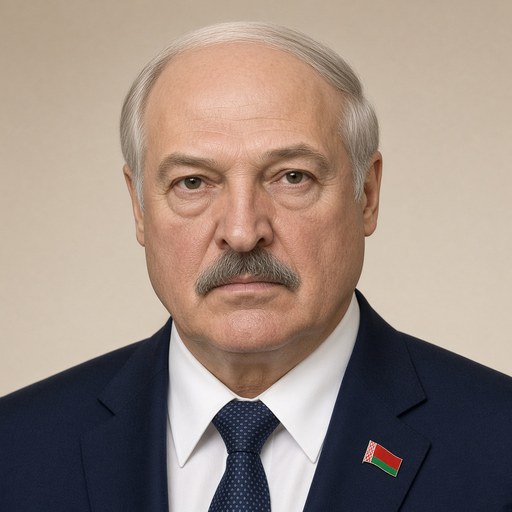
Speech at the II Congress of Scientists of the Republic of Belarus
 Alexander Lukashenko · President of Belarus
- Context
- Lukashenko addressed the II Congress of Scientists of the Republic of Belarus on December 13, 2017, reviewing a decade of scientific progress since the first congress.
- Main themes
- Science and innovation policy, Belarusian scientific achievements, applied research and economy, scientific human resources, energy modernization, food security, medical science and pharmaceuticals, nuclear power plant development, youth talent support, science-industry cooperation
- Duration
- ~80 min
- Words
- 9,555
- Sentences
- 595
- Readability
- 50
- Grade
- 10.3
- Syntax
- 2.80
- Vocabulary
- 2.06
Translated from Russian
The broad sphere of national life a sentence belongs to. Every sentence has an Arena, so it is the denominator the other indices are read against.
Other595 sentences in 127 paragraphs
Dear delegates, guests of the congress!
First of all, allow me to welcome you to the highest intellectual forum of our country - the II Congress of Scientists of the Republic of Belarus.
I must say, unfortunately, the second. I believe that such events should be held more frequently in the country. At least because we have set ourselves ambitious goals that are simply unattainable without science. In the modern world, science is the most important factor of progress. We understand this well, which is why we constantly pay attention to the dynamic development of this sphere.
Ten years ago, at the I Congress of Scientists, representatives of the scientific community of our country gathered together for the first time to discuss the state, pressing issues of domestic science, and to outline paths for development. Even then, we identified its applied nature as a key direction. This was the focus of academic, sectoral, and university scientific structures.
A lot has been accomplished over the decade. Effective Belarusian developments have gained wide recognition. Steps have been taken to improve the regulatory framework for scientific and innovative activities. Measures have been implemented to deepen the interaction of science with organizations in the real sector of the economy and the social sphere. A system of support for talented youth has been established.
A significant scientific human resource has been accumulated in Belarusian society. Today, more than 25,000 employees are engaged in scientific research and development. This includes about eight thousand people working at the Academy of Sciences. In short, a solid army capable of solving the most responsible and complex tasks.
The scientific environment forms the elite of our society, just as in any other state. You, scientists, without exaggeration, represent the intellectual elite of the nation. And when you conquer new heights, I, as the Head of State, and the entire Belarusian people sincerely rejoice in this.
We have much to be proud of. World-renowned scientists work in Belarus. Your talent, inexhaustible energy, experience, and knowledge serve the benefit of the Belarusian people and our young sovereign state. Thanks to your efforts, there has been an increase in innovative activity in the industrial sector: the volume of scientific, technical, and innovative products produced over the past five years has more than doubled. A number of scientific studies have yielded results of global significance. Machine builders, together with scientists, have created the largest quarry dump truck, the BelAZ, with a carrying capacity of 450 tons. A Belarusian low-floor electric bus with fast charging has been developed and put into production.
The modernization of the Belarusian energy system has allowed us to reduce electricity imports threefold from 2012 to 2016. The savings in fuel and energy resources over five years amounted to about 2 million tons of conditional fuel. At the same time, harmful emissions into the atmosphere have been significantly reduced.
Relying on new, predominantly domestic scientific technologies, we have solved the problem of food security. We have become not only self-sufficient in this regard but also an export-oriented country (the share of agricultural and food product exports in the total volume of goods exports in 2016 was almost 18%). Over the past ten years, agricultural production has increased by 30%. This has been achieved thanks to significant updates to the material and technical base, the transition to modern production technologies, and the application of the latest scientific and technical developments.
The results of the work of Belarusian medical scientists and pharmacists are encouraging. In 2016 alone, more than 250 new medical technologies were implemented in practice in such important areas as cardiology, traumatology, oncology, maternal and child health protection, and others. Belarus is among the world leaders in transplantation. The scientific approaches implemented in domestic healthcare undoubtedly influence the demographic security of the state. Since 2007, infant mortality has been decreasing, and life expectancy for Belarusians has been increasing.
Currently, the share of domestic medicines in the market of the republic in monetary terms has reached over 56%, while the share of exported medicines in the total volume of production is 27%. About five years ago, we had less than 20% of our own medicines. Today, we are approaching 60%.
The construction of the nuclear power plant has formed a new science-intensive sector of our economy. You all know how sensitive some of our neighbors are about the construction and safety of the Belarusian NPP. A convincing scientific response to opponents on this issue is the world-class development - an automated radiation monitoring system around the facility.
To avoid returning to this issue - many copies have already been broken on this topic, much discussion has taken place, and perhaps these problems will continue to arise endlessly. But I will speak directly to our neighbors, especially those who are so concerned about the construction of our station. First of all, safety is our concern. We are primarily interested in a safe station. Secondly, instead of torpedoing certain issues of the construction of the nuclear power plant - we will build it anyway, no matter how some may wish otherwise; this is not our innovation, there are hundreds of such blocks in the world. We will build our two.
Instead of discussing the cessation of construction, I have already suggested to our neighbors: let's think together about how to operate it, how to obtain cheap electricity and provide not only for Belarus (and we will have a surplus of this energy) but also for our neighbors - those who are politicizing this problem today.
If we talk about Lithuania, I suggested to them: the Ignalina station is closed, thousands of people have been thrown onto the streets, but these are skilled, highly trained individuals, of whom there are very few in the world; they are a rare commodity, so to speak. And this will be a place of work for them. We are not particularly concerned that citizens of Lithuania or other countries will come to work at our station and will operate it together with Belarusians and Russians. I think we need to work in this direction and think about the fact that in just 10, at most 20 years, half of enterprises and indeed the life of society will switch to clean energy. Electric energy is clean energy that is available to all, and it can be produced by everyone in the world.
In fundamental science, the research of our scientists in the fields of physics, mathematics, computer science, and materials science will eventually become the basis for the creation of new technologies, industries, and entire sectors of the economy. Thus, thanks to the use of advanced knowledge, the Belarusian remote sensing satellite and the microsatellite communication system have been created. The open joint-stock company "Pelenг" has mastered targeted satellite equipment with a resolution of better than one meter. "Integral" has established the production of new electronic components for use in space.
All of this has contributed to Belarus being accepted as a member of the UN Committee on the Peaceful Uses of Outer Space.
In 2018, as you know, we were entrusted with hosting the 31st International Congress of the Association of Spaceflight Participants in Minsk. I must say, this is a great honor and achievement, primarily of our cosmonauts.
We are competently competing in the global market of military technologies in the fields of radar, missile systems, unmanned aerial vehicles, and automated complexes. The latest samples of weapons produced are capable of effectively countering the high-intelligence weapons of the 21st century.
Far beyond the borders of Belarus, the developments of our scientists in the field of plasma technologies, optical and laser devices, new materials with special properties, radio electronics, computer science, and functional food products are well known.
Belarus actively interacts with many organizations and countries within the framework of international scientific programs and projects. Our academic organizations are executing export contracts with almost 60 countries. Most notably with Russia, China, India, Turkey, France, the USA, and several others.
Just two weeks ago, during the visit of the President of Kazakhstan, Nursultan Nazarbayev, to our country, we signed a number of bilateral agreements on long-term scientific and technical cooperation and cooperation in various sectors of the economy.
The effectiveness of Belarusian science is reflected in international rankings. According to the knowledge index, Belarus ranks 45th among nearly 200 countries, improving this indicator by 14 points over the past five years.
Dear participants of the congress!
The main task remains unchanged - to increase the scientific and technical potential of the country, to accelerate the implementation of scientists' developments in the real sector of the economy. That is why the decision was made to declare 2017 the Year of Science. The idea was to activate the scientific community and give greater momentum to innovative development. Now we can objectively and comprehensively assess its results, the real state of affairs in science, and make key decisions to enhance its effectiveness.
It should be noted that with the end of 2017, the state's attention to the effectiveness of scientific activity will not diminish. On the contrary, this year should become a new starting point and a stimulus for increasing innovative potential and the penetration of science into all spheres of public life. This is the purpose of our forum.
The scientific potential of Belarus represents a powerful productive force of society. Undeniable successes have been achieved, which I have already drawn your attention to. But I want to emphasize that the congress is not a platform for listing our successes and rosy self-reports. First and foremost, it is an opportunity for brainstorming, mobilizing the intellectual elite of our society to solve the most promising and pressing problems. Who, if not you, can objectively assess the real state of affairs and find the most optimal ways to solve them? After all, we must admit that not everything planned at the I Congress has been accomplished. Therefore, today it is necessary to analyze the problems that remain unresolved very carefully.
In April of this year, I instructed the leadership of the National Academy of Sciences and the Government to resolve the problematic issues of scientific activity as much as possible (they were raised at that meeting), including the funding system, the remuneration of scientists, incentive factors, and others. I hope this will give a new impetus to your work. After all, the tasks ahead are very responsible.
First of all, this concerns the development of high-tech industries. Their current dynamics cannot satisfy us. Over the past five years, the share of such industries has grown only slightly: from 2.5% in 2010 to about 3% in 2016. And the share of low-tech industries still accounts for more than a third of the real sector of the economy.
The share of shipped innovative products in 2016 was just over 16%, and this year it is 17%. There is growth, but it is small. However, according to the National Security Concept that we created together, this indicator should not be lower than 20%. At the same time, the share of truly innovative, new Belarusian products for the global market is insignificant - about 2%. This situation largely arises from the slow pace of development and implementation of advanced technologies. After all, some domestic enterprises demonstrate insufficient interest in innovations, and scientific organizations do not show the necessary persistence in promoting innovations. At the end of the five-year period, we will give a principled assessment of these trends.
At the same time, I want to say, my assistants, scientists, and the Government, who prepared this report (I read and reviewed it several times before approving the final version) - I did not notice the main point there. Let the representatives of other countries and academies of sciences present here be witnesses - the main complaint that scientists have always voiced, including in Russia, Kazakhstan, Tajikistan, and Latvia: "We, scientists, create a product, create a miracle, but the real sector of the economy and other sectors do not implement it, do not take it into production."
I have already told you at the meeting. At some point, I got tired of these arguments, and I made and approved a decision that became law in the country. If a scientist invented some product or a group of scientists, or an institute, or the Academy of Sciences as a whole offers this product for implementation, of course, the decision lies with the head of the Academy of Sciences. He decides whether this product is needed by our country or not. And if he decides to implement it, no one has the right to dispute it. So why did you so shyly not include this main provision in the President's report and not specify how it is being implemented? And I will tell you - it is not being implemented at all. And I, as the Head of State, will say, whether you like it or not, that scientists have talked too much at least on this topic, and when it came to action, the last word of the scientist "yes, this product should exist in the country" turned out to be a soap bubble. So who is preventing you from creating a high-tech production, a product, and implementing it in the country?
Semashko opened the congress here. He is the person who is responsible for science in the Government, including before the President. He is a representative of the Government and in the Academy of Sciences. So everything is tied into one knot. Why are there no striking results?
Let this remain a rhetorical question for now, and you think about how to answer this question and what else you, scientists, need to implement your own product in Belarus.
Today we should clarify priorities, specify the formulation of scientific tasks. In modern conditions, when our industrial companies are gaining more independence, ministries should focus their attention on promising areas, on the implementation of long-term industrial policy, and strengthen the role of design bureaus. We need to actively practice the creation and strengthening of the material and technical base of factory research laboratories, centers, and experimental productions.
All scientific institutions need to accelerate the timelines for the preparation and execution of research and development work. Furthermore, we must jointly ensure the testing and implementation of innovations in production. We cannot afford to conduct scientific research for years and then take just as long to implement it. During this time, foreign competitors will develop similar products and introduce them to both their own and our markets. The situation is even more unacceptable when developments are adopted by enterprises, but there is no further effective implementation of them.
How can we rectify the situation? I believe it is necessary to draw your attention to certain areas for the improvement and further development of Belarusian science.
The first and most important of these is to more effectively connect science and production. First and foremost, we need to jointly address the main problems of machine engineering and industry as a whole. After all, it is in industry that the core of all innovations lies. There are no countries with strong science and weak industry, and vice versa.
The National Academy of Sciences should pay more attention to fulfilling its function as a systemic scientific integrator, linking science, production, and business together. Industry, together with science and the education system, must solve the following key tasks: determine the directions for the diversification and modernization of production—from the expertise of new technologies and equipment to participation in their creation and commissioning; new modern factories must be built based on scientific justification; ensure systematic work in the field of reliability and quality assessment of products at all stages from development to release; concentrate efforts on increasing the high-tech nature of production to address the challenges of cooperation and competition with industrially developed countries. To achieve this, it is necessary to activate the implementation of technological priorities and specific promising projects. The Ministry of Industry and other ministries must clearly understand and orient themselves towards their enterprises.
One of the pathways to a new economy could be the further development of laser and optoelectronic technology, for which there is a solid scientific foundation. The country is effectively a regional leader in this regard. There is demand for this technology from the military, medical professionals, in transportation, and in industry. And this demand will only grow. And not only in Belarus. We also need to develop all aspects of the digital economy, management systems, and artificial intelligence.
It is necessary to develop a program for the development of electric transport, including stages of Belarusian localization of the production of components for mobile machines with electric and hybrid drives, the creation and production of domestic elements of electric drives and batteries. In the aerospace industry, it is necessary to more actively develop new unmanned aerial systems, including dual-use systems, for which we are seeing demand worldwide today.
The second direction is the scientific and technical improvement of the agro-industrial complex.
In our country, a high level of agricultural production and food consumption has been achieved. About 35% of agricultural products are exported. At the same time, new challenges and threats are emerging in the food sector—both external and internal.
The trends in the development of the global food market are such that, in the long term, resource shortages will persist, and the market situation will remain unstable. Tomorrow, competition will only intensify. Moreover, this will be influenced not only by economic factors but also by political factors, which are often difficult to predict. I would say that this competition will primarily increase due to political factors. Because the world’s population is growing, the volumes of food consumption are significantly increasing, while competition and blockades of food supplies to global markets are occurring. An example of this is the constant "struggle" between the closest peoples and states—Russia and Belarus. What can we say about others?
In addition, there are a number of internal problems of both economic and social nature in the Belarusian agricultural sector that need to be addressed with reliance on science. First and foremost, it is necessary to raise the level of labor productivity in agricultural production, which is currently twice as low as in EU countries. This is where the reserve for increasing the competitiveness of our products lies.
Compliance with production technologies and the recommendations of scientists should be the main criterion for evaluating managerial personnel. And not only in the agro-industrial complex but everywhere. In personnel policy, it is necessary to introduce a rule that innovation in thinking, the ability to perceive and apply new knowledge in practice, is essential for a leader. Scientists need to develop, and the Ministry of Agriculture and Food, together with governors, must implement a set of measures to increase the profitability of agricultural enterprises, which is currently insufficient for expanded reproduction even with state support. The high share of unprofitable organizations remains, there is a shortage of own working capital, and the financial obligations of agricultural producers are growing.
The task of agricultural science at the present stage is the constant search for internal cost-free mechanisms to increase the efficiency of agricultural production. Original ideas, effective approaches to solving existing problems, and the development of qualitatively new products that provide competitive advantages to our agriculture are needed. Work on import substitution in the Belarusian food market should be intensified. The share of some imported food products in retail trade remains unjustifiably high. The Ministry of Agriculture and Food, together with the relevant organizations of the National Academy of Sciences of Belarus, must solve this problem in the near future. We cannot fall behind!
It is highly relevant to develop promising Belarusian breeds of animals and varieties of plants that are resistant to adverse weather conditions.
The third direction is the development of IT technologies. In the world, information technologies are penetrating everywhere. It is no coincidence that the modern economy is called digital. Look at what is happening now. Robotization is covering industry and agriculture. IT platforms are displacing traditional trade, and blockchain is affecting finance. Artificial intelligence is increasingly replacing humans in familiar areas of life.
In our case, information and communication technologies should be directed towards creating intelligent systems for processing vast amounts of data, supporting decision-making for government bodies, "cloud" and other technologies. Everything I have said is already happening here; it is developing. These are not just some dreams. Some scientists in many countries only dream of this and memorize these terms, trying to understand their essence. We have already made progress in this area. We just need to not stop at what has been achieved but to act and move forward.
The High-Tech Park must also reach new horizons of development. Just recently, we thoroughly reviewed a draft decree that can rightly be called revolutionary. As I promised, it will be signed before the New Year. It creates conditions for our country to enter the ranks of the most advanced states in this field. And in certain areas, it will allow us to become one of the world leaders. By fulfilling all the provisions of the decree, we will advance even further in the implementation of the ambitious project of building an IT country.
The fourth direction is the work on creating scientific and technological parks in areas such as bio- and nanotechnology, pharmaceuticals, and instrument engineering. We have all the conditions, including scientific support, for the development of advanced domestic technologies for the production of biopreparations for medicine, agriculture, and environmental protection.
You propose that the National Scientific and Technological Park "BelBiograd" should be the platform for accelerating research and the creation of domestic pharmaceutical, bio- and nanotechnological products. I have thought a lot about this. I fear that we might simply, excuse my bluntness, "monkey around." You see, somewhere "biograds" are being created, and we are running after them, creating similar enterprises. But we must understand that if we look at the essence of your proposals, you want to extract certain enterprises, groups of scientists, and these directions from different—university, sectoral, academic—sciences and place them in some "grad." If this needs to be done, if these directions cannot develop without it, as I mentioned (in the fields of bio-, nanotechnology, pharmaceuticals, instrument engineering, etc.), then let’s extract them from there and place them in some "grad" like the China-Belarus Industrial Park "Great Stone." If this will yield results, if it cannot be done otherwise. But if we can work based on how these directions are currently developing without breaking anything and still achieve results, why break and move somewhere?
If in other states, which indeed have money but lag behind in these areas of development or are not developed at all, then they are ready to direct available resources into some "biograd." Because they do not have other groups, scientists, etc. That is why they create it—a special zone, special legislation, a tax system. But we are at a sufficiently high level of development. We just need to shake ourselves up and work. So think about it.
Once again, I emphasize that I am ready to support your decision if you can answer the question of whether it is possible to exist and develop under the current system of these directions. If not, then we will move them to some "grad." But if you mean that we will move this group of scientists and directions there just to create some preferences, that is an unreasonable, senseless proposal, which I will certainly not support. We can create appropriate conditions and provide preferences for any institute, any group of scientists. There is no need to break the system for this. At the same time, a tax-free paradise is proposed to be created as in the High-Tech Park. But that does not mean that a new park needs to be created. Think about this, esteemed scientists, whether we need to extract links from existing systems and unite them in some "grad." I have simply expressed my doubts. I have given this as an example. I am offered many such innovations, but these innovations consist of Bolshevik revolutionary ideas: take, break, and build something new in a new place. Who has calculated what this will cost? Think about it.
We really need to activate these processes to solve the main problems, which will create favorable conditions for accelerated development and ensure high competitiveness in these areas of the economy, stimulate investment attraction, the commercialization of scientific and technical activities, the implementation of science-intensive technologies, and the release of innovative products.
Responsible tasks lie ahead for medical science. And the most important of these is improving the demographic situation in the country. Despite achievements in this area, a number of problems remain unresolved. Unfortunately, for the treatment of some diseases, Belarusians are forced to go abroad. There are still questions regarding diagnostics, accessibility, and the cost of complex operations, as well as preventive measures. Therefore, medical scientists need to more actively master new technologies, develop and implement modern screening programs, and work on reducing the cost of medical services provided.
Particular attention is required for effective scientific support in such sectors of the economy as petrochemicals, woodworking, housing and communal services, the service sector, and high-performance sports, among others.
What troubles me the most is this. We have modernized agriculture. No one in this hall and our guests will dispute that we have achieved a lot here. And to say "agriculture" is incorrect. It is the villages! At one time, the task was set to save the village. Because without the village, there can be no Belarus, Russia, or Ukraine. This is traditionally our life-giving source that allows us to preserve the nation. The destruction of the village, impoverishment, and degradation will lead to its complete disappearance. And then the state will disappear altogether. This was the concept when we started this. We have achieved a lot. But let today at least one scientist in this hall stand up and say that it was a group of scientists or his proposal that moved in this direction. No one will say this. And why? Why did we wander around the world, gathering bits of experience, and then at the highest level, at the level of the President, made decisions: this should be, this should not be? We traveled around the country, feeling our way, so to speak, checking these directions, making decisions, and implementing them. We relied on global experience, which certainly does not exclude science as well. We sometimes felt our way, breaking everything that had been created before us, including with the participation of scientists, and which turned out to be completely unsuitable for the further development of modern agriculture and the life of peasants. Why were scientists not at the origins?
And one more point. In preparing for today’s congress, I have not yet managed to move on from this epic with "Kamvol." I did not say this in vain—few people paid attention to it—many copies were broken, and many fates were buried. Almost five years of this epic. And what, is this a great innovation? What role did scientists play in the modernization of this specific enterprise (read: in all enterprises that are being modernized today)? How did they get involved and help with this modernization?
We need scientists here very much, so as not to make mistakes. And simply, scientists in these fields are advanced, well-read, knowledgeable, and aware of best practices. To avoid mistakes, we must work together with them, and perhaps these scientists should be a step ahead. It will cost us much less than the modernization we are currently undergoing. This is what the country needs from scientists, rather than sitting and drawing some formulas and looking at the floor or the ceiling, inventing and creating something. And this is necessary because that is the essence of scientists. But scientists must emerge from their laboratories today and test all their ideas in practice. If this does not happen, we will gather at congresses, you will demand salary increases, housing construction, and so on. The authorities will promise you this, sometimes delivering, sometimes not. We will gather again for a new congress and engage in this idle talk. And the people and the state will not see results.
There are other examples as well. Take the development of the space industry in our country, the defense industry, the creation of rocket production, where again we initially gathered scientists piece by piece at my strict request and asked them—those who understand this: can you do something? Yes, we can. We achieved this much, but we need this much. Where will we get it? We traveled the world and found it. And in two years, we created our own rocket systems. I am confident that no other state has done this in two years. This is how we should work, when scientists get involved, lead the way, and pull everyone else along. And the authorities control and create a thoroughfare for advancement. This is what we need today.
The fifth direction is the humanities. Domestic humanitarian scientists are making considerable efforts to develop historical science, cultural studies, political science, and other scientific fields. A modern Belarusian has the opportunity to learn about their historical roots, to clearly understand the existing Belarusian socio-economic and socio-political model of the state.
The most important product of humanitarian knowledge is social technologies. Today, recipes for managing people's consciousness are being created. These technologies operate from outside the country, mainly through the media and the internet, and not always for the benefit of Belarus. We need to learn to counteract negative trends in this area. We should develop our own social technologies, using them to consolidate society, foster patriotism, and stimulate creative initiative among people at all levels.
One of the pressing tasks facing humanitarians is to learn to foresee current problems and processes of societal development, to help the state find adequate responses to the new challenges of modernity.
Today, the media and the internet are filled with the opinions of various pseudo-analysts who are trying to undermine stability and tranquility in our society—and not only in ours. A global world war is underway today. But it is being conducted with new methods, primarily in the mass media. You are witnesses to this. I will not name specific examples. And this war, which is being waged today through the media, is practically disorienting society. And we too are disoriented on many fronts, disoriented on many acute problems of our planet's life. We are misjudging, inadequately assessing what is happening in the hottest spots on the planet, in the most critical areas. Because particularly strong states use the mass media for disorientation of both their own society and, unfortunately... I will speak about our society, our Belarus, because no media, including electronic and internet, are banned here. They penetrate our country through and through. I will not name examples so that this does not become the main event of our congress, as the media can do. You know what I am talking about.
It is very necessary for the voice of an authoritative scientist-statesman to sound loudly and clearly in response. Tell me, how many of those thousands of our scientist-statesmen that I mentioned today are known to the people? Where are these patriotic scientists who should defend the state in the information war?
But we mainly have state mass media. Who is not letting you in there, who has not invited you? Journalists sometimes complain that it is very difficult to get a scientist or a large producer on television. Is this a normal approach? This is your job today. You must go to this front so that there is no other front.
And one more problem. It would be right to create in our country a system of comprehensive humanitarian expertise for the most important legislative initiatives and projects, not only from the legal perspective but also from the positions of sociology, psychology, culture, and the traditions of society.
International events eloquently testify to the need to strengthen humanitarian security, to form a kind of cultural immunity. For us, as for any nation, our own history and good traditions should serve as a unifying force. It is necessary to seek new forms of promoting Belarusian science and culture, to learn to do this in an interesting and engaging way.
We must not only resist various figures who reproach us. And, strangely, our native Russia does not understand what is happening, and sometimes it is unclear whose order it is. What have I been reproached for? That I arranged a soft Belarusianization here. Listen, should I arrange a Germanization here?! This is not the opinion of the Russian people or even the leadership of Russia. These are individual figures and orders, as the President of Russia recently candidly told me here in Minsk. So we need to work in Russia, to convey, despite all the difficulties, what is happening here in Belarus. So that Russians know what is happening in the country and people closest to them. We are one people. And look at how many problems we have. This is not only because they are attacking us through the internet, but because we are not working there and not resisting where we need to resist.
Many journalists I talk to, Russian scientists, when you start telling them something, they sit with their eyes wide open, and the further it goes, the more. They do not know our reality. Why do they not know? Because we are not working well, primarily. And who should be doing this? Scientists, among others. A scientist in Russia is not just a scientist; he is a great citizen. And by working with scientists, we will convey to our "older brothers" what is happening in Belarus through them.
Just as in Ukraine, our neighbors. Do you think that the authorities of Lithuania, Latvia, Estonia, Poland will say a good word about us somewhere? Never! But there are scientists. I recently watched—yesterday, I think, the vice-president of the Latvian Academy of Sciences spoke—an intelligent person, consider him one of us, with our way of thinking. So work with her; she will say a good word in this country that Belarus is not an enemy country, that we do not intend to attack anyone, as we have never attacked anyone. But if someone dares to come at us, they will get it.
Everything is very simple. But we are falling short in elementary things. Here, do we need to invent doctoral dissertations for this, to be an academician or a corresponding member of the Academy of Sciences to engage in this? No.
The sixth direction is the system of financing scientific and innovative activities. I want to note that funds are allocated for science. Financial expenditures from the state budget in 2015-2016 amounted to 0.5% of GDP annually. In the future, we will gradually increase allocations.
But that is not the issue. There is another side to the question—the effectiveness of capital investment utilization, the return on expenditures for science. From all organizations and sectors, we demand one main thing—the result. I told you at the meeting and will repeat here: if there is no result, there will be no money. Science should not be exempt from this requirement. We are not rich enough to waste resources on fruitless activities. As they say, empty flowers are of no use to anyone. By the way, this phrase originated in the scientific community. Back in Soviet times.
Perhaps there are those in this hall who would like to argue with me: budget funding for science is insufficient. I will respond: we all understand perfectly well that the state allocates for the needs of science exactly as much as it can afford and as much as you can utilize. And the second is more important. Although the share of budget funding is about half of all funds.
Around the world, scientific organizations use their own resources, actively attracting funds from enterprises, investors, innovative and venture funds. In our case, the share of organizations' own funds in research and development expenditures is only about a quarter. Since 2007, it has decreased by more than 14%. I mean sectoral, university, and academic science—all directions.
It is unacceptable that today there are significant balances of unused funds from innovation funds. I explain for our guests from Russia and other countries: we have huge amounts of money that, despite all the complaints from scientists, are not utilized annually. Having created innovation funds at two levels, the money is not being utilized. From January to November of this year, the republican and local innovation funds were executed at 41% and 24% of the annual plan, respectively. What other money do you lack? They are just sitting there—take them.
Just recently, you were persuading me that the new order of forming and using these funds would radically improve the situation. I listened to you and made a decision, but so far I do not see results! The same applies to venture financing issues.
Here, of course, the insufficient activity of state management bodies is evident. Perhaps there is some bureaucratic red tape, although unlikely. However, not only bureaucratic obstacles hinder the process, but also the lack of truly significant projects, breakthrough developments, and proposals from the scientists themselves. When reviewing the results of the year, we will pay special attention to these issues.
And again, I will return to the example. Let the scientists who were involved in the development of rocket engineering in the country stand up and say that they lacked funds. There was a project, there were sensible proposals, and we accepted their proposals. Let "Pelenг" stand up today and say that it lacks something. It was enough just to point out that it needed additional territories; we resolved this instantly. And it never raised questions and is developing. Why do others not take an example from such enterprises? There are quite a few of them in Belarus.
The state intends to support promising areas of scientific research in every possible way. But science itself must also earn. And for this, the country has everything; no one is hindering this. On the contrary, it supports.
The broadest opportunities for the commercialization of developments will be provided in the China-Belarus Industrial Park "Great Stone." Please—build enterprises, produce products, and sell them. We will help you financially; bring your projects. I will give just one example. A very close country, our friend the People's Republic of China, provided us with a huge loan: more than 15 billion. And we have probably utilized this money over the past seven years. And these are preferential loans; no one has provided us with cheaper terms, not even Russia. Take it—utilize it. Silence. This means there are no ideas and no projects. And where there is nothing, there is no court; I did not invent that.
New horizons for entrepreneurial initiative are opened by recently adopted regulatory documents in the field of business liberalization. It is important that our business people work closely with scientists, implement their developments, and open science-intensive productions. Such mutually beneficial cooperation is the key to the success of both specific enterprises and the country as a whole.
Another source of funds should be the creation of mechanisms for introducing intellectual property objects into civil circulation, expanding the market for licensing trade in them. Unfortunately, the government has only now approached this issue. Sometimes we engage in things that are not needed today instead of addressing specific issues. But that is a separate conversation.
At the same time, other ways to optimize science funding can be found. We have defined a wide range of priorities for ourselves. In the current five-year plan, we have 13 in scientific and 9 in scientific and technical activities. Perhaps this leads to the dispersion of funds. Of course, we cannot narrow the scope of scientists' activities, but financial priority should be given to the most significant projects for the country.
The seventh point is scientific personnel. There are serious complaints regarding the training of scientific personnel and the careful attitude towards human capital. Until now, we have not properly organized work on training highly qualified personnel in the interests of the sectors of the economy. Often, ministries approach this issue formally. Unfortunately, the guiding role of the Higher Attestation Commission, the State Committee for Science and Technology, and even the Academy of Sciences is also not visible.
Little attention is paid to both the formation of relevant dissertation topics and the implementation of scientific developments in practice. Moreover, the approaches to the election of academicians and corresponding members need to be made more transparent and objective. These honorary titles should be awarded to truly authoritative scientists who have not only significant achievements but also recognized scientific schools and their own students.
You know how zealously, carefully, and scrupulously I relate to scientists. I personally hand out diplomas to doctors of science and professors. I monitor, help the Academy of Sciences, do not interfere excessively, and protect, as it is fashionable to say now, "cover" the Academy of Sciences and scientists in all directions.
The leader recently said: "Alexander Grigoryevich, we are approaching the elections of academicians and corresponding members." I thought, fine, like in the old days, I will step back a bit and watch how this will unfold from the sidelines. Before the new academicians and corresponding members were elected (though, there are still vacancies, right?), complaints started pouring in: intervene immediately, help us sort this out. An uproar. Of course, I understand that among talented people, scientists, and cultural workers, there is always this squabble. I thought: I will stay on the sidelines, maybe it will settle down, quiet down. Nothing of the sort, even more! You are smart people, can’t you gather and, according to those regulatory documents, do everything beautifully, without offending anyone? I always urge you: one principle - justice. It may be harsh, but it is fair. Therefore, you urgently need to work on developing a certain regulatory and legal framework for yourselves, so that this does not happen in the future, so that the process is transparent. And if it is transparent - you will always elect true academicians and corresponding members, as the criteria are clear.
Interest in science should be instilled from the school bench. Often, higher education institutions do not know how many gifted school graduates have become their students. The chain between school and university is broken. For yesterday's schoolchildren to become students participating in scientific research, and in the future - postgraduates and young scientists, teachers must pay attention to literally each of them. And this is not difficult at all. Especially in our country. You don’t even need to go to schools. Although a true scientist, in order to find their students, would even go to kindergarten. You don’t need to do this because our President has created and funds foundations to support young people and students. The database, in my opinion, is published on all websites, it is available on the internet. Press a button, enter the database, choose talented people who have already distinguished themselves as young, students, schoolchildren. Talk to them, hire them - they won’t even ask you for a salary yet. Who has done this? That’s all there is to working with personnel.
We can rightfully be proud of the achievements of our schoolchildren and students at international Olympiads. The most gifted receive support from a special fund of the President of Belarus.
The time has come to elevate work with such youth to a qualitatively new level: to unite the resources of the most talented scientists and educators in working with the younger generation on high-tech scientific platforms. And we need to return to the rules that you have fought for since Soviet times, especially in the Academy of Sciences: you can become an academician or corresponding member not only if you have written a bunch of monographs and defended a dissertation somewhere, as it should be, but also if you have prepared a bunch of talented students. Only then can you be an academician. Look at this principle, how many academicians we have and how many they have prepared - a new generation. How many of them, such prodigies? There are plenty in Belarus! I have met with them, looked at their work. Schoolchildren are inventing 3D printers. And they showed me this 3D printer printing. So take them under your wing, so they don’t come to me: "Alexander Grigoryevich, help!" And I think: "Where are the scientists? Where is the Academy of Sciences, the sectoral, university ones?"
If it is necessary to create some kind of children's scientific and technological park, organized with the participation of the leading universities of the country, let’s create it. Maybe not a park, but a bunch of such parks at universities that want it. I instruct the Ministry of Education, together with the Academy of Sciences, regional executive committees, and the Minsk city executive committee to resolve this issue by September 1, 2018.
The problem of brain drain is no less acute. Its real scale is difficult to assess, as there is not only external but also internal intellectual migration. Many young people, while remaining in our country, change scientific activities for higher-paying jobs in the business sector.
We need to create the most favorable conditions for creativity for the younger generation, to support youth initiatives. A special role in this belongs to university science.
During a meeting with IT specialists, I was struck: they noted with particular pain that they lack manpower. You know what kind of manpower: intelligent, highly intellectual, able to communicate with many modern means of production. I said: "Well, you lack it. What do you propose?" Listen carefully: "Allow us to spend our own money to support universities and teachers so that they prepare the students we need." I said: "God bless you, start from tomorrow." What questions can there be? What I saw behind this is that they are in high demand and lead very profitable, income-generating companies. One of them said that he personally paid $1.2 million in income tax in a year. I believe I am not mistaken, I will not name his name. And this is not the highest-paid person who receives the most income. What else is needed? This is good work. And they saw that there is a lack of manpower. There is work, but not enough people.
They are ready to invest in our education today. I said: "I can disappoint you. You will come to universities to support teachers, and when you dive in, you will see that they will not prepare specialists for tomorrow, because our university leadership (you may be offended by me) has become stagnant and some have grown moss." I am not even talking about the teachers. They do not prepare people who can work today, let alone tomorrow. Many of our universities and teachers, with their yellow notes (I say for the umpteenth time), are lagging behind events. I encountered this at the agricultural academy. I asked: "From which year do you take students to the farm?" - "After three years, a little in the third." But there is no time left to study. They came to the farm, smelled that it was not the right smell. And they, having finished the academy in one way or another, do not go to work in their specialty. From a practical point of view, they need to be taken to the farm, to the field in the first year, so that they, sensing the smell, leave in the first year. And we will not spend huge amounts of money on education.
This is elementary, just economically sensible. I am not even talking about the fact that university science and teaching have catastrophically lagged behind the development of our production and its modernization. And many teachers (it is good that they were pushed into production), when they come there, learn and see that what they teach is yesterday's news. That is why the term "practice-oriented education" was invented.
I hint that (of course, we have a huge amount of work now) we need to start restructuring, reworking, and reshaping programs in universities, just like we are finishing this process in schools. Education needs to be oriented towards tomorrow. We need to prepare teachers, and only then raise questions about payment.
We have an unending amount of work ahead. And this is not only the Ministry of Education's responsibility. We have almost every industry with its own universities, almost every minister - of transport, agriculture, and so on - prepares specialists for themselves. And when I was offered to gather all universities into one and hand them over to the Ministry of Education, I categorically refused: we would ruin education altogether. Ministers are interested in the development of their industries, and let them prepare their own personnel. Why transfer them somewhere? The Ministry of Education will deal with general issues, what is happening today. So engage, grow a new generation that will work here. But without a teacher and a university leader, it is impossible to solve this problem.
We need to create the most favorable conditions for creativity. And this is primarily the task of the university. Today, our universities should engage not only in education and scientific developments but also in promoting their projects into the economy and other spheres. To implement this approach, the "University 3.0" model is already being introduced.
The government and Parliament, together with the scientific community, need to ensure the unity of education, science, and production. If there is no demand for innovations from the industrial sector, there will be no demand for new scientific developments and highly qualified personnel.
The role of university science in planning personnel training, including higher scientific qualifications, considering the long-term prospects of scientific and technological progress, also seems significant. It is important not only to bring youth into science but also to retain them. And for this, decent pay, solving housing problems, interesting and useful scientific topics for the state, teams of like-minded individuals, mentorship, and the absence of bureaucratic routine are necessary.
An urgent task is to raise the social status of scientists, create opportunities for their self-realization and professional growth. Our society must understand and appreciate the great value of knowledge.
In essence, everything said can be reduced to one simple formula - it should be prestigious to engage in science.
From the state side, we strive to support scientific workers, and the state will do everything for this. Last week, I signed a decree on the appointment of scholarships for talented young scientists for 2018.
I want to note that the government presented to me for consideration a draft decree that proposes new approaches to ensuring salary growth for employees of scientific organizations. Unfortunately, if this congress had not taken place today, these regulatory documents would have been presented the day before yesterday along with the leadership of scientists. Almost a year has passed since our last meeting. And you, scientists, together with our bureaucrats in the government and other officials, have not been able to fulfill the President's instructions over the year, which are so necessary for you: housing, salary, funding - these are pressing issues. Two days ago, out of fear that I would speak at the congress, these documents were submitted to the President's desk. A big question.
I wanted to talk here about salaries, about some houses - a report had been prepared earlier. But I just answered all your questions. Apparently, this interests you the least. Therefore, I will talk here about housing, salaries. I will sign these decrees before the New Year, I will finalize them, I will see what the salary situation is. I will sign. But just understand one thing: this is for you, not for me.
The eighth direction is the management structure of the scientific sphere.
There are different schemes for managing science in the world. There is no universal one. Over the years of independence, we have developed our own system. We have not only preserved but also increased the role of the National Academy of Sciences, and we are also developing sectoral and university scientific spheres.
The question now is not to break or rebuild something. It is important to achieve the effective operation of each link, clear interaction among them. There should be no narrow departmental approach, but rather coordinated, synchronized activity, and mandatory collegiality in decision-making.
You know, dear friends, I am an open person; we have known each other for a long time, and you know me even more. That is why I always speak so sharply and openly. But if someone was offended by this sharp tone and form of my speech - it is in vain. This is because I have such a character: I cannot be indifferent to certain problems, especially those that lie at the foundation of the development of society and the state. This is all I have. This is the state that I, as the first President of the country, have to shape together with you. And when I see with you that the problem is not being solved by you for you, how can I react to this? At the very least, painfully.
We agreed that this, this should be resolved before the congress, so that at the congress we could discuss something, look beyond the horizons, and see new problems. But we got tangled up in the old ones. We could not untangle them. So what kind of scientists are you, what kind of managers are you? I cannot forgive such things; someone must be responsible for them. Otherwise, we will create nothing with you and do nothing.
Dear delegates of the congress!
You have studied the draft strategy "Science and Technology: 2018-2040." I have a very difficult and heavy attitude towards various kinds of projects, schemes, and programs, especially those extending to 2040. Many of us, unfortunately, will no longer be in this world. Forgive me for this; it is so, it is an axiom of our existence. Many will already be in business - young people, some elsewhere. And who will you ask about this program? But, as I said, we need to look beyond the horizons. If we do not see tomorrow, there will be no development. And I would very much like this key document to define state policy for the development of not only this sphere but also to be a document relevant for the entire country. Therefore, as Semashko said at the beginning, and perhaps he did not even pay attention to it himself, it needs to be seriously refined after this congress ends and after discussions in sections and simply contacts among scientists in the corridors of this congress. It needs to be made a working program, concrete.
A large group of scientists and practitioners was involved in creating this strategy, which studied global experience and formulated new tasks for building an innovative economy and scientific and technological priorities. Many of you participated in the preparation of this large-scale program.
In the strategy, we tried to define our future model - "Intellectual Belarus." We identified its key components: cross-cutting digitalization of the economy, the creation of an IT country; a developed neo-industrial complex that meets the challenges of the fourth industrial revolution; a highly intellectual society.
The draft document has undergone extensive discussion, as was mentioned here. But, I say again, we need to return to it, taking into account the sectional discussions that have taken place, the proposals that will be expressed by the delegates of the congress. We need to objectively assess all the pros and cons so that we have a tense but realistically feasible action program for the future. It should give a dynamic pace to innovative development and bring the country to the forefront of scientific and technological progress.
The entire society must be involved in its implementation!
Belarus is entering a new stage of development - a period of building an intellectual economy. It is important for us to continue moving forward, relying on the solid foundation created over the previous years and the experience gained.
The implementation of the planned tasks will improve the quality of life for the population, elevate the economy of Belarus to a higher level, and create new factors for long-term economic growth. We will ensure sustainable and balanced development of our country through a combination of effective state governance, an increased role of science and education, and a growing innovative potential.
I have touched on only some of the most important aspects of improving scientific activity. I believe that you will continue the substantive discussion and more thoroughly address all the issues on today’s agenda and those beyond it.
In concluding my speech, I want to wish you fruitful work and the adoption of well-considered, thoughtful decisions for the benefit of Belarus. As for me, as the Head of State and your President - I will not hold back.
Thank you for your attention.
The original Russian. The tags above are read on the English translation's sentences.
Уважаемые делегаты, гости съезда!
Прежде всего позвольте мне приветствовать вас на высшем интеллектуальном форуме нашей страны - ІІ Съезде ученых Республики Беларусь.
Должен сказать, к сожалению, втором. Думаю, что подобные мероприятия должны в стране проводиться чаще. Хотя бы потому, что мы поставили перед собой амбициозные цели, которые без науки просто не достижимы. В современном мире наука - важнейший фактор прогресса. Мы это хорошо понимаем, именно поэтому постоянно уделяем внимание динамичному развитию этой сферы
Десять лет назад на І Съезде ученых представители научного сообщества нашей страны впервые собрались вместе, чтобы обсудить состояние, насущные проблемы отечественной науки, наметить пути развития. Уже тогда магистральным направлением мы определили ее прикладной характер. На это были нацелены как академические, отраслевые, так и вузовские научные структуры.
За десятилетие сделано немало. Эффективные белорусские разработки получили широкое признание. Предприняты шаги по совершенствованию нормативно-правовой базы научно-инновационной деятельности. Реализованы мероприятия по углублению взаимодействия науки с организациями реального сектора экономики и социальной сферы. Выстроена система поддержки талантливой молодежи.
В белорусском обществе накоплен значительный научный кадровый ресурс. Сегодня более 25 тысяч сотрудников выполняют научные исследования и разработки. В том числе около восьми тысяч человек трудятся в Академии наук. Словом, солидная армия, которой под силу решать самые ответственные и сложные задачи.
Научная среда формирует элиту нашего общества, как и в любом другом государстве. Вы, ученые, без преувеличения представляете собой интеллектуальный цвет нации. И когда вам покоряются новые вершины, я как Глава государства, весь белорусский народ искренне радуемся этому.
Нам есть чем гордиться. В Беларуси работают ученые с мировыми именами. Ваш талант, неиссякаемая энергия, опыт и знания служат на благо белорусского народа и нашего молодого суверенного государства. Благодаря вашим усилиям наблюдается рост инновационной активности в промышленном секторе: объем выпуска научно-технической и инновационной продукции за прошлую пятилетку увеличился более чем в два раза. По ряду научных исследований получены результаты, имеющие мировое значение. Машиностроители вместе с учеными создали самый большой карьерный самосвал БелАЗ грузоподъемностью 450 т. Разработан и освоен в производстве белорусский низкопольный электробус с быстрой зарядкой.
Модернизация белорусской энергосистемы позволила за 2012-2016 годы в три раза снизить импорт электрической энергии. Экономия топливно-энергетических ресурсов за пять лет составила около 2 млн т условного топлива. При этом значительно снижены выбросы вредных веществ в атмосферу.
С опорой на новые, преимущественно отечественные научные технологии решена проблема продовольственной безопасности. Мы стали не только самодостаточной в этом отношении, но и экспортно ориентированной страной (доля экспорта сельхозпродукции и продуктов питания в объеме экспорта товаров в 2016 году составила почти 18%). За десять лет производство продукции села увеличилось на 30%. Это достигнуто благодаря существенному обновлению материально-технической базы, переходу на современные технологии производства и применению новейших научно-технических разработок.
Радуют результаты работы белорусских ученых-медиков и фармацевтов. Только в 2016 году внедрены в практику более 250 новых медицинских технологий в таких важных областях, как кардиология, травматология, онкология, охрана материнства и детства, и других. Беларусь находится в числе мировых лидеров в области трансплантологии. Реализуемые в отечественном здравоохранении научные подходы, несомненно, влияют на демографическую безопасность государства. Начиная с 2007 года снижается младенческая смертность и повышается продолжительность жизни белорусов.
К настоящему времени доля отечественных лекарственных средств на рынке республики в стоимостном выражении достигла более 56%, а удельный вес экспорта лекарственных средств в общем объеме производства - 27%. Примерно пять лет тому назад у нас было меньше 20% собственных лекарств. Сегодня мы приближаемся к 60%.
Возведение атомной электростанции сформировало новую наукоемкую отрасль нашей экономики. Все вы знаете, какое ревнивое отношение у некоторых наших соседей к строительству и обеспечению безопасности Белорусской АЭС. Убедительным научным ответом оппонентам в этом вопросе является разработка мирового уровня - автоматизированная система контроля радиационной обстановки вокруг объекта.
Чтобы не возвращаться к этому вопросу - много копий сломано уже на эту тему, много разговоров, они продолжаются, и, возможно, еще будут неиссякаемо появляться эти проблемы. Но скажу прямо нашим соседям, прежде всего тем, кто так переживает за строительство нашей станции. Во-первых, безопасность - это наша забота. Мы, прежде всего, заинтересованы в безопасной станции. Во-вторых, вместо того чтобы торпедировать некоторые вопросы строительства атомной станции - мы ведь все равно ее построим, как бы кому-то не хотелось, это не наше ноу-хау, в мире существуют сотни таких блоков. Мы построим своих два.
Вместо того чтобы разговор вести о прекращении строительства, закрытии, я уже предлагал соседям: давайте вместе подумаем, как ее эксплуатировать, как получить дешевую электрическую энергию и обеспечить не только Беларусь (а у нас будет профицит этой энергии), но и наших соседей - тех, кто сегодня политизирует эту проблему.
Если говорить о Литве, я им предложил: закрыта Игналинская станция, тысячи людей выброшены на улицу, но это грамотные, высоко подготовленные люди, которых в мире единицы, это штучный товар, если можно так сказать. И это для них будет место работы. Мы особо не напрягаемся, что к нам придут на станцию работать граждане Литвы или каких-то других государств и будут вместе с белорусами и россиянами эксплуатировать эту станцию. Я думаю, в этом плане нам надо работать и думать о том, что уже через 10, максимум 20 лет половина предприятий и вообще жизни общества перейдет на чистую энергию. Электрическая энергия - это чистая энергия, которая доступна всем, и производить ее могут все в мире.
В фундаментальной науке исследования наших ученых в области физики, математики, информатики, материаловедения со временем становятся основой создания новых технологий, производств и целых отраслей экономики. Так, благодаря использованию передовых знаний созданы белорусский спутник дистанционного зондирования Земли и система микроспутниковой связи. В открытом акционерном обществе "Пеленг" освоили целевую спутниковую аппаратуру с разрешением точнее одного метра. "Интеграл" наладил выпуск новых электронных компонентов для эксплуатации в космосе.
Все это способствовало тому, что Беларусь принята в члены Комитета ООН по исследованию и использованию космического пространства в мирных целях.
В 2018 году нам доверили, как вы знаете, проведение в Минске 31-го Международного конгресса Ассоциации участников космических полетов. Должен сказать, это очень большая честь и заслуга прежде всего наших космонавтов.
Мы достойно конкурируем на мировом рынке военных технологий в области радиолокации, ракетных систем, беспилотных летательных аппаратов и автоматизированных комплексов. Производимые новейшие образцы вооружений способны эффективно противостоять высокоинтеллектуальному оружию XXI века.
Далеко за пределами Беларуси известны разработки наших ученых в области плазменных технологий, оптических и лазерных приборов, новых материалов с особыми свойствами, радиоэлектроники, информатики, функциональных продуктов питания.
Беларусь активно взаимодействует со многими организациями и странами в рамках международных научных программ и проектов. Наши академические организации выполняют экспортные контракты с почти 60 странами. Наиболее масштабно - с Россией, Китаем, Индией, Турцией, Францией, США и рядом других.
Буквально две недели назад во время визита в нашу страну Президента Казахстана Нурсултана Назарбаева мы подписали ряд двусторонних договоров о долгосрочном научно-техническом сотрудничестве и кооперации в самых различных отраслях народного хозяйства.
Результативность белорусской науки отражают показатели международных рейтингов. По индексу знаний Беларусь занимает 45-е место среди почти 200 стран, улучшив этот показатель за последние пять лет на 14 пунктов.
Уважаемые участники съезда!
Неизменной является главная задача - повышение научно-технического потенциала страны, ускорение внедрения в реальный сектор экономики разработок ученых. Именно поэтому было принято решение объявить 2017 год Годом науки. По замыслу, это должно было активизировать научное сообщество и придать большую динамику инновационному развитию. Сейчас мы можем объективно и всесторонне оценить его результаты, реальное положение дел в науке и принять ключевые решения по повышению ее эффективности.
Надо отметить, что с окончанием 2017 года не снизится внимание государства к вопросам эффективности научной деятельности. Наоборот, этот год должен стать новой точкой отсчета и стимулом наращивания инновационного потенциала и проникновения науки во все сферы жизни общества. С этой целью и собирался наш форум.
Научный потенциал Беларуси представляет собой мощную производительную силу общества. Достигнуты несомненные успехи, на которые я уже обратил ваше внимание. Но хочу подчеркнуть, что съезд - это не площадка для перечисления своих успехов и радужных самоотчетов. Прежде всего это возможность мозгового штурма, мобилизации интеллектуальной элиты нашего общества на решение наиболее перспективных, актуальных проблем. Кто, как не вы, можете объективно оценить реальное состояние дел и найти наиболее оптимальные пути их решения? Ведь надо признать, что не все из намеченного I Съездом удалось выполнить. Поэтому сегодня необходимо самым тщательным образом проанализировать те проблемы, которые до сих пор не решены.
В апреле этого года я поручил руководству Национальной академии наук и Правительству максимально решить проблемные вопросы научной деятельности (они были подняты тогда на собрании), включая систему финансирования, оплату труда ученых, стимулирующие факторы и другие. Надеюсь, что это придаст новый импульс вашей работе. Ведь задачи впереди очень ответственные
В первую очередь это касается развития высокотехнологичных производств. Нынешняя их динамика не может нас удовлетворять. За последние пять лет доля таких производств выросла совсем незначительно: с 2,5% в 2010-м до примерно 3% в 2016 году. А удельный вес низкотехнологичных производств по-прежнему составляет более трети реального сектора экономики.
Удельный вес отгруженной инновационной продукции в 2016 году составил чуть больше 16%, в нынешнем - 17%. Рост есть, но небольшой. Хотя, согласно Концепции национальной безопасности, которую мы с вами создали, этот показатель не должен быть ниже 20%. При этом доля подлинно инновационной, новой для мирового рынка белорусской продукции незначительная - порядка 2%. Такая ситуация во многом складывается из-за невысоких темпов разработки и внедрения передовых технологий. Ведь некоторые отечественные предприятия демонстрируют недостаточный интерес к инновациям, а научные организации не проявляют должной настойчивости в продвижении нововведений. По итогам пятилетки мы дадим принципиальную оценку этим тенденциям.
При этом я хочу сказать, помощники мои, ученые и Правительство, кто готовил этот доклад (я его несколько раз перечитал, пересмотрел, прежде чем утвердить окончательный вариант), - я не заметил там главного. Пусть будут свидетелями присутствующие здесь представители других стран и академий наук - главное, на что жаловались и жалуются всегда ученые, в том числе в России, Казахстане, Таджикистане, в Латвии: "Мы, ученые, создаем продукт, создаем чудо, а реальный сектор экономики и другие сектора не реализовывают его, не берут в производство".
Я уже вам говорил на совещании. На каком-то этапе мне надоели эти препирательства, и мною было принято и утверждено решение, которое стало законом в стране. Если ученый изобрел какой-то продукт или группа ученых, или институт, или в целом Академия наук и предлагает к реализации этот продукт, конечно, слово за руководителем Академии наук. Он принимает решение - нужен этот товар, продукт нашей стране или нет. И, если он принял решение его внедрять, никто не имеет права оспаривать. Почему же вы тогда так стыдливо не включили это основное положение в доклад Президента и не прописали, как оно реализуется? А я вам скажу - никак. И я как Глава государства скажу, нравится вам это или нет, что ученые слишком много говорили как минимум на эту тему, а когда дошло до дела, последнее слово ученого "да, быть этому продукту в стране" оказалось мыльным пузырем. Так кто же вам мешает, создав высокотехнологичное производство, товар, продукт, реализовать его в стране?
Семашко здесь открывал съезд. Это человек, который в Правительстве отвечает за науку, в том числе перед Президентом. Он представитель Правительства и в Академии наук. То есть все увязано в один узел. Почему нет разительных результатов?
Пусть это будет пока вопросом риторическим, а вы подумайте, как ответить на этот вопрос и что еще вам, ученым, нужно, чтобы, создав собственный продукт, реализовать его в Беларуси.
Нам сегодня следует уточнить приоритеты, конкретизировать постановку научных задач. В современных условиях, когда наши промышленные компании получают все больше самостоятельности, министерства должны максимально сконцентрировать внимание на перспективных направлениях, на реализации долгосрочной промышленной политики, усилить роль конструкторских бюро. Надо активнее практиковать создание и укрепление материально-технической базы заводских исследовательских лабораторий, центров, опытных производств.
Всем научным структурам необходимо ускорить сроки подготовки и выполнения научно-исследовательских и опытно-конструкторских работ. И далее совместными усилиями обеспечить апробацию и внедрение инноваций в производство. Мы не можем позволить годами проводить научные исследования, а затем столько же их внедрять. За это время зарубежные конкуренты разработают аналогичные продукты и выведут их и на свой, и на наш рынок. Еще более неприемлема ситуация, когда разработки осваиваются на предприятиях, а дальнейшей эффективной реализации их нет.
Как поправить положение? Считаю необходимым акцентировать ваше внимание на некоторых направлениях совершенствования и дальнейшего развития белорусской науки.
Первое и важнейшее из них - более эффективно соединить науку и производство. Прежде всего надо совместно решить основные проблемы машиностроения и промышленности в целом. Ведь именно в промышленности ядро всех инноваций. Нет стран с сильной наукой и слабой промышленностью и наоборот.
Национальной академии наук следует больше внимания уделять выполнению возложенной на нее функции системного научного интегратора, связывающего воедино науку, производство и бизнес. Промышленность совместно с наукой и системой образования должны решить следующие основные задачи: определить направления диверсификации и модернизации производств - от экспертизы новых технологий и оборудования до участия в создании и вводе их в эксплуатацию; новые современные заводы надо строить, опираясь на научное обоснование; обеспечить систематическую работу в области оценки надежности и качества продукции на всех стадиях от ее разработки до выпуска; сконцентрировать усилия на повышении высокотехнологичности производства, чтобы решить задачи кооперации и конкуренции с индустриально развитыми странами. Для этого необходимо активизировать реализацию технологических приоритетов и конкретных перспективных проектов. Минпрому, другим министерствам надо четко понимать и ориентироваться на свои предприятия.
Одним из путей движения к новой экономике может стать дальнейшее развитие лазерной и оптоэлектронной техники, по которой имеется солидный научный задел. А страна является фактически в этом плане региональным лидером. Спрос на эту технику есть и у военных, и у медиков, на транспорте, в промышленности. И он будет только расти. И не только в Беларуси. Также надо развивать все спектры цифровой экономики, системы управления, искусственный интеллект.
Необходимо разработать программу развития электротранспорта, включающую этапы белорусской локализации производства компонентов мобильных машин на электрическом и гибридном приводе, создание и выпуск отечественных элементов электропривода и аккумуляторов. В авиакосмической отрасли необходимо активнее осваивать новые беспилотные летательные комплексы, в том числе двойного назначения, спрос на которые мы наблюдаем сегодня во всем мире.
Второе направление - научно-техническое совершенствование агропромышленного комплекса.
В нашей стране достигнут высокий уровень сельхозпроизводства и потребления продуктов питания. Около 35% продукции АПК экспортируется. Вместе с тем в продовольственной сфере появляются новые вызовы и угрозы - как внешние, так и внутренние.
Тенденции развития мирового продовольственного рынка таковы, что в долгосрочной перспективе дефицит ресурсов сохранится, конъюнктура останется нестабильной. Завтра конкуренция будет лишь обострятся. Причем под влиянием не только экономических, но и политических факторов, зачастую трудно предсказуемых. Я бы сказал, прежде всего за счет политических факторов будет возрастать эта конкуренция. Потому что население мира растет, объемы потребления продуктов питания значительно увеличиваются, а происходит конкуренция и блокирование поставок продуктов питания на мировые рынки. Примером тому является постоянная "драка" самых близки народов и государств - России и Беларуси. Что уже говорить о других.
Кроме того, в белорусской аграрной сфере сохраняется ряд внутренних проблем как экономического, так и социального характера, решать которые необходимо с опорой на науку. В первую очередь необходимо поднять уровень производительности труда в сельхозпроизводстве, который пока в два раза ниже, чем в странах Евросоюза. Вот где резерв для повышения конкурентоспособности нашей продукции.
Соблюдение технологий производства и рекомендаций ученых должно быть основным критерием оценки руководящих кадров. И не только в АПК, но и повсеместно. В кадровой политике надо ввести правило, что для руководителя необходимы инновационность мышления, способность воспринимать и применять на практике новые знания. Ученым требуется разработать, а Минсельхозпроду вместе с губернаторами реализовать комплекс мер по повышению уровня рентабельности сельхозпредприятий, который пока недостаточен для расширенного воспроизводства даже с учетом государственной поддержки. Сохраняются высокий удельный вес убыточных организаций, дефицит собственных оборотных средств, растут финансовые обязательства сельхозпроизводителей.
Задачей аграрной науки на современном этапе является постоянный поиск внутренних незатратных механизмов повышения эффективности сельхозпроизводства. Нужны оригинальные идеи, действенные подходы к решению имеющихся проблем, разработка качественно новых продуктов, обеспечивающих конкурентные преимущества нашему сельскому хозяйству. Следует активизировать работу по импортозамещению на белорусском продовольственном рынке. Доля некоторых завозных продуктов питания в розничной торговле остается неоправданно высокой. Минсельхозпроду совместно с профильными организациями НАН Беларуси необходимо решить эту задачу в ближайшее время. Нельзя отстать!
Весьма актуальным является выведение перспективных белорусских пород животных и сортов растений, устойчивых к неблагоприятным погодным условиям.
Третье направление - развитие IT-технологий. В мире информационные технологии проникают повсюду. Не зря современную экономику называют цифровой. Посмотрите, что сейчас происходит. Роботизация охватывает промышленность и село. IT-платформы вытесняют традиционную торговлю, блокчейн - финансы. Искусственный интеллект все чаще заменяет человека в привычных сферах жизни.
И у нас информационно-коммуникационные технологии следует направлять на создание интеллектуальных систем обработки сверхбольших объемов данных, поддержки принятия решений для органов государственного управления, "облачных" и других технологий. Все, что я сказал, у нас имеет место быть, у нас это развивается. Это не просто какие-то мечты. Некоторые ученые многих государств только мечтают об этом и заучивают эти термины, пытаются понять их суть. У нас это уже получило развитие. Надо только не останавливаться на достигнутом, а действовать и идти вперед.
Должен выйти на новые горизонты развития и Парк высоких технологий. Буквально на днях мы обстоятельно рассмотрели проект декрета, который по праву можно назвать революционным. Как я и обещал, он будет подписан до нового года. Он создает условия для выхода нашей страны в этой сфере в число наиболее передовых государств. А по отдельным направлениям позволит стать одним из мировых лидеров. Выполнив все положения декрета, мы еще дальше продвинемся в реализации амбициозного проекта - построении IT-страны.
Четвертое направление - работа по созданию научно-технических парков в таких областях, как био- и нанотехнологии, фармация и приборостроение. Мы имеем все условия, в том числе научную поддержку, для разработки передовых отечественных технологий производства биопрепаратов для медицины, сельского хозяйства, охраны окружающей среды.
Вы предлагаете, что платформой для ускорения работ по исследованиям и созданию отечественной фармацевтической, био- и нанотехнологической продукции должен стать Национальный научно-технологический парк "БелБиоград". Я много над этим думал. Боюсь, чтобы мы просто, извините меня за грубость, не "обезьянничали". Понимаете, где-то "биограды" создаются, и мы бежим следом, создавая подобные предприятия. Но надо понимать, что если посмотреть на суть ваших предложений, то вы хотите какие-то предприятия, группы ученых и эти направления изъять из разных - вузовской, отраслевой, академической - наук и поместить в какой-то "град". Если это надо сделать, если без этого не могут развиваться направления, о которых я сказал (в области био-, нанотехнологий, фармации, приборостроения и так далее), - давайте мы их изымем оттуда и поместим в какой-то "град" типа Китайско-белорусского индустриального парка "Великий камень". Если это даст результат, если без этого нельзя. Но если мы можем исходя из того, как сейчас у нас развиваются эти направления, работать, и если мы можем, не ломая ничего, дать результат, зачем ломать и куда-то переносить.
Если в других государствах, которые действительно имеют деньги, но у них отстают эти направления развития или вообще не развиты, тогда имеющиеся ресурсы они готовы направить в какой-то "биоград". Потому что других нет у них групп, ученых и так далее. Вот они его и создают - специальную зону, специальное законодательство, налоговую систему. Но у нас это находится на достаточно высоком уровне развития. Просто надо встряхнуться и работать. Поэтому вы подумайте.
Еще раз подчеркиваю, я ваше решение готов поддержать, если вы ответите на этот вопрос, можно ли при нынешней системе развития этих направлений существовать и развиваться. Если нет - будем тогда в какой-то "град" их выводить. Но если вы имеете в виду, что мы туда выведем эту группу ученых, направлений только для того, чтобы создать какие-то преференции, - это неразумное, бестолковое предложение, которое мною поддержано, конечно же, не будет. Мы ведь можем любому институту, любой группе ученых создать соответствующие условия и предоставить преференции. Для этого не надо ломать систему. При этом безналоговый рай предлагается сделать как в Парке высоких технологий. Но это не значит, что надо создавать новый парк. Подумайте, уважаемые ученые, над этим, надо ли нам из существующих систем выдергивать звенья и объединять в какой-то "град". Я просто высказал свое сомнение. Высказал как пример. Мне предлагают много таких новаций, но эти новации заключаются в большевистской революционности: взять, сломать и на новом месте построить новое. Кто посчитал, во что это обойдется? Подумайте.
Нам действительно надо активизировать эти процессы для решения главных проблем, что позволит создать благоприятные условия для ускоренного развития и обеспечения высокой конкурентоспособности в этих сферах экономики, будет стимулировать привлечение инвестиций, коммерциализацию результатов научно-технической деятельности, внедрение наукоемких технологий, выпуск инновационной продукции.
Ответственные задачи стоят перед медицинской наукой. И важнейшая из них - улучшение демографической ситуации в стране. Несмотря на достижения в этой сфере, остается нерешенным ряд проблем. К сожалению, для лечения некоторых заболеваний белорусы вынуждены ехать за рубеж. По-прежнему есть вопросы к диагностике, доступности и стоимости сложных операций, профилактическим мероприятиям. Поэтому ученым-медикам необходимо более активно осваивать новые технологии, разрабатывать и внедрять современные скрининговые программы, работать над удешевлением предоставляемых медицинских услуг.
Требует особого внимания эффективное научное обеспечение таких отраслей экономики, как нефтехимия, деревообработка, жилищно-коммунальное хозяйство, сфера услуг, спорт высоких достижений и другие.
Что меня больше всего удручает. Вот, провели модернизацию сельского хозяйства. Никто в этом зале и наши гости не будут оспаривать, что мы здесь достигли многого. И сказать "сельского хозяйства" неправильно. Села! Была поставлена в свое время задача спасти село. Потому что без села не может быть Беларуси, России и Украины. Это традиционно наш животворящий источник, который позволяет сохранить нацию. Разрушение села, обнищание, обеднение приведет к тому, что оно исчезнет вообще. И тогда исчезнет государство вообще. Такая была концепция, когда мы это начинали. Достигли немалого. Но пусть сегодня хоть один ученый, находящийся в этом зале, встанет и скажет, что это была группа ученых или его предложение двигаться в этом направлении. Ни один этого не скажет. А почему? Почему мы метались по всему миру, собирая крупицы опыта, а потом на самом высоком уровне, на уровне Президента, принимали решение: этому быть, этому не быть. Ходили по стране, нащупывали, по-народному говоря, проверяли эти направления, принимали решение и реализовывали. Шли от мирового опыта, что, конечно, не исключается и в науке в том числе. Шли где-то на ощупь, ломая все, что было создано до нас, в том числе с участием ученых, и что вообще оказалось негодным для дальнейшего развития современного сельского хозяйства и быта крестьян. Почему ученые не были у истоков?
И еще один момент. Готовясь к сегодняшнему съезду, я еще не успел отойти от этой эпопеи с "Камволем". Я не зря сказал - мало кто на это обратил внимание - там много было копий сломано и много было похоронено судеб. Почти 5 лет эпопеи. А что, это великое новшество? Какая роль ученых в модернизации этого конкретного предприятия (читай - по всем предприятиям, которые сегодня модернизируются)? Как они вникли и помогли этой модернизации?
А нам ученые крайне необходимы здесь, чтобы не наделать ошибок. И просто ученые люди в этих сферах - они ведь продвинутые, начитанные, знают много, знают передовой опыт. Чтобы не делать ошибки, мы должны идти вместе с ними, а может быть, эти ученые должны быть на шаг впереди. Нам это во много дешевле обойдется, чем обходится сейчас эта модернизация. Вот что нужно стране от ученых, а не сидеть и рисовать какие-то формулы и смотреть то в пол, то в потолок, что-то там выдумывая и придумывая. И это надо, потому что в этом суть ученых. Но ученые должны повылазить сегодня из своих лабораторий и апробировать все свои замыслы на практике. Не будет этого - будем с вами собираться на съездах, вы будете требовать повышения зарплаты, строительства жилья и прочего. Власть будет вам обещать это, где-то делать, где-то нет. Опять соберемся на новый съезд и будем заниматься этой болтологией. А народ и государство результатов не увидят.
Есть и другие примеры. Возьмите развитие космической промышленности у нас, сфер ВПК, создание ракетного производства, где опять же по крупицам сначала собрали ученых под моим жестким требованием и спросили у них - тех, кто понимает в этом: вы умеете что-то делать - умеем. Получилось вот столько, а надо столько. Где возьмем? Поехали по миру и нашли. И за два года создали собственные ракетные системы. Уверен, ни одно государство за два года этого не делало. Вот так мы должны работать, когда ученые подключаются, идут впереди и тащат за собой всех остальных. А власть контролирует и создает столбовую дорогу для продвижения. Это нам сегодня нужно.
Пятое направление - гуманитарные науки. Отечественные ученые-гуманитарии прилагают немало усилий для развития исторической науки, культурологии, политологии, других научных направлений. Современный белорус имеет возможность узнать о своих исторических корнях, четко представить существующую белорусскую социально-экономическую и общественно-политическую модель государства.
Важнейшим продуктом гуманитарного знания являются социальные технологии. Сегодня создаются рецепты управления сознанием людей. Эти технологии действуют и извне страны, в основном через СМИ, интернет, и не всегда на пользу Беларуси. Надо научиться противодействовать негативным тенденциям в этой сфере. Следует разрабатывать собственные социальные технологии, используя их для консолидации общества, воспитания патриотизма, стимулирования творческой инициативы людей на всех уровнях.
Одна из актуальных задач, стоящих перед гуманитариями, - научиться предвидеть актуальные проблемы и процессы развития общества, помогать государству находить адекватные ответы на новые вызовы современности.
Сегодня СМИ и интернет наполнены мнениями различных псевдоаналитиков, которые пытаются разрушить стабильность и спокойствие в нашем обществе - и не только в нашем. Сегодня идет глобальная мировая война. Но она идет новыми методами, и прежде всего в средствах массовой информации. Вы свидетели этого. Не буду называть конкретные примеры. И эта война, что ведется сегодня через СМИ, практически дезориентирует общество. И мы тоже по многим направлениям дезориентированы, по многим острым проблемам жизни нашей планеты дезориентированы. Мы неправильно, неадекватно оцениваем то, что происходит в самых горячих точках планеты, по самым горячим направлениям. Потому что особенно сильные государства средства массовой информации используют для дезориентации и своего общества, и, к сожалению… Буду говорить о нашем обществе, нашей Беларуси, потому что у нас не запрещены никакие СМИ, в том числе электронные, интернет. Они простреливают нашу страну насквозь. Я не буду называть примеры, чтобы это потом не стало главным событием нашего съезда, как это умеют опять же и сделают в средствах массовой информации. Вы сами знаете, о чем идет речь.
Очень необходимо, чтобы в ответ громко и отчетливо звучал голос авторитетного ученого-государственника. Скажите, сколько из тех тысяч, которые я называл, наших ученых-государственников сегодня знают народ. Где они, эти ученые-патриоты, которые должны защитить государство в информационной войне?
А у нас ведь в основном государственные средства массовой информации. Кто вас туда не пускает, кто вас туда не позвал? Порой жалуются журналисты, что и ученого, и крупного производственника в телевизор очень сложно втащить. Это что, нормальный подход? Это ваша работа сегодня. Это вы должны идти на этот фронт, чтобы не было фронта другого.
И еще одна проблема. Было бы правильно создать в нашей стране систему всесторонней гуманитарной экспертизы важнейших законодательных инициатив и проектов не только с точки зрения права, но и с позиций социологии, психологии, культуры и традиций общества.
Международные события красноречиво свидетельствуют о необходимости усиления гуманитарной безопасности, формирования своеобразного культурного иммунитета. Для нас, как и для любой нации, своя история и добрые традиции должны служить объединяющей силой. Необходимо искать новые формы пропаганды белорусской науки и культуры, научиться делать это интересно и увлекательно.
Надо не только давать отпор разного рода деятелям, которые упрекают нас. И, что странно, в нашей родной России не понимают, что происходит, а порой непонятно по чьему заказу. Меня в чем упрекали? Что я в Беларуси устроил мягкую белорусизацию. Слушайте, мне что, германизацию здесь устроить?! Это не мнение российского народа и даже не руководства России. Это отдельные деятели и заказуха, как недавно мне откровенно сказал Президент России здесь в Минске. Так надо работать в России, надо доносить при всех сложностях то, что происходит у нас сегодня в Беларуси. Чтобы россияне знали, что происходит в самой близкой для них стране и народе. Мы же единый народ. А посмотрите, сколько у нас проблем. Это же не только потому, что они на нас накатывают через интернет, а потому что мы не работаем там и не сопротивляемся, где нужно сопротивляться.
Многие журналисты, с которыми я разговариваю, ученые - россияне, и, когда им начинаешь что-то рассказывать, они сидят с открытыми глазами, и чем дальше - тем больше. Они не знают нашей действительности. Почему не знают? Потому что мы плохо работаем прежде всего. А кто этим должен заниматься? Ученые в том числе. Ученый в России - не просто ученый, это великий гражданин. И, работая с учеными, мы через них будем доводить до наших "старших братьев" то, что происходит в Беларуси.
Точно так в Украине, у соседей. Вы что, думаете, что власти Литвы, Латвии, Эстонии, Польши о нас доброе слово где-то там скажут? Да никогда! Но есть ученые. Я недавно посмотрел - вчера выступал, по-моему, вице-президент латвийской Академии наук - умный человек, считайте, наш человек, с нашим мышлением. Так работайте с ней, она скажет доброе слово в этой стране, что Беларусь - это не вражеская страна, что мы ни на кого не собираемся нападать, как не нападали никогда. Но если к нам сунутся - получат.
Все очень просто. Но мы недорабатываем в элементарных вещах. Здесь что, надо изобретать для этого докторские диссертации, академиком и членкором надо быть Академии наук, чтобы этим заниматься? Нет.
Шестое направление - система финансирования научной и инновационной деятельности. Хочу отметить, что на науку у нас выделяются средства. Финансовые затраты из бюджета страны в 2015-2016 годах составляли 0,5% ВВП ежегодно. В перспективе мы будем постепенно увеличивать ассигнования.
Но не в этом дело. Есть другая сторона вопроса - эффективность использования капиталовложений, отдача от затрат на науку. От всех организаций и отраслей мы требуем главного - результата. Я говорил вам на совещании и повторю здесь: не будет результата - не будет денег. Наука от выполнения этого требования не должна быть в стороне. Мы не настолько богаты, чтобы тратить ресурсы на бесплодную деятельность. Как говорится, пустоцветы никому не нужны. Кстати, эта фраза родилась в научной среде. В советские еще времена.
Наверное, в этом зале есть те, кто захочет мне возразить: бюджетное финансирование науки недостаточно. Отвечу: мы все прекрасно понимаем, что государство выделяет на нужды науки ровно столько, сколько может себе позволить и сколько можете вы освоить. И второе важнее. Хотя и так доля бюджетного финансирования составляет около половины всех средств.
Во всем мире научные организации используют собственные ресурсы, активно привлекают средства предприятий, инвесторов, инновационных и венчурных фондов. У нас же доля собственных средств организаций в затратах на исследования и разработки - всего лишь около четверти. С 2007 года она снизилась более чем на 14%. Я имею в виду науку отраслевую, вузовскую и академическую - все направления.
Недопустимо, что сегодня имеются значительные остатки неиспользованных средств инновационных фондов. Поясняю для наших гостей из России и других стран: у нас огромные деньги при всех жалобах ученых ежегодно не осваиваются. Создав инновационные фонды на двух уровнях, деньги не осваиваются. За январь-ноябрь этого года республиканский и местные инновационные фонды исполнены на 41% и 24% годового плана. Каких вам еще денег не хватает? Они же лежат - возьмите их.
А ведь еще недавно вы меня уговаривали, что новый порядок формирования и использования этих фондов позволит кардинально улучшить ситуацию. Я вас послушал и принял решение, но пока результата не вижу! То же касается и вопросов венчурного финансирования.
Здесь сказывается недостаточная активность, конечно же, и органов государственного управления. Может быть, и волокита какая-то бумажная, хотя вряд ли. Однако не только бюрократические препоны мешают делу, но и недостаток действительно значимых проектов, прорывных разработок и предложений от самих ученых. При рассмотрении итогов года на эти вопросы обратим особое внимание.
И опять вернусь к примеру. Пусть встанут ученые, которые были привлечены к разработке ракетостроения в стране, и скажут, что у них не хватало средств. Был проект, были толковые предложения, и мы приняли их предложения. Пусть встанет "Пеленг" сегодня, что у него чего-то там не хватает. Достаточно было только пальцем показать, что ему нужны территории дополнительно, мы это мгновенно решили. И он никогда не ставил вопросов и развивается. Почему же другие не берут пример с таких предприятий? Их же в Беларуси немало.
Государство намерено всячески поддерживать перспективные направления научного поиска. Но и сама наука в обязательном порядке должна зарабатывать. И для этого в стране есть все, никто этому не мешает. Наоборот, поддерживает.
Широчайшие возможности для коммерциализации разработок будут предоставлены в Китайско-белорусском индустриальном парке "Великий камень". Пожалуйста - стройте предприятия, производите продукт и реализовывайте. Мы вам поможем финансово, несите свои проекты. Я только один пример приведу. Очень близкая страна, наш друг Китайская Народная Республика предоставила нам огромный кредит: больше 15 миллиардов. И мы лет, наверное, за семь уже освоили эти деньги. А это льготные кредиты, никто нам дешевле не предоставлял, даже Россия. Берите - осваивайте. Тишина. Значит, нет идей и нет проектов. А на нет и суда нет, не я придумал.
Новые горизонты для предпринимательской инициативы открывают недавно принятые нормативные документы в области либерализации бизнеса. Важно, чтобы наши деловые люди работали в тесном контакте с учеными, внедряли их разработки, открывали наукоемкие производства. Именно такое взаимовыгодное сотрудничество - ключ к успеху как конкретных предприятий, так и страны в целом.
Еще одним источником средств должно стать создание механизмов введения объектов интеллектуальной собственности в гражданский оборот, расширение рынка лицензионной торговли ими. К сожалению, Правительство только сейчас подошло к этому вопросу. Порой занимаемся не тем, чем сегодня нужно, вместо того, чтобы решать конкретные вопросы. Но это отдельный разговор.
В то же время можно найти и другие способы оптимизации финансирования науки. Мы определили для себя широкий спектр приоритетов. В нынешней пятилетке у нас их 13 в научной и 9 - в научно-технической деятельности. Наверное, это ведет к распылению средств. Конечно, нельзя сужать спектр деятельности ученых, но финансовый приоритет надо отдавать наиболее значимым для страны проектам.
Седьмое - научные кадры. Есть серьезные нарекания в отношении подготовки научных кадров, рачительного отношения к человеческому капиталу. До настоящего времени мы должным образом не организовали работу по подготовке кадров высшей квалификации в интересах отраслей экономики. Зачастую министерства подходят к этому вопросу формально. К сожалению, руководящей роли Высшей аттестационной комиссии, Госкомитета по науке и технологиям, да и Академии наук также не видно.
Мало внимания уделяется как формированию актуальной тематики диссертаций, так и внедрению научных разработок в практику. Да и подходы к выборам академиков, членкоров необходимо сделать более прозрачными и объективными. Эти почетные звания должны получать действительно авторитетные ученые, имеющие не только весомые достижения, но и признанные научные школы и собственных учеников.
Вы знаете, как я ревностно, тщательно, щепетильно отношусь к ученым. Я вручаю дипломы докторам наук, профессорам лично. Контролирую, помогаю Академии наук, не вмешиваюсь излишне, оберегаю, как у нас модно сейчас говорить, "крышую" по всем направлениям Академию наук и ученых.
Руководитель недавно говорит: "Александр Григорьевич, подходим к выборам академиков, членкоров". Думаю, ладно, как в былые времена, я уйду немного и со стороны посмотрю, как это будет происходить. Не успели избрать новых академиков и членкоров (правда, вакансии же еще остались?), на меня валом полетели жалобы: вмешайтесь немедленно, помогите разобраться. Гвалт. Я, конечно, понимаю, что среди талантливых людей, ученых, работников культуры всегда эта склока есть. Я думаю: побуду в стороне, может быть, уляжется, утихнет. Ничего подобного, еще больше! Вы же умные люди, неужели вы не можете собраться и согласно тем нормативным документам сделать это все красиво, никого не обижая? Я всегда вас призываю: один принцип - справедливость. Пусть жестоко, но справедливо. Поэтому вам надо срочно заняться выработкой определенной нормативно-правовой базы для себя, чтобы в будущем этого не происходило, чтобы процесс был прозрачным. А если будет прозрачным - вы всегда изберете настоящих академиков и членкоров, ведь критерии понятны.
Закладывать интерес к науке нужно еще со школьной скамьи. Зачастую в учреждениях высшего образования не знают, сколько одаренных выпускников школ стали их студентами. Цепочка между школой и вузом прерывается. Чтобы вчерашние школьники стали студентами, участвующими в научных исследованиях, а в будущем - аспирантами и молодыми учеными, преподаватели должны уделять внимание буквально каждому из них. И это совсем не трудно. Особенно в нашей стране. Вам не надо ходить даже по школам. Хотя истинный ученый для того, чтобы найти своих учеников, и в детский сад пойдет. Вам не надо этого делать, потому что у нас Президентом созданы и финансируются фонды по поддержке молодых и студентов. Банк данных, по-моему, опубликован на всех сайтах, в интернете есть. Нажми кнопку, войди в банк данных, выбери себе талантливых людей, которые отметились уже молодыми, студентами, школьниками. Поговори с ними, возьми к себе на работу - он у тебя зарплаты еще не попросит. Кто сделал так? Вот и вся работа с кадрами.
Мы можем по праву гордиться достижениями наших школьников, студентов на международных олимпиадах. Наиболее одаренные получают поддержку специального фонда Президента Беларуси.
Пришло время вывести работу с такой молодежью на качественно новый уровень: объединить ресурсы наиболее талантливых ученых и педагогов в работе с подрастающим поколением на высокотехнологичных научных площадках. И надо вернуться к правилам, которые вами выстраданы еще с советских времен, в Академии наук особенно: академиком, членкором можешь стать, если не только написал кучу монографий и диссертацию где-то защитил, как положено, но и подготовил кучу талантливых учеников. Вот тогда ты можешь быть академиком. Посмотрите по этому принципу, сколько у нас академиков и сколько они подготовили - новое поколение. Сколько их, таких вундеркиндов? А ведь их море в Беларуси! Я с ними встречался, смотрел на их работы. 3D-принтеры изобретают школьники. И показывали мне эту печать 3D-принтера. Так возьмите их к себе, под свое крыло, чтобы они ко мне не обращались: "Александр Григорьевич, помогите!" А я думаю: "А где же ученые? Где Академия наук, отраслевые, вузовские?"
Если нужно создать какой-то детский научно-технологический парк, организованный с участием ведущих вузов страны, давайте его создадим. Может, не парк, а кучу таких парков при вузах, которые это захотят. Поручаю Министерству образования совместно с Академией наук, облисполкомами, Минским горисполкомом решить этот вопрос уже до 1 сентября 2018 года.
Не менее острой является проблема утечки мозгов. Ее реальный масштаб оценить трудно, поскольку происходит не только внешняя, но и внутренняя интеллектуальная миграция. Многие молодые люди, оставаясь в нашей стране, меняют научную деятельность на более высокооплачиваемую работу в сфере бизнеса.
Нам необходимо создать для молодого поколения самые благоприятные условия для творчества, поддержать молодежные начинания. Особая роль в этом принадлежит вузовской науке.
Во время встречи с айтишниками меня поразило: с особой болью они отмечали, что им не хватает рабочих рук. Там рабочие руки, вы знаете, какие: мозговитые, высокоинтеллектуальные, умеющие разговаривать со многими современными средствами производства. Я говорю: "Хорошо, вам не хватает. Что вы предлагаете?". Слушайте внимательно: "Разрешите нам собственные деньги тратить на поддержку вузов и преподавателей, чтобы они готовили нужных для нас студентов". Я говорю: "Да господь с вами, с завтрашнего дня начинайте". Какие могут быть вопросы? Что я увидел за этим - они очень востребованные и возглавляют производства и компании очень доходные, прибыльные. Один из них сказал, что за год лично заплатил только подоходного налога $1,2 млн. Я, по-моему, не ошибся, не буду называть его фамилию. И это не самый высокооплачиваемый человек, который больше всех доходов получает. Что еще надо? Это хорошая работа. И они увидели, что не хватает рабочих рук. Работа есть, а людей не хватает.
Они готовы сегодня инвестировать в наше образование. Я говорю: "Я могу вас разочаровать. Вот вы придете в вузы поддержать преподавателей, а, когда окунетесь, увидите, что вам там не подготовят специалистов завтрашнего дня, потому что у нас руководство вузов (вы на меня можете обидеться), ректоры забронзовели и поросли некоторые тиной". Я уже не говорю о преподавателях. Они не готовят людей, которые уже сегодня работать могут, не говоря о завтрашнем дне. У нас многие вузы и преподаватели со своими желтыми конспектами (говорю в который раз) плетутся в хвосте событий. Я столкнулся с этим в сельскохозяйственной академии. Спрашиваю: "Вы с какого курса студентов в поле выводите на ферму?" - "После трех курсов, немножко на третьем". А учиться уже не остается времени. Они пришли на ферму, увидели, что там не тот запах. И они, так и сяк закончив академию, не идут работать по специальности. С практической точки зрения, его надо отвести на ферму, в поле в первый год, чтобы он, учуяв запах, ушел с первого курса. И мы не будем тратить огромные деньги на обучение.
Это же элементарно, просто по-хозяйски. Я уже не говорю о том, что вузовская наука, преподавание вообще катастрофически отстали от развития нашего производства и его модернизации. И многие преподаватели (хорошо, что их вытолкнули на производство), приходя туда, учатся и видят, что то, что они преподают, - вчерашний день. Поэтому придумали термин - практико-ориентированное образование.
Я намекаю на то (конечно, работа у нас сейчас просто огромная), что надо, как в школе, где мы уже заканчиваем этот процесс, начинать в вузах - перестраивать, переделывать, перекраивать программы. Надо ориентировать образование на завтрашний день. Надо готовить преподавателей, а уже потом ставить вопросы об оплате.
У нас непочатый край работы. И здесь не только Минобразования. У нас почти в каждой отрасли свои вузы, почти каждый министр - транспорта, сельского хозяйства и так далее - готовит себе специалистов. И, когда мне предложили все вузы в кучу собрать и отдать Минобразования, я категорически от этого отказался: загубим вообще образование. Министры заинтересованы в том, чтобы отрасль развивалась, и пусть готовят себе кадры. Зачем их передавать куда-то? А Минобр будет заниматься общими вопросами, тем, что происходит сегодня. Так занимайтесь, растите новое поколение, которое будет работать здесь. Но без преподавателя и руководителя вуза невозможно решить эту проблему.
Нам необходимо создать самые благоприятные условия для творчества. И это прежде всего задача вуза. Сегодня наши университеты должны заниматься не только образованием и научными разработками, но и продвижением своих проектов в экономику и другие сферы. Для реализации такого подхода уже внедряется модель "Университет 3.0".
Правительству, Парламенту совместно с научным сообществом необходимо обеспечить единство образования, науки и производства. Если не будет потребности в инновациях со стороны промышленного сектора, то не будет спроса на новые научные разработки и высококвалифицированные кадры.
Не менее значимой видится роль вузовской науки в планировании подготовки кадров, в том числе высшей научной квалификации, с учетом долгосрочных перспектив научно-технического прогресса. При этом важно не только привести молодежь в науку, но и удержать ее. А для этого необходимы достойная оплата труда, решение жилищной проблемы, интересные, полезные для государства научные темы, коллективы единомышленников, наставничество, отсутствие бюрократической рутины.
Актуальная задача - повышение социального статуса ученого, создание возможностей для его самореализации и профессионального роста. Наше общество должно понимать и ценить великую ценность знаний.
По сути, все сказанное можно свести к одной простой формуле - заниматься наукой должно быть престижно.
Со стороны государства мы стараемся оказывать поддержку научным работникам, и государство для этого сделает все. На прошлой неделе я подписал распоряжение о назначении стипендий талантливым молодым ученым на 2018 год.
Хочу отметить, что Правительство представило мне на рассмотрение проект указа, в котором предлагаются новые подходы по обеспечению роста зарплаты работникам научных организаций. К великому сожалению, если бы не состоялся сегодня этот съезд, то они позавчера бы вместе с руководством ученых не представили эти нормативные документы. С нашей последней встречи прошел почти год. И вы, ученые, вместе с нашими бюрократами в Правительстве и прочими чиновниками за год не смогли выполнить поручения Президента, так нужные вам: жилье, зарплата, средства финансирования - это актуальные вопросы. Два дня назад от страха перед тем, что я буду выступать на съезде, поступили на стол Президенту эти документы. Большой вопрос.
Я хотел тут говорить о зарплате, каких-то домах - доклад раньше был подготовлен. Но я только что вам на все вопросы ответил. Видимо, вас это интересует меньше всего. Поэтому я тут буду говорить о жилье, зарплатах. Подпишу я эти указы до нового года, доработаю, посмотрю, что там за зарплата. Подпишу. Но только понимайте одно: это вам надо, а не мне.
Восьмое направление - управленческая структура научной сферы.
В мире существуют разные схемы управления наукой. Универсальной нет. За годы независимости у нас выработана своя система. Мы не только сохранили, но и повысили роль Национальной академии наук, а также развиваем отраслевую, вузовскую научные сферы.
Вопрос сейчас не в том, чтобы что-то ломать и перестраивать. Важно добиться эффективной работы каждого из звеньев, четкого их взаимодействия. Должен быть не узковедомственный подход, а слаженная, скоординированная деятельность, обязательная коллегиальность в принятии решений.
Вы знаете, уважаемые друзья, я человек откровенный, мы же друг друга давно знаем, вы меня тем более. Поэтому я так остро, открыто выступаю всегда. Но если кто-то за этот резкий тон и форму моего выступления обиделся - зря. Это оттого что характер у меня такой: я не могу пофигически относиться к каким-то проблемам, особенно которые лежат в основе развития общества и государства. Это все, что у меня есть. Это государство, которое мне как первому Президенту страны приходится вместе с вами формировать. И когда я вижу вместе с вами, что проблема не решается вами для вас, как я могу на это реагировать? Как минимум болезненно.
Мы же договорились, что вот это, это должно быть решено до съезда, чтобы уже на съезде мы что-то обсуждали, могли заглянуть за горизонты и увидеть новые проблемы. А мы запутались в старых. Мы их не смогли распутать. Так что ж вы за ученые такие, что ж вы за управленцы? Я не могу простить подобные вещи, за них кто-то должен отвечать. В противном случае мы ничего с вами не создадим и ничего не сделаем.
Уважаемые делегаты съезда!
Вы изучили проект стратегии "Наука и технологии: 2018-2040". Я очень сложно и тяжело отношусь к разного рода проектам, прожектам и программам, особенно аж до 2040 года. Многих из нас, увы, уже на этом свете не будет. Простите за это, это так, это аксиома нашего бытия. Многие уже в бизнесе будут - молодые, кто-то еще где-то. И с кого спросишь за эту программу? Но, как я сказал, за горизонты надо смотреть. Не будем видеть завтрашнего дня - развития не будет. И очень хотелось, чтобы этот ключевой документ определял государственную политику развития не только этой сферы, но и был документом, актуальным для всей страны. Поэтому, как сказал вначале Семашко и, может быть, не обратил сам даже на это внимание, его серьезно надо доработать после того, как закончится этот съезд, и после обсуждения в секциях и просто контактов ученых в кулуарах этого съезда. Ее надо делать работающей программой, конкретной.
К созданию этой стратегии была привлечена большая группа ученых, практиков, которая изучила мировой опыт, сформулировала новые задачи построения инновационной экономики, научно-технические приоритеты. Многие из вас участвовали в подготовке этой масштабной программы.
В стратегии мы попытались определить нашу будущую модель - "Беларусь интеллектуальная". Мы определили ее ключевые компоненты: сквозная цифровизация экономики, создание IT-страны; развитый неоиндустриальный комплекс, отвечающий вызовам четвертой промышленной революции; высокоинтеллектуальное общество.
Проект документа прошел широкое обсуждение, как здесь было сказано. Но, еще раз говорю, надо к нему вернуться с учетом состоявшихся секционных дискуссий, предложений, которые будут высказаны делегатами съезда. Нам необходимо объективно оценить все плюсы и минусы, чтобы получилась напряженная, но реально выполнимая программа действий на перспективу. Она должна придать динамичный темп инновационному развитию и вывести страну на передовые позиции научно-технического прогресса.
К ее реализации должно подключиться все наше общество!
Беларусь вступает в новый этап развития - период построения интеллектуальной экономики. Нам важно продолжить движение вперед, опираясь на надежный фундамент, созданный за предыдущие годы, и приобретенный опыт.
Реализация намеченных задач позволит улучшить качество жизни населения, вывести экономику Беларуси на более высокий уровень, формируя новые факторы долгосрочного экономического роста. Мы обеспечим устойчивое сбалансированное развитие нашей страны за счет сочетания эффективного государственного управления, повышения роли науки и образования, растущего инновационного потенциала.
Я затронул лишь некоторые важнейшие аспекты совершенствования научной деятельности. Думаю, что вы продолжите предметный разговор и более детально обсудите все вопросы сегодняшней повестки дня и то, что за ее пределами.
Завершая свое выступление, хочу пожелать вам плодотворной работы и принятия взвешенных, хорошо продуманных решений на благо Беларуси. Что касается меня как Главы государства и вашего Президента - за мной дело не станет.
Благодарю за внимание.