




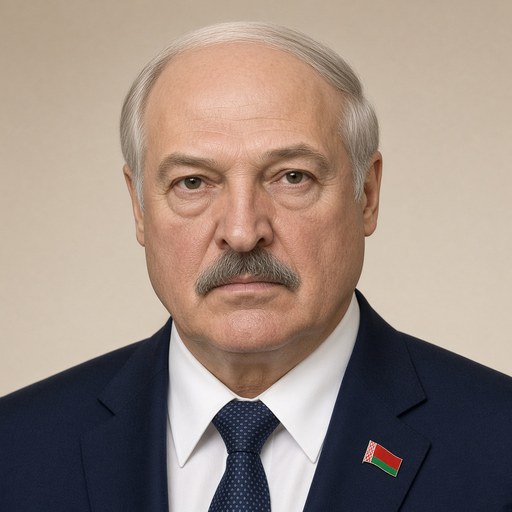
Speech at the Republican Seminar on the Topic "On the Improvement and Development of the Housing and Communal Services of the Country"
 Alexander Lukashenko · President of Belarus
- Context
- Lukashenko addressed a national seminar in Belarus on October 20, 2017, to review the state of housing and communal services and direct reform priorities.
- Main themes
- Housing and communal services reform, tariff regulation and affordability, service quality improvement, cost reduction, public satisfaction, capital repairs, privatized housing responsibilities, government accountability, social welfare, infrastructure maintenance
- Duration
- ~59 min
- Words
- 7,048
- Sentences
- 430
- Readability
- 51
- Grade
- 10.2
- Syntax
- 2.82
- Vocabulary
- 2.16
Translated from Belarusian
The broad sphere of national life a sentence belongs to. Every sentence has an Arena, so it is the denominator the other indices are read against.
Other430 sentences in 122 paragraphs
The theme of our seminar today is of particular significance. The entire population of the country uses housing and communal services every day. People's satisfaction with the level, quality, and accessibility of housing and communal services directly affects the socio-political situation and the mood in society. This is very important, but there is another crucial point: we subsidize housing and communal services - no one pays 100% of the costs. Therefore, I believe that the housing and communal sector is the number one priority for regional leaders.
Today, in the sector, as I am informed, much has been done in terms of reducing costs, improving service quality, and developing technologies. "The fact that 66% of the population of the republic positively assesses the work of housing and communal services in their area, city - this is already not bad. However, I doubt that almost 70% are so satisfied or even somewhat satisfied with the development of the housing and communal sector. God forbid that this is the case, but let us better question it in order to work better. We must not forget that almost a third of respondents give it a negative assessment. In terms of importance to the population, these issues rank second after employment. And as long as there is criticism of the system in the country, it is too early to relax.
The greatest concern among people is the cost of services. Among the shortcomings in the sector's work, the terms of capital repairs of houses, the quality of drinking water, the unsatisfactory condition of roads, poor street lighting, the maintenance of entrances and yard territories, and others are also mentioned.
Despite my demands, the problems in the sector have not been fully resolved. And today we must discuss them in detail and objectively.
The most important issue is the cost of services. From January 1, the task of the government, the State Control Committee, and the governors is to determine all the services we provide to the population and report to me the final cost. It will be final and irreversible in conditions of very low inflation in the country.
As for complaints that somewhere repairs were not made, somewhere painting was not done, roofs were not repaired, balconies collapsed, I have said several times: we need to convey that since housing is practically all privatized, what the population should do (and they should not rely on housing and communal services), and what we should do.
For example, the population will not repair the pipes through which gas is supplied to houses. This is the state's concern. The population will not repair the roofs of common-use buildings. They can participate in some way, but this is a common property. Probably, in painting the facades of the house, the population can participate, but this is our concern. The first floors are given to wealthy people or people who are not poor today; they have shops and other points there. In the past, I set a task (even before the former chairman of the Minsk City Executive Committee, and Ladutska implemented this normally) when we negotiated with these people and, at their expense, brought the facades in order, especially on the main central streets.
We need to sort this out and openly tell people what we will do and what they should do themselves; these are their apartments. At the same time, it should be noted that not every person, even if they have privatized housing, can cope with the work. There are different people: the elderly, the disabled, the sick. We must also help them in some way.
We have repeatedly agreed that we will raise tariffs only by $5 a year and index them in connection with the growth of the population's income. As far as I know, such an increase already took place in January 2017. At the same time, the government, the leading ministry, the Ministry of Trade, raised tariffs by 8% in September and you start further frightening people that in December you will increase them by another 10%. And this is despite the fact that from November everyone will objectively pay more due to the inclusion of heating. This is an anti-people approach to the matter. It should not be like this! This will lead to a significant increase in payments, which will undoubtedly cause a negative public resonance. And this resonance will not be in vain.
Why can’t tariffs be indexed, let’s say, when there is no heating, the utility bills are lighter? Although we have already done this. I do not understand, you, governors, together with the government, whom do you want to please - your people or some international organizations?
I set a task for everyone: from 2018, we will conduct a one-time increase in tariffs only by $5 and thereafter - no increase without my knowledge. Tariffs must be manageable for the people. In this regard, as I have already said, I instruct the government and the State Control Committee to check this in detail. And on January 1, 2018, we will approve the tariffs by the President's decision.
I especially want to emphasize: we should not agitate the population with talks about 100% coverage of service costs literally from tomorrow. This issue is also political. There is no room for haste here. We will first calculate the tariffs accurately so that the energy workers, those who supply water, do not "profit" and do not solve their problems at the expense of the population. And then we will make a decision on when and how we will move to 100% payment. I am confident that if we calculate these tariffs very accurately (already on the third attempt), the coverage percentage will be very high. Maybe even 90%.
We should not adjust to anyone. Do not forget that the main priority of our social policy is the interests of the people, not the agencies and various international structures.
We will try to move away from cross-subsidization by 2020. This is what Samashka and the industrial sector of the country want very much. Please, we are not against it. But you will have to raise salaries, and significantly. If you can still raise wages by half of what they are, please, we will tell the people: here is an increase in wages and 100% payment. There should be no one-way games.
We must do this only by increasing the efficiency of the sector's work, further reducing costs, improving regulations, differentiating tariffs, and modernizing the housing and communal services. These are the ways to solve this problem. We have a state program, and it must be implemented.
In the budget, there should be one line - non-cash housing subsidies. And that’s it!
No person, no family that cannot afford to pay for housing and communal services should be left without state assistance. We are obliged to guarantee support to anyone who finds themselves in a difficult life situation. It is precisely for this purpose that non-cash housing subsidies were introduced.
However, I am informed that the subsidy calculation system is underdeveloped, which means that not everyone in need of state support is accounted for. Numerous complaints are coming from the regions, from housing and communal enterprises and citizens.
Therefore, the National Bank needs to pay close attention to the work of the organization you created, the "Non-Banking Credit and Financial Organization 'Unified Settlement and Information Space'." It is unacceptable for this structure to become yet another parasite, an intermediary between the state and the people, and to "profit" at their expense. The government also needs to study how the non-cash housing subsidy system operates and, if necessary, take additional measures to improve it.
Secondly, housing repairs. More than 2% of the housing stock is capital repaired every year, and we are not far from achieving the desired 3%. This seems not bad. However, we should not hide behind statistics because individual negative aspects can nullify all merits. I will repeat: people should know what they are obliged to do with their own hands and what they should do together with representatives of housing and communal services and the state, and what they will not do at all.
There are still many complaints about the quality and timing of capital repairs. The decisions made on such potentially dangerous matters as elevators depend on the lives of people.
A third of the operating elevators have reached the end of their service life. The State Security Council Secretariat informs year after year that the risk of accidents and emergencies is increasing. And what are we waiting for? Until the elevators start falling, like some of our balconies? I think you heard what I said, and God forbid an elevator falls somewhere!
This was also once delayed, postponed to better times, and as a result - judicial investigations and criminal cases. I mean the balconies that collapsed. Every leader must understand their personal responsibility for the safety of citizens.
I demand that by 2020 the entire elevator stock be brought into proper technical condition. References to a lack of funds will not be accepted. Our factory in Mogilev produces excellent modern elevators. Make arrangements.
On the other hand, industrialists must also take care of the quality of their products. Technologies are improving every day, while the service life, for example, remains 25 years. Perhaps it is time to think about increasing them, about improving operational characteristics? Because we are talking about quite expensive equipment that must justify its price. You should not only think about your own profit but also about solving state tasks, about the safety of citizens.
I instruct the Ministry of Industry and the Ministry of Emergency Situations to address this issue and jointly submit rational proposals.
I especially emphasize: the safety of our people is above all. For both industrialists and communal workers, this is task number one. The work of the communal services is aimed not only at creating comfort but also at ensuring the safety of our people. If you neglected, did not prevent - the guilty must be held accountable.
Thirdly, heat supply. This is not only one of the most important housing and communal services but also the most expensive. More than 30% of the utility bill in winter is for heating and hot water supply.
There are enormous reserves for savings here. The reduction of the share of imported gas and energy carriers, for which we pay in foreign currency, forces us to more actively use local types of fuel, and in the future, the electric energy from the Astravets Nuclear Power Plant.
Now, no one needs to be convinced that the production of thermal energy from local types of fuel has justified itself. Its cost is significantly lower than the corresponding indicator for natural gas under otherwise equal conditions.
As an example - Vitebsk, where great attention is paid to this. There they see the economic effect. There was a gas boiler house in the city, the cost of heat was about Br100. They reconstructed it, switched to wood chips - it became less than Br65. Although there is also a lot of mismanagement there. If we eliminate that, we will generally come out at Br50.
But in the Brest region, they work on gas, have a cost of Br100, and consider this normal. What, is there no wood? Or do they buy gas cheaper somewhere?
However, the use of local resources is not always successful. Inspections systematically establish facts of using over-moistened wood fuel. This leads to an increase in its specific consumption to 65% and a decrease in the efficiency coefficient of the boilers to 30%.
This is not the topic of today’s discussion; we will return to this - intermediary structures in the procurement of raw materials and in the sale of finished products, especially state enterprises. Special attention will be paid to this. This is where all the corruption lies. Almost all those we have imprisoned recently "fell" precisely on these problems. As soon as you start using intermediaries, law enforcement and inspectors will come to you immediately. I promise you this firmly.
The purchase of fuel from intermediary structures and without conducting the appropriate competitive procedures also leads to an overestimation of the cost of thermal energy.
Such facts have been identified in Polotsk, Brest, and Skidzel. Significant price differences (sometimes up to two times) have been established for wood fuel purchased by housing and communal services within the same district. And law enforcement is also working there now.
Here it is worth mentioning the state of the boiler house itself. Many boiler houses were built a long time ago, with Soviet scale and a tendency towards gigantism. And today we are reaping the fruits when often a powerful boiler operates to heat only one or two houses.
Only in the Gomel region, housing and communal organizations have 114 boiler houses on their balance, the capacity of which significantly exceeds the connected load. Sometimes a kilometer-long network is laid from the boiler house to the house, where more heat is lost than goes to heating it. Perhaps it is better to close such a boiler house and install individual boilers for the people?
We have many such facilities, and the government, together with the governors, needs to work on this. Heat is very expensive today (and will be even more expensive tomorrow), and any optimization of the boiler house will turn into benefits for both the consumer and the state.
In addition, we must not forget about the planned replacement of worn-out heating networks. If this is not carried out in the necessary volumes, in the foreseeable future, you will face significant problems that our neighbors regularly encounter.
In Russia and Ukraine, because of this, not only neighborhoods freeze in winter, but entire cities do. It is unacceptable for us to let even one single house freeze. I hope you heard me!
The problem of servicing communal infrastructure is especially acute in rural areas.
And also, you, Leonid Vasilievich (Anfimov), have identified reserves for reducing costs in housing and communal services. But the energy sector has a significant impact on their cost. Have you looked at how they form their tariffs, how much profit they include? Investigate what salaries are set for them, for what they maintain their "fancy" sanatoriums, bases, and others. It is unacceptable for anyone to "profit" at the expense of people's money! And if such facts are revealed before your next tariff clarification, the minister will need to look for another job. He was appointed there to solve these issues without a departmental approach, to break down the costs of his agency and eliminate all excess. This is not happening yet.
In addition, the issue of concluding direct contracts for heat supply and hot water supply between suppliers (energy companies) and consumers of these services (primarily the population) has not been resolved.
The Ministry of Energy insists on concluding contracts between energy supply organizations and housing and communal organizations of the regions, not wanting to work with the population due to the possible reduction of economic indicators. There is an obvious conflict of interest between the two ministries due to a narrow departmental approach. Kabakov and Anfimov - resolve this issue immediately, unequivocally, without a departmental approach.
The ministry also needs to address the issue of thermal modernization of residential buildings. In order to save costs, you have changed your approaches to this issue. The public has evaluated this change ambiguously.
If people want to make the insulation more extensive than necessary, then calculate and do it with their own money. To keep costs down, negotiate with builders and manufacturers of insulation and provide a payment deferral. This is also a significant saving. But it is not for me to teach the Ministry of Housing and Communal Services how to do this.
Fourthly, water supply and wastewater management. In our republic, 100% of the population has access to drinking water. At the same time, the issue of its quality remains.
26% of water samples in the Gomel and Mogilev regions do not meet the standards for iron content. The availability of water treatment plants for iron removal is 42%. This issue must be resolved by 2025.
It is absolutely unacceptable that some regions do not have treatment facilities and that waste is still collected in filtration fields. I will not dwell on this issue for long. There are the most modern forms of treatment. Implement them. This problem should have been addressed yesterday. Therefore, these issues must be resolved immediately today. Use advanced global experience, involve science, seek sources of funding, and take action.
The issue of replacing worn-out networks is also relevant in this area. This leads to excessive water losses. Some clever individuals in the regions try to include these losses in the cost, taking money from both the population and the budget. The quality of the water itself suffers because of this. Therefore, prioritize this issue as well. And if Anfimov and his team are calculating the cost of services again, cuts need to be made here.
Fifthly, waste management. Every year, 4 million tons of solid municipal waste are generated in the country. According to the results of 2016, 84% of this waste was sent for burial, while only 16% was recycled.
Yes, it seems that against the backdrop of our neighbors, we look decent: we have outpaced all CIS countries, Latvia, Slovakia, and are on par with Spain, Portugal, and Finland. But this is a serious problem.
For the burial of the entire volume of municipal waste in the republic, 168 landfills and 1,500 mini-landfills in rural areas are used. More than 90% of them were built during the Soviet era.
We know what these landfills and mini-landfills are like. Flying over the country, I can see this very clearly. The new Minister of Natural Resources has been given a strict task to deal with those responsible for these landfills, especially those who create them anywhere. This means polluting forests, roads, roadside strips, and so on. You know what I am talking about. Take action!
The capacities of these landfills are now practically exhausted, and their operation does not ensure the safe containment of waste. This problem is most acute for our capital. At the "Northern" landfill, 25 million tons of waste have been buried since its operation began in 1981, which is more than seven times the design load. And the mountain of waste is already visible from several dozen kilometers away as you approach the city. It can even be seen from space.
Such a state of affairs requires the development of a long-term program for the reclamation and closure of landfills, as well as the implementation of new approaches to waste management. We do not have much free land to build landfills and store waste on them. Moreover, as the Prime Minister reported to you, the most modern examples and approaches to this matter have been shown. They are profitable for those who want them. Even specific businessmen have approached me and asked for permission to recycle waste near that landfill, which surprised me greatly. I did send them to Shorц. I think they resolved this issue.
Science must get involved and indicate what is most feasible: to burn waste and generate energy from it or to recycle a larger portion of it.
Sixth. Special attention should be paid to further improving the existing structure of housing and communal services. In my deep conviction, there needs to be sensible centralization with sufficient freedom of action at the local level.
We need to proceed from life, not as they are trying to do in the Vitebsk region. There, in the field of water supply, unnecessary structures are being created despite local resistance. How effective will this be, and will the water supply sector develop? Every decision must be weighed and economically justified.
The Ministry of Housing and Communal Services must exist, develop, become a center for decision-making, and be responsible for the quality, completeness, and accessibility of the entire range of housing and communal services provided to the population. Any discussions about whether this Ministry will exist, whether we will reduce it, relocate it, or transfer it, must stop. This decision is the President's competence. Today, the Ministry is working and will work tomorrow.
And within the Ministry's area of responsibility, first and foremost, is ensuring the implementation of the state program "Comfortable Housing and a Favorable Environment," scientific support for the industry, development of methodologies, norms, and standards, their implementation in practice; support for the system of non-cash housing subsidies; planning of all sector financing, both investment and current, and a number of other issues.
Regional executive committees must address issues of timely, rhythmic transfers of budget subsidies, control their rational and targeted use, ensure the order and quality of services provided to the population in the regions, and other specific issues raised by the people.
The structure of the industry’s work and the mechanisms of interaction must be unified depending on the population size in the settlements.
Perhaps something can be taken from the experience of Minsk. This was discussed with you yesterday. But I emphasize, housing and communal enterprises, where people come to solve their problems, must remain in every district center and city. People must know where to go to resolve various issues. And this must be within the reach of every person.
In essence, Brest or any other regional center is one district of Minsk, and a capital approach may not be entirely applicable to it. I want to hear about this from the seminar participants.
My main requirement is that the structure must be unified and managed. People pay for your services, and you receive budget funding.
It is necessary to continue ensuring strict regulation of material and energy resources. Otherwise, in the current economic conditions, it cannot be otherwise.
A couple of years ago, all actual costs of housing and communal organizations were subject to budget financing, and today we have come to strict normative planning and coverage of these costs. This was my instruction. The housing and communal services system has been operating for several years in a mode of financial "diet."
Of course, this is not the easiest way to recover. But for the population, it is important that maximum cost savings do not affect the quality and volume of services provided. Otherwise, citizens, "voting with their rubles," will simply refuse to pay. So far, as I am informed, we are doing well in this regard - the payment level is 98%.
Strict regulation of costs positively affects the financial sustainability of housing and communal services. However, considering that organizations are limited in their expenses, underfunding in this area is completely unacceptable. Moreover, everything saved in the industry should remain in it. This will be a stimulus for effective work. Solving other problems at the expense of these funds is unacceptable. Housing and communal organizations are economic entities. Earn money.
First and foremost, governors, local executive committees, and the government need to keep this issue under special control.
At the same time, I warn everyone - no consumer should suffer from structural changes. No one needs a reform that will harm people. They do not care if something changes in your system. For a person, the main thing is that it is dry, bright, and warm in their home. And from housing and communal services, a person expects quality service at a fair price. Only then does the transformation matter, and it will be accepted and supported by me.
Structural changes will inevitably lead to the optimization of the number of employees in enterprises. Here, there is one formula, which I have already told you. Soon we will again address issues of employment, prices, and wages based on the results of the year. The formula is this: layoffs can only occur (especially where it is difficult to find new work) if you agree on this with the chairman of the city or district executive committee. Because they are primarily responsible for all these areas, including employment. Throwing people out onto the street is prohibited!
Housing and communal enterprises have sufficient opportunities to expand their service market and have certain advantages over competitors. The material and technical base has been built over the years, and now to refuse any facilities, to "freeze" equipment and machinery would be the height of shortsightedness.
Yes, there are basic housing and communal services that are not always profitable. But through additional activities, financial well-being can be ensured for the enterprise while effectively fulfilling its social mission. Some companies operate this way.
A good manager will always find a way to organize the business so that both people can earn and the enterprise benefits. The space for creativity here is unlimited. Do not be lazy.
Seventh - without science, it is impossible to do without in any field, and housing and communal services are no exception in this regard. But the reality is that science has not participated in this process for many years. This is the only area where such a state of affairs has developed. In fact, housing and communal specialists solve problems by trial and error, using their personal work experience. This is not bad, but science should push us forward, suggest the paths we should take.
Perhaps many existing issues have arisen precisely because of this.
The processes occurring today in the housing and communal services sector should not be initiated spontaneously. Every step must be calculated in detail in advance. We cannot afford to waste money on dubious experiments. Leaders need to be aware that for every ruble invested in production, they will have to report.
Our wealth is people, qualified personnel. And I cannot understand why today the best among them - I mean scientists - are not involved in the development of housing and communal services. I think the leadership of our Academy of Sciences should also address this issue. This concerns all problems: tariff policy, financing, and technical measures. Why not initiate joint projects, use certain enterprises as experimental scientific platforms? If a more economical boiler has been invented - test it in practice, if a new material has been developed - propose to test it, and so on.
Eighth. I am informed that many decisions made at the state level are often ignored at the local level. Yes, the transfer of non-core facilities without ensuring their financing is legally prohibited, but such facts still occur. We need to investigate and seriously reprimand such actors! I want to be informed about this work, Leonid Vasilievich (Anfimov).
Some district leaders see housing and communal services as a lifeline that will help conceal any mismanagement. A business has closed - its premises are handed over to the communal services. I warn you: these matters will be treated as serious violations.
Any facility can be made necessary for the district and profitable, but this requires capital investments. Therefore, first think about where to get the funds, and make a reasoned decision, rather than shifting responsibility onto the communal services. It is categorically prohibited for communal services to take such enterprises onto their balance sheets.
Unfortunately, there are enough negative examples. Take Soligorsk, where not only does the housing and communal enterprise incur losses from maintaining non-core facilities, but it also performs functions that are not its own. There is a lot on the balance sheet of the housing and communal services in Soligorsk: a recreation base, clubs, and more.
Recently, a new chairman of the Soligorsk district executive committee was appointed, a former deputy minister of housing and communal services. I believe he has already addressed these issues and may speak about them.
It is often heard that debts for housing and communal services hinder the stable operation of enterprises. As I have already said, there are no particular complaints against the population today: people fulfill their obligations diligently. However, the overdue debts of legal entities for communal services, which are 4.5 times higher than those of the population, are not just a problem; they are a brake on the development of the industry. Take appropriate measures.
Late payments do not allow housing and communal organizations to function and fulfill the tasks that have just been outlined. I demand that the chairmen of city and district executive committees take this issue under personal control. Discipline, especially financial discipline, is a mandatory condition for successful work.
Irresponsibility cannot be allowed when it comes to maintaining order in settlements. The work on improving our cities and villages is not only the task of communal services. And I will personally pay the closest attention to this starting this autumn. On the ring road in Minsk, let’s see how it is in other cities; they have finally started to move and at least plant trees where they should grow.
All fences around construction sites must be removed before winter. Immediately remove and improve these construction sites where construction work has already been completed, where internal work can be carried out. This applies primarily to Minsk.
I want to hear how local authorities are fulfilling the directive to assign territories to economic entities. We have schools, factories, and private enterprises located on specific plots of land, in specific urban blocks. So assign these territories to them, and let them maintain order there constantly, while you control. Budget money should not be spent on maintaining order in cities and villages; this should be done by the population itself. And here I demand that you take the strictest measures of influence.
But you must organize, assist, advise, and lead. How you will do this is your problem and your questions. But I am confident that you know as well as I do how to do this more effectively. We will check, especially in the coming year.
I want to draw attention to the informational work with the population. The sense of ownership does not arise by itself; it is cultivated over the years, including through economy and careful attitude towards property. Here, the media must also be involved, not only preparing comprehensive materials for the seminar but also showing facts of both good work and negligent attitudes towards the problems that concern people.
The housing and communal services sector is a complex area that requires constant attention from all levels of government and the search for effective solutions. Enterprises in the housing and communal services sector have always had, have, and will have their consumers, and with a businesslike approach, the profitability of all activities is guaranteed.
Now there is much talk about the development of competition and the arrival of private companies in the market. I will only support this if it positively affects the quality of services and people respond positively to the changes. But private entities must understand that (let my neighbors not be offended) it will not be like in Russia: they come in, raise prices and tariffs.
Let the private sector come in — tariffs will be set. And let them work in this situation. It will only remain to monitor the quality of their work.
But you know that any private entity coming into this sector will primarily look into their own pocket: how to charge more, what to cut back on, what not to do, where to skimp on quality, and pocket the money. Therefore, do not rush to dismantle the existing structure in favor of some dubious companies and initiatives.
The housing and communal services system is not an area where one can have sky-high profitability. Therefore, anyone who comes to provide services there must clearly understand this: it will not be possible to earn money at someone else's expense here. So think carefully; no one forbids you to hand over a street or a certain volume of services or a certain volume of work to a private entity. If they can provide these services cheaper, let them work, you control it. And you will be responsible for it. You are the chairpersons of city, district, and regional executive committees.
Practice shows that many of these newly created organizations are being liquidated, and houses are returning to the service of local housing and communal services enterprises. This indicates that homeowners are not ready to take collective responsibility for common property and cannot bring order to themselves without outside intervention. It is clear that these issues also require urgent regulation.
I personally checked these issues when some residents of a certain house, supposedly coming together, created some society and appointed leaders. And then these leaders... And people later refuse these societies and are generally surprised: "But we didn't vote for them!" Not only do they skin the residents in these societies to live comfortably, but they also do not want to listen to those who pay the money. For this, you will be held accountable; everything must be under your control.
The government and local authorities need to think carefully and weigh what specifically needs to be done for the optimal resolution of the identified problems. I cannot allow an uncontrolled state of affairs in such a vital sector. Sectors such as heat supply, water supply, and major repairs of houses must remain under state control in any case.
The demands of the people will only increase year by year. This is normal; it should be so; time does not stand still. And moreover, you are proposing 100% payment for housing and communal services. So the population will say: "We are now paying 80% or 90%, but what services are these?"
Dear seminar participants, I urge you to actively discuss the problems today and your equally active actions tomorrow to bring order to this sector. A concrete plan is needed to normalize work — both in the companies that provide services in the housing and communal services sector and for you personally. You, present in this hall, are representatives of the authorities at the center and in the regions. Authority is granted by law to act energetically in the interests of the state, society, and individuals, to make the right managerial decisions.
Everything we will talk about today must be communicated to every worker in the industry so that everyone understands the importance of the processes occurring in the system. This is where corporate spirit and readiness to fulfill the assigned tasks begin. Because only we ourselves determine the level of our well-being and the confident future of the country.
The event at the Palace of Independence was attended by almost 250 people, including high-ranking officials, heads of state bodies and organizations, and representatives of local government bodies. The day before, on the first day of the seminar, practical sessions were held during which participants familiarized themselves with the experience of organizing work in various areas of the housing and communal services sector.
At the meeting with the participation of the Head of State, issues of improving and developing the housing and communal services of the country were comprehensively discussed. In fact, an effective and very concrete conversation took place, which the President himself called a kind of brainstorming session.
In particular, the Minister of Housing and Communal Services, Alexander Terakhau, reported on the state of affairs in the sector as a whole and outlined prospective areas of work. It was emphasized that reducing costs is a strategic area of work; it concerns every workplace, technological section, organization, and region.
The Chairman of the Minsk City Executive Committee, Andrei Shorats, detailed the experience of Minsk in reforming the housing and communal services system. The main reforms included the separation of the functions of the customer and the contractor, the delineation of the functions of workers in technical maintenance, current repairs, cleaning of the territory, and providing paid services to the population, the creation of a contact center 115, ensuring round-the-clock service of the housing stock by the City Emergency Service, and the establishment of a Unified Billing and Information Center. In addition, all non-core networks and assets were transferred to the management of specialized organizations.
The relevant experience of Minsk was generally positively assessed; however, it was noted that in the regions, for objective reasons, it is impossible to use the capital's experience "by template" in certain issues. At the same time, the President supported the creation of a unified contact center based on the Minsk model, where people could turn for any issues related to housing and communal services. Moreover, Alexander Lukashenko considers the capital's experience in the work of house masters to be positive. He noted the expediency of spreading it to other populated areas of the country.
The Head of State also considers it important to select organizations that will perform certain types of work in the housing and communal services sector based on tenders. "What is offered by the competitive principle of the contractor is mandatory. There must be a competition and a tender everywhere to determine who is cheaper," he said.
Representatives of the housing and communal services sector from various regions of the country shared their work experience and made a number of specific proposals.
The Chairman of the Council of the Republic, Mikhail Myasnikovich, informed about the state policy on improving the legal, organizational, and economic foundations for the development and functioning of the housing and communal services sector to create favorable living conditions for the population.
During the seminar, the Executive Director of the International Association of Real Estate Management, Gennady Kalyonov, also spoke. He talked about the global practice of organizing housing fund management. In particular, citizens of several European countries, due to high prices for services and a developed rental real estate system, are not eager to become homeowners. And if a citizen does not pay for communal services, they are soon evicted without being provided with another accommodation. "This is what distinguishes our model from foreign ones. I often say in simple terms that everyone can grumble: oh, we earn little and so on. Please, if you don't want $500, then pay $1000, but pay for everything, starting from kindergarten, school, education, to 100% of communal services. And then we will see who wins," noted Alexander Lukashenko.
The Chairman of the Zhodino City Executive Committee, Yuri Shary, spoke about the practice of assigning territories to economic entities in the city, which allows for significant savings of budgetary funds. In this regard, the Head of State reminded that in 2018, special attention will be paid to bringing order to populated areas. "We need to identify two or three dozen such cities so that I can personally take a look. And not only I, we all should visit there," said Alexander Lukashenko. "It is essential to improve cities and villages. After all, you live there, your people and your children."
The President explained his requirements for landscaping and, in particular, for planting trees along roads. According to him, this needs to be done not only for aesthetic reasons, although that is very important, but for more rational use of resources. For example, slopes and roadside areas need constant maintenance to keep them clean and tidy, which requires significant costs. "Let's plant trees there — in five years we will forget that we need to mow there," proposed the Head of State. "It will be beautiful, and we won't need to spend money. I am not even talking about the fact that landslides, when good rains come, destroy everything..."
Alexander Lukashenko noted that landscaping is also necessary for the country to have its own face. "Cleanliness and order are the number one issue. I will not persuade you any further; I simply demand that this work begin immediately," he emphasized.
At the end of the event, Alexander Lukashenko pointed out that the goal of the seminar was to encourage local authorities to solve the problems that currently exist in the housing and communal services sector. "How you will solve them is your right. The forms and even the content of your actions are up to you. We have proposed various forms based on our life," he said.
At the same time, the President emphasized that one should not wait for everything to be outlined and conveyed from above. "That is why we gathered you here. I demanded that the entire vertical of power, which must make decisions, be present here. Act. If you want to consult with the governor — consult, if necessary. Those who do not want to — do not need to; act based on the decisions made today and the conversation we had," set the task for the Head of State.
Alexander Lukashenko once again emphasized that the Ministry of Housing and Communal Services will continue its work. "These are small costs. If the best specialists are concentrated there and we can solve very important issues through this Ministry, why should we liquidate it?" the President posed a rhetorical question.
He instructed the Ministry to submit proposals regarding the role and place of the agency in the system of state governance. "And we will see to it that you do not encroach on someone else's territory, do not take on unnecessary functions. And I do not think that they are needed. Work out proposals in the government and submit them," said the Head of State.
A part of the proposals voiced at the event was instructed by Alexander Lukashenko to be promptly implemented in practice, including addressing some problematic legal and legislative issues. In general, he emphasized that all proposals should be summarized and thoroughly examined for the possibility of their implementation. "If something needs to be formalized, let's make a decision by the end of the year: a presidential decree, then a decree; a government decision — then a government decision must be made; if it is the competence of local authorities — then they must make a decision," noted the Belarusian leader.
"We have a brainstorming session ahead of us on many fronts. We need to return to the issues of the village, not only agriculture, although that is the material basis. We need to return to the issues of construction and see at this stage what else we need to implement," added the President.
The original Belarusian. The tags above are read on the English translation's sentences.
Тэма нашага сённяшняга семінара мае асаблівую значнасць. Жыллёва-камунальнымі паслугамі штодзень карыстаецца ўсё насельніцтва краіны. Задаволенасць людзей узроўнем, якасцю, даступнасцю жыллёва-камунальных паслуг непасрэдна ўплывае на сацыяльна-палітычную абстаноўку і настроі ў грамадстве. Гэта вельмі важна, але яшчэ адна важнейшая рэч: мы ж даплачваем, датуем жыллёва-камунальныя паслугі - 100% у нас ніхто не аплачвае. Таму лічу, што жыллёва-камунальная сфера - прыярытэт нумар адзін для кіраўнікоў рэгіёнаў.
Сёння ў галіне, як мне дакладваюць, зроблена многае ў плане зніжэння сабекошту, павышэння якасці паслуг і развіцця тэхналогій. "Тое, што 66% насельніцтва рэспублікі станоўча ацэньвае работу жыллёва-камунальных службаў у сваім раёне, горадзе, - гэта ўжо нядрэнна. Праўда, я сумняваюся, што амаль 70% так задаволены або хоць крыху задаволены развіццём ЖКГ. Дай бог, каб гэта было так, але давайце лепш ставіць пад сумненне, каб лепш працаваць. Не трэба забываць, што амаль трэць апытаных дае ёй негатыўную ацэнку. Па значнасці для насельніцтва гэтыя пытанні займаюць другое месца пасля занятасці. І пакуль у краіне чуваць крытыку адносна сістэмы, супакойвацца рана.
Найбольшую занепакоенасць у людзей выклікае кошт паслуг. Сярод недахопаў у рабоце галіны таксама называюцца тэрміны капітальнага рамонту дамоў, якасць пітной вады, нездавальняючы стан дарог, дрэннае асвятленне вуліц, утрыманне пад'ездаў і дваровых тэрыторый і іншыя.
Нягледзячы на мае патрабаванні, праблемы галіны да канца не вырашаны. І сёння мы павінны дэталёва і аб'ектыўна іх абмеркаваць.
Самае галоўнае пытанне - кошт паслуг. З 1 студзеня задача ўрада, Камітэта дзяржкантролю і губернатараў - вызначыць усе паслугі, якія мы аказваем насельніцтву, і далажыць мне кошт канчаткова. Ён будзе канчатковы і беспаваротны ва ўмовах вельмі нізкай інфляцыі ў краіне.
Што датычыцца скаргаў, што недзе не адрамантавалі, недзе не пафарбавалі, дах не зрабілі, балкон абваліўся, я ўжо некалькі разоў гаварыў: нам трэба данесці, паколькі жыллё практычна ўсё прыватызавана, што павінна рабіць насельніцтва (і няхай не разлічваюць на жыллёва-камунальныя службы), а што павінны мы.
Напрыклад, не будзе ж насельніцтва рамантаваць непасрэдна трубы, па якіх падаецца газ у дамы. Гэта - клопат дзяржавы. Не будзе ў дамах агульнага карыстання насельніцтва рамантаваць дах. Яно можа паўдзельнічаць нейкім чынам, але гэта агульная гаспадарка. Напэўна, у фарбаванні фасадаў дома насельніцтва можа паўдзельнічаць, але гэта наш клопат. У нас першыя паверхі аддадзены багатым людзям або людзям, якія не бедныя сёння, яны там маюць магазіны і іншыя кропкі. У даўнія часы мною была пастаўлена задача (яшчэ перад былым старшынёй Мінгарвыканкама, і Ладуцька гэта нармальна рэалізоўваў), калі мы дамаўляліся з гэтымі людзьмі і за іх кошт прыводзілі фасады ў парадак, асабліва на галоўных цэнтральных вуліцах.
Нам трэба разабрацца і адкрыта сказаць людзям, што будзем рабіць мы, а што павінны рабіць самі людзі, гэта іх кватэры. Прытым трэба мець на ўвазе, што не кожны чалавек, нават калі ён прыватызаваў жыллё, можа справіцца з работамі. Розныя людзі ёсць: старыя, інваліды, нядужыя. Мы ім таксама павінны ў чым-небудзь дапамагчы.
Мы не раз дамаўляліся аб тым, што тарыфы павышаем толькі на $5 у год і індэксуем іх ва ўвязцы з ростам даходаў насельніцтва. Наколькі мне вядома, такое павышэнне ўжо адбылося ў студзені 2017 года. Разам з тым урад, вядучае міністэрства, Міністэрства гандлю ў верасні павысілі тарыфы на 8% і пачынаеце далей палохаць людзей тым, што ў снежні яшчэ павялічыце на 10%. І гэта прытым, што з лістапада ўсе аб'ектыўна будуць плаціць больш у сувязі з уключэннем ацяплення. Гэта антынародны падыход да справы. Так быць не павінна! Гэта прывядзе да значнага росту плацяжоў, што безумоўна, выкліча негатыўны грамадскі рэзананс. І нездарма будзе гэты рэзананс.
Чаму нельга індэксаваць тарыфы, скажам так, калі няма ацяплення, жыроўкі лягчэйшыя? Хоць і гэта мы ўжо зрабілі. Не разумею, вы, губернатары, разам з урадам каму хочаце дагадзіць - сваім людзям або нейкім міжнародным арганізацыям?
Стаўлю задачу для ўсіх: з 2018 года праводзім разавае павышэнне тарыфаў толькі на $5 і ў далейшым - ніякага росту без майго ведама. Тарыфы павінны быць пад'ёмнымі для народа. У сувязі з гэтым, як я ужо сказаў, ураду, Камітэту дзяржаўнага кантролю даручаю дэталёва праверыць. І 1 студзеня 2018 года зацвердзім тарыфы рашэннем Прэзідэнта.
Асабліва хачу падкрэсліць: не трэба бударажыць насельніцтва размовамі аб стапрацэнтным пакрыцці кошту паслуг літаральна з заўтрашняга дня. Гэта пытанне ў тым ліку і палітычнае. Спешка тут недапушчальна. Мы палічым спачатку тарыфы дакладна, каб энергетыкі, тыя, хто ваду падае, не "жыравалі" і не вырашалі свае праблемы за кошт насельніцтва. І тады прымем рашэнне, калі будзем выходзіць і як будзем выходзіць на стапрацэнтную аплату. Я ўпэўнены: калі мы вельмі дакладна палічым (ужо з трэцяга заходу) гэтыя тарыфы, то працэнт пакрыцця будзе вельмі высокім. Можа, і 90%.
Мы ні пад каго не павінны падладжвацца. Не забывайце, што галоўны прыярытэт нашай сацыяльнай палітыкі - гэта інтарэсы людзей, а не ведамстваў і розных міжнародных структур.
Мы пастараемся да 2020 года адысці ад перакрыжаванага субсідзіравання. Гэтага вельмі хоча Сямашка і прамысловы сектар краіны. Калі ласка, мы не супраць. Але вам давядзецца падняць зарплату, прытым істотна. Зможаце яшчэ напалову падняць заработную плату да таго, што ёсць, - калі ласка, мы людзям скажам: вось вам дабаўка да заработнай платы і стапрацэнтная аплата. Гульні ў адны вароты быць не павінна.
Зрабіць гэта мы павінны толькі за кошт павышэння эфектыўнасці работы галіны, далейшага зніжэння затрат, удасканалення нарматываў, дыферэнцыяцыі тарыфаў, мадэрнізацыі жыллёва-камунальнай гаспадаркі. Вось шляхі вырашэння гэтай праблемы. У нас ёсць дзяржаўная праграма, і яе трэба выконваць.
У бюджэце павінен застацца адзін радок - безнаяўныя жыллёвыя субсідыі. І ўсё!
Ні адзін чалавек, ні адна сям'я, якія не маюць магчымасці аплаціць ЖКП, не павінны заставацца без дапамогі дзяржавы. Мы абавязаны гарантаваць падтрымку любому, хто апынецца ў цяжкай жыццёвай сітуацыі. Менавіта з гэтай мэтай былі ўкаранёны безнаяўныя жыллёвыя субсідыі.
Аднак мяне інфармуюць аб тым, што сістэма налічэння субсідый недапрацавана, з-за чаго не ўсе маючыя патрэбу ў дзяржаўнай падтрымцы ўлічаны. З рэгіёнаў, ад прадпрыемстваў ЖКГ і грамадзян паступаюць шматлікія скаргі.
Таму Нацыянальнаму банку трэба звярнуць пільную ўвагу на работу створанай вамі арганізацыі "Нябанкаўская крэдытна-фінансавая арганізацыя "Адзіная разліковая і інфармацыйная прастора". Недапушчальна, каб гэта структура стала яшчэ адным нахлебнікам, пасрэднікам паміж дзяржавай і людзьмі і "жыравала" за іх кошт. А ўраду трэба яшчэ раз вывучыць, як дзейнічае сістэма безнаяўных жыллёвых субсідый, і ў выпадку неабходнасці прыняць дадатковыя меры па яе ўдасканаленні.
Па-другое, рамонт жылля. У нас штогод капітальна рамантуецца больш за 2% жыллёвага фонду, не за гарамі дасягненне жаданых 3%. Нібыта нядрэнна. Аднак прыкрывацца статыстыкай не трэба, таму што асобныя негатыўныя моманты могуць звесці на нішто ўсе заслугі. Яшчэ раз паўтаруся: людзі павінны ведаць, што яны абавязаны рабіць сваімі рукамі і што яны павінны рабіць разам з прадстаўнікамі ЖКП і дзяржавай, і што яны не будуць рабіць наогул.
На якасць і тэрміны правядзення капрамонту па-ранейшаму паступае вялікая колькасць скаргаў. А ад прынятых рашэнняў па такіх патэнцыяльна небяспечных рэчах, як ліфты, наогул залежыць жыццё людзей.
Трэцяя частка эксплуатуемых ліфтаў выпрацавала свой тэрмін. Дзяржаўны сакратарыят Савета Бяспекі з году ў год інфармуе аб тым, што расце рызыка ўзнікнення аварый і няшчасных выпадкаў. І чаго чакаем? Пакуль ліфты пачнуць падаць, як у нас некаторыя балконы? Думаю, вы пачулі, што я сказаў, і не дай бог недзе ўпадзе ліфт!
З гэтым таксама калісьці цягнулі, адкладвалі да лепшых часоў, а ў выніку - судовыя расследаванні і крымінальныя справы. Я маю на ўвазе балконы, што абваліліся. Кожны кіраўнік павінен разумець сваю персанальную адказнасць за бяспеку грамадзян.
Патрабую, каб да 2020 года ўвесь ліфтавы фонд быў прыведзены ў належны тэхнічны стан. Спасылкі на недахоп сродкаў не прымаюцца. Наш завод у Магілёве вырабляе выдатныя сучасныя ліфты. Дамаўляйцеся.
З іншага боку, і прамыслоўцы павінны паклапаціцца аб якасці сваёй прадукцыі. Тэхналогіі ўдасканальваюцца з кожным днём, а тэрміны, напрыклад, эксплуатацыі па-ранейшаму 25 гадоў. Можа, пара падумаць над іх павелічэннем, над павышэннем эксплуатацыйных характарыстык? Бо размова ідзе аб даволі дарагім абсталяванні, якое павінна апраўдваць сваю цану. Вы не толькі пра ўласны прыбытак павінны думаць, але і пра вырашэнне дзяржаўных задач, пра бяспеку грамадзян.
Міністэрству прамысловасці і Міністэрству па надзвычайных сітуацыях даручаю заняцца гэтым пытаннем і разам унесці рацыянальныя прапановы.
Асабліва падкрэсліваю: бяспека нашых людзей вышэй за ўсё. І для прамыслоўцаў, і для камунальнікаў гэта задача нумар адзін. Работа камунальнай гаспадаркі арыентавана не толькі на стварэнне камфорту, але і на бяспеку нашых людзей. Недагледзеў, не прадухіліў - вінаваты павінен адказваць.
Па-трэцяе, цеплазабеспячэнне. Гэта не толькі адна з найбольш важных жыллёва-камунальных паслуг, але і самая дарагая. Больш як 30% ад сумы жыроўкі зімой - на ацяпленне і падаграванне вады.
Тут ёсць велізарныя рэзервы для эканоміі. Зніжэнне долі імпартуемых газу і энерганосьбітаў, за якія мы расплачваемся валютай, прымушае нас больш актыўна выкарыстоўваць мясцовыя віды паліва, а ў перспектыве электрычную энергію астравецкай АЭС.
Ужо нікому цяпер не трэба даказваць, што вытворчасць цеплавой энергіі на мясцовых відах паліва сябе апраўдала. Яе сабекошт значна ніжэйшы за аналагічны паказчык на прыродным газе пры іншых роўных умовах.
Як прыклад - Віцебск, дзе гэтаму ўдзяляецца вялікая ўвага. Там бачаць эканамічны эфект. У горадзе працавала кацельня на газе, сабекошт цяпла быў каля Br100. Зрабілі рэканструкцыю, перавялі на шчэпкі - стала менш як Br65. Хоць і там безгаспадарчасці хапае. Калі яе ліквідаваць, то наогул на Br50 выйдзем.
А вось у Брэсцкай вобласці працуюць на газе, маюць сабекошт Br100 і лічаць гэта нармальным. Там што, няма драўніны? Або яны газ недзе таннейшы бяруць?
Аднак з выкарыстаннем мясцовых рэсурсаў не ўсё паспяхова. Праверкамі сістэматычна ўстанаўліваюцца факты выкарыстання пераўвільготненага драўнянага паліва. Гэта прыводзіць да павышэння яго ўдзельных расходаў да 65% і зніжэння каэфіцыента карыснага дзеяння катлоў да 30%.
Не тэма сённяшняй размовы, да гэтага мы вернемся - пасрэдніцкія структуры пры закупках сыравіны і пры рэалізацыі гатовай прадукцыі, асабліва дзяржпрадпрыемствы. Гэтаму будзе ўдзелена асаблівая ўвага. Там уся карупцыя. Усіх, каго мы пасадзілі апошнім часам, амаль усе "заляцелі" менавіта на гэтых праблемах. Як толькі вы пачынаеце выкарыстоўваць пасрэднікаў, да вас адразу прыйдуць праваахоўнікі і кантралёры. Гэта я вам цвёрда абяцаю.
Закупка паліва ў пасрэдніцкіх структур і без правядзення адпаведных канкурэнтных працэдур таксама вядзе да завышэння сабекошту цеплавой энергіі.
Такія факты былі выяўлены ў Полацку, Брэсце, Скідзелі. Устаноўлены выпадкі значнай розніцы ў кошце (часам да двух разоў) драўнянага паліва, што набываецца органамі ЖКГ у межах аднаго раёна. І там таксама цяпер працуюць праваахоўнікі.
Тут варта згадаць аб стане самой кацельнай гаспадаркі. Многія кацельні будаваліся даўно, з савецкім размахам і імкненнем да гігантызму. А мы сёння пажынаем плады, калі часта магутны кацёл працуе на ацяпленне толькі аднаго-двух дамоў.
Толькі ў Гомельскай вобласці на балансе арганізацый ЖКГ ёсць 114 кацельняў, магутнасць якіх значна перасягае далучаную нагрузку. Часам ад кацельні да дома кіламетровая сетка пракладзена, там цяпла больш страчваецца, чым ідзе на яго ацяпленне. Можа, лепш закрыць такую кацельню, а людзям індывідуальныя катлы паставіць?
Такіх аб'ектаў у нас нямала, і над гэтым ураду сумесна з губернатарамі трэба працаваць. Цяпло сёння каштуе вельмі дорага (і заўтра будзе яшчэ даражэйшым), і любая аптымізацыя кацельнай гаспадаркі паварочваецца выгадай і для спажыўца, і для дзяржавы.
Акрамя таго, не трэба забываць аб планавай замене зношаных цепласетак. Калі не выконваць яе ў неабходных аб'ёмах, у агляднай будучыні атрымаеце вялікія праблемы, з якімі рэгулярна сутыкаюцца нашы суседзі.
У Расіі і Украіне з-за гэтага зімой замярзаюць не толькі кварталы, але і цэлыя гарады. У нас недапушчальна, каб замёрз нават адзін асобна ўзяты дом. Спадзяюся, вы мяне пачулі!
Асабліва востра праблема абслугоўвання камунальнай інфраструктуры стаіць у сельскай мясцовасці.
І яшчэ, вы, Леанід Васільевіч (Анфімаў), выявілі ў камунальнікаў рэзервы зніжэння затрат па жыллёва-камунальных паслугах. Але вялікі ўплыў на іх кошт аказваюць энергетыкі. Вы глядзелі, як яны фарміруюць свае тарыфы, колькі прыбытку закладваюць? Разбярыцеся, якія ўстаноўлены ім зарплаты, за што яны ўтрымліваюць свае "крутыя" санаторыі, базы і іншае. "Жыраваць" за кошт грошай людзей недапушчальна ні для каго! І калі такія факты будуць выяўлены да наступнага вашага ўдакладнення тарыфаў, міністру трэба шукаць іншую работу. Ён быў туды назначаны, каб без ведамаснага падыходу вырашыць гэтыя пытанні, раскласці затраты свайго ведамства і зняць усё лішняе. Пакуль гэтага не адбываецца.
Акрамя таго, не вырашана пытанне заключэння прамых дагавораў на цеплазабеспячэнне і гарачае водазабеспячэнне паміж пастаўшчыкамі (энергетыкамі) і спажыўцамі гэтых паслуг (перш за ўсё насельніцтвам).
Міністэрства энергетыкі настойвае на заключэнні дагавораў паміж энергазабеспячальнымі арганізацыямі і арганізацыямі ЖКГ раёнаў, не жадаючы працаваць з насельніцтвам з-за магчымага зніжэння эканамічных паказчыкаў. Відавочны канфлікт інтарэсаў двух міністэрстваў з-за вузкаведамаснага падыходу. Кабякову і Анфімаву - вырашыць гэта пытанне неадкладна, адназначна, без ведамаснага падыходу.
Таксама міністэрству трэба вырашыць пытанне цеплавой мадэрнізацыі жылых дамоў. У мэтах эканоміі вы змянілі падыходы да гэтага пытання. Народ гэта ацаніў неадназначна.
Калі людзі хочуць зрабіць уцяпленне большым па аб'ёме, чым належыць, то палічыце і зрабіце за іх жа грошы. Каб не было дорага, дамоўцеся з будаўнікамі, вытворцамі ўцяпляльніка і дайце растэрміноўку. Гэта таксама значная эканомія. Але не мне Міністэрства жыллёва-камунальнай гаспадаркі вучыць, як гэта рабіць.
Па-чацвёртае, водазабеспячэнне і водаадвядзенне. У нас у рэспубліцы забяспечана стапрацэнтная даступнасць насельніцтва да пітной вады. У той жа час захоўваецца праблема яе якасці.
26% проб вады ў Гомельскай і Магілёўскай абласцях не адпавядаюць патрабаванням нарматываў па колькасці жалеза. Забяспечанасць станцыямі ачысткі вады ад прымесей жалеза - 42%. Гэта пытанне неабходна вырашыць да 2025 года.
І зусім недапушчальна тое, што некаторыя рэгіёны не маюць ачышчальных збудаванняў і да гэтага часу адходы збіраюцца на палях фільтрацыі. Не буду доўга гаварыць па гэтым пытанні. Ёсць самыя сучасныя формы ачысткі. Укараняйце. Гэту праблему трэба было вырашаць учора. Таму сёння неадкладна трэба вырашыць гэтыя пытанні. Выкарыстоўвайце перадавы сусветны вопыт, навуку прыцягвайце, шукайце крыніцы фінансавання і дзейнічайце.
Таксама актуальная ў гэтай сферы праблема замены зношаных сетак. Ад гэтага і звышнарматыўныя страты вады. Некаторыя разумнікі ў рэгіёнах спрабуюць гэтыя страты ўключыць у сабекошт, беручы грошы і з насельніцтва, і з бюджэту. Аб гэтага ж церпіць якасць самой вады. Таму гэту праблему таксама стаўце сабе як прыярытэтную. І калі будзе Анфімаў з групай разлічваць чарговы раз кошт паслуг, тут трэба абразаць.
Пятае - абыходжанне з адходамі. Штогод у краіне ўтвараецца 4 млн т цвёрдых камунальных адходаў. З іх па выніках 2016 года накіраваны на пахаванне 84%, а на перапрацоўку - толькі 16%.
Так, нібыта на фоне суседзяў мы выглядаем дастойна: апярэдзілі ўсе краіны СНД, Латвію, Славакію, зраўнаваліся з Іспаніяй, Партугаліяй, Фінляндыяй. Але праблема гэта сур'ёзная.
Для пахавання ўсяго аб'ёму камунальных адходаў у рэспубліцы выкарыстоўваецца 168 палігонаў і 1,5 тыс. міні-палігонаў у сельскай мясцовасці. Больш як 90% з іх пабудаваны ў часы СССР.
Мы ведаем, што гэта за палігоны і міні-палігоны. Лятаючы над краінай, я гэта вельмі добра бачу. Новаму Міністру прыродных рэсурсаў пастаўлена жалезная задача разабрацца з тымі, хто адказвае за гэтыя палігоны, і асабліва з тымі, хто гэтыя палігоны стварае дзе папала. Гэта значыць засмечваюць лясы, дарогі, прыдарожныя палосы і гэтак далей. Вы ведаеце, пра што ідзе размова. Дзейнічайце!
Магутнасці гэтых палігонаў цяпер практычна вычарпаны, а эксплуатацыя не забяспечвае бяспечнага ўтрымання адходаў. Найбольш востра гэта праблема стаіць для нашай сталіцы. На палігоне "Паўночны" за перыяд яго эксплуатацыі з 1981 года пахавана 25 млн т адходаў, што больш як у 7 разоў перавышае праектныя нагрузкі. І гару адходаў ужо відаць пры пад'ездзе да горада за некалькі дзясяткаў кіламетраў. І з космасу вельмі добра відаць.
Такі стан спраў патрабуе распрацоўкі доўгатэрміновай праграмы па рэкультывацыі і закрыцці палігонаў, а таксама ўкараненні новых падыходаў да абыходжання з адходамі. У нас не так шмат свабоднай зямлі, каб будаваць палігоны і складзіраваць на іх смецце. Тым больш вам, як дакладваў Прэм'ер, паказалі самыя сучасныя ўзоры і падыходы да гэтай справы. Рэнтабельныя для тых, хто гэтага хоча. Нават на мяне выходзілі канкрэтныя бізнесмены і прасілі дазволіць перапрацоўваць адходы каля той звалкі, што мяне вельмі здзівіла. Я іх, праўда, адправіў да Шорца. Думаю, яны вырашылі гэта пытанне.
Навука павінна падключыцца і сказаць, што найбольш мэтазгодна: спальваць смецце і атрымліваць ад гэтага энергію або большую яго частку перапрацоўваць.
Шостае. Асаблівую ўвагу трэба звярнуць на далейшае ўдасканаленне існуючай сёння структуры жыллёва-камунальнай гаспадаркі. Па маім глыбокім перакананні, тут неабходна разумная цэнтралізацыя пры дастатковай свабодзе дзеянняў на месцах.
Трэба ісці ад жыцця, а не так, як гэта спрабуюць рабіць у Віцебскай вобласці. Там у сферы водазабеспячэння ствараюць залішнія структуры, нягледзячы на супраціўленне на месцах. Наколькі гэта будзе эфектыўна, ці атрымае развіццё сфера водазабеспячэння? Кожнае рашэнне павінна быць узважана і эканамічна мэтазгодна.
Міністэрству ЖКГ быць, развівацца, станавіцца цэнтрам прыняцця рашэнняў і несці адказнасць за якасць, паўнату і даступнасць усяго спектра жыллёва-камунальных паслуг, якія аказваюцца насельніцтву. Усялякія размовы аб тым, будзе - не будзе гэта Міністэрства, што мы яго скарачаем, пераносім, пераводзім, трэба спыніць. Гэта рашэнне - кампетэнцыя Прэзідэнта. Сёння Міністэрства працуе і будзе працаваць заўтра.
І ў сферы адказнасці Міністэрства, перш за ўсё, забеспячэнне рэалізацыі дзяржаўнай праграмы "Камфортнае жыллё і спрыяльнае асяроддзе", навуковае суправаджэнне галіны, распрацоўка методык, норм і нарматываў, іх укараненне ў практыку; суправаджэнне сістэмы безнаяўных жыллёвых субсідый; планаванне ўсяго галіновага фінансавання, як інвестыцыйнага, так і бягучага, і шэраг іншых пытанняў.
Аблвыканкамы павінны вырашаць пытанні своечасовага, рытмічнага пералічэння бюджэтных субсідый, кантролю за іх рацыянальным і мэтавым выкарыстаннем, парадку і якаснага абслугоўвання насельніцтва ў рэгіёнах і іншыя канкрэтныя пытанні, якія ставіць перад намі народ.
Структуру работы галіны і механізмы ўзаемадзеяння неабходна ўніфікаваць у залежнасці ад колькасці насельніцтва ў населеных пунктах.
Магчыма, нешта можна ўзяць з вопыту Мінска. Пра гэта ўчора вам расказвалі. Але, падкрэсліваю, прадпрыемствы ЖКГ, у якія прыходзяць людзі за вырашэннем сваіх праблем, павінны застацца ў кожным раённым цэнтры і горадзе. Людзі павінны ведаць, куды ісці для вырашэння тых ці іншых пытанняў. І гэта павінна быць у рамках даступнасці кожнага чалавека.
Па сутнасці, Брэст або любы іншы абласны цэнтр - гэта адзін раён Мінска, і для яго сталічны падыход можа быць не зусім прымянімы. Аб гэтым я хачу пачуць ад удзельнікаў семінара.
Маё асноўнае патрабаванне - структура павінна быць адзіная і кіруемая. За вашы паслугі плацяць людзі, вы атрымліваеце бюджэтнае фінансаванне.
Неабходна прадоўжыць забеспячэнне строгага нарміравання матэрыяльных і энергетычных рэсурсаў. Па-іншаму ў цяперашніх эканамічных умовах быць не можа.
Яшчэ пару гадоў таму бюджэтнаму фінансаванню падлягалі ўсе фактычныя затраты арганізацый ЖКГ, а сёння мы прыйшлі да іх строга нарматыўнага планавання і пакрыцця. Гэта было маё даручэнне. Сістэма ЖКГ ужо некалькі гадоў працуе ў рэжыме фінансавай "дыеты".
Вядома, гэта не самы лёгкі спосаб аздараўлення. Але для насельніцтва важна, каб максімальная эканомія затрат не паўплывала на якасць і аб'ём аказваемых паслуг. У адваротным выпадку грамадзяне, "галасуючы рублём", проста адмовяцца плаціць. Пакуль, як мне дакладваюць, у нас з гэтым нядрэнна - узровень плацяжоў 98%.
Строгае нарміраванне затрат станоўча ўплывае на фінансавую ўстойліваць ЖКГ. Аднак, улічваючы, што арганізацыі абмежаваны ў расходах, недафінансаванне гэтай сферы наогул непрымальна. Акрамя таго, усё, што сэканомлена ў галіне, павінна ў ёй застацца. Гэта будзе стымулам эфектыўнай работы. Вырашэнне іншых праблем за кошт гэтых сродкаў недапушчальна. Арганізацыі ЖКГ - яны ж суб'екты гаспадарання. Зарабляйце грошы.
У першую чаргу губернатарам, выканкамам на месцах, а таксама ўраду трэба гэта пытанне трымаць на асаблівым кантролі.
Пры гэтым папярэджваю ўсіх - ад структурных змяненняў не павінен пацярпець ніводны спажывец. Нікому не патрэбна такая рэформа, дзе будуць цярпець людзі. Ім няважна, калі ў вашай сістэме нешта мяняецца. Для чалавека галоўнае, каб у доме было суха, светла і цёпла. І ад ЖКГ чалавек чакае якасную паслугу па справядлівай цане. Толькі тады пераўтварэнне мае значэнне, будзе прынята і мною падтрымана.
Змяненне структуры непазбежна прывядзе і да аптымізацыі колькасці на прадпрыемствах. Тут формула адна, я ўжо вам гаварыў. Хутка мы зноў зоймемся пытаннямі занятасці, цэн і заработных плат па выніках года. Формула адна: звольніць можна толькі тады (асабліва там, дзе цяжка знайсці новую работу), калі ты ўзгодніш гэта са старшынёй гар-, райвыканкама. Таму што ім перш за ўсё адказваць па ўсіх гэтых напрамках, у тым ліку і занятасці людзей. Выкідваць на вуліцу людзей забаронена!
У прадпрыемстваў ЖКГ дастаткова магчымасцей для пашырэння рынку паслуг і ёсць пэўныя перавагі перад канкурэнтамі. Матэрыяльна-тэхнічная база стваралася гадамі, і цяпер адмаўляцца ад якіх-небудзь аб'ектаў, "замарожваць" тэхніку і абсталяванне будзе верхам недальнабачнасці.
Так, ёсць асноўныя жыллёва-камунальныя паслугі, якія не заўсёды рэнтабельныя. Але за кошт дадатковай дзейнасці можна забяспечыць фінансавы дабрабыт прадпрыемства і пры гэтым эфектыўна выконваць сацыяльную місію. Некаторыя кампаніі так і працуюць.
Добры гаспадар заўсёды знойдзе, як арганізаваць справу, каб і людзям даць магчымасць зарабіць, і прадпрыемству было выгадна. Прастора для творчасці тут неабмежаваная. Не лянуйся.
Сёмае - без навукі нельга абысціся ні ў адной галіне, і ЖКГ у гэтым плане не выключэнне. Але рэальнасць такая, што навука не ўдзельнічае ў гэтым працэсе ўжо многія гады. Гэта адзіная сфера, у якой склаўся такі стан спраў. Фактычна спецыялісты ЖКГ вырашаюць праблемы навобмацак, выкарыстоўваючы свой асабісты вопыт работы. Гэта нядрэнна, але навука павінна штурхаць нас наперад, падказваць шляхі, па якіх мы павінны ісці.
Можа, і многія існуючыя пытанні ўзніклі менавіта з-за гэтага.
Працэсы, якія адбываюцца сёння ў галіне ЖКГ, не павінны ініцыіравацца спантанна. Кожны крок неабходна дэталёва падлічваць загадзя. Мы не можам сабе дазволіць выкідваць грошы на сумніўныя эксперыменты. Кіраўнікам трэба ўсведамляць, што за кожны ўкладзены ў вытворчасць дзяржаўны рубель давядзецца даць справаздачу.
Наша багацце - людзі, кваліфікаваныя кадры. І я не магу зразумець, чаму сёння лепшыя з іх - я маю на ўвазе вучоных - не задзейнічаны ў развіцці ЖКГ. Думаю, і кіраўніцтву нашай Акадэміі навук трэба заняцца гэтым пытаннем. Гэта датычыцца ўсіх праблем: і тарыфнай палітыкі, і фінансавання, і тэхнічных мерапрыемстваў. Чаму б не ініцыіраваць сумесныя праекты, не выкарыстоўваць асобныя прадпрыемствы ў якасці эксперыментальных навуковых пляцовак? Прыдумалі больш эканамічны кацёл - праверце яго на практыцы, вынайшлі новы матэрыял - прапануйце апрабаваць і гэтак далей.
Восьмае. Мне дакладваюць, што многія рашэнні, прынятыя на дзяржаўным узроўні, часта ігнаруюцца на месцах. Так, перадача няпрофільных аб'ектаў без забеспячэння іх фінансавання заканадаўча забаронена, але такія факты да гэтага часу маюць месца. Трэба разабрацца і даць сур'ёзна па руках такім дзеячам! Мне далажыце аб гэтай рабоце, Леанід Васільевіч (Афнімаў).
Некаторыя кіраўнікі раёнаў бачаць у ЖКГ палачку-выручалачку, якая дапаможа ўтаіць любую безгаспадарчасць. Закрылася прадпрыемства - яго памяшканні аддаюць на баланс камунальнікам. Папярэджваю: гэтыя рэчы будуць разглядацца як сур'ёзныя правапарушэнні.
Любы аб'ект можна зрабіць патрэбным для раёна і прыбытковым, але для гэтага неабходны капіталаўкладанні. Таму спачатку падумайце, адкуль узяць сродкі, і прымайце ўзважанае рашэнне, а не перакладвайце адказнасць на камунальнікаў. Камунальным службам катэгарычна забараняецца браць на баланс такія прадпрыемствы.
На жаль, негатыўных прыкладаў дастаткова. Вазьміце Салігорск, дзе мала таго што прадпрыемства ЖКГ нясе страты ад утрымання няпрофільных аб'ектаў, дык яшчэ і выконвае неўласцівыя функцыі. Чаго ў гэтым Салігорску толькі няма на балансе ЖКГ: і база адпачынку, і клубы, і іншае.
Нядаўна назначаны новы старшыня Салігорскага райвыканкама, былы намеснік Міністра жыллёва-камунальнай гаспадаркі. Я думаю, што ён ужо разабраўся з гэтымі праблемамі і, магчыма, аб гэтым скажа.
Часта даводзіцца чуць, што даўгі па аплаце жыллёва-камунальных паслуг перашкаджаюць стабільнай рабоце прадпрыемстваў. Як я ўжо гаварыў, да насельніцтва сёння асаблівых прэтэнзій няма: людзі свае абавязацельствы выконваюць спраўна. А вось пратэрмінаваная запазычанасць юрыдычных асоб за камунальныя паслугі, якая ў 4,5 раза вышэйшая, чым па насельніцтве, - гэта не проста праблема, гэта тормаз развіцця галіны. Прыміце адпаведныя меры.
Нясвоечасовыя плацяжы не даюць магчымасці арганізацыям ЖКГ функцыянаваць і выконваць тыя задачы, якія толькі што абазначаны. Патрабую ад старшынь гар-, райвыканкамаў узяць гэта пытанне пад асабісты кантроль. Дысцыпліна, асабліва фінансавая, - гэта абавязковая ўмова паспяховай работы.
Нельга дапускаць безадказнасці і пры навядзенні парадку ў населеных пунктах. Работа па добраўпарадкаванні нашых гарадоў і вёсак - гэта задача не толькі камунальнікаў. І гэтаму ўжо з бягучай восені я асабіста ўдзяляю самую пільную ўвагу. На кальцавой дарозе ў Мінску, паглядзім, як у іншых гарадах, нарэшце пачалі варушыцца і хаця б дрэвы высаджваць там, дзе яны павінны расці.
Трэба да зімы пазнімаць усе агароджы вакол будоўляў. Неадкладна пазнімаць і добраўпарадкаваць гэтыя будоўлі там, дзе ўжо будаўнічыя работы скончаны, дзе можна ўнутры будынка весці работы. Гэта датычыцца перш за ўсё Мінска.
Хачу пачуць, як мясцовыя органы ўлады выконваюць даручэнне па замацаванні тэрыторый за суб'ектамі гаспадарання. У нас школы, заводы, фабрыкі, проста прыватныя прадпрыемствы размешчаны на канкрэтным участку зямлі, у канкрэтным гарадскім квартале. Дык замацуйце за імі гэтыя тэрыторыі, і няхай яны там пастаянна наводзяць парадак, а вы кантралюйце. Нельга бюджэтныя грошы траціць на навядзенне парадку ў гарадах і вёсках, гэта павінна рабіць само насельніцтва. І тут я патрабую ад вас прыняцця самых строгіх мер уздзеяння.
Але вы павінны арганізаваць, дапамагчы, падказаць, завесці. Як вы гэта будзеце рабіць, гэта вашы праблемы і вашы пытанні. Але я ўпэўнены, што вы ведаеце не горш за мяне, як гэта зрабіць больш эфектыўна. Праверым, асабліва ў будучым годзе.
Хачу звярнуць увагу на інфармацыйную работу з насельніцтвам. Пачуццё ўласніка не нараджаецца само па сабе, яно выхоўваецца гадамі, у тым ліку эканомія, беражлівае стаўленне да маёмасці. І тут трэба далучыцца сродкам масавай інфармацыі, і не толькі да семінара рыхтаваць вычарпальныя матэрыялы, але паказваць факты і добрай работы, і безгаспадарчага стаўлення да праблем, якія хвалююць людзей.
Жыллёва-камунальная гаспадарка - сфера няпростая, патрабуе пастаяннай увагі ўсіх органаў улады і пошуку эфектыўных рашэнняў. У прадпрыемстваў ЖКГ заўсёды быў, ёсць і будзе свой спажывец, і пры гаспадарчым падыходзе акупнасць усіх мерапрыемстваў гарантавана.
Цяпер шмат гаворыцца аб развіцці канкурэнцыі, прыходзе на рынак прыватных кампаній. Я буду толькі за, калі гэта спрыяльна паўплывае на якасць паслуг і людзі станоўча адрэагуюць на перамены. Але прыватнікі павінны разумець, што (няхай на мяне не пакрыўдзяцца суседзі) так, як у Расіі, не будзе: прыйшлі, цэны, тарыфы ўзнялі.
Няхай прыходзіць прыватнік - тарыфы будуць абазначаны. І няхай працуе ў гэтай сітуацыі. Застанецца пракантраляваць толькі якасць іх работы.
Але вы ведаеце, што любы прыватнік, прыйшоўшы ў гэту сферу, будзе глядзець перш за ўсё ў сваю кішэнь: як даражэй узяць, што недарабіць, што не зрабіць, дзе няякасна абысці, а грошы ў кішэнь пакласці. Таму вы не спяшайцеся разбураць цяпер дзеючую структуру на карысць нейкім сумніўным кампаніям і мерапрыемствам.
Сістэма ЖКГ - гэта не тая сфера, дзе можна мець завоблачную рэнтабельнасць. Таму любы, хто прыйдзе туды аказваць паслугі, павінен гэта дакладна ўяўляць і разумець: за кошт некага грошай тут зарабіць не атрымаецца. Таму думайце, ніхто не забараняе аддаць прыватніку якую-небудзь вуліцу, або які-небудзь аб'ём паслуг, або які-небудзь аб'ём работ. Танней прапануецца забяспечыць гэтыя работы, няхай ідзе працаваць, вы кантралюйце. І вы потым будзеце несці адказнасць. Вы - старшыні гар-, райвыканкамаў і аблвыканкамаў.
Практыка паказвае, што многія з гэтых наваствораных арганізацый ліквідуюцца, а дамы пераходзяць на абслугоўванне мясцовых прадпрыемстваў ЖКГ. Гэта сведчыць аб тым, што ўласнікі жылля не гатовы браць на сябе калектыўную адказнасць за агульную маёмасць, не могуць навесці ў сябе парадак без умяшання звонку. Відавочна, што гэтыя пытанні таксама патрабуюць неадкладнага ўрэгулявання.
Я асабіста правяраў гэтыя пытанні, калі нейкія жыльцы нейкага дома, нібыта сабраўшыся разам, стварылі нейкае таварыства і назначылі начальнікаў. А потым гэтыя начальнікі... І людзі потым адмаўляюцца ад гэтых таварыстваў і наогул здзіўляюцца: "Дык мы ж за іх не галасавалі!" Мала таго, што яны шкуру дзяруць з жыльцоў у гэтых таварыствах для таго, каб нябедна існаваць, дык яны яшчэ і слухаць не хочуць тых, хто плаціць грошы. За гэта вы адкажаце, усё павінна быць у вас пад кантролем.
Ураду, мясцовым уладам неабходна добра падумаць і ўзважыць, што канкрэтна трэба зрабіць для аптымальнага вырашэння абазначаных праблем. Я не магу дапусціць бескантрольнага стану спраў у жыццёва важнай галіне. Такія сферы, як цеплазабеспячэнне, водазабеспячэнне, капітальны рамонт дамоў, у любым выпадку павінны заставацца пад кантролем дзяржавы.
Патрабаванні людзей з кожным годам будуць толькі ўзрастаць. Гэта нармальна, так і павінна быць, час не стаіць на месцы. І тым больш вы ж прапануеце 100% аплату ЖКП. Дык насельніцтва скажа: "Мы ж цяпер плацім 80% або 90%, а якія ж гэта паслугі?"
Паважаныя ўдзельнікі семінара, я заклікаю вас да актыўнага абмеркавання праблем сёння і вашага не менш актыўнага дзеяння заўтрашняга дня па навядзенні парадку ў гэтай сферы. Трэба мець канкрэтны план па нармалізацыі работы - і ў кампаніях, якія на месцах аказваюць паслугі ў сферы ЖКГ, і вам асабіста. Вы, прысутныя ў гэтай зале, з'яўляецеся прадстаўнікамі ўлады ў цэнтры і на месцах. Улада даецца законам, каб энергічна дзейнічаць у інтарэсах дзяржавы, грамадства, асобы, прымаць правільныя кіраўніцкія рашэнні.
Усё, аб чым мы будзем сёння гаварыць, неабходна давесці да ведама кожнага работніка галіны, каб кожны разумеў важнасць працэсаў, што адбываюцца ў сістэме. З гэтага пачынаецца карпаратыўны дух і гатоўнасць да выканання пастаўленых задач. Бо толькі ад нас саміх залежыць узровень нашага дабрабыту і ўпэўненая будучыня краіны.
У мерапрыемстве ў Палацы Незалежнасці прынялі ўдзел амаль 250 чалавек, у тым ліку вышэйшыя службовыя асобы, кіраўнікі дзяржорганаў і арганізацый, прадстаўнікі мясцовых органаў дзяржкіравання. Напярэдадні, у першы дзень семінара, прайшлі практычныя заняткі, у ходзе якіх яго ўдзельнікі азнаёміліся з вопытам арганізацыі работы па розных напрамках у сферы жыллёва-камунальнай гаспадаркі.
На пасяджэнні з удзелам Кіраўніка дзяржавы ўсебакова разгледжаны пытанні ўдасканалення і развіцця жыллёва-камунальнай гаспадаркі краіны. Фактычна адбылася эфектыўная і вельмі канкрэтная размова, якую сам Прэзідэнт назваў своеасаблівым мазгавым штурмам.
У прыватнасці, Міністр жыллёва-камунальнай гаспадаркі Аляксандр Церахаў далажыў аб стане спраў у цэлым у галіне, агучыў перспектыўныя напрамкі работы. Падкрэслена, што зніжэнне затрат - стратэгічны напрамак работы, яно датычыцца кожнага рабочага месца, тэхналагічнага ўчастка, арганізацыі і рэгіёна.
Старшыня Мінскага гарвыканкама Андрэй Шорац падрабязна расказаў аб вопыце Мінска ў рэфармаванні сістэмы ЖКГ. Асноўнымі рэформамі сталі раздзяленне функцыі заказчыка і падрадчыка, размежаванне функцый рабочых па тэхабслугоўванні, бягучым рамонце, уборцы тэрыторыі і аказанні насельніцтву платных паслуг, стварэнне кантакт-цэнтра 115, забеспячэнне кругласутачнага абслугоўвання жыллёвага фонду сіламі Гарадской аварыйнай службы, стварэнне Адзінага разлікова-даведачнага цэнтра. Акрамя гэтага, усе няпрофільныя сеткі і актывы перададзены ў гаспадарчае веданне спецыялізаваных арганізацый.
Адпаведны вопыт Мінска ў цэлым быў ацэнены станоўча, аднак адзначана, што ў рэгіёнах па аб'ектыўных прычынах немагчыма ў тых ці іншых пытаннях "пад капірку" выкарыстоўваць вопыт сталіцы. Пры гэтым Прэзідэнт падтрымаў стварэнне па прыкладзе Мінска адзінага кантакт-цэнтра, куды людзі змогуць звяртацца па любых пытаннях, звязаных з ЖКГ. Акрамя таго, Аляксандр Лукашэнка лічыць станоўчым вопыт сталіцы ў частцы работы хаус-майстроў. Ён адзначыў мэтазгоднасць яго распаўсюджвання ў іншых населеных пунктах краіны.
Кіраўнік дзяржавы таксама лічыць важным менавіта на падставе тэндара выбіраць арганізацыі, якія будуць выконваць пэўныя віды работ у сферы ЖКГ. "Тое, што прапануюць спаборніцкі прынцып выканаўцы, - гэта абавязкова. Усюды павінен быць конкурс і тэндар для таго, каб вызначыць, хто танней", - сказаў ён.
Прадстаўнікі сферы ЖКГ з розных рэгіёнаў краіны падзяліліся сваім вопытам работы, унеслі шэраг канкрэтных прапаноў.
Аб дзяржаўнай палітыцы па ўдасканаленні прававых, арганізацыйных і эканамічных асноў развіцця і дзейнасці жыллёва-камунальнай гаспадаркі па стварэнні спрыяльных умоў жыццезабеспячэння насельніцтва праінфармаваў Старшыня Савета Рэспублікі Міхаіл Мясніковіч.
У час семінара таксама выступіў выканаўчы дырэктар Міжнароднай асацыяцыі менеджменту нерухомай маёмасці Генадзь Калёнаў. Ён расказаў аб сусветнай практыцы арганізацыі кіравання жыллёвым фондам. У прыватнасці, грамадзяне шэрага еўрапейскіх краін з-за вялікіх цэн на паслугі і развітой сістэмы арэнднай нерухомай маёмасці не імкнуцца стаць уласнікамі кватэр. А калі грамадзянін не плаціць за камунальныя паслугі, яго ў хуткім часе высяляюць без прадастаўлення іншага памяшкання. "Тым і адрозніваецца наша мадэль ад замежных. Я часта гавару па-народнаму, што бурчаць умеюць усе: ах, мы мала зарабляем і іншае. Калі ласка, табе не $500, а $1000, але заплаці за ўсё, пачынаючы ад дзіцячага сада, школы, адукацыі, да 100% камунальных паслуг. І тады паглядзім, хто выйграе", - заўважыў Аляксандр Лукашэнка.
Старшыня Жодзінскага гарвыканкама Юрый Шарый расказаў аб практыцы замацавання тэрыторый за суб'ектамі гаспадарання ў горадзе, што дае магчымасць значна эканоміць бюджэтныя сродкі. У сувязі з гэтым кіраўнік дзяржавы нагадаў, што ў 2018 годзе асаблівая ўвага будзе ўдзелена навядзенню парадку ў населеных пунктах. "Трэба намеціць два-тры дзясяткі такіх гарадоў, каб я мог асабіста паглядзець. І не толькі я, усе мы павінны пабываць там, - сказаў Аляксандр Лукашэнка. - Абавязкова трэба добраўпарадкаваць гарады, вёскі. Там жа вы жывяце, вашы людзі і вашы дзеці".
Прэзідэнт растлумачыў свае патрабаванні да добраўпарадкавання і, у прыватнасці, высаджвання дрэў уздоўж дарог. Паводле яго слоў, гэта неабходна рабіць не столькі для навядзення прыгажосці, хоць і гэта вельмі важна, а для больш рацыянальнага выкарыстання рэсурсаў. Напрыклад, адкосы і абочыны даводзіцца пастаянна даглядаць, каб утрымліваць іх у чысціні і парадку, што патрабуе вялікіх затрат. "Давайце пасадзім там дрэвы - праз пяць гадоў мы забудзем аб тым, што там трэба касіць, - прапанаваў Кіраўнік дзяржавы. - І прыгожа, і грошы не трэба траціць. Я ўжо не гавару аб тым, што апоўзні, калі добрыя дажджы прайшлі, усё разбураецца..."
Аляксандр Лукашэнка адзначыў, што добраўпарадкоўваць тэрыторыі неабходна і для таго, каб краіна мела свой твар. "Чысціня і парадак - пытанне нумар адзін. Я вас не буду больш пераконваць, я проста патрабую неадкладна пачаць гэту работу", - падкрэсліў ён.
На завяршэнне мерапрыемства Аляксандр Лукашэнка звярнуў увагу, што мэтай семінара была задача падштурхнуць мясцовую ўладу да вырашэння праблем, якія сёння існуюць у ЖКГ. "Як вы іх будзеце вырашаць, гэта ваша права. За вамі - формы і нават змест вашых дзеянняў. Мы прапанавалі розныя формы, зыходзячы з нашага жыцця", - сказаў ён.
Пры гэтым Прэзідэнт падкрэсліў, што не трэба чакаць, пакуль зверху усё распішуць і давядуць. "На тое мы вас і сабралі. Я патрабаваў, каб тут была ўся вертыкаль улады, якая павінна прымаць рашэнні. Дзейнічайце. Хочаце з губернатарам параіцца - райцеся, калі трэба. Хто не хоча - не трэба, дзейнічайце ў плане прынятых сёння рашэнняў і той размовы, якая ў нас адбылася", - паставіў задачу Кіраўнік дзяржавы.
Аляксандр Лукашэнка яшчэ раз акцэнтаваў увагу, што Міністэрства жыллёва-камунальнай гаспадаркі прадоўжыць сваю работу. "Гэта невялікія затраты. Калі там сканцэнтраваны лепшыя спецыялісты і мы праз гэта Міністэрства можам вырашаць вельмі важныя пытанні, навошта яго ліквідаваць?" - задаў рытарычнае пытанне Прэзідэнт.
Ён даручыў Міністэрству ўнесці прапановы аб ролі і месцы ведамства ў сістэме дзяржаўнага кіравання. "А мы паглядзім ужо, каб вы не залезлі на чужую тэрыторыю, не забралі лішнія функцыі. Ды і не думаю, што яны вам патрэбны. Прапрацоўвайце прапановы ва ўрадзе і ўносьце", - сказаў Кіраўнік дзяржавы.
Частку з агучаных на мерапрыемстве прапаноў Аляксандр Лукашэнка даручыў аператыўна рэалізаваць на практыцы, у тым ліку зняць некаторыя праблемныя моманты юрыдычнага і заканадаўчага характару. У цэлым ён падкрэсліў, што ўсе прапановы павінны быць абагульнены і дэталёва разгледжаны на прадмет магчымасці іх укаранення. "Калі трэба нешта фармалізаваць, давайце да канца года прымем рашэнне: указ Прэзідэнта, значыць, указ; рашэнне ўрада - значыць, трэба прыняць рашэнне ўрада; калі гэта кампетэнцыя мясцовых органаў улады - значыць, яны павінны прыняць рашэнне", - адзначыў беларускі лідар.
"Наперадзе ў нас мазгавы штурм па многіх напрамках. Нам трэба вярнуцца да пытанняў вёскі, не толькі сельскай гаспадаркі, хоць гэта матэрыяльная аснова. Нам трэба вярнуцца да пытанняў будаўніцтва і паглядзець на гэтым этапе, што нам яшчэ трэба рэалізаваць", - дадаў Прэзідэнт.