




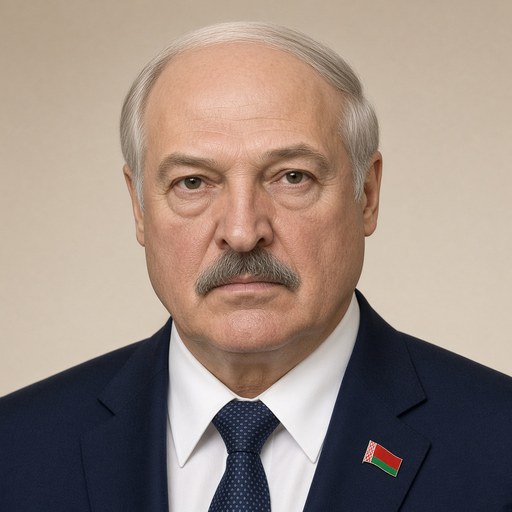
Statement at the plenary session dedicated to the ceremonial opening of the 26th annual session of the OSCE Parliamentary Assembly.
 Alexander Lukashenko · President of Belarus
- Context
- Lukashenko addressed the opening plenary of the 26th OSCE Parliamentary Assembly annual session held in Minsk on July 5, 2017.
- Main themes
- OSCE Parliamentary Assembly session, European security cooperation, illegal migration, terrorism, Ukraine conflict, frozen conflicts in Europe, human rights in Belarus, death penalty debate, democracy and rule of law, US-Europe relations, Middle East instability, climate change and drug trafficking
- Duration
- ~30 min
- Words
- 3,640
- Sentences
- 220
- Readability
- 48
- Grade
- 10.6
- Syntax
- 2.84
- Vocabulary
- 2.19
Translated from Belarusian
The broad sphere of national life a sentence belongs to. Every sentence has an Arena, so it is the denominator the other indices are read against.
Other220 sentences in 83 paragraphs
Dear Madam Chair!
Dear Mr. Acting Chair of the OSCE!
Dear parliamentarians!
Allow me to welcome you to Minsk for the 26th Annual Session of the Parliamentary Assembly of the Organization for Security and Co-operation in Europe.
We are grateful for the opportunity to host the most representative European parliamentary forum. And I emphasize: the most effective forum within the OSCE and indeed in Europe. I will explain later why I emphasize this.
This is an effective platform for expanding cooperation and strengthening security in the entire region, which is its historical and exceptional value.
To avoid being unsubstantiated and to ensure that my words do not sound banal in terms of exclusivity and historical value, I dare to state the following (Ms. Mutanen and I just discussed this topic): unfortunately, on many issues, our mother Europe has found herself at a crossroads of problems. Problems that seemingly do not concern the European continent. The consequences of these problems may not be related to Europe. But we find ourselves at the epicenter of these problems.
For example, there is a war that has triggered negative processes in the Middle East. It is nearby, but the land is not ours, it is not in our possession. And who has suffered the most from these consequences? Who has been most affected by these consequences? And this process continues - illegal migration, which breeds terrorism and so on. This is Europe.
Even the recent elections in the United States of America, which were in the spotlight, have influenced the European continent. Certain processes of reshaping our relations with the United States of America, American-European relations, have begun. And these processes are not simple, not easy. I am confident that Europeans and Americans will overcome all the negativity of these problems. Nevertheless, they exist.
And the historical significance of the moment lies also in the fact that we have, more than ever, felt what inaction means. By not resolving problems within Europe for a short time, many issues (the biggest of which are Transnistria, Nagorno-Karabakh), we have acquired our own conflict in the center of Europe - Ukraine.
Therefore, the historical significance of the moment is precisely that we need to pay very serious attention to the problems. And most importantly, dear parliamentarians, it is very important for us to prioritize these problems. Finally, the time has come to seriously address those problems that can no longer be postponed and that are simply unacceptable. These are the problems of illegal migration, terrorism, drug trafficking, human trafficking, air pollution, climate warming, and our inadequate actions regarding these problems. And many, many others. If we do not address these problems in a timely manner, they will cause the most serious issues, which will either be impossible to avoid, as they will be so old and entrenched, or will require large sums of money to overcome. Therefore, problems must be addressed in a timely manner.
Having come to Belarus, dear friends, you understood that literally yesterday-the day before yesterday, during these days we celebrated Independence Day. And this Independence Day is celebrated on the day of Belarus's liberation from fascism. It symbolizes the historical continuity of the independent path of the country's development, based on the principles of justice, socio-political stability, good neighborliness, and a multi-vector foreign policy.
After gaining sovereignty, we set ourselves the goal of building a state for the people, where the full and free development of the individual is ensured, and human rights are preserved.
I would like to start my speech in an unconventional way by responding to the issues you raised, parliamentarians. Among these issues (these are not insignificant, very important issues that exist in any state and need to be addressed) are human rights, the rule of law, and democracy. We are doing everything to ensure that in Belarus there are no fewer of them than in other European states.
The most important element of the systemic provision of the entire complex of rights and freedoms of citizens has been the development of the first National Human Rights Plan in the history of independent Belarus. State organizations and civil society have been maximally involved in its implementation.
We are being called upon (this question was also raised) to abolish the death penalty. We hear these proposals. And not only hear. But against the will of the people, the overwhelming majority of whom expressed their support for its retention in a referendum, no state can proceed. No civilized European state.
Let me remind you of the history: these claims against the post-Soviet republics have been voiced before. And many former parliamentarians before you insisted that the people of Belarus express their opinion on the abolition of the death penalty. As a young sovereign state, we listened to your advice, brought this issue to a referendum, and received a result. Now, to abandon this, time is needed. So please do not rush us. We know what this is and what your demands are. And I am confident that we will gradually come to a resolution of this problem.
Now about the elections - also a question that you raised here. In recent years, we have been developing a rather constructive dialogue with the ODIHR of the OSCE. A special interagency expert group has been created to analyze the recommendations of the Bureau, based on the results of the presidential and parliamentary elections held. Its findings will be used in further improvement of electoral legislation and the practice of its application. We intend to carry out this work gradually, thoughtfully, without haste and erratic movements.
I want to emphasize, dear friends: there should be no double standards here, when the same ODIHR demands one thing from one state and nothing at all from another state. There should be no double or triple standards!
The post-Soviet republics, as far as I remember, appealed to the OSCE: let us first adopt the Statute of the OSCE. It is strange that the respected organization today does not have its own Statute. And, secondly, when it comes to electoral processes and they are the most acute and raise doubts in European states, let us develop a list of requirements for the electoral process and based on these requirements, we will present claims or reject a particular electoral process. But for now, we do not even have that. And individual representatives who come to us, and there were more than six hundred of them in the last elections, interpret the electoral process in their own way, and hence the demands are different.
Therefore, it is time for us to adopt statutory documents, foundational documents for the functioning of our organization.
We are ready to learn and are learning from you as well. But without outcries and urgings! We are open to dialogue, we are adopting your foreign experience.
I am confident that you do not need to be convinced that a lot has been done for the people in our country. And I am happy that you all came to us in Belarus. Those who have only heard something about Belarus, who have been told something, who have read something about Belarus, or who have perhaps been here. It is good that you all will be here and see with your own eyes what is happening in this piece of land.
And this piece of land, by the way, is the geographical center of our mother Europe. It is a bridge, as Ms. Mutanen said today, between East and West. It is a place for resolving pressing issues. And Belarus today is and will always be a donor of our regional, and perhaps even global, security. This we guarantee you.
Now we have resolved the problem of poverty, maintaining a high level of social security for citizens, and a minimal income gap among different layers of the population.
Everyone is guaranteed the right to education, in terms of accessibility, Belarus does not lag behind the most developed countries. I note that the highest level of education is free for our citizens.
Our state has become one of the world leaders in the level of healthcare and medicine development. Every citizen, regardless of wealth, has the opportunity to receive any type of medical assistance for free, including the most high-tech.
The media space of Belarus is also actively developing, where media of various forms of ownership and political views are present.
I dare to point out that in Belarus all channels are broadcast - global and European. "Euronews" is watched by every citizen. All major channels of the Russian Federation are fully broadcast in Belarus. The alleged infringement of media freedom in our country is a cliché from the arsenal of the past. In the age of the internet, this is completely devoid of any meaning. And in the development of the internet and its accessibility, you will never reproach us.
We have no problems with the media, I emphasize once again. Those who want to know what is happening in the world know.
For the further civilized development of the state, Belarusians need only one thing - stability.
The economy is the foundation for the successful functioning of any state. And modern Belarus is an export-oriented country, known for its industry, service sector, and agriculture.
In a short time, the issue of our own food security has been resolved, and a production system has been built that has allowed us to take a worthy place among food exporters in the global market.
The launch of the Belarusian nuclear power plant will be a step to a new technological level, which is also important for increasing the energy independence of the state.
I did not plan to dwell in detail on the topic of the Belarusian nuclear power plant. But in one of the draft decisions presented for your consideration, it was proposed to express "deep concern" about how we are building the nuclear power plant. It is good that prudence prevailed, and this decision was not approved. But I wanted to ask one question to those who raise this topic: are we the only country building a nuclear power plant? No. Do we own dozens of nuclear energy blocks? No!
And in general, I understand that the Republic of Lithuania often raises this issue. I perceive this normally. And recently I proposed to the Lithuanians: listen, how long are we going to quarrel over this station, let’s build it together and operate it as a Belarusian-Lithuanian station. So that it provides electricity for both Belarus and Lithuania. If necessary - Latvia, Estonia, Poland, and other states. This is the cheapest form of electric energy.
We are building the safest power plant. Many such blocks are being built all over the world. I know there are agreements for the continuation of construction in European countries, including Bulgaria. Egypt has requested the construction of such a station from Russia. They are being built in other countries.
We believe that this issue is politicized. Let’s sit down together, sort it out properly, and remove this issue, let’s not make the whole world laugh. We, Lithuania and Belarus, need this station.
And then, in Lithuania, the Ignalina station operated for a long time, and the process of decommissioning it is ongoing. But we never raised the question of whether it was dangerous. Although we received many negative processes from that old station. The water for cooling was taken from Belarus. And the discharge of used water also went to Belarus. We understood: time was needed to resolve this issue. We understand that now.
Therefore, I guarantee you, Europeans: we will build the safest station. In our Chernobyl republic, after the disaster in Chernobyl, it was not easy to make this decision. And we understand today that the main issue is the issue of safety. This is what concerns all Europeans and our neighbors. I openly say: we intend to complete the construction of this station on time, with strict adherence to norms and standards, primarily those of the IAEA.
If someone does not know, I inform you that after the closure of the Ignalina station in Lithuania, we invited the citizens of Lithuania, all who can and wish, to work at this new station. Moreover, it is located not far away. And many Lithuanians, specialists, nuclear engineers, came to work with us.
Belarus has always been an example of peace and tolerance.
Today, our country is increasingly perceived as a "pole of stability" in the European region, and this factor will only increase.
Minsk has become a recognized negotiation platform for resolving the crisis in our neighbor, our fraternal Ukraine.
We fully support the activities of the Trilateral Contact Group and the Special Monitoring Mission of the OSCE in Ukraine. We will continue to do everything necessary to ensure peace in this state. We will definitely act within the framework of the agreements, primarily between Russia and Ukraine, on these issues. We do not intend to run ahead in any way. We will definitely adhere to what the conflicting parties and the states that are donors of stability in the Ukrainian state agree upon.
We have always considered and consider it fundamentally important to actively participate in the work of the OSCE.
I am confident that the OSCE platform can be used to establish dialogue between different economic integration associations, primarily between the European Union and the Eurasian Economic Union. And also between the European Union, the Eurasian Economic Union, and the Shanghai Cooperation Organization, which is gaining more and more weight.
The OSCE has identified the theme of economic interconnectedness, the integration of economies among its priorities. We are particularly interested in such rapprochement and call it "integration of integrations."
Belarus advocates for the construction of a fair, predictable, and reliable trade and economic architecture in Europe and in the Euro-Atlantic space as a whole.
Paradoxically, but the universal demand for economic integration is incredibly combined with new manifestations of demarcation, trade restrictions, and sanctions.
The situation today across the entire OSCE space is characterized by a permanent clash of interests. There is a deficit of understanding of each other on the broadest range of key issues.
Before our eyes, geopolitical rifts are emerging again. Frozen conflicts, which I mentioned, are either escalating or smoldering. Military tensions are growing openly or covertly, and expenditures on maintaining it are increasing again.
Unfortunately, it is not possible to find common approaches and consolidate efforts in the fight against terrorism, uncontrolled migration, and cybercrime.
I think it would not be an exaggeration to say that since the end of the Cold War, European security architecture has not experienced such a serious systemic crisis. Moreover, there are no visible signs of readiness to seek compromises.
It is clearly necessary to renew the pan-European dialogue on strengthening confidence-building measures, security, and cooperation. In this regard, it is worth considering the significant positive experience of the Helsinki Process of the 1970s, which shows that we must act proactively rather than making decisions post factum.
All of this compels us to speak about the relevance of the idea of launching a new Helsinki Process. This means a broad dialogue aimed at overcoming existing contradictions in relations between states in our common space - in Euro-Atlantic and Eurasia.
At the end of last year, I already put forward the idea of a new negotiation process, analogous to "Helsinki." At the same time, when talking about such a large-scale event in today's conditions, we must, so to speak, keep in mind the expansion of its format. Perhaps by involving new participants. Here, I primarily mean the People's Republic of China.
Some may think that this is difficult to achieve at this time: the positions of the parties are very different. However, perhaps other, not so large states will speak in favor of the idea of a new "Helsinki." From both the West and the East. I believe that work on expanding such a format, its conceptualization, and organizing the negotiation process should be conducted only jointly.
We propose to start a discussion within the framework of the OSCE on the necessity of organizing a new Helsinki Process.
Ultimately, such a process would contribute to the conclusion of some global document by leading world powers. It would put an end to the long-concluded Cold War, eliminating the possibility of its revival and escalation into a more tragic form. It would outline a strategic vision for new constructive relations in the OSCE region.
We understand that formulating an acceptable model for all parties of such a conditional "Helsinki-2" is not easy at this stage. Therefore, it is first important to define common, satisfactory principles and goals aimed at strengthening trust, at least in the political and military spheres.
Among them could be the unification of efforts in the fight against terrorism, reducing tensions and preventing military escalation, coordinating actions to regulate migration processes, as well as ensuring cybersecurity. In short, we must respond to the challenges of modernity.
Today, it is important to stop geopolitical rivalry in the region, to abandon the creation of "spheres of influence," and to refrain from imposing a certain model of socio-political order on states. Everyone needs a combination of integration processes and exclusively peaceful resolution of disputes.
In this process, common developments within the framework of previous and current initiatives could be incorporated.
If this is supported, then as early as next year, it could be announced that, say, in 2020, an expanded meeting within the framework of the new Helsinki Process would be held at the OSCE venue, and preparations for a summarizing summit could begin.
We advocate for the creation of a group of like-minded individuals to expand this idea and intend to use, alongside the OSCE, other international platforms for conducting this work.
Given our experience, and if necessary and with your approval, we are ready to become the starting platform for the beginning of this process. Although we understand that the issues of place and time are a special topic that requires separate discussion.
I would like to link this issue, just mentioned, with another very serious shortcoming of our work. Is it normal that Europe has become the main center of all problems? The heads of state of the OSCE do not notice this. And not to flatter you, I will say: you are simply doing great, as I initially said, you are the only body that is currently working within the OSCE. If deputies did not hold their parliamentary sessions of the OSCE, probably everyone would forget that such an organization exists.
I told Ms. Mutanen: it is time for deputies to push us, the heads of state, to finally gather (as far as I remember, we last gathered in Stockholm) and discuss the pressing issues that have accumulated in Europe today. Because the peoples have entrusted us to solve the main problems, and we, like ostriches in the sand, have hidden our heads and pretend that nothing is happening.
Serious decisions need to be made. And one of the directions of our actions is "Helsinki-2," which I just spoke about. I am confident that within the framework of the 26th Parliamentary Assembly of the OSCE, other relevant issues will be raised. I have already said: they are unacceptable, they are on the surface, and they need to be addressed.
Esteemed high assembly!
As practice shows, parliamentarians are more flexible in decision-making and are not limited by the frameworks in which representatives of, for example, the executive power operate.
Inter-parliamentary contacts are the fertile ground where important constructive solutions often mature, allowing us to overcome inter-state disagreements and contradictions.
Therefore, the Belarusian side has done everything possible for the successful conduct of the session and the maximum comfort of all its participants on Belarusian soil.
We just met with Ms. Mutanen... She rightly said that time is needed to resolve certain issues. Correct. I only pointed out to her, and she agreed: we have very little time left, life has changed, life is not what it was at the end of even the last century, everything is compressed. Therefore, time is needed, but we must understand that there is almost none left to solve very important problems for the European continent.
And one more thing. As a former parliamentarian, your colleague, I understand that the main thing for parliamentarians is to discuss, to talk, to meet. This is what we have learned well today. We raise issues, we debate, we converse, we reflect. And then what? Nothing. There are no actions! Therefore, while discussing problems, we need to outline a plan of action, taking into account that time for these actions is running out.
And I hope you will take this opportunity to push for the resolution of these processes.
I am confident that by visiting Belarus, you will break down some stereotypes, and perhaps even rediscover this part of the common European home, our common home with you.
I am confident that today's meeting will give a very serious impetus to the realization of the potential of the parliamentary component of the OSCE.
Dear friends!
I may have somewhat undiplomatically and very sharply exposed some problems that stand before us. But where else to do this if not at a parliamentary assembly, if not before deputies who will never silence these problems, will discuss them, and if necessary, will take action? That is why I used this podium to sharpen the issues and problems that are only lying on the surface. There are deeper problems, the resolution of which we, esteemed friends, Europeans, cannot avoid.
I would like to wish all of you, participants of the forum, fruitful work and success in solving important tasks for the benefit of the peoples of our countries.
Thank you for your attention.
The original Belarusian. The tags above are read on the English translation's sentences.
Паважаная спадарыня Старшыня!
Паважаны спадар Дзеючы старшыня АБСЕ!
Паважаныя парламентарыі!
Дазвольце мне вітаць вас у Мінску на 26-й штогадовай сесіі Парламенцкай асамблеі Арганізацыі па бяспецы і супрацоўніцтве ў Еўропе.
Мы ўдзячны за магчымасць прыняць у сябе самы прадстаўнічы еўрапейскі парламенцкі форум. І падкрэслю: самы дзейсны форум у рамках АБСЕ і наогул у Еўропе. Я потым растлумачу, чаму я гэта падкрэсліваю.
Гэта эфектыўная пляцоўка для пашырэння супрацоўніцтва і ўмацавання бяспекі ў агульным рэгіёне, у чым і заключаецца яе гістарычная і выключная каштоўнасць.
Каб не быць галаслоўным і каб мае словы не выглядалі банальнымі ў плане выключнасці і гістарычнай каштоўнасці, смею заявіць наступнае (мы са спадарыняй Мутанен толькі што на гэту тэму гаварылі): на жаль, па многіх пытаннях наша маці-Еўропа апынулася на скрыжаванні праблем. Праблем, якія, здавалася б, не датычацца еўрапейскага кантынента. Наступствы гэтых праблем не звязаны, можа, і з Еўропай. Але мы аказваемся ў эпіцэнтры гэтых праблем.
Напрыклад, ідзе вайна, якая выклікала негатыўныя працэсы на Блізкім Усходзе. Недалёка, але зямля не наша, гэта не ў нас. А наступствы гэтага хто больш за ўсё зведаў? Хто больш за ўсё падпаў пад гэтыя наступствы? І прадаўжаецца гэты працэс - нелегальная міграцыя, якая параджае тэрарызм і гэтак далей. Гэта Еўропа.
Нават выбары ў Злучаных Штатах Амерыкі, якія нядаўна прайшлі, як у фокусе, паўплывалі на Еўрапейскі кантынент. Пачаліся пэўныя працэсы перафармаціравання нашых адносін са Злучанымі Штатамі Амерыкі, амерыкана-еўрапейскіх адносін. І гэтыя працэсы няпростыя, нялёгкія. Я ўпэўнены, што еўрапейцы і амерыканцы пераадолеюць увесь негатыў гэтых праблем. Але тым не менш яны існуюць.
І гістарычнасць моманту заключаецца яшчэ і ў тым, што мы, як ніколі, адчулі, што значыць бяздзейнасць. Нядоўгі час не вырашаючы праблемы ў сябе ў Еўропе, многія праблемы (самыя вялікія з іх - гэта Прыднястроўе, Нагорны Карабах), мы атрымалі ўласны канфлікт у цэнтры Еўропы - Украіна.
Таму гістарычнасць моманту якраз і заключаецца ў тым, што нам трэба вельмі сур'ёзна звярнуць увагу на праблемы. І самае галоўнае, паважаныя парламентарыі, нам вельмі важна выбудаваць прыярытэтнасць гэтых праблем. Нарэшце настаў час вельмі сур'ёзна звярнуцца да тых праблем, якія ўжо немагчыма адкладваць і якія проста недапушчальныя. Гэта праблемы нелегальнай міграцыі, гэта тэрарызм, гэта трафік наркотыкаў, гэта гандаль людзьмі, гэта забруджванне паветра, нашай атмасферы, пацяпленне клімату і нашы неадэкватныя дзеянні адносна гэтых праблем. І многія-многія іншыя. Калі мы своечасова не будзем вырашаць гэтыя праблемы, яны будуць выклікаць найбольш сур'ёзныя праблемы, якіх пазбегнуць будзе або немагчыма, паколькі яны ўжо настолькі будуць старымі, закаранелымі, або для іх пераадолення спатрэбяцца вялікія грошы. Таму праблемы трэба вырашаць своечасова.
Прыехаўшы ў Беларусь, паважаныя сябры, вы зразумелі, што літаральна ўчора-пазаўчора, у гэтыя дні мы адсвяткавалі Дзень Незалежнасці. І гэты Дзень Незалежнасці адзначаецца ў дзень вызвалення Беларусі ад фашызму. Ён сімвалізуе гістарычную пераемнасць самастойнага шляху развіцця краіны, заснаванага на прынцыпах справядлівасці, сацыяльна-палітычнай стабільнасці, добрасуседства і шматвектарнасці знешняй палітыкі.
Пасля здабыцця суверэнітэту мы паставілі перад сабой мэту пабудаваць дзяржаву для народа, дзе забяспечваецца поўнае і свабоднае развіццё асобы, захоўваюцца правы чалавека.
Я хацеў бы нетрадыцыйна пачаць сваё выступленне з рэагавання на тыя пытанні, якія ўзняты вамі, парламентарыямі. І сярод гэтых пытанняў (гэта немалаважныя, вельмі важныя пытанні, якія ў любой дзяржаве ёсць, і іх трэба вырашаць) правы чалавека, вяршэнства закону, дэмакратыі. Мы робім усё, каб у Беларусі было не менш іх, чым у іншых дзяржавах Еўропы.
Важнейшым элементам сістэмнага забеспячэння ўсяго комплексу правоў і свабод грамадзян стала распрацоўка першага ў гісторыі незалежнай Беларусі Нацыянальнага плана па правах чалавека. У яго рэалізацыю максімальна шырока ўключаны дзяржаўныя арганізацыі і грамадзянская супольнасць.
Нас заклікаюць (таксама пытанне гучала) да адмены смяротнай кары. Мы гэтыя прапановы чуем. І не толькі чуем. Але супраць волі народа, пераважная частка якога на рэферэндуме выказалася за яе захаванне, ніводная дзяржава пайсці не можа. Ніводная цывілізаваная еўрапейская дзяржава.
Нагадаю гісторыю: гэтыя прэтэнзіі да постсавецкіх рэспублік гучалі і раней. І многія былыя парламентарыі да вас настойвалі, каб у Беларусі выказаўся народ наконт адмены смяротнай кары. Мы як маладая суверэнная дзяржава прыслухаліся да вашых парад, вынеслі гэта пытанне на рэферэндум і атрымалі вынік. Цяпер, каб ад гэтага адмовіцца, патрэбны час. Таму вы, калі ласка, нас не падганяйце. Мы ведаем, што гэта такое і якія вашы патрабаванні. І я ўпэўнены, што мы паступова прыйдзем да вырашэння гэтай праблемы.
Цяпер пра выбары - таксама пытанне, якое вы тут узнімалі. Апошнія гады ў нас развіваецца даволі канструктыўны дыялог з БДІПЧ АБСЕ. Для аналізу рэкамендацый Бюро, дадзеных па выніках праведзеных прэзідэнцкіх і парламенцкіх выбараў, створана спецыяльная міжведамасная экспертная група. Яе напрацоўкі будуць выкарыстаны пры далейшым удасканаленні выбарчага заканадаўства і практыкі яго прымянення. Гэту работу мы маем намер праводзіць паступова, удумліва, без спешкі і шараханняў.
Хачу падкрэсліць, паважаныя сябры: тут не павінна быць ніякіх двайных стандартаў, калі той жа БДІПЧ патрабуе ад адной дзяржавы адно, а ад другой дзяржавы не патрабуе нічога наогул. Двайных або трайных стандартаў быць не павінна!
Постсавецкія рэспублікі, наколькі я помню, звярнуліся ў АБСЕ: давайце наогул, першае, прымем Статут АБСЕ. Дзіўна, паважаная арганізацыя сёння не мае свайго Статута. І, па-другое, калі размова ідзе пра выбарныя працэсы і яны найбольш вострыя і выклікаюць сумненні ў еўрапейскіх дзяржавах, давайце выпрацуем пералік патрабаванняў па выбарным працэсе і па гэтых патрабаваннях будзем прад'яўляць прэтэнзіі або адабраць той ці іншы выбарны працэс. Але пакуль у нас і гэтага няма. І асобныя прадстаўнікі, якія да нас прыязджаюць, і на апошніх выбарах іх было больш за шэсцьсот, трактуюць усе па-свойму выбарны працэс, і адсюль патрабаванні розныя.
Таму нам пара прыняць статутныя дакументы, асноватворныя дакументы функцыянавання нашай арганізацыі.
Мы гатовы вучыцца і вучымся ў тым ліку ў вас. Але без вокрыкаў і пануквання! Мы адкрытыя для дыялогу, мы пераймаем ваш замежны вопыт.
Упэўнены, вас не трэба пераконваць у тым, што ў нашай краіне нямала зроблена для народа. І я шчаслівы, што вы ўсе прыехалі да нас у Беларусь. Той, хто наогул толькі штосьці чуў пра Беларусь, каму хтосьці нешта расказваў, нехта чытаў пра Беларусь, можа, хтосьці быў тут. Добра, што вы ўсе пабываеце тут і на свае вочы ўбачыце тое, што адбываецца на гэтым кавалачку зямлі.
А гэты кавалачак зямлі, між іншым, геаграфічны цэнтр нашай маці-Еўропы. Гэта мост, як сёння спадарыня Мутанен выказалася, паміж Усходам і Захадам. Гэта месца для вырашэння злабадзённых пытанняў. А Беларусь сёння ёсць і будзе заўсёды донарам нашай рэгіянальнай, а магчыма, і сусветнай бяспекі. Гэта мы вам гарантуем.
Цяпер у нас вырашана праблема беднасці, захоўваюцца высокі ўзровень сацыяльнага забеспячэння грамадзян, мінімальны разрыў у даходах розных слаёў насельніцтва.
Кожнаму гарантавана права на атрыманне адукацыі, па даступнасці якой Беларусь не ўступае самым высокаразвітым краінам. Заўважу, самы высокі ўзровень адукацыі ў нас для грамадзян бясплатны.
Наша дзяржава ўвайшла ў лік сусветных лідараў па ўзроўні развіцця аховы здароўя і медыцыны. Кожны грамадзянін незалежна ад дастатку мае магчымасць бясплатна атрымаць любы від медыцынскай дапамогі, у тым ліку самай высокатэхналагічнай.
Актыўна развіваецца і медыйная прастора Беларусі, на якой прысутнічаюць сродкі масавай інфармацыі розных форм уласнасці і палітычных поглядаў.
Смею заўважыць, што ў нас у Беларусі трансліруюцца ўсе каналы - сусветныя і еўрапейскія. "Еўраньюс" у нас глядзіць кожны грамадзянін. Усе буйныя каналы Расійскай Федэрацыі цалкам трансліруюцца ў Беларусі. Нібыта маючае месца ўшчамленне свабоды СМІ ў нашай краіне - гэта клішэ з арсенала мінулага. У век інтэрнэту гэта наогул пазбаўлена ўсялякага сэнсу. А ў развіцці інтэрнэту і яго даступнасці вы нас ніколі не папракняце.
Са СМІ ў нас праблем няма, я яшчэ раз падкрэсліваю. Той, хто хоча ведаць аб тым, што адбываецца ў свеце, ведае.
Для далейшага цывілізаванага развіцця дзяржавы беларусам трэба толькі адно - стабільнасць.
Эканоміка з'яўляецца асновай паспяховага функцыянавання любой дзяржавы. І сучасная Беларусь - гэта экспартаарыентаваная краіна, вядомая сваімі прамысловасцю, сектарам паслуг і сельскай гаспадаркай.
У кароткія тэрміны вырашана пытанне ўласнай харчовай бяспекі, выбудавана сістэма вытворчасці, якая дала магчымасць нам заняць дастойнае месца сярод экспарцёраў прадуктаў харчавання на сусветным рынку.
Выхадам на новы тэхналагічны ўзровень стане запуск Беларускай атамнай электрастанцыі, што немалаважна і для павышэння энергетычнай незалежнасці дзяржавы.
Я не планаваў падрабязна спыняцца на тэме Беларускай АЭС. Але ў адным з праектаў рашэнняў, прадстаўленых на ваш разгляд, прапаноўвалася выказаць "глыбокую занепакоенасць" тым, як мы будуем атамную электрастанцыю. Добра, што разважлівасць узяла верх, і гэта рашэнне не было адобрана. Але я хацеў тут задаць адно пытанне тым, хто ўзнімае гэту тэму: мы што, адзіная краіна, якая будуе атамную электрастанцыю? Не. Мы што, валодаем дзясяткамі энергетычных атамных блокаў? Не!
І наогул, я разумею, Літоўская Рэспубліка часта ўзнімае гэта пытанне. Я гэта нармальна ўспрымаю. І нядаўна літоўцам прапанаваў: слухайце, ну колькі мы будзем сварыцца з-за гэтай станцыі, давайце яе разам пабудуем і будзем эксплуатаваць як беларуска-літоўскую станцыю. Каб яна забяспечвала электраэнергіяй і Беларусь, і Літву. Калі трэба - Латвію, Эстонію, Польшчу і іншыя дзяржавы. Гэта ж самы танны від электрычнай энергіі.
Мы будуем самую бяспечную электрастанцыю. Такіх блокаў будуецца па ўсім свеце мноства. Я ведаю, дамоўленасць ёсць аб прадаўжэнні будаўніцтва ў еўрапейскіх краінах, у тым ліку ў Балгарыі. Егіпет запатрабаваў будаўніцтва ад Расіі такой станцыі. У іншых краінах яны будуюцца.
Мы лічым, што гэта пытанне палітызавана. Давайце сядзем разам, разбяромся як мае быць і знімем гэта пытанне, не будзем смяшыць увесь свет. Нам, Літве і Беларусі, патрэбна гэта станцыя.
І потым, у Літве доўга функцыянавала Ігналінская станцыя, працэс вывядзення якой з абароту працягваецца. Але мы ж ніколі не ўзнімалі пытанне аб тым, што яна небяспечная. Хоць мы ад гэтай старой станцыі атрымлівалі шмат негатыўных працэсаў. Ваду для ахаладжэння гэта станцыя атрымлівала з Беларусі. І скід адпрацаванай вады ішоў таксама ў Беларусь. Мы разумелі: патрэбны час для таго, каб вырашыць гэта пытанне. Разумеем і цяпер.
Таму я гарантую вам, еўрапейцам: мы пабудуем самую бяспечную станцыю. У нас у чарнобыльскай рэспубліцы, пасля катастрофы ў Чарнобылі не так проста было прыняць гэта рашэнне. І мы разумеем сёння, што галоўнае пытанне - пытанне бяспекі. Тое, што хвалюе і ўсіх еўрапейцаў, і нашых суседзяў. Адкрыта скажу: мы маем намер завяршыць будаўніцтва гэтай станцыі ў тэрмін з няўхільным выкананнем норм і стандартаў, перш за ўсё МАГАТЭ.
Калі нехта не ведае, я інфармую вас, што пасля закрыцця Ігналінскай станцыі ў Літве мы запрасілі грамадзян Літвы, усіх, хто можа і хто жадае, працаваць на гэту новую станцыю. Тым больш яна недалёка размешчана. І многія літоўцы, спецыялісты, атамшчыкі, прыехалі да нас працаваць.
Беларусь заўсёды была прыкладам міралюбнасці і талерантнасці.
Сёння наша краіна ўсё больш успрымаецца як "полюс стабільнасці" ў Еўрапейскім рэгіёне, і гэты фактар будзе толькі ўзрастаць.
Мінск стаў прызнанай перагаворнай пляцоўкай па ўрэгуляванні крызісу ў нашай суседкі, у нашай брацкай Украіне.
Цалкам мы падтрымліваем дзейнасць Трохбаковай кантактнай групы і Спецыяльнай маніторынгавай місіі АБСЕ ва Украіне. Мы і далей будзем рабіць усё неабходнае, каб у гэтай дзяржаве настаў мір. Мы будзем абавязкова дзейнічаць у рамках дамоўленасцей, перш за ўсё Расіі і Украіны, па гэтых праблемах. Мы ні ў якім разе не збіраемся бегчы наперадзе. Мы абавязкова будзем выконваць тое, аб чым дамаўляюцца канфліктуючыя бакі і дзяржавы, якія з'яўляюцца донарамі стабільнасці ва ўкраінскай дзяржаве.
Мы заўсёды лічылі і лічым прынцыпова важным актыўна ўдзельнічаць у рабоце АБСЕ.
Упэўнены, што пляцоўка АБСЕ можа быць выкарыстана для наладжвання дыялогу паміж рознымі эканамічнымі інтэграцыйнымі аб'яднаннямі, у першую чаргу паміж Еўрапейскім саюзам і Еўразійскім эканамічным саюзам. А таксама паміж Еўрапейскім саюзам, Еўразійскім эканамічным саюзам і Шанхайскай арганізацыяй супрацоўніцтва, якая ўсё больш набірае вагу.
АБСЕ ў ліку прыярытэтаў вызначыла тэматыку эканамічнай узаемазвязанасці, спалучанасці эканомік. Мы асабліва зацікаўлены ў такім збліжэнні і называем яго "інтэграцыя інтэграцый".
Беларусь выступае за пабудову справядлівай, прадказальнай і надзейнай гандлёва-эканамічнай архітэктуры ў Еўропе і ў цэлым на еўра-атлантычнай прасторы.
Парадаксальна, але ўсеагульны запыт на эканамічную інтэграцыю неймаверным чынам спалучаецца з новымі праявамі размежавання, абмежаваннямі ў гандлі і санкцыямі.
Сітуацыя сёння на ўсёй прасторы АБСЕ характарызуецца перманентным сутыкненнем інтарэсаў. Існуе дэфіцыт разумення адзін аднаго па самым шырокім коле ключавых пытанняў.
На нашых вачах зноў узнікаюць геапалітычныя разломы. Абвастраюцца або тлеюць замарожаныя канфлікты, аб якіх я гаварыў. Яўна або скрыта расце напружанасць у ваеннай сферы, зноў павялічваюцца расходы на яе ўтрыманне.
На жаль, не ўдаецца знайсці агульныя падыходы і кансалідаваць намаганні ў барацьбе з тэрарызмам, некантралюемай міграцыяй і кіберзлачыннасцю.
Думаю, не будзе перабольшаннем сказаць, што з часу заканчэння халоднай вайны еўрапейская архітэктура бяспекі яшчэ не перажывала такога сур'ёзнага сістэмнага крызісу. Больш таго, адсутнічаюць бачныя прыкметы гатоўнасці да пошуку кампрамісаў.
Відавочна неабходнасць абнаўлення агульнаеўрапейскага дыялогу па ўмацаванні мер даверу, бяспекі, супрацоўніцтва. Пры гэтым варта ўлічыць вялікі пазітыўны вопыт Хельсінкскага працэсу 70-х гадоў, які сведчыць, што дзейнічаць трэба на апярэджанне, а не прымаць рашэнні постфактум.
Усё гэта вымушае гаварыць аб актуальнасці ідэі запуску новага Хельсінкскага працэсу. Гэта значыць шырокага дыялогу, накіраванага на пераадоленне існуючых супярэчнасцей ва ўзаемаадносінах паміж дзяржавамі на нашай агульнай прасторы - у Еўра-Атлантыцы і Еўразіі.
У канцы мінулага года я ўжо вылучаў ідэю новага перагаворнага працэсу, аналагічнага "Хельсінкі". Пры гэтым, гаворачы аб такой маштабнай падзеі ў сённяшніх умовах, трэба, што называецца, трымаць у галаве пашырэнне яе фармату. Магчыма, за кошт падключэння новых удзельнікаў. Тут я ў першую чаргу маю на ўвазе Кітайскую Народную Рэспубліку.
Магчыма, нехта лічыць, што на гэты час гэта цяжкадасягальна: вельмі розныя пазіцыі бакоў. Аднак, можа, сваё слова на карысць ідэі новага "Хельсінкі" скажуць іншыя, не такія вялікія дзяржавы. І з Захаду, і з Усходу. Лічу, што работу па пашырэнні такога фармату, яго канцэптуалізацыі і арганізацыі перагаворнага працэсу трэба весці толькі сумесна.
Прапануем пачаць у рамках АБСЕ дыскусію аб неабходнасці арганізацыі новага Хельсінкскага працэсу.
У канчатковым выніку такі працэс садзейнічаў бы заключэнню вядучымі сусветнымі дзяржавамі нейкага глабальнага дакумента. Ён паставіў бы кропку ў даўно завершанай халоднай вайне, выключыўшы магчымасць яе аднаўлення і перарастання ў больш трагічную форму. Абазначыў бы стратэгічнае бачанне новых канструктыўных адносін у рэгіёне АБСЕ.
Мы разумеем, што сфармуляваць ужо цяпер прымальную для ўсіх бакоў мадэль такога ўмоўнага "Хельсінкі-2" няпроста. Таму спачатку важна вызначыць агульныя, задавольваючыя ўсіх прынцыпы і мэты, накіраваныя на ўмацаванне даверу як мінімум у палітычнай і ваеннай сферах.
Сярод іх можа быць аб'яднанне намаганняў у барацьбе з тэрарызмам, зніжэнне напружанасці і прадухіленне ваеннай эскалацыі, каардынацыя дзеянняў па рэгуляванні міграцыйных працэсаў, а таксама забеспячэнне кібербяспекі. Словам, мы павінны адрэагаваць на выклікі сучаснасці.
Сёння важна спыніць геапалітычнае саперніцтва ў рэгіёне, адмовіцца ад стварэння "сфер уплыву" і навязвання дзяржавам пэўнай мадэлі грамадска-палітычнага ладу. Усім патрэбны спалучэнне інтэграцыйных працэсаў, выключна мірнае ўрэгуляванне спрэчак.
У гэты працэс маглі б уліцца агульныя напрацоўкі ў рамках папярэдніх і цяперашніх ініцыятыў.
Калі гэта будзе падтрымана, то ўжо ў наступным годзе можа было б аб'явіць аб правядзенні, скажам, у 2020 годзе на пляцоўцы АБСЕ пашыранай нарады ў рамках новага Хельсінкскага працэсу і пачаць падрыхтоўку да падагульняючага саміту.
Мы выступаем за стварэнне групы аднадумцаў для пашырэння гэтай ідэі і маем намер выкарыстоўваць для правядзення гэтай работы нараўне з АБСЕ і іншыя міжнародныя пляцоўкі.
З улікам нашага вопыту, і калі гэта будзе неабходна і будзе ваша адабрэнне, мы гатовы стаць стартавай пляцоўкай для пачатку гэтага працэсу. Хоць разумеем, што пытанні месца, часу з'яўляюцца асаблівай тэмай, патрабуючай асобнага абмеркавання.
Я гэта пытанне, толькі што абазначанае, хацеў бы звязаць яшчэ з адным вельмі сур'ёзным недахопам нашай работы. Хіба гэта нармальна, калі Еўропа стала асноўным цэнтрам усіх праблем? Кіраўнікі дзяржаў АБСЕ гэтага не заўважаюць. І не дзеля ліслівасці вам скажу: вы проста малайцы, як я спачатку сказаў, вы - адзіны орган, які сёння працуе ў рамках АБСЕ. Не праводзілі б дэпутаты свае парламенцкія сесіі АБСЕ, напэўна, усе б і забыліся, што існуе такая арганізацыя.
Я спадарыні Мутанен сказаў: пара б дэпутатам падштурхнуць нас, кіраўнікоў дзяржаў, каб мы нарэшце сабраліся (па-мойму, мы апошні раз у Стакгольме збіраліся) і абмеркавалі актуальныя праблемы, якія сёння назбіраліся ў Еўропе. Бо народы нам даверылі вырашаць галоўныя праблемы, а мы, як страус у пясок, схавалі галовы і робім выгляд, што нічога не адбываецца.
Трэба прымаць сур'ёзныя рашэнні. І адзін з напрамкаў нашых дзеянняў - "Хельсінкі-2", пра які я толькі што гаварыў. Я ўпэўнены, што ў рамках 26-й Парламенцкай асамблеі АБСЕ будуць вылучаны і іншыя актуальныя праблемы. Я ўжо гаварыў: яны недапушчальныя, яны на паверхні, іх трэба вырашаць.
Паважаны высокі сход!
Як паказвае практыка, парламентарыі больш гібкія ў прыняцці рашэнняў і не абмежаваны рамкамі, у якіх знаходзяцца прадстаўнікі, напрыклад, выканаўчай улады.
Міжпарламенцкія кантакты з'яўляюцца тым пажыўным асяроддзем, дзе часта выспяваюць важныя канструктыўныя рашэнні, якія даюць магчымасць пераадольваць міждзяржаўныя рознагалоссі і супярэчнасці.
Таму беларускі бок зрабіў усё магчымае для паспяховага правядзення сесіі і максімальна камфортнага знаходжання ўсіх яе ўдзельнікаў на беларускай зямлі.
Сустракаліся толькі што са спадарыняй Мутанен... Яна вельмі правільна сказала, што для вырашэння асобных пытанняў патрэбны час. Правільна. Толькі я ёй заўважыў, і яна пагадзілася: часу ў нас засталося зусім няшмат, жыццё змянілася, жыццё не тое, што было ў канцы нават мінулага стагоддзя, усё спрасавана. Таму час патрэбны, але трэба разумець, што яго амаль не засталося для вырашэння вельмі важных праблем для Еўрапейскага кантынента.
І яшчэ. Я як учарашні парламентарый, ваш калега разумею, што галоўнае для парламентарыяў - гэта абмяркоўваць, гэта размаўляць, гэта сустракацца. Вось гэта мы сёння добра засвоілі. Мы ўзнімаем пытанні, мы дэбатуем, мы размаўляем, мы разважаем. А што потым? А нічога. Дзеянняў няма! Таму, абмяркоўваючы праблемы, трэба намячаць план дзеянняў з улікам таго, што часу для гэтых дзеянняў засталося ў абрэз.
І я спадзяюся, вы выкарыстаеце гэту магчымасць, каб падштурхнуць вырашэнне гэтых працэсаў.
Я ўпэўнены, што, пабываўшы ў Беларусі, вы разбурыце некаторыя стэрэатыпы, а можа, і нанава адкрыеце гэту частку агульнаеўрапейскага дома, нашага з вамі агульнага дома.
Упэўнены, сённяшняя сустрэча надасць вельмі сур'ёзны імпульс рэалізацыі патэнцыялу парламенцкага кампанента АБСЕ.
Паважаныя сябры!
Я, можа, крыху недыпламатычна і вельмі востра агаліў некаторыя праблемы, якія стаяць перад намі. Але дзе гэта зрабіць, калі не на парламенцкім сходзе, калі не перад дэпутатамі, якія ніколі не будуць замоўчваць гэтыя праблемы, будуць іх абмяркоўваць і, калі трэба, будуць дзейнічаць? Таму я і выкарыстаў гэту трыбуну для таго, каб абвастрыць тыя праблемы і тыя пытанні, якія толькі ляжаць на паверхні. Ёсць больш глыбокія праблемы, ад вырашэння якіх нам, паважаныя сябры, еўрапейцам, нікуды не дзецца.
Я хацеў бы пажадаць усім вам, удзельнікам форуму, выніковай работы і поспехаў у вырашэнні важных задач на карысць народаў нашых краін.
Дзякуй вам за ўвагу.