





- Context
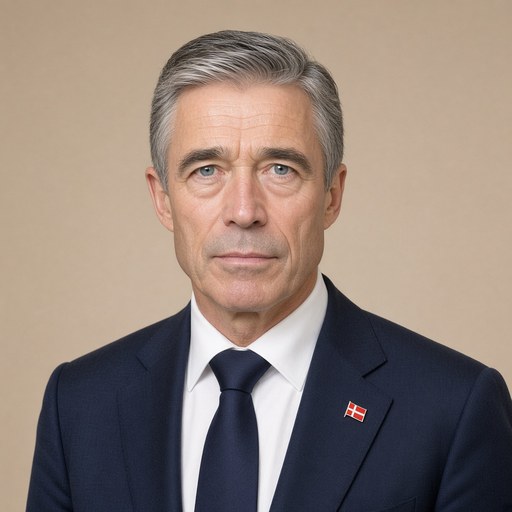
- Rasmussen addressed a ceremony marking the 60th anniversary of August 29, 1943, when Denmark ended collaboration with Nazi Germany and the Navy scuttled its fleet.
- Main themes
- Danish resistance and collaboration during WWII, August 29 1943 commemorations, sinking of the Danish fleet, Nazi occupation of Denmark, Danish naval history, resistance fighters, collaboration policy critique, moral lessons of wartime cooperation, Allied support and Denmark's reputation, historical reassessment of wartime decisions
- Duration
- ~8 min
- Words
- 1,011
- Sentences
- 62
- Readability
- 49
- Grade
- 10.0
- Syntax
- 2.81
- Vocabulary
- 2.19
Translated from Danish
The broad sphere of national life a sentence belongs to. Every sentence has an Arena, so it is the denominator the other indices are read against.
Other62 sentences in 24 paragraphs
Ladies and gentlemen,
August 29, 1943 is a date we should remember - and be proud of. On that day, Denmark's honor was saved. The Danish government finally ceased cooperation with the German occupying power and resigned. After more than three years of collaboration with the Germans, there were finally clear lines. It was not a day too soon.
The date August 29, 1943 is also a proud anniversary in the history of the Navy. On that day, German units attacked all Danish military installations.
At 4:00 in the morning, the German units arrived here at Holmen. The Danish naval officers knew that there was a risk that the Germans would attempt to take control of the fleet. They had previously decided that, in that case, they would seek neutral Swedish territory or, if that was impossible, sink the ships so that they would not fall into German hands. They succeeded in sinking the vast majority of the Danish fleet, and some of the units that were at sea reached Sweden.
The events in Denmark were noted by the Allies. There is no doubt that the sinking of the fleet contributed to improving Denmark's reputation among them.
* * *
It was not the government's, the Parliament's, and established Denmark's merit that the cooperation with the Germans ceased. On the contrary, official Denmark had obediently complied with the Germans from the very beginning of Denmark's occupation on April 9, 1940, collaborating at all levels, and urging the population to do the same.
Upon his appointment as foreign minister in 1940, Erik Scavenius declared that "the great German victories" had "struck the world with astonishment and admiration." He believed that Denmark should now find its place in a necessary and mutually active cooperation with the Germans.
Not only did Denmark's political leadership decide to follow a passive adaptation policy towards the Germans. The then government consciously and openly chose an active policy towards the occupying power in the hope that some of the sovereignty would be respected.
New historical research reveals that there was indeed a very active adaptation policy. Many were convinced of a German victory. Both politicians, civil servants, and organizations began to prepare Denmark's place in the new, Nazi-dominated Europe. Centrally placed officials were busy with plans to transform the Danish economy according to Nazi planned economic patterns.
The main argument for the cooperation policy was that all Danish resistance against the German superiority was futile. By cooperating with the occupying power, Denmark and the Danish population were spared from most of the horrors of war. And it worked. The Danes avoided the worst destruction. Agriculture and industry benefited from the war. So from such a dubious premise, some might call the cooperation policy necessary, wise, and appropriate.
But that is a very dangerous line of thought. If everyone had thought like the Danish collaboration politicians, Hitler would most likely have won the war, and Europe would have become Nazi. But fortunately, the British and later the Americans and Russians did not think like the Danish elite. They fought a life-and-death struggle against the Nazis and thereby secured our freedom.
In the end, it was the growing dissatisfaction of the population with the cooperation policy and the efforts of brave resistance fighters that forced the government to abandon cooperation with the Germans. We should be grateful for that and proud of it. We owe a great debt of gratitude to the resistance fighters who, through sabotage against the Germans and cooperation with the Allies, defied the collaboration politicians and ultimately secured Denmark a place on the right side in the fight against the Nazis.
* * *
Now, one must of course be careful not to pass judgment on the past based on today's premises. Today we know that the Nazis lost the war after the USA and the Soviet Union were involved in 1941 - and therefore the active Danish adaptation policy appears misguided and reprehensible. If it had continued until the end of the war, Denmark would have appeared as a German satellite state and partner. In the light of history, that would have been a catastrophe.
But did it look different at the start of the war? If the Germans had won, would Denmark not have benefited from adapting to German dominance in time?
Many thought so. However, it seems naive to believe that Hitler would have taken special consideration of Denmark in the event of a German victory. There were also high-ranking officials who, from the very beginning of the war, distanced themselves from these naive notions.
Denmark's independent envoy in Washington, Henrik Kaufmann, and legation council Vincens Steensen-Leth at the Danish legation in Berlin considered the adaptation policy from the start to be naive and misguided. They warned that Denmark would never receive concessions from the Nazis, either on one point or another, because it was the very democratic rule of law that the Nazis sought to destroy. The Nazis accepted only one form of system - the National Socialist. There was no room for special treatment in what Hitler called "the small-state rubbish."
Even judged by the standards of the time, Danish policy appears naive, and it is strongly reprehensible that the political elite in Denmark so thoroughly pursued not only a neutrality policy but an active adaptation policy.
In the struggle between democracy and dictatorship, one cannot remain neutral. One must take a stand for democracy and against dictatorship. It is at this point that the active adaptation policy constituted a political and moral failure.
Far too often in the course of history, we Danes have simply sailed under the flag of convenience and let others fight for our freedom and peace.
The lesson from August 29, 1943 is that if we take our values seriously, with freedom, democracy, and human rights, we must also actively contribute to defending them. Even against difficult odds. Even when unpopular and dangerous decisions must be made.
Let us honor our compatriots' efforts in the resistance movement and the Defense of freedom and democracy.
Thank you.
The original Danish. The tags above are read on the English translation's sentences.
Mine damer og herrer,
Den 29. august 1943 er en dato, vi bør huske - og være stolte af. Den dag blev Danmarks ære reddet. Den danske regering stoppede langt om længe samarbejdet med den tyske besættelsesmagt og gik af. Efter godt tre års samarbejde med tyskerne blev der endelig rene linier. Det var heller ikke en dag for tidligt.
Datoen den 29. august 1943 er også en stolt mærkedag i Søværnets historie. Den dag angreb tyske enheder alle danske militære installationer.
Kl. 04.00 om morgenen ankom de tyske enheder her til Holmen. De danske søofficerer vidste, at der var risiko for at tyskerne ville forsøge at tage kontrollen med flåden. De havde forinden besluttet, at de i så fald skulle søge neutralt svensk territorium eller, hvis dette var umuligt, sænke skibene, så de ikke faldt i tyske hænder. Det lykkedes at få sænket langt hovedparten af den danske flåde, og nogle af de enheder, der befandt sig til søs, nåede til Sverige.
Begivenhederne i Danmark blev bemærket hos de allierede. Der er ingen tvivl om, at sænkningen af flåden bidrog til at forbedre Danmarks omdømme hos dem.
* * *
Det var ikke regeringens, Folketingets og det etablerede Danmarks fortjeneste, at samarbejdet med tyskerne ophørte. Tværtimod havde det officielle Danmark fra starten af Danmarks besættelse den 9. april 1940 lydigt rettet sig efter tyskerne, samarbejdet på alle niveauer, og opfordret befolkningen til at gøre det samme.
Ved sin tiltrædelse som udenrigsminister i 1940 erklærede Erik Scavenius at ”de store tyske sejre” havde ”slået verden med forbavselse og beundring”. Han fandt, at Danmark nu skulle finde sin plads i et nødvendigt og gensidigt aktivt samarbejde med tyskerne.
Ikke nok med at Danmarks politiske ledelse besluttede at følge en passiv tilpasningspolitik i forhold til tyskerne. Den daværende regering valgte bevidst og åbenlyst en aktiv politik overfor besættelsesmagten i det håb, at noget af suveræniteten ville blive respekteret.
Ny historisk forskning afslører, at der tilmed var tale om en meget aktiv tilpasningspolitik. Mange var overbevist om tysk sejr. Både politikere, embedsmænd og organisationer begyndte at forberede Danmarks plads i det ny, nazistisk-dominerede Europa. Centralt placerede embedsmænd syslede med planer om at omdanne dansk økonomi efter nazistisk planøkonomisk mønster.
Hovedargumentet for samarbejdspolitikken var, at al dansk modstand mod den tyske overmagt var nytteløs. Ved at samarbejde med besættelsesmagten blev Danmark og den danske befolkning skånet for de fleste af krigens rædsler. Og det lykkedes. Danskerne slap for de værste ødelæggelser. Landbrug og industri tjente på krigen. Så ud fra et sådant gustent overlæg vil nogle måske kalde samarbejdspolitikken nødvendig, klog og hensigtsmæssig.
Men det er en meget farlig tankegang. Hvis alle havde tænkt som de danske samarbejdspolitikere, ville Hitler med stor sandsynlighed have vundet krigen, og Europa var blevet nazistisk. Men briterne og senere amerikanerne og russerne tænkte heldigvis ikke som den danske elite. De kæmpede en kamp på liv og død mod nazisterne og sikrede derved vor frihed.
I sidste ende var det befolkningens voksende utilfredshed med samarbejdspolitikken og modige modstandsfolks indsats, som tvang regeringen til at opgive samarbejdet med tyskerne. Det skal vi være glade for og stolte af. Vi skylder en stor tak til de modstandsfolk, som gennem sabotage mod tyskerne og samarbejde med de allierede trodsede samarbejdspolitikerne og sikrede i sidste ende Danmark en plads på den rigtige side i kampen mod nazisterne.
* * *
Nu skal man naturligvis være forsigtig med at fælde domme over fortiden på nutidens præmisser. I dag ved vi, at nazisterne tabte krigen efter at USA og Sovjetunionen blev inddraget i 1941 – og derfor fremstår den aktive danske tilpasningspolitik som fejlagtig og forkastelig. Hvis den var blevet fortsat til krigens ende, ville Danmark have fremstået som tysk lydstat og partner. I historiens lys ville det have været en katastrofe.
Men tog det sig anderledes ud ved krigens start? Hvis nu tyskerne havde sejret, ville Danmark så ikke have profiteret af at tilpasse sig den tyske dominans i tide?
Sådan tænkte mange. Det forekommer dog naivt at tro, at Hitler ville have taget særlige hensyn til Danmark i tilfælde af en tysk sejr. Der var da også højt placerede embedsmænd, som allerede fra krigens start tog afstand fra disse naive forestillinger.
Danmarks uafhængige gesandt i Washington, Henrik Kaufmann, og legationsråd Vincens Steensen-Leth ved det danske gesandtskab i Berlin anså fra starten tilpasningspolitikken for at være naiv og fejlagtig. De advarede om, at Danmark aldrig ville få indrømmelser af nazisterne, hverken på det ene eller andet punkt, fordi det var selve den demokratiske retsstat, nazisterne ville til livs. Nazisterne accepterede kun én form for system – det nationalsocialistiske. Der var ikke plads til særbehandling i hvad Hitler kaldte ”småstatsskramlet”.
Selv bedømt på datidens præmisser forekommer den danske politik naiv, og det er stærkt forkasteligt, at den politiske elite i Danmark i den grad førte ikke blot neutralitets- men aktiv tilpasningspolitik.
I kampen mellem demokrati og diktatur kan man ikke stå neutralt. Man må tage stilling for demokratiet og mod diktaturet. Det er på dette punkt, at den aktive tilpasningspolitik udgjorde et politisk og moralsk svigt.
Alt for ofte i historiens løb har vi danskere blot sejlet under bekvemmelighedsflag og ladet andre slås for vor frihed og fred.
Læresætningen fra 29. august 1943 er, at hvis man mener noget alvorligt med vore værdier, med frihed, demokrati og menneskerettigheder, så må vi også selv yde et aktivt bidrag til at forsvare dem. Også imod svære odds. Selv når der skal træffes upopulære og farlige beslutninger.
Lad os ære vore landsmænds indsats i modstandsbevægelsen og Forsvaret for frihed og demokrati.
Tak.