




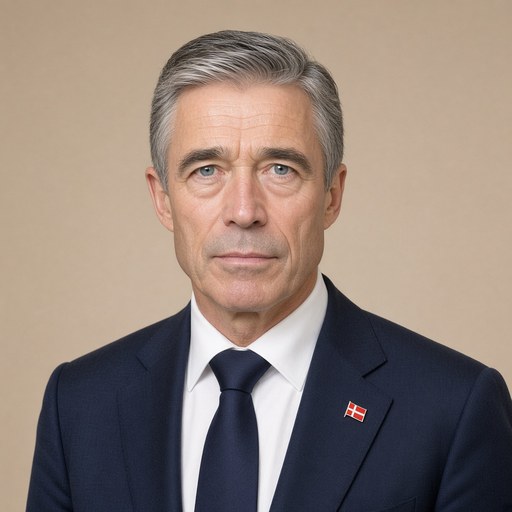
Prime Minister Anders Fogh Rasmussen's speech at the opening of the euro hearing at Christiansborg on January 22, 2009.
 Anders Fogh Rasmussen · Prime Minister of Denmark
- Context
- Rasmussen addressed a parliamentary euro hearing at Christiansborg on January 22, 2009, arguing Denmark should reconsider its euro opt-out amid the global financial crisis.
- Main themes
- Denmark's euro opt-out, financial crisis costs, political influence in Eurogroup, economic costs of staying outside euro, EU financial regulation, fixed exchange rate policy, Lisbon Treaty and Eurogroup expansion, international role of Eurogroup, Danish monetary policy
- Duration
- ~14 min
- Words
- 1,701
- Sentences
- 101
- Readability
- 46
- Grade
- 10.5
- Syntax
- 2.81
- Vocabulary
- 2.19
Translated from Danish
The broad sphere of national life a sentence belongs to. Every sentence has an Arena, so it is the denominator the other indices are read against.
Other101 sentences in 42 paragraphs
Thank you to the European Committee of the Folketing for organizing today’s hearing. A hearing that is supported by a broad majority of the parties in the Folketing.
A broad and thorough debate about the euro and Denmark's euro opt-out is highly relevant. The financial crisis has highlighted the costs for Denmark of being outside the euro area. This applies to both the political and economic costs.
The greatest cost is the loss of political influence. Denmark does not today have the same access to influence significant political-economic decisions in the EU as if we participated in the euro cooperation. There is nothing new in that. We have long seen that the euro countries discuss and coordinate their views at meetings attended only by euro countries. It is standard practice for euro countries to hold separate meetings prior to each EU finance ministers' meeting. Pre-meetings where they discuss the issues. And often also effectively negotiate the issues.
The financial crisis has intensified this development. We saw a very concrete example of this in October. Here, the Eurogroup held a summit at the level of heads of state and government for the first time ever regarding the financial crisis. At that meeting, they effectively determined the handling of the banking crisis across the EU – even though only euro countries participated in the meeting.
The EU has shown great determination in handling the financial crisis in recent months. Not least thanks to a very effective French presidency. In November, a common EU strategy for better regulation of global financial markets was agreed upon. And in December, we reached an agreement on a recovery plan aimed at boosting the European economy. During the financial crisis, we have seen a decisive EU – and we are very satisfied with that from the Danish side.
The EU can and should play a central role in efforts to create more transparency in international capital markets. We should ensure that all financial institutions, hedge funds, etc., are subject to appropriate and effective oversight. And that the necessary steps are taken to ensure that such common rules are followed by all financial centers in the world.
A significant part of the further discussions about the financial crisis is expected to take place in the Eurogroup.
Denmark has a strong interest in influencing the work to strengthen the regulation of international financial markets. Experience shows that smaller countries can achieve greater influence than their size would suggest if they have good arguments and pursue a sensible policy. But the euro opt-out means that we cut ourselves off from that influence.
Already today, the Eurogroup plays a significant role. And with the Lisbon Treaty, the Eurogroup will be further strengthened – among other things, the scope of decisions made solely by euro countries will increase. There is little doubt that euro countries will further enhance their political cooperation in the future – also in areas not closely related to the euro. In the longer term, it is possible that topics such as trade policy, development cooperation, and climate policy will also be discussed in the Eurogroup.
We also see that the Eurogroup is increasingly playing an independent role on the international stage. The Eurogroup is now regularly represented at G8 meetings. The chair of the Eurogroup meets regularly with international partners, including key economic countries such as the USA and China.
We cannot predict exactly how and how quickly the Eurogroup will develop in the future. But we can observe that the financial crisis has intensified a development that was already underway. And we know that the greater the role the Eurogroup plays, the greater the political cost of Denmark being outside the euro will be.
* * *
The economic costs of being outside the euro have also been more evident than usual recently. The financial crisis has put pressure on the krone. The National Bank has been forced to raise interest rates to defend Denmark's fixed exchange rate policy. This means that the interest rate spread – that is, the difference between the National Bank's and the European Central Bank's interest rates – has increased. And it is precisely in economically unstable periods that the economic costs of being outside the euro are greatest.
And it is an unfavorable situation for Denmark that we risk an increase in interest rates, precisely when there is an economic crisis and looming unemployment, where there might rather be a need for lower interest rates to stimulate the economy.
* * *
The financial crisis has thus highlighted both the political and economic costs of being outside the euro. Denmark conducts exactly the same monetary policy as the euro area. But we do not reap the benefits in terms of full political influence and greater economic security.
The euro has now existed for 10 years. And it has proven to be a success. For citizens and businesses in Europe, the euro has become the completely natural means of payment. With a number of practical advantages. Advantages that we Danes feel when we travel in the euro zone.
The euro is not an experiment. It is a solid and well-tested currency that is used daily by more than 325 million citizens in Europe. And internationally, the euro has developed into a strong and stable currency, which has even become one of the world's most important reserve currencies.
Therefore, the government is firmly convinced that Denmark should join the euro.
* * *
It has sometimes been claimed that euro cooperation takes too little account of employment. And that the euro limits countries' ability to respond to economic downturns.
Experience actually shows the opposite.
The frameworks and rules for euro cooperation support growth and employment.
One of the rules is that deficits in public finances, under normal circumstances, must not exceed 3 percent of the country's production – of gross domestic product.
Fundamentally, this rule aims to ensure sound public finances, so there is room to stimulate the economy if needed. In other words: It is wise to save and set aside in good times, as this provides better leeway to give the economy a boost in bad times.
The rules in the so-called Stability and Growth Pact do not aim to prevent an expansionary fiscal policy during periods of recession. On the contrary, the pact aims to create the conditions for such an expansionary fiscal policy by ensuring proper consolidation of public finances during periods of economic boom.
Moreover, the rules in the Stability and Growth Pact are flexible enough to take into account economically difficult times.
In bad times with low employment, there are a number of exceptions to the pact's normal requirements. For example, a country will have more lenient conditions if growth is negative or very low for an extended period.
EU rules thus provide ample opportunities to respond to economic crises. This is also underscored by the fact that at the recent EU summit, there was support for a recovery plan aimed at stimulating the economy and maintaining growth and employment. This shows that the Stability and Growth Pact in no way contradicts a common and coordinated effort to counter an economic downturn.
From time to time, we also hear in the debate that it would be harmful to employment that the European Central Bank aims to keep inflation at a maximum of around 2 percent.
I would like to emphasize that there is no contradiction between high employment and low inflation – on the contrary. With the right economic policy, it is possible to maintain high employment and low inflation. That is precisely what we have done in Denmark.
If inflation, on the other hand, is allowed to run rampant, it could threaten employment, as it would then be necessary to take measures to bring inflation under control.
You see, inflation is the erosion of the purchasing power of money. When prices rise sharply, we must remember who is hardest hit. It hits the most vulnerable the hardest, for example, pensioners and low-wage earners. The wealthiest have better opportunities to protect themselves against inflation by placing their money in assets whose value rises with inflation. So what can be said is that high inflation leads to a redistribution in society to the detriment of the most vulnerable.
Keeping inflation at a stable, low level is therefore very much a policy with a social aim.
* * *
Let me remind you that Denmark is already subject to exactly all these rules – the same rules as the euro countries. From the public debate, one might sometimes get the impression that Denmark would come under a new set of rules if we adopted the euro. But that is not the case. Denmark is already today subject to the provisions of the Stability and Growth Pact.
The situation is that we must comply with exactly the same fiscal rules as the euro countries. Yes, in reality, the requirements for us are stricter, precisely because we are outside the euro. We are to a greater extent than the euro countries required to prove that we conduct a credible and responsible fiscal policy, so that there is not a moment's doubt about the Danish fixed exchange rate policy.
Since 1982, we have conducted a fixed exchange rate policy. And this fixed exchange rate policy has been a cornerstone of the economic policy that has made the Danish economy one of the strongest in Europe. Therefore, we have pegged the krone to the euro.
So my conclusion is clear: We can choose between a fixed exchange rate policy with influence by being part of the euro or a fixed exchange rate policy without influence by being outside the euro.
Denmark should be part of the euro because it economically costs us to be outside, but first and foremost because it is a significant loss of influence to be outside.
We should be part of the euro because it is simply in our own best political and economic interest.
Therefore, I welcome that a broad majority in the Folketing has requested this hearing today. I hope it can be the starting point for a good and thorough debate about Denmark's relationship with the euro.
The original Danish. The tags above are read on the English translation's sentences.
Tak til Folketingets Europaudvalg for at have arrangeret dagens høring. En høring, som et bredt flertal af Folketingets partier står bag.
En bred og grundig debat om euro’en og den danske euro-undtagelse er højst aktuel. Den finansielle krise har tydeliggjort omkostningerne for Danmark ved at stå uden for eurosamarbejdet. Det gælder både de politiske og de økonomiske omkostninger.
Den største omkostning er tabet af politisk indflydelse. Danmark har i dag ikke samme adgang til at øve indflydelse på væsentlige politisk-økonomiske beslutninger i EU, som hvis vi deltog i euro-samarbejdet. Det er der for så vidt ikke noget nyt i. Vi har gennem længere tid set, at euro-landene drøfter og koordinerer deres synspunkter på møder, hvor kun euro-landene deltager. Det er fast praksis, at euro-landene holder separate møder forud for hvert EU-finansministermøde. Formøder, hvor de drøfter sagerne. Og ofte også reelt forhandler sagerne på plads.
Den finansielle krise forstærker denne udvikling. Det så vi et meget konkret eksempel på i oktober. Her holdt eurogruppen for første gang nogensinde et topmøde på stats- og regeringschefsniveau om den finansielle krise. På dét møde fastlagde man reelt håndteringen af bankkrisen i hele EU – også selv om det kun var eurolandene, der deltog i mødet.
EU har gennem de seneste måneder udvist stor beslutsomhed i håndteringen af den finansielle krise. Ikke mindst takket være et meget effektivt fransk formandskab. I november blev der aftalt en fælles EU-strategi for bedre regulering af de globale finansmarkeder. Og i december blev vi enige om en genopretningsplan, som skal sætte skub i den europæiske økonomi. Under den finansielle krise har vi set et handlekraftigt EU – og det er vi fra dansk side særdeles tilfredse med.
EU kan og EU bør spille en central rolle i bestræbelserne på at skabe mere gennemsigtighed på de internationale kapitalmarkeder. Vi bør sikre, at alle finansielle institutioner, kapitalfonde osv. bliver underkastet en passende og effektiv kontrol. Og at der bliver taget de nødvendige skridt til at sikre, at sådanne fælles regler bliver fulgt af alle finanscentre i verden.
En væsentlig del af de videre drøftelser om finanskrisen må forventes at foregå i Euro-gruppen.
Danmark har en stor interesse i at påvirke arbejdet for at styrke reguleringen af de internationale finansmarkeder. Erfaringen viser, at mindre lande kan opnå større indflydelse, end deres størrelse tilsiger, hvis de har gode argumenter og i øvrigt fører en fornuftig politik. Men euro-undtagelsen betyder, at vi afskærer os selv fra den indflydelse.
Allerede i dag spiller euro-gruppen en betydelig rolle. Og med Lissabon-traktaten vil euro-gruppen blive yderligere styrket – bl.a. øges omfanget af beslutninger, som alene træffes af euro-landene. Der er næppe tvivl om, at euro-landene fremover vil forstærke deres politiske samarbejde yderligere – også på områder, der ikke er snævert knyttet til euroen. På længere sigt er det muligt, at også emner som f.eks. handelspolitik, udviklingssamarbejde og klimapolitik vil blive drøftet i euro-gruppen.
Vi ser også, at euro-gruppen i stigende grad spiller en selvstændig rolle på den internationale scene. Euro-gruppen er i dag fast repræsenteret ved møder i G8-kredsen. Euro-gruppens formand mødes regelmæssigt med internationale samarbejdspartnere, herunder økonomiske nøglelande som USA og Kina.
Vi kan ikke forudsige præcist, hvordan og hvor hurtigt euro-gruppen udvikler sig i fremtiden. Men vi kan konstatere, at finanskrisen har forstærket en udvikling, som allerede var i gang. Og vi ved, at jo større rolle euro-gruppen kommer til at spille, jo større bliver den politiske omkostning ved, at Danmark står uden for euroen.
* * *
Også de økonomiske omkostninger ved at stå uden for euroen har i den seneste tid været tydeligere end normalt. Finanskrisen har sat kronen under pres. Nationalbanken har været nødsaget til at hæve renten for at forsvare Danmarks fastkurspolitik. Det betyder, at rentespændet – altså forskellen mellem Nationalbankens og den Europæiske Centralbanks rentesatser – er vokset. Og det er netop i økonomisk ustabile perioder, at de økonomiske omkostninger ved at stå uden for euroen er størst.
Og det er en ugunstig situation for Danmark, at vi risikerer en stigning i renten, netop når der er økonomisk krise og truende ledighed, hvor der måske snarere var brug for en lavere rente for at stimulere økonomien.
* * *
Den finansielle krise har altså tydeliggjort både de politiske omkostninger og de økonomiske omkostninger ved at stå uden for euroen. Danmark fører nøjagtig samme pengepolitik som euro-området. Men vi høster ikke gevinsterne i form af fuld politisk indflydelse og større økonomisk sikkerhed.
Euroen har nu eksisteret i 10 år. Og den har vist sig at være en succes. For borgere og virksomheder i Europa er euroen blevet det helt naturlige betalingsmiddel. Med en række praktiske fordele. Fordele, som vi danskere mærker, når vi færdes i euro-zonen.
Euroen er ikke et eksperiment. Den er en solid og velafprøvet valuta, der dagligt anvendes af mere end 325 millioner borgere i Europa. Og internationalt har euroen udviklet sig til en stærk og stabil valuta, som oven i købet er blevet til en af verdens vigtigste reservevalutaer.
Derfor er regeringen af den faste overbevisning, at Danmark bør tilslutte sig euro’en.
* * *
Det har nogle gange været hævdet, at euro-samarbejdet tager for lidt hensyn til beskæftigelsen. Og at euroen begrænser landenes mulighed for at imødegå økonomisk afmatning.
Erfaringen viser faktisk det modsatte.
Rammerne og reglerne for euro-samarbejdet understøtter vækst og beskæftigelse.
Én af reglerne er, at underskuddene på de offentlige finanser under normale omstændigheder ikke må overstige 3 procent af landets produktion – af bruttonationalproduktet.
Helt grundlæggende sigter denne regel på at sikre sunde offentlige finanser, så der er handlefrihed til at stimulere økonomien, hvis der er behov for det. Med andre ord: Det er klogt at spare op og lægge til side i gode tider, for så er der bedre råderum til at give økonomien et skub i dårlige tider.
Reglerne i den såkaldte Stabilitets- og Vækstpagt går altså ikke ud på at forhindre en ekspansiv finanspolitik i perioder med lavkonjunktur. Tværtimod så går pagten ud på at skabe forudsætningerne for en sådan ekspansiv finanspolitik ved at sørge for en ordentlig konsolidering af de offentlige finanser gennem perioder med højkonjunktur.
Desuden er reglerne i Stabilitets- og Vækstpagten så fleksible, at de netop tager højde for økonomisk dårlige tider.
I dårlige tider med lav beskæftigelse, er der en række undtagelser fra pagtens normale krav. F. eks. vil et land have lempeligere vilkår, hvis væksten er negativ eller meget lav i en længere periode.
EU’s regler giver altså vide muligheder for at imødegå økonomiske kriser. Og det bliver i øvrigt også understreget af, at der på det seneste EU-topmøde var opbakning til en genopretningsplan, som skal stimulere økonomien og fastholde vækst og beskæftigelse. Det viser, at Stabilitets- og Vækstpagten på ingen måde står i modsætning til en fælles og koordineret indsats for at modgå en økonomisk lavkonjunktur.
Af og til hører vi også i debatten, at det skulle være skadeligt for beskæftigelsen, at Den Europæiske Centralbank har som mål at holde inflationen på maksimalt omkring 2 procent.
Jeg vil gerne understrege, at der ikke er noget modsætningsforhold mellem høj beskæftigelse og lav inflation – tværtimod. Med den rette økonomiske politik er det muligt at fastholde høj beskæftigelse og en lav inflation. Det er jo præcis det, vi har gjort i Danmark.
Hvis inflationen derimod får lov til at løbe løbsk, så vil det kunne true beskæftigelsen, fordi det så bliver nødvendigt at foretage indgreb for at bringe inflationen under kontrol.
Se, inflation er jo udhuling af pengenes købekraft. Når priserne stiger voldsomt, så skal vi huske, hvem det går hårdest ud over. Det går hårdest ud over de svagest stillede, f.eks. pensionister og lønmodtagere med lav løn. De mest velstående har bedre muligheder for at beskytte sig mod inflation ved at placere deres penge i aktiver, hvis værdi stiger med inflationen. Så det man kan sige er, at høj inflation medfører en omfordeling i samfundet til ugunst for de svagest stillede.
At holde inflationen på et stabilt, lavt niveau er derfor i allerhøjeste grad en politik med et socialt sigte.
* * *
Lad mig endelig minde om, at Danmark allerede er omfattet af nøjagtig alle disse regler - af de samme regler som euro-landene. Af den offentlige debat kunne man nogle gange få det indtryk, at Danmark ville komme under et nyt sæt regler, hvis vi indførte euro’en. Men det er ikke tilfældet. Danmark er allerede i dag omfattet af bestemmelserne i Stabilitets- og Vækstpagten.
Situationen er den, at vi skal leve op til nøjagtig de samme finanspolitiske regler som eurolandene. Ja, reelt er kravene til os skrappere, netop fordi vi står uden for euroen. Vi er i højere grad end euro-landene nødt til at bevise, at vi fører en troværdig og ansvarlig finanspolitik, så der ikke et eneste øjeblik opstår tvivl om den danske fastkurspolitik.
Siden 1982 har vi ført fastkurspolitik. Og denne fastkurspolitik har været en hjørnesten i den økonomiske politik, som har gjort dansk økonomi til én af de stærkeste i Europa. Derfor har vi bundet kronen til euroen.
Så min konklusion er klar: Vi kan vælge mellem en fastkurspolitik
med
indflydelse ved at være med i euroen eller en fastkurspolitik
uden
indflydelse ved at stå uden for euroen.
Danmark bør være med i euroen, fordi det økonomisk koster os at stå uden for, men først og fremmest fordi det politisk er et stort tab af indflydelse at stå uden for.
Vi bør være med i euroen, fordi det ganske enkelt er i vores egen bedste politiske og økonomiske interesse.
Derfor hilser jeg med tilfredshed, at et bredt flertal i Folketinget har ønsket denne høring i dag. Jeg håber, at den kan blive startskuddet til en god og grundig debat om Danmarks forhold til euroen.