




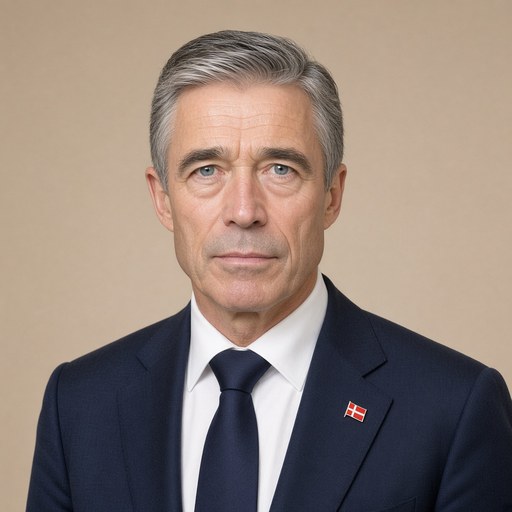
Prime Minister Anders Fogh Rasmussen's speech at the meeting of the Council for International Development Cooperation on March 12, 2009: The Africa Commission - new perspectives for Danish and international aid.
 Anders Fogh Rasmussen · Prime Minister of Denmark
- Context
- Rasmussen addressed the Council for International Development Cooperation on March 12, 2009, presenting the Africa Commission's priorities and proposals for Danish and international development aid.
- Main themes
- Africa Commission, youth employment and entrepreneurship, Danish development aid, African economic development, globalization and trade, poverty reduction, global financial crisis impact on Africa, good governance and democracy, women's rights in Africa, international development cooperation, sustainable growth
- Duration
- ~26 min
- Words
- 3,157
- Sentences
- 243
- Readability
- 46
- Grade
- 9.8
- Syntax
- 2.56
- Vocabulary
- 2.06
Translated from Danish
The broad sphere of national life a sentence belongs to. Every sentence has an Arena, so it is the denominator the other indices are read against.
Other243 sentences in 103 paragraphs
Thank you for the invitation to today's meeting.
I am pleased to have this opportunity to talk about the Africa Commission. And about the perspectives it sets for Danish and international aid.
The last time I spoke to this group was after my first visit to Africa more than three years ago. Now I stand here again, after my second visit to Africa. As I have said before, these visits to Africa have made a great impression on me. They have made it clear how great the need is to combat poverty in Africa. To create better opportunities for development in Africa. This has been the background for our establishment of the Africa Commission.
It is about how we can concretely assist in bringing Africa into global development. And thereby create good living conditions and future opportunities for the entire African population.
* * *
Over the past decades, globalization, increased trade, and technological advancements have lifted millions of people out of poverty around the world.
Africa has also experienced favorable development. Growth has averaged nearly six percent over a period of years. But compared to the picture we have seen in several countries in Asia, the African continent lags far behind.
Africa has not yet reaped the full benefits of globalization. In my opinion, there is enormous potential in integrating Africa into the global economy. And here, we in the wealthy countries have obligations on several fronts.
First, we have a moral obligation to combat deep poverty in Africa.
Second, we have an obligation to ensure that young Africans have better living conditions and more future prospects in their own countries. And to curb conflicts, radicalization, and illegal immigration to Europe.
Third, we have an obligation to promote democracy and good governance in Africa through economic and social development. Not least by ensuring equal rights and opportunities for African women.
This is the background for the government's establishment of an Africa Commission nearly a year ago.
The Commission's work has become even more urgent than we could foresee at that time. The global financial crisis has significant consequences for African countries. Not least due to the sharp decline in commodity prices.
Growth in Africa this year will be much lower than previously expected. Economic growth in Africa was projected to be nearly 7 percent in 2009. The new estimates, after the crisis set in, are at 3.5 percent. That is a halving.
This will have serious effects on jobs and incomes in African countries.
The financial crisis means that it is now even more important to take concrete action to create sustainable growth and development in Africa.
This is precisely the focus of the Africa Commission. And we have towering ambitions for the work.
First, the Commission must deliver concrete, actionable proposals. We have moved beyond the stage of talk, analyses, and reports that do not lead anywhere.
Second, the Commission must work for a targeted effort. We should not shoot with scattershot, but make a clear prioritization based on which proposals have the greatest impact.
Third, the Commission must influence the international development policy agenda. So that we can gain volume and strength behind the proposals and make a noticeable difference for the African population.
To succeed with these great ambitions, the government has assembled the Africa Commission with prominent international figures:
The UN Deputy Secretary-General. The President of Tanzania. The Prime Minister of Mozambique. The Chairperson of the African Union Commission. The Director of the World Bank. And the President of the African Development Bank.
We have put together a strong team. With strong African engagement.
* * *
The Africa Commission has been working for nearly a year. Especially in recent months, we have been working intensively on concrete proposals.
We have based our work on the situation in Africa, which is primarily characterized by a very young population. Young people make up 40 percent of the workforce in Africa. But at the same time, they constitute the vast majority of all unemployed. The unemployment rate among young people is three times higher than for other groups.
Three out of four young Africans live on less than 2 dollars a day. And the problem of missing jobs is growing year by year due to increasing youth cohorts. It is estimated that by 2025, a quarter of the world's youth will come from Africa.
Creating jobs and good future prospects for young Africans will therefore be the essential engine for creating development and prosperity in Africa.
The young people I spoke with in Addis Ababa last November also emphasized that it is jobs and opportunities to start their own businesses that are the way out of poverty.
The same is echoed in a World Bank survey, where thousands of the poor have been heard. The answer is unequivocal: poverty must be fought with employment and entrepreneurship.
We must create a positive cycle of jobs, growth, and prosperity. A positive cycle that can lift African countries and African populations out of poverty. This is the key to sustainable development. Which in the long term can make African countries less dependent on aid.
The Africa Commission has all along involved important partners in its work. We have spoken with governments, the private sector, civil society, and the research community. All point in the same direction: the private sector is crucial for driving development.
Therefore, we need to overcome the reluctance towards the private sector that can be encountered in parts of the aid community.
First, focusing on private businesses and jobs does not mean that we are abandoning poverty alleviation. On the contrary. Getting a job and being able to support oneself is the most effective way to combat poverty.
Second, it is sometimes portrayed as if private businesses and the public sector are opposites. As if choosing one is rejecting the other. This is not the case. On the contrary.
Growth in the business sector is necessary to ensure sustainable financing of public expenditures for hospitals, schools, and roads.
And conversely, private businesses need effective public administration, legal security, well-educated labor, and good infrastructure.
It is not an either/or. It is a both/and. There is a need for positive cooperation between the public and private sectors.
The Africa Commission's recommendation is very clear: there is a need for a much greater focus on growth driven by the private sector and private initiative.
Because growth in the business sector is the best way out of poverty for African families. Because growth in the business sector is the best way out of aid dependency for African governments. Because growth in the business sector is the path that Africans themselves point to.
We must promote growth that is based on processing African resources rather than exporting raw materials.
A growth where agricultural development is therefore at the center – agriculture employs 7 out of 10 Africans.
A growth that builds on the great potential that young people represent as entrepreneurs.
A growth that is based on education aimed at the private sector's demand.
A growth that gives African women equal opportunities.
In other words, it is a growth that will significantly strengthen Africa's chances of achieving the UN's 2015 goals. Growth in the private sector is the most effective poverty alleviation. Both in the short and long term.
* * *
Today, I will unveil the more concrete content of the initiatives that the Africa Commission has decided to pursue. It is my expectation that the Commission will reach agreement on the individual initiatives at the concluding meeting in May.
The first initiative will provide smaller African businesses access to finance for their investments through financial markets.
Last autumn, I spoke with a number of African business leaders in Nairobi. And they all pointed to lack of access to financing as one of the biggest challenges.
The commercial banks told me that they exclusively target large companies. They simply assess that it is too risky to lend to smaller businesses and entrepreneurs. This is a huge problem. Because in many African countries, the majority of the workforce is employed in small and medium-sized enterprises.
The financial crisis has made the problem even greater. Ugandan banks have just announced that they expect to provide far fewer loans to smaller businesses in the coming year.
To help small businesses out of the credit squeeze, the Africa Commission will propose the establishment of a guarantee fund together with the African Development Bank. The fund will provide guarantees to banks so that small businesses have much better opportunities to finance their investments. Banks will need support to develop expertise and organization to serve smaller businesses. And businesses will need to learn to prepare good business plans and accounts as a basis for obtaining loans.
The second initiative focuses on more and better education. In sub-Saharan Africa, the proportion of children in primary school has increased from 6 out of 10 to 7 out of 10 over the past 6 years. This is positive. But it also means that it becomes even more important to have good opportunities for further education after primary school.
Today, less than one in four young Africans begins an education after primary school. And even fewer complete their education.
The Africa Commission's education initiative will concentrate on two areas: vocational education and university education.
Vocational education is the foundation for skilled entrepreneurs and qualified employees. But today, less than one in ten young Africans receives vocational training. That number needs to increase. And the education must meet the demands of the business sector.
For example, we will support the expansion of vocational education in rural areas with a focus on courses in agriculture that can create increased value and marketing of production. And we will support the upgrading and certification of apprenticeship systems that exist in many African countries in the informal sector. Certification can eventually have a regional perspective, where there is free movement of labor as in, for example, the West African ECOWAS region.
There is also far too weak a connection between universities and the business sector. The Africa Commission will make university education more relevant to the business world, for example, by promoting internships in education. And by introducing business-relevant subjects such as operational economics.
And we will support concrete collaborations between research and the private sector, for example, on organic farming.
The third initiative will help young African entrepreneurs get started.
During my conversation with Mozambique's President Guebuza in October 2008, he told me about the many young Africans who migrate from rural areas to cities. To seek a living as small traders and unskilled laborers. And at best, earn enough to survive.
The Africa Commission's initiative will focus particularly on young entrepreneurs. Young people who, in addition to creating a job for themselves, can also create 5, 10, or 20 jobs for others.
Young Africans have far more difficulty than others in starting a business. In Zambia, about 50% of all young people aged 15-19 want to start their own business. This is incredibly life-affirming. But according to the ILO, young people face discrimination solely based on their age – both from customers, investors, colleagues, and even from the state.
Moreover, young people often lack the necessary knowledge, are cut off from vital start-up capital, and lack the networks that older entrepreneurs benefit from. Therefore, there is a need for a special effort for young Africans. Not least for young girls. It is necessary that we translate the young people's good ideas into concrete productive enterprises.
The initiative will, for example, support young people's access to basic things like the internet and a workshop space. It will also focus on providing young entrepreneurs with the skills necessary to run a business: knowledge of accounting and budgets. Development of a business plan and access to advice from experienced business people.
Finally, the initiative will ensure that skilled young entrepreneurs can access start-up capital. Without it, it is virtually impossible for them.
The fourth initiative will improve access to energy in local communities.
One in two African businesses points to a lack of reliable energy as one of the biggest obstacles to growth. The African business leaders I have spoken with confirm the problem. African businesses lose 6 percent of sales due to unreliable electricity supply. 6 percent!
It does not take much imagination to envision how difficult it is to run a business in an area where the power supply fails intermittently. Here, there is a need for backup facilities in the form of generators. But this is a very expensive solution. It costs three times as much as electricity from the grid. And again, it is particularly the smaller businesses that experience the problem.
Here, I am only talking about areas that have access to electricity. In many African countries, the electrical grid reaches only 10% of the population. In large parts of Tanzania, it is only 2%. In total, there are 500 million Africans who do not have access to electricity. This is truly a blockage to development.
Better access to energy will provide great opportunities for increased growth and more jobs. For example, in the processing of agricultural products. And at the same time, access to energy is significant for health, education, and communication.
At the same time, the large fluctuations in oil prices in recent years and the development of better technology have increased the possibilities of producing sustainable energy in smaller businesses. And Africa has plenty of resources and untapped opportunities such as hydropower, agricultural waste, solar energy, and wind power. There are many opportunities to develop sustainable energy sources.
The financial mechanisms under the climate agenda can also help promote a market for that type of climate-friendly energy production. This includes, for example, the Clean Development Mechanism.
Firewood and charcoal account for 80 percent of household energy consumption in Africa. African women spend many hours each day collecting wood for fuel. And the consumption of firewood has significant health consequences. 400,000 African women and children die each year due to indoor air pollution, which mainly comes from firewood.
But there are alternatives. I have seen examples of solar energy and biogas plants in rural areas of Kenya. It is such simple and concrete solutions that the African Commission will support.
It is not entirely straightforward. There is a lack of knowledge, capacity, and lending opportunities. Therefore, the Commission is looking at how we can best support businesses to enter the energy market. It is about helping to develop local private energy markets. With the right products and market conditions, business can be done. Private producers will be able to make money from sustainable energy. And small businesses and individual households will gain access to stable energy that they can afford.
The fifth initiative aims to elevate the private sector higher on the agenda in African countries and in development cooperation. A competitiveness index can have a significant impact. This is evidenced by experiences with a similar index in Latin America in the 1990s.
Together with the World Economic Forum, the African Commission will launch a competitiveness index for Africa. An index that will make it very clear where the problems lie. Is it, for example, vocational training that is not good enough? Or is it the regulation of businesses that is too bureaucratic?
The new index will ensure follow-up and dialogue with African countries on how to improve conditions for the private sector.
Let me give a concrete example. In Burkina Faso, there has been a focus on the regulation of businesses. This has led to concrete improvements.
In 2005, it took 45 days to start a business in Burkina Faso. The entrepreneur had to go through 12 procedures. In 2008, it took 16 days. That is almost two-thirds less. And the number of procedures was down to 5.
It is this kind of positive development that we want to promote.
***
Growth and jobs in the private sector are the focal point of all the African Commission's initiatives. In the Commission, we are still working on developing the models and partnerships for the initiatives.
Later in the spring, we will launch the African Commission's overall plan. This will happen when the Commission meets in Copenhagen for its final meeting. And the goal is that we can start the concrete projects later this year and in 2010.
We will work along two tracks when we implement the Commission's recommendations. When we translate the proposals into a better everyday life for the individual African.
One track is Danish development assistance. Here, the African Commission's recommendations will have a significant and direct influence. We will gradually reshape the aid.
The goal of the African Commission is not thick reports that can be placed on the shelf. The goal is concrete and prioritized action.
The government will actively contribute to implementing the Commission's initiatives. This means that we will support initiatives that ensure the development of the private sector in the Danish program cooperation countries in Africa to a much greater extent than before.
The government's objective that at least two-thirds of Danish bilateral aid in the long term should go to Africa remains firm.
But if this is really to make a difference. When we really want to make a change. Then we need to involve international cooperation.
Therefore, the second track – the international track – is absolutely crucial.
We are launching the initiatives in partnership with African countries and a number of international organizations.
And the members of the African Commission will bring private sector-driven development to the forefront of the agenda in their own countries and organizations. In the African Union. In the EU. In the UN. In the World Bank. And in the African Development Bank.
The African Commission must reach beyond Danish aid and seek to influence the entire international development policy cooperation with Africa.
The African Commission is the new way to conduct development policy. It is along this path that we can truly make a difference. A difference for the ordinary African.
During my visits to Africa, I have become convinced that this mighty continent has enormous, untapped potential.
I have become convinced that the young generation in Africa possesses a power that can take Africa far forward if the young are given the chance.
I have become convinced that the already hard-working African women can create even more dynamism and development if they are given better opportunities and rights.
I have become convinced that a new generation of African leaders has the will and ability to reform their societies and ensure good and responsible governance.
That is why I want to increase development assistance to Africa. That is why I want to create growth and jobs for the youth in Africa. And that is why I want to fight poverty by developing a strong and sustainable private sector in Africa.
Africa's new generations deserve better living conditions and brighter future opportunities.
The original Danish. The tags above are read on the English translation's sentences.
Tak for invitationen til mødet i dag.
Jeg er glad for denne lejlighed til at tale om Afrikakommissionen. Og om de perspektiver, den sætter for dansk og international bistand.
Sidst jeg talte til denne kreds, var efter mit første Afrika-besøg for mere end tre år siden. Nu står jeg her igen, efter mit andet Afrika-besøg. Som jeg har sagt tidligere, har disse besøg i Afrika gjort et stort indtryk på mig. Det har gjort det klart, hvor stort behovet er for at bekæmpe fattigdom i Afrika. For at skabe bedre muligheder for udvikling i Afrika. Det har været baggrunden for, at vi nedsatte Afrikakommissionen.
Det handler om, hvordan vi helt konkret kan bistå med at trække Afrika ind i den globale udvikling. Og dermed skabe gode livsvilkår og fremtidsmuligheder for hele Afrikas befolkning.
* * *
Gennem de seneste årtier har globalisering, øget samhandel og teknologiske landvindinger trukket millioner af mennesker ud af fattigdom over hele verden.
Afrika har også haft en gunstig udvikling. Væksten har ligget på næsten seks procent i gennemsnit over en årrække. Men sammenlignet med det billede, vi har set i en række lande i Asien, så halter det afrikanske kontinent langt bagefter.
Afrika har langt fra høstet de fulde gevinster af globaliseringen. Der er efter min opfattelse et enormt potentiale ved at få Afrika trukket med ind i den globale økonomi. Og her har vi i de rige lande en forpligtelse på flere fronter.
For det første har vi en moralsk forpligtelse til at bekæmpe den dybe fattigdom i Afrika.
For det andet har vi en forpligtelse til at sikre de unge afrikanere bedre livsbetingelser og mere fremtidsperspektiv i deres egne lande. Og for at dæmme op for konflikter, radikalisering og illegal indvandring til Europa.
For det tredje har vi en forpligtelse til at fremme demokrati og god regeringsførelse i Afrika gennem økonomisk og social udvikling. Ikke mindst ved at sikre afrikanske kvinder lige rettigheder og muligheder.
Det er baggrunden for, at regeringen for snart et år siden nedsatte en Afrikakommission.
Kommissionens arbejde er blevet endnu mere presserende, end vi kunne forudse den gang. Den globale finanskrise har store konsekvenser for de afrikanske lande. Ikke mindst grundet de kraftige prisfald på råvarer.
Væksten i Afrika bliver i år langt mindre end tidligere forventet. Den økonomiske vækst i Afrika var vurderet til at blive næsten 7 procent i 2009. De nye skøn, efter krisen satte ind, lyder på 3,5 procent. Altså en halvering.
Det vil få alvorlige effekter for jobs og indkomster i de afrikanske lande.
Den finansielle krise betyder derfor, at det nu er endnu vigtigere med konkret handling for at skabe bæredygtig vækst og udvikling i Afrika.
Det er netop Afrikakommissionens fokus. Og vi har tårnhøje ambitioner for arbejdet.
For det første skal kommissionen levere konkrete, brugbare forslag. Vi er ude over stadiet med snak, analyser og rapporter, der ikke fører videre.
For det andet skal kommissionen arbejde for en målrettet indsats. Vi skal ikke skyde med spredehagl, men foretage en klar prioritering ud fra hvilke forslag, der har størst effekt.
For det tredje skal kommissionen påvirke den internationale udviklingspolitiske dagsorden. Så vi kan få volumen og styrke bag forslagene og gøre en mærkbar forskel for Afrikas befolkning.
For at lykkes med de store ambitioner har regeringen sammensat Afrikakommissionen af markante internationale personligheder:
FNs vice-generalsekretær. Tanzanias præsident. Mozambiques premierminister. Formanden for Kommissionen for den Afrikanske Union. Verdensbankens direktør. Og præsidenten for den Afrikanske Udviklingsbank.
Vi har sat et stærkt hold. Med et stærkt afrikansk engagement.
* * *
Afrikakommissionen har arbejdet gennem snart et år. Især de seneste måneder har vi arbejdet intensivt med de konkrete forslag.
Vi har taget udgangspunkt i Afrikas situation, der først og fremmest er kendetegnet ved en meget ung befolkning. De unge udgør 40 procent af arbejdsstyrken i Afrika. Men samtidig udgør de langt størstedelen af alle arbejdsløse. Arbejdsløsheden blandt unge er tre gange så stor som for andre grupper.
Tre ud af fire unge afrikanere lever for under 2 dollars om dagen. Og problemet med de manglende job vokser år for år på grund af stigende ungdomsårgange. Man skønner at i 2025 vil en fjerdedel af verdens unge komme fra Afrika.
At skabe arbejde og gode fremtidsudsigter for de unge afrikanere vil derfor være den væsentligste motor til at skabe udvikling og velstand i Afrika.
De unge, som jeg talte med i Addis Ababa i november sidste år, understregede også, at det er jobs og muligheder for at skabe egen virksomhed, der er vejen ud af fattigdom.
Det samme siger en verdensbank-undersøgelse, hvor tusinder af fattige er blevet hørt. Svaret er entydigt: fattigdom skal bekæmpes med beskæftigelse og iværksætteri.
Vi skal skabe en positiv cirkel af jobs, vækst og velstand. En positiv cirkel, der kan løfte de afrikanske lande og de afrikanske befolkninger ud af fattigdommen. Det er nøglen til bæredygtig udvikling. Som på længere sigt kan gøre de afrikanske lande mindre afhængige af bistandsmidler.
Afrikakommissionen har hele vejen inddraget vigtige partnere i arbejdet. Vi har talt med regeringer, den private sektor, civilsamfundet og forskningsverdenen. Alle peger i samme retning: Den private sektor er afgørende for at drive udviklingen.
Derfor er vi nødt til at gøre op med den berøringsangst for den private sektor, som man kan støde på i dele af bistandsmiljøet.
For det første betyder fokus på private virksomheder og jobs ikke, at vi vælger fattigdomsbekæmpelsen fra. Tværtimod. At få et arbejde og kunne forsørge sig selv er den mest effektive bekæmpelse af fattigdom overhovedet.
For det andet bliver det nogle gange fremstillet, som om de private virksomheder og den offentlige sektor er modsætninger. Som om et valg af den ene er et fravalg af den anden. Det er ikke tilfældet. Tværtimod.
En vækst i erhvervslivet er nødvendig for at sikre en bæredygtig finansiering af offentlige udgifter til hospitaler, skoler og veje.
Og omvendt har private virksomheder brug for effektiv offentlig administration, retssikkerhed, veluddannet arbejdskraft og god infrastruktur.
Det er ikke et enten eller. Det er et både og. Der er brug for et positivt samarbejde mellem den offentlige og den private sektor.
Afrikakommissionens anbefaling er helt klar: Der er brug for en langt større fokus på vækst drevet af den private sektor og det private initiativ.
Fordi vækst i erhvervslivet er den bedste vej ud af fattigdom for afrikanske familier. Fordi vækst i erhvervslivet er den bedste vej ud af bistandsafhængigheden for afrikanske regeringer. Fordi vækst i erhvervslivet er den vej, som afrikanerne selv peger på.
Vi skal fremme en vækst, der baserer sig på forarbejdning af afrikanske ressourcer frem for eksport af råvarer.
En vækst, hvor landbrugsudvikling dermed står i centrum – landbruget beskæftiger 7 ud af 10 afrikanere.
En vækst, der bygger på det store potentiale, de unge udgør som iværksættere.
En vækst, der bygger på uddannelser rettet mod den private sektors efterspørgsel.
En vækst, der giver de afrikanske kvinder ligeværdige muligheder.
Det er med andre ord en vækst, der markant vil styrke Afrikas muligheder for at nå FN’s 2015-mål. Vækst i det private erhvervsliv er den mest effektive fattigdomsbekæmpelse. Både på kort og lang sigt.
* * *
Jeg vil i dag løfte sløret for det mere konkrete indhold i de initiativer, som Afrikakommissionen har besluttet at arbejde videre med. Det er min forventning, at Kommissionen vil nå til enighed om de enkelte initiativer ved det afsluttende møde i maj.
Det første initiativ skal give mindre afrikanske virksomheder adgang til at finansiere deres investeringer gennem de finansielle markeder.
I efteråret talte jeg med en række afrikanske erhvervsledere i Nairobi. Og de pegede alle på manglende adgang til finansiering som én af de største udfordringer.
De kommercielle banker fortalte mig, at de udelukkende retter sig mod de store virksomheder. De vurderer simpelthen, at det er for risikofyldt at yde lån til mindre virksomheder og iværksættere. Det er et kæmpe problem. For i mange afrikanske lande er størstedelen af arbejdsstyrken beskæftiget i små og mellemstore virksomheder.
Den finansielle krise har gjort problemet endnu større. De ugandiske banker har lige annonceret, at de forventer at yde langt færre lån til mindre virksomheder i løbet af det kommende år.
For at hjælpe de små virksomheder ud af kreditklemmen vil Afrikakommissionen foreslå, at der bliver etableret en garantifond sammen med Den Afrikanske Udviklingsbank. Fonden skal yde garantier til banker, så de små virksomheder får langt bedre mulighed for at finansiere deres investeringer. Bankerne skal have støtte til at udvikle ekspertise og organisation til at betjene de mindre virksomheder. Og virksomhederne skal lære at udarbejde gode forretningsplaner og regnskaber som basis for at få lån.
Det andet initiativ sætter ind med mere og bedre uddannelse. I Afrika syd for Sahara er andelen af børn i grundskolen i løbet af 6 år steget fra 6 ud af 10 til 7 ud af 10. Det er positivt. Men det betyder også, at det bliver endnu vigtigere, at der er gode muligheder for at læse videre efter grundskolen.
I dag begynder mindre end hver fjerde unge afrikaner på en uddannelse efter grundskolen. Og endnu færre gennemfører uddannelsen.
Afrikakommissionens uddannelsesinitiativ vil koncentrere sig om to områder: faglig uddannelse og universitetsuddannelser.
De faglige uddannelser er grundlaget for dygtige entreprenører og for kvalificerede medarbejdere. Men i dag får mindre end hver tiende unge afrikaner en faglig skoleuddannelse. Det tal skal op. Og uddannelserne skal opfylde erhvervslivets krav.
Vi vil for eksempel støtte udbygning af faglige uddannelser i landområder med henblik på kurser i landbrug, der kan skabe øget værdi og afsætning af produktionen. Og vi vil støtte opgradering og certificering af lærepladssystemer, som findes i mange afrikanske lande i den uformelle sektor. Certificering kan på sigt have et regionalt perspektiv, hvor der er fri bevægelighed af arbejdskraft som i f.eks. den vestafrikanske ECOWAS region.
Der er også alt for svag forbindelse mellem universiteter og erhvervsliv. Afrikakommissionen vil gøre universitetsuddannelserne mere erhvervsrelevante, f.eks. ved at fremme praktikophold i uddannelserne. Og ved at introducere erhvervsrelevante fag som driftsøkonomi.
Og vi vil støtte konkrete samarbejder mellem forskning og den private sektor, f.eks. om økologisk landbrug.
Det tredje initiativ skal hjælpe unge afrikanske iværksættere på vej.
Under min samtale med Mozambiques præsident Guebuza i oktober 2008 fortalte han mig om de mange afrikanske unge, der vandrer fra land til by. For at friste en tilværelse som småhandlende og ufaglært arbejdskraft. Og i bedste fald tjene til at opretholde livet.
Afrikakommissionens initiativ vil sætte særligt fokus på unge iværksættere. Unge, der ud over at skabe et job til sig selv, også vil kunne skabe 5, 10 eller 20 jobs til andre.
Unge afrikanere har langt sværere end andre ved at starte en virksomhed. I Zambia ønsker godt 50% af alle unge mellem 15-19 år at starte deres egen forretning. Det er jo utroligt livsbekræftende. Men ifølge ILO bliver unge udsat for diskrimination alene på baggrund af deres alder – både af kunder, investorer, kolleger og sågar af staten.
Desuden har de unge ofte ikke den nødvendige viden, de er afskåret fra livsnødvendig start-kapital og de mangler det netværk, som ældre entreprenører drager nytte af. Derfor er der brug for en særlig indsats for de unge afrikanere. Ikke mindst for de unge piger. Det er nødvendigt at vi får omsat de unges gode idéer til konkrete produktive foretagender.
Initiativet vil f.eks. støtte de unges adgang til helt basale ting som internet og en værkstedsplads. Det vil samtidig fokusere på at give unge entreprenører de færdigheder, der er nødvendige for at drive en virksomhed: viden om regnskaber og budgetter. Udvikling af en forretningsplan og adgang til rådgivning hos erfarne forretningsfolk.
Endelig vil initiativet sørge for, at dygtige unge iværksættere kan få adgang til start-kapital. Uden den er det stort set umuligt for dem.
Det fjerde initiativ skal forbedre adgangen til energi i lokalområderne.
Hver anden af de afrikanske virksomheder peger på mangel på driftssikker energi som en af de største hindringer for vækst. De afrikanske virksomhedsledere, jeg har talt med, bekræfter problemet. Afrikanske virksomheder taber 6 procent af salget på grund af upålidelig elforsyning. 6 procent!
Der skal ikke meget fantasi til at forestille sig, hvor vanskeligt det er at drive virksomhed i et område, hvor strømmen svigter med jævne mellemrum. Her er behov for back-up faciliteter i form af generatorer. Men det er en meget dyr løsning. Det koster tre gange så meget som strøm fra nettet. Og igen er det særligt de mindre virksomheder, som oplever problemet.
Her taler jeg endda kun om de områder, der har adgang til elektricitet. I mange afrikanske lande når det elektriske net kun ud til 10 % af befolkningen. I store dele af Tanzania er det kun 2 %. Sammenlagt er der 500 millioner afrikanere, der ikke har adgang til elektricitet. Det er virkelig en blokering for udvikling.
Bedre adgang til energi vil give store muligheder for øget vækst og flere jobs. F.eks. inden for forarbejdning af landbrugsprodukter. Og samtidig har adgang til energi betydning for sundhed, undervisning og kommunikation.
Samtidig har de seneste års store udsving i prisen på olie og udviklingen af bedre teknologi øget mulighederne i at producere bæredygtig energi i mindre virksomheder. Og Afrika har masser af ressourcer og uudnyttede muligheder som f.eks. vandkraft, landbrugsaffald, solenergi og vindkraft. Der er masser af muligheder for at udvikle bæredygtige energikilder.
De finansielle mekanismer under klimadagsordenen kan også være med til at fremme et marked for den type klimavenlig energiproduktion. Det gælder f.eks. Clean Development Mechanism.
Brænde og trækul udgør 80 procent af husholdningernes lokale energiforbrug i Afrika. Afrikanske kvinder bruger mange timer dagligt på at samle træ til brænde. Og brændeforbruget har store konsekvenser for helbredet. 400.000 afrikanske kvinder og børn dør hvert år på grund af den indendørs luftforurening, der hovedsageligt stammer fra brænde.
Men der er alternativer. Jeg har set eksempler på solenergi og på biogas anlæg i landområder i Kenya. Det er sådanne enkle og helt konkrete løsninger, som Afrikakommissionen vil støtte.
Det er ikke helt lige til. Der mangler viden, kapacitet og lånemuligheder. Derfor ser kommissionen på, hvordan vi bedst kan støtte virksomheder til at bevæge sig ud på energimarkedet. Det handler om, at vi skal hjælpe med at udvikle lokale private energimarkeder. Med de rette produkter og markedsvilkår kan der laves forretning. De private producenter vil kunne tjene penge på bæredygtig energi. Og de små virksomheder og de enkelte husholdninger får adgang til stabil energi, som de kan betale.
Det femte initiativ skal sætte det private erhvervsliv højere op på dagsordenen i de afrikanske lande og i udviklingssamarbejdet. Et indeks for konkurrencedygtighed kan have en stor effekt. Det viser erfaringerne med et lignende indeks i Latinamerika i 90’erne.
Sammen med World Economic Forum vil Afrikakommissionen lancere et konkurrencedygtighedsindeks for Afrika. Et indeks, der skal gøre det helt tydeligt, hvor problemerne er. Er det f.eks. de faglige uddannelser, der ikke er gode nok? Eller er det reguleringen af virksomhederne, der er for bureaukratisk?
Det nye indeks skal sikre opfølgning og dialog med de afrikanske lande om, hvordan man kan forbedre vilkårene for det private erhvervsliv.
Lad mig give et konkret eksempel. I Burkina Faso har der været fokus på reguleringen af virksomhederne. Det har ført til konkrete forbedringer.
I 2005 tog det 45 dage at starte en virksomhed i Burkina Faso. Iværksætteren skulle igennem 12 procedurer. I 2008 tog det 16 dage. Altså næsten to tredjedele mindre. Og antallet af procedurer var nede på 5.
Det er denne form for positiv udvikling, vi vil fremme.
***
Vækst og jobs i den private sektor er omdrejningspunktet i alle Afrikakommissionens initiativer. I kommissionen arbejder vi stadig på at udvikle modellerne og partnerskaberne for initiativerne.
Senere på foråret vil vi lancere Afrikakommissionens samlede plan. Det bliver, når kommissionen mødes i København til sit sidste møde. Og det er målet, at vi kan starte de konkrete projekter allerede senere i år og i 2010.
Vi vil arbejde ad to spor, når vi skal gennemføre kommissionens anbefalinger. Når vi skal omsætte forslagene i en bedre hverdag for den enkelte afrikaner.
Det ene spor er den danske udviklingsbistand. Her får Afrikakommissionens anbefalinger en stor og direkte indflydelse. Vi vil gradvist omlægge bistanden.
Målet med Afrikakommissionen er ikke tykke rapporter, der kan sættes op på hylden. Målet er konkret og prioriteret handling.
Regeringen vil bidrage aktivt til at få gennemført kommissionens initiativer. Det betyder, at vi i langt højere grad end tidligere skal støtte initiativer, der sikrer udvikling af den private sektor i de danske programsamarbejdslande i Afrika.
Regeringens målsætning om, at mindst to tredjedele af den danske, bilaterale bistand på sigt skal gå til Afrika, står fast.
Men hvis det her virkelig skal batte noget. Når vi virkelig skal gøre en forskel. Så skal vi have det internationale samarbejde med.
Derfor er det andet spor – det internationale spor – helt afgørende.
Vi lancerer initiativerne i partnerskab med afrikanske lande og en række internationale organisationer.
Og Afrikakommissionens medlemmer vil bringe udvikling drevet af den private sektor helt op på dagsordenen i deres egne lande og organisationer. I den Afrikanske Union. I EU. I FN. I Verdensbanken. Og i Afrikabanken.
Afrikakommissionen skal række ud over dansk bistand og søge at påvirke hele det internationale udviklingspolitiske samarbejde med Afrika.
Afrikakommissionen er den nye måde at føre udviklingspolitik på. Det er ad den vej, vi for alvor kan gøre en forskel. En forskel for den almindelige afrikaner.
Under mine besøg i Afrika er jeg blevet overbevist om, at dette mægtige kontinent har et enormt, uudnyttet potentiale.
Jeg er blevet overbevist om, at den unge generation i Afrika besidder en kraft, som kan føre Afrika langt frem, hvis de unge får chancen.
Jeg er blevet overbevist om, at de i forvejen hårdt arbejdende afrikanske kvinder kan skabe endnu mere dynamik og udvikling, hvis de får bedre muligheder og rettigheder.
Jeg er blevet overbevist om, at en ny generation af afrikanske ledere har viljen og evnen til at reformere deres samfund og sikre god og ansvarlig regeringsførelse.
Derfor ønsker jeg at øge udviklingsbistanden til Afrika. Derfor ønsker jeg at skabe vækst og jobs til de unge i Afrika. Og derfor ønsker jeg at bekæmpe fattigdom ved at udvikle et stærkt og bæredygtigt privat erhvervsliv i Afrika.
Afrikas nye generationer fortjener bedre levevilkår og lysere fremtidsmuligheder.