




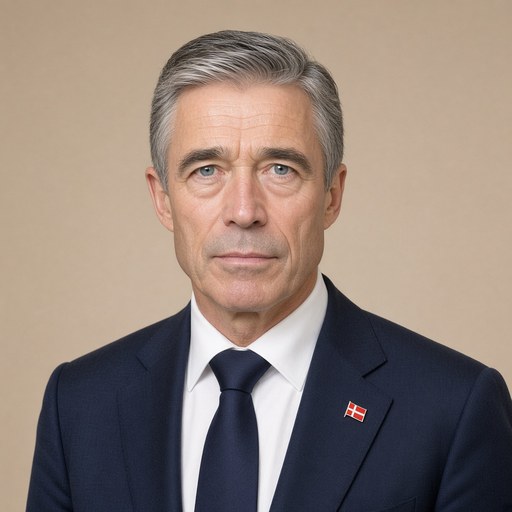
Countdown to Copenhagen Climate Policy and the UN Climate Conference in 2009. Speech by Prime Minister Anders Fogh Rasmussen, University of Copenhagen, February 22, 2008.
 Anders Fogh Rasmussen · Prime Minister of Denmark
- Context
- Rasmussen addressed the University of Copenhagen's Climate Lectures series in February 2008, outlining Danish climate policy ahead of the 2009 UN Climate Conference in Copenhagen.
- Main themes
- Climate change, greenhouse gas emissions, UN climate conference 2009, scientific consensus on global warming, temperature increase projections, consequences of climate change, global emissions reduction targets, economic costs of climate action, EU climate policy, international cooperation, Copenhagen climate negotiations
- Duration
- ~24 min
- Words
- 2,911
- Sentences
- 178
- Readability
- 47
- Grade
- 10.5
- Syntax
- 2.73
- Vocabulary
- 2.13
Translated from Danish
The broad sphere of national life a sentence belongs to. Every sentence has an Arena, so it is the denominator the other indices are read against.
Other178 sentences in 67 paragraphs
Thank you very much for the introduction. And thank you to the rector and Lykke Friis for the invitation to be part of your Copenhagen Climate Lectures.
Climate change is something that concerns us all. And the large number of participants here today shows that many are engaged with this challenge.
Let me start by confessing that I have long been uncertain about the causes of climate change and its consequences. And I still follow the scientific debate with considerable interest.
There is no doubt that the temperature of the planet has fluctuated up and down over hundreds of thousands of years. We know from ice core drilling and other research that there have been periods in Earth's history when it was warmer than now. And we know that there have been periods when it was colder. All of this occurred before human activity and industrialization affected greenhouse gas emissions.
We can therefore state with quite a bit of certainty that periodic fluctuations in temperature have occurred and will occur as a result of factors other than human activity.
But the question is whether human activity and increasing industrialization amplify temperature fluctuations and climate change.
In recent years, a picture has emerged of increasing scientific consensus in this area.
The UN Climate Panel published its Fourth Assessment Report last year. The conclusions of the report are quite clear: global warming is a reality. It is already happening – and it will increase in the future. The global average temperature has risen by 0.76 degrees over the past 100 years.
The Climate Panel predicts an additional temperature increase of 2-4 degrees by the end of the 21st century. In comparison, the global temperature has increased by about 5 degrees since the last ice age, and that has occurred over 5000 years.
So it is not just that we are facing a noticeable climate change. We have experienced that before. What is new is that there is much to suggest that it will happen significantly faster than we have previously experienced – and that human societies today are more vulnerable to climate change in several areas than we have been in the past.
The Climate Panel's conclusions are also very clear regarding the cause of climate change. Especially concerning the significant warming since 1950, it is concluded that it is very unlikely that it can be attributed to natural factors alone. It is human-induced emissions of greenhouse gases that are to blame.
Global emissions of greenhouse gases have increased by 70 percent since 1970. And if we do not succeed in addressing the problem, we must expect an additional increase of about 60 percent by 2030.
The consequences will be dramatic. A mere 2-4 degrees increase in temperature will lead to major changes in the planet's climate. Changes that will have a noticeable impact on humanity and ecosystems. Sea levels will rise. Some island states may completely disappear, and densely populated coastal areas, such as Bangladesh and China, will be severely affected.
Many glaciers will melt. According to the Climate Panel, this will lead to water shortages for one-sixth of the world's population. Severe natural phenomena such as droughts, increased rainfall, storms, and storm surges will threaten the livelihoods of millions of people. And it is estimated that 20-30 percent of the planet's animal and plant species will be at risk of extinction.
But how can we tackle this challenge? The overarching goal of the UN Climate Convention from 1992 is to stabilize the concentration of greenhouse gases in the atmosphere at a level that will prevent dangerous changes in the climate.
What this precisely entails can of course be discussed at length and passionately. In the EU, we already adopted a target in 1996 to limit global warming to 2 degrees. And the new report from the UN Climate Panel seems to confirm that this is a good guideline.
However, this guideline will require rapid and global action, so that greenhouse gas emissions peak within a decade and then decline rapidly, so that global emissions in 2050 are less than half of what they were in 2000. This will initially require significant reductions from developed countries, but the increase in emissions from large developing countries must also be limited if it is to succeed. This is a task that at first glance seems almost insurmountable. But the good news from the UN Climate Panel is that it is both technically and economically possible to achieve this goal – without jeopardizing economic growth and prosperity. But only if we act now, act globally, and utilize the full range of technological and political tools.
The necessary effort will of course cost resources. According to the Climate Panel, the cost will correspond to a reduction of 0.12 percent of the annual growth in the global economy. This corresponds to a reduction of 3 percent of the expected global GDP in 2030 and 5.5 percent in 2050.
But there is also a cost to doing nothing. There is of course great uncertainty about such calculations. But according to the Climate Panel, the costs of doing nothing are roughly as large as the costs of taking action.
There have been many proposals in the debate regarding the costs and benefits of reducing greenhouse gas emissions. And the calculations are in any case very uncertain. But I base my considerations on the UN Climate Panel.
There have been scientific voices in the debate that have disagreed with the Climate Panel's conclusions, against the scientific basis and against the prioritization of climate action. Scientific discussions and disagreements are an essential part of the entire research process, and we should always be open to criticism. There are undoubtedly things we believe we know for certain today that we will have to revise our understanding of in the future.
Conversely, I believe that the "evidence" in the form of the Climate Panel's latest report is so compelling that we must at least assume that part of the global warming is due to human activity. And that part we have a political obligation to counteract.
But regardless of any disagreement and uncertainty about the extent of human-induced climate change, there are in any case good reasons to reform energy policy.
First, oil and gas are not inexhaustible resources. On the contrary. Second, we need to increase the energy supply security of modern, high-productivity societies, whether we are talking about Europe, the USA, or the new large economies like China and India. And third, dependence on oil and gas from a number of unstable countries and regimes poses a strategic problem, just as fluctuating oil prices make markets uncertain for our businesses.
It is simply a matter of common sense to conserve resources and use them as efficiently as possible.
It is the government's clear long-term vision to completely free Denmark from dependence on fossil fuels. To achieve this goal, climate policy must employ instruments that ensure cost-effectiveness and "the most environment for the money."
I would like to point out that the Climate Panel's calculations of the costs and benefits of reducing greenhouse gas emissions are based on the clear assumption that the effort is cost-effective.
And cost-effectiveness requires that at least two conditions are met. First, all major emitters of greenhouse gases must participate in reducing emissions. Second, the reductions must occur where it is cheapest. In other words: Reductions should not be implemented in a sector or country that could alternatively be achieved more cheaply elsewhere with a corresponding reduction in greenhouse gases.
Not everyone likes to hear these facts. But they are a prerequisite for the calculations and conclusions in the reports from the UN Climate Panel.
* * *
In just 22 months, we must achieve a global agreement to combat climate change. It is a huge task, and a huge opportunity. Much is at stake if we do not succeed. But even more is to be gained if we get through.
An agreement will pave the way for a new green, global economy. It will require market-based solutions that ensure that resources are used where we get the most return for our efforts.
Some envision the following simple model: We decide on a global maximum for emissions per capita. This figure could potentially decrease over time. Countries that are above the average could then buy quotas from countries that are below. This would give developed countries an economic incentive to invest in reducing greenhouse gas emissions. Developing countries would receive the necessary capital, both to combat poverty and to develop new technology and improve the environment. And investments would be made where they yield the most reduction in emissions relative to the resources used.
The model is obviously too simple to become a political reality. But I want to make it clear, so it cannot be misunderstood: The fight against human-induced climate change must not be misused to keep poor developing countries in their current situation.
And climate action must not be misused to hinder the industrialized countries' efforts to create continued progress for their populations. All people have a natural expectation of growth and development. The challenge is to ensure sustainable development.
Today, there is a very large difference in emissions per capita from country to country. On average, a citizen of the world emits about 4 tons of CO2 annually. But this masks the fact that, for example, India and China emit about 1 and 4 tons per year, respectively. In Denmark, we emit on average about 9 tons per year, while each American emits 19 tons annually.
Some will argue that rich countries must reduce their emissions themselves rather than buying quotas. However, a global quota system has three central advantages: 1) It reduces the total overall emissions while allowing economies to transition cost-effectively. 2) The quota market creates a price for CO2, which encourages companies to invest in energy efficiency and green energy, and 3) The sale of quotas generates revenue for developing countries.
However, it is likely that in an agreement there will not be a matter of either/or. To get all the major greenhouse gas emitters on board, we must take into account the individual countries and their different situations and conditions, including countries' economic capacity and their ability to adapt. But this must be done without compromising the overall ambition level of the agreement. And it is also important that our companies have as equal competitive conditions as possible in the global market.
The issue of poverty and climate is interconnected. This is especially true for developing countries. It is a paradoxical fact that those who are hardest hit by global warming are the countries that have contributed the least to it.
Both rich and poor countries must therefore work to reduce CO2 emissions and adapt to climate change. But we must also prepare for this to go hand in hand with continued economic growth.
We make a mistake if we want to combat climate change by lowering our standard of living in the rich world and stifling growth in the poor world. It is a prerequisite for an active and effective environmental and climate policy that there is economic prosperity. Partly because it requires financial resources to invest in a better environment. Partly because people naturally require their basic needs for food and health to be met before they have the surplus to worry about the environment and climate.
And economic growth does not necessarily lead to a corresponding increase in energy consumption. Denmark is a good example. Over the past 25 years, we have had almost uninterrupted economic growth in Denmark without significantly increasing energy consumption.
* * *
But how do we reach a global agreement in 2009? A global agreement will require us to recognize the special needs of developing countries and newly industrialized countries, but also their responsibilities. Developed countries cannot effectively handle climate change alone. Even if we in developed countries reduced our CO2 emissions to 0, it would not be enough to limit global warming to 2 degrees in the long term.
We therefore need both developed countries, newly industrialized countries, and developing countries to contribute.
But while we have the responsibility to act together, it is also clear that different countries must have different obligations in relation to their level of development. This is what is called "common but differentiated responsibility." I believe this principle will be fundamental to reaching a global agreement in 2009 here in Copenhagen.
At the UN Climate Conference in Bali, it was possible to agree on a negotiation process that will focus on five building blocks leading up to 2009:
First, a common long-term goal for the international effort. Here, the most common discussion is about a 50 percent reduction by 2050, thereby achieving a maximum global temperature increase of 2 degrees.
It is clear that we in the industrialized countries must lead the way and reduce our emissions the most. The EU has already set an ambitious target of reducing CO2 emissions by 20 percent by 2020 – as part of a global agreement, the EU will reduce by an additional 10 percent.
Second, national commitments to reduce greenhouse gases. It will be very difficult to have a fixed model for all countries. It must be expected that to achieve a comprehensive solution, various special considerations must be taken into account. Deforestation will also become an important part of the negotiations. Today, deforestation in developing countries alone accounts for 20 percent of the world's total CO2 emissions.
Third, adaptation to the expected climate changes, particularly focusing on the poorest and most vulnerable developing countries. The focus must be on the poorest countries, primarily in Africa. In our regular development assistance, we must of course take climate change into account, for example when advising on crops or implementing water projects.
Fourthly, technology. The focus should be on the need to strengthen technology development and dissemination, both in relation to existing and new technology.
In China, the equivalent of three Danish power plants is built every week. These are power plants that almost exclusively run on coal. The lifespan of such plants is 50 to 60 years. The investments made in the next 10 years will lock in emissions for the next 50 to 100 years. Therefore, it is crucial that China builds energy-efficient solutions here and now. It is not just a matter of using more green energy, but that the energy production established is efficient. This can lead to significant savings.
Science and technology development at universities and in the private sector will be central parts of the solution to the climate problem. Therefore, the researchers' conference hosted by the University of Copenhagen in the spring of 2009 will be a key event. The climate issue will draw on the latest knowledge in both natural sciences and social sciences.
Finally, fifthly, financing and investment. While developed countries are capable of shouldering the burdens themselves, developing countries need help to bear their share. Ideally, a cap-and-trade system could accumulate large sums that could assist developing countries in their economic growth, technology acquisition, and adaptation.
* * *
2008 will largely be the "year of thinking," where we hopefully gain more clarity on the question of a long-term reduction target and the framework for medium-term commitments. It is also in 2008 that we should reach an overarching architecture for the new agreement and consensus on which instruments should be used.
Denmark has already initiated extensive climate diplomacy, where a number of activities will help to mature the foundation for the decisions that need to be made in 2009.
The government is deeply committed, and climate has become a central aspect of the entire Danish foreign policy. Business, research, and voluntary organizations are fully engaged – in close cooperation with the government.
At the same time, I have initiated a special climate dialogue, to which I invite leading international experts from business, research, civil society, and government agencies. The dialogue will test and develop the ideas that are being considered for a new global agreement.
* * *
We are facing global warming. The human-induced part of it should be something we strive to prevent. But in any case, it is common sense to reduce dependence on fossil fuels and to ensure a stable energy supply in the future. Everything indicates that the costs of inaction are as great as the price of combating climate change. So we might as well do what is sensible.
The road to the climate summit in Copenhagen is short, but it will not be easy. The government will be fully engaged in the efforts to achieve a new climate agreement by the end of 2009.
As mentioned, the major challenges are: 1) To get all the countries of the world to agree on a global target for reducing greenhouse gas emissions. 2) To get the developed countries to take the lead and significantly reduce their CO2 emissions, while the newly industrialized countries and developing countries contribute to a comprehensive solution. 3) To agree on a global climate regime that does not stifle economic growth and does not distort competition in the global market.
Denmark can help create a global agreement. As the chair of the climate conference, it will be our role to gather support for sustainable solutions that can alleviate the climate problem.
The goal is clear. The task lies ahead of us. We are on our way.
Thank you very much.
The original Danish. The tags above are read on the English translation's sentences.
Mange tak for introduktionen. Og tak til rektor og Lykke Friis for invitationen til at være en del af jeres Copenhagen Climate Lectures.
Klimaforandringer er noget, der vedrører os alle. Og det store antal deltagere her i dag viser, at der er mange, som er optaget af denne udfordring.
Lad mig starte med at bekende, at jeg meget længe har været i tvivl om årsagen til klimaforandringer og deres konsekvenser. Og jeg følger stadig den videnskabelige debat med betydelig interesse.
Der er ingen tvivl om, at temperaturen på kloden har bevæget sig op og ned gennem hundredtusinder af år. Vi ved fra iskerneboringer og anden forskning, at der er perioder i Jordens historie, hvor der har været varmere end nu. Og vi ved, at der er perioder, hvor der har været koldere. Alt sammen før menneskelig aktivitet og industrialisering har påvirket udslippet af drivhusgasser.
Vi kan altså fastslå med ret stor sikkerhed, at periodiske svingninger i temperaturen har forekommet og vil forekomme som følge af andre faktorer end menneskelig aktivitet.
Men spørgsmålet er så, om menneskelig aktivitet og tiltagende industrialisering forstærker temperaturudsving og klimaforandringer.
Der har i de senere år tegnet sig et billede af stigende videnskabelig konsensus på området.
FNs klimapanel udgav sidste år sin Fjerde Hovedrapport. Rapportens konklusioner er ganske klare: global opvarmning er en realitet. Den sker allerede - og den vil tiltage i fremtiden. Den globale middeltemperatur er i løbet af de seneste 100 år steget med 0,76 grader.
Klimapanelet forudsiger en yderligere temperaturstigning på 2-4 grader allerede ved udgangen af det 21. århundrede. Til sammenligning er den globale temperatur siden sidste istid steget med ca. 5 grader, og det er sket over 5000 år.
Det er altså ikke kun det, at vi står over for en mærkbar klimaændring. Det har vi prøvet før. Det nye er, at meget tyder på, at det kommer til at gå væsentligt hurtigere, end vi tidligere har oplevet – og at de menneskelige samfund i dag på en række områder er mere sårbare over for klimaændringer, end vi tidligere har været det.
Klimapanelets konklusioner er også meget klare angående årsagen til klimaforandringerne. Specielt når det gælder den kraftige opvarmning siden 1950, konkluderes det, at det er meget usandsynligt, at den kan skyldes naturlige faktorer alene. Det er de menneskeskabte udledninger af drivhusgasser, som er synderen.
Udledningerne af drivhusgasser er på globalt plan steget med 70 procent siden 1970. Og hvis det ikke lykkes os at tage hånd om problemet, må vi forvente en yderligere stigning på cirka 60 procent inden 2030.
Konsekvenserne vil være dramatiske. Alene 2-4 grader stigning i temperaturen vil medføre store ændringer i klodens klima. Ændringer, der vil få mærkbar betydning for menneskeheden og økosystemerne. Havniveauet vil stige. Nogle ø-stater vil måske helt forsvinde, og tætbefolkede kystområder, som fx Bangladesh og Kina, vil blive hårdt ramt.
Mange gletschere vil smelte. Det vil ifølge Klimapanelet føre til vandmangel for en sjettedel af jordens befolkning. Voldsomme naturfænomener som tørke, øget nedbør, storme og stormfloder vil true livsgrundlaget for millioner af mennesker. Og det anslås, at 20-30 procent af klodens dyre- og plantearter vil være i fare for at uddø.
Men hvordan kan vi håndtere denne udfordring? Det overordnede mål i FNs klimakonvention fra 1992 er, at koncentrationen af klimagasser i atmosfæren skal stabiliseres på et niveau, der vil modvirke farlige ændringer i klimaet.
Hvad dette præcis indebærer, kan naturligvis diskuteres længe og inderligt. I EU vedtog vi allerede i 1996 en målsætning om at begrænse den globale opvarmning til 2 grader. Og den nye rapport fra FN’s klimapanel synes at bekræfte, at dette er en god rettesnor.
Denne rettesnor vil dog kræve hurtig og global handling, så udledningen af drivhusgasser topper i løbet af et årti og herefter aftager hurtigt, så de globale udledninger i 2050 ligger på under halvdelen af, hvad de var i 2000. Dette vil i første omgang kræve store reduktioner for ilandene, men også stigningen i udledningerne fra de store udviklingslande skal begrænses, hvis det skal kunne lykkes. Det er en opgave, der ved første øjekast forekommer nærmest uoverstigelig. Men det gode budskab fra FN’s Klimapanel er, at det er både teknisk og økonomisk muligt at nå dette mål - uden at sætte økonomisk vækst og velstand over styr. Men kun hvis vi handler nu, handler globalt, og tager hele paletten af teknologiske og politiske virkemidler i brug.
Den nødvendige indsats vil selvfølgelig koste ressourcer. Ifølge Klimapanelet vil omkostningen svare til en reduktion på 0,12 procent af den årlige vækst i den globale økonomi. Det svarer til en reduktion på 3 procent af det forventede globale BNP i 2030 og 5,5 pct. i 2050.
Men der er også en omkostning ved ikke at foretage sig noget. Der er selvfølgelig stor usikkerhed om den slags beregninger. Men ifølge Klimapanelet er omkostningerne ved ikke at foretage sig noget stort set lige så store som omkostningerne ved at handle.
Der har i debatten været mange bud på omkostninger og gevinster ved at reducere udledningen af drivhusgasser. Og beregningerne er under alle omstændigheder meget usikre. Men jeg lægger FN’s Klimapanel til grund for mine overvejelser.
Der har i debatten været videnskabelige røster, som har været uenige i Klimapanelets konklusioner, imod det videnskabelige grundlag og imod prioriteringen af klimaindsatsen. Videnskabelige diskussioner og uenighed er en væsentlig del af hele forskningsprocessen, og vi bør altid være åbne overfor kritik. Der er uden tvivl ting, vi tror at vide med sikkerhed i dag, som vi fremover må revidere opfattelsen af.
Omvendt mener jeg, at ”bevismaterialet” i form af Klimapanelets seneste rapport er så overbevisende, at vi i det mindste må lægge til grund, at en del af den globale opvarmning skyldes menneskelig aktivitet. Og den del har vi en politisk forpligtelse til at modvirke.
Men uanset eventuel uenighed og usikkerhed om størrelsen af den menneskeskabte klimaforandring, så er der under alle omstændigheder gode grunde til at omlægge energipolitikken.
For det første er olie og gas ikke uudtømmelige ressourcer. Tværtimod. For det andet har vi behov for at øge de moderne, højproduktive samfunds energiforsyningssikkerhed, hvad enten vi taler om Europa, USA eller de nye store økonomier som Kina og Indien. Og for det tredje udgør afhængigheden af olie og gas fra en række ustabile lande og regimer et strategisk problem, ligesom den svingende oliepris gør markederne for vores erhvervsliv usikre.
Det er ganske enkelt udtryk for sund fornuft at spare på ressourcerne og udnytte dem så effektivt som muligt.
Det er regeringens klare vision på længere sigt helt at frigøre Danmark for afhængigheden af fossile brændstoffer. Skal vi nå det mål, må der i klimapolitikken anvendes instrumenter, som sikrer omkostningseffektivitet og ”mest miljø for pengene”.
Jeg vil gøre opmærksom på, at Klimapanelets beregninger af omkostninger og gevinster ved at reducere udledningen af drivhusgasser bygger på den klare forudsætning, at indsatsen er omkostningseffektiv.
Og omkostningseffektivitet forudsætter, at mindst to krav er opfyldt. For det første skal alle store udledere af drivhusgasser deltage i at skære udledningen ned. For det andet skal nedskæringen ske dér, hvor det er billigst. Med andre ord: Der bør ikke gennemføres reduktioner i en sektor eller et land, som alternativt kunne gennemføres billigere andetsteds med en tilsvarende reduktion af drivhusgasser.
Det er ikke alle, der kan lide at høre disse kendsgerninger. Men de er en forudsætning for beregninger og konklusioner i rapporterne fra FN’s Klimapanel.
* * *
Om bare 22 måneder skal vi opnå en global aftale om at bekæmpe klimaforandringer. Det er en kæmpe opgave, og en kæmpe mulighed. Meget er på spil, hvis ikke vi lykkes. Men endnu mere står vi til at vinde, hvis vi kommer igennem.
En aftale vil åbne vejen for en ny grøn, global økonomi. Det vil kræve markedsbaserede løsninger, der sikrer, at ressourcerne bliver anvendt der, hvor vi får mest udbytte for indsatsen.
Nogle forestiller sig følgende enkle model: Vi beslutter på globalt plan et maksimum for udledninger pr. capita. Eventuelt kunne dette tal være faldende over tid. Lande, der ligger over gennemsnittet, kunne så købe kvoter af lande, som ligger under. Herved ville ilandene få et økonomisk incitament til at foretage investeringer i nedbringelse af udledningen af drivhusgasser. Udviklingslandene ville få tilført den nødvendige kapital, både til bekæmpelse af fattigdom og til udvikling af ny teknologi og forbedring af miljøet. Og investeringerne ville blive foretaget der, hvor det giver mest reduktion af udledningerne i forhold til de ressourcer, der bliver anvendt.
Modellen er selvsagt for enkel til at kunne blive politisk virkelighed. Men jeg vil gerne slå fast, så det ikke kan misforstås: Kampen mod menneskeskabte klimaændringer må ikke misbruges til at fastholde fattige udviklingslande i deres nuværende situation.
Og klimaindsatsen må heller ikke misbruges til at bremse de industrialiserede landes bestræbelser på at skabe fortsat fremgang for deres befolkninger. Alle mennesker har en naturlig forventning om vækst og udvikling. Udfordringen er at sikre en bæredygtig udvikling.
Der er i dag meget stor forskel på udledningen pr. capita fra land til land. I gennemsnit udleder en borger i verden ca. 4 tons CO2 årligt. Men det dækker over, at for eksempel Indien og Kina i gennemsnit udleder ca. 1 hhv. 4 tons pr. år. I Danmark udleder vi i gennemsnit ca. 9 tons pr. år. Mens hver amerikaner udleder 19 tons årligt.
Nogle vil argumentere for, at de rige lande selv må reducere deres udledninger frem for at købe kvoter. Et globalt kvotesystem har dog tre centrale fordele 1) Det reducerer den samlede totale udledning, men giver økonomierne mulighed for at omstille sig omkostningseffektivt. 2) Kvotemarkedet skaber en pris på CO2, som tilskynder virksomhederne til at investere i energieffektivitet og grøn energi, og 3) Kvotesalget skaber provenu til ulandene.
Der vil dog formentlig i en aftale ikke blive tale om enten eller. Skal vi have alle de store udledere af drivhusgasser med, må vi tage hensyn til de enkelte lande og deres forskellige situation og forudsætninger, herunder landenes økonomiske kapacitet og deres mulighed for tilpasning. Men det må ske uden at give køb på aftalens overordnede ambitionsniveau. Og det er også vigtigt, at vore virksomheder så vidt muligt har lige konkurrencevilkår på det globale marked.
Spørgsmålet om fattigdom og klimaet hører sammen. Dette gælder ikke mindst for ulandene. Det er en paradoksal kendsgerning, at de, som bliver ramt hårdest af den globale opvarmning, er de lande, som har bidraget mindst til den.
Både rige og fattige lande må derfor arbejde for at nedbringe CO2-udledningen og tilpasse sig til klimaforandringerne. Men vi må samtidig indstille os på, at dette bør gå hånd i hånd med fortsat økonomisk vækst.
Vi begår en fejl, hvis vi vil bekæmpe klimaforandring ved at sænke vores levestandard i den rige verden og hæmme væksten i den fattige verden. Det er en forudsætning for en aktiv og effektiv miljø- og klimapolitik, at der er økonomisk velstand. Dels fordi det kræver økonomiske ressourcer at investere i et bedre miljø. Dels fordi mennesker naturligt nok kræver deres basale behov for bl.a. mad og sundhed dækket, før de har overskud til at bekymre sig om miljø og klima.
Og økonomisk vækst fører ikke nødvendigvis til en tilsvarende forøgelse af energiforbrug. Danmark er et godt eksempel. Over de sidste 25 år har vi i Danmark haft en næsten uafbrudt økonomisk vækst, uden at vi samtidigt har øget energiforbruget nævneværdigt.
* * *
Men hvordan når vi en global aftale i 2009? En global aftale vil kræve, at vi anerkender de særlige behov for ulande og nyindustrialiserede lande, men også deres ansvar. Ilandene kan ikke effektivt håndtere klimaforandringerne alene. Selv hvis vi i ilandene reducerede vores CO2-udledning til 0, ville det ikke være nok til på sigt at begrænse den globale opvarmning til 2 grader.
Vi har derfor brug for, at såvel ilande, nyindustrialiserede lande som ulande bidrager.
Men mens vi har ansvaret for at handle sammen, er det også klart, at forskellige lande må have forskellige forpligtelser i forhold til deres udviklingsniveau. Det er det, som man kalder et ”fælles, men differentieret ansvar”. Dette princip, mener jeg, bliver helt grundlæggende for at kunne nå en global aftale i 2009 her i København.
Ved FN's klimakonference på Bali lykkedes det at blive enige om en forhandlingsproces, der frem til 2009 skal fokusere på 5 byggesten:
For det første et fælles langsigtet mål for den internationale indsats. Her taler man oftest om 50 procent reduktion i 2050 og derved en maksimal global temperaturstigning på 2 grader.
Det er klart, at vi i de industrialiserede lande skal gå foran og reducere vores udledninger mest. EU har allerede fastsat et ambitiøst mål om at reducere udledningen af CO2 med 20 procent i 2020 - som led i en global aftale vil EU reducere med yderligere 10 procent.
For det andet nationale forpligtelser til reduktion af drivhusgasser. Det vil blive meget vanskeligt med en fast model for alle lande. Det må forventes, at der for at opnå en samlet løsning må tages forskellige særlige hensyn. Også afskovning bliver en vigtig del af forhandlingerne. I dag står afskovning i ulandene alene for 20 procent af verdens totale CO2-udledning.
For det tredje tilpasning til de forventede klimaændringer, særligt med fokus på de fattigste og mest sårbare udviklingslande. Fokus må her være på de fattigste lande, det vil sige primært i Afrika. I vores almindelige udviklingsbistand skal vi selvsagt tage højde for klimaforandringer, fx når vi rådgiver om afgrøder eller laver vandprojekter.
For det fjerde teknologi. Fokus skal være på behovet for at styrke teknologiudvikling og –spredning, både i forhold til eksisterende og ny teknologi.
I Kina bygges der hver uge, hvad der svarer til 3 danske kraftværker. Det er kraftværker, der næsten udelukkende kører på kul. Levetiden for sådanne værker er 50 til 60 år. De kommende 10 års investeringer vil fastlåse udledninger de næste 50-100 år. Derfor er det afgørende, at Kina her-og-nu bygger energimæssigt effektivt. Det er ikke bare et spørgsmål om at bruge mere grøn energi, men at den energiproduktion, der etableres, er effektiv. Derved kan opnås markante besparelser.
Videnskab og teknologiudvikling på universiteterne og i den private sektor vil blive helt centrale dele af løsningen på klimaproblemet. Derfor bliver forskerkonferencen, som Københavns Universitet afholder i foråret 2009, en central begivenhed. Klimaspørgsmålet kommer til at trække på den nyeste viden indenfor både naturvidenskab og samfundsvidenskab.
Endelig for det femte finansiering og investering. Mens ilandene selv er i stand til at løfte byrderne, har ulandene brug for hjælp til at bære deres del. Ideelt set vil et kvotehandelssystem kunne akkumulere store summer, som kunne bistå ulandene i deres økonomiske vækst, teknologierhvervelse og tilpasning.
* * *
2008 vil i høj grad være ”tænkningens år”, hvor vi forhåbentlig får mere klarhed over spørgsmålet om et langsigtet reduktionsmål og rammerne for mellemlange forpligtelser. Det er også i 2008, at vi gerne skulle nå frem til en overordnet arkitektur for den ny aftale og enighed om hvilke instrumenter, der skal anvendes.
Danmark har allerede igangsat et omfattende klimadiplomati, hvor en række aktiviteter skal være med til at modne grundlaget for de beslutninger, der skal træffes i 2009.
Regeringen er dybt engageret, og klima er blevet et centralt aspekt af hele den danske udenrigspolitik. Erhvervsliv, forskning og frivillige organisationer i fuld gang – i nært samvirke med regeringen.
Samtidig har jeg taget initiativ til en særlig klimadialog, hvortil jeg inviterer førende internationale kapaciteter fra erhvervsliv, forskning, civilsamfund og regeringsapparater. Dialogen vil teste og udvikle de ideer, som er fremme i overvejelserne om en ny global aftale.
* * *
Vi står over for en global opvarmning. Den menneskeskabte del af den bør vi gøre en indsats for at forhindre. Men under alle omstændigheder er det sund fornuft at reducere afhængigheden af fossile brændsler og at sikre en stabil energiforsyning i fremtiden. Alt tyder på, at omkostningerne ved passivitet er lige så store som prisen for at bekæmpe klimaforandringerne. Så kan vi lige så godt gøre det fornuftige.
Vejen frem mod klimatopmødet i København er kort, men den bliver ikke let. Regeringen vil være fuldt engageret i bestræbelserne for at opnå en ny klimaaftale inden udgangen af 2009.
Som sagt bliver de store udfordringer: 1) At få alle verdens lande til at blive enige om en global målsætning for reduktion af udledningen af drivhusgasser. 2) At få verdens ilande til at gå foran og reducere deres CO2-udledning markant, samtidigt med at verdens nyindustrialiserede lande og ulandene bidrager til en samlet løsning 3) At blive enige om et globalt klimaregime, der ikke lægger bånd på udviklingen af den økonomiske vækst og ikke forvrider konkurrencen på verdensmarkedet.
Danmark kan være med til at skabe en global aftale. Som formand for klimakonferencen bliver det vores rolle at samle opbakning til holdbare løsninger, der kan afhjælpe klimaproblemet.
Målet er klart. Opgaven ligger foran os. Vi er i gang.
Mange tak.