




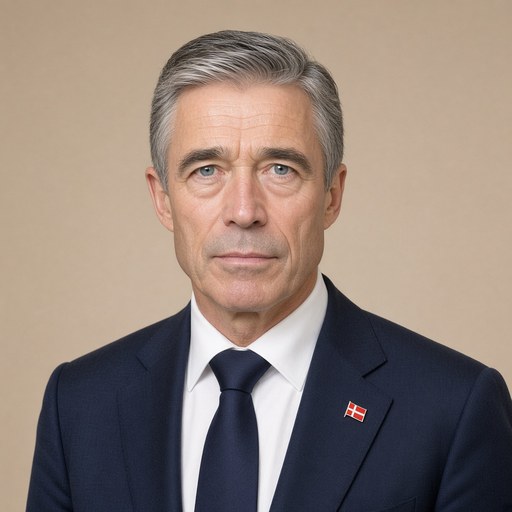
The Prime Minister's speech at the opening of the conference "Home Rule in Iceland for 100 Years - Iceland and Denmark Then and Now" on Friday, March 5, 2004.
 Anders Fogh Rasmussen · Prime Minister of Denmark
- Context
- Rasmussen addressed a conference in Denmark marking the 100th anniversary of Icelandic home rule, reflecting on Danish-Icelandic history and relations on March 5, 2004.
- Main themes
- Icelandic home rule centenary, Danish-Icelandic historical relations, self-determination of peoples, Kingdom of Denmark and its constituent nations, Greenland and Faroe Islands autonomy, Nordic identity and globalization, cultural and linguistic ties, bilateral trade relations, democratic values
- Duration
- ~10 min
- Words
- 1,197
- Sentences
- 87
- Readability
- 44
- Grade
- 9.8
- Syntax
- 2.60
- Vocabulary
- 2.35
Translated from Danish
The broad sphere of national life a sentence belongs to. Every sentence has an Arena, so it is the denominator the other indices are read against.
Other87 sentences in 44 paragraphs
The spoken word is valid - Check against delivery
Mr. Prime Minister, President of the Althing, Speaker of the Folketing, Speaker of the Lagting, Speaker of the Landsting, and Prime Minister. Ladies and gentlemen.
Today we commemorate a 100-year-old event in the shared Danish-Icelandic history. Until 1904, the Danish Minister of Justice was also the Minister for Iceland. On February 1, 1904, Iceland took an important step towards independence. A change in the law established that the Minister for Iceland should reside in Iceland, and the number of elected representatives in the upper chamber of the Althing was expanded to exceed the number of royal appointees.
Both before and after 1904, we see a long series of events that moved towards increasing Iceland's self-determination. From the Constitutional Act of 1874 to the birth of the Icelandic Republic in 1944.
Each individual event contained, in reality, a compromise between the fundamental Icelandic desire for independence and a hesitant Danish attitude.
The step taken in 1904 was the right one. The overall negotiation process that ultimately led to Iceland's independence was long and fraught with difficulties.
Too long and too fraught, we would say today.
But every historical event deserves to be assessed in the light of its time. The development we have undergone over the past 100 years has been colossal. Both technically and in terms of attitudes.
The end of the 19th century and the beginning of the 20th century was a time of transition. Attitudes towards participation and the perception of democracy changed, as was also expressed in the system shift in 1901. And it is within this historical framework that we must view the Danish-Icelandic negotiations.
History has taught us that our relations must develop through dialogue and responsiveness to the wishes that are rooted in the population. The right of peoples to self-determination is a fundamental principle for me. The Icelandic people chose independence. We obviously respect that from the Danish side. And we are pleased with the very warm and positive relationship that today characterizes the connections between Iceland and Denmark.
Also in Greenland and the Faroe Islands, the future relationship with Denmark is continuously debated. From the Danish side, we affirm our solidarity in the Kingdom. We are committed to a continued development and modernization of the Kingdom. And we would like to see a continuation of the Kingdom between the Faroe Islands, Greenland, and Denmark. But ultimately, it is the Faroese people and the Greenlandic people who decide how the future relationship with Denmark should be.
In the age of globalization, it is important to be aware of one's cultural and historical roots. But that does not mean that we should turn inward and try to shield ourselves from the rest of the world. On the contrary, we should see our Nordic uniqueness as an important ballast in the increasingly sharp international competition of the future. The societies that can combine a strong cultural awareness with initiative and technological capability will be the winners of the 21st century.
Here, Iceland and Denmark stand strong. If we handle the challenges wisely, we can look to the future with confidence.
* * *
And the historical awareness and consciousness in Iceland is great. The past and present often merge - without being locked in the past. I felt this clearly when I visited Iceland last spring.
It was a particular pleasure for me during my visit to Iceland to return the Constitutional Act of 1874 to Iceland.
It was a testament to our close friendship and neighborliness. And a testament to our respect for the Icelandic people's right to self-determination.
It was also a special joy to see the famous Icelandic manuscripts in the new Culture House in Reykjavik. The manuscripts have, as is known, also been previously returned by Denmark.
* * *
The relationship between Iceland and Denmark is unique. We have close cultural and linguistic ties.
Iceland is the only country in the world where Danish is a mandatory foreign language in schools.
This is a relationship that we from the Danish side greatly appreciate and actively support with Danish travel teachers. And I am very pleased that the education ministers of our two countries unanimously decided in November last year to extend and strengthen the joint effort to enhance Danish language teaching in Iceland.
Iceland and Denmark have many other close relations.
Our trade is significant. Iceland is actually the country in the world that buys the most goods from Denmark per capita. More than our other Nordic brothers, Sweden, Norway, and Finland, who otherwise follow suit.
Iceland and Denmark are solid democratic societies and solid representatives of the Nordic peoples and Nordic values. For openness, liberalism, and moderation.
We are close partners internationally. In Nordic cooperation, in the UN, and in Europe.
Iceland is holding the presidency of the Nordic Council this year. The Icelandic theme is 'Nordic Resources' with a special focus on democracy, culture, and nature.
This is a particularly well-chosen focus for Iceland - for the home of the Althing, the sagas, and the geysers.
Iceland and Denmark also cooperate in the area of security policy. In NATO, in Iraq, and in Afghanistan. Danish and Icelandic soldiers face common tasks under difficult conditions.
I had the pleasure of meeting the top professional Icelandic deminers when I recently visited the Danish forces in Iraq.
We cooperate in relation to Europe, where the expansion of the EEA will occur in parallel with the historic expansion of the EU from 15 to 25.
And yes - we cooperate in relation to Japan, where the Nordic countries are creating a joint exhibition at the World Expo in Aichi, Japan, in 2005. In this way, we will show the world that the Nordic region is one borderless region with shared cultural and historical traits.
* * *
The shared Danish-Icelandic history is long. We do not have the same formal frameworks today, but we still have a common Nordic affinity. Our connections – in the international community and directly between our countries – bind us together.
It is important that we maintain the close connections between Iceland and Denmark in the years to come. This requires attention.
We must continuously nurture our cultural and historical community. And we must ensure a continued effort to maintain our linguistic kinship.
It is my hope that this conference can make its modest contribution to this goal.
Here, a series of interesting presentations are laid out, and there is an opportunity to discuss both the historical events and the contemporary relations between our countries.
* * *
I will conclude with a small quote from the Vikings' Wisdom, Hávamál, which I greatly appreciate and which I also quoted during my visit to Iceland last spring:
“To a good friend, shortcuts lead, if he lives far from you.”
Iceland and Denmark are far from each other. But we in Denmark feel a close neighborliness and friendship with Iceland and the Icelandic people.
Today we stand at the North Atlantic Wharf. It is a distinguished setting for today's conference. And it is a distinguished shortcut between our two nations.
I wish everyone a very good conference.
The original Danish. The tags above are read on the English translation's sentences.
Det talte gælder - Check against delivery
Hr. statsminister, Altingspræsident, formand for Folketinget, formand for Lagtinget, formand for Landstinget og landsstyreformand. Mine damer og herrer.
Vi markerer i dag en 100 år gammel begivenhed i den fælles danske-islandske historie. Indtil 1904 var den danske justitsminister også minister for Island. Den 1. februar 1904 tog Island et vigtigt skridt på vejen mod selvstændighed. En lovændring gennemførte, at ministeren for Island skulle have bopæl i Island, og at antallet af folkevalgte i Altingets øverste afdeling blev udvidet og herefter oversteg antallet af kongevalgte.
Både før og efter 1904, ser vi en lang række begivenheder, der gik i retning af at øge Islands selvbestemmelse. Fra Forfatningsloven i 1874 til den islandske republiks fødsel i 1944.
Hver enkelt begivenhed indeholdt i realiteten et kompromis mellem det grundlæggende islandske ønske om selvstændighed og en nølende dansk holdning.
Skridtet i 1904 var rigtigt. Det samlede forhandlingsforløb, der i sidste ende førte til Islands selvstændighed, var langt og problemfyldt.
For langt og for problemfyldt, vil vi sige i dag.
Men enhver historisk begivenhed fortjener at blive vurderet i sin samtids lys. Den udvikling, vi har været igennem de seneste 100 år, har været kolossal. Både teknisk og holdningsmæssigt.
Slutningen af det 19. århundrede og begyndelsen af det 20. århundrede var en brydningstid. Holdningerne til medbestemmelse og opfattelsen af demokrati ændredes, sådan som det også kom til udtryk ved systemskiftet i 1901. Og det er i denne historiske ramme, vi skal se de dansk-islandske forhandlinger.
Historien har lært os, at vore relationer må udvikles gennem dialog og imødekommenhed over for de ønsker, som er funderet i befolkningen. Folkenes selvbestemmelsesret er et helt grundlæggende princip for mig. Det islandske folk valgte selvstændigheden. Det respekterer vi selvsagt fra dansk side. Og vi glæder os over det meget varme og positive forhold, som i dag kendetegner forbindelserne mellem Island og Danmark.
Også i Grønland og på Færøerne bliver den fremtidige tilknytning til Danmark løbende debatteret. Fra dansk side vedstår vi os solidariteten i Rigsfællesskabet. Vi er indstillet på en fortsat udvikling og modernisering af Rigsfællesskabet. Og vi ser gerne en fortsættelse af Rigsfællesskabet mellem Færøerne, Grønland og Danmark. Men til syvende og sidst beslutter det færøske folk og det grønlandske folk selv, hvordan den fremtidige tilknytning til Danmark skal være.
I globaliseringens tidsalder er det vigtigt at være bevidst om sine kulturelle og historiske rødder. Men det betyder ikke, at vi skal vende os indad og forsøge at afskærme os fra resten af verden. Tværtimod skal vi se vores nordiske egenart som en vigtigt ballast i fremtidens stadigt skarpere internationale konkurrence. De samfund, som kan kombinere en stærk kulturel bevidsthed med initiativ og teknologisk formåen, vil være det 21. århundredes vindere.
Her står Island og Danmark stærkt. Hvis vi håndterer udfordringerne klogt, kan vi se fremtiden i møde med fortrøstning.
* * *
Og den historiske bevågenhed og bevidsthed i Island er stor. Fortid og nutid smelter ofte sammen - uden at man er låst fast i fortiden. Det mærkede jeg tydeligt, da jeg sidste forår besøgte Island.
Det var mig en særlig glæde under mit besøg i Island at bringe Forfatningsloven af 1874 tilbage til Island.
Det var et vidnesbyrd om vort nære venskab og naboskab. Og et vidnesbyrd om vor respekt for det islandske folks selvbestemmelsesret.
Det var også en særlig glæde at se de berømte islandske håndskrifter i det nye Kulturhus i Reykjavik. Håndskrifterne er som bekendt også tidligere tilbageleveret af Danmark.
* * *
Forholdet mellem Island og Danmark er enestående. Vi har nære kulturelle og sproglige bånd.
Island er det eneste land i verden, hvor dansk er obligatorisk fremmedsprog i skolerne.
Det er et forhold, vi fra dansk side sætter stor pris på og aktivt støtter med danske rejselærere. Og jeg er meget glad for, at vore to landes undervisningsministre i november sidste år i enighed besluttede at forlænge og forstærke den fælles indsats for at styrke danskundervisningen i Island.
Island og Danmark har mange andre nære relationer.
Vor samhandel er betydelig. Island er faktisk det land i verden, som køber flest varer fra Danmark målt per indbygger. Flere end vore andre nordiske brødre, Sverige, Norge og Finland, som ellers følger trop.
Island og Danmark er solide demokratiske samfund og solide repræsentanter for de nordiske folk og de nordiske værdier. For åbenhed, frisind og besindighed.
Vi er nære partnere internationalt. I det nordiske samarbejde, i FN og i Europa.
Island varetager i år formandskabet i Nordisk Råd. Det islandske tema er ’Nordens ressourcer’ med særligt fokus på demokrati, kultur og natur.
Dette er et særdeles velvalgt fokus for Island - for Altingets, saga’ernes og gejsernes hjemland.
Island og Danmark samarbejder også på det sikkerhedspolitiske område. I NATO, i Irak og i Afghanistan. Danske og islandske soldater står over for fælles opgaver under vanskelige forhold.
Jeg havde selv fornøjelsen at møde de topprofessionelle islandske mineryddere, da jeg for nylig besøgte de danske styrker i Irak.
Vi samarbejder i forhold til Europa, hvor udvidelsen af EØS vil ske parallelt med den historiske udvidelse af EU fra 15 til 25.
Og ja - vi samarbejder i forhold til Japan, hvor de nordiske lande laver en fælles udstilling ved Verdensudstillingen i Aichi i Japan i 2005. Vi vil på den måde vise verden, at Norden er én grænseløs region med fælles kulturelle og historiske træk.
* * *
Den fælles dansk-islandske historie er lang. Vi har ikke i dag de samme formelle rammer, men vi har fortsat en fælles nordisk samhørighed. Vore forbindelser – i det internationale samfund og direkte mellem vore lande – knytter os sammen.
Det er vigtigt, at vi fastholder de nære forbindelser mellem Island og Danmark også i årene fremover. Det kræver opmærksomhed.
Vi skal løbende pleje vort kulturelle og historiske fællesskab. Og vi skal sikre en fortsat indsats for at fastholde vort sproglige slægtskab.
Det er mit håb, at denne konference kan yde sit beskedne bidrag til dette mål.
Her er lagt op til en række interessante indlæg og mulighed for at drøfte både de historiske begivenheder og de nutidige relationer mellem vore lande.
* * *
Jeg vil afslutte med et lille citat fra Vikingernes Visdomsord, Hávamál, som jeg sætter stor pris på, og som jeg også citerede under mit besøg i Island sidste forår:
”Til en god ven fører genveje, hvis han bor langt fra dig”.
Island og Danmark ligger langt fra hinanden. Men vi føler i Danmark et tæt naboskab og venskab med Island og det islandske folk.
Vi står i dag i Den Nordatlantiske Brygge. Det er en fornem ramme om dagens konference. Og det er fornem genvej mellem vore to nationer.
Jeg vil ønske alle en rigtig god konference.