




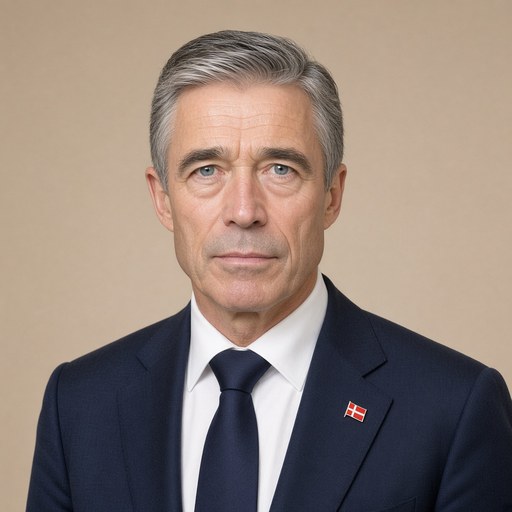
Results for Europe. Speech by Prime Minister Anders Fogh Rasmussen at the University of Copenhagen on Friday, April 21, 2006.
 Anders Fogh Rasmussen · Prime Minister of Denmark
- Context
- Rasmussen addressed the University of Copenhagen on April 21, 2006, outlining Europe's challenges with globalization, EU reform, and the stalled Constitutional Treaty ratification.
- Main themes
- EU reform and results, globalization and economic competitiveness, Constitutional Treaty fate, popular support for European cooperation, EU enlargement, internal market and common currency, EU institutional reform, Denmark and the EU, China and India as emerging economies, EU decision-making effectiveness
- Duration
- ~31 min
- Words
- 3,725
- Sentences
- 256
- Readability
- 46
- Grade
- 10.4
- Syntax
- 2.68
- Vocabulary
- 2.16
Translated from Danish
The broad sphere of national life a sentence belongs to. Every sentence has an Arena, so it is the denominator the other indices are read against.
Other256 sentences in 123 paragraphs
Europe is facing significant challenges in these years. Globalization is upon us. But economically, Europe is lagging behind the USA. At the same time, we see new economies in the East, not least China and India, growing rapidly. The EU's ambitious goal of being the most competitive economic entity by 2010 places great demands on the willingness to reform in the member states.
Politically, everyday life has also returned after the success of the latest enlargement in 2002. The Constitutional Treaty, which was supposed to crown the efforts after the enlargement, has been rejected in two of the EU's original member states. The decision to take a pause was seen by many as an expression that the EU cooperation is in crisis.
What has gone wrong, one might ask? Has the cooperation come to a standstill?
My answer is that the EU has been and continues to be a success. But whether the EU remains a success in the future depends on how we tackle the challenges that Europe faces.
Europe is facing two challenges. One is how Europe addresses globalization in its broadest sense. The other is what I would call the popular challenge. How do we ensure that citizens support the development of European cooperation and feel that the EU is also beneficial to them?
The two challenges are inextricably linked. An EU that delivers results in relation to the challenges posed by globalization is a prerequisite for popular support.
We must acknowledge that the EU in recent decades has been very focused on its own development. Five new treaties in less than 20 years. And from 12 to 25 - soon 27 - member states at the same time. Many citizens have a sense that the EU has been more about institutions, procedures, and paragraphs than about concrete progress that benefits the citizens.
That said, we must not forget the many significant results that the EU has delivered. The EU has been primarily responsible for ensuring freedom and peace, growth and prosperity in Europe since World War II. And in recent years, the internal market, the common currency, and most recently the large enlargement with the countries of Central and Eastern Europe have united the countries around some very large, common projects.
Today, it is difficult to envision similar large EU projects. This does not mean that we should shelve the vision of a strong and committed cooperation. I believe in a strong and integrated community in the EU. But the work of creating concrete results must not be overshadowed by lofty political projects.
* * *
I will not refrain from saying a few words about the Constitutional Treaty, which is indeed the reason for the pause we are currently in.
The fate of the Constitutional Treaty is still uncertain. My guess is that there will not be a clarification for the time being. I expect that the pause at the summit in June will be extended.
I am very disappointed with the situation we are in. For the Constitutional Treaty is good from a Danish perspective. It contains concrete progress in relation to the challenges and tasks that the EU faces. Therefore, I would have very much liked to see the treaty ratified.
It would also have given us the opportunity to reconsider the reservations afterwards.
But we must respect the outcome of the referendums in France and the Netherlands. As long as France and the Netherlands cannot approve the treaty, it is shelved.
It is too early to say what a clarification might lead to. There are three possible options:
First, that a solution is found to France's and the Netherlands' problem, and that the ratification process continues. There is currently not much to suggest that this will happen.
Second, that there is agreement to completely abandon the Constitutional Treaty and continue cooperation based on the existing Nice Treaty. But I find it hard to see that option. A majority of the member states have already ratified the Constitutional Treaty. They are unlikely to accept continuing on the existing treaty basis as if nothing has happened.
Third, that there is agreement to negotiate a new treaty.
The ball is now primarily in the court of France and the Netherlands. Regardless of how it ends, the challenges that the EU faces remain the same. The enlarged EU must be able to function effectively and represent the interests of Europeans. Therefore, many of the proposals in the Constitutional Treaty are obviously correct. This includes proposals for more effective decision-making mechanisms, increased democratization, including transparency in the legislative process, a permanent president of the European Council, an EU foreign minister, and in general, creating clarity about the EU's structure and values.
The discussion about the fate of the Constitutional Treaty will not disappear by itself. We need to achieve clarity at some point. Otherwise, I fear that the EU will continue to return to that - instead of concentrating efforts on what it is all about: A close and committed cooperation that delivers results for the benefit of the citizens.
* * *
We are entering a new phase of the EU's development. After 20 years of large and significant projects, we should now focus on concrete political tasks. A whole series of projects that together constitute a massive effort to create concrete results for the populations of Europe.
In relation to the development of the last 20 years, this is a new approach to European cooperation. Instead of a few mega-projects, it will henceforth be the quantity and sum of many small and concrete projects that will ensure progress in European cooperation.
I will call this new strategy "Europe of Results." And today I will outline a work program for such a Europe of Results.
I see particularly three major tasks for the EU in the coming years.
First: How do we ensure that Europe is able to create growth and employment in the future? And thus social security.
Second: How do we ensure citizens' security and safety in relation to cross-border problems? How do we effectively combat terrorism, organized crime, and illegal immigration? How do we ensure food security and environmental and climate protection?
Third: How do we strengthen the EU's ability to represent Europeans' interests on the international stage?
Growth and employment in Europe
Europe needs reforms that create growth, ensure more jobs, and prepare us for globalization. This involves labor market reforms, education reforms, welfare reforms, and much more. The responsibility for implementing these reforms lies primarily with the member states. Some have progressed further than others. Denmark is at the forefront in most areas.
But it is also a common challenge. Therefore, we in the EU must exchange national experiences and inspire each other. But first and foremost, we in the EU must work closely together in areas where there is added value to be gained. Let me point to five areas:
First, we must further develop the Internal Market.
We need an internal market for services.
We must continue to strengthen competition at the EU level - for example, by making it cheaper to make payments across borders and use mobile phones across borders.
We must ease the administrative burdens for businesses.
We must combat economic nationalism and protectionism in the EU.
We must become better at attracting highly skilled labor.
Second, we should aim to create a real internal market for research, development, and education. Research, development, and education are crucial to ensuring welfare in Europe in the years to come. A European initiative in this area must therefore be given the highest priority.
In January 2004, I launched an ambitious plan to strengthen research, development, and education at the European level. Since then, Denmark has been a front-runner in this matter. And we have already achieved good results:
We have achieved an increase in spending on research and development of 75% over the next 7 years.
We have ensured the establishment of a European Research Council to support research at the highest level in Europe.
We have ensured that the number of exchange students will gradually increase by about 10,000 per year by 2013.
But we must go further. Not least when it comes to mobility for researchers, students, and educators. It should be a completely normal element in educational and research careers to spend a period in another EU country. Europe must be able to attract and retain the best minds.
We must establish a common European technology institute.
We must strengthen competition among universities in Europe through benchmarking.
We must enhance mobility through an even stronger focus on exchange programs. The goal must be to double the current level.
Third, we must create an internal market for energy. We must ensure that European businesses and consumers have access to sufficient and affordable energy while promoting sustainable energy.
We must continue the liberalization of electricity and gas markets in Europe.
We must ensure the necessary expansion of the electricity and gas grid across borders.
We must ensure more transparency regarding gas storage and consider common requirements for gas storage in the member states.
We must increase energy efficiency and the use of renewable energy in the EU - among other things through common goals and support for more research at the EU level.
And finally, it would be a good idea to establish a permanent forum for cooperation between energy producers and consumers - a kind of "energy OSCE."
Fourth, we must strengthen consumer protection at the community level. Specifically, I propose:
that the Commission commits to consulting a consumer committee in all matters concerning consumer issues before presenting proposals.
that we in the EU develop a common European labeling system for food. We need a system at the European level that clearly identifies healthy foods and promotes public health.
Finally, fifth, we should not only liberalize trade in Europe but also globally. For our own benefit, but not least for the developing countries. We must therefore fight hard to reach a WTO agreement. Unfortunately, the prospects for an ambitious outcome are not bright at the moment. The EU should therefore in the future put more effort into entering into bilateral trade agreements between the EU and third countries. Bilateral agreements with countries, especially in Asia, which can ensure us better and more stable trade, are therefore also a way forward.
Citizens' security and safety
The second major challenge for Europe is to effectively address the cross-border problems that create insecurity and uncertainty among citizens in the EU.
This particularly concerns issues such as environmental protection and the fight against man-made climate change. These are clearly problems that we can best solve together at the EU level. The EU has already made significant progress in the environmental field, not only for the benefit of all of Europe - but also for Denmark.
The EU is of enormous benefit to the environment. Of 192 EU legal acts in the environmental field from 1994 to 2006, 83 have had a positive impact on environmental protection in Denmark. 107 have been neutral in relation to the protection level in Denmark. Only in 2 cases have EU rules represented a deterioration compared to Danish rules.
The new chemicals directive is a good example. With the directive, we will register about 30,000 chemicals and keep track of the most dangerous ones. This will mean significant environmental improvements and better working conditions throughout Europe.
We must also continue to maintain and strengthen EU cooperation on environmental protection. We must:
promote new environmental technologies, including prioritizing this area within the 7th research framework program.
strengthen research into alternative energy sources.
work for ambitious common rules on reducing air pollution. We have already jointly adopted common frameworks for the protection of water and nature. Now is the time to tackle air pollution.
The benefits of close EU cooperation in addressing cross-border problems are also evident in the fight against international terrorism, organized crime, and illegal immigration. The EU has already delivered many results in these areas. But we must continue and set new goals.
Let me be specific: We must strengthen practical and operational cooperation in the EU. We must, among other things, ensure a more effective exchange of information between police authorities, including through the development of the Schengen Information System and cooperation in Europol.
Human trafficking and illegal immigration are a major challenge for Europe. Hundreds of thousands enter the EU illegally. Some are women and children who are sold into prostitution by cynical traffickers. Others are poor people fleeing from countries without a future to find work.
Recently, we have seen how many try their luck across the Mediterranean in small boats. To the Italian and Spanish coasts, to Malta or to the Canary Islands. Many hundreds drown in the attempt. It is deeply tragic.
Closing the borders and building a wall around Europe does not solve the problems by itself.
We need more effective control of the EU's external borders, which also stops human trafficking as well as arms and drug smuggling.
We must strengthen operational cooperation in the EU's border agency and establish a visa information system with biometric identifiers.
We must strengthen the EU's cooperation on the return of persons illegally residing in the EU. And we must ensure a safe return to their countries of origin.
But that alone is not enough.
We must also strengthen efforts in the neighboring areas regarding refugees and illegal immigrants. We must help them and the authorities in the areas from which they immigrate before they set off towards Europe. Denmark has taken the lead in cooperation with the UN High Commissioner for Refugees, but we must go further. Through the EU, we must:
Support the building of capacities in the neighboring areas to handle refugee flows. This includes control, administrative capacity, and cooperation between European and local authorities.
Invest in structures that can provide refugees with a livelihood in the region. This involves securing work, education, health, etc.
The neighborhood initiative must go hand in hand with the EU's other development aid, trade agreements, and foreign policy regarding the regions from which the illegal refugees come - both in the EU's neighboring countries and further afield.
A strong common foreign and security policy
This brings me to the EU's foreign policy challenges. What do we do about the poverty, unrest, unfreedom, and instability that send people fleeing towards Europe? What do we do about security threats such as international terrorism and the proliferation of weapons of mass destruction?
These are challenges that the EU is already facing today. The question is how we can best strengthen the EU's ability to tackle the major challenges - and to safeguard European interests in the rest of the world?
I would particularly like to highlight three areas where progress is needed:
We must strengthen the common foreign and security policy through better coordination of the EU's policies on the international stage. We must enhance the EU's ability to act in crises and provide assistance to EU citizens internationally. And perhaps most importantly: we must develop new forms of cooperation with the EU's neighboring countries.
Most people know that the EU today is one of the world's two largest economies. In terms of the size of the economy and foreign trade, the EU carries the same weight as the USA. Few know that the EU together accounts for about 55% of all the world's development aid.
This economic weight must be used more actively in the EU's foreign and security policy. At the same time, we must become better at utilizing the entire EU toolbox.
The strength of the EU is precisely that the Union has a very broad palette of instruments at its disposal. But we must become better at using these instruments so that they constitute a coherent and comprehensive policy.
It is also about the EU speaking with one voice in the world and acting collectively. We must improve our ability to formulate and pursue a common policy.
Already today, we have good examples of the EU's foreign policy significance. We experienced this from the Danish side in the case of the Muhammad cartoons.
The EU expressed full solidarity with Denmark. Solana's tour of the Middle East was of great importance. And Trade Commissioner Mandelson played a significant role in keeping the boycott of Danish products at bay. The Muhammad case has shown the value of being a member of a strong and supportive community - not least for a small country like Denmark.
We can strengthen the EU's foreign policy within the framework of the current treaty. Specifically, I propose:
that we increasingly use majority decisions within the common foreign and security policy that we strengthen Solana's staff.
that we fully utilize the Commission's many tools in foreign policy, particularly the trade and development policy tools.
that we ensure more effective coordination, including better cooperation between Solana and the Commission and better use of the Commission's delegations around the world. I would like to see us move towards a common foreign service that can give the EU a common face abroad in third countries.
The second area where the EU should strengthen its efforts is in safeguarding citizens' interests in an increasingly global world.
In recent years, we have witnessed a number of disasters around the world. Be it natural disasters like the tsunami, terrorist attacks like those in Bali and Egypt, or unrest during the embassy burnings. It is evident that we in the EU must work closely together when EU citizens are threatened.
We must strengthen the consular cooperation between EU countries' embassies outside Europe.
We must strengthen common crisis preparedness and evacuation procedures for EU citizens outside the EU.
We must come together to establish sufficient airlift capacity for disaster assistance and evacuation.
And we must strengthen cooperation on civil preparedness.
The third and perhaps greatest challenge is the relationship with the EU's neighboring countries and the further enlargement process. Throughout the EU's history, enlargement has been the central instrument for spreading freedom, security, and prosperity in Europe. This policy has been a tremendous success.
Just look at the enlargement with countries like Greece, Spain, and Portugal, which just a few decades ago were dictatorships. And most recently, the enlargement with the Central and Eastern European countries. How would Europe look today if we had let the Eastern European countries go their own way 15 years ago?
The same applies to the countries of the Western Balkans. The EU has made a tremendous effort over the past 15 years to stabilize the region. It is important that we continue to take our responsibility towards the countries of the Balkans seriously. They are part of Europe. It is important that the perspective of EU membership is credible, even though membership may not be on the table for many years. This way, we can encourage them to implement the reforms that can make them a stable and well-functioning part of Europe.
In general, we must stand by the promises we have made. But that said, it is also clear that the enlargement policy has its limitations as a stability-creating instrument. There are limits to how quickly and how far the EU can expand if the EU cooperation is to maintain its ability to provide solutions to Europe's challenges.
The question of the EU's external borders is naturally becoming more pressing. Let me make it clear: I do not believe it is possible to draw a line through Europe once and for all.
But we must take the EU's ability to admit new members much more seriously. This applies to the EU's decision-making capacity, the EU's common policies, and the support of the populations behind the EU. We cannot solely rely on the promise of EU membership as the EU's primary foreign policy instrument.
As an alternative, we therefore need to invest much more in developing an attractive neighborhood policy. A policy that offers reform tools to countries that may never or only far into the future can be considered for EU membership.
I envision that we will eventually move towards a genuine pan-European economic area. An area with free trade and economic cooperation between the EU and the EU's neighboring countries.
A pan-European economic area must also involve strengthening the EU's neighborhood policy. We must ensure that neighboring countries:
to a greater or lesser extent can gain access to participate in the EU's internal market can participate in a number of EU programs, such as student exchanges, research programs, etc.
can receive substantial financial support for reforms - for example, for anti-corruption, border control, and judicial reform.
As we move towards a pan-European economic area, we must also consider whether countries in certain defined areas should have the opportunity to come closer to the EU's decision-making process.
It is in the EU's interest to ensure stable neighbors rooted in democracy and market economy.
Conclusion
The EU today bears the main responsibility for developments on the European continent. It is up to us collectively to take on that task.
This is a colossal challenge. We must together create growth, ensure more jobs, and prepare ourselves for the challenges of globalization. We must collectively solve a number of cross-border problems, including better environmental protection and more effective combat against terrorism, organized crime, and illegal immigration. And we must collectively strengthen the role of Europeans on the international stage.
The answers must be found in a targeted effort on concrete projects that together constitute an ambitious strategy for a "Europe of results."
A Europe of results that focuses on tangible solutions and progress rather than lofty goals and illusions.
A Europe of results that emphasizes the development of policy rather than changes to treaties.
A Europe of results that prioritizes the expansion of concrete cooperation rather than the expansion of institutions.
A Europe of results where each individual citizen in Europe can clearly see that the EU is the practical tool to solve the tasks and challenges that we can better address together than alone.
A Europe of results where Denmark plays an active role in setting the agenda. Where Denmark comes forward with concrete proposals for the development of cooperation. Where Denmark is purposefully at the core of the EU.
A Europe of results in close harmony with the concrete needs, desires, and goals that we Europeans have.
The original Danish. The tags above are read on the English translation's sentences.
Europa står overfor store udfordringer i disse år. Globaliseringen er over os. Men økonomisk halter Europa efter USA. Samtidig ser vi nye økonomier i Øst, ikke mindst Kina og Indien, vokse hastigt frem. EU's ambitiøse målsætning om at være den mest konkurrencestærke økonomiske enhed i 2010 stiller store krav til reformviljen i medlemslandene.
Også politisk har hverdagen meldt sig efter succesen med den seneste udvidelse i 2002. Forfatningstraktaten, der skulle have været kronen på værket efter udvidelsen, er blevet afvist i to af EU's oprindelige medlemslande. Beslutningen om tænkepausen blev af mange set som et udtryk for, at EU-samarbejdet er i krise.
Hvad er gået galt, kan man så spørge? Er samarbejdet kørt fast?
Mit svar er, at EU har været og fortsat er en succes. Men om EU også fremover forbliver den succes afhænger af, hvordan vi tackler de udfordringer, Europa står overfor.
Europa står overfor to udfordringer. Den ene er, hvordan Europa tackler globaliseringen i sin bredeste forstand. Den anden er, hvad jeg vil kalde den folkelige udfordring. Hvordan sikrer vi, at borgerne bakker op om udviklingen af det europæiske samarbejde og oplever, at EU også er til gavn for dem?
De to udfordringer hænger uløseligt sammen. Et EU, der leverer resultater i forhold til de udfordringer, som globaliseringen stiller os overfor, er en forudsætning for folkelig opbakning.
Vi må erkende, at EU i de seneste årtier har været meget optaget af sin egen udvikling. 5 nye traktater på mindre end 20 år. Og fra 12 til 25 - snart 27 -medlemslande på samme tid. Mange borgere har en fornemmelse af, at EU har handlet mere om institutioner, procedurer og paragraffer end om konkrete fremskridt til gavn for netop borgerne.
Når det er sagt, må vi ikke glemme de mange store resultater, som EU har leveret. EU har siden Anden Verdenskrig været hovedansvarlig for at sikre frihed og fred, vækst og velstand i Europa. Og i de senere år har det indre marked, den fælles valuta og senest den store udvidelse med landene i Central- og Østeuropa samlet landene om nogle meget store, fælles projekter.
I dag er det svært at se samme store EU-projekter for sig. Det betyder ikke, at vi skal lægge visionen om et stærkt og forpligtende samarbejde på hylden. Jeg tror på et stærkt og integreret fællesskab i EU. Men arbejdet med at skabe konkrete resultater må ikke overskygges af luftige politiske projekter.
* * *
Jeg vil ikke undlade at sige et par ord om forfatningstraktaten, som jo er anledningen til den tænkepause, vi er midt i.
Forfatningstraktatens skæbne er stadig uvis. Mit bud er, at der ikke kommer en afklaring foreløbig. Jeg forventer, at tænkepausen på topmødet til juni vil blive forlænget.
Jeg er meget ærgerlig over den situation, vi står i. For forfatningstraktaten er god set med danske øjne. Den indeholder konkrete fremskridt i forhold til de udfordringer og opgaver, EU står overfor. Derfor havde jeg meget gerne set traktaten ratificeret.
Det ville også have givet os lejlighed til derefter at tage forbeholdene op til overvejelse igen.
Men vi må respektere resultatet af folkeafstemningerne i Frankrig og Holland. Så længe Frankrig og Holland ikke kan godkende traktaten, er den lagt på hylden.
Det er for tidligt at sige, hvad en afklaring kan føre til. Der er tre mulige optioner:
For det første, at der bliver fundet en løsning på Frankrigs og Hollands problem, og at ratifikationsprocessen fortsætter. Det er der i øjeblikket ikke meget, der tyder på.
For det andet, at der bliver enighed om helt at opgive forfatningstraktaten og fortsætte samarbejdet på baggrund af den gældende Nice-traktat. Men den udvej har jeg svært ved at se. Et flertal af medlemslandene har allerede ratificeret forfatningstraktaten. De vil næppe acceptere at fortsætte på det eksisterende traktatgrundlag, som om intet er hændt.
For det tredje, at der bliver enighed om at forhandle en ny traktat.
Bolden ligger nu først og fremmest hos Frankrig og Holland. Uanset, hvordan det ender, er de udfordringer, som EU står overfor, de samme. Det udvidede EU skal kunne fungere effektivt og varetage europæernes interesser. Derfor er mange af forfatningstraktatens forslag åbenlyst rigtige. Det gælder f.eks. forslag om
mere effektive beslutningsmekanismer,
øget demokratisering, herunder åbenhed i lovgivningsprocessen
en fast formand for Det Europæiske Råd
en EU-udenrigsminister
og i det hele taget det at skabe klarhed om EU’s opbygning og værdier.
Diskussionen om forfatningstraktatens skæbne forsvinder ikke af sig selv. Vi har brug for at få klarhed på et tidspunkt. Ellers frygter jeg, at EU bliver ved med at vende tilbage til den - frem for at koncentrere kræfterne om det, det hele handler om: Et tæt og forpligtende samarbejde, der leverer resultater til gavn for borgerne.
* * *
Vi går ind i en ny fase af EU’s udvikling. Efter 20 år med de store og markante projekter bør vi nu satse målrettet på konkrete politiske opgaver. En hel serie af projekter som tilsammen udgør en massiv indsats for at skabe konkrete resultater til gavn for befolkningerne i Europa.
I forhold til de sidste 20 års udvikling er det en ny tilgang til det europæiske samarbejde. I stedet for nogle få mega-projekter bliver det fremover mængden og summen af de mange små og konkrete projekter, der skal sikre fremdriften i det europæiske samarbejde.
Jeg vil kalde denne nye strategi for, ”Resultaternes Europa”. Og jeg vil i dag skitsere et arbejdsprogram for et sådant resultaternes Europa.
Jeg ser særligt tre store opgaver for EU i de kommende år.
For det første: Hvordan sikrer vi, at Europa bliver i stand til at skabe vækst og beskæftigelse i fremtiden? Og dermed social tryghed.
For det andet: Hvordan sikrer vi borgerne tryghed og sikkerhed overfor grænseoverskridende problemer. Hvordan bekæmper vi effektivt terrorisme, organiseret kriminalitet og illegal indvandring? Hvordan sikrer vi fødevaresikkerhed og miljø- og klimabeskyttelse?
For det tredje: Hvordan styrker vi EU’s evne til at varetage europæernes interesser på den internationale scene?
Vækst og beskæftigelse i Europa
Europa har brug for reformer, som skaber vækst, sikrer flere jobs og ruster os til globaliseringen. Det handler om arbejdsmarkedsreformer, uddannelsesreformer, velfærdsreformer og meget mere. Ansvaret for at gennemføre disse reformer ligger først og fremmest i medlemsstaterne. Her er nogle nået længere end andre. Danmark ligger på de fleste områder i front.
Men det er også en fælles udfordring. Derfor skal vi i EU udveksle nationale erfaringer og inspirere hinanden. Men først og fremmest skal vi i EU arbejde tæt sammen på områder, hvor der er merværdi at hente. Lad mig pege på fem områder:
For det første skal vi videreudvikle Det Indre Marked.
Vi skal have et indre marked for service og tjenesteydelser.
Vi skal fortsat styrke konkurrencen på EU-plan - f.eks. ved at gøre det billigere at foretage betalinger over grænserne og bruge mobiltelefon over grænserne.
Vi skal lette de administrative byrder for virksomheder.
Vi skal bekæmpe økonomisk nationalisme og protektionisme i EU.
Vi skal blive bedre til at tiltrække højtuddannet arbejdskraft.
For det andet skal vi sætte os som mål at skabe et reelt indre marked for forskning, udvikling og uddannelse. Forskning, udvikling og uddannelse er helt afgørende for at sikre velfærden i Europa i årene fremover. En europæisk satsning på dette område skal derfor have højeste prioritet.
I januar 2004 lancerede jeg en ambitiøs plan for at styrke forskning, udvikling og uddannelse på europæisk niveau. Siden da har Danmark været frontkæmper i denne sag. Og vi har allerede nået gode resultater:
Vi har opnået en stigning i udgifterne til forskning og udvikling på 75% over de næste 7 år.
Vi har sikret oprettelsen af et Europæisk Forskningsråd til at understøtte forskning på højeste niveau i Europa.
Vi har sikret, at antallet af udvekslingsstuderende frem imod 2013 gradvist vil kunne øges med ca. 10.000 om året.
Men vi skal gå videre. Ikke mindst når det gælder mobiliteten for forskere, studerende og undervisere. Det skal være et helt normalt element i uddannelses- og forskningskarrierer at være en periode i et andet EU land. Europa skal kunne tiltrække og fastholde de bedste hoveder.
Vi skal etablere et fælles europæisk teknologiinstitut.
Vi skal styrke konkurrencen mellem universiteterne i Europa gennem benchmarking.
Vi skal styrke mobiliteten gennem en endnu stærkere satsning på udvekslingsprogrammer. Målet må være en fordobling i forhold til niveauet i dag.
For det tredje skal vi skabe et indre marked for energi. Vi skal sikre europæiske virksomheder og forbrugere tilstrækkelig og billig energi samtidig med, at vi fremmer bæredygtig energi.
Vi skal forsætte liberaliseringen af el- og gasmarkederne i Europa.
Vi skal sikre den nødvendige udbygning af ledningsnettet for el og gas på tværs af grænserne.
Vi skal sikre mere åbenhed omkring gaslagre og overveje fælles krav til gaslagre i medlemsstaterne.
Vi skal øge energieffektiviteten og anvendelsen af vedvarende energi i EU - blandt andet gennem fælles målsætninger og støtte til mere forskning på EU-plan.
Og endelig vil det være en god idé at etablere et permanent forum for samarbejde mellem producenter og aftagere af energi– en slags ”energi OSCE”.
For det fjerde skal vi styrke beskyttelsen af forbrugerne på fællesskabsplan. Konkret foreslår jeg:
at Kommissionen skal forpligte sig til at høre et forbrugerudvalg i alle sager vedrørende forbrugerspørgsmål inden fremsættelsen af forslag.
at vi i EU udvikler et fælles europæisk mærkningssystem for fødevarer. Vi har brug for et system på europæisk plan, der klart identificerer sunde fødevarer og styrker folkesundheden.
Endelig for det femte skal vi ikke blot liberalisere handlen i Europa, men også på verdensplan. Til gavn for os selv, men ikke mindst for udviklingslandene. Vi skal derfor kæmpe hårdt for at få en WTO-aftale i hus. Desværre er udsigterne for et ambitiøst resultat ikke lyse for øjeblikket. EU bør derfor i fremtiden lægge flere kræfter i at indgå bilaterale handelsaftaler mellem EU og tredjelande. Bilaterale aftaler med landene i ikke mindst Asien, som kan sikre os bedre og mere stabil samhandel, er derfor også en vej frem.
Borgernes sikkerhed og tryghed
Den anden store udfordring for Europa er at gøre noget effektivt ved de grænseoverskridende problemer, som skaber utryghed og usikkerhed blandt borgerne i EU.
Det gælder ikke mindst spørgsmål som miljøbeskyttelse og kampen mod menneskeskabte klimaforandringer. Det er åbenlyst problemer, som vi bedst kan løse i fællesskab på EU-plan. EU har allerede gjort store fremskridt på miljøområdet ikke blot til gavn for hele Europa – men også for Danmark.
EU er til enorm gavn for miljøet. Af 192 EU-retsakter på miljøområdet fra 1994 til 2006 har 83 haft en positiv påvirkning af miljøbeskyttelsen i Danmark. 107 har været neutrale i forhold til beskyttelsesniveauet i Danmark. Kun i 2 tilfælde har EU-reglerne udgjort en forringelse i forhold til de danske regler.
Det nye kemikaliedirektiv er et godt eksempel. Vi får med direktivet registreret ca. 30.000 kemikalier og styr på de farligste. Det vil betyde store miljøforbedringer og bedre arbejdsmiljø i hele Europa.
Vi skal også fremover fastholde og styrke EU-samarbejdet om miljøbeskyttelse. Vi skal:
fremme nye miljøteknologier blandet andet gennem prioritering af dette område inden for det 7. forskningsrammeprogram.
styrke forskningen i alternative energikilder.
arbejde for ambitiøse fælles regler om nedbringelse af luftforurening. Vi har i fællesskab allerede vedtaget fælles rammer for beskyttelse af vand og natur. Nu er tiden kommet til at tage fat på luftforureningen.
Fordelene ved tæt EU-samarbejde overfor grænseoverskridende problemer er også åbenlyse i kampen mod international terrorisme, organiseret kriminalitet og illegal indvandring. EU har allerede leveret mange resultater på disse områder. Men vi skal fortsætte og sætte os nye mål.
Lad mig være konkret: Vi skal styrke det praktiske og operationelle samarbejde i EU. Vi skal bl.a. sikre en mere effektiv udveksling af oplysninger mellem politimyndigheder bl.a. gennem udvikling af Schengen-informationssystemet og samarbejdet i Europol.
Menneskehandel og illegal indvandring er en stor udfordring for Europa. Hundrede-tusinder kommer illegalt ind i EU. Nogle er kvinder og børn, som sælges til prostitution af kyniske bagmænd. Andre er fattige mennesker, som flygter fra lande uden fremtid for at finde arbejde.
Vi har på det seneste set, hvordan mange prøver lykken over Middelhavet i små både. Til de italienske og spanske kyster, til Malta eller til Kanarieøerne. Mange hundrede drukner i forsøget. Det er dybt tragisk.
Det løser ikke i sig selv problemerne at lukke grænserne og bygge en mur op om Europa.
Vi har brug for en mere effektiv kontrol af EU’s ydre grænser, som bl.a. sætter en stopper for menneskesmugling såvel som våben- og narkotikasmugling.
Vi skal styrke det operationelle samarbejde i EU’s grænseagentur og etablere et visum-informationssystem med biometriske kendetegn.
Vi skal styrke EU’s samarbejde om at tilbagesende personer med ulovligt ophold i EU. Og vi skal sørge for en sikker tilbagevenden til deres oprindelseslande.
Men i sig selv er det ikke nok.
Vi skal også styrke indsatsen i nærområderne overfor flygtninge og illegale indvandrere. Vi skal hjælpe dem og myndighederne i de områder, hvor de immigrerer fra, før de tager af sted mod Europa. Danmark er gået forrest i samarbejde med FN’s flygtningehøjkommissariat, men vi skal gå videre. Gennem EU skal vi:
Støtte opbygning af kapaciteter i nærområderne til at håndtere flygtningestrømme. Det gælder kontrol, administrativ kapacitet og samarbejde mellem europæiske og lokale myndigheder.
Investere i strukturer, som kan give flygtninge en tilværelse i regionen. Det drejer sig om at skaffe arbejde, sikre uddannelse, sundhed osv.
Nærområdeindsatsen skal gå hånd i hånd med EU’s øvrige udviklingsbistand, handelsaftaler og udenrigspolitik i forhold til de regioner, hvor de illegale flygtninge kommer fra - både i EU’s nabolande og længere væk.
En stærk fælles udenrigs- og sikkerhedspolitik
Det bringer mig til EU’s udenrigspolitiske udfordringer. Hvad gør vi ved den fattigdom, ufred, ufrihed og ustabilitet, som sender mennesker på flugt mod Europa? Hvad gør vi ved sikkerhedspolitiske trusler som international terrorisme og spredning af masseødelæggelsesvåben?
Det er udfordringer, som EU allerede i dag er konfronteret med. Spørgsmålet er, hvordan vi bedst styrker EU’s evne til at tage fat om de store udfordringer - og til at varetage europæiske interesser i resten af verden?
Jeg vil især pege på tre områder, hvor der er brug for fremskridt:
Vi skal styrke den fælles udenrigs- og sikkerhedspolitik gennem bedre koordination af EU’s politikker på den internationale scene. Vi skal styrke EU’s evne til at agere i kriser og yde EU-borgere assistance internationalt. Og måske allervigtigst: vi skal udvikle nye samarbejdsformer med EU’s nabolande.
De fleste ved, at EU i dag er én af verdens to største økonomier. Både hvad angår økonomiens og udenrigshandlens størrelse har EU samme vægt som USA. De færreste ved, at EU til sammen står for ca. 55% af al verdens udviklingshjælp.
Denne økonomiske vægt skal bruges mere aktivt i EU’s udenrigs- og sikkerhedspolitik. Samtidig skal vi blive bedre til at tage hele EU’s værktøjskasse i brug.
EU's styrke er netop, at Unionen har en meget bred palet af instrumenter til rådighed. Men vi skal blive bedre til at anvende disse instrumenter, så de udgør en hel og sammenhængende politik.
Det handler også om, at EU taler med én stemme ude i verden og handler i fællesskab. Vi skal blive bedre til at formulere og forfølge en fælles politik.
Allerede i dag har vi gode eksempler på EU's udenrigspolitiske betydning. Det oplevede vi fra dansk side i sagen om Muhammed-tegningerne.
EU udtrykte fuld solidaritet med Danmark. Solanas rundrejse til Mellemøsten var af stor betydning. Og handelskommissær Mandelson var stærkt medvirkende til, at boykotten af danske produkter blev holdt i ave. Muhammed-sagen har vist værdien af at være medlem af et stærkt og solidarisk fællesskab - ikke mindst for et lille land som Danmark.
Vi kan styrke EU’s udenrigspolitik inden for rammerne af den nuværende traktat. Konkret foreslår jeg:
at vi i højere grad anvender flertalsbeslutninger inden for den fælles udenrigs- og sikkerhedspolitik
at vi styrker Solanas stab.
at vi drager fuld nytte af Kommissionens mange redskaber i udenrigspolitikken, herunder især de handelspolitiske og udviklingspolitiske redskaber.
at vi sikrer en mere effektiv koordination, herunder et bedre samarbejde mellem Solana og Kommissionen og en bedre anvendelse af Kommissionens delegationer ude i verden. Jeg ser gerne, at vi bevæger os imod en fælles udenrigstjeneste der kan give EU et fælles ansigt udadtil i 3. lande.
Det andet område, hvor EU bør styrke sin indsats, er i forhold til at varetage borgernes interesser i en stadig mere global verden.
Vi har i de seneste år været vidne til en række katastrofer rundt om i verden. Det være sig naturkatastrofer, som Tsunamien, terroranslag som i Bali og Ægypten eller uroligheder, som under ambassadeafbrændingerne. Det er oplagt, at vi i EU arbejder tæt sammen, når EU-borgere er truet.
Vi skal styrke det konsulære samarbejde mellem EU-landenes ambassader uden for Europa.
Vi skal styrke fælles kriseberedskabs- og evakueringsprocedurer for EU-borgere uden for EU.
Vi skal gå sammen om at etablere tilstrækkelig flyløftekapacitet til katastrofebistand og evakuering.
Og vi skal styrke samarbejdet om civilberedskab.
Den tredje og måske allerstørste udfordring er forholdet til EU’s nabolande og den videre udvidelsesproces. Gennem hele EU's historie har udvidelsen været dét centrale instrument, når det gjaldt om at udbrede frihed, sikkerhed og velstand i Europa. Den politik har været en kæmpe succes.
Tag blot udvidelsen med lande som Grækenland, Spanien og Portugal, der for få årtier siden var diktaturer. Og senest udvidelsen med de central- og østeuropæiske lande. Hvordan havde Europa set ud i dag, hvis vi for 15 år siden havde ladet de østeuropæiske lande sejle deres egen sø?
Det samme gælder landene på det Vestlige Balkan. EU har over de seneste 15 år ydet en kæmpe indsats for at stabilisere regionen. Det er vigtigt, at vi fortsat tager vores ansvar overfor landene på Balkan alvorligt. De er en del af Europa. Det er vigtigt, at perspektivet om EU-medlemskab er troværdigt, selvom medlemskab først kan komme på tale om mange år. Derved kan vi tilskynde dem til at gennemføre de reformer, der kan gøre dem til en stabil og velfungerende del af Europa.
I det hele taget skal vi stå ved de løfter, vi har afgivet. Men når det er sagt, er det også klart, at udvidelsespolitikken også har sine begrænsninger som stabilitetskabende instrument. Der er grænser for, hvor hurtigt og hvor langt EU kan udvide, hvis EU-samarbejdet skal fastholde sin evne til at levere løsninger på Europas udfordringer
Spørgsmålet om EU’s ydre grænser trænger sig naturligt mere på. Lad mig gøre det klart: Jeg tror ikke, at det er muligt én gang for alle at trække en grænse ned gennem Europa.
Men vi bliver nødt til at tage EU’s evne til at optage nye medlemmer langt mere alvorligt. Det gælder i forhold til EU's beslutningsdygtighed, EU's fælles politikker og befolkningernes opbakning bag EU. Vi kan ikke alene forlade os på løftet om EU-medlemskab, som EU’s væsentligste udenrigspolitiske instrument.
Som alternativ bliver vi derfor nødt til at satse langt mere på at udvikle en attraktiv naboskabspolitik. En politik, som tilbyder reformredskaber til lande, som enten aldrig eller først langt ude i fremtiden kan komme i betragtning til EU-medlemskab.
Jeg ser for mig, at vi på sigt bevæger os mod et egentligt paneuropæisk økonomisk område. Et område med frihandel og økonomisk samarbejde mellem EU og EU's nabolande.
Et paneuropæisk økonomiske område skal også indebære en styrkelse af EU's naboskabspolitik. Vi må sikre, at nabolandene:
i større eller mindre grad kan få adgang til at deltage i EU's indre marked
kan deltage i en række af EU's programmer, fx udveksling af studerende, forskningsprogrammer osv.
kan modtage betragtelig økonomisk støtte til reformer – f.eks. til korruptionsbekæmpelse, grænsekontrol og reform af retsvæsen.
Efterhånden som vi bevæger os mod et paneuropæisk økonomisk område må vi også se på, om landene på visse afgrænsede områder skal have mulighed for at komme nærmere på EU's beslutningsproces.
Det er i EU's interesse at sikre stabile naboer forankret i demokrati og markedsøkonomi.
Afslutning
EU står i dag med hovedansvaret for udviklingen på det europæiske kontinent. Det er op til os i fællesskab at løfte den opgave.
Der er tale om en kolossal udfordring. Vi skal i fællesskab skabe vækst, sikre flere jobs og ruste os til udfordringerne fra globaliseringen. Vi skal i fællesskab løse en række grænseoverskridende problemer, bl.a. bedre miljøbeskyttelse og mere effektiv kamp mod terrorisme, organiseret kriminalitet og illegal indvandring. Og vi skal i fællesskab forstærke europæeres rolle på den internationale scene.
Svarene skal findes i en målrettet satsning på konkrete projekter, der tilsammen udgør en ambitiøs strategi for et ”resultaternes Europa”.
Et resultaternes Europa, som fokuserer på kontante løsninger og fremskridt frem for luftige målsætninger og illusioner.
Et resultaternes Europa, som sætter ind på udvikling af politik frem for ændring af traktater.
Et resultaternes Europa, som satser på udvidelse af konkret samarbejde frem for ekspansion af institutioner.
Et resultaternes Europa, hvor hver enkelt borger i Europa klart kan se, at EU er det praktiske redskab til at løse de opgaver og udfordringer, som vi bedre løser i fællesskab end hver for sig.
Et resultaternes Europa, hvor Danmark spiller en aktiv rolle med at sætte dagsordenen. Hvor Danmark kommer med konkrete udspil til udvikling af samarbejdet. Hvor Danmark målbevidst er med i kernen af EU.
Et resultaternes Europa i tæt samklang med de konkrete behov, ønsker og mål, som vi europæere har.