




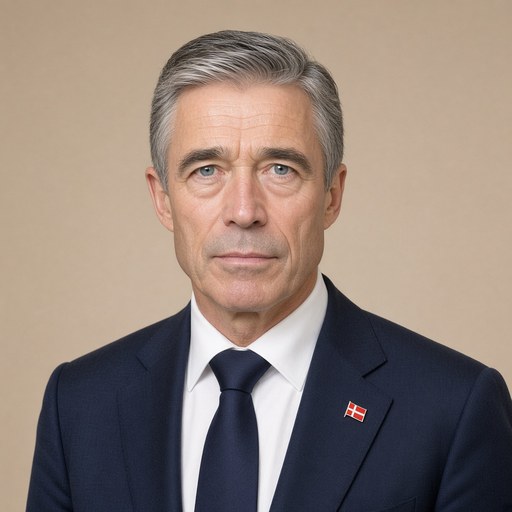
Prime Minister Anders Fogh Rasmussen's speech at the celebration of the 60th anniversary of the establishment of Israel, May 8, 2008.
 Anders Fogh Rasmussen · Prime Minister of Denmark
- Context
- Rasmussen addressed a celebration marking the 60th anniversary of Israel's establishment, held in Denmark on May 8, 2008, reflecting on Danish-Israeli ties.
- Main themes
- Israel's 60th anniversary, Danish-Israeli relations, rescue of Danish Jews in World War II, Holocaust remembrance, Yad Vashem, Israel's founding and UN vote, Israeli statehood and independence, Israel's development and growth, Danish-Jewish historical ties, War of Independence, Israeli resilience
- Duration
- ~11 min
- Words
- 1,345
- Sentences
- 115
- Readability
- 54
- Grade
- 7.8
- Syntax
- 2.40
- Vocabulary
- 2.27
Translated from Danish
The broad sphere of national life a sentence belongs to. Every sentence has an Arena, so it is the denominator the other indices are read against.
Other115 sentences in 43 paragraphs
Dear Stefan Isaak. Dear Chief Rabbi. Ambassador Walzer. Ladies and gentlemen.
Congratulations on Israel's 60 years. It is a great pleasure for me and my wife, Anne-Mette, to be here this evening to celebrate this festive occasion.
* * *
There have always been close and warm ties between Israel and Denmark.
And the close relationship between Denmark and the Jewish people dates back to before the birth of Israel.
Danish Jews have been a valuable part of Danish society for centuries. And the rescue of Danish Jews during World War II has come to stand as a very tangible symbol of the warm Danish-Jewish relations.
Today we know that there were a number of special circumstances surrounding the rescue of the Danish Jews that contributed to its success. But that does not change the central fact: that the Danes regarded the persecution of the Jews as a despicable and entirely unacceptable violation of fellow human beings. And moreover, a violation of good Danish citizens, of neighbors, of colleagues. And through active efforts, it was possible to save the vast majority of Danish Jews from the Holocaust.
In 2005, I participated in the inauguration of the new Yad Vashem museum in Jerusalem. Yad Vashem puts names and faces to the unimaginable human suffering during the Holocaust. And thereby seeks to make it comprehensible to the rest of us. As far as that is at all possible.
Yad Vashem also names the non-Jews who helped and saved their Jewish fellow citizens. A tree has been planted for each of these rescuers. And one of the trees at Yad Vashem is dedicated to the rescue of the Danish Jews.
It is touching. It is moving.
When you walk around Yad Vashem, you fully understand why determined Jews decided to form their own state. After centuries of flight, suffering, and persecution, and after one of the most heinous crimes in world history against humanity, the Nazis' brutal attempt to exterminate the Jewish people, it was obviously natural to create a homeland. A Israel as a home for the survivors. A Israel as a gathering point for the world's Jews. A Israel with the ability to protect its citizens and defend itself against attacks and violations.
* * *
That is why Denmark supported the establishment of the state of Israel.
Israel was established based on a resolution in the UN. The vote in the UN General Assembly on November 29, 1947, was close. It was not clear in advance whether there would be the necessary two-thirds majority for the plan. Every single vote counted. In that way, the Danish vote was among the decisive ones.
In his speech to explain the Danish vote, the Danish representative – Ambassador Henrik Kauffmann – said:
"It does not come easy for us to take a shared responsibility in the solution of this problem, which concerns the welfare of hundreds of thousands of people. However, we feel that our position as a member of the UN entails a moral and political shared responsibility that we cannot escape from, whether we vote yes or no or abstain from voting."
Denmark voted yes. We clearly and unequivocally chose to take a shared responsibility for the establishment of the state of Israel. A shared responsibility that Denmark and Danish politicians have felt ever since. With commitment and activism.
* * *
Among the Danish Jews, there were some who chose to go down and participate in the War of Independence and settle in the new state. Others followed. But many chose to stay here in Denmark.
For all of you, it holds true that you have contributed and continue to contribute to creating and maintaining the close ties between Denmark and Israel.
Over the years, tens of thousands of Danes have lived and worked in Israeli kibbutzim. Both Jews and non-Jews. This has also strengthened the relations. Relations that today encompass trade, cooperation in research and education, tourism, and culture.
* * *
This evening we can rejoice that Israel has come so far in 60 years. Israel is a young state. But at the same time with millennia-old roots in history.
In just two generations, Israel has grown from a fragile agrarian society to a strong, high-tech industrial society. To a center for research and international investments. With a rich cultural life. Through a successful integration of millions of immigrants from around the world. This is the Israeli miracle.
Israel is an ancient dream. A dream that became a reality when David Ben-Gurion proclaimed the first independent Jewish state in more than 2,000 years on May 14, 1948.
Sixty years ago, Israel was still a fragile dream. And also throughout Israel's history, the dream has several times been close to bursting. Israelis have had to fight hard and persistently to keep the dream alive. The country has, in its short history, been thrown into three major wars, each time involving a risk to the country's existence.
Herbert Pundik writes in his memoirs, among other things, about the situation during the Six-Day War, when many Israelis chose to flee the country. Pundik refers to the popular belief that there was a sign at Ben Gurion International Airport that read "Last person turns off the light."
That did not happen. Israel lit a light and a hope for all the Jews of the world. A light that today burns brighter than ever. Despite threats from terrorists and tyrants.
* * *
We all have a hope. Israelis have a hope. A hope to see Israel live in peace with all its neighbors. To experience the existence of two states, Israel and Palestine, living peacefully side by side.
The need to find a solution is greater now than ever.
The American-supported Annapolis process has created hope for progress in the Israeli-Palestinian negotiations.
Denmark fully supports the process. We feel a strong co-ownership. The so-called "roadmap for peace" was adopted under the Danish presidency of the EU. It constitutes an important part of the foundation for the Annapolis process.
Denmark urges both Israel and the Palestinians to show the necessary trust. To make the necessary concessions to reach a peace solution.
It is a difficult process. But many of us are ready to support.
Israel has the right to expect support from the international community, which has contributed to the establishment of Israel based on a UN resolution. Israel has the right to exist as an independent state within secure and guaranteed borders. The Israeli people have the right to protection from war and terror.
But it is also in Israel's interest to find a sustainable solution for the Palestinians. Peace and reconciliation are the only way forward for all peoples in the region. Israel's security is ultimately best safeguarded through a sustainable two-state solution, where Israelis and Palestinians live and work and trade peacefully together.
The Middle East has colossal economic potential. Enormous opportunities that are today being squandered by terror and oppression.
But we are allowed to dream of a future where all nations and peoples in the Middle East live side by side in freedom and peace. A future where democracy thrives and secures the individual person's rights to freedom. A future where trade flourishes and ensures the peoples of the Middle East prosperity and welfare.
Israel must show the way. For Israel is the outpost of democracy in the Middle East. And it obliges to be a democracy. But it also gives strength. For no force in the world is as strong as man's natural right to and striving for personal freedom.
* * *
The relationship between Denmark and Israel has always been warm and close. It has been so for the first 60 years. It should also be so in the future.
I look forward to visiting Israel again when my wife, Anne-Mette, and I travel to Israel later this month to mark the 60th anniversary of the state's birth. Congratulations to Israel. To Israeli Danes. To Danish Israelis. To Danish Jews. And to all of us friends of Israel. Mazal Tov!
The original Danish. The tags above are read on the English translation's sentences.
Kære Stefan Isaak. Kære overrabbiner. Ambassadør Walzer. Mine damer og herrer.
Tillykke med Israels 60 år. Det er en stor glæde for mig og min hustru, Anne-Mette, at være med til at fejre denne festlige begivenhed her i aften.
* * *
Der har altid været tætte og varme bånd mellem Israel og Danmark.
Og det nære forhold mellem Danmark og det jødiske folk rækker helt tilbage til før Israels fødsel.
Danske jøder har gennem århundreder været en værdifuld del af det danske samfund. Og redningen af danske jøder under Anden Verdenskrig er kommet til at stå som det meget håndgribelige symbol på de varme dansk-jødiske relationer.
I dag ved vi, at der var en række særlige omstændigheder ved redningen af de danske jøder, som medvirkede til, at det lod sig gøre. Men det ændrer ikke ved det helt centrale: At danskerne anså forfølgelsen af jøderne som et afskyeligt og helt utilladeligt overgreb mod medmennesker. Og tilmed et overgreb på gode danske medborgere, på naboen, på arbejdskollegaen. Og ved en aktiv indsats lykkedes det at redde langt de fleste danske jøder fra Holocaust.
I 2005 deltog jeg ved indvielsen af det nye Yad Vashem museum i Jerusalem. Yad Vashem sætter navne og ansigter på de ufattelige menneskelige lidelser under holocaust. Og søger derved at gøre dem fattelige for os andre. Så vidt det overhovedet er muligt.
Yad Vashem sætter også navne på de ikke-jøder, der hjalp og reddede deres jødiske medborgere. Der er plantet et træ for hver af disse redningsmænd. Og ét af træerne ved Yad Vashem er tilegnet redningen af de danske jøder.
Det er rørende. Det er bevægende.
Når man går rundt i Yad Vashem, forstår man til fulde, hvorfor handlekraftige jøder besluttede at danne deres egen stat. Efter århundreders flugt, lidelser og forfølgelser og efter én af verdenshistoriens grusomste forbrydelser mod menneskeheden, nazisternes bestialske forsøg på at udrydde det jødiske folk, var det selvsagt naturligt at skabe et hjemland. Et Israel som hjemsted for de overlevende. Et Israel som samlingspunkt for verdens jøder. Et Israel med evne til at beskytte sine borgere og forsvare sig mod angreb og overgreb.
* * *
Derfor støttede Danmark oprettelsen af staten Israel.
Israel er oprettet på baggrund af en vedtagelse i FN. Afstemningen i FN’s generalforsamling den 29. november 1947 blev tæt. Det var ikke på forhånd klart, om der ville være det nødvendige to tredjedeles flertal for planen. Hver eneste stemme talte. På den måde var den danske stemme blandt de udslagsgivende.
I sit indlæg for at forklare den danske stemmeafgivning, sagde den danske repræsentant – ambassadør Henrik Kauffmann:
”Det falder os ikke let at tage et medansvar ved løsningen af dette problem, som vedrører hundredtusinder af menneskers velfærd. Vi føler imidlertid, at vor stilling som medlem af FN medfører et moralsk og politisk medansvar, som vi ikke kan slippe fra, hvad enten vi stemmer ja eller nej eller afholder os fra at stemme.”
Danmark stemte ja. Vi valgte klart og tydeligt at tage et medansvar for oprettelsen af staten Israel. Et medansvar som Danmark og danske politikere har følt lige siden. Med engagement og aktivisme.
* * *
Blandt de danske jøder var der en del, som valgte at tage ned og deltage i uafhængighedskrigen og bosætte sig i den nye stat. Andre fulgte efter. Men mange valgte at blive her i Danmark.
For jer alle sammen gælder, at I har bidraget og fortsat bidrager til at skabe og fastholde de tætte bånd mellem Danmark og Israel.
Igennem årene har titusindvis af danskere boet og arbejdet i israelske kibbutzer. Både jøder og ikke-jøder. Det har også styrket relationerne. Relationer, der i dag omfatter handel, samarbejde inden for forskning og uddannelse, turisme og kultur.
* * *
I aften kan vi glæde os over, at Israel er nået så langt på 60 år. Israel er en ung stat. Men samtidig med tusindårige rødder i historien.
Israel er i løbet af kun to generationer vokset fra et skrøbeligt bondesamfund til et stærkt, højteknologisk industrisamfund. Til et centrum for forskning og internationale investeringer. Med et rigt kulturliv. Gennem en vellykket integration af millioner af immigranter fra hele verden. Det er det israelske mirakel.
Israel er en gammel drøm. En drøm, der blev gjort til virkelighed, da David ben Gurion den 14. maj 1948 udråbte den første selvstændige jødiske stat i mere end 2.000 år.
For 60 år siden var Israel stadig en skrøbelig drøm. Og også gennem Israels historie har drømmen flere gange været tæt på at briste. Israelerne har måttet kæmpe hårdt og vedvarende for at holde drømmen i live. Landet har i sin korte historie været kastet ud i tre omfattende krige, der hver gang indebar en risiko for landets eksistens.
Herbert Pundik skriver i sine erindringer bl.a. om situationen under 6 dages krigen, hvor mange israelere valgte at flygte ud af landet. Pundik refererer folkeviddet for, at der i Ben Gurion Internationale lufthavn skulle stå et skilt med påskriften ”Sidste mand slukker lyset”.
Sådan gik det ikke. Israel tændte et lys og et håb for hele verdens jøder. Et lys, som i dag brænder klarere end nogensinde. Trods trusler fra terrorister og tyranner.
* * *
Vi har alle et håb. Israelerne har et håb. Et håb om at se Israel leve i fred med alle sine naboer. At opleve eksistensen af to stater, Israel og Palæstina, som lever i fred side om side.
Behovet for at finde en løsning er større nu end nogensinde.
Den amerikansk støttede Annapolis proces har skabt et håb om fremdrift i de israelsk-palæstinensiske forhandlinger.
Danmark bakker fuldt ud op om processen. Vi føler et stærkt medejerskab. Den såkaldte ”køreplan for fred” blev vedtaget under det danske formandskab for EU. Den udgør en vigtig del af grundlaget for Annapolis-processen.
Danmark opfordrer både Israel og palæstinenserne til at udvise den nødvendige tillid. At give de nødvendige indrømmelser for at nå til en fredsløsning.
Det er en vanskelig proces. Men vi er mange, der er rede til at støtte.
Israel har lov til at forvente støtte fra det internationale samfund, som har medvirket til at oprette Israel på grundlag af en FN-resolution. Israel har ret til at eksistere som selvstændig stat inde for sikre og garanterede grænser. Det israelske folk har krav på beskyttelse mod krig og terror.
Men det er også i Israels interesse at finde en holdbar løsning for palæstinenserne. Fred og forsoning er den eneste vej frem for alle folk i regionen. Israels sikkerhed er til syvende og sidst bedst varetaget gennem en holdbar to-statsløsning, hvor israelere og palæstinensere lever og arbejder og handler fredeligt sammen.
Mellemøsten har et kolossalt økonomisk potentiale. Enorme muligheder, som i dag bliver forspildt af terror og undertrykkelse.
Men vi har lov at drømme om en fremtid, hvor alle nationer og folk i Mellemøsten lever side om side i frihed og fred. En fremtid, hvor folkestyret trives og sikrer det enkelte menneskes frihedsrettigheder. En fremtid, hvor samhandelen blomstrer og sikrer de mellemøstlige folk velstand og velfærd.
Israel må vise den vej. For Israel er demokratiets forpost i Mellemøsten. Og det forpligter at være et demokrati. Men det giver også styrke. For ingen kraft i verden er så stærk som menneskets naturlige ret til og stræben efter personlig frihed.
* * *
Forholdet mellem Danmark og Israel har altid været varmt og tæt. Det har det været de første 60 år. Sådan skal det også være i fremtiden.
Jeg glæder mig til at besøge Israel igen, når min hustru, Anne-Mette, og jeg tager til Israel senere på måneden for at markere 60-året for statens fødsel. Tillykke til Israel. Til israelske danskere. Til danske israelere. Til danske jøder. Og til alle os venner af Israel. Mazal Tov!