




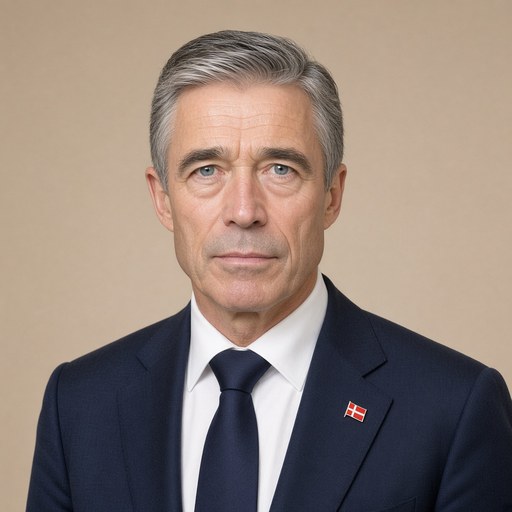
Prime Minister Anders Fogh Rasmussen's speech at the closing debate of the Folketing on Thursday, June 3, 2004.
 Anders Fogh Rasmussen · Prime Minister of Denmark
- Context
- Rasmussen addressed the Danish Folketing at its closing debate on June 3, 2004, reviewing his VK government's economic and social policy achievements over two and a half years.
- Main themes
- Danish economic recovery, unemployment reduction, spring economic package, tax cuts, healthcare system reform, elderly care improvements, parental leave policy, government election promises fulfilled, public finances surplus, municipal reform, gender equality in employment, individual freedom and choice
- Duration
- ~36 min
- Words
- 4,266
- Sentences
- 310
- Readability
- 53
- Grade
- 8.9
- Syntax
- 2.58
- Vocabulary
- 2.09
Translated from Danish
The broad sphere of national life a sentence belongs to. Every sentence has an Arena, so it is the denominator the other indices are read against.
Other310 sentences in 111 paragraphs
It is spring. And it is so in more than one sense.
The Danish economy is in a spring mood. It is moving forward. There is stronger economic growth. Unemployment is falling. Consumer expectations for the future are rising sharply. The upswing has come to Denmark.
We have a good foundation for new growth and blossoming. With the spring package, the government has given the upswing an extra push. We wanted to get employment moving faster than it would happen on its own.
The government has faced criticism from several quarters for the spring package being unnecessary. The argument is that employment would likely rise anyway in the coming years.
We do not agree with that criticism. In relation to the individual Dane who feels unemployment concretely, we do not believe it is irrelevant whether the upswing and higher employment come now or over the course of a few years.
That is why we brought forward the planned tax cuts. We temporarily suspended the mandatory savings, the so-called special pension contribution. We brought forward housing investments worth several billion kroner.
All in all, this means that Danish families will have over 9 billion kroner more in disposable income - already in 2004. The same applies in 2005.
For the typical LO family, the spring package means that the family will have nearly 850 kroner more in hand each month for the rest of the year. Anyone who wants to see the evidence can look at their new tax card, which has just been sent out.
The various initiatives of the spring package give a strong push to employment. Therefore, we expect unemployment to fall by 25,000 people during 2004. By the end of 2005, we expect unemployment to fall by an additional 10,000 to a level of 150,000 people.
The lower tax on earned income makes it more rewarding to work. And it contributes to prosperity in the long term.
We have a strong economy. We have a surplus in public finances. We have a surplus in the balance of payments. We have low inflation, and businesses have good competitiveness. In addition, interest rates are at a low level.
The Danish economy is so healthy that there was room to give development a push in the right direction – so that employment could rise and unemployment could fall. We have a surplus. We are paying down debt. I believe many countries envy us. Denmark has one of the healthiest and strongest economies in Europe.
* * *
It is now two and a half years since voters replaced the old SR government with the new VK government. During these two and a half years, a very comprehensive renewal and development of Danish society has been carried out. The government has fulfilled its election promises to the letter. And more than that. A long series of initiatives have been taken aimed at giving the individual Dane more freedom, more choices, greater legal security, and more quality for money in public service.
We promised improvements to the healthcare system. We promised an additional 1.5 billion kroner for hospitals and free choice for patients. That has been implemented. Yes, even more than the promised 1.5 billion kroner has been allocated to hospitals. From 2002 to 2004, funding for hospitals has been increased by a total of 2.3 billion kroner. In addition, an extra 1 billion kroner has been allocated to psychiatry over four years.
And it works. Since the summer of 2001, waiting times for the most important operations have been reduced by nearly a quarter.
Now the government has begun the next step in a reform of the healthcare system. In the proposal for a municipal reform, it has been suggested to organize hospitals into five regions. The government will put patients first. The goal is to ensure patients receive the best possible and fastest possible treatment.
We promised improvements for the elderly. We promised an additional 500 million kroner per year for home care. And we promised free choice of home care and elderly housing. The money has been allocated, and the free choice has been implemented.
Additionally, the elderly with the lowest incomes have received improvements in the form of a special elderly check. And there has been freedom to postpone one's old-age pension – with the effect that the annual pension becomes larger the later one leaves the labor market and chooses to have it paid out.
We promised one year of flexible parental leave. That has been implemented. And it is a great success for families with children. It is encouraging to note that the extent of men's parental leave has begun to rise. I hope that a positive development has now been set in motion.
The government is pleased that the social partners in the LO/DA area have agreed on a parental leave fund. Hopefully, this will be followed up by similar agreements in other private collective agreement areas.
There must be equal opportunities for women and men. We must avoid women being passed over for a job because the employer is afraid of extra costs when women take parental leave.
We promised a tightening of immigration policy. The tightening has been implemented exactly as promised before the election. And it works. Since 2001, the number of asylum seekers has more than halved, from 12,500 in 2001 to 4,500 in 2003. And the decline has continued into 2004. The number of applications for family reunification has also more than halved - from 15,000 in 2001 to 6,400 in 2003.
The next step has been to improve efforts to integrate immigrants into Danish society. Unfortunately, far too many immigrants are without education and work.
The government has taken a number of initiatives to ensure better integration. A reform and tightening of Danish language education has been implemented. And agreements have been made with the social partners and municipalities on more vocationally oriented education for foreigners.
The most direct path to integration goes through a place in the Danish labor market. And we have certainly made progress. Back in 1992, only one in three immigrants was employed. In 2002, it was nearly half. But the development should go faster.
Proper integration requires that immigrants understand the norms and values on which Danish society is based. Therefore, the government has taken action against the circles that wish to keep immigrants bound to a set of norms that is completely out of step with a modern, democratic society. And completely out of step with a society where there is equality between women and men.
Most recently, the government has come up with a proposal aimed at achieving a more balanced resident composition in the troubled housing areas. We hope to achieve broad political support for the proposal.
We promised a more robust legal policy. We promised higher penalties for, among other things, violence and rape. That has been implemented – exactly as promised. And it seems to be working. There is a clear trend that stricter sentences are now being imposed for violence and rape. And it is only reasonable for such gross violations against individuals.
The government has also intensified the fight against drugs. And a strengthened effort against gang-related crime has been initiated.
The robust legal policy has been followed up with funding for a more visible and effective police force and for more prison places.
Finally, the government has implemented a reform of legal security. The new rules will strengthen citizens' legal security when public authorities carry out control visits and similar actions.
We promised a tax freeze. And it has been introduced and maintained consistently. There has now been a tax freeze for 919 days – that is, well over thirty months. During the SR government’s time, an average of one new or increased old tax was introduced every month. That is, thirty tax increases that the population has been spared by having a new government. It provides peace and security in both families and businesses.
But we have gone further. We have implemented reductions in the tax on earned income. A special employment deduction has been introduced, which especially benefits those with the lowest incomes. And three-quarters of a million Danes are exempt from paying the intermediate tax of 6 percent. So it pays better to work.
In total, we have lowered the tax on earned income by nearly 10 billion kroner. And these are, mind you, funds that can be counted on. Thanks to the tax freeze, families can be assured that the money will not disappear back into the state treasury again. At the same time, this has happened without cuts in public spending. On the contrary, public spending is increasing. And there is a surplus in public finances, so we continue to pay down debt.
* * *
We made precise promises in the six concrete areas before the election. What we promised, we have kept. And we have taken further steps forward in the six areas.
But we have also tackled other fields. Let me just mention two important areas here.
The government wants everyone to have a chance in life. Even if one has grown up under challenging social conditions. We want to break the negative social inheritance. We would like to have a few more pattern breakers.
The effort must start already in kindergarten, where all children must develop – acquire a vocabulary, gain self-esteem, develop imagination, and learn to show respect for others.
From August 2004, we will introduce pedagogical curricula in daycare institutions, so all children – including those from socially disadvantaged backgrounds – can be better prepared to start school.
We have entered into an agreement on a placement reform. Placements should increasingly take place within the child's family and network. This yields better results. Case processing in municipalities must be improved, and there will be greater focus on the schooling of placed children in the future.
Also in the past parliamentary year, significant funds have been allocated for better efforts for vulnerable groups. In the autumn, we allocated 1.3 billion kroner for the period 2004-07. The money will be used, among other things, to take a step towards a treatment guarantee for alcohol abusers.
Since the government took office, nearly 4 billion kroner has thus been allocated over several years to strengthen efforts for vulnerable groups.
The government also wants a better environment. With the Water Environment Plan III, we have proposed an effort against agriculture's phosphorus emissions. The plan also addresses particularly vulnerable natural areas and neighbors' odor nuisances. We are building on the effort to reduce agriculture's nitrogen emissions.
We are allocating 155 million kroner for research to limit the negative effects of manure and phosphorus - both in relation to neighbors and the environment. And 200 million kroner is allocated for organic farming.
The measures in the water environment plan are targeted. We are focusing on where nature and the environment need it most. In this way, we ensure 'the most environment for the money'.
* * *
The government has embarked on a series of reforms that will prepare Danish society for the future. We must be at the forefront when it comes to research, education, and investments in high technology.
We must raise the academic level throughout the education system. Therefore, reforms have been implemented all around: a primary school reform, a gymnasium reform, a reform of vocational education, a university reform.
Recently, an OECD report showed that there is a need to strengthen the academic level in primary schools. There is a need for rethinking. Therefore, we have set concrete goals for what students should learn at different grade levels. The next step is about ongoing evaluations. We should not be afraid to tell students where they stand. We owe them that.
We must lay the foundation for future production in Denmark – and future jobs – by ensuring that Danes are more educated than ever. We must ensure that Danish companies have access to the latest research results in the areas where growth occurs. And we must create better conditions for starting and running new businesses.
We must strengthen research in Denmark. Over the past two years, we have allocated an additional 7.3 billion kroner to research. But this money only fills the gap that the government inherited from the previous government.
Therefore, the government is now proposing an ambitious additional investment in research, development, and high technology. The framework for this investment will be the Fund for High-Tech Development.
Denmark must develop into one of the world's leading high-tech societies within the next ten years. That is our clear goal.
The Fund for High-Tech Development will initially be at least 16 billion kroner. It is intended to give an extra push to Danish research. One of the new aspects of the fund is that it will not just spread the effort thinly over many areas. No, the extra funds will fertilize the ground for new breakthroughs in nanotechnology, biotechnology, and information and communication technology.
This is not an investment into the blue. The extra funds will not fall on stony ground, but will benefit existing fertile research environments.
Researchers envision being able to produce drugs without side effects. Cheap and wireless IT and electronics everywhere in our surroundings - in furniture, packaging, and buildings. Enzymes that can reduce the use of artificial additives in our food. And new textiles that do not need to be washed because they are odor- and stain-free.
But research only leads to growth if the results are disseminated and applied in society. A good interaction between research and business must be one of the cornerstones of the effort to secure Denmark's position among leading high-tech countries.
Supported by a broad majority, we passed a new law on technology transfer this year. It is intended to promote the commercialization of new knowledge and technology from public research. Universities and sector research will now have the opportunity to establish their own companies. The companies will ensure that the patents and licenses created in research environments are also translated into production and new jobs. Good ideas should not be left to gather dust in ivory towers. They should be put to use - they should be converted into new business opportunities, products, and jobs in our companies.
Denmark should not be alone in increasing investments in research. Therefore, the government has proposed that the EU double its efforts in research, education, and development. This must be a main task for the new Commission and the new European Parliament.
The aim is to translate new research and new ideas into production and jobs. We need more entrepreneurs. We need to create more jobs with a future.
The government has also put forward an ambitious reform of the Danish defense. We must organize the defense to address future tasks. The threat landscape has changed. The enemy is not just outside Denmark's borders. The Danish defense must be increasingly structured to participate in international military operations. The aim is that we can double the number of soldiers that can be deployed to international hotspots.
Finally, the government has presented a comprehensive proposal for a municipal reform.
The goals are to provide each citizen with more value for money in public services. The means to achieve this is to strengthen local democracy. By enhancing local engagement. By making decisions as close to the citizens as possible.
It has been almost 35 years since the current system of counties and municipalities was established. Many things have changed for the Danes since then. And the Danes have changed. We are better educated and naturally demand higher quality and more influence. We have become more critical and hold fast to our rights – for better or for worse. And new technology today allows us to communicate with the public in a completely different way than before.
The Danes have changed, but the organization of the public sector has not kept pace.
That is why we have presented an ambitious proposal for municipal reform.
We must organize the public sector more simply and with fewer levels. With stronger, more sustainable municipalities that can provide the best possible framework for local democracy. And five strong health regions that ensure a greater focus on healthcare – with free, equal, and free access to high-quality treatment – regardless of where in the country one lives.
With the new municipal reform, we will future-proof the public sector by putting people first.
It is the government's wish and hope that a broad political majority will support this reform, which is the largest reform of municipal governance in Denmark in one or two generations.
* * *
It is not enough that Denmark has a solid economy this year and next year. We also have a responsibility to ensure a solid foundation for our children and grandchildren. We must not pass on unpaid bills to future generations.
In order to finance welfare tasks in the future, it is necessary to increase production and employment and to implement reforms of our welfare systems.
This is due to the fact that over the next 20-30 years, there will be a change in the age composition of the population in Denmark. There will be more elderly people and thus more expenses for pensions, care, and health. And there will be fewer people of working age to pay these expenses.
Our welfare systems must be more targeted towards the groups that need help the most. They must support the greatest possible participation in the labor market. The labor market must be more inclusive.
To prepare the necessary decisions and to ensure the basis for a broad public debate, the government established a welfare commission in the autumn. The commission's task is to analyze the challenges and present possible reform proposals.
It is not about making a whole lot of changes here and now.
But it is about the fact that if we show due diligence, there are better opportunities to implement changes over a period of years. And thus also better opportunities for society to adapt to the changed conditions. The goal is to ensure the foundation for social security and balance as well as a well-functioning welfare system in the future.
To create a basis for a broad public debate, the government has encouraged the Welfare Commission to continuously publish papers on its work.
I am therefore pleased with the discussion paper that the welfare commission recently presented. It focuses on some of the questions, dilemmas, and choices that the population and politicians must address.
I have high expectations for the continued work. And I look forward to the next papers and reports, so that there can be a good and open debate with the public, as we have proposed.
* * *
On May 1, the EU enlargement with the 10 new member states became a reality. The decisions from the summit in Copenhagen in December 2002 have come to fruition. We have now definitively closed a dark chapter in Europe's history marked by war, conflict, and oppression. The countries in Central and Eastern Europe are now effectively anchored in our Western, democratic cooperation organizations - the EU and NATO.
With the enlargement, we have implemented the policy that a very broad majority here in the Parliament has consistently supported. A main goal of Danish foreign policy has been achieved.
I am confident that the enlargement will be a success. The new countries bring with them an optimism and a willingness to reform that we can all learn from. The enlargement will bring new dynamism and momentum to the EU – politically and economically.
But things do not happen by themselves. To reap the full benefits of the enlargement, it requires that EU cooperation can function effectively with 25 or more member states.
Therefore, we need the EU's new constitutional treaty. It is in Denmark's interest that the EU can continue to deliver results.
The negotiations on the treaty have not yet been concluded. Hopefully, this will happen at the summit in Brussels in two weeks. A treaty is taking shape that we can be quite satisfied with from the Danish side - a treaty that ensures more effective cooperation. After this, the government will discuss the framework for the continued work at home towards Danish ratification and the referendum on the new treaty with the parties in the Parliament.
The enlargement of the EU and NATO has brought peace and optimism to Europe. But unfortunately not to our troubled neighborhood in the Middle East.
The deeply reprehensible terrorist attack on innocent train passengers in Madrid on March 11 showed that Islamist terror has come to Europe.
We cannot isolate ourselves from developments in the Middle East. They are of direct importance to our own security and to Europe's future development and welfare.
Therefore, we must engage with the developments in the Middle East. Therefore, we must get involved. In close cooperation with our partners in the EU and with the USA.
We face three challenges in the Middle East. All three are of utmost importance for future development.
First, we must complete the work to promote stability and democracy in Iraq. Progress is being made despite several setbacks. It is important that the Iraqis are involved in the democratization process and feel that they can trust the Western world. This obviously requires that the countries in the coalition adhere to democratic values and principles – also in the treatment of prisoners.
The effort in Iraq has required great sacrifices. But we must not be intimidated by the fundamentalists who wish to halt the democratization process. The government supports the transfer of sovereignty to the Iraqis on June 30, and that the new Iraqi government holds national elections in early 2005. In this context, it is positive that earlier this week, with the support of the UN, a temporary Iraqi government was successfully formed.
I am pleased that there is broad support in the Parliament for the Danish forces in Iraq to remain to support this difficult but extremely important process. We expect this to happen based on a new resolution from the UN Security Council or at the invitation of the forthcoming Iraqi government.
Second, the development in the Middle East depends on efforts to resolve the conflict between Israelis and Palestinians. Our goal remains the establishment of an independent Palestinian state. An Israeli withdrawal from Gaza will be an important first step, which must of course be followed by an Israeli withdrawal from the West Bank. It is also clear that only a negotiated solution between both parties will be sustainable in the long term.
Third, the Arab world needs democratic reforms, education, and modernization. The government has long worked to promote a partnership between Western and Arab countries on this goal. We will continue this work.
In all three areas, there is a need for close cooperation between Europe, the USA, and the countries in the Middle East to achieve the desired results.
* * *
In December 2002, the USA requested Denmark to upgrade the Thule radar with a view to using it in the development of the new missile defense. Since then, the government and the Greenlandic government have jointly negotiated with the USA regarding this request. It has long been a cherished Greenlandic wish to modernize the basis for the American presence in Greenland.
Last month, we succeeded in reaching an agreement with the USA on a modernization of the Defense Agreement, on a declaration of economic/technical cooperation, and on a declaration of cooperation on the environment in Greenland. The American request has from the very beginning been handled in agreement with Greenland.
The negotiation process with the USA regarding Thule Air Base is a model for how Greenland and the Faroe Islands can be involved in foreign and security policy when issues of particular importance to the two territories are on the agenda.
The government continues to have a good collaboration with the new Faroese government as well. I have agreed with the Prime Minister that we will continue the work to expand the opportunities for the Faroese authorities to take over additional areas of responsibility. We aim for a bill to be presented by the end of the year.
With the Greenlandic government, we have collaborated to establish a joint Greenlandic-Danish self-government commission. Here, in the 25th year of Greenland's home rule, we can not only look back on a positive development in Greenland - but also look forward to the establishment of a foundation for increased self-government.
* * *
We have all had a busy year in the Parliament. As usual, we can look back on a long list of initiatives that have been implemented.
I am pleased that the vast majority of decisions have been based on broad majorities. Fortunately, we have a good tradition in Denmark for cooperative democracy. But just as it takes two to tango, it also takes – at least – the goodwill of two parties to reach an agreement with a broad majority. In some cases, this has not been possible. And some decisions have therefore been based on narrow majorities. Although the government strives for broad agreements, we must first and foremost ensure reasonable solutions to the problems that Denmark faces. That is our responsibility.
But fortunately, the main picture is that agreements and deals have been reached with broad majorities behind them. I am glad about that.
I would therefore like to take this opportunity to thank all the parties in the Parliament for their cooperation over the past year.
The original Danish. The tags above are read on the English translation's sentences.
Det er forår. Og det er det i mere end én forstand.
Dansk økonomi er i forårshumør. Det går fremad. Der er stærkere økonomisk vækst. Arbejdsløsheden falder. Forbrugernes forventninger til fremtiden er stærkt stigende. Opsvinget er kommet til Danmark.
Vi har et godt grundlag for ny vækst og opblomstring. Med forårspakken har regeringen givet opsvinget et ekstra skub. Vi ville have hurtigere gang i beskæftigelsen, end det ville ske af sig selv.
Regeringen er fra flere sider mødt af kritik for, at forårspakken er unødvendig. Argumentet er, at beskæftigelsen formentlig alligevel ville stige i de kommende år.
Den kritik er vi ikke enige i. I forhold til den enkelte dansker, der mærker arbejdsløsheden konkret, mener vi ikke, det er ligegyldigt, om opsvinget og den højere beskæftigelse kommer nu eller i løbet af nogle år.
Derfor fremrykkede vi de planlagte skattelettelser. Vi suspenderede midlertidigt den tvungne opsparing, det såkaldt særlige pensionsbidrag. Vi fremrykkede boliginvesteringer for flere milliarder kroner.
Alt i alt betyder det, at de danske familier får over 9 mia. kr. mere i disponibel indkomst - allerede i 2004. Og det samme gælder i 2005.
For den typiske LO-familie betyder forårspakken, at familien kommer til at stå med knap 850 kr. mere i hånden om måneden resten af året. Enhver, der vil have syn for sagen, kan kigge på sit nye skattekort, som lige er sendt ud.
Forårspakkens forskellige initiativer giver et kraftigt skub til beskæftigelsen. Derfor forventer vi, at ledigheden falder med 25.000 personer i løbet af 2004. Ved udgangen af 2005 forventer vi, at ledigheden falder med yderligere 10.000 til et niveau på 150.000 personer.
Den lavere skat på arbejdsindkomst gør, at det bedre kan betale sig at arbejde. Og det bidrager til velstanden på længere sigt.
Vi har en stærk økonomi. Vi har overskud på de offentlige finanser. Vi har overskud på betalingsbalancen. Vi har lav inflation, og virksomhederne har en god konkurrenceevne. Desuden er renten på et lavt niveau.
Dansk økonomi er så sund, at der var råd til at give udviklingen et skub i den rigtige retning – så beskæftigelsen kunne stige og arbejdsløsheden falde. Vi har overskud. Vi afdrager på gælden. Det tror jeg, at mange lande misunder os. Danmark har én af Europas sundeste og stærkeste økonomier.
* * *
Det er nu to et halvt år siden, at vælgerne skiftede den gamle SR-regering ud med den nye VK-regering. I løbet af disse to et halvt år er der gennemført en meget omfattende fornyelse og udvikling af det danske samfund. Regeringen har til punkt og prikke opfyldt sine valgløfter. Og mere end det. Der er taget en lang række initiativer, som sigter på at give den enkelte dansker mere frihed, flere valgmuligheder, større retssikkerhed og mere kvalitet for pengene i den offentlige service.
Vi lovede forbedringer af sygehusvæsenet. Vi lovede 1,5 mia. kr. mere til sygehusene og frit valg for patienterne. Det er gennemført. Ja, der er endda tilført sygehusene væsentligt mere end de lovede 1,5 mia. kr. Fra 2002 til 2004 er bevillingerne til sygehusene i alt forhøjet med 2,3 mia. kr. Desuden er der tilført 1 mia. kr. ekstra til psykiatrien over fire år.
Og det virker. Siden sommeren 2001 er ventetiderne til de vigtigste operationer sænket med henved en fjerdedel.
Nu er regeringen gået i gang med næste skridt i en reform af sundhedsvæsenet. I udspillet til en kommunalreform er der lagt op til at organisere sygehusene i fem regioner. Regeringen vil sætte patienterne først. Målet er at sikre patienterne den bedst mulige og hurtigst mulige behandling.
Vi lovede forbedringer for de ældre. Vi lovede 500 mio. kr. mere om året til hjemmehjælp. Og vi lovede frit valg af hjemmehjælp og ældreboliger. Pengene er bevilget, og det frie valg er gennemført.
Derudover har de ældre, som har de laveste indkomster, fået forbedringer i form af en særlig ældrecheck. Og der er gennemført frihed til at udsætte sin folkepension – med den virkning, at den årlige folkepension bliver større, jo senere man forlader arbejdsmarkedet og vælger at få den udbetalt.
Vi lovede ét års fleksibel barselsorlov. Den er gennemført. Og den er en stor succes for børnefamilierne. Det er glædeligt at notere, at omfanget af mænds barselsorlov er begyndt at stige. Jeg håber, at der nu er sat en positiv udvikling i gang.
Regeringen er tilfreds med, at arbejdsmarkedets parter på LO/DA-området har aftalt en barselsfond. Forhåbentlig vil det blive fulgt op af lignede aftaler på de øvrige private overenskomstområder.
Der skal være lige muligheder for kvinder og mænd. Vi skal undgå, at kvinder bliver forbigået til et job, fordi arbejdsgiveren er bange for ekstra omkostninger, når kvinderne skal have barselsorlov.
Vi lovede en stramning af udlændingepolitikken. Stramningerne er gennemført til punkt og prikke som lovet før valget. Og de virker. Siden 2001 er antallet af asylansøgere mere end halveret, fra 12.500 i 2001 til 4.500 i 2003. Og faldet er fortsat ind i 2004. Også antallet af ansøgninger om familiesammenføring er mere end halveret - fra 15.000 i 2001 til 6.400 i 2003.
Næste skridt har været at forbedre indsatsen for at få indvandrerne integreret i det danske samfund. Desværre er alt for mange indvandrere uden uddannelse og arbejde.
Regeringen har taget en række initiativer, der skal sikre bedre integration. Der er gennemført en reform og opstramning af undervisningen i dansk. Og der er indgået aftaler med arbejdsmarkedets parter og kommunerne om mere erhvervsrettede uddannelser for udlændinge.
Den mest direkte vej til integration går via en plads på det danske arbejdsmarked. Og vi har bestemt gjort fremskridt. Tilbage i 1992 var kun hver tredje indvandrer i beskæftigelse. I 2002 var det knap halvdelen. Men udviklingen bør gå hurtigere.
Ordentlig integration forudsætter, at indvandrerne forstår de normer og værdier, som det danske samfund bygger på. Regeringen har derfor sat ind over for de kredse, der ønsker at fastholde indvandrerne på et normsæt, som er helt ude af trit med et moderne, demokratisk samfund. Og helt ude af trit med et samfund, hvor der er ligestilling mellem kvinder og mænd.
Senest er regeringen kommet med et udspil, der sigter på at opnå en mere afbalanceret beboersammensætning i de belastede boligområder. Vi håber at kunne opnå bred politisk tilslutning til udspillet.
Vi lovede en mere håndfast retspolitik. Vi lovede højere straframmer for bl.a. vold og voldtægt. Det er gennemført – nøjagtigt som lovet. Og det ser ud til at virke. Der er en klar tendens til, at der nu idømmes strengere straffe for vold og voldtægt. Og det er kun rimeligt for så grove overgreb mod mennesker.
Regeringen har derudover skærpet kampen mod narko. Og der er iværksat en forstærket indsats mod rockernes kriminalitet.
Den håndfaste retspolitik er fulgt op af bevillinger til et mere synligt og effektivt politi og til flere fængselspladser.
Endelig har regeringen fået gennemført en reform af retssikkerheden. De nye regler vil styrke borgernes retssikkerhed, når offentlige myndigheder udfører kontrolbesøg og lignende.
Vi lovede et skattestop. Og det er indført og fastholdt konsekvent. Der har nu været skattestop i 919 dage – altså godt tredive måneder. I SR-regeringens tid blev der i gennemsnit indført en ny eller forhøjet en gammel skat hver måned. Det er altså tredive skatteforhøjelser, befolkningen er blevet sparet for ved at have fået en ny regering. Det giver ro og tryghed i både familier og virksomheder.
Men vi er gået videre. Vi har gennemført lettelser af skatten på arbejdsindkomst. Der er indført et særligt beskæftigelsesfradrag, som især er til gavn for de laveste indkomster. Og trekvart million danskere slipper for at betale mellemskatten på 6 procent. Så det bedre kan betale sig at arbejde.
I alt har vi sænket skatten på arbejdsindkomst med næsten 10 mia. kr. Og det vel at mærke penge, der er til at regne med. Takket være skattestoppet kan familierne være sikre på, at pengene ikke forsvinder ned i statskassen igen. Samtidig er det sket uden nedskæringer af det offentlige forbrug. Tværtimod stiger det offentlige forbrug. Og der er overskud på de offentlige finanser, så vi fortsat afdrager på gælden.
* * *
Vi gav præcise løfter på de seks konkrete områder før valget. Det, vi lovede, har vi holdt. Og vi har taget yderligere skridt fremad på de seks områder.
Men vi har også taget fat på andre felter. Lad mig bare nævne to vigtige områder her.
Regeringen ønsker, at alle skal have en chance i livet. Også selv om man er vokset op under belastende sociale forhold. Vi vil bryde den negative sociale arv. Vi vil gerne have nogle flere mønsterbrydere.
Indsatsen skal starte allerede i børnehaven, hvor alle børn skal udvikle sig – få et ordforråd, få et selvværd, udvikle fantasien og lære at udvise respekt for andre.
Fra august 2004 indfører vi pædagogiske læreplaner i daginstitutioner, så alle børn – også de socialt udsatte – kan blive bedre rustet til at starte i skolen.
Vi har indgået en aftale om en anbringelsesreform. Anbringelser skal i højere grad ske i barnets familie og netværk. Det giver bedre resultater. Sagsbehandlingen i kommunerne skal forbedres, og der vil fremover komme større fokus på de anbragte børns skolegang.
Også i det forløbne folketingsår er der afsat betydelige midler til en bedre indsats for svage grupper. I efteråret afsatte vi 1,3 mia. kr. i perioden 2004-07. Pengene skal bl.a. bruges til et skridt hen imod en behandlingsgaranti for alkoholmisbrugere.
Siden regeringen tiltrådte, er der således afsat næsten 4 mia. kr. til over en årrække at styrke indsatsen for de svage grupper.
Regeringen ønsker også et bedre miljø. Med Vandmiljøplan III har vi lagt op til en indsats overfor landbrugets udledning af fosfor. Planen sætter også ind over for særligt sårbare naturområder og over for naboers lugtgener. Vi bygger videre på indsatsen for at reducere landbrugets udledning af kvælstof.
Vi afsætter 155 mio. kr. til forskning i at begrænse de negative virkninger af gylle og fosfor - både i forhold til naboer og miljø. Og der afsættes 200 mio. kr. til økologi.
Virkemidlerne i vandmiljøplanen er målrettede. Vi sætter ind der, hvor naturen og miljøet har mest behov for det. På den måde sikrer vi 'mest miljø for pengene'.
* * *
Regeringen har taget fat på en række reformer, som skal ruste det danske samfund til fremtiden. Vi skal i front, når det gælder forskning, uddannelse og investeringer i højteknologi.
Vi skal højne det faglige niveau overalt i uddannelsessystemet. Derfor er der gennemført reformer hele vejen rundt: En folkeskolereform, en gymnasiereform, en reform af erhvervsuddannelserne, en universitetsreform.
For nylig viste en OECD-rapport, at der er behov for at styrke det faglige niveau i folkeskolen. Der er brug for nytænkning. Derfor har vi fastsat konkrete mål for, hvad eleverne skal lære på forskellige klassetrin. Næste skridt handler om løbende evalueringer. Vi skal ikke være bange for at fortælle eleverne, hvor de står. Det skylder vi dem.
Vi skal lægge grunden for fremtidens produktion i Danmark – og fremtidens jobs – ved at sikre os, at danskerne er mere veluddannede end nogensinde. Vi skal sikre os, at danske virksomheder har adgang til de nyeste forskningsresultater på de områder, hvor væksten bliver til. Og vi skal skabe bedre rammer for start og drift af nye virksomheder.
Vi skal styrke forskningen i Danmark. I løbet af de sidste to år har vi tilført ekstra 7,3 mia. kr. til forskningen. Men disse penge rækker kun til at fylde det hul op, som regeringen arvede fra den tidligere regering.
Derfor lægger regeringen nu op til en ambitiøs ekstra satsning på forskning, udvikling og højteknologi. Rammen om denne satsning vil være Fonden for Højteknologisk Udvikling.
Danmark skal udvikle sig til et af verdens førende højteknologiske samfund inden for de næste ti år. Det er vores klare mål.
Fonden for Højteknologisk Udvikling bliver i første omgang på mindst 16 mia. kr. Den skal give et ekstra skub til dansk forskning. Noget af det nye ved fonden er, at den ikke bare skal sprede indsatsen tyndt over mange områder. Nej, de ekstra midler skal gøde jorden for nye landvindinger inden for nanoteknologi, bioteknologi og informations- og kommunikationsteknologi.
Det er ikke en satsning ud i det blå. De ekstra midler vil ikke falde på stengrund, men gøre gavn i eksisterende frugtbare forskningsmiljøer.
Forskerne ser for sig, at de kan frembringe lægemidler uden bivirkninger. Billig og trådløs IT og elektronik over alt i vores omgivelser - i møbler, emballage og bygninger. Enzymer, der kan reducere brugen af kunstige tilsætningsstoffer i vores mad. Og nye tekstiler, der ikke skal vaskes, fordi de er lugt- og pletfri.
Men forskning fører kun til vækst, hvis resultaterne bliver spredt og anvendt i samfundet. Et godt samspil mellem forskning og erhvervsliv skal være en af grundstenene i indsatsen for at sikre Danmarks placering blandt førende højteknologiske lande.
Støttet af et bredt flertal vedtog vi i år en ny lov om teknologioverførsel. Den skal fremme omsætning af ny viden og teknologi fra den offentlige forskning. Nu får universiteterne og sektorforskningen mulighed for at etablere egne selskaber. Selskaberne skal sikre, at de patenter og licenser, der bliver til i forskermiljøerne, også bliver omsat til produktion og nye arbejdspladser. De gode ideer skal ikke ligge på lager i elfenbenstårne. De skal ud og gøre gavn - de skal omsættes til nye forretningsmuligheder, produkter og arbejdspladser ude i vore virksomheder.
Danmark skal ikke være alene om at øge investeringerne i forskning. Derfor har regeringen foreslået, at EU fordobler sin indsats inden for forskning, uddannelse og udvikling. Det må være en hovedopgave for den nye Kommission og det nye Europa-Parlament.
Sigtet er at omsætte ny forskning og nye idéer til produktion og arbejdspladser. Vi skal have flere iværksættere. Vi skal have skabt flere jobs med fremtid i.
Regeringen har også spillet ud med en ambitiøs reform af det danske forsvar. Vi skal indrette forsvaret på at løse fremtidens opgaver. Trusselsbilledet er ændret. Fjenden står ikke lige uden for Danmarks grænser. Det danske forsvar skal i højere grad være indrettet på at kunne deltage i internationale militære operationer. Sigtet er, at vi kan fordoble antallet af soldater, der kan indsættes i internationale brændpunkter.
Endelig har regeringen fremsat et omfattende forslag til en kommunalreform.
Målene er at give den enkelte borger mere kvalitet for pengene i den offentlige service. Midlet hertil er at styrke det lokale demokrati. Ved at styrke det lokale engagement. Ved at træffe beslutninger så tæt på borgerne som muligt.
Der er gået næsten 35 år siden det nuværende system med amter og kommuner blev lagt fast. Mange ting er forandret for danskerne siden dengang. Og danskerne har forandret sig. Vi er bedre uddannede og stiller helt naturligt større krav om kvalitet og om medindflydelse. Vi er blevet mere kritiske og holder fast i vores ret – på godt og på ondt. Og ny teknik giver os i dag mulighed for at kommunikere med det offentlige på en helt anden måde end tidligere.
Danskerne har forandret sig, men indretningen af den offentlige sektor er ikke fulgt med.
Derfor har vi fremlagt et ambitiøst forslag til kommunalreform.
Vi skal indrette den offentlige sektor mere enkelt og med færre niveauer. Med stærkere, mere bæredygtige kommuner, der kan sikre det lokale demokrati de bedst tænkelige rammer. Og 5 stærke sundhedsregioner, der sikrer en yderligere fokus på sundhedsvæsenet - med fri, lige og gratis adgang til behandling af høj kvalitet – uanset hvor i landet man bor.
Med den nye kommunalreform får vi fremtidssikret den offentlige sektor ved at sætte mennesker først.
Det er regeringens ønske og håb, at et bredt politisk flertal vil stå bag denne reform, som er den største reform af kommunestyret i Danmark i én eller to generationer.
* * *
Det er ikke nok, at Danmark har en bundsolid økonomi i år og til næste år. Vi har også et ansvar for at sikre et solidt grundlag for vore børn og børnebørn. Vi må ikke sende ubetalte regninger videre til kommende generationer.
For også at kunne finansiere velfærdsopgaverne i fremtiden er det nødvendigt at øge produktion og beskæftigelse og gennemføre reformer af vore velfærdssystemer.
Det skyldes, at der over de næste 20- 30 år vil ske en ændring i befolkningens aldersmæssige sammensætning i Danmark. Der bliver flere ældre og dermed flere udgifter til pensioner, pleje og sundhed. Og der bliver færre erhvervsaktive til at betale disse udgifter.
Vore velfærdssystemerne skal i højere grad målrettes de grupper, der har mest behov for hjælp. De skal understøtte størst mulig deltagelse på arbejdsmarkedet. Arbejdsmarkedet skal være mere rummeligt.
For at forberede de nødvendige beslutninger og for at sikre grundlaget for en bred offentlig debat, nedsatte regeringen i efteråret en velfærdskommission. Kommissionens opgave er at analysere udfordringerne og fremlægge mulige reformforslag.
Det handler ikke om, at der skal laves en hel masse om her og nu.
Men det handler om, at hvis vi udviser rettidig omhu, så er der bedre muligheder for at gennemføre ændringer over en årrække. Og dermed også bedre mulighed for at samfundet kan tilpasse sig de ændrede forhold. Målet er at sikre grundlaget for social tryghed og balance samt et velfungerende velfærdssystem i fremtiden.
For at skabe grundlag for en bred offentlig debat har regeringen opfordret Velfærdskommissionen til løbende at udgive oplæg om sit arbejde.
Jeg er derfor glad for det debatoplæg, velfærdskommissionen kom med for nylig. Det sætter fokus på nogle af de spørgsmål, dilemmaer og valg, som befolkningen og politikerne skal tage stilling til.
Jeg forventer mig meget af det videre arbejde. Og ser frem til de næste oplæg og rapporter, så der kan komme en god og åben debat med befolkningen, som vi har lagt op til.
* * *
Den 1. maj blev EU-udvidelsen med de 10 nye medlemslande en realitet. Beslutningerne fra topmødet i København i december 2002 blev til virkelighed. Vi har nu endegyldigt lukket et mørkt kapitel i Europas historie præget af krig, konflikt og undertrykkelse. Landene i Central- og Østeuropa er nu effektivt forankret i vore vestlige, demokratiske samarbejdsorganisationer - EU og NATO.
Med udvidelsen har vi gennemført den politik, som et meget bredt flertal her i Tinget vedvarende har stået bag. Et hovedmål i dansk udenrigspolitik er nået.
Jeg er sikker på, at udvidelsen bliver en succes. De nye lande bringer med sig en optimisme og vilje til reform, som vi alle kan lære af. Udvidelsen vil tilføre EU ny dynamik og fremdrift – politisk og økonomisk.
Men tingene kommer ikke af sig selv. Skal vi høste de fulde fordele af udvidelsen kræver det, at EU-samarbejdet kan fungere effektivt med 25 eller flere medlemslande.
Derfor har vi brug for EU’s nye forfatningstraktat. Det er i Danmarks interesse, at EU fortsat kan levere resultater.
Forhandlingerne om traktaten er endnu ikke afsluttet. Det sker forhåbentlig på topmødet i Bruxelles om to uger. Der tegner sig en traktat, som vi kan være godt tilfreds med fra dansk side - en traktat, som sikrer et mere effektivt samarbejde. Herefter vil regeringen sammen med Folketingets partier drøfte rammerne for det videre arbejde herhjemme frem mod dansk ratifikation og folkeafstemningen om den nye traktat.
Udvidelsen af EU og NATO har bragt fred og optimisme til Europa. Men desværre ikke til vort urolige nærområde i Mellemøsten.
Det dybt forkastelige terrorangreb på uskyldige togpassagerer i Madrid den 11. marts viste, at den islamistiske terror er kommet til Europa.
Vi kan ikke isolere os fra udviklingen i Mellemøsten. Den er af direkte betydning for vor egen sikkerhed og for Europas fremtidige udvikling og velfærd.
Derfor må vi forholde os til udviklingen i Mellemøsten. Derfor må vi engagere os. I tæt samarbejde med vore partnere i EU og med USA.
Vi står over for tre udfordringer i Mellemøsten. De er alle tre af største betydning for den fremtidige udvikling.
For det første må vi fuldføre arbejdet for at fremme stabilitet og demokrati i Irak. Arbejdet skrider frem trods adskillige tilbageslag. Det er vigtigt, at irakerne inddrages i demokratiseringsprocessen og føler, at de kan stole på den vestlige verden. Det forudsætter selvsagt, at landene i koalitionen efterlever demokratiske værdier og principper – også i behandlingen af fanger.
Indsatsen i Irak har krævet store ofre. Men vi må ikke lade os kue af de fundamentalister, der netop ønsker at bremse demokratiseringsprocessen. Regeringen bakker op om, at suveræniteten overdrages til irakerne den 30. juni, og at det nye irakiske styre afholder nationale valg i begyndelsen af 2005. Det er i denne forbindelse positivt, at det tidligere på ugen med FN’s støtte lykkedes at få sammensat en midlertidig irakisk regering.
Jeg er glad for, at der i Folketinget er bred opbakning til, at de danske styrker i Irak bør forblive for at støtte op om denne vanskelige, men uhyre vigtige proces. Vi forventer, at dette kan ske på basis af en ny resolution fra FN’s Sikkerhedsråd eller på indbydelse fra den kommende irakiske regering.
For det andet afhænger udviklingen i Mellemøsten af bestræbelserne på at løse konflikten mellem israelere og palæstinensere. Vores mål er fortsat etablering af en selvstændig palæstinensisk stat. En israelsk tilbagetrækning fra Gaza vil være et vigtigt første skridt, som selvsagt må følges op af israelsk tilbagetrækning fra Vestbredden. Det er samtidig klart, at kun en forhandlet løsning mellem begge parter vil være holdbar på længere sigt.
For det tredje har den arabiske verden brug for demokratiske reformer, uddannelse og modernisering. Regeringen har i lang tid arbejdet for at fremme et partnerskab mellem de vestlige og arabiske lande om denne målsætning. Dette arbejde vil vi fortsætte.
På alle tre områder er der brug for et tæt samarbejde mellem Europa, USA og landene i Mellemøsten for at vi kan opnå de ønskede resultater.
* * *
USA anmodede i december 2002 Danmark om opgradering af Thule-radaren med henblik på at benytte den i opbygning af det nye missilforsvar. Siden har regeringen og Landsstyret i fællesskab forhandlet med USA om denne anmodning. Det har været et længe næret grønlandsk ønske at modernisere grundlaget for den amerikanske tilstedeværelse i Grønland.
I sidste måned lykkedes det at blive enige med USA om en modernisering af Forsvarsaftalen, om en erklæring om økonomisk/teknisk samarbejde og om en erklæring om samarbejde om miljø i Grønland. Den amerikanske henvendelse er fra første færd blevet håndteret i enighed med Grønland.
Forhandlingsprocessen med USA om Thule Air Base er en model for, hvordan Grønland og Færøerne kan inddrages i udenrigs- og sikkerhedspolitikken, når emner af særlig betydning for de to rigsdele er på dagsordenen.
Regeringen har fortsat et godt samarbejde også med det nye færøske landsstyre. Jeg har aftalt med lagmanden, at vi fortsætter arbejdet med at udvide de færøske myndigheders muligheder for at overtage yderligere sagsområder. Vi sigter på, at et lovforslag kan fremsættes inden årets udgang.
Med Grønlands landsstyre har vi samarbejdet om at nedsætte en fælles grønlandsk-dansk selvstyrekommission. Her i 25-året for Grønlands hjemmestyre kan vi ikke blot se tilbage på en positiv udvikling i Grønland - men også se frem til, at der skabes grundlag for øget selvstyre.
* * *
Vi har alle haft et travlt år i Folketinget. Som sædvanlig kan vi se tilbage på en lang liste over gennemførte initiativer.
Jeg glæder mig over, at langt de fleste beslutninger har baseret sig på brede flertal. Heldigvis har vi i Danmark en god tradition for det samarbejdende folkestyre. Men lige som der skal to til en tango, skal der også – mindst - to parters gode viljer til at nå et forlig med bredt flertal. I enkelte tilfælde har det ikke været muligt. Og nogle beslutninger har derfor baseret sig på smalle flertal. Selvom regeringen tilstræber brede forlig, må vi først og fremmest sikre fornuftige løsninger på de problemer, som Danmark udsættes for. Det er vores ansvar.
Men heldigvis er hovedbilledet, at der har kunnet indgås forlig og aftaler med brede flertal bagved. Det er jeg glad for.
Jeg vil derfor gerne benytte lejligheden til at sige alle Folketingets partier tak for samarbejdet i det forløbne år.