




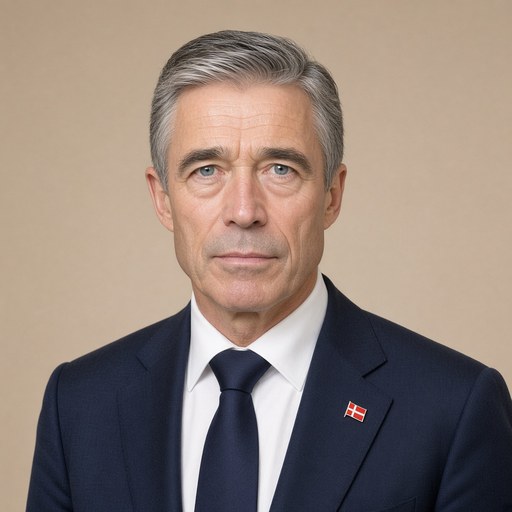
Prime Minister Anders Fogh Rasmussen's speech at the opening of the Folketing on Tuesday, October 5, 2004.
 Anders Fogh Rasmussen · Prime Minister of Denmark
- Context
- Rasmussen addressed the Danish Folketing at its annual opening session in October 2001, outlining the government's economic achievements and future policy priorities.
- Main themes
- Danish economy and fiscal policy, globalization and labor market adaptation, adult education and retraining, entrepreneurship and innovation, welfare state sustainability, primary school reform, tax freeze and tax cuts, employment growth, skills and competitiveness, public sector expansion
- Duration
- ~41 min
- Words
- 4,930
- Sentences
- 406
- Readability
- 53
- Grade
- 8.6
- Syntax
- 2.43
- Vocabulary
- 2.10
Translated from Danish
The broad sphere of national life a sentence belongs to. Every sentence has an Arena, so it is the denominator the other indices are read against.
Other406 sentences in 124 paragraphs
Things are going well in Denmark.
We have a solid economy. One of the strongest in Europe. We have a record surplus in the balance of payments. The surplus in public finances is among the largest in Europe. Public debt has been reduced by over 17 billion kroner since 2001. And interest rates are very low.
Solid surpluses. Reduction of debt. At the same time, taxes have been lowered.
We introduced a tax freeze from the first day of the government. And we have adhered to it. There has now been a tax freeze for 1,043 days. Yes, we have even gone further. This year we have provided tax cuts amounting to nearly 10 billion kroner.
Tax freeze and tax cuts. And we have achieved this while also implementing improvements in welfare. Since 2001, public consumption has grown by 13 billion kroner. Money that has been used especially for increased welfare. And there are also more employees to provide welfare. Today there are 14,000 more employees in the public sector than three years ago.
Unemployment has begun to fall. Employment is rising and will next year be higher than ever before.
The government's policy of tax reductions and the Spring Package is working. We are on the right track.
Things are going well. And it will get even better if we maintain the government's course.
Expectations for the future are bright. More and more companies view the economic outlook and employment positively. And the Danish people's confidence in economic development is at an all-time high.
Optimism is flourishing in Denmark.
* * *
Danish society is stronger than ever to meet the challenges of the future. And there are plenty of challenges. But precisely when things are going well, we must take action to secure Danish society so that future generations can experience continued progress, security, and welfare.
The perhaps greatest challenge is what is somewhat alienatingly referred to as globalization.
We are experiencing in these years that part of our production and our jobs are moving to countries to the east, where wages are significantly lower than here.
But we cannot and we should not compete on wages with countries like China and Poland – or set up artificial barriers. That would only make us poorer.
Instead, we must create new jobs by competing on skills. So the jobs we lose to low-wage countries are replaced by good, well-paid jobs.
When others are cheaper, we must be better.
We must become better at creating new jobs. We must make Denmark a leading entrepreneurial society. We must research and gain new knowledge and new ideas. And we must translate that new knowledge and those new ideas into growth and jobs.
But we must also maintain security for the individual. In the old days, job security was associated with permanent jobs and long notice periods. Nowadays, job security is also about knowledge, qualifications, and the ability to adapt to new times.
Today, it is not enough to take an education and then believe one can live off it for the rest of one’s life. We must continuously improve our skills. We must be able to meet new demands and adapt to new jobs when old ones disappear.
The willingness to change is the path to security.
Therefore, there must be better opportunities for relevant retraining and further education. For skilled as well as unskilled workers. For those with long educations and for those without. For those who work with the latest technologies and for those who work in traditional crafts. It applies to everyone.
And it is a shared responsibility. For the public sector. For businesses. And for employees.
The government has therefore, together with the labor market parties, initiated a joint project on how we can create a significant boost in adult and further education.
It is my hope that all parties in the Folketing will support this long-term plan and the legislation that will follow up on the work. Tomorrow's challenges require that we improve our entire education system. The government has already implemented a number of crucial reforms of primary schools, high schools, vocational schools, and universities to raise the academic level.
But we believe that there is much more to be done. Among other things, in primary schools. It is unacceptable that certain schools still use outdated books and teaching materials. It is completely hopeless if it is true that there are primary schools that still use atlases with the old Soviet Union's borders. We simply cannot subject the generation that will soon face the challenges of globalization to that.
Primary schools need a boost. Over the next four years, we will allocate a total of nearly 2.3 billion kroner. For more hours. For textbooks. For modernization of facilities. For computers. For further education of teachers.
But money alone is not enough. For we already have the world's most expensive primary school system. The crucial factor is the teaching. The crucial factor is that all students leave school with good academic skills.
We must ensure that our children and young people learn something they can use. Therefore, we have introduced binding goals for what students must be able to achieve at certain grade levels in primary school. And we will give schools better opportunities to test whether the goals are being met. To strengthen knowledge of central parts of Danish literature, a list of authors that students must become acquainted with in school will now be published.
New curricula will be issued for high schools. We will propose strengthened professionalism in teacher and educator training programs. And we will present proposals for individual educational institutions to publish their goals and results, including how many complete their education and how many find employment after completing their education.
In other words, we must believe that it makes a difference that our children learn something. That it is not irrelevant what they learn.
And no, it is not a return to the past. It is an investment in the future.
We are good at generating ideas in Denmark. But we are less good at translating those ideas into growth and employment.
The path from research to business must be shorter, easier, and faster.
Therefore, a new law will give universities and research centers the opportunity to establish companies. Companies that can professionally start new production together with private entities based on researchers' results.
The government will present proposals for the establishment of idea workshops where students and researchers can test and develop new product and business ideas. Incubators that will support the development from inventions to jobs.
We will create an entrepreneurial fund that can provide risk capital for starting new businesses. We are establishing a special, favorable loan scheme for entrepreneurs. We are working with pension funds to secure more resources for investment in new companies.
And we have established the Think Tank for Future Growth, which will provide suggestions on what Denmark should live off in the future.
Denmark must be a technological high jumper. Therefore, the government is establishing a special high-tech fund. We will target the fund's resources to ambitious research and development in areas where there is a chance to create lasting jobs with a future.
The goal is initially to build the fund up to 16 billion kroner. In addition, we will allocate nearly 10 billion kroner for research in next year's finance bill. And we will admit 500 more students to the doctoral program each year so that we can educate a new generation of skilled researchers.
But the government wants to go further than that. We have a vision of Denmark as a leading knowledge society. We will significantly increase the effort in research and development. And we will further improve education. In the spring, the government will present a multi-year plan for Denmark as a leading growth, knowledge, and entrepreneurial society.
We set the goal that the public sector and private companies together increase their efforts in research and development so that by 2010 we reach an amount corresponding to more than 3 percent of the country's total production, gross domestic product. This will place Denmark among the absolute leading countries in Europe when it comes to research and development.
It is a great challenge. But a challenge that we can handle. We have control over the economy. And we have shown before that we can adapt.
I understand well if many people are concerned about all the debate about the relocation of jobs to Eastern Europe and Asia. But we can transform globalization from a threat into an opportunity. If we act wisely. If we improve our skills. If we take action now. And we must.
* * *
Since the change of government in November 2001, the government has gradually renewed and developed the Danish welfare state. A change that has gone hand in hand with security. Now the government continues its work to renew, develop, and create growth and welfare in Danish society.
We start from the individual person – not from the system. We are not bound by special considerations for organizations or movements. Instead, we approach things without prejudice and try to create the best framework for the population.
· We have agreed on a municipal reform that gives each citizen more quality for their money. We strengthen local democracy through strong, sustainable municipalities. We strengthen the municipalities by giving them more tasks.
This is the largest and most important reform of the public sector in many years. A reform that aims to ensure continued improvements in public service. For the sick. For the disabled and vulnerable groups. For the unemployed. And for everyone else.
The reform affects many thousands of employees. To all of you, I would like to emphasize and repeat: All employees will follow the tasks into the new structure. We need your skills and motivation to solve the many important tasks. The government places crucial emphasis on security for the employees.
Across the country, there is currently a rapid development underway. The map of Denmark is changing daily. Many municipalities have decided to merge. Others are on their way to do so. We see optimism and a willingness to change and to think anew across the country. It is a wave of change that shows that the municipal reform is the right solution at the right time. This bodes well for the future.
I am pleased with the agreement we have reached. It is broad in its content. It has broad support among the country's municipal politicians. But unfortunately, there are parties in the Folketing that have chosen to stay outside the agreement. Parties that normally like to be perceived as responsible and reform-friendly.
The politicians in the municipalities have the will and courage to change. They deserve broad support from the Folketing. I therefore hope that there will be broad support for the specific legislative proposals that we will present. The government gives everyone another chance to show that they want to be involved.
· We will continue to renew and improve our hospitals. The treatment of diseases in Danish hospitals must be world-class. And waiting times must be eliminated or be as short as possible.
We have allocated over 3 billion kroner extra to hospitals from 2002 to 2005. And it is working. There are now 70,000 more surgeries performed each year in our hospitals than when the government took office. More doctors and nurses have been hired. And waiting times have fallen significantly.
We have given all citizens – regardless of their financial situation – the right to choose to be treated at a private or foreign hospital if the waiting time at public hospitals is long. This has helped over 37,000 patients to receive treatment for their illness more quickly. 37,000 Danes who have improved their lives. 37,000 Danes who have benefited from this government's break with the ideological blockages of the past.
The next step is to make the quality of treatment even better. With the municipal reform, we are creating five strong health regions that will be geared to deliver the highest quality. By consolidating treatments. By better utilizing the opportunities to treat specific diseases. And by better utilizing the available personnel.
We need to improve cancer treatment. A number of initiatives have already been taken. But we want to further enhance the quality of cancer treatment. Therefore, we will quickly follow up on the recommendations from the Health Authority's cancer steering group. And the government will present a new cancer action plan. The aim is to bring cancer treatment in Danish hospitals up to the highest international level.
· We must continue to improve care for our elderly. Therefore, the government proposes a special and extra effort for the benefit of elderly medical patients.
We have introduced free choice of home care and elderly housing. Municipalities receive an additional 500 million kroner each year for elderly care. More elderly housing is being built. And more than 170,000 elderly people now receive a special elderly benefit. Of these, 150,000 elderly people receive the full amount.
The next step is to improve conditions for the many elderly patients who are hospitalized in our hospitals. We have focused a lot on waiting times and complicated diseases. And this has yielded positive results. Now we are placing stronger focus on the many elderly medical patients with more common diseases such as diabetes and lung diseases. In the finance bill proposal for 2005, the government has allocated a total of 210 million kroner for a special effort for elderly medical patients.
· We will strengthen the effort to get immigrants into work and education and to integrate them better into Danish society overall. Therefore, the government will prevent ghetto formation in the cities. And more immigrants should enter vocational education.
We have tightened immigration policy. And it is working. The number of residence permits is no longer over 17,000 per year. The number has now been reduced by more than half to about 7,000.
Before the election, we promised a firm and fair immigration policy. We have fulfilled that promise. And we will stick to it.
Also the 24-year rule. The rule that states that, as a general rule, one must be at least 24 years old to be able to obtain family reunification here in the country. This rule is necessary. To protect young girls from unfortunate forced marriages and arranged marriages. To ensure proper integration.
There are parties that want to abolish the 24-year rule. Referring to the fact that it contradicts international conventions and human rights. The government must strongly reject that criticism. The 24-year rule does not violate any convention. We maintain a strict immigration policy, yes. But it fully complies with our international obligations. There is nothing to complain about.
The criticism of the 24-year rule actually covers up the fact that there are opposition parties that want to ease immigration policy. There are parties that say: "It doesn't matter whether 4,000 or 10,000 foreigners come to Denmark through family reunification."
I want to make it clear: The government is firmly opposed to that viewpoint. It does matter how many immigrants come to Denmark. We must hold firmly to a strict immigration policy. Only in this way can we ensure education and work for the immigrants who are already here.
Unfortunately, only 4 out of 10 foreigners and descendants are working. That is one of the lowest proportions in all of Europe. The rest are on social assistance or unemployment benefits.
It is too difficult for newcomers, who lack education and Danish language skills, to gain a foothold in the labor market. Among other things, we set high theoretical requirements for those who want to start a practical education - requirements that particularly affect foreigners and descendants. It is like a ladder where the lower rungs are missing. We must make a concerted effort to create more practical entry points to more education. We need to provide opportunities for people to show what they can do in practice before they start an education. One way to do this is through a so-called trainee scheme, which DS Håndværk og Industri and Dansk Metal are in the process of implementing. The government welcomes such initiatives and encourages others to follow this good example. We will now review all public employment areas to create similar opportunities there. Especially the young must have a better offer than social assistance. We should offer them trainee jobs, internships, parental leave arrangements, and similar options instead of social assistance. It should not be possible to receive social assistance if there are good opportunities for such educational placements. Education is better than social assistance. We are doing the young a favor by demanding that they engage in something that has a future. And this applies to all young people, of course.
Unfortunately, we also experience another source of poor integration. There are certain spiritual leaders, imams, and muftis who undermine integration with their statements that oppress women, their religious demands on the younger generation, and their rigid preaching.
I know that very few Muslims in this country share the medieval worldview of these imams and muftis. But I am concerned that these fanatical religious leaders contribute to creating divisions and confrontation in Denmark.
I would like to have a positive dialogue with the groups of immigrants who respect the values on which Danish society is built. Who desire integration, education, and work. Therefore, I will take the initiative to gather representatives of these groups of immigrants for a meeting at Marienborg this autumn. At this meeting, we will discuss with representatives of the immigrants how we can improve opportunities for work, education, and integration in general.
* * *
The government will present a number of additional initiatives:
We will give families with children better opportunities to organize work life and family life. Therefore, we will propose a childcare guarantee for children when they turn 1/2 year old. It cannot be right that there are still, here in 2004, municipalities that cannot offer a proper childcare option. Therefore, we need to legislate so that we can include the last municipalities. This gives families greater security. And it gives parents a real choice of whether they want to use the entire parental leave at once or return fully or partially to their jobs. In addition, we propose more free choice of childcare.
We will strengthen efforts for the weakest groups. Therefore, we propose a special effort to help socially disadvantaged individuals get a job. We will provide targeted assistance to, among others, the homeless and former substance abusers.
And we will expand the offerings for the too many people who today have a very serious alcohol problem. Each individual abuser should be able to quickly receive treatment when they are ready for it. The goal is a treatment guarantee for alcohol abusers.
We will improve safety and legal security through a continued firm legal policy. Therefore, the government proposes to expand the police's ability to use the DNA register in connection with the investigation of crimes. DNA profiles are the modern fingerprints of our time. They provide a greater chance of quickly finding the guilty and exonerating the innocent.
We will take a tougher stance against drunk driving. Drunk driving is reckless behavior. Alcohol is responsible for about one in four fatalities and about one in six injuries in traffic. Therefore, we will tighten the penalties for drunk driving - with higher fines and stricter rules for prison sentences, revocation of driving licenses, and confiscation of vehicles.
We will pursue a forward-looking environmental policy. Therefore, the government proposes several nature projects that will benefit people, animals, and plants. We will improve waterways and river valleys as habitats for endangered species. We will restore former lakes. We will protect raised bogs. We will create new green areas close to cities, where many people can benefit from forest and nature areas. And we will promote the use of more environmentally friendly fuels. Therefore, the government will lower the tax on sulfur-free gasoline and diesel.
* * *
After the expansion with 10 new countries, the EU today is the crucial framework for cooperation among European countries. It is in the EU that the decisive decisions about Europe's future are made. Denmark must be part of it - fully and completely.
We must focus our efforts on making Denmark's influence in the new EU as large as possible. Instead of the endless bickering for and against the EU. We must come up with proposals and initiatives ourselves. We should not settle for defensively and backwardly subtracting 10 or 20 percent from what others have proposed. We must create alliances with other partners to promote proposals and viewpoints that can lead the EU and Europe in the direction we want.
The government has followed that line from day one. And it has worked. Under the Danish EU presidency, we secured the enlargement. Our proposal for a comprehensive and active EU policy towards the new neighbors has also been adopted. And we are at the forefront when it comes to reforming and strengthening the European economy so that Europe can create jobs and ensure citizens' welfare in the future.
We intend to continue that line. Most recently, we have put forward a proposal to double the EU's efforts in research and development. We want to create an internal market for research, development, and education so that the EU can become a leading knowledge economy in the world. And we have presented concrete ideas for strengthened and more effective cooperation to protect citizens from the effects of terrorist attacks and natural disasters.
With the new treaty, the EU will have the necessary framework to develop cooperation. We will have a better treaty. It is necessary for the enlarged EU to function effectively. And it is more democratic. The new treaty provides a clear description of the division of labor in the EU, greater influence for national parliaments, more openness, and a strengthening of citizens' rights in relation to the EU. As you know, we will have a referendum on the new treaty. The government emphasizes that there will be ample time for thorough information and debate before the referendum. And there is reasonably good time. The new treaty will not take effect until November 1, 2006.
The first step will be an attempt to reach a national agreement on the treaty. The government has invited interested parties to negotiations on such an agreement. The aim is to create the broadest possible basis for an offensive Danish policy in the EU going forward.
* * *
Denmark is poised to become a member of the UN Security Council for the next two years. Denmark's election will be a great recognition of Denmark's international profile and security policy engagement. It is a great responsibility. And it is a unique opportunity to have influence.
The government places decisive emphasis on continuing to develop the international legal order through the UN. We want to strengthen the UN and the UN Security Council.
International terrorism and weapons of mass destruction are among the greatest threats to citizens' security. Therefore, it is important that all countries participate in combating terrorism. Denmark will work for this in the Security Council. Therefore, we are also working to obtain the chairmanship of the UN Anti-Terror Committee.
The work in the Security Council will be characterized by the many conflicts in Africa and the Middle East.
Africa must not become the lost continent. The world's wealthy countries must unite to lift the African continent out of its current misery. We must help Africa so that decay and despair are replaced by progress and hope.
A broad effort is needed. Resolve military conflicts. Address refugee issues. Ensure democracy and good governance. Create better trade conditions. Stimulate economic development. Combat AIDS.
The government will present a comprehensive Africa policy in the coming months as a framework for a more coherent and targeted Danish effort. AIDS is the single greatest threat to the population in Africa. The fight against AIDS is the area where an extra effort will truly make a difference. Therefore, the government has proposed an extraordinary allocation to combat HIV/AIDS in 2005.
We will strengthen efforts to help the world's poorest countries with better environment and health. Therefore, the government proposes that we place more emphasis on the environment, clean water, better sanitation, and combating infectious diseases in our development aid.
Nowhere is the need greater than among the millions of refugees who are leading a hopeless existence on the African continent. The government's position is clear: Refugees should be helped as close to their homes as possible. Here we can help best, and here we can help the most. Therefore, the government will strengthen efforts to assist refugees where they are.
The Middle East remains the central hotbed of terror and unrest. We must address that. Therefore, the government has launched an Arab initiative aimed at promoting modernization and democratization in the Arab world. Therefore, the government supports the establishment of a viable and independent Palestinian state. And therefore, we continue our efforts in Iraq.
Many ask themselves:
Why are we participating so actively in the fight against terrorism? What are Danish soldiers doing in Afghanistan? And why is Denmark still in Iraq?
I somewhat understand those questions. It would indeed be easier for us to stay away. Stay home. And tend to our own garden.
But that would be the wrong path. Make no mistake. The situation in distant countries also affects our lives in Europe. Democracy in Iraq will show the Arab peoples that there is another way than oppression, terror, and tyranny. Democracy in Iraq will therefore contribute to greater security in Europe. Peace in Iraq will contribute to safety in Europe.
If the free world gives up in Iraq now, it will give extremists and terrorists free rein. And they will not stop at Iraq's borders. Therefore, we must help the Iraqi people build a free, peaceful, and modern Iraq. Therefore, we must assist the Iraqi government in creating more calm and security. Therefore, we must work with the UN to secure and protect the process leading to democratic elections in Iraq.
And that is why I am pleased that there is broad support in the Folketing to extend the Danish forces' mission in Iraq.
* * *
We will continue to renew and modernize the realm community. Influence, shared responsibility, cooperation - these are key words in a modern community. This is also the attitude behind the government's desire to renew the realm community with the Faroe Islands and Greenland: A cooperative realm community in keeping with the times.
Influence and cooperation are the aim of the government's proposal for a foreign policy mandate for the Faroe Islands and Greenland. This will give the regional governments the opportunity for independent foreign policy action on behalf of the realm in their own affairs.
The Faroese Prime Minister and I agree to seek to implement legislation that will allow the Faroese authorities to take over responsibility for a number of new areas.
These are areas of great importance to the individual citizen, such as the judiciary, criminal justice, family law, and immigration. The limit will only be set by the frameworks provided by the constitution and the realm community.
The decision on the pace and scope of the takeovers will lie with the Faroe Islands. And a fundamental principle will be that the takeovers of new areas of responsibility go hand in hand with the financial responsibility.
The government and the Greenland Home Rule have established a parliamentary commission. It will propose how the Greenlandic authorities can take over responsibility for more areas. Here too, a path has now been laid for the renewal of the relationship between Greenland and Denmark. Within the frameworks of the constitution and the realm community.
* * *
We are now entering the fourth parliamentary session since the government took office with new goals for Danish society.
The promises we made before the election in 2001 have been fulfilled. And more.
Now we are once again embarking on a new, busy parliamentary year.
We have a good political tradition in Denmark. We can disagree. Sometimes even vehemently disagree. But we generally seek to take the other party's views into account. And we strive for broad political agreements.
I am pleased that it has been possible to create broad political agreements between the government and the parties in the Folketing. Since the election in November 2001, about 80 percent of the laws have been passed with a broad majority here in the Folketing.
And it is not just small laws. There is broad support behind a number of major reforms: the Folkeskole reform, the gymnasium reform, the university reform, the multi-year agreement for vocational schools, the defense agreement, the agreement on "More in Work," agreements on the North Sea and on energy. Just to mention some of the larger agreements.
Of course, it is not an end in itself that there is broad support behind the laws. The most important thing is, of course, that we implement what is right and necessary. But it is a clear advantage if we can simultaneously create political breadth behind significant reforms.
The government will also aim for this in the upcoming parliamentary session.
We invite all parties in the Folketing to a broad collaboration.
May I urge that we begin the work of the Folketing by proclaiming a life for Denmark.
Long live Denmark!
The original Danish. The tags above are read on the English translation's sentences.
Det går godt i Danmark.
Vi har en solid økonomi. Én af de stærkeste i Europa. Vi har et rekordstort overskud på betalingsbalancen. Overskuddet på de offentlige finanser er blandt de største i Europa. Den offentlige gæld er nedbragt med over 17 mia. kr. siden 2001. Og renten er meget lav.
Solide overskud. Nedbringelse af gæld. Samtidig med, at skatterne er blevet sat ned.
Vi indførte et skattestop fra regeringens første dag. Og det har vi overholdt. Der har nu været skattestop i 1043 dage. Ja, vi er endda gået videre. I år har vi givet skattelettelser for næsten 10 mia. kr.
Skattestop og skattelettelser. Og det har vi præsteret samtidig med, at der er gennemført forbedringer af velfærden. Siden 2001 er det offentlige forbrug vokset med 13 mia. kr. Penge der især er brugt på øget velfærd. Og der er også blevet flere medarbejdere til at yde velfærd. I dag er der 14.000 flere ansatte i den offentlige sektor end for tre år siden.
Ledigheden er begyndt at falde. Beskæftigelsen er stigende og vil næste år være højere end nogensinde før.
Regeringens politik med skattenedsættelser og Forårspakke virker. Vi er på rette spor.
Det går godt. Og det kommer til at gå endnu bedre, hvis vi fastholder regeringens kurs.
Forventningerne til fremtiden er lyse. Flere og flere virksomheder ser positivt på de økonomiske udsigter og beskæftigelsen. Og danskernes tillid til den økonomiske udvikling er i top.
Optimismen blomstrer i Danmark.
* * *
Det danske samfund står stærkere end nogensinde til at møde fremtidens udfordringer. Og udfordringer er der nok af. Men netop, når det går godt, skal vi tage fat på at sikre det danske samfund, så de kommende generationer kan opleve fortsat fremskridt, tryghed og velfærd.
Den nok største udfordring er den, man med et lidt fremmedgørende ord kalder globalisering.
Vi oplever i disse år, at en del af vor produktion og vore arbejdspladser flytter til lande østpå, hvor lønningerne er betydeligt lavere end her.
Men vi kan ikke og vi skal ikke konkurrere på lønnen med lande som Kina og Polen – eller opstille kunstige barrierer. Det vil kun gøre os fattigere.
Vi skal i stedet skabe nye job ved at konkurrere på dygtighed. Så de arbejdspladser, vi mister til lavlønslandene, bliver erstattet af gode, vellønnede job.
Når andre er billigere, skal vi være bedre.
Vi skal blive bedre til at oprette nye arbejdspladser. Vi skal gøre Danmark til et førende iværksættersamfund. Vi skal forske og få ny viden og nye idéer. Og vi skal omsætte den ny viden og de nye idéer til vækst og arbejdspladser.
Men vi skal også bevare trygheden for den enkelte. I gamle dage var tryghed på arbejdsmarkedet forbundet med fast job og lange opsigelsesvarsler. I vore dage handler tryghed på arbejdsmarkedet også om viden, kvalifikationer og evnen til at omstille sig til nye tider.
I dag er det ikke nok at tage en uddannelse, og så tro man kan leve af den resten af livet. Vi skal løbende dygtiggøre os. Vi skal kunne matche nye krav og omstille os til nye job, når gamle forsvinder.
Viljen til forandring er vejen til tryghed.
Derfor skal der være bedre muligheder for at kunne få relevant omskoling og efteruddannelse. For faglærte såvel som ufaglærte. For dem med de lange uddannelser og for dem uden. For dem, der arbejder med de nyeste teknologier, og for dem, der arbejder indenfor traditionelle håndværk. Det gælder alle.
Og det er et fælles ansvar. For det offentlige. For virksomhederne. Og for medarbejderne.
Regeringen har derfor sammen med arbejdsmarkedets parter iværksat et fælles projekt om, hvordan vi kan skabe et markant løft af voksen- og efteruddannelserne.
Det er mit håb, at alle Folketingets partier vil bakke op om denne langsigtede plan og om den lovgivning, der skal følge op på arbejdet. Morgendagens udfordringer kræver, at vi forbedrer hele vores uddannelsessystem. Regeringen har allerede gennemført en række afgørende reformer af folkeskolen, gymnasier, erhvervsskoler og universiteter for at højne det faglige niveau.
Men vi mener, at der er meget mere at gøre. Bl.a. i folkeskolen. Det duer ikke, at visse skoler stadig bruger forældede bøger og undervisningsmaterialer. Det er jo helt håbløst, hvis det er rigtigt, at der er folkeskoler, som stadig bruger atlas med det gamle Sovjetunionens grænser. Det kan vi simpelthen ikke byde den generation, der om nogle år skal tage livtag med globaliseringens udfordringer.
Folkeskolen skal have et løft. Over de næste 4 år vil vi tilføre i alt knap 2,3 mia. kr. Til flere timer. Til lærebøger. Til modernisering af lokaler. Til computere. Til efteruddannelse af lærere.
Men penge gør det ikke alene. For vi har i forvejen verdens dyreste folkeskole. Det afgørende er undervisningen. Det afgørende er, at alle elever kommer ud af skolen med gode faglige færdigheder.
Vi skal sikre, at vore børn og unge lærer noget, de kan bruge. Derfor har vi indført bindende mål for, hvad eleverne skal kunne på bestemte klassetrin i folkeskolen. Og vi vil give skolerne bedre mulighed for at teste, om målene bliver nået. For at styrke kendskabet til centrale dele af dansk litteratur vil der nu blive udsendt en fortegnelse over forfatterskaber, som eleverne skal have stiftet bekendtskab med i skolen.
Der bliver udsendt nye læreplaner for gymnasiet. Vi vil foreslå styrket faglighed i lærer- og pædagoguddannelserne. Og vi vil fremlægge forslag om, at de enkelte uddannelsesinstitutioner skal offentliggøre deres mål og resultater, bl.a. hvor mange, der fuldfører uddannelsen, og hvor mange der finder beskæftigelse efter endt uddannelse.
Vi skal med andre ord tro på, at det gør en forskel, at vore børn lærer noget. At det ikke er ligegyldigt, hvad de lærer.
Og nej, det er ikke tilbage til fortiden. Det er investering i fremtiden.
Vi er gode til at få idéer i Danmark. Men vi er mindre gode til at omsætte idéerne til vækst og beskæftigelse.
Vejen fra forskning til forretning skal være kortere, nemmere og hurtigere.
Derfor skal en ny lov give universiteter og forskningscentre mulighed for at oprette selskaber. Selskaber, som med forskernes resultater i hånden professionelt kan starte en ny produktion sammen med private.
Regeringen vil fremlægge forslag om etablering af idéværksteder, hvor studerende og forskere kan afprøve og udvikle nye produkt- og forretningsidéer. Væksthuse, som skal støtte udviklingen fra opfindelser til arbejdspladser.
Vi vil danne en iværksætterfond, som kan skaffe risikovillig kapital til start af nye virksomheder. Vi etablerer en særlig, gunstig låneordning for iværksættere. Vi arbejder sammen med pensionsinstitutterne om at skaffe flere midler til investering i nye virksomheder.
Og vi har nedsat Tænketanken for fremtidens vækst, som skal komme med bud på, hvad Danmark skal leve af i fremtiden.
Danmark skal være en teknologisk højdespringer. Derfor etablerer regeringen en særlig højteknologifond. Vi vil målrette fondens midler til ambitiøs forskning og udvikling på områder, hvor der er chance for at skabe varige arbejdspladser med fremtid i.
Målet er i første omgang at bygge fonden op til 16 mia. kr. Vi vil herudover på næste års finanslov afsætte næsten 10 mia. kr. til forskning. Og vi vil optage 500 flere studerende på forskeruddannelsen om året, så vi får uddannet en ny generation af unge dygtige forskere.
Men regeringen vil videre end det. Vi har en vision om Danmark som et førende vidensamfund. Vi vil øge indsatsen med forskning og udvikling markant. Og vi vil forbedre uddannelserne yderligere. Til foråret vil regeringen præsentere en flerårs-plan for Danmark som førende vækst-, viden- og iværksættersamfund.
Vi sætter det mål, at det offentlige og de private virksomheder tilsammen øger indsatsen med forskning og udvikling, så vi i 2010 når op på et beløb svarende til mere end 3 procent af landets samlede produktion, bruttonationalproduktet. Det vil bringe Danmark blandt de absolut førende lande i Europa, når det gælder forskning og udvikling.
Det er en stor udfordring. Men en udfordring, som vi kan klare. Vi har styr på økonomien. Og vi har før vist, at vi magter at omstille os.
Jeg forstår godt, hvis mange mennesker er bekymrede over al den debat om udflytning af job til Østeuropa og Asien. Men vi kan forvandle globaliseringen fra en trussel til en chance. Hvis vi bærer os klogt ad. Hvis vi dygtiggør os. Hvis vi tager fat nu. Og det skal vi.
* * *
Siden regeringsskiftet i november 2001 har regeringen gradvist fornyet og udviklet det danske velfærdssamfund. En forandring, som er gået hånd i hånd med tryghed. Nu fortsætter regeringen sit arbejde med at forny, udvikle og skabe vækst og velfærd i det danske samfund.
Vi tager udgangspunkt i det enkelte menneske – ikke i systemet. Vi er ikke bundet af særlige hensyn til organisationer eller bevægelser. Vi tager i stedet fordomsfrit fat om tingene og forsøger at skabe de bedste rammer for befolkningen.
· Vi har aftalt en kommunalreform, som giver den enkelte borger mere kvalitet for pengene. Vi styrker det lokale demokrati gennem stærke, bæredygtige kommuner. Vi styrker kommunerne ved at give dem flere opgaver.
Det er den største og vigtigste reform af den offentlige sektor i mange år. En reform der skal sikre fortsatte forbedringer af den offentlige service. For de syge. For de handicappede og de svage grupper. For de ledige. Og for alle andre.
Reformen påvirker mange tusinde medarbejdere. Til alle jer vil jeg gerne understrege og gentage: Alle medarbejdere følger med opgaverne over i den nye struktur. Vi har brug for jeres kompetencer og motivation til at løse de mange vigtige opgaver. Regeringen lægger afgørende vægt på tryghed for de ansatte.
I hele landet er der netop nu en rivende udvikling i gang. Danmarkskortet skifter dagligt udseende. Mange kommuner har besluttet at slå sig sammen. Andre er på vej til det. Vi ser en optimisme og en vilje til forandring og til at tænke nyt over hele landet. Det er en bølge af forandring, som viser, at kommunalreformen er den rigtige løsning på det rigtige tidspunkt. Det lover godt for fremtiden.
Jeg er glad for den aftale, vi har indgået. Den er bred i sit indhold. Den har bred opbakning blandt landets kommunalpolitikere. Men desværre er der partier i Folketinget, som har valgt at holde sig udenfor aftalen. Partier der normalt gerne vil opfattes som ansvarlige og reformvenlige.
Politikerne i kommunerne har viljen og modet til forandring. De fortjener bred opbakning fra Folketinget. Jeg håber derfor, at der vil være bred tilslutning til de konkrete lovforslag, som vi lægger frem. Regeringen giver alle endnu en chance for at vise, at de godt vil være med.
· Vi vil fortsætte med at forny og forbedre vore sygehuse. Behandlingen af sygdomme på danske sygehuse skal være i verdensklasse. Og ventetiderne skal væk eller være de kortest mulige.
Vi har tilført sygehusene over 3 mia. kr. ekstra fra 2002 til 2005. Og det virker. Der opereres nu hvert år 70.000 flere på vore sygehuse, end da regeringen trådte til. Der er ansat flere læger og sygeplejersker. Og ventetiderne er faldet markant.
Vi har givet alle borgere – uanset pengepung – ret til at vælge at blive behandlet på et privat eller udenlandsk sygehus, hvis ventetiden på de offentlige sygehuse er lang. Det har hjulpet over 37.000 patienter til at komme hurtigere i behandling for deres sygdom. 37.000 danskere, der har fået forbedret deres liv. 37.000 danskere, der har haft glæde af denne regerings opgør med fortidens ideologiske blokeringer.
Næste skridt er at gøre kvaliteten i behandlingen endnu bedre. Med kommunalreformen skaber vi 5 stærke sundhedsregioner, som bliver gearet til at levere den højeste kvalitet. Ved at samle behandlinger. Ved bedre at udnytte mulighederne for at behandle specielle sygdomme. Og ved en bedre anvendelse af det personale, der er til rådighed.
Vi er nødt til at forbedre behandlingen af kræft. Der er allerede taget en række initiativer. Men vi ønsker at højne kvaliteten af kræftbehandlingen yderligere. Vi vil derfor hurtigt følge op på anbefalingerne fra Sundhedsstyrelsens kræftstyregruppe. Og regeringen vil fremlægge en ny kræfthandlingsplan. Sigtet er at bringe kræftbehandlingen på de danske sygehuse op på det højeste internationale niveau.
· Vi skal fortsat forbedre omsorgen for vore ældre. Derfor foreslår regeringen en særlig og ekstra indsats til gavn for de ældre, medicinske patienter.
Vi har indført frit valg af hjemmehjælp og ældreboliger. Kommunerne får hvert år tilført 1⁄2 mia. kr. ekstra til ældreplejen. Der bygges flere ældreboliger. Og mere end 170.000 ældre får nu en særlig ældreydelse. Og heraf får 150.000 ældre det fulde beløb.
Næste skridt er bedre vilkår for de mange ældre patienter, som er indlagt på vore sygehuse. Vi har fokuseret meget på ventetider og komplicerede sygdomme. Og det har givet positivt resultat. Nu sætter vi stærkere fokus på de mange ældre, medicinske patienter med mere almindelige sygdomme såsom sukkersyge og lungesygdomme. På finanslovforslaget for 2005 har regeringen afsat i alt 210 mio. kr. til en særlig indsats for ældre medicinske patienter.
· Vi vil forstærke indsatsen for at få indvandrerne i arbejde og uddannelse og i det hele taget integreret bedre i det danske samfund. Derfor vil regeringen forebygge ghettodannelse i byerne. Og flere indvandrere skal ind i erhvervsuddannelserne.
Vi har strammet udlændingepolitikken. Og det virker. Antallet af opholdstilladelser er ikke længere over 17.000 om året. Antallet er nu mere end halveret til ca. 7.000.
Før valget lovede vi en fast og fair udlændingepolitik. Det har vi opfyldt. Og den holder vi fast ved.
Også 24 års reglen. Den regel, som siger, at man som udgangspunkt skal være mindst 24 år for at kunne få familiesammenføring her i landet. Den regel er nødvendig. For at beskytte de unge piger mod de ulykkelige tvangsægteskaber og arrangerede ægteskaber. For at sikre en ordentlig integration.
Der er partier, som vil afskaffe 24 års reglen. Med henvisning til, at den strider mod internationale konventioner og menneskerettigheder. Regeringen må kraftigt afvise den kritik. 24 års reglen strider ikke mod nogen konvention. Vi fører en stram udlændingepolitik, ja. Men den lever helt op til vore internationale forpligtelser. Der er ikke noget at komme efter.
Kritikken mod 24 års reglen dækker reelt over, at der er oppositionspartier, som vil lempe udlændingepolitikken. Der er partier, som siger: ”Det er ligegyldigt, om der kommer 4.000 eller 10.000 udlændinge til Danmark ved familiesammenføring.”
Jeg vil gerne slå fast: Regeringen er lodret uenig i det synspunkt. Det er ikke ligegyldigt, hvor mange indvandrere, der kommer til Danmark. Vi er nødt til at holde benhårdt fast i en stram udlændingepolitik. Kun på den måde får vi mulighed for at sikre uddannelse og arbejde til de indvandrere, som allerede er her.
Desværre arbejder kun 4 ud af 10 udlændinge og efterkommere. Det er én af de laveste andele i hele Europa. Resten er på kontanthjælp eller dagpenge.
Det er for svært at få fodfæste på arbejdsmarkedet for nyankomne, som mangler uddannelse og danskkundskaber. Bl.a. stiller vi høje teoretiske krav til dem, som vil påbegynde en praktisk uddannelse - krav, som især rammer udlændinge og efterkommere. Det er som en trappestige, hvor de nederste trin mangler. Vi må gøre en kraftanstrengelse for at skabe flere praktiske indgange til flere uddannelser. Vi skal give mulighed for, at man kan få lov at vise, hvad man dur til i praksis, før man går i gang med en uddannelse. Én måde at gøre det på er ved en såkaldt trainee-ordning, som DS Håndværk og Industri og Dansk Metal er ved at indføre. Sådanne initiativer hilser regeringen velkommen og opfordrer andre til at følge det gode eksempel. Vi vil nu efterse alle offentlige ansættelsesområder for at skabe tilsvarende muligheder dér. Især de unge skal have et bedre tilbud end kontanthjælp. Vi skal tilbyde dem trainee-job, forpraktik, følordninger og lignende i stedet for kontanthjælp. Det skal slet ikke være muligt at få kontanthjælp, hvis der er gode muligheder for at få sådanne uddannelsespladser. Uddannelse er bedre end kontanthjælp. Vi gør de unge en tjeneste ved at forlange, at de tager sig noget til, der er fremtid i. Og det gælder naturligvis alle unge.
Desværre oplever vi også en anden kilde til dårlig integration. Der er visse åndelige ledere, imamer og muftier, som bekæmper integrationen med deres kvindeundertrykkende udtalelser, deres lovreligiøse krav til den opvoksende generation og deres forstokkede forkyndelse.
Jeg ved, at de færreste muslimer i dette land deler disse imamers og muftiers middelalderlige livssyn. Men det bekymrer mig, at de fanatiske religiøse ledere er med til at skabe skel og konfrontation i Danmark.
Jeg vil gerne have en positiv dialog med de grupper af indvandrere, som respekterer de værdier, det danske samfund bygger på. Som ønsker integration, uddannelse og arbejde. Jeg vil derfor tage initiativ til at samle repræsentanter for disse grupper af indvandrere til et møde på Marienborg her i efteråret. På dette møde vil vi drøfte med repræsentanter for indvandrerne, hvordan vi kan forbedre mulighederne for arbejde, uddannelse og integration i det hele taget.
* * *
Regeringen vil fremlægge en række yderligere initiativer:
Vi vil give børnefamilierne bedre muligheder for at tilrettelægge arbejdsliv og familieliv. Derfor vil vi foreslå en pasningsgaranti for børn, når de fylder 1/2 år. Det kan ikke være rigtigt, at der stadig her i år 2004 er kommuner, som ikke kan tilbyde et ordentligt pasningstilbud. Derfor er vi nødt til at lovgive, så vi får de sidste kommuner med. Det giver familierne større tryghed. Og det giver forældre et reelt frit valg, om de vil bruge hele barselsorloven med det samme eller vende helt eller delvist tilbage til deres job. Desuden foreslår vi mere frit valg af børnepasning.
Vi vil styrke indsatsen for de svageste grupper. Derfor foreslår vi en særlig indsats for at hjælpe socialt udsatte til at få et job. Vi vil give målrettede tilbud om hjælp til blandt andet hjemløse og tidligere misbrugere.
Og vi vil udbygge tilbuddene for de alt for mange mennesker, som i dag har et meget stort alkoholproblem. Den enkelte misbruger skal kunne komme hurtigt i behandling, når vedkommende er indstillet på det. Sigtet er en behandlingsgaranti for alkoholmisbrugere.
Vi vil forbedre tryghed og retssikkerhed gennem en fortsat håndfast retspolitik. Derfor foreslår regeringen at udvide politiets muligheder for at anvende DNA-registeret i forbindelse med efterforskning af forbrydelser. DNA-profiler er vor tids moderne fingeraftryk. De giver større chance for hurtigere at finde de skyldige og frikende de uskyldige.
Vi vil have en skrappere kurs over for spirituskørsel. Spirituskørsel er hensynsløs adfærd. Alkohol er skyld i cirka hver fjerde dræbte og cirka hver sjette kvæstede i trafikken. Vi vil derfor skærpe straffene for spirituskørsel – ved højere bøder og skærpede regler for fængselsstraffe, frakendelse af kørekort og konfiskation af bilen.
Vi vil føre en fremsynet miljøpolitik. Derfor foreslår regeringen flere naturprojekter, som vil gavne mennesker, dyr og planter. Vi vil forbedre vandløb og ådale som levesteder for truede arter. Vi vil genskabe tidligere søer. Vi vil beskytte højmoser. Vi vil skabe nye grønne områder tæt på byerne, hvor mange mennesker kan få gavn af skov- og naturområder. Og vi vil fremme brugen af mere miljøvenligt brændstof. Derfor vil regeringen sænke afgiften på svovlfri benzin og diesel.
* * *
Efter udvidelsen med 10 nye lande er EU i dag den afgørende ramme om samarbejdet mellem Europas lande. Det er i EU, at de afgørende beslutninger bliver taget om Europas fremtid. Her skal Danmark være med – fuldt og helt.
Vi skal bruge kræfterne på at gøre Danmarks indflydelse i det nye EU så stor som mulig. I stedet for de evindelige skænderier for og imod EU. Vi skal selv komme med forslag og udspil. Vi skal ikke nøjes med defensivt og bag ud skuende at trække 10 eller 20 procent fra det, andre har foreslået. Vi skal skabe alliancer med andre partnere om at fremme forslag og synspunkter, der kan føre EU og Europa i den retning, som vi gerne vil.
Den linie har regeringen fulgt fra første dag. Og det har virket. Under det danske EU-formandskab fik vi udvidelsen i hus. Vores forslag om en samlet og aktiv EU-politik over for de nye naboer er også blevet vedtaget. Og vi er i forreste linie, når det gælder om at reformere og styrke europæisk økonomi, så Europa fremover kan skabe job og sikre borgernes velfærd.
Den linie agter vi at fortsætte. Senest har vi spillet ud med et forslag om at fordoble EU’s indsats inden for forskning og udvikling. Vi vil skabe et indre marked for forskning, udvikling og uddannelse, så EU kan blive en førende vidensøkonomi i verden. Og vi har fremlagt konkrete ideer til et styrket og mere effektivt samarbejde om at beskytte borgerne mod virkninger af terrorangreb og naturkatastrofer.
Med den ny traktat får EU den nødvendige ramme for at udvikle samarbejdet. Vi får en bedre traktat. Den er nødvendig for, at det udvidede EU kan fungere effektivt. Og den er mere demokratisk. Den nye traktat giver en klar beskrivelse af arbejdsdelingen i EU, større indflydelse til de nationale parlamenter, mere åbenhed og en styrkelse af borgernes rettigheder i forhold til EU. Som bekendt skal vi have en folkeafstemning om den nye traktat. Regeringen lægger vægt på, at der bliver god tid til en grundig oplysning og debat før folkeafstemningen. Og der er rimelig god tid. Den nye traktat skal først træde i kraft den 1. november 2006.
Første skridt bliver et forsøg på at indgå en national aftale om traktaten. Regeringen har indbudt de interesserede partier til forhandlinger om en sådan aftale. Formålet er at skabe det bredest mulige grundlag for en offensiv dansk politik i EU fremover.
* * *
Danmark har udsigt til at blive medlem af FN’s sikkerhedsråd de kommende to år. Valget af Danmark vil være en stor anerkendelse af Danmarks internationale profil og sikkerhedspolitiske engagement. Det er et stort ansvar. Og det er en enestående mulighed for at få indflydelse.
Regeringen lægger afgørende vægt på fortsat at udvikle den internationale retsorden gennem FN. Vi ønsker at styrke FN og FN’s sikkerhedsråd.
International terrorisme og masseødelæggelsesvåben er nogle af de største trusler mod borgernes sikkerhed. Derfor er det vigtigt, at alle lande deltager i at bekæmpe terrorisme. Det vil Danmark arbejde for i Sikkerhedsrådet. Derfor arbejder vi også for at få formandsposten for FN’s anti-terror komité.
Arbejdet i Sikkerhedsrådet vil blive præget af de mange konflikter i Afrika og Mellemøsten.
Afrika må ikke blive det tabte kontinent. Verdens rige lande må stå sammen om at løfte det afrikanske kontinent ud af den nuværende elendighed. Vi må hjælpe Afrika, så forfald og fortvivlelse bliver afløst af fremskridt og forhåbning.
Der er brug for en bred indsats. Løse militære konflikter. Håndtere flygtningeproblemer. Sikre demokrati og god regeringsførelse. Skabe bedre handelsvilkår. Stimulere økonomisk udvikling. Bekæmpe AIDS.
Regeringen vil i løbet af de kommende måneder fremlægge en samlet Afrika-politik som ramme for en mere sammenhængende og målrettet dansk indsats. AIDS er den største enkeltstående trussel mod befolkningen i Afrika. Kampen mod AIDS er det område, hvor en ekstra indsats for alvor vil nytte. Derfor har regeringen foreslået en ekstraordinær bevilling til bekæmpelse af hiv/aids i 2005.
Vi vil forstærke indsatsen for at hjælpe verdens fattige lande med bedre miljø og sundhed. Derfor foreslår regeringen, at vi i ulandsbistanden lægger mere vægt på miljø, rent vand, bedre sanitet og bekæmpelse af smitsomme sygdomme.
Intet sted er nøden større end blandt de millioner af flygtninge, der henslæber en håbløs tilværelse på det afrikanske kontinent. Regeringens holdning er klar: Flygtninge skal hjælpes så tæt som muligt på deres hjem. Her kan vi hjælpe bedst, og her kan vi hjælpe flest. Regeringen vil derfor styrke indsatsen for at hjælpe flygtningene der, hvor de er.
Mellemøsten forbliver det centrale arnested for terror og ufred. Det må vi forholde os til. Derfor har regeringen lanceret et arabisk initiativ med det formål at fremme modernisering og demokratisering i den arabiske verden. Derfor støtter regeringen, at der bliver etableret en levedygtig og selvstændig palæstinensisk stat. Og derfor fortsætter vi vores indsats i Irak.
Mange spørger sig selv:
Hvorfor deltager vi så aktivt i bekæmpelsen af terrorisme? Hvad skal danske soldater i Afghanistan? Og hvorfor er Danmark stadig i Irak?
Jeg forstår på sin vis godt de spørgsmål. Det ville jo umiddelbart være nemmere, at vi holdt os væk. Blev hjemme. Og passede vor egen have.
Men det ville være den forkerte vej. Tag ikke fejl. Situationen i fjerne lande påvirker også vort liv i Europa. Demokrati i Irak vil vise de arabiske folk, at der er en anden vej end undertrykkelse, terror og tyranni. Demokrati i Irak vil derfor bidrage til mere sikkerhed i Europa. Fred i Irak vil bidrage til tryghed i Europa.
Hvis den frie verden giver op i Irak nu, vil det give ekstremister og terrorister frit løb. Og de vil ikke stoppe ved Iraks grænser. Derfor skal vi hjælpe det irakiske folk med at bygge et frit og fredeligt og moderne Irak. Derfor skal vi hjælpe den irakiske regering med at skabe mere ro og sikkerhed. Derfor skal vi sammen med FN sikre og beskytte processen frem mod demokratiske valg i Irak.
Og derfor er jeg glad for, at der i Folketinget er bred opbakning til at forlænge den danske styrkes indsats i Irak.
* * *
Vi vil fortsætte med at forny og modernisere rigsfællesskabet. Indflydelse, medansvar, samarbejde - det er nøgleord i et moderne fællesskab. Det er også holdningen bag regeringens ønske om at forny rigsfællesskabet med Færøerne og Grønland: Et samarbejdende rigsfællesskab i pagt med tiden.
Indflydelse og samarbejde er sigtet med regeringens forslag om en udenrigspolitisk fuldmagt til Færøerne og Grønland. Den vil give landsstyrerne mulighed for en selvstændig udenrigspolitisk optræden på rigets vegne i egne anliggender.
Den færøske lagmand og jeg er enige om at søge gennemført en lovgivning, som vil give de færøske myndigheder mulighed for at overtage ansvaret for en lang række nye områder.
Det drejer sig om områder af stor betydning for den enkelte borger, som f.eks. retsvæsen, kriminalforsorg, familieret og udlændingeområdet. Grænsen bliver alene sat af de rammer, som grundloven og rigsfællesskabet giver.
Beslutningen om tempo og omfang for overtagelserne vil ligge på Færøerne. Og et grundlæggende princip vil være, at overtagelser af nye ansvarsområder går hånd i hånd med det økonomiske ansvar.
Regeringen og Grønlands Hjemmestyre har nedsat en parlamentarisk kommission. Den skal komme med forslag til, hvordan de grønlandske myndigheder kan overtage ansvaret for flere områder. Også her er der nu lagt et spor til fornyelse af forholdet mellem Grønland og Danmark. Inden for rammerne af grundlov og rigsfællesskab.
* * *
Vi går nu ind i den fjerde folketingssamling, siden regeringen trådte til med nye mål for det danske samfund.
De løfter, som vi gav før valget i 2001, er gennemført. Og mere til.
Nu tager vi atter fat på et nyt, travlt folketingsår.
Vi har en god politisk tradition i Danmark. Vi kan være uenige. Nogle gange endda fløjtende uenige. Men vi søger i reglen at tage hensyn til modparten. Og vi tilstræber brede politiske forlig.
Det glæder mig, at det er lykkedes at skabe brede politiske aftaler mellem regeringen og partierne i Folketinget. Siden valget i november 2001 er omkring 80 procent af lovene vedtaget med et bredt flertal her i Folketinget.
Og det er ikke bare små-love. Der står brede flertal bag en række store reformer: Folkeskolereform, gymnasiereform, universitetsreform, flerårsaftale for erhvervsskolerne, forsvarsforlig, aftale om ”Flere i arbejde”, aftaler om Nordsøen og om energi. Blot for at nævne nogle af de større aftaler.
Selvfølgelig er det ikke et mål i sig selv, at der står brede flertal bag lovene. Det vigtigste er selvsagt, at vi gennemfører det, som er rigtigt og nødvendigt. Men det er en klar fordel, hvis vi samtidig kan skabe politisk bredde bag betydende reformer.
Det vil regeringen også lægge op til i den kommende folketingssamling.
Vi inviterer alle Folketingets partier til et bredt samarbejde.
Må jeg opfordre til, at vi indleder Folketingets arbejde med at udbringe et leve for Danmark.
Danmark leve!