




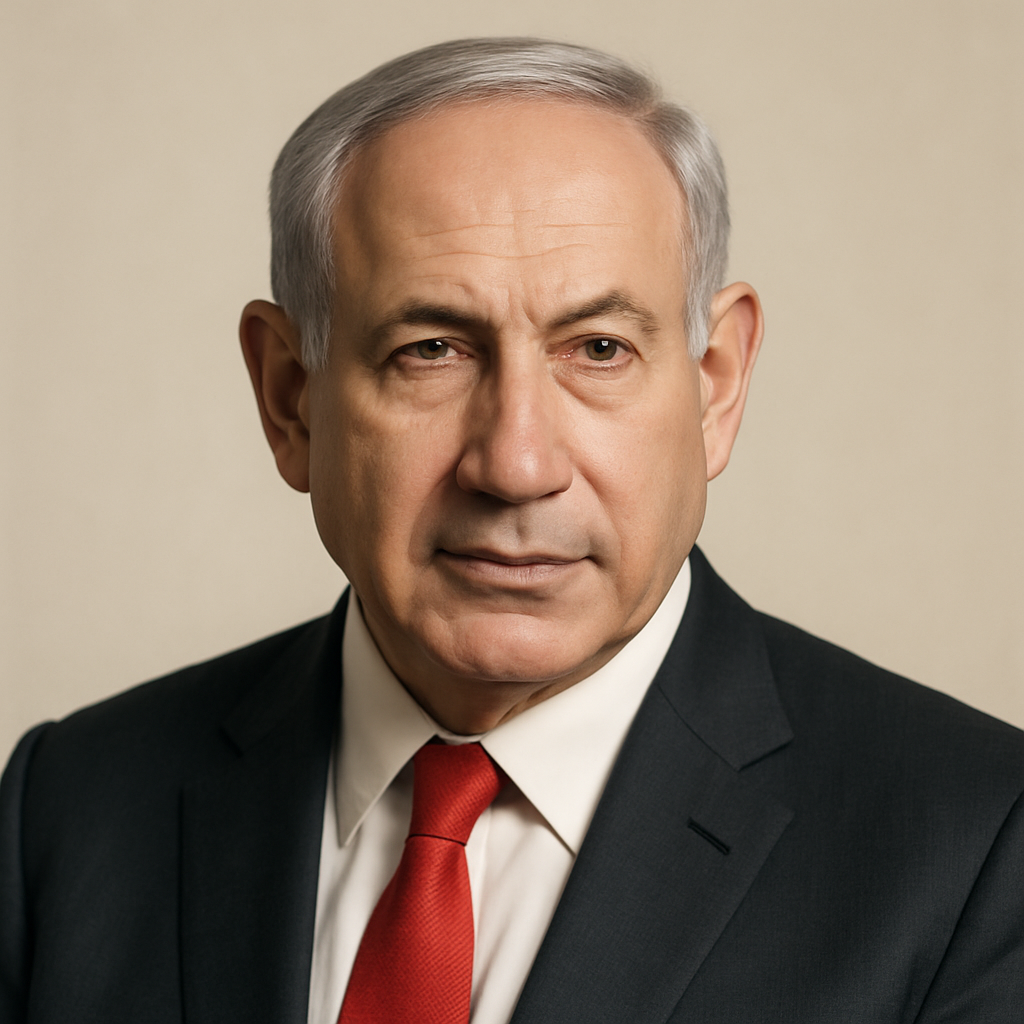
Prime Minister Netanyahu addresses the Knesset plenum - joint statement regarding the establishment of diplomatic relations, peace, and friendship between the State of Israel and the Kingdom of Bahrain.
 Benjamin Netanyahu · Prime Minister of Israel
- Context
- Netanyahu addressed the Knesset plenum on November 10, 2020, to present the normalization agreement between Israel and Bahrain alongside updates on Israel's COVID-19 response.
- Main themes
- Israel-Bahrain normalization agreement, Abraham Accords and Arab-Israeli peace, COVID-19 pandemic response, Pfizer vaccine development, vaccine procurement for Israel, economic recovery measures, Israel's regional diplomacy, Israeli-Arab relations history, Ben Gurion Airport testing
- Duration
- ~13 min
- Words
- 1,595
- Sentences
- 67
- Readability
- 47
- Grade
- 12.6
- Syntax
- 3.12
- Vocabulary
- 2.21
Translated from Hebrew
The broad sphere of national life a sentence belongs to. Every sentence has an Arena, so it is the denominator the other indices are read against.
Other67 sentences in 14 paragraphs
I held another digital conference this morning with my friends, the leaders of Austria, Denmark, the Czech Republic, Greece, Norway, and Australia. We often convene to exchange views and learn from one another. The fight against COVID-19 is global, the number of infections is enormous, over 50 million. The number of deaths is also enormous, over one and a quarter million people. But today, today we have good news both regarding COVID-19 and peace.
First regarding COVID-19, the announcement by Pfizer yesterday about the development of a vaccine with 90% efficacy is a very significant message for humanity. It will take more time, not days, not weeks, but also not years. If we want to compare the global war against COVID-19 to World War II, yesterday was the landing on the beaches of Normandy. It will take more time, but victory over COVID-19 will come, and therefore there is no doubt that there is a great light at the end of the tunnel. I expect that more companies will announce significant progress in vaccine development, possibly in the very near future.
Alongside our own production at the biological institute, I am working with Health Minister Yuli Edelstein and his staff to bring vaccines to the citizens of Israel, as many as possible, as quickly as possible. It should be understood that there will be a long queue for these vaccines, there will be fierce competition for them. We are a small country, and in order not to be pushed to the end of the line, we are already working through all channels, and I am personally working with the leaders of the countries that produce the various vaccines to try to expedite the supply of vaccines to all citizens of Israel without exception - Jews and Arabs, secular and ultra-Orthodox - all of them.
In the meantime, we are also making progress in other areas. We have taken important and decisive steps to curb the infection, and thanks to the cooperation of the citizens of Israel, we have managed to reduce the infection rate in the country to one of the lowest levels in the Western world, but in order to continue, we need to gradually and cautiously open the economy according to infection metrics and thereby continue to save many lives. And in order to continue progressing in the right direction, we must continue to do this together: to adhere to masks, to maintain distance, to ensure hygiene. I tell you, citizens of Israel - put your masks over your noses and see how slowly everything opens up.
At the same time, we are formulating additional economic assistance plans to help businesses, the self-employed, and job seekers. Here is another innovation of ours, yesterday together with Transportation Minister Miri Regev and Health Minister we inaugurated a new laboratory for COVID-19 testing for those entering and leaving at Ben Gurion Airport. We are safely reconnecting Israel to the world, including to our new partners in the peace agreements. Dozens of flights a week will be from Israel to the Gulf states and from the Gulf states to Israel.
Members of Knesset, Mr. Speaker, 41 years ago we achieved a first breakthrough in relations between Israel and the Arab world. Menachem Begin and Anwar Sadat signed a peace agreement between Israel and Egypt. 26 years ago, as you mentioned, the second peace agreement was signed, Yitzhak Rabin and King Hussein signed the peace agreement between Israel and Jordan. And recently, in less than two months, we brought three additional peace and normalization agreements. The agreement we reached with the Crown Prince of the United Arab Emirates, Sheikh Mohammed bin Zayed. The agreement we reached with the King of Bahrain, Hamad bin Isa Al Khalifa, and the agreement we reached with the leaders of Sudan.
Knesset member Sami Abu Shahada, I want to address you and the members of the Joint List, you voted against the peace agreements with the United Arab Emirates, and today you have an opportunity to correct that. But don't worry, if not today, we will soon give you another opportunity to correct it.
And yes, the agreement we reached with the leaders of Sudan, Abdel Fattah al-Burhan and Abdullah Hamdok. These are achievements that are the result of a consistent effort we have made over the years, many open and covert contacts. I tell you, mainly covert. To the same extent, they are the result of another consistent effort that I have led for years, an effort to strengthen our power and status - our status in the Middle East, our status in the world.
Three weeks ago, members of Knesset, we approved the agreement with the United Arab Emirates in the Knesset, today we are focusing on the important agreement with the Kingdom of Bahrain. I want to thank King Hamad, a respected and courageous leader, for his willingness to build a bridge of peace between Israel and Bahrain. Bahrain is a small country with big aspirations, it has oil and natural gas, but it does not rely solely on them. The regime in Bahrain fosters a free economy, a growing economy, an economy of online commerce, of financial technology, of banking, of tourism. The Jewish community in the capital Manama enjoys freedom and tolerance. By the way, tolerance also towards women, not just Jewish women, but women in general.
The agreements we promoted with Bahrain to establish diplomatic relations for business cooperation, and weekly direct flights in both directions, these agreements are a tremendous lever for our economy, a tremendous lever here and now. Almost every day we see exciting news. Ships from the United Arab Emirates continue to unload cargo at the port of Haifa, I suggest you go see it, it is simply amazing. An official delegation of business leaders from Israel is currently in Dubai, agricultural products from Israel marked with the Israeli flag are being sold in markets in the United Arab Emirates. Commercial flights from Israel are passing over Sudan, thus significantly shortening the travel time to Africa and also to South America. And also flights to India, thanks to the passage over Saudi airspace, are becoming shorter and cheaper. Thanks to peace, we will be able to connect pipelines for transporting oil from the Persian Gulf to Israel, and from there to Europe. This is a true energy revolution.
Every agreement, with every country, is a building block in the edifice of peace - on land, at sea, in the air. It is said that the whole is greater than the sum of its parts, so I say in our case - peace is greater than the sum of its parts. This is peace between peoples, peace of mutual respect, peace for peace.
Members of Knesset, the triple peace with the Emirates, with Bahrain, and the normalization with Sudan did not just fall upon us from the sky. It came not only as a result of the sequence of those diplomatic and security contacts we have maintained for many long years. It came from a change in policy. In the last decade, Israeli governments under my leadership have systematically nurtured our strength, in security, in the economy, in technology, in cyber, in foreign relations, in all areas. A strong Israel draws other Arab countries closer to it, including those that have not yet publicly acknowledged the normalization taking shape between us. But I want to tell you that the seeds of normalization are already there, waiting to blossom. If we continue with the policy I have outlined, I am convinced that the blossoming will also be visible above the surface and that there will be more countries that will officially join the circle of peace. This circle will expand, along with stability and prosperity, and together we will stand as a bulwark against radical Islam led by Iran.
This approach has proven itself, in contrast to the old approach that conditioned any movement in relations between Israel and Arab countries, even the smallest, on Palestinian consent. The Palestinian veto has simply stalled peace. Since the Balfour Declaration until today, the Palestinians refuse to recognize the right of existence of the nation-state of the Jewish people in the Land of Israel. They demand withdrawals to the 1967 lines, the uprooting of tens of thousands of Israelis from their homes, flooding Israel with refugees, dividing Jerusalem, and other such demands that no responsible government in Israel could agree to. Therefore, if we are to depend on Palestinian refusal to expand peace, we will have to wait many more years. But I believe that the peace agreements with the Arab world can ultimately lead to a sobering of the Palestinians, and as a result, they may abandon their extreme demands, the practical meaning of which is the destruction of Israel, and only then will the way finally be paved for true peace between us.
The historical developments we have led in the Middle East over the past decade outline the right path for the entire region. We have worked hard on the peace agreements, and the United States of America has greatly assisted in their realization, and I hope it will continue on this path. I want to once again thank from the podium of the Knesset our great friend, my friend Donald Trump, for the tremendous support he has given to the State of Israel - recognizing Jerusalem as the capital of Israel, moving the United States embassy there, recognizing our sovereignty in the Golan, his firm stance against Iran, his consistent support for the UN.
The original Hebrew. The tags above are read on the English translation's sentences.
קיימתי הבוקר עוד ועידה דיגיטלית עם ידידיי, מנהיגי אוסטריה, דנמרק, צ'כיה, יוון, נורבגיה ואוסטרליה. אנחנו מתכנסים לעתים קרובות כדי להחליף דעות וללמוד זה מזה. המאבק בקורונה חובק עולם, מספר הנדבקים עצום, למעלה מ-50 מיליון. מספר המתים גם הוא עצום, למעלה ממיליון ורבע בני אדם. אבל היום, היום יש לנו חדשות טובות גם בקורונה וגם בשלום.
תחילה בקורונה, ההודעה של חברת 'פייזר' אתמול על פיתוח החיסון ביעילות של 90% היא בשורה גדולה מאוד לאנושות. זה ייקח עוד זמן, לא ימים, לא שבועות אבל גם לא שנים. אם רוצים להשוות את מלחמת העולם בקורונה למלחמת העולם השנייה, אתמול הייתה הנחיתה בחופי נורמנדי. זה ייקח עוד זמן, אבל הניצחון על הקורונה בוא יבוא, ולכן אין ספק שיש אור גדול בקצה המנהרה. אני צופה שעוד חברות יודיעו על התקדמות משמעותית בפיתוח החיסון, ואפשר שבזמן הקרוב ביותר.
יחד עם הייצור העצמי שלנו במכון הביולוגי אני פועל עם שר הבריאות יולי אדלשטיין ועם אנשי משרדו להביא חיסונים לאזרחי ישראל, רבים ככל האפשר, מהר ככל האפשר. צריך להבין שיהיה תור ארוך לחיסונים הללו, תהיה עליהם תחרות עזה. אנחנו מדינה קטנה וכדי שלא נידחה לסוף התור, אנו פועלים כבר עכשיו בכל הערוצים, ואני אישית פועל מול מנהיגי המדינות שמייצרות את החיסונים השונים כדי לנסות לזרז את אספקת החיסונים לכל אזרחי ישראל בלי יוצא מן הכלל - יהודים וערבים, חילונים וחרדים - כולם.
בינתיים אנחנו מתקדמים גם בתחומים אחרים. נקטנו צעדים חשובים ונחושים לבלימת התחלואה, והודות לשיתוף הפעולה של אזרחי ישראל הצלחנו להוריד את התחלואה בארץ לאחת הרמות הנמוכות בעולם המערבי, אבל כדי שנוכל להמשיך, אנחנו צריכים לפתוח בהדרגה ובזהירות את הכלכלה על פי מדדי התחלואה ועל ידי כך להמשיך להציל חיים רבים. וכדי שנמשיך להתקדם בכיוון הנכון עלינו להמשיך לעשות זאת יחד: להקפיד על מסכות, להקפיד על מרחק, להקפיד על היגיינה. אני אומר לכם אזרחי ישראל - שימו את המסכות מעל האף ותראו איך לאט לאט הכל נפתח.
במקביל, אנחנו מגבשים תכניות סיוע נוספות לכלכלה כדי לעזור לעסקים, לעצמאיים, למבקשי העבודה. הנה עוד חידוש שלנו, אתמול יחד עם שרת התחבורה מירי רגב ועם שר הבריאות חנכנו בנמל התעופה בן-גוריון מעבדה חדישה לבדיקות קורונה של יוצאים ונכנסים. אנחנו מחברים בחזרה בבטחה את ישראל לעולם, כולל לשותפים החדשים שלנו להסכמי השלום. עשרות טיסות בשבוע שיהיו מישראל למדינות המפרץ וממדינות המפרץ לישראל.
חברי הכנסת, אדוני היושב ראש, לפני 41 שנים השגנו פריצת דרך ראשונה ביחסי ישראל והעולם הערבי. מנחם בגין ואנואר סאדאת חתמו על הסכם שלום בין ישראל למצרים. לפני 26 שנים, כפי שציינת, נחתם הסכם השלום השני, יצחק רבין והמלך חוסיין חתמו על הסכם השלום בין ישראל לירדן. ולאחרונה, תוך פחות מחודשיים, הבאנו שלושה הסכמי שלום ונורמליזציה נוספים. ההסכם שהשגנו עם נסיך הכתר של איחוד האמירויות, השייח' מוחמד בן זאיד. הסכם שהשגנו עם מלך בחריין, חמד בן עיסא אאל ח'ליפה, וההסכם שהשגנו עם מנהיגי סודאן.
חבר הכנסת סמי אבו שחאדה, אני רוצה לפנות אליך ואל חברות וחברי הרשימה המשותפת, אתם הצבעתם נגד הסכמי השלום עם איחוד האמירויות, והיום יש לכם ולך הזדמנות לתקן. אבל אל תדאג, אם לא היום, ניתן לכם בקרוב הזדמנות נוספת לתקן.
וכן, ההסכם שהשגנו עם מנהיגי סודאן, עבד אל-פתאח אל-בורהאן ועבדאללה חמדוכ. אלה הישגים שהם תולדה של מאמץ עקבי שעשינו במשך שנים, מגעים גלויים וסמויים רבים. אני אומר לכם, בעיקר סמויים. באותה מידה הם תולדה של מאמץ עקבי נוסף שהובלתי במשך שנים, מאמץ לביצור עוצמתנו ומעמדנו - מעמדנו במזרח התיכון, מעמדנו בעולם.
לפני שלושה שבועות, חברי הכנסת, אישרנו בכנסת את ההסכם עם איחוד האמירויות, היום אנחנו מתמקדים בהסכם החשוב עם ממלכת בחריין. אני מבקש להודות למלך חמד, מנהיג נכבד ונועז, על הנכונות שלו לבנות גשר של שלום בין ישראל לבחריין. בחריין היא מדינה קטנה עם שאיפות גדולות, יש לה נפט וגז טבעי, אבל היא לא מסתמכת רק עליהם. המשטר בבחריין מטפח כלכלה חופשית, כלכלה צומחת, כלכלה של מסחר מקוון, של טכנולוגיית פיננסים, של בנקאות, של תיירות. הקהילה היהודית בבירה מנאמה, זוכה לחופש ולסובלנות. אגב, סובלנות גם כלפי נשים, לא רק נשים יהודיות, נשים בכלל.
ההסכמים שקידמנו עם בחריין לכינון היחסים הדיפלומטיים לשיתוף פעולה עסקי, וטיסות ישירות שבועיות לשני הכיוונים, ההסכמים הללו הם מנוף אדיר לכלכלה שלנו, מנוף אדיר כאן ועכשיו. כמעט בכל יום אנחנו רואים בשורות מרגשות. אוניות מאיחוד האמירויות ממשיכות לפרוק מטענים בנמל חיפה, אני מציע לכם ללכת לראות את זה, זה פשוט מדהים. משלחת רשמית של ראשי ארגוני העסקים בישראל נמצאת כעת בדובאי, תוצרת חקלאית מישראל שמסומנת בדגל ישראל, נמכרת בשווקים באיחוד האמירויות. טיסות מסחריות של ישראל חולפות בשמי סודאן, וכך מתקצר משמעותית זמן ההגעה לאפריקה וגם לדרום אמריקה. וגם הטיסות להודו, בזכות המעבר בשמי סעודיה, הופכות קצרות יותר וזולות יותר. בזכות השלום נוכל לחבר צינורות להולכת נפט מהמפרץ הפרסי לישראל, ומכאן לאירופה. זו מהפכה אנרגטית של ממש.
כל הסכם, עם כל מדינה, הוא נדבך בבניין השלום - ביבשה, בים, באוויר. אומרים שהשלם גדול מסך כל חלקיו, אז אני אומר במקרה שלנו - השלום גדול מסך כל חלקיו. זהו שלום בין עמים, שלום של כבוד הדדי, שלום תמורת שלום.
חברי הכנסת, השלום המשולש עם האמירויות, עם בחריין והנורמליזציה עם סודאן, לא נפל עלינו סתם כך מהשמיים. הוא בא לא רק כתוצאה מהרצף של אותם מגעים דיפלומטיים וביטחוניים שקיימנו במשך שנים ארוכות. הוא בא משינוי מדיניות. בעשור האחרון ממשלות ישראל בהנהגתי מטפחות בשיטתיות את עוצמתנו, בביטחון, בכלכלה, בטכנולוגיה, בסייבר, ביחסי החוץ, בכל התחומים. ישראל החזקה מקרבת אליה מדינות ערביות אחרות, ביניהן כאלה שעדיין לא נתנו פומבי לנורמליזציה הנרקמת בינינו. אבל אני מבקש לומר לכם שניצני הנורמליזציה כבר שם, בהמתנה ללבלוב. אם נמשיך במדיניות שהתוויתי, אני משוכנע שהפריחה תיראה גם מעל פני השטח ויהיו עוד מדינות שיצטרפו רשמית למעגל השלום. המעגל הזה יתרחב ועמו היציבות והשגשוג, ויחד נעמוד כחומה בצורה מול האסלאם הקיצוני בהובלת איראן.
הגישה הזאת הוכיחה את עצמה, בניגוד לגישה הישנה שהתנתה כל תזוזה ביחסי ישראל ומדינות ערב, ולו הקטנה ביותר, בהסכמה פלסטינית. הווטו הפלסטיני פשוט תקע את השלום. מאז הצהרת בלפור ועד היום הפלסטינים מסרבים להכיר בזכות קיומה של מדינת הלאום של העם היהודי בארץ ישראל. הם דורשים נסיגות לקווי 67', עקירת רבבות ישראלים מבתיהם, הצפת ישראל בפליטים, חלוקת ירושלים ועוד דרישות כאלה וכאלה שאף ממשלה אחראית בישראל לא תוכל להסכים להן. ולכן, אם נהיה תלויים בסרבנות הפלסטינית להרחבת השלום, ניאלץ לחכות עוד שנים ארוכות. אבל אני מאמין שדווקא הסכמי השלום עם העולם הערבי יכולים להביא בסופו של דבר להתפכחות של הפלסטינים, וייתכן שכתוצאה מכך הם יוותרו על הדרישות הקיצוניות שלהם שפירושן המעשי הוא השמדת ישראל, ורק כך תיסלל סוף סוף הדרך לשלום אמת בינינו.
ההתפתחויות ההיסטוריות שהובלנו במזרח התיכון בעשור האחרון מתוות את הדרך הנכונה לאזור כולו. עבדנו רבות על הסכמי השלום, וארצות הברית של אמריקה סייעה רבות למימושם, ואני מקווה שהיא תמשיך בדרך זו. אני שוב רוצה להודות מעל במת הכנסת לידידינו הגדול, לידידי דונלד טראמפ, על התמיכה האדירה שהוא נתן למדינת ישראל - הכרה בירושלים כבירת ישראל, העברת שגרירות ארצות הברית אליה, הכרה בריבונותנו בגולן, עמדתו הנחרצת נגד איראן, תמיכתו העקבית באו