




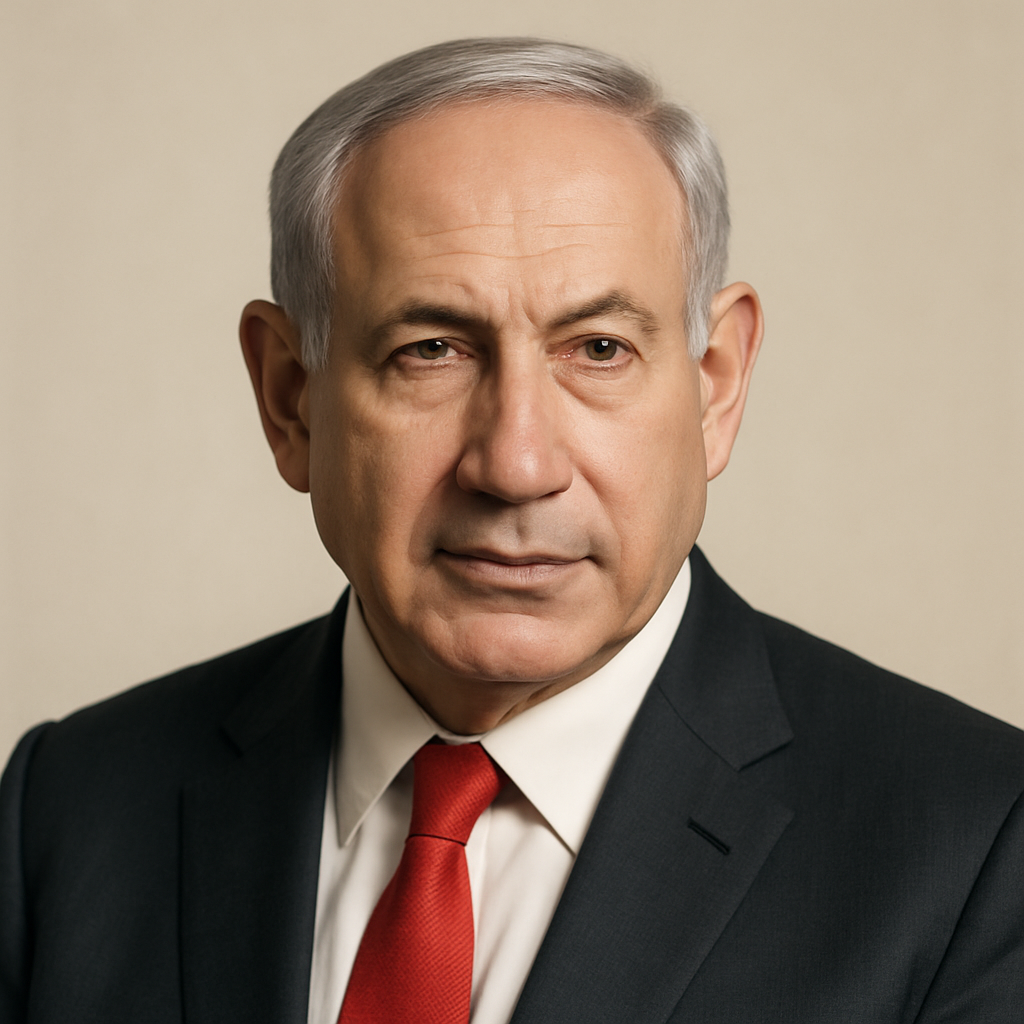
Excerpts from the speech delivered by Prime Minister Netanyahu in the Knesset regarding the establishment of diplomatic, peaceful, and friendly relations with Bahrain.
 Benjamin Netanyahu · Prime Minister of Israel
- Context
- Netanyahu addressed the Knesset on November 10, 2020, urging approval of the Israel-Bahrain normalization agreement as part of the Abraham Accords.
- Main themes
- Israel-Bahrain normalization agreement, Abraham Accords and Arab-Israeli normalization, Israeli-Arab peace history, regional diplomacy and strategic alliances, economic cooperation and trade, Israeli strength as diplomatic leverage, Palestinian veto and peace process, Iran and extremist Islam, Jewish community tolerance in Bahrain, energy and infrastructure cooperation, Knesset ratification debate, expansion of peace circle
- Duration
- ~12 min
- Words
- 1,380
- Sentences
- 62
- Readability
- 47
- Grade
- 12.2
- Syntax
- 2.94
- Vocabulary
- 2.21
Translated from Arabic
The broad sphere of national life a sentence belongs to. Every sentence has an Arena, so it is the denominator the other indices are read against.
Other62 sentences in 15 paragraphs
Forty-one years ago, we achieved a historic breakthrough in Israeli-Arab relations. Menachem Begin and Anwar Sadat signed a peace agreement between Israel and Egypt. Twenty-six years ago, the second peace agreement was signed. Yitzhak Rabin and King Hussein signed the peace agreement between Israel and Jordan. Recently, in less than two months, we brought three additional peace and normalization agreements, namely the agreement with the Crown Prince of the UAE, His Highness Sheikh Mohammed bin Zayed, the agreement we reached with His Majesty King Hamad bin Isa Al Khalifa of Bahrain, and the agreement we reached with the leaders of Sudan, Abdel Fattah al-Burhan and Abdullah Hamdok.
Honorable Member Sami Abu Shahadeh, I would like to address you and the members of the Joint List. You voted against the peace agreements, and today you have the opportunity to correct your actions. But it seems you do not care. If you do not do so today, we will soon give you another chance to correct it.
These agreements are the result of consistent efforts we have made over many years and numerous public and secret communications. And I tell you that the majority of them were secret. To the same extent, they are the result of consistent efforts I have led over the years to strengthen our power and position in the Middle East and in the world.
Three weeks ago, we approved the agreement with the UAE in the Knesset, and today we are focusing on the important agreement with the Kingdom of Bahrain. I would like to thank His Majesty King Hamad, a respected and courageous leader, for his willingness to extend a bridge of peace between Israel and Bahrain. Bahrain is a small country, but it has great ambitions. It has oil and natural gas, but it does not rely solely on them. The Bahraini government fosters a free and growing economy based on online trade, fintech, banking, and tourism. The Jewish community in the capital, Manama, enjoys freedom and tolerance. There is also tolerance towards women, not just towards Jewish women.
The agreements we pushed with Bahrain to establish diplomatic relations will launch commercial cooperation and weekly flights in both directions. These agreements greatly enhance our economy now. Almost every day, you see impactful signs. Ships from the UAE continue to unload their cargo at the Port of Haifa, and an official delegation of heads of business organizations in Israel is currently visiting Dubai, while Israeli agricultural products adorned with the Israeli flag are sold in stores in the UAE. Israeli flights are soaring over Sudan, thus shortening the travel time to Africa and Latin America, and flights to India are made possible by passing through Saudi airspace. The flights are becoming shorter and cheaper. Thanks to peace, we will be able to connect oil pipelines from the Arabian Gulf to Israel and from there to Europe. This is a true energy revolution.
Every agreement with any country is a building block in the edifice of peace by land, sea, and air. Peace is greater than the sum of its parts; this is peace between peoples, peace based on mutual respect, and peace for peace.
Members, peace with the UAE and Bahrain and normalization with Sudan did not fall from the sky. They were achieved not only as a result of a series of diplomatic and security communications we have conducted over many years. They were achieved as a result of a change in policy. Israeli governments under my leadership have systematically nurtured our security, economic, technological, cyber, and diplomatic strength over the past ten years. A strong Israel draws other Arab countries closer to it, including countries that have not yet revealed the normalization that is developing between us. But the signs of normalization are present and waiting to bloom. If we continue the policy I have outlined, I am convinced that this blooming will be revealed, and there will be other countries that will join the circle of peace. This circle will expand, and stability and prosperity will be strengthened, and we will stand together as a bulwark against the extremist Islam led by Iran.
This vision has proven effective, in contrast to the old vision that conditioned any progress in Israeli-Arab relations, however small, on Palestinian approval. The Palestinian veto has completely obstructed the peace process. From the Balfour Declaration until today, the Palestinians have refused to recognize the right of the Jewish people to exist in the Land of Israel. They demand a withdrawal to the 1967 lines, the uprooting of tens of thousands of Israelis from their homes, flooding Israel with refugees, the division of Jerusalem, and other demands that no responsible government in Israel can accept. Therefore, if we rely on the Palestinian rejection to expand the circle of peace, we will have to wait many years. But I believe that peace agreements with the Arab world may contribute to the Palestinians returning to their senses, and perhaps as a result, they will abandon their hardline demands, which in essence aim at the destruction of Israel. Only in this way will the path to true peace between us be paved.
The historical developments we have led in the Middle East over the past decade chart the right path for the entire region. We have worked hard on peace agreements, and the United States has helped greatly in realizing them, and I hope it will continue on this path. I would like once again to thank from the Knesset podium our great friend, my friend Donald Trump, for his tremendous support for the State of Israel – for recognizing Jerusalem as the capital of Israel, for moving the American embassy there, for recognizing our sovereignty over the Golan Heights, for his firm stance against Iran, for his consistent support in the United Nations, and for strengthening our security relations and peace agreements. I welcome my friend Joe Biden and Kamala Harris for their support of these agreements.
The Leader of the Opposition said yesterday that I have neglected relations with the Democratic Party. For 38 years, I have made tireless efforts to strengthen our relations with the United States across all its parties, presidents, Congress, the Senate, and public opinion, and I have conducted hundreds of television and radio interviews with both right-wing and left-wing media. I have built warm and long-lasting relationships with Joe Biden, whom I first met when he was a young senator and I was the minister in charge at the Israeli embassy in Washington in 1982. Since then, we have met and talked many, many times.
But I will not forget two moments etched in my mind and heart: the moving words he said about my father after his passing in 2012 and our long conversation when I called him after the death of his son Beau in 2015.
Every time I visit Capitol Hill, I always meet with leaders of both parties in Congress and the Senate. And when members of the Senate and Congress visit Israel, I love to meet each and every one of them without distinction because I believe that strengthening bipartisan support for Israel is a fundamental core of our foreign policy.
I place immense importance on explaining Israeli policy to both parties, but I do not stop at explaining it; I insist on it, regardless of whether the administration is Republican or Democratic.
The alliance between us and America is strong even when there are differences of opinion with different administrations. I take great pride that despite the differences with President Obama's administration, I reached an agreement with him to provide a military aid package to Israel worth $38 billion, which is the largest aid package in history. I am committed to upholding the vital interests of our existence and our future, and I will do so with the next American administration.
Future generations will remember the Abraham Accords as the foundation of peace between Israel and the Arab states in the 21st century. The children of Abraham, Jews and Muslims, are joining hands to bring blessings to humanity. We will continue to work from a position of strength and faith in the justice of our cause to solidify relations with Bahrain, the UAE, Sudan, and other countries, with God's help.
The original Arabic. The tags above are read on the English translation's sentences.
حققنا قبل 41 عاما انفراجا تاريخيا في العلاقات الإسرائيلية العربية. ميناحيم بيغين وأنور السادات وقعا على اتفاقية سلام بين إسرائيل ومصر. قبل 26 عاما تم التوقيع على اتفاقية السلام الثانية. إسحاق رابين والملك الحسين وقعا على اتفاقية السلام بين إسرائيل والأردن. ومؤخرا, وفي غضون أقل من شهرين, جلبنا ثلاث اتفاقيات سلام وتطبيع أخرى وهي الاتفاقية مع ولي عهد الإمارات سمو الشيخ محمد بن زايد والاتفاقية التي أنجزناها مع جلالة ملك البحرين حمد بن عيسى آل خليفة والاتفاقية التي أنجزناها مع قائدي السودان عبد الفتاح البرهان وعبدالله حمدوك.
أيها النائب سامي أبو شحادة, أود أن أتوجه إليك وإلى نواب القائمة المشتركة. أنتم صوتتم ضد اتفاقيات السلام واليوم لديكم فرصة لتصحيح أفعالكم. ولكن لا يهمك الأمر. إن لم تفعلوا ذلك اليوم فسنعطيكم قريبا فرصة أخرى لتصحيحها.
هذه الاتفاقيات هي وليدة جهود متسقة بذلناها على مدار سنوات طويلة واتصالات علنية وسرية كثيرة. وأقول لكم إن أغلبيتها كانت سرية. وفي نفس المقدار هي وليدة جهود متسقة أخرى قدتها خلال سنوات وهي الجهود لتعزيز قوتنا ومكانتنا في الشرق الأوسط وفي العالم.
قبل ثلاثة أسابيع أقرنا في الكنيست الاتفاقية مع الإمارات واليوم نرتكز على الاتفاقية الهامة مع مملكة البحرين. أود أن أشكر جلالة الملك حمد وهو زعيم محترم وشجاع بسبب استعداده لمد جسر من السلام بين إسرائيل والبحرين. البحرين هي دولة صغيرة ولكن لديها طموحات كبيرة. لديها نفط وغاز طبيعي ولكنها لا تعتمد عليهما فقط. الحكومة البحرينية ترعى الاقتصاد الحر والمتنامي والاقتصاد المبني على التجارة على الانترنت وتكنولوجيا الأموال والمصارف والسياحة. الجالية اليهودية في العاصمة المنامة تحظى بحرية وبتسامح. وهناك أيضا تسامح حيال النساء, وليس فقط حيال النساء اليهوديات.
الاتفاقيات التي دفعناها مع البحرين لإقامة العلاقات الدبلوماسية ستطلق تعاونا تجاريا ورحلات جوية أسبوعين في الاتجاهين. هذه الاتفاقيات تعزز اقتصادنا بشكل عظيم والآن. وكل يوم تقريبا ترى بشائر مؤثرة. سفن من الإمارات تواصل تفريغ حمولتها في ميناء حيفا وبعثة رسمية لرؤساء المنظمات التجارية في إسرائيل تزور دبي حاليا ومنتجات زراعية إسرائيلية تزين بالعلم الإسرائيلي تباع في متاجر الإمارات. رحلات جوية إسرائيلية تحلق في سماء السودان وبهذا تقصر مدة الوصول إلى إفريقيا وأمريكا اللاتينية والرحلات الجوية إلى الهند بفضل المرور عبر الأجواء السعودية. الرحلات تصبح أقصر وأرخص. بفضل السلام سنستطيع ربط أنابيب النفط من الخليج العربي إلى إسرائيل ومنها إلى أوروبا. هذه هي ثورة طاقية حقيقية.
كل اتفاقية مع أي دولة كانت هي مدماك في بناية السلام برا وبحرا وجوا. السلام أكبر من أجزائه فهذا هو سلام بين الشعوب وسلام من الاحترام المتبادل والسلام مقابل السلام.
أيها النواب, السلام مع الإمارات والبحرين والتطبيع مع السودان لم يقعا من السماء. فتم تحقيقهما ليس نتيجة سلسلة الاتصالات الدبلوماسية والأمنية التي قمنا بها على مدار سنوات طويلة فحسب. تم تحقيق ذلك نتيجة تغيير السياسة. الحكومات الإسرائيلية بقيادتي ترعى خلال عشر السنوات الأخيرة قوتنا الأمنية والاقتصادية والتكنولوجية والسايبرانية والدبلوماسية بشكل ممنهج. إسرائيل القوية تقرب إليها دول عربية أخرى, بما فيها دول لم تكشف بعد التطبيع الذي يتطور بيننا. ولكن بوادر التطبيع موجودة وتنتظر الإزهار. وإن واصلنا السياسة التي رسمتها إنني على قناعة بأن هذا الازهار سيكون مكشوفا وستكون هناك دول أخرى ستنضم إلى دائرة السلام. هذه الدائرة ستتوسع وكما سيتم تعزيز الاستقرار والازدهار وسنقف معا سدا منيعا ضد الإسلام المتطرف الذي تقوده إيران.
هذه الرؤية أثبتت نجاعتها وعلى نقيض الرؤية القديمة التي اشترطت كل تقدم في العلاقات الإسرائيلية العربية ولو صغير بموافقة فلسطينية. الفيتو الفلسطيني عرقل عملية السلام بشكل كامل. ومنذ اعلان بلفور وحتى أيامنا هذه يرفض الفلسطينيون الاعتراف بحق الدولة القومية الخاصة بالشعب اليهودي بالوجود في أرض إسرائيل. إنهم يطالبون بالانسحاب لخطوط 67 واقتلاع عشرات الألوف من الإسرائيليين من منازلهم وجرف إسرائيل باللاجئين وتقسيم أورشليم ومطالبات أخرى لا تستطيع أي حكومة مسؤولة في إسرائيل قبولها. ولذا, إذا اعتمدنا على الرفض الفلسطيني بتوسيع دائرة السلام, سنضطر إلى الانتظار لمدة سنوات عديدة. ولكنني أؤمن بأن اتفاقيات السلام مع العالم العربي قد تسهم في عودة الفلسطينيين إلى رشدهم وربما نتيجة ذلك إنهم سيتنازلون عن مطالبهم المتشددة التي معزاها العملي هو تدمير إسرائيل. وهكذا فقط سيتم شق الطريق نحو السلام الحقيقي بيننا.
التطورات التاريخية التي قدناها في الشرق الأوسط خلال العقد الأخير ترسم الطريق الصحيح للمنطقة بأسرها. عملنا كثيرا على اتفاقيات السلام والولايات المتحدة ساعدت كثيرا في تجسيدها وآمل أنها ستستمر في هذا النهج. أود مرة أخرى أن أشكر من منبر الكنيست صديقنا العظيم, صديقي دونالد ترامب, على دعمه الهائل لدولة إسرائيل – على اعترافه بأورشليم كعاصمة إسرائيل وعلى نقل السفارة الأمريكية إليها وعلى اعترافه بسيادتنا على الجولان وعلى موقفه الحازم ضد إيران ودعمه المتسق في الأمم المتحدة وتعزيز علاقاتنا الأمنية واتفاقيات السلام. أرحب بقيام صديقي جو بايدن ومعه كامالا هاريس بالترحيب بهذه الاتفاقيات.
رئيس المعارضة قال أمس إنني أهملت العلاقات مع الحزب الديمقراطي. أبذل منذ 38 عاما جهودا غير متوقفة لتعزيز علاقاتنا مع الولايات المتحدة على جميع أحزابها ورؤسائها والكونجرس ومجلس الشيوخ والرأي العام وأجريت بما في ذلك مئات المقابلات التلفزيونية والإذاعية مع وسائل الاعلام اليمينية واليسارية. أقيم علاقات دافئة وطويلة الأمد مع جو بايدن الذي التقيته لأول مرة وهو سيناتور شاب وأنا الوزير المفوض في السفارة الإسرائيلية في واشنطن عام 1982. ومنذئذ القتينا وتحدثنا مرات عديدة للغاية.
ولكن لن أنسى لحظتين منقوشتين في ذهني وقلبي: الأقوال المؤثرة التي قالها عن والدي بعد وفاته عام 2012 وحديثنا المطول حين اتصلت به بعد وفاة نجله بو عام 2015.
كل مرة أزور تلة الكابيتول ألتقي دائما زعماء الحزبين في الكونجرس وفي مجلس الشيوخ. وعندما يزور أعضاء مجلس الشيوخ والكونجرس إسرائيل, أحب أن ألتقي كل واحد وواحدة منهم بدون أي فرق لأنني أؤمن بأن تعزيز دعم الحزبين الأمريكيين لإسرائيل هو جوهر أساسي في سياستنا الخارجية.
أولي أهمية هائلة لشرح السياسة الإسرائيلية لهذين الحزبين ولكنني لا أكتفي بشرحها بل أصر عليها ولا فرق إذا الإدارة هي جمهورية أو ديمقراطية.
التحالف بيننا وبين أمريكا متين حتى عندما هناك اختلافات بالرأي مع الإدارات المختلفة. أفتخر كثيرا بأن رغم الاختلافات مع إدارة الرئيس أوباما توصلت إلى اتفاق معه على تقديم رزمة مساعدات عسكرية لإسرائيل تصل قيمتها إلى 38 مليار دولار وهذه هي أكبر رزمة مساعدات في التاريخ. إنني ملتزم بالتمسك بالمصالح الحيوية لوجودنا ولمستقبلنا وهكذا سأفعل مع الإدارة الأمريكية القادمة.
الأجيال القادمة ستذكر اتفاقيات إبراهيم كأساس السلام بين إسرائيل والدول العربية في القرن ال-21. أبناء إبراهيم, اليهود والمسلمون, يتشابكون الأيدي من أجل جلب البركة للبشرية. سنواصل العمل من منطلق القوة والإيمان بعدالة قضيتنا من أجل تثبيت العلاقات مع البحرين والإمارات والسودان ودول أخرى بعون الله