




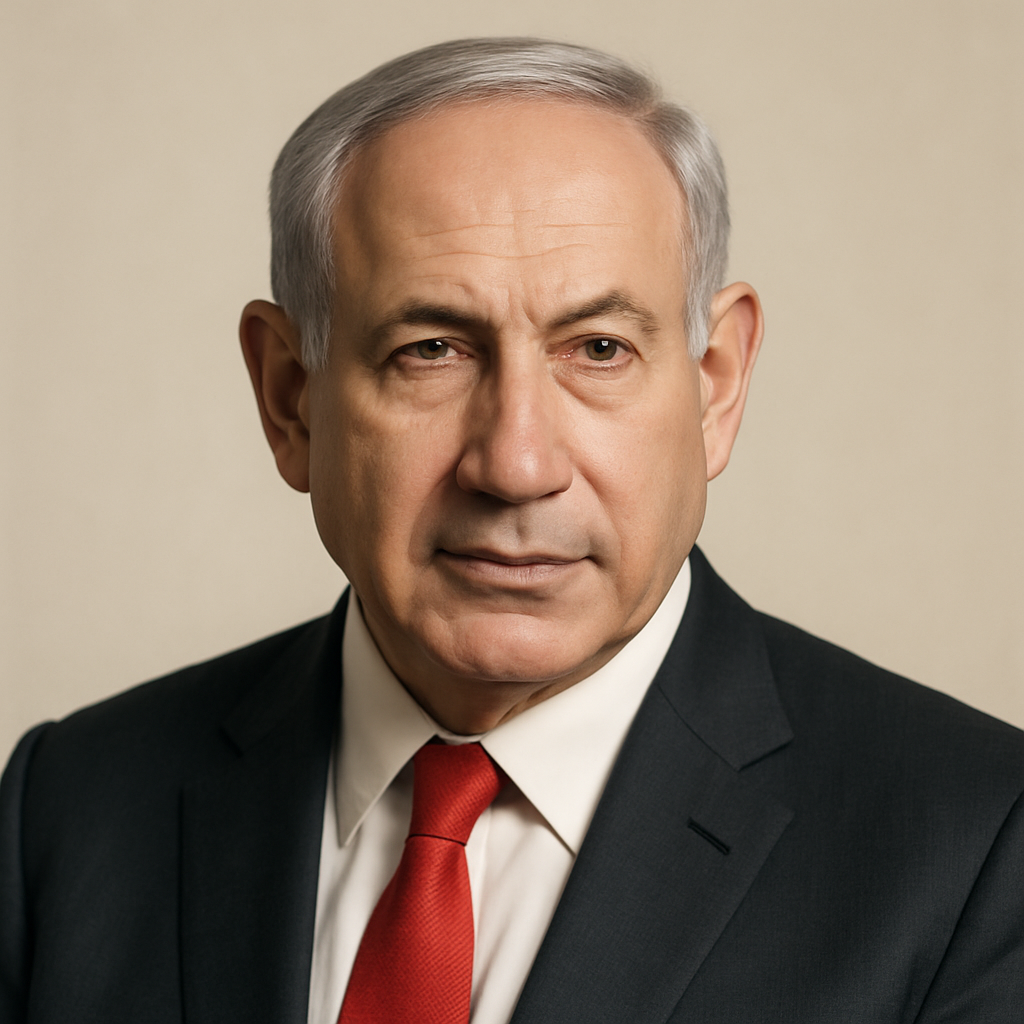
Remarks by Prime Minister Netanyahu at the memorial ceremony for the fallen fighters of the Irgun in the battle for Jaffa.
 Benjamin Netanyahu · Prime Minister of Israel
- Context
- Netanyahu spoke at a memorial ceremony honoring Irgun fighters who fell in the battle for Jaffa, held on April 16, 2023.
- Main themes
- Irgun fighters memorial, battle for Jaffa, Israeli War of Independence, Arab-Jewish conflict 1947-1948, Tel Aviv history, security deterioration, civilian casualties, refugee displacement, pre-state Israel, armed resistance
- Duration
- ~2 min
- Words
- 277
- Sentences
- 12
- Readability
- 48
- Grade
- 12.1
- Syntax
- 3.23
- Vocabulary
- 2.42
Translated from Hebrew
The broad sphere of national life a sentence belongs to. Every sentence has an Arena, so it is the denominator the other indices are read against.
Other12 sentences in 4 paragraphs
- Even during difficult times of violent events, as occurred in the six months leading up to the establishment of the state. During this half-year, a fierce struggle took place here, a battle of titans, between young Tel Aviv and the nearby Jaffa.
Tel Aviv developed, it absorbed new immigrants and became an economic and cultural center. Jaffa, from which the first Tel Avivians emerged, benefited from its proximity to the growing metropolis – but from time to time, the Arab gangs that were in it initiated violent outbursts, encouraged by inciters and agitators. They did this also in the years 1921, 1929, 1936, and peaked in 1947-1948, when the severe escalation turned the rear into a front. Arson, shootings, shelling, booby-trapping houses, dropping bombs – these caused casualties among us and injured many others, all in the southern neighborhoods of Tel Aviv. In the Hatikva neighborhood, for example, a major battle took place in December 1947. One night, hundreds of armed rioters attacked the neighborhood – killing, looting, and setting houses on fire – until they were pushed back.
But the attacks on the southern neighborhoods did not cease. They not only took a toll in lives and bodies, they not only disrupted economic and commercial life – they also created a refugee problem. People do not know that there were simply refugees who left their homes, which were fortified with sandbags, and moved into Tel Aviv, into the quieter parts of Tel Aviv – into basements, stairwells, courtyards, synagogues, buildings under construction.
The deterioration of security in the outlying neighborhoods of Tel Aviv reached a breaking point at the beginning of the spring of 1948.
The original Hebrew. The tags above are read on the English translation's sentences.
- גם בתקופות קשות של מאורעות דמים, כפי שארע בחצי השנה שקדמה להקמת המדינה. בחצי השנה הזו התחולל כאן מאבק עיקש, קרב איתנים, בין תל אביב הצעירה ליפו הסמוכה לה.
תל אביב התפתחה, היא קלטה עולים חדשים והיא הפכה למרכז כלכלי ותרבותי. יפו, שממנה יצאו ראשוני תל אביב, הפיקה תועלת מן הקרבה לכרך הצומח – אבל מעת לעת, מפעם לפעם, יזמו הכנופיות הערביות שהיו בה התפרצויות אלימות, בעידודם של מסיתים ומתסיסים. הם עשו זאת גם בשנים 1921, 1929, 1936, והשיא ב-1948-1947, כשההסלמה החמורה הפכה את העורף לחזית. הצתות, צליפות, הפגזות, מיקוש בתים, הטלת פצצות –אלה הפילו בנו חללים ופצעו רבים אחרים, וכל זה בשכונות הדרומיות של תל אביב. בשכונת התקווה, למשל, התחולל קרב גדול בדצמבר 1947. באחד הלילות תקפו מאות פורעים חמושים את השכונה – הרגו, בזזו והציתו בתים – עד שנהדפו לאחור.
אבל ההתקפות על שכונות-הדרום לא פסקו. הן לא רק גבו מחיר בנפש ובגוף, הן לא רק שיבשו את חיי הכלכלה והמסחר – הן גם יצרו בעיית פליטים. אנשים לא יודעים שהיו פשוט פליטים שעזבו את בתיהם, שמוגנו בשקי חול ועברו לתוך תל אביב, לתוך החלקים האחרים השקטים של תל אביב - במרתפים, בחדרי מדרגות, בחצרות, בבתי-כנסת, בבניינים בהקמה.
התערערות הביטחון בשכונות-הספר של תל אביב הגיעה לנקודת פיצוץ בתחילת האביב של תש